
Germany travel guide
Cities, castles and beer gardens.
History, museums, castles and beer, linked by trains that go almost everywhere, make Germany easy to plan. May to September is warmest, and December brings the Christmas markets. Trains make it easy to combine several cities in a week or two. Expect above-average prices; many nationalities get 90 days without a visa under Schengen rules.
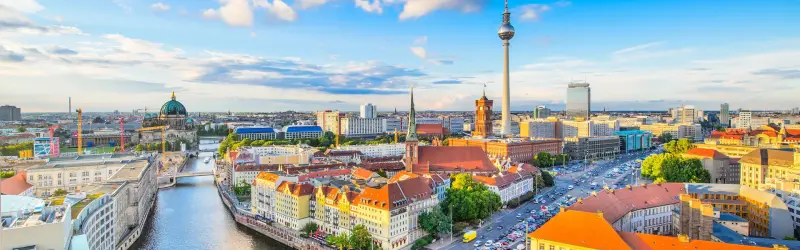
Germany sits at the heart of Europe, between the North and Baltic seas and the Alps. Berlin, its capital, is one of Europe's most dynamic cities, with Museum Island, the Brandenburg Gate, the remains of the Berlin Wall and a famous arts and nightlife scene. Munich, Hamburg, Cologne, Frankfurt and Dresden each have their own character.
Outside the cities, travelers explore the fairy-tale castle of Neuschwanstein in the Bavarian Alps, the vineyards and castles of the Rhine and Moselle valleys, the Black Forest, the medieval towns of the Romantic Road such as Rothenburg ob der Tauber, and the Christmas markets that fill old squares in December. Fast ICE trains connect the main cities.
 "Exploring Germany – A Perfect Blend of History, Culture, and Charm!"
+ Show All Reviews
Best experiences in Germany
Find your kind of trip: 24 travel themes, each with the packages in Germany.
 Wildlife
Hill Station
 Ayurveda Tours
 Seasonal/Event
 Adventure
Wildlife & Safaris
 Pilgrimage
Eco/Nature
 Culture & History
 Honeymoon
 Romantic Getaway
 Cruise
 Water Activities
 Backpacking
 Luxury
 Photography
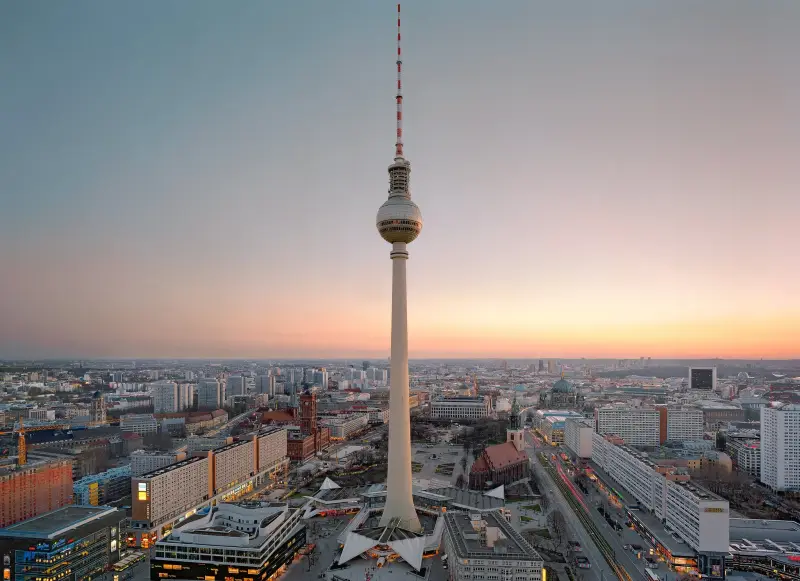 City Slickers
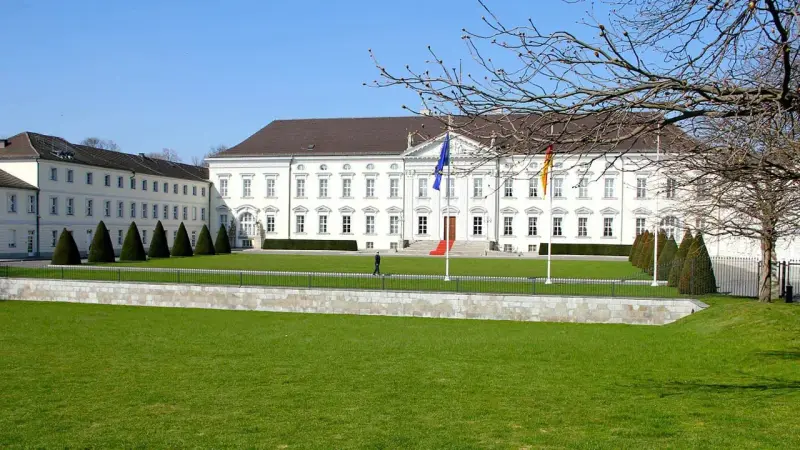 Heritage
 Beach & Relaxation
 Sports & Recreation
 Food & Wine
Train & River Journeys
Skiing
 Overland
Germany at a glance
Shops shut on Sundays and small cafés often want cash; the other entry and money basics follow.
Top destinations in Germany
Pick a place by travel style: nature, cities, heritage, hills, islands.
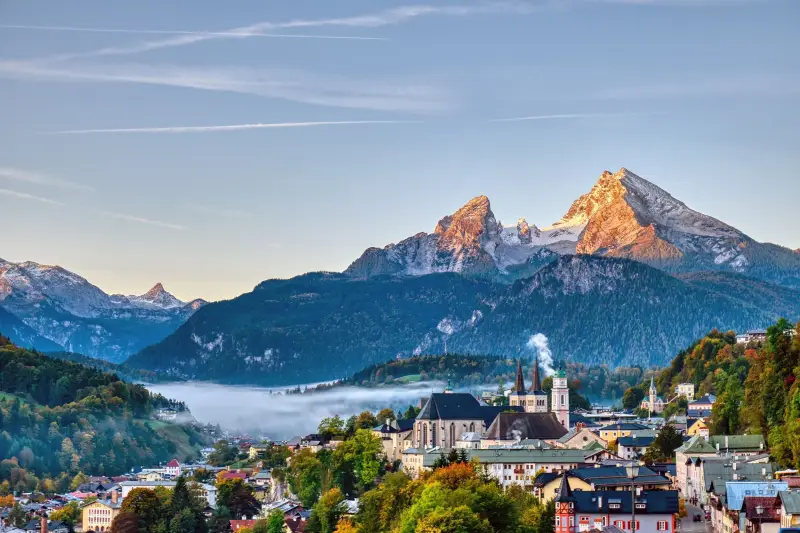 BerchtesgadenBavaria's Alpine corner
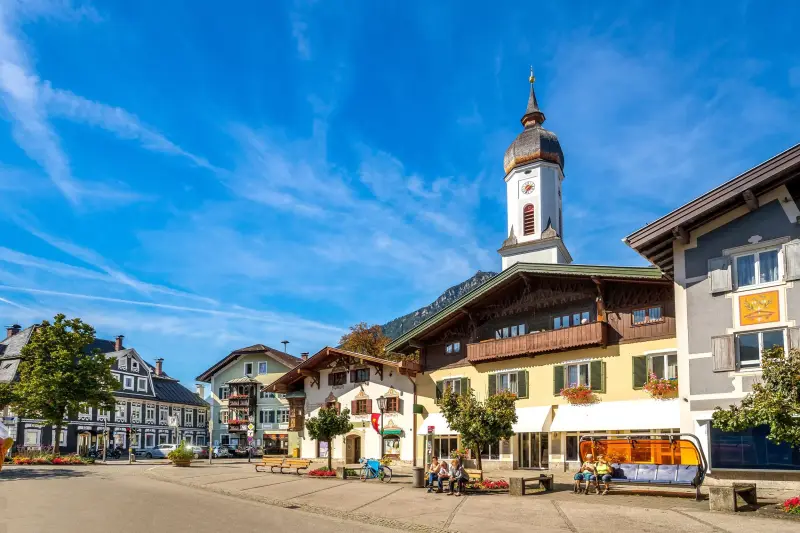 Garmisch-PartenkirchenBavaria's Zugspitze base camp
AachenCharlemagne's border city
AugsburgThe Fuggers' Renaissance city
Baden-BadenBlack Forest spa town
BambergFranconia's Rome on seven hills
Bergisch GladbachCologne's paper town
BielefeldLinen town on the Teutoburg ridge
BochumRuhr mining city reinvented
BonnThe Bonn Republic's riverside capital
BottropRuhr heaps turned lookouts
BraunschweigThe Lion City of Lower Saxony
BremenHanseatic city-state on the Weser
BremerhavenBremen's North Sea harbour
ChemnitzSaxony's former Karl-Marx-Stadt
CochemCastle town on the Moselle
DortmundThe Ruhr's football capital
DuisburgRhine port and steel city
DüsseldorfRhineland art and fashion capital
ErfurtThuringia's city of spires
ErlangenFranconia's university town
EssenCoal, design and lakeside green
Freiburg im BreisgauGateway to the southern Black Forest
FürthNuremberg's older twin
FüssenGateway to Neuschwanstein
GelsenkirchenSchalke's Ruhr mining city
GoslarImperial mining town of the Harz
GöttingenLower Saxony's university town
HagenGateway to the Sauerland
HalleSaxony-Anhalt's salt and Handel city
HammGlass elephant on the Lippe
HanoverLower Saxony's garden capital
HeilbronnWine town on the Neckar
HerneRuhr town of the Cranger Kirmes
IngolstadtAudi's fortress town on the Danube
JenaThuringia's optics and student city
KarlsruheBaden's fan-shaped former capital
KasselHercules, Grimm and documenta
KielGermany's sailing city on the Baltic
KoblenzGateway to two wine valleys
KonstanzLakeside city on the Swiss border
KrefeldThe Lower Rhine's Velvet and Silk City
LeverkusenFootball and chemistry on the Rhine
LindauIsland town on Lake Constance
LudwigshafenChemical city facing Mannheim
LübeckQueen of the Hanseatic League
MagdeburgOtto the Great's city on the Elbe
MainzGutenberg's wine city on the Rhine
MannheimGermany's grid-plan square city
MeissenPorcelain town on the Elbe
MoersLower Rhine jazz town
MönchengladbachFootball and textiles on the Lower Rhine
MülheimCity on the Ruhr
MünsterWestphalia's bicycle capital
NeussGermany's oldest city, by one claim
NurembergFranconia's walled imperial city
OberhausenThe Ruhr's Gasometer city
Offenbach am MainFrankfurt's independent neighbour
OldenburgGrand ducal city by bike
OsnabrückThe city of the 1648 peace
PaderbornSprings, saints and computers
PforzheimThe Black Forest's Gold City
QuedlinburgTimber-framed town of the Harz
RecklinghausenThe Ruhr's festival town
RegensburgMedieval merchant city on the Danube
RemscheidBergisch tools and X-rays
ReutlingenGateway to the Swabian Alb
Rothenburg ob der TauberFranconia's walled time capsule
Rüdesheim am RheinRheingau wine town on the Rhine
SaarbrückenBaroque capital on the French border
SalzgitterLower Saxony's steel city
SiegenIron town of the Siegerland
SolingenThe City of Blades
StuttgartSwabia's hillside capital
TrierGermany's oldest city
UlmCity of the Münster spire
WolfsburgThe Volkswagen city
WuppertalCity of the Schwebebahn
WürzburgBaroque wine city on the Main
Nothing in that category yet.
Top things to do in Germany
Berlin's museums, Bavarian castles, Rhine cruises and December's Christmas markets.
Berlin
Museum Island
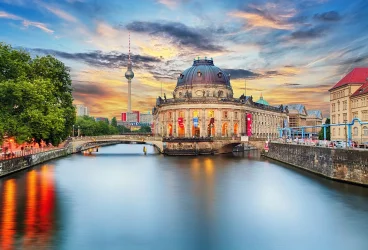
Museum Island occupies the northern part of the Spree Island in the Mitte district of central Berlin, opposite the Berlin Cathedral and the Lustgarten. Over abo...
Berlin
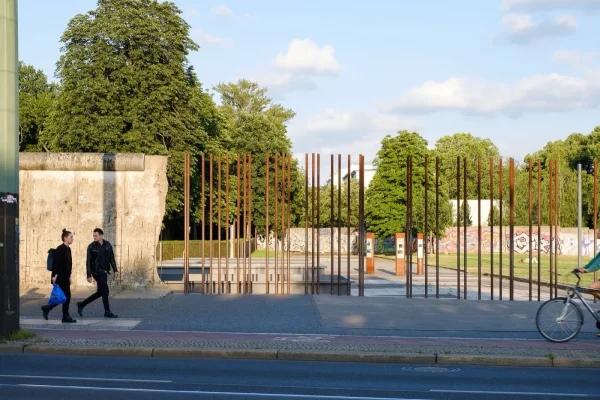
Berlin Wall Memorial
The Berlin Wall Memorial, Gedenkstätte Berliner Mauer, runs for about 1.4 kilometres along Bernauer Strasse, on the former border between the districts of Mitte...
Berlin
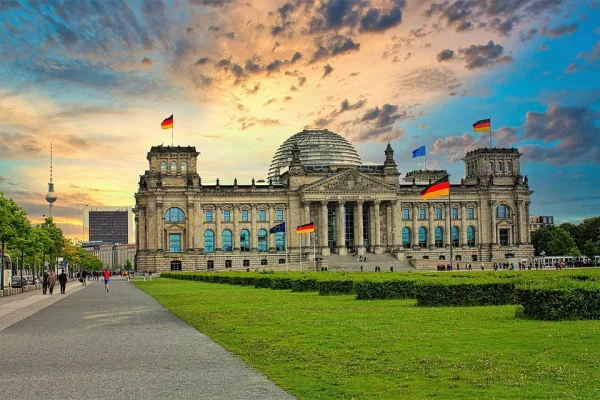
Reichstag Building
The Reichstag stands on Platz der Republik in the Tiergarten area of central Berlin, next to the Brandenburg Gate. It is the seat of the Bundestag, Germany's fe...
Berlin
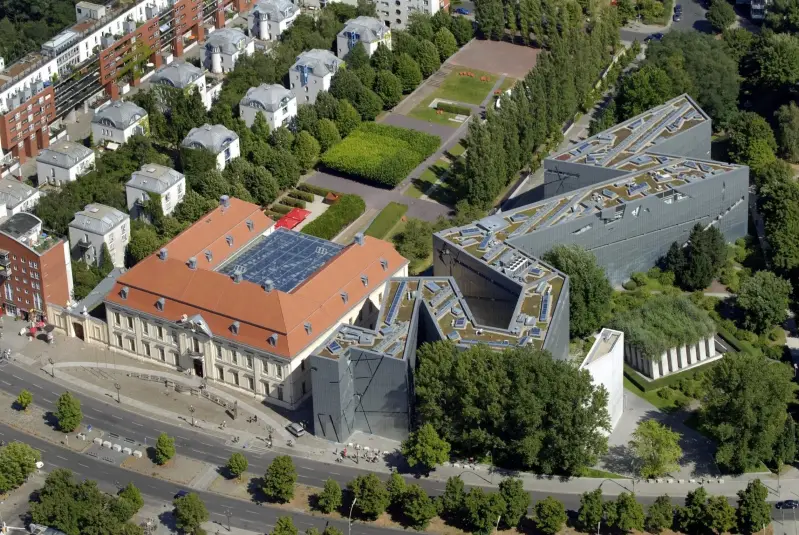
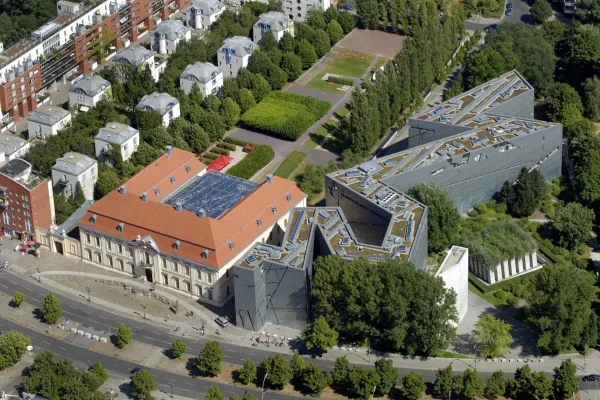
Jewish Museum Berlin
The Jewish Museum Berlin stands in the Kreuzberg district, south of Checkpoint Charlie. It opened in 2001 and, with about 3,500 square metres of exhibition spac...
Potsdam
Sanssouci Palace
Sanssouci Palace stands at the top of a terraced hill in Sanssouci Park, on the western side of Potsdam, about 25 kilometres south-west of central Berlin. It wa...
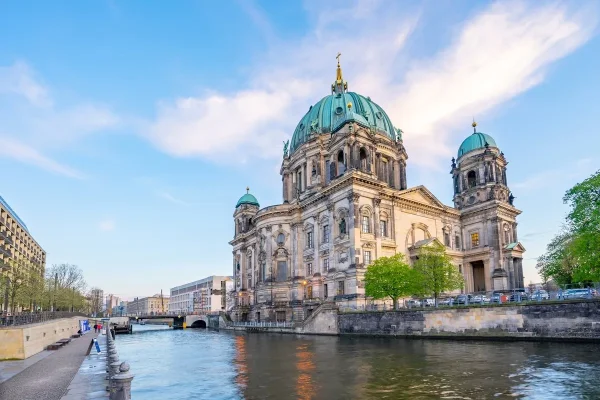
Berlin
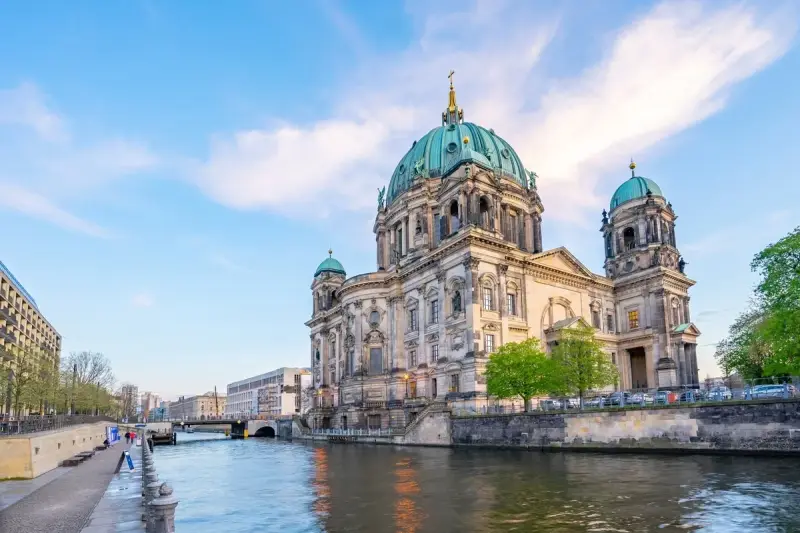
Berlin Cathedral (Berliner Dom)
Berlin Cathedral, the Berliner Dom, faces the Lustgarten on Museum Island in the Mitte district of Berlin, close to the rebuilt Berlin Palace (Humboldt Forum)....
Heidelberg
Heidelberg Castle
Heidelberg Castle stands about 80 metres up the northern slope of the Königstuhl hill, looking down over the Old Town of Heidelberg and the River Neckar in Bade...
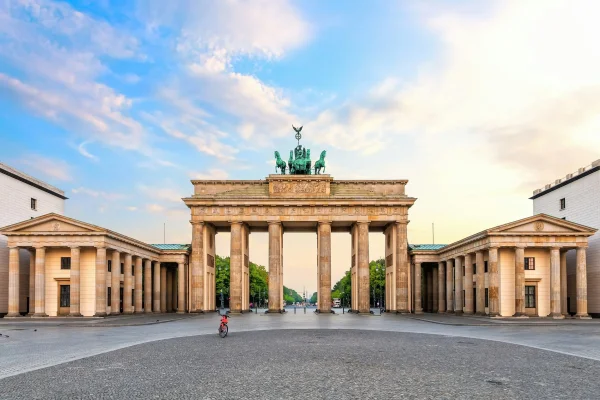
Berlin
Brandenburg Gate
The Brandenburg Gate stands on Pariser Platz at the western end of the boulevard Unter den Linden, in the Mitte district of Berlin, with the Tiergarten park beh...
Germany
Linderhof Palace
Linderhof Palace lies in the Graswang valley in the Ammergau Alps, about 10 kilometres west of the village of Ettal in southern Bavaria. It was built for King L...
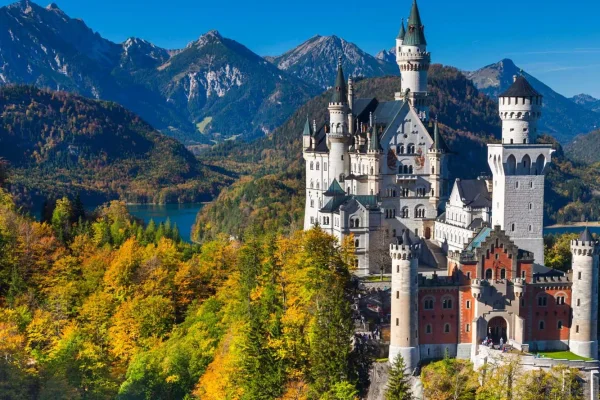
Germany
Neuschwanstein Castle
Neuschwanstein Castle stands on a rocky ridge above the village of Hohenschwangau in the municipality of Schwangau, in southwest Bavaria close to the Austrian b...
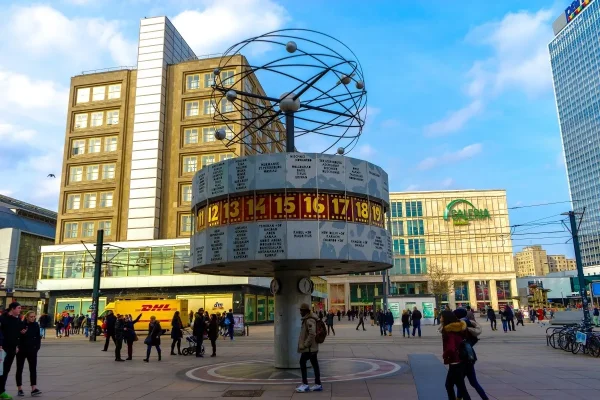
Berlin
Alexanderplatz
Alexanderplatz is a large square in the Mitte district of central Berlin, east of the River Spree and Museum Island. It began as a cattle market outside the old...
Berlin
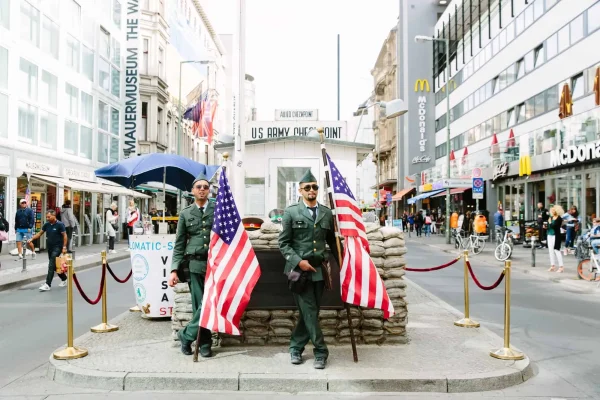
Checkpoint Charlie
Checkpoint Charlie was the best-known crossing point in the Berlin Wall, on Friedrichstraße at Zimmerstraße in central Berlin, Germany. Used from 1961 to 1990 b...
Best time to visit Germany
Summer brings warm days and festivals; book Munich early for Oktoberfest, or come in Advent for the markets.
Warm days, beer gardens, festivals and river cruises.
Cold but festive, with markets in almost every town square.
Cooler and quieter; Oktoberfest in Munich ends in early October.
Munich hotel prices soar during Oktoberfest (late September to early October); book months ahead or stay outside the city.
Packages in Demand
A Journey to Remember
Tours, activities and day trips in and around this destination, with the details you need before booking.
No packages in Germany are listed yet. Browse all packages
Create Your Custom-Made Trip to Germany
Traveling to Germany? Chat with a Local Travel Specialist in Germany Who Can Help Organize Your Trip.
START HERE
Our Travel Experts are Recommended by


Germany travel tips
Short answers on entry, airports, money, health, safety, hotels, rail travel, SIM cards and German manners.
Visas and entry
Schengen area rules
As a Schengen member, Germany shares one set of entry rules with most of the EU. Citizens of the EU and of many other countries, including the US, UK, Canada and Australia, can visit visa-free for up to 90 days in any 180-day period; other nationalities need a Schengen visa. The EU's Entry/Exit System (EES) records non-EU travelers' fingerprints and a photo at the border.
- Visa-free stay
- Up to 90 days in any 180 days, for eligible passports
- Passport
- Issued in the last 10 years, valid 3 months beyond departure
- ETIAS
- Planned online travel authorisation; not yet required
- Confirm with
- travel-europe.europa.eu or an embassy of Germany
Getting there
Frankfurt, Munich and Berlin
Frankfurt (FRA) and Munich are Lufthansa's long-haul hubs, and Berlin Brandenburg, Düsseldorf and Hamburg also have many international flights. ICE and international trains connect Germany with all its neighbours, with direct services from Paris, Amsterdam, Brussels, Vienna and Zurich.
- Main airport
- Frankfurt (FRA)
- Other airports
- Munich (MUC), Berlin Brandenburg (BER), Düsseldorf (DUS), Hamburg (HAM)
- By train
- Direct trains from Paris, Amsterdam, Brussels, Vienna and Zurich
- FRA to the city
- S-Bahn to Frankfurt Hauptbahnhof in about 15 minutes
Money and costs
High destination
Prices in Germany are moderate, below the Nordic countries or Switzerland. Card acceptance has improved, yet many small cafés, bakeries and beer gardens still prefer cash, so carry some euros. Tip by rounding up or adding about 5 to 10%, and return bottles and cans to get the Pfand deposit back.
- Tipping
- Round up or add about 5 to 10%
- Deposit
- Pfand on bottles and cans; return them for a refund
- The Deutschlandticket monthly pass covers local and regional transport nationwide.
- Book ICE tickets early for saver fares.
Health and vaccines
Insurance, pharmacies
Germany asks for nothing beyond routine vaccines. Health care is of a high standard. EU travelers should carry a European Health Insurance Card (EHIC); everyone else needs travel insurance with medical cover.
- Drinking water
- Tap water is safe to drink
- Pharmacies
- Marked with a green cross; one on duty at night in most towns
- Ambulance
- Call 112
- EU visitors
- EHIC gives access to state health care
- Buy travel insurance that covers medical treatment and evacuation.
Staying safe
Very safe
Pickpocketing at large stations, Christmas markets and on big-city public transport is the main risk in a very safe country. Carry ID and validate paper tickets where required. Call 110 for police and 112 for fire or ambulance.
- Emergency number
- Call 112 (fire, ambulance); 110 police
- Cycle lanes
- Keep off them when walking; bikes move fast
- Before you go
- Read your government's current travel advisory for Germany
- Watch bags at busy stations and Christmas markets.
Where to stay
Best areas to stay
Stay near a central station or a main transit line to make day trips easy. In Berlin, Mitte is best for sights, with Prenzlauer Berg or Kreuzberg for neighbourhood life. In Munich, pick the Altstadt or Maxvorstadt.
- Berlin
- Mitte for sights, Prenzlauer Berg or Kreuzberg for neighborhoods
- Munich
- Altstadt or Maxvorstadt
- Rhine Valley
- Bacharach, Boppard or Rüdesheim
- Bavarian Alps
- Füssen for Neuschwanstein, Garmisch-Partenkirchen
Getting around
ICE trains, S-Bahn, car
Deutsche Bahn's ICE trains link the main cities in a few hours, and every city has good public transport. Delays are common, so leave time for connections.
- Fast trains
- ICE: Berlin to Munich in about 4 to 4.5 hours
- City transport
- U-Bahn, S-Bahn, trams and buses
- Regional pass
- Deutschlandticket for all local and regional trains
- Driving
- Excellent autobahns; winter tyres required in snow
- ICE trains reach 330 km/h on high-speed lines; slower IC and EC trains run about hourly on the main routes.
- Buy on bahn.com or the DB Navigator app; cheap Sparpreis fares tie you to the train you booked.
- If your long-distance train is cancelled or more than 20 minutes late, you may take any other train to your destination.
- The Deutschlandticket does not cover ICE, IC or Flixtrain services.
- Flixbus coaches often undercut the train between big cities.
- Uber, Bolt and Free Now run in several cities; ordinary taxis are expensive.
- Motorways carry no tolls for cars, and running out of fuel on the Autobahn is an offence.
SIM and internet
Local SIM or eSIM
EU SIMs roam in Germany at home rates. Everyone else can buy a prepaid SIM at phone shops, supermarkets or drugstores, and it must be registered with a passport or other ID. The three networks are Telekom, Vodafone and O2. Coverage is good in cities, though some rural areas still have gaps.
- Networks
- Telekom, Vodafone, O2
- You need
- Passport for registration
- Coverage
- Good in cities; some rural gaps
Culture and etiquette
Customs and etiquette
Germans value punctuality, order and directness, and quiet hours and recycling rules are taken seriously. Shops close on Sundays, which are kept as a quiet day. Never use Nazi symbols or salutes, which are illegal.
- Sundays
- Shops closed; quiet day
- Greetings
- Handshake and 'Guten Tag'
- Be on time
- Return bottles for the Pfand deposit
- Say 'Prost' and make eye contact when toasting
- Walking in bike lanes
- Crossing on a red pedestrian light
- Nazi symbols or salutes, which are illegal
Things to know before visiting Germany
Sunday closing trips up more visitors to Germany than anything else.
Why travelers love it
- Berlin, with world-class museums, history and nightlife.
- Castles such as Neuschwanstein, Hohenzollern and Eltz.
- Christmas markets in Nuremberg, Dresden, Cologne and beyond.
- Beer culture, from Munich beer halls to local breweries.
- Efficient trains that link the whole country.
Good to know
- Shops close on Sundays almost everywhere.
- Trains can run late; allow time for connections.
- Weather is changeable; pack a rain jacket in summer.
Trip fit
BookingMentor editorial ratings out of 5, based on a first-time visitor's experience.
Berlin weather by month
Berlin has warm summers and grey, cold winters; the Bavarian Alps are colder still.
Monthly averages for Berlin from the climate table of its Wikipedia article (Berlin (Brandenburg), 1991–2020, extremes 1957–present), compiled from the national weather service. The south and the Alps are colder in winter; the Rhine Valley is milder.
Berlin, Bavaria and the Rhine as separate regional bases
Plan the trip region by region. Fast trains cross the country in an afternoon, but two or three bases with day trips work far better, and a sensible plan follows the ICE lines.
- Berlin and the east (about a week): four days in Berlin for Museum Island, the Wall and the Reichstag, with a half-day out to Sanssouci in Potsdam. Then Dresden for the rebuilt Frauenkirche.
- Bavaria and the Alps (a week to ten days): base yourself in Munich for the beer halls and the art museums, then move to Füssen for Neuschwanstein and to Garmisch-Partenkirchen for Alpine walks. A hire car makes the Romantic Road possible, with a night inside the walls of Rothenburg ob der Tauber.
- Rhine, Moselle and Cologne (five days or so): sleep among the vineyards in Bacharach or Boppard. Ride the river boats past the castles, then finish at Cologne's cathedral.
With two weeks, join two of these. Berlin to Munich takes about 4 hours on the fastest trains; the classic first-timer route runs Berlin, then Dresden or Nuremberg, then Munich with the Alps.
Saver train tickets go on sale up to 180 days ahead and rise as seats sell. Munich during Oktoberfest (late September into early October) is the one place where rooms run short. Reserve months ahead or sleep in a nearby town. Christmas market weekends fill central hotels too. Shops close on Sunday.
Rain jackets in July, river cruises and Christmas markets
Expect changeable weather in any month and pack a rain jacket even for July. The north and west are milder and damper, the Alps cold.
May to September is the long, light season. River cruises run on the Rhine and Moselle.
By September the summer crowds have gone.
Days between November and March are short and mostly overcast. The Bavarian Alps get snow and skiing. From late November, Christmas markets fill the old squares with wooden stalls and steaming Glühwein; Nuremberg and Dresden are at their most atmospheric then.
Cologne's carnival goes wild around February.
Currywurst, rye bread and other cheap German eating
German food is hearty and regional, and eating well costs little if you use street stands and bakeries. An Imbiss stand sells Bratwurst with fries, Berlin's signature is Currywurst (sliced sausage under spiced ketchup and curry powder), and döner kebab is the nation's favourite cheap meal.
Bakeries sell dark rye loaves, filled rolls and decent coffee, and on the coast harbour stalls sell Fischbrötchen.
Bavaria serves boiled Weißwurst alongside its pretzels; Berlin has Königsberger Klopse meatballs.
Beer changes town by town, and around Bamberg small family breweries abound. In traditional Bavarian beer gardens you may bring your own picnic as long as you buy their drinks. Frankfurt drinks Apfelwein (cider) instead; the steep vineyards of the Mosel and Rheingau grow excellent Riesling.
Restaurant manners are simple but different. Sharing a table with strangers is normal when a place is full; a quick Guten Tag is enough. Tip by naming a rounded-up total as you pay (usually up to about 10%), or say Stimmt so to keep the change. Use surnames and Sie with people you don't know, and expect directness.
Travelers are asking
Deutsche Bahn ICE trains link the main cities. Book early for saver fares, and consider the Deutschlandticket for local and regional trains.
Mostly no. Shops close on Sundays by law, though some stores at stations and airports stay open.
Most run from late November until just before Christmas, and some stay open until New Year.
Our travel desk answers questions about Germany
How We Research This Guide
The German National Tourist Board, Deutsche Bahn and the UK Foreign Office's Germany advice are our main checks, and Berlin's long-term averages fill the climate table.
Last updated . Spotted something out of date? Tell us.
Checked against trusted sources:
German National Tourist BoardDeutsche BahnUK Foreign Office travel advice
Before You Go...
Discover Trips & Info
A Travel Network Connection Travelers and locals
Incredible Event & Festival, Don't Miss!
Most Popular Event & Festival of Germany
Festivals and events in this destination, with dates, venues and ticket details where available.
Nov, 2026
Cultural Events, Winter Festivals, Fair
Germany
Feb, 2027
Cultural Events, Arts Festivals, Film Festivals
Berlin, Germany
Memorable Experiences
Where to Go (& NOT Go) In Germany!
Roaming the World one Adventure at a Time: Travel Tales, Tips, and Inspiration for wanderlusters.
Subscriber
Popular car hire destinations
Explore more options to hire a car for cheap
Frequently Asked Questions (FAQs)
Deutsche Bahn tickets, Sunday opening, paying with cash and the Christmas markets top the list of Germany questions.
Timing & weather
May to September is the best time for warm weather, and December for the Christmas markets. Winter is cold, with snow in the south.
July is the warmest month in Germany, with average highs of 25°C, and January the coolest, with lows of -2°C. July is the wettest month, at about 70 mm of rain; April is the driest. Berlin has warm summers and grey, cold winters; the Bavarian Alps are colder still.
Health & safety
Germany is very safe. Watch for pickpockets at busy stations, on public transport and at Christmas markets. Call 112 for fire and ambulance, and 110 for the police.
Yes. German tap water is safe and of high quality, although restaurants usually serve bottled water.
Call 112 for fire or an ambulance and 110 for the police.
Visa & documents
Germany is in the Schengen area, so the 90-days-in-180 visa-free allowance applies to many nationalities; others need a Schengen visa.
Booking
Plan 7 days for Berlin and Munich with a castle day trip, or 10 to 14 days to add the Rhine Valley, Cologne or Dresden.
General
Top places include Berlin, Munich, Neuschwanstein Castle, Hamburg, Cologne, Dresden, the Rhine Valley, the Black Forest, Heidelberg and Rothenburg ob der Tauber.
German is the official language. English is widely spoken, especially by younger people.
Germany uses the two-pin type C and F plugs found across most of Europe, at 230 V and 50 Hz.
Deutsche Bahn's ICE trains link the main cities in a few hours, and every city has good public transport. Delays are common, so leave time for connections.
Germany is best known for:
- Berlin, with world-class museums, history and nightlife
- Castles such as Neuschwanstein, Hohenzollern and Eltz
- Christmas markets in Nuremberg, Dresden, Cologne and beyond
- Beer culture, from Munich beer halls to local breweries
- Efficient trains that link the whole country
Prices & payment
Germany pays in euros. Cards are increasingly accepted, but many small businesses still prefer cash, so carry some euros.
Daily travel costs in Germany are high. Expect higher prices than average.
Getting there
Frankfurt (FRA) and Munich are Lufthansa's long-haul hubs, and Berlin Brandenburg, Düsseldorf and Hamburg also have many international flights. ICE and international trains connect Germany with all its neighbours, with direct services from Paris, Amsterdam, Brussels, Vienna and Zurich.

 Umrah packages from Dhaka