

Lhasa travel guide
High-valley capital of palaces, temples and pilgrim circuits
Lhasa is the main city of the Tibetan plateau, home to the Potala Palace, the Jokhang and the Barkhor pilgrim circuit. May to June and September to October bring mild, mostly dry weather. Allow four days at least, including time to adjust to the altitude.
Lhasa is the capital of the Tibet Autonomous Region, set in a flat valley of the Lhasa River at about 3,656 m. Mountains around the valley rise to roughly 5,500 m, and the river flows on to join the Yarlung Zangbo, known downstream as the Brahmaputra.
The city's religious and royal history begins in the 7th century, when King Songtsen Gampo built the first structures on Marpo Ri hill, the site of the later Potala Palace. The Jokhang and Ramoche temples followed soon after.
The Potala as it stands today was largely built in the 17th century, and it served as the winter residence of the Dalai Lamas from 1649 to 1959. It is now a museum. Together with the Jokhang and the Norbulingka summer palace, it forms a single UNESCO World Heritage listing.
Lhasa City was established in 1960 and became the regional capital in 1965. The central Chengguan District counted 464,736 residents in 2020. Tibetan and Mandarin are both spoken.
The thin air shapes every visit. Oxygen levels are about 68 percent of those at sea level, so most travelers plan a slow first day or two before visiting the main sights and the large monasteries on the city's edge.
Explore Lhasa by theme
Find your kind of trip: 13 travel themes, each with the packages in Lhasa.
Lhasa at a glance
The essentials first-time visitors ask about, in one place.
Explore more of China
Pick a place by travel style: beaches, nature, cities, heritage, islands.
 LijiangYunnan's Naxi old town below the snow peaks
LincangYunnan's tea frontier
 ChengduSichuan's capital of pandas, tea and spice
KunmingChina's Spring City on Lake Dian
 ChongqingHill city of bridges where two rivers meet
 Xi'anTerracotta Army and Silk Road
 ZhangjiajieHunan's mountain city of sandstone towers
 GuilinLimestone peaks along the Li River
 WuhanHubei's capital where the Han meets the Yangtze
 GuangzhouCapital of Cantonese food
 ZhuhaiSeafront, theme parks and the Macau border
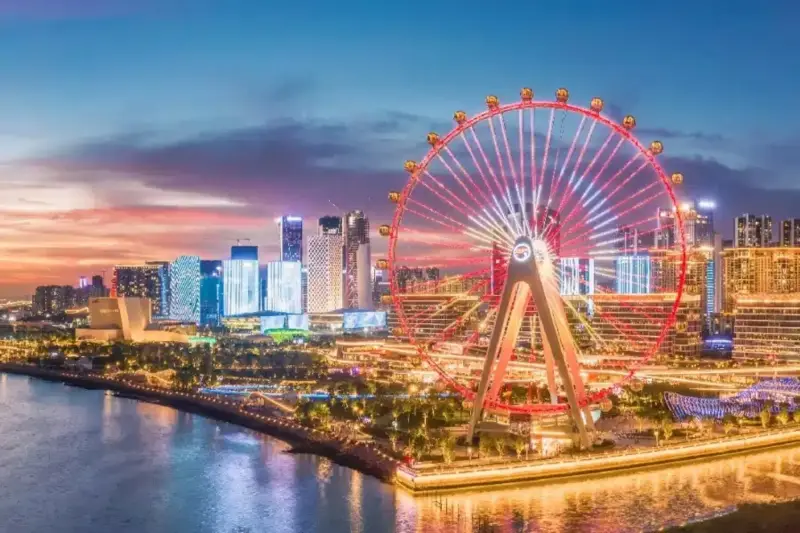 ShenzhenTech city next to Hong Kong
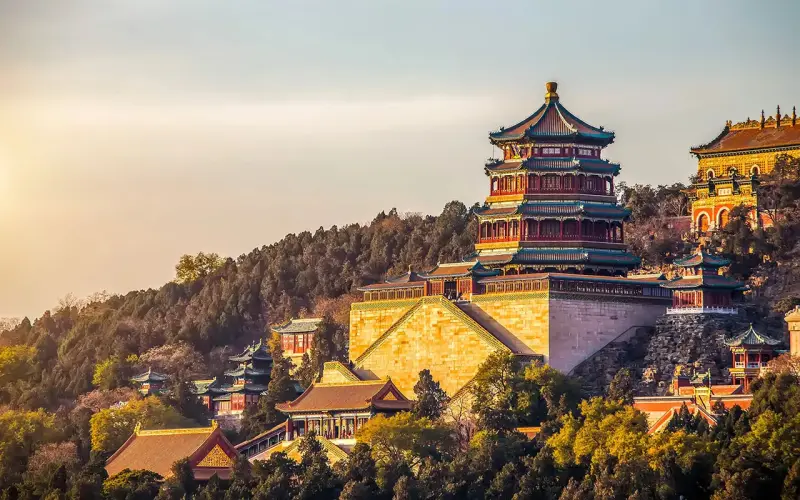 BeijingPalaces and the Great Wall
 TianjinBeijing's old treaty port
 NanjingJiangsu's former imperial capital on the Yangtze
 XiamenFujian's island port of temples, pianos and Minnan food
 HangzhouWest Lake and tea hills
 QingdaoShandong's port city of beer, beaches and red roofs
 SuzhouClassical gardens and canal streets west of Shanghai
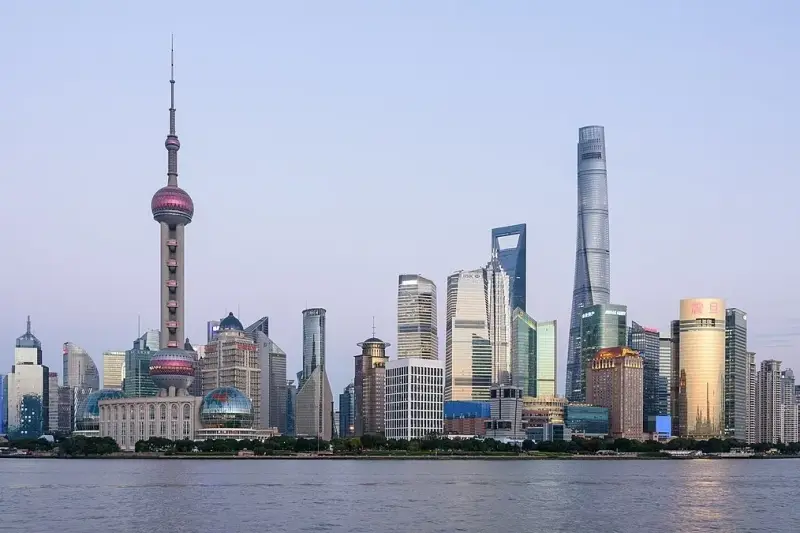 ShanghaiThe Bund and Pudong skyline
DalianLiaoning's port city between two seas
 HarbinChina's ice city on the Songhua
Nothing in that category yet.
Top things to do in Lhasa
A hilltop palace, the Jokhang and its pilgrim circuit, a summer palace park and large monasteries on the valley edge.
No things to do in Lhasa are listed yet. Browse all things to do
Best time to visit Lhasa
Month by month, so you can pick the weather and the crowds you want.
Highs rise from 13C to 21C; nights stay cold until April.
Highs in the low 20s; most of the year's rain falls, often at night.
Dry and clear, with highs from 18C to 13C.
Sunny days near 8C to 10C and freezing nights.
Summer brings the most visitors and the Sho Dun festival, while late autumn offers clear skies and thinner crowds at the main sights.
Plan your trip
Practical answers before you go. Pick a topic.
Getting there
Gonggar airport or the Qinghai to Tibet railway
Lhasa Gonggar International Airport has operated since 1965, when flights began to Beijing and Chengdu. It stands at about 3,570 m, so you feel the altitude as soon as you step off the plane. Rail passengers arrive at Lhasa railway station, which handles five trains in each direction daily.
- LXA
- Lhasa Gonggar International Airport
- Lhasa station
- Five trains each way daily
- Airport road
- Expressway into the city
- Rail summit
- 5,072 m
- Rest on arrival day and avoid heavy exertion.
- Entry arrangements for the region differ from the rest of China; confirm them through official channels before you buy tickets.
Where to stay
Old town near the Barkhor, or the newer city
The old town around the Barkhor puts you within walking distance of the Jokhang and the morning pilgrim crowds. Hotels in the newer parts of Chengguan are larger and easier to reach by car, and some sit closer to the Potala.
- Barkhor area
- Walk to the Jokhang
- Near the Potala
- Central and well connected
- Newer districts
- Larger hotels with car access
- Pick a room without many stairs for the first nights.
Getting around
On foot in the old town, by taxi or car for monasteries
The old town and the Barkhor are best explored slowly on foot. Taxis cover the distances to the Potala, the Norbulingka and the monasteries. Chengguan District stretches about 28 km east to west and 31 km north to south.
- Old town
- Walking
- Norbulingka
- Palace park west of the center
- Sera and Drepung
- Monasteries on the city edge
- Walk slowly and drink plenty of water; even short climbs feel harder at this height.
Know before you go
What makes Lhasa worth the trip, and what catches visitors out.
Why travelers love it
- The Jokhang roof, with its gilded bronze tiles above Barkhor Square.
- Morning on the Barkhor, when pilgrims fill the circuit.
- The Norbulingka, a 36-hectare palace park begun in 1755.
- The Lhasa River, running along the southern side of the city.
- Views of the Potala at dusk, from the square below the hill.
Good to know
- Altitude affects almost everyone, so build in rest days.
- Sun is strong, even when the air is cool.
- Nights are cold, especially from November to February.
- Potala tickets are limited, and summer demand is high.
Trip fit
BookingMentor editorial ratings out of 5, based on a first-time visitor's experience.
Weather in Lhasa, month by month
Lhasa has a cool, semi-arid highland climate: dry, sunny winters and a short rainy season in summer.
Climate figures are 1991 to 2020 normals for Lhasa from the China Meteorological Administration, via Wikipedia.
Packages in Demand
A Journey to Remember
Tours, activities and day trips in and around this destination, with the details you need before booking.
No packages in Lhasa are listed yet. Browse all packages
Create Your Custom-Made Trip to Lhasa
Traveling to Lhasa? Chat with a Local Travel Specialist in Lhasa Who Can Help Organize Your Trip.
START HERE
Our Travel Experts are Recommended by



Jokhang and the pilgrim circuit
The Jokhang is the most sacred temple in Tibet for most Tibetans, and the Barkhor, the circuit of streets around it, is where daily religious life in Lhasa is most visible. Visit early, walk the circuit with the pilgrims, then go inside to see the main images.
Origins. The oldest part of the temple dates from 652, built under Songtsen Gampo. The original building had eight rooms on two floors; it has grown greatly since.
The images. Two statues linked to royal brides of that era are central to the temple's story. One, the Jowo Mikyo Dorje, came with Queen Bhrikuti from Nepal, which explains why the temple faces west. The other was moved here later from the Ramoche temple. The complex holds more than 3,000 images in all, one of them 26 m tall.
On the Barkhor. The circuit is part street, part market. Move clockwise with the crowd, give space to those praying and ask before photographing anyone.
Etiquette inside. Dress modestly, keep voices low and follow the flow of worshippers around the chapels. Ask staff about photography before taking pictures.
Thirteen stories above the city
The Potala extends 400 m east to west and rises thirteen stories, with more than a thousand rooms. The Red Palace was added between 1690 and 1694. Arrive on time for your ticket slot and climb slowly, as the steps are steep.
Letting your body catch up
The main health concern in Lhasa is altitude. Arrive rested, go slowly for the first 48 hours and see a doctor before travel if you have heart or lung conditions.
Ask that doctor about altitude sickness and any medication. Travel insurance that covers high-altitude destinations is worth checking.
Symptoms such as headache, poor sleep and loss of appetite are common at first. If they become severe, seek medical help and consider descending.
Walk at half your usual pace, rest after meals and avoid carrying heavy bags. Sun protection matters as much as warmth: the sun is intense at this height, so wear a hat, sunglasses and sunscreen even on cool days.
Travelers are asking
No questions yet about Lhasa. Ask the community or our travel team, and the answer will show here once it is published.
Our travel desk answers questions about Lhasa
How we research our Lhasa travel guide
Transport links, visitor limits and seasonal conditions are rechecked when operators change them. Lhasa facts follow sourced Wikipedia articles and China Meteorological Administration climate normals.
Last updated . Spotted something out of date? Tell us.
We check practical details such as entry rules, seasons and costs against official government and tourism sources.

Before You Go...
Discover Trips & Info
A Travel Network Connection Travelers and locals
Incredible Event & Festival, Don't Miss!
Most Popular Event & Festival of Lhasa
Festivals and events in this destination, with dates, venues and ticket details where available.
No upcoming festivals or events in Lhasa are listed right now. Browse all events
Memorable Experiences
Where to Go (& NOT Go) In Lhasa!
Roaming the World one Adventure at a Time: Travel Tales, Tips, and Inspiration for wanderlusters.

Subscriber
Popular car hire destinations
Explore more options to hire a car for cheap
Frequently Asked Questions (FAQs)
Quick answers to the questions travelers ask most before visiting Lhasa.
Getting there
Lhasa Gonggar International Airport lies south of the city. The drive takes about half an hour on the airport expressway, completed in 2011.
Yes. The Qinghai to Tibet railway opened to passengers in 2006 and links Lhasa with Xining, about 2,000 km away. Train Z21 from Beijing West takes around 41 hours.
General
The line climbs to 5,072 m, so carriages are supplied with extra oxygen, and personal oxygen masks are available on request.
Yes. Daily visitor numbers have been capped since 2003, and the roof has been closed to visitors since restoration finished in 2006. Book well ahead in summer.
Pilgrims walk around the temple along the Barkhor, a route marked by four large stone incense burners. The loop takes about 20 minutes; visitors who join should walk in the same direction as the pilgrims.
Often called the yogurt festival, it is held at the Norbulingka in the seventh Tibetan month, usually in July or August.
Sera and Drepung are both Gelugpa monasteries. Sera stands on the northern outskirts of the city.
Entry arrangements for the Tibet Autonomous Region differ from those for the rest of China. Check official Chinese government channels or your nearest Chinese embassy for current requirements before booking.
Winter nights drop below freezing, with January lows around minus 7C. The record low is minus 16.5C, set in January 1968.
The Jowo Shakyamuni, a gilded bronze image of the Buddha at age twelve, about 1.5 m tall.
Timing & weather
Sun is plentiful all year, with about 3,000 hours a year. Lhasa is sometimes called the sunlit city. The clearest, driest skies run from October to April.
The best time to visit Lhasa is May to Jun, Sep to Oct. Highs around 18-24C, before and after the summer rains.
- Spring: March - May (Highs rise from 13C to 21C; nights stay cold until April)
- Summer rains: June - September (Highs in the low 20s; most of the year's rain falls, often at night)
- Autumn: October - November (Dry and clear, with highs from 18C to 13C)
- Winter: December - February (Sunny days near 8C to 10C and freezing nights)
Booking
Allow four days at least, including time to adjust to the altitude.
Visa & documents
China has expanded visa-free entry: citizens of a long list of countries, including most of Europe, Australia, New Zealand, Japan and South Korea, can visit for up to 30 days without a visa under a scheme currently extended to the end of 2026. Many nationalities can also use 240-hour visa-free transit when traveling on to a third country. Others need a tourist (L) visa.
Health & safety
Violent crime against visitors is rare, but laws are strictly enforced, and drug use or religious proselytising carry severe penalties. Carry your passport, since hotels and trains require it, avoid political discussions and demonstrations, and watch for tea house and art student scams in tourist areas. Call 110 for police and 120 for an ambulance.
