


Xiamen travel guide
Gulangyu, Minnan temples and a seafront city in Fujian
Xiamen is Fujian's coastal city, best known for the car-free heritage island of Gulangyu, Nanputuo Temple and Minnan food. October to April is the most comfortable stretch, with mild winters. Plan two or three days, and expect heavy rain from May to August and typhoon risk later in summer.
Xiamen is a port city in Fujian Province on China's southeast coast, spread across Xiamen Island and the mainland districts around its bay. The 2020 census counted 5,163,970 people, and the city government describes Xiamen as Egret Island, after the white egrets said to have lived here.
The city takes its name from a fortress the Ming built on the island in 1387. In the 17th century Koxinga used Xiamen as his base against the Qing between 1650 and 1660.
The city was captured in 1841 during the First Opium War, and the Treaty of Nanjing the following year made it one of the first five ports opened to British trade. In 1933 the island's name was restored and Xiamen was planned as a city.
In 1980 it was named one of China's first four special economic zones, and in 2010 the zone was extended to the whole city. That history explains the mix of colonial-era buildings, a working port and modern towers.
Mandarin is the official language, and the local tongue is Hokkien, part of the Southern Min group. Visitors come for Gulangyu, the temples and campus in the south of the island, and Minnan food.
Explore Xiamen by theme
Find your kind of trip: 13 travel themes, each with the packages in Xiamen.
Xiamen at a glance
The essentials first-time visitors ask about, in one place.
Explore more of China
Pick a place by travel style: beaches, nature, cities, heritage.
 ShenzhenTech city next to Hong Kong
 GuangzhouCapital of Cantonese food
 ZhuhaiSeafront, theme parks and the Macau border
 HangzhouWest Lake and tea hills
 WuhanHubei's capital where the Han meets the Yangtze
 GuilinLimestone peaks along the Li River
 SuzhouClassical gardens and canal streets west of Shanghai
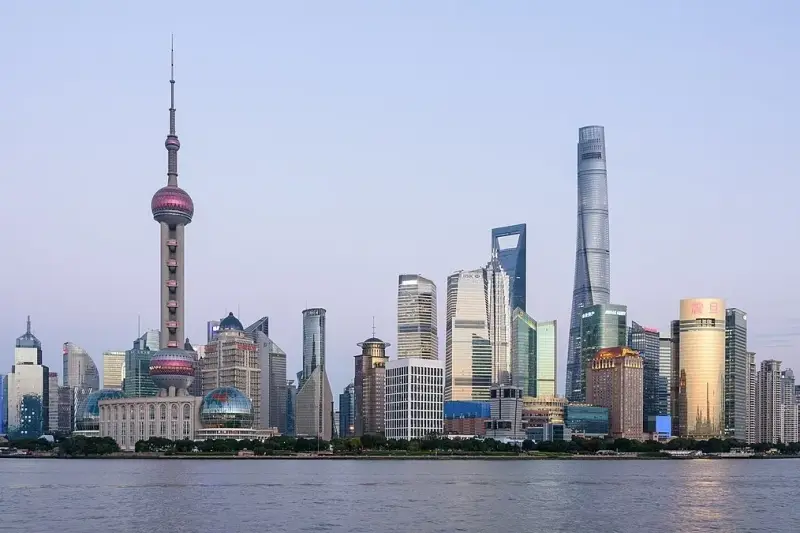 ShanghaiThe Bund and Pudong skyline
 NanjingJiangsu's former imperial capital on the Yangtze
 ZhangjiajieHunan's mountain city of sandstone towers
 ChongqingHill city of bridges where two rivers meet
 QingdaoShandong's port city of beer, beaches and red roofs
 Xi'anTerracotta Army and Silk Road
KunmingChina's Spring City on Lake Dian
 ChengduSichuan's capital of pandas, tea and spice
 TianjinBeijing's old treaty port
DalianLiaoning's port city between two seas
 BeijingPalaces and the Great Wall
 LijiangYunnan's Naxi old town below the snow peaks
LincangYunnan's tea frontier
 HarbinChina's ice city on the Songhua
 LhasaTibet's palace and temple city at 3,656 m
Nothing in that category yet.
Top things to do in Xiamen
A car-free UNESCO island, a seaside temple and campus, old coastal forts and Minnan street food.
No things to do in Xiamen are listed yet. Browse all things to do
Best time to visit Xiamen
Month by month, so you can pick the weather and the crowds you want.
Highs of 18-20C and lows around 11C, with little rain.
Highs of 20-24C as rain builds toward 120 mm in April.
Rain climbs to 171 mm in May and 203 mm in June.
Highs of 31-33C; August is the wettest month at about 216 mm, and typhoons are possible.
Highs of 24-28C and the driest weather of the year.
November is the driest month, with about 37 mm of rain, and highs still around 24C.
Plan your trip
Practical answers before you go. Pick a topic.
Getting there
Gaoqi airport on the island, or high-speed rail to Xiamen North
Xiamen Gaoqi International Airport lies in the northeast of Xiamen Island, so the center is close at hand. By rail, the city has two main stations. Xiamen Railway Station is on the island, about 10 km from the airport, and Xiamen North is on the mainland in Jimei, about 13 km from the airport. Check which station your train uses before booking a hotel.
- Gaoqi International (XMN)
- Northeast Xiamen Island
- Xiamen Railway Station
- On the island, 10 km from the airport
- Xiamen North
- In Jimei district, 13 km from the airport
- Xiamen Bridge
- Road link from the island to the mainland
- If you are heading to Gulangyu on arrival, go first to the ferry terminal rather than to a city hotel.
- Xiamen North is well away from the island center, so allow travel time.
Where to stay
Southern Xiamen Island, near the station or in Jimei
Stay in the south of Xiamen Island to be close to Nanputuo, the university and the Gulangyu ferries. Hotels around Xiamen Railway Station suit short stays. Jimei is a quieter mainland option near Xiamen North, and a night on Gulangyu itself gives you the island once day visitors leave.
- Southern Xiamen Island
- Close to Nanputuo and the university
- Near Xiamen Railway Station
- Practical for short stays
- Jimei
- Mainland district near Xiamen North
- Gulangyu
- Guesthouses on the pedestrian island
- On Gulangyu you will carry your own bags, since there are no taxis.
Getting around
Metro, BRT, buses and ferries
The Xiamen Metro has five lines in operation: Lines 1, 2, 3, 4 and 6. A bus rapid transit system, opened on 31 August 2008, runs nine routes on a 115 km network. City buses and taxis cover the rest, and ferries carry visitors to Gulangyu.
- Metro
- Lines 1, 2, 3, 4 and 6
- BRT
- Nine routes, 115 km network
- Ferry to Gulangyu
- About 20 minutes from Dongdu
- Fares
- Bus, BRT and metro accept Alipay
- Plan your Gulangyu ferry around opening hours and go early on busy days.
Know before you go
What makes Xiamen worth the trip, and what catches visitors out.
Why travelers love it
- Gulangyu's piano museum, the only one in China, with more than 200 instruments.
- Sunlight Rock, the climb to the top of Gulangyu.
- Gongfu tea, the local tea ritual built around oolong such as Anxi Tieguanyin.
- The Tan Kah Kee Memorial Museum in Jimei.
- Oyster omelets and satay noodles from street stalls.
Good to know
- Summers are hot and very wet, with over 200 mm of rain in June and August.
- Typhoon season can cancel ferries and flights.
- Gulangyu is crowded at peak times; go early.
- Visitors cannot use the residents' ferry, so allow time for the longer crossing.
Trip fit
BookingMentor editorial ratings out of 5, based on a first-time visitor's experience.
Weather in Xiamen, month by month
Xiamen has a humid subtropical climate with mild winters and hot, wet summers.
Climate figures are 1991 to 2020 normals for Xiamen from the China Meteorological Administration, via Wikipedia.
Packages in Demand
A Journey to Remember
Tours, activities and day trips in and around this destination, with the details you need before booking.
No packages in Xiamen are listed yet. Browse all packages
Create Your Custom-Made Trip to Xiamen
Traveling to Xiamen? Chat with a Local Travel Specialist in Xiamen Who Can Help Organize Your Trip.
START HERE
Our Travel Experts are Recommended by



Piano Island on foot
Gulangyu was inscribed on the UNESCO World Heritage List on 8 July 2017 for its historic settlement, and the visitors' ferry takes about 20 minutes. The island covers about 1.88 square kilometers and is pedestrian-only; cars and bicycles are banned, leaving only small electric buggies and service vehicles, so wear good shoes.
More than 100 musical families once lived here, which earned the nickname, and music is still part of the island's identity. Among the old buildings, look for the Kulangsu Organ Museum, the Union Church and the Catholic church, then visit the Koxinga museum or catch a concert at the 580-seat Gulangyu Concert Hall. Take the earliest ferry and avoid weekends if you can, since many day visitors have left by late afternoon. A night in a guesthouse shows the island quiet; bring only a small bag, as you walk from the pier.
Temple, campus and Krupp cannons
Nanputuo Temple on Siming Nanlu was founded more than a thousand years ago and rebuilt in the Tang dynasty, so dress modestly. Xiamen University, founded in 1921 and one of China's Double First Class universities, sits right beside it; check current visitor access before you go. On the south coast, Hulishan Fortress, a concrete defensive outpost, was built by the German arms maker Krupp, and its two original cannons were each 14 m long. Since 2007 the Xiamen Museum has occupied the Culture and Arts Center in Siming District.
Jimei and the Minnan table
Jimei, on the mainland, is easy to reach by train or metro and rewards a half day away from the center. Jimei Aoyuan Park and the Xiamen Horticulture Expo Garden on Xinglin Bay suit a slow afternoon outdoors.
Back in town, misua paste is an everyday Minnan dish, steamed taro buns make a snack, and Tong'an wrapped pork is named for one of the city's districts. Ginger duck belongs to the cooler months. Busy local stalls and several small plates beat one large meal.
Travelers are asking
No questions yet about Xiamen. Ask the community or our travel team, and the answer will show here once it is published.
Our travel desk answers questions about Xiamen
How we research our Xiamen travel guide
Ferry rules, transit lines and seasonal notes are rechecked when operators change them. Xiamen facts follow the China Meteorological Administration climate normals and Wikipedia's sourced articles on the city and Gulangyu.
Last updated . Spotted something out of date? Tell us.
Checked against trusted sources:
Fujian Provincial Government
See the source

Before You Go...
Discover Trips & Info
A Travel Network Connection Travelers and locals
Incredible Event & Festival, Don't Miss!
Most Popular Event & Festival of Xiamen
Festivals and events in this destination, with dates, venues and ticket details where available.
No upcoming festivals or events in Xiamen are listed right now. Browse all events
Memorable Experiences
Where to Go (& NOT Go) In Xiamen!
Roaming the World one Adventure at a Time: Travel Tales, Tips, and Inspiration for wanderlusters.


Subscriber
Popular car hire destinations
Explore more options to hire a car for cheap
Frequently Asked Questions (FAQs)
Quick answers to the questions travelers ask most before visiting Xiamen.
Booking
Wikipedia gives a 2023 population of 12,509. Goods still go up the steep lanes on wooden carts pulled by teams of men.
Getting there
No. The five-minute crossing from Heping Wharf is reserved for Xiamen residents. Visitors use the longer ferry from the Dongdu International Terminal.
The Portuguese arrived in 1541.
Timing & weather
Foreign residents organized a community on the island after 1842, and its Land Regulations were approved by the Qing government in May 1902. Japan occupied the island from 1942 until the end of the Second World War.
Kinmen lies less than 6 km from Xiamen Island.
The best time to visit Xiamen is Oct to Apr. Highs of 18-28C, mild and fairly dry.
- Mild winter: December - February (Highs of 18-20C and lows around 11C, with little rain)
- Spring: March - April (Highs of 20-24C as rain builds toward 120 mm in April)
- Wet season: May - June (Rain climbs to 171 mm in May and 203 mm in June)
- Hot summer: July - September (Highs of 31-33C; August is the wettest month at about 216 mm, and typhoons are possible)
- Autumn: October - November (Highs of 24-28C and the driest weather of the year)
General
Yes. Typhoons reach the coast in late summer and early autumn. Keep travel plans flexible in those months and follow local weather warnings.
The record high is 39.6C, set on 9 August 2019, and the record low is 0.1C, on 24 January 2016.
Hokkien in several local forms. The Tong'an dialect has the most speakers, while the Xiamen dialect proper is mostly confined to the southwest quarter of Xiamen Island.
A Xiamen specialty that Wikipedia singles out among the city's foods. Look for it at local snack stalls.
Sunlight Rock on Gulangyu stands 92.7 meters above sea level and is the island's best-known lookout.
It was once the inner harbor on Yundang Bay. Today it is a lake inside the city.
A dice game tied to the Mid-Autumn Festival that originated in Xiamen. Look out for it if you visit around the festival.
Nanyin music, Gezai Opera and Gaojia Opera are the regional performing arts of southern Fujian. Ask your hotel which venues have shows during your stay.
Visa & documents
Entry rules depend on your nationality and change from time to time. Check the National Immigration Administration of China's official website, or the Chinese embassy in your country, before you book.
