

Shenzhen travel guide
China's high-tech boomtown on the border with Hong Kong.
Shenzhen grew from a small market town into one of China's largest cities after becoming the first Special Economic Zone in 1980. Today it is a hub for technology and design, with theme parks such as Window of the World, the electronics markets of Huaqiangbei, coastal parks and easy links to Hong Kong. Visit from October to December and allow 2 to 3 days. Costs are moderate, and many passports qualify for China's visa-free or 240-hour transit schemes.
Shenzhen is a modern metropolis located in the southeastern part of China, bordering Hong Kong to the south. As one of the most important economic hubs in China, Shenzhen is known for its high-tech industries, finance, and international trade. The city has a population of over 12 million and attracts millions of visitors every year.
Tourists in Shenzhen can enjoy a range of attractions, from modern skyscrapers to traditional Chinese temples. Some of the most popular tourist destinations in the city include the Shenzhen Museum, the Window of the World theme park, and the Splendid China Folk Village. Other must-see attractions include the Shenzhen Bay Park, the OCT-LOFT Creative Culture Park, and the Lianhua Hill Park.
Shenzhen is also a great place for shopping and dining. The city boasts numerous shopping malls and markets, including the Luohu Commercial City, the Huaqiangbei Electronics Market, and the Dongmen Pedestrian Street. Shenzhen's food scene is equally impressive, with a range of local and international cuisine available in its many restaurants and food stalls.
Getting around Shenzhen is relatively easy, with an efficient public transportation system that includes buses, metro trains, and taxis. Visitors can also rent bikes or take a sightseeing bus tour to explore the city.
Best experiences in Shenzhen
Find your kind of trip: 24 travel themes, each with the packages in Shenzhen.
 Ayurveda Tours
 Seasonal/Event
 Adventure
Wildlife & Safaris
Pilgrimage
Eco/Nature
Culture & History
 Honeymoon
 Romantic Getaway
 Cruise
 Water Activities
 Backpacking
 Luxury
 Photography
City Slickers
Heritage
 Beach & Relaxation
 Sports & Recreation
 Food & Wine
Train & River Journeys
Skiing
 Overland
Shenzhen at a glance
Best season, budget, entry rules, money and plugs for the city across the border from Hong Kong.
Top destinations in Shenzhen
Pick a place by travel style: nature, cities, heritage.
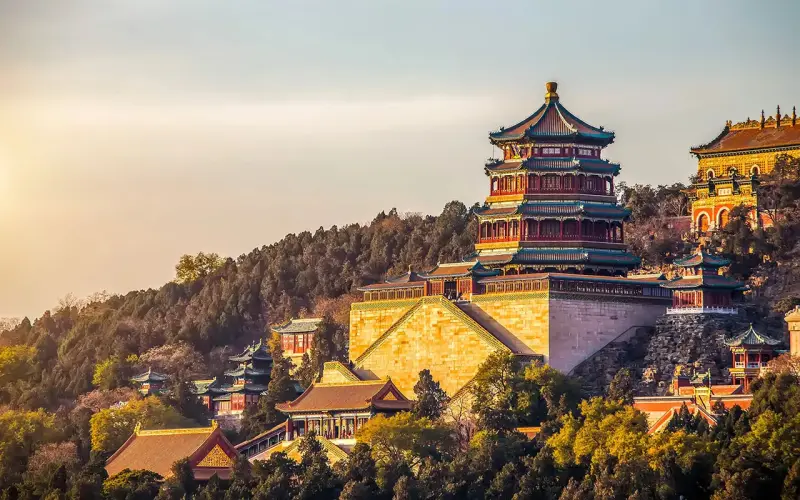 BeijingPalaces and the Great Wall
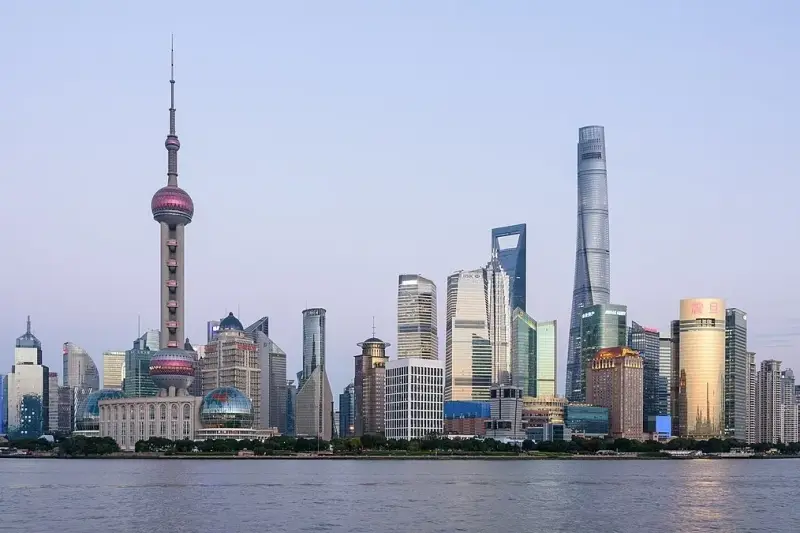 ShanghaiThe Bund and Pudong skyline
HangzhouWest Lake and tea hills
GuangzhouCapital of Cantonese food
HarbinChina's ice city on the Songhua
LincangYunnan's tea frontier
TianjinBeijing's old treaty port
Xi'anTerracotta Army and Silk Road
KunmingChina's Spring City on Lake Dian
Nothing in that category yet.
Top things to do in Shenzhen
Theme parks, markets, museums and coast around Shenzhen.
Shenzhen
Fairy Lake Botanical Garden (Xianhu), Shenzhen
Fairy Lake Botanical Garden, called Xianhu in Chinese, is a 546-hectare botanical garden in Liantang, Luohu District, Shenzhen, China, between Wutong Mountain a...
Shenzhen
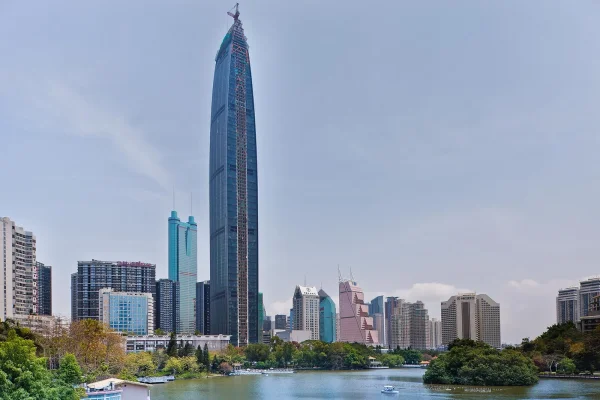
KK100 (Kingkey 100), Shenzhen
KK100, also called Kingkey 100, is a 442-metre, 100-storey skyscraper at 5016 Shennan East Road in Luohu District, Shenzhen, China, completed in 2011. It holds...
Shenzhen
Splendid China Folk Village, Shenzhen
Splendid China Folk Village is a 30-hectare theme park in the Overseas Chinese Town district of Nanshan, Shenzhen, China, near Shenzhen Bay. It combines more th...
Shenzhen
Happy Valley Shenzhen
Happy Valley Shenzhen is a theme park of 350,000 square metres in Overseas Chinese Town, Nanshan District, Shenzhen, China, opened in 1998 as the first Happy Va...
Shenzhen
Wutong Mountain, Shenzhen
Wutong Mountain is the highest peak in Shenzhen, China, rising to 943.7 metres on the border of Luohu and Yantian districts. It sits inside Wutongshan National...
Shenzhen
Overseas Chinese Town (OCT), Shenzhen
Overseas Chinese Town (OCT) is a tourism, culture and residential district in Nanshan, western Shenzhen, China, home to the Window of the World, Splendid China...
Shenzhen
Futian Mangrove Nature Reserve, Shenzhen
Futian Mangrove Nature Reserve is a protected mangrove wetland on the northern shore of Shenzhen Bay in Futian District, Shenzhen, China, with the city's towers...
Shenzhen
Window of the World, Shenzhen
Window of the World is a theme park of about 130 scale reproductions of world landmarks in the Overseas Chinese Town district of Nanshan, Shenzhen, China. Its s...
Best time to visit Shenzhen
October to December is warm and dry; spring is foggy and summer brings downpours and typhoons.
Warm, dry and clear: the most comfortable season.
Mild but often damp and foggy.
Hot, humid and wet, with typhoons possible from July to September.
Typhoon warnings can close attractions and halt transport in summer; follow the Shenzhen Meteorological Bureau alerts.
Shenzhen travel tips
Visas at the Hong Kong border, getting in, payments, health and SIM cards, one topic at a time.
Visas and entry
Visa-free lists change often
Arriving in Shenzhen, many passports now qualify for short visa-free visits to China. The 240-hour visa-free transit covers many nationalities flying on to a third country; everyone else needs a visa from a Chinese embassy or visa centre.
- Passport validity
- At least 6 months
- From Hong Kong
- Mainland China entry rules apply at the land checkpoints
- Five-day border visa
- Valid only inside Shenzhen; rules change often
Getting there
Airport, rail and border crossings
Fly into Shenzhen Bao'an International (SZX), which has flights across China and Asia, or come overland from Hong Kong. Metro Line 11 links the airport with Futian, high-speed trains run to Guangzhou and Hong Kong West Kowloon, and several land checkpoints, including Luohu, Futian and Shenzhen Bay, connect the city with Hong Kong.
- Airport
- Shenzhen Bao'an (SZX); Metro Line 11 to Futian
- From Hong Kong
- Lo Wu, Futian, Shenzhen Bay checkpoints; high-speed rail to Futian station
- High-speed rail
- Shenzhen North to Guangzhou in about 30–40 minutes
Money and costs
Set up mobile payment first
Phones have replaced wallets in Shenzhen, including on the metro, so install Alipay or WeChat Pay and link a foreign Visa or Mastercard before arrival. Cash still works as a backup, Bank of China and ICBC ATMs usually take foreign cards, and nobody expects a tip.
- Set up mobile payment before crossing from Hong Kong.
- Foreign cards usually work at Bank of China and ICBC ATMs.
- Tipping is not part of local custom.
Health and vaccines
Air, water, insurance
Tap water in Shenzhen is not for drinking, though bottles cost little. Heat and humidity from May to September are the main health issue, so hike at dawn and rest indoors in the afternoon. The city has international clinics, and medical travel insurance is sensible.
- Hospitals
- International clinics in Beijing, Shanghai, Guangzhou and Shenzhen
Staying safe
Low crime, strict rules
Crime against visitors in Shenzhen is rare. You will need your passport for trains, hotels and the Hong Kong border checkpoints, so carry it always. Take official taxis or DiDi, check the driver's licence on the dashboard, and avoid station touts and tea-house invitations.
- Police
- 110
- Passport
- Needed for train tickets, hotels and many sights
- Check the licence on the taxi dashboard.
- Turn down invitations to tea from strangers.
Where to stay
Best areas
Stay near a metro line, ideally in Futian or Luohu, since Shenzhen is spread out. Futian is the central business district by the Civic Center, Luohu sits beside the Lo Wu border crossing for Hong Kong, Nanshan and Shekou have bars and foreign restaurants, and the OCT area is near the theme parks.
- Futian
- Central business district and Civic Center
- Nanshan / Shekou
- Bars, restaurants and Sea World
- Luohu
- Near the Lo Wu border crossing
- OCT area
- Theme parks and OCT Loft creative district
Getting around
Metro and Didi
Use the metro and DiDi to get around Shenzhen. The metro is extensive and modern, with trains about every 3 minutes until 23:00, and you can pay by Alipay or WeChat QR code. DiDi is cheap and widely used, the electric taxis are well regulated, and shared bikes unlock by app.
- Metro
- Over a dozen lines covering the city
- Bikes
- Shared bikes unlocked by app
- Hong Kong crossings
- Luohu 06:30 to midnight; Huanggang 24 hours; Shenzhen Bay for buses
- High-speed rail
- West Kowloon to Futian about 14 minutes
- Airport
- Line 11 downtown about 30 minutes
- Shenzhen Tong card
- Buy at a ticket window; machines have no English
- Taxis
- Blue-and-white electric; licence shown on the dashboard
SIM and internet
SIM, eSIM and the firewall
Mainland networks block Google, WhatsApp and Instagram, but an international roaming eSIM is unaffected. Local SIMs from China Mobile, China Unicom or China Telecom need your passport. For directions in Shenzhen, use Amap or Baidu Maps.
- Networks
- China Mobile, China Unicom, China Telecom
- Maps
- Amap or Baidu Maps work best
Culture and etiquette
Etiquette
Mandarin is Shenzhen's everyday language, though most service staff also speak Cantonese. Eating and drinking are banned on the metro, and passengers give up seats to small children. Patience helps when queues are loose and crowds build, especially in national holiday weeks such as early October.
- Accept business cards and gifts with both hands
- Try the regional cuisine wherever you are
- Book train tickets ahead around holidays
- Sticking chopsticks upright in rice
- Discussing politics openly
- Travelling during Golden Week (1–7 October) if you can
Things to know before visiting Shenzhen
Shenzhen is a young city on the Hong Kong border.
Why travelers love it
- Window of the World, with miniature world landmarks.
- Huaqiangbei, one of the world's largest electronics markets.
- OCT Loft, a creative district in old factories.
- Dameisha and Xiaomeisha beaches in the east.
- Cantonese food and dim sum.
Good to know
- Summer is hot, wet and stormy.
Trip fit
BookingMentor editorial ratings out of 5, based on a first-time visitor's experience.
Shenzhen weather by month
Shenzhen has a humid subtropical climate: dry, sunny autumns, foggy springs and wet summers with typhoons from June to October. Each month lists Shenzhen's average temperature and rainfall.
Climate figures are approximate long-term averages for Shenzhen (Shenzhen Meteorological Bureau normals, via Wikipedia).
Packages in Demand
A Journey to Remember
Tours, activities and day trips in and around this destination, with the details you need before booking.
No packages in Shenzhen are listed yet. Browse all packages
Create Your Custom-Made Trip to Shenzhen
Traveling to Shenzhen? Chat with a Local Travel Specialist in Shenzhen Who Can Help Organize Your Trip.
START HERE
Our Travel Experts are Recommended by



Futian, Nanshan and Wutong Mountain over two or three days
Give Shenzhen two to three days, more than the half day most visitors give it from Hong Kong. Spend one day in Futian on Huaqiangbei's electronics towers, Lianhuashan Park and Shenzhen Bay Park, one in Nanshan at OCT Loft, Window of the World and Shekou, and one in the east at Wutong Mountain.
Most visitors treat the city as a half day out of Hong Kong. It is far wider than that suggests: places sit farther apart than they look on a map, so group your days by area and check travel times in a map app before setting off.
- From Hong Kong for the day: The fast train from West Kowloon reaches Futian in about 14 minutes. Spend the morning in the electronics towers of Huaqiangbei, climb Lianhuashan Park for the view over the Civic Center, and finish at Shenzhen Bay Park as the light drops.
- Nanshan: Give the west a full day: the galleries of OCT Loft, the miniature landmarks at Window of the World, then dinner in Shekou, where the foreign restaurants cluster. Theme-park discounts come through the Smart OCT app, which is in Chinese only.
- The east: Go early for Wutong Mountain, whose lower trails are packed on holidays, then out to the old Hakka villages and the Longgang Museum of Hakka Culture. Dameisha and Xiaomeisha are the famous beaches but get crowded; quieter sand lies farther east along the coast.
Many museums close on Mondays, so put them midweek. To stay more than a night, pick a hotel near a central metro station in Futian or Luohu.
For Guangzhou, the shuttle train from Shenzhen Station takes about an hour.
Dry autumns, foggy springs and typhoon summers in Shenzhen
Visit Shenzhen from October to December, when the rainy season is over, October gets the most sunshine and November and December see only about 30 mm of rain a month. Spring is foggy and dull, May to September brings heavy downpours peaking in June, and typhoon season runs from June to October.
Autumn is the season to aim for. October gets around 53% of possible sunshine, the highest share of the year, and the rainy season has usually ended by early October; November and December are drier still, at roughly 30 mm a month.
Spring is the murky season. Fog is commonest in winter and spring, with 106 foggy days a year, and March gets only about 27% of possible sunshine. Rain then picks up sharply from April.
The rain turns serious between May and September, peaking at about 369 mm in June. Roughly ten days a year bring 50 mm or more in a single day, so pack a sturdy full-size umbrella. Typhoon season runs from June to October, and any plan involving a ferry or the beach needs slack built in.
The surprise is how rarely it gets extreme. Only about two days a year reach 35 °C (2.4 on average), and frost is almost unknown; the coldest reading on record is 0.2 °C. The humidity is the real burden, so hike at dawn in summer and save malls and museums for the afternoon.
Eat Streets, Shajing oysters and Kingway beer in Shenzhen
Shenzhen eats food from all over China, with Guangdong, Hunan and Sichuan cooking the most common. Eat cheaply at the Eat Streets, clusters of regional restaurants, or on mall food floors, buy breakfast of cheung fun and congee from street counters, travel to Shajing in Bao'an for oysters, and drink the local Kingway beer.
This is a city of arrivals, and it eats like one. Guangdong, Hunan and Sichuan cooking are the commonest, but every regional cuisine has an outpost somewhere, from noodle counters for homesick workers to banquet rooms for business dinners.
The local institution is the Eat Street: a cluster of cheap, cheerful restaurants spread over a few lanes, often specialising in one province's food. Malls are the fallback, with whole floors of mid-range restaurants; eat outside peak hours to skip the queue.
Breakfast comes from carts and counters wherever foot traffic is heavy: steamed buns, cheung fun rice rolls, congee, egg pancakes and soy milk. Cafeteria-style places at lunchtime let you point at two or three dishes to go with rice, which makes ordering easy without Chinese.
For a destination meal, go to Shajing in the far north-west of Bao'an for its oysters, the district's best-known specialty. Shekou has most of the foreign restaurants, at a steep mark-up. Kingway is the city's own beer, sold in every convenience store.
Manners are easy-going. Mandarin has replaced Cantonese as the everyday language after decades of migration, though most service staff also speak Cantonese. Eating and drinking are banned on the metro, and passengers readily give up seats to small children.
Travelers are asking
Cash is legal tender, but almost everyone pays by Alipay or WeChat Pay. Set one up with your card before you arrive.
Our travel desk answers questions about Shenzhen
How we research this guide
Shenzhen sits on the Hong Kong border, so entry rules and crossing hours from China's National Immigration Administration are the first thing we check. Climate figures come from the Shenzhen Meteorological Bureau, and metro and airport changes prompt a revision.
Last updated . Spotted something out of date? Tell us.
Checked against trusted sources:
National Immigration Administration of ChinaChina Meteorological Administration climate normals
See all 2 sources
- National Immigration Administration of China
- China Meteorological Administration climate normals
Before You Go...
Discover Trips & Info
A Travel Network Connection Travelers and locals
Incredible Event & Festival, Don't Miss!
Most Popular Event & Festival of Shenzhen
Festivals and events in this destination, with dates, venues and ticket details where available.
No upcoming festivals or events in Shenzhen are listed right now. Browse all events
Memorable Experiences
Where to Go (& NOT Go) In Shenzhen!
Roaming the World one Adventure at a Time: Travel Tales, Tips, and Inspiration for wanderlusters.


Subscriber
Popular car hire destinations
Explore more options to hire a car for cheap
Frequently Asked Questions (FAQs)
Shenzhen answers on border crossings, payments and getting around.
Timing & weather
October to December, when it is warm, dry and sunny. Summers are hot, humid and stormy.
Huanggang is the only crossing open 24 hours. Luohu, at the end of the MTR East Rail Line, opens from 06:30 to midnight and leads straight to Shenzhen Station and metro Line 1.
June to October. Build slack into any plan involving ferries or beaches, as storms can cancel sailings at short notice.
July is the warmest month in Shenzhen, with average highs of 32°C, and January the coolest, with lows of 13°C. June is the wettest month, at about 369 mm of rain; December is the driest. Shenzhen has a humid subtropical climate: dry, sunny autumns, foggy springs and wet summers with typhoons from June to October.
General
Cross at Lo Wu, Futian or Shenzhen Bay, or take the high-speed train from Hong Kong West Kowloon to Futian or Shenzhen North.
Dameisha and Xiaomeisha on the east coast, though both get crowded; quieter sand lies farther east along the coast.
bookingMentor lists 8 things to do in Shenzhen, each with its category, rating and a short description. Open one for the full details, such as opening hours and how to get there.
Use the metro and DiDi to get around Shenzhen. The metro is extensive and modern, with trains about every 3 minutes until 23:00, and you can pay by Alipay or WeChat QR code. DiDi is cheap and widely used, the electric taxis are well regulated, and shared bikes unlock by app.
Visa & documents
Mainland China's entry rules apply. Many nationalities can now enter visa-free for short stays; check the current list before you travel.
Getting there
About 14 minutes to Futian and about 18 minutes to Shenzhen North. Mainland China entry rules apply when you cross.
Take metro Line 11, which reaches downtown in about 30 minutes and runs from 06:17 until just after midnight. Line 11 also sells business-class seats at three times the normal fare.
Prices & payment
Pay with an Alipay or WeChat Pay QR code, or buy a Shenzhen Tong card at a ticket window, since the card vending machines have no English.
Daily travel costs in Shenzhen are moderate. Transport and food good value; big-city hotels cost more.
Stay & facilities
Regional cooking from across China, served cheaply in the Eat Streets, plus oysters from Shajing in Bao'an. Kingway is the city's own beer.
Health & safety
Crime against visitors in Shenzhen is rare. You will need your passport for trains, hotels and the Hong Kong border checkpoints, so carry it always. Take official taxis or DiDi, check the driver's licence on the dashboard, and avoid station touts and tea-house invitations.

 Umrah packages from Dhaka