

Wuhan travel guide
Three river towns, a revolution and China's lake city
Wuhan is Hubei's capital at the meeting of the Yangtze and Han rivers, worth visiting for the Yellow Crane Tower, the provincial museum and East Lake. Go in April or from October to November. Two days covers the main sights; July is very hot and wet.
Wuhan is the capital of Hubei Province and one of the largest cities in central China, home to about 13.7 million people in 2022. It sits on the Jianghan Plain where the Han River flows into the Yangtze, and the two rivers split the city into three historic towns: Wuchang, Hankou and Hanyang.
People have lived here for around 3,500 years. Panlongcheng, on the northern edge of the modern city, is linked to the Bronze Age Erligang culture. Hanyang had walls by about AD 206 and Wuchang by AD 223, the date usually taken as the city's founding.
Wuhan has a central place in modern Chinese history. The Wuchang Uprising of 10 October 1911 began the revolution that ended the Qing dynasty. The three towns were merged and proclaimed as Wuhan on 1 January 1927, and the city served as the seat of the Nationalist government from February to August that year and again as a wartime capital from 1937.
Water defines the landscape. Wuhan has close to 200 lakes, and water covers about a quarter of the urban area, so many districts face a lakeshore or a river embankment.
Today Wuhan is the seventh most populous city in China and a major rail hub, which the city government's English site sums up with its nickname, the City of Rivers.
Explore Wuhan by theme
Find your kind of trip: 13 travel themes, each with the packages in Wuhan.
Wuhan at a glance
The essentials first-time visitors ask about, in one place.
Explore more of China
Pick a place by travel style: beaches, nature, cities, heritage, islands.
 ZhangjiajieHunan's mountain city of sandstone towers
 NanjingJiangsu's former imperial capital on the Yangtze
 HangzhouWest Lake and tea hills
 SuzhouClassical gardens and canal streets west of Shanghai
 Xi'anTerracotta Army and Silk Road
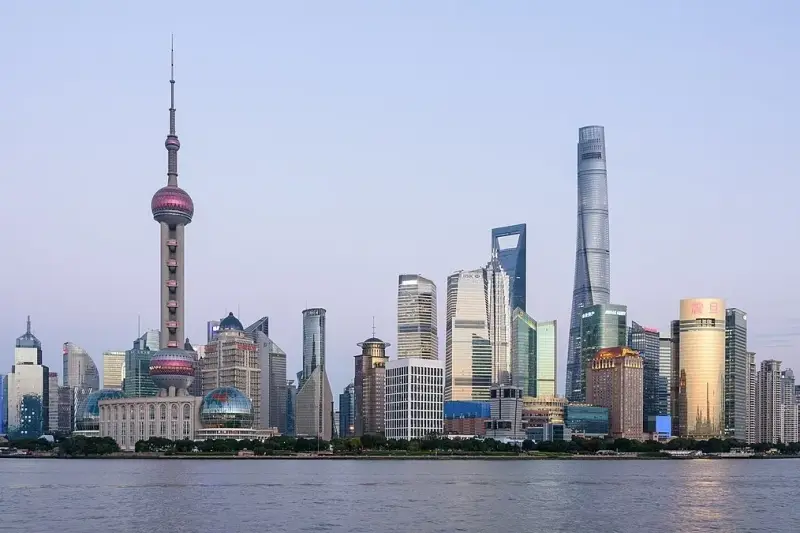 ShanghaiThe Bund and Pudong skyline
 GuilinLimestone peaks along the Li River
 ChongqingHill city of bridges where two rivers meet
 XiamenFujian's island port of temples, pianos and Minnan food
 QingdaoShandong's port city of beer, beaches and red roofs
 GuangzhouCapital of Cantonese food
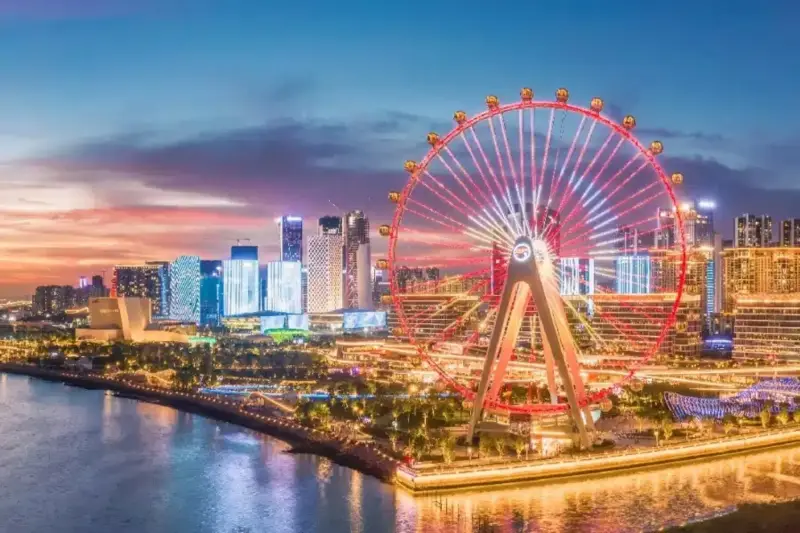 ShenzhenTech city next to Hong Kong
 ZhuhaiSeafront, theme parks and the Macau border
 ChengduSichuan's capital of pandas, tea and spice
 TianjinBeijing's old treaty port
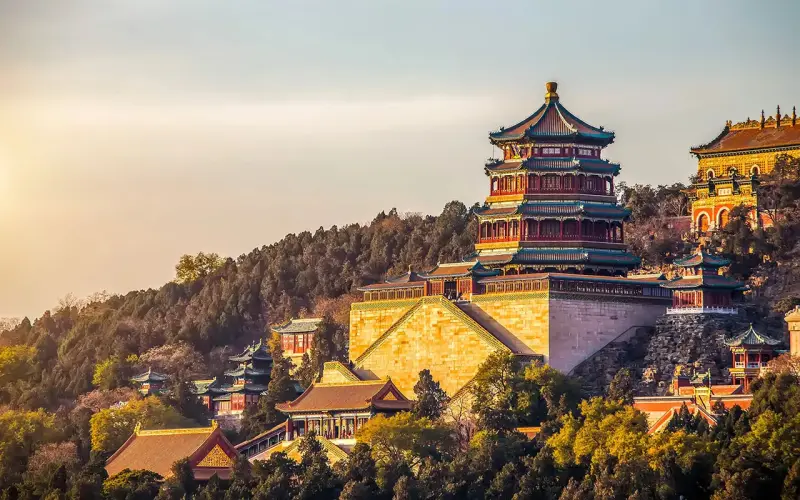 BeijingPalaces and the Great Wall
DalianLiaoning's port city between two seas
KunmingChina's Spring City on Lake Dian
 LijiangYunnan's Naxi old town below the snow peaks
LincangYunnan's tea frontier
 HarbinChina's ice city on the Songhua
 LhasaTibet's palace and temple city at 3,656 m
Nothing in that category yet.
Top things to do in Wuhan
A rebuilt riverside pagoda tower, ancient bronzes, a city lake larger than many towns and a breakfast culture all its own.
No things to do in Wuhan are listed yet. Browse all things to do
Best time to visit Wuhan
Month by month, so you can pick the weather and the crowds you want.
Highs rise from 16C to 27C; rain builds through April and May.
June and July bring over 200 mm of rain each, and July highs reach 33C.
Highs fall from 29C to 17C and the air dries out.
Highs of 8-11C and lows close to freezing.
October and November are the driest comfortable months, ideal for walking the East Lake shore.
Plan your trip
Practical answers before you go. Pick a topic.
Getting there
Tianhe airport by Metro Line 2, or high-speed rail
Wuhan Tianhe International Airport opened in 1995 in Huangpi District, about 26 km north of the city proper. Terminal 3, opened in 2017, handles most flights. Wuhan is one of the hubs of China's high-speed network, and trains on the Wuhan to Guangzhou line run at up to 394 km/h. Three main stations serve the city.
- Terminal 3
- Main terminal, designed for 35 million passengers a year
- Terminal 2
- Domestic flights, reopened in April 2024
- Wuhan station
- In Hongshan District, east of East Lake
- Hankou and Wuchang
- The older stations on the north and south banks
- Check which of the three stations your ticket names before you set off; they are far apart.
- Expressways S18 and S19 link the airport to Hankou if you travel by taxi.
Where to stay
Hankou, Wuchang or near East Lake
Hankou, on the north bank, is the commercial center and has the widest choice of hotels and restaurants. Wuchang suits sightseeing, since the Yellow Crane Tower, Hubu Street and the provincial museum are on this side. East Lake is the quieter choice near the universities.
- Hankou
- Shopping streets and the old riverfront
- Wuchang
- Yellow Crane Tower and Simenkou
- East Lake
- Lakeside parks, the museum and campuses
- Hanyang
- Guiyuan Temple and the Lute Platform
- Choose your bank of the river by what you plan to see; crossings add time at rush hour.
Getting around
Eleven metro lines, trams and river ferries
Wuhan Metro has 11 lines, 282 stations and 435 km of route, and it crosses both rivers. Line 1 opened in 2004. Ferries have crossed the Yangtze since 1900 and are still a pleasant way between Wuchang and Hankou.
- Metro
- Carried about 1.22 billion passengers in 2019
- Ferries
- River crossings with a view of the bridges
- Trams
- Modern lines in outer districts
- Yangtze bridge
- First opened in 1957
- Taking a ferry one way and the metro the other is the easiest way to see the river.
Know before you go
What makes Wuhan worth the trip, and what catches visitors out.
Why travelers love it
- The Yellow Crane Tower, the city's best-known landmark above the Yangtze.
- The Hubei Provincial Museum, home of the great bronze bell set.
- East Lake, with cherry and plum blossoms in spring.
- Hubu Street, a 150 m lane of breakfast stalls in Simenkou.
- Guiyuan Temple, a Buddhist temple in Hanyang completed in 1658.
Good to know
- July is the hottest and wettest month, with highs of 33C and about 256 mm of rain.
- Winters are damp and chilly, with January lows around 1C.
- The city is spread out, and crossing between the three towns takes time.
- Main stations are far apart, so leave a margin for train connections.
Trip fit
BookingMentor editorial ratings out of 5, based on a first-time visitor's experience.
Weather in Wuhan, month by month
Wuhan has a humid subtropical climate, with hot, rainy summers and cool, damp winters.
Climate figures are 1991 to 2020 normals for Wuhan from the China Meteorological Administration, via Wikipedia.
Packages in Demand
A Journey to Remember
Tours, activities and day trips in and around this destination, with the details you need before booking.
No packages in Wuhan are listed yet. Browse all packages
Create Your Custom-Made Trip to Wuhan
Traveling to Wuhan? Chat with a Local Travel Specialist in Wuhan Who Can Help Organize Your Trip.
START HERE
Our Travel Experts are Recommended by



A lake bigger than most towns
East Lake itself covers 33 km², and the wider scenic area runs past 80 km², so pick one shore to walk or cycle rather than trying to see it all. Mao's Villa stands on the lake, and Huazhong University of Science and Technology sits nearby in the Optics Valley. The cherry blossoms on the Wuhan University campus are a separate spring draw, listed by the city government among its main attractions. In Hanyang, the Lute Platform is a short walk from the temple quarter.
Noodles before nine
Reganmian, hot dry noodles boiled and then tossed with sesame paste without broth, is the breakfast every visitor should try. Spiced yabozi duck necks are an evening snack, xiaolongtangbao soup dumplings are a gentler morning option, and mianwo is a savory fried ring that pairs well with a bowl of noodles. These dishes are eaten on the street, early in the day, and cost little; ordinary neighborhoods sell them for less, with shorter lines than the famous food lanes.
Bridges, battles and a treaty-port bund
The Battle of Wuhan was fought around the city in 1938. Work on the Wuhan Yangtze River Bridge began in October 1955, ending the slow barge crossing that trains had relied on, and the city government still lists the bridge among its sights. The Wuhan Revolution Museum goes deeper into the 1911 story.
Across the river in Hankou, the Hankow Customs House Museum and Jianghan Road Pedestrian Street recall the old waterfront. Cross once by ferry and once by metro to feel how the rivers shape the city. Wuying Pagoda and the Chu River and Han Street shopping district are worth adding on a longer stay.
Sport has a big following. The 13,000-seat Wuhan Sports Center Gymnasium hosted the 2011 FIBA Asia Championship and games of the 2019 Basketball World Cup, the 7th Military World Games came to the city in October 2019, and Wuhan Three Towns won the Chinese Super League in 2022.
Travelers are asking
No questions yet about Wuhan. Ask the community or our travel team, and the answer will show here once it is published.
Our travel desk answers questions about Wuhan
How we research our Wuhan travel guide
Airport, rail and metro details are rechecked when operators change them. Wuhan facts follow the China Meteorological Administration and Wikipedia's sourced articles.
Last updated . Spotted something out of date? Tell us.
Checked against trusted sources:
Wuhan Municipal Government, Tourist Attractions
See the source

Before You Go...
Discover Trips & Info
A Travel Network Connection Travelers and locals
Incredible Event & Festival, Don't Miss!
Most Popular Event & Festival of Wuhan
Festivals and events in this destination, with dates, venues and ticket details where available.
No upcoming festivals or events in Wuhan are listed right now. Browse all events
Memorable Experiences
Where to Go (& NOT Go) In Wuhan!
Roaming the World one Adventure at a Time: Travel Tales, Tips, and Inspiration for wanderlusters.

Subscriber
Popular car hire destinations
Explore more options to hire a car for cheap
Frequently Asked Questions (FAQs)
Quick answers to the questions travelers ask most before visiting Wuhan.
Getting there
Metro Line 2 runs from Tianhe International Airport station into Hankou and on across the river. The Wuhan to Xiaogan intercity railway also stops at the airport.
About three hours on the high-speed line, against ten and a half hours on the old route.
Yes. Several trains a day make the journey in under six hours.
General
It depends on your side of the river. Wuhan station is east of East Lake and handles many high-speed trains, Wuchang station serves the south bank, and Hankou station the north bank.
At the Hubei Provincial Museum, which holds the bronze bell chime from the tomb of Marquis Yi of Zeng.
The first tower dates from AD 223. The current building was finished in 1985, about 1 km from the original site.
Yes. The Wuhan Open, a WTA event, has been held since 2014.
Yes, a modern tram network opened in July 2017. Most visitors will find the metro more useful.
Wuhan Metro has 11 lines, 282 stations and 435 km of route, and it crosses both rivers. Line 1 opened in 2004. Ferries have crossed the Yangtze since 1900 and are still a pleasant way between Wuchang and Hankou.
Stay & facilities
Order doupi, a bean-skin dish filled with egg, rice, beef, mushrooms and beans, alongside the hot dry noodles described in our food section.
Timing & weather
In spring. The East Lake Cherry Blossom Park is the main place to see them, and plum blossoms come earlier in the season.
The best time to visit Wuhan is Apr, Oct to Nov. Highs of 17-23C between the cold winter and the steamy summer.
- Spring: March - May (Highs rise from 16C to 27C; rain builds through April and May)
- Wet and hot summer: June - August (June and July bring over 200 mm of rain each, and July highs reach 33C)
- Autumn: September - November (Highs fall from 29C to 17C and the air dries out)
- Winter: December - February (Highs of 8-11C and lows close to freezing)
July is the warmest month in Wuhan, with average highs of 33°C, and January the coolest, with lows of 1°C. July is the wettest month, at about 256 mm of rain; December is the driest. Wuhan has a humid subtropical climate, with hot, rainy summers and cool, damp winters.
Visa & documents
Entry rules depend on your nationality and change from time to time. Check the National Immigration Administration of China at nia.gov.cn, or a Chinese embassy, before you book.
Health & safety
Violent crime against visitors is rare, but laws are strictly enforced, and drug use or religious proselytising carry severe penalties. Carry your passport, since hotels and trains require it, avoid political discussions and demonstrations, and watch for tea house and art student scams in tourist areas. Call 110 for police and 120 for an ambulance.
