

Suzhou travel guide
Garden city of canals, silk and Kunqu opera
Suzhou is the place to see China's classical gardens and canal streets, a short train ride from Shanghai. Come in April to May or October to November for mild, fairly dry weather. Two or three days covers the gardens and old town; add a day for Lake Tai.
Suzhou is a city in southern Jiangsu, west of Shanghai, built among canals in the lower Yangtze region. In 2023 the city had 5 million registered residents. Rivers, lakes and tidal flats take up 34.6% of its total area, according to the city government.
The city dates from 514 BC, when King Helü of Wu founded a new capital here. Wu fell to its rival Yue in 473 BC, and the name Suzhou came into official use in AD 589.
By the 13th century Suzhou was already a center of the silk trade, and its workshops later supplied the imperial court. That wealth paid for the scholars' homes and private gardens that bring most visitors today.
The city changed hands in war more than once. Zhu Yuanzhang, the future Ming founder, took it in 1367 after a ten-month siege, and Charles Gordon's Ever-Victorious Army recovered it from the Taiping in November 1863.
Mandarin is used in schools and broadcasting, while many older residents speak Suzhounese, a dialect of the Wu language family. Visitors divide their time between the gardens, the canal streets of the old town and the lakes to the west.
Explore Suzhou by theme
Find your kind of trip: 13 travel themes, each with the packages in Suzhou.
Suzhou at a glance
The essentials first-time visitors ask about, in one place.
Explore more of China
Pick a place by travel style: beaches, nature, cities, heritage, islands.
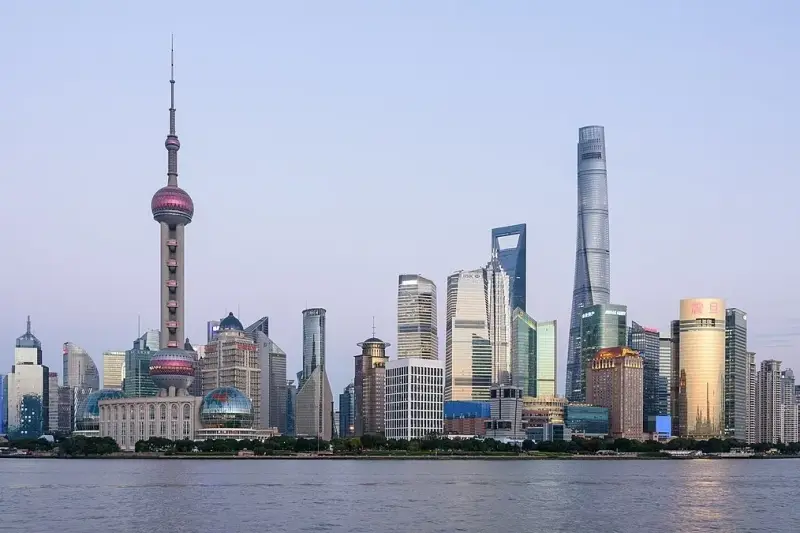 ShanghaiThe Bund and Pudong skyline
 HangzhouWest Lake and tea hills
 NanjingJiangsu's former imperial capital on the Yangtze
 QingdaoShandong's port city of beer, beaches and red roofs
 WuhanHubei's capital where the Han meets the Yangtze
 XiamenFujian's island port of temples, pianos and Minnan food
DalianLiaoning's port city between two seas
 TianjinBeijing's old treaty port
 ZhangjiajieHunan's mountain city of sandstone towers
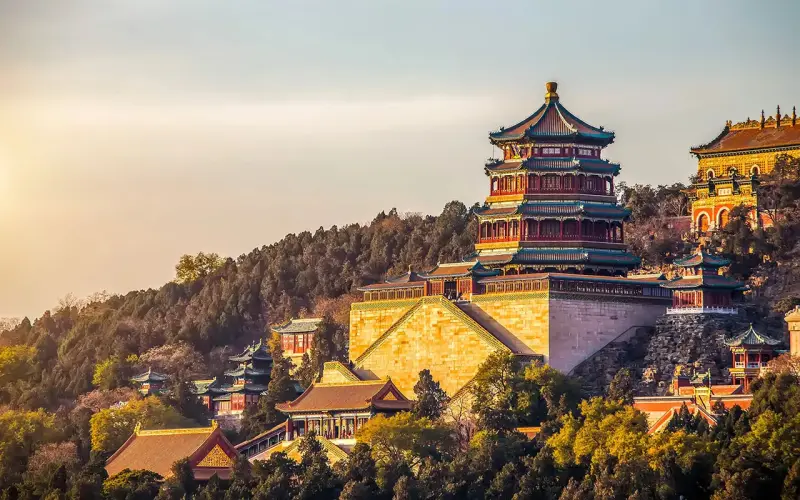 BeijingPalaces and the Great Wall
 Xi'anTerracotta Army and Silk Road
 GuangzhouCapital of Cantonese food
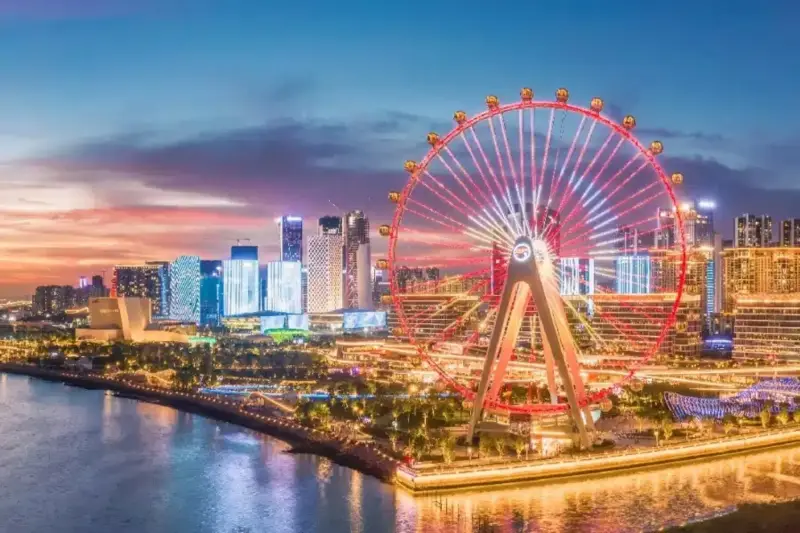 ShenzhenTech city next to Hong Kong
 GuilinLimestone peaks along the Li River
 ZhuhaiSeafront, theme parks and the Macau border
 ChongqingHill city of bridges where two rivers meet
 ChengduSichuan's capital of pandas, tea and spice
 HarbinChina's ice city on the Songhua
KunmingChina's Spring City on Lake Dian
 LijiangYunnan's Naxi old town below the snow peaks
LincangYunnan's tea frontier
 LhasaTibet's palace and temple city at 3,656 m
Nothing in that category yet.
Top things to do in Suzhou
UNESCO gardens, canal gates and pagodas, silk and opera, and Lake Tai to the west.
No things to do in Suzhou are listed yet. Browse all things to do
Best time to visit Suzhou
Month by month, so you can pick the weather and the crowds you want.
Highs climb from about 21C to 26C, with roughly 80 to 100 mm of rain a month.
The year's heaviest rainfall, about 211 mm.
Highs near 33C and warm, sticky nights around 26C.
Highs ease from 28C to 17C and October is one of the drier months.
Highs of 8-11C and lows near freezing, damp rather than snowy.
October is one of the driest months of the year, with about 69 mm of rain, which makes it the easiest time for full days outdoors.
Plan your trip
Practical answers before you go. Pick a topic.
Getting there
High-speed train from Shanghai or Nanjing, or fly into Wuxi
Most visitors come by train. Suzhou Railway Station sits near the old town, and the fastest G-series trains reach Shanghai Railway Station in 25 minutes. Suzhou North Station, farther out, is a stop on the Beijing-Shanghai high-speed line, which suits travelers coming from the north. The nearest airport is Wuxi Shuofang, about 20 km from the center, which opened a Suzhou city terminal in 2023 under the code SZO. Shanghai's airports are the other option for international arrivals.
- Suzhou Railway Station
- Near the old town; the line to Shanghai
- Suzhou North
- Beijing-Shanghai high-speed line
- Wuxi Shuofang
- About 20 km from Suzhou; city terminal coded SZO
- Nanjing
- Under an hour by fast train
- Check which Suzhou station your ticket names before you set out; North is well away from the old town.
- The main station has served the city since 16 July 1906, and the old town is a short metro or taxi ride from it.
Where to stay
Old town near Pingjiang Road, Shantang Street or Suzhou New District
Stay inside the old town if gardens are the point of your trip, since several are within walking distance of each other. Pingjiang Road is one option, while Shantang Street is the other historic street. Business travelers often pick the modern districts, which are better served by the newer metro lines.
- Pingjiang Road
- Historic street in the old town
- Shantang Street
- Historic street with shops and restaurants
- Suzhou New District
- Modern hotels on the tram network
- Lake Tai
- Quieter stays by the lake
- Book early for April, May and October, the most comfortable months and the busiest.
Getting around
Nine metro lines, a tram, BRT and city buses
Suzhou has nine metro lines in operation, with a tenth under construction. The three newest opened in 2024: Line 6 in June, Line 8 in September and Line 7 in December. The Suzhou Tram runs two routes in the New District, and a 25 km bus rapid transit network, opened in 2008, has five lines on elevated busways and bus lanes. City buses reach the rest.
- Metro
- Nine lines, one more being built
- Tram
- Two routes in Suzhou New District
- BRT
- Five lines on a 25 km network
- On foot
- The old-town gardens sit close together
- Walk between gardens in the old town; lanes along the canals are often quicker than a taxi in traffic.
Know before you go
What makes Suzhou worth the trip, and what catches visitors out.
Why travelers love it
- The Lingering Garden, one of the city's best-known gardens and a good second stop after the Humble Administrator's Garden.
- The Couple's Retreat Garden, a smaller garden to pair with one of the large ones.
- The Suzhou Museum, designed by I. M. Pei.
- Pingtan, the local storytelling art that mixes song, pipa and sanxian with spoken dialect.
- The Suzhou Museum's embroidery and silk, shown alongside coins and Buddhist objects.
Good to know
- June is the wettest month, with more than 200 mm of rain on average.
- Summer is hot and humid, with July and August highs around 33C.
- Winter is cold and damp, and buildings in the old town can feel chilly indoors.
- The famous gardens are crowded on weekends and public holidays; go at opening time.
Trip fit
BookingMentor editorial ratings out of 5, based on a first-time visitor's experience.
Weather in Suzhou, month by month
Suzhou has a humid subtropical climate with hot summers, cool damp winters and a rainy spell in June.
Climate figures are 1991 to 2020 normals for Suzhou (Wuzhong District) from the China Meteorological Administration, via Wikipedia.
Packages in Demand
A Journey to Remember
Tours, activities and day trips in and around this destination, with the details you need before booking.
No packages in Suzhou are listed yet. Browse all packages
Create Your Custom-Made Trip to Suzhou
Traveling to Suzhou? Chat with a Local Travel Specialist in Suzhou Who Can Help Organize Your Trip.
START HERE
Our Travel Experts are Recommended by



A garden lost at the gambling table
Between the 16th and 18th centuries Suzhou had more than 200 private gardens, built by officials and scholars who retired here. They were designed to bring hills, water and trees inside a walled home, so you move through them as a series of framed views. More than 60 survive, and the Classical Gardens of Suzhou were recognized by UNESCO in 1997 and 2000.
The Humble Administrator's Garden was created from 1513 by Wang Xianchen, an imperial envoy and poet, on the site of a run-down temple, and completed in 1526. His friend Wen Zhengming painted it in 1533, and the name comes from a verse about a retired official tending his own plot. Wang's son is said to have lost it gambling; the eastern part was split off in 1631, and the three sections were rejoined only in 1949. In 1860 the Taiping prince Li Xiucheng made it his residence and remodeled it.
Linger in the center, where three islands in the Surging Wave Pond recall the fairy islands of the eastern sea. Look too for the 101 inscribed tablets, 40 steles and more than 700 Suzhou-style penjing. The Lion Grove Garden, the Garden of Cultivation and Canglang Pavilion round out the list; one large and one small garden per half day is a comfortable pace.
Leaning towers and canal streets
The Suzhou section of the Grand Canal takes in ten city gates and more than 20 stone bridges. Pingjiang Road, about 1.5 km, and Shantang Street, about 3.8 km, are both National Historic and Cultural Streets, lined with canal-side homes. The low skyline is deliberate: Gusu District caps buildings at 24 m.
On Tiger Hill, the Yunyan Pagoda was built in 961, stands about 47 m tall and has slanted by roughly 3 degrees. Beisi Pagoda, about 76 m, is the tallest Chinese pagoda south of the Yangtze. Pan Gate guards the canal beside surviving stretches of the city wall, and Xuanmiao Temple is the best-known temple in the center.
Kunqu, brocade and squirrel fish
Kunqu opera began in this region and is performed and explained at the China Kunqu Museum; the later Suzhou Opera comes from here too. Suzhou embroidery ranks among China's Four Famous Embroideries, alongside work from Hunan, Sichuan and Guangdong, and Suzhou tapestry uses fine silk and gold thread. At dinner, squirrel fish is the signature dish to order.
Travelers are asking
No questions yet about Suzhou. Ask the community or our travel team, and the answer will show here once it is published.
Our travel desk answers questions about Suzhou
How we research our Suzhou travel guide
Rail links, metro lines and seasonal details are rechecked when operators change them. Suzhou facts follow the China Meteorological Administration climate normals and Wikipedia's sourced articles on the city and its gardens.
Last updated . Spotted something out of date? Tell us.
Checked against trusted sources:
Suzhou Municipal Government
See the source

Before You Go...
Discover Trips & Info
A Travel Network Connection Travelers and locals
Incredible Event & Festival, Don't Miss!
Most Popular Event & Festival of Suzhou
Festivals and events in this destination, with dates, venues and ticket details where available.
No upcoming festivals or events in Suzhou are listed right now. Browse all events
Memorable Experiences
Where to Go (& NOT Go) In Suzhou!
Roaming the World one Adventure at a Time: Travel Tales, Tips, and Inspiration for wanderlusters.

Subscriber
Popular car hire destinations
Explore more options to hire a car for cheap
Frequently Asked Questions (FAQs)
Quick answers to the questions travelers ask most before visiting Suzhou.
Timing & weather
It covers 5.2 hectares, which makes it the largest garden in the city. With 48 buildings around its ponds, plan on two hours to walk all three sections without rushing.
The best time to visit Suzhou is Apr to May, Oct to Nov. Highs of 17-26C between the cold, damp winter and the hot summer.
- Spring: April - May (Highs climb from about 21C to 26C, with roughly 80 to 100 mm of rain a month)
- Rainy early summer: June (The year's heaviest rainfall, about 211 mm)
- Hot summer: July - August (Highs near 33C and warm, sticky nights around 26C)
- Autumn: September - November (Highs ease from 28C to 17C and October is one of the drier months)
- Winter: December - February (Highs of 8-11C and lows near freezing, damp rather than snowy)
General
Cao Xueqin, the novel's author, is believed to have lived in the Humble Administrator's Garden as a teenager around 1735. Some scholars think the garden in his book draws on it.
Tradition holds that King Helü, the founder of the city, was buried there in 496 BC. The hill is now one of the city's main sights.
Yes. The Suzhou Silk Weaving Technique Inheritance Center teaches Song brocade and kesi weaving, and part of its work is open to public viewing. The Suzhou Silk Museum covers the history of the trade.
It makes a good change of pace from the old town. Lake Tai is one of the natural sights listed for the city, along with Lingyan Mountain and Yangcheng Lake.
Yangcheng Lake large crab is one of the named dishes of Suzhou cuisine. The season varies by year, so ask restaurants or your hotel when it is being served.
The folk song Mo Li Hua is said to have originated in the Suzhou area,.
Yes. The Suzhou Museum of Contemporary Art shows modern work, a change of pace after the older collections.
Yes. Chongyuan Temple is listed among the city's temples and is worth adding to a garden day.
Yes. Beyond the old town it is a large research and industrial center, ranked 33rd among the world's cities for scientific output in the Nature Index 2025, and Taicang Port ships vehicles overseas.
Suzhou has nine metro lines in operation, with a tenth under construction. The three newest opened in 2024: Line 6 in June, Line 8 in September and Line 7 in December. The Suzhou Tram runs two routes in the New District, and a 25 km bus rapid transit network, opened in 2008, has five lines on elevated busways and bus lanes.
Visa & documents
Entry rules depend on your nationality and change from time to time. Check the National Immigration Administration of China's official website, or the Chinese embassy in your country, before you book.
Getting there
Most visitors come by train. Suzhou Railway Station sits near the old town, and the fastest G-series trains reach Shanghai Railway Station in 25 minutes. Suzhou North Station, farther out, is a stop on the Beijing-Shanghai high-speed line, which suits travelers coming from the north.
Health & safety
Violent crime against visitors is rare, but laws are strictly enforced, and drug use or religious proselytising carry severe penalties. Carry your passport, since hotels and trains require it, avoid political discussions and demonstrations, and watch for tea house and art student scams in tourist areas. Call 110 for police and 120 for an ambulance.
