
Sorrento travel guide
Cliff-top town over the Bay of Naples, lemon groves and ferries to Capri
A cliff-top resort on the Sorrentine Peninsula with trains to Naples and Pompeii and ferries to Capri and the Amalfi Coast. Go May to June or September to October; three or four nights lets you mix the town with day trips. Prices are high, and Schengen rules apply.
Sorrento stands on cliffs above the Bay of Naples near the tip of the Sorrentine Peninsula. Vesuvius rises across the water and Capri lies off the point. It is the end of the Circumvesuviana line from Naples, and ferries leave its harbour for Capri, Positano, Amalfi and Ischia, which makes it the most practical base in the region.
Piazza Tasso is the hinge of town, ringed by cafe tables. Just up Viale Enrico Caruso, a railing looks down into the Vallone dei Mulini, a deep gorge with the ruins of an old water mill at the bottom. Corso Italia leads east towards the station and west past the cathedral. In the lanes on the sea side of the Corso, shops sell inlaid wood, lace and limoncello.
Swimming takes some planning. The two harbours (Marina Piccola for ferries, Marina Grande for fishing boats) have small beaches with bathing piers, most of them paid. A better option is Bagni Regina Giovanna at Capo di Sorrento, a sea pool enclosed by rock beside the ruins of the Roman Villa Pollio.
Day trips are half the point of a stay. The Circumvesuviana stops at Pompeii and Ercolano on its way to Naples. Ferries cross to Capri, and SITA buses from the station square wind along the cliff road to Positano and Amalfi.
Evenings start late. Families stroll from around 18:00 and many restaurants keep serving until 23:30. Order gnocchi alla sorrentina, baked with tomato and mozzarella, then a glass of limoncello made from the peninsula's lemons or its creamier cousin, crema al limone.
Leave the car behind. Roads on the peninsula are narrow, parking is scarce and scooters weave through everything. In summer the Circumvesuviana is packed as far as Pompei, so board at Naples Porta Nolana for a seat, or take the air-conditioned Campania Express, a seasonal service that in 2026 ran from late March to the end of September.
Explore Sorrento by theme
Find your kind of trip: 24 travel themes, each with the packages in Sorrento.
 Ayurveda Tours
Seasonal/Event
 Adventure
Wildlife & Safaris
Pilgrimage
Eco/Nature
Culture & History
 Honeymoon
 Romantic Getaway
 Cruise
 Water Activities
 Backpacking
 Luxury
 Photography
City Slickers
Heritage
 Beach & Relaxation
 Sports & Recreation
 Food & Wine
Train & River Journeys
Skiing
 Overland
Sorrento at a glance
The essentials first-time visitors ask about, in one place.
Explore more of Italy
Pick a place by travel style: beaches, nature, cities, heritage, hills, islands.
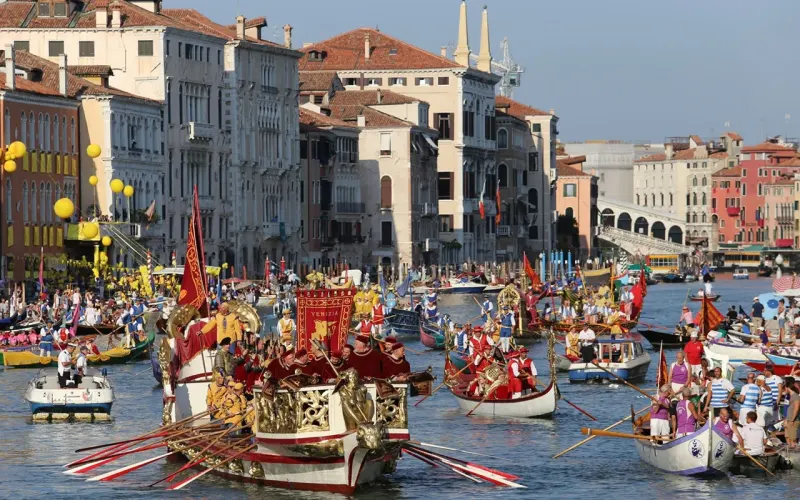 VeniceCanals, gondolas and palaces
MilanFashion and design capital
PisaMore than a leaning tower
RomeThe Eternal City
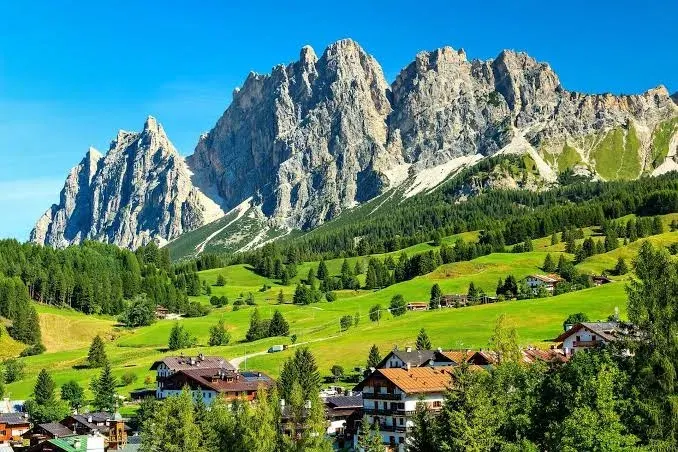 Cortina d'AmpezzoQueen of the Dolomites
AmalfiCliffs, lemons and sea
CarrùPiedmont's bollito town
FerraraRenaissance city on two wheels
FlorenceCradle of the Renaissance
FolignoUmbria's flat junction town
IvreaCanavese's carnival town
MateraSouthern Italy's cave city
NaplesSouthern Italy's restless capital
OrvietoUmbria's cliff-top city
SienaTuscany's Gothic hill city
SpelloUmbria's flower-carpet town
TrapaniSicily's western port
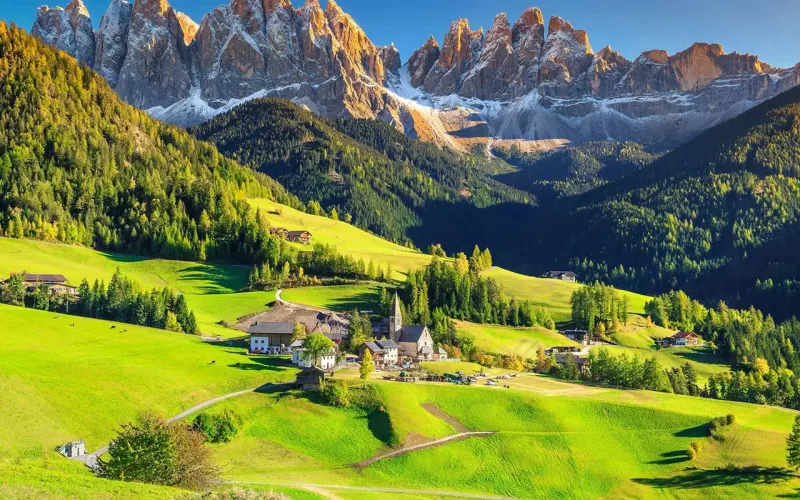 DolomitesPeaks and alpine meadows
AgrigentoSicily's temple city
AlberobelloApulia's trulli town
AssisiHill town of St Francis
BariApulia's seafront capital
BergamoTwo towns on one hill
BolognaRed brick and ragù
BolzanoWhere Italy meets Tyrol
BresciaLombardy's overlooked Roman city
CagliariSardinia's capital
CapriBay of Naples island
CataniaSicily's city under Etna
CefalùSicily's north-coast beach town
ComoLake Como's gateway city
FoggiaCapital of the Tavoliere
ForlìRomagna's quiet art city
GenoaLa Superba, Liguria's port capital
Giugliano in CampaniaNaples' north-western edge
LatinaLazio's 1930s new town
LecceBaroque capital of the Salento
LivornoTuscany's port city
LuccaTuscany's walled city
MantuaGonzaga court on the lakes
MessinaSicily's gateway on the Strait
ModenaEmilia's food and motor town
Monterosso al MareCinque Terre beach village
MonzaRoyal villa and race track
NovaraPiedmont's rice-country capital
PaduaVenice's university neighbour
PalermoSicily's layered capital
ParmaEmilia's food city
PerugiaUmbria's hilltop capital
PescaraAbruzzo's seaside city
PiacenzaEmilia's western gateway
PortofinoRiviera harbour village
PositanoAmalfi Coast cliff town
PratoFlorence's working neighbour
RagusaSicily's two-level baroque city
RavennaCapital of mosaics
Reggio CalabriaItaly's toe, facing Sicily
Reggio EmiliaQuiet Emilian food town
RiminiAdriatic beach town
SalernoFerry port for the Amalfi Coast
San GimignanoTuscany's town of towers
SassariNorthern Sardinia's capital
SyracuseGreek Sicily by the sea
TaorminaSicily's terrace above the Ionian
TarantoApulia's Spartan port city
TerniGateway to the Marmore Falls
TrentoWhere the Alps meet Italy
TriesteItaly's Central European port
TurinItaly's first capital
UrbinoRenaissance court on a hill
VeronaOpera under Roman stone
VicenzaThe city Palladio built
Nothing in that category yet.
Top things to do in Sorrento
A small old town over the sea, harbour swimming and the best transport links in the bay for day trips.
No things to do in Sorrento are listed yet. Browse all things to do
Best time to visit Sorrento
Month by month, so you can pick the weather and the crowds you want.
Sea warm enough to swim, ferries running often, fewer crowds than midsummer.
Hot and busy; trains, buses and beaches are crowded, so book ferries early.
Mild but quiet, with fewer ferries and no Campania Express.
The faster Campania Express is seasonal and was suspended from 1 October 2026, so check the EAV website before counting on it; otherwise use the slower Circumvesuviana.
Packages in Demand
A Journey to Remember
Tours, activities and day trips in and around this destination, with the details you need before booking.
No packages in Sorrento are listed yet. Browse all packages
Create Your Custom-Made Trip to Sorrento
Traveling to Sorrento? Chat with a Local Travel Specialist in Sorrento Who Can Help Organize Your Trip.
START HERE
Our Travel Experts are Recommended by



Plan your trip
Practical answers before you go. Pick a topic.
Getting there
Circumvesuviana, Beverello hydrofoils, Capodichino coach
Naples is the gateway, and you have three ways to cover the last stretch. The Circumvesuviana commuter line runs from Naples Porta Nolana, via Garibaldi, along the coast to Sorrento; trains are old, crowded in summer and cooled only by open windows. In the warmer months, the seasonal Campania Express uses the same track with fewer stops, air conditioning and guaranteed seats. Ferries from Napoli Beverello are the fastest of all. From Naples airport, buses run straight to Sorrento a few times a day. Ferries also link Sorrento with Capri, Ischia and Positano, and SITA buses from Positano and Amalfi end in front of the station.
- Circumvesuviana from Naples
- About 1 hr 20 min, roughly every 30 minutes
- Campania Express
- About 50 minutes, seasonal (late March to September in 2026)
- Ferry from Napoli Beverello
- About 40 minutes, roughly every two hours
- Bus from Naples airport
- Curreri coaches, several departures a day
- By car
- Naples Tangenziale south to the Sorrentine coast, around 1 hr 30 min in traffic
- Ticket machines on the Circumvesuviana are rare and often broken; buy at a staffed counter or online before you travel.
- In summer board at Porta Nolana, the first stop, if you want a seat.
Where to stay
Piazza Tasso, Marina Grande or Capo di Sorrento
Piazza Tasso is the handiest base, within walking distance of the station, the ferry harbour and the restaurants. Marina Grande, the old fishing harbour below the cliffs, is quieter and has seafood on the doorstep but a stiff climb back up. The hills and Capo di Sorrento offer sea views and calm at the cost of relying on buses.
- Piazza Tasso and Corso Italia
- Central, near the station, lively late
- Marina Grande
- Fishing harbour with seafood restaurants, steep walk up
- Capo di Sorrento and the hills
- Quieter, sea views, rely on buses
Getting around
Blue SITA coaches, Marina Piccola boats, hired bikes on the hills
Trains and buses from Naples drop you at Piazza Lauro, and from there the centre is an easy walk along Corso Italia to Piazza Tasso. Local buses reach most places worth seeing on the peninsula, and taxis wait in the centre. Scooter hire is widespread, and helmets are compulsory even if not everyone wears one. Driving is possible but parking is very limited, and on narrow two-way roads oncoming traffic treats the centre line as a suggestion. Several shops rent bikes with helmets and locks, a good way to see the coast from above.
- SITA buses
- From the station square to Positano and Amalfi
- Ferries
- Marina Piccola to Capri, Positano, Amalfi and Ischia
- Taxis
- Wait in the centre, handy for the climb up from Marina Grande
- Bike hire
- Shops in town rent bikes with helmets and locks
- If scooters buzzing past on blind bends unsettle you, leave driving to the bus drivers.
Know before you go
What makes Sorrento worth the trip, and what catches visitors out.
Why travelers love it
- The Vallone dei Mulini seen from the railing above Piazza Tasso, a green gorge with a ruined mill at the bottom.
- Bagni Regina Giovanna, a rock-enclosed sea pool beside Roman ruins at Capo di Sorrento.
- The cloister of San Francesco, a quiet arcaded courtyard dating from around 1300.
- Dinner at Marina Grande, among fishing boats below the cliffs.
- An early ferry to Capri before the day crowds.
Good to know
- Board at Porta Nolana in Naples to get a seat; trains fill up towards Pompei.
- Most beaches are paid lidos with sunbeds and umbrellas; arrive early for a free patch.
Trip fit
BookingMentor editorial ratings out of 5, based on a first-time visitor's experience.
Weather in Sorrento, month by month
Sorrento's summers are dry and its wettest weeks come in late autumn. Open any month to see typical temperatures and rainfall.
Climate figures are approximate long-term averages for Sorrento (via Wikipedia).
Vallone dei Mulini, Marina Grande and a Pompeii morning
Two days in Sorrento covers Piazza Tasso, the Vallone dei Mulini gorge, the old lanes of Via San Cesareo and a seafood lunch at Marina Grande on day one. On day two, take an early ferry from Marina Piccola to Capri or the Circumvesuviana to Pompeii, then swim at Bagni Regina Giovanna.
Start at Piazza Tasso and walk a few metres up Viale Enrico Caruso to the railing over the Vallone dei Mulini, the green gorge with a ruined mill at the bottom. Explore the old lanes north of Corso Italia, including Via San Cesareo, one of the oldest streets in town, and the Sedil Dominova, where the local nobility once met. Visit the cloister of San Francesco, then go down to Marina Grande for a seafood lunch.
In the afternoon, see the Museo Correale's paintings and the inlaid wood museum on Via San Nicola. Join the evening stroll around Piazza Tasso before a late dinner.
On day two, take an early ferry from Marina Piccola to Capri, or ride the Circumvesuviana to Pompeii. Be back for a swim at Bagni Regina Giovanna at Capo di Sorrento, beside the ruins of the Roman Villa Pollio, as the sun drops.
Gnocchi alla sorrentina, limoncello and seafood at Marina Grande
The dish to order in Sorrento is gnocchi alla sorrentina, potato gnocchi baked with tomato sauce and mozzarella. Seafood is best at Marina Grande, and local lemons go into limoncello and crema al limone. Evenings start late: the passeggiata begins around 18:00 and many restaurants serve until 23:30.
Evenings run late here. People come out around 18:00 to walk the centre, and many restaurants keep serving until 23:30. Piazza Tasso's cafes, with tables facing the square, are the place for a coffee or a drink and some people-watching.
The dish to order is gnocchi alla sorrentina, potato gnocchi baked with tomato sauce and mozzarella. Parmigiana of aubergine or artichoke layers the vegetables with tomato and cheese. At Easter bakeries sell pastiera, a ricotta and wheat-grain tart. The peninsula's olive oil wins prizes, and seafood is best down at Marina Grande.
Lemons from the terraced groves go into limoncello and its creamier cousin crema al limone. Amaro di Capo di Sorrento is a bitter herbal liqueur, and local wines include Falanghina and Lacryma Christi. For gelato, Gelateria Davide on Via Padre Reginaldo Giuliani has a strong local following.
Sorrento lemons carry their own protected name, and the shops along Via San Cesareo sell limoncello in every bottle size. Ask for a taste first, because quality runs from excellent to syrupy.
Punta Campanella, Herculaneum and boats from Marina Piccola
Pompeii is the first day trip from Sorrento, a short ride on the Circumvesuviana, with Herculaneum further along the same line. Ferries from Marina Piccola reach Capri and, in season, Positano, Amalfi and Ischia. Keep Pompeii or the Punta Campanella walk for windy days, when boats are cancelled.
Pompeii is the obvious first trip, a short ride on the Circumvesuviana towards Naples; Ercolano, for the smaller and better-preserved town of Herculaneum, is further along the same line. Go early in summer, as both sites are exposed and hot by midday.
Capri is reached by ferry from Marina Piccola, and the same harbour serves Positano, Amalfi and Ischia in season. SITA buses leave from the square outside the station for the cliff road along the Amalfi Coast, with views straight down to the sea; sit on the right going towards Positano.
Closer to home, rent a bike or take a bus out to the Punta Campanella nature reserve at the tip of the peninsula, facing Capri. Naples itself is about 40 minutes away by ferry for a day of museums and pizza.
Plan around the sea. When the wind gets up, boats from Marina Piccola are cancelled or rough, so keep Pompeii or the Punta Campanella walk in reserve as a dry-land day and move Capri to the next calm morning.
Travelers are asking
No questions yet about Sorrento. Ask the community or our travel team, and the answer will show here once it is published.
Our travel desk answers questions about Sorrento
How we research our Sorrento travel guide
Ferry and Circumvesuviana timetables are what changes most in Sorrento, and the page follows them. Town details come from the Comune di Sorrento website and Italia.it.
Last updated . Spotted something out of date? Tell us.
Checked against trusted sources:
Official website of SorrentoItalia.itUNESCO World Heritage Centre

Before You Go...
Discover Trips & Info
A Travel Network Connection Travelers and locals
Incredible Event & Festival, Don't Miss!
Most Popular Event & Festival of Sorrento
Festivals and events in this destination, with dates, venues and ticket details where available.
No upcoming festivals or events in Sorrento are listed right now. Browse all events
Memorable Experiences
Where to Go (& NOT Go) In Sorrento!
Roaming the World one Adventure at a Time: Travel Tales, Tips, and Inspiration for wanderlusters.



Subscriber
Popular car hire destinations
Explore more options to hire a car for cheap
Frequently Asked Questions (FAQs)
Quick answers to the questions travelers ask most before visiting Sorrento.
General
Yes, Curreri coaches run several times a day. Otherwise go into Naples and take the Circumvesuviana or a ferry from Beverello.
The Campania Express when it runs, which in 2026 meant late March to September: about 50 minutes, air-conditioned, with seats. The ordinary Circumvesuviana takes about 1 hr 20 min and runs roughly every 30 minutes.
Pompei Scavi for Pompeii and Ercolano Scavi for Herculaneum, both on the line between Sorrento and Naples.
Only up to a point. Both have bathing piers, mostly paid; Bagni Regina Giovanna at Capo di Sorrento is a better swim.
SITA buses leave from the square outside the station, and ferries sail from Marina Piccola in season.
Potato gnocchi baked with tomato sauce and mozzarella. Follow it with limoncello made from peninsula lemons.
May to June and September to October, when the sea is warm and ferries run often but trains are less crowded than in July and August.
Henrik Ibsen lived at the Hotel Tramontano while writing parts of Peer Gynt and Ghosts.
Trains and buses from Naples drop you at Piazza Lauro, and from there the centre is an easy walk along Corso Italia to Piazza Tasso. Local buses reach most places worth seeing on the peninsula, and taxis wait in the centre. Scooter hire is widespread, and helmets are compulsory even if not everyone wears one.
Timing & weather
About 40 minutes, with sailings roughly every two hours. It is the fastest way in from Naples.
The best time to visit Sorrento is May to Jun, Sep to Oct. Warm sea and full ferry schedules, without the packed trains of July and August.
- Best overall: May - June, September - October (Sea warm enough to swim, ferries running often, fewer crowds than midsummer)
- Summer: July - August (Hot and busy; trains, buses and beaches are crowded, so book ferries early)
- Winter: November - March (Mild but quiet, with fewer ferries and no Campania Express)
August is the warmest month in Sorrento, with average highs of 30°C, and January the coolest, with lows of 4°C. November is the wettest month, at about 163 mm of rain; July is the driest. Sorrento's summers are dry and its wettest weeks come in late autumn.
Getting there
No. Roads are narrow, scooters are everywhere and parking is very limited. Buses, trains and ferries cover most trips.
Visa & documents
Schengen rules apply in Italy. Citizens of the EU and of many other countries, including the US, UK, Canada and Australia, can visit visa-free for up to 90 days in any 180-day period; other nationalities need a Schengen visa. The EU's Entry/Exit System (EES) records non-EU travelers' fingerprints and a photo at the border.
Health & safety
Violent crime against visitors to Italy is rare. Pickpocketing is the main problem, especially on buses and metros in Rome (bus 64 is notorious), at Roman and Florentine sights, and at Termini and Naples Centrale stations. Wear your bag across your body and zip it, and use only licensed white taxis or official ride apps.

 Exclusive holiday package offers