


Venice
Venice travel guide
A city of canals, bridges and palaces built on the lagoon.
Venice is a car-free city spread over more than a hundred small islands in a lagoon off northeast Italy, the historic centre and its lagoon a UNESCO World Heritage Site. Come for St Mark's Basilica, the Doge's Palace, the Grand Canal and the quiet backstreets of Cannaregio and Castello. Visit in spring or autumn, stay at least two nights, and walk or ride the vaporetto everywhere.
Venice is built across more than 100 small islands in a lagoon in northeastern Italy, connected by bridges and waterways. The historic center is largely pedestrian, with narrow streets, stone bridges, and canals shaping the city’s distinctive layout.
St. Mark’s Square is home to St. Mark’s Basilica, the Doge’s Palace, and the Campanile. The Grand Canal passes through the heart of Venice, lined with historic palaces and crossed by the Rialto Bridge. Traditional gondolas travel through smaller canals, while public water buses, known as vaporetti, connect the main neighborhoods and surrounding islands.
The nearby islands of Murano and Burano offer different experiences. Murano is internationally known for its glassmaking, while Burano is recognized for brightly colored houses and lace craftsmanship.
Venice also hosts the Venice Biennale, one of the world’s major contemporary art and architecture events, and the annual Venice International Film Festival. Venetian cuisine features seafood, risotto, cicchetti, pasta, and local wines, reflecting the city’s lagoon setting and northern Italian traditions.
Best experiences in Venice
Find your kind of trip: 24 travel themes, each with the packages in Venice.
 Ayurveda Tours
 Seasonal/Event
 Adventure
Wildlife & Safaris
Pilgrimage
Eco/Nature
Culture & History
 Honeymoon
 Romantic Getaway
 Cruise
 Water Activities
 Backpacking
 Luxury
 Photography
City Slickers
 Heritage
 Beach & Relaxation
 Sports & Recreation
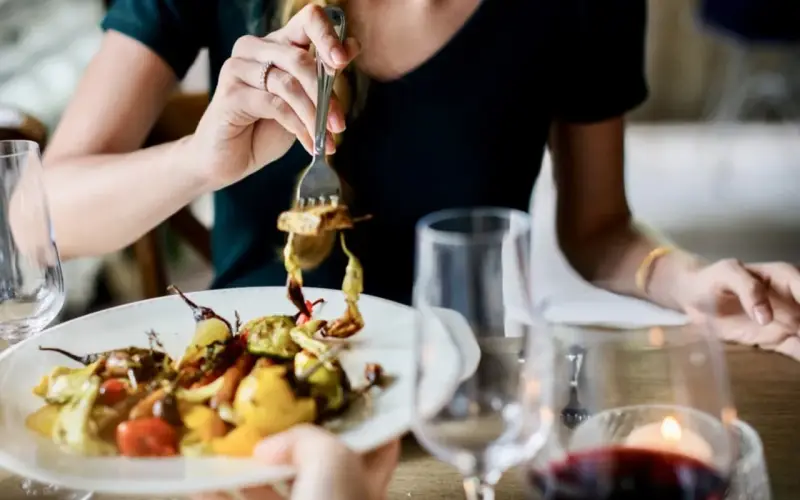 Food & Wine
Train & River Journeys
Skiing
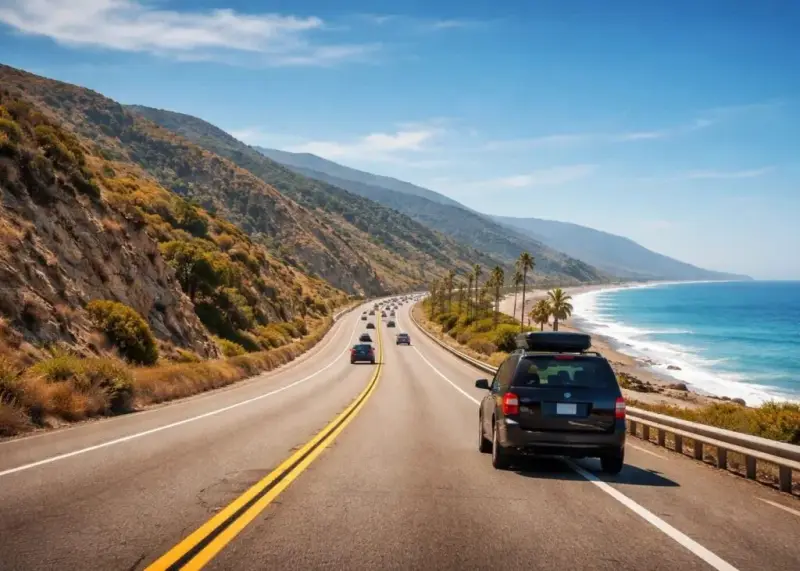 Overland
Venice at a glance
The car-free lagoon city in brief: when to come, entry rules, money and the day-tripper fee.
Top destinations in Venice
Pick a place by travel style: beaches, nature, cities, heritage, hills, islands.
 Cortina d'AmpezzoQueen of the Dolomites
AmalfiCliffs, lemons and sea
CarrùPiedmont's bollito town
FerraraRenaissance city on two wheels
FlorenceCradle of the Renaissance
FolignoUmbria's flat junction town
IvreaCanavese's carnival town
MateraSouthern Italy's cave city
NaplesSouthern Italy's restless capital
OrvietoUmbria's cliff-top city
SienaTuscany's Gothic hill city
SpelloUmbria's flower-carpet town
TrapaniSicily's western port
 DolomitesPeaks and alpine meadows
AgrigentoSicily's temple city
AlberobelloApulia's trulli town
AostaThe Roman town at the foot of Mont Blanc
AssisiHill town of St Francis
BariApulia's seafront capital
BergamoTwo towns on one hill
BolognaRed brick and ragù
BolzanoWhere Italy meets Tyrol
BresciaLombardy's overlooked Roman city
CagliariSardinia's capital
CampobassoMolise's hilltop capital
CapriBay of Naples island
CataniaSicily's city under Etna
CefalùSicily's north-coast beach town
ComoLake Como's gateway city
FoggiaCapital of the Tavoliere
ForlìRomagna's quiet art city
GenoaLa Superba, Liguria's port capital
Giugliano in CampaniaNaples' north-western edge
LatinaLazio's 1930s new town
LecceBaroque capital of the Salento
LivornoTuscany's port city
LuccaTuscany's walled city
MantuaGonzaga court on the lakes
MessinaSicily's gateway on the Strait
ModenaEmilia's food and motor town
Monterosso al MareCinque Terre beach village
MonzaRoyal villa and race track
NovaraPiedmont's rice-country capital
PaduaVenice's university neighbour
PalermoSicily's layered capital
ParmaEmilia's food city
PerugiaUmbria's hilltop capital
PescaraAbruzzo's seaside city
PiacenzaEmilia's western gateway
PortofinoRiviera harbour village
PositanoAmalfi Coast cliff town
PratoFlorence's working neighbour
RagusaSicily's two-level baroque city
RavennaCapital of mosaics
Reggio CalabriaItaly's toe, facing Sicily
Reggio EmiliaQuiet Emilian food town
RiminiAdriatic beach town
SalernoFerry port for the Amalfi Coast
San GimignanoTuscany's town of towers
SassariNorthern Sardinia's capital
SorrentoBase for the Bay of Naples
SyracuseGreek Sicily by the sea
TaorminaSicily's terrace above the Ionian
TarantoApulia's Spartan port city
TerniGateway to the Marmore Falls
TrentoWhere the Alps meet Italy
TriesteItaly's Central European port
TurinItaly's first capital
UrbinoRenaissance court on a hill
VeronaOpera under Roman stone
VicenzaThe city Palladio built
Nothing in that category yet.
Top things to do in Venice
Basilicas, palaces, canals and lagoon islands across Venice.
Venice
Grand Canal (Canal Grande)
The Grand Canal winds through the heart of Venice in a reverse-S curve about 3.8 km long, from the lagoon near Santa Lucia railway station and Piazzale Roma to...
Venice
Piazza San Marco (St Mark's Square)
Piazza San Marco is the principal square of Venice, in the sestiere of San Marco near the mouth of the Grand Canal. It is the only space in the city called a pi...

Venice
Doge's Palace (Palazzo Ducale)
The Doge's Palace stands on Piazza San Marco in Venice, beside St Mark's Basilica and facing the lagoon. For centuries it was the residence of the Doge, the ele...
Venice
St. Mark's Basilica
St Mark's Basilica, the Basilica di San Marco, stands at the eastern end of Piazza San Marco in Venice, next to the Doge's Palace. It was the doge's private cha...
Venice
Teatro La Fenice
Teatro La Fenice stands on Campo San Fantin in the San Marco district of Venice, a short walk from St Mark's Square. It opened in 1792, built to a design by Gia...
Venice
Scuola Grande di San Rocco
The Scuola Grande di San Rocco stands in the San Polo district of Venice, beside the church of San Rocco and close to the Frari basilica. It is the seat of a la...
Venice
Santa Maria della Salute
The Basilica of Santa Maria della Salute stands on the tip of the Dorsoduro district, at the point where the Grand Canal meets the Giudecca Canal and the St Mar...
Venice
Torre dell'Orologio (Clock Tower)
The Torre dell'Orologio stands on the north side of Piazza San Marco in Venice, at the entrance to the Mercerie, the main shopping street leading to the Rialto....
Where to stay in Venice
Hotels and resorts in Venice with guest scores, nightly prices and free cancellation.
Best time to visit Venice
April to June and September to October are mild for walking; winter is foggy, with high tides most likely.
Mild days for walking, though weekends and holidays are busy.
Hot, humid and crowded; the Biennale and the Festa del Redentore draw big numbers.
Cold, foggy and quieter; acqua alta high tides are most likely from October to January, and Carnival fills the city in February.
On selected peak days day-trippers must pay an access fee booked online in advance; overnight guests are exempt but must register through their hotel. Check the dates on the city's official site before you go.
Venice travel tips
Arriving by plane, train or bus, the access fee, money, safety and staying in the old city or Mestre.
Visas and entry
Schengen area
Venice follows Italy's Schengen rules: many nationalities may stay 90 days in any 180 without a visa, others need a Schengen visa, and non-EU arrivals are logged in the EU Entry/Exit System (EES) at the border.
- Passport validity
- At least 3 months beyond departure from Schengen
- ETIAS
- Planned travel authorisation for visa-exempt visitors; check the start date
Getting there
Airport, train or bus
Venice Marco Polo Airport (VCE) is on the mainland edge of the lagoon. Trains arrive at Venezia Santa Lucia station on the Grand Canal; cars and buses stop at Piazzale Roma.
- Airport
- Venice Marco Polo (VCE); Treviso (TSF) for some low-cost flights
- Airport to city
- Alilaguna water bus, water taxi, or bus to Piazzale Roma
- By train
- Venezia Santa Lucia, the end of the line from Mestre
- Access fee
- Day-trippers on peak days book at cda.ve.it
- Airport buses
- ATVO 35 in about 20 minutes, ACTV 5 in about 23
- From Treviso
- ATVO coach, about 70 minutes
Money and costs
Euro, cards, city tax
Cards and contactless work almost everywhere in Venice, and the city adds a tourist tax per person per night at the hotel. Day visitors pay a separate access fee on peak dates. Fish priced per etto can cost four times the menu figure, so check before ordering.
- Standing at the bar for coffee is cheaper than sitting at a table.
- A cover charge (coperto) is normal in restaurants; tipping is optional.
- Count your change.
Health and vaccines
Good healthcare
Healthcare in Venice is good. EU visitors should carry an EHIC and others need travel insurance. Tap water is safe unless marked 'non potabile', and still summer days bring mosquitoes.
- Pharmacies
- Green cross sign; rota for night opening
Staying safe
Pickpockets
Venice is safe for visitors, though pickpockets work crowded vaporetti and busy sights. City rules on behaviour are enforced with fines.
- Emergency
- 112
- Keep bags zipped and in front of you on the vaporetto.
- Walk past any restaurant with a tout at the door.
Where to stay
Best areas
Staying in the historic centre lets you see Venice early and late, when the day crowds have gone.
- San Marco
- Central and close to the main sights, but busiest
- Dorsoduro
- Galleries, quieter canals and student bars
- Cannaregio
- Local feel, near the station and the Ghetto
- Mestre
- Cheaper mainland hotels, 10 minutes by train
Getting around
Walk and ride the vaporetto
Venice has no cars. You walk over bridges and through alleys, and use ACTV vaporetto (water bus) lines along the Grand Canal and out to the islands.
- Vaporetto
- ACTV water buses; multi-day passes save money
- Traghetto
- Gondola ferries cross the Grand Canal at fixed points
- Luggage
- Pack light: there are many bridges with steps
- Key vaporetto lines
- 1 down the Grand Canal; 4.1/4.2 to Murano; 12 to Burano
- Travel cards
- 24 to 72 hours or 7 days
- Bikes
- Banned in the historic centre
SIM and internet
TIM, Vodafone, WindTre, Iliad
Prepaid SIMs from TIM, Vodafone, WindTre and Iliad are sold in operator shops with your passport, and EU SIMs roam at home prices. Phone GPS struggles among Venice's stone walls, so Google Maps Live View helps.
- Networks
- TIM, Vodafone, WindTre, Iliad
Culture and etiquette
Churches and meals
Venice fines visitors who sit or eat on steps, bridges or monuments, and picnics in public spaces are banned. Keep to the right in narrow streets, and cover shoulders and knees in St Mark's Basilica and other churches.
- Rest on the red public benches
- Keep to the right in narrow streets
- Book the Doge's Palace Secret Itinerary ahead
- Stopping on a bridge to take photos
- Swimming in the canals
- Wearing swimwear away from the beach
Things to know before visiting Venice
What makes Venice worth the trip, and what catches visitors out.
Why travelers love it
- St Mark's Square, with the Basilica, the Campanile and the Doge's Palace.
- The Grand Canal, best seen from a vaporetto at dusk.
- Lagoon islands: Murano for glass, Burano for its coloured houses, Torcello for its ancient cathedral.
- Quiet backstreets of Cannaregio and Castello, away from the crowds.
- Cicchetti, small Venetian snacks served in bàcari wine bars.
Good to know
- Crowds peak from late morning to late afternoon around Rialto and San Marco.
- Acqua alta (high water) can flood low areas, mostly from autumn to winter; the MOSE barriers now protect against most high tides.
- Rules: sitting on monuments, swimming in canals and feeding pigeons in St Mark's Square are fined.
- Prices are high near San Marco; walk a few streets away to eat.
Trip fit
BookingMentor editorial ratings out of 5, based on a first-time visitor's experience.
Venice weather by month
Venice has a humid subtropical climate, with rain spread through the year and acqua alta most likely in November. Choose a month to check the ISPRA long-term averages before packing.
Climate figures are approximate long-term averages for Venice (ISPRA climate normals, via Wikipedia).
Packages in Demand
A Journey to Remember
Tours, activities and day trips in and around this destination, with the details you need before booking.
No packages in Venice are listed yet. Browse all packages
Create Your Custom-Made Trip to Venice
Traveling to Venice? Chat with a Local Travel Specialist in Venice Who Can Help Organize Your Trip.
START HERE
Our Travel Experts are Recommended by



Sleeping on the islands and dodging the Rialto crowds
Venice also makes a natural starting point for onward trips to Florence, Milan and the Dolomites.
Sleep on the islands if you possibly can. Crowds build around Rialto and San Marco from late morning to late afternoon; before and after that the alleys empty and the canals go quiet. Overnight guests also skip the access fee charged to day visitors on peak dates, although they still register through their hotel.
- Two nights: give the first morning to St Mark's Basilica and the Doge's Palace, ideally on the Secret Itinerary tour through the old government offices and Casanova's cell. Ride vaporetto line 1 down the Grand Canal late in the afternoon. On day two cross the Rialto Bridge into San Polo for Tintoretto's canvases at the Scuola Grande di San Rocco, then get lost in Dorsoduro.
- Three nights: add the lagoon. Spend a morning at the glass furnaces of Murano and the afternoon among Burano's painted houses. Torcello, with its ancient cathedral, is only 5 minutes by boat beyond Burano.
- Four nights or more: walk Cannaregio and the Jewish Ghetto, which still has five synagogues (shops there close on Saturdays). Visit the Arsenale and Giardini in Castello and spend an afternoon on the Lido beach. A train to Padua takes 30 minutes; Verona is further but still an easy day out.
The Secret Itinerary and the clock tower mechanism can only be seen on guided tours, so book both before you go. If you plan to enter three or more churches, the Chorus pass pays for itself. The main islands take about an hour to cross on foot, longer once you take a wrong turn.
Pack light. The last stretch to any address is on foot, over bridges with steps, so pick a hotel near a vaporetto stop and work out the route before you land.
Damp in every season, humid summers and kinder shoulder months
Expect damp in every season. Rain is spread across the whole year (about 748 mm in total), so no month is reliably dry. Spring and early autumn are kindest.
High summer is humid, with highs near 29°C in July with nights around 19°C. Still days bring mosquitoes and the occasional whiff from the canals. The Festa del Redentore on the third weekend of July ends with fireworks over the lagoon, and the Regata Storica fills the Grand Canal with historic rowing boats in early September. The Biennale runs its Art exhibition in even years and Architecture in odd ones, mostly at the Arsenale and Giardini.
Late autumn and winter are when acqua alta is most likely, with November the peak month. These floods arrive with the high tide and usually drain within a few hours; the MOSE barriers now hold back most of them. January nights hover around freezing, fog is common, and snow is possible between late November and early March.
Carnival takes over for about 2½ weeks in January and February, when masks and costumes draw the biggest crowds of the winter. On 21 November the city takes a day off for the Madonna della Salute, its own feast.
Standing lunches of cicchetti at the bàcari
Venetians lunch standing up. Bàcari (wine bars) and cafés fill their glass counters with cicchetti: triangular tramezzini sandwiches, fried polpette and little rolls with cured ham. Point at what you want and order un'ombra, a small glass of wine. The other local drink is the spritz: Aperol is the usual base, Campari the more bitter choice.
Seafood leads the menu. Try sarde in saor (fried sardines marinated with onions and raisins in vinegar) and baccalà mantecato, whipped salt cod. Anything labelled al nero di seppia comes black with cuttlefish ink. It tastes milder than it looks, whether on risotto or polenta. Fegato alla veneziana pairs liver with sweet onions; risi e bisi is rice with peas. Burano bakes S-shaped bussolài biscuits. Carnival brings frìtole doughnuts and galani, thin fried pastry. The Bellini, white peach juice with Prosecco, was invented at Harry's Bar.
Eating badly is easy here. Walk past any restaurant with a tout at the door. Fish priced per etto (100 g) can cost four times the menu figure once the plate is weighed, and cheap food sometimes hides dear drinks, so check both before ordering. Count your change.
City rules are enforced with fines. Don't sit or eat on steps, bridges or monuments; picnics in public spaces are banned. Rest on the red public benches instead. Keep to the right in narrow streets and never stop on a bridge to take photos. Swimwear stays at the beach, and nobody swims in the canals.
Travelers are asking
Many visitors enjoy one, especially in quieter canals. Fares are set by the city and are higher in the evening; confirm the price and duration before you board. A traghetto crossing is a cheap way to try a gondola.
Yes. Mestre has cheaper hotels and trains reach Santa Lucia in about 10 minutes, but you miss the city's quiet early mornings and evenings.
Our travel desk answers questions about Venice
How We Research This Guide
Venice's access-fee calendar is taken from cda.ve.it, the city's own booking site, and the rest of the page from Italia.it and the EU's EES and ETIAS pages. Vaporetto route changes and new fee dates trigger an update.
Last updated . Spotted something out of date? Tell us.
Checked against trusted sources:
Italia.itEU travel
See all 2 sources
Before You Go...
Discover Trips & Info
A Travel Network Connection Travelers and locals
Incredible Event & Festival, Don't Miss!
Most Popular Event & Festival of Venice
Festivals and events in this destination, with dates, venues and ticket details where available.

Aug, 2027
Cultural Events, Arts Festivals, Film Festivals
Venice, Italy
Sep, 2027
Sporting Events, Cultural Events, Parade
Venice, Italy
1 photo
Memorable Experiences
Where to Go (& NOT Go) In Venice!
Roaming the World one Adventure at a Time: Travel Tales, Tips, and Inspiration for wanderlusters.


Subscriber
Popular car hire destinations
Explore more options to hire a car for cheap
Frequently Asked Questions (FAQs)
Quick answers to the questions travelers ask most before visiting Venice.
Timing & weather
April to June and September to October bring mild weather. Summer is hot and crowded, and winter is cold and foggy but much quieter, apart from Carnival in February.
Two to three days lets you see the main sights, ride the Grand Canal and visit Murano and Burano.
Carnival runs for about two and a half weeks in January and February, and it draws the biggest crowds of the winter.
Prices & payment
On selected peak days, visitors who are not staying overnight must pay an access fee and get a QR code online in advance. Hotel guests are exempt but register through their accommodation. Check the dates on cda.ve.it.
Yes, mainland hotels in Mestre are cheaper, and trains reach Santa Lucia station on the Grand Canal in 8 to 10 minutes. Staying on the islands lets you see the alleys before and after the day crowds.
Daily travel costs in Venice are moderate to high. Peak summer hotel prices are highest.
Getting there
Take the Alilaguna water bus or a water taxi directly to the historic centre, or a bus to Piazzale Roma, from where you continue on foot or by vaporetto.
General
High water (acqua alta) occurs mainly from autumn to winter. The MOSE flood barriers now hold back most high tides, and raised walkways are set out when low areas flood.
You walk or take a boat, because nothing on wheels moves in the historic centre. ACTV vaporetto line 1 runs down the Grand Canal every 10 minutes by day, and travel cards cover 24 to 72 hours or 7 days.
A traghetto is a gondola rowed by two oarsmen that ferries passengers across the Grand Canal between its four bridges. It is the cheapest gondola ride in town.
Cicchetti are small bar snacks; have them at a bàcaro with a small glass of wine (un'ombra). Sarde in saor, baccalà mantecato and dishes al nero di seppia are the local seafood classics.
bookingMentor lists 8 things to do in Venice, each with its category, rating and a short description. Open one for the full details, such as opening hours and how to get there.
bookingMentor lists 1 place to stay in Venice. Prices start from $1,300.00 per night. Types: Hotels.
Visa & documents
Venice follows Italy's Schengen rules: many nationalities may stay 90 days in any 180 without a visa, others need a Schengen visa, and non-EU arrivals are logged in the EU Entry/Exit System (EES) at the border.
Health & safety
Venice is safe for visitors, though pickpockets work crowded vaporetti and busy sights. City rules on behaviour are enforced with fines.
