


Angola travel guide
Africa's untouched Atlantic frontier.
Waterfalls, deserts and coastlines with very few other tourists sum up Angola. Visit in the cooler, dry season from May to October. Many nationalities can now visit visa-free for short stays, but infrastructure is limited and Luanda is expensive. Budget on the high side outside the capital as well.
Angola is a large country on the Atlantic coast of southern Africa, bordered by Namibia, Zambia, the Democratic Republic of the Congo and the Republic of the Congo. Its capital, Luanda, is a fast-growing oil city with a waterfront promenade, the Fortress of São Miguel and the long beach of the Ilha de Luanda.
Beyond the capital, Angola has some of Africa's least-visited landscapes: the Kalandula Falls, among the largest waterfalls in Africa by volume; the eroded cliffs of the Miradouro da Lua; the Tundavala gap in the southern highlands; the coastal Namib desert around Namibe; and Kissama National Park. Mbanza Kongo, the old capital of the Kingdom of Kongo, is a UNESCO World Heritage Site.
 "Wow! I'm wishing again to explore inside Angola!"
+ Show All Reviews
Best experiences in Angola
Find your kind of trip: 24 travel themes, each with the packages in Angola.
 Ayurveda Tours
Seasonal/Event
 Adventure
Wildlife & Safaris
Pilgrimage
Eco/Nature
Culture & History
 Honeymoon
 Romantic Getaway
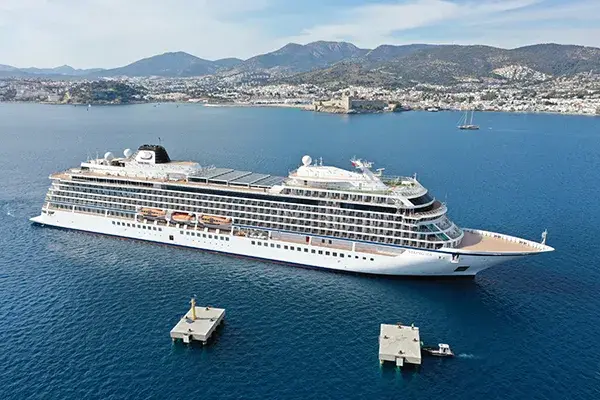 Cruise
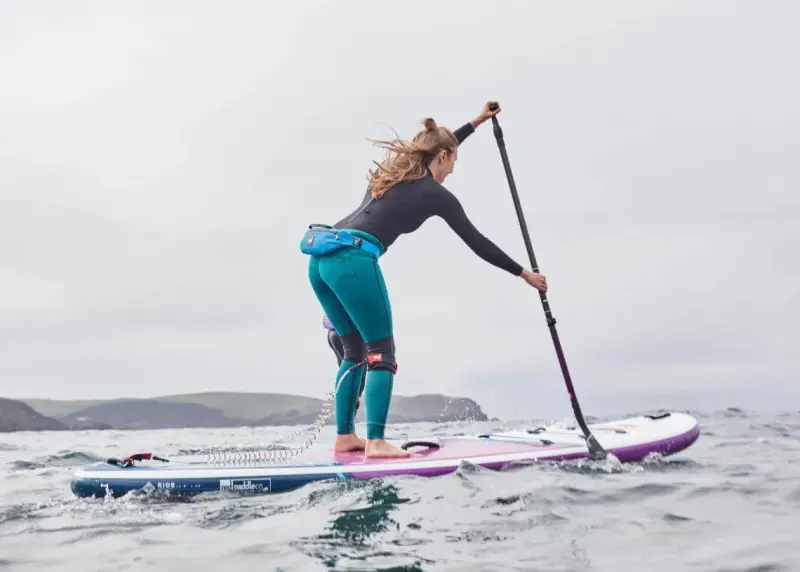 Water Activities
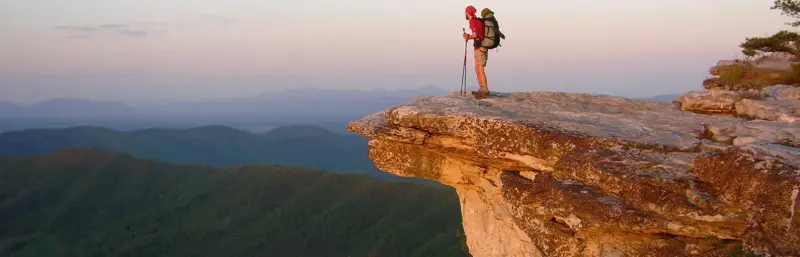 Backpacking
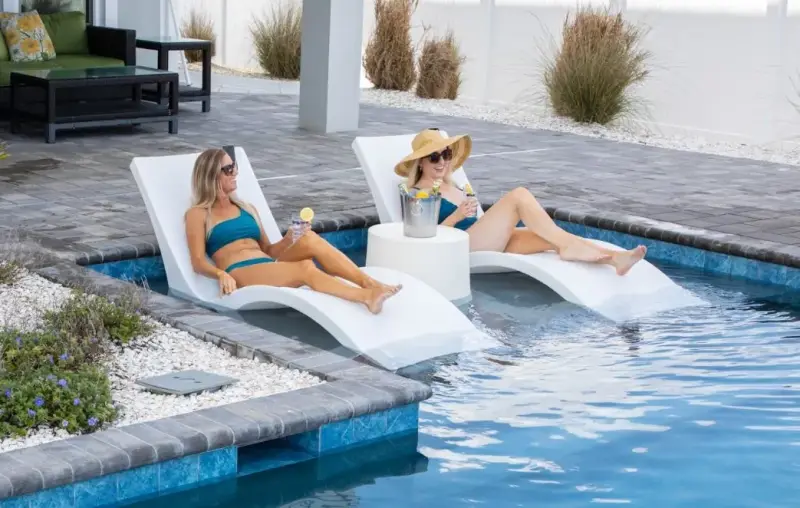 Luxury
 Photography
City Slickers
Heritage
 Beach & Relaxation
 Sports & Recreation
 Food & Wine
Train & River Journeys
Skiing
 Overland
Angola at a glance
Currency, language, plugs, entry and yellow fever rules for one of Africa's least-visited countries.
Explore other countries
Pick a place by travel style: beaches, nature, cities, heritage, hills, islands, desert.
 ThailandTemples, street food and tropical islands
 PortugalLisbon, Porto, the Algarve and island escapes
 Saudi ArabiaAlUla, Red Sea coast and Arabian heritage
 FranceParis, the Riviera, châteaux and Alpine peaks
 United StatesGreat cities, national parks and road trips
 QatarDoha's museums, souqs and desert dunes
 IndiaPalaces, temples, Himalaya and backwaters
 Sri LankaAncient cities, tea hills, wildlife and beaches
 ChinaThe Great Wall, ancient capitals and mega-cities
 United KingdomLondon, castles, highlands and country villages
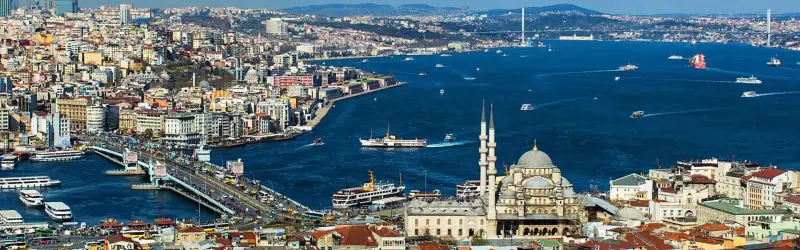 TurkeyIstanbul, Cappadocia and the Turquoise Coast
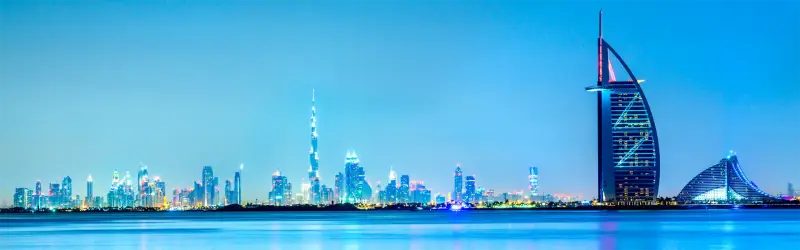 United Arab EmiratesDubai, Abu Dhabi and desert adventures
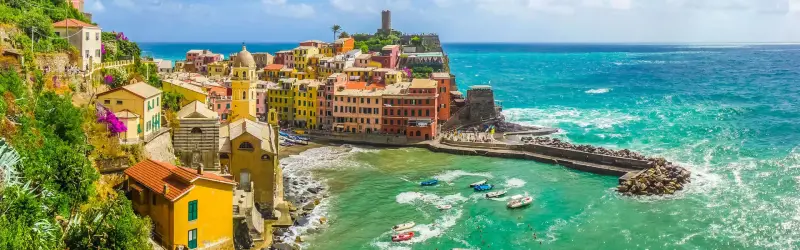 ItalyRome, Renaissance cities, lakes and coastlines
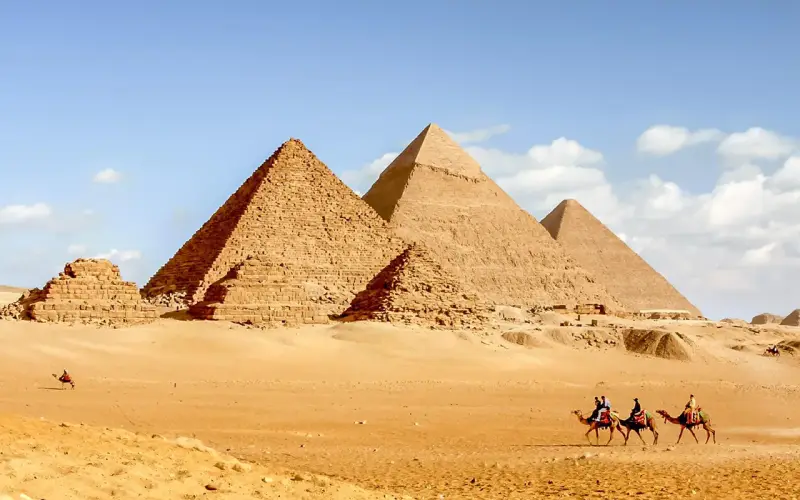 EgyptPyramids, Nile temples and Red Sea reefs
 JapanTokyo, Kyoto's temples and Mount Fuji
 GermanyBerlin, castles, the Rhine and the Alps
 MalaysiaKuala Lumpur, rainforest, islands and street food
 SpainBeaches, tapas, flamenco and Gaudí
 IndonesiaBali, Komodo, Borobudur and 17,000 islands
 Hong KongSkyline, harbour, dim sum and hiking trails
 SingaporeGardens, hawker food and a dazzling skyline
 GreeceAncient wonders and Aegean islands
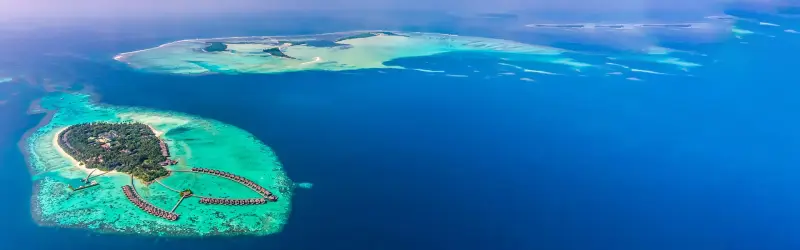 MaldivesOverwater villas and coral atolls
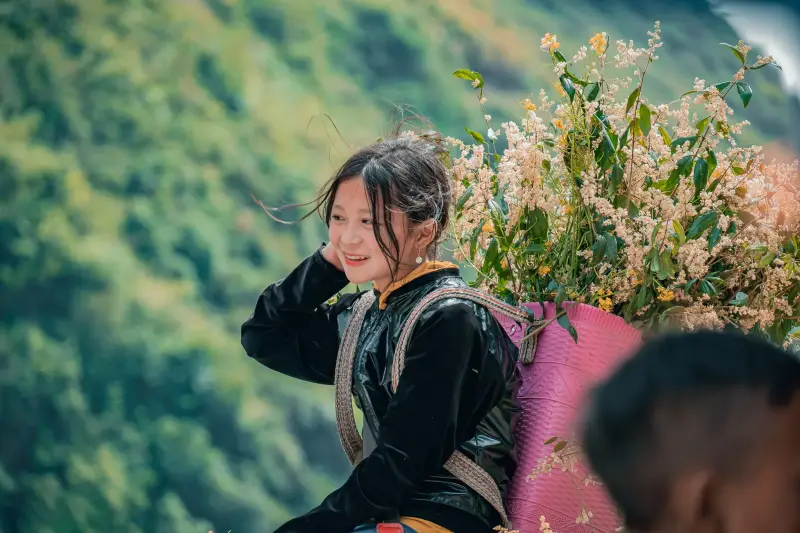 VietnamHa Long Bay, Hoi An and street food
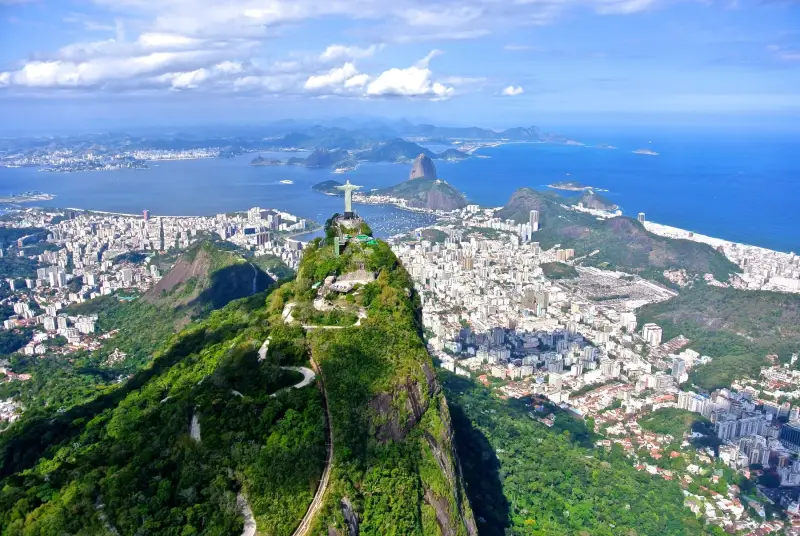 BrazilRio, the Amazon, Iguaçu and endless beaches
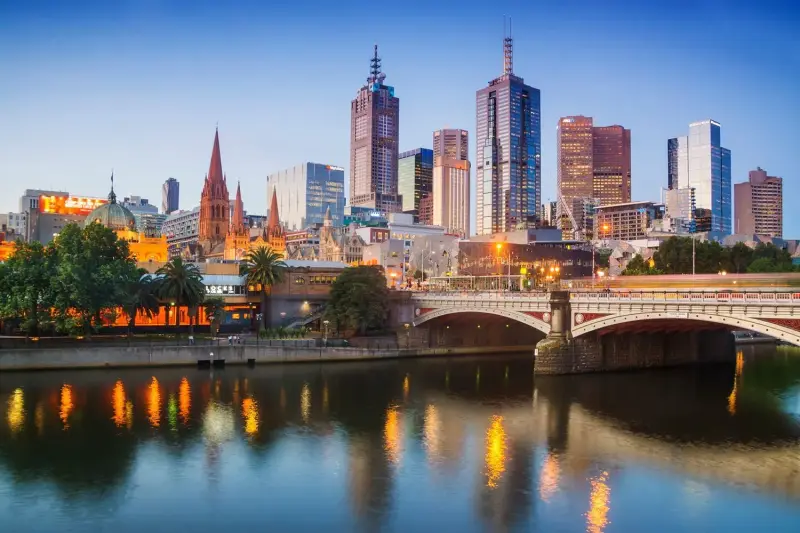 AustraliaReef, outback, beaches and laid-back cities
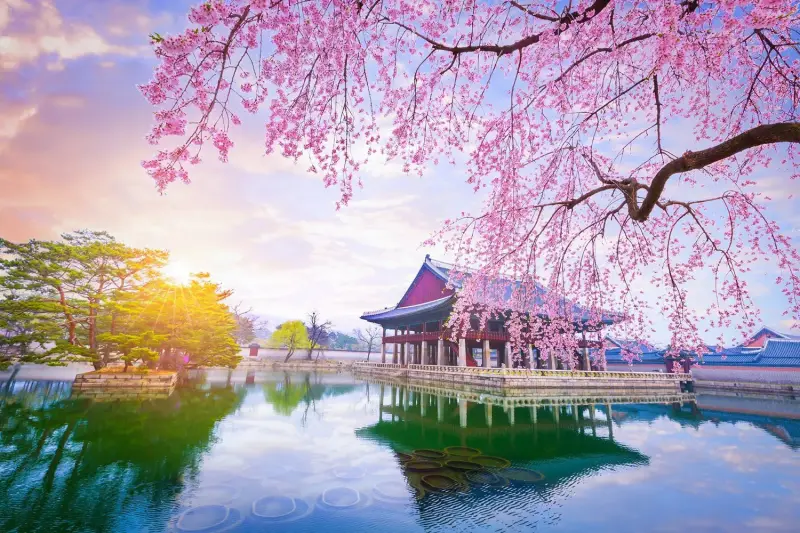 South KoreaSeoul's palaces, K-culture and mountain temples
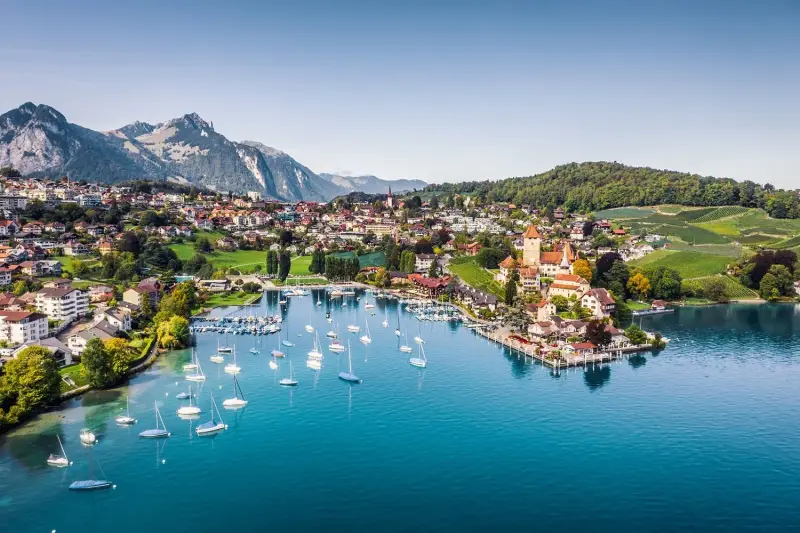 SwitzerlandAlps, lakes, trains and chocolate
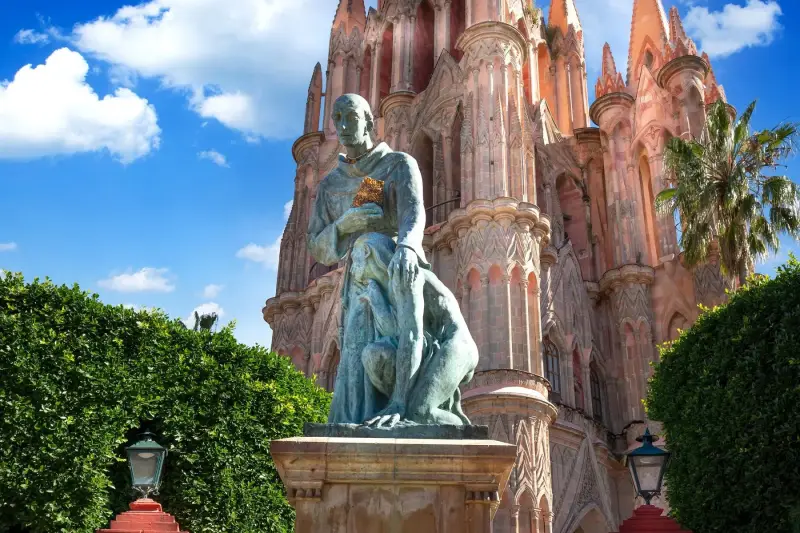 MexicoMaya ruins, Caribbean beaches and Mexico City
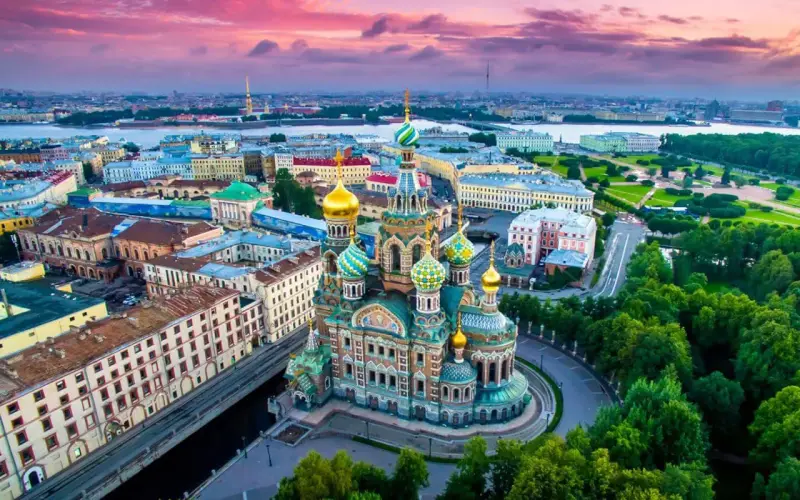 RussiaMoscow, St Petersburg and vast landscapes
 South AfricaSafaris, Cape Town and the Garden Route
 CanadaRockies, lakes, wildlife and friendly cities
 PalestineBethlehem, Jericho and ancient holy sites
 TaiwanNight markets, mountains and Taipei 101
 ColombiaCaribbean coast, coffee country and Andean cities
 Philippines7,000 islands of beaches, reefs and rice terraces
 CambodiaAngkor's temples, river life and islands
 IsraelJerusalem, the Dead Sea and Tel Aviv beaches
 NetherlandsCanals, bikes, tulips and Dutch masters
 ArgentinaTango, glaciers, waterfalls and the Andes
 AustriaVienna's palaces, Alpine villages and music
 BelgiumMedieval towns, art, chocolate and beer
 ChilePatagonia, the Atacama and the Andes
 CroatiaAdriatic islands, walled towns and lakes
 IcelandWaterfalls, glaciers, volcanoes and northern lights
 IrelandGreen coasts, lively pubs and Celtic heritage
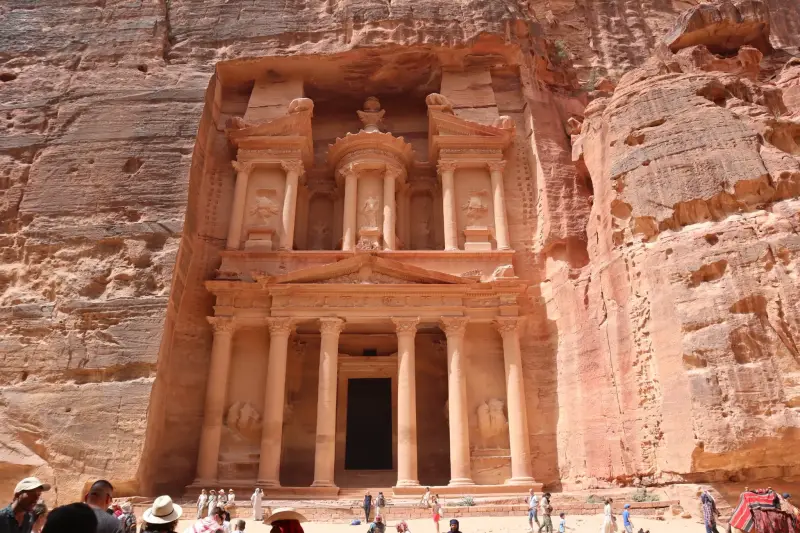 JordanPetra, Wadi Rum and the Dead Sea
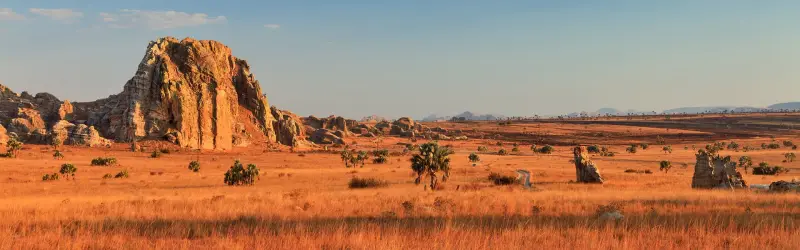 MadagascarLemurs, baobabs and unique wildlife
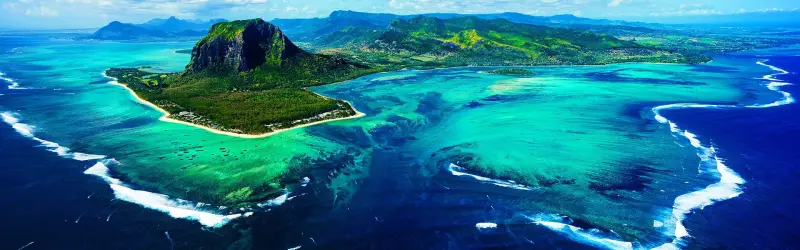 MauritiusLagoons, mountains and multicultural flavours
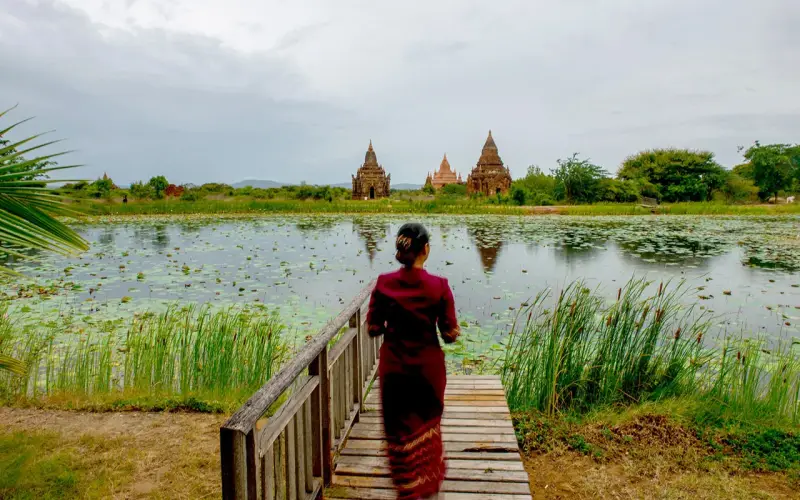 MyanmarBagan's temples and the Shwedagon Pagoda
 NepalEverest, the Annapurnas and Kathmandu's temples
 NigeriaLagos energy, Afrobeats and cultural heritage
 NorwayFjords, northern lights and the midnight sun
 TahitiGateway to French Polynesia
 TanzaniaSerengeti, Kilimanjaro and Zanzibar
 VenezuelaAngel Falls, Los Roques and the Andes
 BhutanHimalayan monasteries and Gross National Happiness
 BoliviaSalt flats, Andean lakes and colonial cities
 KuwaitGulf city-state
 MoroccoMedinas, Sahara dunes and Atlas mountains
 OmanForts, wadis, deserts and Arabian coast
 ParaguayJesuit missions, wetlands and the Chaco
 PeruMachu Picchu, the Andes and the Amazon
 ScotlandHighlands, castles, islands and whisky
 TunisiaCarthage, Sahara and Mediterranean beaches
 AzerbaijanBaku's flame towers and Caspian Sea culture
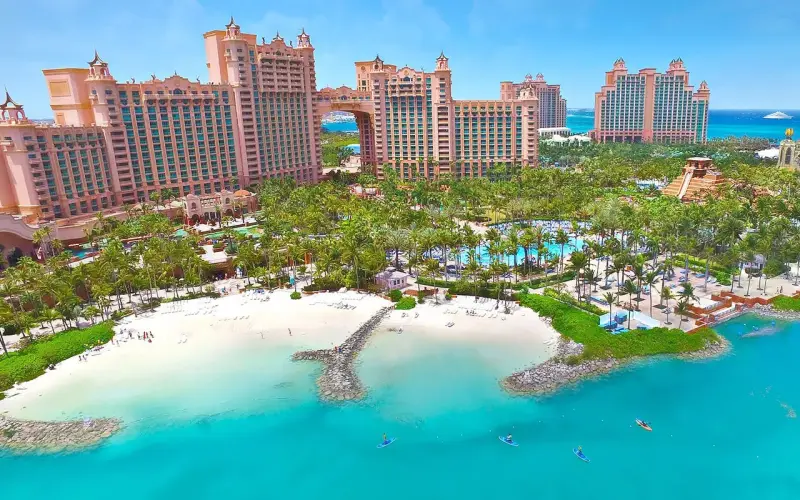 BahamasTurquoise water across 700 islands
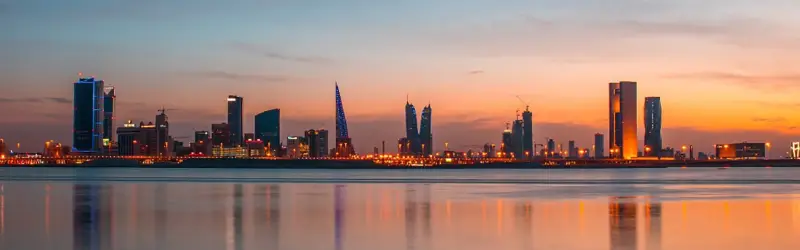 BahrainPearling heritage and Gulf city life
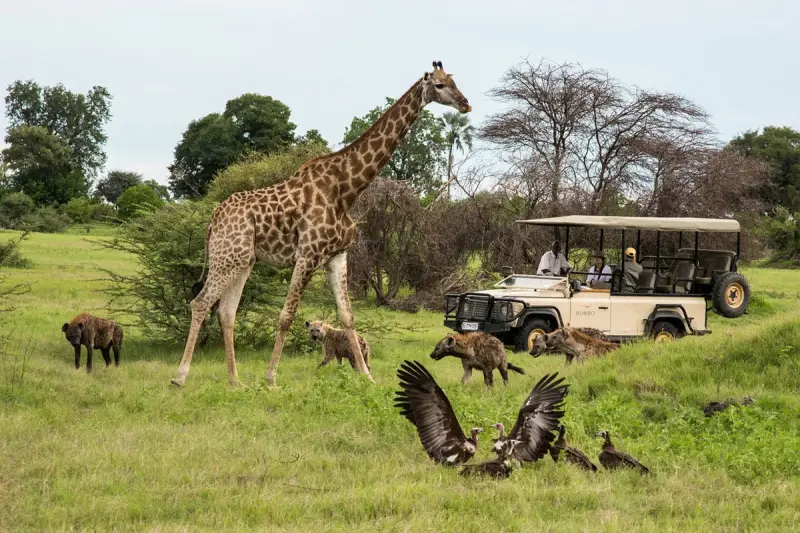 BotswanaOkavango Delta safaris and Kalahari skies
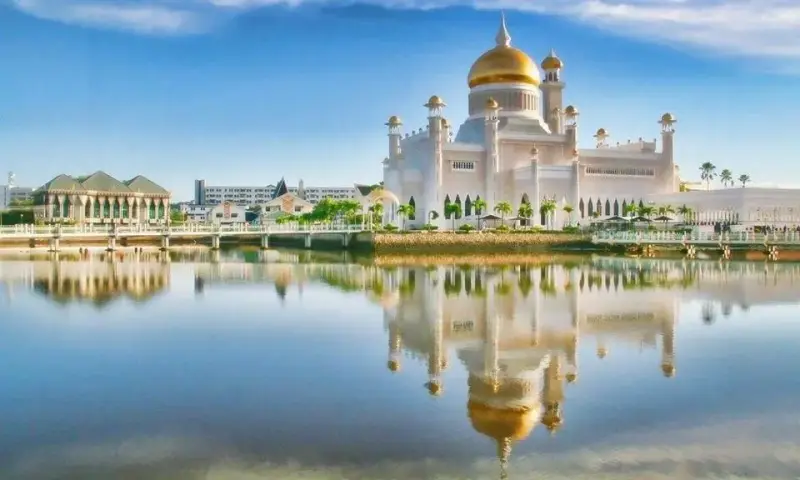 BruneiGolden mosques and pristine Borneo rainforest
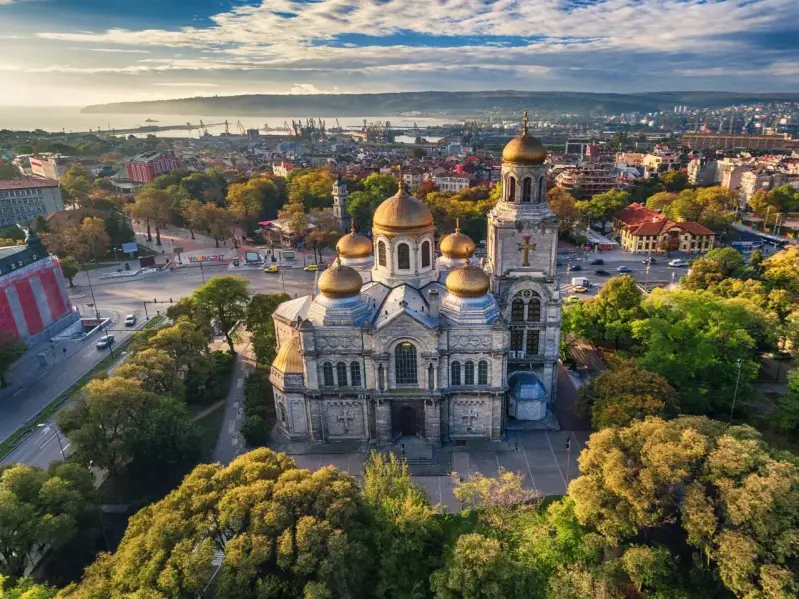 BulgariaBlack Sea beaches, mountains and monasteries
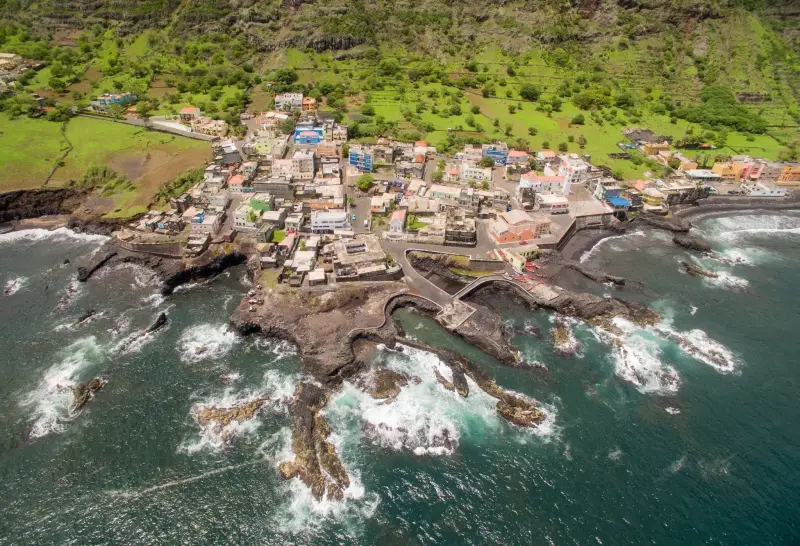 Cape Verde IslandsAtlantic islands of beaches, volcanoes and morna
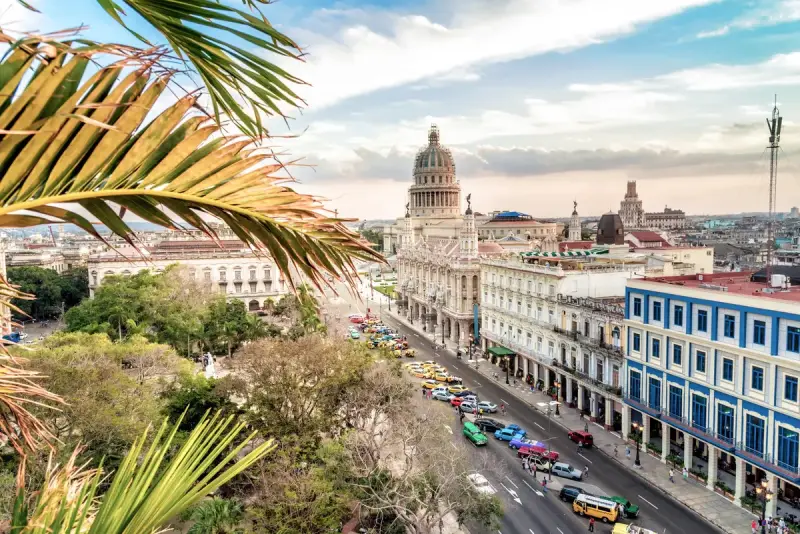 CubaHavana, Trinidad, tobacco valleys and beaches
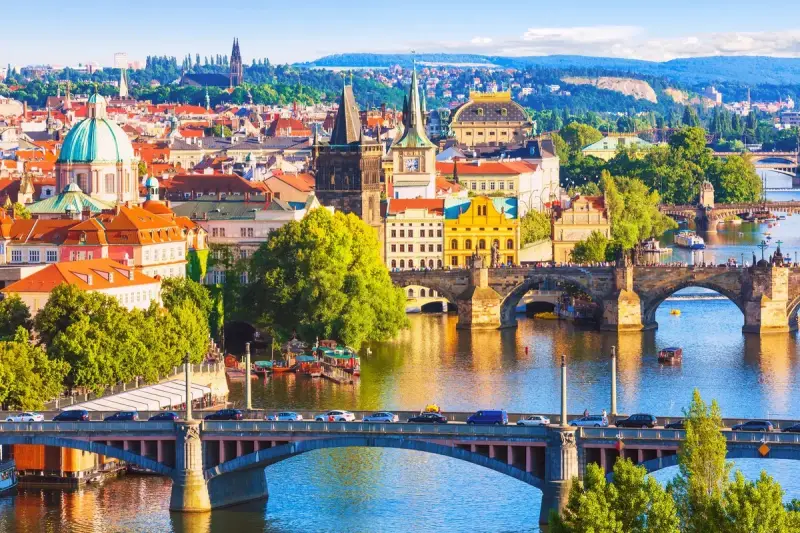 Czech RepublicPrague, castles and spa towns
 EcuadorGalápagos, Andes volcanoes and the Amazon
 EthiopiaRock-hewn churches, highlands and ancient kingdoms
 FijiCoral islands, warm welcomes and soft coral reefs
 FinlandLakes, Lapland and the northern lights
 GeorgiaCaucasus peaks, wine and Tbilisi's old town
 GuyanaKaieteur Falls and untouched rainforest
 HungaryBudapest's baths, Lake Balaton and wine
 KazakhstanSteppe, canyons and Silk Road cities
 KenyaSafaris, the Great Migration and Indian Ocean beaches
 LaosLuang Prabang, the Mekong and limestone karsts
 LatviaRiga's Art Nouveau and Baltic beaches
 LibyaRoman ruins and Sahara
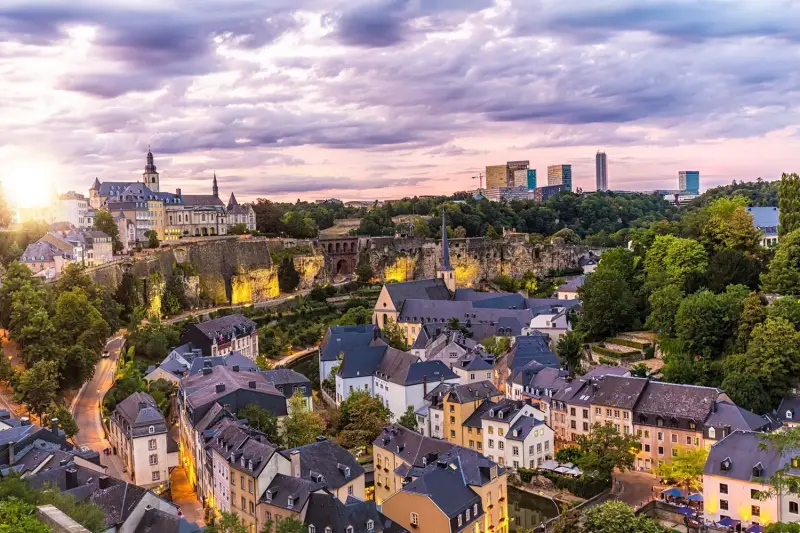 LuxembourgFortress city, castles and free public transport
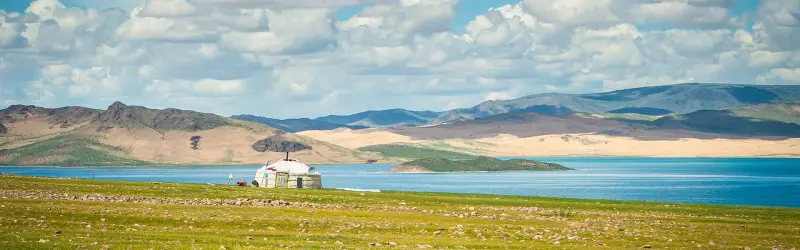 MongoliaSteppe, Gobi Desert and nomad life
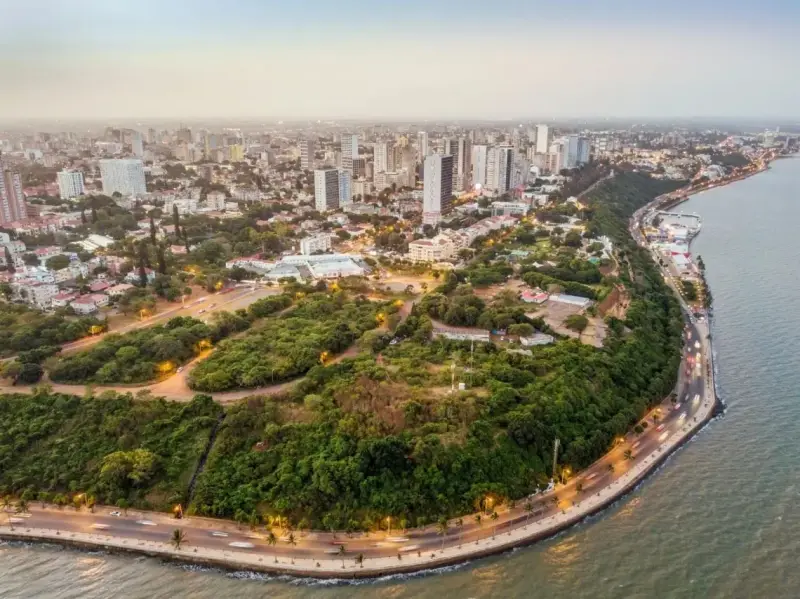 MozambiqueIndian Ocean islands and coral coast
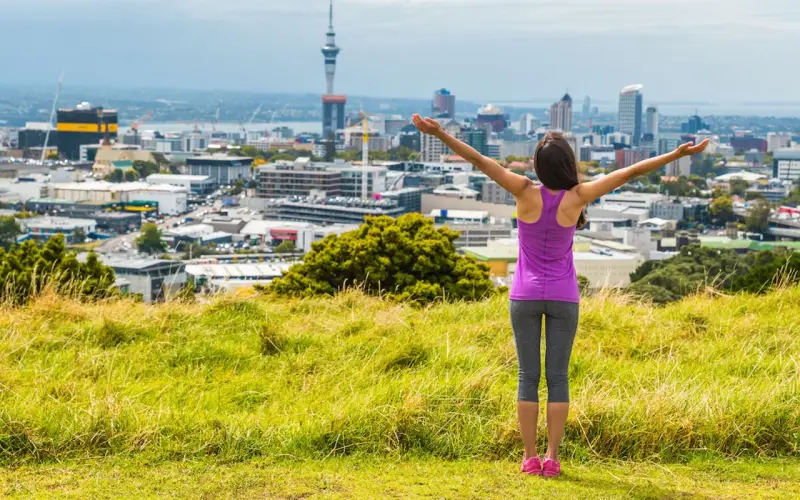 New ZealandFiords, glaciers, volcanoes and Māori culture
 PakistanKarakoram peaks, Mughal Lahore and mountain valleys
 PanamaThe canal, islands and rainforest
 Papua New GuineaHighland cultures, reefs and the Kokoda Track
 PolandKraków, Gdańsk, Warsaw and the Tatras
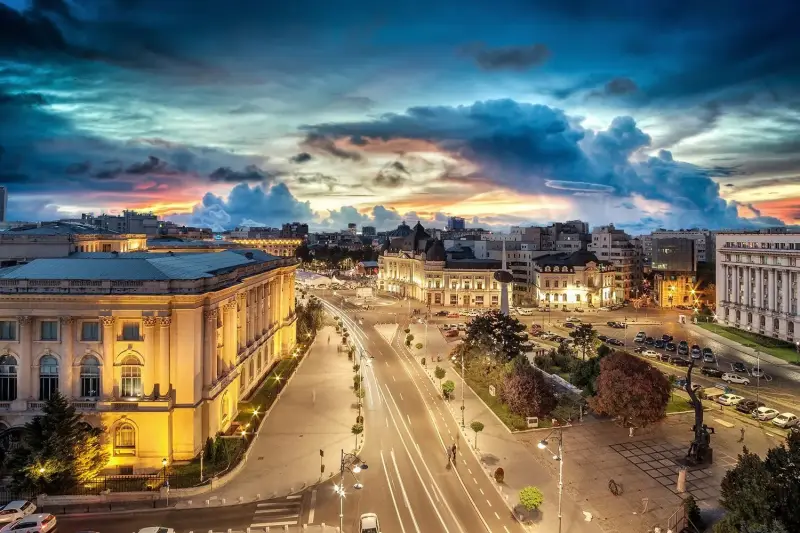 RomaniaTransylvania's castles, painted monasteries and the Carpathians
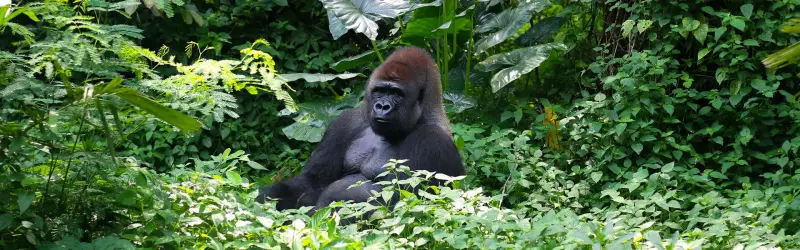 RwandaMountain gorillas and the land of a thousand hills
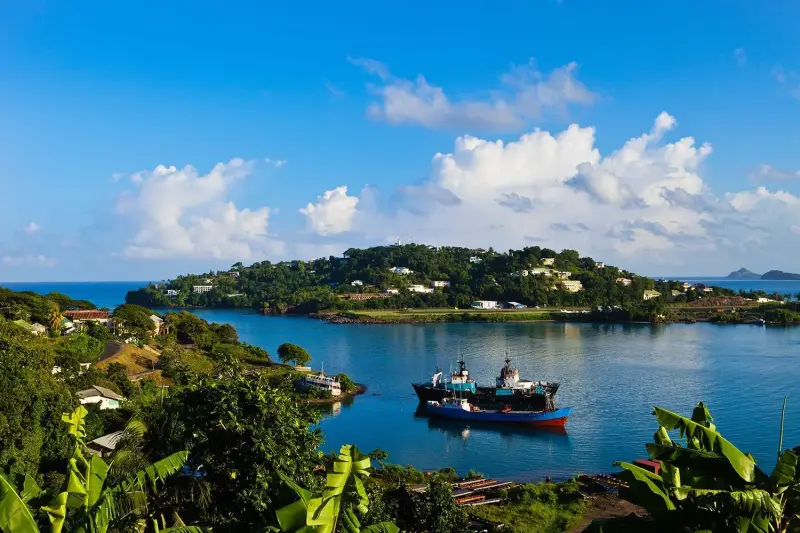 Saint LuciaThe Pitons, rainforest and Caribbean romance
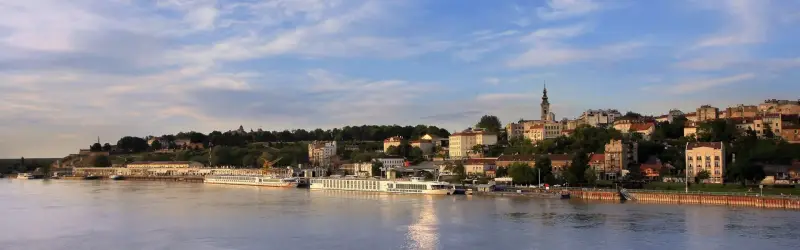 SerbiaBelgrade nightlife, monasteries and the Danube
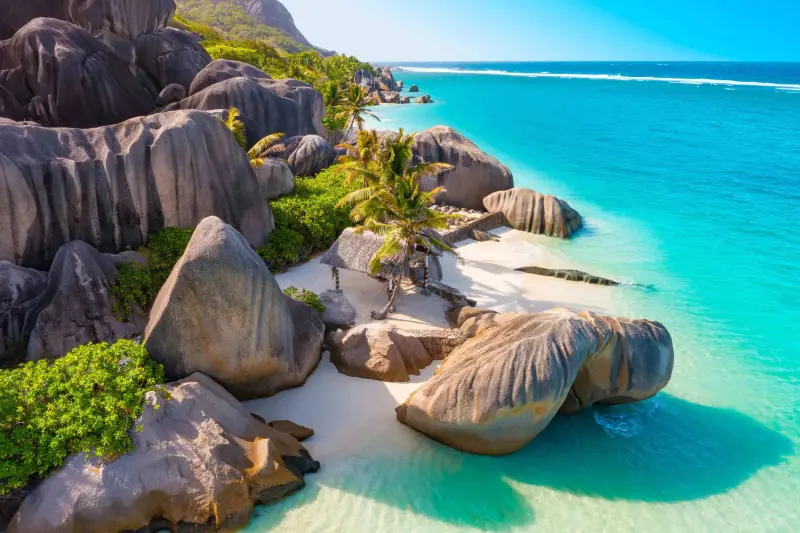 SeychellesGranite islands and perfect beaches
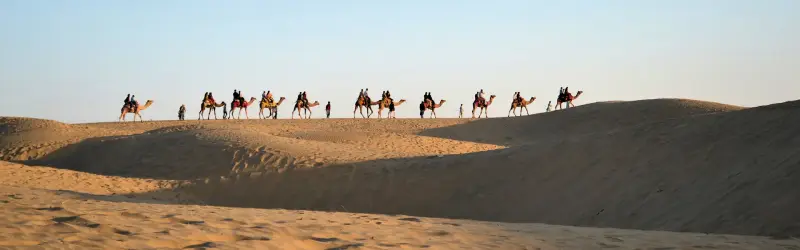 SudanNubian pyramids and the Nile
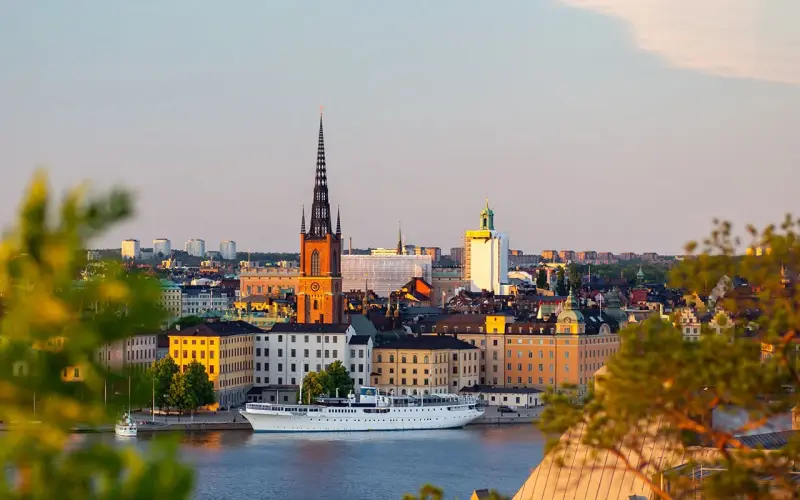 SwedenStockholm's archipelago, Lapland and design
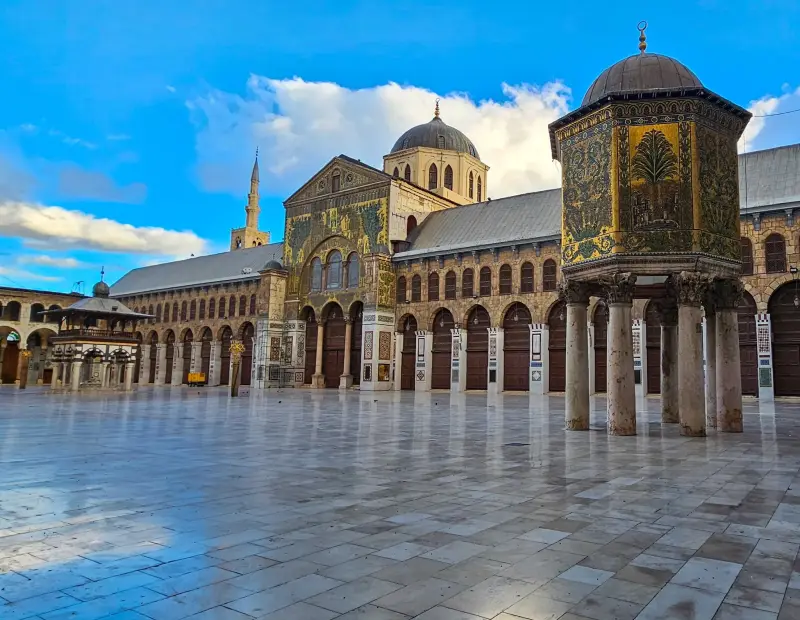 SyriaAncient cities
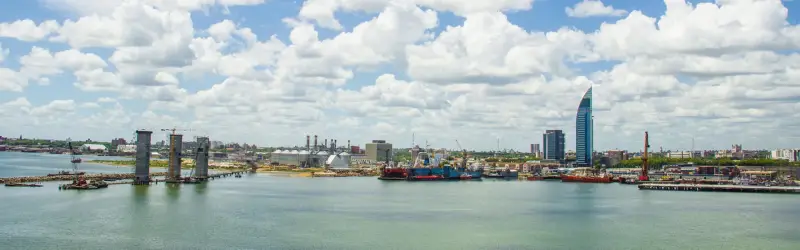 UruguayBeaches, colonial Colonia and laid-back Montevideo
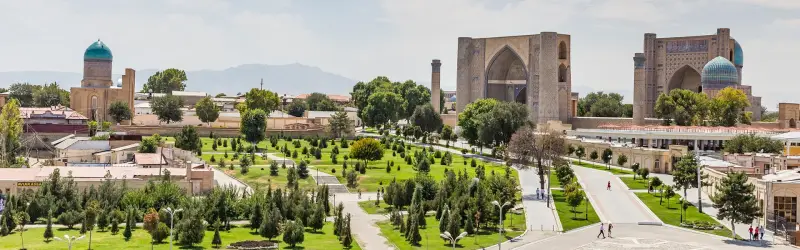 UzbekistanSamarkand, Bukhara and Khiva on the Silk Road
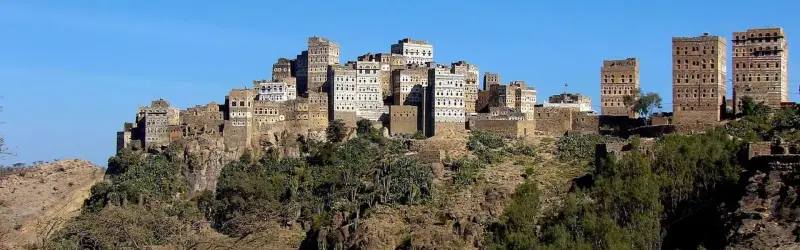 YemenAncient tower houses and Socotra's unique nature
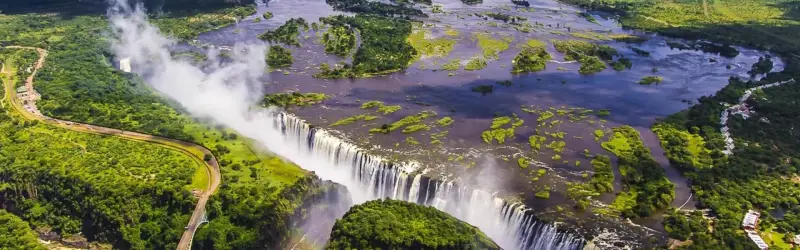 ZambiaVictoria Falls, walking safaris and the Zambezi
SurinameRainforest, rivers and colonial Paramaribo
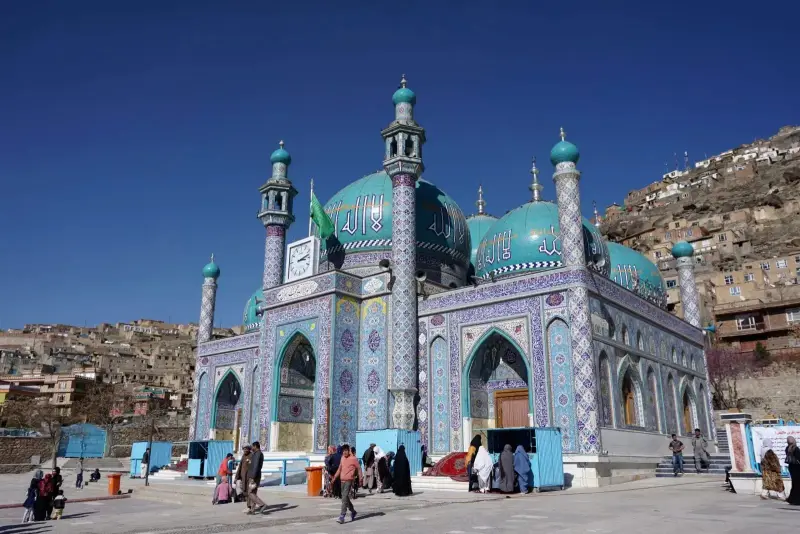 AfghanistanMountain valleys and Silk Road history
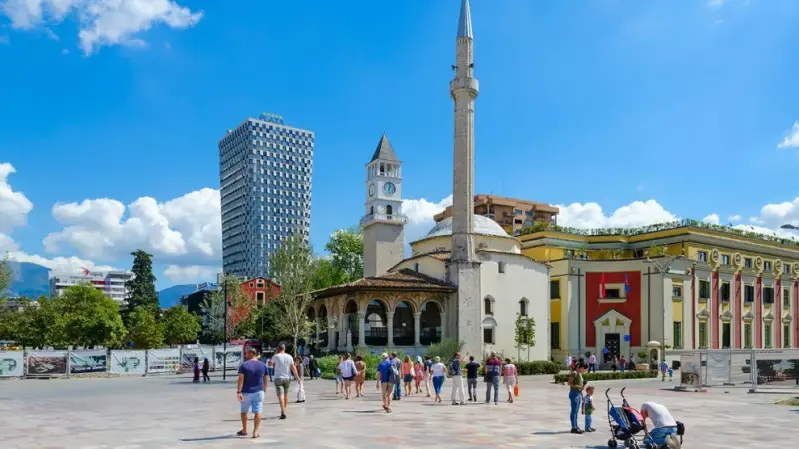 AlbaniaRiviera beaches, mountain villages and Ottoman towns
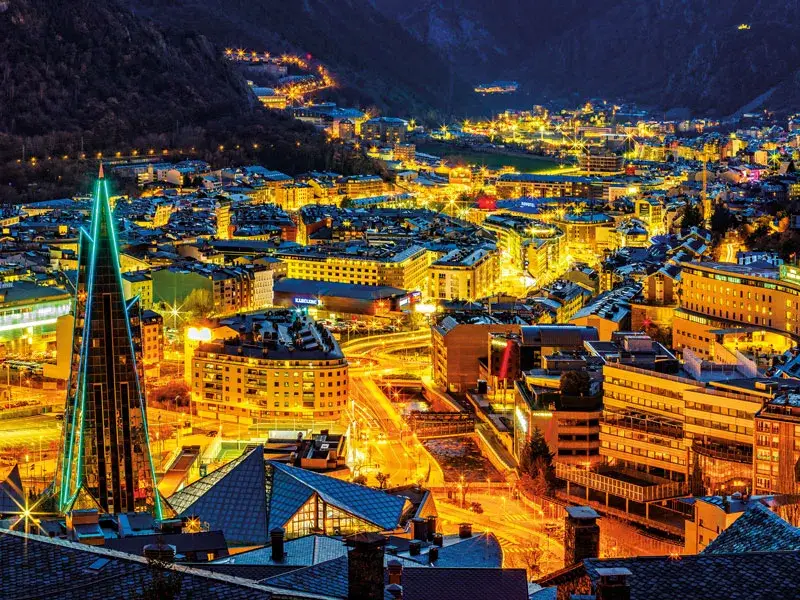 AndorraPyrenean ski slopes and duty-free shopping
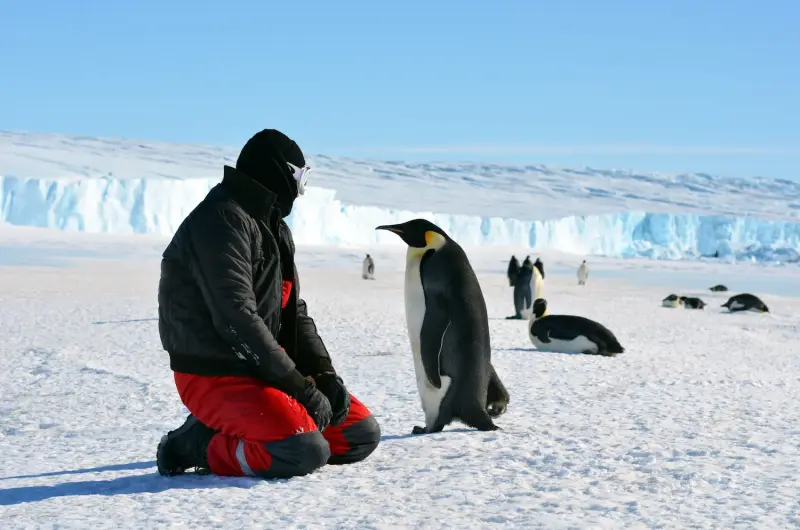 AntarcticaIcebergs, penguins and the last great wilderness
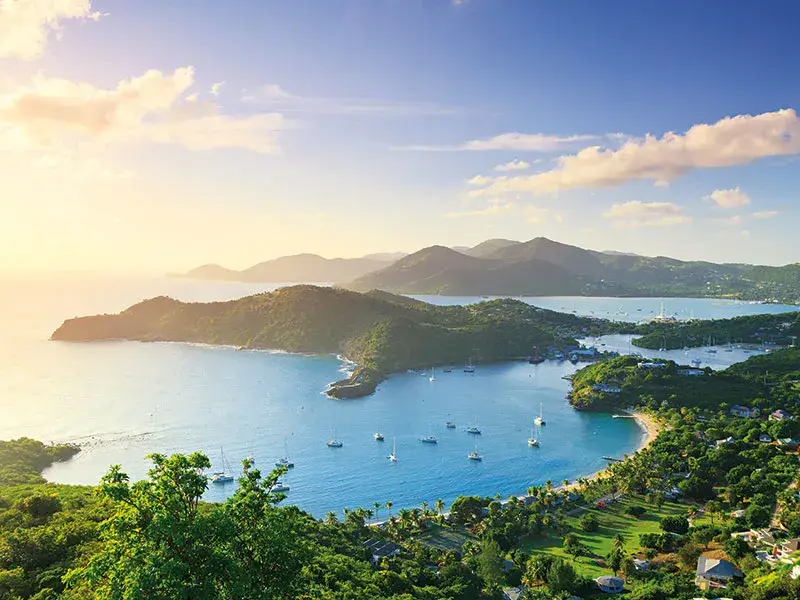 Antigua and BarbudaA beach for every day of the year
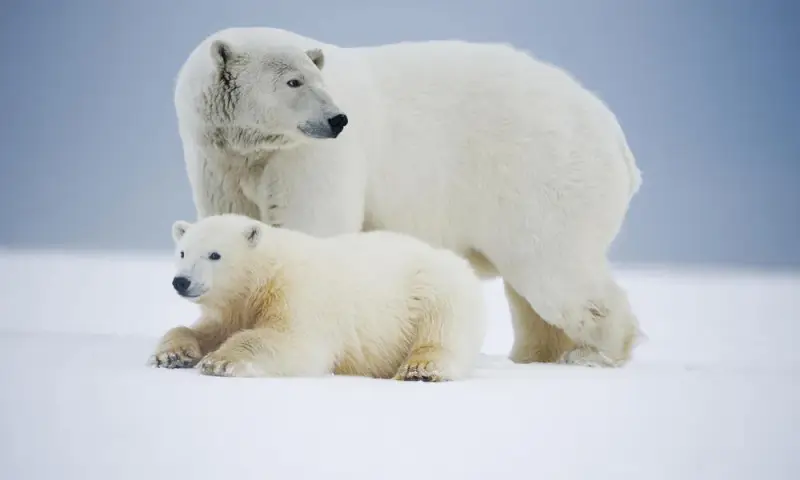 ArcticNorthern lights, polar bears and the midnight sun
 ArmeniaAncient monasteries beneath Mount Ararat
 BarbadosBeaches, rum and cricket in the Caribbean
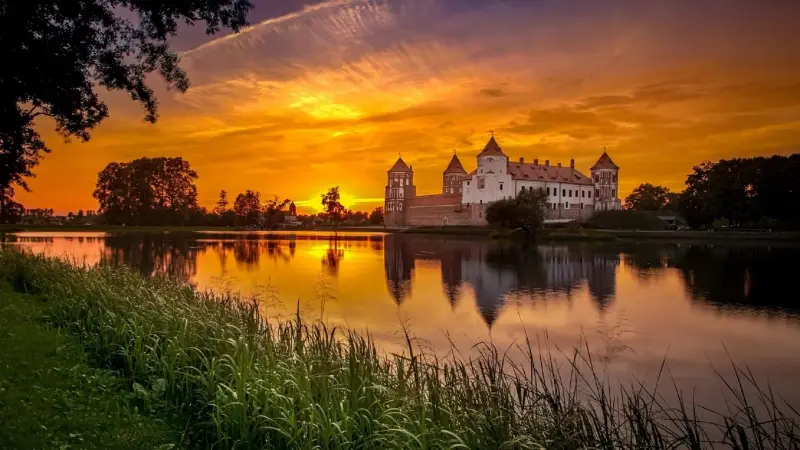 BelarusPrimeval forests and Soviet-era Minsk
 BelizeBarrier reef, Maya temples and jungle
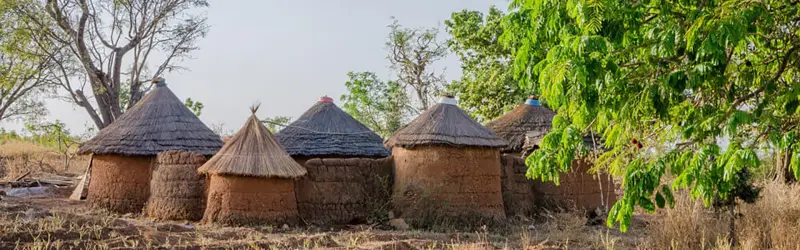 BeninVodun culture, royal palaces and lagoon villages
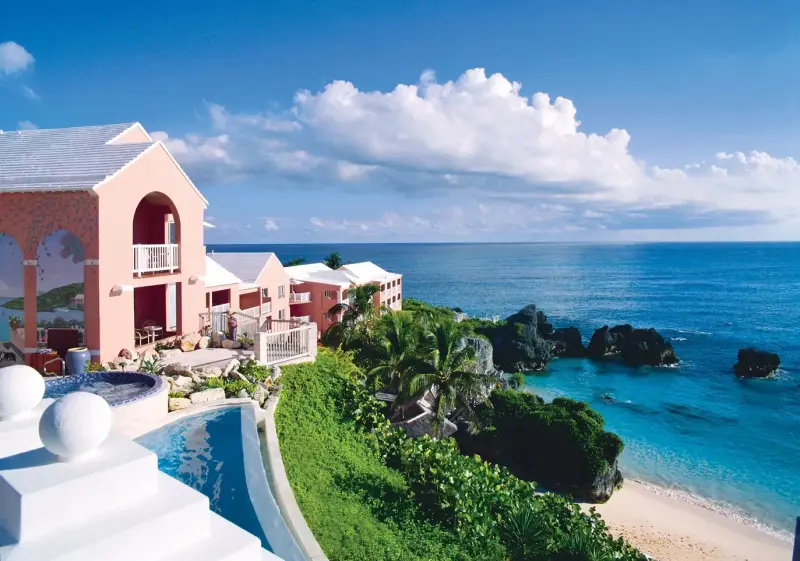 BermudaPink sand beaches in the Atlantic
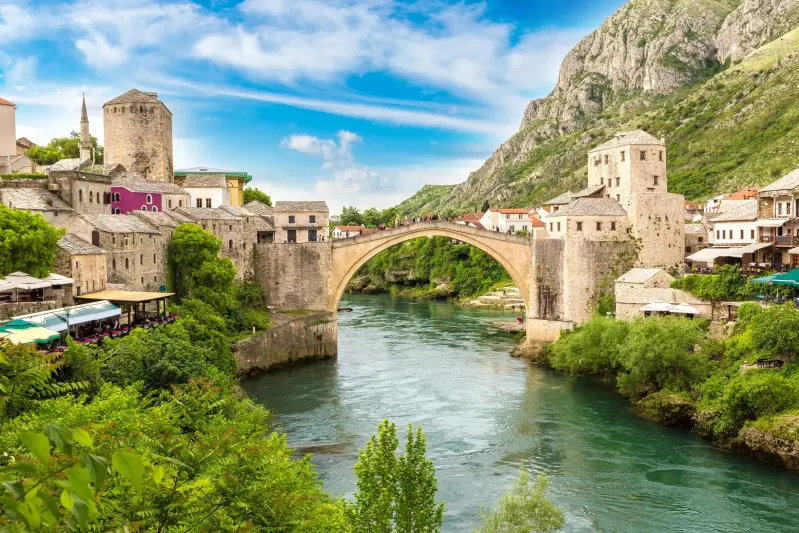 Bosnia HerzegovinaOttoman bridges, mountain rivers and Sarajevo
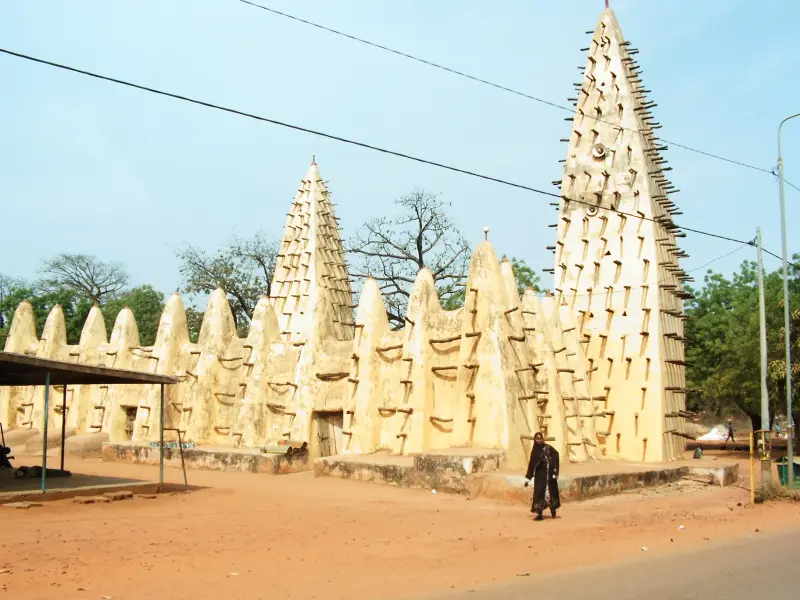 Burkina FasoSahel culture, music and film festivals
 BurundiLake Tanganyika beaches and drumming traditions
 CameroonAfrica in miniature: rainforest, volcano and savanna
 ChadSaharan landscapes and Zakouma wildlife
 ComorosVolcanic islands, vanilla and ylang-ylang
 Costa RicaRainforest, volcanoes, wildlife and two coasts
 CyprusSunny beaches, ancient sites and mountain villages
 Côte D'IvoireAbidjan's skyline, beaches and basilicas
 DR CongoGorillas, volcanoes and the mighty Congo River
 DenmarkCopenhagen design, castles and coastlines
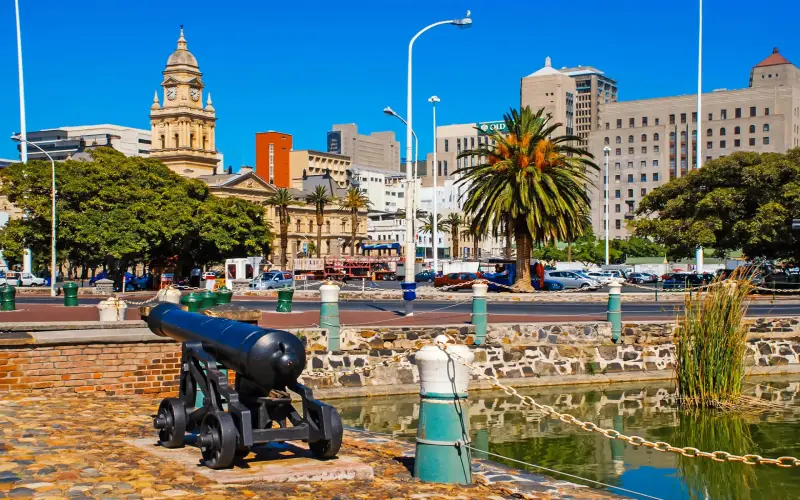 DjiboutiSalt lakes, whale sharks and volcanic desert
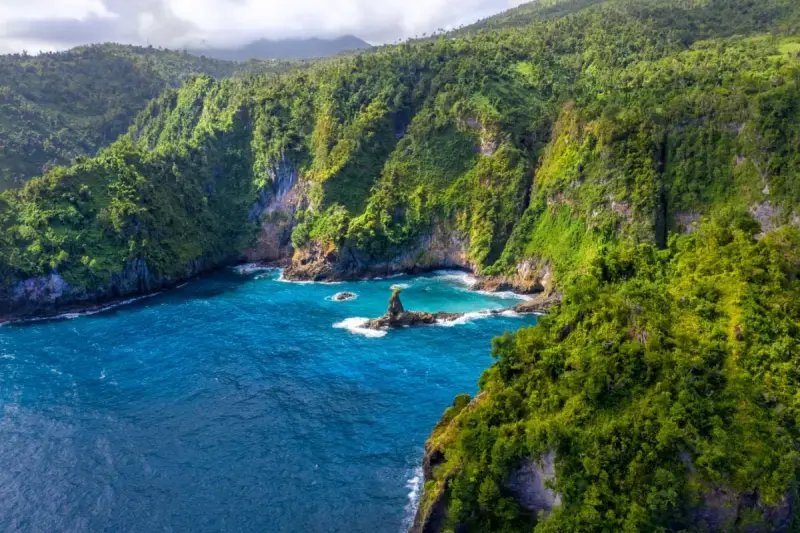 DominicaThe Caribbean's nature island
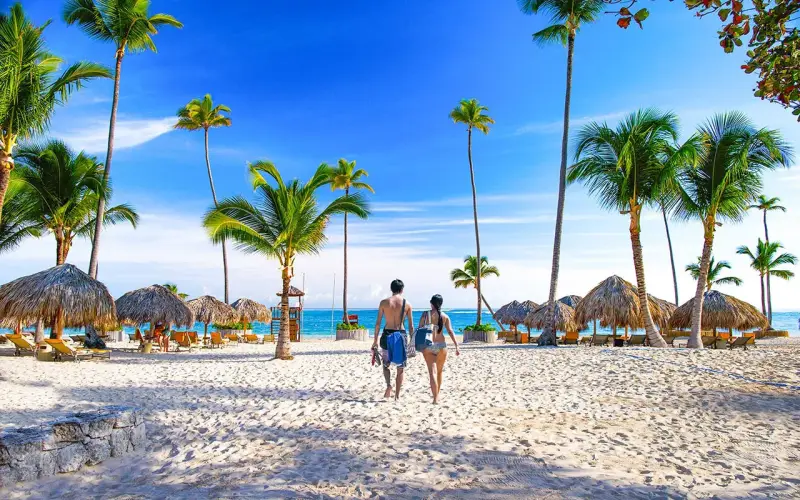 Dominican RepublicPunta Cana beaches and the New World's first city
 El SalvadorSurf beaches, volcanoes and colonial towns
 Equatorial GuineaVolcanic Bioko and rainforest Río Muni
 EritreaAsmara's Modernist architecture and the Red Sea
 EstoniaTallinn's medieval old town and Baltic nature
 EswatiniWildlife, culture festivals and mountain valleys
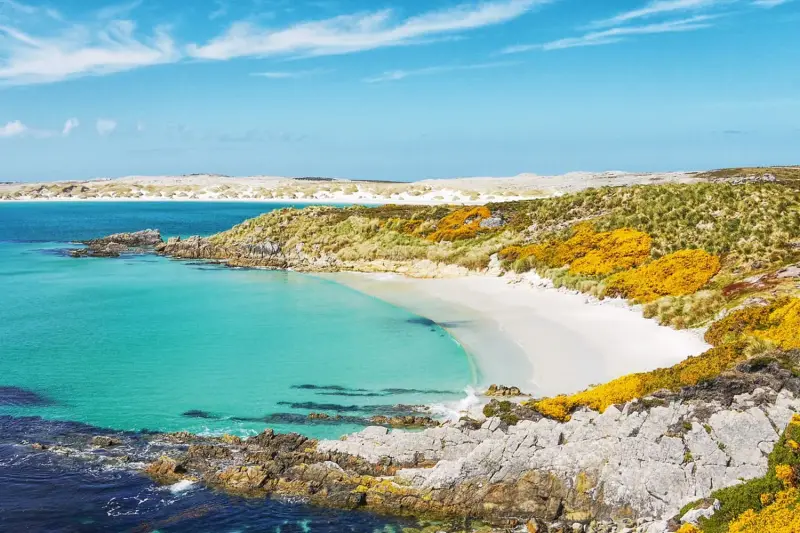 Falkland IslandsPenguin colonies on remote South Atlantic islands
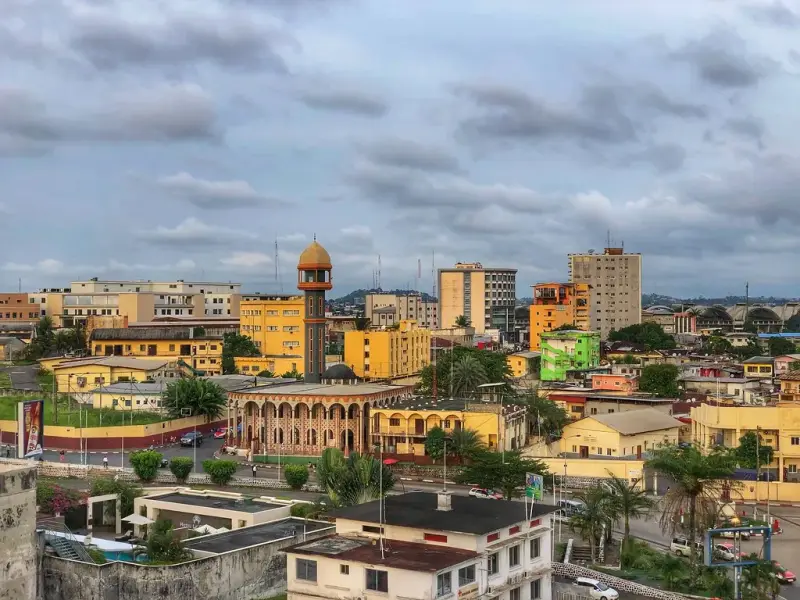 GabonRainforest parks, surfing hippos and gorillas
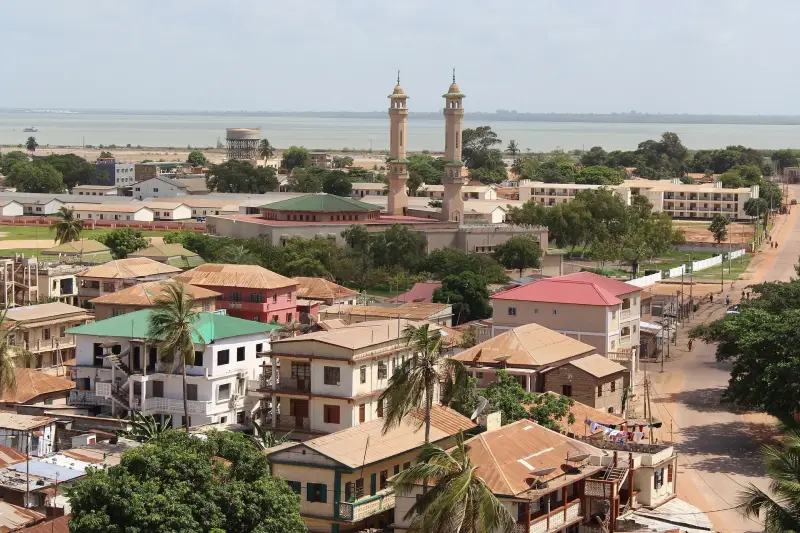 GambiaAtlantic beaches, river life and birdwatching
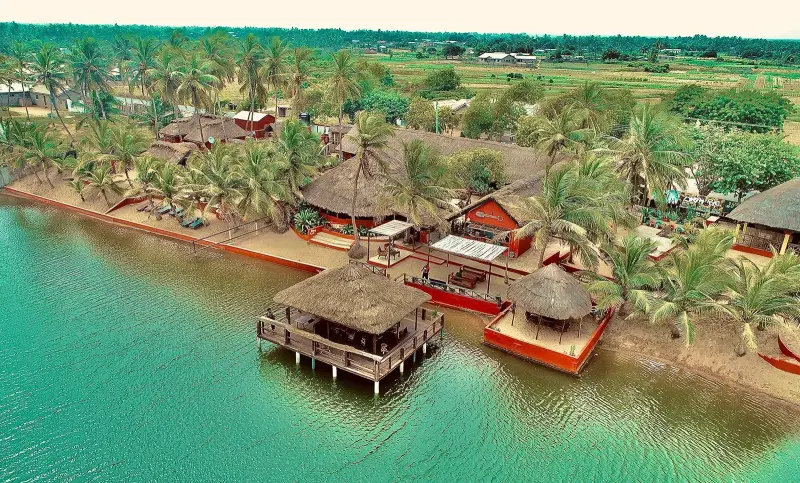 GhanaCoastal castles, Ashanti culture and warm welcomes
 GreenlandIcebergs, glaciers and Arctic culture
 GuatemalaMaya temples, volcanoes and Lake Atitlán
 GuineaHighlands and waterfalls
 Guinea BissauThe Bijagós Islands and saltwater hippos
 HaitiCitadelle and Caribbean culture
 HondurasCopán and the Bay Islands
 IranPersian palaces, mosques and gardens
 IraqAncient Mesopotamia
 JamaicaReggae, waterfalls and Caribbean beaches
 KosovoMedieval monasteries and mountain valleys
 KyrgyzstanMountain lakes, yurts and nomad culture
 LesothoThe Kingdom in the Sky
 LiberiaRainforest and surf
 LiechtensteinAlpine principality
 LithuaniaBaroque Vilnius, castles and the Curonian Spit
 MalawiLake Malawi, the warm heart of Africa
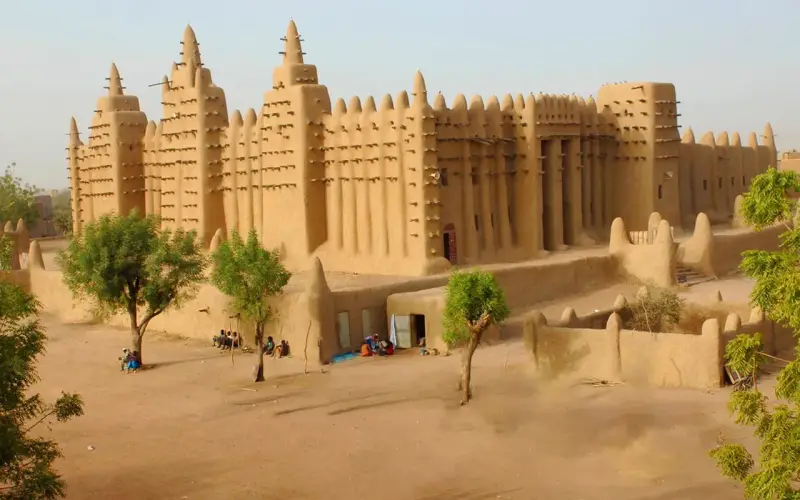 MaliSahel heritage
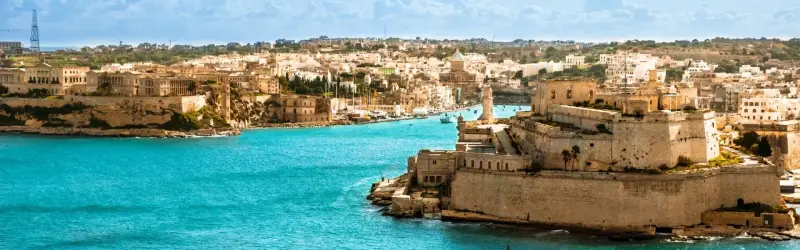 MaltaValletta, ancient temples and blue lagoons
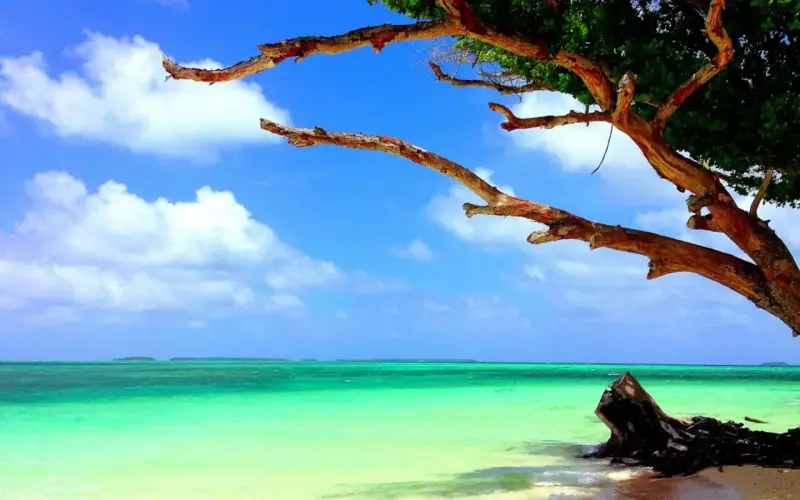 Marshall IslandsPacific atolls
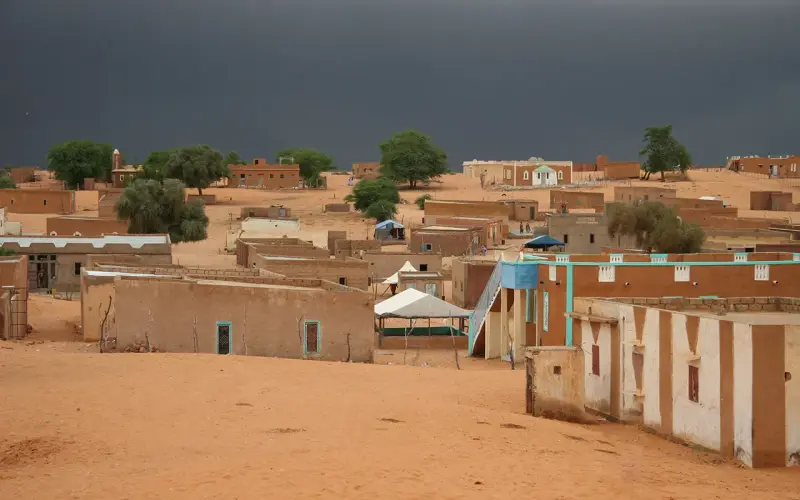 MauritaniaSahara caravan towns and the Iron Ore Train
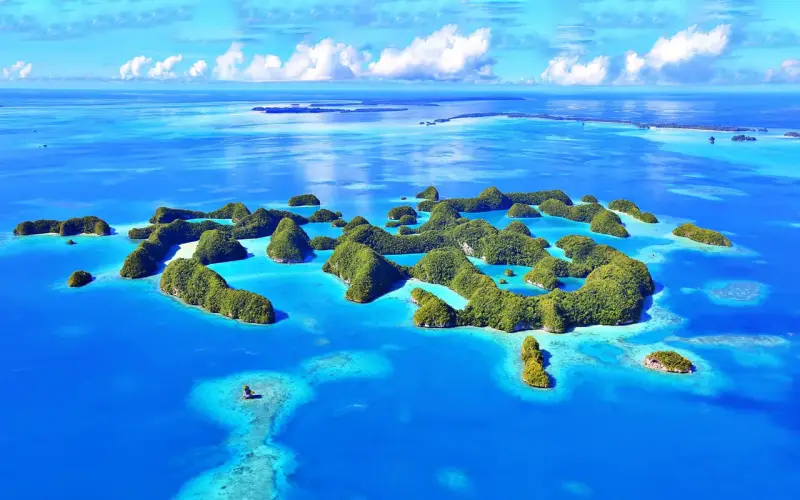 MicronesiaNan Madol, Chuuk Lagoon wrecks and Yap's stone money
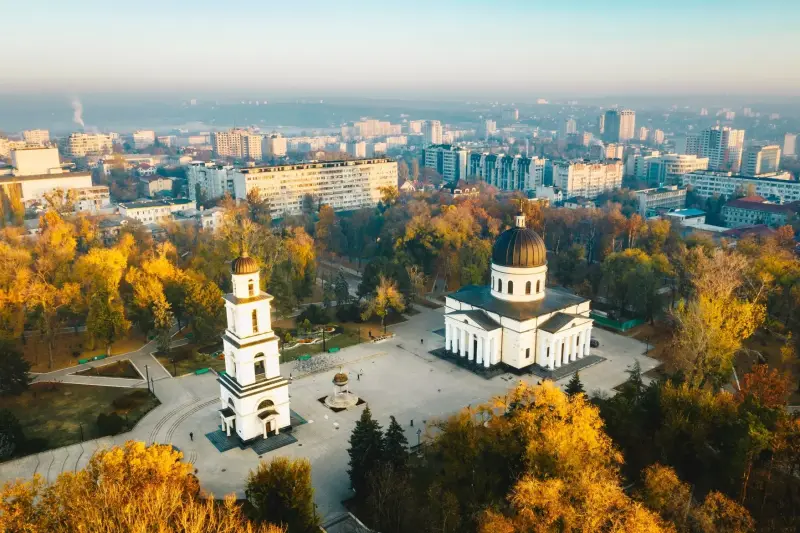 MoldovaWine cellars, cave monasteries and countryside
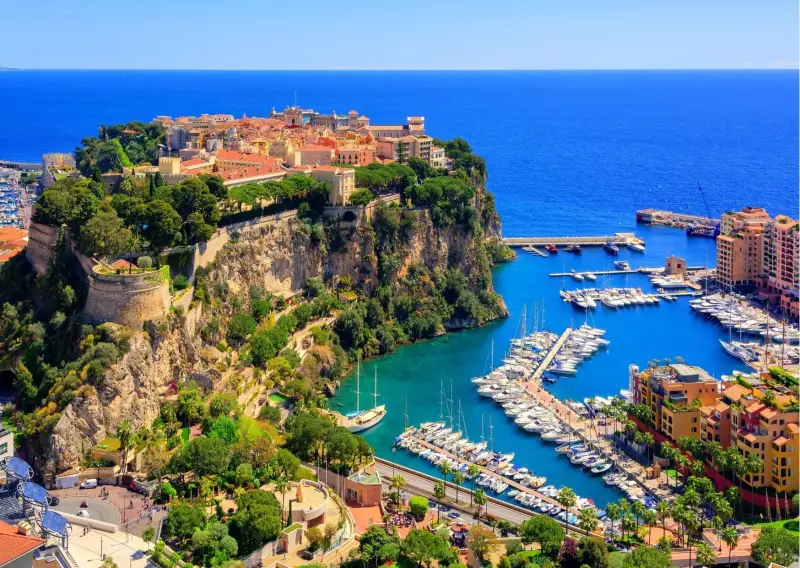 MonacoGlamour, Grand Prix and the Riviera
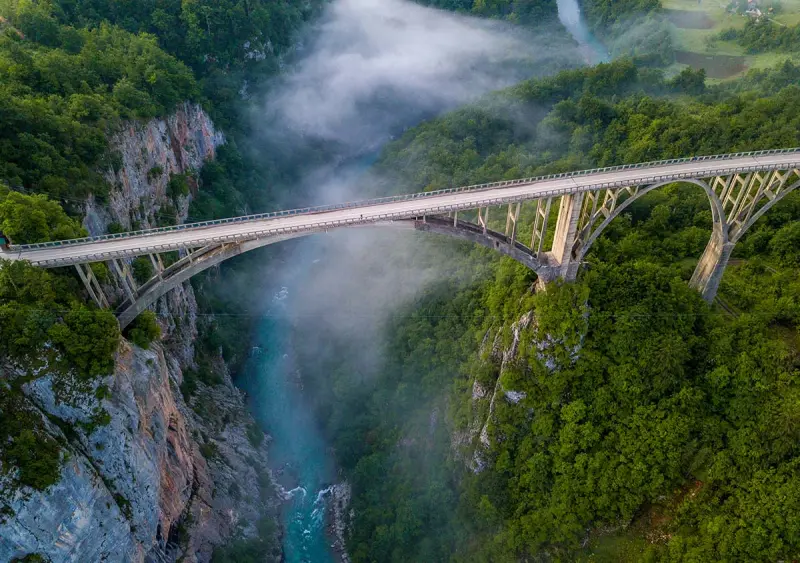 MontenegroBay of Kotor, Adriatic beaches and mountains
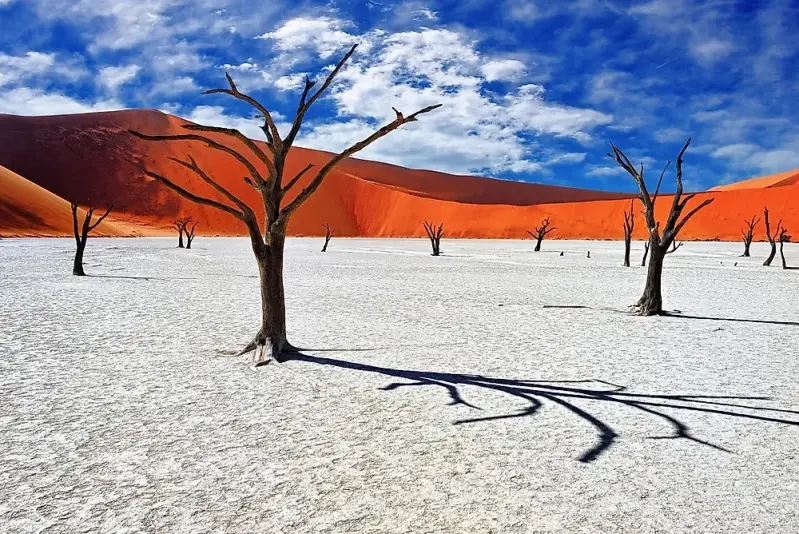 NamibiaRed dunes, Etosha wildlife and desert coast
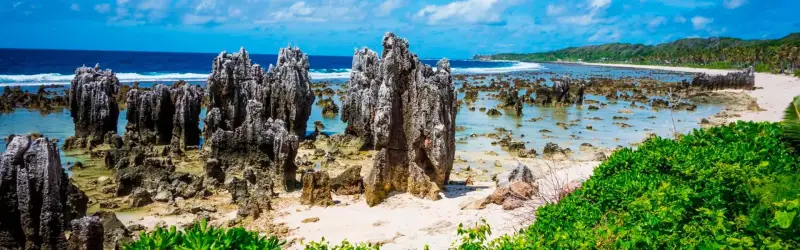 NauruThe world's smallest island republic
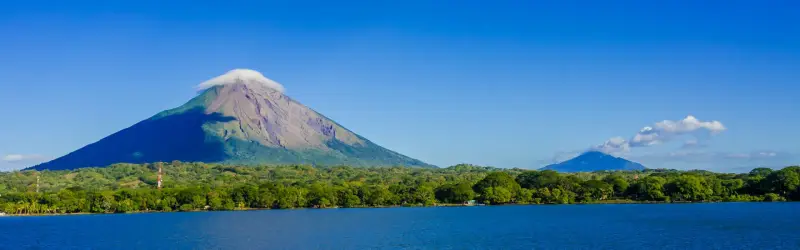 NicaraguaVolcanoes, lakes and colonial Granada
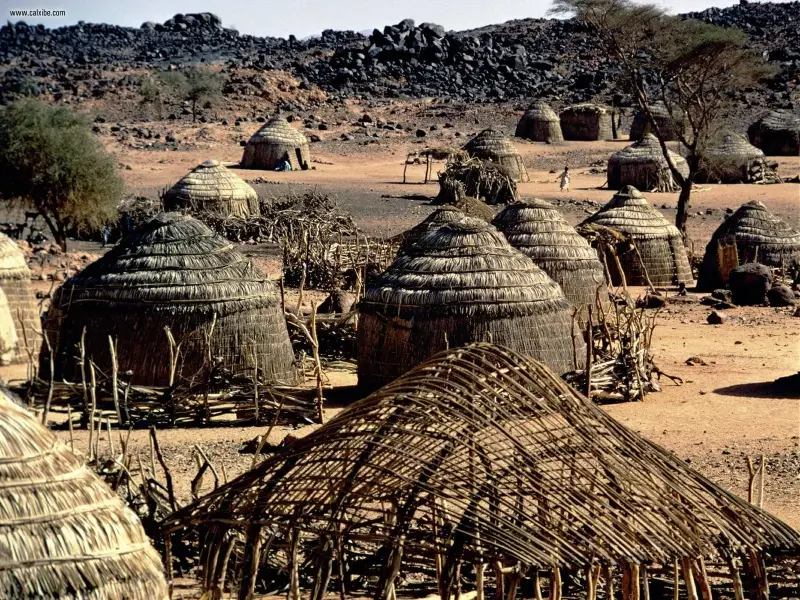 NigerAgadez and the Sahara
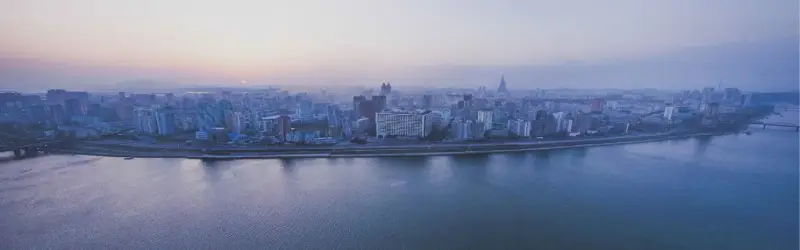 North KoreaThe world's most closed country
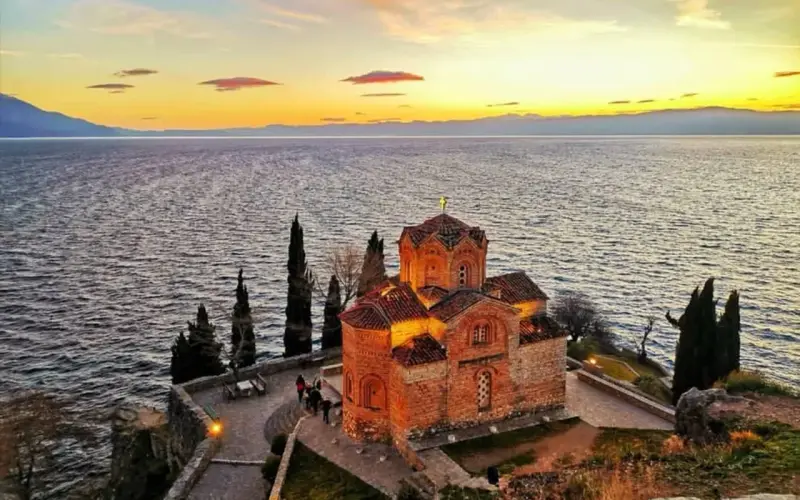 North MacedoniaLake Ohrid, Skopje and Balkan mountains
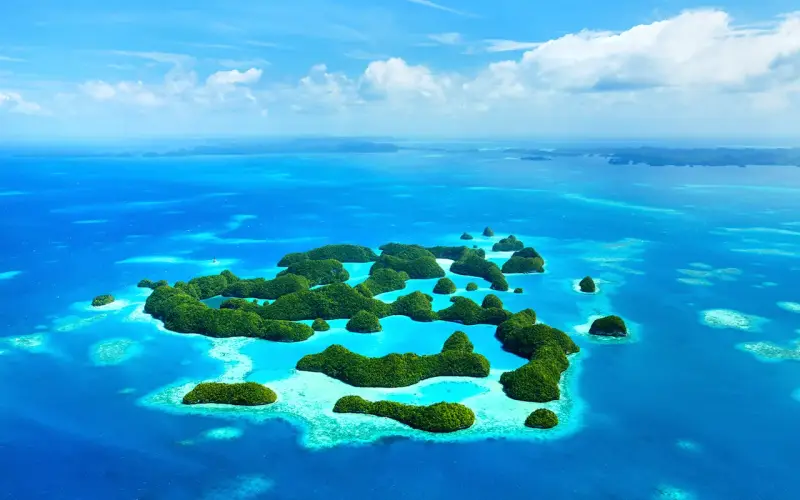 PalauRock Islands, Jellyfish Lake and world-class diving
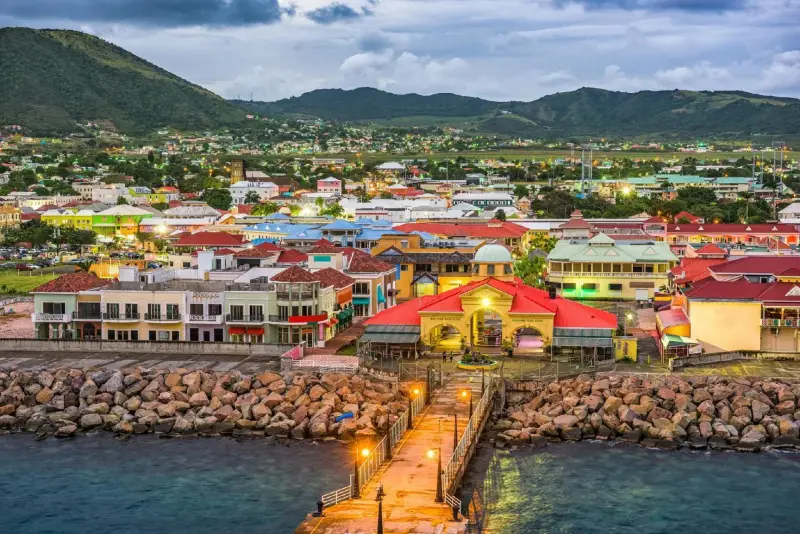 Saint Kitts and NevisBrimstone Hill, scenic railway and twin islands
 Saint Vincent and the GrenadinesSailing the Grenadines and Tobago Cays
 SamoaBeach fales, waterfalls and fa'a Samoa
 Sao Tome and PrincipeCocoa islands on the equator
 SenegalDakar's energy, Gorée Island and the Saloum Delta
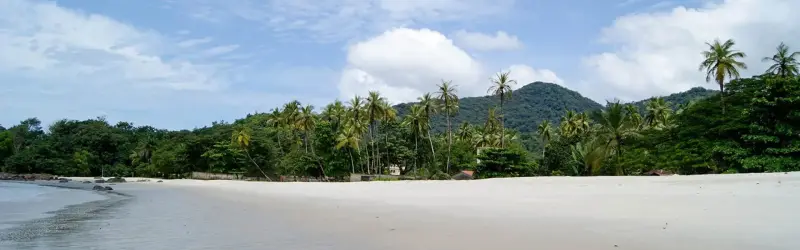 Sierra LeoneBeaches, islands and chimpanzee sanctuaries
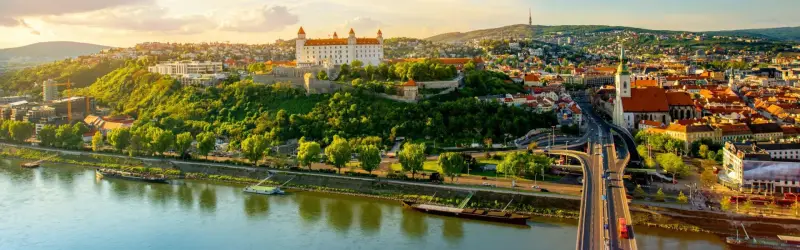 SlovakiaCastles, the High Tatras and Bratislava
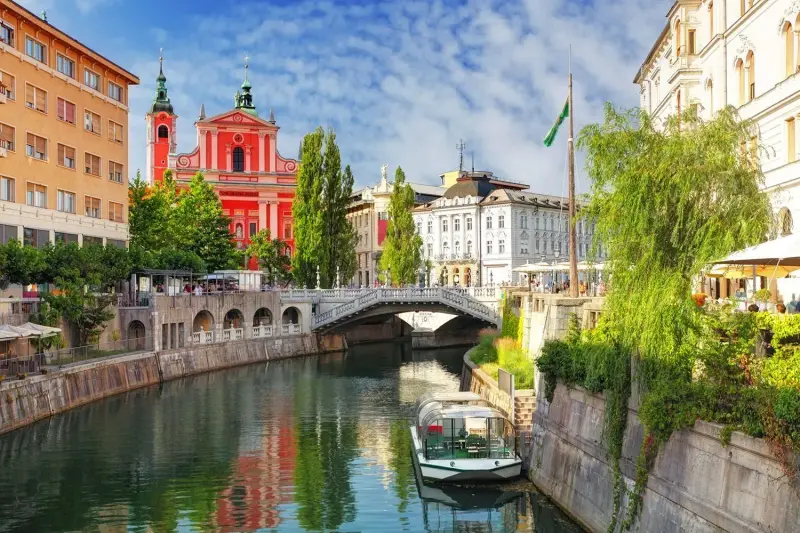 SloveniaLake Bled, Alpine valleys and caves
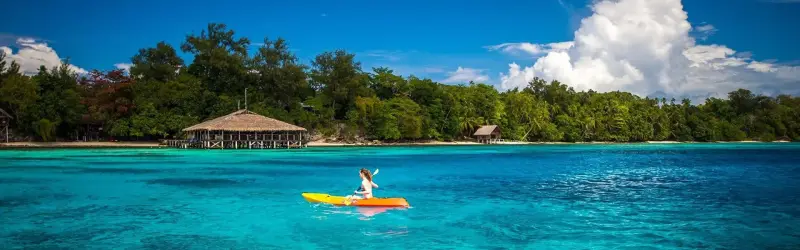 Solomon IslandsWWII history, reefs and lagoons
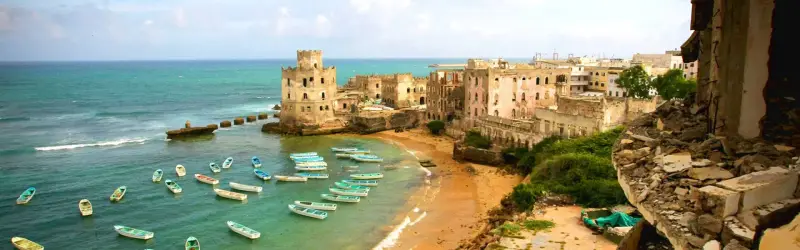 SomaliaAncient coast and Somaliland rock art
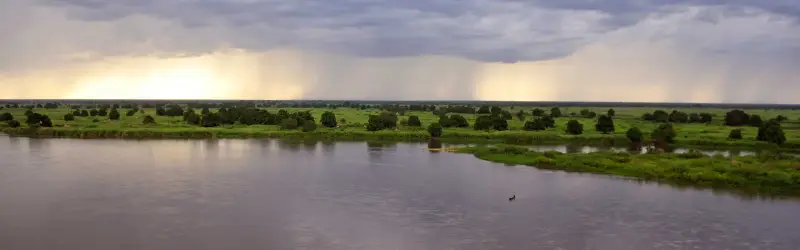 South SudanThe world's youngest country
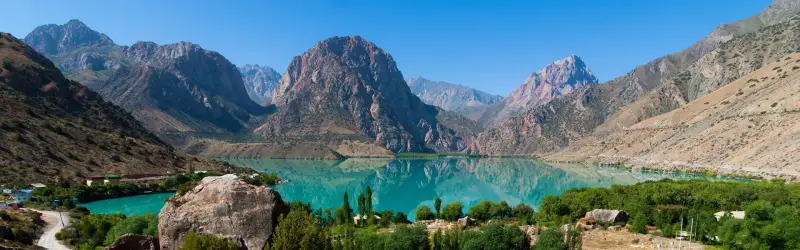 TajikistanThe Pamir Highway and high mountain lakes
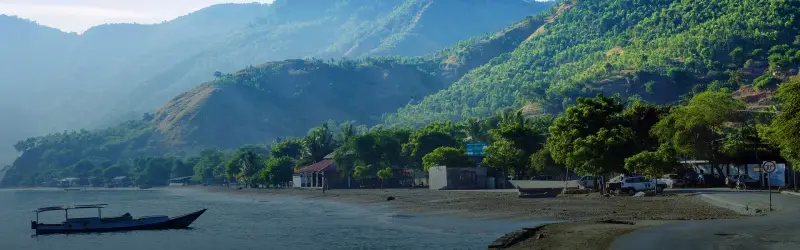 Timor-LesteCoral reefs, mountains and a young nation
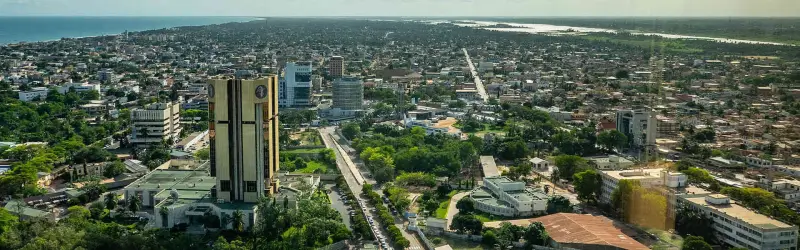 TogoVoodoo markets, Koutammakou and palm-lined coast
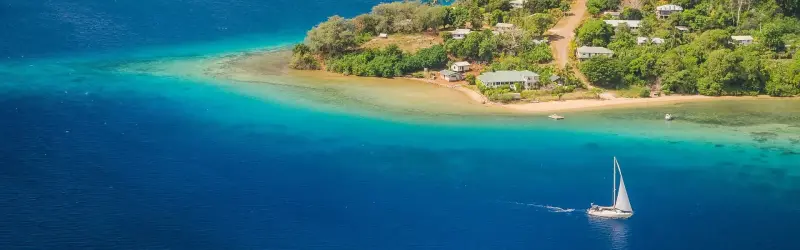 TongaHumpback whales and a Polynesian kingdom
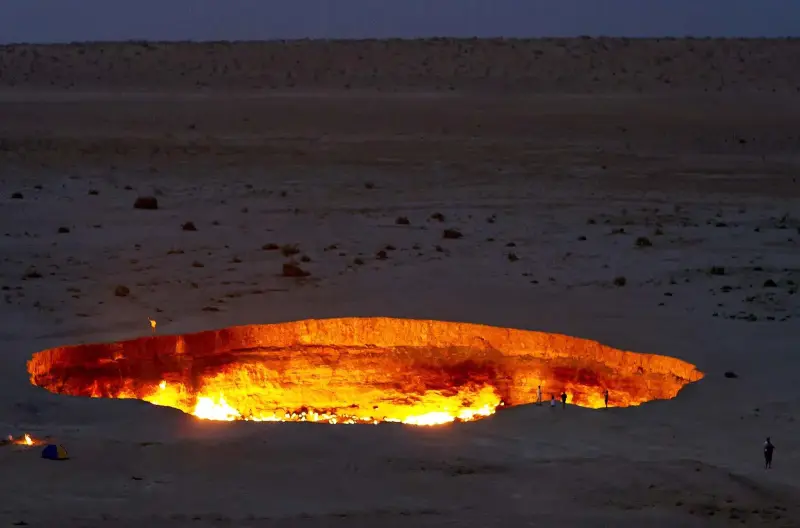 TurkmenistanThe Door to Hell and marble Ashgabat
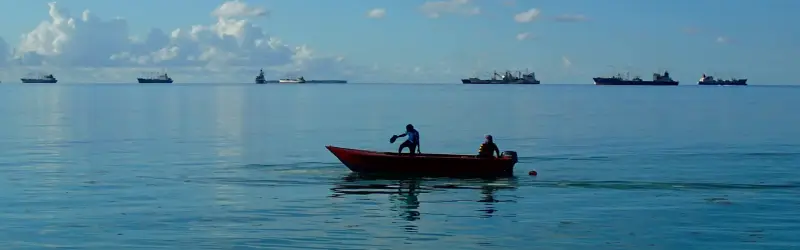 TuvaluRemote Pacific atolls and lagoons
 UgandaGorillas, chimpanzees and the source of the Nile
 UkraineKyiv, Lviv and the Carpathians
 VanuatuActive volcanoes, reefs and island culture
 Vatican CitySt Peter's and the Sistine Chapel
 WalesCastles, coast paths and mountains
 ZimbabweVictoria Falls, Hwange and Great Zimbabwe
MacauPortuguese heritage, Macanese food and Cotai resorts
 Bangladesh686 places to stay, eat or see
Nothing in that category yet.
Top things to do in Angola
Kalandula Falls inland and the desert coast of the Namib in the far south.
No things to do in Angola are listed yet. Browse all things to do
Best time to visit Angola
May to October is dry and misty; November to April brings heat, rain and full waterfalls.
Dry and cooler (cacimbo season), with misty mornings on the coast.
Hot, humid and rainy, with the heaviest rains in March and April; waterfalls at their fullest.
Yellow fever vaccination is required to enter Angola; carry your certificate with your passport.
Angola travel tips
Visas, money, health, safety, transport and customs for travel beyond Luanda.
Visas and entry
Visa-free for many passports
Angola now lets citizens of many countries, the UK, the EU and the US among them, visit for tourism without a visa for up to 30 days per entry. Work, study and business trips need a visa in advance. A yellow fever vaccination certificate is required on arrival.
- Passport validity
- At least 6 months of validity and 2 blank pages
- Visa-free stay
- Up to 30 days for tourism, by nationality
- Yellow fever
- Certificate required
- Overstay
- Daily fines and possible exit ban
- Confirm with
- Angola's Migration and Foreigners Service (SME) or an Angolan embassy
Getting there
Luanda's new airport
Most visitors fly into Dr António Agostinho Neto International Airport (NBJ), Luanda's new airport south-east of the city, on the national airline TAAG Angola Airlines or on carriers from Europe, the Gulf and Africa. Overland travelers usually arrive from Namibia, where Santa Clara–Oshikango is the main border crossing.
- Main airport
- Dr António Agostinho Neto International (NBJ)
- National airline
- TAAG Angola Airlines
- Land borders
- Namibia (Santa Clara–Oshikango) is the main crossing
Money and costs
High destination
Hotels and restaurants in Luanda are expensive, while the rest of Angola is cheaper but has fewer facilities. Some hotels accept cards, but you should carry cash: bring clean US dollar or euro notes and change them only at banks or licensed bureaux. ATMs sometimes run out of cash, so keep a reserve.
- Exchange money only at banks or licensed bureaux.
- Bring US dollars or euros in clean notes.
- Expect ATMs to run out of cash at times.
Health and vaccines
Malaria, yellow fever
Book a travel clinic appointment well before an Angola trip. Angola requires a yellow fever vaccination certificate, and malaria is present countrywide, so take prophylaxis. Drink only bottled water. Private clinics in Luanda are decent but care is limited elsewhere, so buy insurance that covers medical treatment and evacuation.
- Drinking water
- Bottled only
- Malaria
- Risk countrywide; take prophylaxis
- Yellow fever
- Vaccination certificate required
- Hospitals
- Private clinics in Luanda; limited elsewhere
- Buy travel insurance that covers medical treatment and evacuation.
- Carry prescription medicines in original packaging with a copy of the prescription.
Staying safe
Crime and roads
Street crime, including armed robbery, occurs in Luanda, and roads are dangerous at night. UK advice warns against non-essential travel to parts of Cabinda province and the Lunda Norte border area. Do not walk in Luanda after dark, use a trusted driver, keep phones and jewellery out of sight, and call 113 for police.
- Emergency number
- Call 113 (police); 112 ambulance; 115 fire
- Areas to avoid
- Parts of Cabinda and the Lunda Norte border (UK advice)
- Before you go
- Read your government's current travel advisory for Angola
- Don't walk around Luanda after dark.
- Use a trusted driver rather than street taxis.
- Keep phones and jewellery out of sight.
Where to stay
Best areas to stay
Hotels in Angola are concentrated in Luanda, mainly on the Ilha de Luanda and along the Marginal waterfront. Elsewhere the choice is limited, with lodges near Kalandula and hotels in Lubango, Benguela and Lobito.
- Luanda
- Ilha de Luanda and the Marginal waterfront
- Kalandula
- Lodges near the falls
- Lubango
- Base for Tundavala and Serra da Leba
- Benguela and Lobito
- Coastal towns
Getting around
Flights and drivers
Domestic TAAG flights link Luanda with Lubango, Catumbela for Benguela and other cities. Roads vary in quality, so hire a car with a driver for road trips. The Benguela Railway also runs from Lobito.
- Domestic flights
- TAAG to Lubango, Catumbela (Benguela) and more
- Roads
- About 19,156 km of 76,626 km paved; never drive after dark
- Minefields
- Never leave the road beyond red and white HALO Trust posts or red stones
- Rail
- Benguela Railway Lobito to Luau; Luanda line to Malanje (check it is running)
- Coaches
- Macon and Huambo Expresso; Lubango to Namibe 3 to 4 hours
- Airport taxi
- Afritaxi, marked white cars
SIM and internet
Local SIM or eSIM
Local SIMs are sold at the airport and in town phone shops, and you need your passport to register one. Angola has three networks: Unitel, Africell and Movicel. Coverage is good in the cities but limited in rural areas, so expect gaps on long drives through the interior.
- Networks
- Unitel, Africell, Movicel
- You need
- Passport
- Coverage
- Good in cities; limited in rural areas
Culture and etiquette
Customs and etiquette
Music and dance are central to social life, and semba and kizomba originated here. Greet people with a handshake and a Portuguese greeting, learn a few basic phrases, and ask before taking photos, never of government buildings, police or the military.
- Music
- Semba and kizomba originated here
- Greetings
- Handshakes; Portuguese greetings
- Learn basic Portuguese phrases
- Ask before taking photos
- Carry your passport or a certified copy
- Greet the oldest person first and wait for elders to start eating
- Call on the soba, the local chief, before wandering round a rural village
- Photographing government buildings, police or military
- Walking at night in Luanda
- Flaunting valuables
- Interrupting someone mid-sentence
Things to know before visiting Angola
Luanda's hotel and restaurant prices surprise most visitors to Angola.
Why travelers love it
- Kalandula Falls, among the largest waterfalls in Africa by volume.
- Miradouro da Lua, eroded cliffs south of Luanda.
- Tundavala and Serra da Leba in the southern highlands.
- Few other tourists, even at the main sights.
Good to know
- Little English is spoken; Portuguese helps.
- Infrastructure outside cities is limited.
Trip fit
BookingMentor editorial ratings out of 5, based on a first-time visitor's experience.
Luanda weather by month
Luanda is warm all year, and the cooler, cloudier months from June to September are the most comfortable.
Monthly averages for Luanda from the climate table of its Wikipedia article (Luanda (Quatro de Fevereiro Airport) (2001–2025 normals, extremes 1879–present)), compiled from the national weather service. The southern highlands around Lubango are cooler; the far south is dry.
Packages in Demand
A Journey to Remember
Tours, activities and day trips in and around this destination, with the details you need before booking.
No packages in Angola are listed yet. Browse all packages
Create Your Custom-Made Trip to Angola
Traveling to Angola? Chat with a Local Travel Specialist in Angola Who Can Help Organize Your Trip.
START HERE
Our Travel Experts are Recommended by



Luanda, the Malanje railway and the southern desert coast
Most Angola trips combine Luanda, the train line to Malanje and the southern escarpment down to the desert coast. Tourism is still young, tour circuits are few and English is rare outside the capital, so independent visitors usually link domestic flights with a hired driver or a local guide in each region.
- Five days: three in Luanda and two on day trips. Start with the Fortaleza de São Miguel, built in 1576. Its original slave cells survive. Use the day trips for Kissama National Park and the beaches of Mussulo.
- Ten days: add the interior. Ride the train to Malanje for Kalandula Falls on the Lucala River, 105 m high and 400 m wide. Pungo Andongo and Cangandala, home of the giant sable antelope, are nearby. Then fly south to Lubango for the Tundavala cliff, 20 km north-west. Finish by descending the Serra da Leba pass to the desert coast at Namibe.
- Two weeks or more: add Benguela and Lobito for art deco streets. Take the Benguela Railway inland to Huambo. Iona National Park, beside Namibia's Skeleton Coast, needs a 4x4 convoy with someone who knows the tracks.
Pre-book an airport transfer and your first nights at a hotel in Luanda, where prices run high. Book domestic legs on TAAG once your dates are fixed, and compare flights into Luanda early. Budget extra days: trains get suspended and roads wash out after storms.
Outside Luanda, hire a car with a local driver.
Cacimbo dry season, the rains and Carnaval
The driest months to visit Angola are June to August, the cool cacimbo season, when Luanda records almost no rain and highs sit around 25 °C. The rains run from about September to April in the north and from November to February in the south. Carnaval, on the Tuesday before Lent, is the biggest festival.
Cacimbo brings heavy morning mist. Altitude matters more than latitude: the coast near Soyo averages about 26 °C over the year, but Huambo on the central plateau stays under 16 °C, and frost can form on the highest ground in July.
Between November and April bridges and even whole road sections can be washed away. Kalandula carries the most water then, so for the falls aim for the end of the rains and fly.
Carnaval falls on the Tuesday before Lent (February or March). Lobito is the centre of the celebrations. National holidays close offices and banks on 4 February, 4 April, 17 September and 11 November (Independence Day).
Moamba de galinha, funge, mufete and Cuca beer
Angolan food centres on moamba de galinha, chicken cooked with palm paste, garlic and okra in palm oil, eaten with funge, a cassava porridge. Grilled-fish mufete is the classic coastal meal, and Cuca is the beer to order.
Moamba de ginguba is the peanut-sauce version, and calulu stews dried fish with vegetables. Mufete is grilled fish served with palm-oil beans and sweet potato. Luanda's Ilha has beach restaurants at every price. Elsewhere restaurants are sparse with uneven hygiene; busy places are the safer bet.
Cuca, brewed in Luanda, is best on draught. In the south, try kissangua, a non-alcoholic drink made from cornflour. Ask before ordering whether dollars are accepted.
Travelers are asking
Yes. A yellow fever vaccination certificate is required to enter Angola.
Not widely. Portuguese is the main language, so a translation app or a guide is very useful.
Our travel desk answers questions about Angola
How We Research This Guide
UNESCO's Angola listings, UK Foreign Office advice and Wikipedia's country data back this guide; Luanda's 2001–2025 averages give the climate table.
Last updated . Spotted something out of date? Tell us.
Checked against trusted sources:
UNESCO World Heritage CentreUK Foreign Office travel advice

Before You Go...
Discover Trips & Info
A Travel Network Connection Travelers and locals
Incredible Event & Festival, Don't Miss!
Most Popular Event & Festival of Angola
Festivals and events in this destination, with dates, venues and ticket details where available.
No upcoming festivals or events in Angola are listed right now. Browse all events
Subscriber
Popular car hire destinations
Explore more options to hire a car for cheap
Frequently Asked Questions (FAQs)
Visa-free entry, safety in Luanda, reaching Kalandula and the cost of a trip lead our Angola answers.
Timing & weather
May to October, the cooler dry season, is the best time to visit Angola.
February is the warmest month in Angola, with average highs of 31°C, and July the coolest, with lows of 19°C. April is the wettest month, at about 136 mm of rain; June is the driest. Luanda is warm all year, and the cooler, cloudier months from June to September are the most comfortable.
Health & safety
Most visits pass without incident, but street crime occurs in Luanda and some border areas carry travel warnings. Use a trusted driver and avoid walking at night. Call 113 for police or 112 for an ambulance.
No. Drink bottled water only.
Dial 113 for the police, 112 or 116 for an ambulance and 115 for fire.
Visa & documents
Many nationalities can visit visa-free for tourism for up to 30 days per entry. Others need a visa. A yellow fever certificate is required.
Booking
Plan 7 to 10 days for Luanda, Kalandula Falls and the south around Lubango and Namibe.
General
Top places include Luanda, Miradouro da Lua, Kissama National Park, Kalandula Falls, Lubango, Tundavala, Serra da Leba, Namibe and Mbanza Kongo.
Portuguese is the official language, alongside many African languages such as Umbundu and Kimbundu. Little English is spoken.
Angola uses C and F sockets on 220 V, 50 Hz.
Domestic TAAG flights link Luanda with Lubango, Catumbela for Benguela and other cities. Roads vary in quality, so hire a car with a driver for road trips. The Benguela Railway also runs from Lobito.
Angola is best known for:
- Kalandula Falls, among the largest waterfalls in Africa by volume
- Miradouro da Lua, eroded cliffs south of Luanda
- Tundavala and Serra da Leba in the southern highlands
- Few other tourists, even at the main sights
Prices & payment
Angola uses the kwanza. Cards are accepted in some hotels, but cash is needed for most things. Bring dollars or euros to exchange at banks.
Daily travel costs in Angola are high. Expect higher prices than average.
Getting there
Most visitors fly into Dr António Agostinho Neto International Airport (NBJ), Luanda's new airport south-east of the city, on the national airline TAAG Angola Airlines or on carriers from Europe, the Gulf and Africa. Overland travelers usually arrive from Namibia, where Santa Clara–Oshikango is the main border crossing.

 Exclusive holiday package offers