

Chapai Nawabganj
Chapai Nawabganj travel guide
Sultanate mosques of ancient Gaur and Bangladesh's mango capital.
Chapai Nawabganj, in the far west of Bangladesh, holds the Bangladeshi part of the medieval capital of Gaur, with the Choto Sona Mosque, Darasbari Mosque and the Tahkhana complex. It is also the country's best-known mango district. Gaur is most comfortable from November to February; mango lovers should come in June. It is very good value.
Chapai Nawabganj is a district in north-western Bangladesh, which is part of the Rajshahi Division, sharing a border with India. This region is famous for its mangoes, archaeological sites, and fertile soil, which produces various crops in this region.
Like many others, the people of Rajshahi love silk and mangoes. However, the district of Chapai Nawabganj is particularly well-known for its excellent local varieties, including Fazli, Langra, and Gopalbhog. In the summer season, many local markets and roadside stalls are abundant with fresh mangoes picked from the trees.
One of the most notable attractions is the Sona Masjid, located near the India-Bangladesh border. On the outskirts of the border, there is an old brick Muslim temple called Choto Sona Mosque, which was built during the Sultanate period. It is made of small stone blocks and is a great example of Bengal’s traditional Islamic architecture.
Many significant archaeological finds were made in the region around Gaur, Bengal’s former capital. Most of these findings are associated with the medieval period of Bengal’s history. Apart from that, the landscape of the Chapai Nawabganj district is diverse, featuring the Padma River, orchards, paddy fields, villages, and wetlands. Local specialties include various mango dishes and sweets, rice, fish, and Bengal-style dishes.
Best experiences in Chapai Nawabganj
Find your kind of trip: 24 travel themes, each with the packages in Chapai Nawabganj.
 Ayurveda Tours
Seasonal/Event
 Adventure
Wildlife & Safaris
 Pilgrimage
Eco/Nature
Culture & History
 Honeymoon
 Romantic Getaway
 Cruise
 Water Activities
 Backpacking
 Luxury
 Photography
City Slickers
Heritage
 Beach & Relaxation
 Sports & Recreation
 Food & Wine
Train & River Journeys
Skiing
 Overland
Chapai Nawabganj at a glance
Key details for the country's far western corner, from season to language.
Top destinations near Chapai Nawabganj
Pick a place by travel style: beaches, nature, cities, heritage, hills, islands.
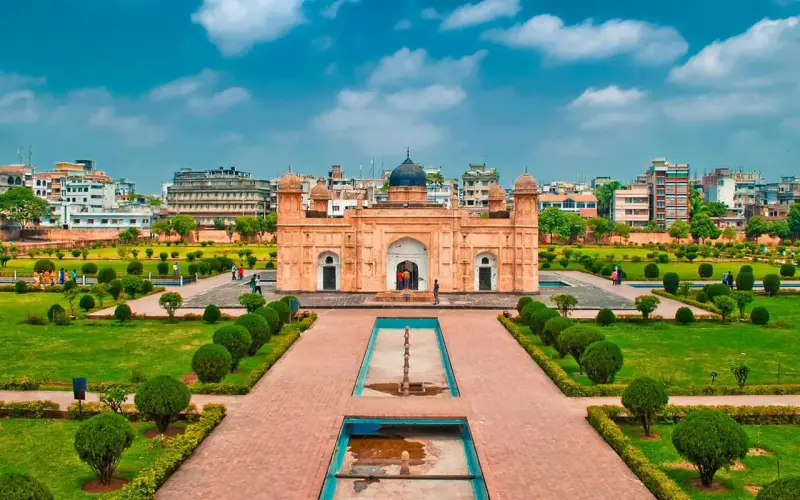 DhakaCapital & chaos
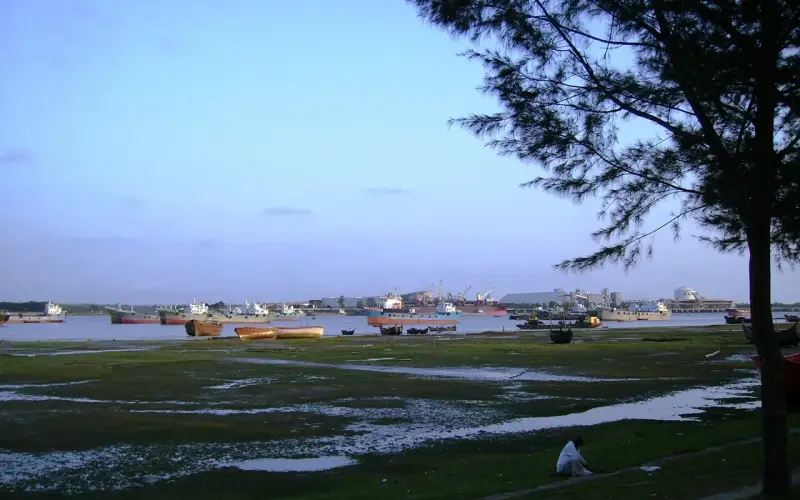 ChattogramPort city and gateway to the hills
 BandarbanThe highest hills in Bangladesh
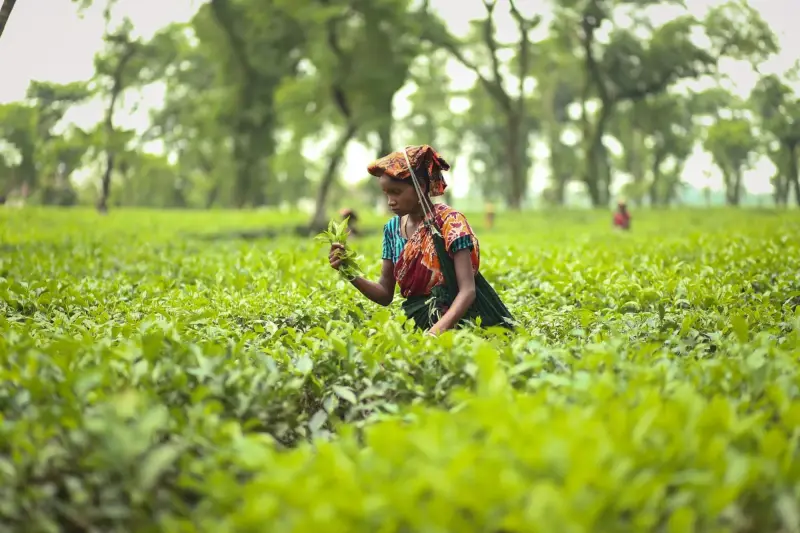 SylhetTea gardens and swamp forest
 Cox's BazarOver 100 km of sea beach
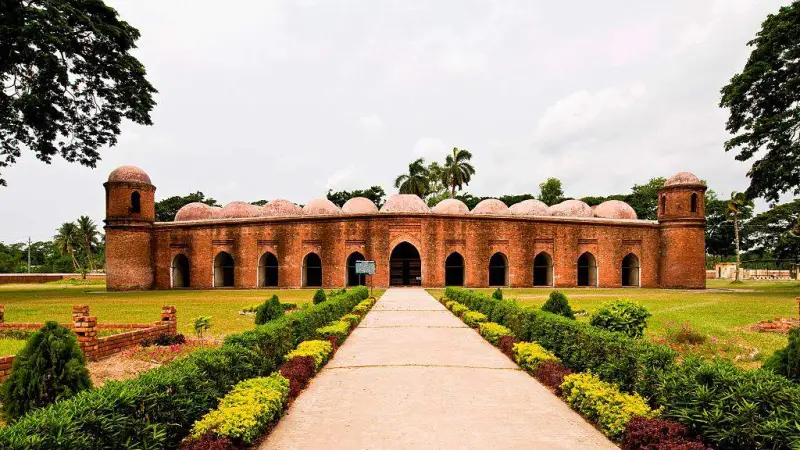 BagerhatMosque City and Sundarbans gateway
 RangamatiKaptai Lake and the hills
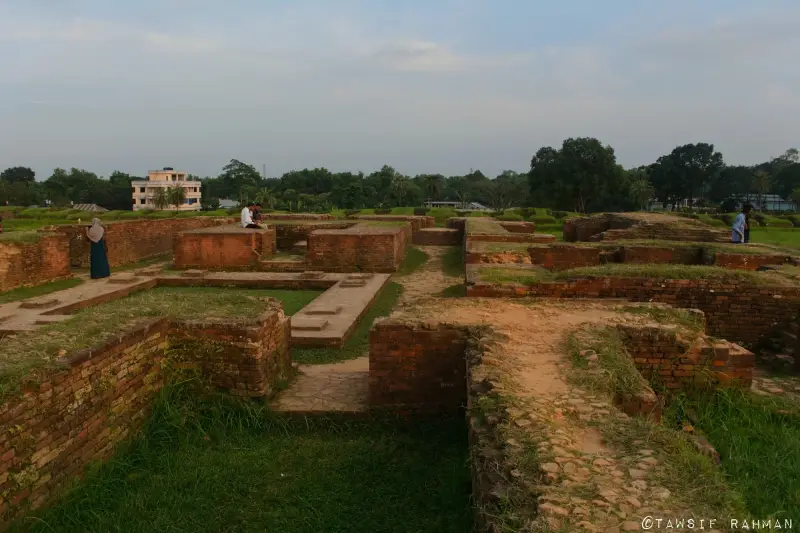 ComillaMainamati ruins
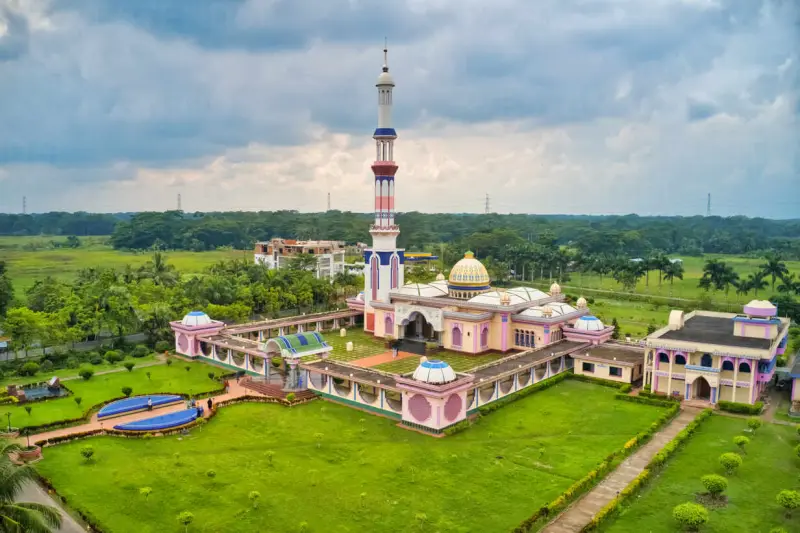 BarishalVenice of Bengal
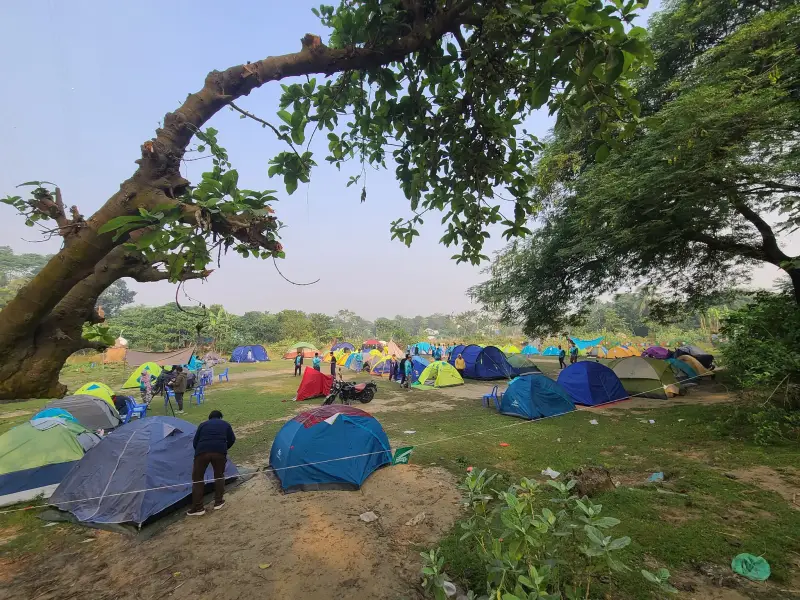 NarayanganjSonargaon and Panam Nagar
 SunamganjThe haor wetlands
KishoreganjHaors and Sholakia
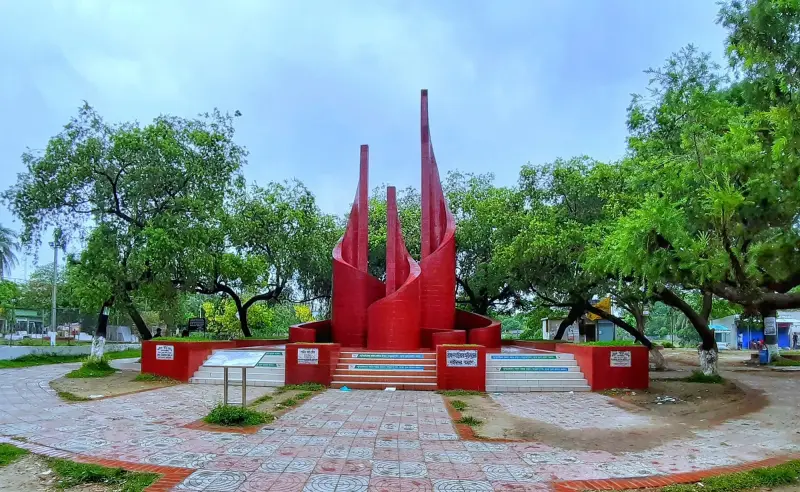 BrahmanbariaThe Titas and Akhaura
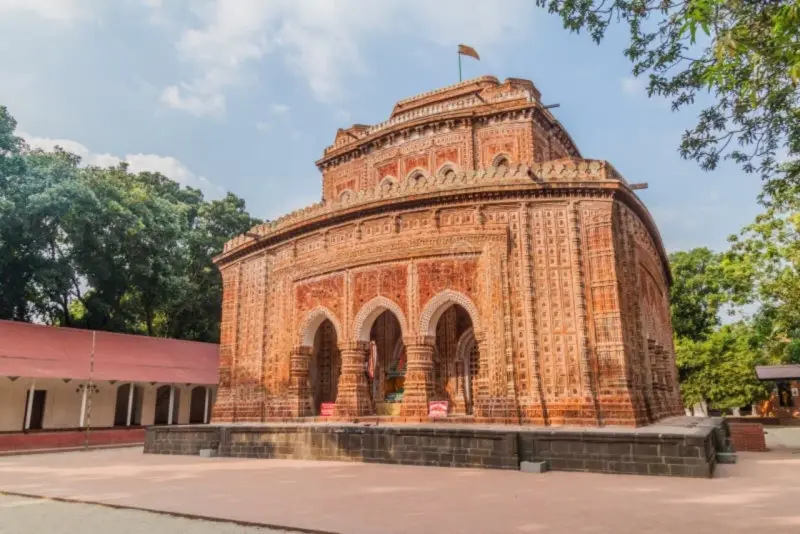 DinajpurKantajew Temple
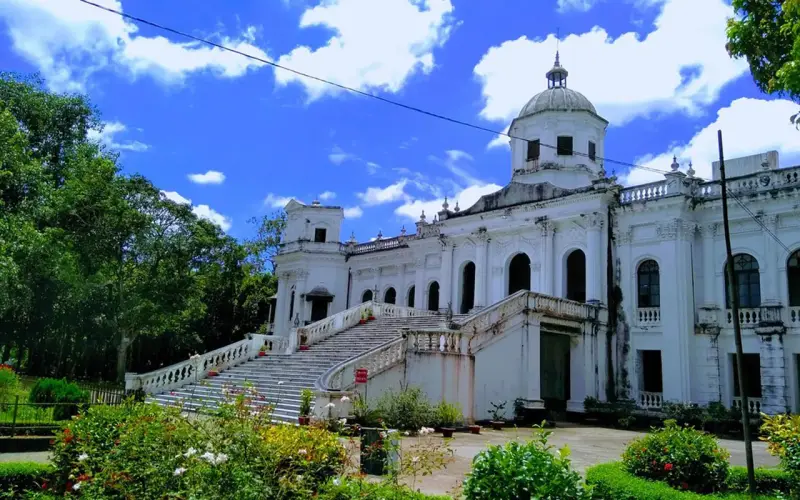 RangpurPalaces of the north
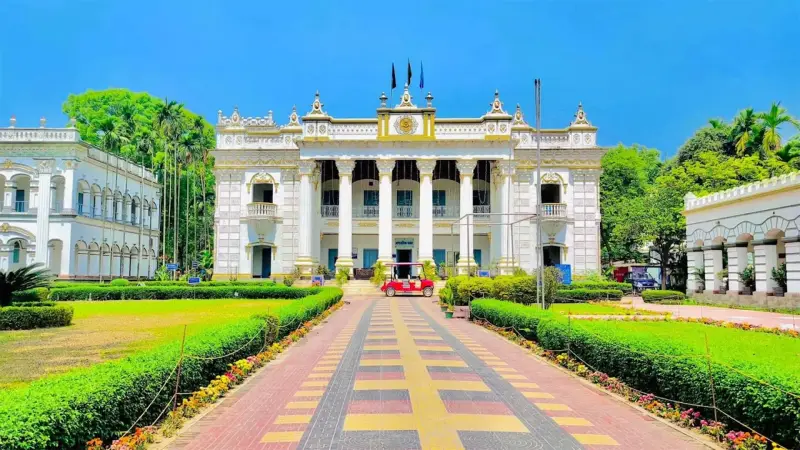 TangailSaris, sweets and Atia Mosque
 KhulnaGateway to the Sundarbans
JhenaidahAncient mosques of Barobazar
MoulvibazarSrimangal tea country
MunshiganjHistoric Bikrampur
NarsingdiAncient Wari-Bateshwar
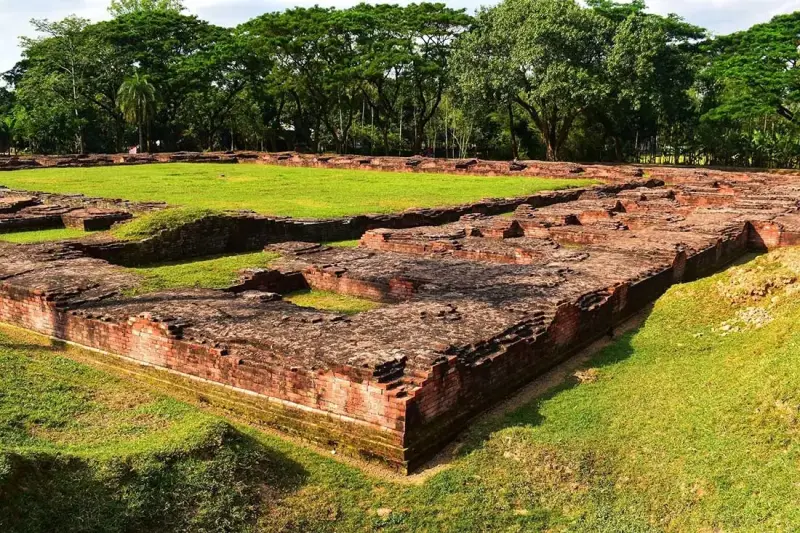 BograAncient Mahasthangarh
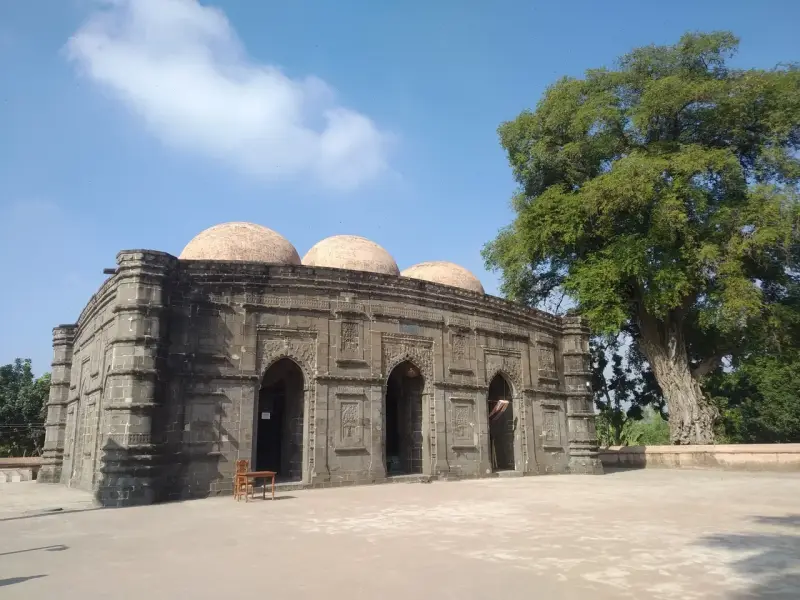 NaogaonPaharpur's great monastery
 RajshahiSilk, mangoes and the Padma
 GazipurForests next to Dhaka
 KhagrachhariCaves, falls and the road to Sajek
 ManikganjZamindar palaces
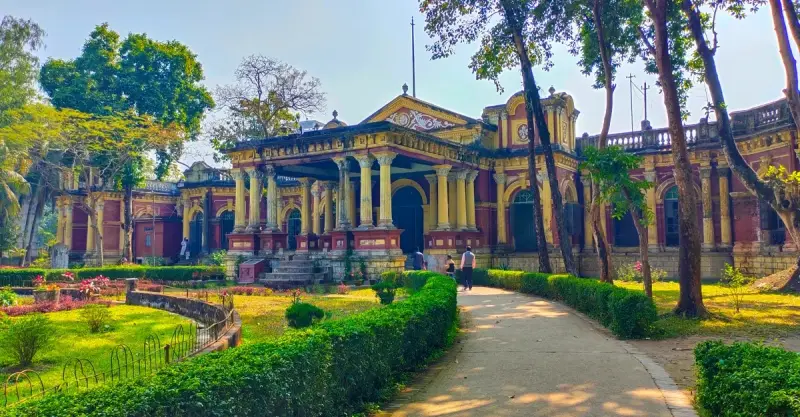 MymensinghRiver city of art and palaces
 ChandpurCity of hilsa
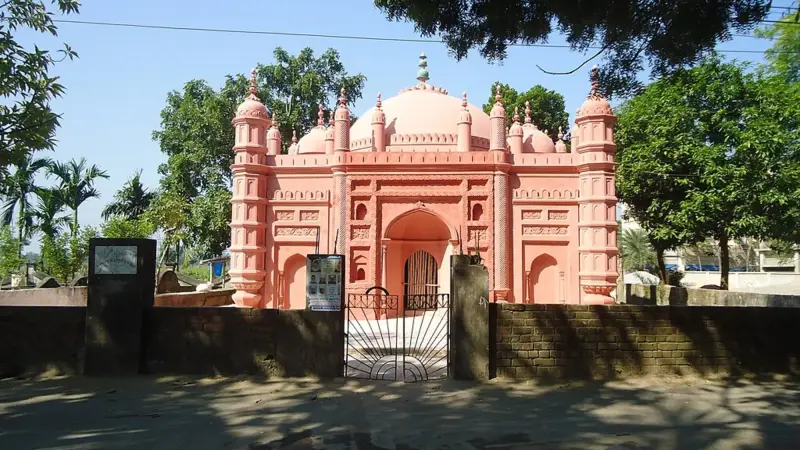 FeniMuhuri Project
 JhalokatiFloating guava markets
NetrokonaBirishiri and the Someshwari
ThakurgaonThe giant mango tree
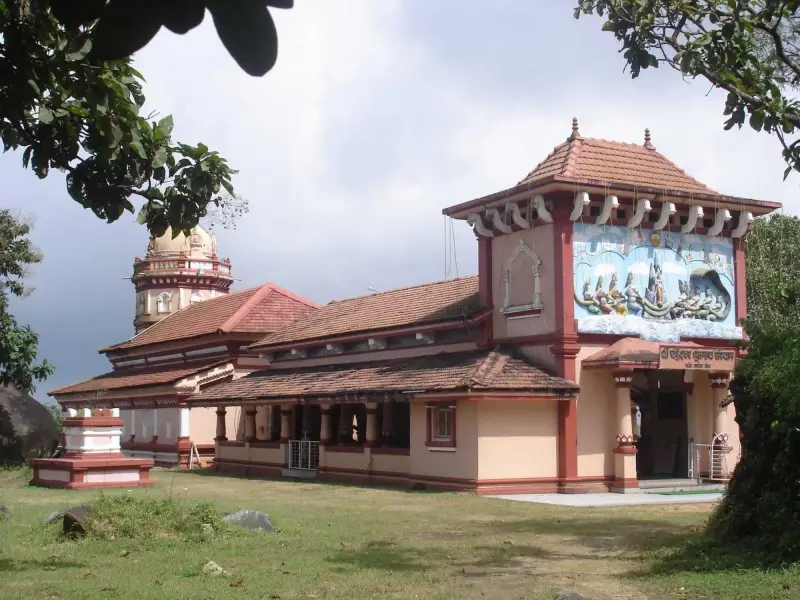 FaridpurPoet Jasimuddin's home
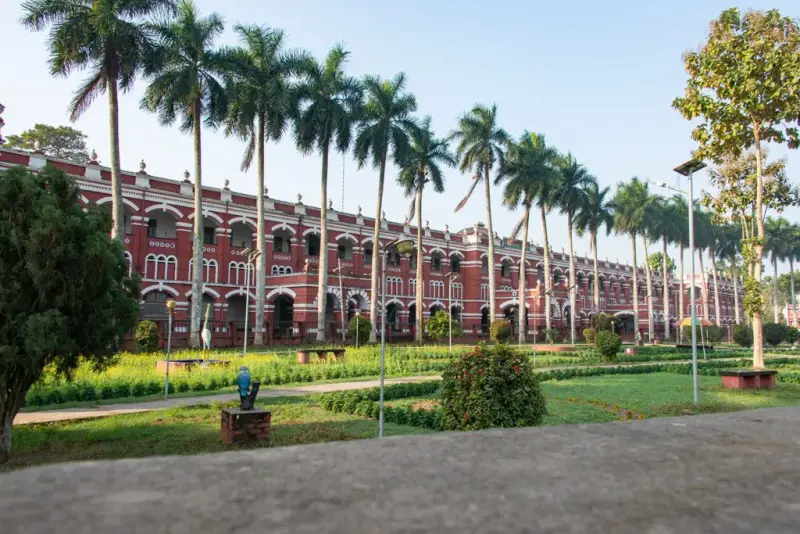 JashoreFlowers and Benapole
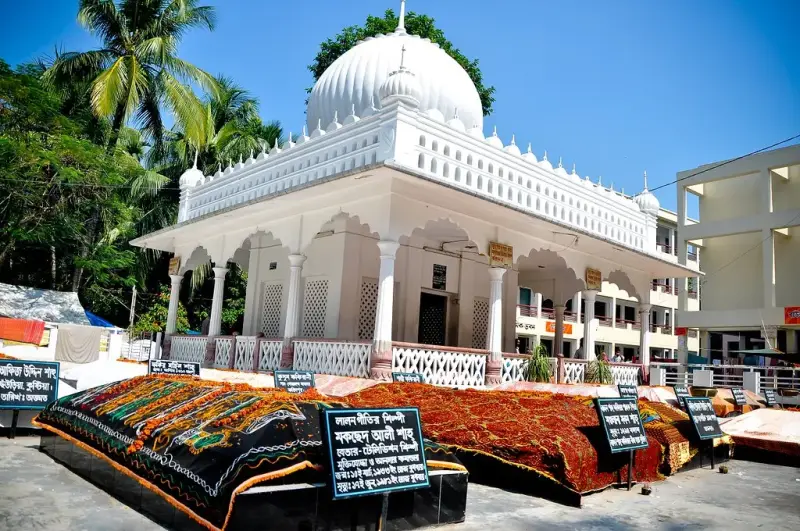 KushtiaLalon and Tagore
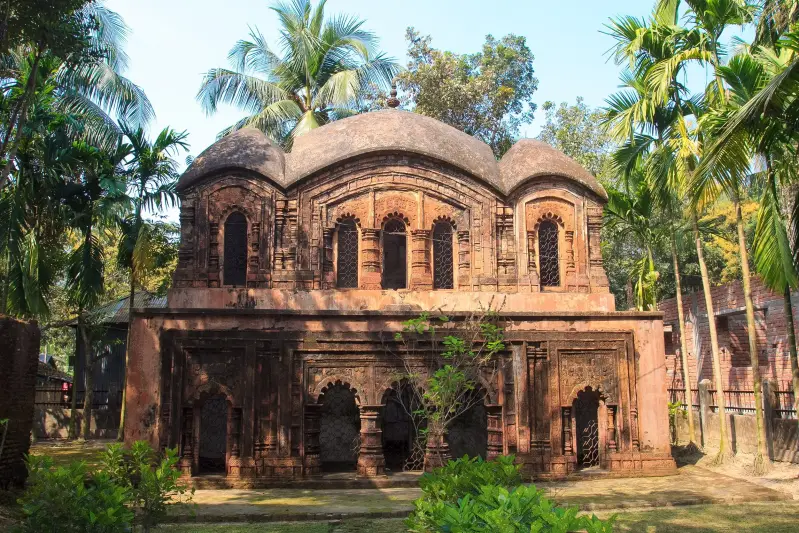 MadaripurRivers near the Padma Bridge
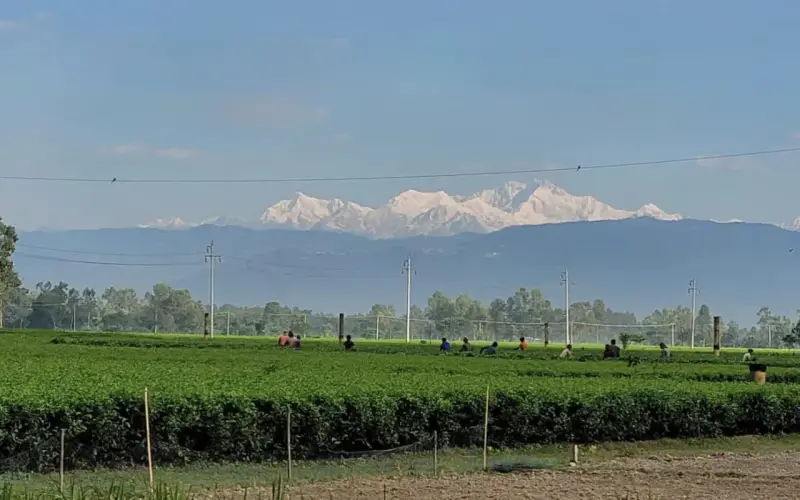 PanchagarhKanchenjunga views from Tetulia
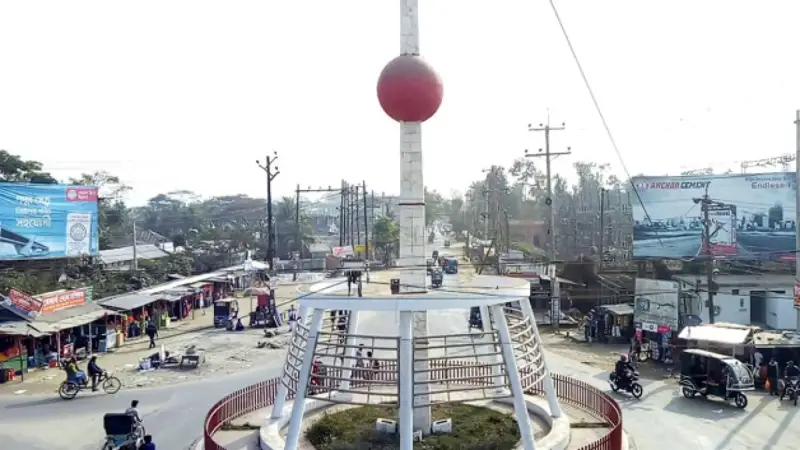 PatuakhaliKuakata, daughter of the sea
 SirajganjJamuna and Tagore's Shahzadpur
HabiganjForests and tea estates
KuakataDaughter of the sea
NatorePalaces and Chalan Beel
SatkhiraWestern Sundarbans
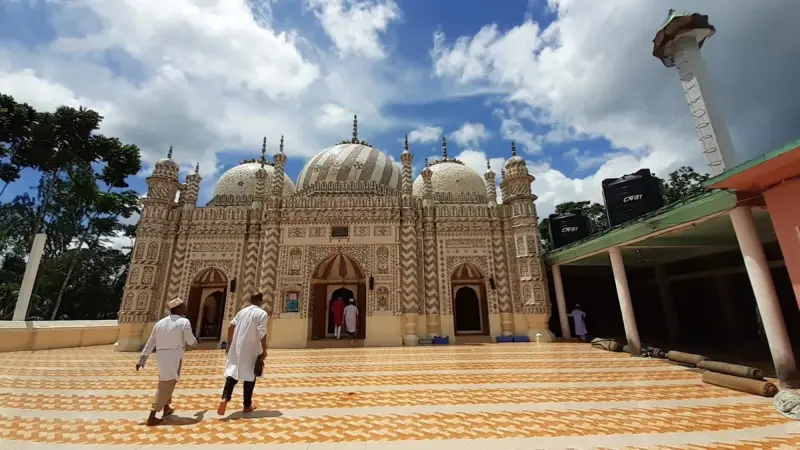 LakshmipurMeghna estuary
 PabnaBridges over the Padma
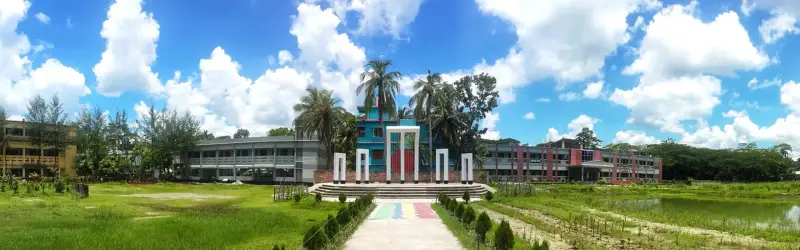 PirojpurFloating markets of Swarupkathi
RajbariGoalanda and the Padma ferries
ShariatpurThe Padma Bridge's south end
SherpurGaro Hills foothills
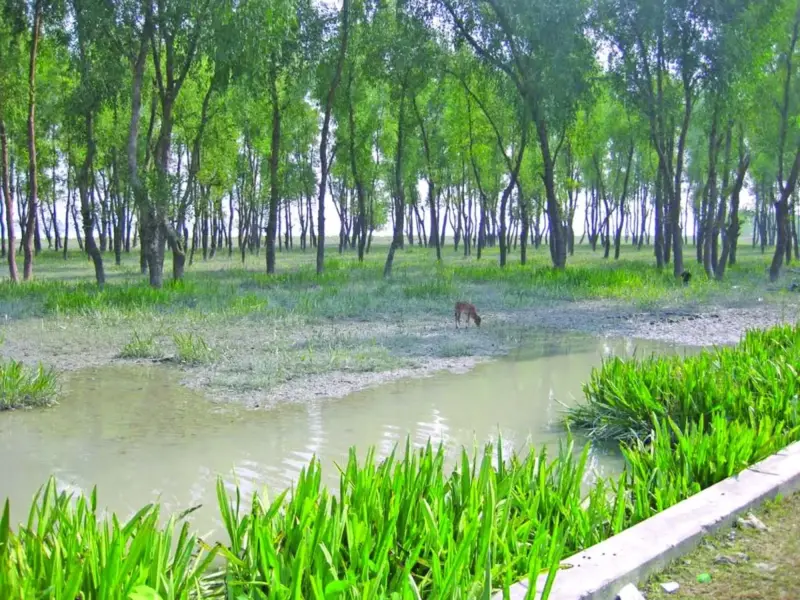 BargunaCoastal forests and quiet beaches
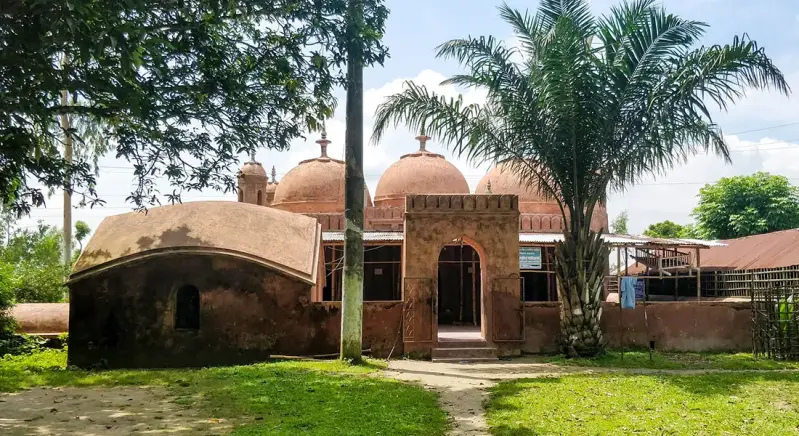 LalmonirhatTeesta Barrage and Tin Bigha
 NoakhaliNijhum Dwip
GopalganjTungipara and Orakandi
JoypurhatGateway to Paharpur
NarailS. M. Sultan's Chitra
 BholaBangladesh's largest island
 KurigramRivers and char islands
ChuadangaDarshana border
JamalpurBrahmaputra and nakshi kantha
MeherpurMujibnagar Memorial
NilphamariSaidpur and Nilsagar
GaibandhaTeesta and Brahmaputra chars
MaguraRaja Sitaram's ruins
SavarHome of the Martyrs' Memorial
Sreemangal UpazilaBangladesh's tea capital
ChowmuhaniNoakhali's market town
KaliakairFactory town on the Tangail road
Saint Martin's IslandBangladesh's only coral island
SiddhirganjBangladesh's old jute town
SreepurGateway to the Bhawal forest
TaraboRiver town on the Sylhet road
TongiDhaka's northern gateway
Nothing in that category yet.
Top things to do in Chapai Nawabganj
Sights and day trips around Chapai Nawabganj.
Chapai Nawabganj
Naoda Buruz (Sar Buruj), Gomostapur
Naoda Buruz is a raised earthen mound in Gomostapur Upazila of Chapainawabganj, known to people nearby as Sar Buruj. It is a protected archaeological site, but...
Chapai Nawabganj
Dhaniachak Mosque (ধনিয়াচক মসজিদ), Gaur
Dhaniachak Mosque stands on the west bank of a nearly dried-up pond in what was once the southern suburb of Gaur, the Bengal Sultanate capital, today the villag...
Chapai Nawabganj
Tahkhana Complex (তোহাখানা), Gaur
Tahkhana, a Persian word for a cool building or palace, is the name given to a compact Mughal group standing on the western bank of a large tank in the Firozpur...

Chapai Nawabganj
Darasbari Mosque (দারাসবাড়ি মসজিদ)
Darasbari Mosque stands in Shibganj Upazila of Chapai Nawabganj district, about one kilometre southwest of the Kotwali Gate and some 500 metres west of Choto So...

Chapai Nawabganj
Khania Dighi Mosque (খনিয়াদিঘি মসজিদ)
Khania Dighi Mosque stands in Chapai Nawabganj District in the Rajshahi Division of Bangladesh, close to the better-known Choto Sona Mosque in the old Gaur area...
Best time to visit Chapai Nawabganj
Late May and June bring the harvest; November to February suits the monuments.
Dry, mild and clear: the most comfortable months for travel.
Hot and humid, with sudden evening storms (kalbaishakhi).
Heavy rain, rising rivers and green countryside; roads and ferries can be disrupted.
Avoid traveling in the days before and after the two Eid holidays, when buses, trains and launches out of Dhaka sell out.
Chapai Nawabganj travel tips
Entry, getting there, money, health and conduct near the Indian border.
Visas and entry
Bangladesh entry rules
Gaur's monuments near Kotwali Gate sit right on the Indian border, and border rules apply there. First you need a Bangladesh visa, arranged in advance for most nationalities, and six months on your passport.
- Passport validity
- At least 6 months beyond arrival
- Confirm with
- Your nearest Bangladesh embassy or high commission
Getting there
Getting there
Take the Banalata Express from Dhaka, the quickest rail link with only two stops, at Dhaka Airport and Rajshahi, running six days a week with Friday off. Alternatively, fly to Rajshahi (RJH) and drive about 1.5 hours, or take a direct bus from Dhaka. Check current train times with Bangladesh Railway.
- Nearest airport
- Rajshahi (RJH), about 1.5 hours
- Dhalarchar Express
- Through Rajshahi to Pabna, under four hours
- Banalata Express
- 316 km, stops only at Rajshahi and Dhaka Airport
Money and costs
Cash is king
Gaur's mosques, a car and driver for the day and mangoes in season are paid in cash. Chapai Nawabganj town's ATMs are the place to withdraw.
- Withdraw in town before visiting Gaur.
- Agree the day rate for a car and driver.
Health and vaccines
Water and mosquitoes
Mango season in Chapai Nawabganj falls in the hot months, so carry plenty of bottled or filtered water, and use repellent in the monsoon. Rajshahi or Dhaka take serious cases, so bring medicines and evacuation cover.
- Hospitals
- Government district hospital in each district town
Staying safe
Roads and strikes
Respect border rules at Gaur and keep road travel to daylight. Visitors seldom report crime here; hartals can be checked in the local news, and 999 is the emergency number.
- Emergency number
- 999
- Respect border rules near Kotwali Gate.
- Travel by day.
Where to stay
Simple town hotels
Chapai Nawabganj town, on the Mahananda, is a workable base with simple hotels, guesthouses and government rest houses, or in Rajshahi for more choice outside mango season. Book early for June, when the mango trade fills rooms, and around the Eid holidays.
- Base
- Chapai Nawabganj town
Getting around
Rickshaws, CNGs, car
Rickshaws and CNGs handle the town at agreed fares; take the first local bus to Kansat, about 23 km, since trading starts at 7 am. For the Gaur monuments near the Kotwali Gate on the Indian border, book a car and driver for the whole day and keep your passport in your bag.
- Tip
- Agree fares before you set off
SIM and internet
Buy before you leave the city
Close to the border at Gaur, Grameenphone keeps the widest coverage. Dhaka is where to register your SIM with your passport.
- Networks
- Grameenphone, Robi, Banglalink, Teletalk
Culture and etiquette
Rural and conservative
Chapai Nawabganj is conservative and hospitable. At Gaur's mosques go barefoot inside, keep shoulders and knees covered, and ask before photographing women. Private meals are the rule in Ramadan daylight.
- Dress modestly, covering shoulders and knees
- Remove shoes at mosques, temples and homes
- Accept tea when offered
- Photographing women without asking
- Eating in public in daylight during Ramadan
Things to know before visiting Chapai Nawabganj
Medieval Gaur's mosques and the country's best-known mangoes.
Why travelers love it
- Choto Sona Mosque, a 15th–16th-century sultanate mosque.
- Darasbari Mosque and madrasa ruins.
- The Tahkhana complex, a Mughal-era palace.
- Mango orchards, peaking in June.
Good to know
- Border areas with India; carry ID.
- Summer heat is intense.
- Mango season is the busiest time.
Trip fit
BookingMentor editorial ratings out of 5, based on a first-time visitor's experience.
Rajshahi weather by month
Chapai Nawabganj has a dry-leaning monsoon climate, about 1,448 mm of rain a year, with cool winters for the ruins and hot April and May days before the mango harvest. Rajshahi station figures are shown for every month.
Climate figures are approximate long-term averages for Rajshahi, the nearest long-term weather station (NOAA / Bangladesh Meteorological Department 1991–2020 normals, via Wikipedia).
Packages in Demand
A Journey to Remember
Tours, activities and day trips in and around this destination, with the details you need before booking.
No packages in Chapai Nawabganj are listed yet. Browse all packages
Create Your Custom-Made Trip to Chapai Nawabganj
Traveling to Chapai Nawabganj? Chat with a Local Travel Specialist in Chapai Nawabganj Who Can Help Organize Your Trip.
START HERE
Our Travel Experts are Recommended by



A day at the Gaur monuments, then Kansat's June mango market
One full day covers Chapai Nawabganj's Gaur monuments in Shibganj: the Choto Sona Mosque, built under Sultan Alauddin Husain Shah with 15 once-gilded domes, the Mughal Tahkhana, Darasbari Mosque of 1479 and the Khania Dighi mosque. In June, add a dawn visit to Kansat, the country's largest mango market, about 23 km from town.
Most of what brings travelers here lies in one compact pocket of Shibganj upazila, the Bangladeshi side of the old Bengal capital of Gaur. The district town sits on the Mahananda and makes a workable base. One full day covers the ruins; add a second in June for the mango trade.
- Day one, the Gaur monuments: start at the Choto Sona Mosque, built under Sultan Alauddin Husain Shah (1493–1519) by an official named Wali Muhammad. Its 15 domes were once gilded, which is where the name, the small golden mosque, comes from. Two sarcophagi on a stone platform east of the gateway may belong to the builder and his father. Half a kilometre north-west is the Tahkhana, a Mughal complex of 1639–1658 credited to Shah Shuja. Then visit Darasbari Mosque, dated 1479, and the Khania Dighi mosque from around 1480.
- Day two in June, Kansat: the country's largest mango market lies in Shibganj about 23 km from the district town. Trading starts at 7 am, so leave early.
- Out of season: fold the district into a stay in Rajshahi, which has more hotels and the nearest airport.
The Choto Sona stands about 3 km south of the Kotwali Gate on the Indian border, and your passport should stay in your day bag throughout. A hired car from town links all the Gaur sites in a single loop. Rickshaws only make sense for short hops once you are there.
Tradition also ascribes the tomb of Shah Niamatullah to Shah Shuja's time, and the Dhunichawk mosque is another late 15th-century survivor if you still have light.
Flights to Rajshahi save a day on the highway, and the Gaur sites need a car and driver.
Winter for the ruins, late May and June for the mangoes
Mango season runs from just after the end of May through June, when Kansat is packed and rooms should be booked early.
Ruins and mangoes keep different calendars here, and they barely overlap.
Walk the Gaur sites between November and February. Rajshahi's long-term records give January afternoons around 24°C with nights down to 10°C. Rain is scarce from November to January, and a jacket earns its place on early starts.
Spring turns hard quickly. The district's annual rainfall is about 1,448 mm, most of it in the monsoon months; July peaks near 289 mm.
The mango season changes everything in Shibganj. Fruit starts reaching Kansat just after the end of May. By the last week of the month the market is packed, and wholesalers stay busy through June. Gopalbhog, Langra, Fazli and Khirsapat all pass through. Suppliers send more than 100 lorries of fruit across the country during the season, so expect slow roads out of the orchards. If you plan to come then, book a room early.
Kalai ruti, Kansat mangoes and Gambhira songs
Try kalai ruti, a thick lentil-flour flatbread cooked on an earthen pan, with mustard oil, aubergine or chilli bhorta and duck or beef curry. From late May, buy several mango varieties such as Gopalbhog, Langra, Fazli and Khirsapat at Kansat. Ask whether a Gambhira folk performance is on, and treat old mosques as places of worship.
The bread to try is kalai ruti, a thick flatbread of lentil flour cooked on a special earthen pan. It comes with a drizzle of homemade mustard oil and a choice of bhorta: mashed aubergine, or a fierce chilli-and-onion paste. Hungrier eaters add a spicy duck, beef or chicken curry. Kalai, the pulse behind the flour, is the best-known crop of the Padma lowlands here. The bread was street food for a long time before restaurants took it up. It keeps for three or four days if you want to carry some on.
Mangoes are eaten in quantity from late May. At Kansat, farmers arrive soon after dawn with fruit picked that morning, packed in wooden baskets or plastic crates on bicycles and motor vans. Buying a few of several varieties is the best way to learn how different they taste.
For music, ask locally whether a Gambhira performance is on. It is the folk song form most closely tied to this district, alongside Kavigan and Alkap gan.
The city is overwhelmingly Muslim and the countryside conservative. Treat the old mosques as places of worship even where they look like ruins: shoes off at the threshold, voices low, and no visits during Friday prayers. Ask before photographing people at the market.
Travelers are asking
From late May to July, with varieties such as Fazli, Langra and Himsagar.
Our travel desk answers questions about Chapai Nawabganj
How we research this guide
Banalata Express times, border rules near Kotwali Gate and the mango season are rechecked for Chapai Nawabganj, using Rajshahi station data and the Bangladesh National Portal.
Last updated . Spotted something out of date? Tell us.
Checked against trusted sources:
Bangladesh Meteorological DepartmentBangladesh National Portal

Before You Go...
Discover Trips & Info
A Travel Network Connection Travelers and locals
Incredible Event & Festival, Don't Miss!
Most Popular Event & Festival of Chapai Nawabganj
Festivals and events in this destination, with dates, venues and ticket details where available.
No upcoming festivals or events in Chapai Nawabganj are listed right now. Browse all events
Memorable Experiences
Where to Go (& NOT Go) In Chapai Nawabganj!
Roaming the World one Adventure at a Time: Travel Tales, Tips, and Inspiration for wanderlusters.


Subscriber
Popular car hire destinations
Explore more options to hire a car for cheap
Frequently Asked Questions (FAQs)
Gaur, mango season and the Banalata Express.
Timing & weather
November to February, when the weather is dry and mild. The monsoon from June to September brings heavy rain.
From the last week of May through June; trading starts at 7 am, so take the first bus from town, about 23 km away.
April is the warmest month in Chapai Nawabganj, with average highs of 36°C, and January the coolest, with lows of 10°C. July is the wettest month, at about 289 mm of rain; January is the driest. Chapai Nawabganj has a dry-leaning monsoon climate, about 1,448 mm of rain a year, with cool winters for the ruins and hot April and May days before the mango harvest.
Getting there
Fly to Rajshahi and drive about 1.5 hours, or take a direct train or bus from Dhaka.
On the Banalata Express, launched in 2019, which covers 316 km with stops only at Dhaka Airport and Rajshahi, six days a week.
General
Chapai Nawabganj is known for the Choto Sona Mosque, Darasbari Mosque, the Tahkhana complex, the Kansat mango market and kalai ruti.
The small golden mosque in Shibganj, built under Sultan Alauddin Husain Shah (1493 to 1519) by Wali Muhammad, whose 15 domes were once gilded. It stands about 3 km south of the Kotwali Gate.
A thick flatbread of kalai lentil flour cooked on an earthen pan, served with mustard oil, bhorta and often a spicy duck, beef or chicken curry.
A Mughal complex of 1639 to 1658 credited to Shah Shuja, half a kilometre north-west of the Choto Sona Mosque.
The folk song form most closely tied to Chapai Nawabganj, alongside Kavigan and Alkap gan.
bookingMentor lists 4 things to do in Chapai Nawabganj, each with its category, rating and a short description. Open one for the full details, such as opening hours and how to get there.
Rickshaws and CNGs handle the town at agreed fares; take the first local bus to Kansat, about 23 km, since trading starts at 7 am. For the Gaur monuments near the Kotwali Gate on the Indian border, book a car and driver for the whole day and keep your passport in your bag.
Visa & documents
Yes, keep it in your day bag, since the sites lie close to the Kotwali Gate on the Indian border.
Prices & payment
Daily travel costs in Chapai Nawabganj are very good value. Simple hotels outside the big cities.
Health & safety
Respect border rules at Gaur and keep road travel to daylight. Visitors seldom report crime here; hartals can be checked in the local news, and 999 is the emergency number.

 Get the bookingMentor app