


Comoros travel guide
The perfume islands.
Untouched islands, volcano hikes on Mount Karthala and rich marine life appeal to adventurous travelers in the Comoros. Visit from May to October, the cooler and drier season. Daily costs are moderate, the visa is issued on arrival at the airport, and tourism infrastructure is very limited, so arrange transport and rooms before you land.
The Comoros is an archipelago of three volcanic islands, Grande Comore (Ngazidja), Mohéli (Mwali) and Anjouan (Nzwani), in the Mozambique Channel between Madagascar and Mozambique. Known as the 'perfume islands' for their ylang-ylang, vanilla and cloves, they see very few tourists.
Moroni, the capital on Grande Comore, has an old medina and the Old Friday Mosque on its harbor. Mount Karthala, one of the world's largest active volcanoes, can be climbed with a guide. Mohéli's marine park protects turtles, coral reefs and humpback whales, while Anjouan has steep green valleys and waterfalls.
Best experiences in the Comoros
Find your kind of trip: 13 travel themes, each with the packages in Comoros.
Comoros at a glance
Currency, languages including Shikomori, time zone and plugs for three little-visited volcanic islands in the Mozambique Channel.
Explore other countries
Pick a place by travel style: beaches, nature, cities, heritage, hills, islands, desert.
 ThailandTemples, street food and tropical islands
 PortugalLisbon, Porto, the Algarve and island escapes
 Saudi ArabiaAlUla, Red Sea coast and Arabian heritage
 FranceParis, the Riviera, châteaux and Alpine peaks
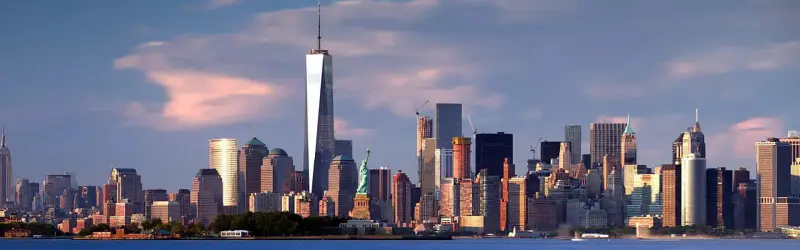 United StatesGreat cities, national parks and road trips
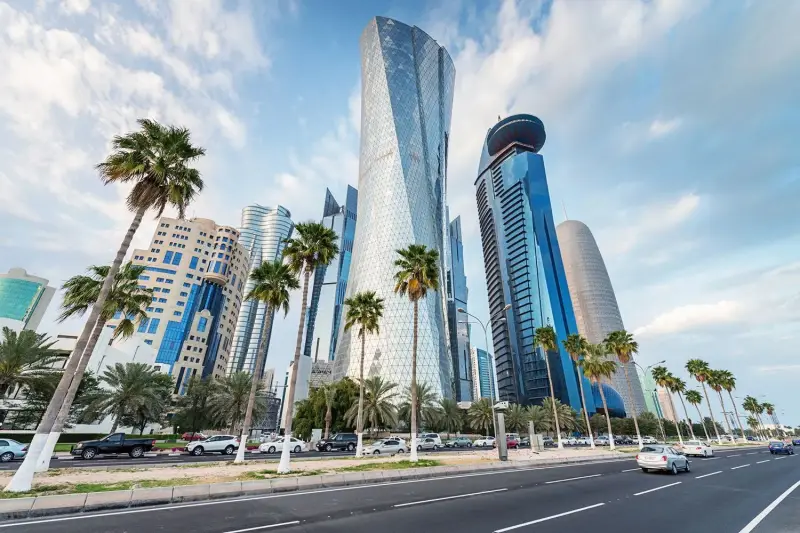 QatarDoha's museums, souqs and desert dunes
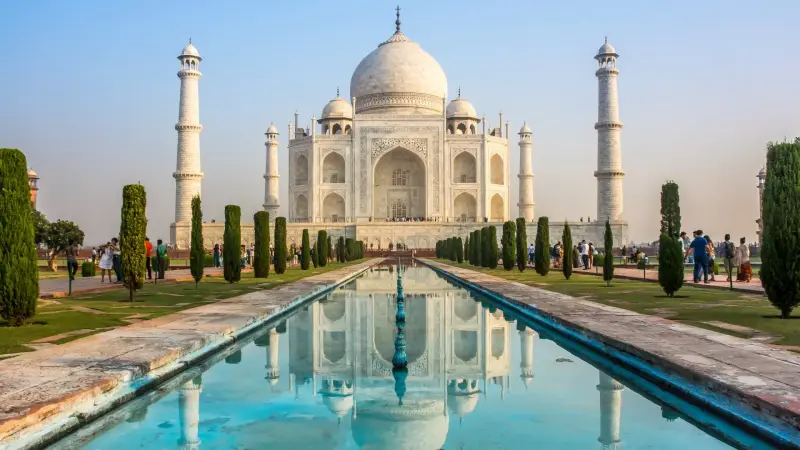 IndiaPalaces, temples, Himalaya and backwaters
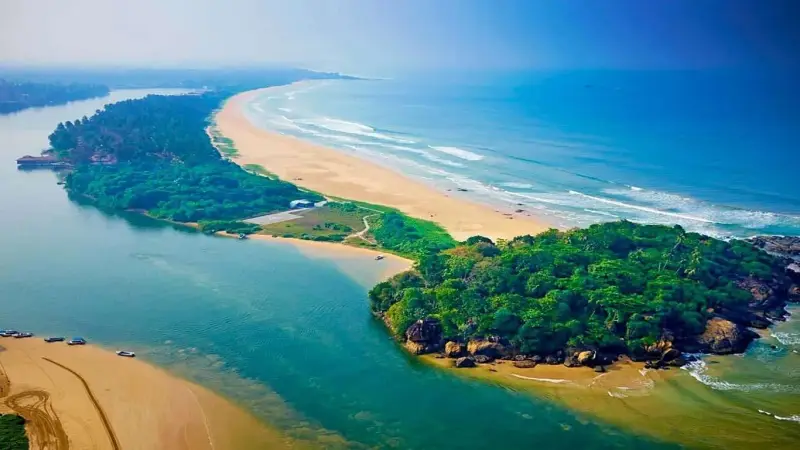 Sri LankaAncient cities, tea hills, wildlife and beaches
 ChinaThe Great Wall, ancient capitals and mega-cities
 United KingdomLondon, castles, highlands and country villages
 TurkeyIstanbul, Cappadocia and the Turquoise Coast
 United Arab EmiratesDubai, Abu Dhabi and desert adventures
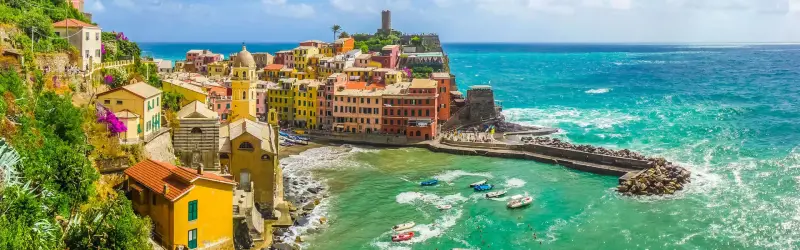 ItalyRome, Renaissance cities, lakes and coastlines
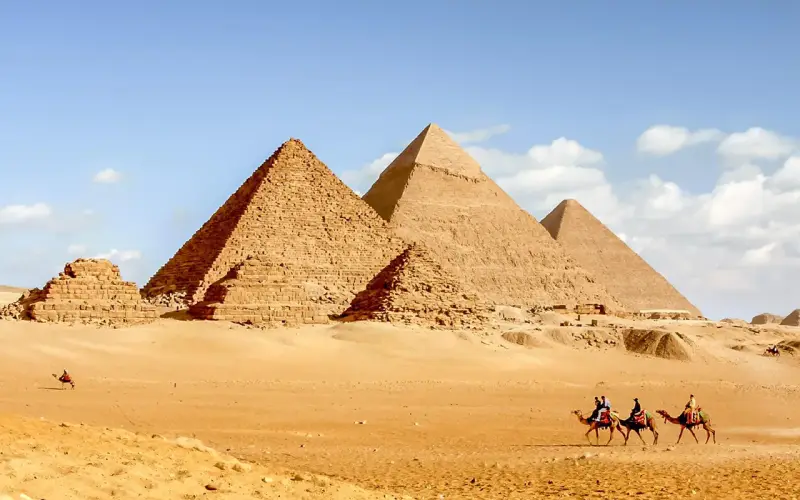 EgyptPyramids, Nile temples and Red Sea reefs
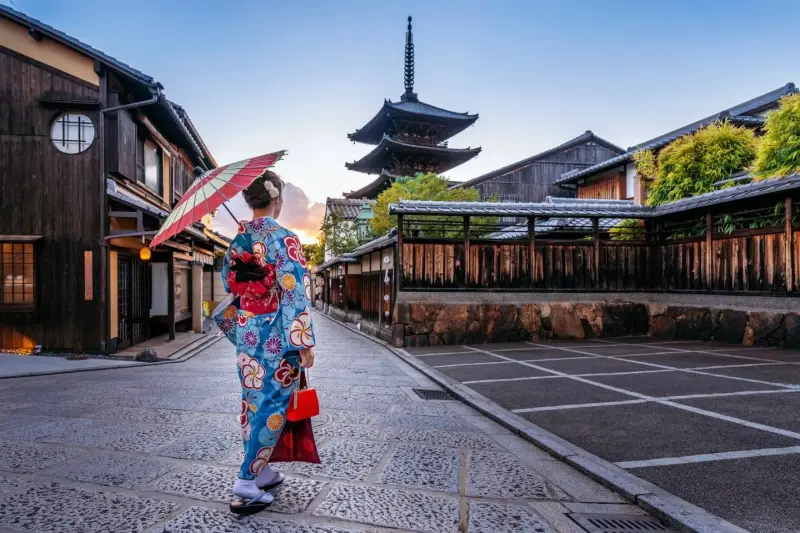 JapanTokyo, Kyoto's temples and Mount Fuji
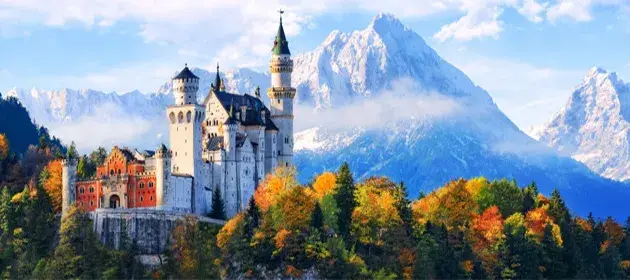 GermanyBerlin, castles, the Rhine and the Alps
 MalaysiaKuala Lumpur, rainforest, islands and street food
 SpainBeaches, tapas, flamenco and Gaudí
 IndonesiaBali, Komodo, Borobudur and 17,000 islands
 Hong KongSkyline, harbor, dim sum and hiking trails
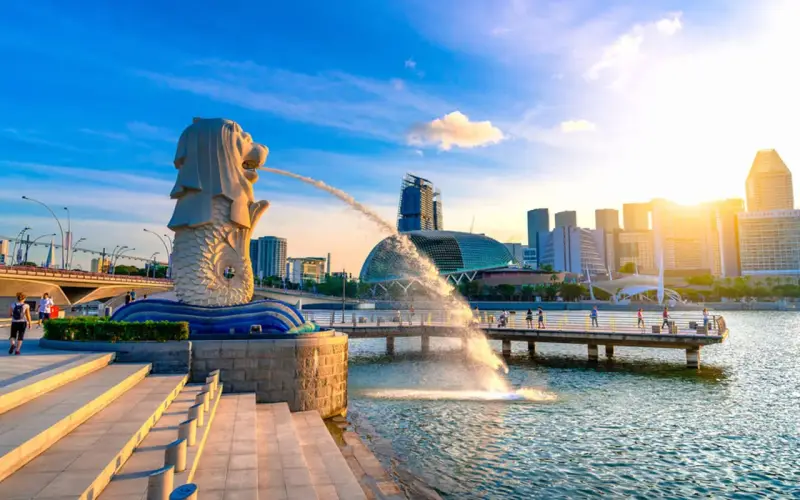 SingaporeGardens, hawker food and a dazzling skyline
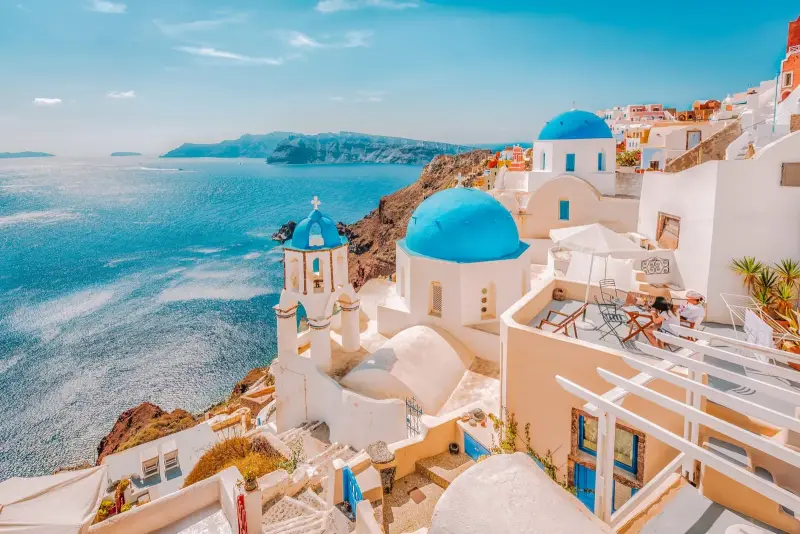 GreeceAncient wonders and Aegean islands
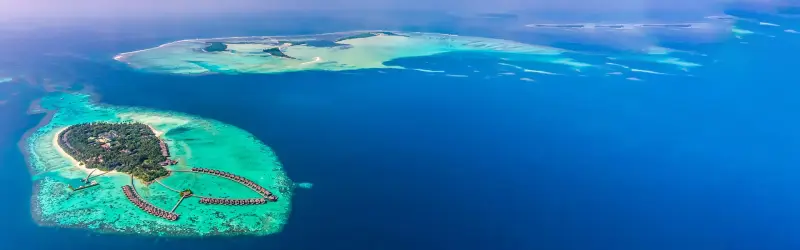 MaldivesOverwater villas and coral atolls
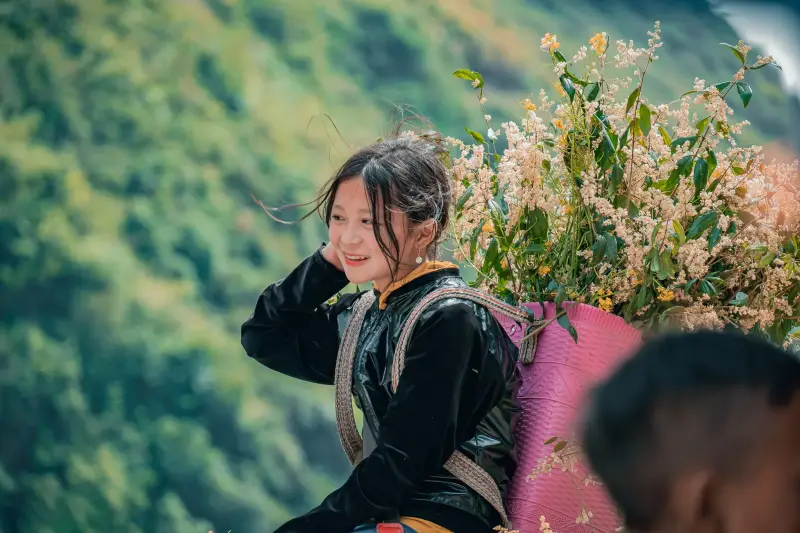 VietnamHa Long Bay, Hoi An and street food
 BrazilRio, the Amazon, Iguaçu and endless beaches
 AustraliaReef, outback, beaches and laid-back cities
 South KoreaSeoul's palaces, K-culture and mountain temples
 SwitzerlandAlps, lakes, trains and chocolate
 MexicoMaya ruins, Caribbean beaches and Mexico City
 RussiaMoscow, St Petersburg and vast landscapes
 South AfricaSafaris, Cape Town and the Garden Route
 CanadaRockies, lakes, wildlife and friendly cities
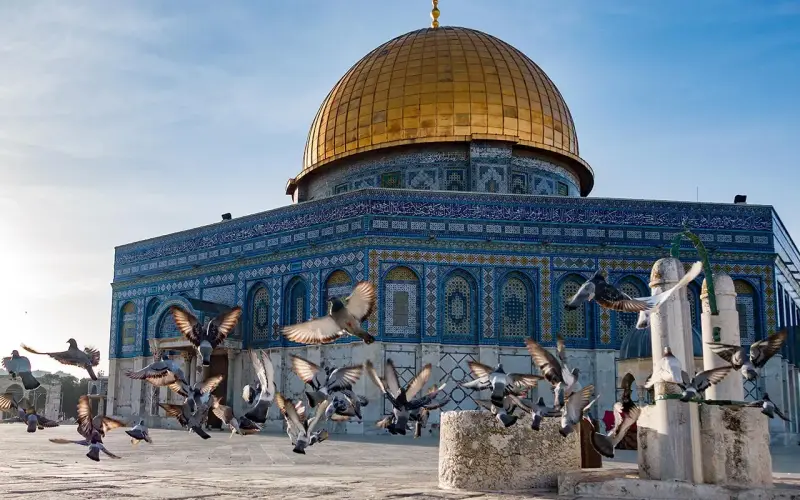 PalestineBethlehem, Jericho and ancient holy sites
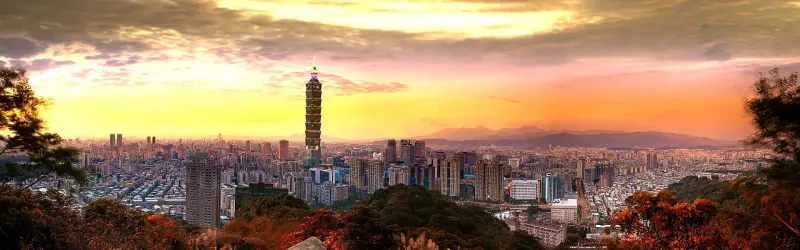 TaiwanNight markets, mountains and Taipei 101
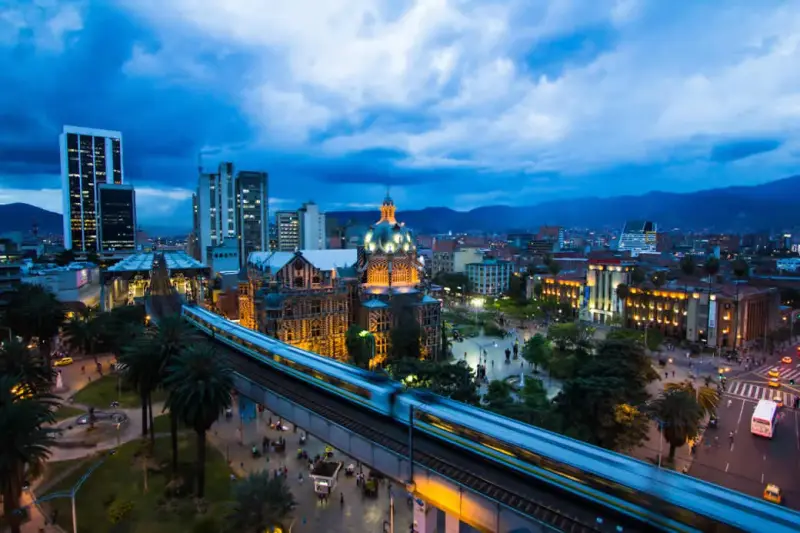 ColombiaCaribbean coast, coffee country and Andean cities
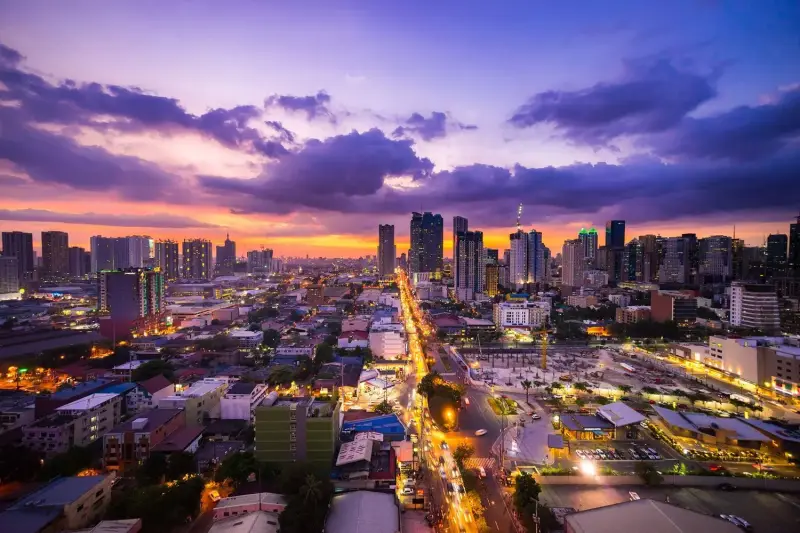 Philippines7,000 islands of beaches, reefs and rice terraces
 CambodiaAngkor's temples, river life and islands
 IsraelJerusalem, the Dead Sea and Tel Aviv beaches
 NetherlandsCanals, bikes, tulips and Dutch masters
 ArgentinaTango, glaciers, waterfalls and the Andes
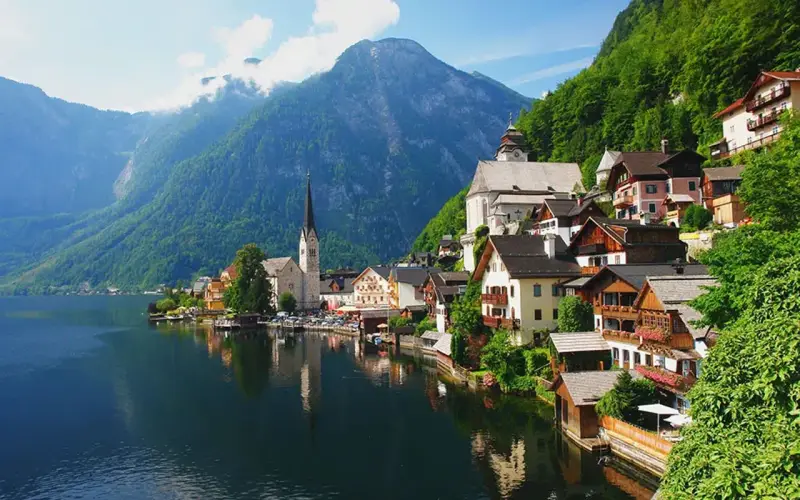 AustriaVienna's palaces, Alpine villages and music
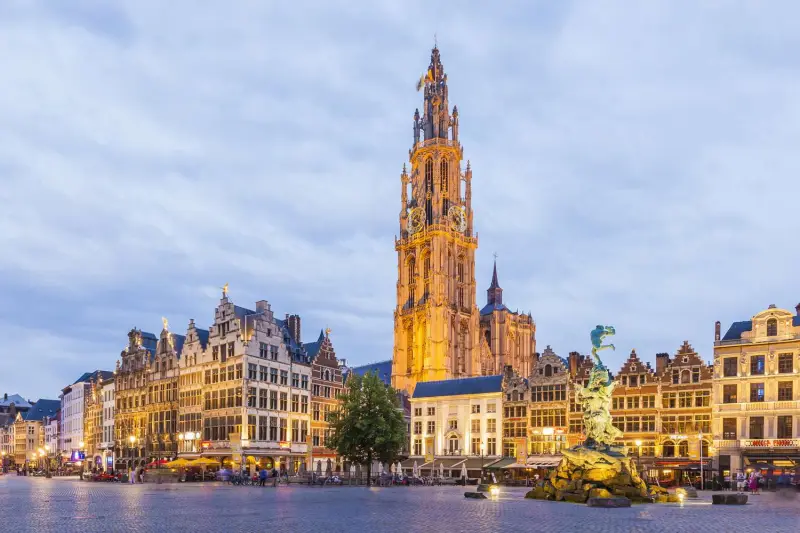 BelgiumMedieval towns, art, chocolate and beer
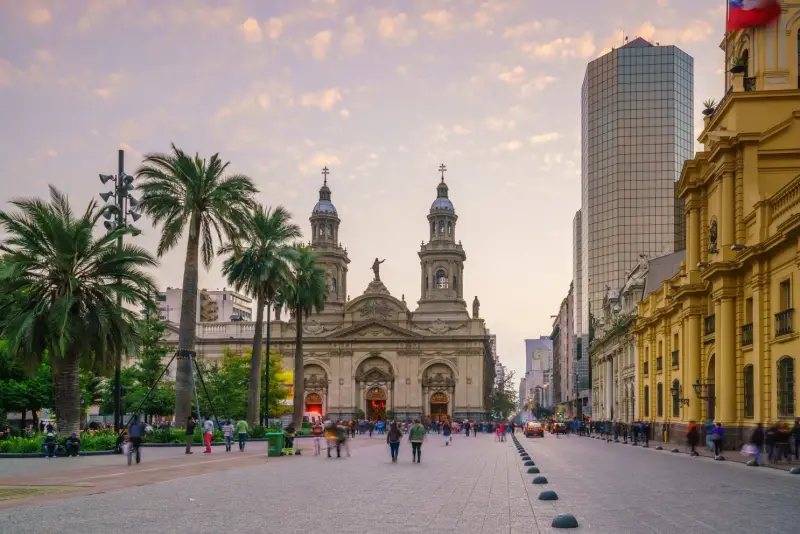 ChilePatagonia, the Atacama and the Andes
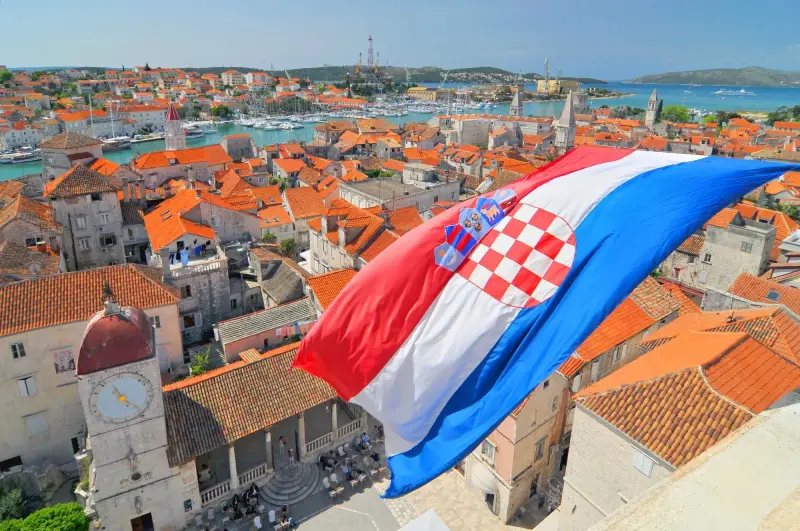 CroatiaAdriatic islands, walled towns and lakes
 IcelandWaterfalls, glaciers, volcanoes and northern lights
 IrelandGreen coasts, lively pubs and Celtic heritage
 JordanPetra, Wadi Rum and the Dead Sea
 MadagascarLemurs, baobabs and unique wildlife
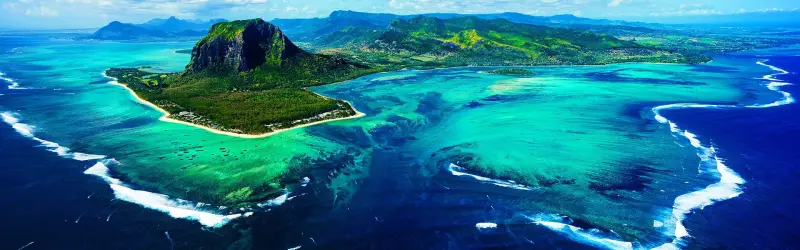 MauritiusLagoons, mountains and multicultural flavours
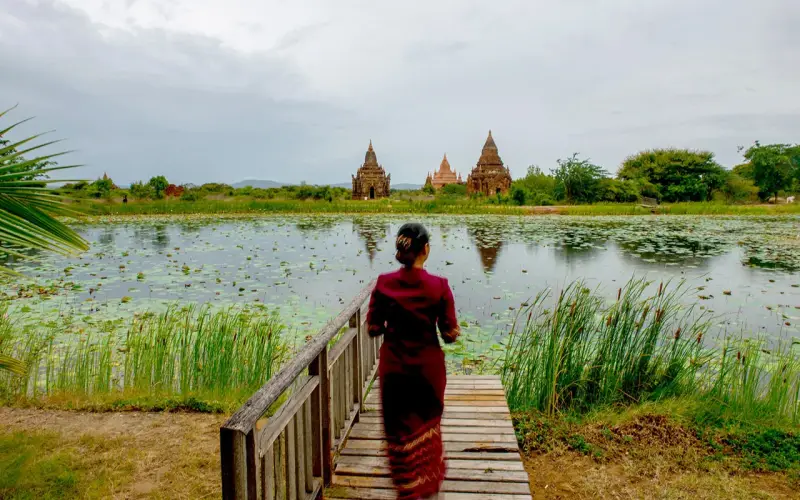 MyanmarBagan's temples and the Shwedagon Pagoda
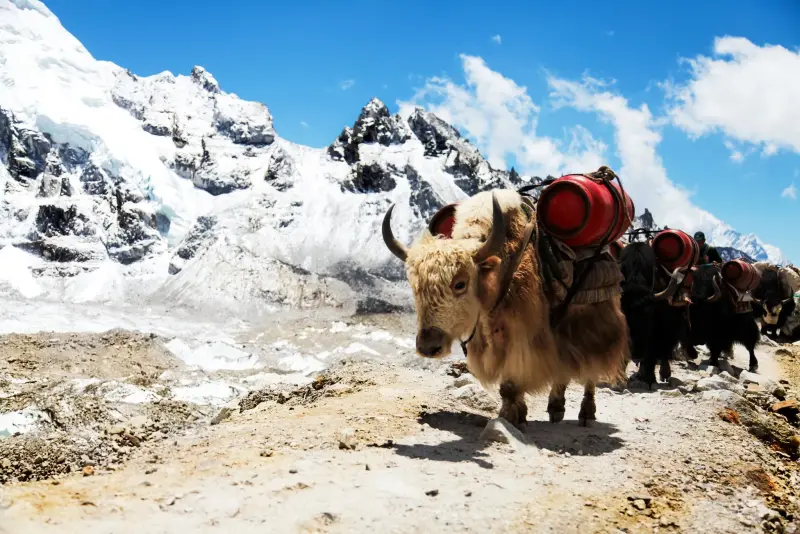 NepalEverest, the Annapurnas and Kathmandu's temples
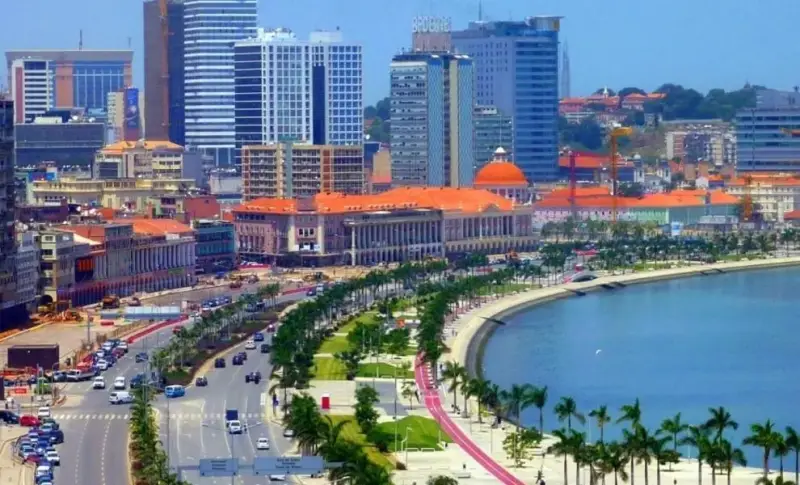 NigeriaLagos energy, Afrobeats and cultural heritage
 NorwayFjords, northern lights and the midnight sun
 TahitiGateway to French Polynesia
 TanzaniaSerengeti, Kilimanjaro and Zanzibar
 VenezuelaAngel Falls, Los Roques and the Andes
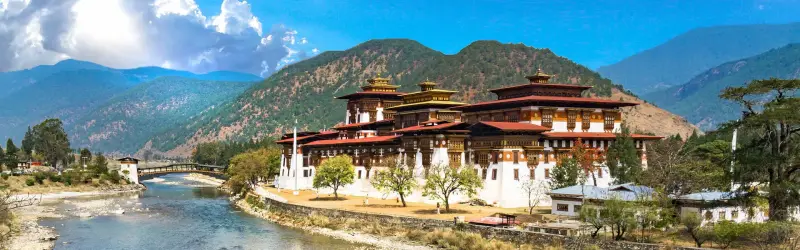 BhutanHimalayan monasteries and Gross National Happiness
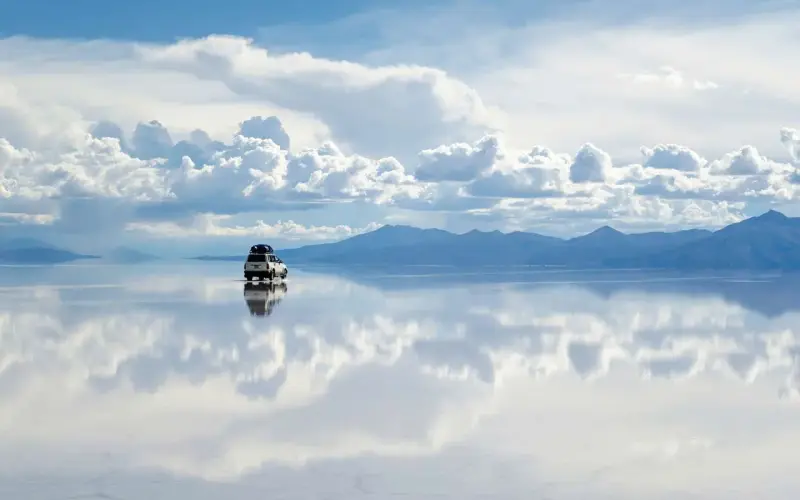 BoliviaSalt flats, Andean lakes and colonial cities
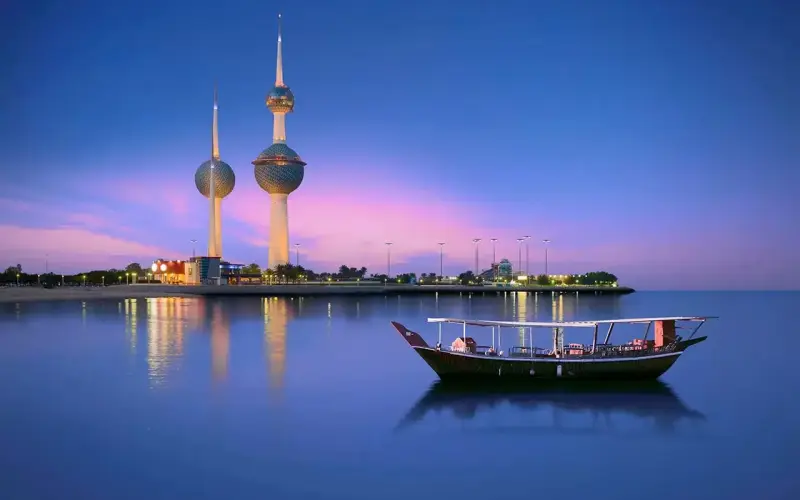 KuwaitGulf city-state
 MoroccoMedinas, Sahara dunes and Atlas mountains
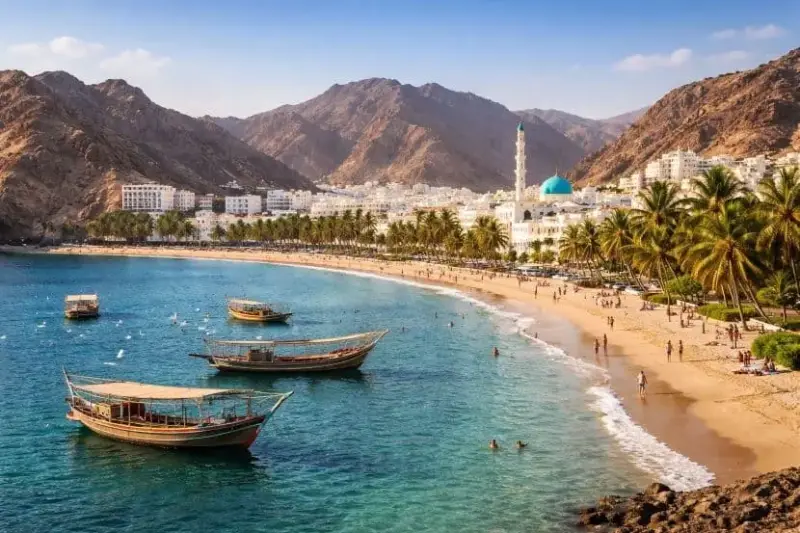 OmanForts, wadis, deserts and Arabian coast
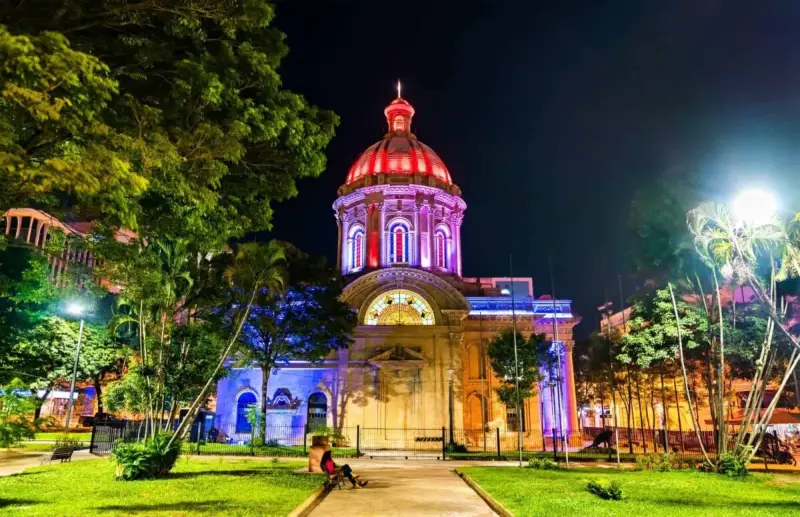 ParaguayJesuit missions, wetlands and the Chaco
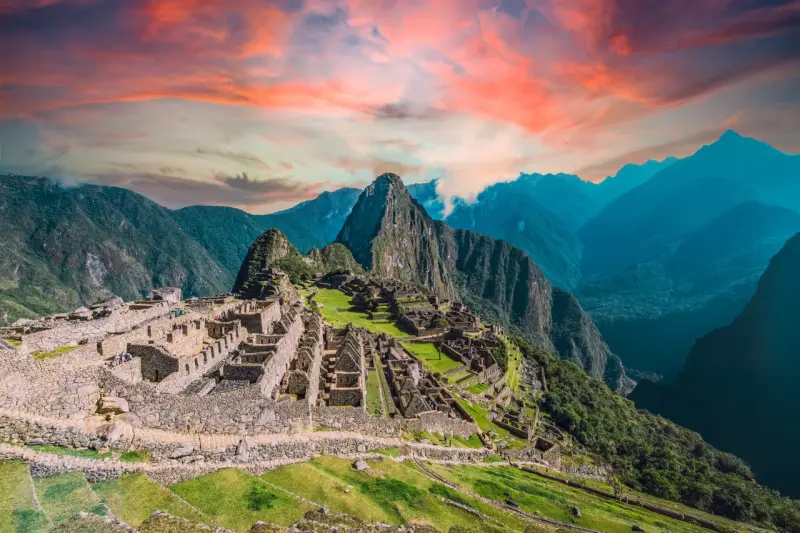 PeruMachu Picchu, the Andes and the Amazon
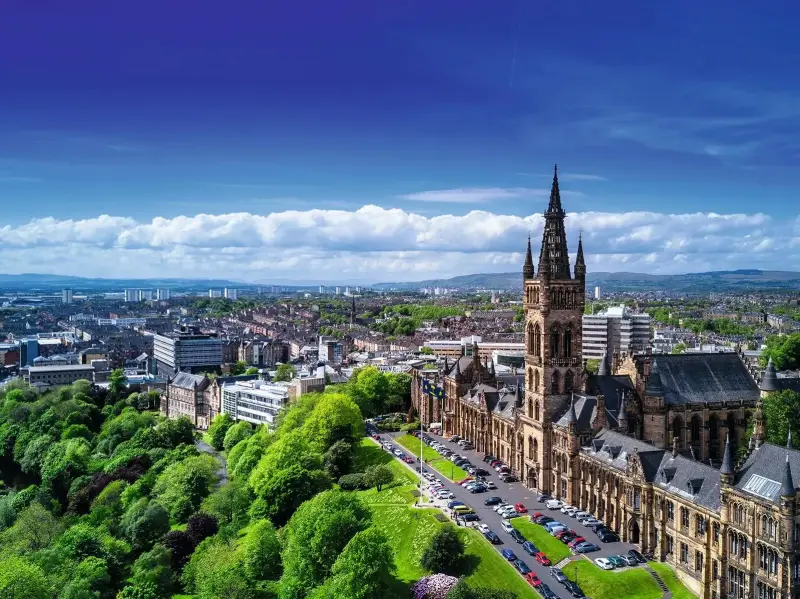 ScotlandHighlands, castles, islands and whisky
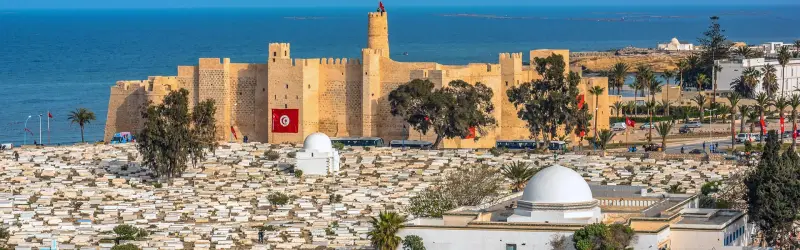 TunisiaCarthage, Sahara and Mediterranean beaches
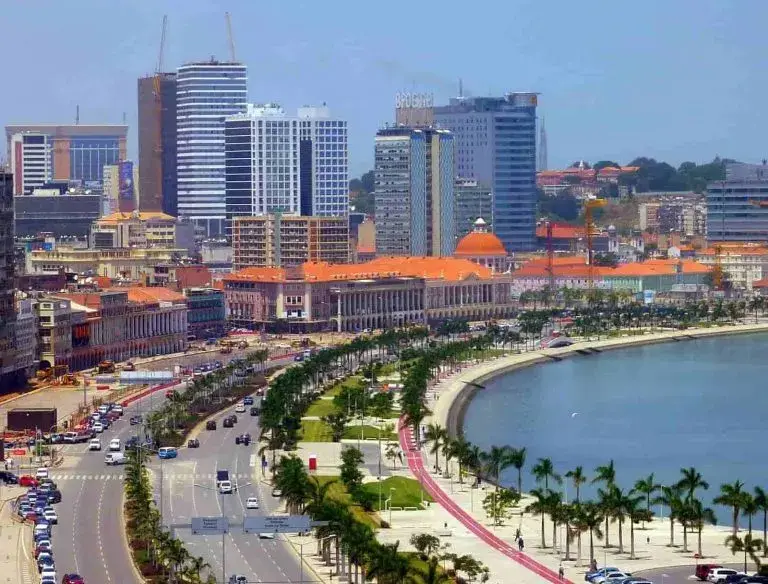 AngolaAtlantic coast, waterfalls and desert landscapes
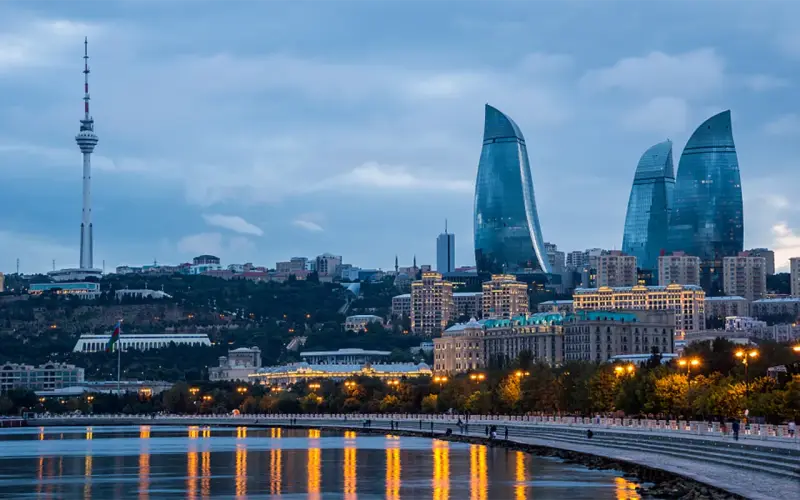 AzerbaijanBaku's flame towers and Caspian Sea culture
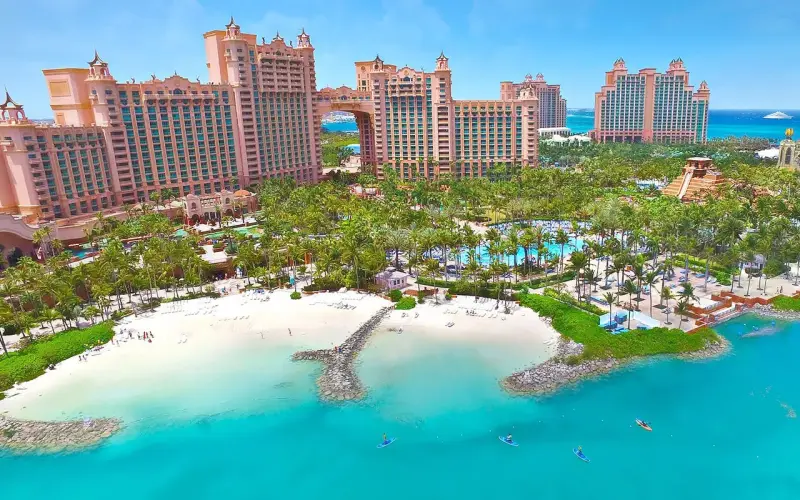 BahamasTurquoise water across 700 islands
 BahrainPearling heritage and Gulf city life
 BotswanaOkavango Delta safaris and Kalahari skies
 BruneiGolden mosques and pristine Borneo rainforest
 BulgariaBlack Sea beaches, mountains and monasteries
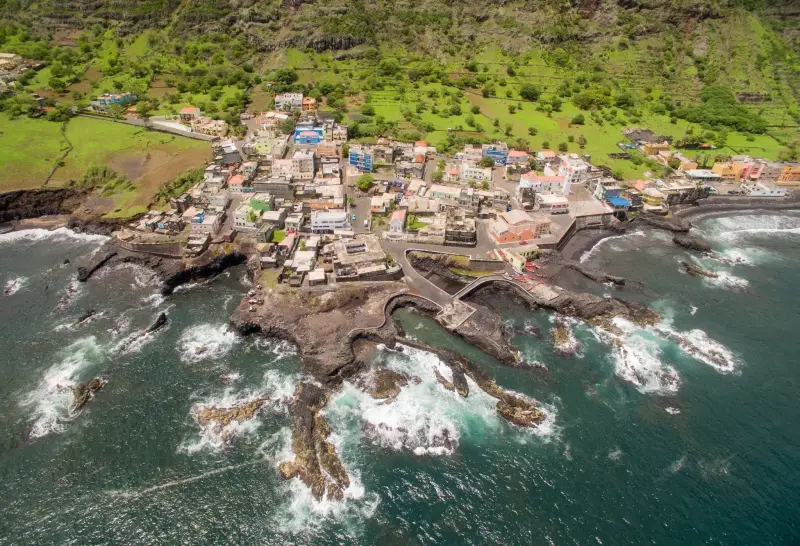 Cape Verde IslandsAtlantic islands of beaches, volcanoes and morna
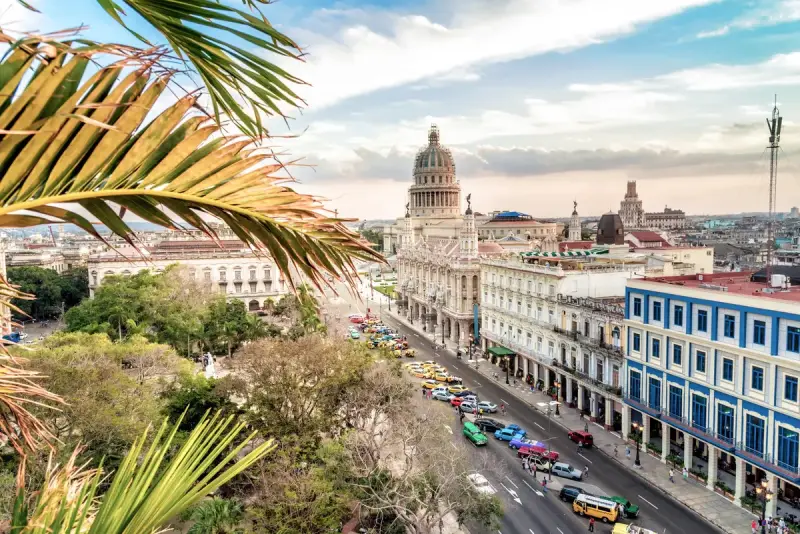 CubaHavana, Trinidad, tobacco valleys and beaches
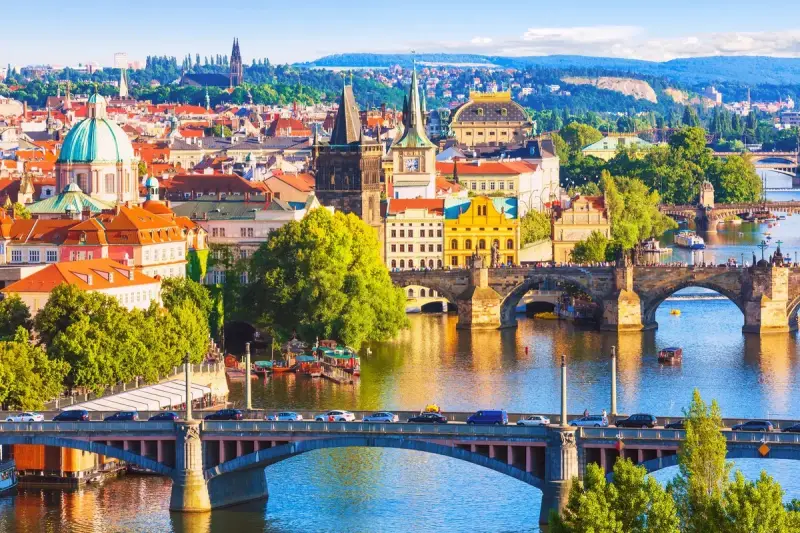 Czech RepublicPrague, castles and spa towns
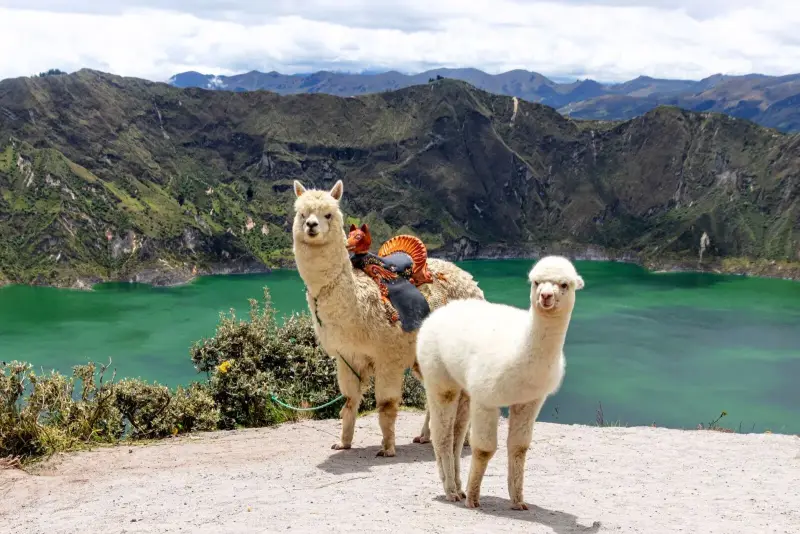 EcuadorGalápagos, Andes volcanoes and the Amazon
 EthiopiaRock-hewn churches, highlands and ancient kingdoms
 FijiCoral islands, warm welcomes and soft coral reefs
 FinlandLakes, Lapland and the northern lights
 GeorgiaCaucasus peaks, wine and Tbilisi's old town
 GuyanaKaieteur Falls and untouched rainforest
 HungaryBudapest's baths, Lake Balaton and wine
 KazakhstanSteppe, canyons and Silk Road cities
 KenyaSafaris, the Great Migration and Indian Ocean beaches
 LaosLuang Prabang, the Mekong and limestone karsts
 LatviaRiga's Art Nouveau and Baltic beaches
 LibyaRoman ruins and Sahara
 LuxembourgFortress city, castles and free public transport
 MongoliaSteppe, Gobi Desert and nomad life
 MozambiqueIndian Ocean islands and coral coast
 New ZealandFiords, glaciers, volcanoes and Māori culture
 PakistanKarakoram peaks, Mughal Lahore and mountain valleys
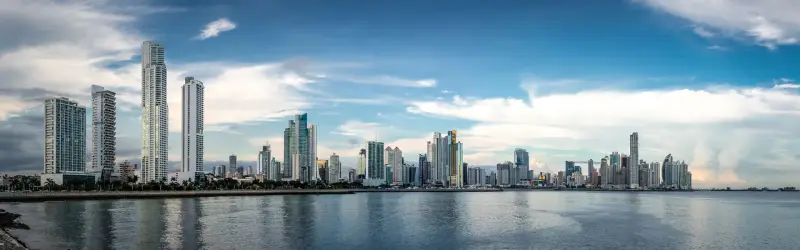 PanamaThe canal, islands and rainforest
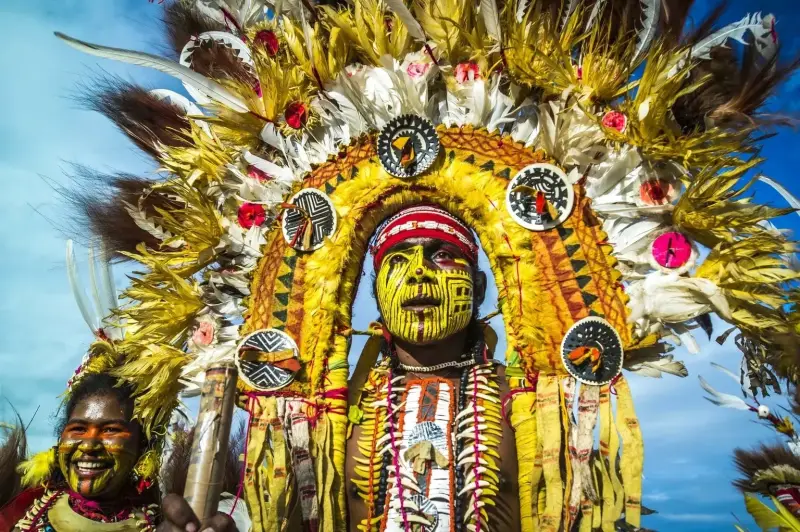 Papua New GuineaHighland cultures, reefs and the Kokoda Track
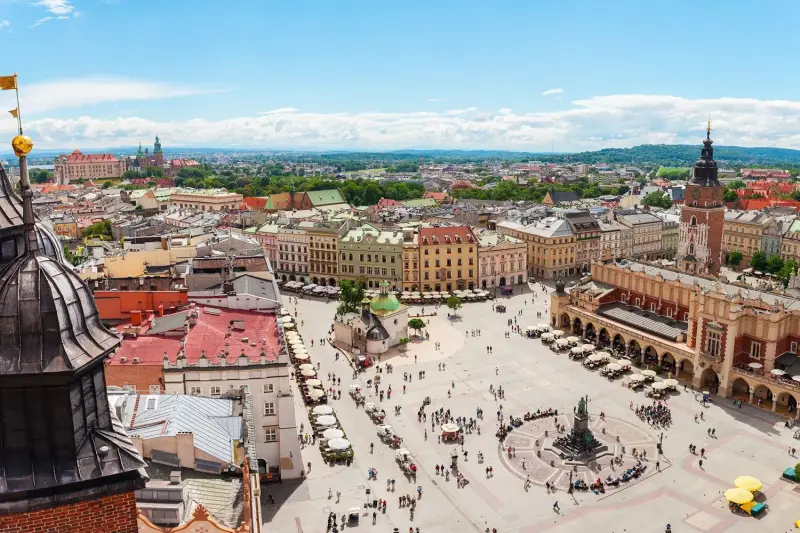 PolandKraków, Gdańsk, Warsaw and the Tatras
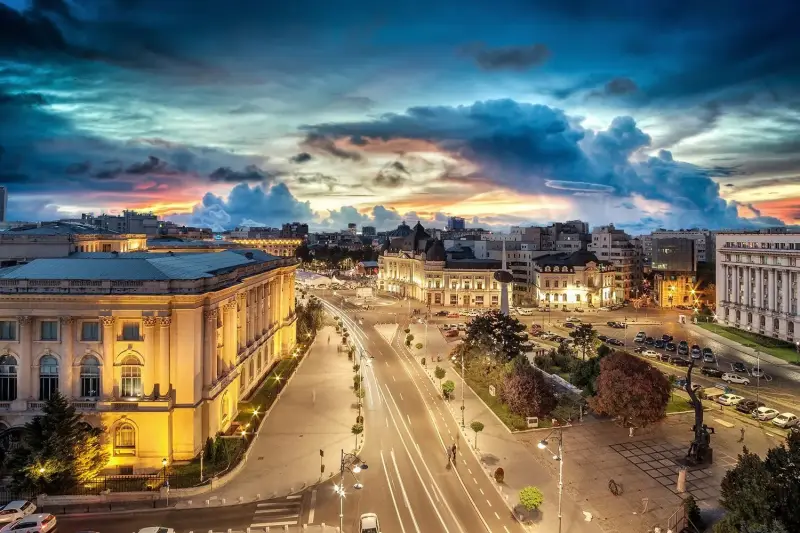 RomaniaTransylvania's castles, painted monasteries and the Carpathians
 RwandaMountain gorillas and the land of a thousand hills
 Saint LuciaThe Pitons, rainforest and Caribbean romance
 SerbiaBelgrade nightlife, monasteries and the Danube
 SeychellesGranite islands and perfect beaches
 SudanNubian pyramids and the Nile
 SwedenStockholm's archipelago, Lapland and design
 SyriaAncient cities
 UruguayBeaches, colonial Colonia and laid-back Montevideo
 UzbekistanSamarkand, Bukhara and Khiva on the Silk Road
 YemenAncient tower houses and Socotra's unique nature
 ZambiaVictoria Falls, walking safaris and the Zambezi
SurinameRainforest, rivers and colonial Paramaribo
 AfghanistanMountain valleys and Silk Road history
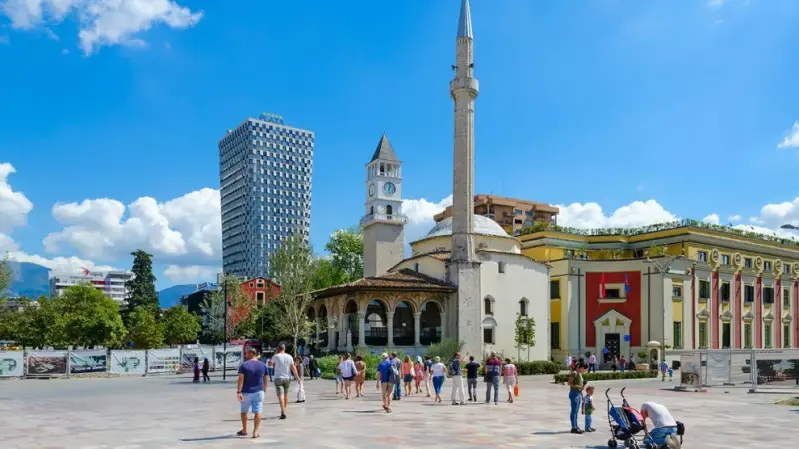 AlbaniaRiviera beaches, mountain villages and Ottoman towns
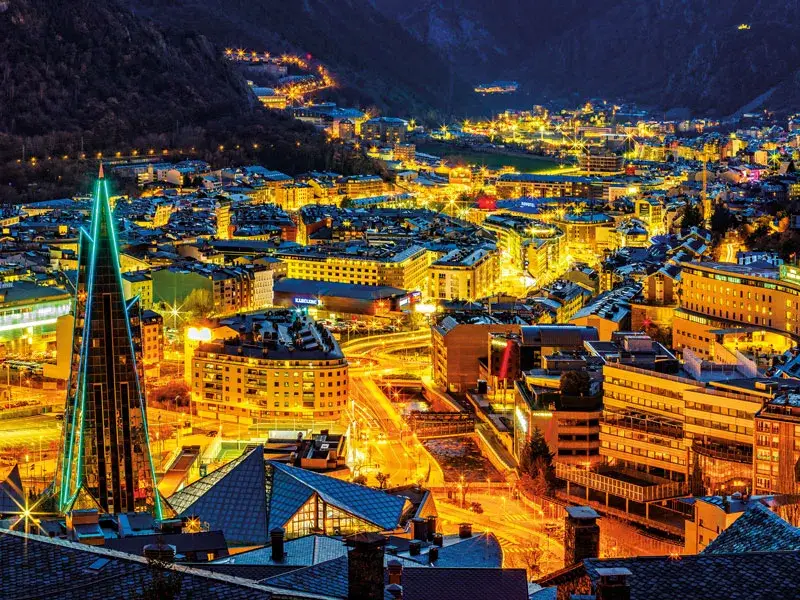 AndorraPyrenean ski slopes and duty-free shopping
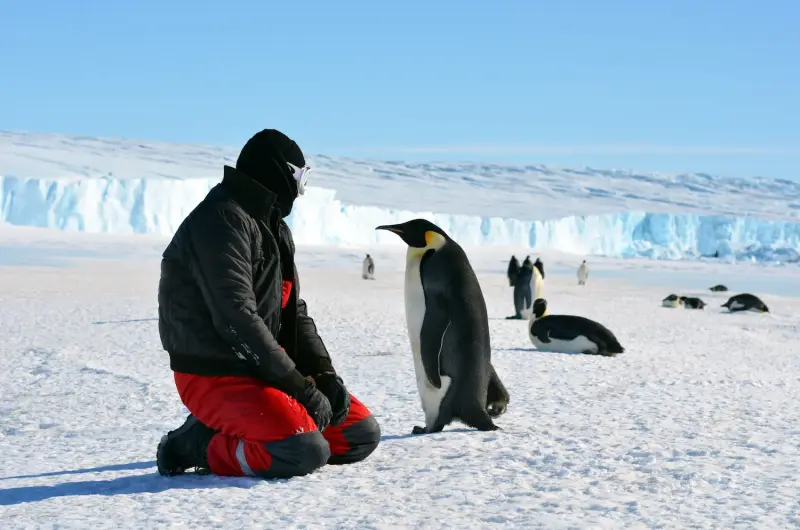 AntarcticaIcebergs, penguins and the last great wilderness
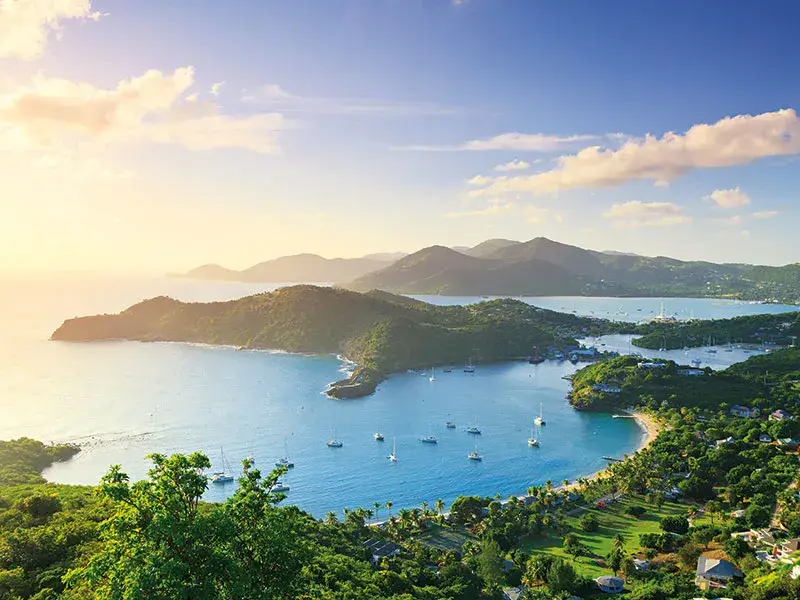 Antigua and BarbudaA beach for every day of the year
 ArcticNorthern lights, polar bears and the midnight sun
 ArmeniaAncient monasteries beneath Mount Ararat
 BarbadosBeaches, rum and cricket in the Caribbean
 BelarusPrimeval forests and Soviet-era Minsk
 BelizeBarrier reef, Maya temples and jungle
 BeninVodun culture, royal palaces and lagoon villages
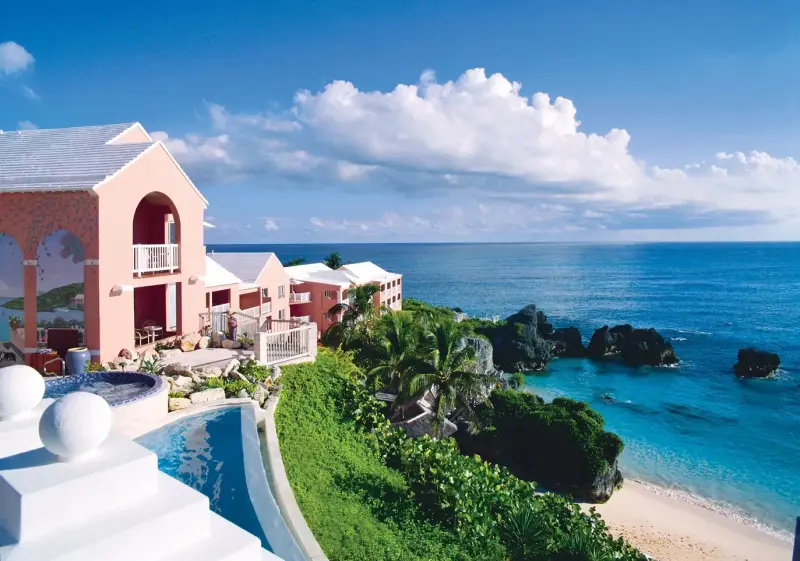 BermudaPink sand beaches in the Atlantic
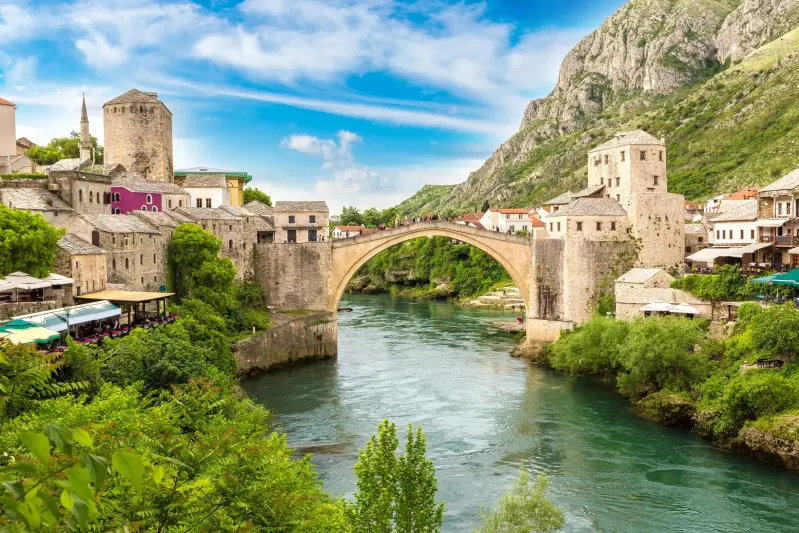 Bosnia HerzegovinaOttoman bridges, mountain rivers and Sarajevo
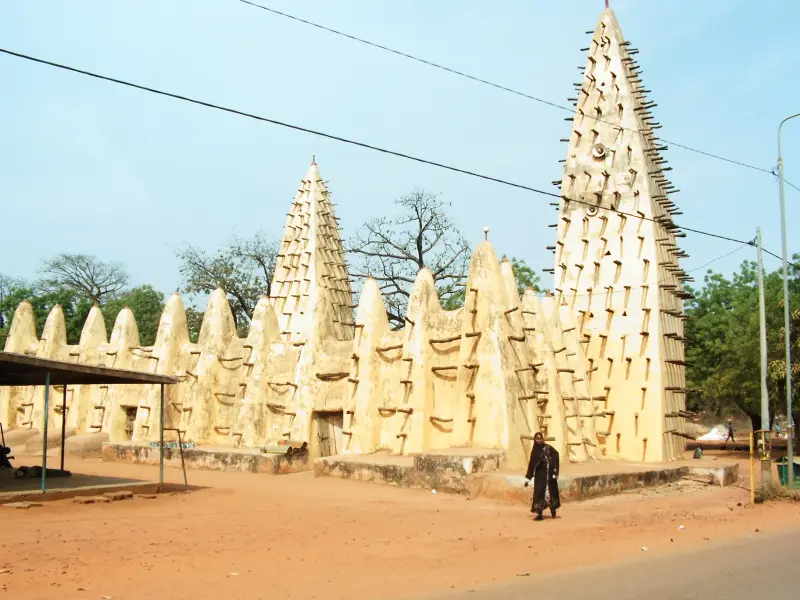 Burkina FasoSahel culture, music and film festivals
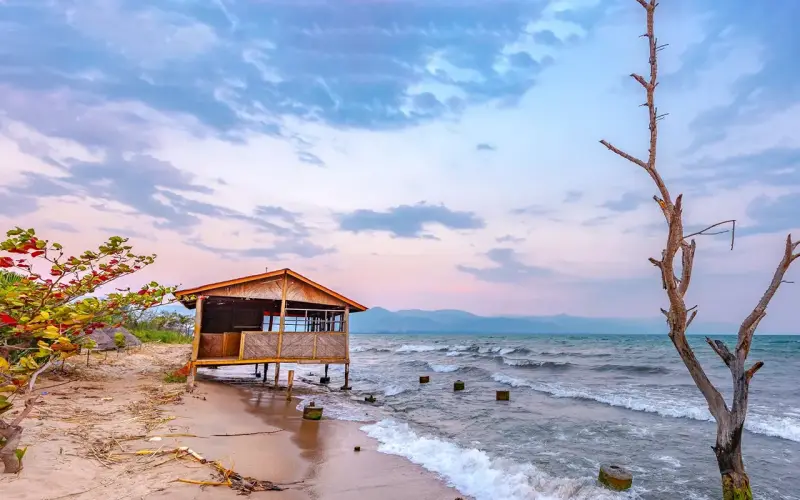 BurundiLake Tanganyika beaches and drumming traditions
 CameroonAfrica in miniature: rainforest, volcano and savanna
 ChadSaharan landscapes and Zakouma wildlife
 Costa RicaRainforest, volcanoes, wildlife and two coasts
 CyprusSunny beaches, ancient sites and mountain villages
 Côte D'IvoireAbidjan's skyline, beaches and basilicas
 DR CongoGorillas, volcanoes and the mighty Congo River
 DenmarkCopenhagen design, castles and coastlines
 DjiboutiSalt lakes, whale sharks and volcanic desert
 DominicaThe Caribbean's nature island
 Dominican RepublicPunta Cana beaches and the New World's first city
 El SalvadorSurf beaches, volcanoes and colonial towns
 Equatorial GuineaVolcanic Bioko and rainforest Río Muni
 EritreaAsmara's Modernist architecture and the Red Sea
 EstoniaTallinn's medieval old town and Baltic nature
 EswatiniWildlife, culture festivals and mountain valleys
 Falkland IslandsPenguin colonies on remote South Atlantic islands
 GabonRainforest parks, surfing hippos and gorillas
 GambiaAtlantic beaches, river life and birdwatching
 GhanaCoastal castles, Ashanti culture and warm welcomes
 GreenlandIcebergs, glaciers and Arctic culture
 GuatemalaMaya temples, volcanoes and Lake Atitlán
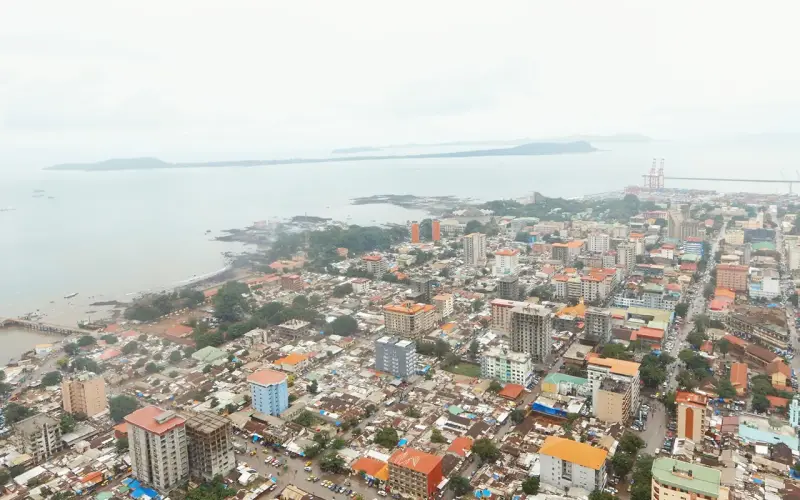 GuineaHighlands and waterfalls
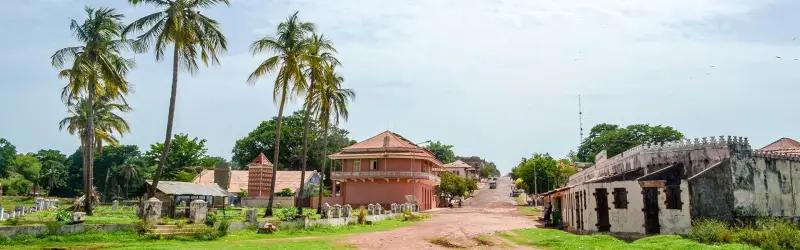 Guinea BissauThe Bijagós Islands and saltwater hippos
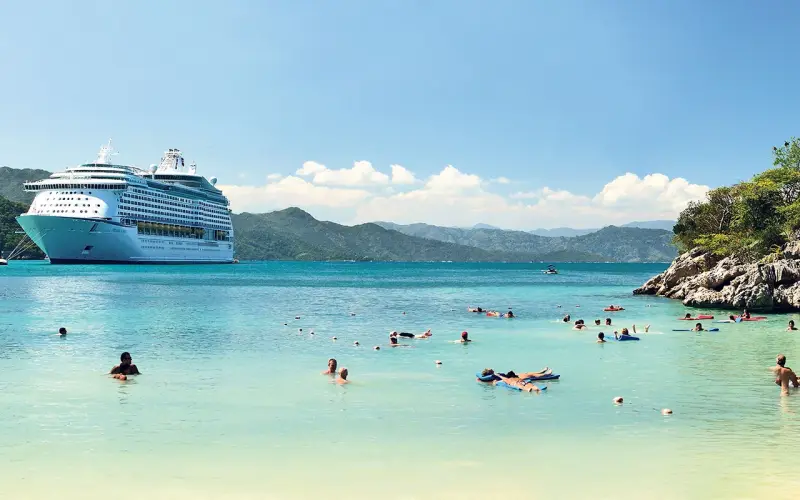 HaitiCitadelle and Caribbean culture
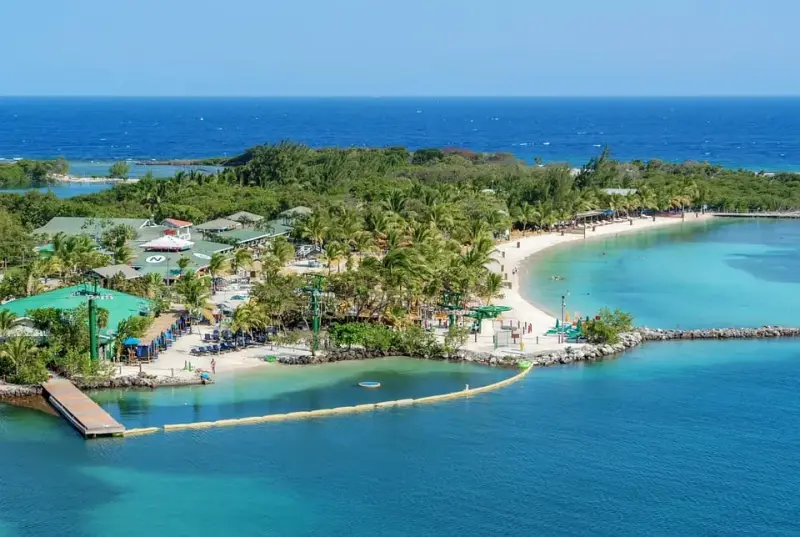 HondurasCopán and the Bay Islands
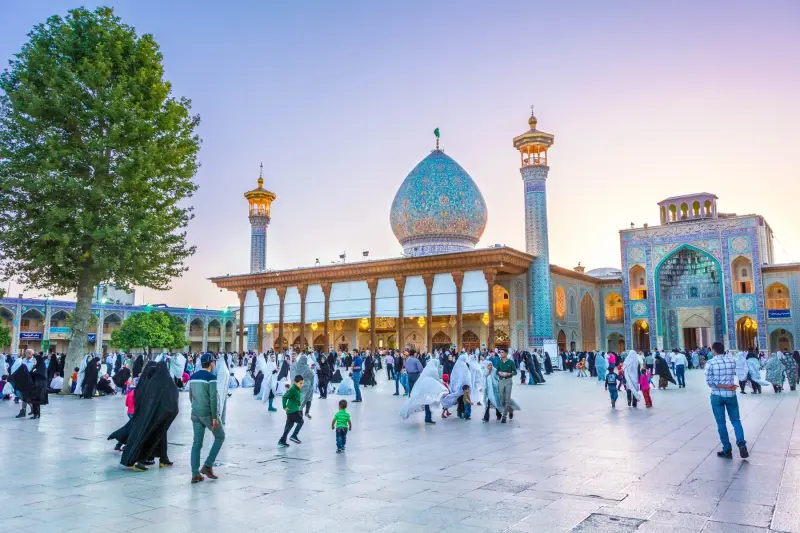 IranPersian palaces, mosques and gardens
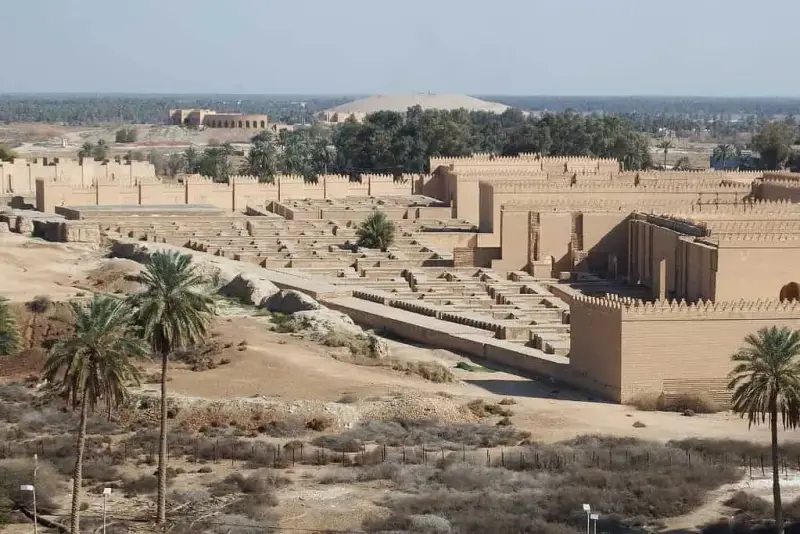 IraqAncient Mesopotamia
 JamaicaReggae, waterfalls and Caribbean beaches
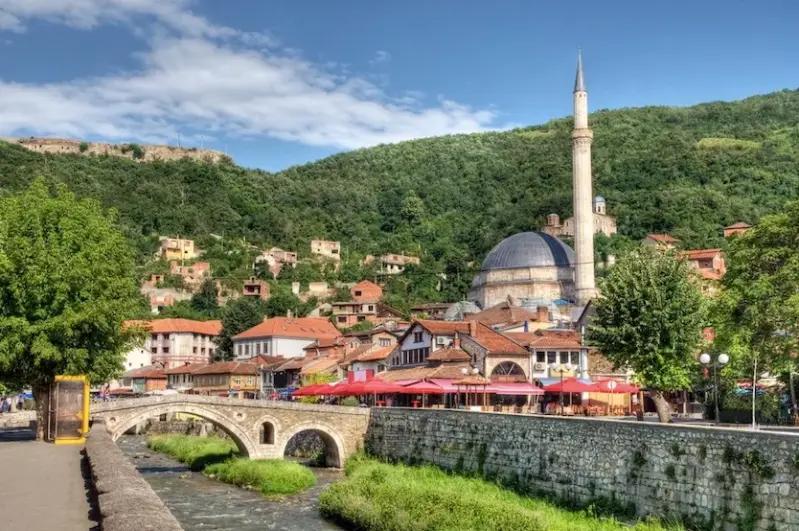 KosovoMedieval monasteries and mountain valleys
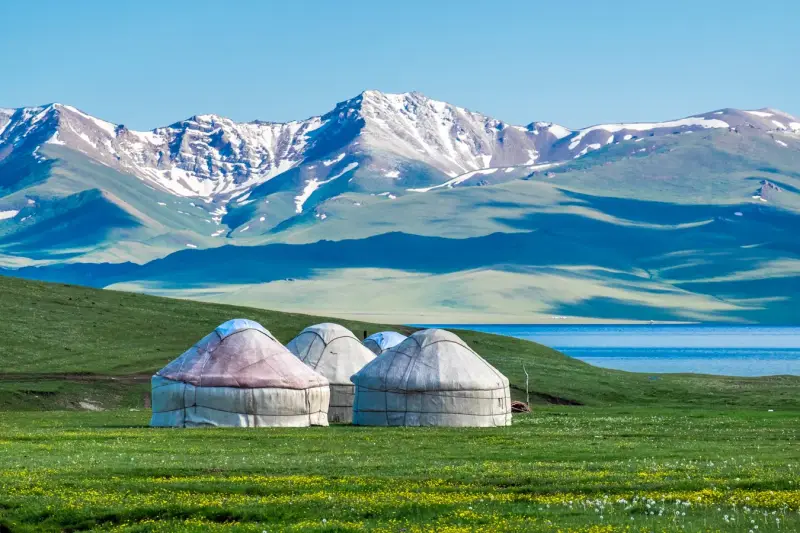 KyrgyzstanMountain lakes, yurts and nomad culture
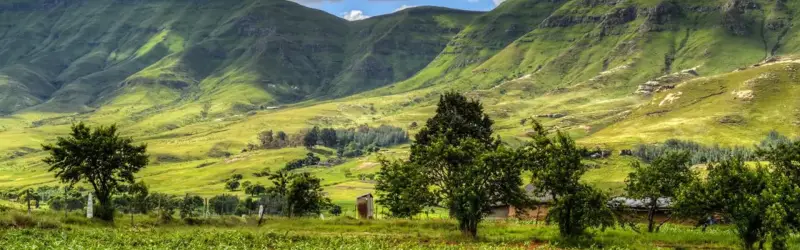 LesothoThe Kingdom in the Sky
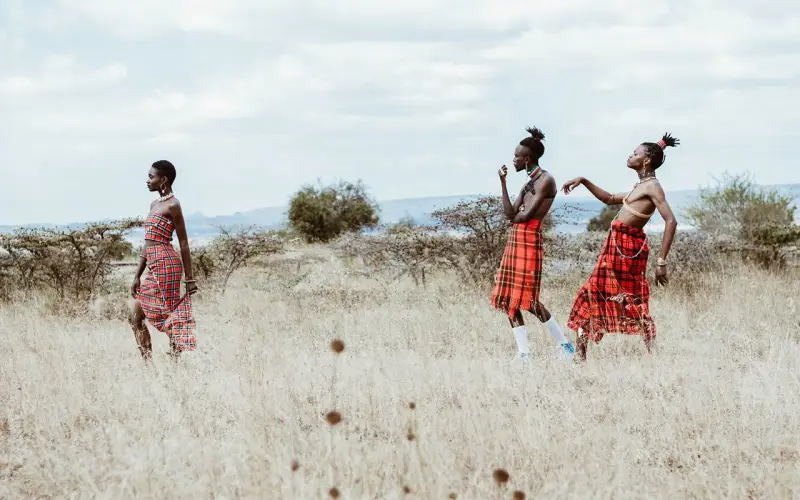 LiberiaRainforest and surf
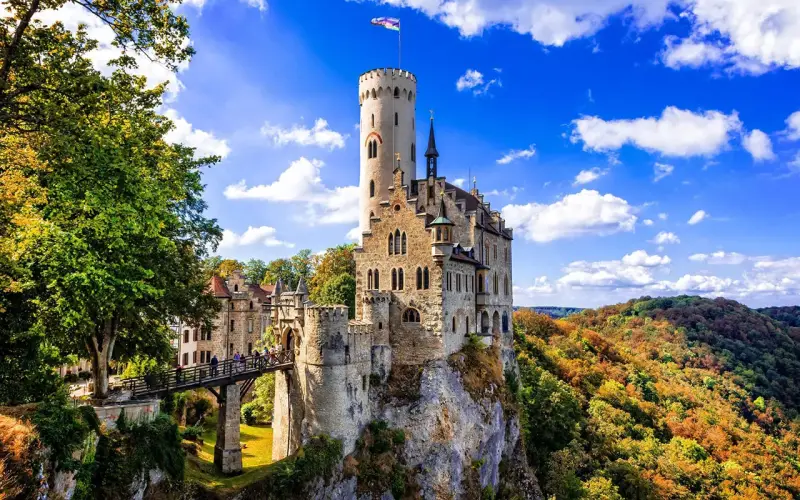 LiechtensteinAlpine principality
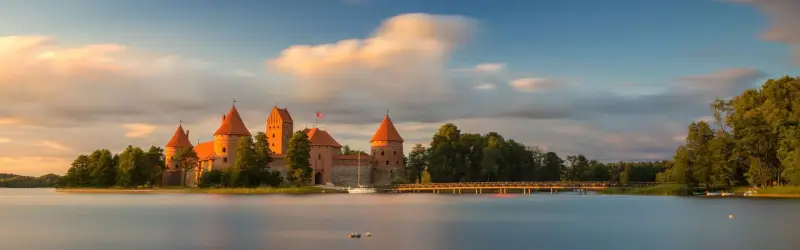 LithuaniaBaroque Vilnius, castles and the Curonian Spit
 MacauPortuguese heritage, Macanese food and Cotai resorts
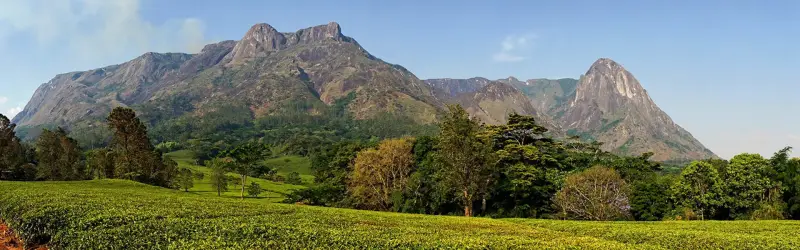 MalawiLake Malawi, the warm heart of Africa
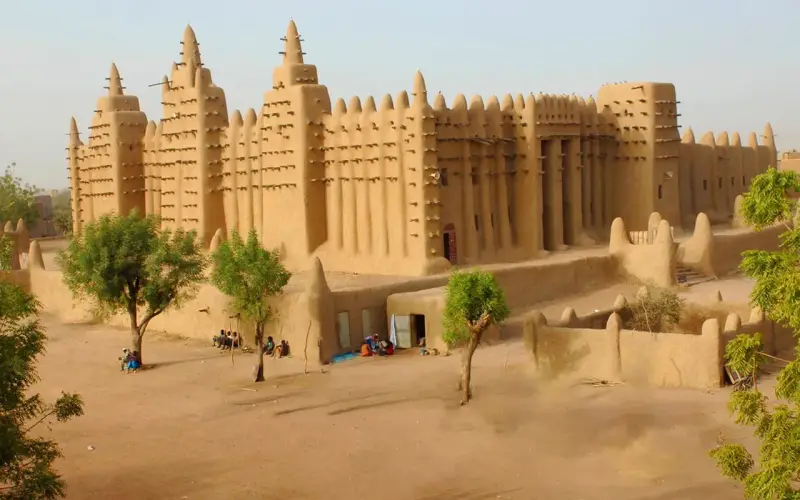 MaliSahel heritage
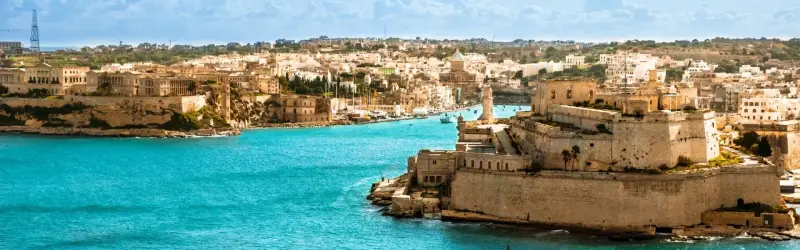 MaltaValletta, ancient temples and blue lagoons
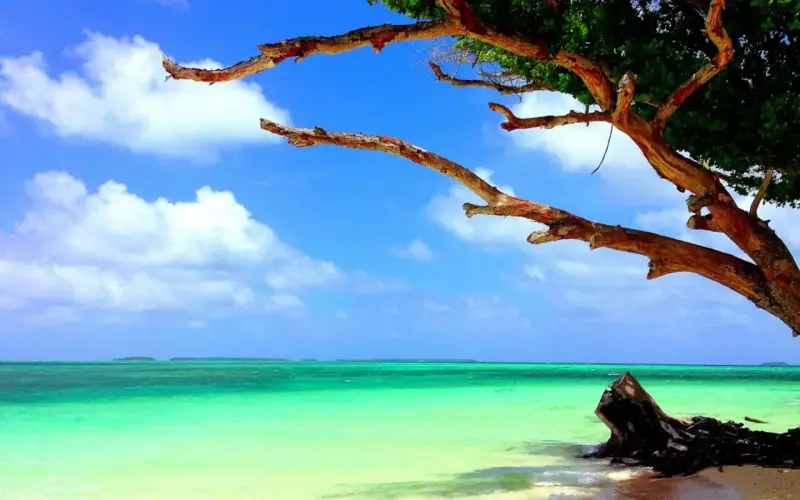 Marshall IslandsPacific atolls
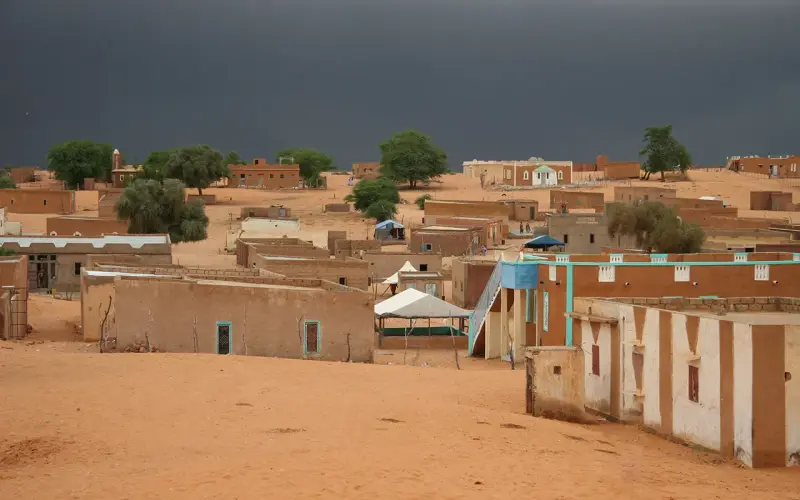 MauritaniaSahara caravan towns and the Iron Ore Train
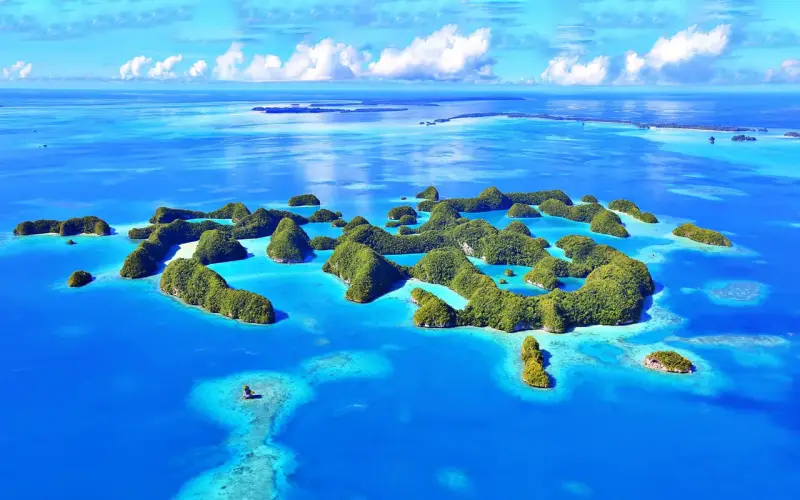 MicronesiaNan Madol, Chuuk Lagoon wrecks and Yap's stone money
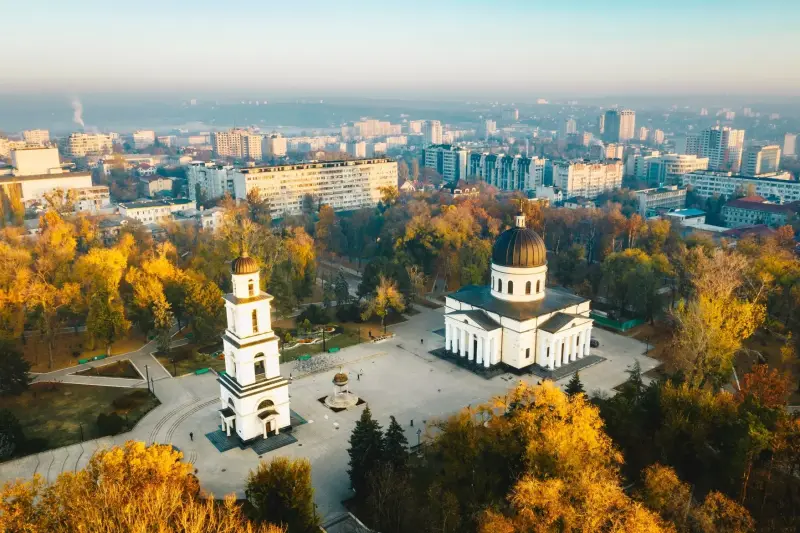 MoldovaWine cellars, cave monasteries and countryside
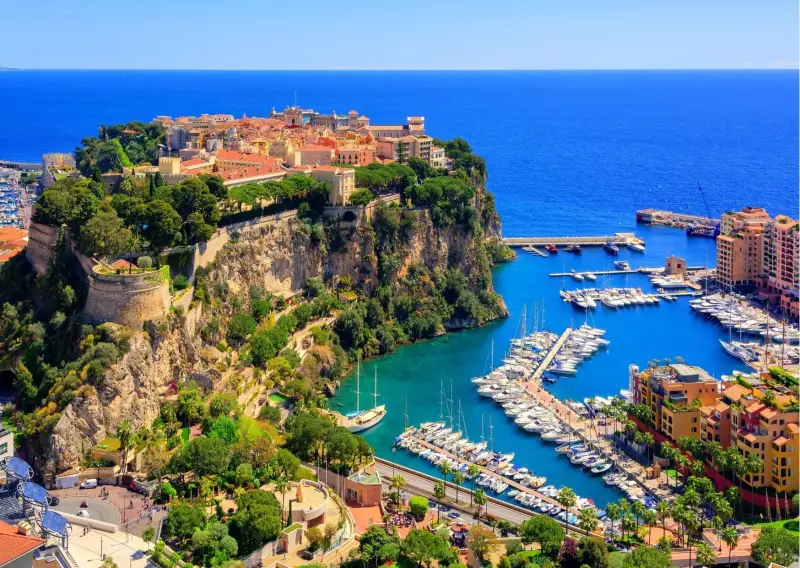 MonacoGlamour, Grand Prix and the Riviera
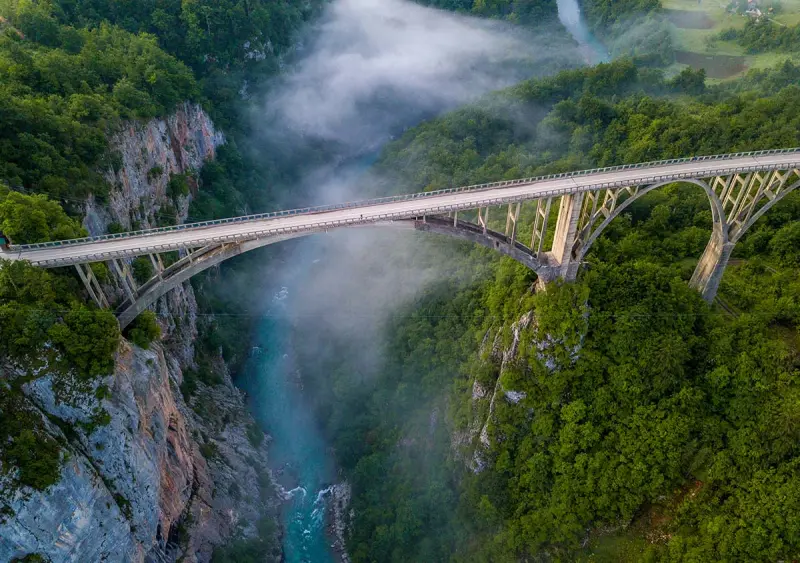 MontenegroBay of Kotor, Adriatic beaches and mountains
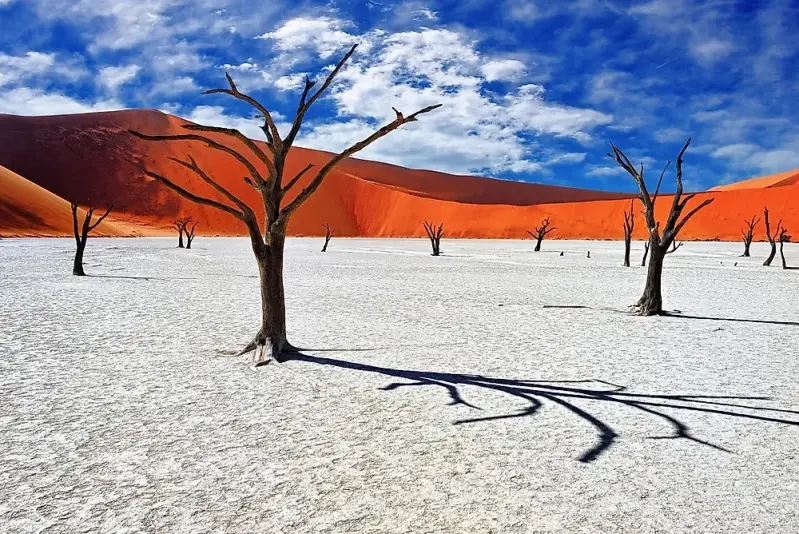 NamibiaRed dunes, Etosha wildlife and desert coast
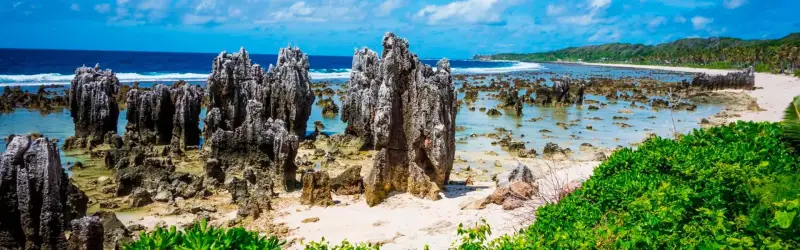 NauruThe world's smallest island republic
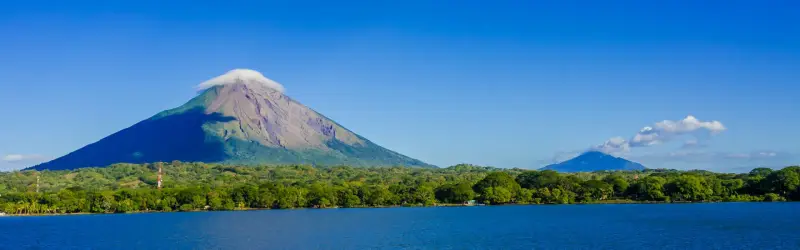 NicaraguaVolcanoes, lakes and colonial Granada
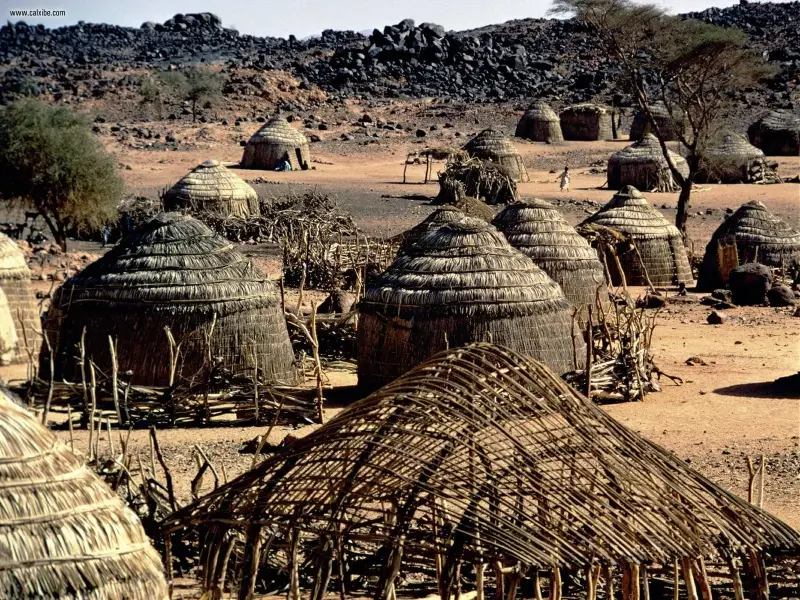 NigerAgadez and the Sahara
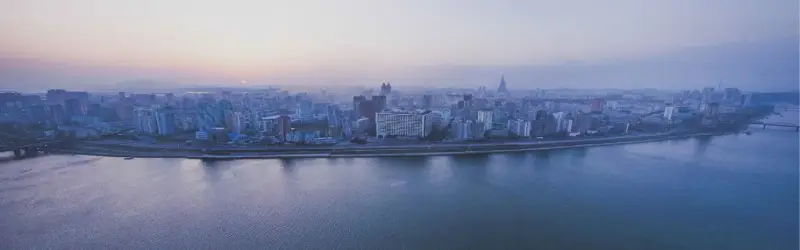 North KoreaThe world's most closed country
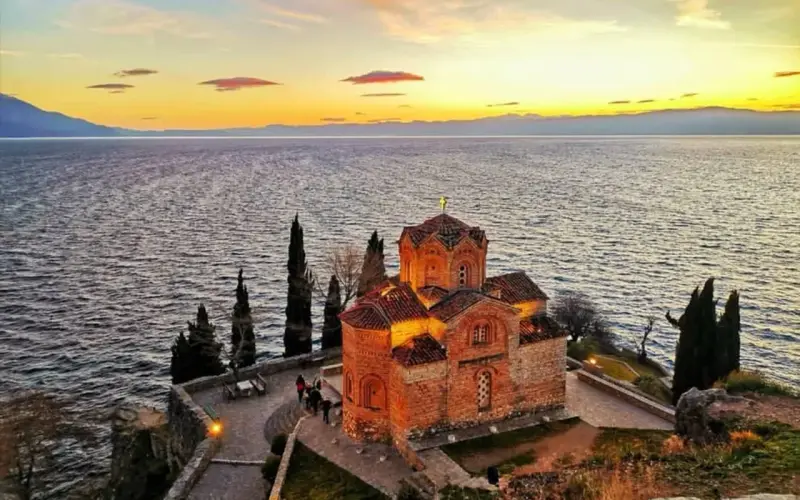 North MacedoniaLake Ohrid, Skopje and Balkan mountains
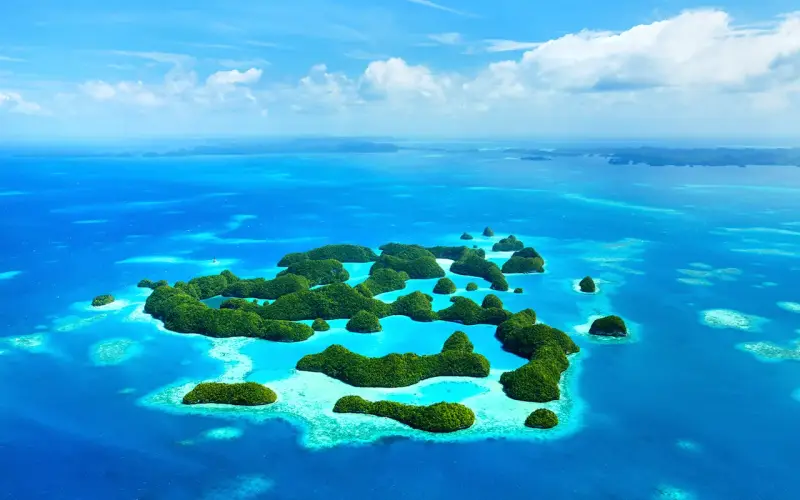 PalauRock Islands, Jellyfish Lake and world-class diving
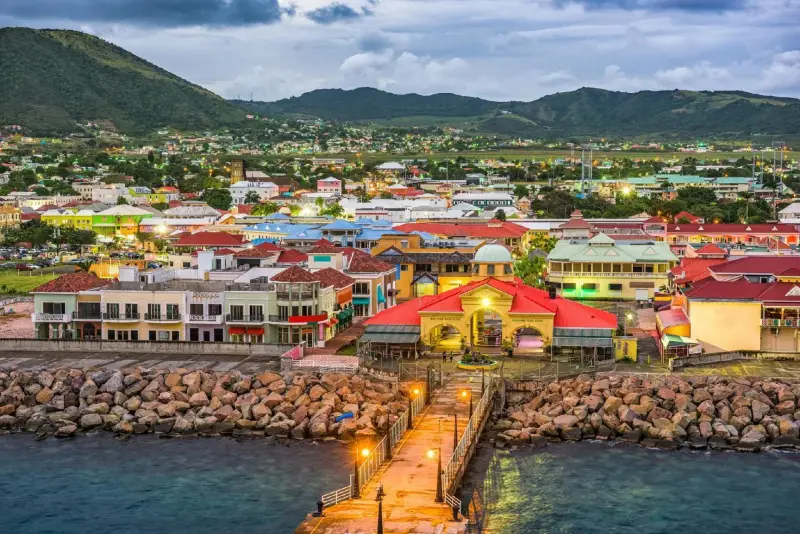 Saint Kitts and NevisBrimstone Hill, scenic railway and twin islands
 Saint Vincent and the GrenadinesSailing the Grenadines and Tobago Cays
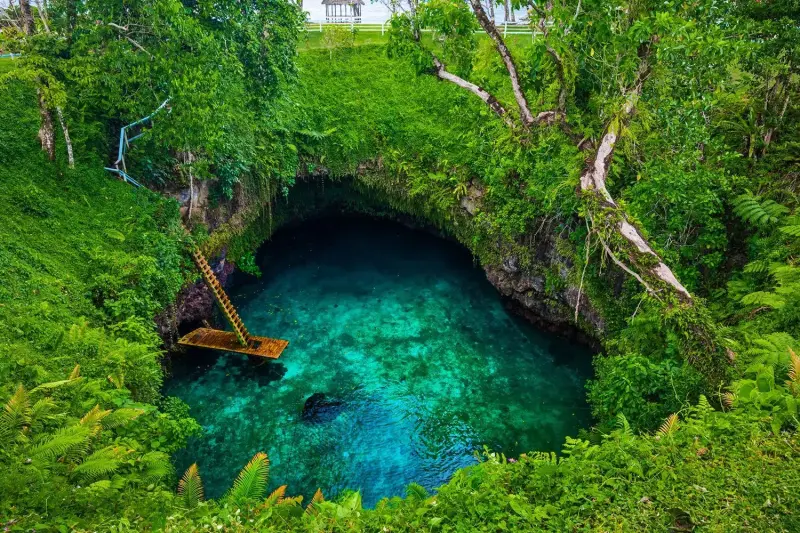 SamoaBeach fales, waterfalls and fa'a Samoa
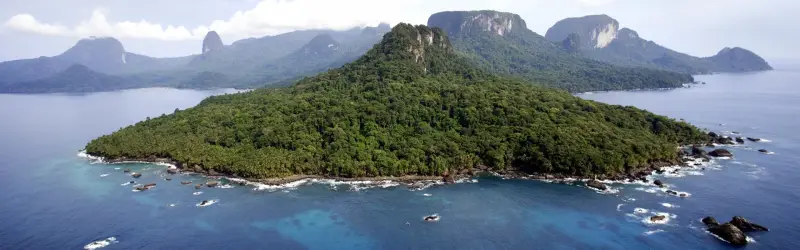 Sao Tome and PrincipeCocoa islands on the equator
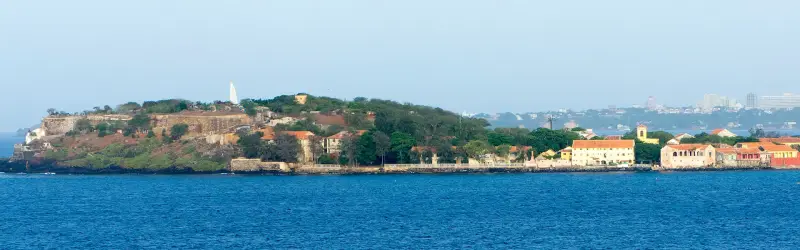 SenegalDakar's energy, Gorée Island and the Saloum Delta
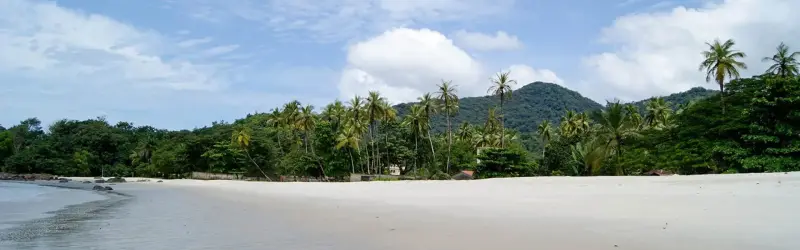 Sierra LeoneBeaches, islands and chimpanzee sanctuaries
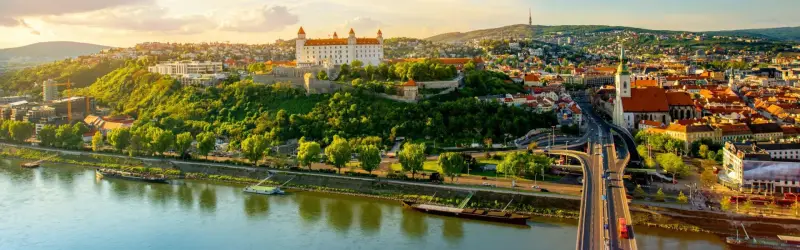 SlovakiaCastles, the High Tatras and Bratislava
 SloveniaLake Bled, Alpine valleys and caves
 Solomon IslandsWWII history, reefs and lagoons
 SomaliaAncient coast and Somaliland rock art
 South SudanThe world's youngest country
 TajikistanThe Pamir Highway and high mountain lakes
 Timor-LesteCoral reefs, mountains and a young nation
 TogoVoodoo markets, Koutammakou and palm-lined coast
 TongaHumpback whales and a Polynesian kingdom
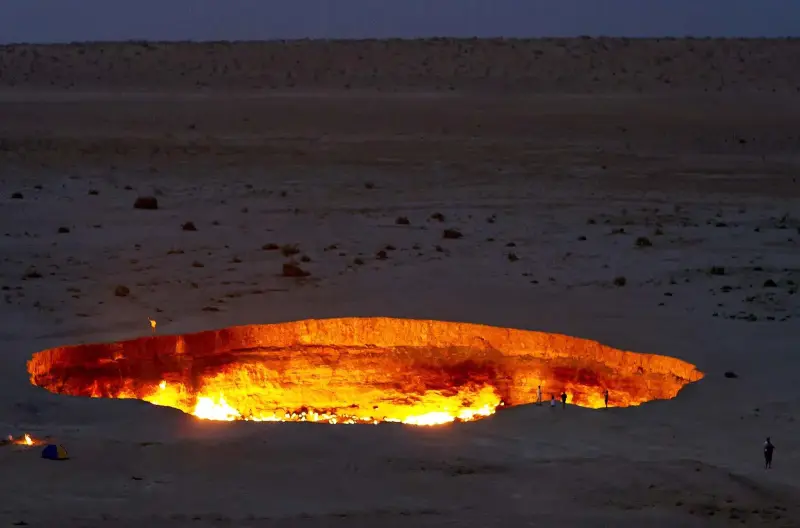 TurkmenistanThe Door to Hell and marble Ashgabat
 TuvaluRemote Pacific atolls and lagoons
 UgandaGorillas, chimpanzees and the source of the Nile
 UkraineKyiv, Lviv and the Carpathians
 VanuatuActive volcanoes, reefs and island culture
 Vatican CitySt Peter's and the Sistine Chapel
 WalesCastles, coast paths and mountains
 ZimbabweVictoria Falls, Hwange and Great Zimbabwe
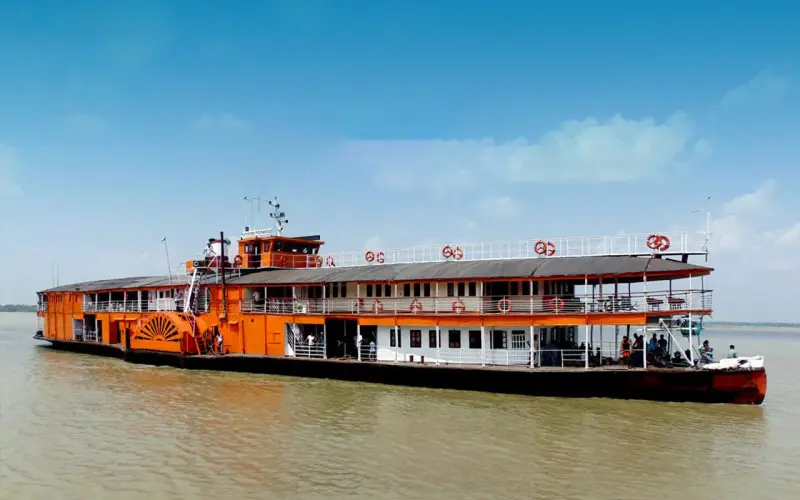 Bangladesh900 places to stay, eat or see
Nothing in that category yet.
Top things to do in the Comoros
Mount Karthala and the nesting turtles on Mohéli.
No things to do in Comoros are listed yet. Browse all things to do
Best time to visit the Comoros
May to October is cooler and drier; November to April is hot, humid and wet.
Cooler, drier weather; whale season from July to October.
Hot, humid and rainy; cyclone risk from January to March.
Inter-island boats can be unreliable and unsafe in rough seas; use domestic flights where possible.
Comoros travel tips
Entry rules, money, health, safety and transport where tourism infrastructure is very limited.
Visas and entry
Visa on arrival
All visitors to the Comoros need a visa, which is issued on arrival at the airport and main ports (about EUR 30 for UK citizens). Your passport needs at least six months of validity on arrival, and you may be asked for an onward ticket. Rules can change, so confirm with a Comoros embassy or consulate before you travel.
- Passport validity
- At least 6 months of validity on arrival
- Visa
- On arrival
- Onward ticket
- May be requested
- Confirm with
- A Comoros embassy or consulate
Getting there
Moroni airport
Every visitor arrives at Prince Said Ibrahim International Airport (HAH) on Grande Comore, north of Moroni. It has flights to Nairobi, Addis Ababa, Dar es Salaam, Mayotte and Madagascar, and Paris is reached via connections. Most long-haul travelers connect through Nairobi, Addis Ababa or Dar es Salaam, then take a shared taxi into town.
- Main airport
- Prince Said Ibrahim International (HAH)
- Connections
- Via Nairobi, Addis Ababa or Dar es Salaam
Money and costs
Moderate destination
The Comoros is a cash economy, so bring euros, which are easy to exchange. Cards are rarely accepted, and ATMs are few and unreliable. Carry enough cash for your whole stay, including inter-island flights, guides and rooms on Mohéli and Anjouan.
- Cards are rarely accepted.
- ATMs are few and unreliable.
- Carry enough cash for your stay.
Health and vaccines
Malaria and basic care
Malaria is present on all three islands of the Comoros, and hospitals are very basic, so see a travel clinic before you go. Drink only bottled water. Buy travel insurance that covers medical treatment and evacuation, and carry prescription medicines in original packaging with a copy of the prescription.
- Drinking water
- Bottled only
- Malaria
- Present on all islands
- Hospitals
- Very basic
- Insurance
- Include evacuation cover
- Buy travel insurance that covers medical treatment and evacuation.
- Carry prescription medicines in original packaging with a copy of the prescription.
Staying safe
Generally calm
Crime in the Comoros is low, though political tensions can lead to protests, so avoid demonstrations. Sea travel between islands can be dangerous; choose flights over small boats. Hike Karthala only with a guide. Read your government's current travel advisory before you go. The police number is 17 and fire is 18.
- Emergency number
- Call 17 (police); 18 fire
- Before you go
- Read your government's current travel advisory for Comoros
- Avoid demonstrations.
- Choose flights over small boats between islands.
- Hike Karthala only with a guide.
Where to stay
Best areas to stay
Hotels in the Comoros are few, and guesthouses and eco-lodges are the norm. On Grande Comore, choose between Moroni and the beach hotels at Mitsamiouli. On Mohéli, eco-lodges sit near the marine park. On Anjouan, look for guesthouses in Mutsamudu. Book ahead, because every island has only a handful of places.
- Grande Comore
- Moroni and Mitsamiouli beach hotels
- Mohéli
- Eco-lodges near the marine park
- Anjouan
- Guesthouses in Mutsamudu
Getting around
Shared taxis and short flights
Getting around the Comoros means short flights between islands and shared taxis on them. Flying is safer than the boats. You can also hire a car with a driver for day trips or longer routes.
- Inter-island
- Short flights; boats are risky
- On the islands
- Shared taxis and hired cars with driver
- Int'Air Îles flies daily between Moroni, Anjouan and Mohéli.
- Speedboats leave Chindini each morning for Hoani on Mohéli, about an hour; go only in calm seas and insist on a life vest.
- Cargo boats take passengers, but Moroni to Mohéli can take up to 12 hours and Anjouan to Moroni about 10.
- A ferry on the Moroni to Mutsamudu route continues to Dzaoudzi on Mayotte, with legs of around 5 hours.
- Coastal buses keep no timetable and stop before sunset, so start long trips early.
- Moroni has no city buses; flag a shared taxi heading your way.
- Ring roads are broken in places but fine without 4WD; fuel on Mohéli costs more and is often scarce.
SIM and internet
Local SIM or eSIM
Local SIMs are available in the Comoros from Comores Telecom (Huri) and Telma, and you need your passport to buy one. Coverage is limited outside towns, so expect weak or no signal in villages, on Karthala and around Mohéli's marine park. An eSIM is another option if your phone supports it.
- Networks
- Comores Telecom (Huri) and Telma
- Coverage
- Limited outside towns
Culture and etiquette
Customs and etiquette
The Comoros is a conservative Muslim society with Swahili, Arab and French influences, and the 'grand mariage' wedding is a key social event. Dress modestly, greet people politely and ask before photographing anyone. Avoid alcohol in public, public displays of affection and revealing swimwear outside resorts.
- Religion
- Islam
- Dress
- Conservative
- Women should cover shoulders, chest, knees and midriff; men should wear shorts below the knee.
- Dress modestly
- Ask before photographing people
- Greet people politely
- Alcohol in public
- Public displays of affection
- Swimming in revealing swimwear outside resorts
Things to know before visiting the Comoros
Infrastructure in the Comoros is basic.
Why travelers love it
- Mount Karthala, a vast active volcano.
- Mohéli Marine Park, with turtles and whales.
- Moroni's medina and Old Friday Mosque.
- Very few tourists.
Good to know
- Infrastructure is basic.
- Cash only almost everywhere.
- Inter-island boats can be unsafe.
- Conservative dress is expected.
Trip fit
BookingMentor editorial ratings out of 5, based on a first-time visitor's experience.
Moroni weather by month
Moroni is warm and humid year-round, wettest in the southern summer.
Monthly averages for Moroni from the climate table of its Wikipedia article (Moroni, Comoros), compiled from the national weather service. Mount Karthala's slopes are much cooler and wetter.
Packages in Demand
A Journey to Remember
Tours, activities and day trips in and around this destination, with the details you need before booking.
No packages in Comoros are listed yet. Browse all packages
Create Your Custom-Made Trip to Comoros
Traveling to Comoros? Chat with a Local Travel Specialist in Comoros Who Can Help Organize Your Trip.
START HERE
Our Travel Experts are Recommended by



Starting on Grande Comore and hopping between islands
Three islands, few visitors and very little tourist infrastructure set the pace here. Every international flight lands at Hahaya, 20 km north of Moroni on Grande Comore, so trips start there. After that, the links between islands decide the shape of the trip. Int'Air Îles flies between the islands daily. Boats are slower and far less dependable, so keep a spare day before your flight home.
Book your first Moroni nights and a Karthala guide in advance. Int'Air Îles has its Moroni office near Volo Volo market. A rental car is only an option on Grande Comore. Search hotels early, since there are few on any island.
Trama season and the grand marriage
Grilled corn, trama, is mostly sold from January to April. On Grande Comore the grand marriage, or ada, brings about two weeks of celebration to Twarab music; if you are invited, go.
Harbor fish, Volo Volo market and evening mabawa
Fish is the daily staple, and the best food tour costs nothing. Be at the harbor in the late afternoon when the boats come back, then visit Volo Volo market next morning to see the catch sold.
After dark, look for mabawa on street grills: chicken wings marinated in mustard, mayonnaise and garlic, served with grilled breadfruit and putu pepper sauce. Madaba is pounded cassava leaves boiled with garlic and peppers, found more in homes than restaurants. Breakfast is mkatre foutra, a small round bread, and sambusa are filled with shredded fish. Try tamarind or ntsongoma (strawberry guava) juice.
Most restaurants serve no alcohol unless they cater to foreigners. In Moroni, shops near Volo Volo with a green Heineken sign sell beer.
Locals swim fully dressed. Proselytising is illegal, and do not hand sweets or money to children. An unasked photo can cause real anger. French gets you much further than English. On Grande Comore, greet with Yedje (how are you) and expect Ndjema (good) in reply; to an elder, say kwesi.
Travelers are asking
Short domestic flights are the safest option. Boats run but can be overcrowded and unsafe in rough seas.
Our travel desk answers questions about Comoros
How We Research This Guide
UNESCO's tentative list for the Comoros, UK Foreign Office advice and Wikipedia are our references; Moroni's averages give the climate.
Last updated . Spotted something out of date? Tell us.
Checked against trusted sources:
UNESCO tentative listUK Foreign Office travel advice
See all 2 sources
Before You Go...
Discover Trips & Info
A Travel Network Connection Travelers and locals
Incredible Event & Festival, Don't Miss!
Most Popular Event & Festival of Comoros
Festivals and events in this destination, with dates, venues and ticket details where available.
No upcoming festivals or events in Comoros are listed right now. Browse all events
Subscriber
Popular car hire destinations
Explore more options to hire a car for cheap
Frequently Asked Questions (FAQs)
Visa on arrival, inter-island travel, Mount Karthala and turtle watching.
Timing & weather
May to October, the cooler dry season, is the best time to visit the Comoros.
About 8 hours with a guide to the crater rim at 2,361 m, done as a long day or with a night at a basic camp. August to October gives the best conditions, and check the volcano's status first, since it last erupted in January 2007.
March is the warmest month in Comoros, with average highs of 31°C, and August the coolest, with lows of 18°C. January is the wettest month, at about 364 mm of rain; October is the driest. Moroni is warm and humid year-round, wettest in the southern summer.
Health & safety
Crime is low, but political protests occur and inter-island boats can be unsafe. Call 17 for police.
Visa & documents
Yes, all visitors need a visa, which is issued on arrival at the airport.
Booking
Five to 7 days covers Grande Comore and Mohéli.
General
Top places include Moroni, Mount Karthala, Mitsamiouli beaches, Mohéli Marine Park and Anjouan's valleys.
On Mohéli. Green turtles nest at Itsamia, and lodges at Nioumachoua run boat trips into the marine park, where humpback whales pass from July to October.
Very much. Locals swim fully dressed, so cover up away from hotels, and always ask before taking a photo, since an unasked picture can cause real anger. Proselytising is illegal and most restaurants serve no alcohol.
Getting around the Comoros means short flights between islands and shared taxis on them. Flying is safer than the boats. You can also hire a car with a driver for day trips or longer routes.
Comoros is best known for:
- Mount Karthala, a vast active volcano
- Mohéli Marine Park, with turtles and whales
- Moroni's medina and Old Friday Mosque
- Very few tourists
Getting there
Yes. Int'Air Îles flies between the islands daily and has a Moroni office near Volo Volo market, while boats are slower, less dependable and risky in rough seas. Keep a spare day before your flight home either way.
Hahaya airport is 20 km north of Moroni on Grande Comore. Book your first nights and a Karthala guide before you land, since hotels are few and a rental car is only an option on Grande Comore.
Every visitor arrives at Prince Said Ibrahim International Airport (HAH) on Grande Comore, north of Moroni. It has flights to Nairobi, Addis Ababa, Dar es Salaam, Mayotte and Madagascar, and Paris is reached via connections. Most long-haul travelers connect through Nairobi, Addis Ababa or Dar es Salaam, then take a shared taxi into town.
Prices & payment
Daily travel costs in Comoros are moderate. Costs are moderate by international standards.
