


Côte D'Ivoire travel guide
West Africa's rising star.
Côte d'Ivoire suits travelers interested in West African city life, beaches and culture. Visit from November to March, the drier season. Apply for an e-Visa in advance and avoid the northern border areas. Costs are moderate for West Africa, and the approved e-Visa is collected on arrival.
Côte d'Ivoire (Ivory Coast) is a West African country on the Gulf of Guinea. Abidjan, its economic capital, is a modern city of lagoons, high-rises and lively nightlife, while Yamoussoukro, the political capital, is home to the Basilica of Our Lady of Peace, one of the largest churches in the world.
The colonial town of Grand-Bassam is a UNESCO World Heritage Site, and beaches such as Assinie and Grand-Béréby offer relaxing stays. Taï National Park protects one of West Africa's last primary rainforests and its chimpanzees, and Comoé National Park covers savanna in the north-east. The far north near Burkina Faso and Mali carries travel warnings.
Best experiences in Côte D'Ivoire
Find your kind of trip: 24 travel themes, each with the packages in Côte D'Ivoire.
 Ayurveda Tours
Seasonal/Event
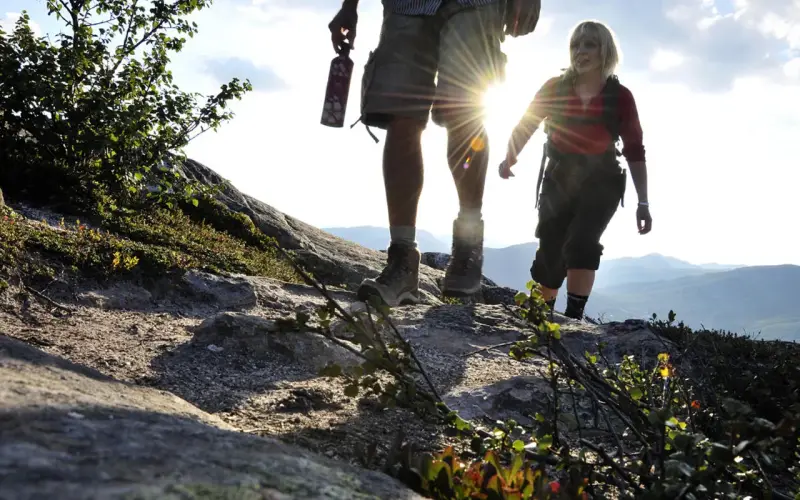 Adventure
Wildlife & Safaris
Pilgrimage
Eco/Nature
Culture & History
 Honeymoon
 Romantic Getaway
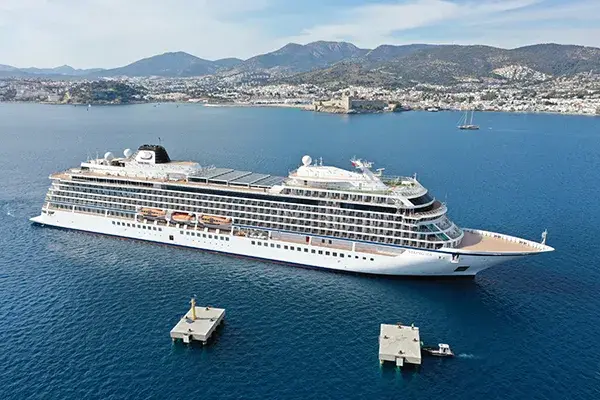 Cruise
 Water Activities
 Backpacking
 Luxury
 Photography
City Slickers
Heritage
 Beach & Relaxation
 Sports & Recreation
 Food & Wine
Train & River Journeys
Skiing
 Overland
Côte D'Ivoire at a glance
Currency, entry paperwork, language, plugs and time zone for a French-speaking West African country.
Explore other countries
Pick a place by travel style: beaches, nature, cities, heritage, hills, islands, desert.
 ThailandTemples, street food and tropical islands
 FranceParis, the Riviera, châteaux and Alpine peaks
 United StatesGreat cities, national parks and road trips
 QatarDoha's museums, souqs and desert dunes
 Saudi ArabiaAlUla, Red Sea coast and Arabian heritage
 IndiaPalaces, temples, Himalaya and backwaters
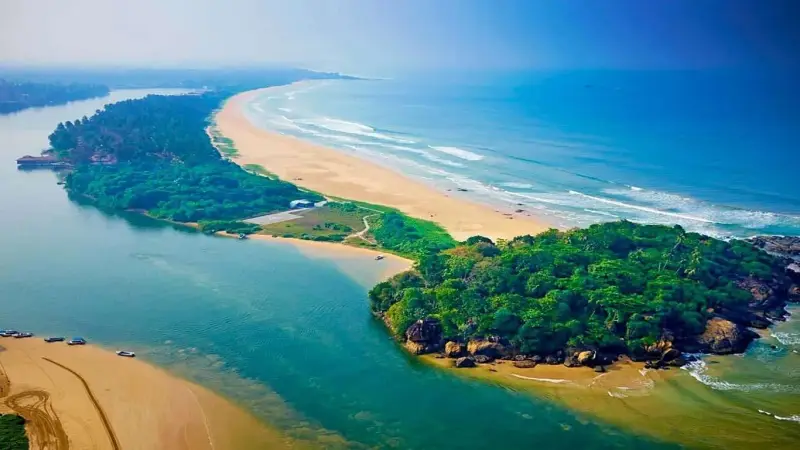 Sri LankaAncient cities, tea hills, wildlife and beaches
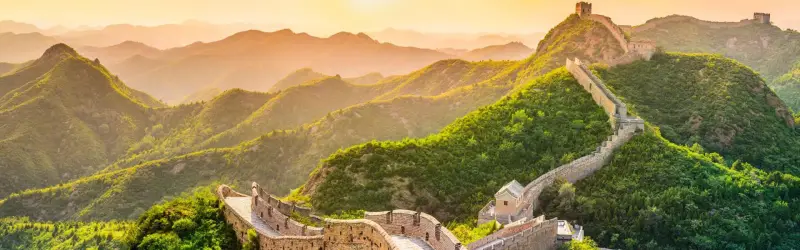 ChinaThe Great Wall, ancient capitals and mega-cities
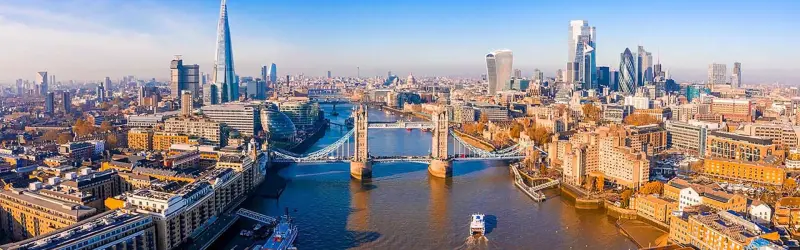 United KingdomLondon, castles, highlands and country villages
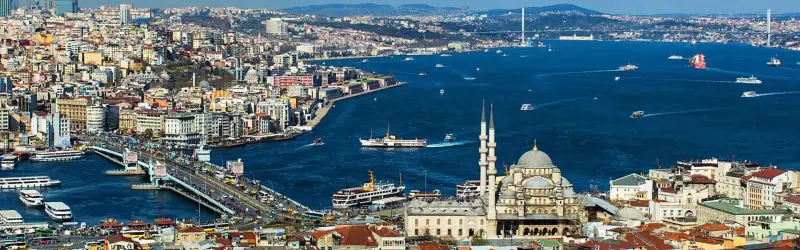 TurkeyIstanbul, Cappadocia and the Turquoise Coast
 United Arab EmiratesDubai, Abu Dhabi and desert adventures
 ItalyRome, Renaissance cities, lakes and coastlines
 EgyptPyramids, Nile temples and Red Sea reefs
 JapanTokyo, Kyoto's temples and Mount Fuji
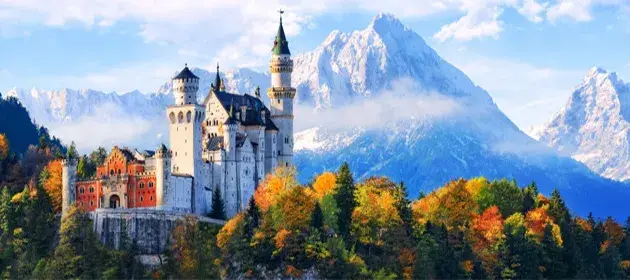 GermanyBerlin, castles, the Rhine and the Alps
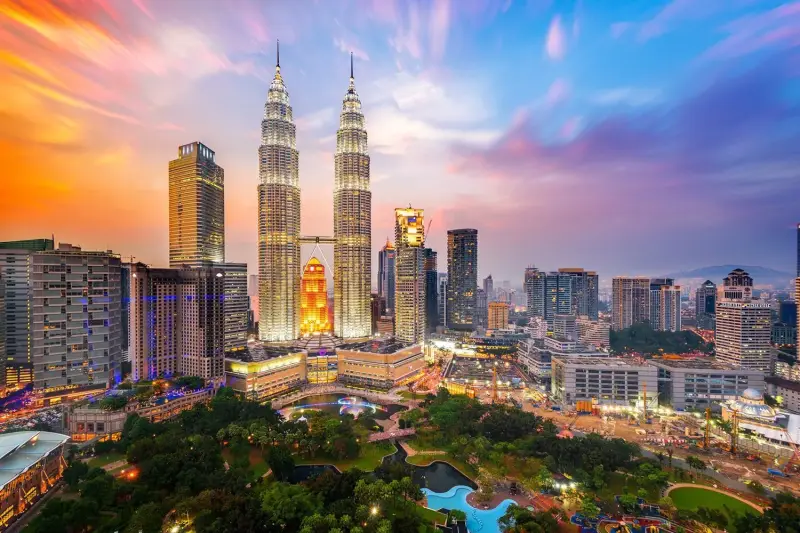 MalaysiaKuala Lumpur, rainforest, islands and street food
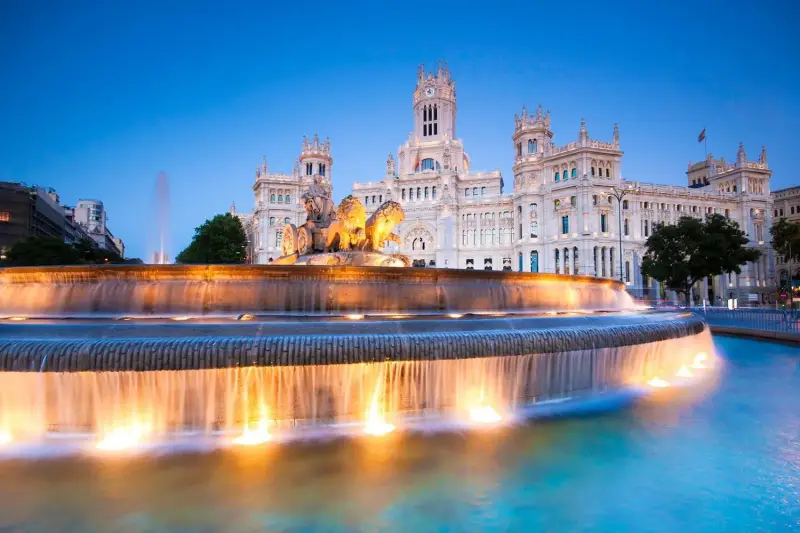 SpainBeaches, tapas, flamenco and Gaudí
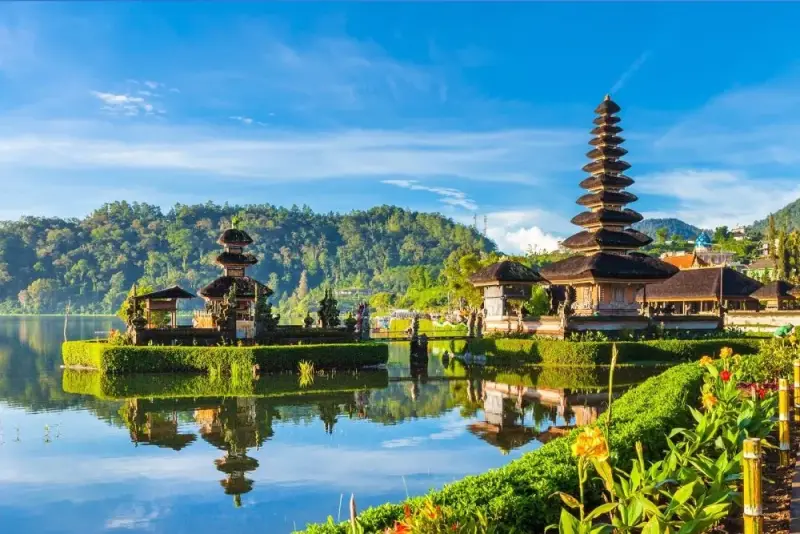 IndonesiaBali, Komodo, Borobudur and 17,000 islands
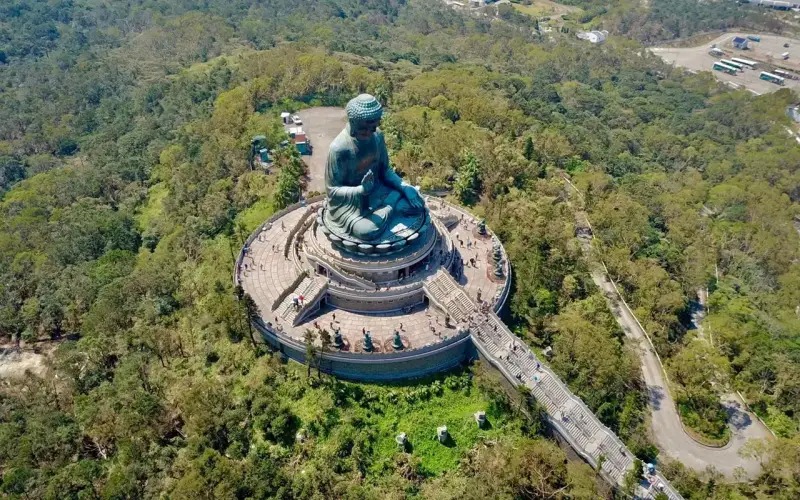 Hong KongSkyline, harbour, dim sum and hiking trails
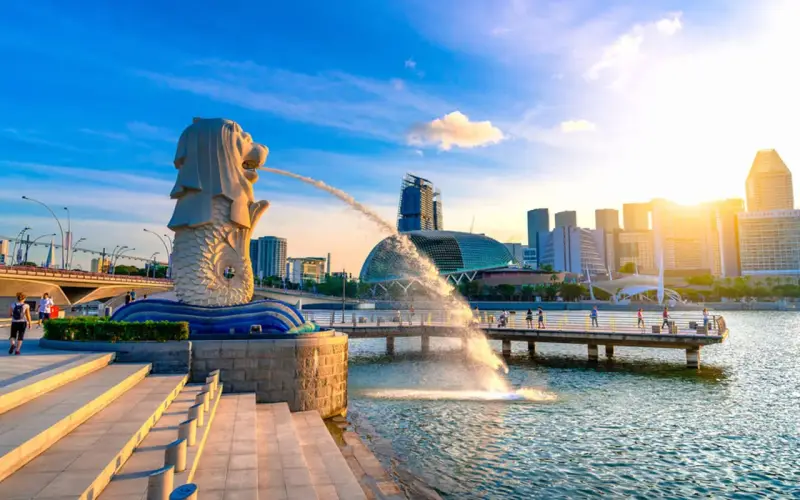 SingaporeGardens, hawker food and a dazzling skyline
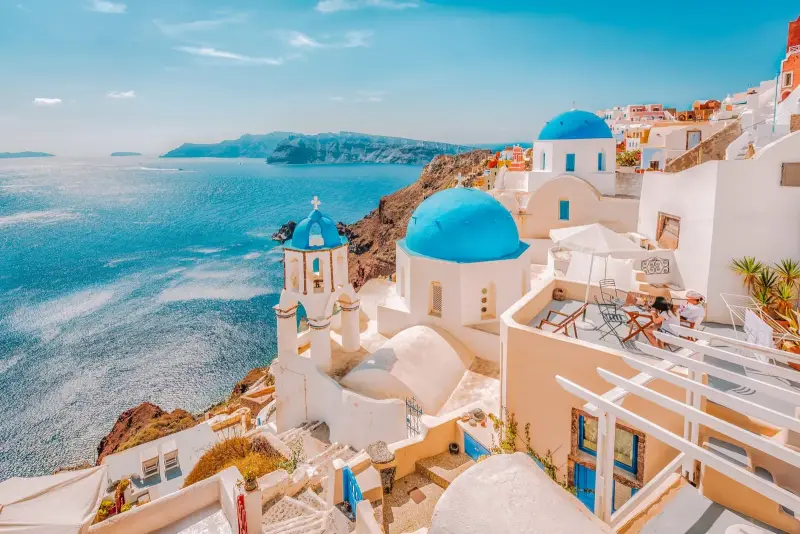 GreeceAncient wonders and Aegean islands
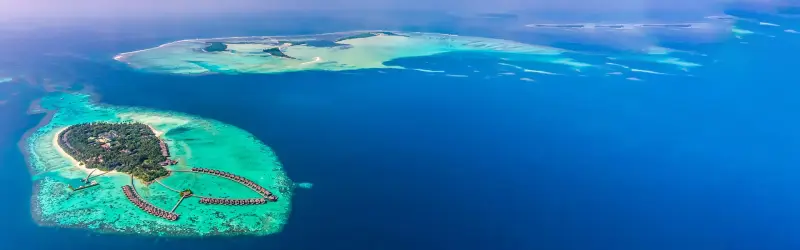 MaldivesOverwater villas and coral atolls
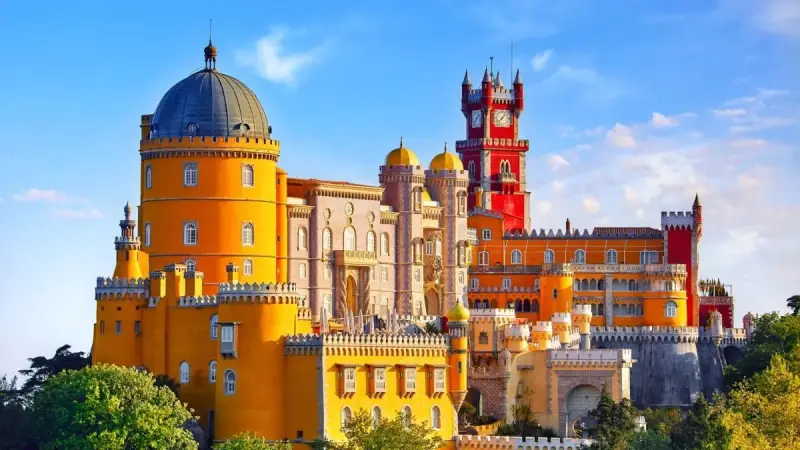 PortugalLisbon, Porto, the Algarve and island escapes
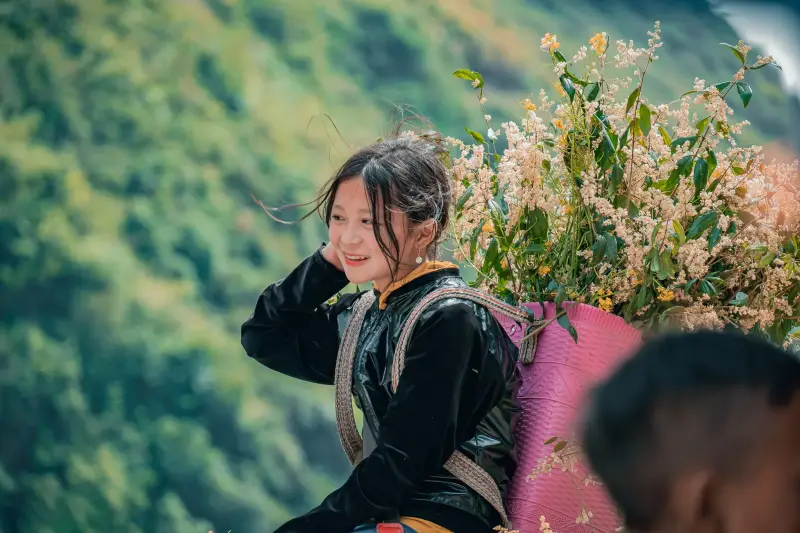 VietnamHa Long Bay, Hoi An and street food
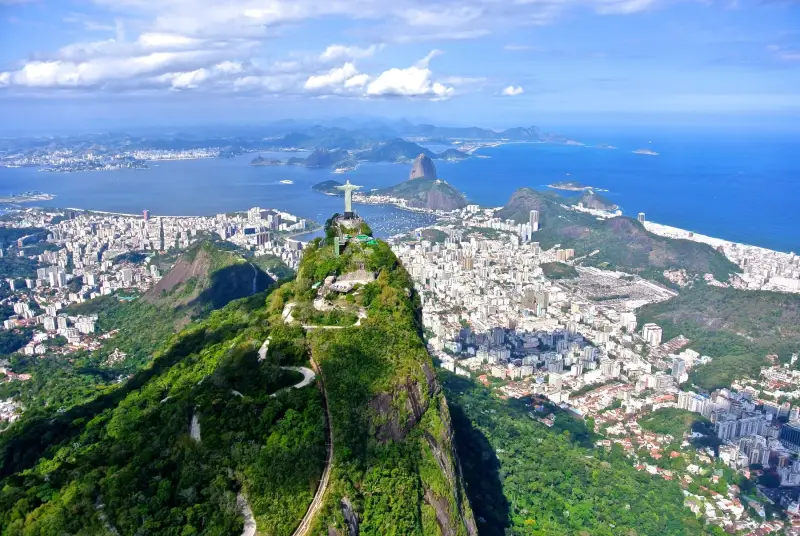 BrazilRio, the Amazon, Iguaçu and endless beaches
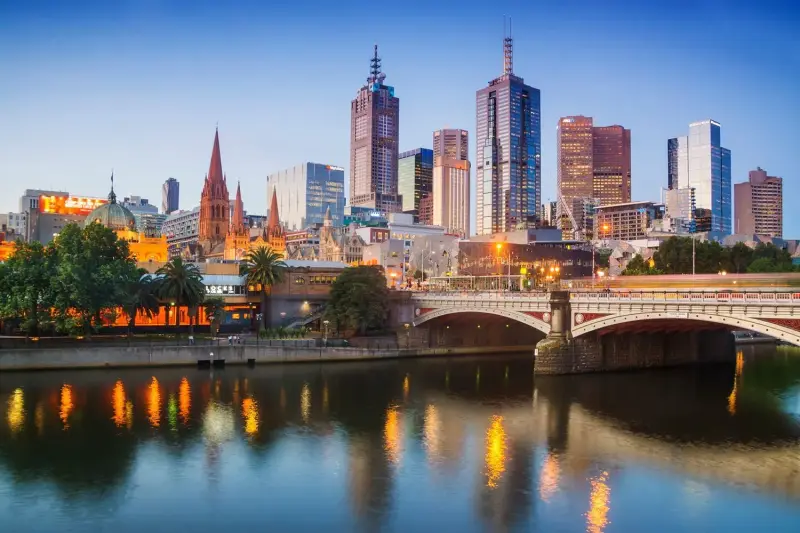 AustraliaReef, outback, beaches and laid-back cities
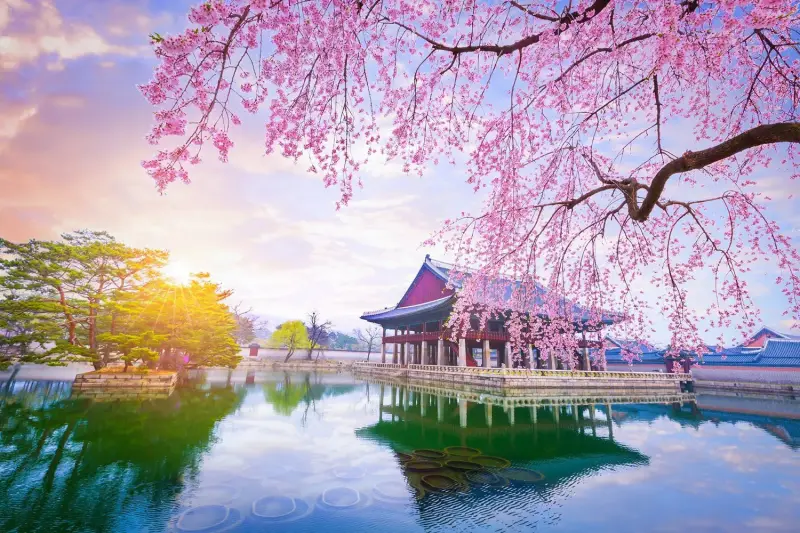 South KoreaSeoul's palaces, K-culture and mountain temples
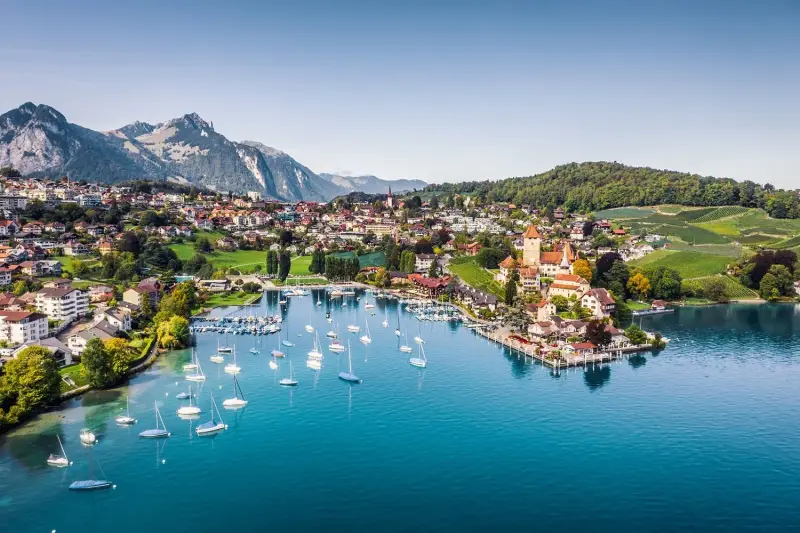 SwitzerlandAlps, lakes, trains and chocolate
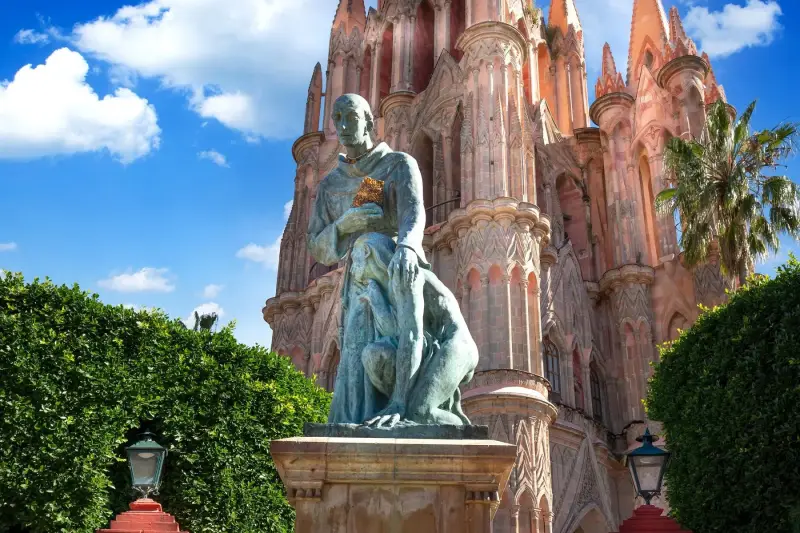 MexicoMaya ruins, Caribbean beaches and Mexico City
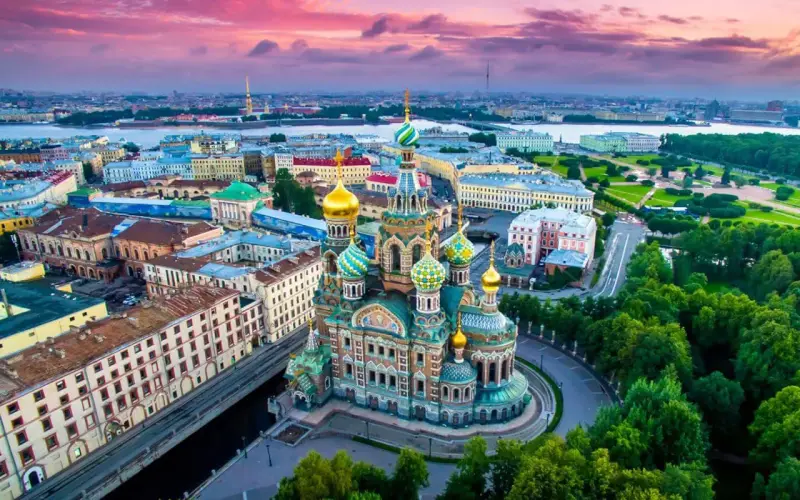 RussiaMoscow, St Petersburg and vast landscapes
 South AfricaSafaris, Cape Town and the Garden Route
 CanadaRockies, lakes, wildlife and friendly cities
 PalestineBethlehem, Jericho and ancient holy sites
 TaiwanNight markets, mountains and Taipei 101
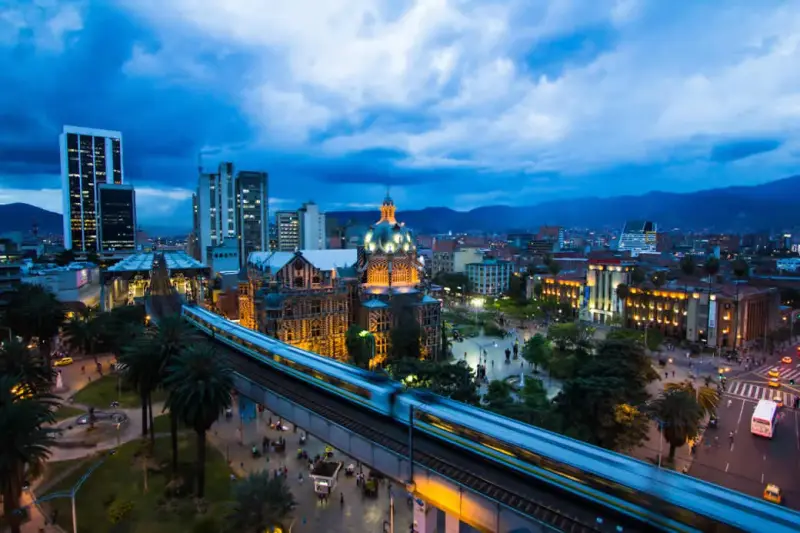 ColombiaCaribbean coast, coffee country and Andean cities
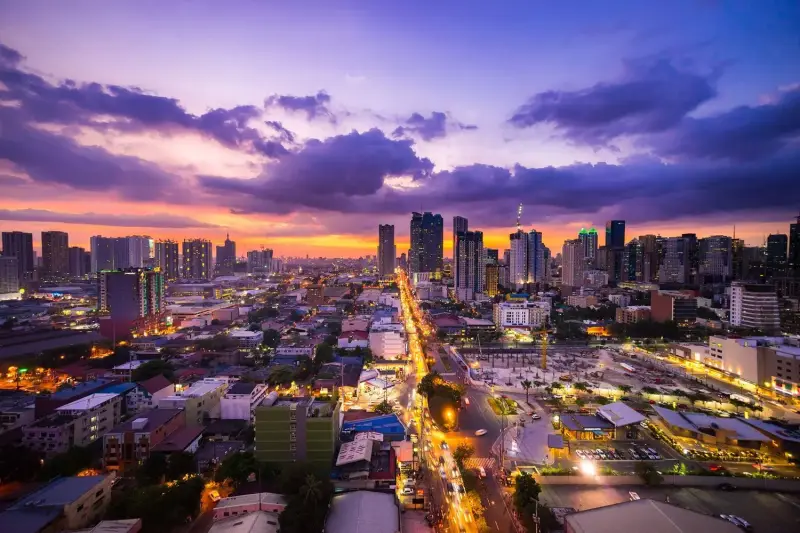 Philippines7,000 islands of beaches, reefs and rice terraces
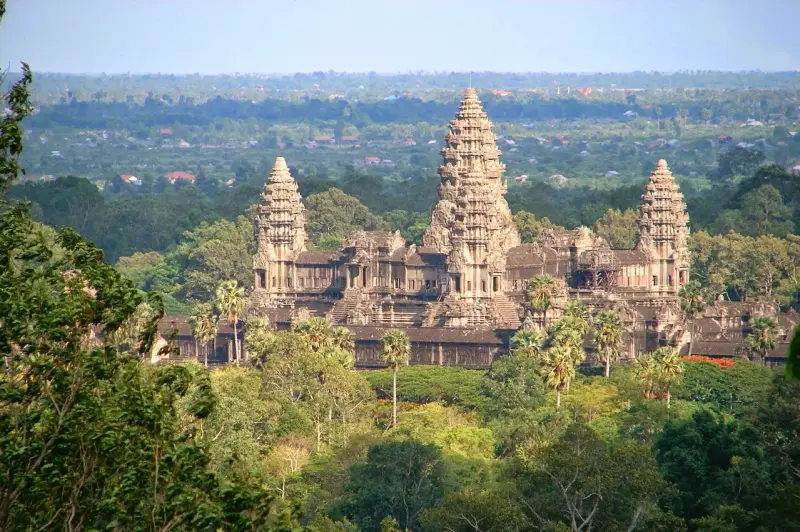 CambodiaAngkor's temples, river life and islands
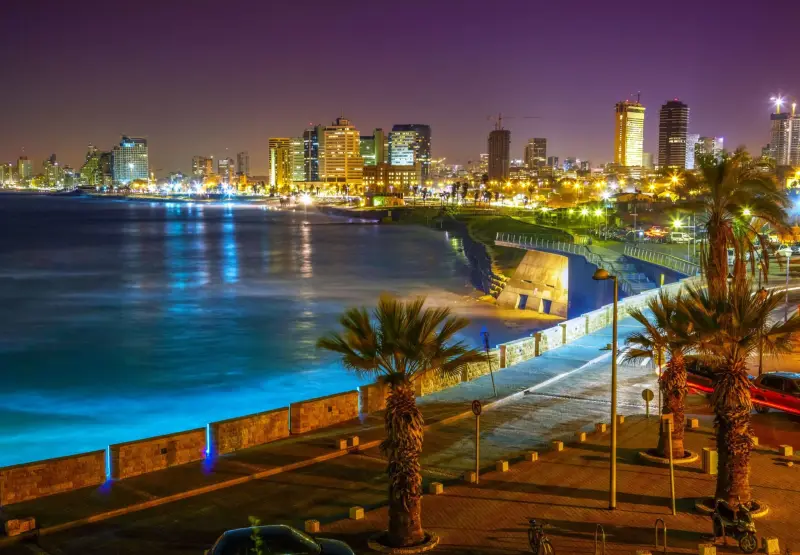 IsraelJerusalem, the Dead Sea and Tel Aviv beaches
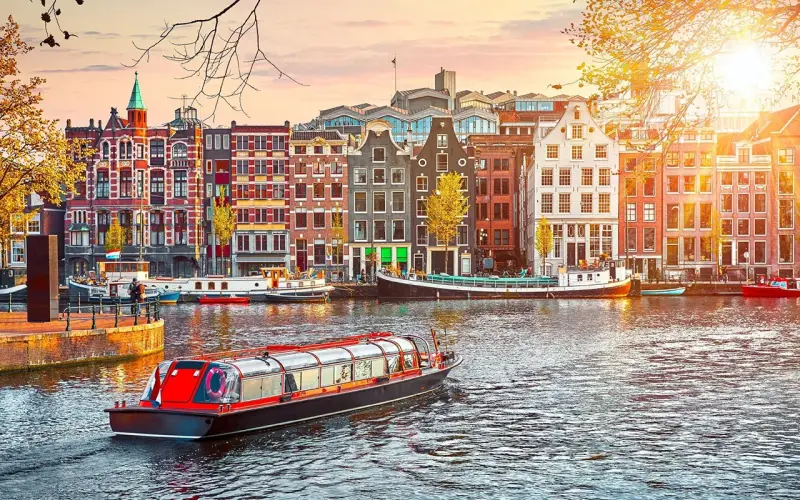 NetherlandsCanals, bikes, tulips and Dutch masters
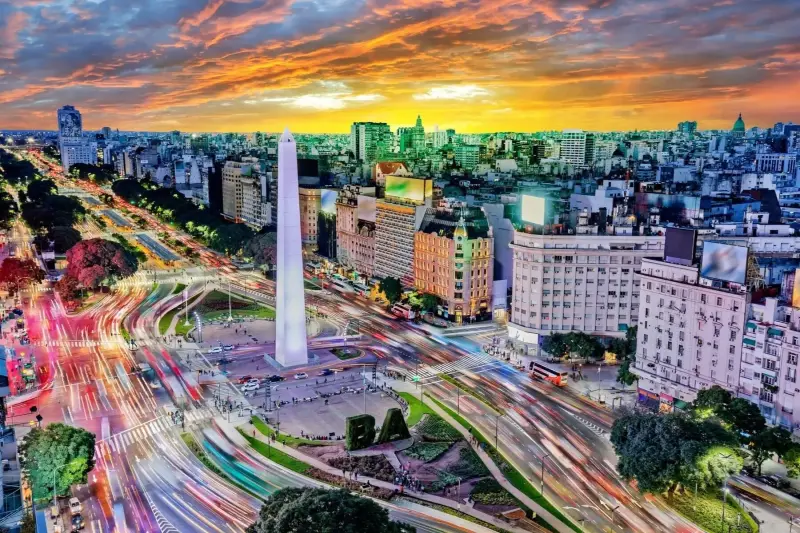 ArgentinaTango, glaciers, waterfalls and the Andes
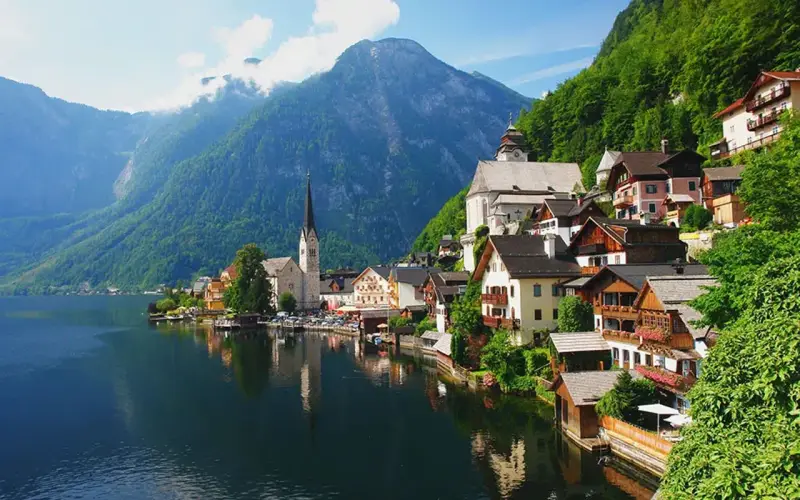 AustriaVienna's palaces, Alpine villages and music
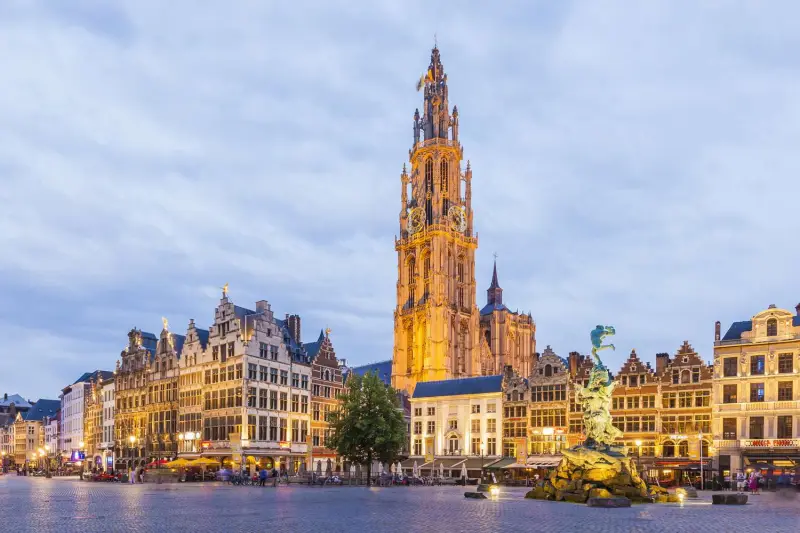 BelgiumMedieval towns, art, chocolate and beer
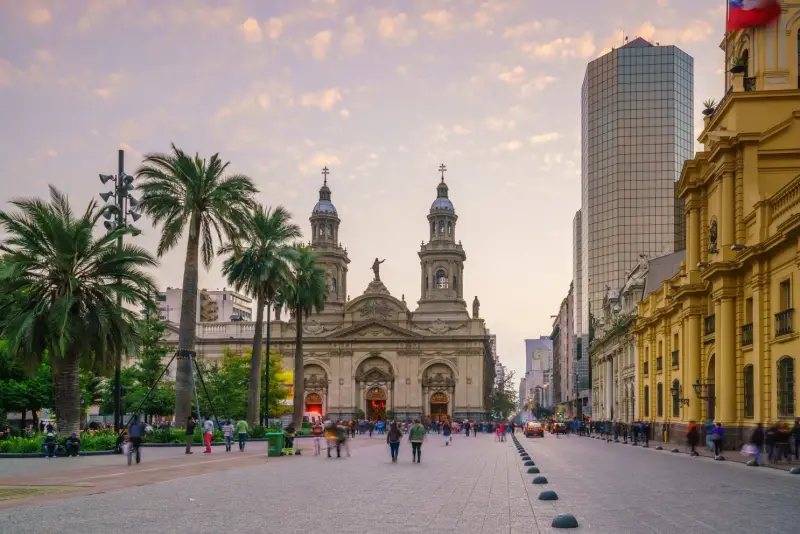 ChilePatagonia, the Atacama and the Andes
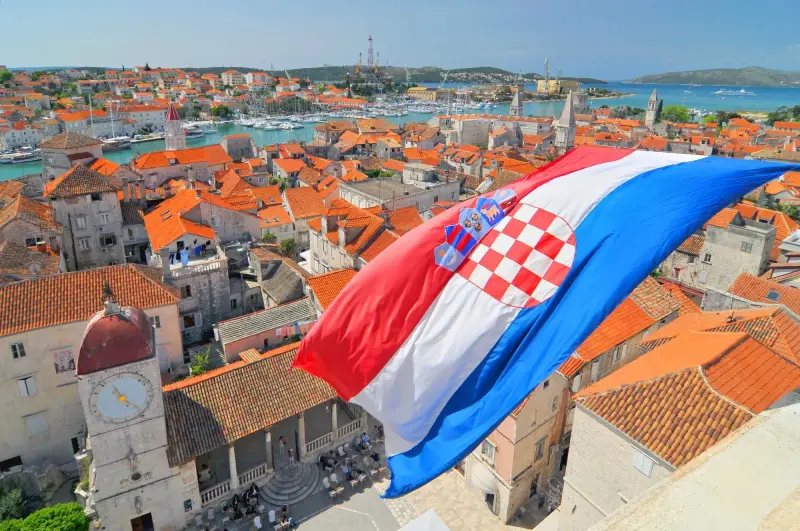 CroatiaAdriatic islands, walled towns and lakes
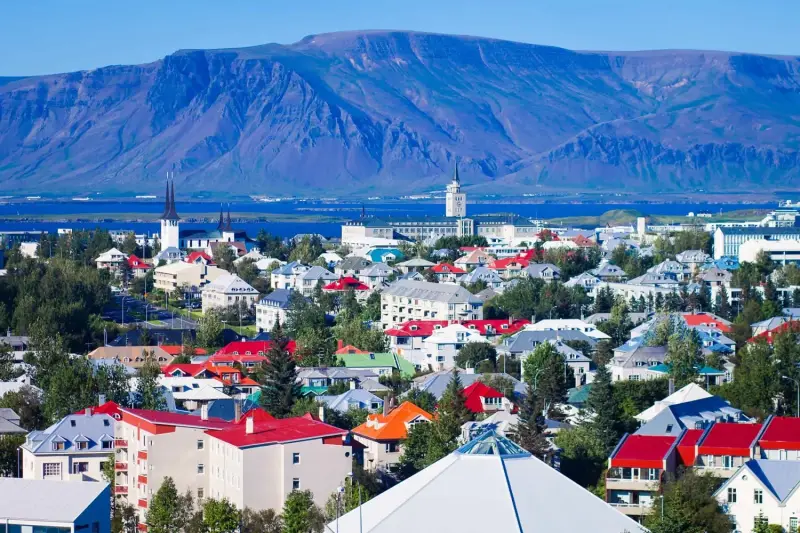 IcelandWaterfalls, glaciers, volcanoes and northern lights
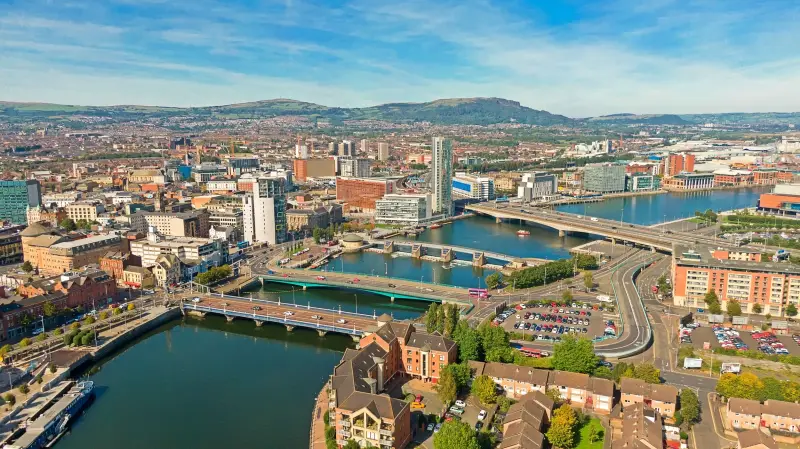 IrelandGreen coasts, lively pubs and Celtic heritage
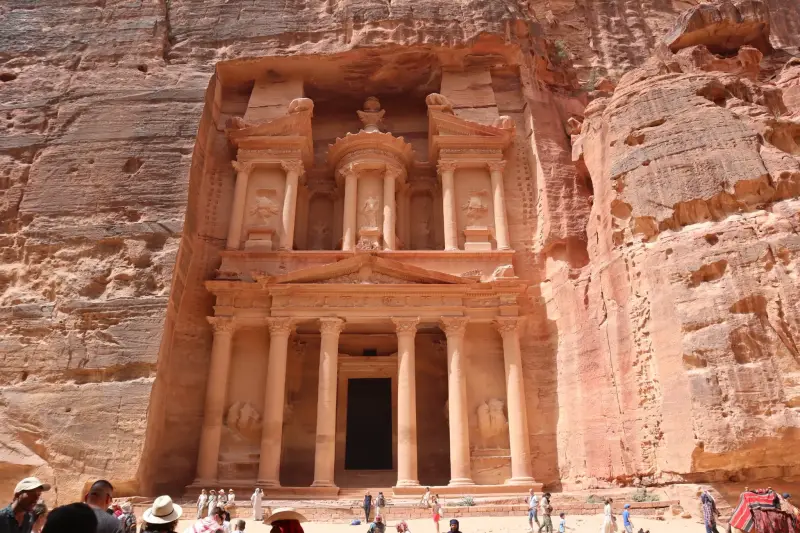 JordanPetra, Wadi Rum and the Dead Sea
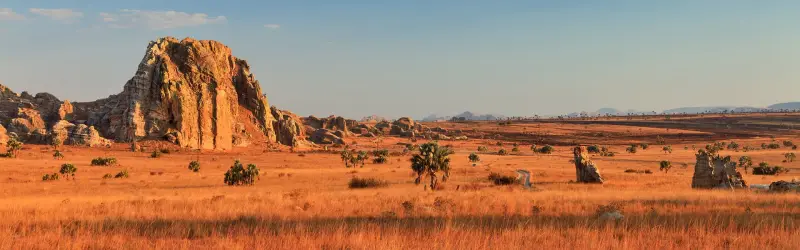 MadagascarLemurs, baobabs and unique wildlife
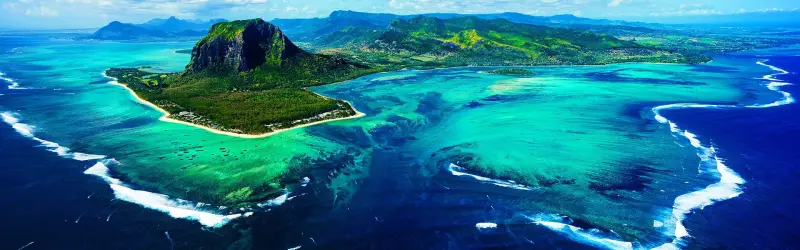 MauritiusLagoons, mountains and multicultural flavours
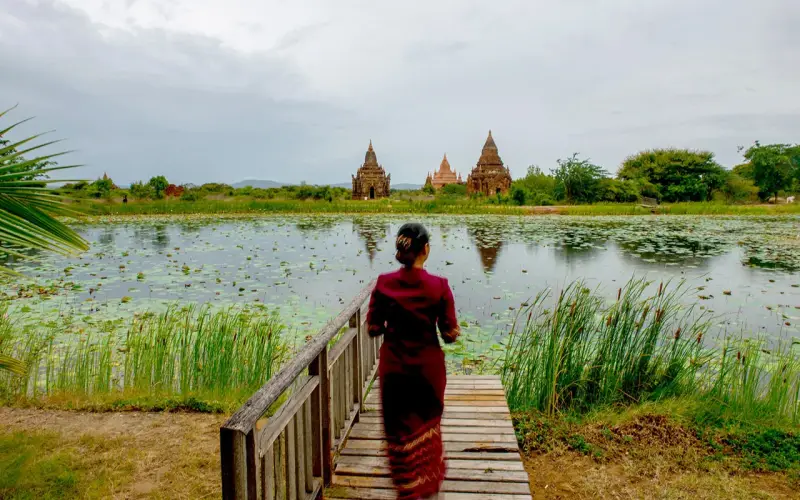 MyanmarBagan's temples and the Shwedagon Pagoda
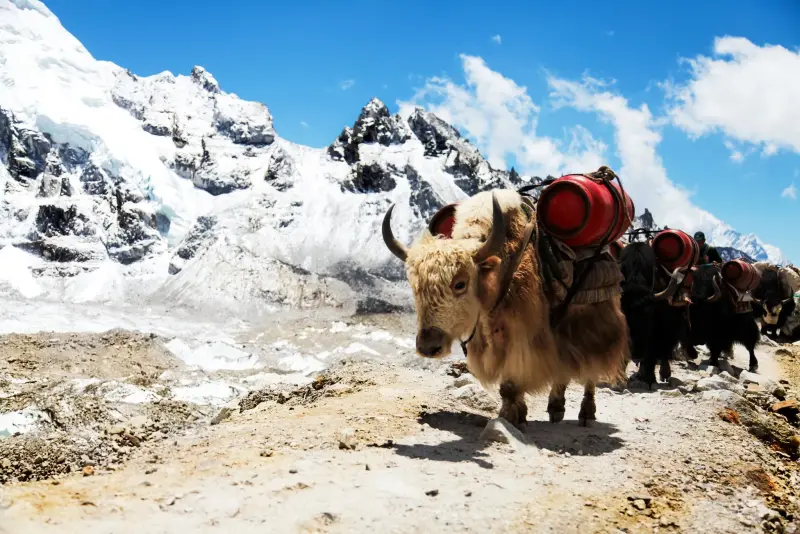 NepalEverest, the Annapurnas and Kathmandu's temples
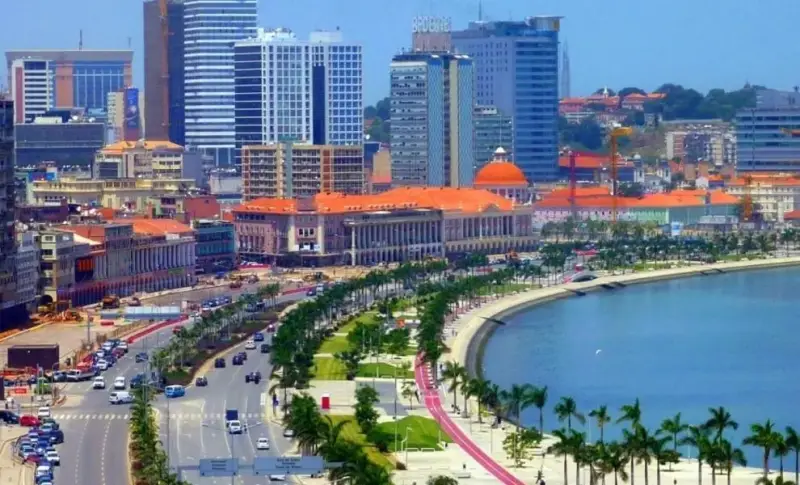 NigeriaLagos energy, Afrobeats and cultural heritage
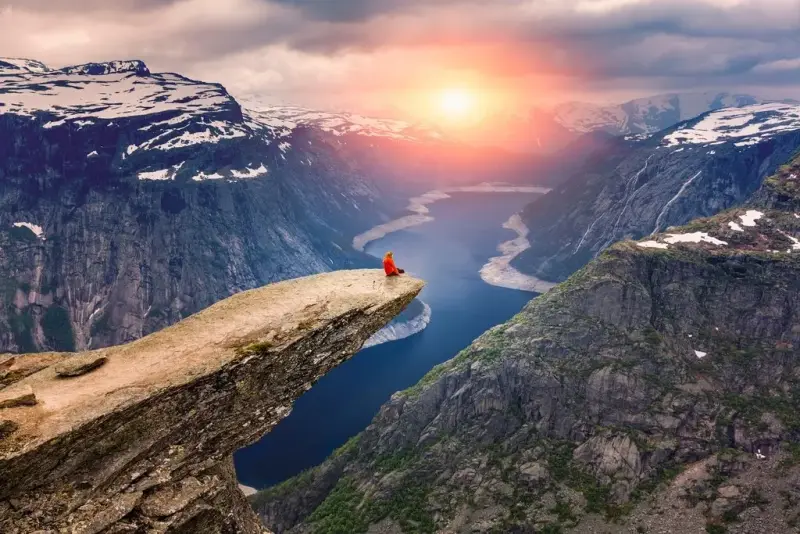 NorwayFjords, northern lights and the midnight sun
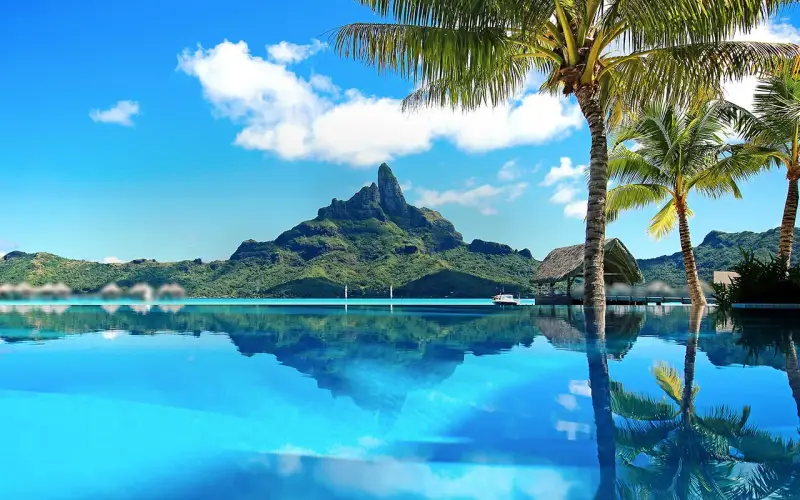 TahitiGateway to French Polynesia
 TanzaniaSerengeti, Kilimanjaro and Zanzibar
 VenezuelaAngel Falls, Los Roques and the Andes
 BhutanHimalayan monasteries and Gross National Happiness
 BoliviaSalt flats, Andean lakes and colonial cities
 KuwaitGulf city-state
 MoroccoMedinas, Sahara dunes and Atlas mountains
 OmanForts, wadis, deserts and Arabian coast
 ParaguayJesuit missions, wetlands and the Chaco
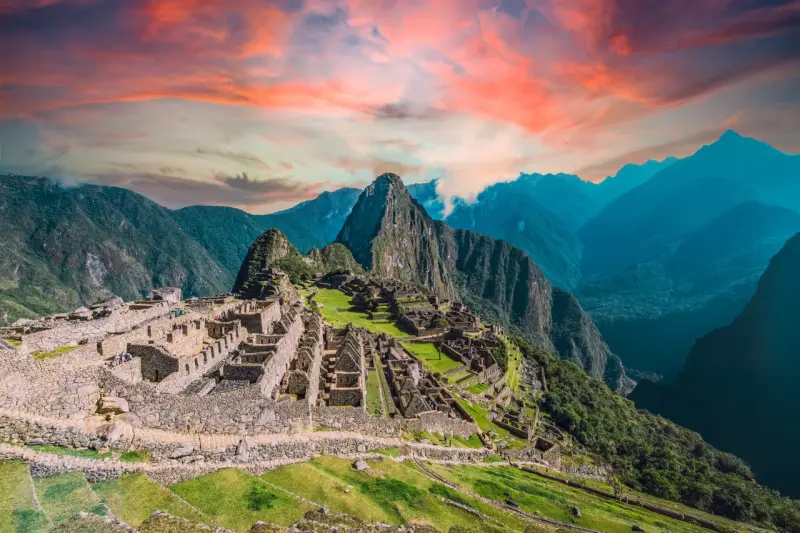 PeruMachu Picchu, the Andes and the Amazon
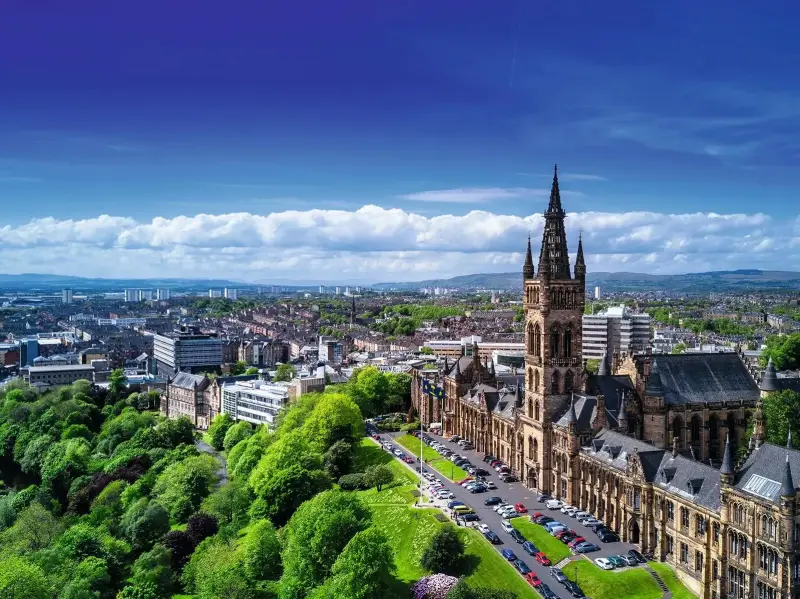 ScotlandHighlands, castles, islands and whisky
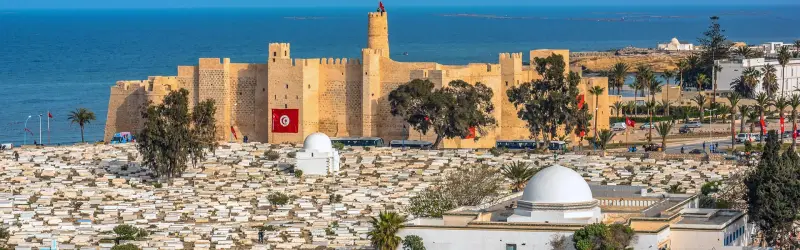 TunisiaCarthage, Sahara and Mediterranean beaches
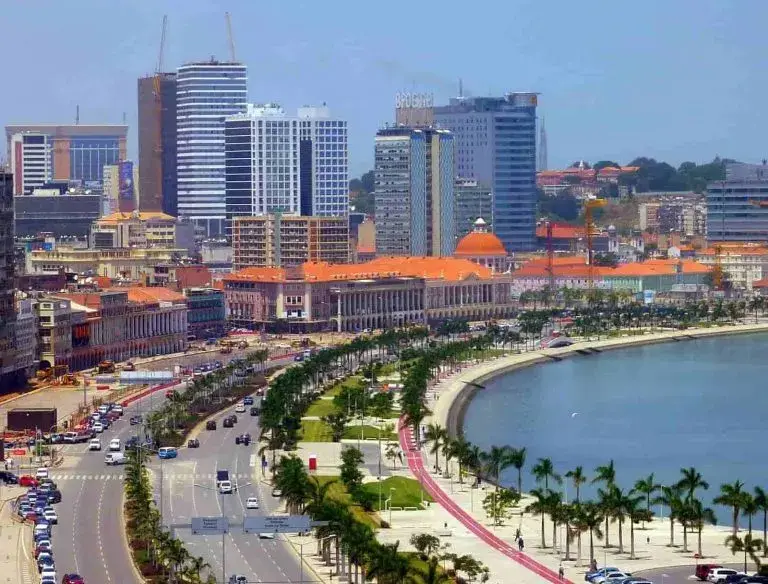 AngolaAtlantic coast, waterfalls and desert landscapes
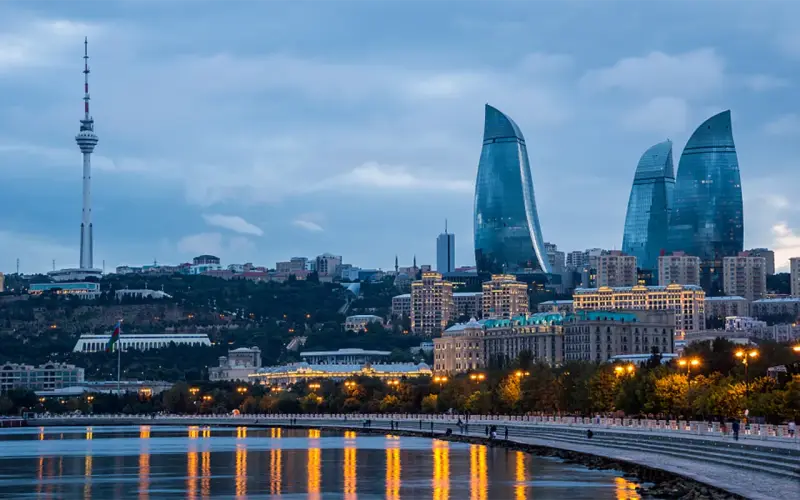 AzerbaijanBaku's flame towers and Caspian Sea culture
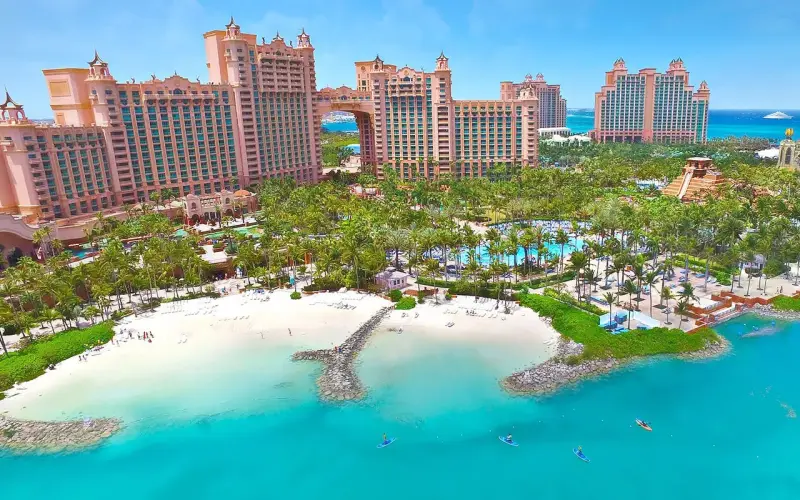 BahamasTurquoise water across 700 islands
 BahrainPearling heritage and Gulf city life
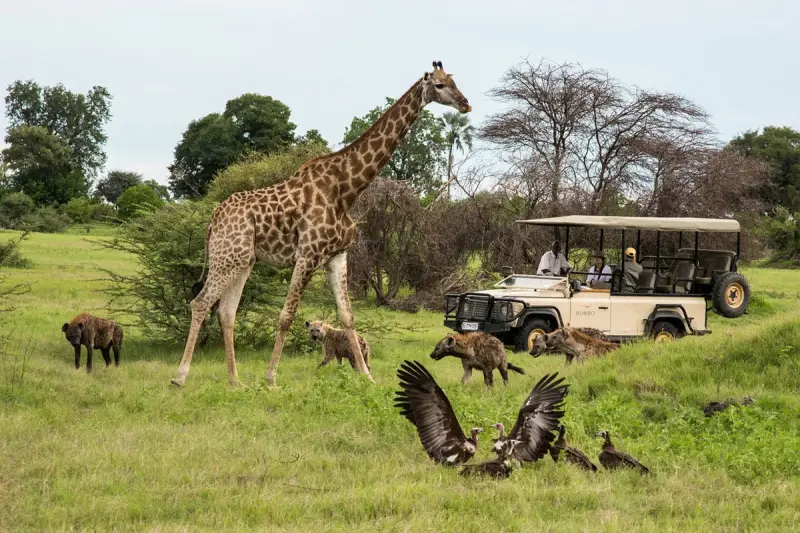 BotswanaOkavango Delta safaris and Kalahari skies
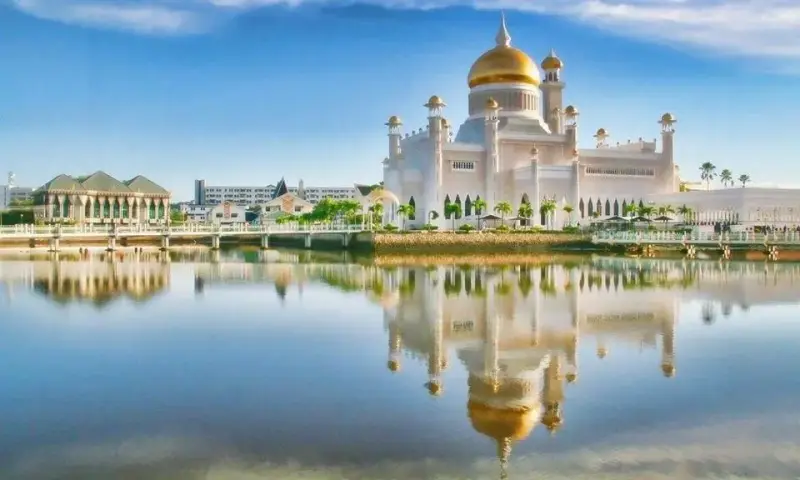 BruneiGolden mosques and pristine Borneo rainforest
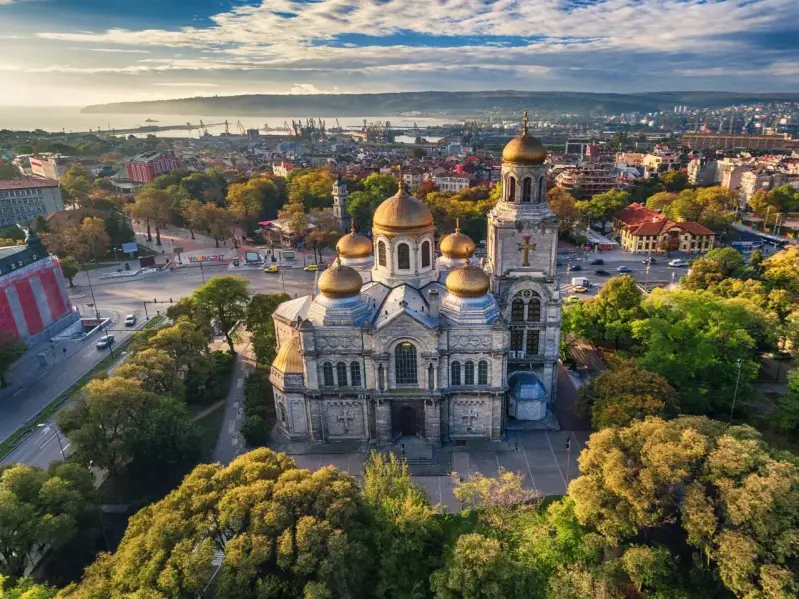 BulgariaBlack Sea beaches, mountains and monasteries
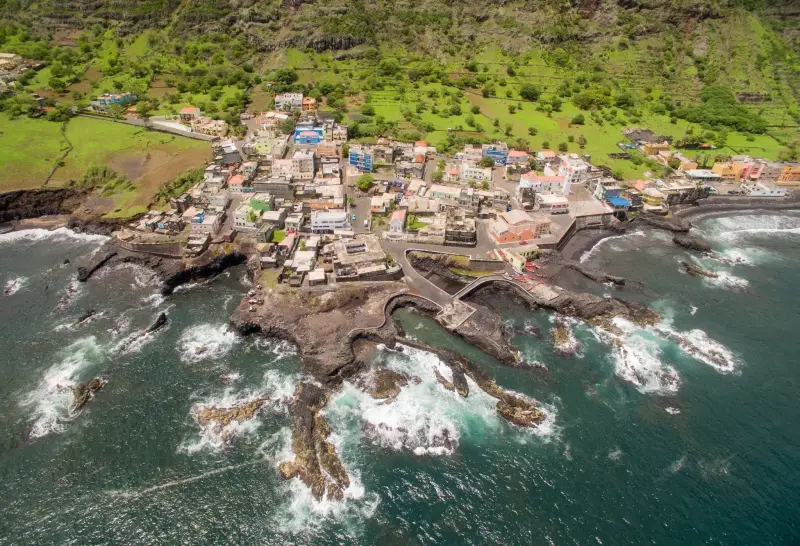 Cape Verde IslandsAtlantic islands of beaches, volcanoes and morna
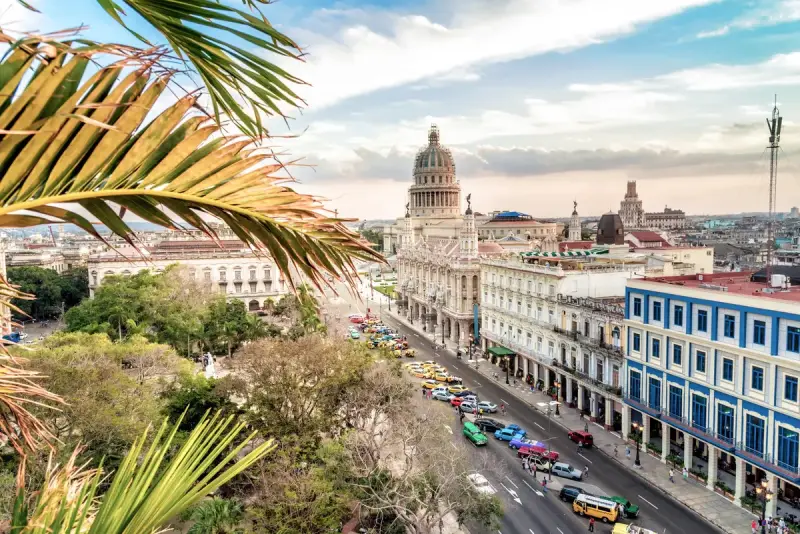 CubaHavana, Trinidad, tobacco valleys and beaches
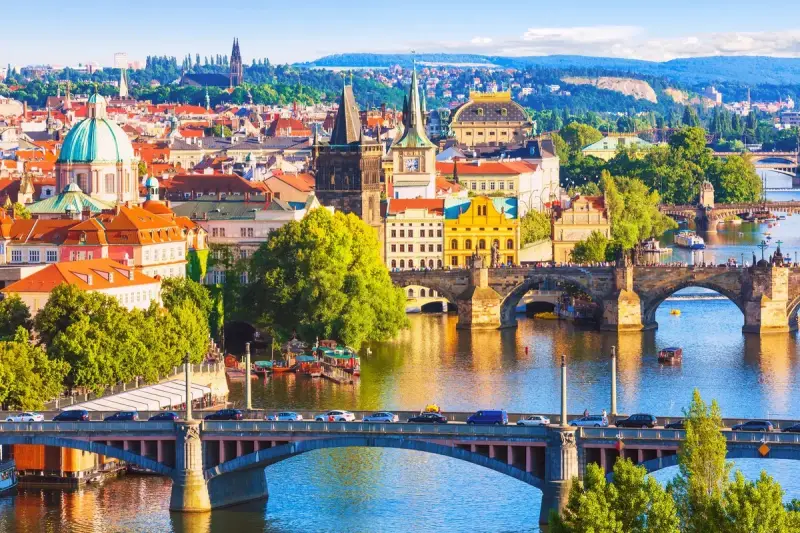 Czech RepublicPrague, castles and spa towns
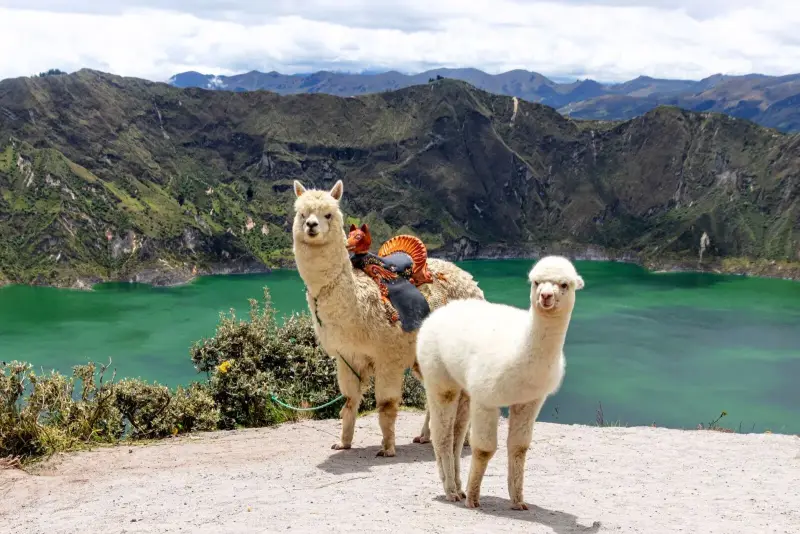 EcuadorGalápagos, Andes volcanoes and the Amazon
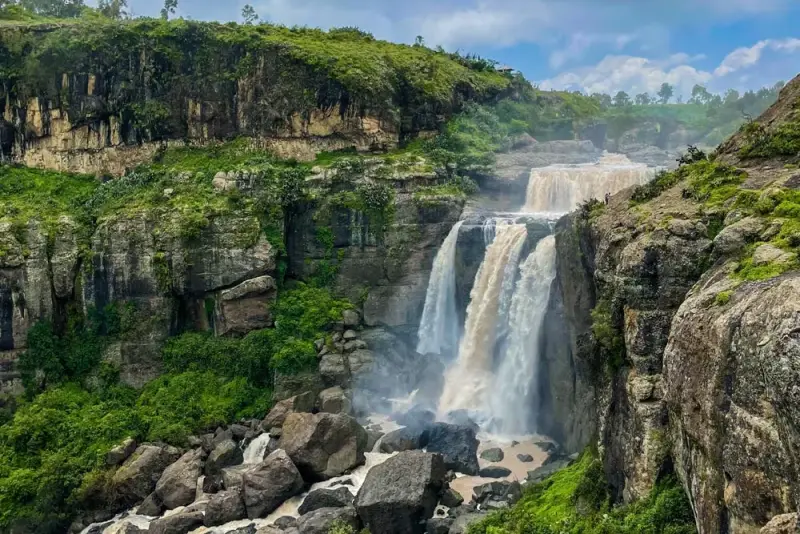 EthiopiaRock-hewn churches, highlands and ancient kingdoms
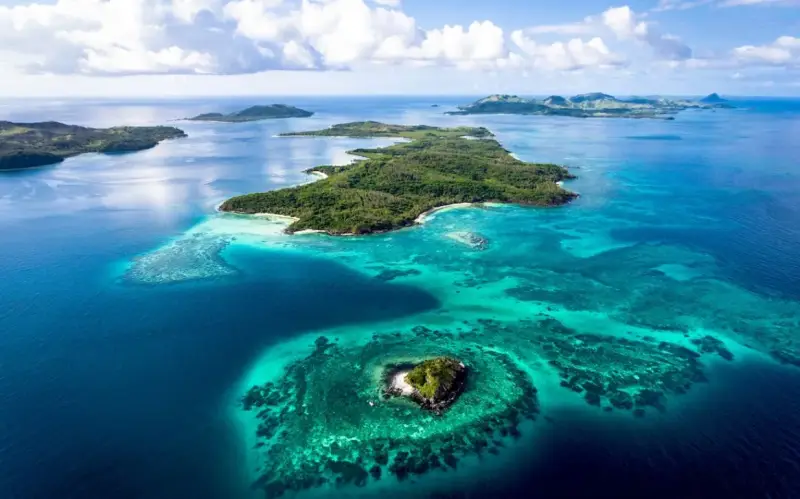 FijiCoral islands, warm welcomes and soft coral reefs
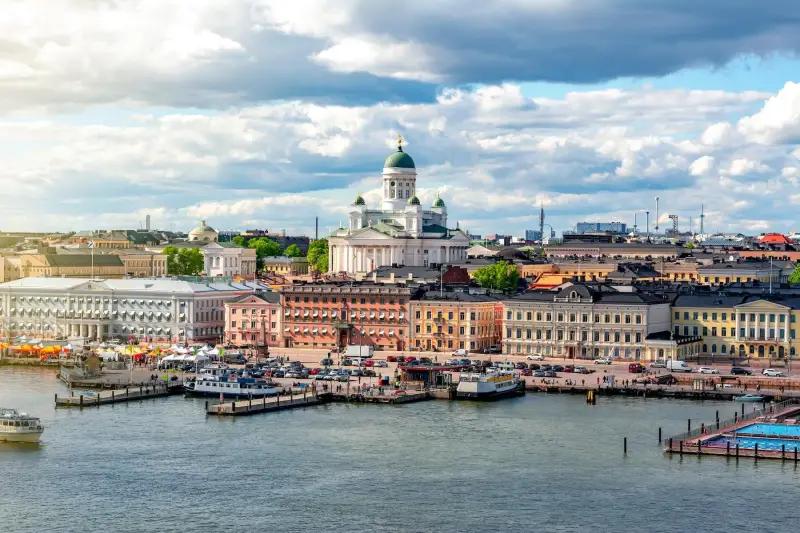 FinlandLakes, Lapland and the northern lights
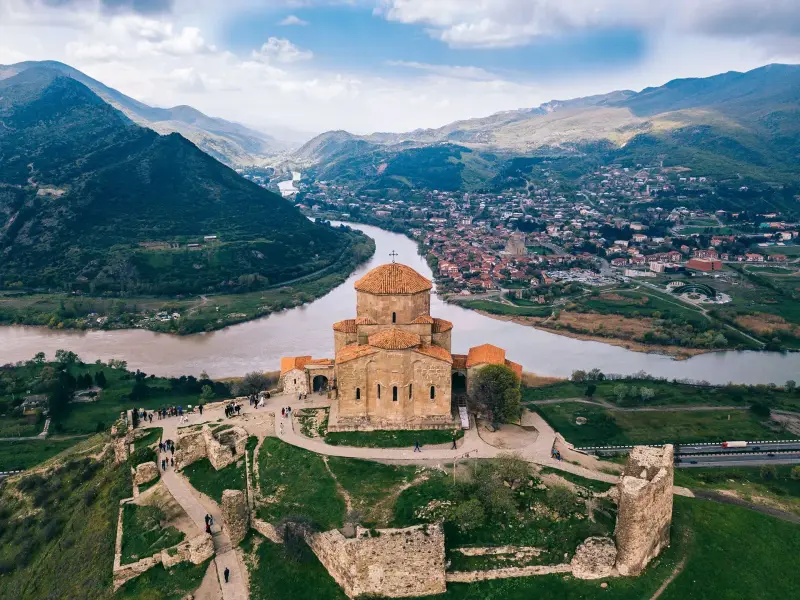 GeorgiaCaucasus peaks, wine and Tbilisi's old town
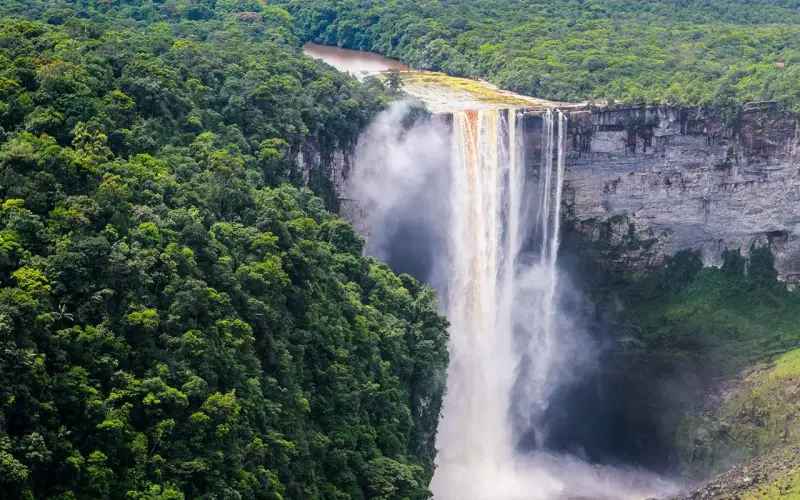 GuyanaKaieteur Falls and untouched rainforest
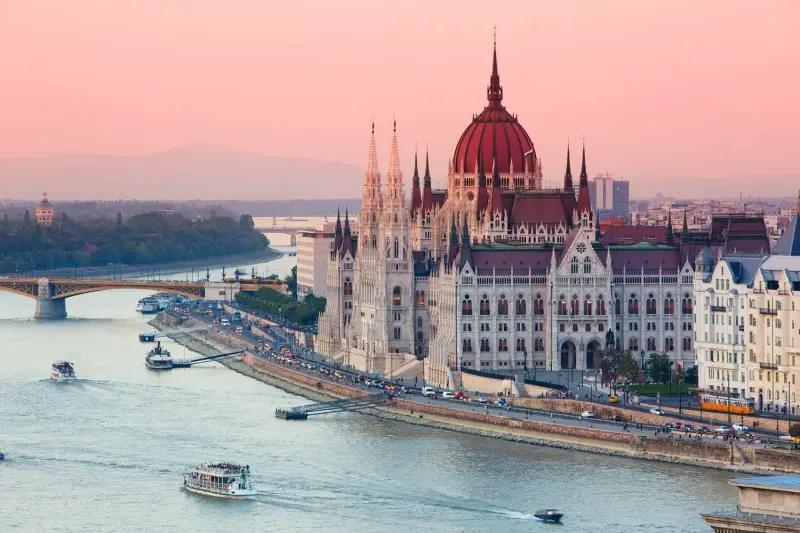 HungaryBudapest's baths, Lake Balaton and wine
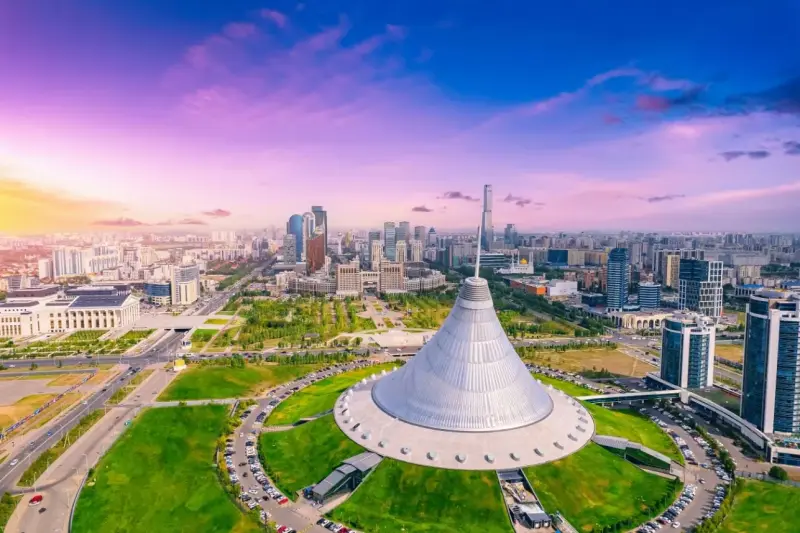 KazakhstanSteppe, canyons and Silk Road cities
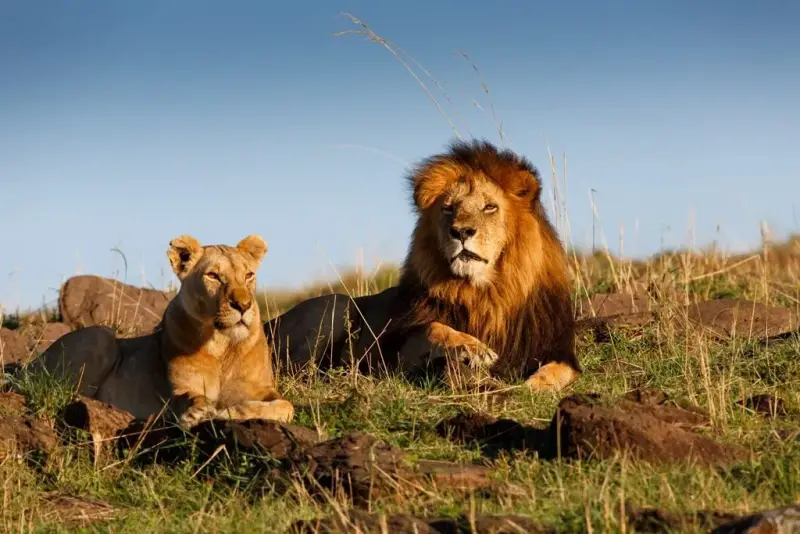 KenyaSafaris, the Great Migration and Indian Ocean beaches
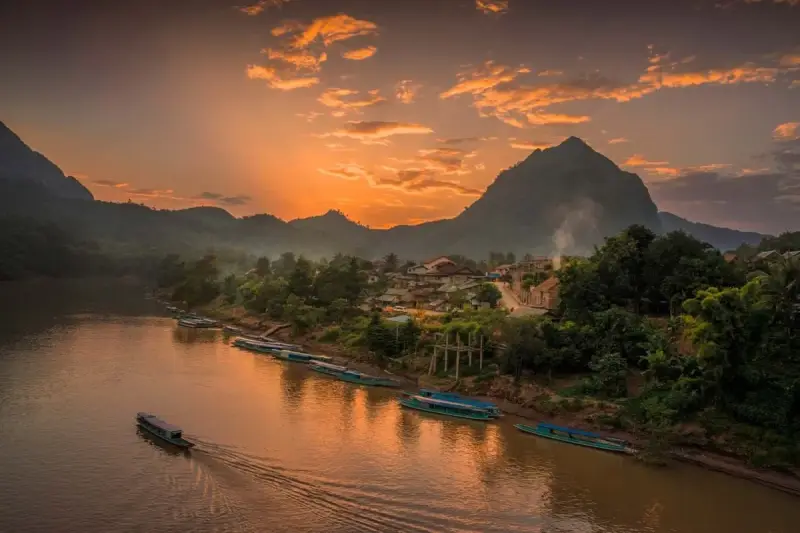 LaosLuang Prabang, the Mekong and limestone karsts
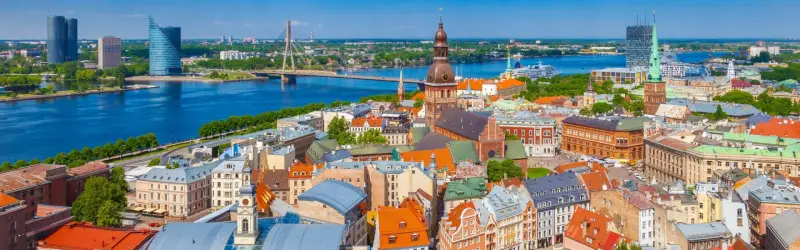 LatviaRiga's Art Nouveau and Baltic beaches
 LibyaRoman ruins and Sahara
 LuxembourgFortress city, castles and free public transport
 MongoliaSteppe, Gobi Desert and nomad life
 MozambiqueIndian Ocean islands and coral coast
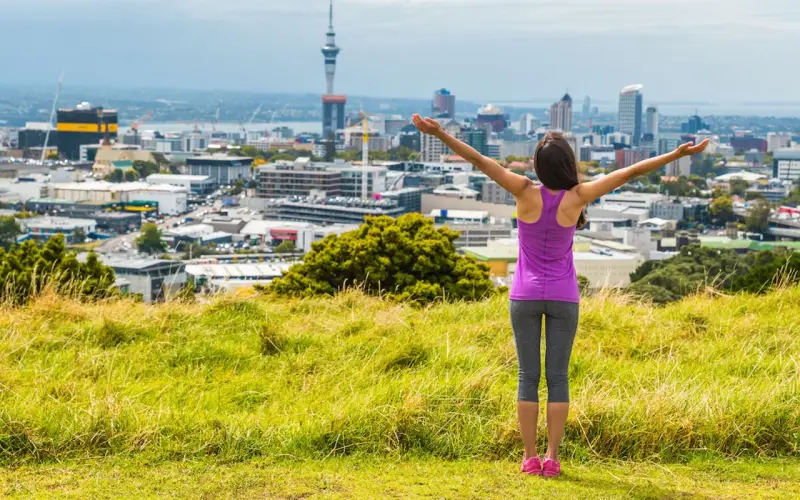 New ZealandFiords, glaciers, volcanoes and Māori culture
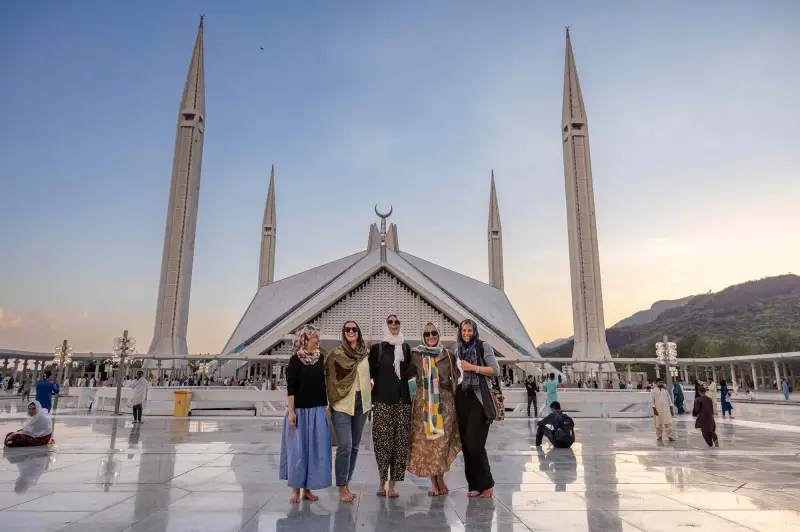 PakistanKarakoram peaks, Mughal Lahore and mountain valleys
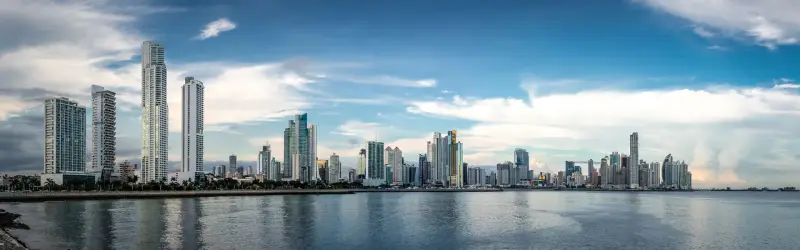 PanamaThe canal, islands and rainforest
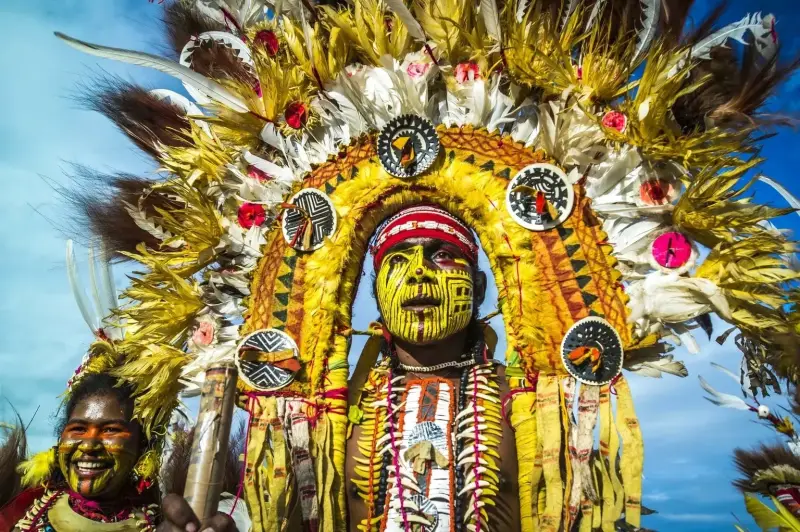 Papua New GuineaHighland cultures, reefs and the Kokoda Track
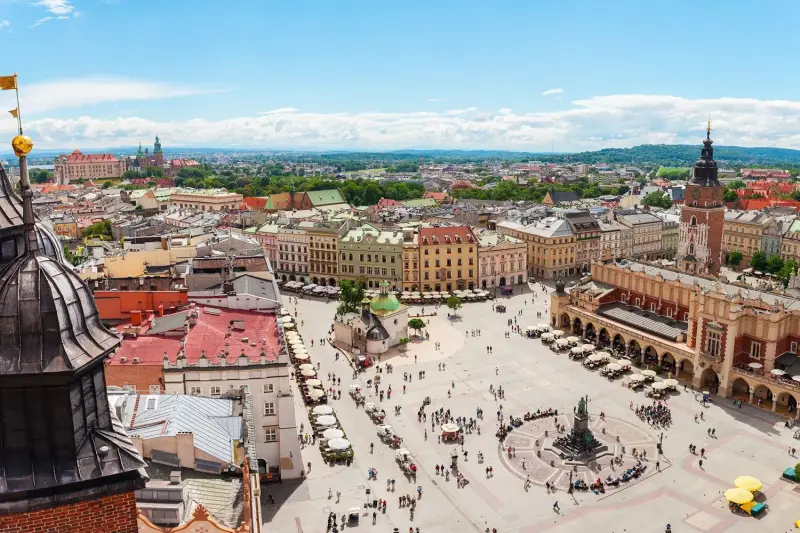 PolandKraków, Gdańsk, Warsaw and the Tatras
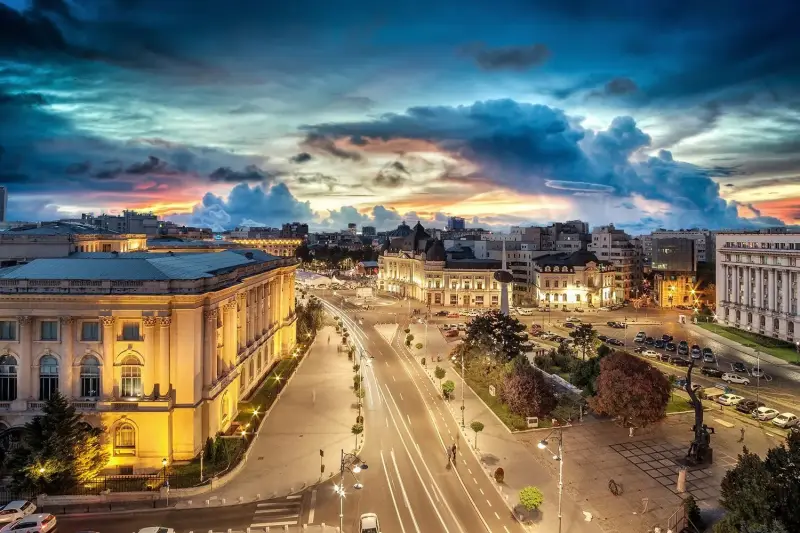 RomaniaTransylvania's castles, painted monasteries and the Carpathians
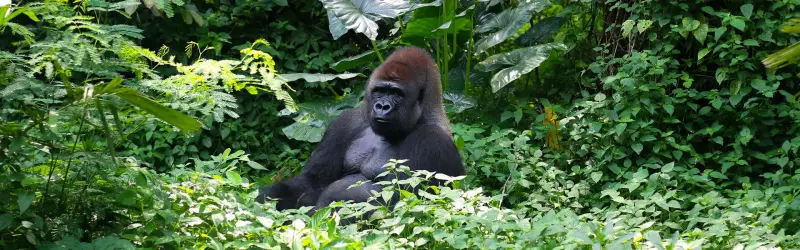 RwandaMountain gorillas and the land of a thousand hills
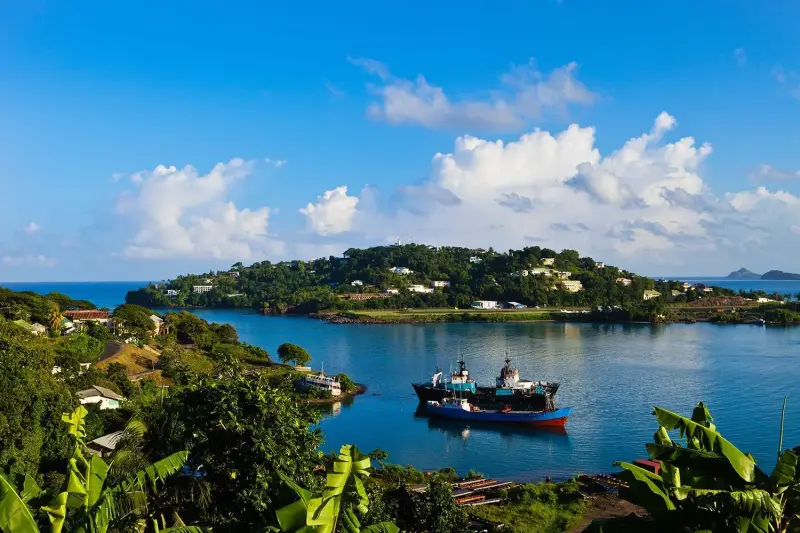 Saint LuciaThe Pitons, rainforest and Caribbean romance
 SerbiaBelgrade nightlife, monasteries and the Danube
 SeychellesGranite islands and perfect beaches
 SudanNubian pyramids and the Nile
 SwedenStockholm's archipelago, Lapland and design
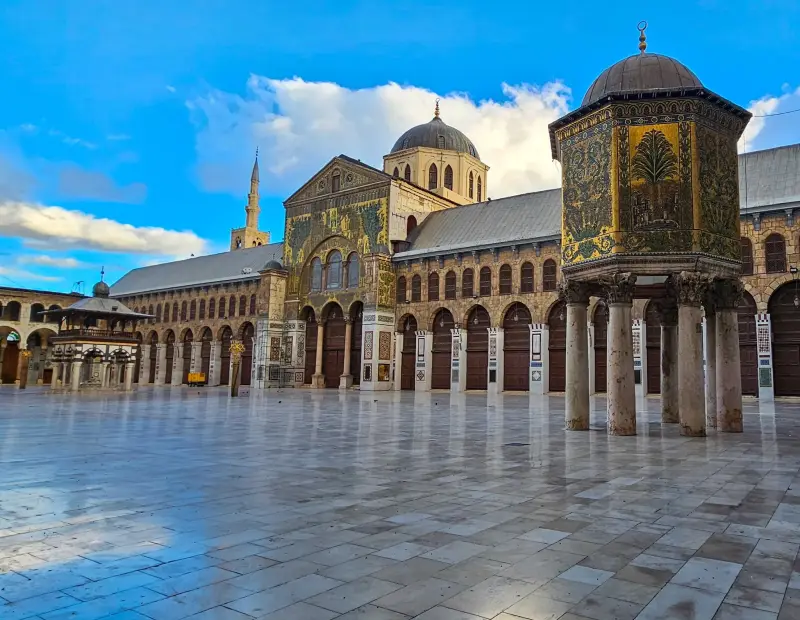 SyriaAncient cities
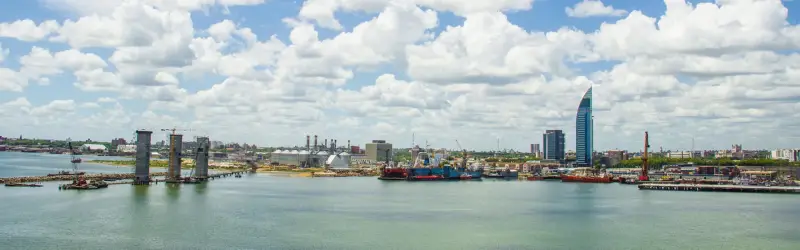 UruguayBeaches, colonial Colonia and laid-back Montevideo
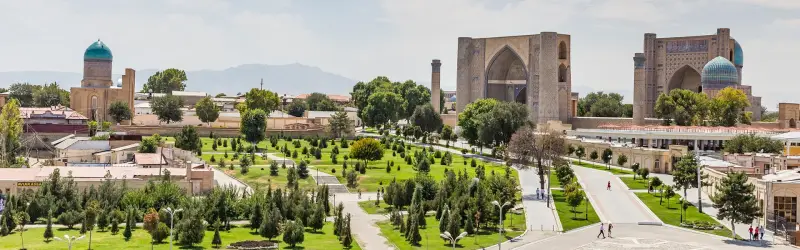 UzbekistanSamarkand, Bukhara and Khiva on the Silk Road
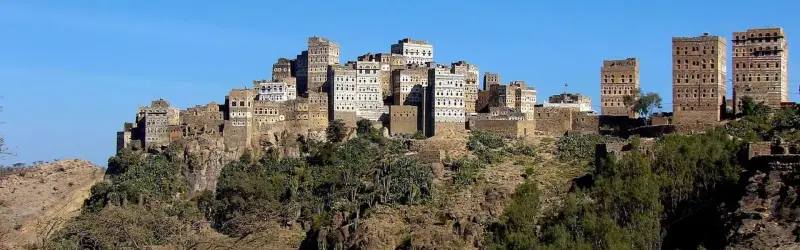 YemenAncient tower houses and Socotra's unique nature
 ZambiaVictoria Falls, walking safaris and the Zambezi
SurinameRainforest, rivers and colonial Paramaribo
 AfghanistanMountain valleys and Silk Road history
 AlbaniaRiviera beaches, mountain villages and Ottoman towns
 AndorraPyrenean ski slopes and duty-free shopping
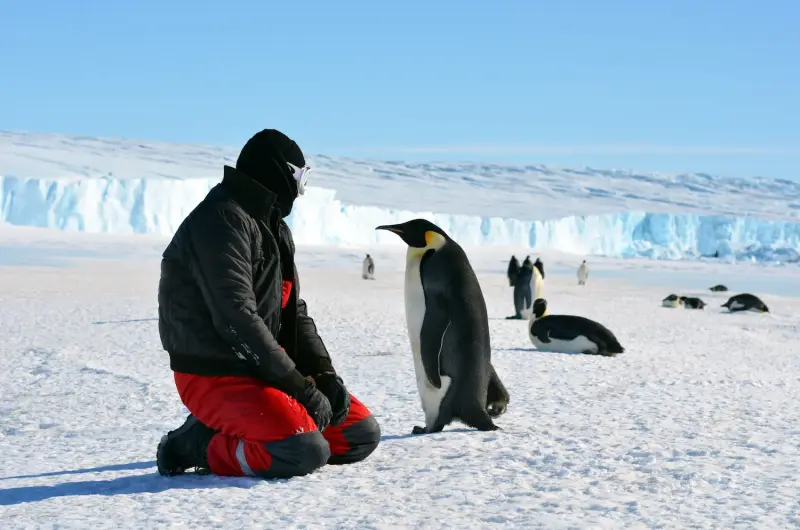 AntarcticaIcebergs, penguins and the last great wilderness
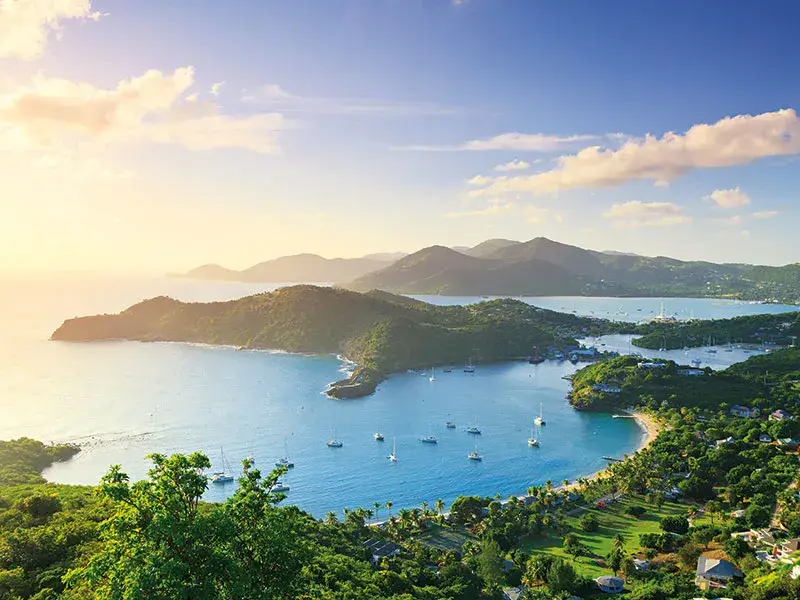 Antigua and BarbudaA beach for every day of the year
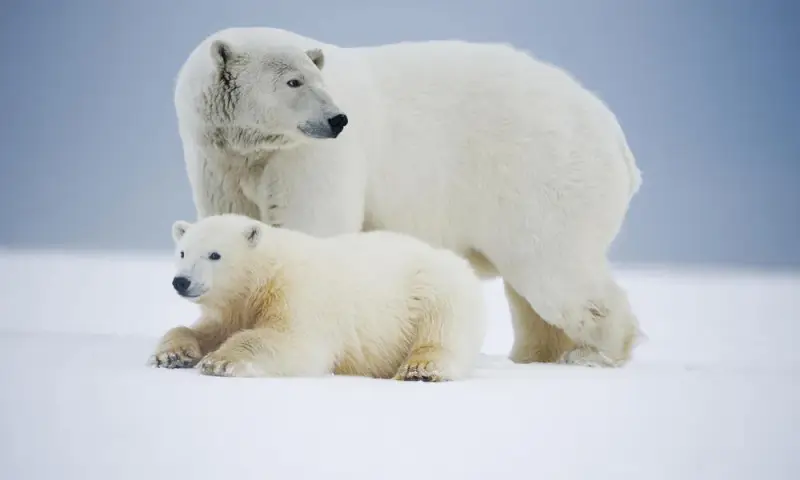 ArcticNorthern lights, polar bears and the midnight sun
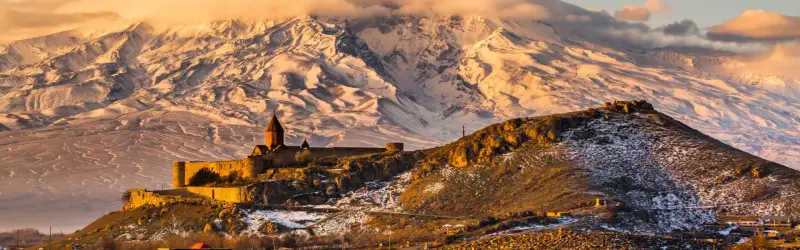 ArmeniaAncient monasteries beneath Mount Ararat
 BarbadosBeaches, rum and cricket in the Caribbean
 BelarusPrimeval forests and Soviet-era Minsk
 BelizeBarrier reef, Maya temples and jungle
 BeninVodun culture, royal palaces and lagoon villages
 BermudaPink sand beaches in the Atlantic
 Bosnia HerzegovinaOttoman bridges, mountain rivers and Sarajevo
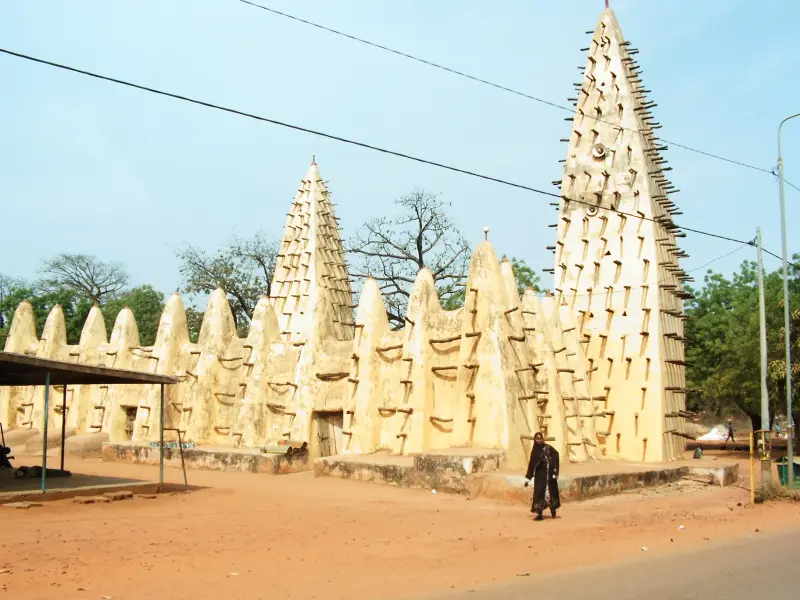 Burkina FasoSahel culture, music and film festivals
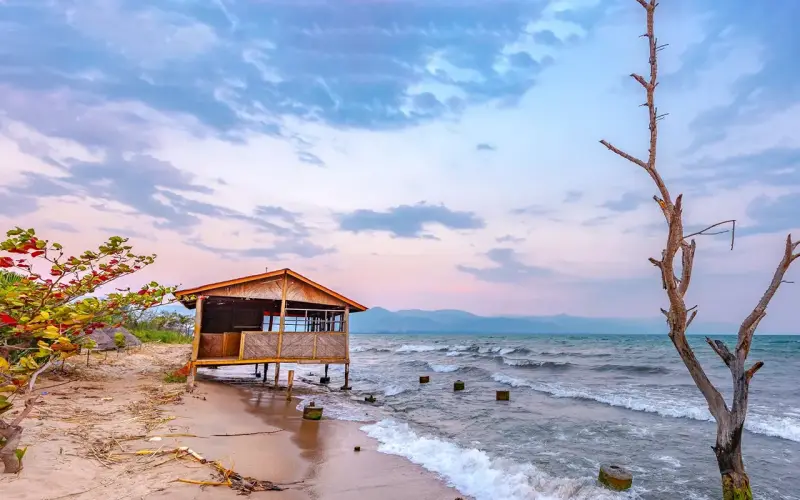 BurundiLake Tanganyika beaches and drumming traditions
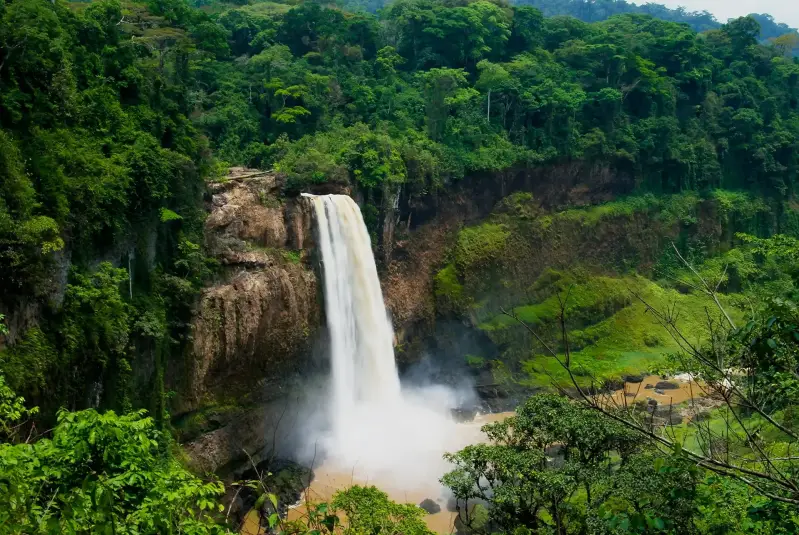 CameroonAfrica in miniature: rainforest, volcano and savanna
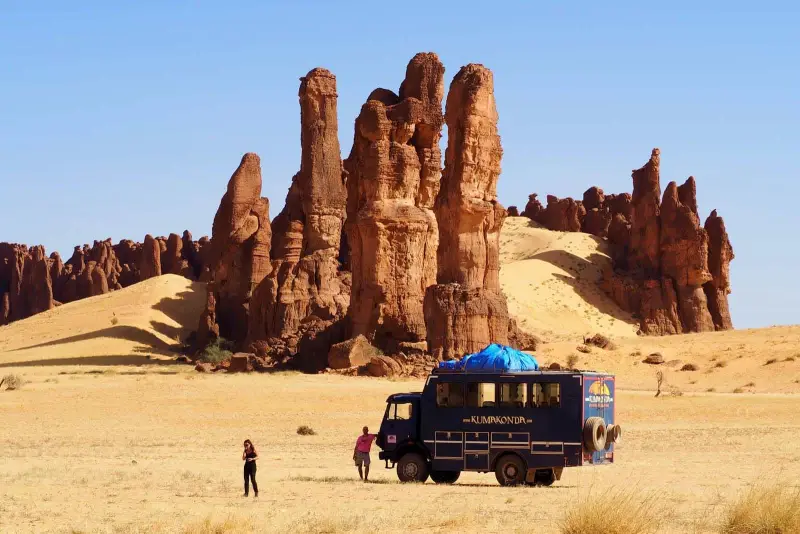 ChadSaharan landscapes and Zakouma wildlife
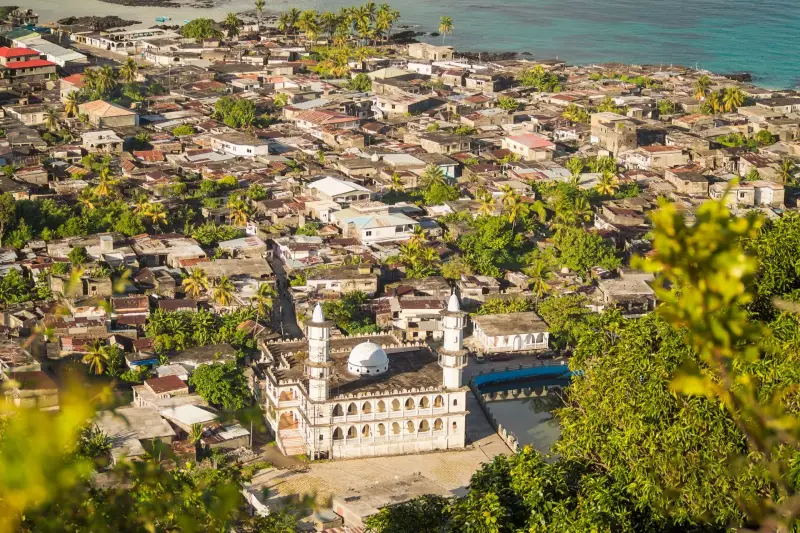 ComorosVolcanic islands, vanilla and ylang-ylang
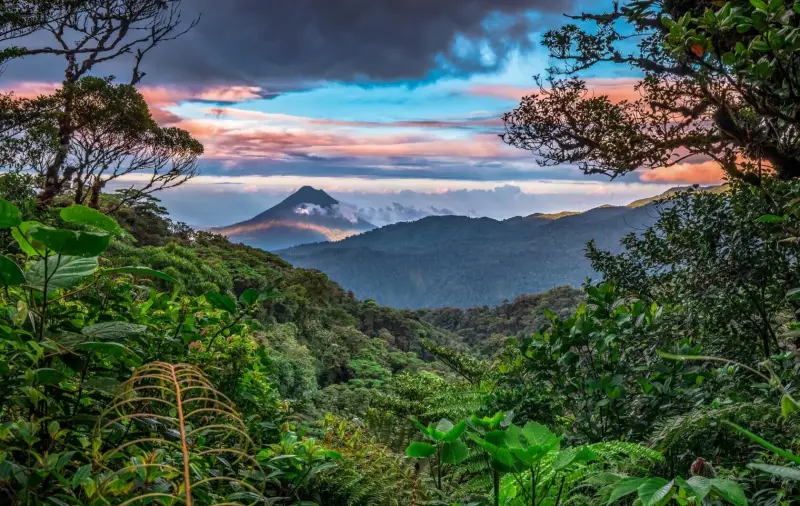 Costa RicaRainforest, volcanoes, wildlife and two coasts
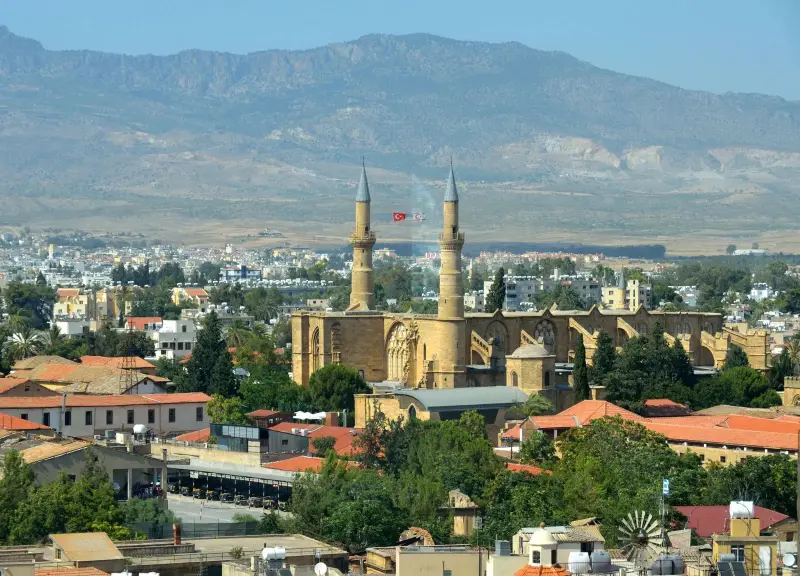 CyprusSunny beaches, ancient sites and mountain villages
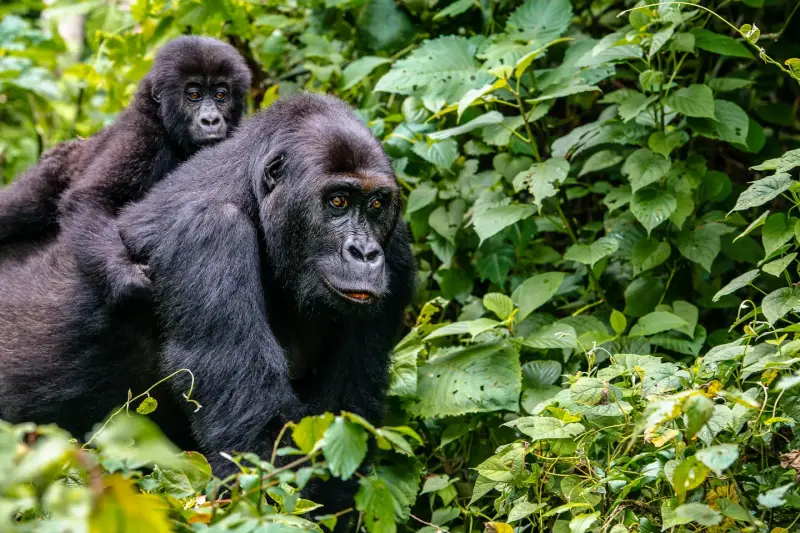 DR CongoGorillas, volcanoes and the mighty Congo River
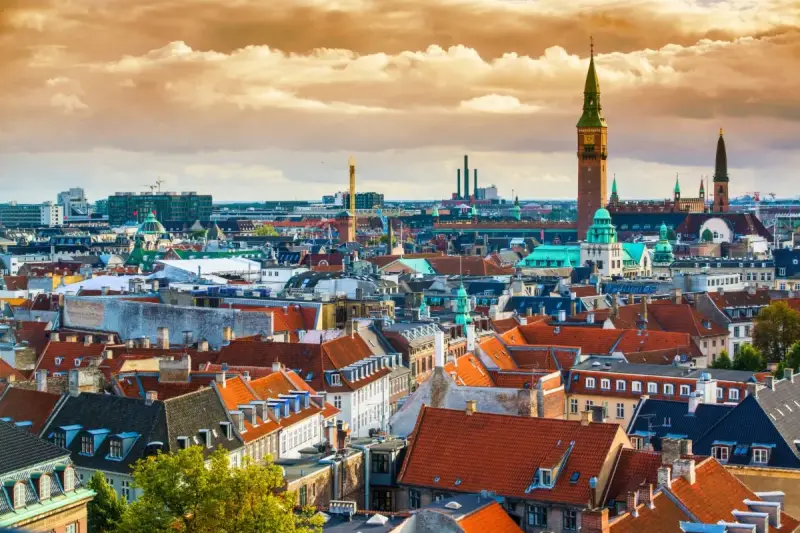 DenmarkCopenhagen design, castles and coastlines
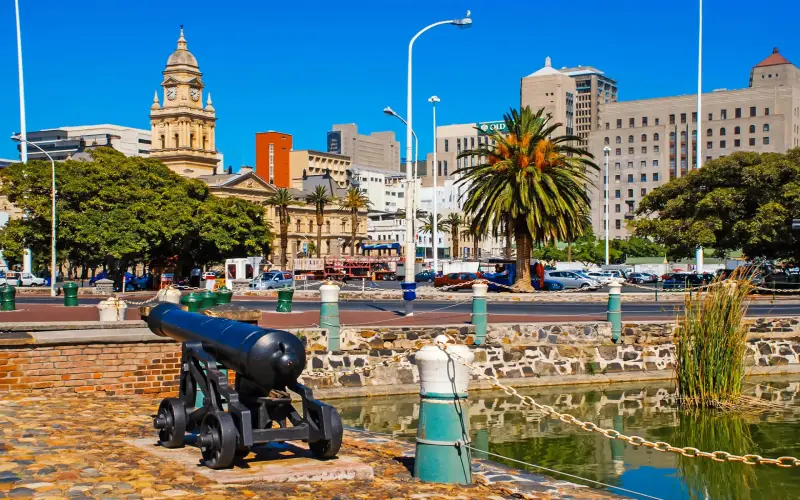 DjiboutiSalt lakes, whale sharks and volcanic desert
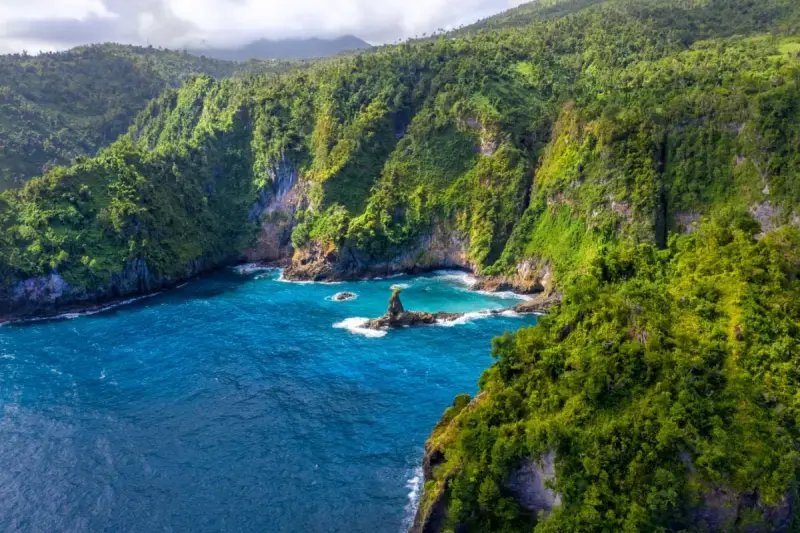 DominicaThe Caribbean's nature island
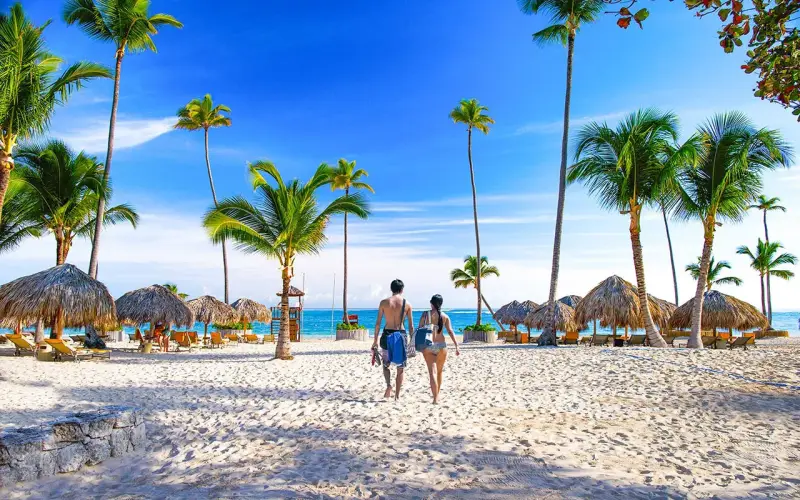 Dominican RepublicPunta Cana beaches and the New World's first city
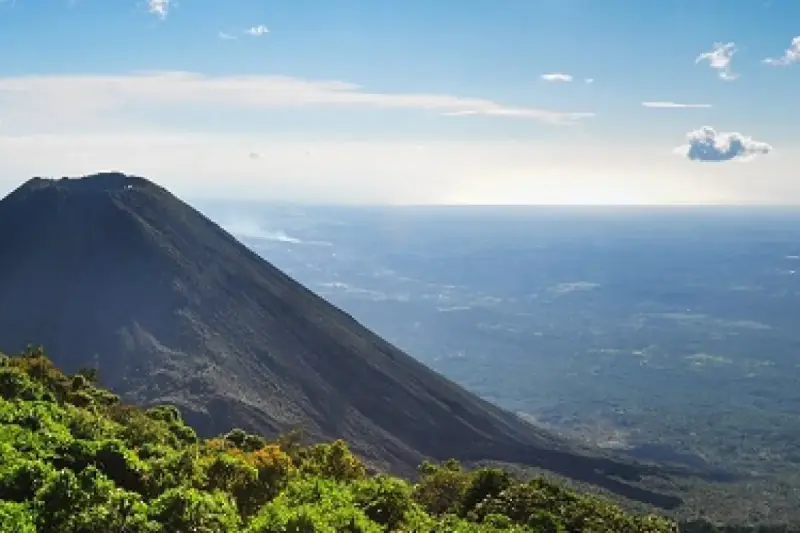 El SalvadorSurf beaches, volcanoes and colonial towns
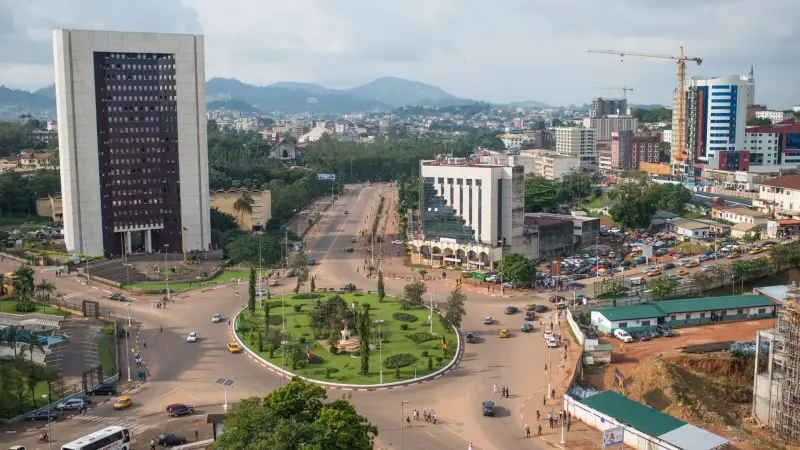 Equatorial GuineaVolcanic Bioko and rainforest Río Muni
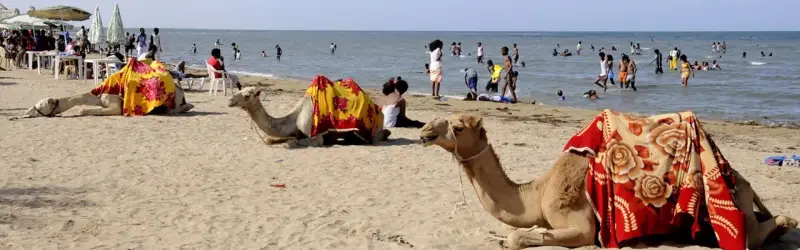 EritreaAsmara's Modernist architecture and the Red Sea
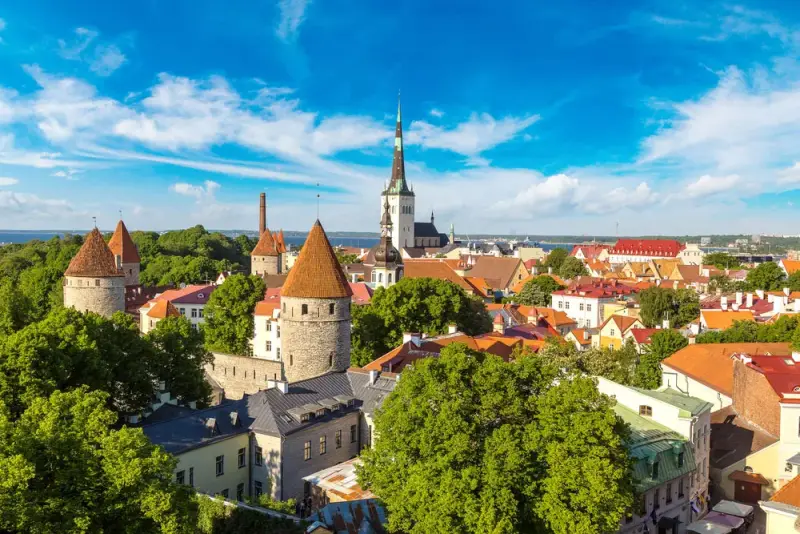 EstoniaTallinn's medieval old town and Baltic nature
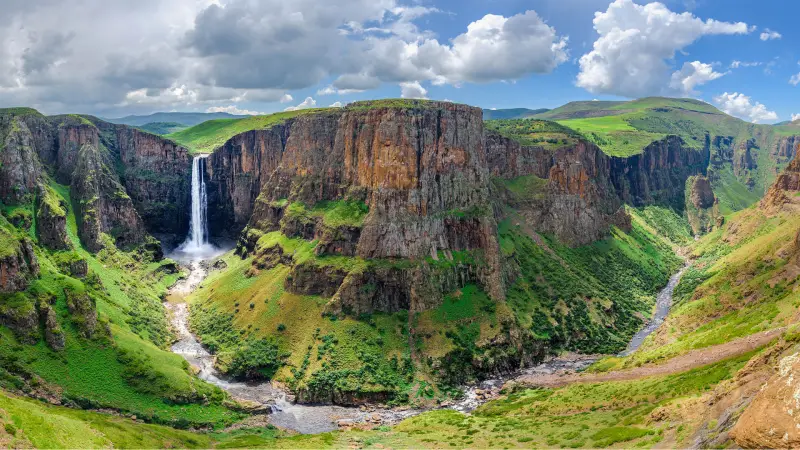 EswatiniWildlife, culture festivals and mountain valleys
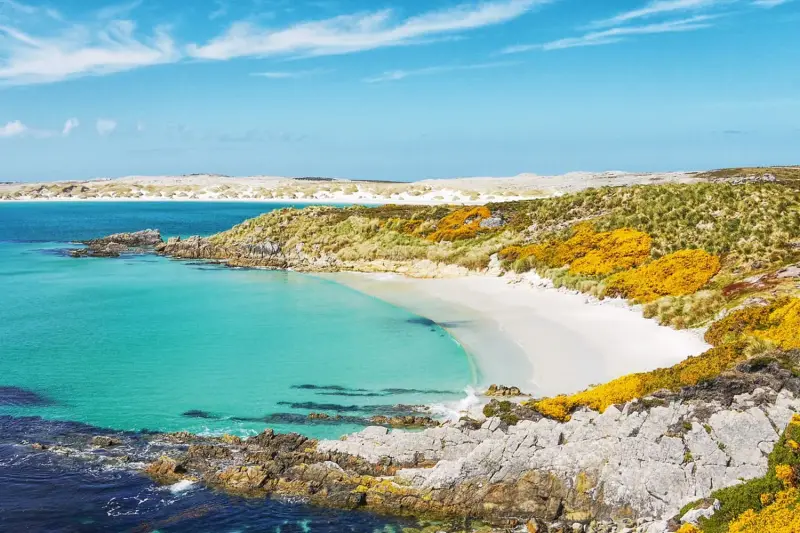 Falkland IslandsPenguin colonies on remote South Atlantic islands
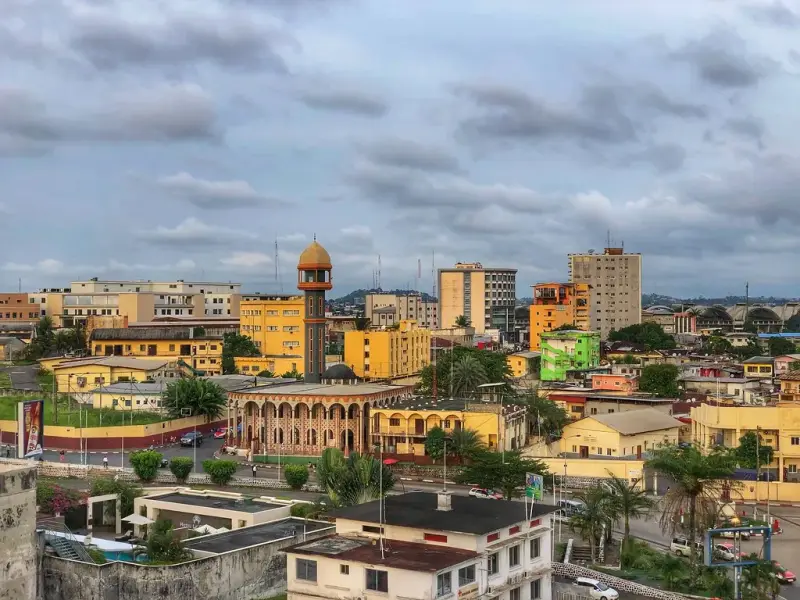 GabonRainforest parks, surfing hippos and gorillas
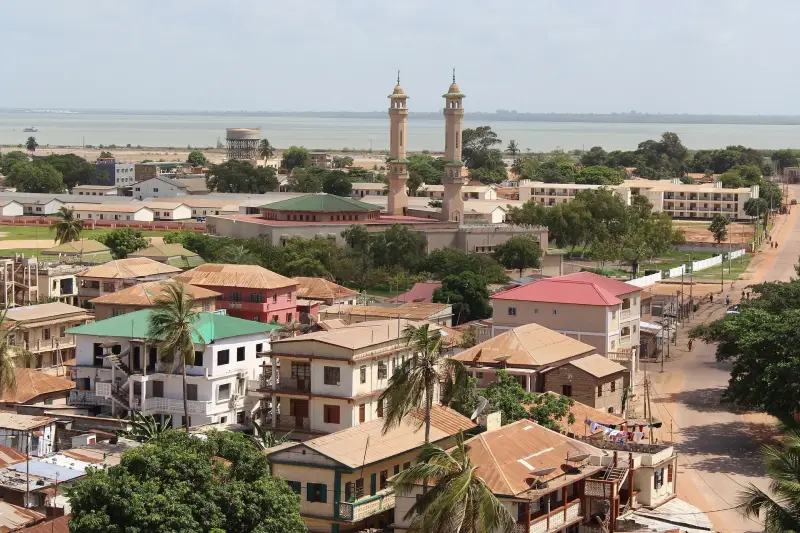 GambiaAtlantic beaches, river life and birdwatching
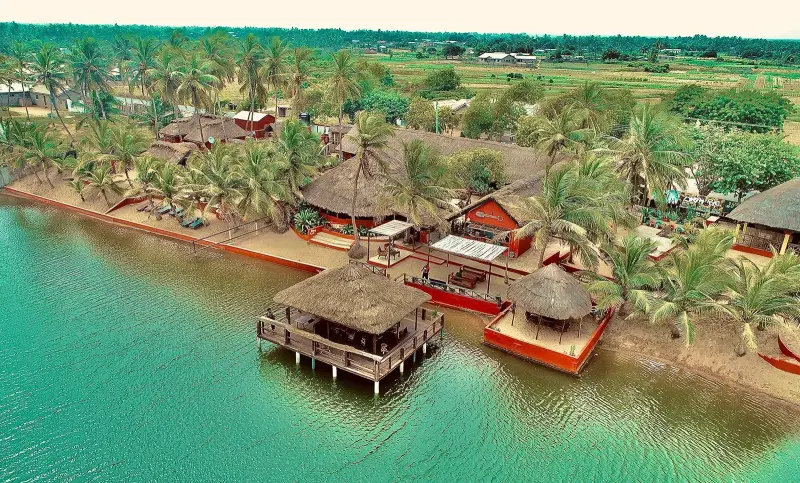 GhanaCoastal castles, Ashanti culture and warm welcomes
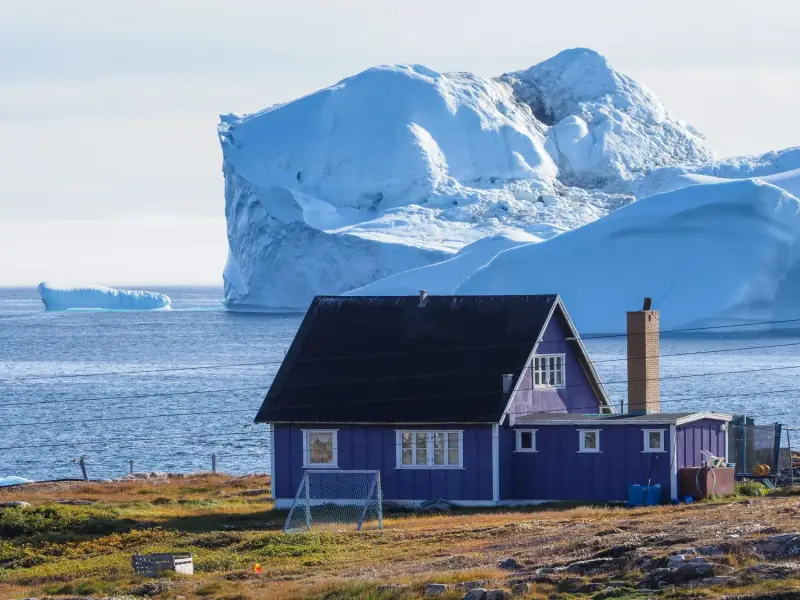 GreenlandIcebergs, glaciers and Arctic culture
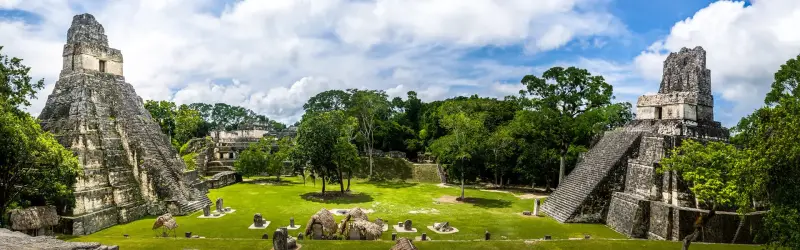 GuatemalaMaya temples, volcanoes and Lake Atitlán
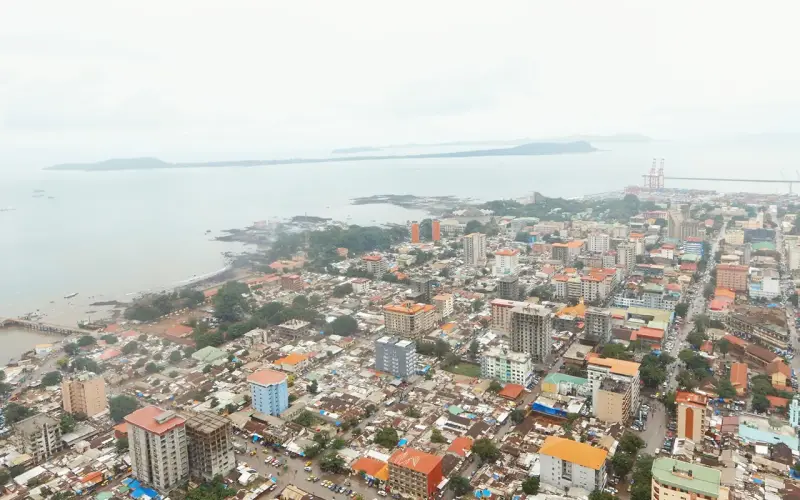 GuineaHighlands and waterfalls
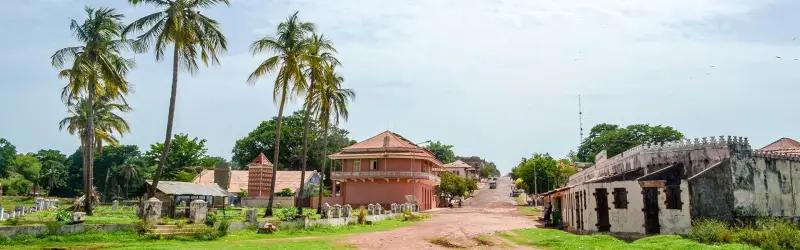 Guinea BissauThe Bijagós Islands and saltwater hippos
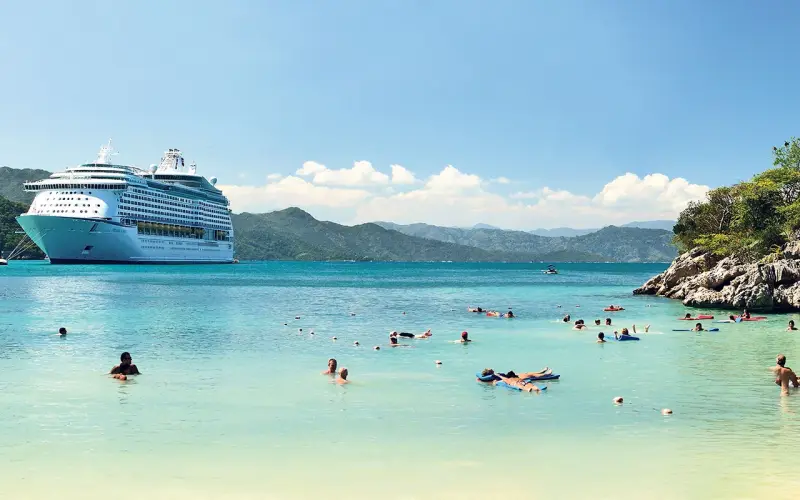 HaitiCitadelle and Caribbean culture
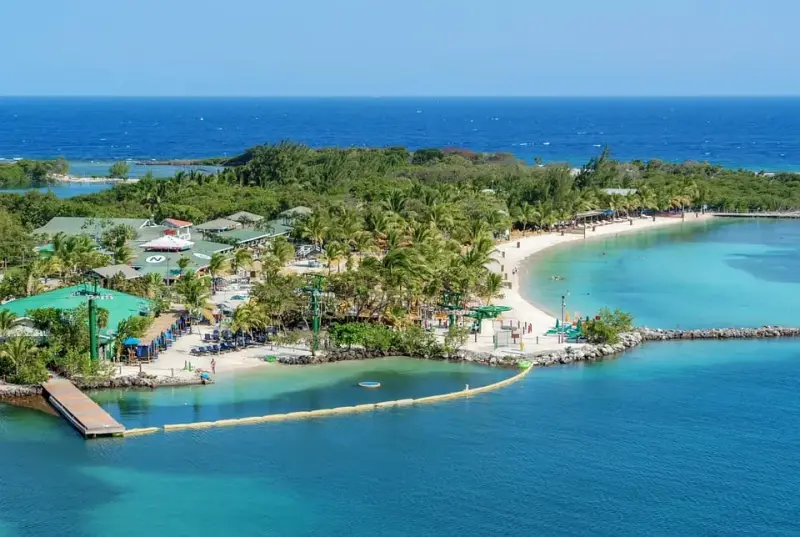 HondurasCopán and the Bay Islands
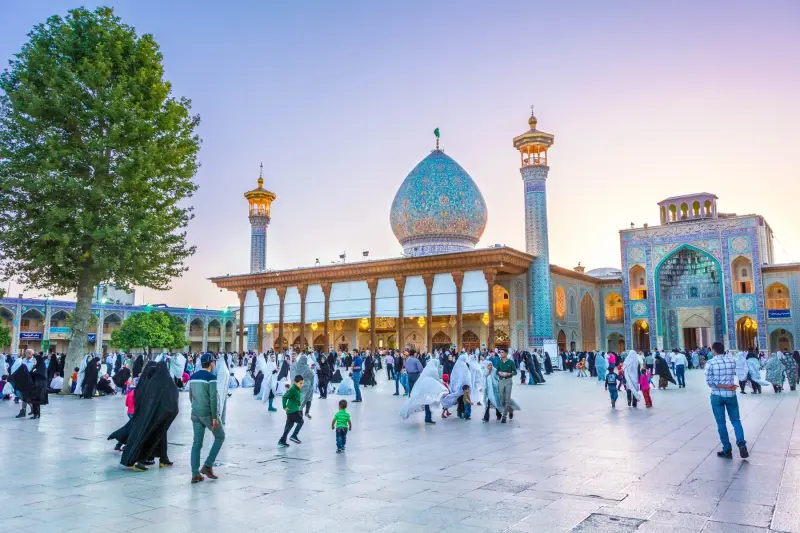 IranPersian palaces, mosques and gardens
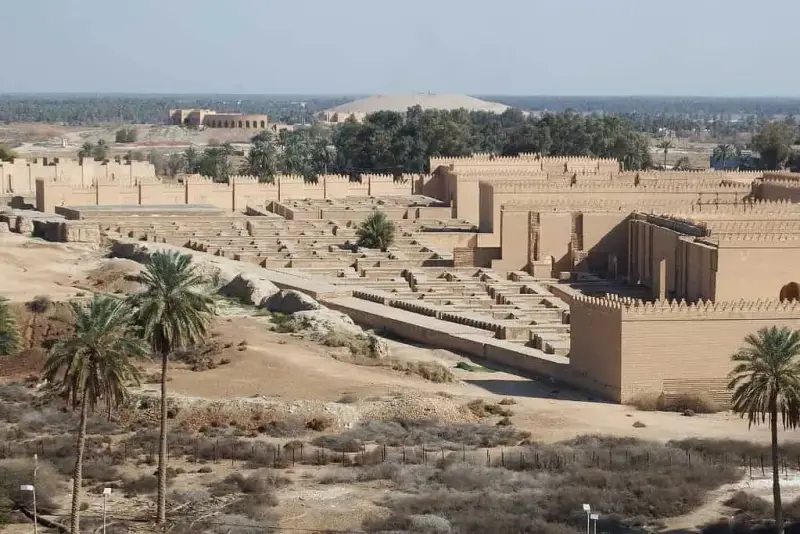 IraqAncient Mesopotamia
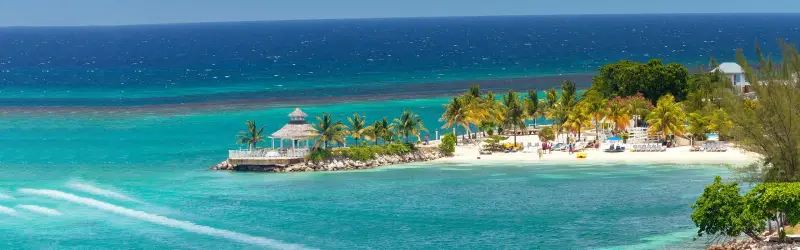 JamaicaReggae, waterfalls and Caribbean beaches
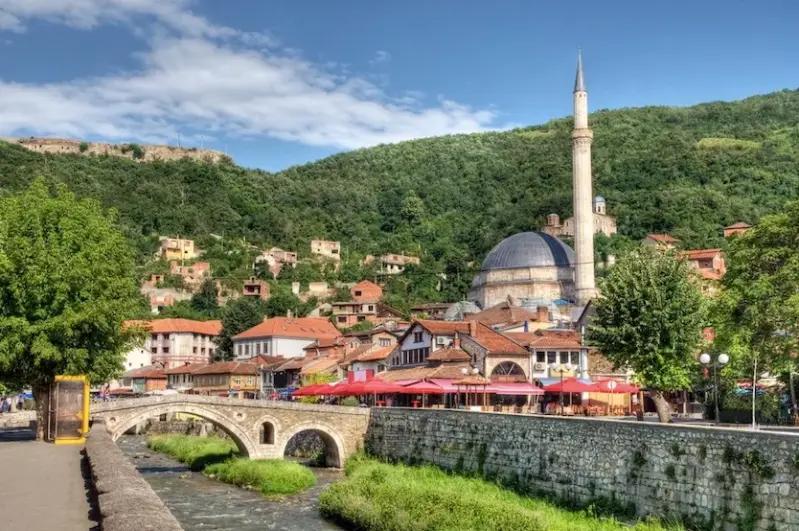 KosovoMedieval monasteries and mountain valleys
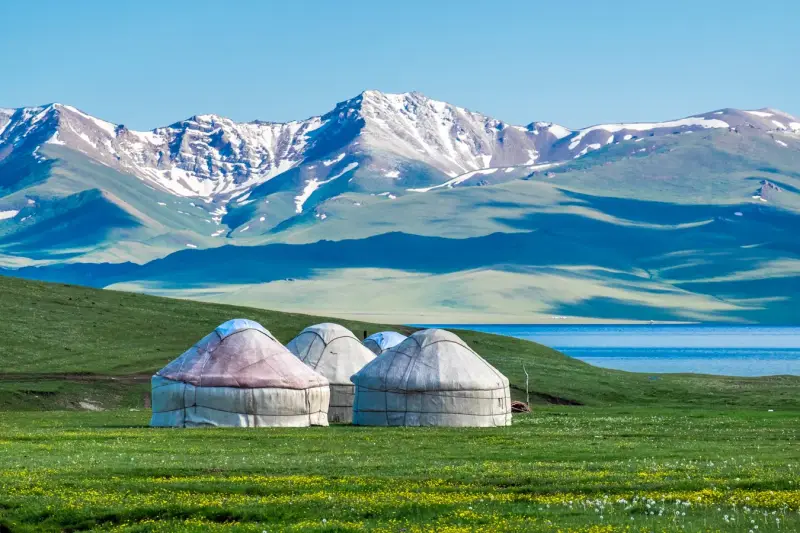 KyrgyzstanMountain lakes, yurts and nomad culture
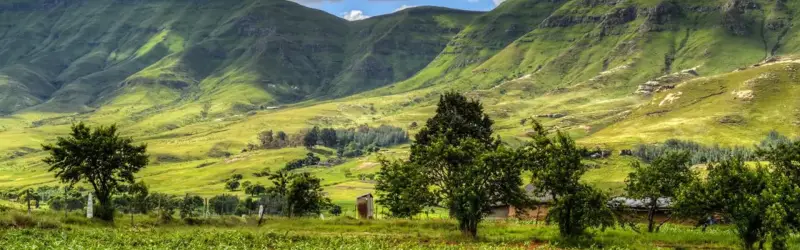 LesothoThe Kingdom in the Sky
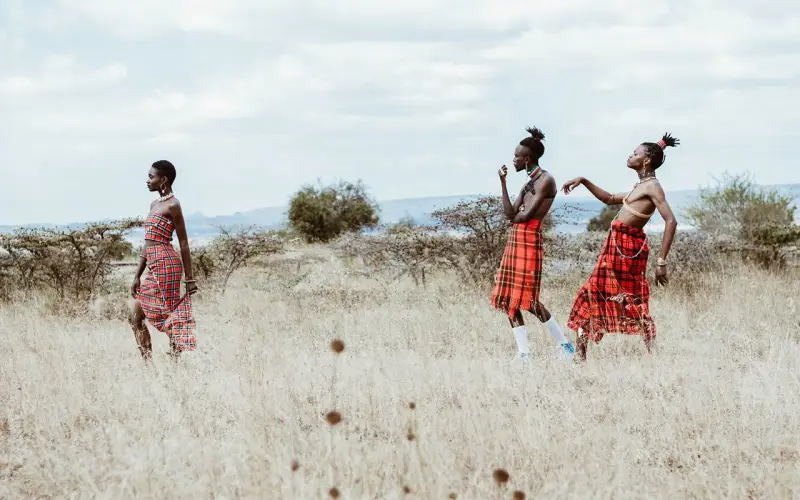 LiberiaRainforest and surf
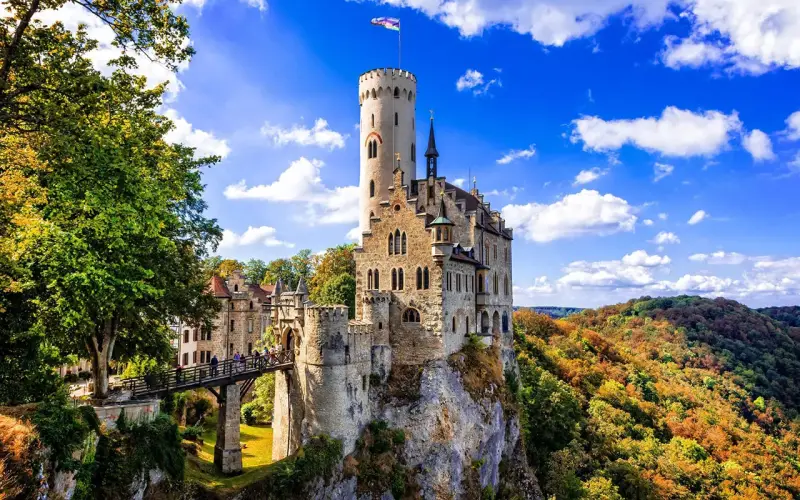 LiechtensteinAlpine principality
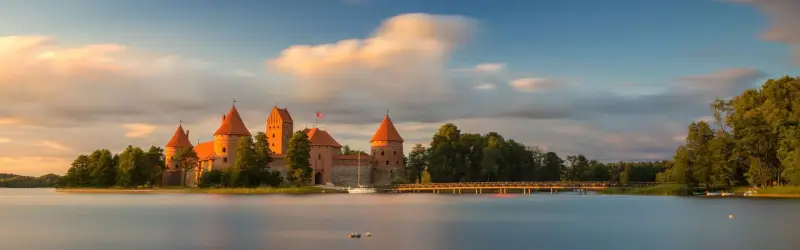 LithuaniaBaroque Vilnius, castles and the Curonian Spit
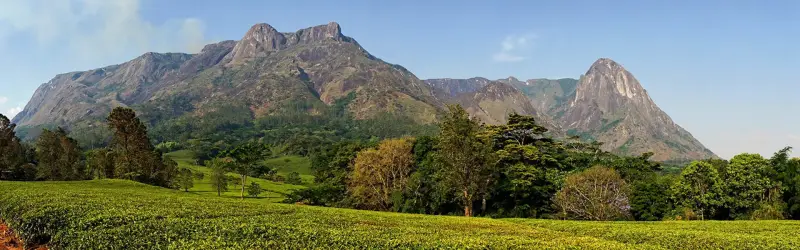 MalawiLake Malawi, the warm heart of Africa
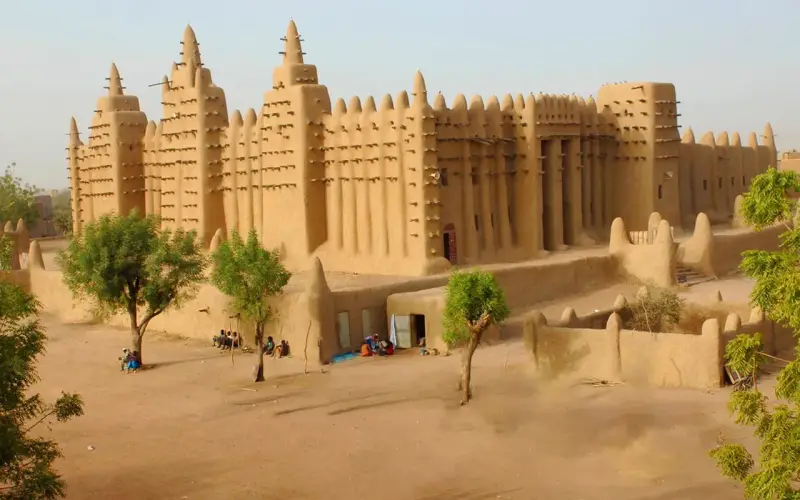 MaliSahel heritage
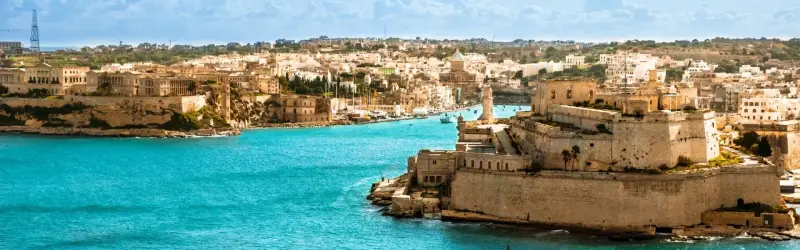 MaltaValletta, ancient temples and blue lagoons
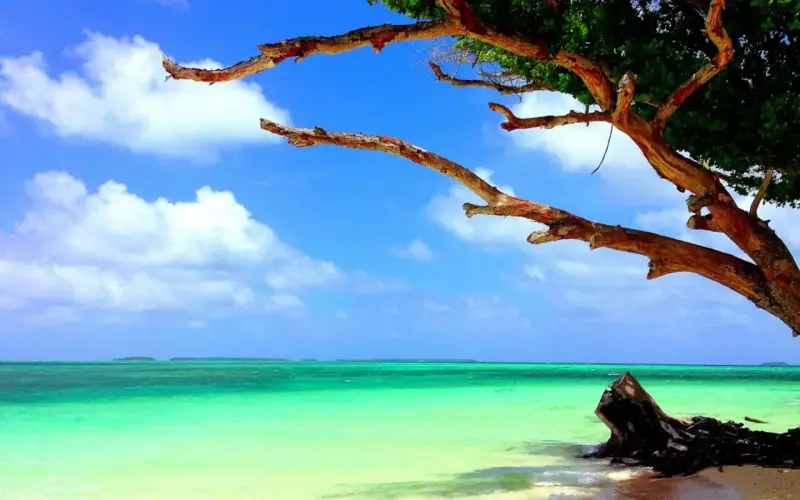 Marshall IslandsPacific atolls
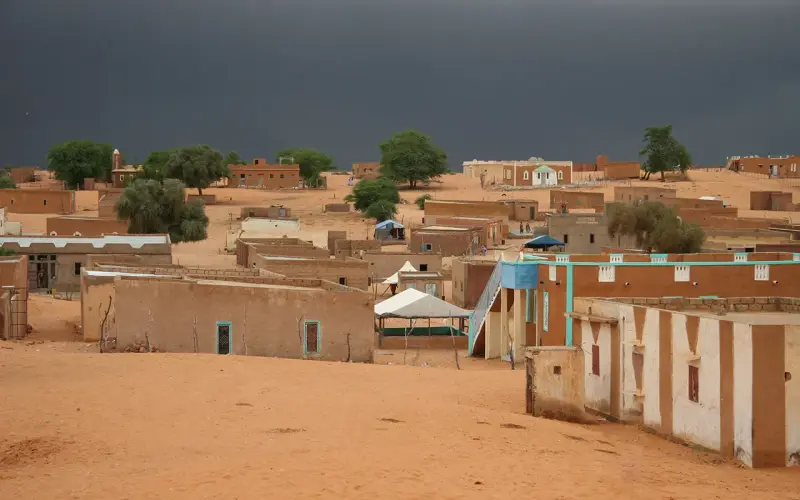 MauritaniaSahara caravan towns and the Iron Ore Train
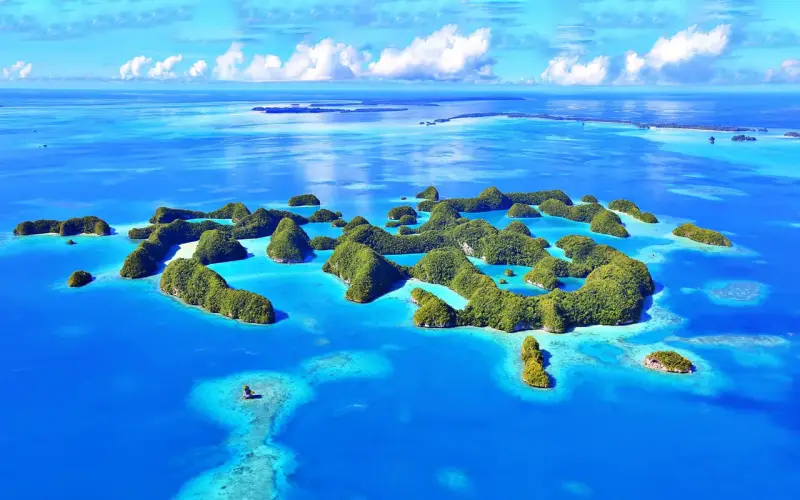 MicronesiaNan Madol, Chuuk Lagoon wrecks and Yap's stone money
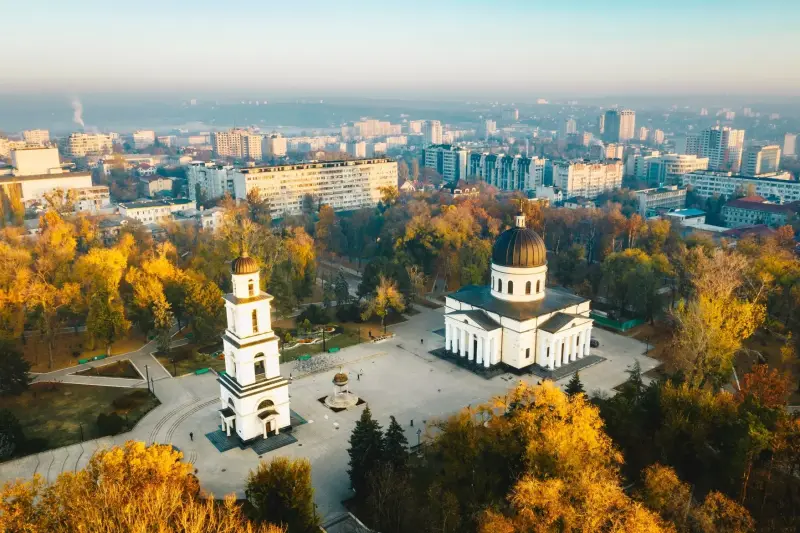 MoldovaWine cellars, cave monasteries and countryside
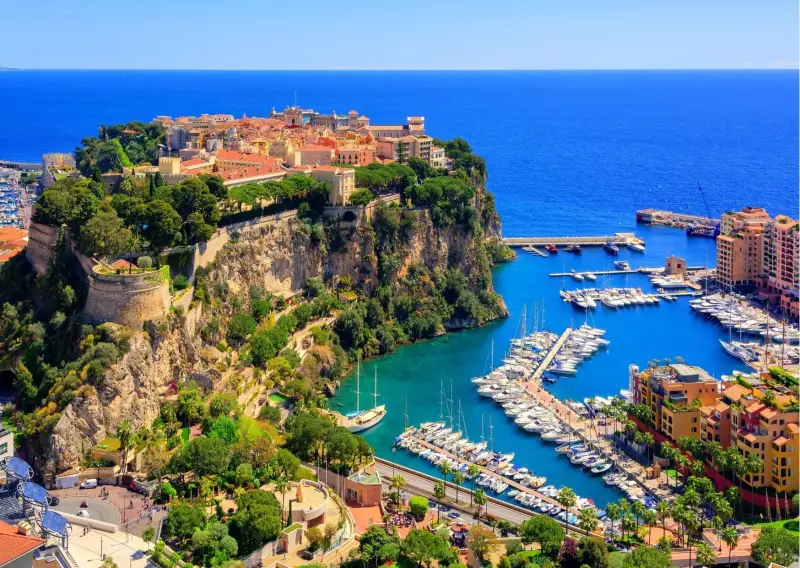 MonacoGlamour, Grand Prix and the Riviera
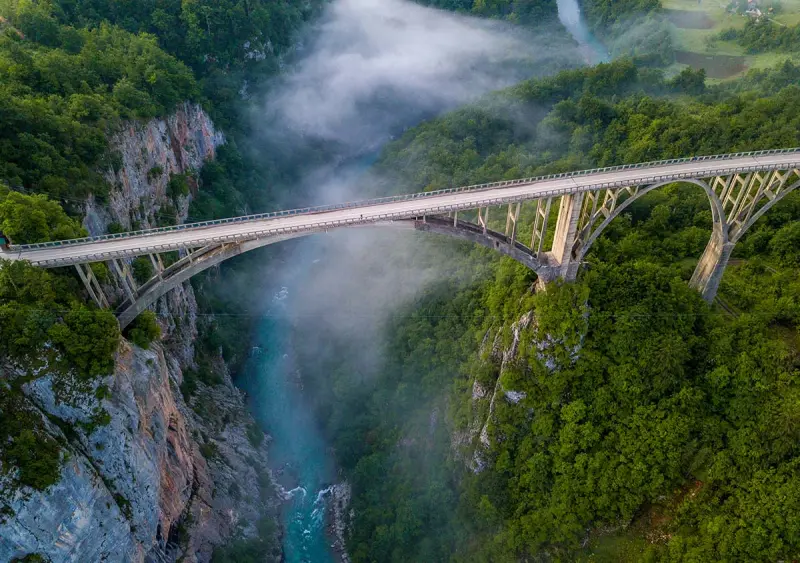 MontenegroBay of Kotor, Adriatic beaches and mountains
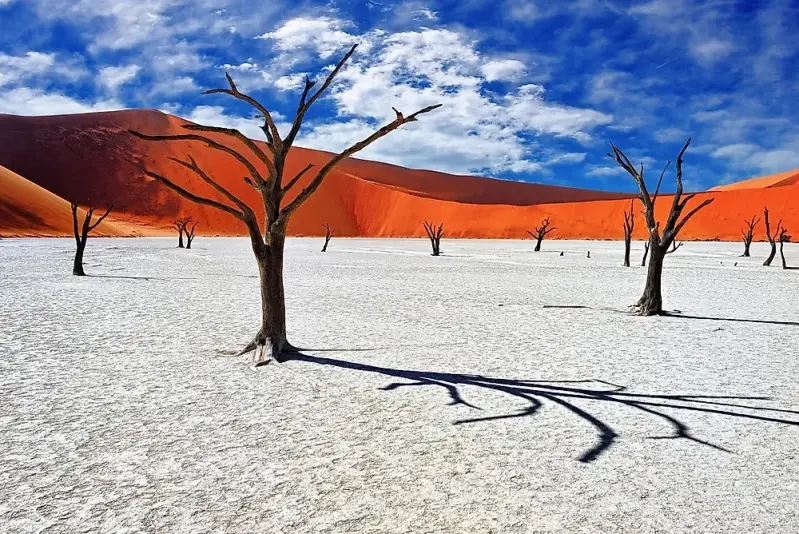 NamibiaRed dunes, Etosha wildlife and desert coast
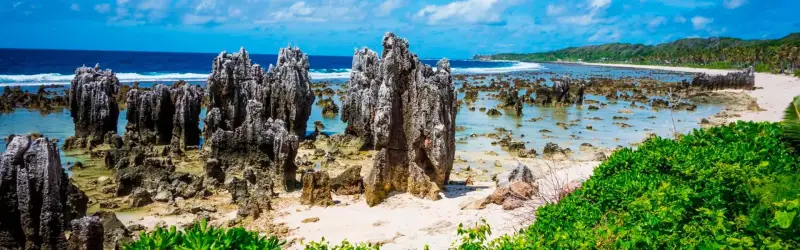 NauruThe world's smallest island republic
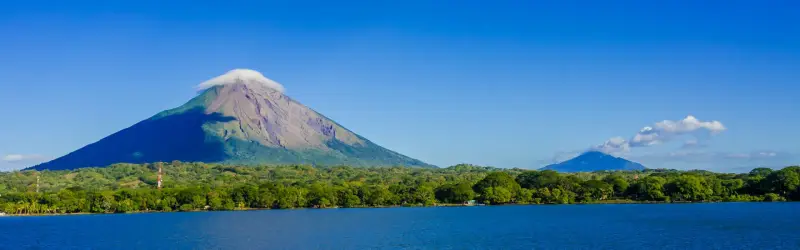 NicaraguaVolcanoes, lakes and colonial Granada
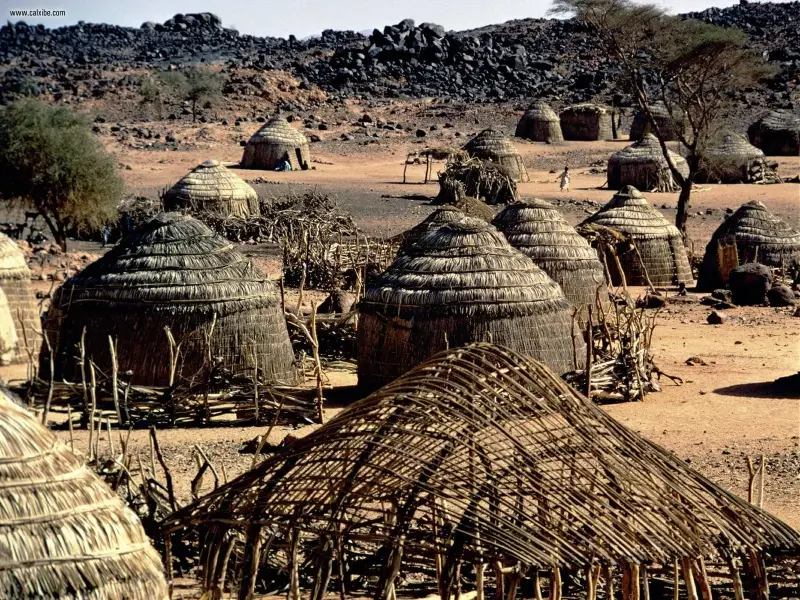 NigerAgadez and the Sahara
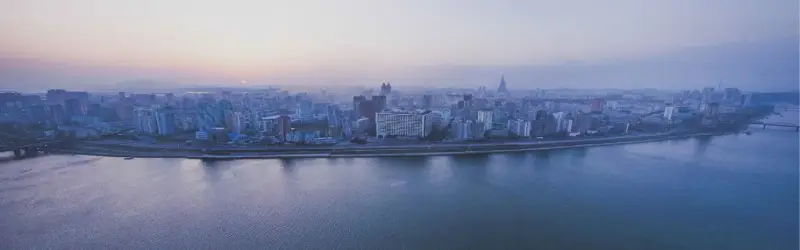 North KoreaThe world's most closed country
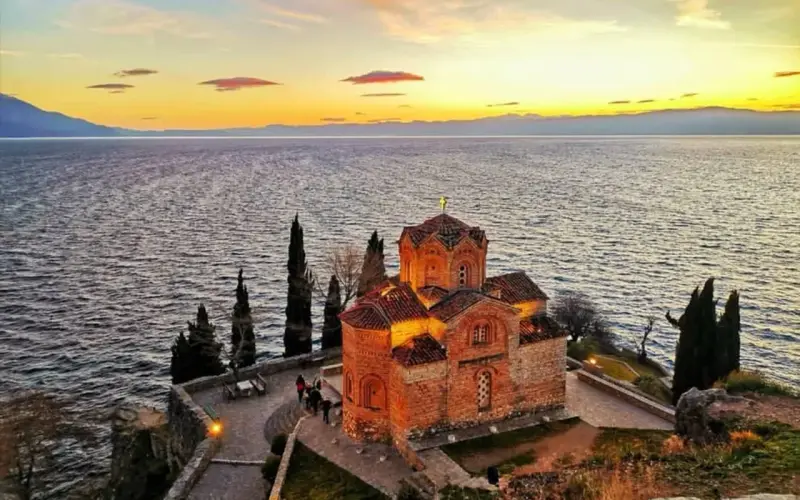 North MacedoniaLake Ohrid, Skopje and Balkan mountains
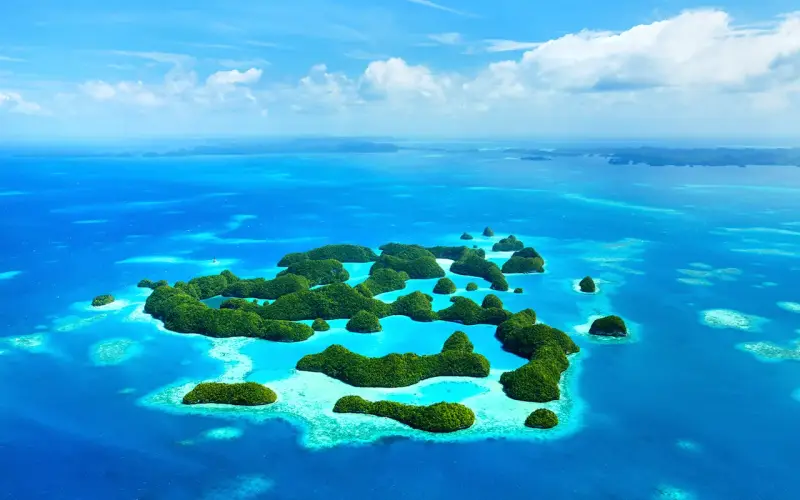 PalauRock Islands, Jellyfish Lake and world-class diving
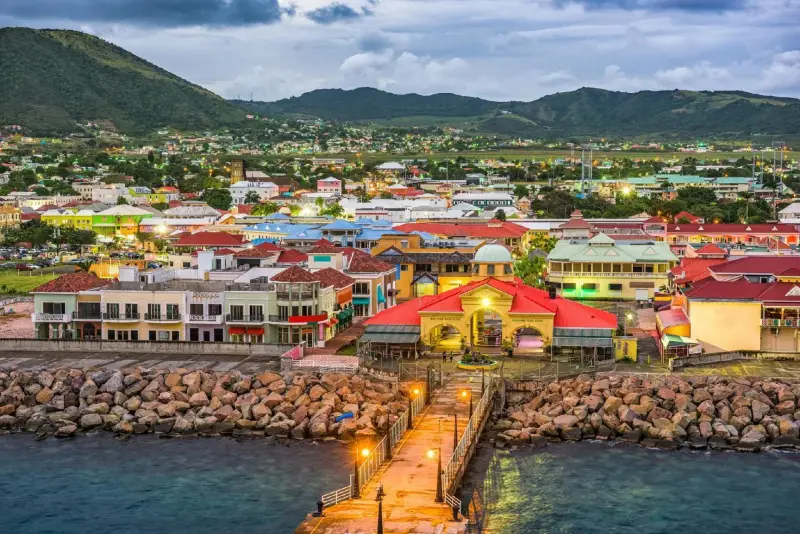 Saint Kitts and NevisBrimstone Hill, scenic railway and twin islands
 Saint Vincent and the GrenadinesSailing the Grenadines and Tobago Cays
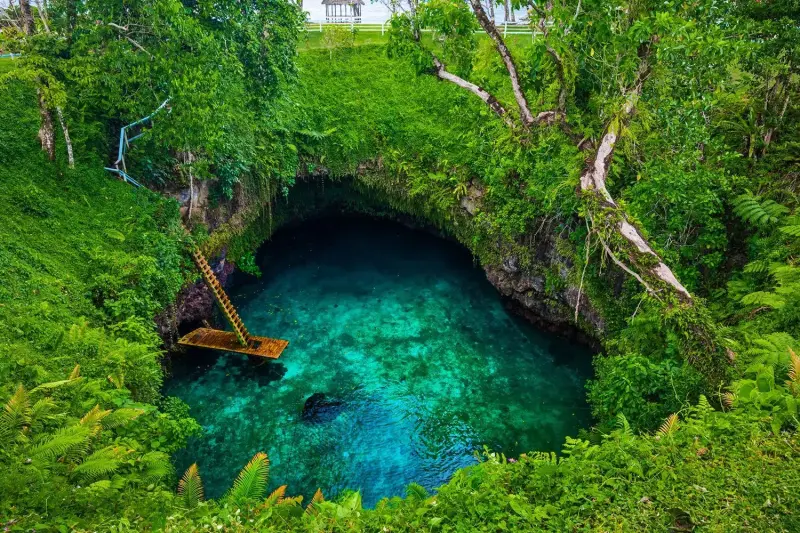 SamoaBeach fales, waterfalls and fa'a Samoa
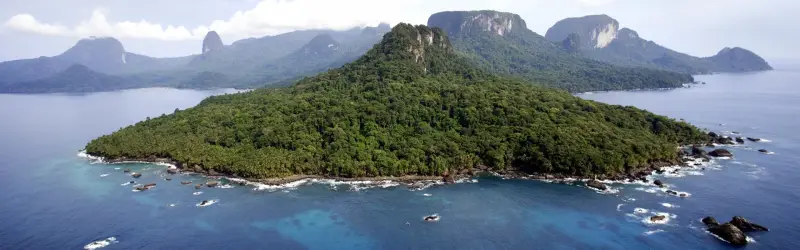 Sao Tome and PrincipeCocoa islands on the equator
 SenegalDakar's energy, Gorée Island and the Saloum Delta
 Sierra LeoneBeaches, islands and chimpanzee sanctuaries
 SlovakiaCastles, the High Tatras and Bratislava
 SloveniaLake Bled, Alpine valleys and caves
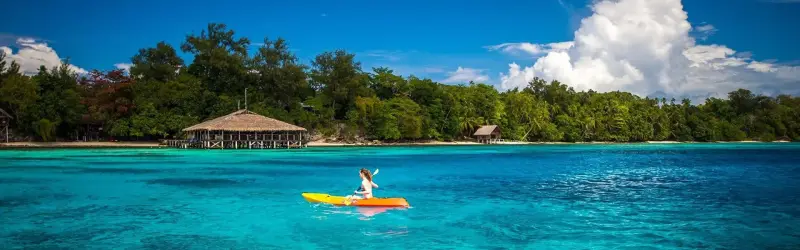 Solomon IslandsWWII history, reefs and lagoons
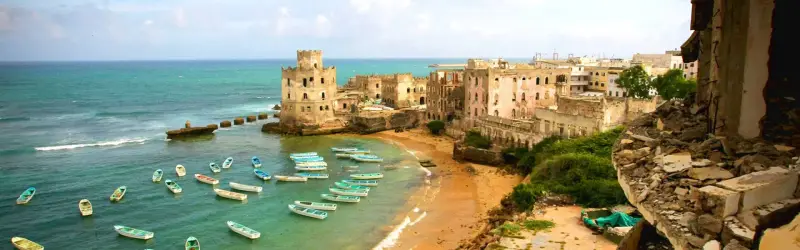 SomaliaAncient coast and Somaliland rock art
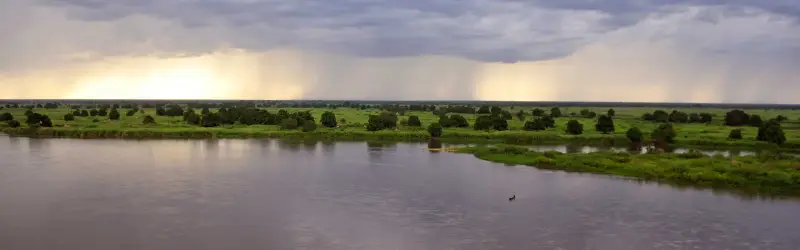 South SudanThe world's youngest country
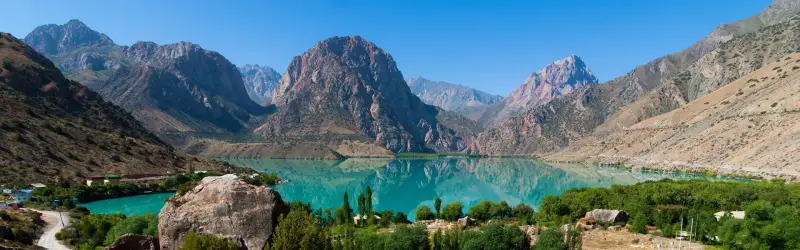 TajikistanThe Pamir Highway and high mountain lakes
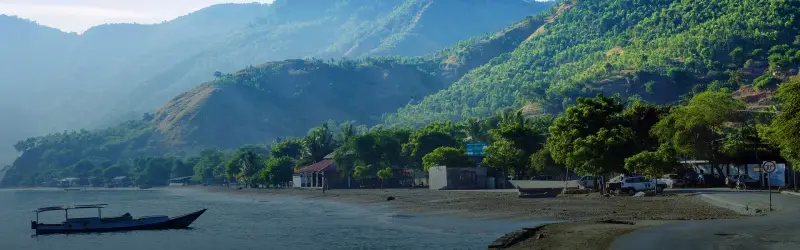 Timor-LesteCoral reefs, mountains and a young nation
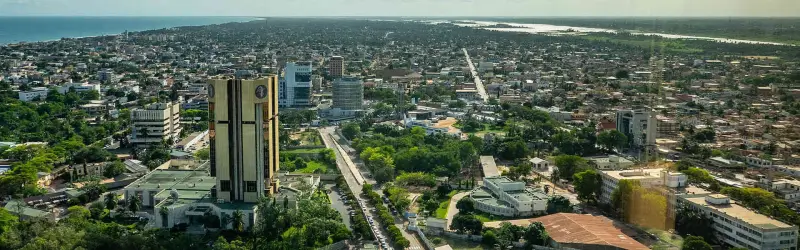 TogoVoodoo markets, Koutammakou and palm-lined coast
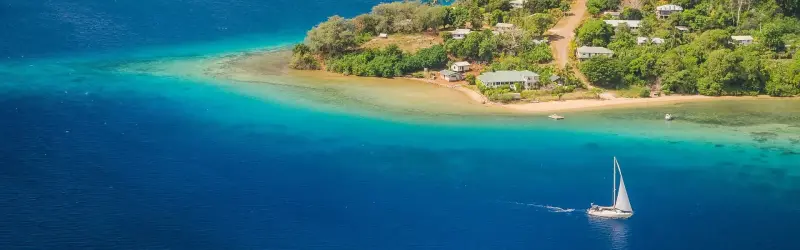 TongaHumpback whales and a Polynesian kingdom
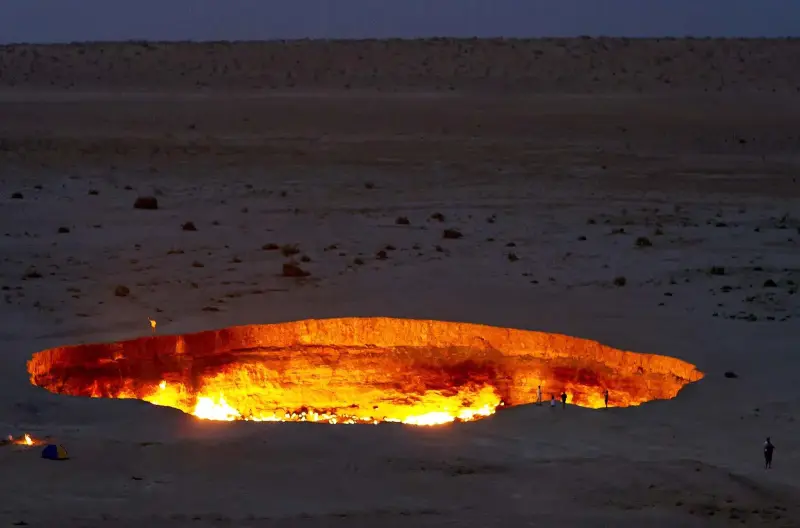 TurkmenistanThe Door to Hell and marble Ashgabat
 TuvaluRemote Pacific atolls and lagoons
 UgandaGorillas, chimpanzees and the source of the Nile
 UkraineKyiv, Lviv and the Carpathians
 VanuatuActive volcanoes, reefs and island culture
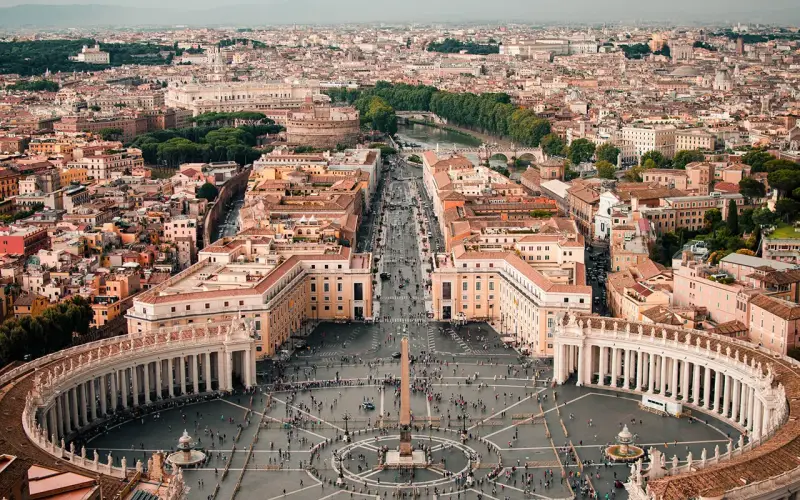 Vatican CitySt Peter's and the Sistine Chapel
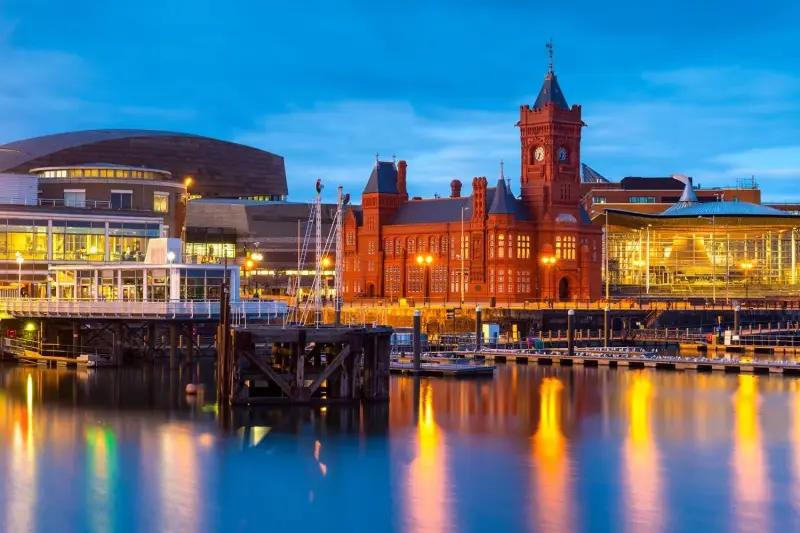 WalesCastles, coast paths and mountains
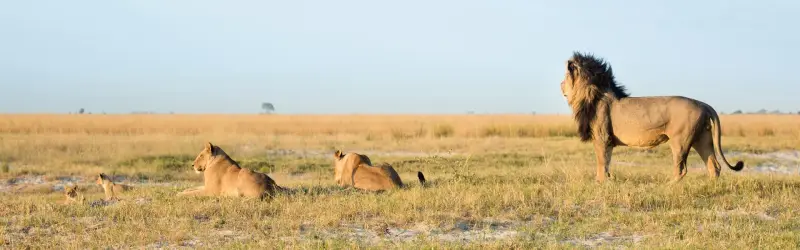 ZimbabweVictoria Falls, Hwange and Great Zimbabwe
MacauPortuguese heritage, Macanese food and Cotai resorts
 Bangladesh686 places to stay, eat or see
Nothing in that category yet.
Top things to do in Côte D'Ivoire
Things to do across Côte d'Ivoire, from Abidjan's lagoons to Grand-Bassam and Assinie beaches.
No things to do in Côte D'Ivoire are listed yet. Browse all things to do
Best time to visit Côte D'Ivoire
November to March is the driest, most comfortable stretch; June is by far Abidjan's wettest month.
Drier, sunny weather; Harmattan haze in December and January.
Heavy rain, especially in June.
A shorter rainy period in the south.
Abidjan traffic is heavy at rush hour; allow plenty of time to reach the airport.
Côte D'Ivoire travel tips
e-Visa, arrival, money, vaccinations, safety, where to stay, transport, SIM cards and greetings.
Visas and entry
e-Visa required
Most visitors need a visa: apply and pay online for an e-Visa at least 10 working days before travel, then collect it on arrival at Abidjan airport. ECOWAS citizens don't need a visa. A yellow fever certificate is required.
- Passport validity
- At least 6 months of validity on arrival
- e-Visa
- Official site: snedai.com
- Yellow fever
- Certificate required
- Confirm with
- Côte d'Ivoire's official e-Visa portal or an embassy
Getting there
Abidjan
Félix Houphouët-Boigny International Airport in Abidjan has flights to Paris, Brussels, Istanbul, Casablanca, Addis Ababa and across West Africa.
- Main airport
- Abidjan (ABJ)
- National airline
- Air Côte d'Ivoire
Money and costs
Moderate destination
Abidjan can be expensive; elsewhere costs are moderate. Cards work in larger hotels; cash is needed elsewhere.
- Bring euros to exchange.
- Use ATMs in Abidjan.
- Agree taxi fares or use Yango or Heetch apps.
Health and vaccines
Malaria and yellow fever
Yellow fever vaccination is required, and malaria is present everywhere.
- Drinking water
- Bottled only
- Malaria
- High risk
- Hospitals
- Good private clinics in Abidjan
- Buy travel insurance that covers medical treatment and evacuation.
- Carry prescription medicines in original packaging with a copy of the prescription.
Staying safe
Avoid the north
Abidjan and the south are generally calm, though crime occurs. Some governments advise against all travel within 40 km of the borders with Burkina Faso and Mali, and against non-essential travel near Liberia.
- Emergency number
- Call 110 or 111 (police) (police); 185 ambulance
- Areas to avoid
- Northern border zones (UK advice)
- Before you go
- Read your government's current travel advisory for Côte d'Ivoire
- Avoid walking at night in Abidjan.
- Beware of strong currents at beaches.
- Carry ID.
Where to stay
Best areas to stay
Hotels are concentrated in Abidjan and the beach towns.
- Abidjan
- Plateau, Cocody or Zone 4
- Assinie
- Beach resorts
- Grand-Bassam
- Beach hotels near the old town
Getting around
Taxis, buses, drivers
Orange taxis and ride-hailing apps work in Abidjan. Buses link major towns. A car with driver is easiest for trips.
- Abidjan
- Taxis, apps, lagoon boats
- Intercity
- Buses and shared taxis
- Car with driver
- Recommended for day trips
- Intercity coaches
- UTB from Adjamé; Abidjan to Yamoussoukro about 4 hours
- Checkpoints
- Frequent; keep passport and yellow fever certificate to hand
- Night driving
- Avoid; unlit roads and livestock
- Lagoon boat
- Plateau to Treichville in 15 minutes
SIM and internet
Local SIM or eSIM
SIMs require a passport.
- Networks
- Orange, MTN, Moov Africa
- Coverage
- Good in the south
Culture and etiquette
Customs and etiquette
Côte d'Ivoire has more than 60 ethnic groups. Music and dance, from coupé-décalé to zouglou, are central.
- Music
- Coupé-décalé and zouglou
- Greetings
- Important; take time
- Greet people properly
- Learn some French
- Try attiéké with grilled fish
- Photographing official buildings
- Political discussions
- Swimming where there are strong currents
Things to know before visiting Côte D'Ivoire
The honest picture: what makes Côte d'Ivoire special, and what catches visitors out.
Why travelers love it
- Abidjan, a vibrant lagoon city.
- Grand-Bassam, a UNESCO-listed colonial town.
- Assinie's beaches.
- The Basilica of Yamoussoukro.
Good to know
- Northern border areas carry warnings.
- e-Visa must be arranged in advance.
- Strong ocean currents.
- French is essential outside hotels.
Trip fit
BookingMentor editorial ratings out of 5, based on a first-time visitor's experience.
Abidjan weather by month
Abidjan stays near 32°C most of the year, so rain is what changes: June averages about 441 mm, August only 26 mm. Pick a month to see the figures.
Monthly averages for Abidjan from the climate table of its Wikipedia article (Abidjan, Cote d'Ivoire (1991-2020) normals), compiled from the national weather service. The north is drier with one rainy season.
Packages in Demand
A Journey to Remember
Tours, activities and day trips in and around this destination, with the details you need before booking.
No packages in Côte D'Ivoire are listed yet. Browse all packages
Create Your Custom-Made Trip to Côte D'Ivoire
Traveling to Côte D'Ivoire? Chat with a Local Travel Specialist in Côte D'Ivoire Who Can Help Organize Your Trip.
START HERE
Our Travel Experts are Recommended by



Abidjan, the south and the border areas to avoid
Plan a Côte d'Ivoire trip around Abidjan and the south, where the coast, the political capital and the western forests are within reach. The UK government advises against all travel near the Burkina Faso and Mali borders and to Comoé National Park, so check your own government's advice before going north.
Almost every trip begins and ends in Abidjan, a city spread around lagoons. The UK advice (May 2026 update) also covers the northern provinces of Zanzan and Savanes, and it advises against all but essential travel within 20 km of the Liberian border. Other governments draw their own lines.
- Five days: three nights in Abidjan. See the towers of Plateau, the Museum of Civilizations and the rainforest of Banco National Park, which survives inside the city limits, then cross to Treichville by lagoon boat. Spend a day in Grand-Bassam, 45 km east, whose old French quarter of Ancien Bassam holds the colonial buildings and the national costume museum. End at Assinie, 80 km east of the city, a thin strip of sand between the Aby Lagoon and the Atlantic.
- Eight to ten days: add the toll motorway north to Yamoussoukro, about 2.5 hours by car, for the Basilica of Our Lady of Peace, whose floor area and dome both exceed those of St Peter's in Rome. Continue west by bus to Man, a 7 to 8 hour ride, for the forested hills around the 881 m Dent de Man. There are two waterfalls nearby, plus a village forest where residents call the monkeys out for visitors.
- Two weeks: Taï National Park, inscribed by UNESCO in 1982, shelters chimpanzees studied by researchers for their use of tools. It lies around 10 hours by car from Abidjan. Access is difficult, so arrange the visit with an operator. San-Pédro, the second port, plus the beaches of Grand-Béréby, break up the drive back along the coast.
Bassam's beach is packed on Saturdays and Sundays and Assinie is the weekend escape for wealthy Abidjanais, so book beach hotels early for Friday and Saturday nights or go Monday to Thursday. For anything upcountry, arrange a car with a driver who knows the checkpoints; driving yourself there is harder work.
Two rainy seasons and the Harmattan haze
The south of Côte d'Ivoire has two rainy seasons. Afternoons stay between 28°C and 32°C all year, and the Harmattan brings dusty haze in December and January.
Torrential rain can flood coastal roads and slow travel upcountry.
The interior has a single long rainy season, and the far north is semi-arid. In December and January the dry Harmattan wind leaves a dusty haze over the country. The dry months are best for upcountry roads and park tracks.
Grand-Bassam holds the Fête de l'Abissa, a festival of the dead, between late October and early November. Football runs on its own schedule: the Ligue 1 season lasts from October to May, and a national-team game at the 60,000-seat Stade Olympique d'Ebimpé, opened in 2020, is an event in itself.
Maquis dining, attiéké, alloco and garba
Eat Ivorian food at a maquis, an open-air restaurant serving braised chicken or fish with onions, tomato and attiéké, grated cassava. Alloco, fried plantain with onion and chilli, and garba are street classics. Slower home dishes include kedjenou cooked in a clay pot and foutou with palm-nut or peanut sauce.
Alloco is plantain fried in palm oil, eaten with grilled fish or a boiled egg. When you order braised chicken, say if you want the intestines. In Abidjan, Yopougon's Rue Princesse is the city's best-known nightlife strip.
Kedjenou is chicken and vegetables sealed in a clay pot called a canary and cooked over a gentle fire with little or no water. Foutou is a dough of pounded plantain and yam, eaten with sauce graine made from palm nuts, or with peanut-based mafé.
To drink, try gnamakoudji, a fiery ginger juice softened with pineapple and lemon, or bangui, the local palm wine.
Greetings come before business. Say bonjour to the stallholder or the driver, then ask how they are before you ask for anything. French is the working language, and English is rarely spoken outside big hotels, so learn the basics: merci for thanks, c'est combien when haggling. In markets you will also hear Dioula, and Baoulé is the largest of more than 60 ethnic groups. Use the name Côte d'Ivoire, which the government prefers to Ivory Coast. Keep your camera away from military sites, government buildings, the Presidency and Abidjan airport. Always carry your original passport; police may not accept copies.
Travelers are asking
You must apply online for an e-Visa before travel; it is then collected on arrival at Abidjan airport.
Our travel desk answers questions about Côte D'Ivoire
How We Research This Guide
We checked Côte d'Ivoire's entry steps on the SNEDAI e-Visa site, Grand-Bassam details against its UNESCO listing, and the no-go zones in the north against UK Foreign Office advice.
Last updated . Spotted something out of date? Tell us.
Checked against trusted sources:
Côte d'Ivoire e-VisaUNESCOUK Foreign Office travel advice

Before You Go...
Discover Trips & Info
A Travel Network Connection Travelers and locals
Incredible Event & Festival, Don't Miss!
Most Popular Event & Festival of Côte D'Ivoire
Festivals and events in this destination, with dates, venues and ticket details where available.
No upcoming festivals or events in Côte D'Ivoire are listed right now. Browse all events
Subscriber
Popular car hire destinations
Explore more options to hire a car for cheap
Frequently Asked Questions (FAQs)
Quick answers to the questions travelers ask most before a trip to Côte d'Ivoire.
Timing & weather
November to March is the best time to visit Côte d'Ivoire.
January is the warmest month in Côte D'Ivoire, with average highs of 32°C, and August the coolest, with lows of 22°C. June is the wettest month, at about 441 mm of rain; January is the driest. Abidjan stays near 32°C most of the year, so rain is what changes: June averages about 441 mm, August only 26 mm.
Health & safety
Abidjan and the south are generally calm, but crime occurs and the northern border areas carry warnings. Call 110 or 111 for police or 185 for an ambulance.
No. Drink bottled water.
Call 110 or 111 (police) in an emergency (185 ambulance (SAMU), 180 fire).
Visa & documents
Most visitors need an e-Visa, applied for online and collected on arrival. ECOWAS citizens are exempt. A yellow fever certificate is required.
Booking
Allow 5 to 7 days for Abidjan, Grand-Bassam, Assinie and Yamoussoukro.
General
Top places include Abidjan, Grand-Bassam, Assinie, Yamoussoukro, Taï National Park, Man and Sassandra.
French is the official language. Dioula and many local languages are spoken.
Côte d'Ivoire uses 230 V, 50 Hz. Plugs C and E.
Orange taxis and ride-hailing apps work in Abidjan. Buses link major towns. A car with driver is easiest for trips.
Côte D'Ivoire is best known for:
- Abidjan, a vibrant lagoon city
- Grand-Bassam, a UNESCO-listed colonial town
- Assinie's beaches
- The Basilica of Yamoussoukro
Prices & payment
Côte d'Ivoire uses the West African CFA franc. Bring euros; carry cash outside Abidjan.
Daily travel costs in Côte D'Ivoire are moderate. Costs are moderate by international standards.
Getting there
Félix Houphouët-Boigny International Airport in Abidjan has flights to Paris, Brussels, Istanbul, Casablanca, Addis Ababa and across West Africa.
