


Croatia travel guide
A thousand islands on the Adriatic.
Croatia suits beach lovers, sailors and history fans. Visit in May to June or September for warm seas and fewer crowds. Allow 7 to 10 days along the coast from Split to Dubrovnik, with Plitvice and an island or two. Prices along the coast run high in summer, and Schengen rules give many passports 90 visa-free days.
Croatia's long Adriatic coastline is scattered with more than a thousand islands, clear bays and historic walled towns. Dubrovnik, a UNESCO World Heritage Site, is encircled by medieval walls; Split grew around the Roman emperor Diocletian's palace; and Zadar, Šibenik and Trogir have their own old towns.
Inland, the Plitvice Lakes National Park has terraced turquoise lakes and waterfalls, and Krka National Park offers more cascades near the coast. Zagreb, the capital, has Austro-Hungarian architecture and a café culture. Island-hopping between Hvar, Brač, Vis, Korčula and Mljet by ferry is a summer highlight.
Best experiences in Croatia
Find your kind of trip: 24 travel themes, each with the packages in Croatia.
 Ayurveda Tours
Seasonal/Event
 Adventure
Wildlife & Safaris
Pilgrimage
 Eco/Nature
Culture & History
 Honeymoon
 Romantic Getaway
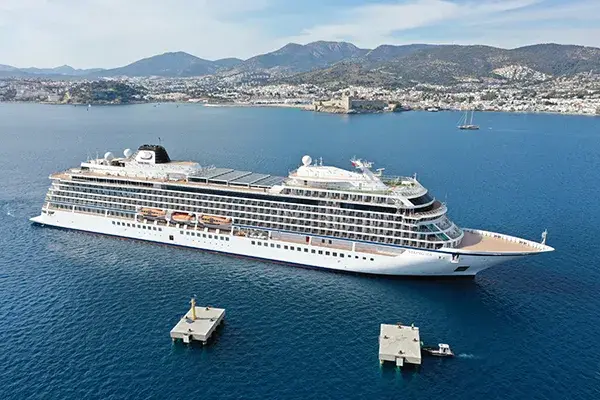 Cruise
 Water Activities
 Backpacking
 Luxury
 Photography
City Slickers
Heritage
 Beach & Relaxation
 Sports & Recreation
 Food & Wine
Train & River Journeys
Skiing
 Overland
Croatia at a glance
The short version on entry, money, language and time, before you plan an Adriatic route along a coast of mostly pebble beaches.
Top destinations in Croatia
Pick a place by travel style: beaches, cities, heritage, islands.
Nothing in that category yet.
Top things to do in Croatia
Things to do across Croatia, from Dubrovnik's walls to Plitvice's lakes and island hopping.

Croatia
Plitvice Lakes National Park
Plitvice Lakes National Park lies in the mountains of central Croatia, mainly in Lika-Senj County near the border with Bosnia and Herzegovina, about two hours b...
Best time to visit Croatia
May, June and September balance a warm sea with space; July and August mean peak prices and packed ferries.
Warm sea, sunshine and fewer crowds than midsummer.
Hot, crowded and lively; peak ferry and festival season.
Quiet and mild on the coast; many island hotels close.
Ferries and catamarans between islands sell out in July and August; book tickets online in advance with Jadrolinija or Krilo.
Croatia travel tips
Answers on entry, arrival, money, health, safety, stays, ferries and buses, SIM cards and local manners.
Visas and entry
Schengen area rules
Croatia is part of the Schengen area. Citizens of the EU and of many other countries, including the US, UK, Canada and Australia, can visit visa-free for up to 90 days in any 180-day period; other nationalities need a Schengen visa. The EU's Entry/Exit System (EES) records non-EU travelers' fingerprints and a photo at the border.
- Visa-free stay
- Up to 90 days in any 180 days, for eligible passports
- Passport
- Issued in the last 10 years, valid 3 months beyond departure
- ETIAS
- Planned online travel authorisation; not yet required
- Confirm with
- travel-europe.europa.eu or an embassy of Croatia
Getting there
Coastal airports
Split, Dubrovnik and Zagreb have flights across Europe, with many seasonal routes in summer. Ferries cross the Adriatic from Italy to Split, Zadar and Dubrovnik.
- Main airports
- Zagreb (ZAG), Split (SPU), Dubrovnik (DBV)
- Others
- Zadar (ZAD), Pula (PUY), Rijeka (RJK)
- Ferries from Italy
- Ancona to Split; Bari to Dubrovnik
Money and costs
High destination
Croatia has become pricier, especially Dubrovnik and Hvar in summer. Cards are widely accepted.
- Tipping
- About 10% for good service
- Tourist tax
- Added per night
- Visit in shoulder season for lower prices.
- Buy the Dubrovnik Pass for the walls and museums.
- Konobas (taverns) are good value.
Health and vaccines
Insurance, pharmacies
No special vaccines are needed for Croatia beyond routine ones. Health care is of a high standard. EU travelers should carry a European Health Insurance Card (EHIC); everyone else needs travel insurance with medical cover.
- Drinking water
- Tap water is safe to drink
- Pharmacies
- Marked with a green cross; one on duty at night in most towns
- Ambulance
- Call 112
- EU visitors
- EHIC gives access to state health care
- Buy travel insurance that covers medical evacuation.
- Carry prescription medicines in their original packaging.
Staying safe
Very safe
Croatia is very safe. Watch for sunstroke in summer, sea urchins on rocky beaches and wildfires inland.
- Emergency number
- Call 112 (all emergencies)
- Before you go
- Read your government's current travel advisory for Croatia
- Wear water shoes on rocky beaches.
- Drink plenty of water in the heat.
- Stay on marked trails; old landmines remain in some remote inland areas.
Where to stay
Best areas to stay
Book coastal stays early for summer.
- Dubrovnik
- Old Town or Lapad
- Split
- Diocletian's Palace area
- Hvar
- Hvar Town or Stari Grad
- Plitvice
- Lodges near the park entrances
Getting around
Buses, ferries, car
Buses link coastal towns, and ferries and catamarans connect the islands. A car is useful for Istria and Plitvice.
- Ferries
- Jadrolinija and Krilo
- Buses
- Frequent along the coast
- Car hire
- Good for Istria and inland
- Split to Dubrovnik
- About 4 hours by bus
- Tilting trains reach Split from Zagreb in about 5.5 hours and Osijek in about 3; no line reaches Dubrovnik.
- Trains to Pula run through Slovenia, so take the connecting bus from Rijeka.
- Buy train tickets at the station; tickets sold on board cost considerably more.
- From Split, the car ferry to Stari Grad on Hvar takes about 2 hours and the fast ferry to Hvar Town about 1 hour.
- Summer boats sell out, so buy ferry tickets online and leave slack before a flight.
- Arriva Croatia, CroatiaBus and Libertas Dubrovnik post timetables online; Zagreb's main bus station is the hub.
- Since the Pelješac bridge opened, the A1 from Zagreb runs straight through to Dubrovnik.
- Off the motorways, limits are 60 to 90 km/h and coastal roads are narrow and winding.
- Croatia Airlines flies Zagreb to Dubrovnik and, in summer, Split to Osijek.
SIM and internet
Local SIM or eSIM
EU visitors roam at home rates. Others can buy prepaid SIMs at kiosks.
- Networks
- Hrvatski Telekom, A1, Telemach
- Coverage
- Good along the coast
Culture and etiquette
Customs and etiquette
Croatians are proud of their coast, food and football. Life is relaxed, especially in summer.
- Coffee
- Long coffee breaks are a ritual
- Dress
- Cover up in town; swimwear only at the beach
- Cover up when leaving the beach
- Dress modestly in churches
- Try peka (slow-cooked meat or octopus)
- Walking around towns in swimwear (fines in some places)
- Drinking in public in Hvar or Split old towns
- Driving after drinking
Things to know before visiting Croatia
The honest picture: what makes Croatia special, and what catches visitors out.
Why travelers love it
- Dubrovnik's city walls.
- Plitvice Lakes, with turquoise terraces.
- Island hopping: Hvar, Brač, Vis and Korčula.
- Split's Roman palace.
- Clear Adriatic water.
Good to know
- Summer crowds are intense in Dubrovnik and Hvar.
- Beaches are often pebbly or rocky.
- Prices rise sharply in July and August.
- Many island hotels close in winter.
Trip fit
BookingMentor editorial ratings out of 5, based on a first-time visitor's experience.
Zagreb weather by month
Zagreb runs from frosty Januarys (about −2°C at night) to 28°C afternoons in July and August. Choose a month for Zagreb's averages.
Monthly averages for Zagreb from the climate table of its Wikipedia article (Zagreb Maksimir (1991–2020, extremes 1861–present)), compiled from the national weather service. The coast (Split, Dubrovnik) is milder in winter and hotter and drier in summer.
Packages in Demand
A Journey to Remember
Tours, activities and day trips in and around this destination, with the details you need before booking.
No packages in Croatia are listed yet. Browse all packages
Create Your Custom-Made Trip to Croatia
Traveling to Croatia? Chat with a Local Travel Specialist in Croatia Who Can Help Organize Your Trip.
START HERE
Our Travel Experts are Recommended by



Zagreb to Dubrovnik down the coast, via Plitvice and Split
Plan Croatia as a coastal strip traveled north to south, from Zagreb to Dubrovnik, and fly out of Dubrovnik because it has no railway. A week covers Zagreb, Plitvice Lakes, Split and Dubrovnik. Ten days adds Zadar or Šibenik and an island; two weeks can start in Istria.
Fit at least one island in: Hvar and Brač are short hops by boat from Split.
- A week: a night in Zagreb, then Plitvice Lakes on the way to the coast. Spend three nights in Split with a day trip to Trogir or Krka, and finish with two nights in Dubrovnik.
- Ten days: the same line with Zadar or Šibenik slotted in after Plitvice, plus two nights on an island between Split and Dubrovnik.
- Two weeks: start in Istria instead. Pula has its Roman amphitheatre, Rovinj is one of the most visited towns on the coast, and truffle country lies inland. Then drive down past Rijeka and Zadar to Split, add two islands and end in Dubrovnik.
Plitvice is the one place to book days ahead. Tickets are sold online with a set entry time, often sell out in summer, and the park advises buying at least two days in advance. The drive is about 2 hours from Zagreb or Zadar and 3 from Split.
In July and August, reserve coastal beds early. Out of season many coastal hotels shut, and ferry timetables suit islanders commuting to the mainland, so day trips to remote islands get hard.
Most car hire in Croatia is manual, so ask early if you need an automatic.
May, June and September versus crowded July and August
Go to Croatia in May, June or September for a warm sea and old towns you can walk in comfort. July and August bring crowds, higher prices and the Dubrovnik Summer Festival, held from 10 July to 25 August.
The coast is milder than the capital in winter and drier in summer.
In July and August Dubrovnik and Hvar are packed. Expect queues at border crossings and slow traffic on the roads down to the coast. The Dubrovnik Summer Festival has run since 1950. Statehood Day on 25 June and the Assumption on 15 August are public holidays. Heatwaves can spark wildfires, so check fire warnings before hiking.
Hvar and Korčula log more than 2,700 sunny hours in a typical year, and Vis and Lastovo are among the driest spots in the country. The cold, dry bura blasts down from the mountains, mostly in the cooler months; the warm southerly jugo blows less often.
Between October and April the coast is quiet and mild. The mountain regions of Lika and Gorski Kotar get real snow.
Konoba meals, peka, Istrian truffles and Pag cheese
Croatian food changes by region. Istria and Dalmatia cook seafood with olive oil and garlic, plus truffles in Istria, while inland dishes follow Austria and Hungary. Eat at a konoba, order peka when offered, and try pršut with Pag cheese, štrukli near Zagreb, kulen in Slavonia and ćevapčići everywhere.
A konoba is a simple tavern where the fish was often landed the night before. Peka is slow-cooked octopus or meat. Dalmatian pršut (dry-cured ham) with paški sir, the sheep's cheese from Pag, makes the classic starter. Istria adds truffles and maneštra soup.
Inland, Zagreb's Dolac market sells fresh sir i vrhnje, cottage cheese with sour cream; štrukli is cheese-filled pastry. Slavonia in the east means paprika: spicy kulen sausage and čobanac, a shepherd's stew. The quick bites arrived with the Ottomans: burek pastries and ćevapčići, small grilled meat rolls in bread. For dessert, try kremšnite, the custard cream slice.
On the coast, wine is often drunk as bevanda, red cut with water; the north has gemišt, white with mineral water. Rakija, a fruit brandy, is the main spirit, and Zadar is home to Maraschino cherry liqueur. Karlovačko and Ožujsko are the everyday beers. Tips of 5 to 10% are normal, usually by rounding up.
Some resort towns fine people who stroll the streets in swimwear, and churches expect shoulders covered. Avoid calling the country Yugoslav or Balkan, or the language Serbo-Croatian; the war of the 1990s is still painful, though respectful questions are fine. When a driver pulls over to let you pass on a rural road, raise a hand from the wheel to say thanks.
Travelers are asking
Buses take about four hours along the coast, and summer catamarans stop at islands on the way.
Our travel desk answers questions about Croatia
How We Research This Guide
Ferry routes here follow Jadrolinija's timetables, regional details follow Croatia.hr, and entry and safety points follow the UK Foreign Office page for Croatia.
Last updated . Spotted something out of date? Tell us.
Checked against trusted sources:
Croatia.hrJadrolinija ferriesUK Foreign Office travel advice

Before You Go...
Discover Trips & Info
A Travel Network Connection Travelers and locals
Incredible Event & Festival, Don't Miss!
Most Popular Event & Festival of Croatia
Festivals and events in this destination, with dates, venues and ticket details where available.
Memorable Experiences
Where to Go (& NOT Go) In Croatia!
Roaming the World one Adventure at a Time: Travel Tales, Tips, and Inspiration for wanderlusters.

Subscriber
Popular car hire destinations
Explore more options to hire a car for cheap
Frequently Asked Questions (FAQs)
Quick answers to the questions travelers ask most before a trip to Croatia.
Timing & weather
May, June and September are the best months to visit Croatia.
July is the warmest month in Croatia, with average highs of 28°C, and January the coolest, with lows of -2°C. September is the wettest month, at about 104 mm of rain; February is the driest. Zagreb runs from frosty Januarys (about −2°C at night) to 28°C afternoons in July and August.
Health & safety
Croatia is very safe. The main risks are heat, sea urchins and wildfires in summer. Call 112 in an emergency.
Yes. Tap water is safe to drink.
Call 112 in an emergency (police, fire and ambulance).
Visa & documents
Croatia is in the Schengen area. Many nationalities can visit visa-free for up to 90 days in 180.
Booking
Allow 7 to 10 days for Plitvice, Split, an island and Dubrovnik.
General
Top places include Dubrovnik, Split, Hvar, Plitvice Lakes, Krka, Zadar, Korčula, Rovinj, Zagreb and Vis.
Croatian is the official language. English is widely spoken.
Croatia uses 230 V, 50 Hz. Plugs C and F.
Buses link coastal towns, and ferries and catamarans connect the islands. A car is useful for Istria and Plitvice.
Croatia is best known for:
- Dubrovnik's city walls
- Plitvice Lakes, with turquoise terraces
- Island hopping: Hvar, Brač, Vis and Korčula
- Split's Roman palace
- Clear Adriatic water
Prices & payment
Croatia uses the euro. Cards are widely accepted.
Daily travel costs in Croatia are high. Expect higher prices than average.
Getting there
Split, Dubrovnik and Zagreb have flights across Europe, with many seasonal routes in summer. Ferries cross the Adriatic from Italy to Split, Zadar and Dubrovnik.

 Umrah packages from Dhaka