


Eswatini travel guide
A small kingdom with a big heart.
Eswatini suits travelers combining wildlife, culture and hiking on a southern Africa trip. Visit May to September, the dry season, for game viewing. Two to four days is typical; many nationalities need no visa. Costs are moderate, and many passports get 30 days without a visa.
Eswatini (formerly Swaziland) is a small, landlocked kingdom between South Africa and Mozambique, one of the world's last absolute monarchies. Its living traditions include the Umhlanga (Reed Dance) in late August or September and the Incwala ceremony, and handicrafts such as candles and glass are sold across the Ezulwini and Malkerns valleys.
Wildlife parks include Hlane Royal National Park with lions, elephants and rhinos, Mkhaya Game Reserve, known for black and white rhinos, and Mlilwane Wildlife Sanctuary for walking and cycling among antelope. Malolotja Nature Reserve offers rugged hiking. Eswatini fits easily into a South Africa and Kruger itinerary.
Best experiences in Eswatini
Find your kind of trip: 13 travel themes, each with the packages in Eswatini.
Eswatini at a glance
Money, language, entry rules and health points for a short visit from South Africa.
Explore other countries
Pick a place by travel style: beaches, nature, cities, heritage, hills, islands, desert.
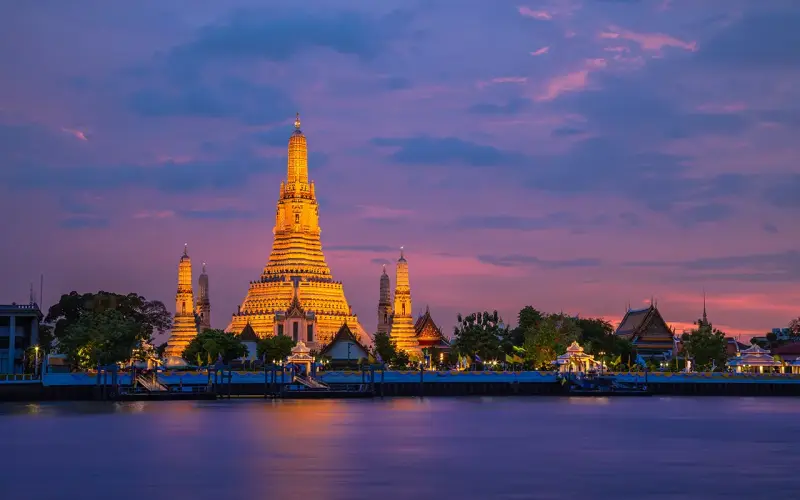 ThailandTemples, street food and tropical islands
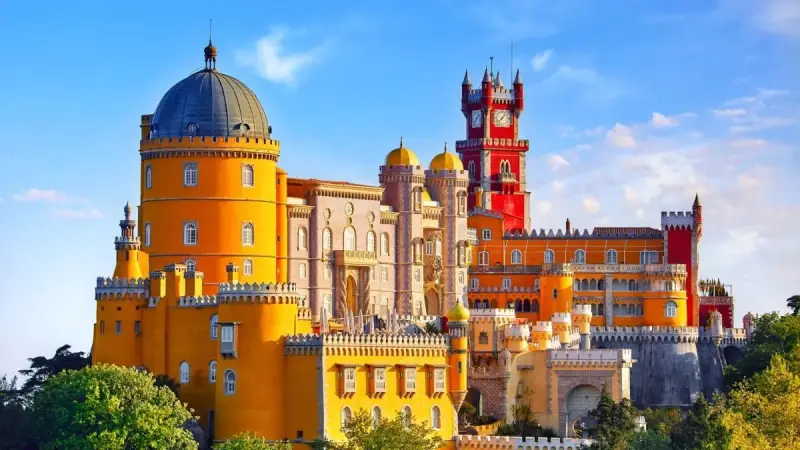 PortugalLisbon, Porto, the Algarve and island escapes
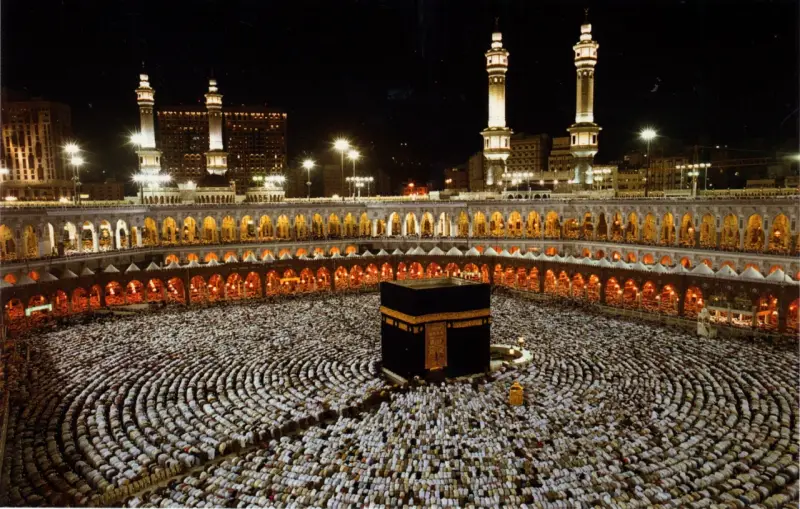 Saudi ArabiaAlUla, Red Sea coast and Arabian heritage
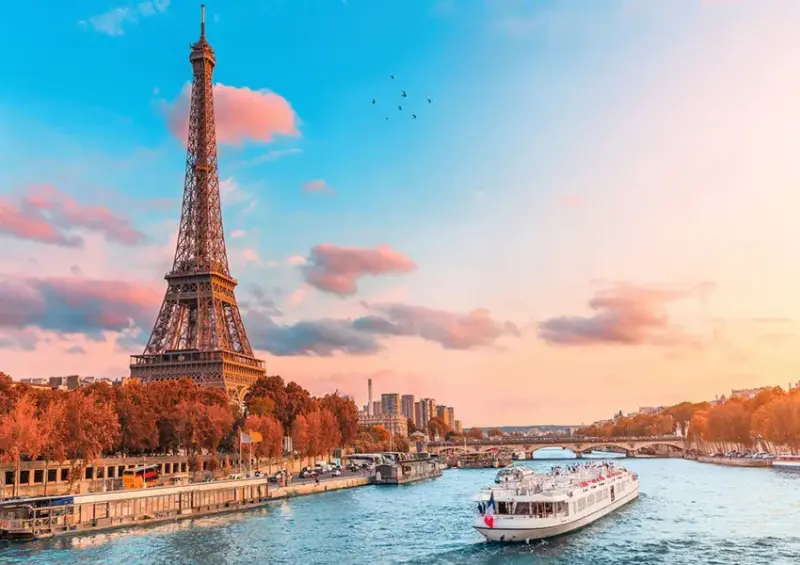 FranceParis, the Riviera, châteaux and Alpine peaks
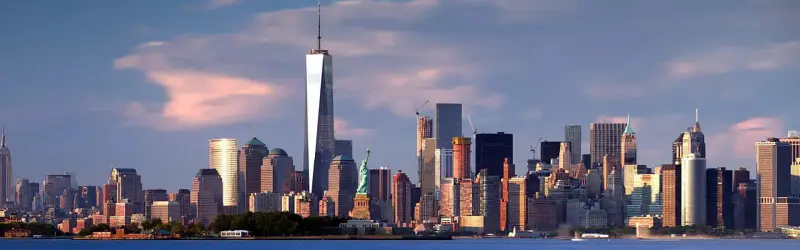 United StatesGreat cities, national parks and road trips
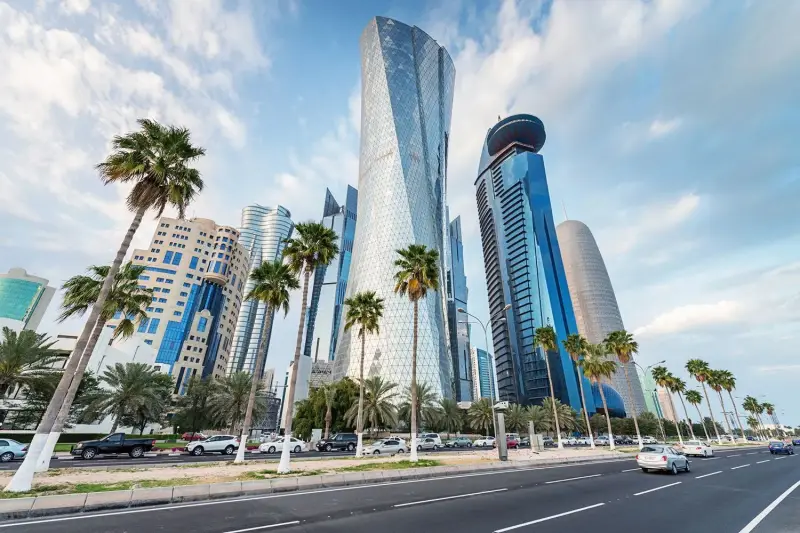 QatarDoha's museums, souqs and desert dunes
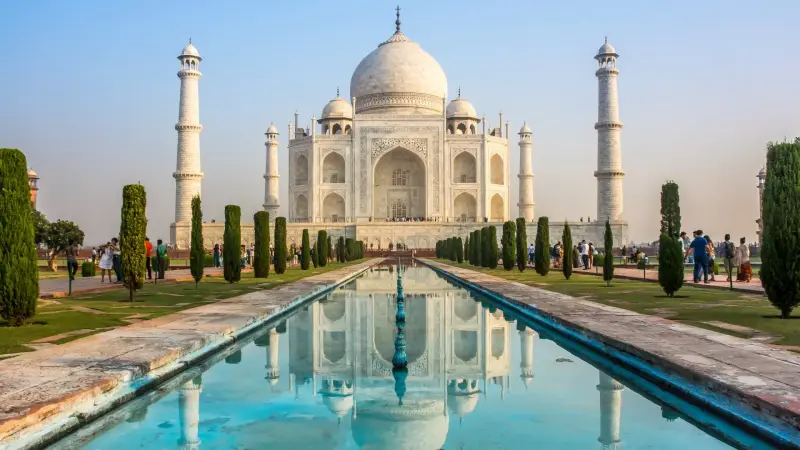 IndiaPalaces, temples, Himalaya and backwaters
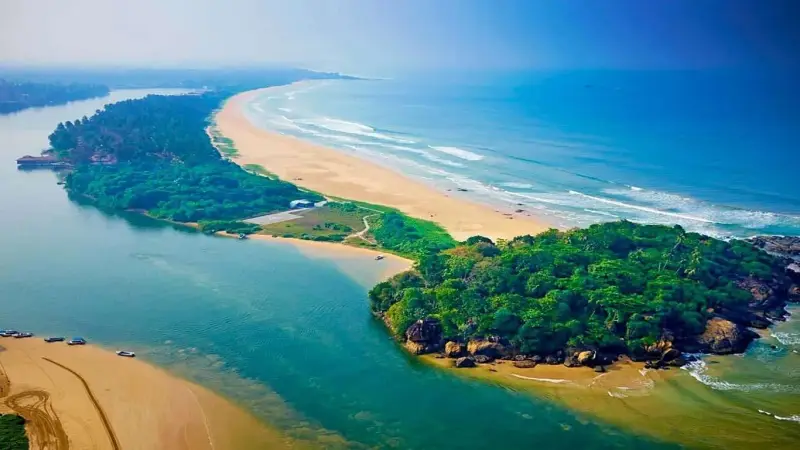 Sri LankaAncient cities, tea hills, wildlife and beaches
 ChinaThe Great Wall, ancient capitals and mega-cities
 United KingdomLondon, castles, highlands and country villages
 TurkeyIstanbul, Cappadocia and the Turquoise Coast
 United Arab EmiratesDubai, Abu Dhabi and desert adventures
 ItalyRome, Renaissance cities, lakes and coastlines
 EgyptPyramids, Nile temples and Red Sea reefs
 JapanTokyo, Kyoto's temples and Mount Fuji
 GermanyBerlin, castles, the Rhine and the Alps
 MalaysiaKuala Lumpur, rainforest, islands and street food
 SpainBeaches, tapas, flamenco and Gaudí
 IndonesiaBali, Komodo, Borobudur and 17,000 islands
 Hong KongSkyline, harbor, dim sum and hiking trails
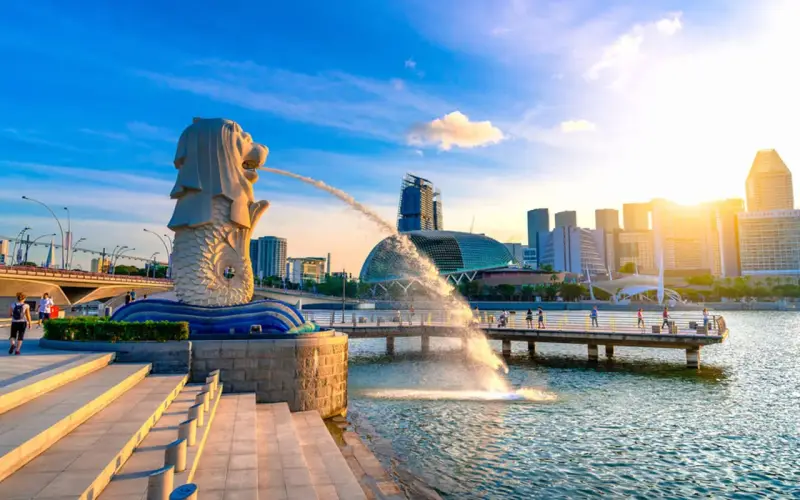 SingaporeGardens, hawker food and a dazzling skyline
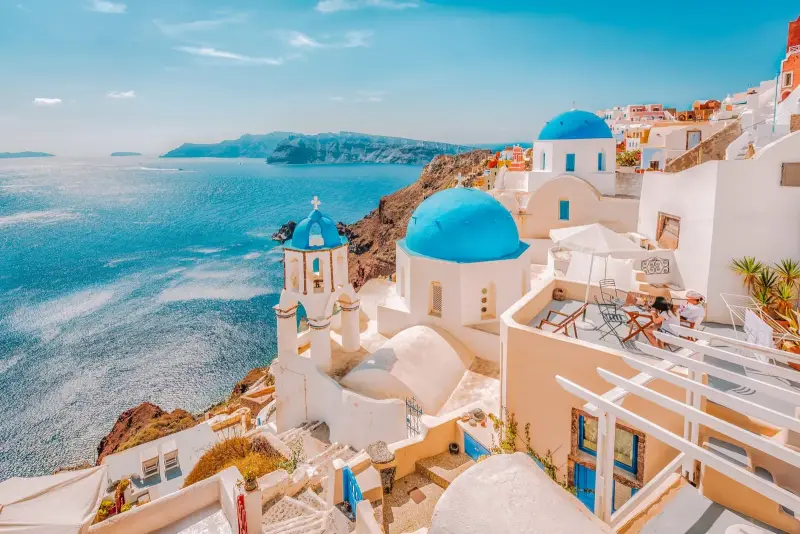 GreeceAncient wonders and Aegean islands
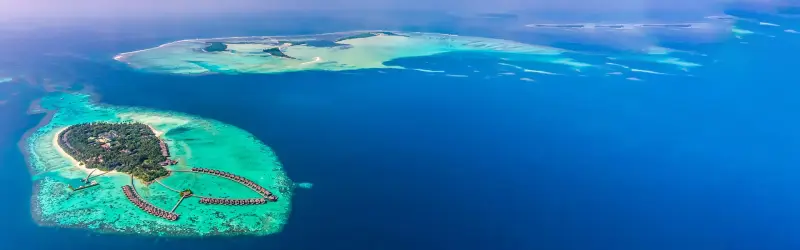 MaldivesOverwater villas and coral atolls
 VietnamHa Long Bay, Hoi An and street food
 BrazilRio, the Amazon, Iguaçu and endless beaches
 AustraliaReef, outback, beaches and laid-back cities
 South KoreaSeoul's palaces, K-culture and mountain temples
 SwitzerlandAlps, lakes, trains and chocolate
 MexicoMaya ruins, Caribbean beaches and Mexico City
 RussiaMoscow, St Petersburg and vast landscapes
 South AfricaSafaris, Cape Town and the Garden Route
 CanadaRockies, lakes, wildlife and friendly cities
 PalestineBethlehem, Jericho and ancient holy sites
 TaiwanNight markets, mountains and Taipei 101
 ColombiaCaribbean coast, coffee country and Andean cities
 Philippines7,000 islands of beaches, reefs and rice terraces
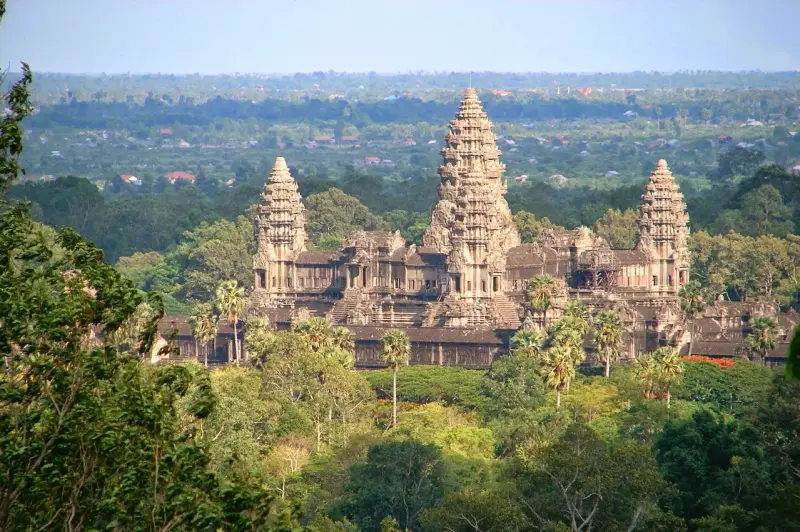 CambodiaAngkor's temples, river life and islands
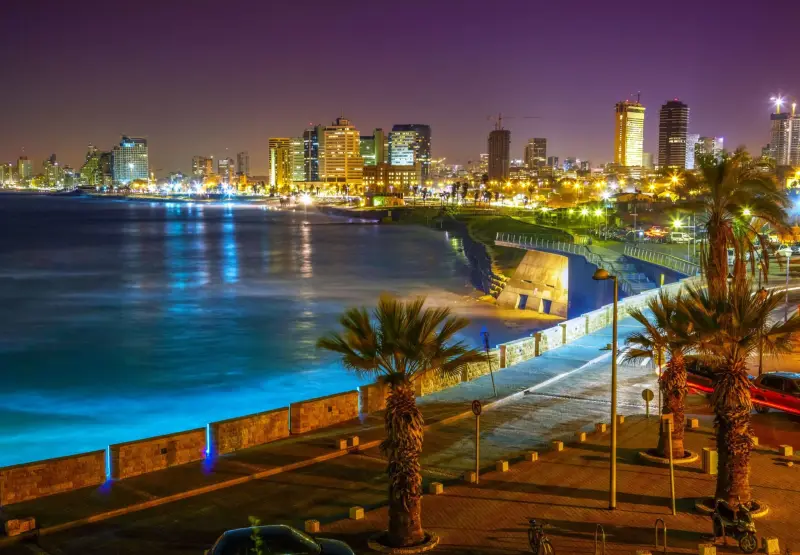 IsraelJerusalem, the Dead Sea and Tel Aviv beaches
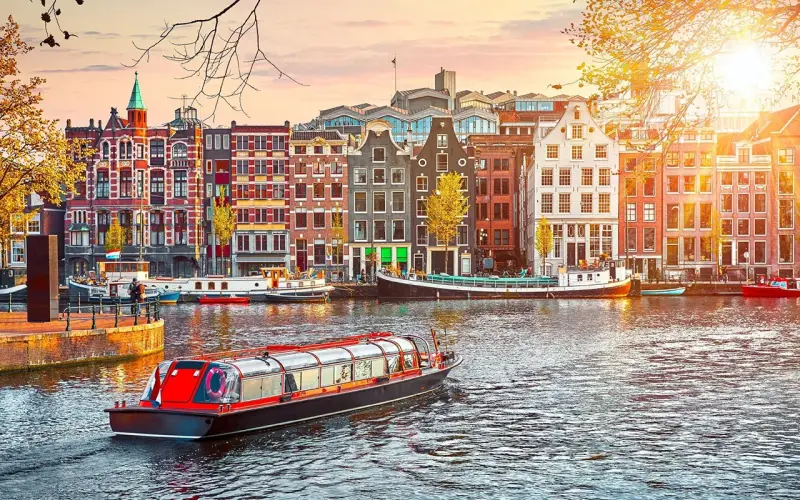 NetherlandsCanals, bikes, tulips and Dutch masters
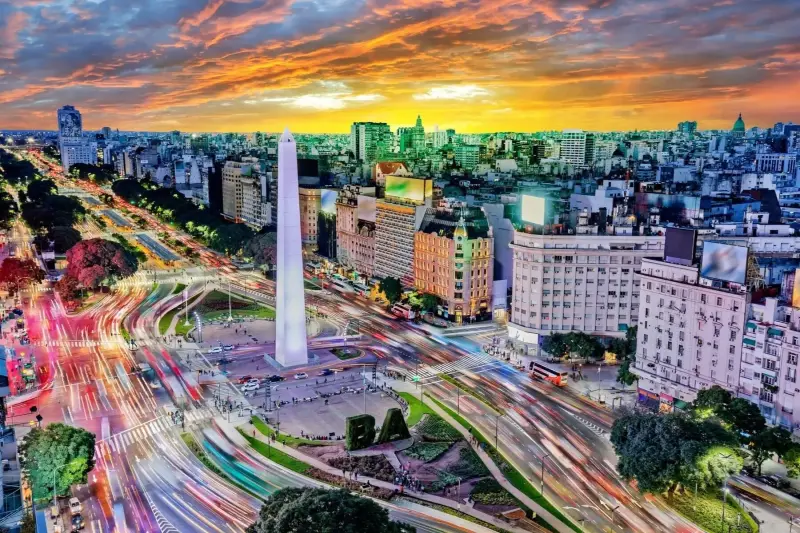 ArgentinaTango, glaciers, waterfalls and the Andes
 AustriaVienna's palaces, Alpine villages and music
 BelgiumMedieval towns, art, chocolate and beer
 ChilePatagonia, the Atacama and the Andes
 CroatiaAdriatic islands, walled towns and lakes
 IcelandWaterfalls, glaciers, volcanoes and northern lights
 IrelandGreen coasts, lively pubs and Celtic heritage
 JordanPetra, Wadi Rum and the Dead Sea
 MadagascarLemurs, baobabs and unique wildlife
 MauritiusLagoons, mountains and multicultural flavours
 MyanmarBagan's temples and the Shwedagon Pagoda
 NepalEverest, the Annapurnas and Kathmandu's temples
 NigeriaLagos energy, Afrobeats and cultural heritage
 NorwayFjords, northern lights and the midnight sun
 TahitiGateway to French Polynesia
 TanzaniaSerengeti, Kilimanjaro and Zanzibar
 VenezuelaAngel Falls, Los Roques and the Andes
 BhutanHimalayan monasteries and Gross National Happiness
 BoliviaSalt flats, Andean lakes and colonial cities
 KuwaitGulf city-state
 MoroccoMedinas, Sahara dunes and Atlas mountains
 OmanForts, wadis, deserts and Arabian coast
 ParaguayJesuit missions, wetlands and the Chaco
 PeruMachu Picchu, the Andes and the Amazon
 ScotlandHighlands, castles, islands and whisky
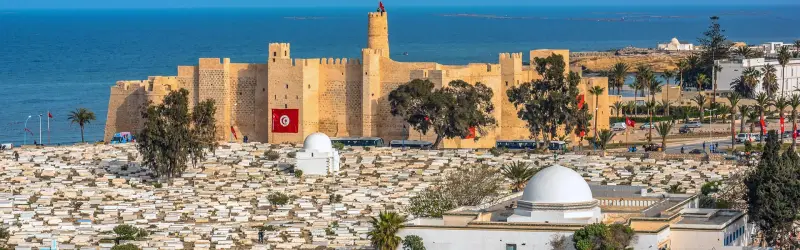 TunisiaCarthage, Sahara and Mediterranean beaches
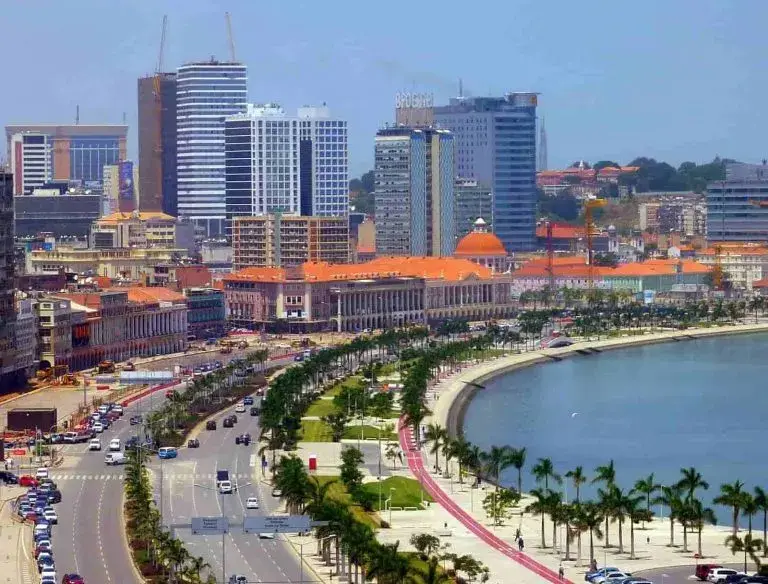 AngolaAtlantic coast, waterfalls and desert landscapes
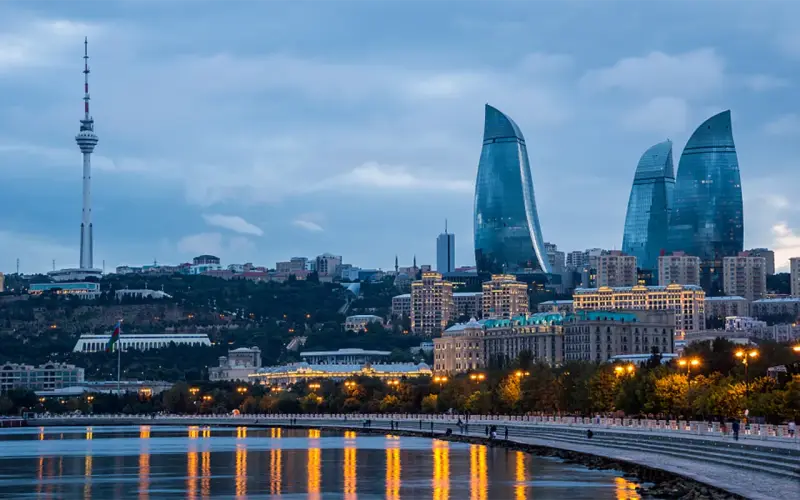 AzerbaijanBaku's flame towers and Caspian Sea culture
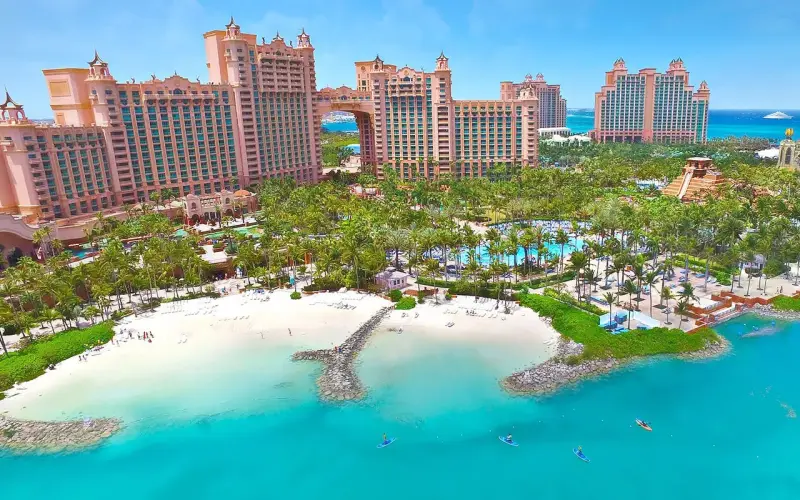 BahamasTurquoise water across 700 islands
 BahrainPearling heritage and Gulf city life
 BotswanaOkavango Delta safaris and Kalahari skies
 BruneiGolden mosques and pristine Borneo rainforest
 BulgariaBlack Sea beaches, mountains and monasteries
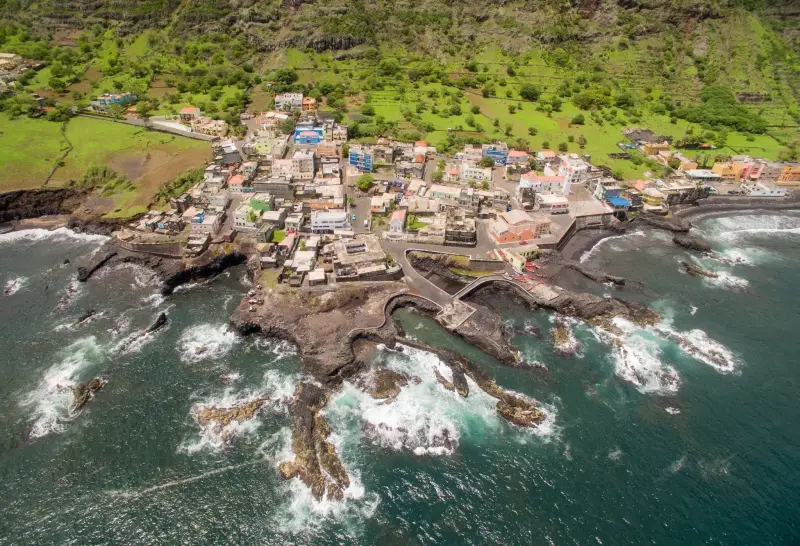 Cape Verde IslandsAtlantic islands of beaches, volcanoes and morna
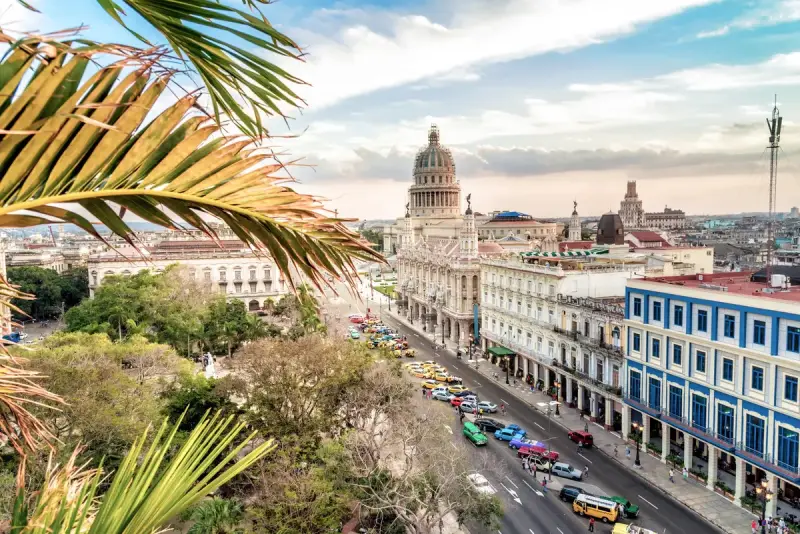 CubaHavana, Trinidad, tobacco valleys and beaches
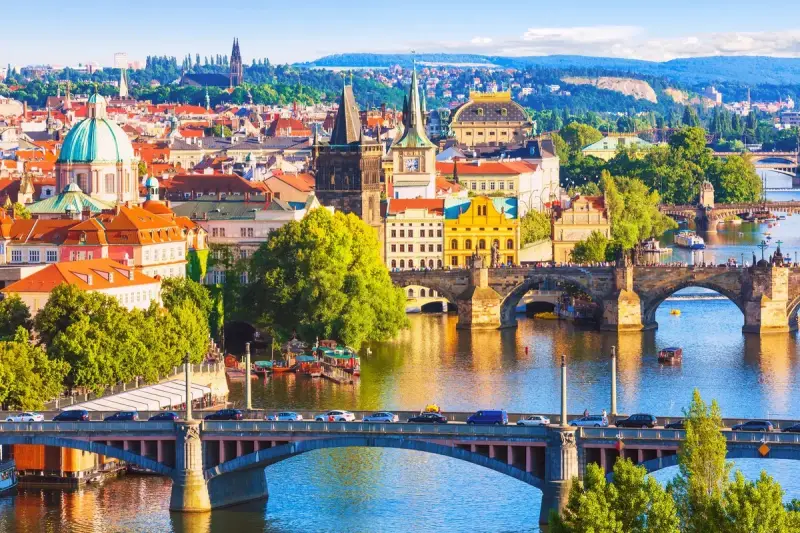 Czech RepublicPrague, castles and spa towns
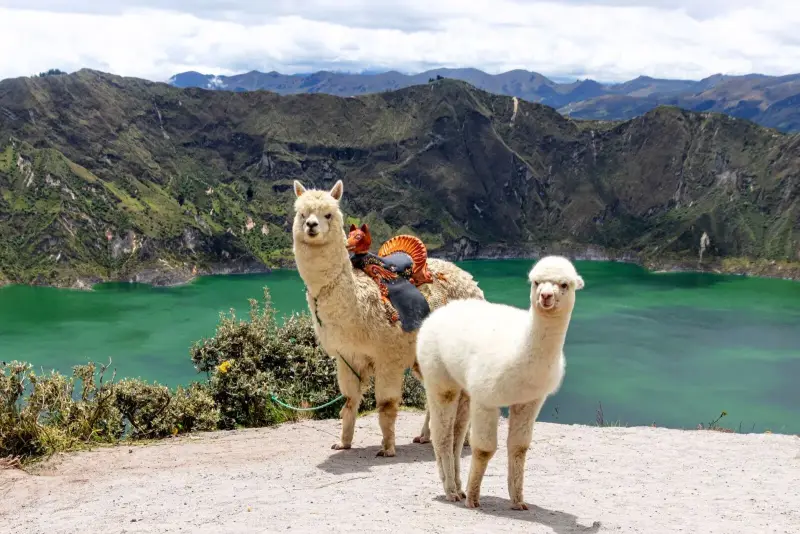 EcuadorGalápagos, Andes volcanoes and the Amazon
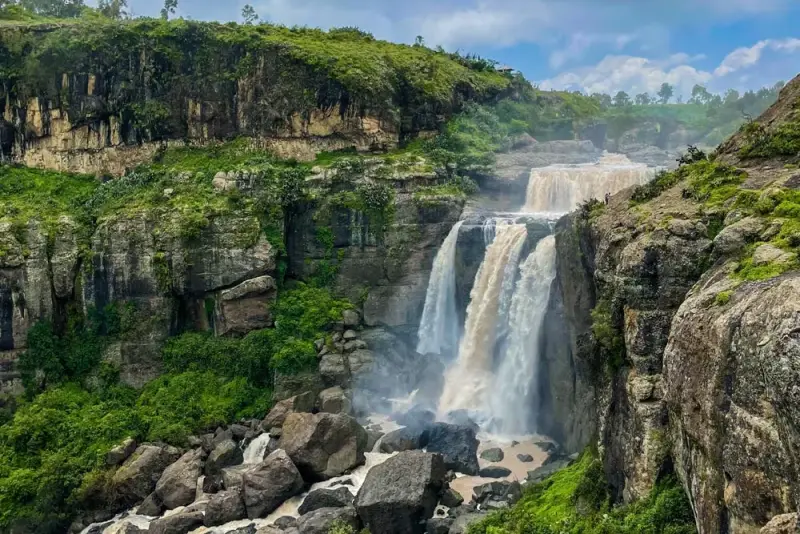 EthiopiaRock-hewn churches, highlands and ancient kingdoms
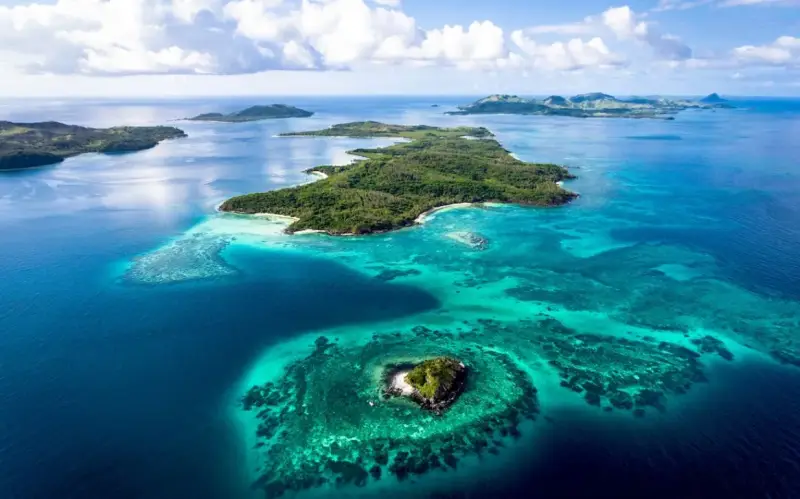 FijiCoral islands, warm welcomes and soft coral reefs
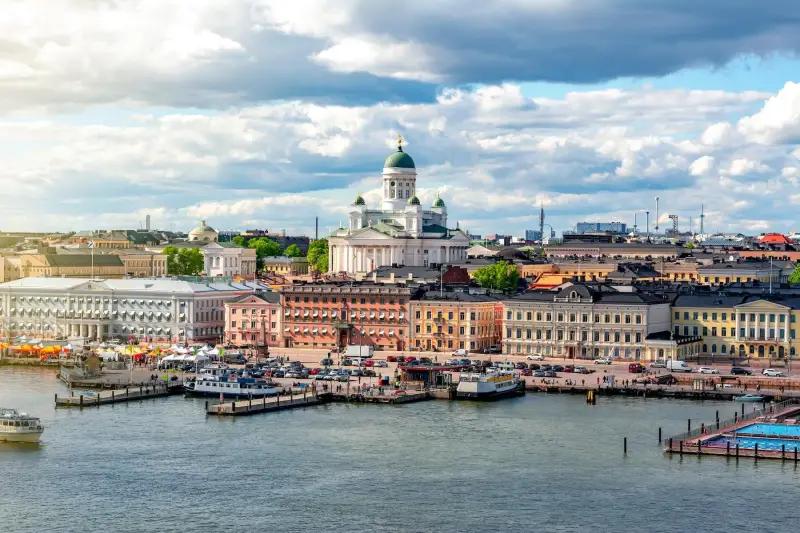 FinlandLakes, Lapland and the northern lights
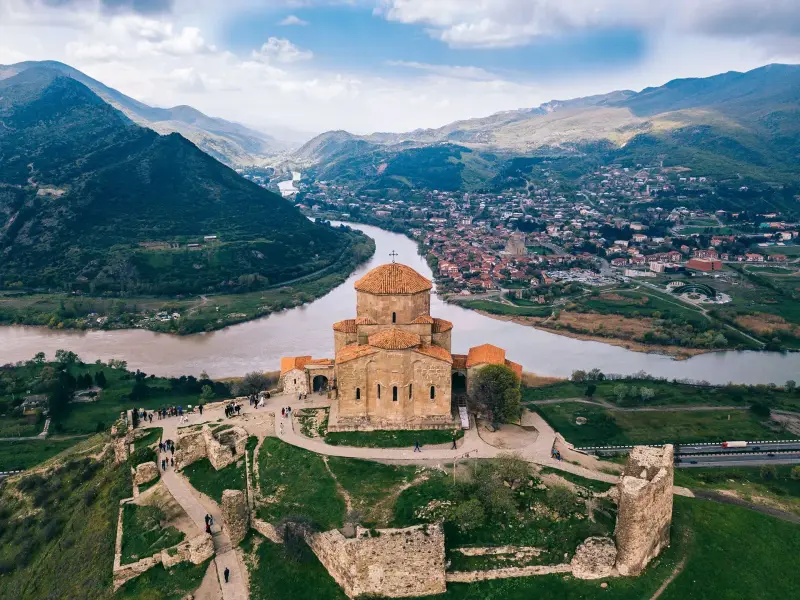 GeorgiaCaucasus peaks, wine and Tbilisi's old town
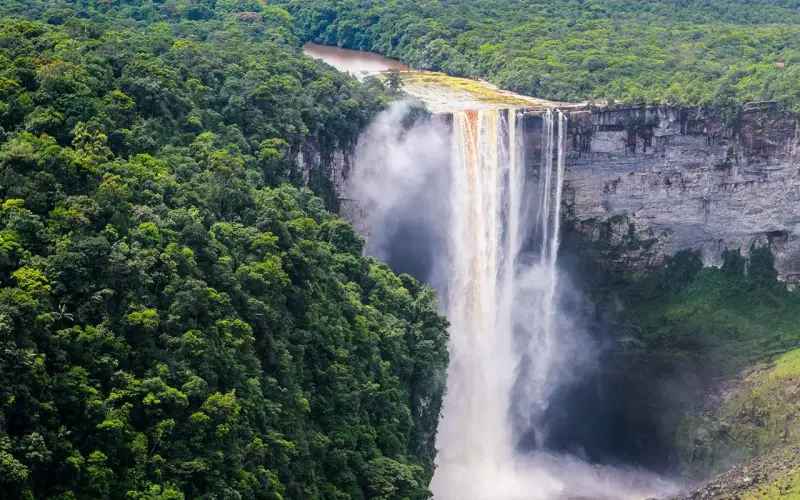 GuyanaKaieteur Falls and untouched rainforest
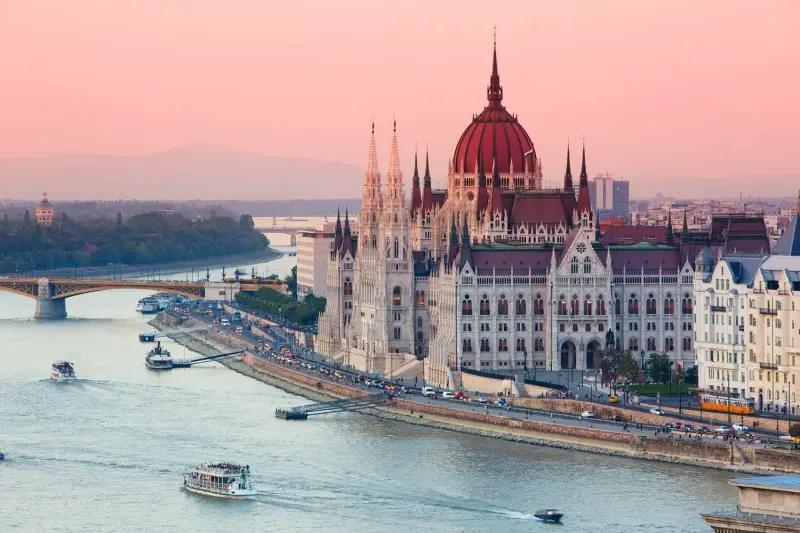 HungaryBudapest's baths, Lake Balaton and wine
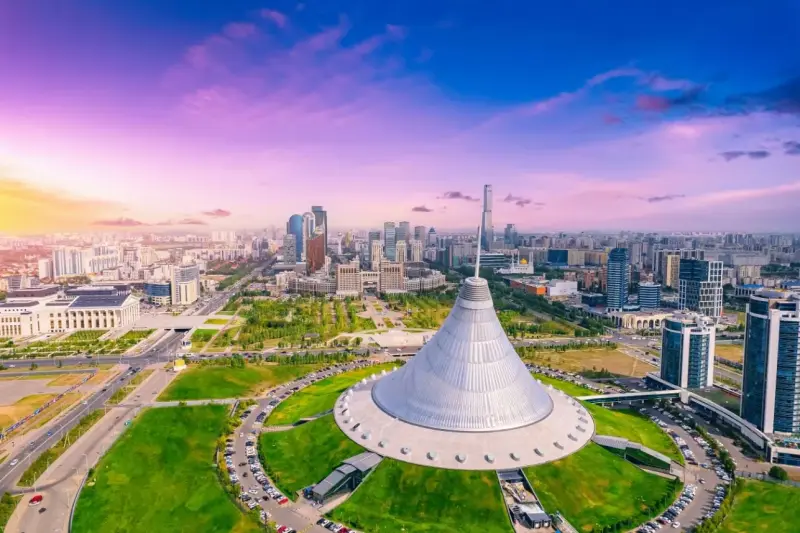 KazakhstanSteppe, canyons and Silk Road cities
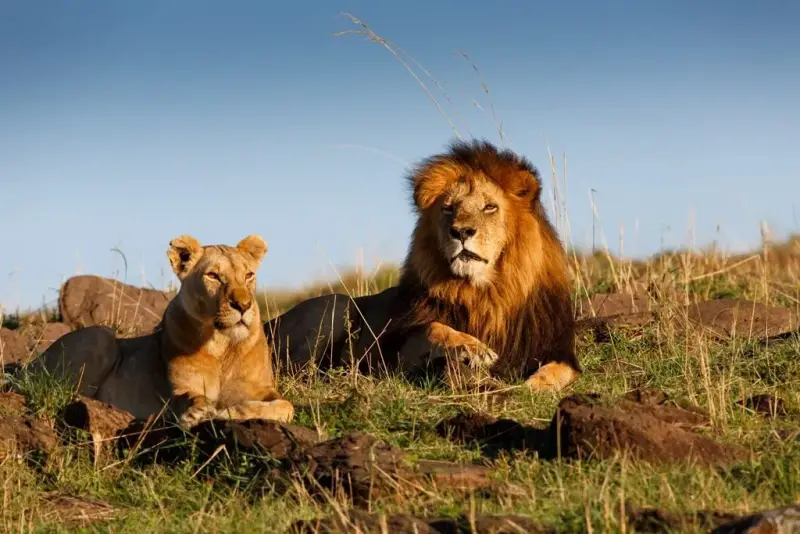 KenyaSafaris, the Great Migration and Indian Ocean beaches
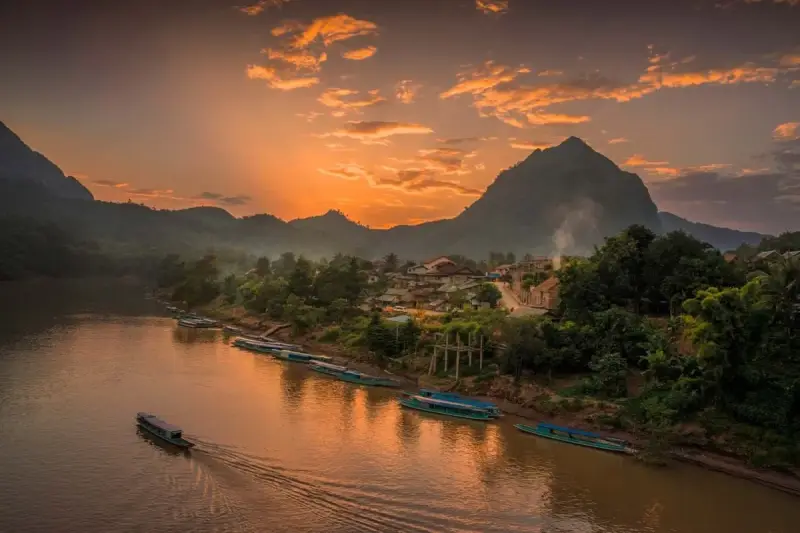 LaosLuang Prabang, the Mekong and limestone karsts
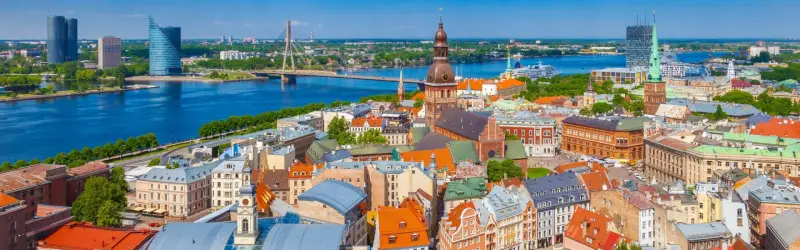 LatviaRiga's Art Nouveau and Baltic beaches
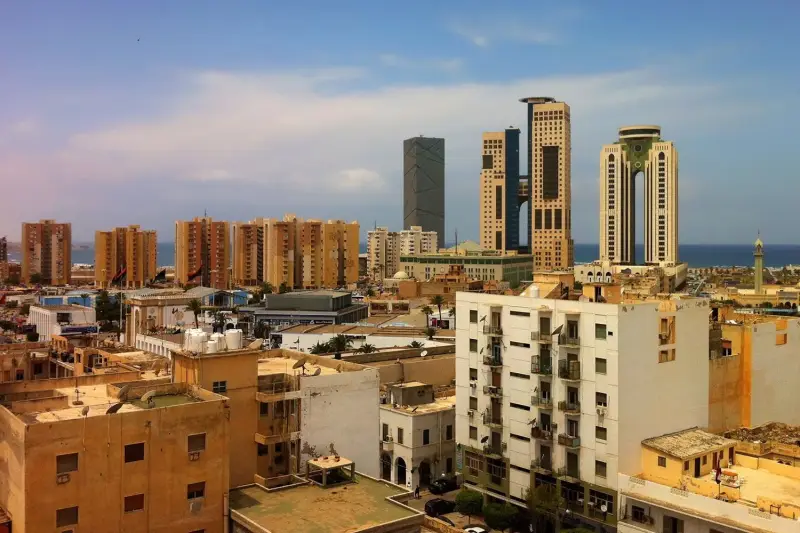 LibyaRoman ruins and Sahara
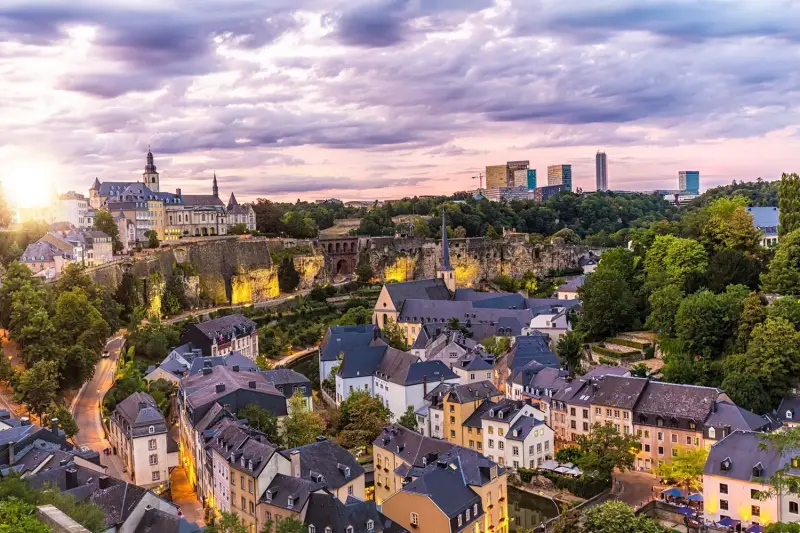 LuxembourgFortress city, castles and free public transport
 MongoliaSteppe, Gobi Desert and nomad life
 MozambiqueIndian Ocean islands and coral coast
 New ZealandFiords, glaciers, volcanoes and Māori culture
 PakistanKarakoram peaks, Mughal Lahore and mountain valleys
 PanamaThe canal, islands and rainforest
 Papua New GuineaHighland cultures, reefs and the Kokoda Track
 PolandKraków, Gdańsk, Warsaw and the Tatras
 RomaniaTransylvania's castles, painted monasteries and the Carpathians
 RwandaMountain gorillas and the land of a thousand hills
 Saint LuciaThe Pitons, rainforest and Caribbean romance
 SerbiaBelgrade nightlife, monasteries and the Danube
 SeychellesGranite islands and perfect beaches
 SudanNubian pyramids and the Nile
 SwedenStockholm's archipelago, Lapland and design
 SyriaAncient cities
 UruguayBeaches, colonial Colonia and laid-back Montevideo
 UzbekistanSamarkand, Bukhara and Khiva on the Silk Road
 YemenAncient tower houses and Socotra's unique nature
 ZambiaVictoria Falls, walking safaris and the Zambezi
SurinameRainforest, rivers and colonial Paramaribo
 AfghanistanMountain valleys and Silk Road history
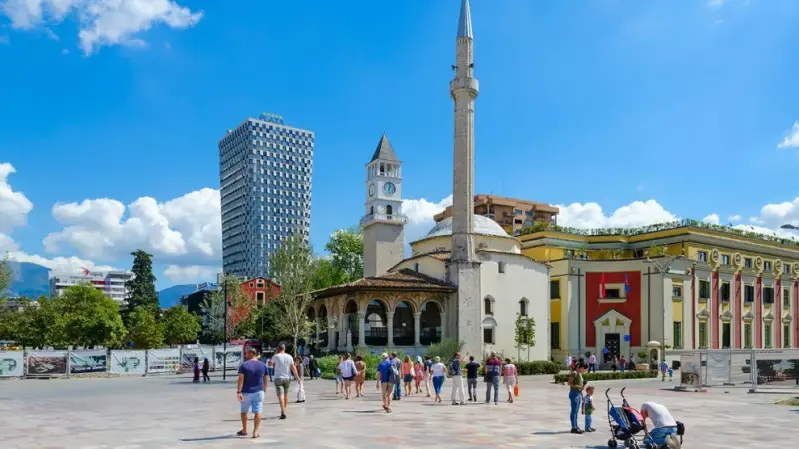 AlbaniaRiviera beaches, mountain villages and Ottoman towns
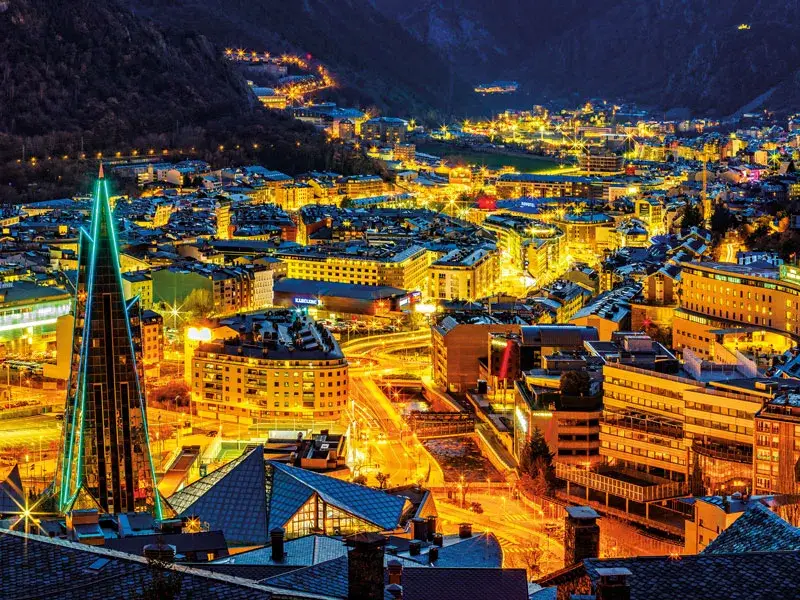 AndorraPyrenean ski slopes and duty-free shopping
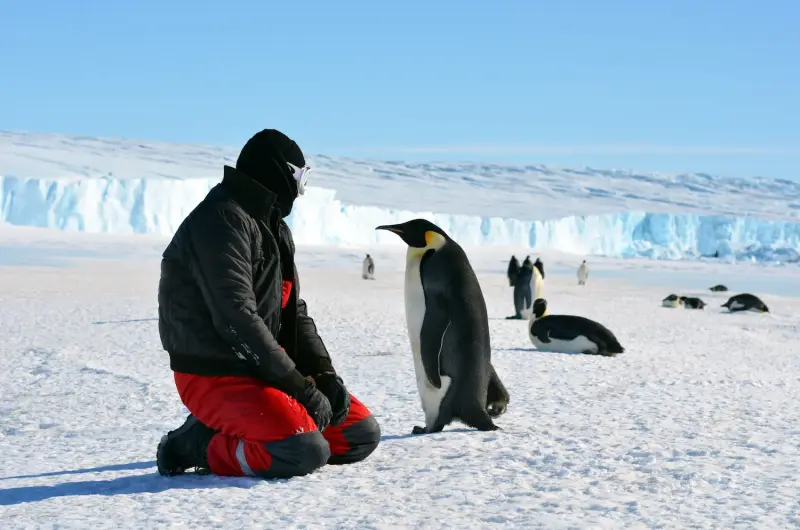 AntarcticaIcebergs, penguins and the last great wilderness
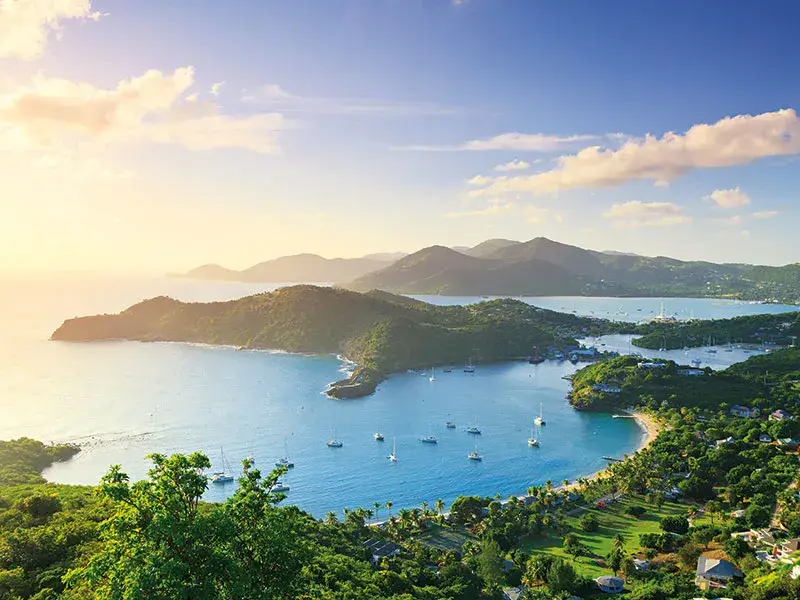 Antigua and BarbudaA beach for every day of the year
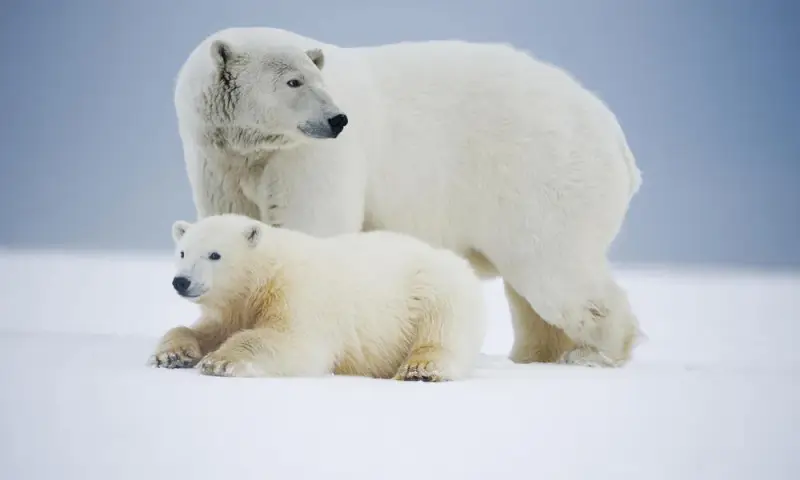 ArcticNorthern lights, polar bears and the midnight sun
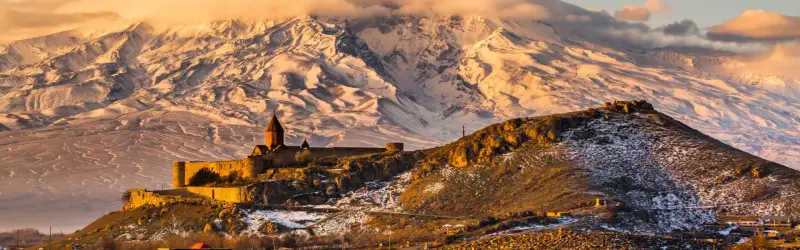 ArmeniaAncient monasteries beneath Mount Ararat
 BarbadosBeaches, rum and cricket in the Caribbean
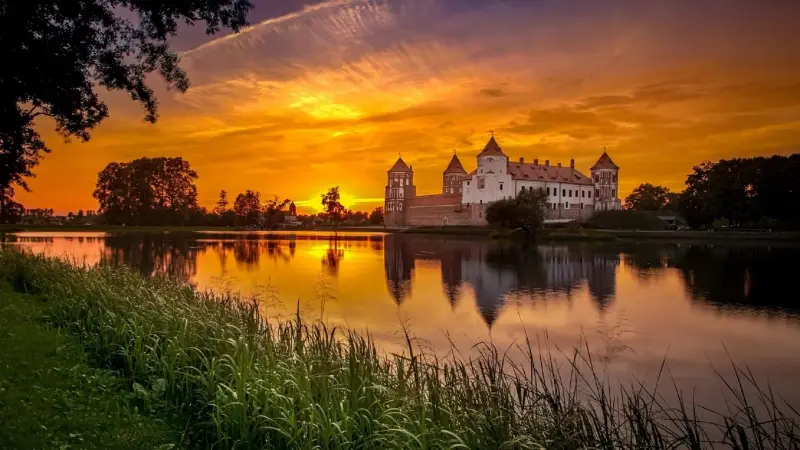 BelarusPrimeval forests and Soviet-era Minsk
 BelizeBarrier reef, Maya temples and jungle
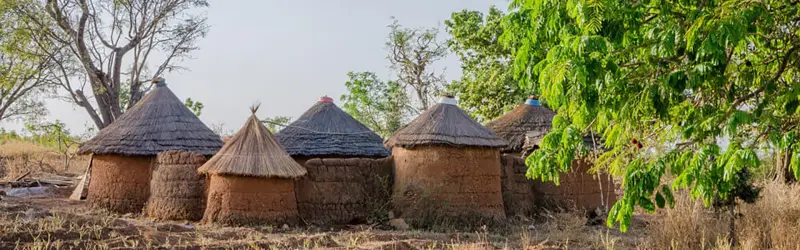 BeninVodun culture, royal palaces and lagoon villages
 BermudaPink sand beaches in the Atlantic
 Bosnia HerzegovinaOttoman bridges, mountain rivers and Sarajevo
 Burkina FasoSahel culture, music and film festivals
 BurundiLake Tanganyika beaches and drumming traditions
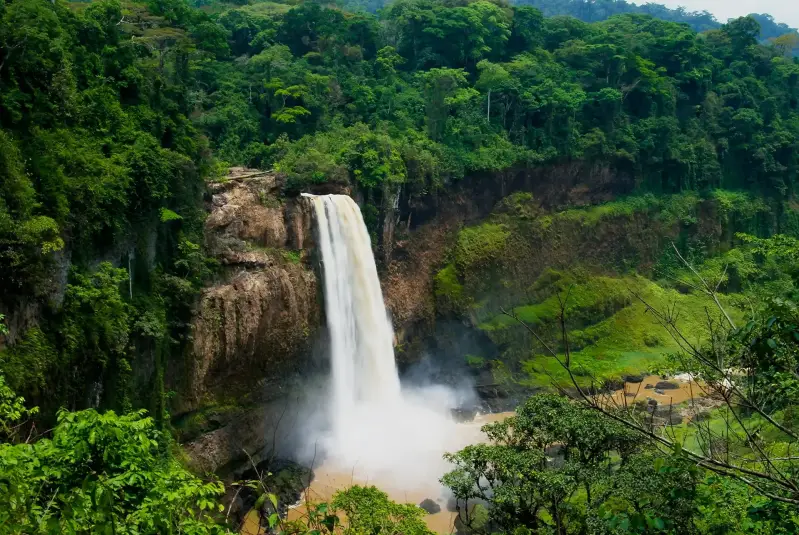 CameroonAfrica in miniature: rainforest, volcano and savanna
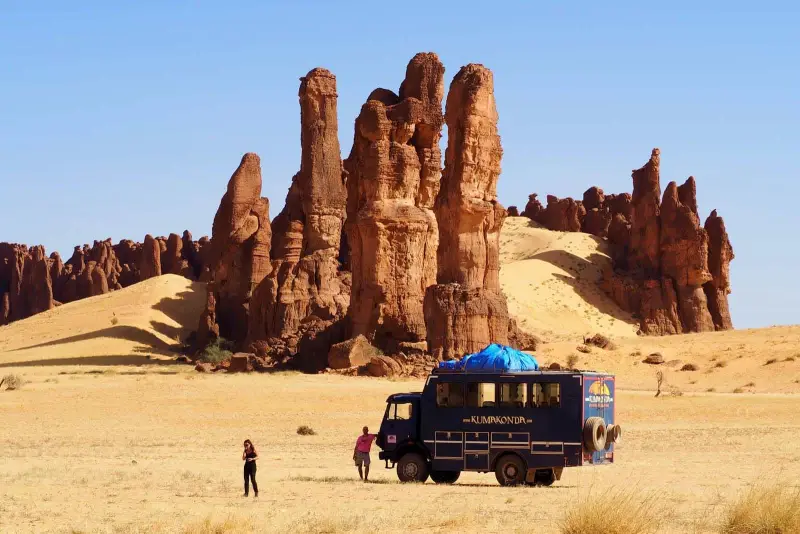 ChadSaharan landscapes and Zakouma wildlife
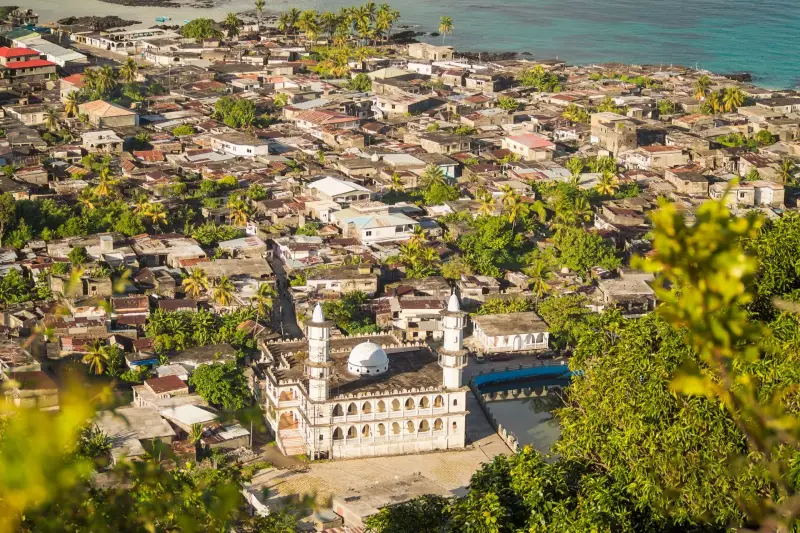 ComorosVolcanic islands, vanilla and ylang-ylang
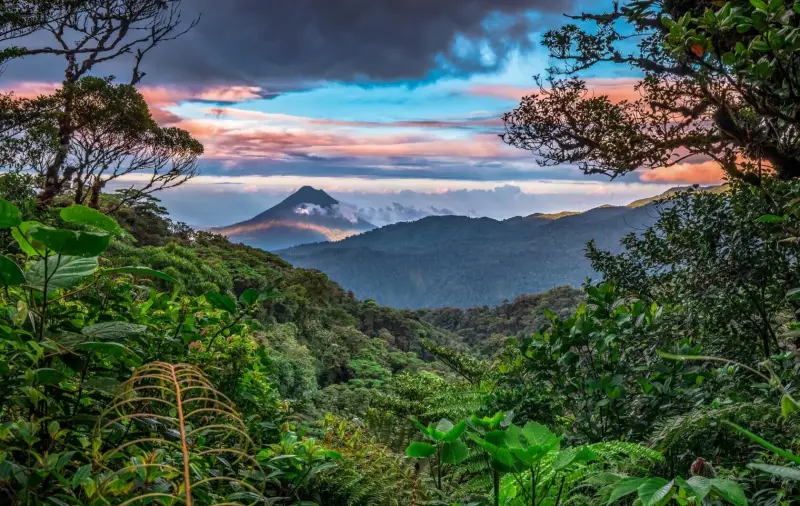 Costa RicaRainforest, volcanoes, wildlife and two coasts
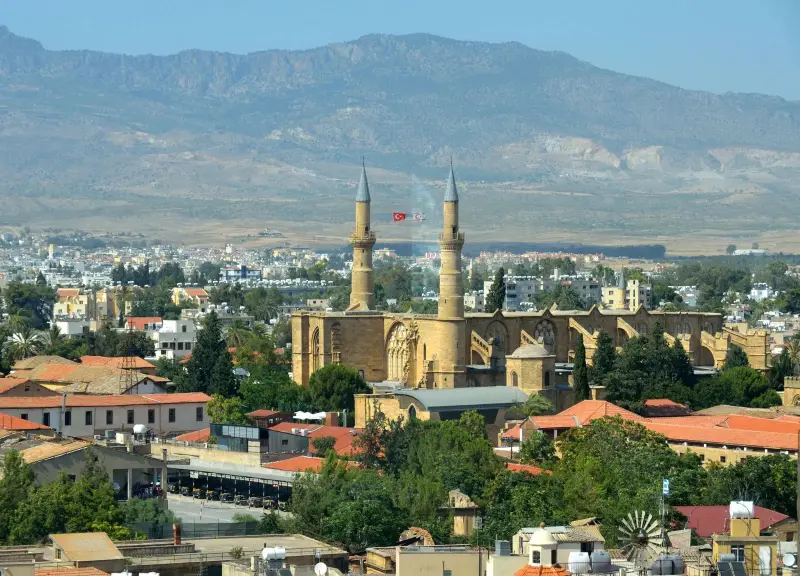 CyprusSunny beaches, ancient sites and mountain villages
 Côte D'IvoireAbidjan's skyline, beaches and basilicas
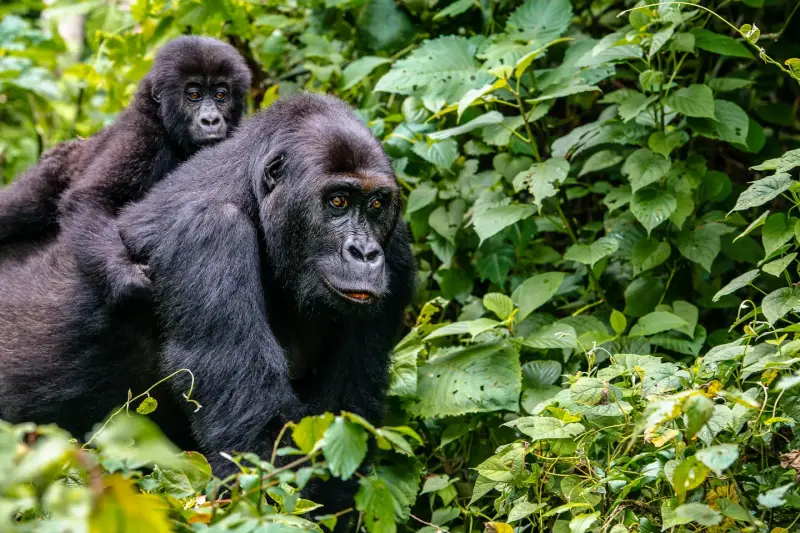 DR CongoGorillas, volcanoes and the mighty Congo River
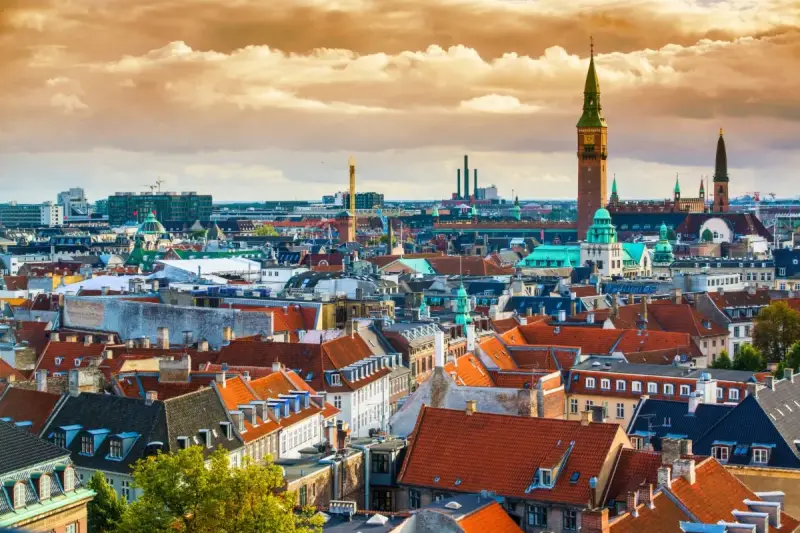 DenmarkCopenhagen design, castles and coastlines
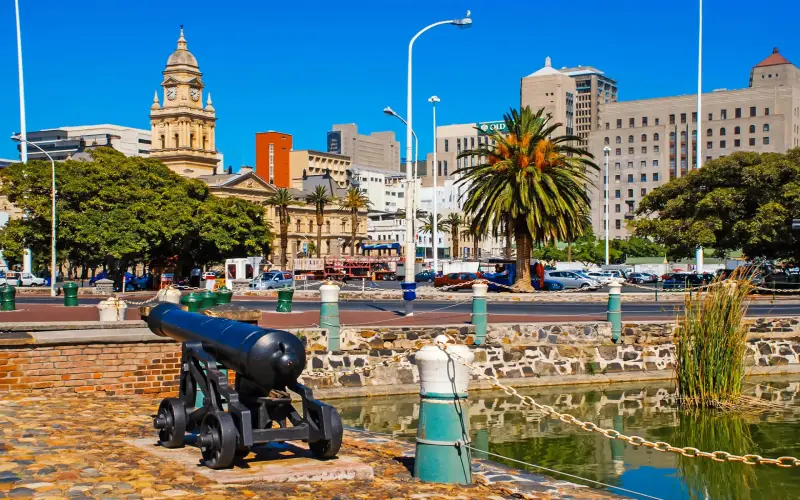 DjiboutiSalt lakes, whale sharks and volcanic desert
 DominicaThe Caribbean's nature island
 Dominican RepublicPunta Cana beaches and the New World's first city
 El SalvadorSurf beaches, volcanoes and colonial towns
 Equatorial GuineaVolcanic Bioko and rainforest Río Muni
 EritreaAsmara's Modernist architecture and the Red Sea
 EstoniaTallinn's medieval old town and Baltic nature
 Falkland IslandsPenguin colonies on remote South Atlantic islands
 GabonRainforest parks, surfing hippos and gorillas
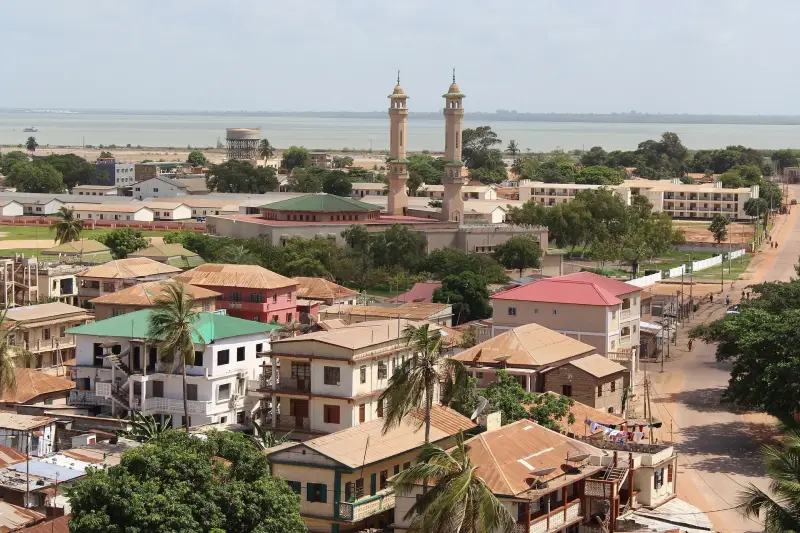 GambiaAtlantic beaches, river life and birdwatching
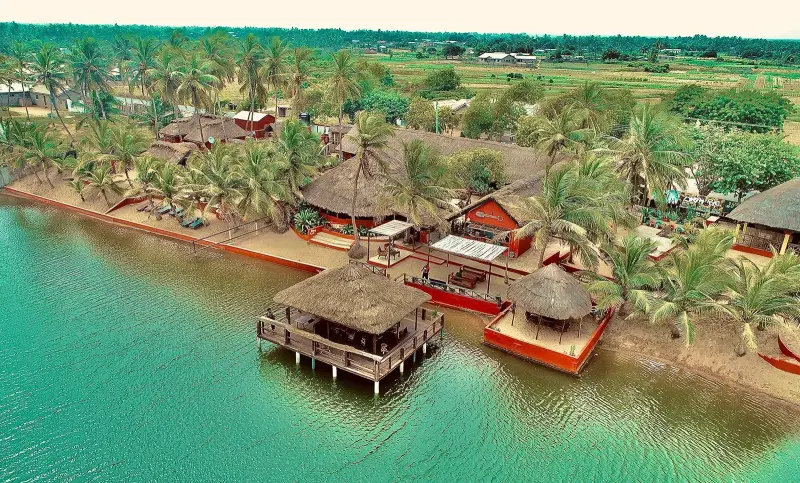 GhanaCoastal castles, Ashanti culture and warm welcomes
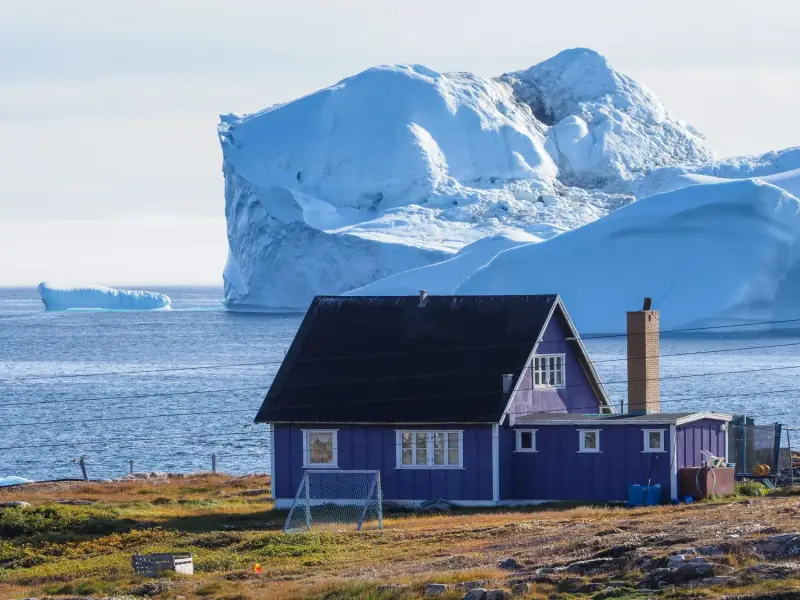 GreenlandIcebergs, glaciers and Arctic culture
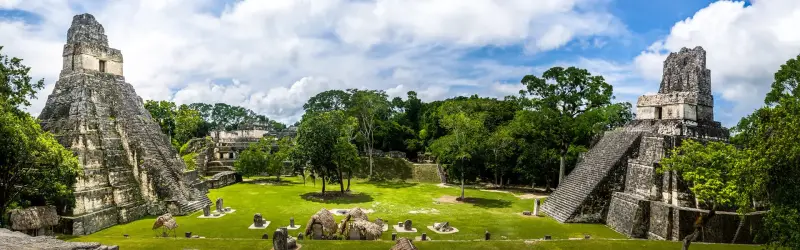 GuatemalaMaya temples, volcanoes and Lake Atitlán
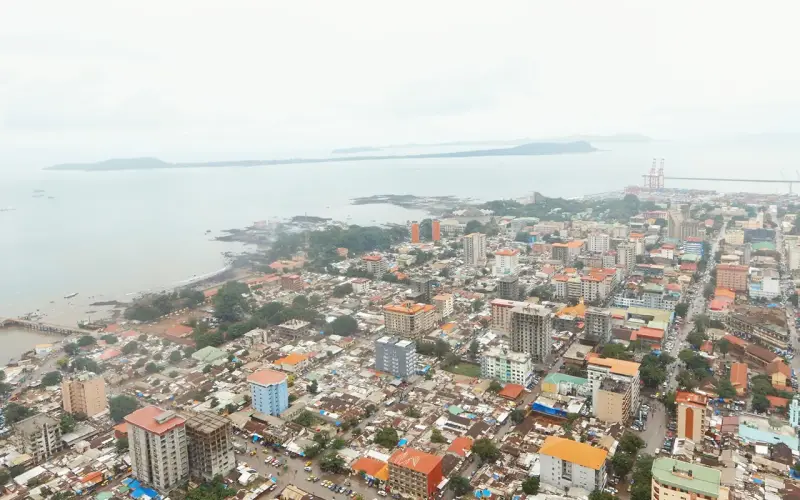 GuineaHighlands and waterfalls
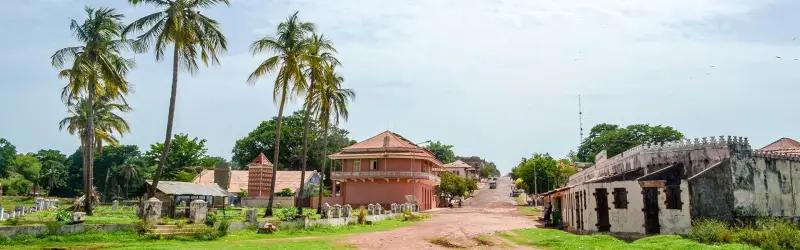 Guinea BissauThe Bijagós Islands and saltwater hippos
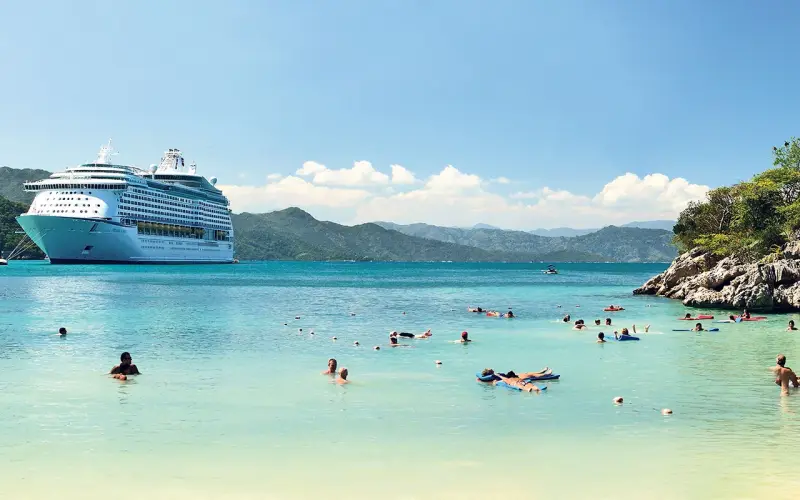 HaitiCitadelle and Caribbean culture
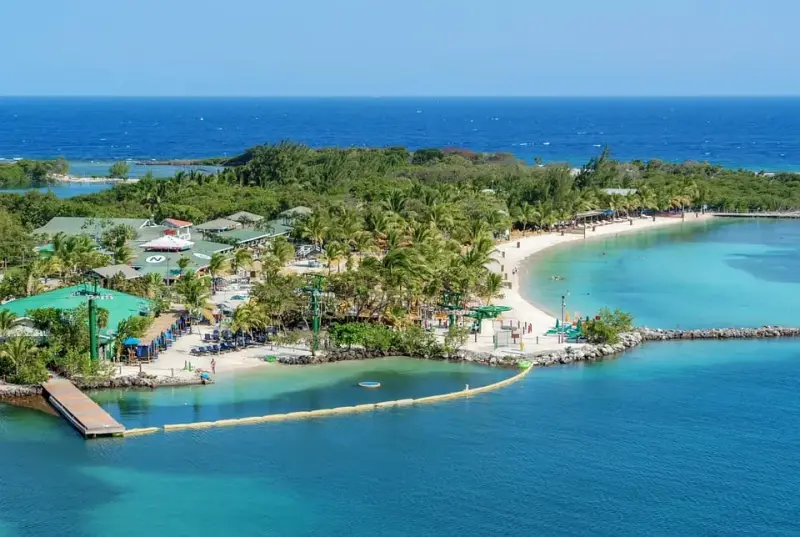 HondurasCopán and the Bay Islands
 IranPersian palaces, mosques and gardens
 IraqAncient Mesopotamia
 JamaicaReggae, waterfalls and Caribbean beaches
 KosovoMedieval monasteries and mountain valleys
 KyrgyzstanMountain lakes, yurts and nomad culture
 LesothoThe Kingdom in the Sky
 LiberiaRainforest and surf
 LiechtensteinAlpine principality
 LithuaniaBaroque Vilnius, castles and the Curonian Spit
 MacauPortuguese heritage, Macanese food and Cotai resorts
 MalawiLake Malawi, the warm heart of Africa
 MaliSahel heritage
 MaltaValletta, ancient temples and blue lagoons
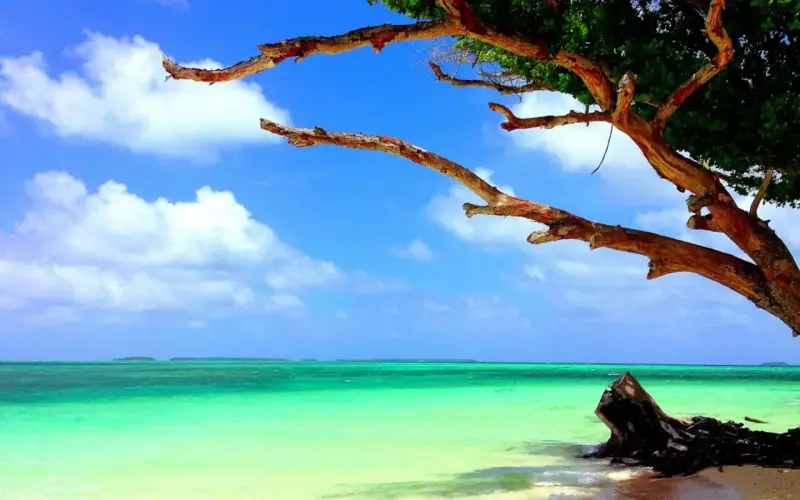 Marshall IslandsPacific atolls
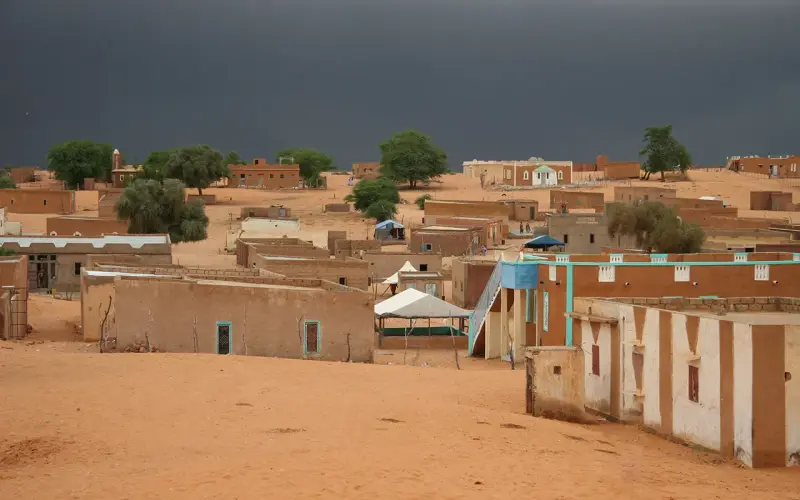 MauritaniaSahara caravan towns and the Iron Ore Train
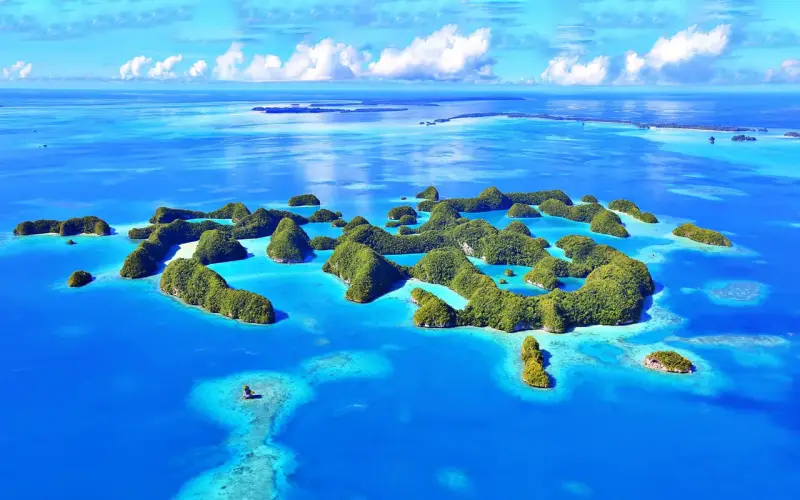 MicronesiaNan Madol, Chuuk Lagoon wrecks and Yap's stone money
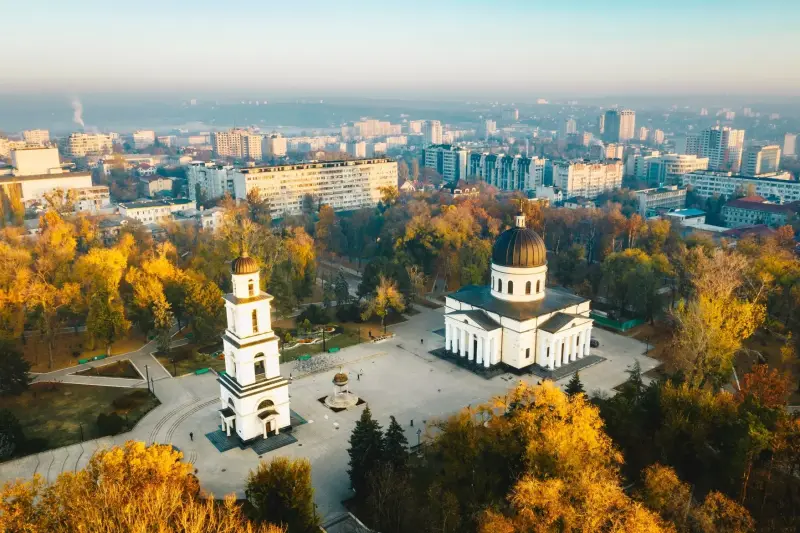 MoldovaWine cellars, cave monasteries and countryside
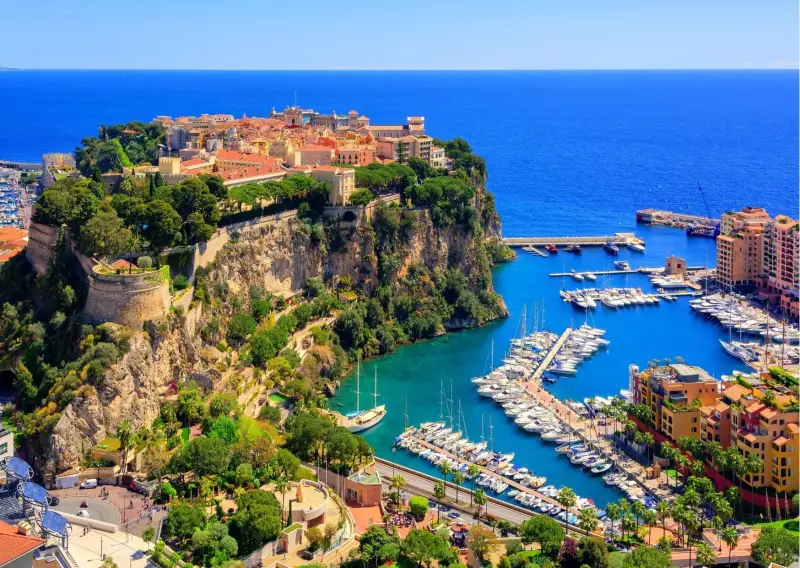 MonacoGlamour, Grand Prix and the Riviera
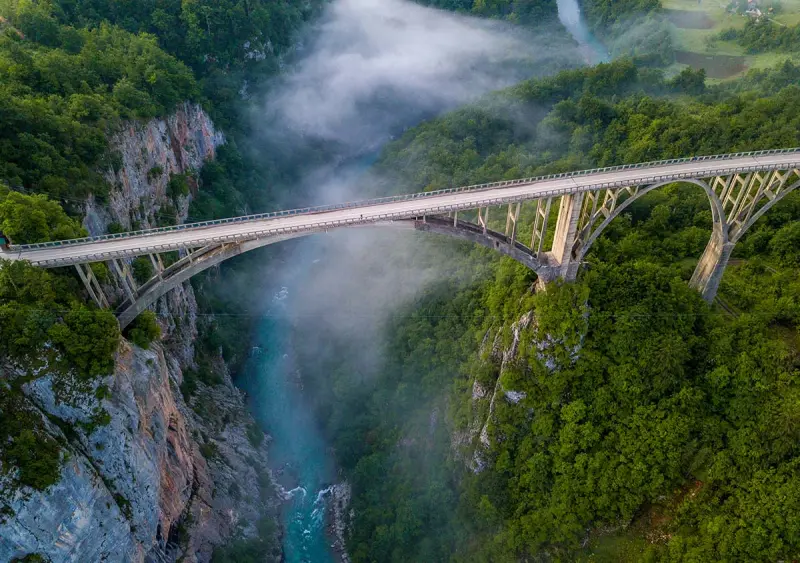 MontenegroBay of Kotor, Adriatic beaches and mountains
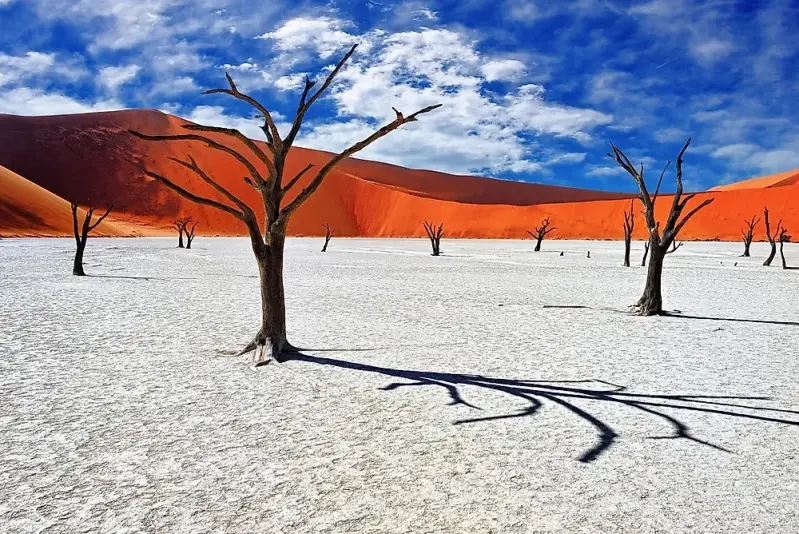 NamibiaRed dunes, Etosha wildlife and desert coast
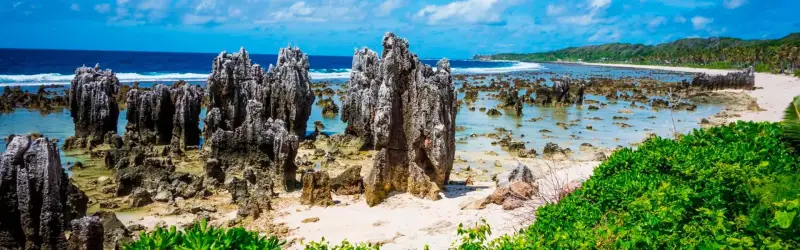 NauruThe world's smallest island republic
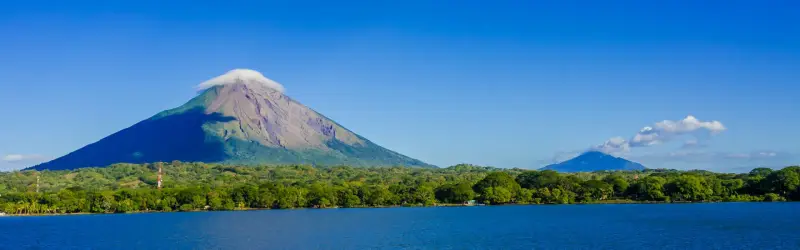 NicaraguaVolcanoes, lakes and colonial Granada
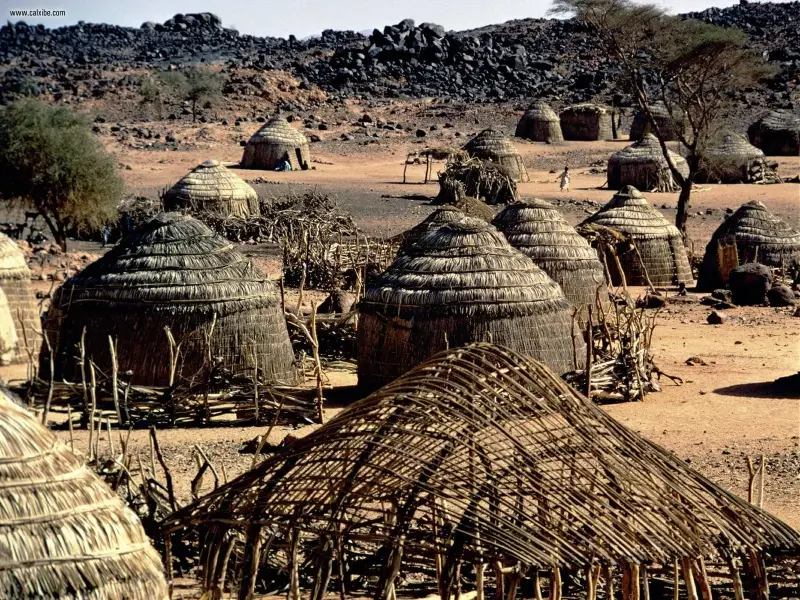 NigerAgadez and the Sahara
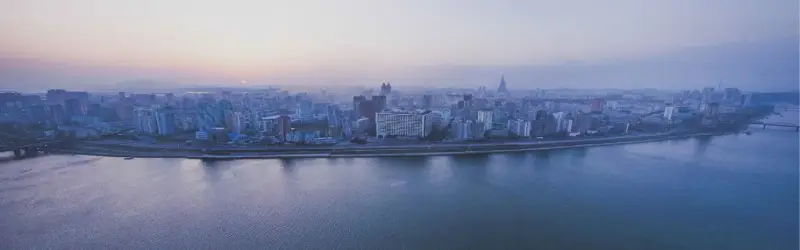 North KoreaThe world's most closed country
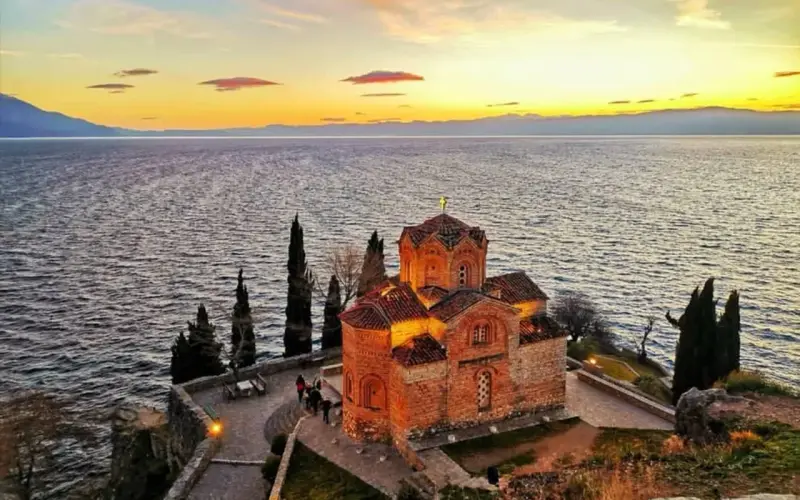 North MacedoniaLake Ohrid, Skopje and Balkan mountains
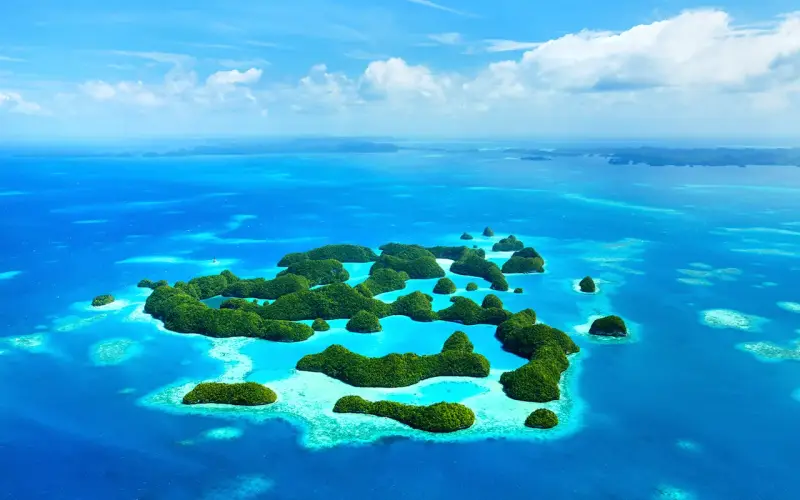 PalauRock Islands, Jellyfish Lake and world-class diving
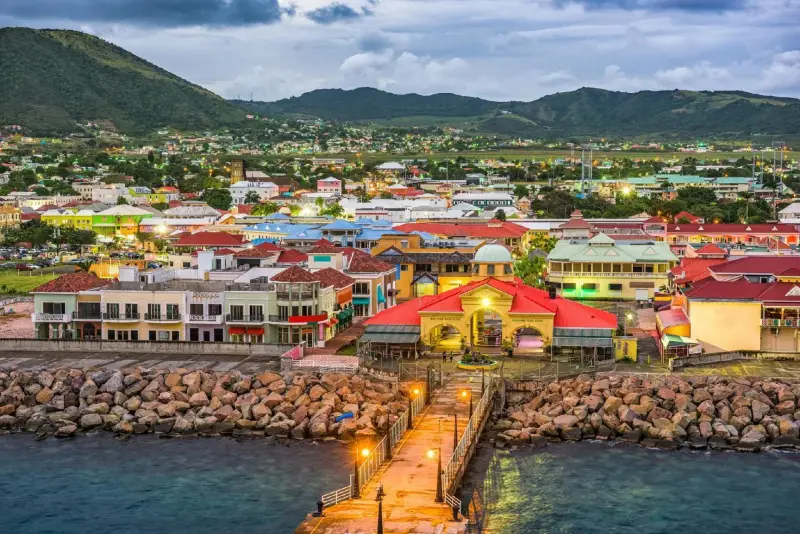 Saint Kitts and NevisBrimstone Hill, scenic railway and twin islands
 Saint Vincent and the GrenadinesSailing the Grenadines and Tobago Cays
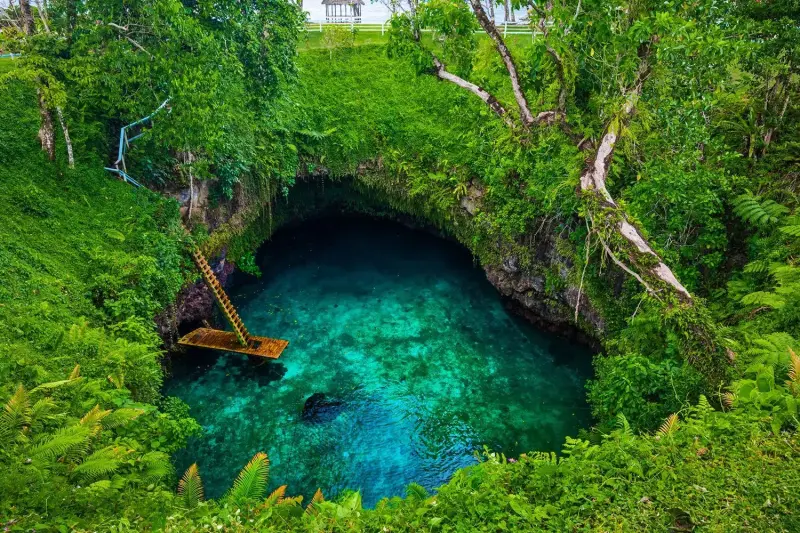 SamoaBeach fales, waterfalls and fa'a Samoa
 Sao Tome and PrincipeCocoa islands on the equator
 SenegalDakar's energy, Gorée Island and the Saloum Delta
 Sierra LeoneBeaches, islands and chimpanzee sanctuaries
 SlovakiaCastles, the High Tatras and Bratislava
 SloveniaLake Bled, Alpine valleys and caves
 Solomon IslandsWWII history, reefs and lagoons
 SomaliaAncient coast and Somaliland rock art
 South SudanThe world's youngest country
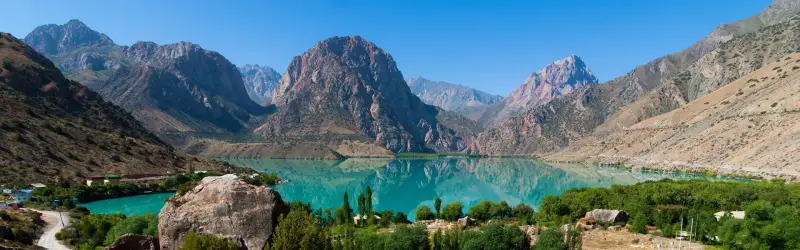 TajikistanThe Pamir Highway and high mountain lakes
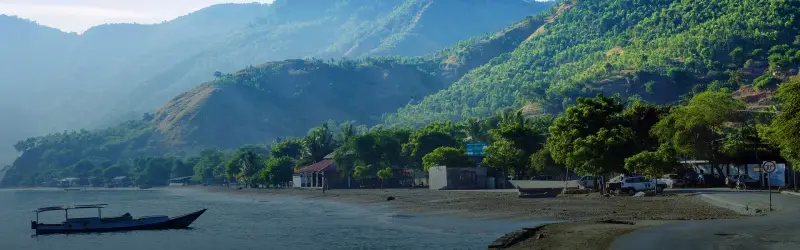 Timor-LesteCoral reefs, mountains and a young nation
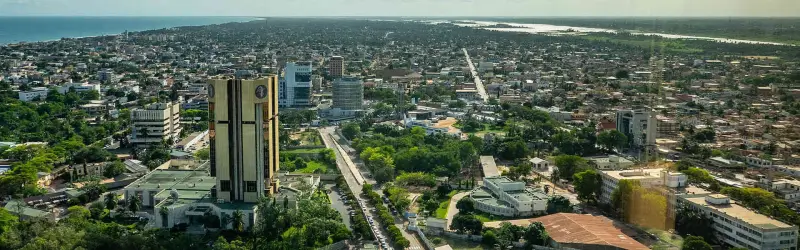 TogoVoodoo markets, Koutammakou and palm-lined coast
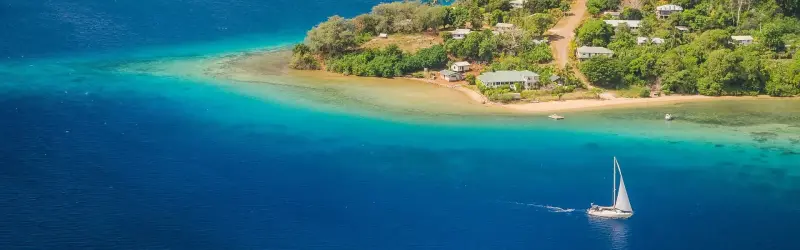 TongaHumpback whales and a Polynesian kingdom
 TurkmenistanThe Door to Hell and marble Ashgabat
 TuvaluRemote Pacific atolls and lagoons
 UgandaGorillas, chimpanzees and the source of the Nile
 UkraineKyiv, Lviv and the Carpathians
 VanuatuActive volcanoes, reefs and island culture
 Vatican CitySt Peter's and the Sistine Chapel
 WalesCastles, coast paths and mountains
 ZimbabweVictoria Falls, Hwange and Great Zimbabwe
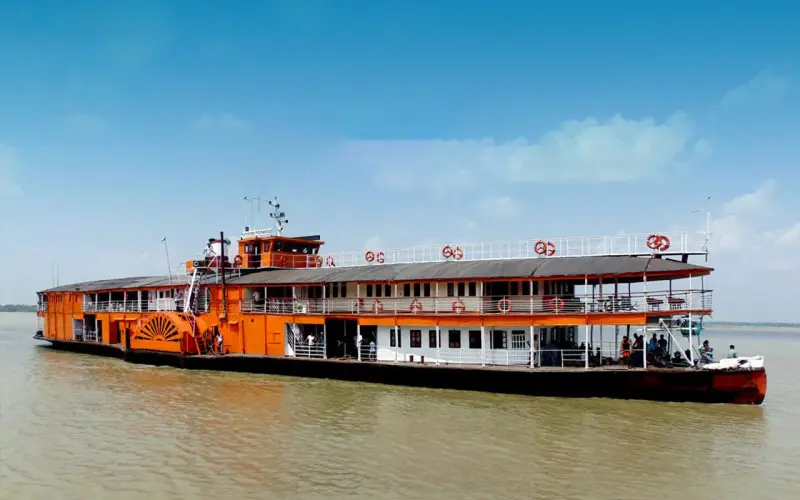 Bangladesh900 places to stay, eat or see
Nothing in that category yet.
Regions of Eswatini
Pick a region on the map to see what it is known for, then open its guide.
Top things to do in Eswatini
Things to do across Eswatini, from rhino safaris to the Reed Dance and craft markets.
No things to do in Eswatini are listed yet. Browse all things to do
Best time to visit Eswatini
May to September is dry with cool nights; October to April is warm and wet.
Dry, sunny days and cool nights; best game viewing. Umhlanga Reed Dance in late August or September.
Warm and wet, green landscapes; Incwala ceremony around December–January.
Reed Dance dates are set each year by the royal household; check closer to the time.
Eswatini travel tips
Visas, money, health, safety, SIM cards and lodging for the kingdom, topic by topic.
Visas and entry
Visa-free for many
Citizens of the UK, the EU, the US, Canada and many other countries can visit Eswatini without a visa for up to 30 days. Others need a visa in advance.
- Passport validity
- At least 3 months of validity and 2 blank pages
- Visa-free stay
- Up to 30 days, by nationality
- Children
- Carry birth certificates for minors
- Confirm with
- Eswatini Ministry of Home Affairs or an embassy
Getting there
Via South Africa
Most visitors arrive by road from South Africa, often from Kruger National Park or Johannesburg. King Mswati III International Airport has flights to Johannesburg.
- Airport
- King Mswati III International (SHO)
- Main border
- Oshoek/Ngwenya from Johannesburg
- From Kruger
- Jeppe's Reef or Mananga
Money and costs
Moderate destination
Eswatini is affordable. The lilangeni is pegged to the South African rand, which is accepted everywhere.
- Rand works everywhere; emalangeni aren't accepted in South Africa.
- Cards work in towns and lodges.
- Carry cash for crafts markets.
Health and vaccines
Malaria in the lowveld
Malaria occurs in the eastern lowveld, around Hlane and Mkhaya, mainly in the wet season.
- Drinking water
- Bottled recommended
- Malaria
- Low risk in the east
- Hospitals
- Basic; serious cases go to South Africa
- Buy travel insurance that covers medical evacuation.
- Carry prescription medicines in their original packaging.
Staying safe
Generally safe
Eswatini is generally safe for visitors. Avoid political gatherings and be careful driving at night.
- Emergency number
- Call 999 (police) (police); 977 ambulance; 933 fire
- Before you go
- Read your government's current travel advisory for Eswatini
- Avoid driving after dark.
- Don't photograph royal residences without permission.
- Keep valuables secure in towns.
Where to stay
Best areas to stay
Lodges and rest camps suit most visitors.
- Ezulwini Valley
- Hotels and crafts
- Mlilwane
- Rest camp in the sanctuary
- Hlane and Mkhaya
- Safari camps
Getting around
Car is best
Self-drive is the easiest option; distances are short. Minibus taxis serve local routes.
- Car hire
- From South Africa; check cross-border permission
- Minibus taxis
- Local routes
- Driving
- Keep left; livestock on roads; avoid driving after dark
- Kombis
- Hubs in Mbabane and Manzini; pay with notes, not rand coins
- Borders
- Nineteen gates; vehicle searches common
- Flights
- Sikhuphe to Johannesburg, Durban, Cape Town, Harare and Lusaka
SIM and internet
Local SIM or eSIM
Prepaid SIMs are sold in towns.
- Networks
- MTN Eswatini, Eswatini Mobile
Culture and etiquette
Customs and etiquette
Swazi culture is strong and respectful of the monarchy. Ceremonies are major national events.
- Monarchy
- Respect the royal family
- Ceremonies
- Umhlanga and Incwala
- Language
- siSwati in rural areas; English for business
- Healers
- Sangoma and inyanga; never call them witch doctors
- Ask before photographing ceremonies
- Greet with 'sawubona'
- Buy local crafts
- Dress modestly in towns and churches
- Criticising the king in public
- Photographing royal residences
- Driving at night
Things to know before visiting Eswatini
The honest picture: what makes Eswatini special, and what catches visitors out.
Why travelers love it
- Rhinos at Mkhaya and Hlane.
- Mlilwane's walking and cycling safaris.
- The Reed Dance and Swazi culture.
- Crafts in the Malkerns Valley.
Good to know
- Small and easy to combine with Kruger.
- Political protests occasionally occur.
Trip fit
BookingMentor editorial ratings out of 5, based on a first-time visitor's experience.
Mbabane weather by month
Mbabane's rain comes in summer, with about 205 mm in January, while June to August are dry and cool at night (6°C). Tap a month for details.
Monthly averages for Mbabane from the climate table of its Wikipedia article (Mbabane (1991-2020 normals, extremes 1957-present)), compiled from the national weather service. The eastern lowveld is hotter and drier.
Packages in Demand
A Journey to Remember
Tours, activities and day trips in and around this destination, with the details you need before booking.
No packages in Eswatini are listed yet. Browse all packages
Create Your Custom-Made Trip to Eswatini
Traveling to Eswatini? Chat with a Local Travel Specialist in Eswatini Who Can Help Organize Your Trip.
START HERE
Our Travel Experts are Recommended by



Booking Eswatini's wildlife camps from Ezulwini to Hlane
Eswatini is no more than 200 km from north to south and 130 km across, so distances are short; the wildlife camps, with fixed pickup times and advance bookings, set the plan. Start in the Ezulwini Valley at Mlilwane Wildlife Sanctuary, then drive to Hlane in the lowveld, where guided walks almost guarantee a rhino.
Plan around the camps' pickup times, and fill the gaps with craft shopping and hikes.
- Two or three nights: start in the Ezulwini Valley, which runs between the two main towns. Mlilwane Wildlife Sanctuary covers about 4,560 hectares there. Guided walks and horseback safaris go out among zebra, wildebeest and nyala, and the reception gate opens 06:00 to 17:00. Spend an afternoon in the Malkerns craft shops, then drive east for a night in the lowveld. At Hlane, about 67 km north-east of Manzini, Ndlovu Camp runs on paraffin lamps with no electricity, and guided bush walks almost guarantee a rhino.
- Four or five nights: add Mkhaya, a reserve dedicated to black and white rhino. No private cars go in. Guests are collected at Phuzumoya on the MR8, usually around 16:00 for overnight stays or 10:00 and 16:00 for day tours, and every visit must be booked in advance.
- A week: head north-west to Malolotja, the largest protected area in the country at 18,000 hectares. It has 19 backcountry campsites for multi-day hikes and a canopy zipline tour of about 3 hours. On the way, climb Sibebe Rock near Mbabane, or arrange the Nsangwini rock art tour above the Komati River.
Hlane and Mkhaya are both run by Big Game Parks, which handles bookings centrally. Reserve camps in those parks before you reserve anything else, then fill in hotels in the Ezulwini Valley around them. Most visitors arrive overland as part of a longer South African loop. Spend the first and last nights close to the border post you will use.
A rental car from Johannesburg or Durban is the usual start; search flights early, as there are few.
Summer thunderstorms, dry winters and Lowveld heat
Eswatini's rain falls mainly from December to March as afternoon thunderstorms, so the dry winter months suit wildlife trips. The Lowveld around Hlane and Mkhaya can reach about 40°C in summer.
Four climate zones are packed into this small country: the Highveld in the west, the Middleveld, the Lowveld and the Lubombo plateau. The Highveld gets 700 to 1,550 mm of rain a year, the Lowveld only 200 to 550 mm.
The Highveld is rarely uncomfortable, and a fleece is essential on winter dawn walks in the parks. Eswatini also has one of the highest rates of lightning strikes per person in the world. During summer storms, get off exposed ridges such as Sibebe Rock or the high trails of Malolotja and do not shelter under lone trees.
Two royal ceremonies anchor the calendar. Umhlanga, the Reed Dance, runs for eight days in late August or early September at Ludzidzini Royal Village in Lobamba, where tens of thousands of unmarried young women present reeds to the Queen Mother. Incwala, the kingship ceremony, unfolds over about a month around the summer solstice, with its climax after the full moon nearest 21 December. Exact dates are announced by the royal household each year, so confirm them before you fix travel.
Pap, roadside chicken dust and soured milk
Maize porridge, called pap or mealie, is the base of most meals in Eswatini, often with beans, groundnuts, pumpkin or soured milk. The everyday treat is chicken dust, chicken grilled over coals at the roadside and served with salad and mealie. Buy from busy stalls where the meat is cooked fresh in front of you.
Avocado turns up often too. Tourist restaurants also serve dried and cooked antelope, which locals call wild meat.
Chicken dust is cheap. Roadside sellers also offer sweet breads, fruit and vegetables.
For groceries, the Hub in Manzini has a large supermarket ringed by cafes and restaurants. Manzini's markets are the place for local produce and food stalls.
House on Fire in the Malkerns area mixes local art with DJs and live acts on an open-air stage. The Royal Swazi hotel in Ezulwini has four bars. In summer, ask around for marula brew: the fruit ripens between December and March and the drink is made at home, so it rarely reaches a shop.
Travelers are asking
Yes. Border posts near Kruger's southern section make Eswatini an easy addition to a safari route.
Our travel desk answers questions about Eswatini
How We Research This Guide
The Eswatini Tourism Authority and Big Game Parks, which runs the main reserves, supply the park details; UK Foreign Office advice covers safety and the border posts.
Last updated . Spotted something out of date? Tell us.
Checked against trusted sources:
Eswatini Tourism AuthorityBig Game Parks of EswatiniUK Foreign Office travel advice

Before You Go...
Discover Trips & Info
A Travel Network Connection Travelers and locals
Incredible Event & Festival, Don't Miss!
Most Popular Event & Festival of Eswatini
Festivals and events in this destination, with dates, venues and ticket details where available.
No upcoming festivals or events in Eswatini are listed right now. Browse all events
Subscriber
Popular car hire destinations
Explore more options to hire a car for cheap
Frequently Asked Questions (FAQs)
Quick answers to the questions travelers ask most before a trip to Eswatini.
Timing & weather
May to September is the best time to visit Eswatini.
January is the warmest month in Eswatini, with average highs of 26°C, and June the coolest, with lows of 6°C. January is the wettest month, at about 205 mm of rain; June is the driest. Mbabane's rain comes in summer, with about 205 mm in January, while June to August are dry and cool at night (6°C).
Health & safety
Eswatini is generally safe. Avoid political gatherings and night driving. Call 999 for police or 977 for an ambulance.
Visa & documents
Citizens of the UK, the EU, the US and many other countries can visit visa-free for up to 30 days.
Booking
Allow 2 to 4 days.
It is dedicated to black and white rhino, and no private cars go in. Guests are collected at Phuzumoya on the MR8, usually around 16:00 for overnight stays, and every visit must be booked ahead.
Big Game Parks runs both and handles reservations centrally. Secure those camps first, then fill in Ezulwini Valley hotels; Hlane's Ndlovu Camp runs on paraffin lamps with no electricity.
General
Top places include Mlilwane Wildlife Sanctuary, Hlane Royal National Park, Mkhaya Game Reserve, Malolotja Nature Reserve, the Ezulwini Valley and Malkerns.
Umhlanga, the Reed Dance, runs for eight days in late August or early September at Ludzidzini Royal Village in Lobamba. Incwala, the kingship ceremony, unfolds over about a month around the summer solstice. The royal household announces dates each year.
Eswatini has one of the highest rates of lightning strikes per person in the world. During storms, get off exposed ridges such as Sibebe Rock or Malolotja's high trails, and never shelter under a lone tree.
Chicken grilled over coals at the roadside, served with salad and mealie. Buy from busy stalls where it is cooked fresh in front of you.
Self-drive is the easiest option; distances are short. Minibus taxis serve local routes.
Eswatini is best known for:
- Rhinos at Mkhaya and Hlane
- Mlilwane's walking and cycling safaris
- The Reed Dance and Swazi culture
- Crafts in the Malkerns Valley
Getting there
Most visitors arrive by road from South Africa, often from Kruger National Park or Johannesburg. King Mswati III International Airport has flights to Johannesburg.
Prices & payment
Daily travel costs in Eswatini are moderate. Costs are moderate by international standards.
