


Guinea travel guide
The waterfalls of Fouta Djallon and the source of great rivers.
Guinea, on West Africa's Atlantic coast, is known for the Fouta Djallon highlands, where the Niger, Senegal and Gambia rivers rise, waterfalls around Dalaba and Labé, the Îles de Los off Conakry and the UNESCO-listed Mount Nimba reserve. Tourist infrastructure is very limited. Visit from November to April. Costs are moderate, and the e-Visa is applied for online before travel.
Guinea is a country in West Africa, bordered on the west by the Atlantic Ocean. It's known for the Mount Nimba Strict Nature Reserve, in the southeast. The reserve protects a forested mountain range rich in native plants and animals, including chimpanzees and the viviparous toad. On the coast, the capital city, Conakry, is home to the modern Grand Mosque and the National Museum, with its regional artifacts.
Travelers to Guinea must have a passport valid for at least six months after the date of arrival into the country. In addition, travelers must possess a valid visa unless they are from countries that are exempt from the visa requirement and fall under certain conditions.
Citizens of most countries must obtain a visa prior to travel. However, citizens of approximately 45 countries and territories are exempt from this requirement and can enter the country for 90 days or less without a visa. All visitors to Guinea must provide evidence of yellow fever vaccination. It is also recommended that visitors get vaccinated against cholera and meningitis.
Additionally, visitors should receive vaccinations against typhoid and hepatitis A. Guinea is generally a safe country to travel to, but the political situation can be volatile, so it is important to stay aware of the latest news. Additionally, theft and pickpocketing are common in the larger cities, so it is important to travel with caution.
Best experiences in Guinea
Find your kind of trip: 24 travel themes, each with the packages in Guinea.
 Ayurveda Tours
Seasonal/Event
 Adventure
Wildlife & Safaris
Pilgrimage
Eco/Nature
Culture & History
 Honeymoon
 Romantic Getaway
 Cruise
 Water Activities
 Backpacking
 Luxury
 Photography
City Slickers
Heritage
 Beach & Relaxation
 Sports & Recreation
 Food & Wine
Train & River Journeys
Skiing
 Overland
Guinea at a glance
Quick answers on money, language, visas and time before a trip to Conakry and the Fouta Djallon.
Explore other countries
Pick a place by travel style: beaches, nature, cities, heritage, hills, islands, desert.
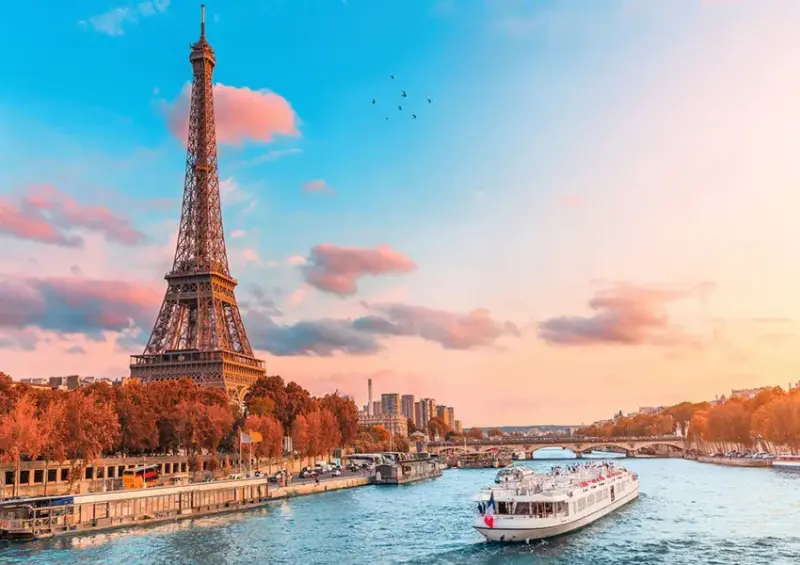 FranceParis, the Riviera, châteaux and Alpine peaks
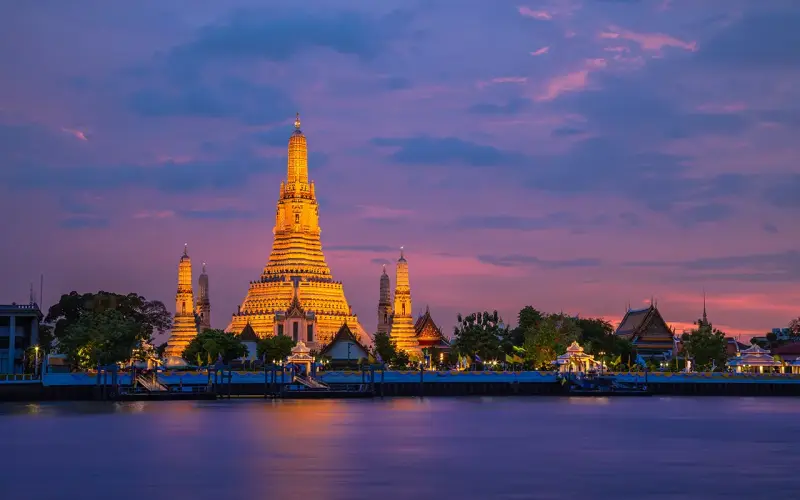 ThailandTemples, street food and tropical islands
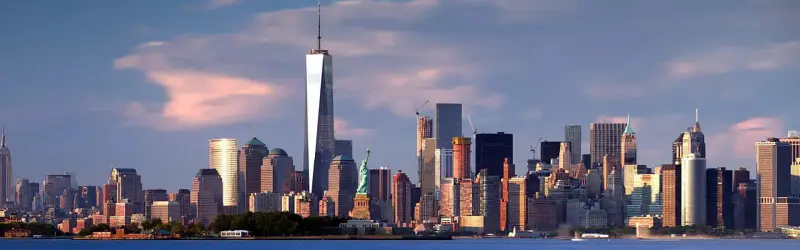 United StatesGreat cities, national parks and road trips
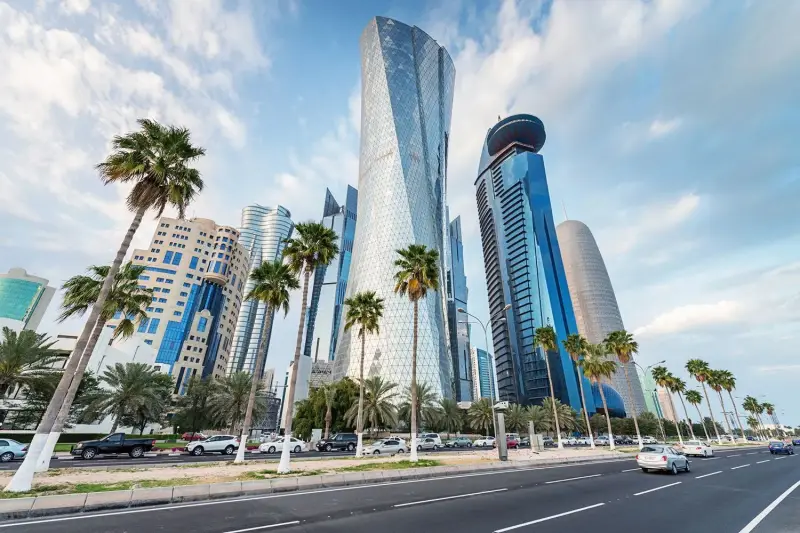 QatarDoha's museums, souqs and desert dunes
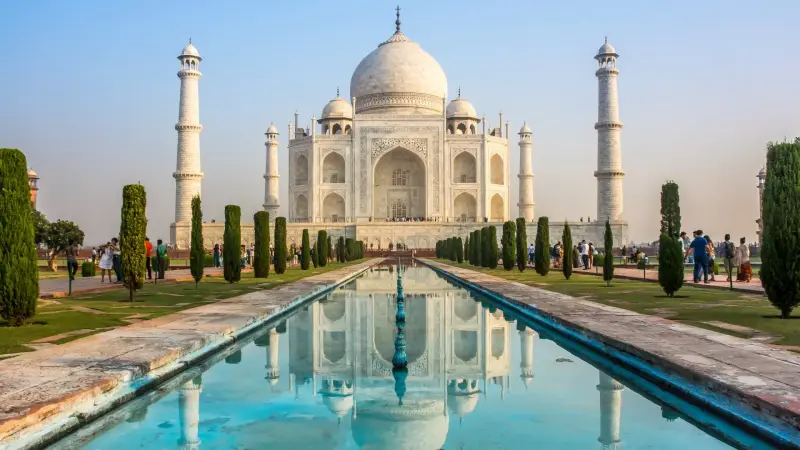 IndiaPalaces, temples, Himalaya and backwaters
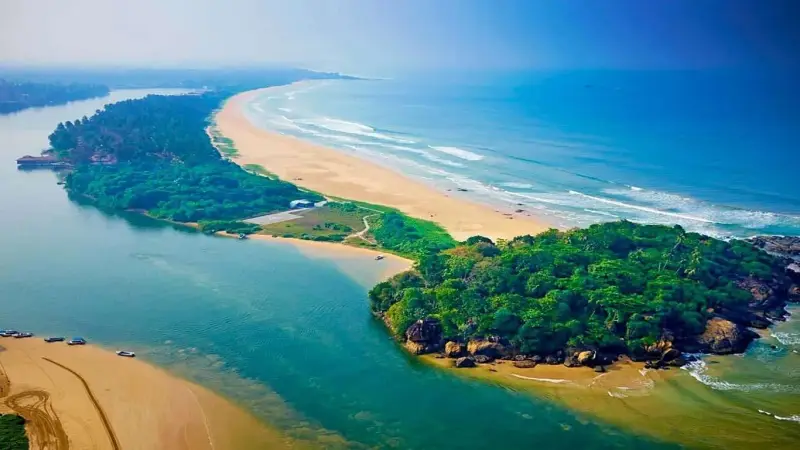 Sri LankaAncient cities, tea hills, wildlife and beaches
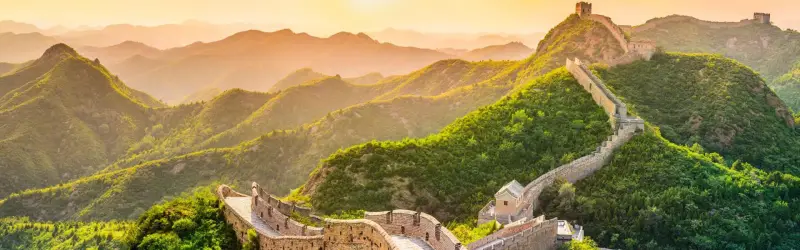 ChinaThe Great Wall, ancient capitals and mega-cities
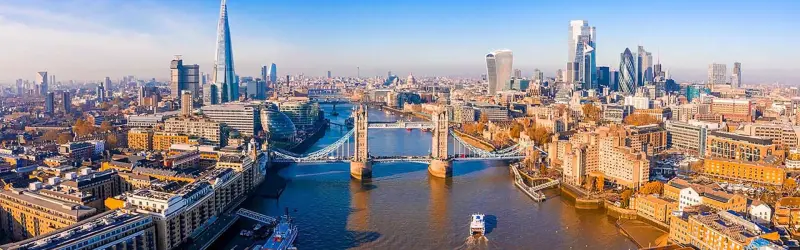 United KingdomLondon, castles, highlands and country villages
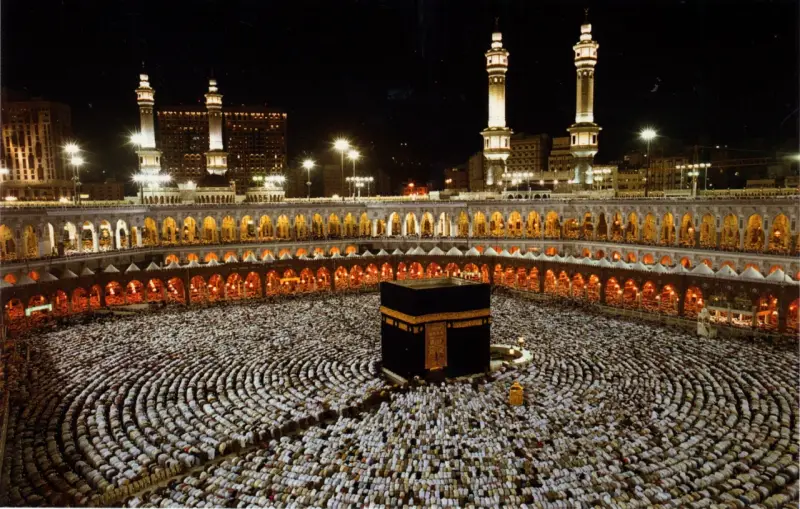 Saudi ArabiaAlUla, Red Sea coast and Arabian heritage
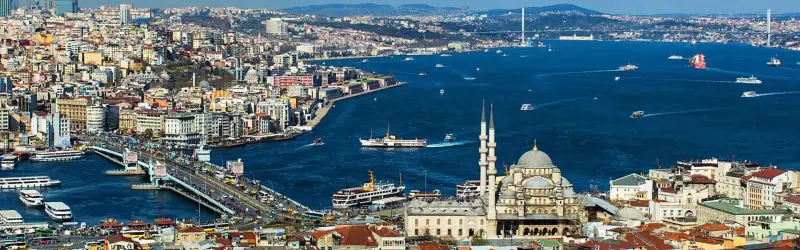 TurkeyIstanbul, Cappadocia and the Turquoise Coast
 United Arab EmiratesDubai, Abu Dhabi and desert adventures
 ItalyRome, Renaissance cities, lakes and coastlines
 EgyptPyramids, Nile temples and Red Sea reefs
 JapanTokyo, Kyoto's temples and Mount Fuji
 GermanyBerlin, castles, the Rhine and the Alps
 MalaysiaKuala Lumpur, rainforest, islands and street food
 SpainBeaches, tapas, flamenco and Gaudí
 IndonesiaBali, Komodo, Borobudur and 17,000 islands
 Hong KongSkyline, harbour, dim sum and hiking trails
 SingaporeGardens, hawker food and a dazzling skyline
 GreeceAncient wonders and Aegean islands
 MaldivesOverwater villas and coral atolls
 PortugalLisbon, Porto, the Algarve and island escapes
 VietnamHa Long Bay, Hoi An and street food
 BrazilRio, the Amazon, Iguaçu and endless beaches
 AustraliaReef, outback, beaches and laid-back cities
 South KoreaSeoul's palaces, K-culture and mountain temples
 SwitzerlandAlps, lakes, trains and chocolate
 MexicoMaya ruins, Caribbean beaches and Mexico City
 RussiaMoscow, St Petersburg and vast landscapes
 South AfricaSafaris, Cape Town and the Garden Route
 CanadaRockies, lakes, wildlife and friendly cities
 PalestineBethlehem, Jericho and ancient holy sites
 TaiwanNight markets, mountains and Taipei 101
 ColombiaCaribbean coast, coffee country and Andean cities
 Philippines7,000 islands of beaches, reefs and rice terraces
 CambodiaAngkor's temples, river life and islands
 IsraelJerusalem, the Dead Sea and Tel Aviv beaches
 NetherlandsCanals, bikes, tulips and Dutch masters
 ArgentinaTango, glaciers, waterfalls and the Andes
 AustriaVienna's palaces, Alpine villages and music
 BelgiumMedieval towns, art, chocolate and beer
 ChilePatagonia, the Atacama and the Andes
 CroatiaAdriatic islands, walled towns and lakes
 IcelandWaterfalls, glaciers, volcanoes and northern lights
 IrelandGreen coasts, lively pubs and Celtic heritage
 JordanPetra, Wadi Rum and the Dead Sea
 MadagascarLemurs, baobabs and unique wildlife
 MauritiusLagoons, mountains and multicultural flavours
 MyanmarBagan's temples and the Shwedagon Pagoda
 NepalEverest, the Annapurnas and Kathmandu's temples
 NigeriaLagos energy, Afrobeats and cultural heritage
 NorwayFjords, northern lights and the midnight sun
 TahitiGateway to French Polynesia
 TanzaniaSerengeti, Kilimanjaro and Zanzibar
 VenezuelaAngel Falls, Los Roques and the Andes
 BhutanHimalayan monasteries and Gross National Happiness
 BoliviaSalt flats, Andean lakes and colonial cities
 KuwaitGulf city-state
 MoroccoMedinas, Sahara dunes and Atlas mountains
 OmanForts, wadis, deserts and Arabian coast
 ParaguayJesuit missions, wetlands and the Chaco
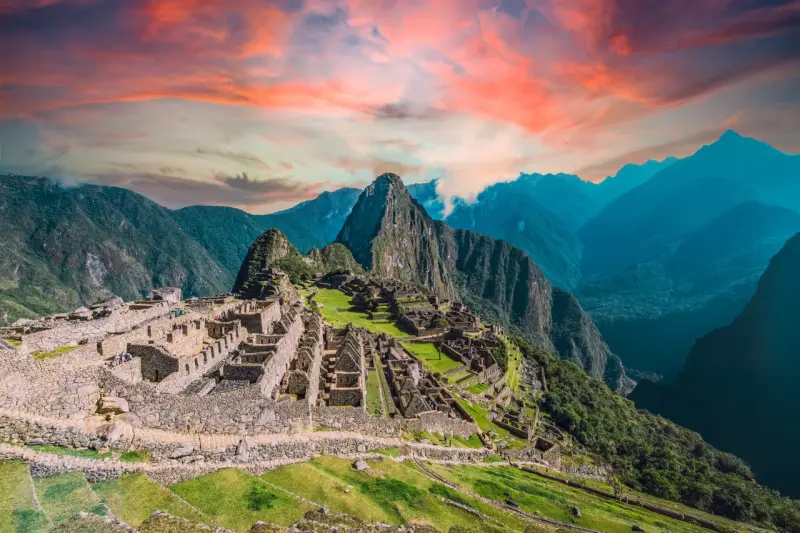 PeruMachu Picchu, the Andes and the Amazon
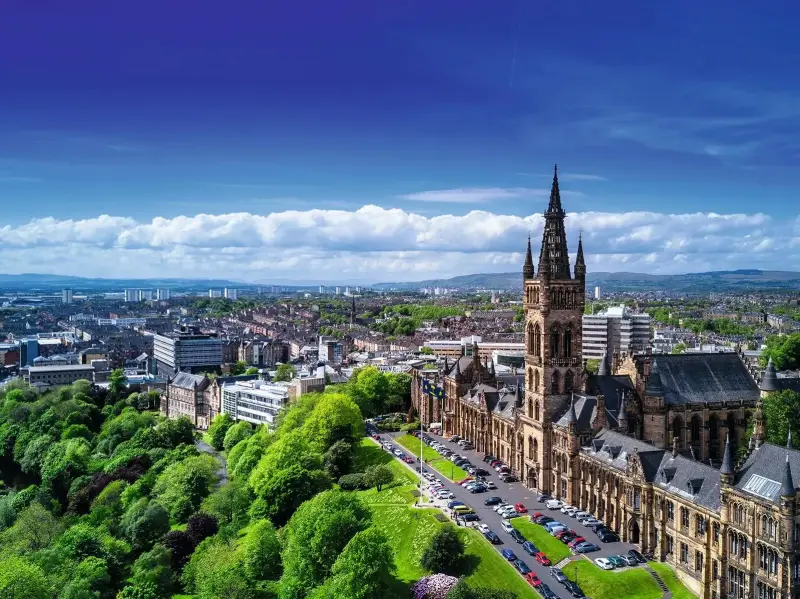 ScotlandHighlands, castles, islands and whisky
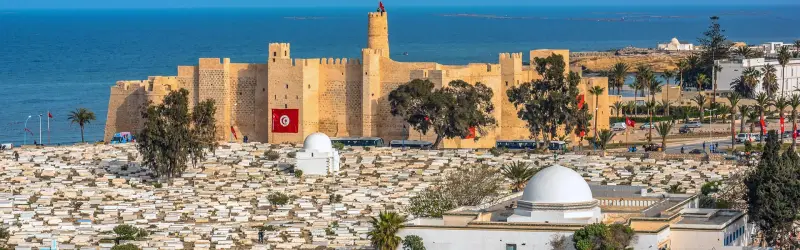 TunisiaCarthage, Sahara and Mediterranean beaches
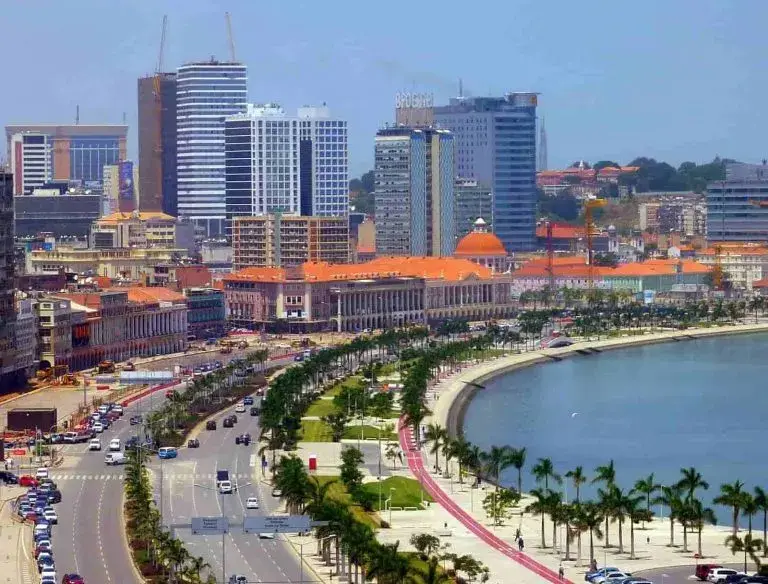 AngolaAtlantic coast, waterfalls and desert landscapes
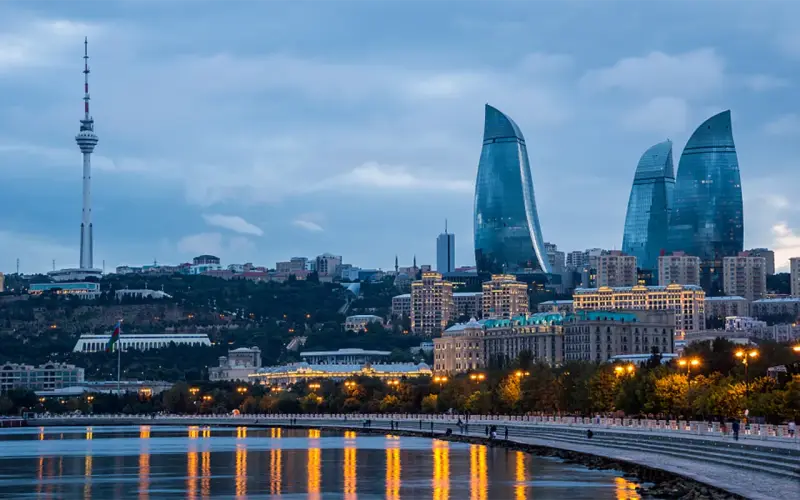 AzerbaijanBaku's flame towers and Caspian Sea culture
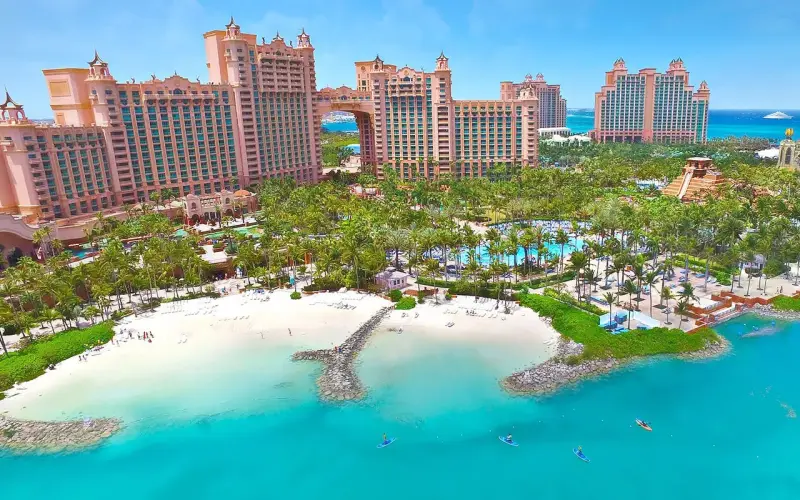 BahamasTurquoise water across 700 islands
 BahrainPearling heritage and Gulf city life
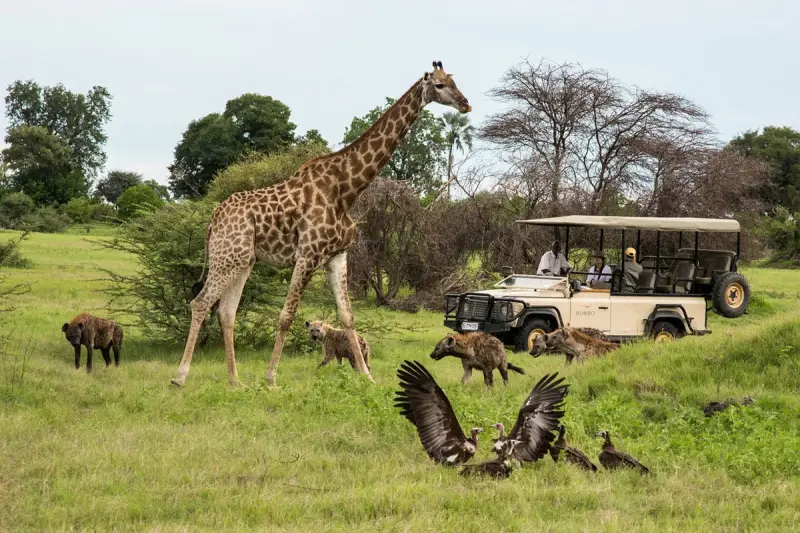 BotswanaOkavango Delta safaris and Kalahari skies
 BruneiGolden mosques and pristine Borneo rainforest
 BulgariaBlack Sea beaches, mountains and monasteries
 Cape Verde IslandsAtlantic islands of beaches, volcanoes and morna
 CubaHavana, Trinidad, tobacco valleys and beaches
 Czech RepublicPrague, castles and spa towns
 EcuadorGalápagos, Andes volcanoes and the Amazon
 EthiopiaRock-hewn churches, highlands and ancient kingdoms
 FijiCoral islands, warm welcomes and soft coral reefs
 FinlandLakes, Lapland and the northern lights
 GeorgiaCaucasus peaks, wine and Tbilisi's old town
 GuyanaKaieteur Falls and untouched rainforest
 HungaryBudapest's baths, Lake Balaton and wine
 KazakhstanSteppe, canyons and Silk Road cities
 KenyaSafaris, the Great Migration and Indian Ocean beaches
 LaosLuang Prabang, the Mekong and limestone karsts
 LatviaRiga's Art Nouveau and Baltic beaches
 LibyaRoman ruins and Sahara
 LuxembourgFortress city, castles and free public transport
 MongoliaSteppe, Gobi Desert and nomad life
 MozambiqueIndian Ocean islands and coral coast
 New ZealandFiords, glaciers, volcanoes and Māori culture
 PakistanKarakoram peaks, Mughal Lahore and mountain valleys
 PanamaThe canal, islands and rainforest
 Papua New GuineaHighland cultures, reefs and the Kokoda Track
 PolandKraków, Gdańsk, Warsaw and the Tatras
 RomaniaTransylvania's castles, painted monasteries and the Carpathians
 RwandaMountain gorillas and the land of a thousand hills
 Saint LuciaThe Pitons, rainforest and Caribbean romance
 SerbiaBelgrade nightlife, monasteries and the Danube
 SeychellesGranite islands and perfect beaches
 SudanNubian pyramids and the Nile
 SwedenStockholm's archipelago, Lapland and design
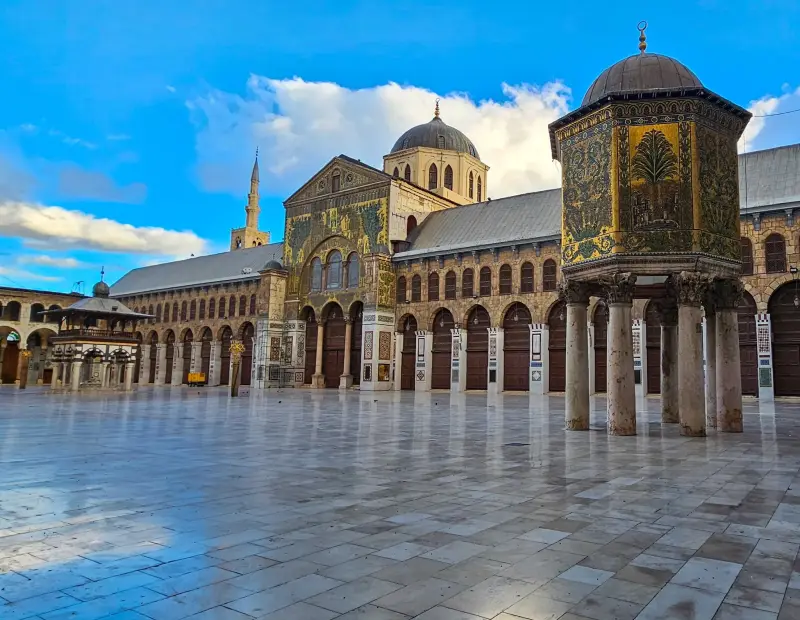 SyriaAncient cities
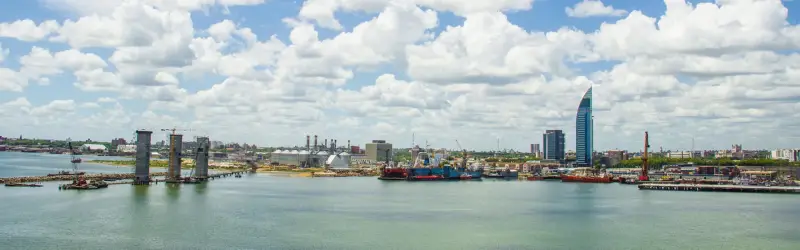 UruguayBeaches, colonial Colonia and laid-back Montevideo
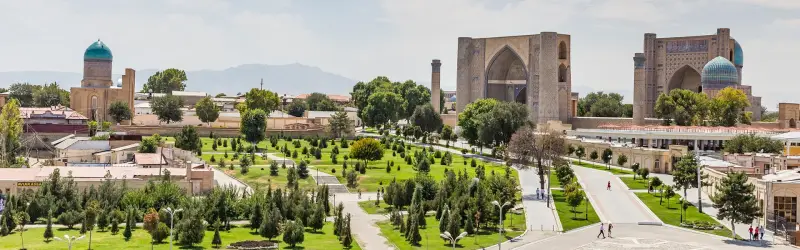 UzbekistanSamarkand, Bukhara and Khiva on the Silk Road
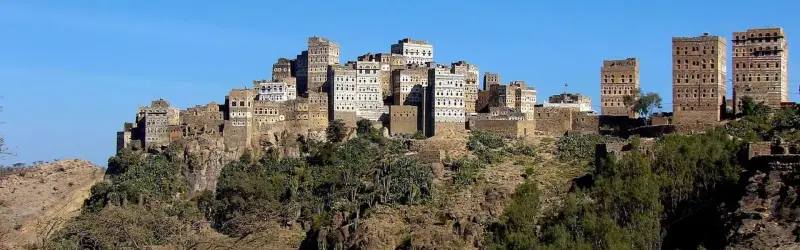 YemenAncient tower houses and Socotra's unique nature
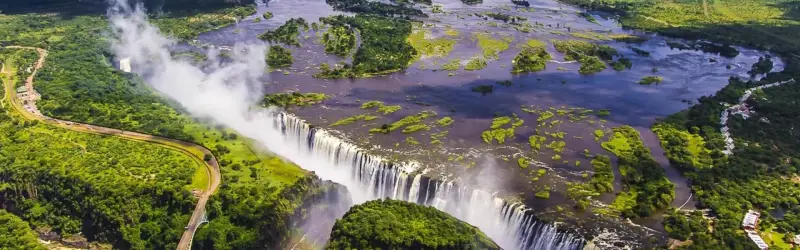 ZambiaVictoria Falls, walking safaris and the Zambezi
SurinameRainforest, rivers and colonial Paramaribo
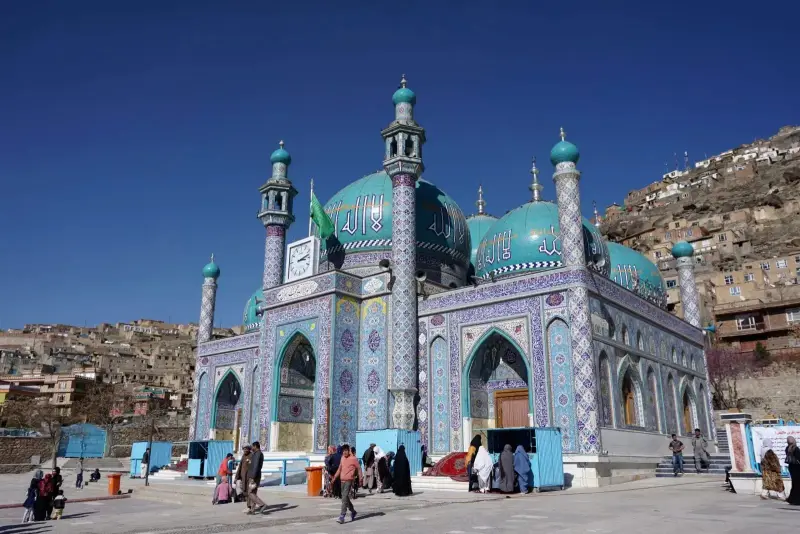 AfghanistanMountain valleys and Silk Road history
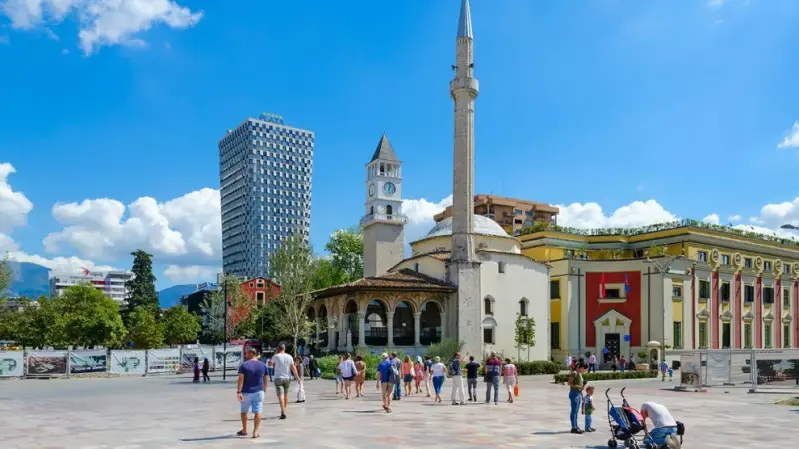 AlbaniaRiviera beaches, mountain villages and Ottoman towns
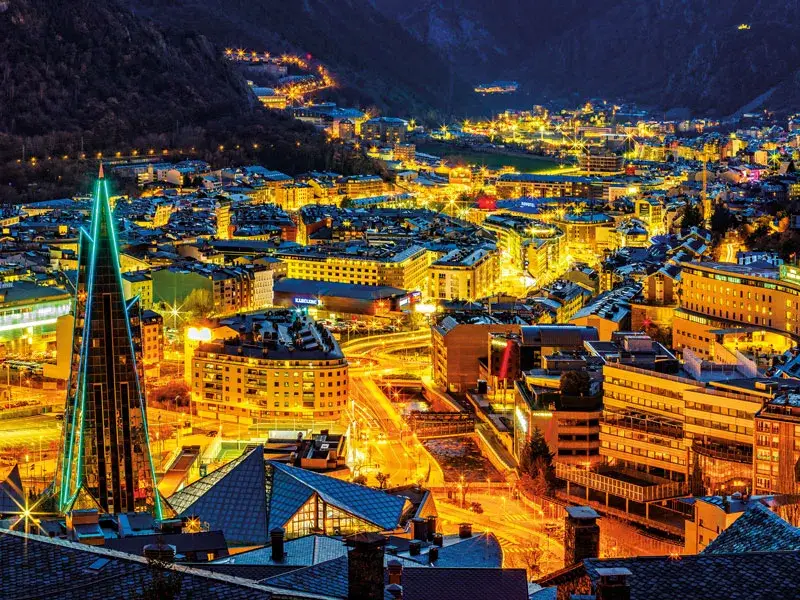 AndorraPyrenean ski slopes and duty-free shopping
 AntarcticaIcebergs, penguins and the last great wilderness
 Antigua and BarbudaA beach for every day of the year
 ArcticNorthern lights, polar bears and the midnight sun
 ArmeniaAncient monasteries beneath Mount Ararat
 BarbadosBeaches, rum and cricket in the Caribbean
 BelarusPrimeval forests and Soviet-era Minsk
 BelizeBarrier reef, Maya temples and jungle
 BeninVodun culture, royal palaces and lagoon villages
 BermudaPink sand beaches in the Atlantic
 Bosnia HerzegovinaOttoman bridges, mountain rivers and Sarajevo
 Burkina FasoSahel culture, music and film festivals
 BurundiLake Tanganyika beaches and drumming traditions
 CameroonAfrica in miniature: rainforest, volcano and savanna
 ChadSaharan landscapes and Zakouma wildlife
 ComorosVolcanic islands, vanilla and ylang-ylang
 Costa RicaRainforest, volcanoes, wildlife and two coasts
 CyprusSunny beaches, ancient sites and mountain villages
 Côte D'IvoireAbidjan's skyline, beaches and basilicas
 DR CongoGorillas, volcanoes and the mighty Congo River
 DenmarkCopenhagen design, castles and coastlines
 DjiboutiSalt lakes, whale sharks and volcanic desert
 DominicaThe Caribbean's nature island
 Dominican RepublicPunta Cana beaches and the New World's first city
 El SalvadorSurf beaches, volcanoes and colonial towns
 Equatorial GuineaVolcanic Bioko and rainforest Río Muni
 EritreaAsmara's Modernist architecture and the Red Sea
 EstoniaTallinn's medieval old town and Baltic nature
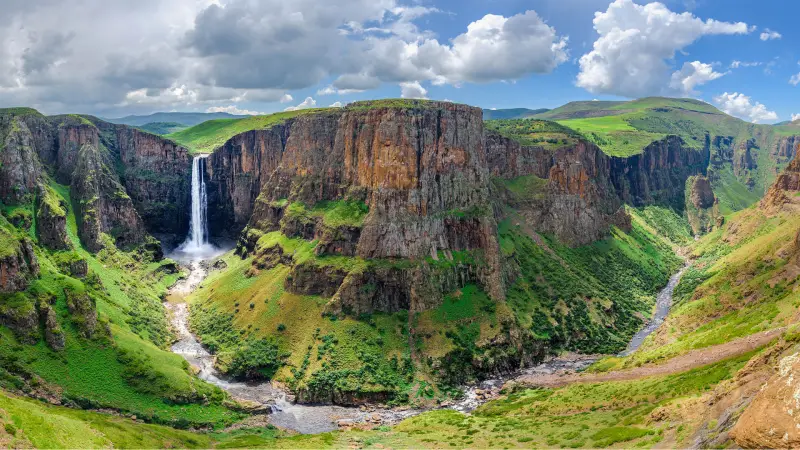 EswatiniWildlife, culture festivals and mountain valleys
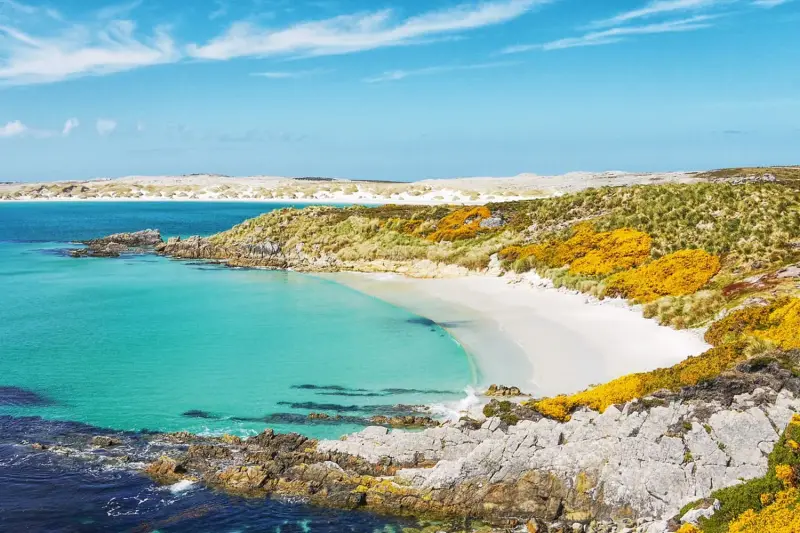 Falkland IslandsPenguin colonies on remote South Atlantic islands
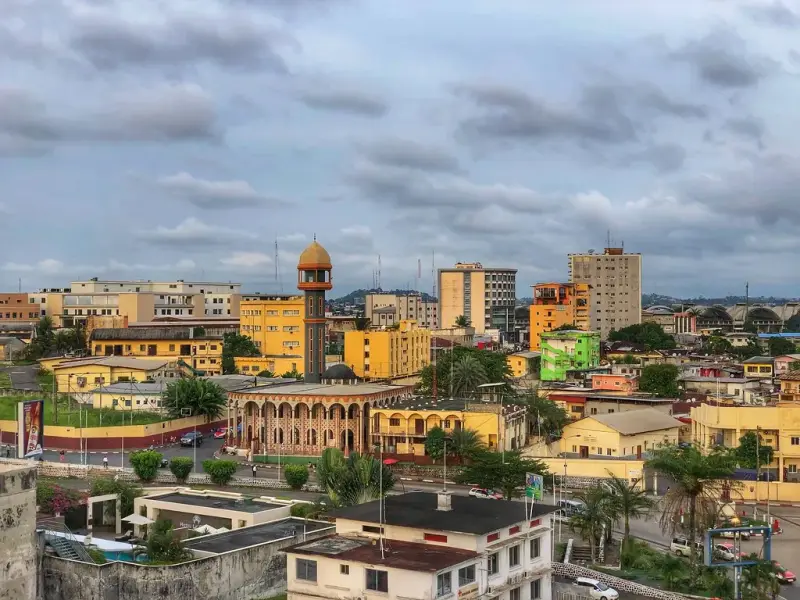 GabonRainforest parks, surfing hippos and gorillas
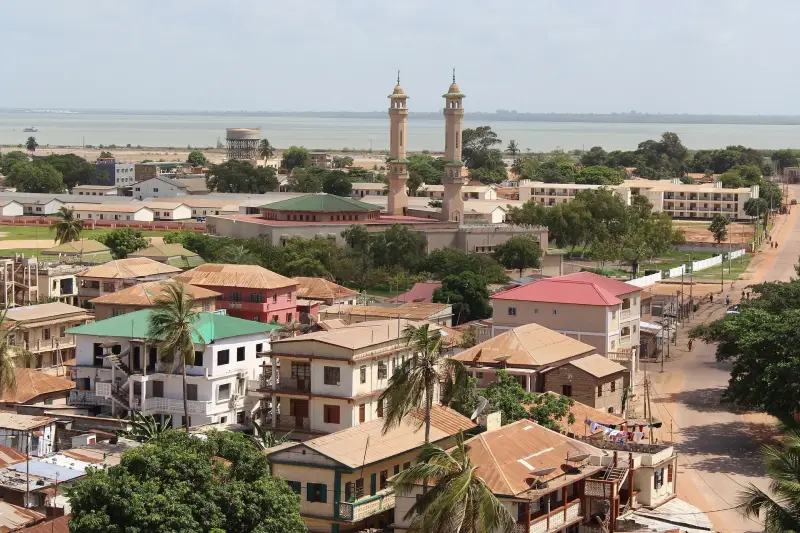 GambiaAtlantic beaches, river life and birdwatching
 GhanaCoastal castles, Ashanti culture and warm welcomes
 GreenlandIcebergs, glaciers and Arctic culture
 GuatemalaMaya temples, volcanoes and Lake Atitlán
 Guinea BissauThe Bijagós Islands and saltwater hippos
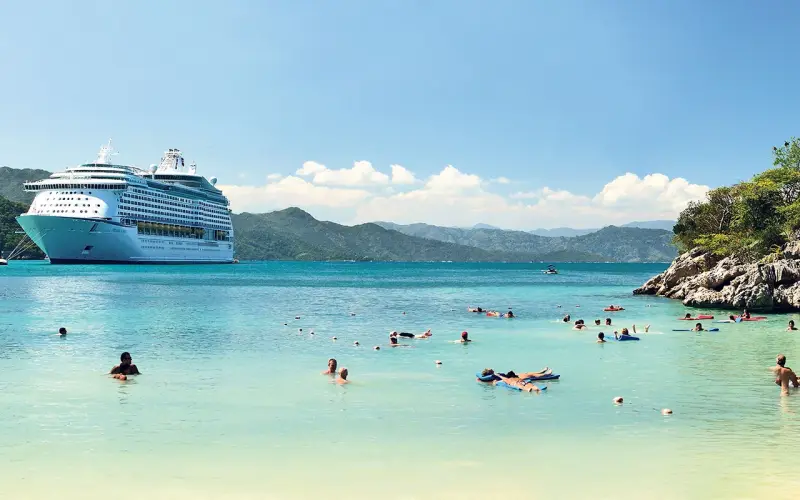 HaitiCitadelle and Caribbean culture
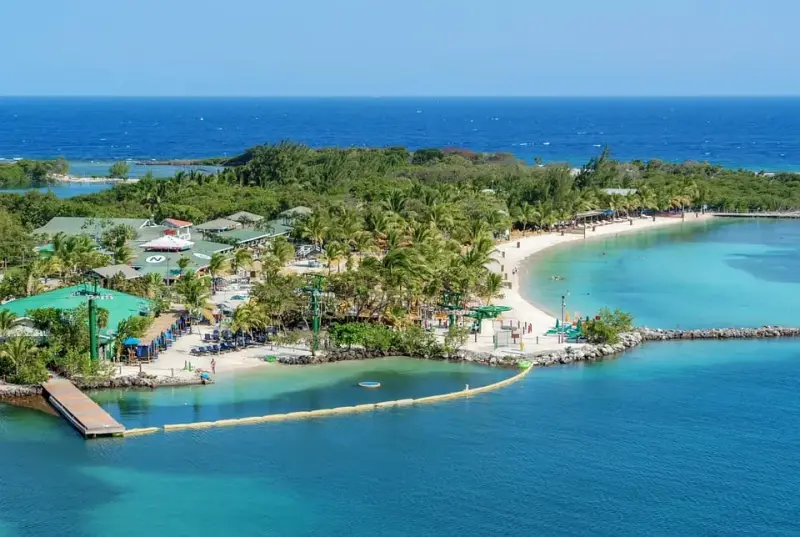 HondurasCopán and the Bay Islands
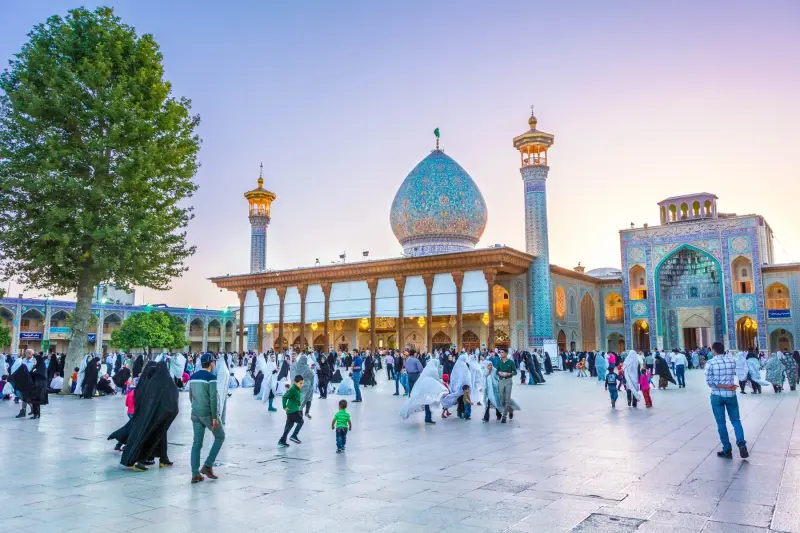 IranPersian palaces, mosques and gardens
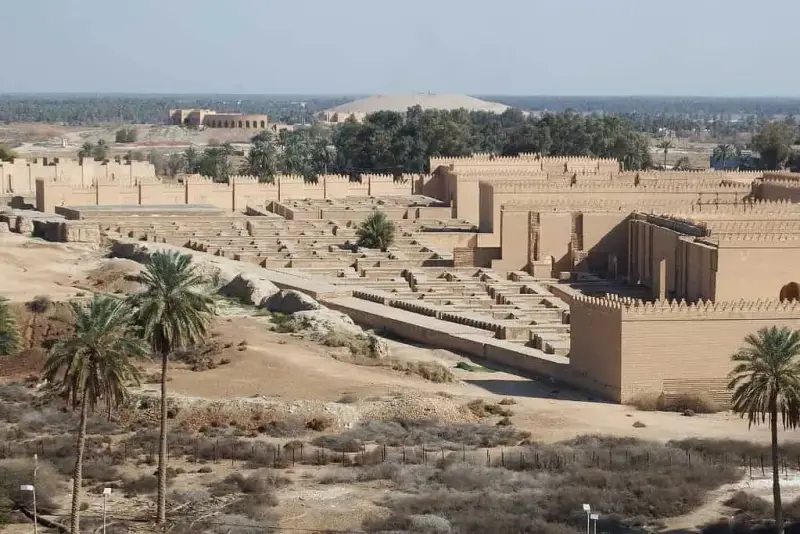 IraqAncient Mesopotamia
 JamaicaReggae, waterfalls and Caribbean beaches
 KosovoMedieval monasteries and mountain valleys
 KyrgyzstanMountain lakes, yurts and nomad culture
 LesothoThe Kingdom in the Sky
 LiberiaRainforest and surf
 LiechtensteinAlpine principality
 LithuaniaBaroque Vilnius, castles and the Curonian Spit
 MalawiLake Malawi, the warm heart of Africa
 MaliSahel heritage
 MaltaValletta, ancient temples and blue lagoons
 Marshall IslandsPacific atolls
 MauritaniaSahara caravan towns and the Iron Ore Train
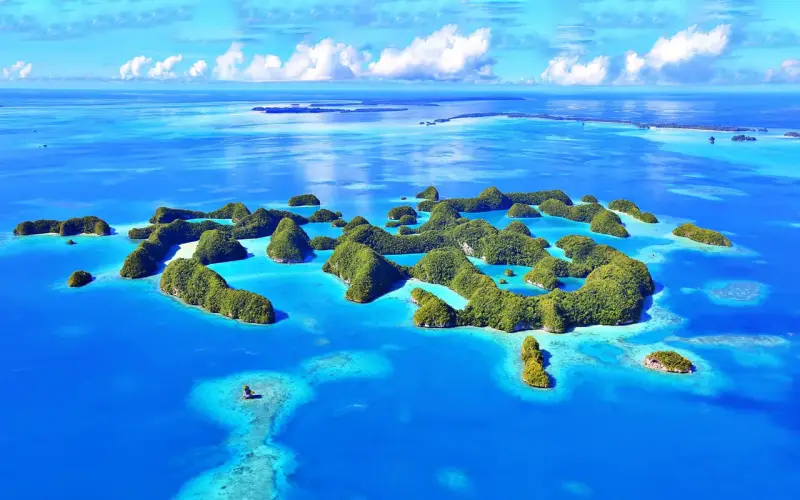 MicronesiaNan Madol, Chuuk Lagoon wrecks and Yap's stone money
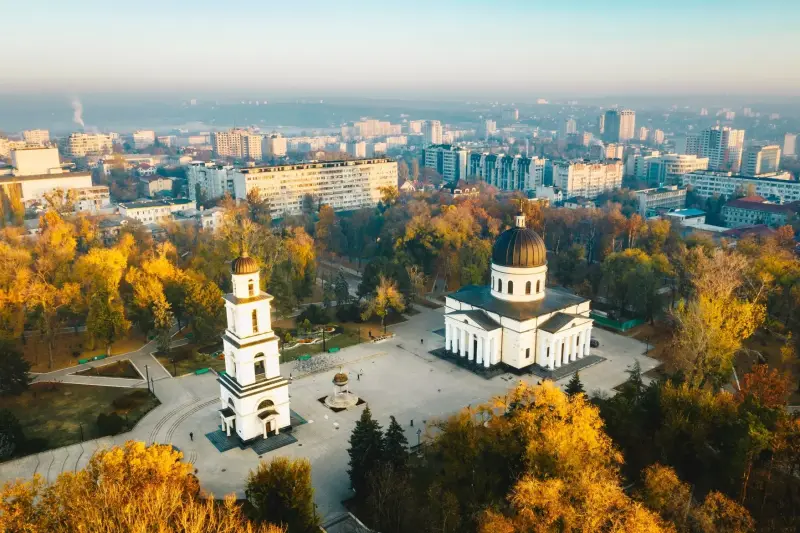 MoldovaWine cellars, cave monasteries and countryside
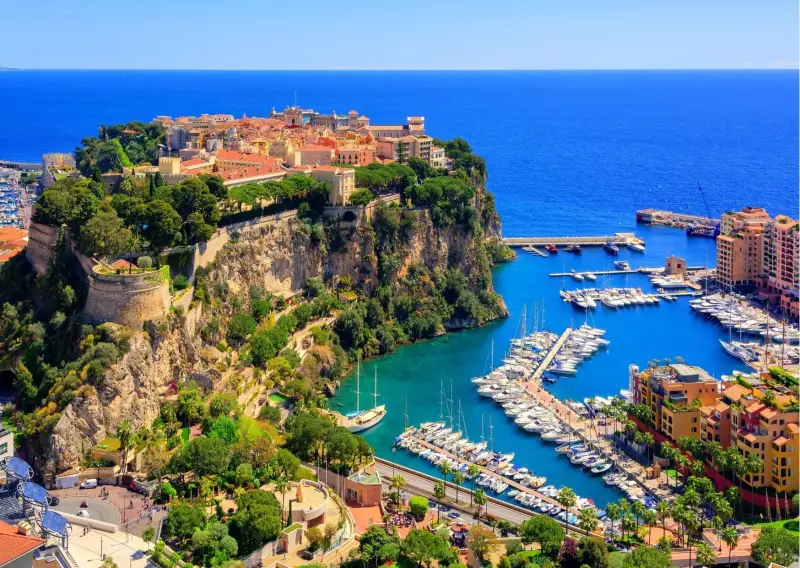 MonacoGlamour, Grand Prix and the Riviera
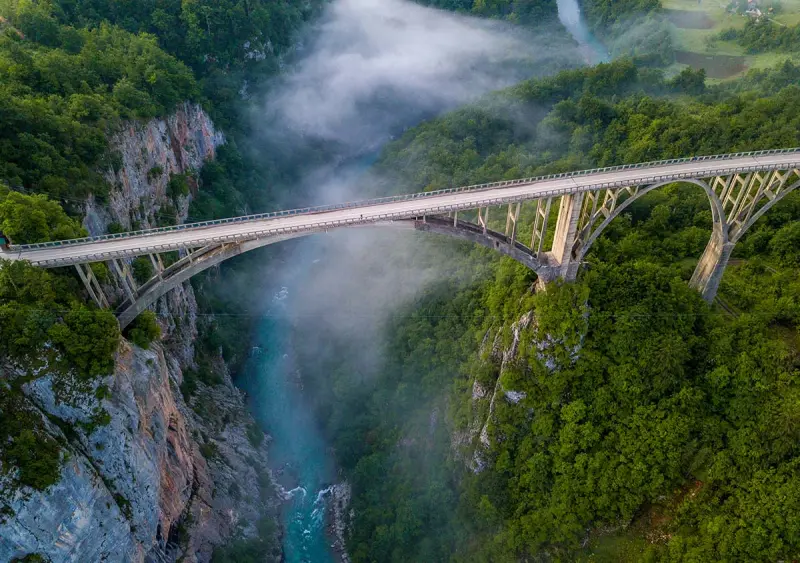 MontenegroBay of Kotor, Adriatic beaches and mountains
 NamibiaRed dunes, Etosha wildlife and desert coast
 NauruThe world's smallest island republic
 NicaraguaVolcanoes, lakes and colonial Granada
 NigerAgadez and the Sahara
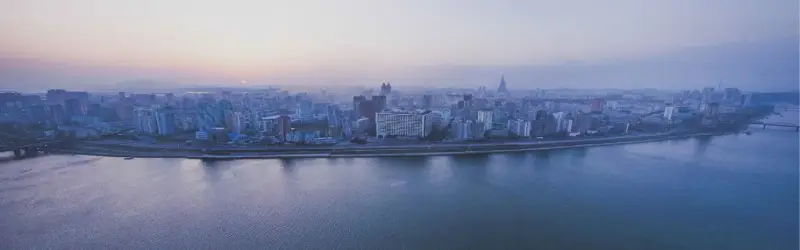 North KoreaThe world's most closed country
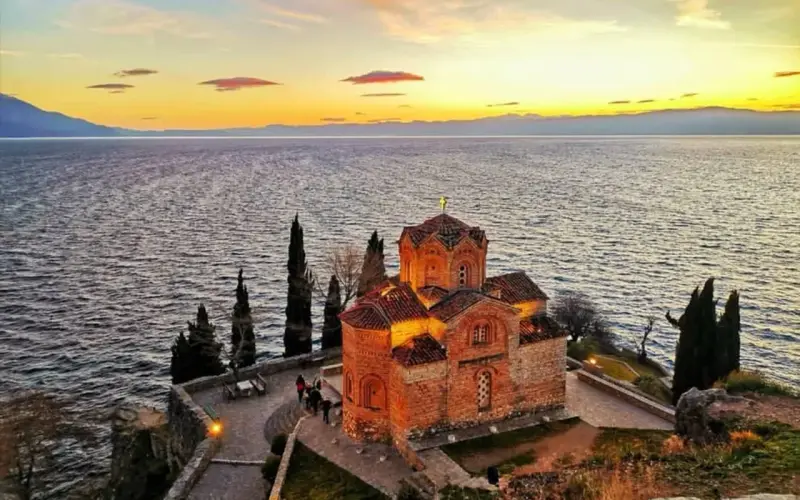 North MacedoniaLake Ohrid, Skopje and Balkan mountains
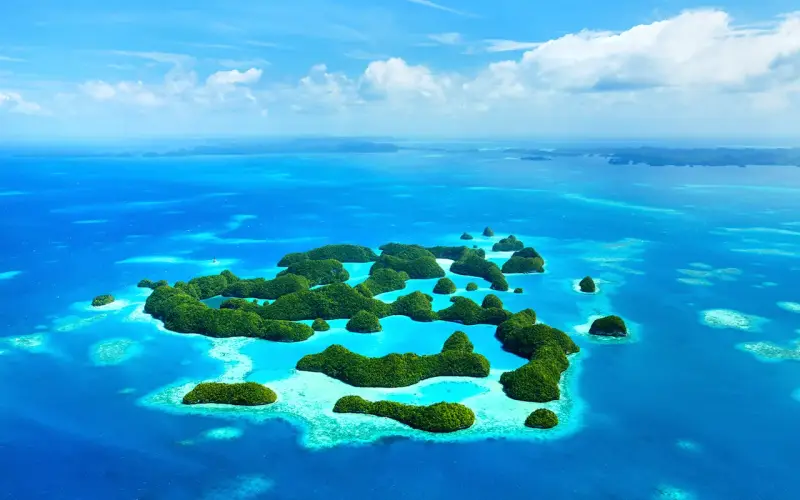 PalauRock Islands, Jellyfish Lake and world-class diving
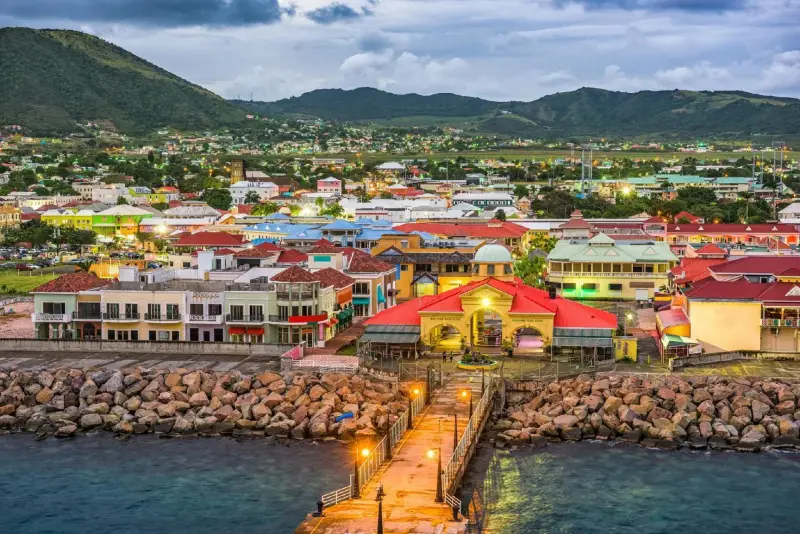 Saint Kitts and NevisBrimstone Hill, scenic railway and twin islands
 Saint Vincent and the GrenadinesSailing the Grenadines and Tobago Cays
 SamoaBeach fales, waterfalls and fa'a Samoa
 Sao Tome and PrincipeCocoa islands on the equator
 SenegalDakar's energy, Gorée Island and the Saloum Delta
 Sierra LeoneBeaches, islands and chimpanzee sanctuaries
 SlovakiaCastles, the High Tatras and Bratislava
 SloveniaLake Bled, Alpine valleys and caves
 Solomon IslandsWWII history, reefs and lagoons
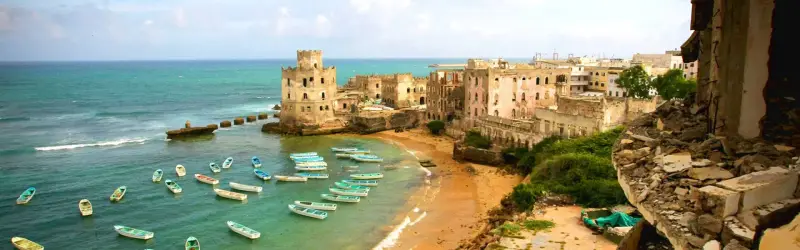 SomaliaAncient coast and Somaliland rock art
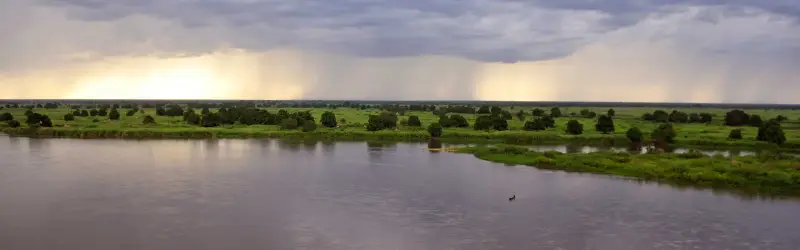 South SudanThe world's youngest country
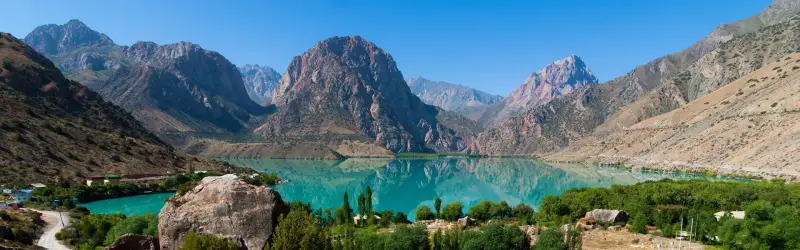 TajikistanThe Pamir Highway and high mountain lakes
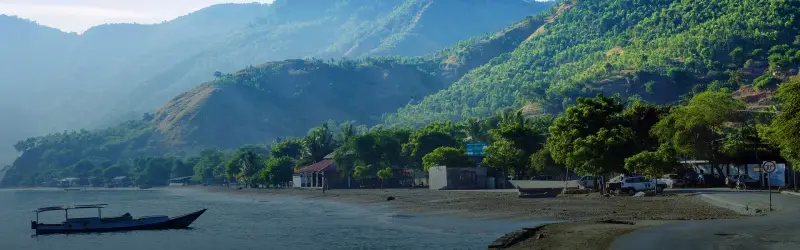 Timor-LesteCoral reefs, mountains and a young nation
 TogoVoodoo markets, Koutammakou and palm-lined coast
 TongaHumpback whales and a Polynesian kingdom
 TurkmenistanThe Door to Hell and marble Ashgabat
 TuvaluRemote Pacific atolls and lagoons
 UgandaGorillas, chimpanzees and the source of the Nile
 UkraineKyiv, Lviv and the Carpathians
 VanuatuActive volcanoes, reefs and island culture
 Vatican CitySt Peter's and the Sistine Chapel
 WalesCastles, coast paths and mountains
 ZimbabweVictoria Falls, Hwange and Great Zimbabwe
MacauPortuguese heritage, Macanese food and Cotai resorts
 Bangladesh295 places to stay, eat or see
Nothing in that category yet.
Top things to do in Guinea
Waterfalls, highlands and islands in Guinea.
No things to do in Guinea are listed yet. Browse all things to do
Best time to visit Guinea
November to April keeps highland roads open; July and August bring Conakry's heaviest rain.
Best for travel; harmattan haze in December–February.
Very heavy rain on the coast; roads become impassable.
Conakry receives extremely heavy rain in July and August; plan trips for the dry season.
Packages in Demand
A Journey to Remember
Tours, activities and day trips in and around this destination, with the details you need before booking.
No packages in Guinea are listed yet. Browse all packages
Create Your Custom-Made Trip to Guinea
Traveling to Guinea? Chat with a Local Travel Specialist in Guinea Who Can Help Organize Your Trip.
START HERE
Our Travel Experts are Recommended by



Guinea travel tips
What to sort before you land in Conakry: entry, money, health, safety and getting around.
Visas and entry
e-Visa
Most visitors need a visa, which can be applied for online as an e-Visa before travel.
- Yellow fever
- Vaccination certificate required
Getting there
Conakry airport
Conakry International Airport (CKY) has flights from West Africa, Paris, Brussels, Casablanca and Istanbul.
- Airport
- Ahmed Sékou Touré International (CKY)
- Never photograph airports or bridges; the FCDO says filming anything of strategic value is illegal.
- At Conakry airport, unsolicited helpers target new arrivals, so have your hotel or a contact meet you.
Money and costs
Cash
Guinea is a cash economy; bring euros or US dollars to exchange.
- Cards work only at a few hotels.
Health and vaccines
Malaria and limited care
Staying safe
Caution
Crime and political demonstrations occur in Conakry; avoid gatherings.
- Before you go
- Read your government's travel advice
Where to stay
Conakry and Fouta Djallon
Hotels are mainly in Conakry; simple lodges serve the Fouta Djallon highlands.
- Îles de Los
- Islands off Conakry
Getting around
Car with driver
Hire a car with driver; roads are slow.
- Fouta Djallon
- Waterfalls and highlands around Dalaba and Labé
- Passenger trains stopped in 1995, and everything moves by road.
- Bush taxis, traditionally Peugeot 504s, leave when full, which can mean hours of waiting.
- Taxis can be chartered cheaply by the half or full day; the Fouta Djallon needs a 4x4.
- British Embassy staff are told to avoid both moto-taxis and shared taxis.
- Koundara to Labé takes 4 to 5 hours, with about 30 km unpaved from Komba.
- Checkpoints often seek bribes, and fuel can run out, so carry extra on long runs.
- Domestic flights link some cities; arrive early with cash for the ticket.
- The Sierra Leone border can close at short notice.
SIM and internet
Orange, MTN
SIM cards are available with ID.
- Networks
- Orange Guinée, MTN
Culture and etiquette
Muslim and hospitable
About 90% of Guineans are Muslim, and dropping in on friends unannounced is normal.
- Dress modestly
- Greet before business
- Photographing officials or buildings
Things to know before visiting Guinea
E-visas, cash, checkpoints and roads that fail in the rains.
Why travelers love it
- Fouta Djallon highlands and waterfalls.
- Îles de Los beaches off Conakry.
- Mount Nimba reserve (UNESCO).
- Music and dance traditions.
Good to know
- Infrastructure is limited.
- Malaria risk is high.
Trip fit
BookingMentor editorial ratings out of 5, based on a first-time visitor's experience.
Conakry weather by month
Conakry gets about 1 mm of rain in February and 1,142 mm in August.
Climate figures are approximate long-term averages for Conakry (NOAA 1991–2020 normals, via Wikipedia).
Conakry, the Îles de Los and the Fouta Djallon
Guinea suits slow travel with spare days built in. Conakry is the realistic entry point, and its government and business district sits at the tip of a long, narrow peninsula joined to the mainland sprawl by only two roads. A single crosstown errand can eat a morning.
Use the city for the National Museum's masks and instruments. Spend a sunset at the beach bar in Taouyah, then take a boat from the port to the Îles de Los, forested islands with sandy beaches that were once a slaving base and are now the expats' weekend escape.
- One week: two days in Conakry and on the islands, then inland on the national road through Kindia, where pineapple sellers line the verges and the Soumba cascade drops at the foot of Mount Kakoulima. Continue to Dalaba, the highest town in the country at about 1,300 m, for the Ditinn falls.
- Ten days: push on to Pita for the Kinkon cascades, about 80 m high, and the two-tier Kambadaga falls, which can reach 100 m in the rains. Finish in Labé, the region's biggest city, where hiking guides lead walks through Fulani villages.
- Two weeks or more: choose a direction. Badiar National Park in the north-west borders Senegal and has antelope and monkeys in the dry season. The long haul east leads to Kankan, the second city, and Haut Niger National Park at the headwaters of the Niger; the far south-east holds the Mount Nimba reserve, shared with Côte d'Ivoire.
Fouta Trekking, a local non-profit, runs guided hikes in the highlands. Away from Conakry, rooms are basic and electricity often comes from a generator. Arrange a driver with a 4x4 before leaving the capital; Wikivoyage is blunt that Fouta Djallon roads need one. Carry cash for the whole route and keep a spare day for breakdowns or slow checkpoints. Compare hotels in Conakry for the first and last nights.
If you would rather drive yourself or book a driver ahead, compare car hire in Conakry before you fly.
Rainless winters and Conakry's 4,000 mm wet season
Conakry has a long dry season and an extremely wet one. NOAA averages show almost no rain from December to March, with February at about 1 mm, and highs holding around 32°C. Then the coast floods. July averages about 1,083 mm and August 1,142 mm, and Wikivoyage puts the annual total near 4,300 mm. Plan the whole trip around that contrast.
The dry season, roughly November to April, is when the roads up to the Fouta Djallon are dependable. The highlands stay noticeably cooler than the coast, which is how Dalaba earned its nickname, the Switzerland of Guinea. Waterfalls are at their most powerful in the rains, when Kambadaga can reach 100 m, but that is also when roads fail. November, early in the dry season, is the best compromise for waterfall hunters. Badiar's wildlife is a dry-season prospect too.
The harmattan blows between December and February. It fills the sky with haze and softens the views from the plateau. Upper Guinea around Kankan has a shorter rainy season than the coast but wider swings between day and night temperatures. From May or June the rains take over. The UK Foreign Office says roads flood and become impassable, especially from May to October, and potholes outlast the season. Avoid July and August if you possibly can: they are the wettest months on the coast and the worst for road travel inland.
Fonio, Coyah water and greetings first
The everyday Guinean meal is rice under one of the main sauces; Wikivoyage counts four. Beef or fish may be added, and the cheapest local eateries charge very little for a plate. Across the regions you will also meet maafe, okra sauce, fou-fou and attieke, along with tapalapa bread, while the grain to try is fonio.
Guinean beef has a good reputation. Pork is off the menu in most of the country, where Muslims make up 90% of the population, but forest communities in the south-east eat it. In Conakry, Lebanese restaurants do European-style breakfasts.
Fruit is cheap and plentiful. Roadside sellers around Kindia stack fresh pineapples, and mangoes, oranges and bananas are everywhere. Drink bissap or a cold lager such as Guiluxe or Skol, and buy sealed Coyah bottled water, as tap water is unsafe.
Greetings come before anything else. A simple “ça va” works, but asking after family, health and work (“et la famille, la santé, le boulot”) is better manners. The right hand is the one for eating and handing over money; the left is considered unclean. If you are invited to share a meal from the communal dish, accept if you can; otherwise “prochainement” (next time) is the polite way out. Guineans drop in on each other unannounced, and you may find people doing the same with you. Women travellers should keep covered from the stomach to the knees. Jeans and long skirts are fine; a headscarf is not expected. Kora music is a strong Guinean tradition, and the French-Guinean Cultural Centre in Conakry is the place to find out where music is playing that week.
Travelers are asking
No questions yet about Guinea. Ask the community or our travel team, and the answer will show here once it is published.
Our travel desk answers questions about Guinea
How we research this guide
UK Foreign Office advice, NOAA climate data for Conakry and UNESCO's Mount Nimba listing are checked here, with Wikivoyage for roads and trekking.
Last updated . Spotted something out of date? Tell us.
Checked against trusted sources:
UNESCO
See the source

Before You Go...
Discover Trips & Info
A Travel Network Connection Travelers and locals
Incredible Event & Festival, Don't Miss!
Most Popular Event & Festival of Guinea
Festivals and events in this destination, with dates, venues and ticket details where available.
No upcoming festivals or events in Guinea are listed right now. Browse all events
Memorable Experiences
Where to Go (& NOT Go) In Guinea!
Roaming the World one Adventure at a Time: Travel Tales, Tips, and Inspiration for wanderlusters.
Subscriber
Popular car hire destinations
Explore more options to hire a car for cheap
Frequently Asked Questions (FAQs)
Visas, seasons, money and the Fouta Djallon.
Visa & documents
Most visitors need a visa, which can be applied for online as an e-Visa before travel. You also need a yellow fever vaccination certificate.
General
Fouta Djallon is a cool highland region where the Niger, Senegal and Gambia rivers rise. It is known for waterfalls such as Kinkon and Kambadaga and for hiking between Fulani villages.
Yes, for the Fouta Djallon. Hire a car with driver and a 4x4 before leaving Conakry, and carry extra fuel on long runs.
Keep covered from the stomach to the knees; jeans and long skirts are fine. A headscarf is not expected.
Hire a car with driver; roads are slow.
Guinea is best known for:
- Fouta Djallon highlands and waterfalls
- Îles de Los beaches off Conakry
- Mount Nimba reserve (UNESCO)
- Music and dance traditions
Hotels are mainly in Conakry; simple lodges serve the Fouta Djallon highlands.
Timing & weather
November to April, the dry season, is best, when roads to the Fouta Djallon are dependable. November is the best compromise for waterfalls, which are strongest in the rains.
January is the warmest month in Guinea, with average highs of 32°C, and January the coolest, with lows of 22°C. August is the wettest month, at about 1142 mm of rain; February is the driest. Conakry gets about 1 mm of rain in February and 1,142 mm in August.
Health & safety
Take care: crime and political demonstrations occur in Conakry, so avoid gatherings. Checkpoints often seek bribes, and embassy staff avoid road travel outside the Conakry region after dark.
No, drink sealed bottled water such as Coyah. Malaria is widespread and medical care is limited.
Prices & payment
Guinea uses the Guinean franc and runs on cash. Bring euros or US dollars to exchange, as cards work only at a few hotels.
Daily travel costs in Guinea are moderate. Few tourist facilities.
Getting there
Take a boat from Conakry's port. The forested islands have sandy beaches and are the expats' weekend escape.
No. The Conakry to Kankan line stopped running in 1995 and was dismantled by 2007, so everything moves by road.

 Umrah packages from Dhaka