

Habiganj
Habiganj travel guide
Tea estates and the forests of Satchari and Rema-Kalenga.
Habiganj, in northeast Bangladesh, has tea estates, haor wetlands and two protected forests: Satchari National Park, with gibbons and birdlife, and the Rema-Kalenga Wildlife Sanctuary. It is a quieter alternative to Srimangal. October to March is the season for the forests. Costs stay very low; check whether your passport gets a visa on arrival.
Habiganj is a wonderful district of Bangladesh located in the north-eastern part which is well known for its forests, wetlands, rivers, and rustic vibes. It is perfect for nature lovers and researchers exploring Bangladesh’s rural life, rich history, and culture. In addition to being a fantastic wildlife area, it contains some of Bangladesh’s most important bird habitats.
Moreover, a visit to Rema-Kalenga Wildlife Sanctuary will offer a perfect opportunity to tourists to explore greenery, experience the charm of nature, and get up-close with the region’s diverse flora and fauna. Habiganj’s haor wetlands are also a must for nature lovers as they become flooded with water during monsoons making it a prime birdwatching area.
Besides, tourists can also visit Bithangal Akhra and understand its heritage and history. Exploring the tradition and culture of local people will take the visitor into the heart of the district. Habiganj offers a glimpse of the rural lifestyle that is different from the capital city Dhaka. The rustic villages, canals, farms, and marketplaces are the main attraction of this district. Thus, it can be inferred that Habiganj has great potential to allure any nature lover and cultural enthusiast.
Best experiences in Habiganj
Find your kind of trip: 24 travel themes, each with the packages in Habiganj.
 Wildlife
Hill Station
 Ayurveda Tours
Seasonal/Event
 Adventure
 Wildlife & Safaris
Pilgrimage
Eco/Nature
Culture & History
 Honeymoon
 Romantic Getaway
 Cruise
 Water Activities
 Backpacking
 Luxury
 Photography
City Slickers
Heritage
 Beach & Relaxation
 Sports & Recreation
 Food & Wine
Train & River Journeys
Skiing
 Overland
Habiganj at a glance
Season, budget, entry rules, currency and time zone for the district on the road between Dhaka and Sylhet.
Top destinations in Habiganj
Pick a place by travel style: beaches, nature, cities, heritage, hills, islands.
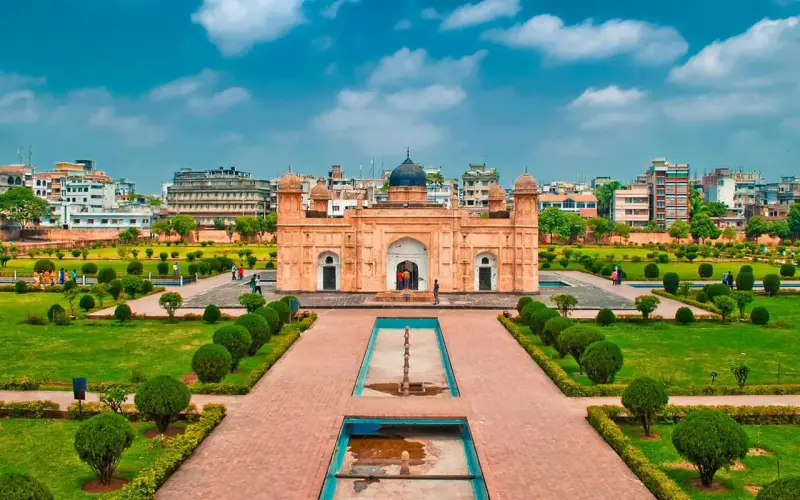 DhakaCapital & chaos
 ChattogramPort city and gateway to the hills
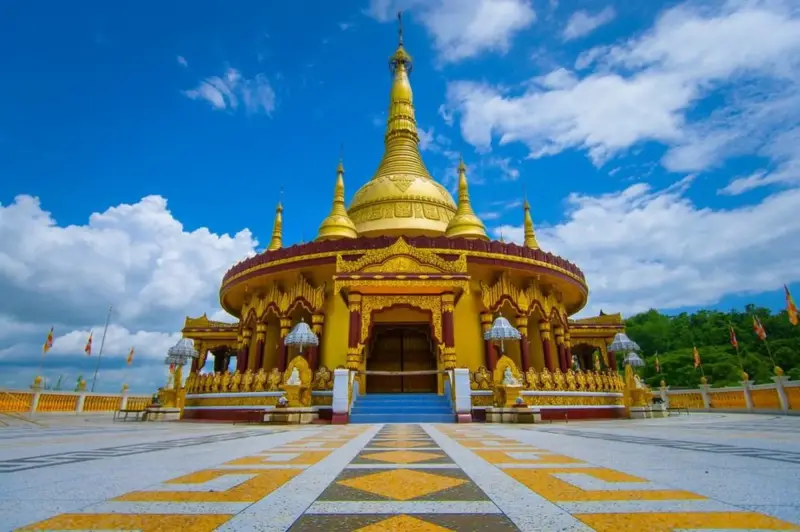 BandarbanThe highest hills in Bangladesh
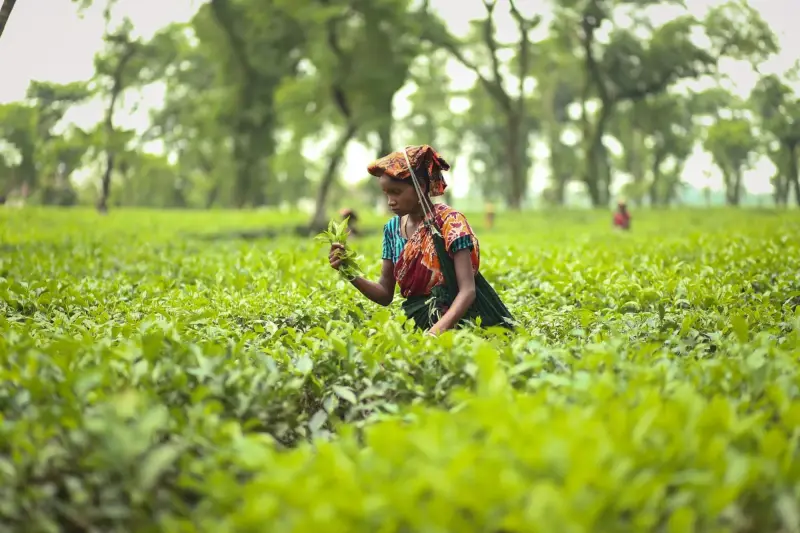 SylhetTea gardens and swamp forest
 Cox's BazarOver 100 km of sea beach
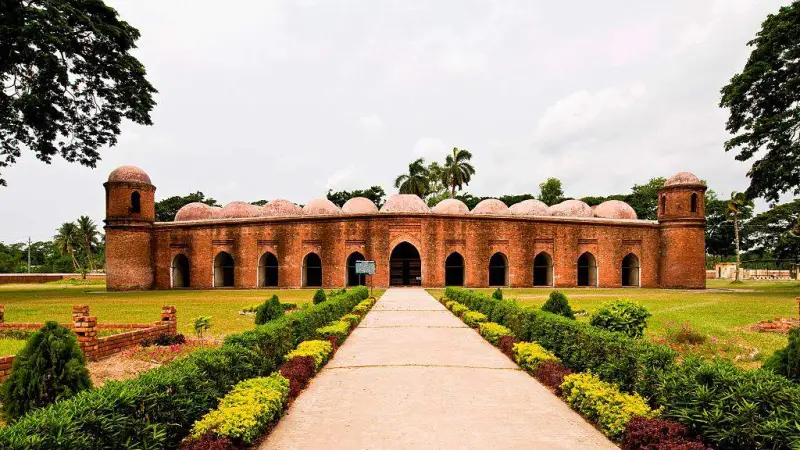 BagerhatMosque City and Sundarbans gateway
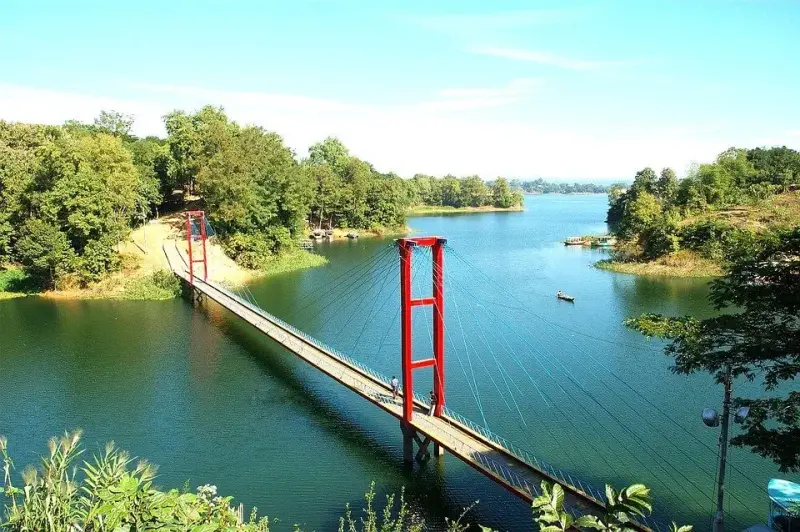 RangamatiKaptai Lake and the hills
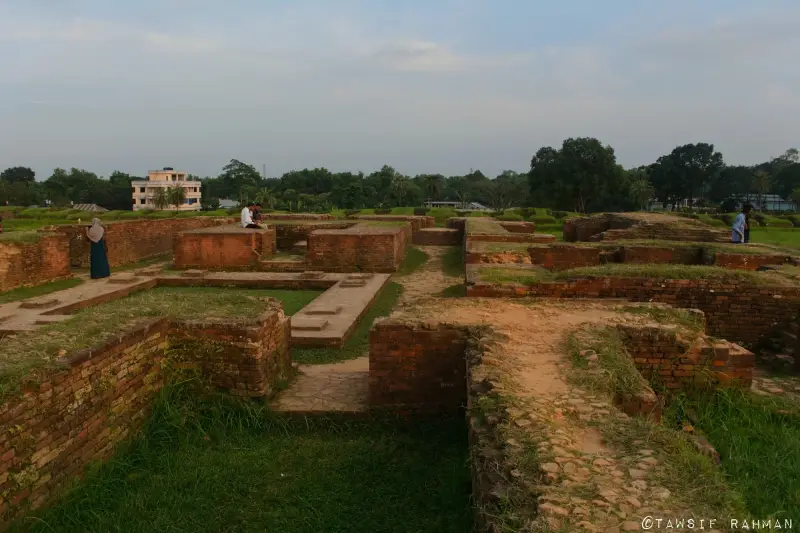 ComillaMainamati ruins
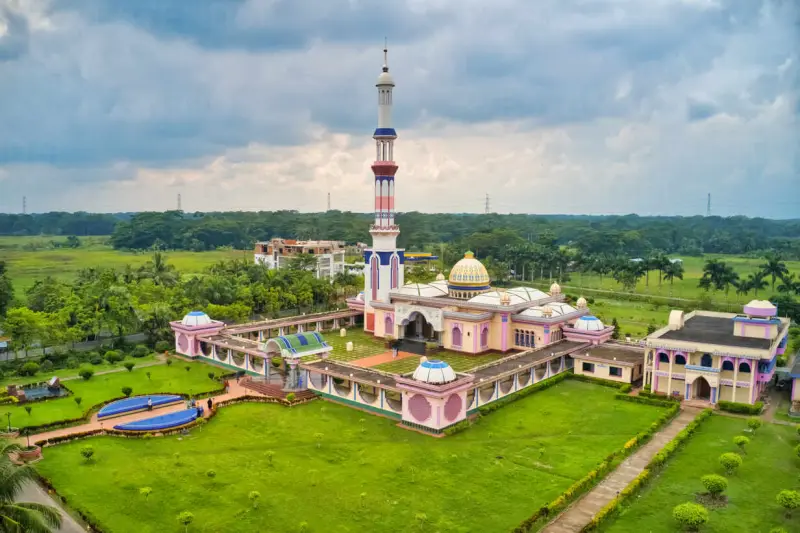 BarishalVenice of Bengal
 SunamganjThe haor wetlands
KishoreganjHaors and Sholakia
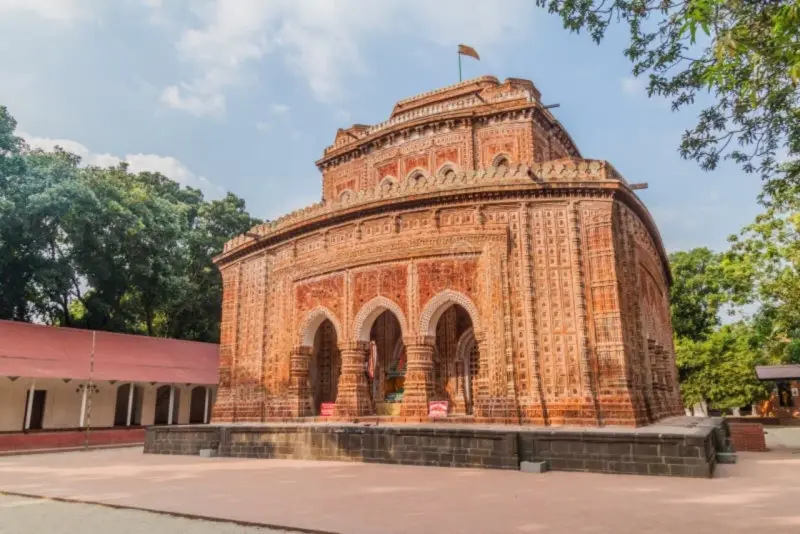 DinajpurKantajew Temple
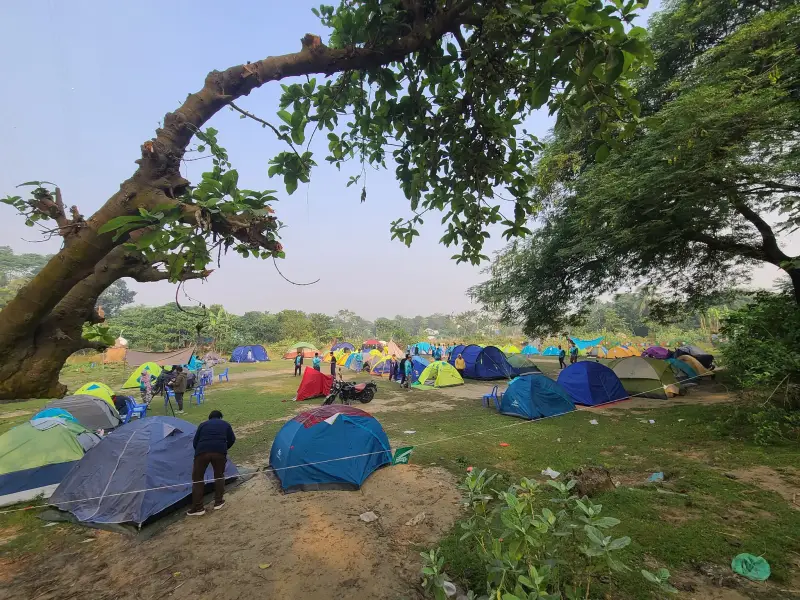 NarayanganjSonargaon and Panam Nagar
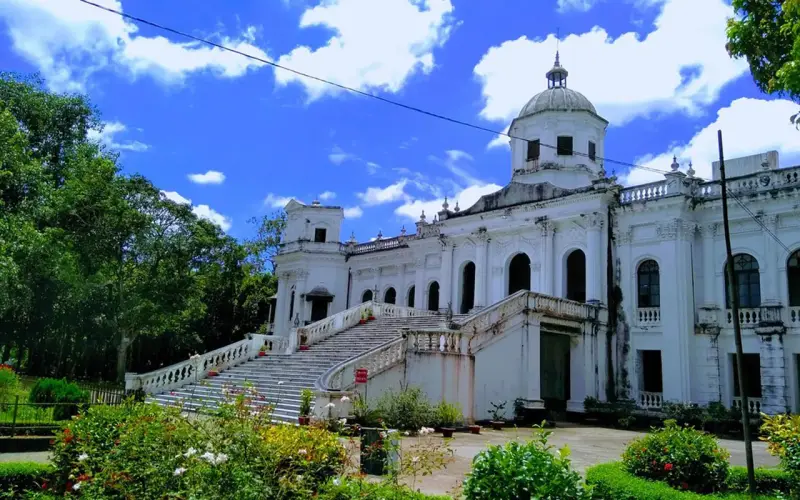 RangpurPalaces of the north
 KhulnaGateway to the Sundarbans
 TangailSaris, sweets and Atia Mosque
JhenaidahAncient mosques of Barobazar
MoulvibazarSrimangal tea country
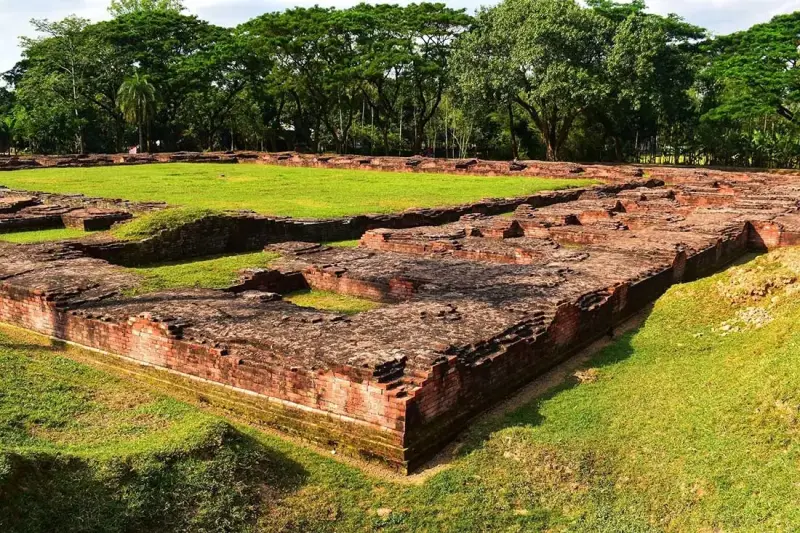 BograAncient Mahasthangarh
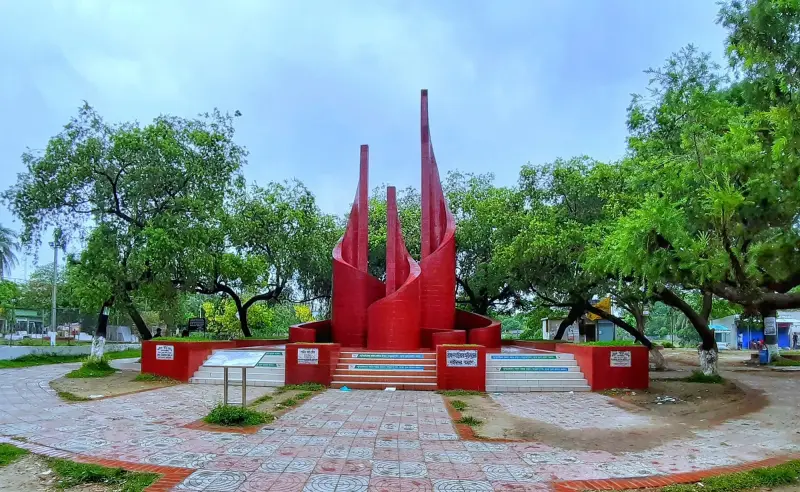 BrahmanbariaThe Titas and Akhaura
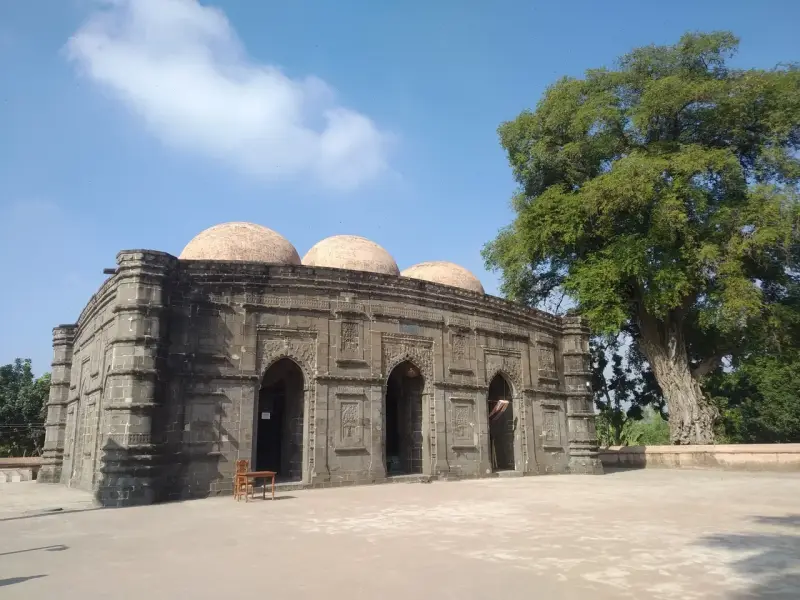 NaogaonPaharpur's great monastery
 RajshahiSilk, mangoes and the Padma
MunshiganjHistoric Bikrampur
NarsingdiAncient Wari-Bateshwar
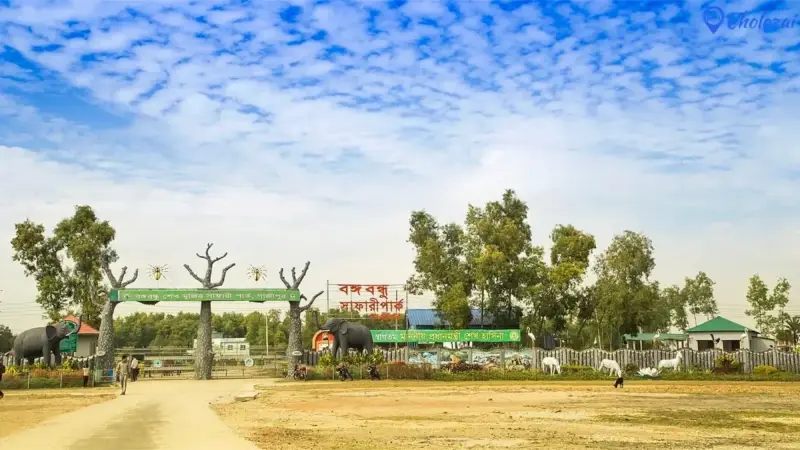 GazipurForests next to Dhaka
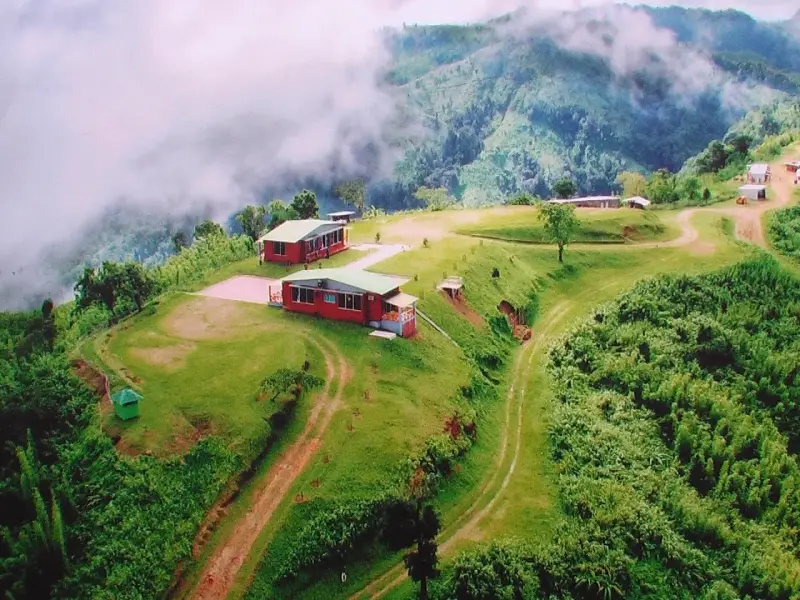 KhagrachhariCaves, falls and the road to Sajek
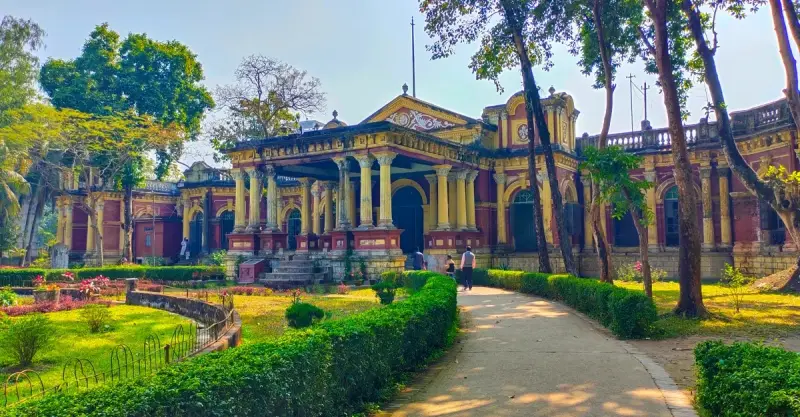 MymensinghRiver city of art and palaces
 ChandpurCity of hilsa
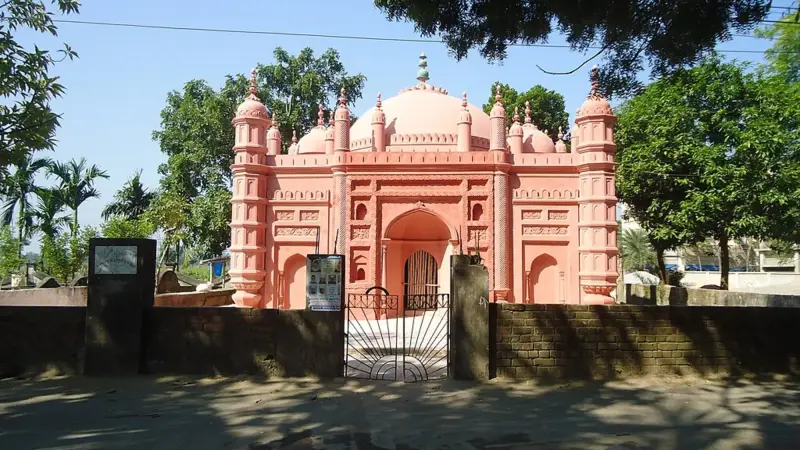 FeniMuhuri Project
 JhalokatiFloating guava markets
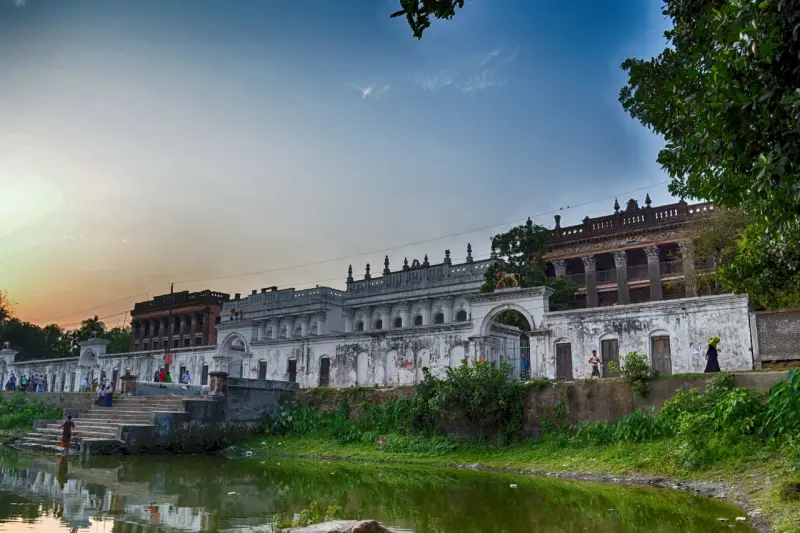 ManikganjZamindar palaces
NetrokonaBirishiri and the Someshwari
ThakurgaonThe giant mango tree
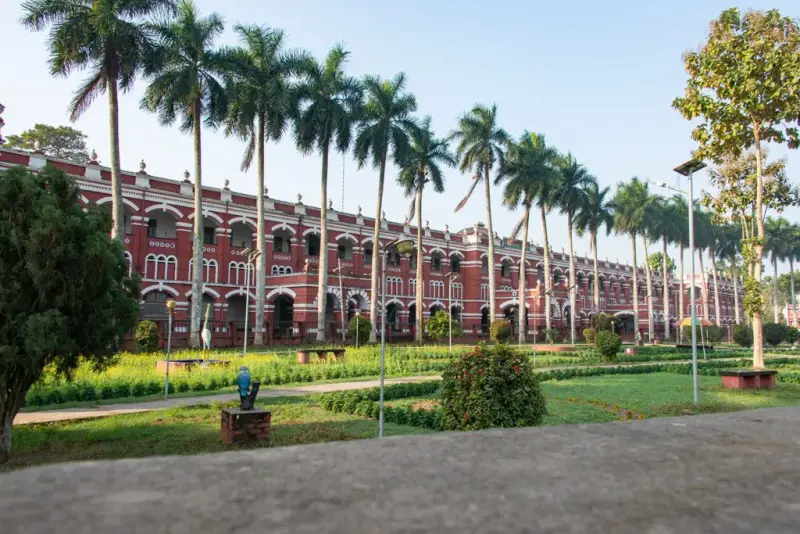 JashoreFlowers and Benapole
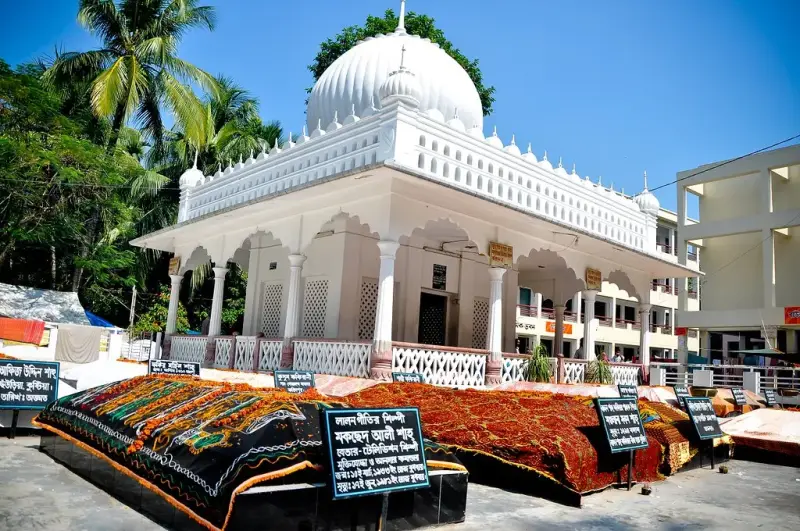 KushtiaLalon and Tagore
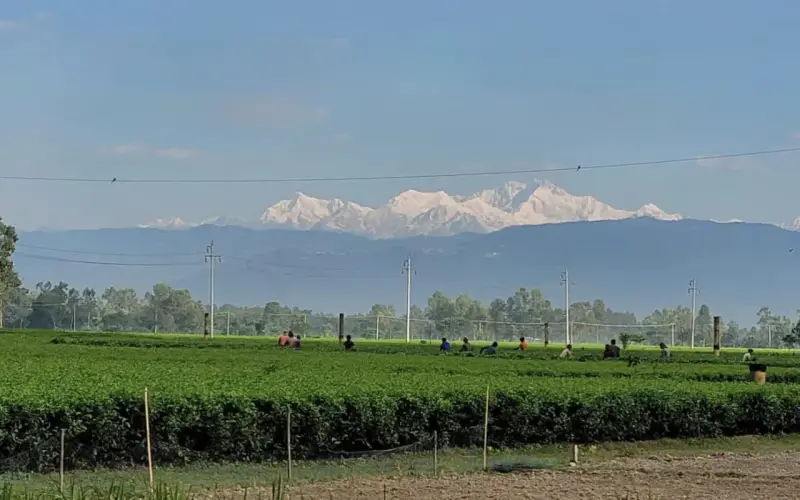 PanchagarhKanchenjunga views from Tetulia
 PatuakhaliKuakata, daughter of the sea
 SirajganjJamuna and Tagore's Shahzadpur
KuakataDaughter of the sea
NatorePalaces and Chalan Beel
SatkhiraWestern Sundarbans
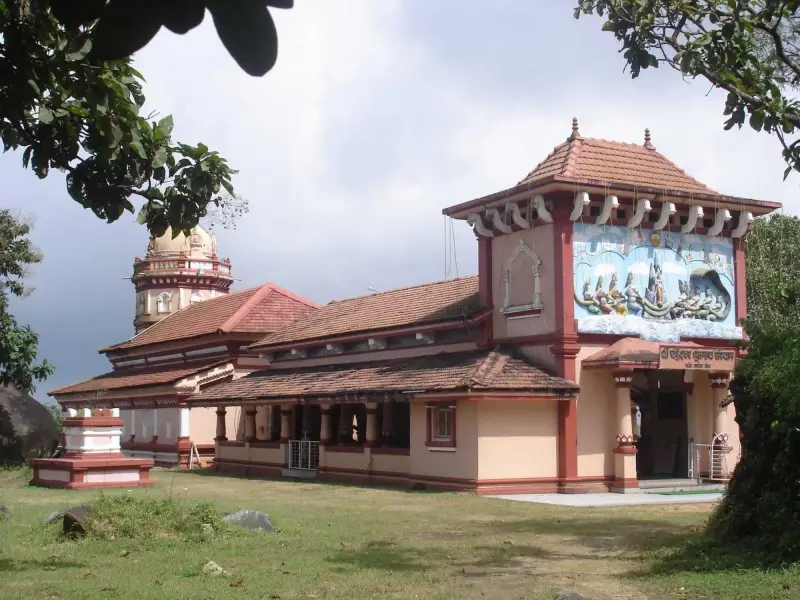 FaridpurPoet Jasimuddin's home
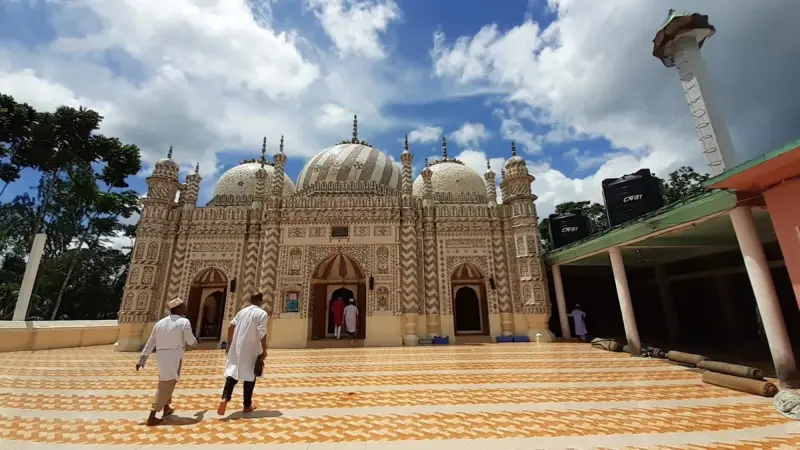 LakshmipurMeghna estuary
 PabnaBridges over the Padma
 PirojpurFloating markets of Swarupkathi
ShariatpurThe Padma Bridge's south end
SherpurGaro Hills foothills
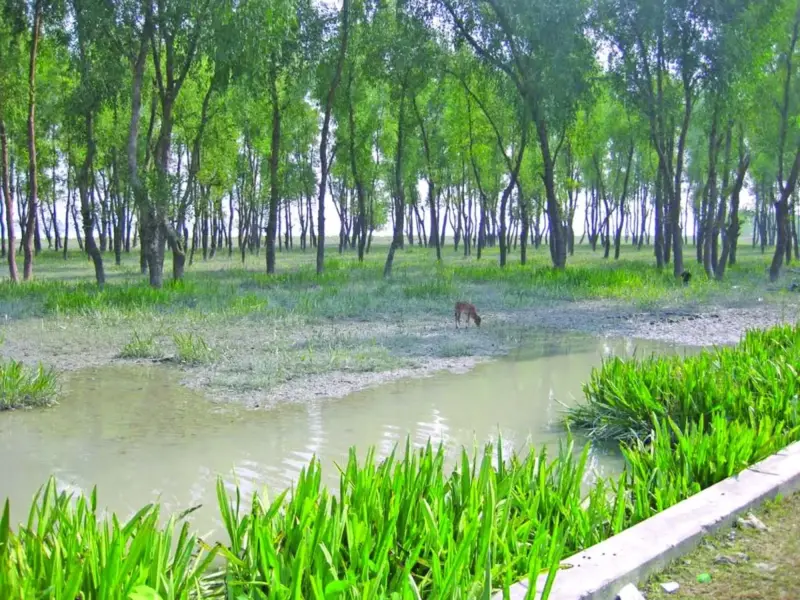 BargunaCoastal forests and quiet beaches
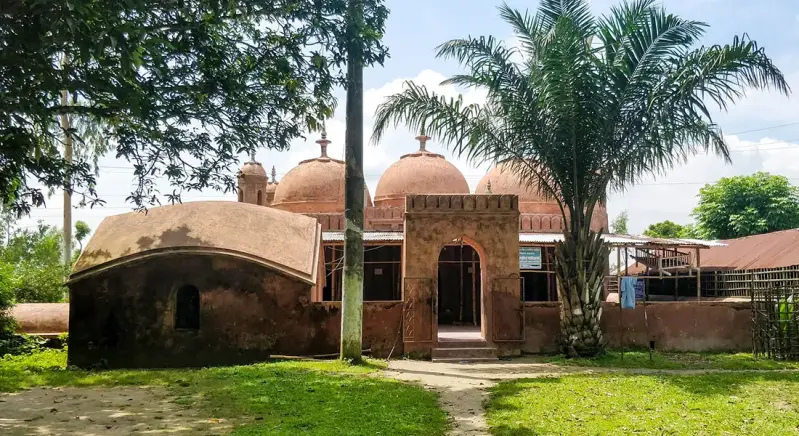 LalmonirhatTeesta Barrage and Tin Bigha
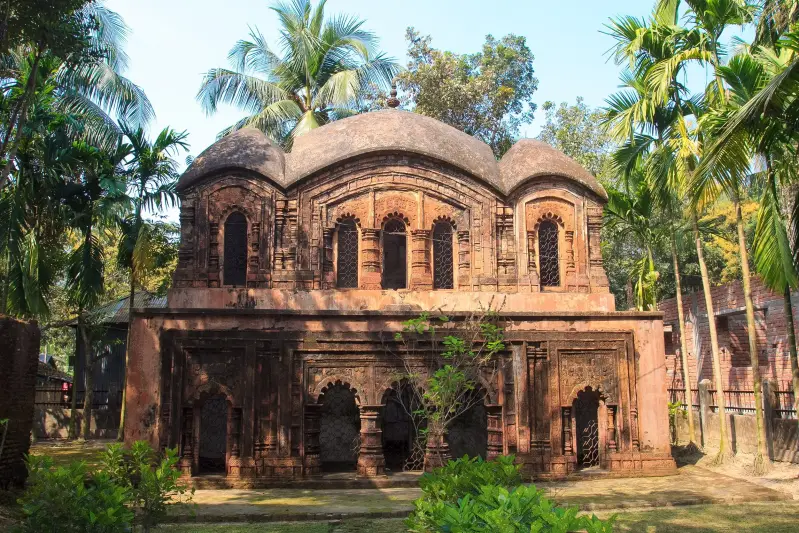 MadaripurRivers near the Padma Bridge
 NoakhaliNijhum Dwip
Chapai NawabganjGaur and the mango capital
JoypurhatGateway to Paharpur
NarailS. M. Sultan's Chitra
 BholaBangladesh's largest island
 KurigramRivers and char islands
ChuadangaDarshana border
GopalganjTungipara and Orakandi
JamalpurBrahmaputra and nakshi kantha
MeherpurMujibnagar Memorial
NilphamariSaidpur and Nilsagar
GaibandhaTeesta and Brahmaputra chars
MaguraRaja Sitaram's ruins
RajbariGoalanda and the Padma ferries
SavarHome of the Martyrs' Memorial
Sreemangal UpazilaBangladesh's tea capital
ChowmuhaniNoakhali's market town
KaliakairFactory town on the Tangail road
Saint Martin's IslandBangladesh's only coral island
SiddhirganjBangladesh's old jute town
SreepurGateway to the Bhawal forest
TaraboRiver town on the Sylhet road
TongiDhaka's northern gateway
Nothing in that category yet.
Top things to do in Habiganj
Sights and day trips around Habiganj.
Habiganj
Baniachong Village (বানিয়াচং), Habiganj
Baniachong is a village so big that it is split into four union parishads for local government. Locals call it the largest rural settlement in Asia, and some sa...
Habiganj
Komola Ranir Dighi (Sagar Dighi), Baniachong
Komola Ranir Dighi is a huge man-made tank in Baniachong village, so large that it is better known locally as Sagar Dighi, the sea tank. The Daily Messenger (Oc...
Habiganj
Bithangal Akhra (বিথঙ্গল আখড়া), Baniachong
Bithangal Akhra is a Hindu Vaishnava monastery in Bithangal village, standing on the bank of a haor, the seasonal wetland that floods much of Baniachong upazila...
Habiganj
Shankarpasha Shahi Masjid
Few buildings in the Sylhet region survive from the reign of Sultan Alauddin Husain Shah, and this compact brick mosque in the village of Uchail Shankarpasha is...

Habiganj
Rema-Kalenga Wildlife Sanctuary (রেমা-কালেঙ্গা বন্যপ্রাণী অভয়ারণ্য)
Rema-Kalenga Wildlife Sanctuary is a protected hill forest of about 1,796 hectares in Chunarughat Upazila, Habiganj District, north-eastern Bangladesh, on the b...

Habiganj
Satchari National Park (সাতছড়ি জাতীয় উদ্যান)
Satchari National Park lies on Raghunandan Hill in Paikpara Union of Chunarughat Upazila, Habiganj District, in north east Bangladesh. It is about 130 kilometre...
Best time to visit Habiganj
Winter keeps forest paths firm; the rains bring out the wetlands of the western upazilas.
Dry, mild and clear: the most comfortable months for travel.
Hot and humid, with sudden evening storms (kalbaishakhi).
Heavy rain, rising rivers and green countryside; roads and ferries can be disrupted.
Avoid traveling in the days before and after the two Eid holidays, when buses, trains and launches out of Dhaka sell out.
Habiganj travel tips
Everything from visas and arrival by rail to money, health, rooms, SIMs and local customs.
Visas and entry
Bangladesh entry rules
Habiganj borders India at Balla, and most visitors arrive by train from Dhaka after entry. A Bangladesh visa is normally arranged in advance, with on-arrival issue for some nationalities. The usual six months of passport validity applies.
- Passport validity
- At least 6 months beyond arrival
- Confirm with
- Your nearest Bangladesh embassy or high commission
Getting there
Getting there
Intercity trains from Dhaka reach Shaistaganj Junction, about 15 km from Habiganj town, in about 4 to 5 hours; the Parabat, Jayantika, Upaban and Kalni Express all stop there. Buses run on the Dhaka to Sylhet highway, about 164 km. Osmani International in Sylhet (ZYL) is the closest airport.
- Nearest airport
- Osmani International, Sylhet (ZYL)
Money and costs
Cash is king
Satchari eco-tours, tea estate visits and rickshaws are paid in cash. Habiganj town and Shaistaganj have ATMs; carry small notes.
- Withdraw before Satchari.
- Agree CNG fares from Shaistaganj first.
Health and vaccines
Water and mosquitoes
In Satchari and Rema-Kalenga, mosquitoes are thick in the monsoon; use repellent and drink bottled or filtered water. Habiganj refers serious cases to Sylhet or Dhaka, so bring medicines and evacuation insurance.
- Hospitals
- Government district hospital in each district town
Staying safe
Roads and strikes
Take a guide for Rema-Kalenga, avoid the highway after dark and check for hartals. Habiganj is otherwise calm for visitors; call 999 if needed.
- Emergency number
- 999
- Take a guide for Rema-Kalenga.
- Avoid the highway after dark.
Where to stay
Simple town hotels
Habiganj town offers simple hotels, guesthouses and government rest houses, or try a resort in Bahubal upazila, such as Amtali Nature Resort or The Palace at Putijuri; reserve early. Resorts and hotels fill over Eid, so book ahead. Rema-Kalenga is close to Srimangal, so Moulvibazar also works as a base.
- Base
- Habiganj town
Getting around
Rickshaws, CNGs, car
Use CNG auto-rickshaws from Shaistaganj into town or out to the forests, agreeing fares first. Satchari and Teliapara together justify a private car, since chaining CNG rides eats the afternoon. Avoid the highway after dark, and take a guide for Rema-Kalenga.
- Tip
- Agree fares before you set off
- Habiganj town
- No trains since 2003
- Jayantika Express
- Also stops at Noapara and Shahjibazar
- Road distances
- About 164 km from Dhaka, 82 km from Sylhet
- Balla
- Land port on the Tripura border; confirm rules for foreigners
SIM and internet
Buy before you leave the city
Tea estates around Habiganj get Grameenphone's best signal. Your passport is needed for registration in Dhaka.
- Networks
- Grameenphone, Robi, Banglalink, Teletalk
Culture and etiquette
Rural and conservative
Tea estates in Habiganj have their own close-knit communities, and the wider district is conservative. Ask before photographing anyone in the gardens; elsewhere, modest clothing and shoes off at mosques, temples and homes are expected. Ramadan days call for eating out of sight.
- Dress modestly, covering shoulders and knees
- Remove shoes at mosques, temples and homes
- Accept tea when offered
- Photographing women without asking
- Eating in public in daylight during Ramadan
Things to know before visiting Habiganj
Satchari's gibbons, Rema-Kalenga and quieter tea estates than Srimangal.
Why travelers love it
- Satchari National Park, a tropical forest with hoolock gibbons and birds.
- Rema-Kalenga Wildlife Sanctuary.
- Tea estates across the hills.
- Haor wetlands in the west of the district.
Good to know
- Hire a local forest guide in the parks.
- Leeches in the wet season.
- Facilities are basic outside resorts.
Trip fit
BookingMentor editorial ratings out of 5, based on a first-time visitor's experience.
Srimangal weather by month
Habiganj has a wet monsoon climate with dry, cool winters for forest walks and early heavy rain from April that fills the western haors. Srimangal station averages appear month by month.
Climate figures are approximate long-term averages for Srimangal, the nearest long-term weather station (NOAA / Bangladesh Meteorological Department 1991–2020 normals, via Wikipedia).
Packages in Demand
A Journey to Remember
Tours, activities and day trips in and around this destination, with the details you need before booking.
No packages in Habiganj are listed yet. Browse all packages
Create Your Custom-Made Trip to Habiganj
Traveling to Habiganj? Chat with a Local Travel Specialist in Habiganj Who Can Help Organize Your Trip.
START HERE
Our Travel Experts are Recommended by



Satchari, Teliapara, Rema-Kalenga and the haors over three days
Plan two to three days in Habiganj. Day one covers Satchari National Park's 243 hectares of hill forest at sunrise and the 1971 memorial at Teliapara tea estate. Day two is for Rema-Kalenga's 1,795 hectares and 167 bird species, and day three for Baniachong's Sagar Dighi and Ajmiriganj in the haor country.
Habiganj splits cleanly in two. The east climbs into the Raghunandan hills, where tea estates and forest run up to the Tripura border. The west sinks into haor country around Baniachong and Ajmiriganj. Most visitors only see the hills. Two days covers them well, and a third takes in the wetland side.
- Day one (Satchari, then Teliapara): reach Satchari National Park soon after sunrise, in the cool of the morning. The park protects 243 hectares of hill forest in Chunarughat and is named for the seven streams that cross it. A Tipra village of about two dozen families lives inside its boundary, while nine tea gardens press against its edges. After lunch drive south to Teliapara in Madhabpur. Senior Bengali officers met at the 2nd East Bengal headquarters on this tea estate on 4 April 1971 to organise the liberation war, and a memorial now marks the place.
- Day two, Rema-Kalenga: the larger and wilder forest, about 1,795 hectares against the Tripura border, with 167 recorded bird species and a designation as an Important Bird Area. Start at first light and walk with a guide.
- Day three, the haor side: Baniachong is often described as the largest village in the world. Its great tank, Kamalarani's Sagar Dighi, ranks as the second-largest body of water in Bangladesh. Nearby are the old Bithangal akhra and the Lakshmi Baor swamp forest. Ajmiriganj is a river port where the Surma and Kushiara meet to form the Kalni.
Town hotels in Habiganj are simple. The alternatives are resorts in Bahubal upazila, such as Amtali Nature Resort or The Palace at Putijuri; reserve a room early if you want one. Rema-Kalenga lies close to Srimangal, so the trip extends naturally into Moulvibazar's tea country.
Short of time? Look at Dhaka to Sylhet flights and drive south; Sylhet makes a sensible first stop, and a private car joins Satchari and Teliapara.
Forest walks in the dry months, haors once the rains fill them
Do Habiganj's forest walking from November to February, when January brings about 7 mm of rain and nights near 10°C. The 14 haors in the west fill in the wet months, and October suits a trip covering both forest and wetland.
Do the forest walking in the dry season. Trails at Satchari and Rema-Kalenga are firm and the canopy is easier to scan for birds; Satchari alone has some 150 to 200 species. November and December are nearly as good, though November can still see a few showers.
Rain arrives well before the monsoon. April averages about 213 mm and May about 449 mm, before the monsoon has properly begun. The hills turn intensely green. Slopes get slippery, too, and streams rise across the paths. Keep forest visits short in these months and carry a rain shell.
The haors keep the opposite calendar. The district has 14 of them, covering about 1,095 km² between them, and they fill with the rains. The wet months are the time to see the western upazilas at their most watery; in the dry season much of the haor returns to farmland.
October or November suits a single trip that covers both halves. October still has about 174 mm of rain, so the haors hold water, while the forest trails are already drying.
Haor fish, tea estates and tea-garden communities in Habiganj
Habiganj eats from its rivers and wetlands: freshwater fish curry with rice is the dependable order, with shrimp and dried fish from local processing centres. Tea grows on 24 estates, and pineapple, lime and kalojam come from the hills. Tea-garden labour lines are homes, so ask before entering or photographing.
Habiganj eats out of its rivers and wetlands. Fish is one of the district's industries. Freshwater fish curry with rice is the dependable order in town, and shrimp from the same waters appears too. The district also dries fish commercially in processing centres, then sends it to markets across the country.
The hill side supplies the rest. Tea is the obvious crop, grown on 24 estates covering 15,703 hectares. Betel leaf and gur (jaggery) are traded too. Among the fruits look for pineapple, lime and kalojam, the black plum.
The people of the tea gardens are worth understanding before you visit them. Most of the district's ethnic minorities, among them the Munda, Santal, Bhumij and Oraon, descend from workers the British brought in to pick tea. More than 4,000 Manipuri live in the Ahmadabad and Gazipur unions of Chunarughat. Aliachhara in Bahubal is a Khasi village. Labour lines and punjis are homes, not attractions. Ask before walking in or taking photographs.
Akhras deserve the same care. These are Hindu religious houses, and Baniachong has several, Bithangal among them, as well as the akhra of Sham Baul Goswami. Take off your shoes and dress modestly. Keep your voice low. The district's oral literature includes the ballads Mahuya Sundari and Dhupar Path. At Satchari the co-management project that runs the eco-tours also sells local crafts.
Travelers are asking
Western hoolock gibbons live in Satchari; sightings are best in the early morning with a guide.
Our travel desk answers questions about Habiganj
How we research this guide
Train stops at Shaistaganj, forest access at Satchari and Rema-Kalenga and border rules at Balla are what we track for Habiganj, with Srimangal station data and Bangladesh National Portal facts.
Last updated . Spotted something out of date? Tell us.
Checked against trusted sources:
Bangladesh Meteorological DepartmentBangladesh National Portal

Before You Go...
Discover Trips & Info
A Travel Network Connection Travelers and locals
Incredible Event & Festival, Don't Miss!
Most Popular Event & Festival of Habiganj
Festivals and events in this destination, with dates, venues and ticket details where available.
No upcoming festivals or events in Habiganj are listed right now. Browse all events
Memorable Experiences
Where to Go (& NOT Go) In Habiganj!
Roaming the World one Adventure at a Time: Travel Tales, Tips, and Inspiration for wanderlusters.


Subscriber
Popular car hire destinations
Explore more options to hire a car for cheap
Frequently Asked Questions (FAQs)
Satchari, Rema-Kalenga and the train to Shaistaganj.
Timing & weather
November to February, when the weather is dry and the forest trails are firm. Rain arrives early, from April, and the haors fill through the monsoon.
Getting there
Take an intercity train from Dhaka to Shaistaganj or Srimangal (about 4 to 5 hours), or drive on the Dhaka to Sylhet highway.
General
Habiganj is known for Satchari National Park, Rema-Kalenga Wildlife Sanctuary, its tea estates, the Teliapara memorial and the haor wetlands of Baniachong.
A park protecting 243 hectares of hill forest in Chunarughat, named for the seven streams that cross it, with some 150 to 200 bird species. Go soon after sunrise.
Senior Bengali officers met at the 2nd East Bengal headquarters on Teliapara tea estate on 4 April 1971 to organise the liberation war; a memorial marks the place.
About 1,795 hectares against the Tripura border, with 167 recorded bird species and Important Bird Area status.
Shaistaganj Junction, about 15 km from town, on the Dhaka to Sylhet main line; the branch to Habiganj closed in 2003.
It is often described as the largest village in the world, and its Sagar Dighi ranks as the second-largest body of water in Bangladesh.
At resorts in Bahubal upazila such as Amtali Nature Resort or The Palace at Putijuri, or in Srimangal near Rema-Kalenga.
bookingMentor lists 6 things to do in Habiganj, each with its category, rating and a short description. Open one for the full details, such as opening hours and how to get there.
Use CNG auto-rickshaws from Shaistaganj into town or out to the forests, agreeing fares first. Satchari and Teliapara together justify a private car, since chaining CNG rides eats the afternoon. Avoid the highway after dark, and take a guide for Rema-Kalenga.
Booking
24 estates covering 15,703 hectares in the eastern hills.
Prices & payment
Daily travel costs in Habiganj are very good value. Simple hotels outside the big cities.
Visa & documents
Habiganj borders India at Balla, and most visitors arrive by train from Dhaka after entry. A Bangladesh visa is normally arranged in advance, with on-arrival issue for some nationalities. The usual six months of passport validity applies.
Health & safety
Take a guide for Rema-Kalenga, avoid the highway after dark and check for hartals. Habiganj is otherwise calm for visitors; call 999 if needed.

 Exclusive holiday package offers