


Hungary travel guide
Thermal baths and Danube views.
Hungary suits city-breakers, spa lovers and wine fans. Visit April to June or September to October, or December for Christmas markets. Budapest needs three days; add Lake Balaton or the wine regions. Costs are moderate for Central Europe, and Schengen rules give many passports 90 visa-free days.
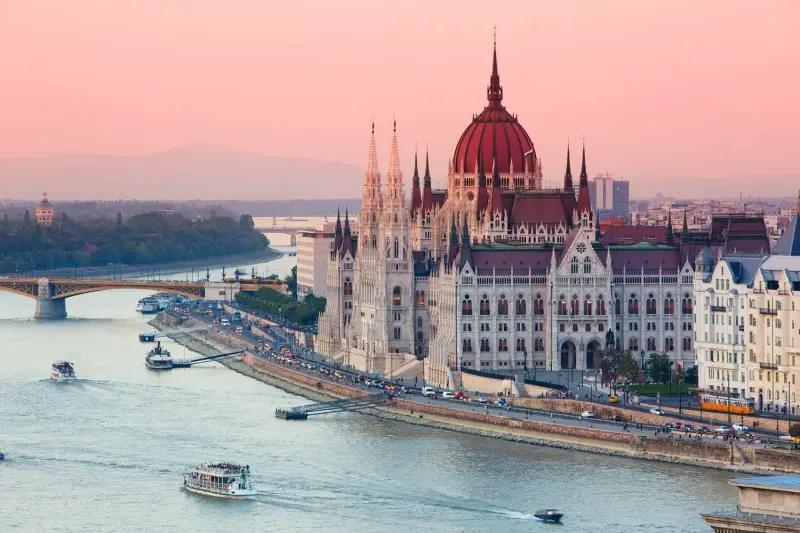
Hungary, in central Europe, is best known for Budapest, which straddles the Danube with the Buda Castle district and Fisherman's Bastion on one bank and the grand Parliament building on the other; the riverbanks are UNESCO-listed. The city's thermal baths, such as Széchenyi and Gellért, and its ruin bars are major draws.
Beyond the capital, Lake Balaton is central Europe's largest lake and a summer resort, Eger and Tokaj produce famous wines, and the Danube Bend towns of Szentendre, Visegrád and Esztergom make easy day trips. Hungary is good value and well connected by rail.
Best experiences in Hungary
Find your kind of trip: 24 travel themes, each with the packages in Hungary.
 Ayurveda Tours
 Seasonal/Event
 Adventure
Wildlife & Safaris
Pilgrimage
Eco/Nature
Culture & History
 Honeymoon
 Romantic Getaway
 Cruise
 Water Activities
 Backpacking
 Luxury
 Photography
City Slickers
Heritage
 Beach & Relaxation
 Sports & Recreation
 Food & Wine
Train & River Journeys
Skiing
 Overland
Hungary at a glance
Money, entry, the Magyar language and plugs: the quick facts before you book a Hungarian trip.
Explore other countries
Pick a place by travel style: beaches, nature, cities, heritage, hills, islands, desert.
BudapestTwo cities joined by the Danube
 ThailandTemples, street food and tropical islands
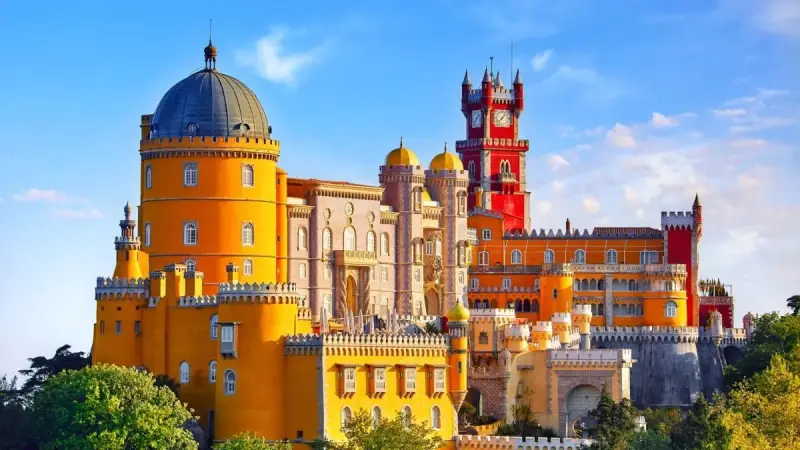 PortugalLisbon, Porto, the Algarve and island escapes
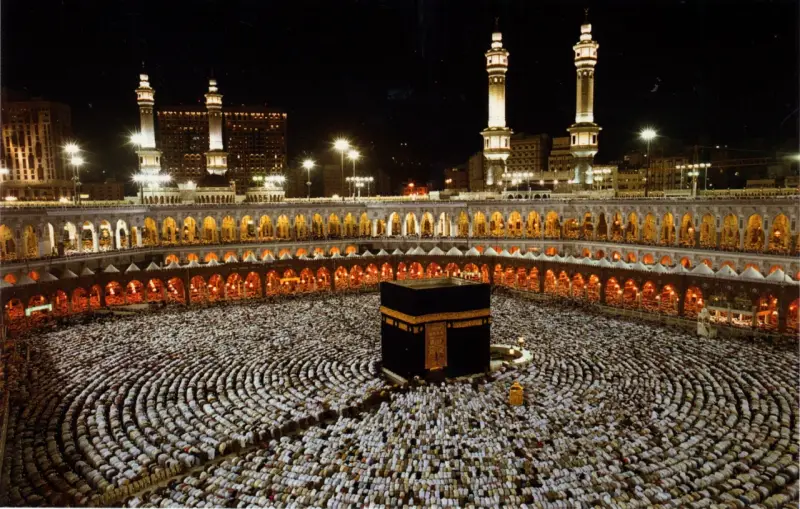 Saudi ArabiaAlUla, Red Sea coast and Arabian heritage
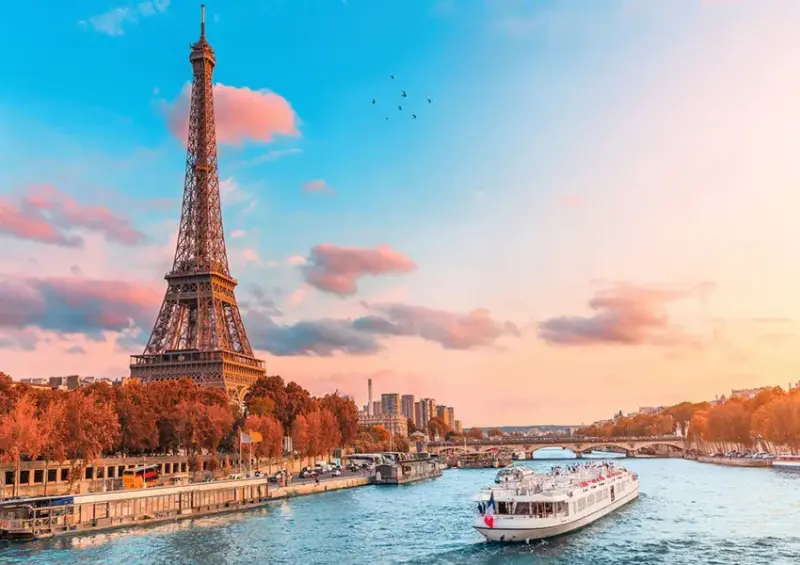 FranceParis, the Riviera, châteaux and Alpine peaks
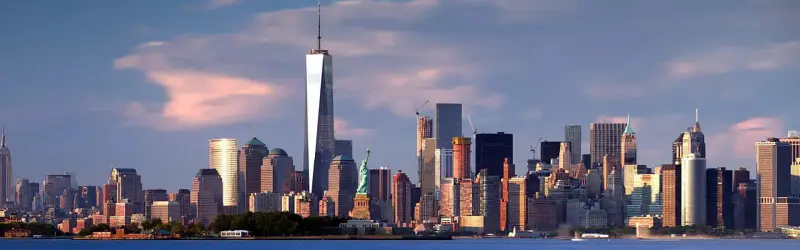 United StatesGreat cities, national parks and road trips
 QatarDoha's museums, souqs and desert dunes
 IndiaPalaces, temples, Himalaya and backwaters
 Sri LankaAncient cities, tea hills, wildlife and beaches
 ChinaThe Great Wall, ancient capitals and mega-cities
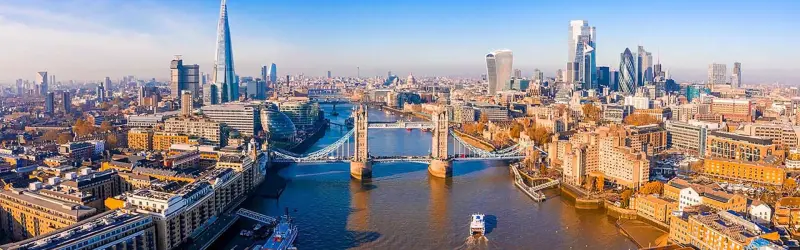 United KingdomLondon, castles, highlands and country villages
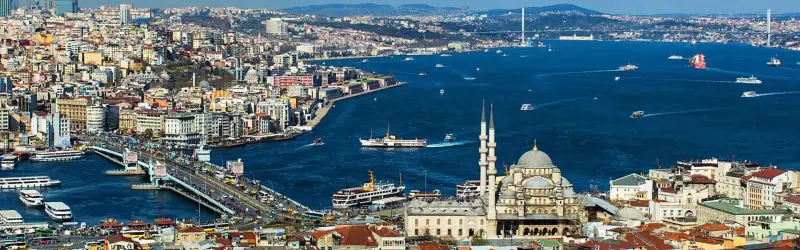 TurkeyIstanbul, Cappadocia and the Turquoise Coast
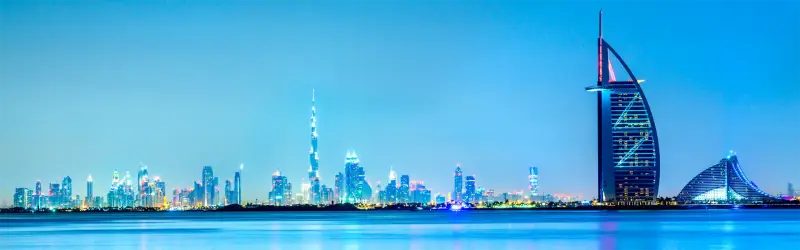 United Arab EmiratesDubai, Abu Dhabi and desert adventures
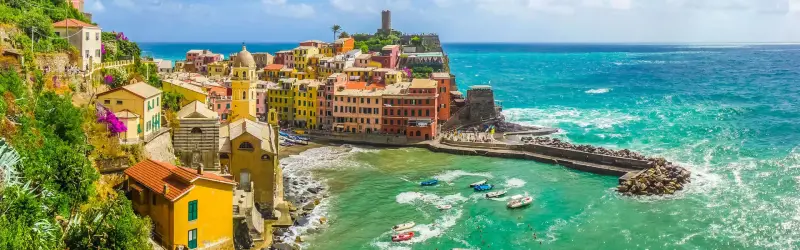 ItalyRome, Renaissance cities, lakes and coastlines
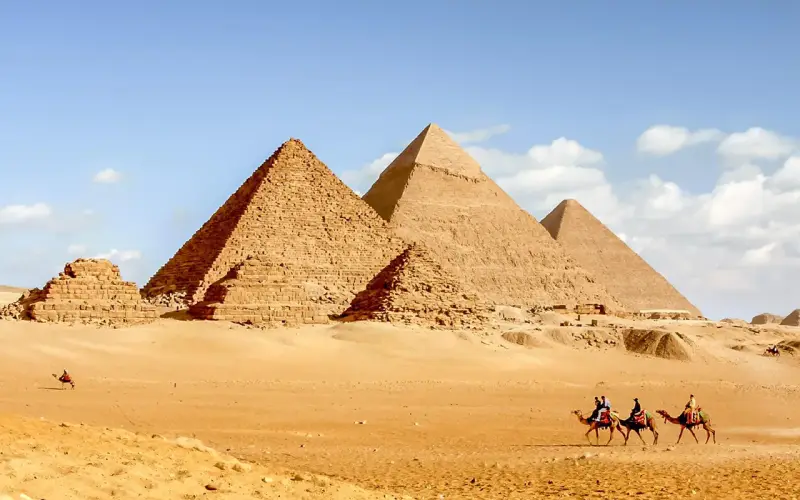 EgyptPyramids, Nile temples and Red Sea reefs
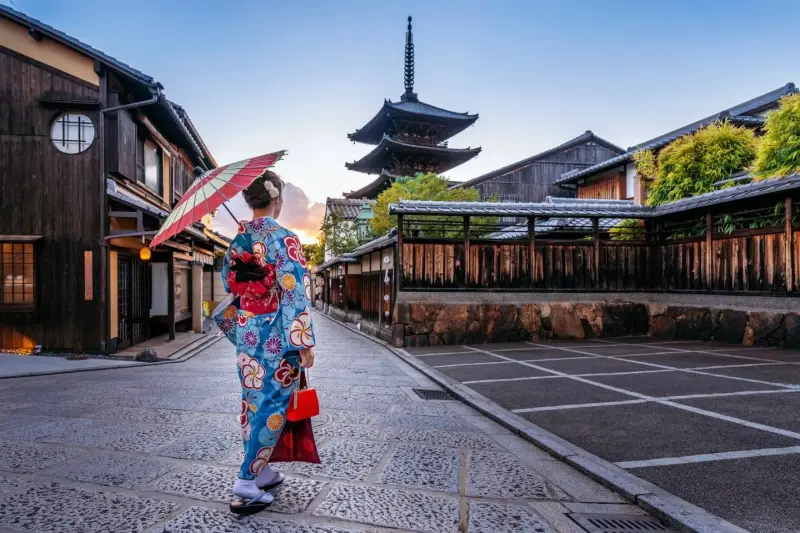 JapanTokyo, Kyoto's temples and Mount Fuji
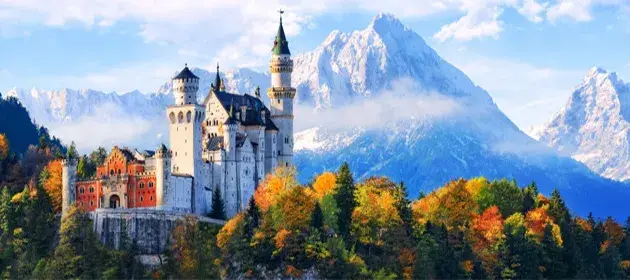 GermanyBerlin, castles, the Rhine and the Alps
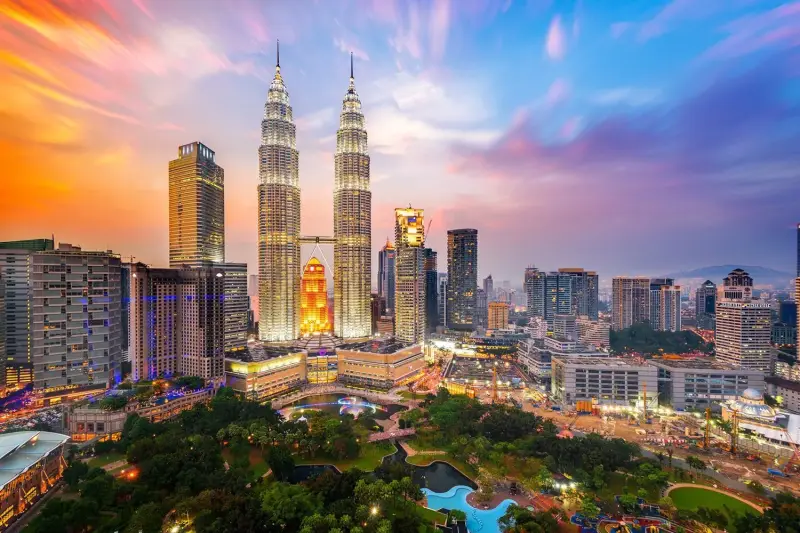 MalaysiaKuala Lumpur, rainforest, islands and street food
 SpainBeaches, tapas, flamenco and Gaudí
 IndonesiaBali, Komodo, Borobudur and 17,000 islands
 Hong KongSkyline, harbour, dim sum and hiking trails
 SingaporeGardens, hawker food and a dazzling skyline
 GreeceAncient wonders and Aegean islands
 MaldivesOverwater villas and coral atolls
 VietnamHa Long Bay, Hoi An and street food
 BrazilRio, the Amazon, Iguaçu and endless beaches
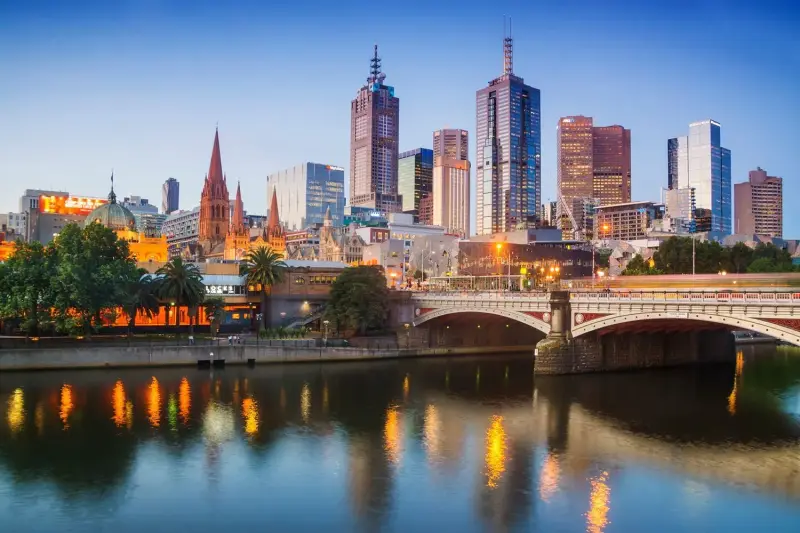 AustraliaReef, outback, beaches and laid-back cities
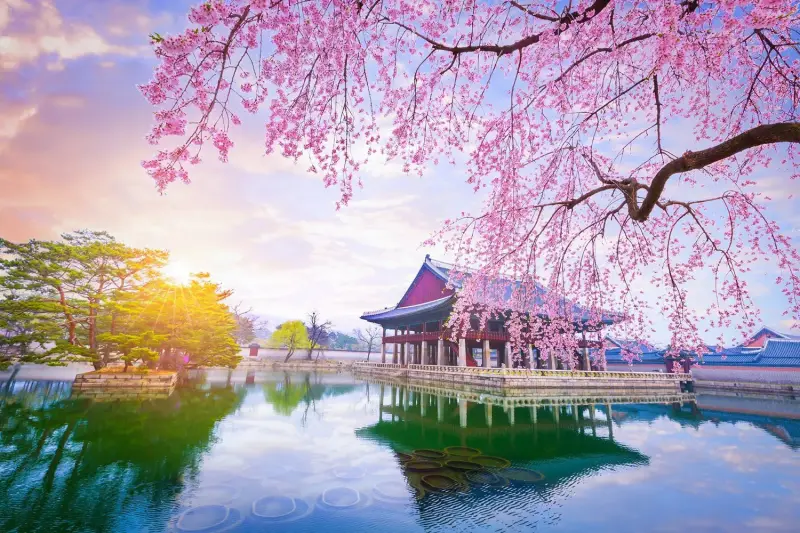 South KoreaSeoul's palaces, K-culture and mountain temples
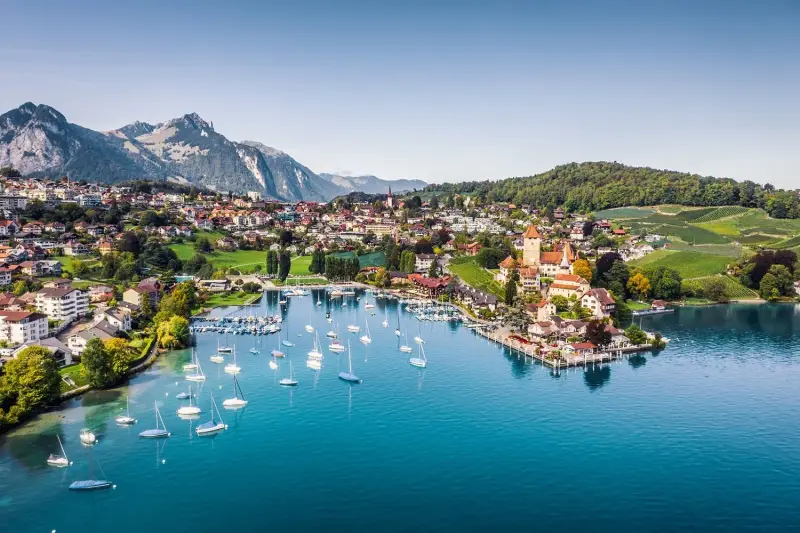 SwitzerlandAlps, lakes, trains and chocolate
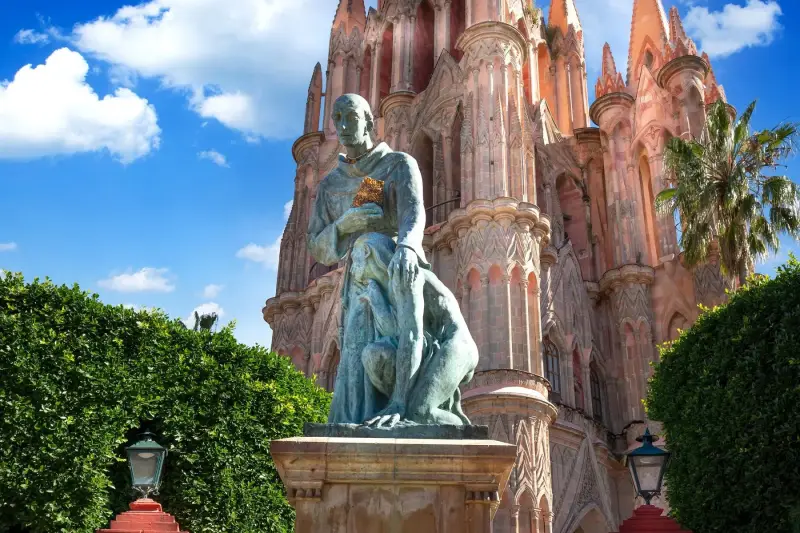 MexicoMaya ruins, Caribbean beaches and Mexico City
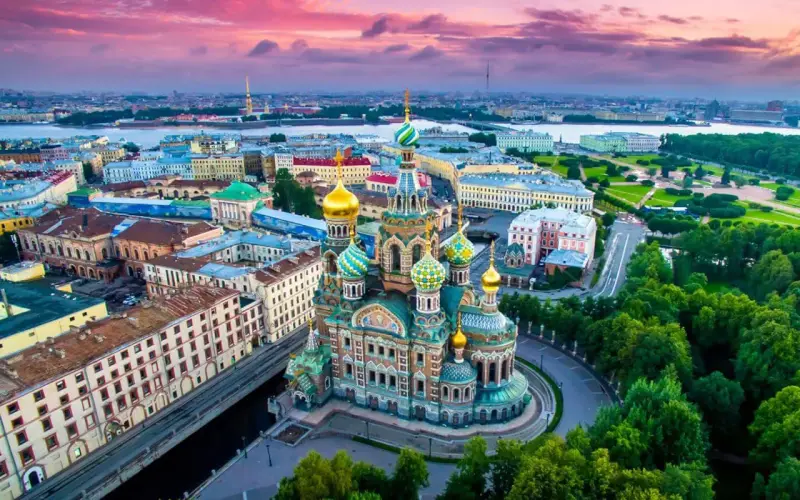 RussiaMoscow, St Petersburg and vast landscapes
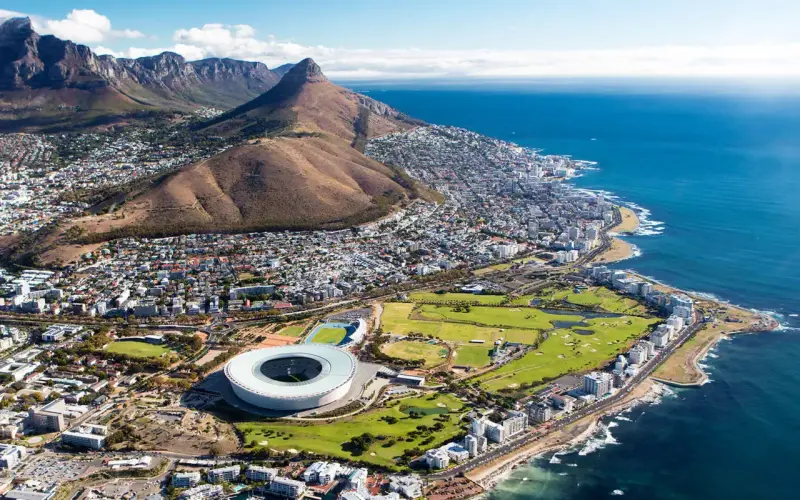 South AfricaSafaris, Cape Town and the Garden Route
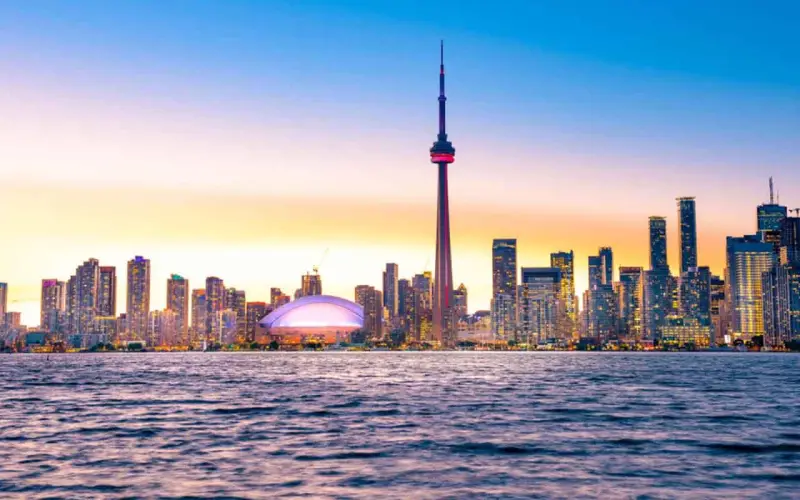 CanadaRockies, lakes, wildlife and friendly cities
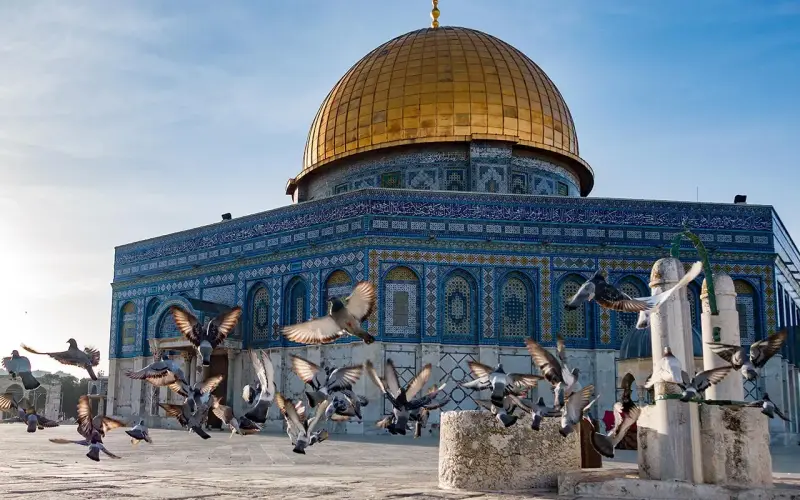 PalestineBethlehem, Jericho and ancient holy sites
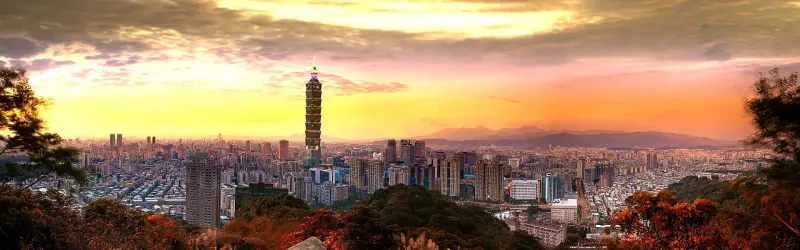 TaiwanNight markets, mountains and Taipei 101
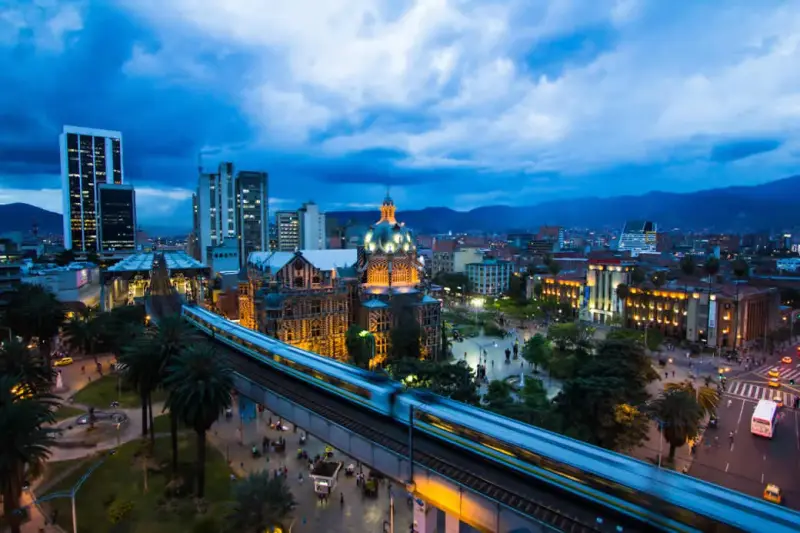 ColombiaCaribbean coast, coffee country and Andean cities
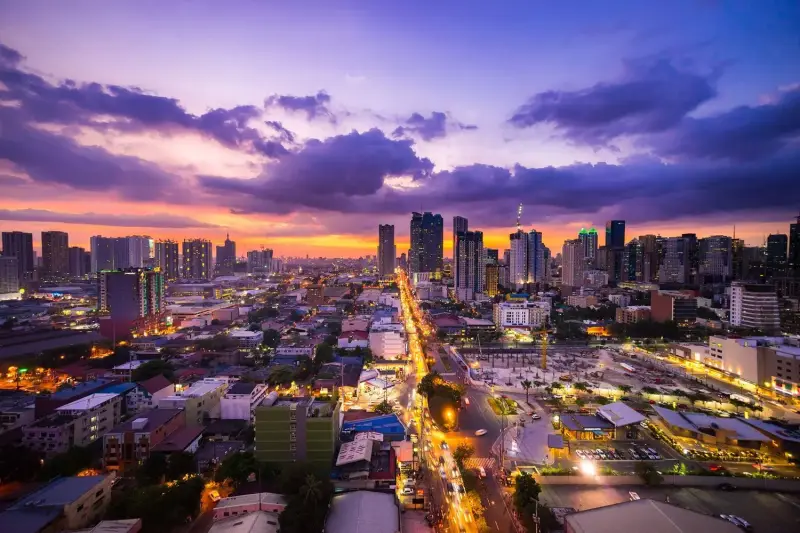 Philippines7,000 islands of beaches, reefs and rice terraces
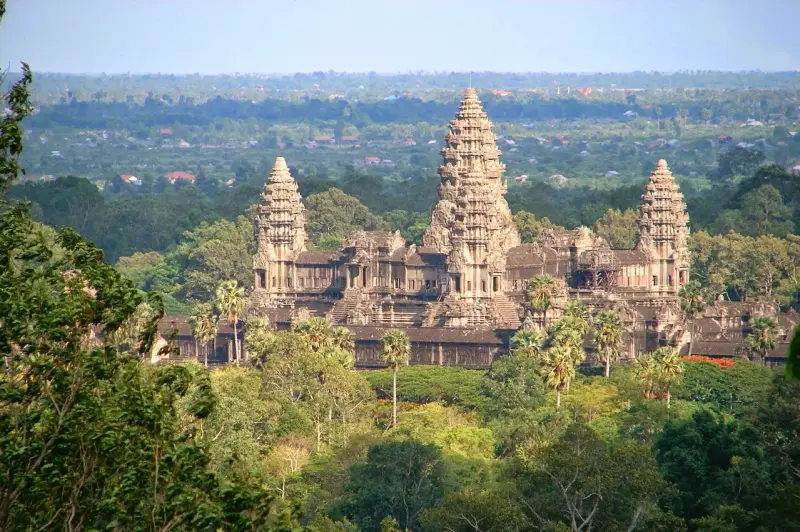 CambodiaAngkor's temples, river life and islands
 IsraelJerusalem, the Dead Sea and Tel Aviv beaches
 NetherlandsCanals, bikes, tulips and Dutch masters
 ArgentinaTango, glaciers, waterfalls and the Andes
 AustriaVienna's palaces, Alpine villages and music
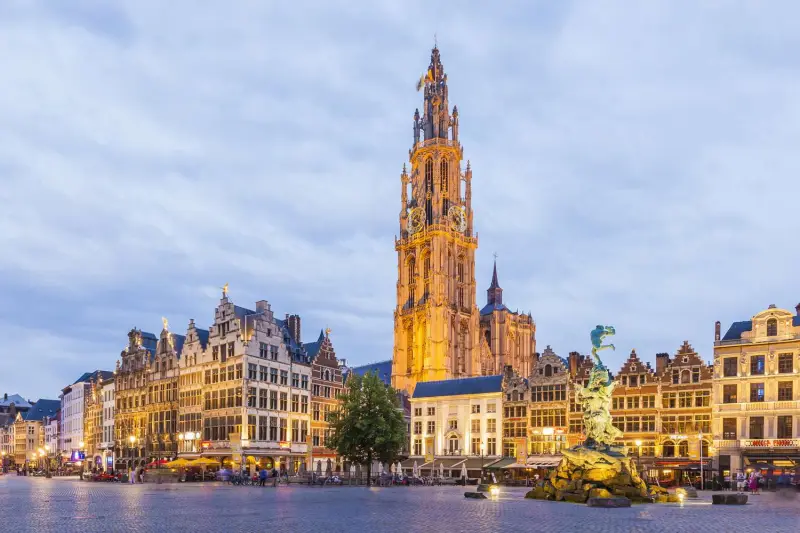 BelgiumMedieval towns, art, chocolate and beer
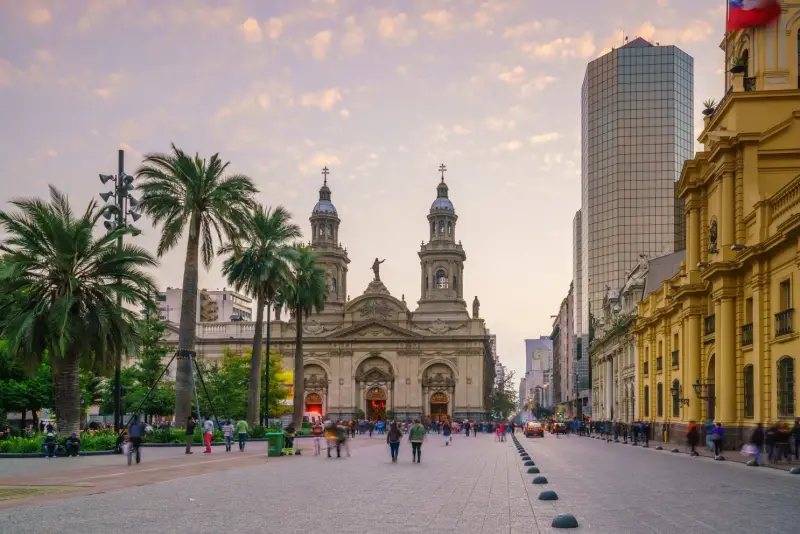 ChilePatagonia, the Atacama and the Andes
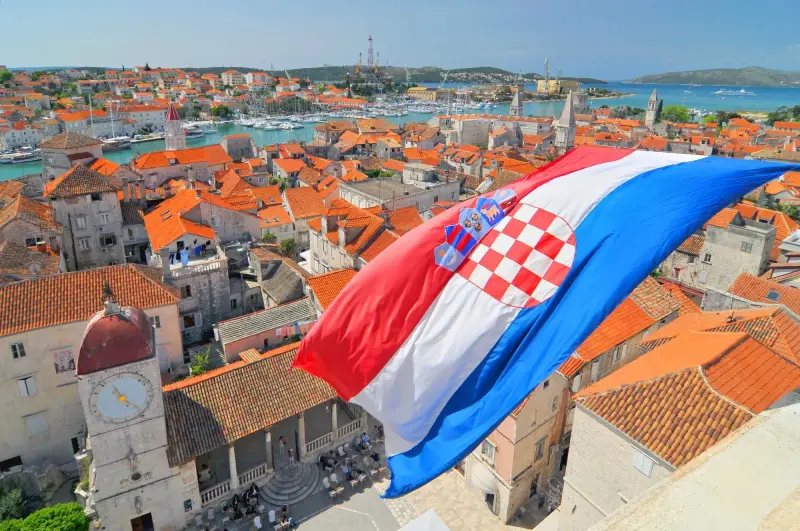 CroatiaAdriatic islands, walled towns and lakes
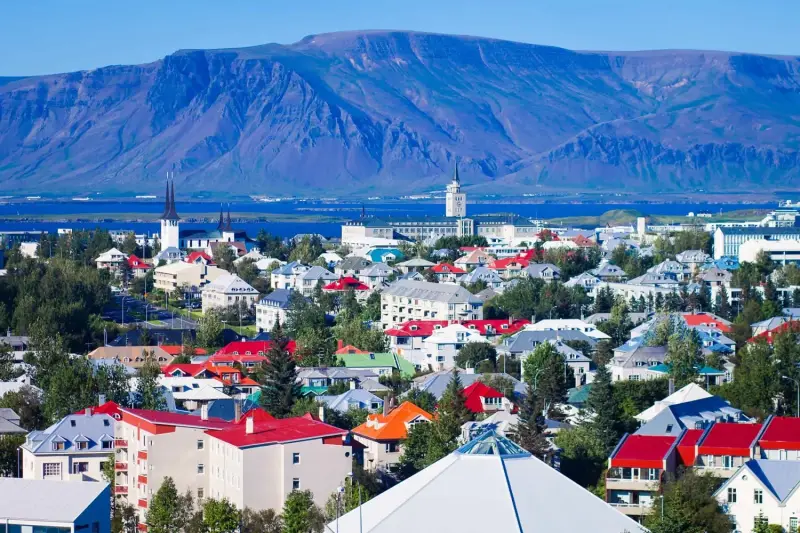 IcelandWaterfalls, glaciers, volcanoes and northern lights
 IrelandGreen coasts, lively pubs and Celtic heritage
 JordanPetra, Wadi Rum and the Dead Sea
 MadagascarLemurs, baobabs and unique wildlife
 MauritiusLagoons, mountains and multicultural flavours
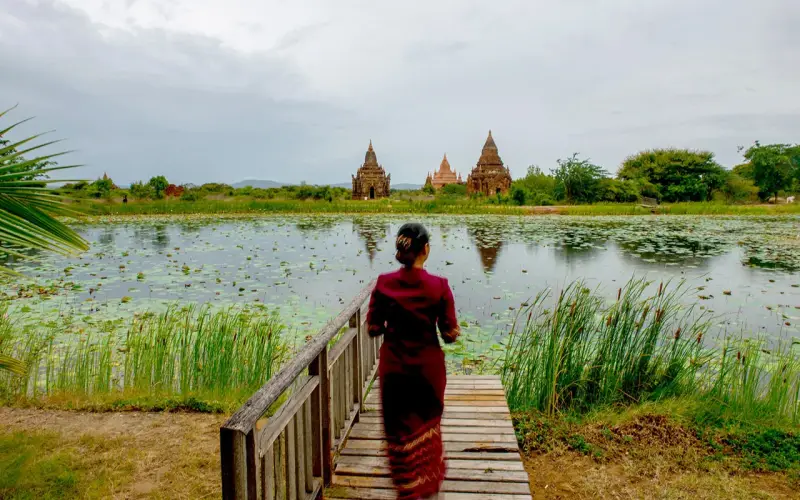 MyanmarBagan's temples and the Shwedagon Pagoda
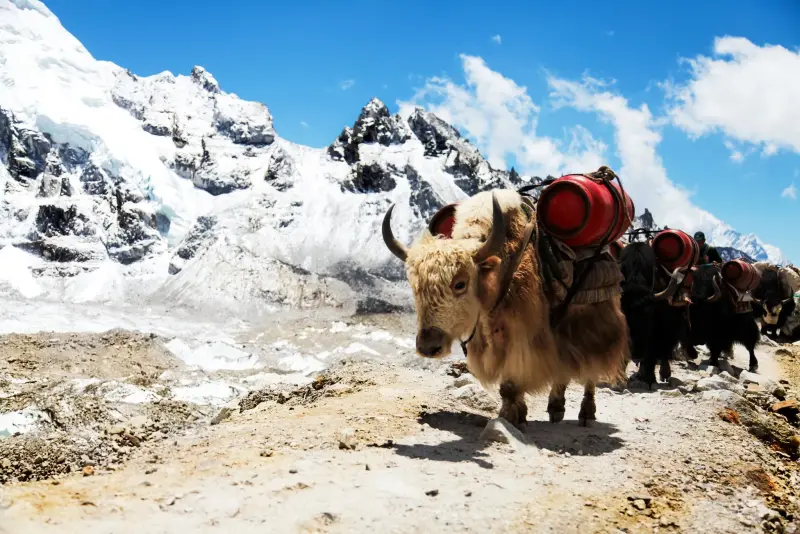 NepalEverest, the Annapurnas and Kathmandu's temples
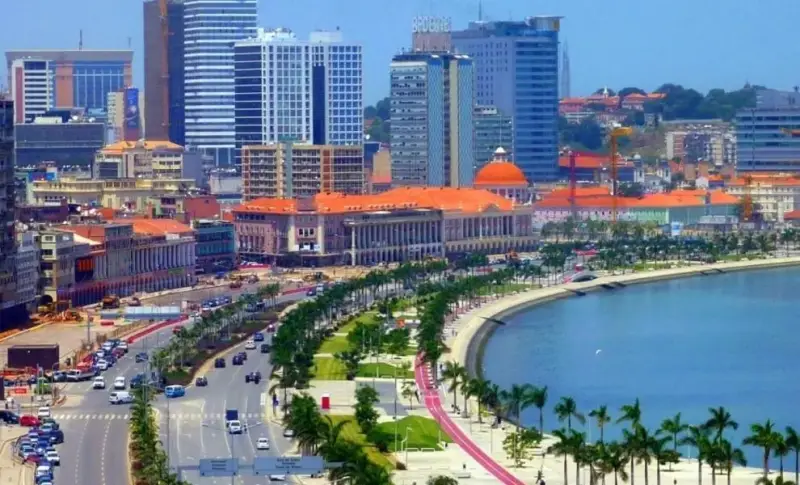 NigeriaLagos energy, Afrobeats and cultural heritage
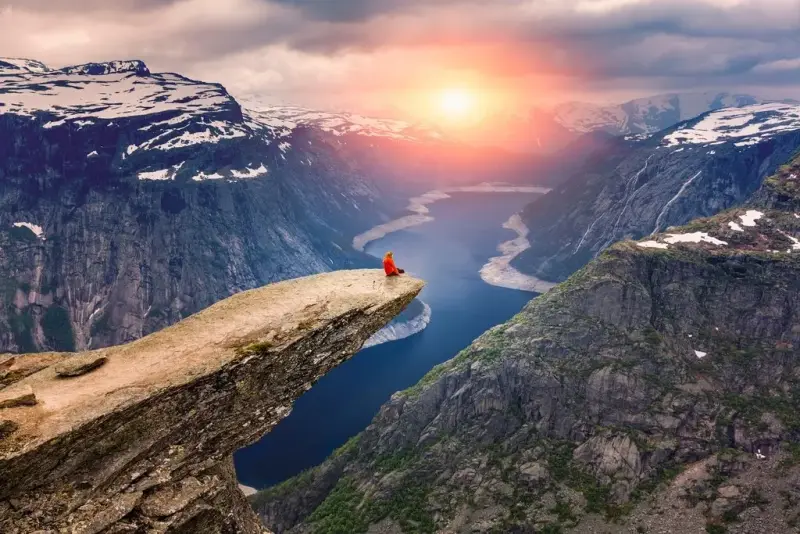 NorwayFjords, northern lights and the midnight sun
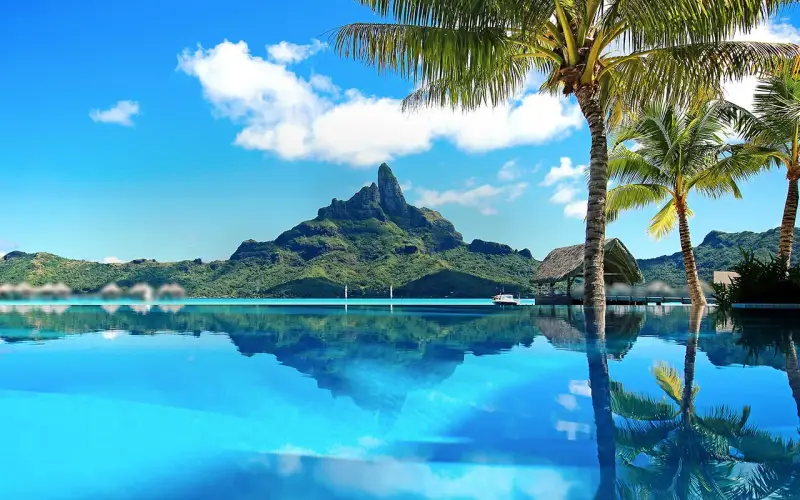 TahitiGateway to French Polynesia
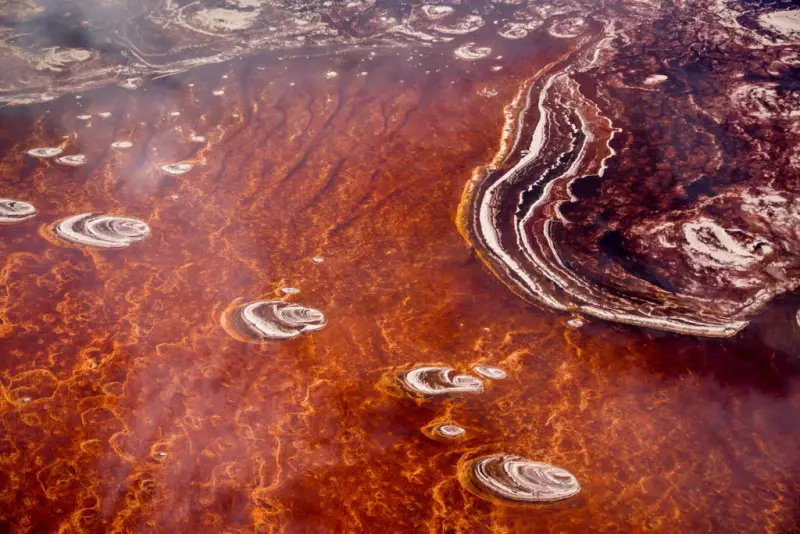 TanzaniaSerengeti, Kilimanjaro and Zanzibar
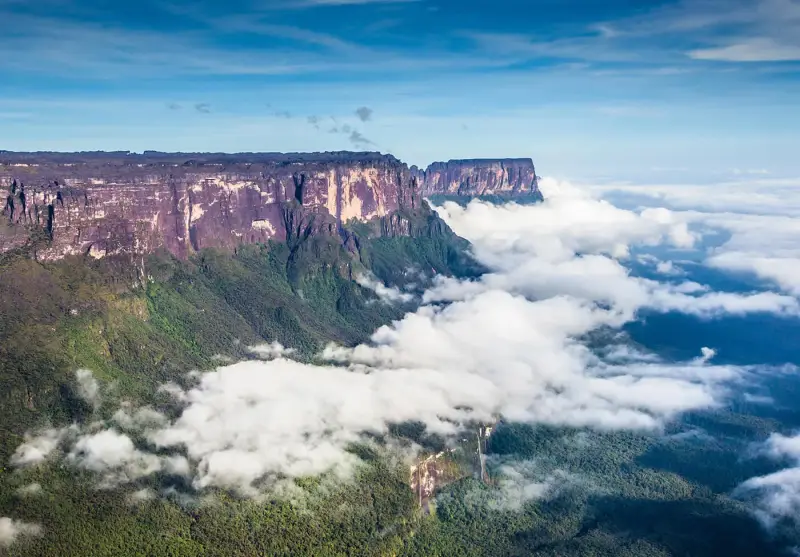 VenezuelaAngel Falls, Los Roques and the Andes
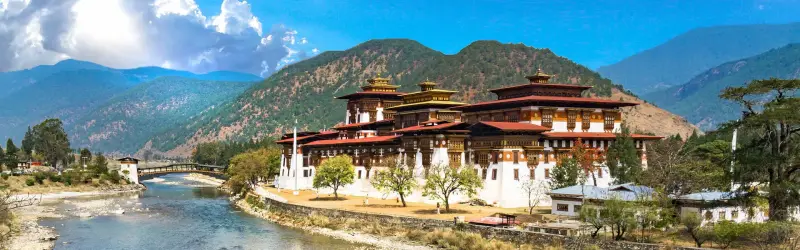 BhutanHimalayan monasteries and Gross National Happiness
 BoliviaSalt flats, Andean lakes and colonial cities
 KuwaitGulf city-state
 MoroccoMedinas, Sahara dunes and Atlas mountains
 OmanForts, wadis, deserts and Arabian coast
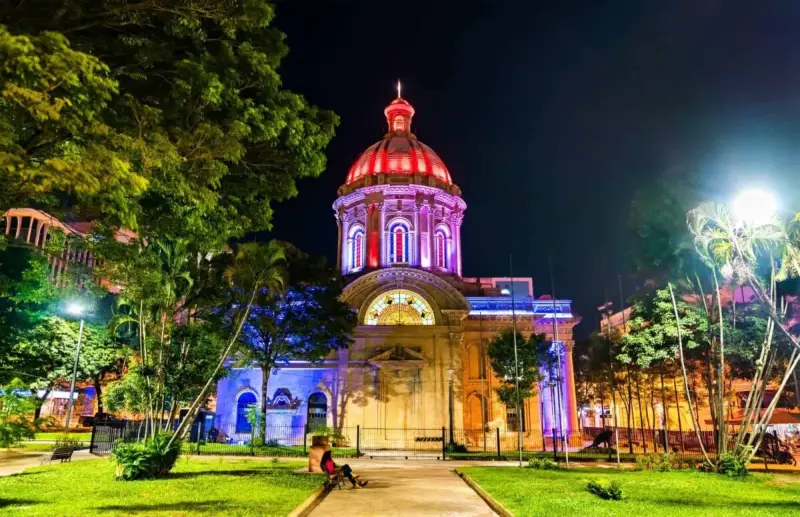 ParaguayJesuit missions, wetlands and the Chaco
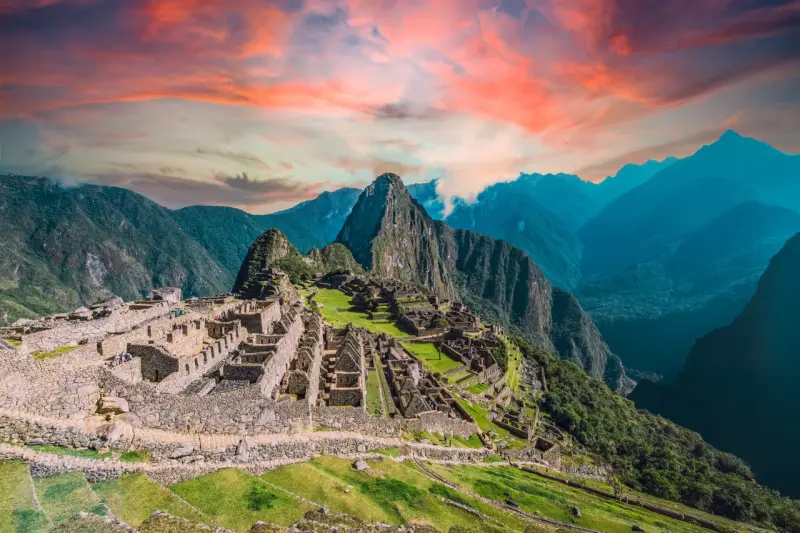 PeruMachu Picchu, the Andes and the Amazon
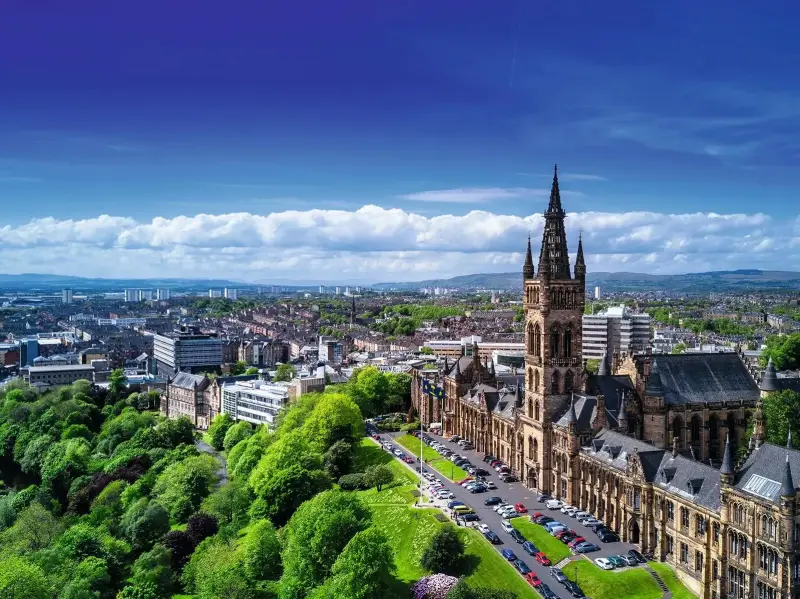 ScotlandHighlands, castles, islands and whisky
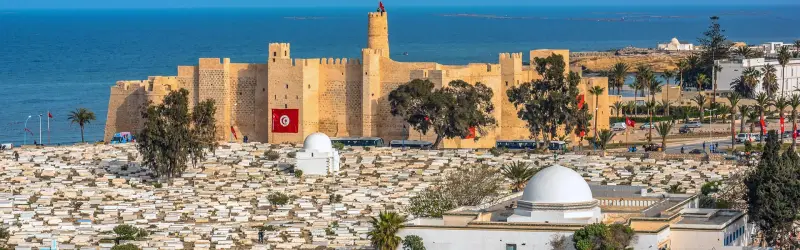 TunisiaCarthage, Sahara and Mediterranean beaches
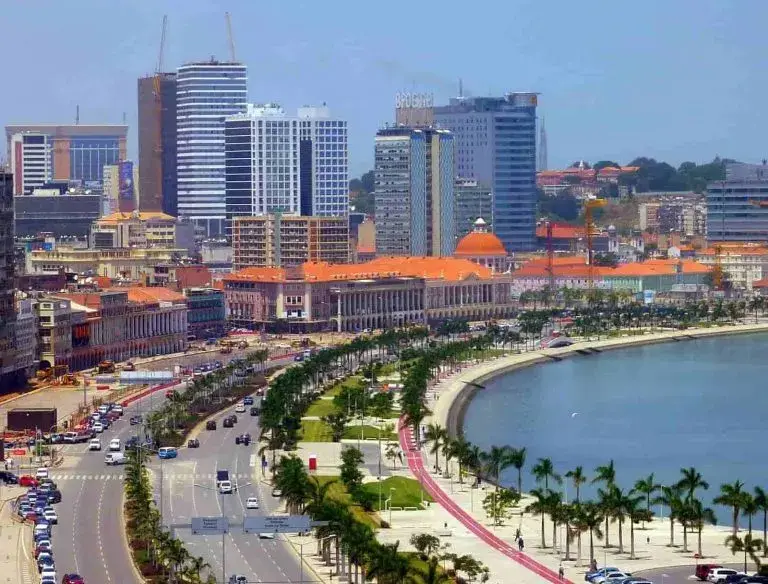 AngolaAtlantic coast, waterfalls and desert landscapes
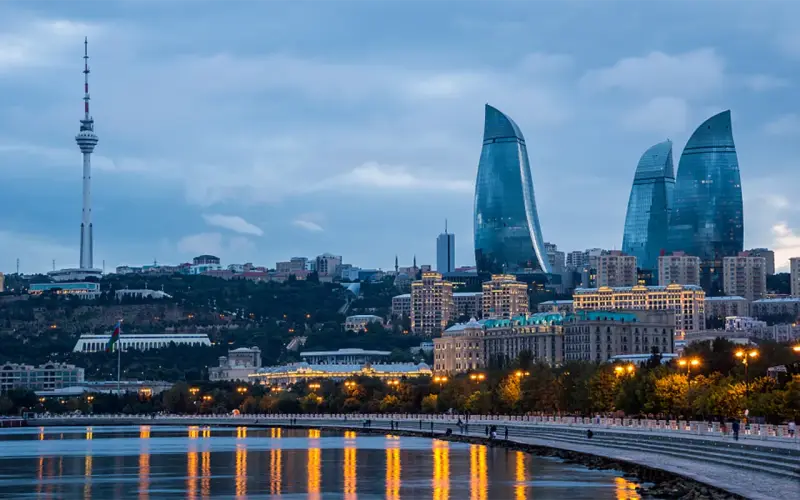 AzerbaijanBaku's flame towers and Caspian Sea culture
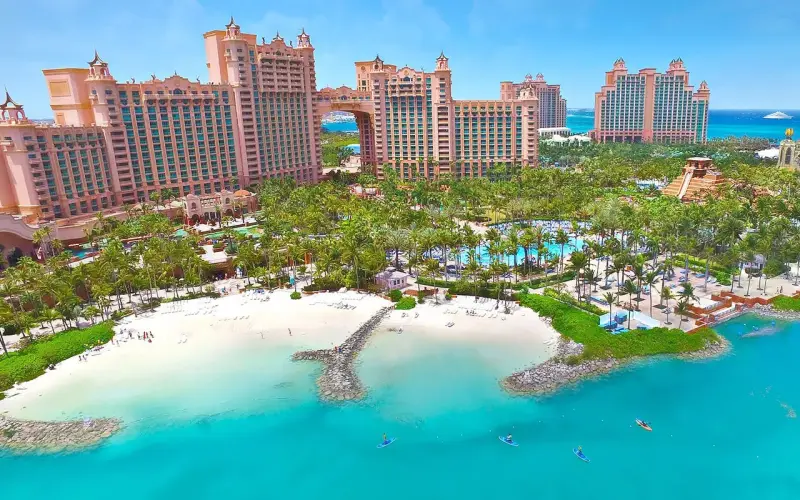 BahamasTurquoise water across 700 islands
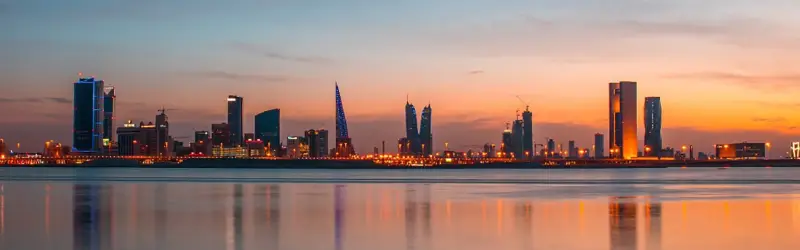 BahrainPearling heritage and Gulf city life
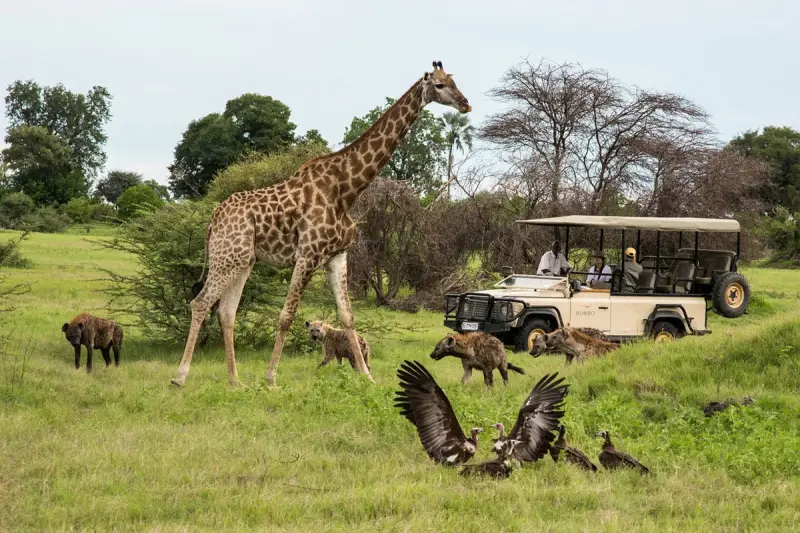 BotswanaOkavango Delta safaris and Kalahari skies
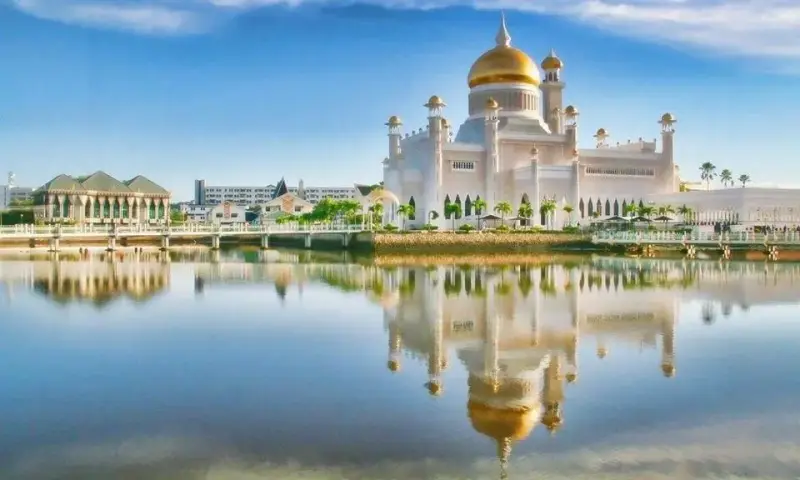 BruneiGolden mosques and pristine Borneo rainforest
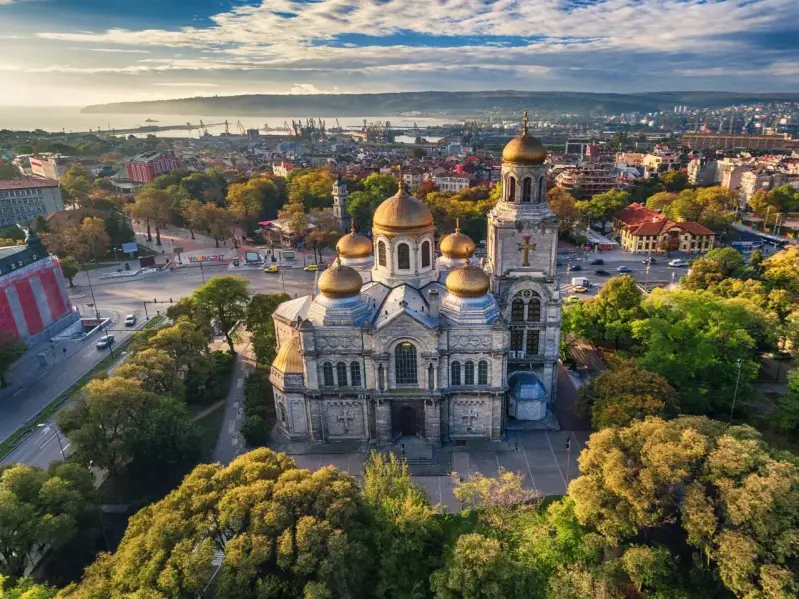 BulgariaBlack Sea beaches, mountains and monasteries
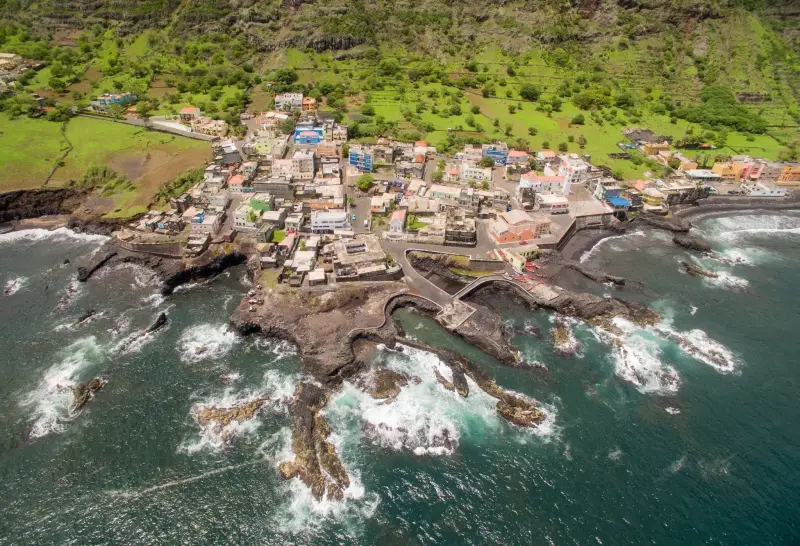 Cape Verde IslandsAtlantic islands of beaches, volcanoes and morna
 CubaHavana, Trinidad, tobacco valleys and beaches
 Czech RepublicPrague, castles and spa towns
 EcuadorGalápagos, Andes volcanoes and the Amazon
 EthiopiaRock-hewn churches, highlands and ancient kingdoms
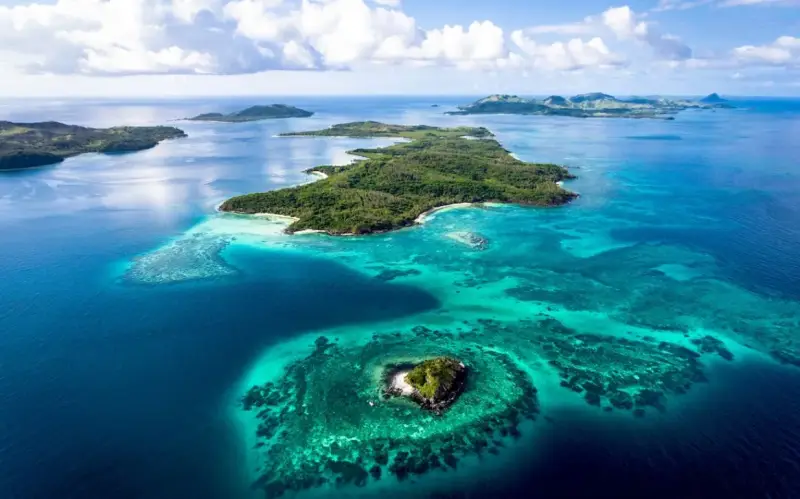 FijiCoral islands, warm welcomes and soft coral reefs
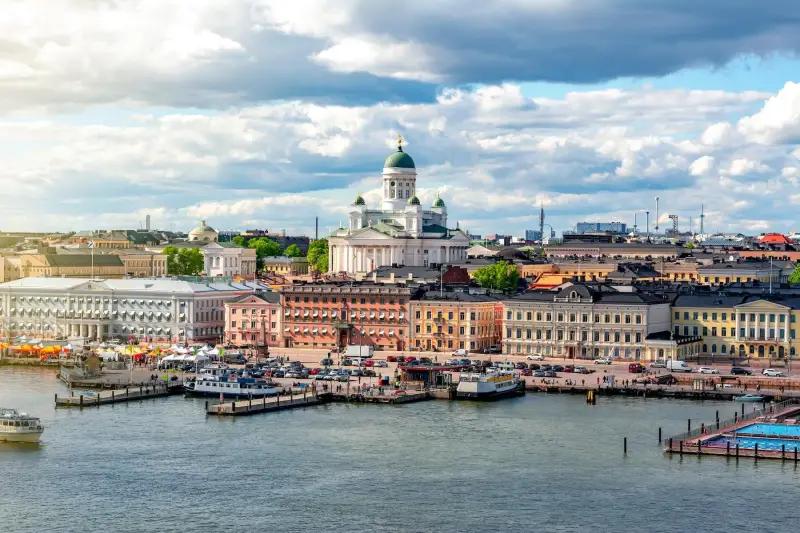 FinlandLakes, Lapland and the northern lights
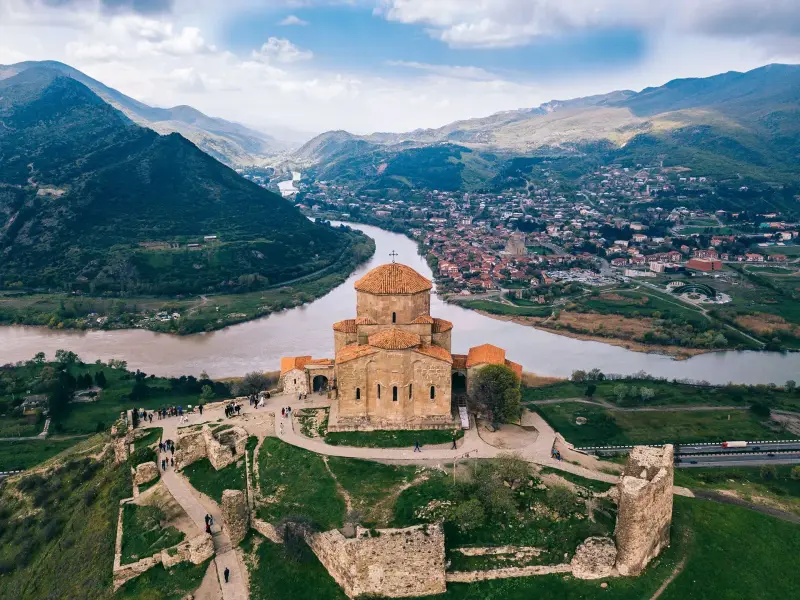 GeorgiaCaucasus peaks, wine and Tbilisi's old town
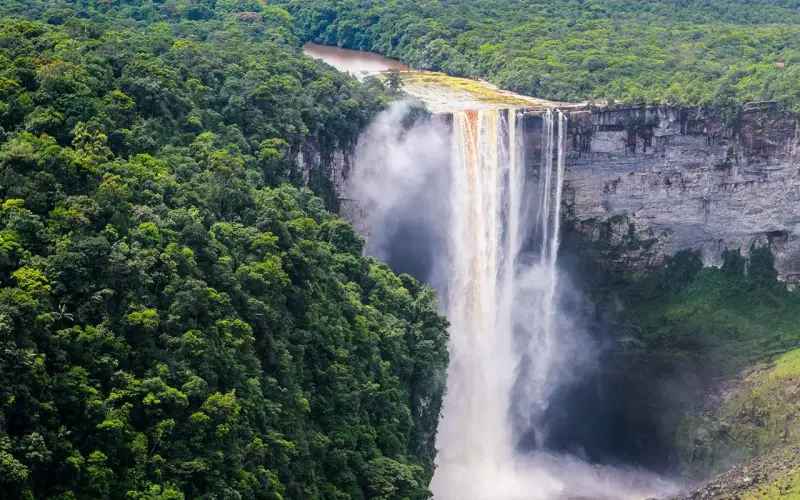 GuyanaKaieteur Falls and untouched rainforest
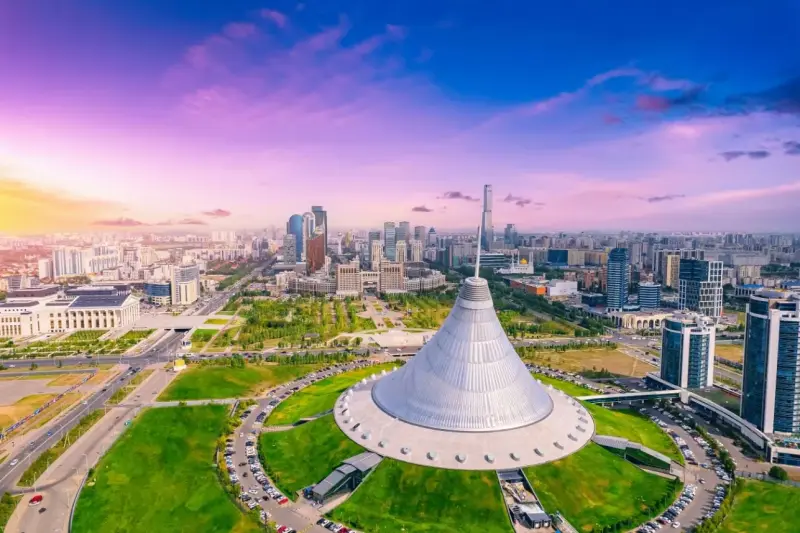 KazakhstanSteppe, canyons and Silk Road cities
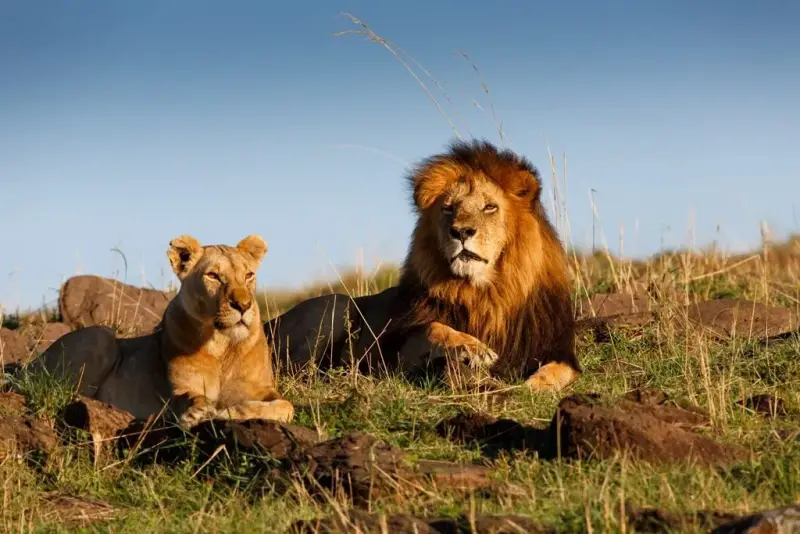 KenyaSafaris, the Great Migration and Indian Ocean beaches
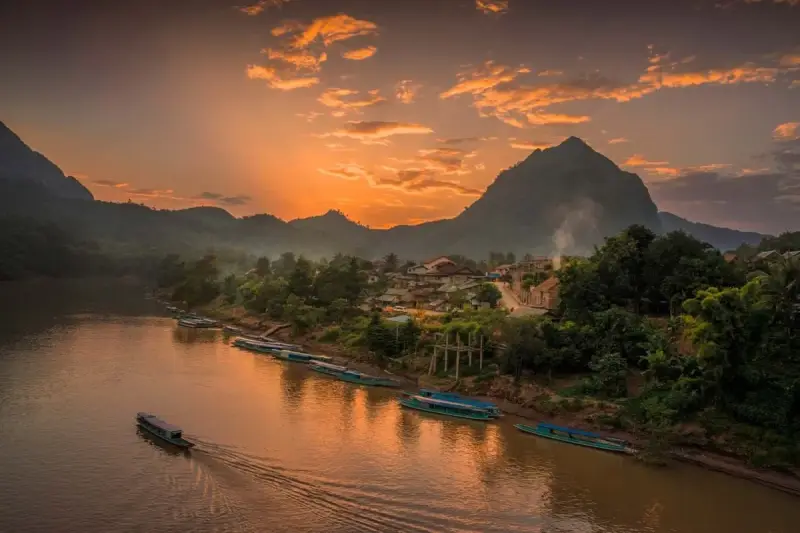 LaosLuang Prabang, the Mekong and limestone karsts
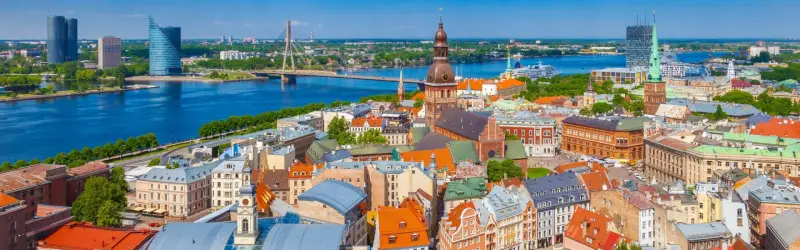 LatviaRiga's Art Nouveau and Baltic beaches
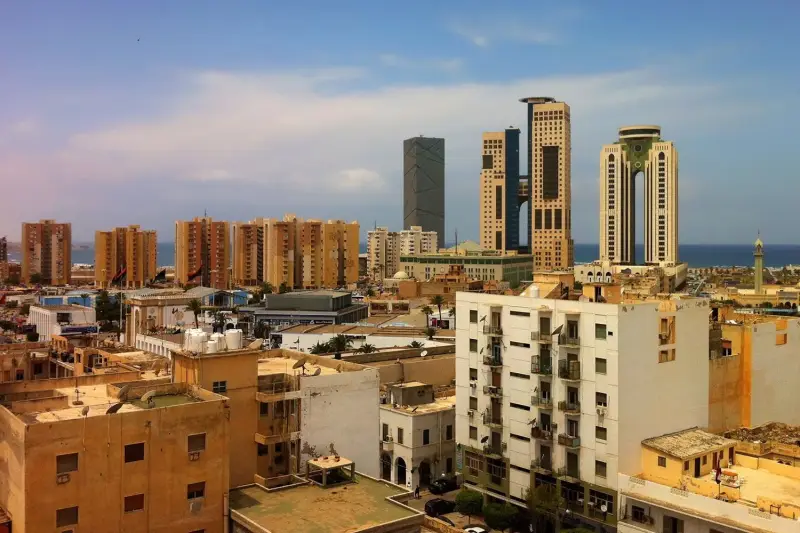 LibyaRoman ruins and Sahara
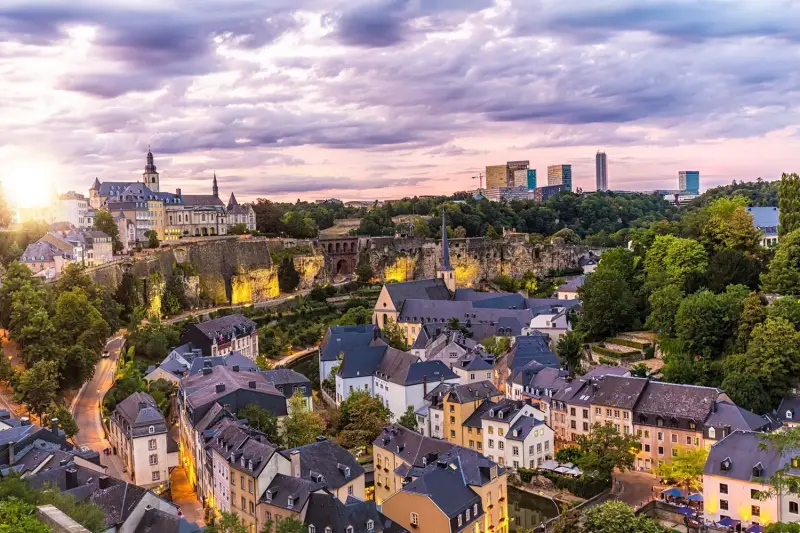 LuxembourgFortress city, castles and free public transport
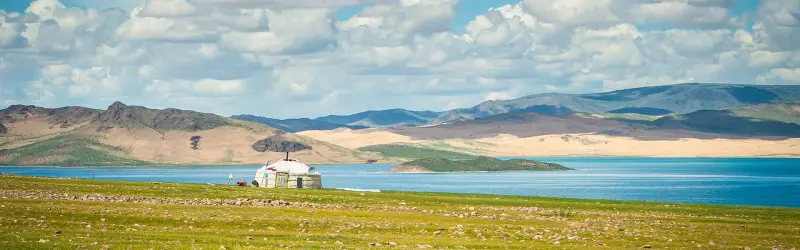 MongoliaSteppe, Gobi Desert and nomad life
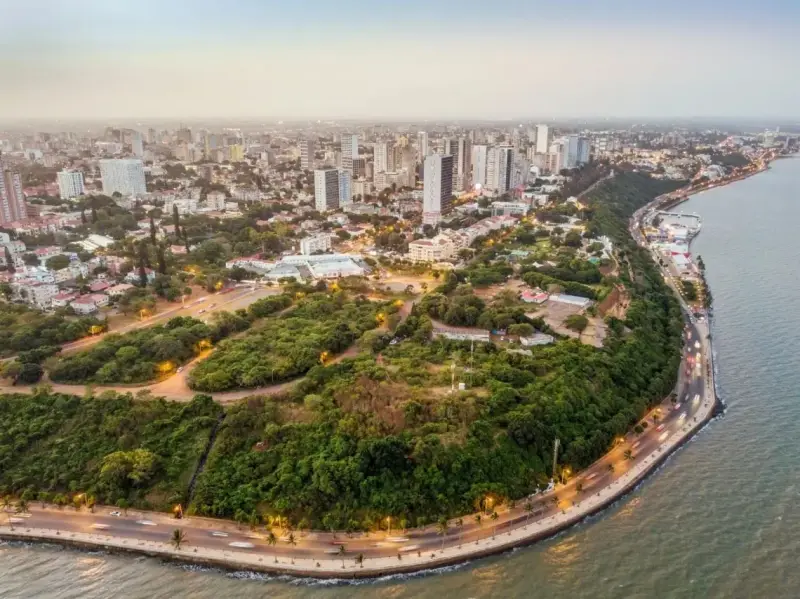 MozambiqueIndian Ocean islands and coral coast
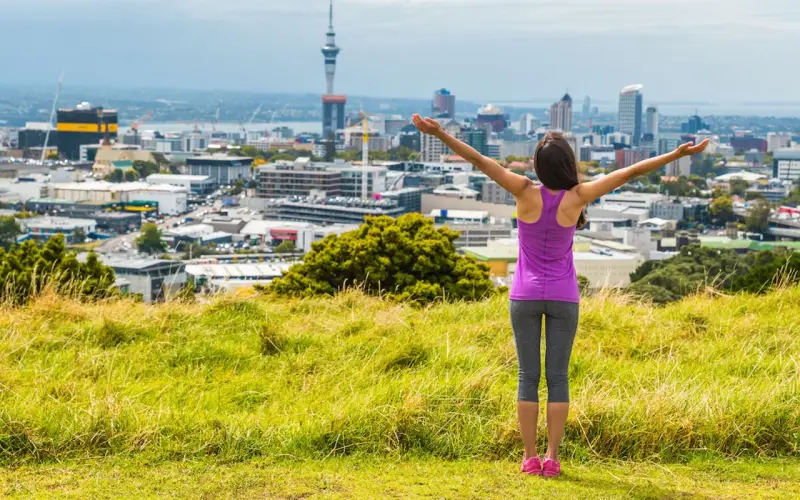 New ZealandFiords, glaciers, volcanoes and Māori culture
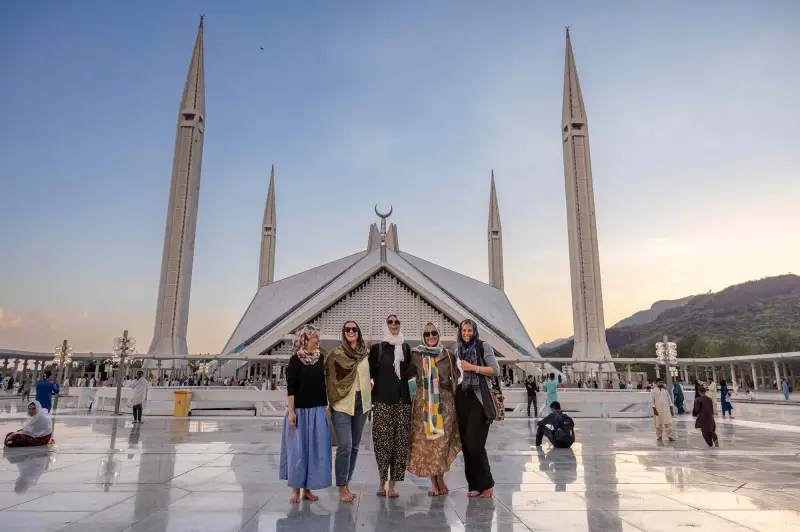 PakistanKarakoram peaks, Mughal Lahore and mountain valleys
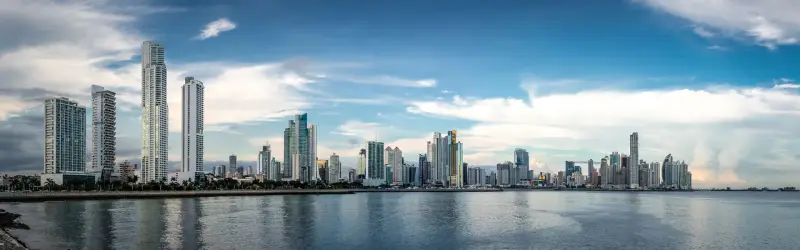 PanamaThe canal, islands and rainforest
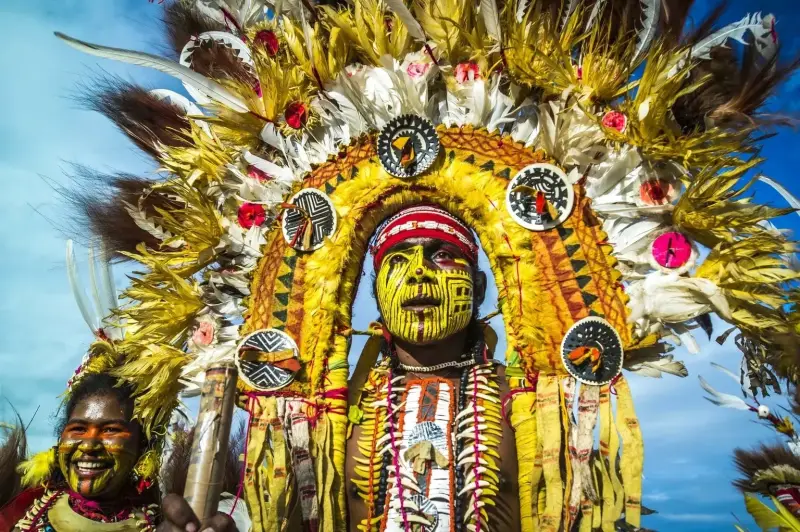 Papua New GuineaHighland cultures, reefs and the Kokoda Track
 PolandKraków, Gdańsk, Warsaw and the Tatras
 RomaniaTransylvania's castles, painted monasteries and the Carpathians
 RwandaMountain gorillas and the land of a thousand hills
 Saint LuciaThe Pitons, rainforest and Caribbean romance
 SerbiaBelgrade nightlife, monasteries and the Danube
 SeychellesGranite islands and perfect beaches
 SudanNubian pyramids and the Nile
 SwedenStockholm's archipelago, Lapland and design
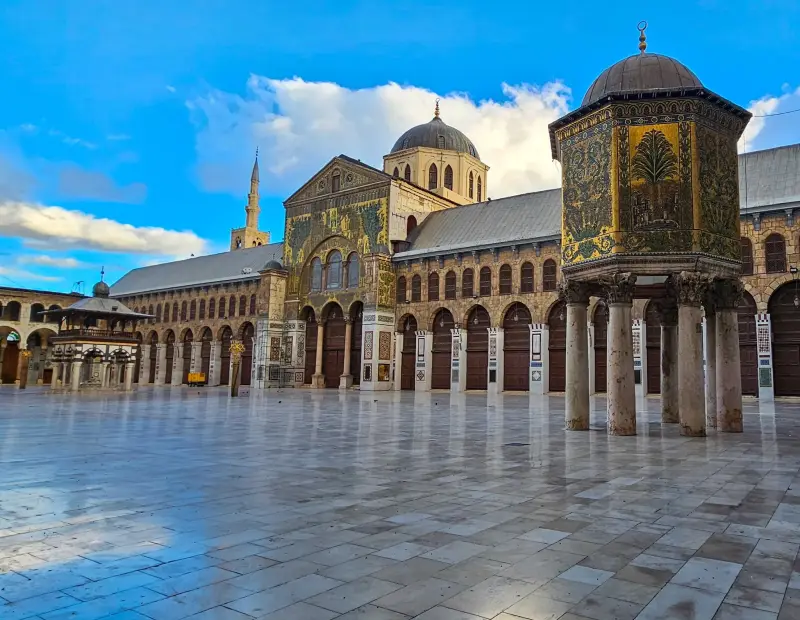 SyriaAncient cities
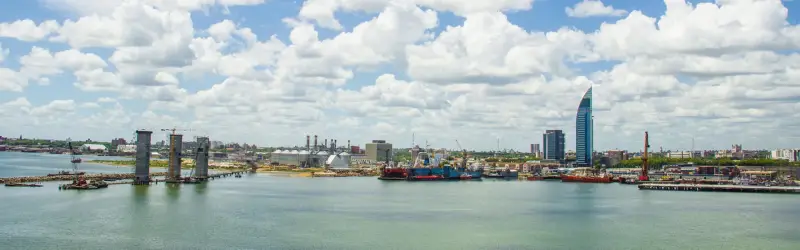 UruguayBeaches, colonial Colonia and laid-back Montevideo
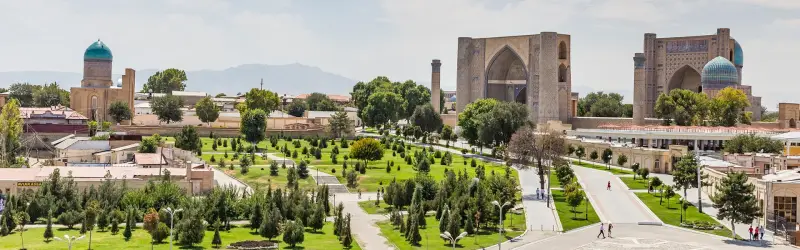 UzbekistanSamarkand, Bukhara and Khiva on the Silk Road
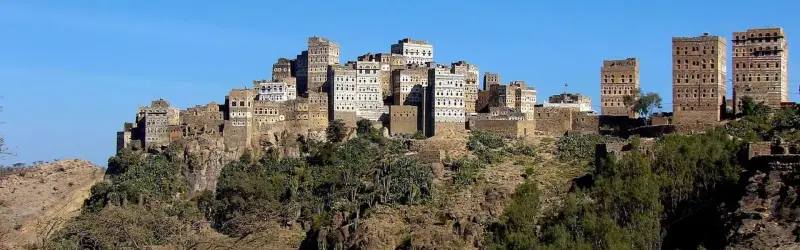 YemenAncient tower houses and Socotra's unique nature
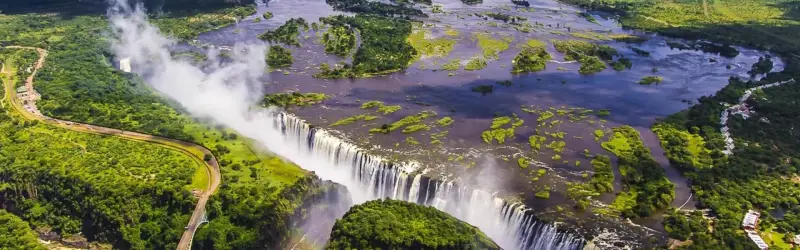 ZambiaVictoria Falls, walking safaris and the Zambezi
SurinameRainforest, rivers and colonial Paramaribo
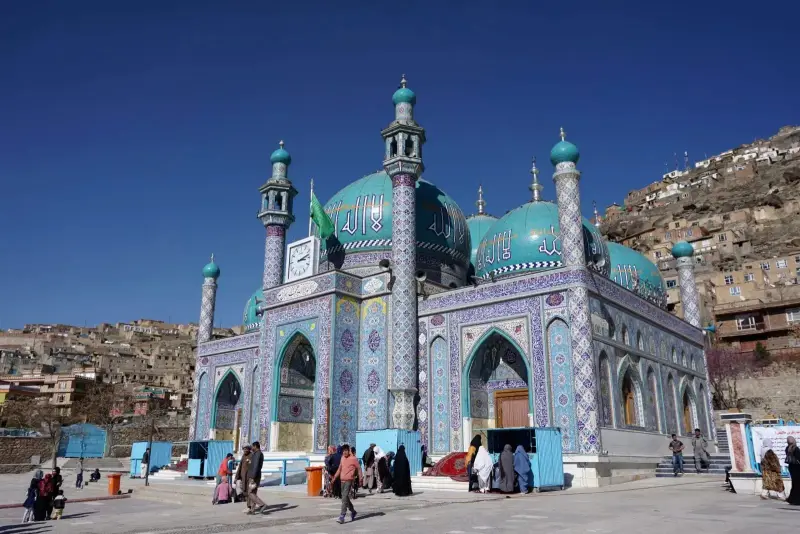 AfghanistanMountain valleys and Silk Road history
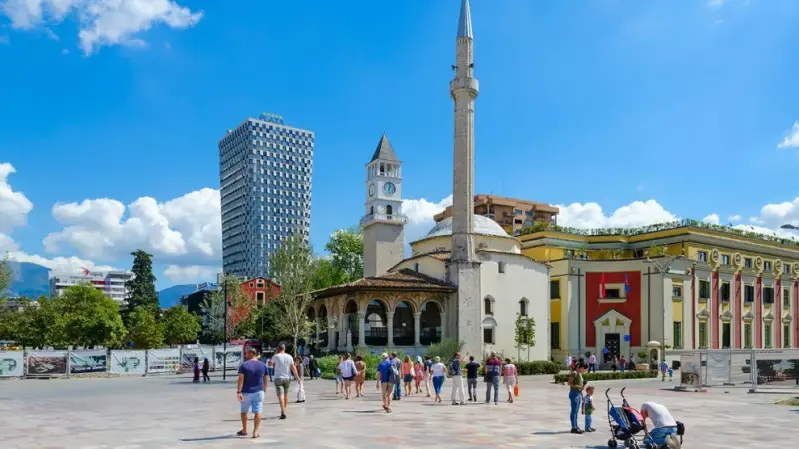 AlbaniaRiviera beaches, mountain villages and Ottoman towns
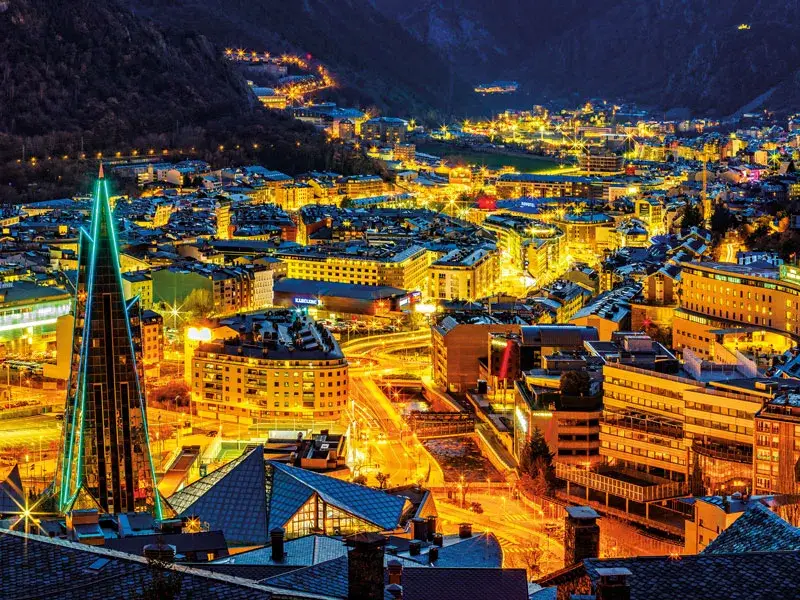 AndorraPyrenean ski slopes and duty-free shopping
 AntarcticaIcebergs, penguins and the last great wilderness
 Antigua and BarbudaA beach for every day of the year
 ArcticNorthern lights, polar bears and the midnight sun
 ArmeniaAncient monasteries beneath Mount Ararat
 BarbadosBeaches, rum and cricket in the Caribbean
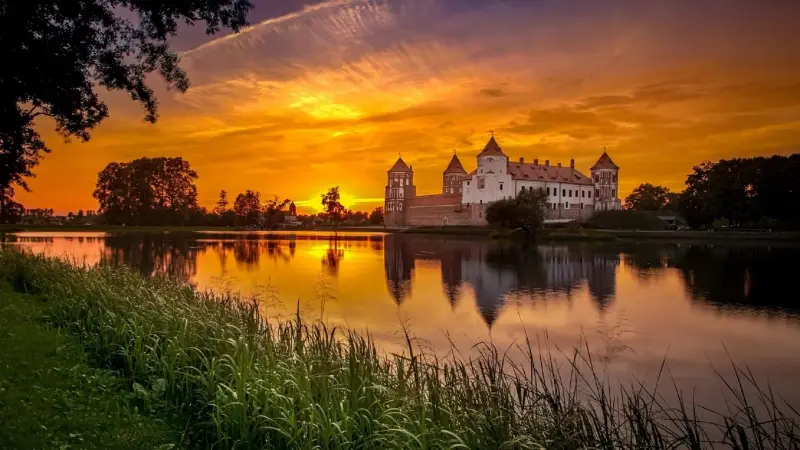 BelarusPrimeval forests and Soviet-era Minsk
 BelizeBarrier reef, Maya temples and jungle
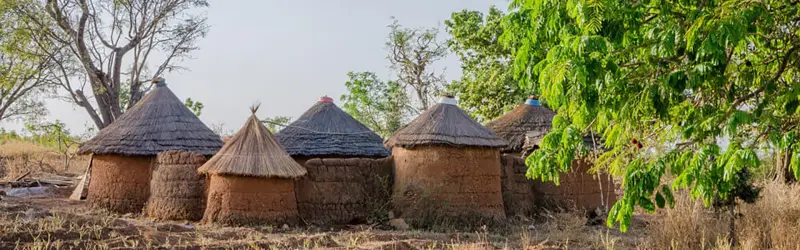 BeninVodun culture, royal palaces and lagoon villages
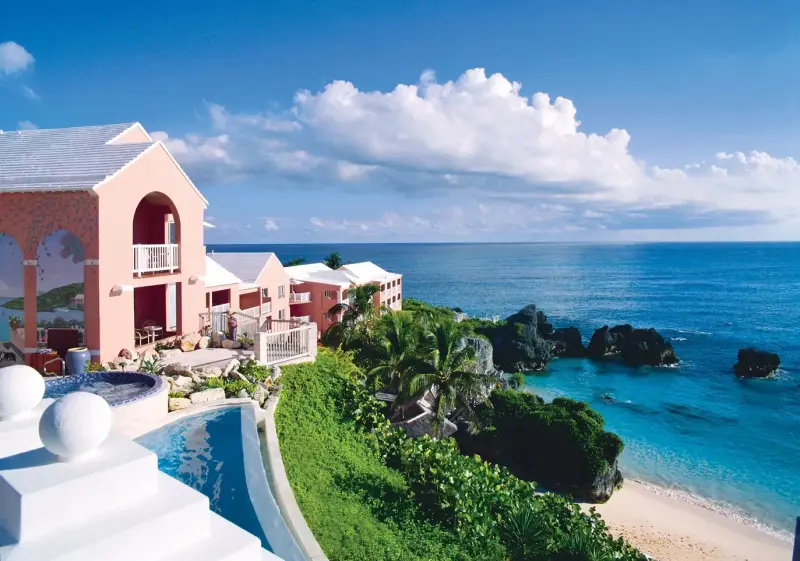 BermudaPink sand beaches in the Atlantic
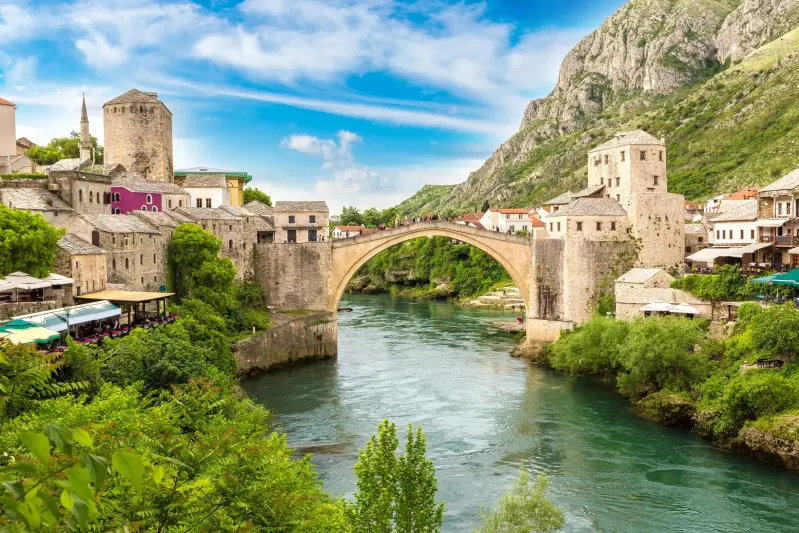 Bosnia HerzegovinaOttoman bridges, mountain rivers and Sarajevo
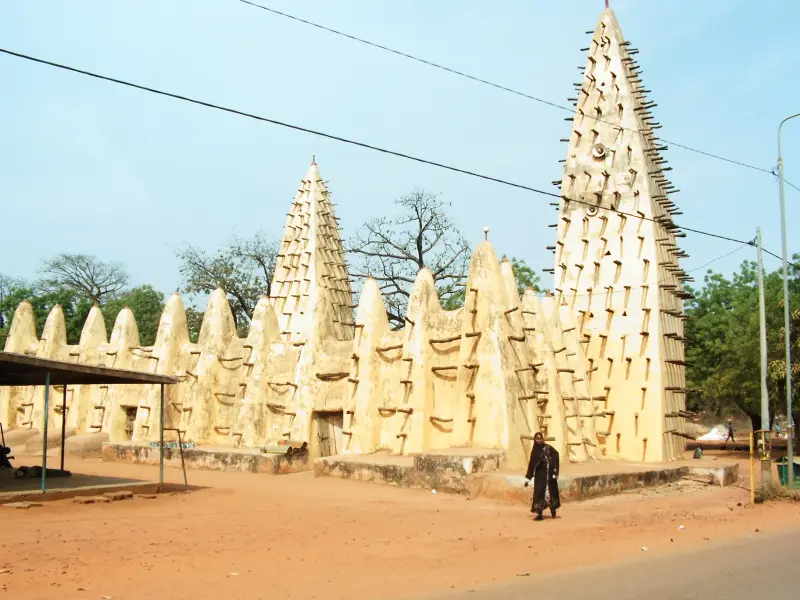 Burkina FasoSahel culture, music and film festivals
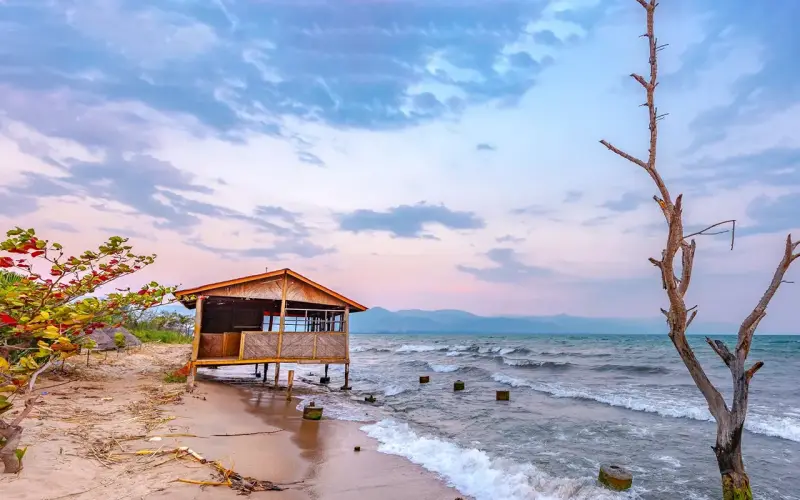 BurundiLake Tanganyika beaches and drumming traditions
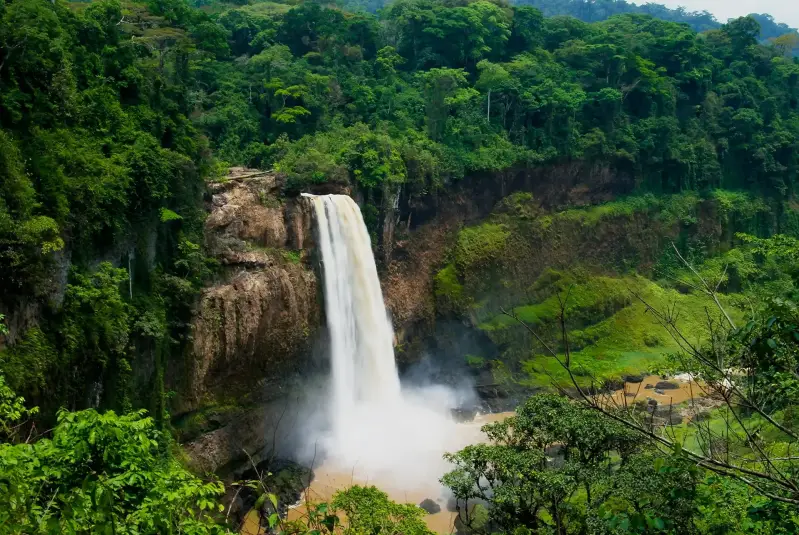 CameroonAfrica in miniature: rainforest, volcano and savanna
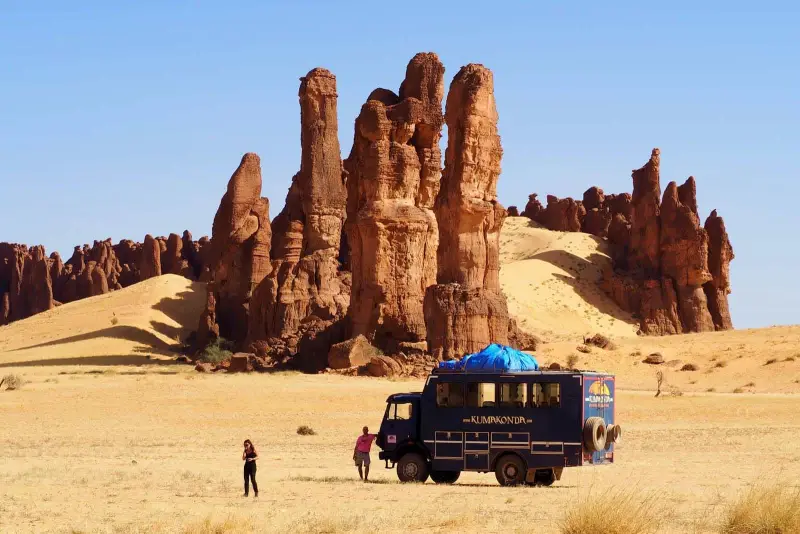 ChadSaharan landscapes and Zakouma wildlife
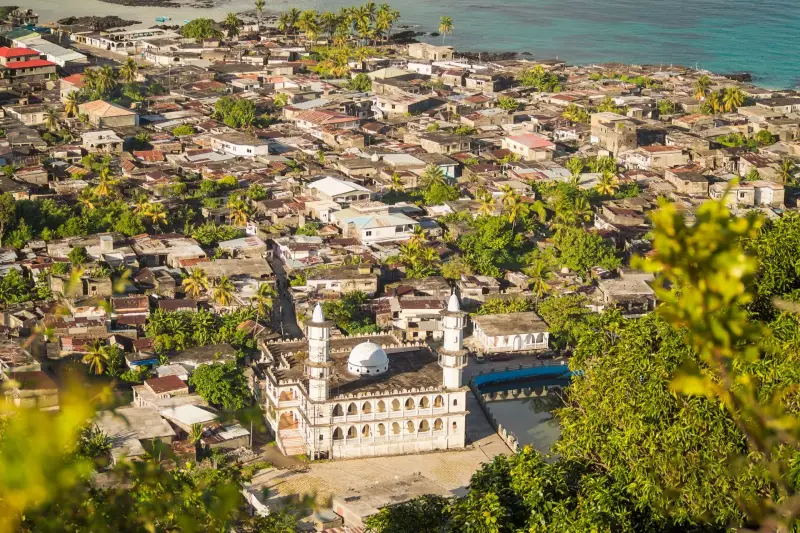 ComorosVolcanic islands, vanilla and ylang-ylang
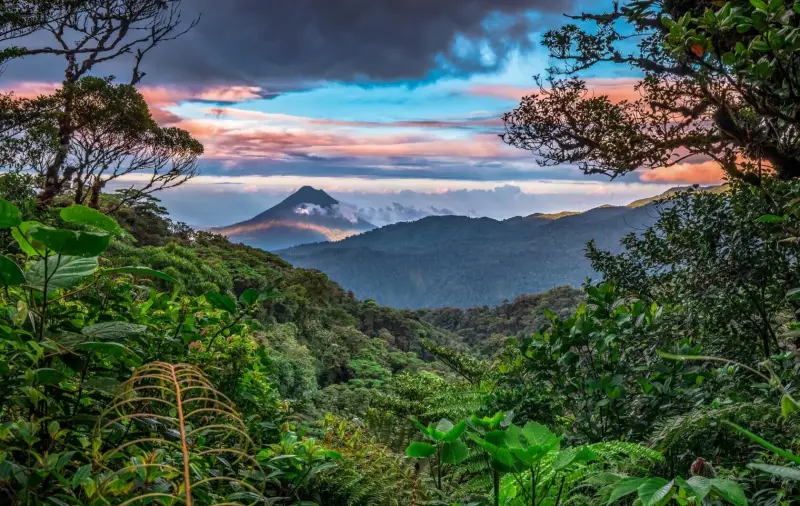 Costa RicaRainforest, volcanoes, wildlife and two coasts
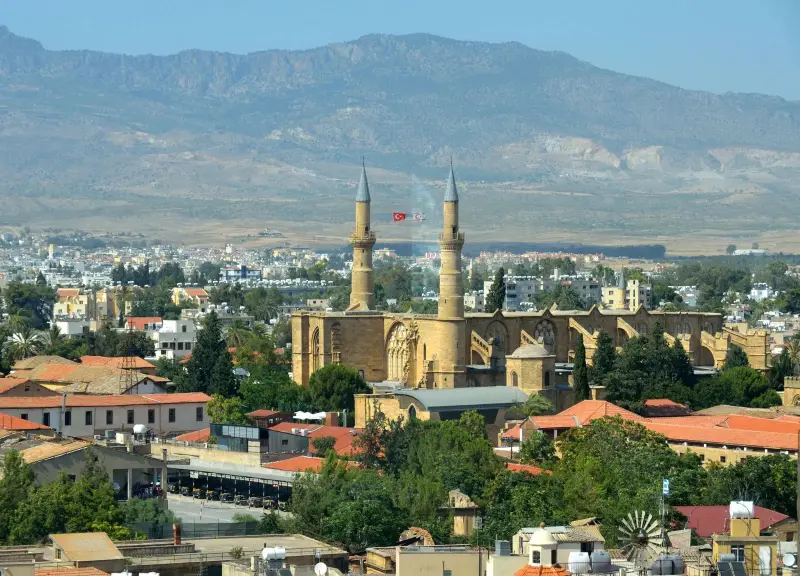 CyprusSunny beaches, ancient sites and mountain villages
 Côte D'IvoireAbidjan's skyline, beaches and basilicas
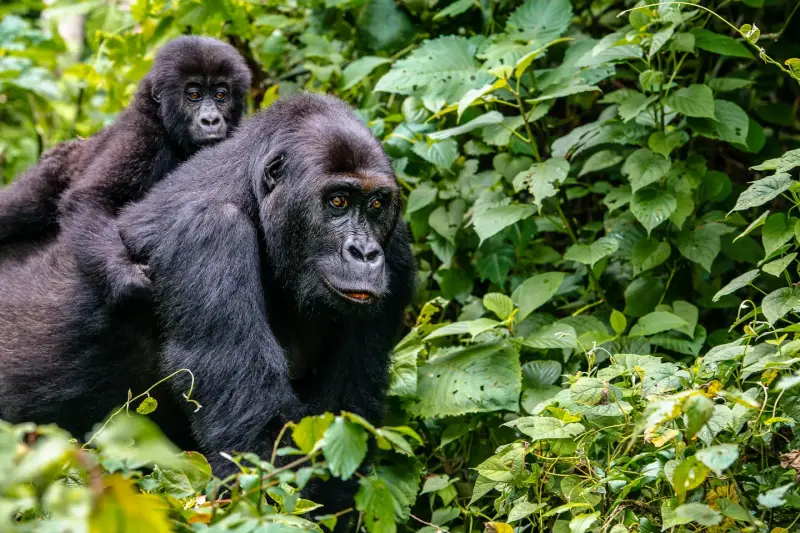 DR CongoGorillas, volcanoes and the mighty Congo River
 DenmarkCopenhagen design, castles and coastlines
 DjiboutiSalt lakes, whale sharks and volcanic desert
 DominicaThe Caribbean's nature island
 Dominican RepublicPunta Cana beaches and the New World's first city
 El SalvadorSurf beaches, volcanoes and colonial towns
 Equatorial GuineaVolcanic Bioko and rainforest Río Muni
 EritreaAsmara's Modernist architecture and the Red Sea
 EstoniaTallinn's medieval old town and Baltic nature
 EswatiniWildlife, culture festivals and mountain valleys
 Falkland IslandsPenguin colonies on remote South Atlantic islands
 GabonRainforest parks, surfing hippos and gorillas
 GambiaAtlantic beaches, river life and birdwatching
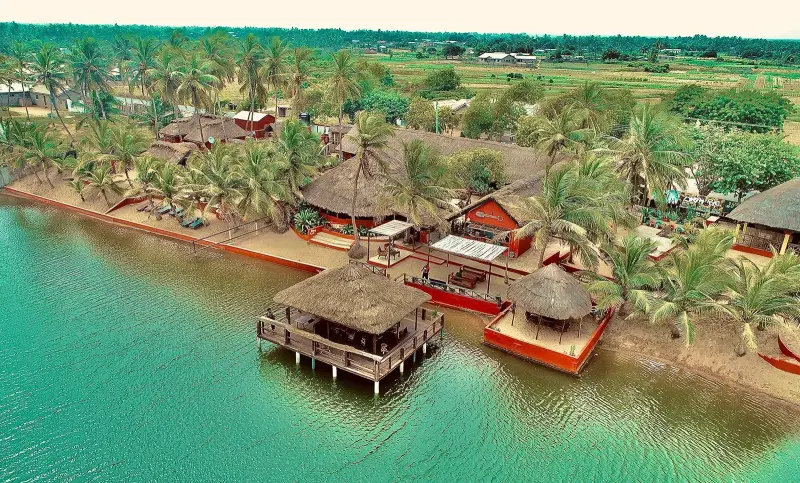 GhanaCoastal castles, Ashanti culture and warm welcomes
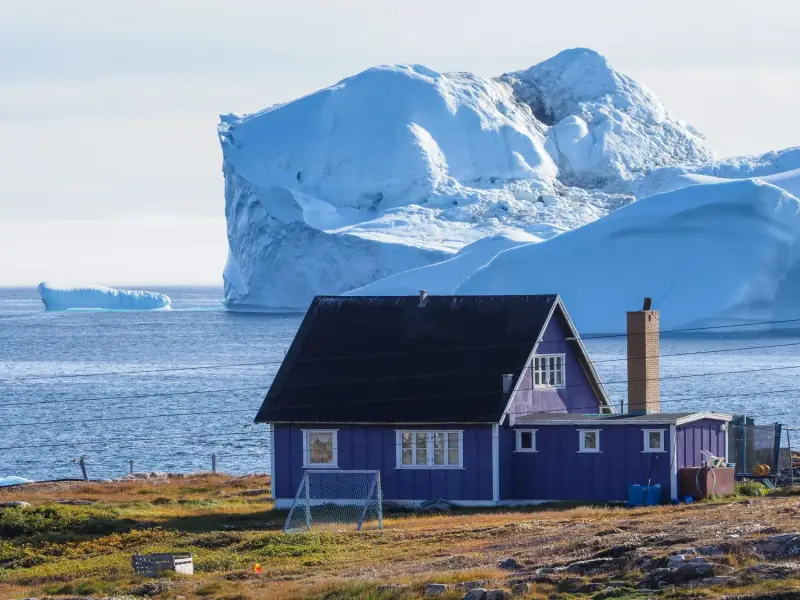 GreenlandIcebergs, glaciers and Arctic culture
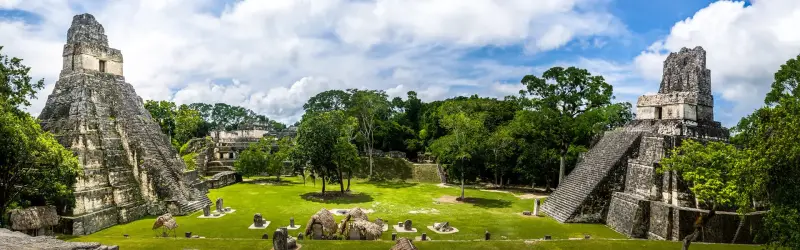 GuatemalaMaya temples, volcanoes and Lake Atitlán
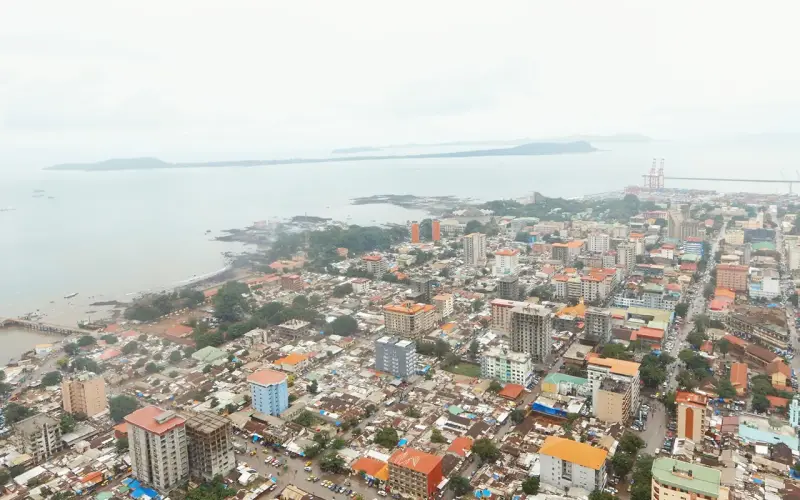 GuineaHighlands and waterfalls
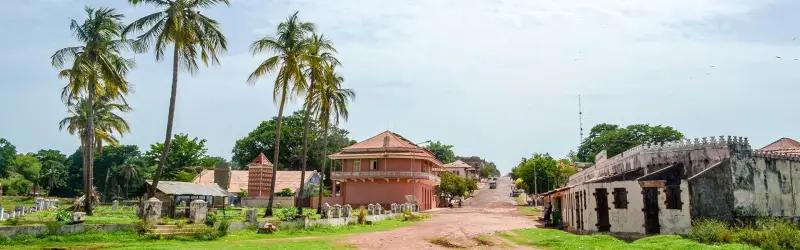 Guinea BissauThe Bijagós Islands and saltwater hippos
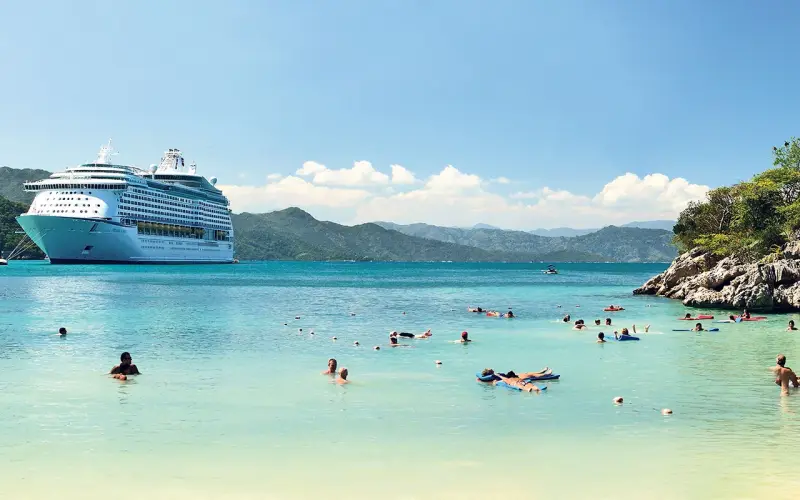 HaitiCitadelle and Caribbean culture
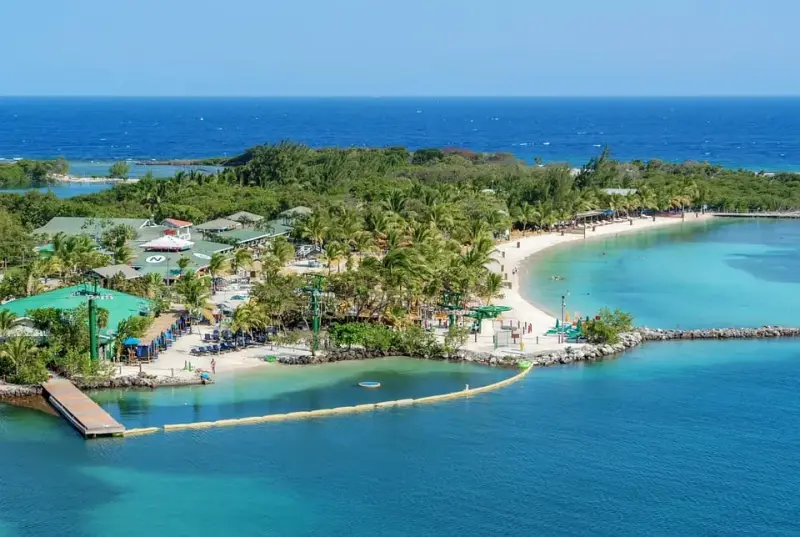 HondurasCopán and the Bay Islands
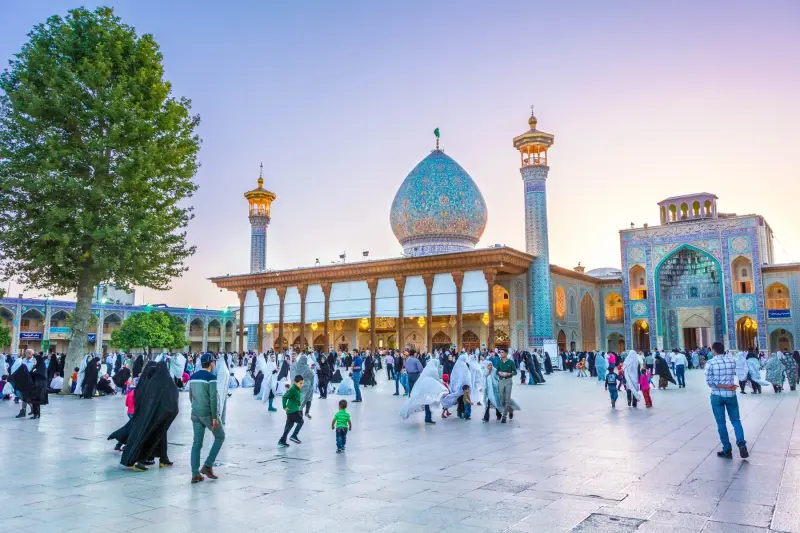 IranPersian palaces, mosques and gardens
 IraqAncient Mesopotamia
 JamaicaReggae, waterfalls and Caribbean beaches
 KosovoMedieval monasteries and mountain valleys
 KyrgyzstanMountain lakes, yurts and nomad culture
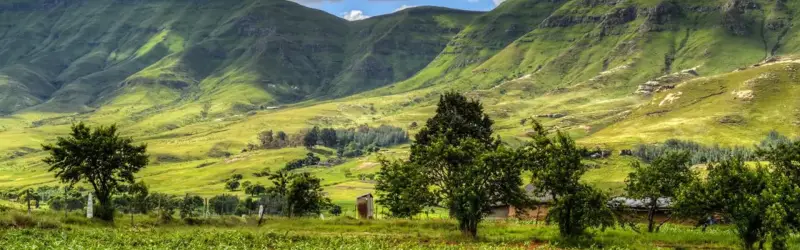 LesothoThe Kingdom in the Sky
 LiberiaRainforest and surf
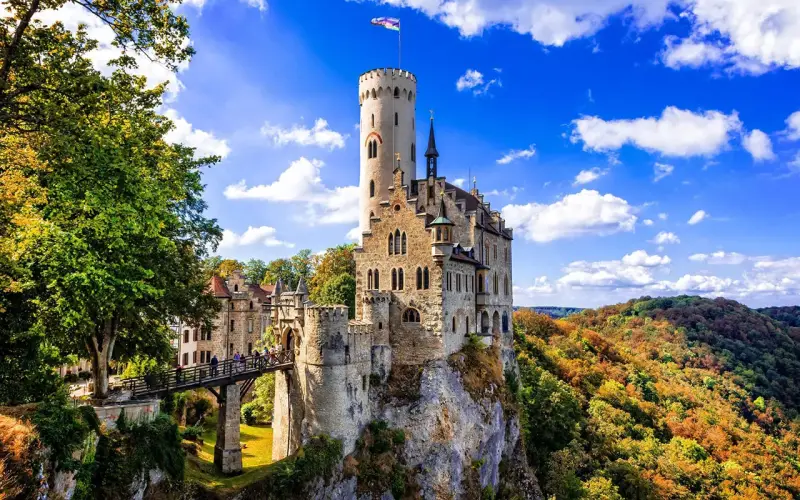 LiechtensteinAlpine principality
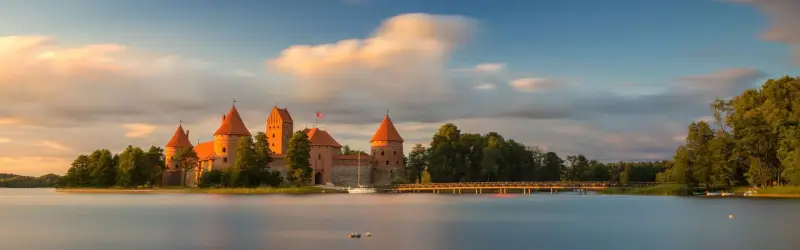 LithuaniaBaroque Vilnius, castles and the Curonian Spit
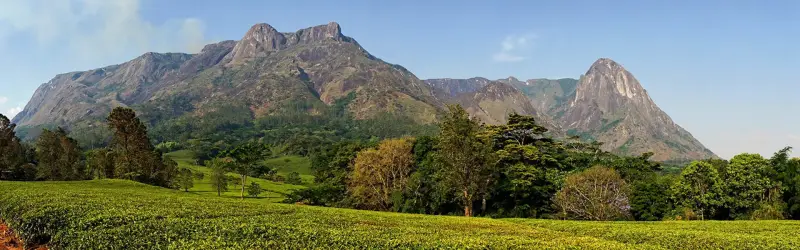 MalawiLake Malawi, the warm heart of Africa
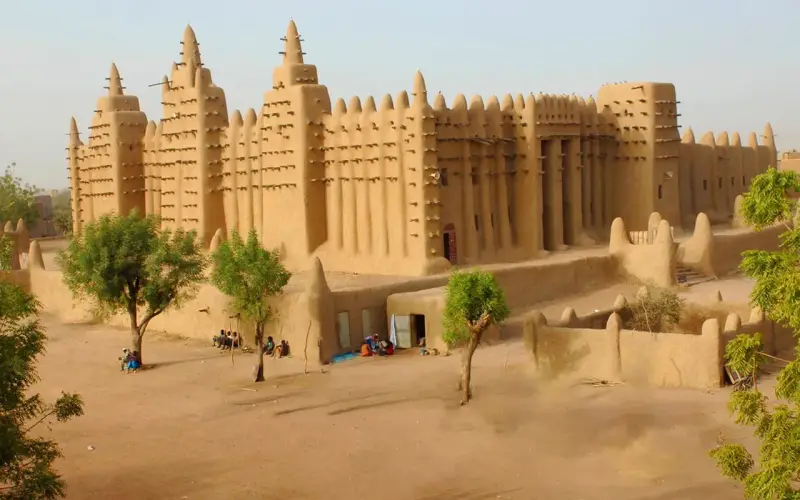 MaliSahel heritage
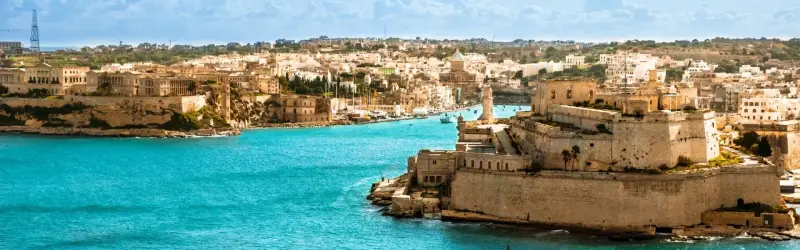 MaltaValletta, ancient temples and blue lagoons
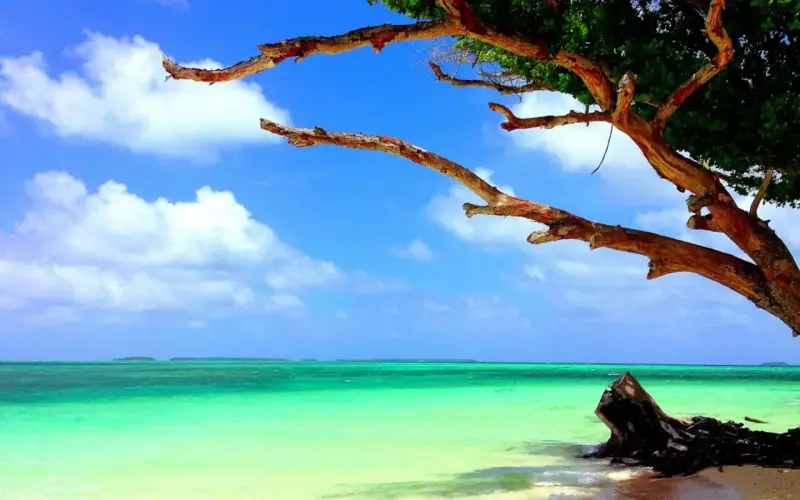 Marshall IslandsPacific atolls
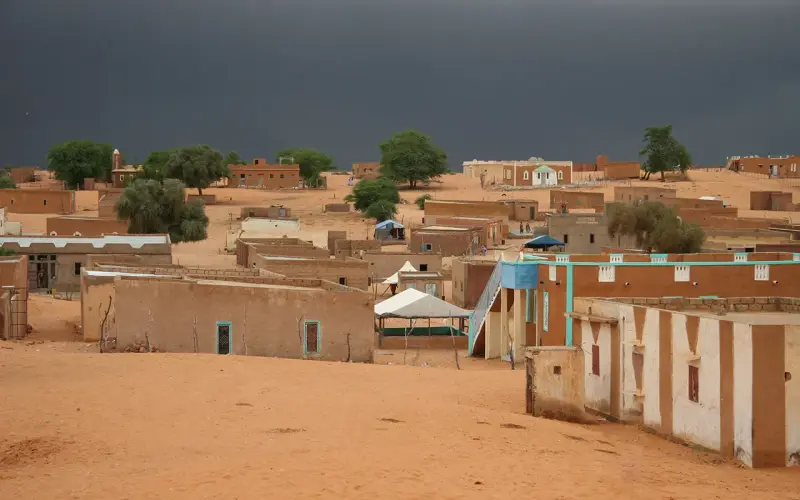 MauritaniaSahara caravan towns and the Iron Ore Train
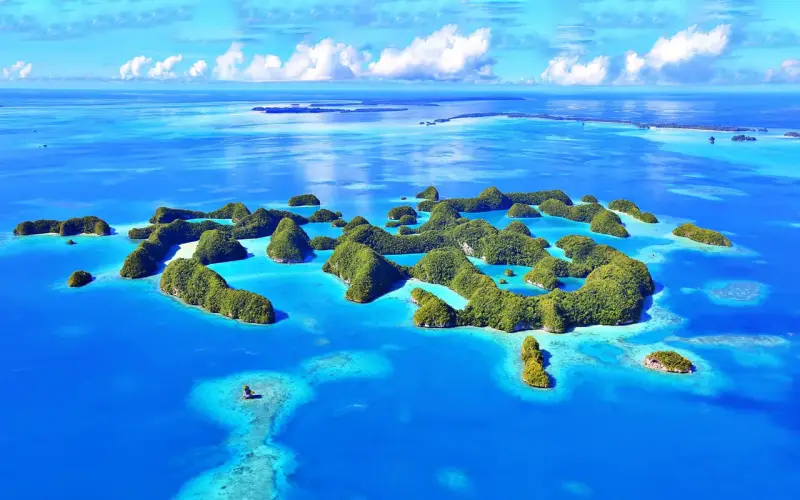 MicronesiaNan Madol, Chuuk Lagoon wrecks and Yap's stone money
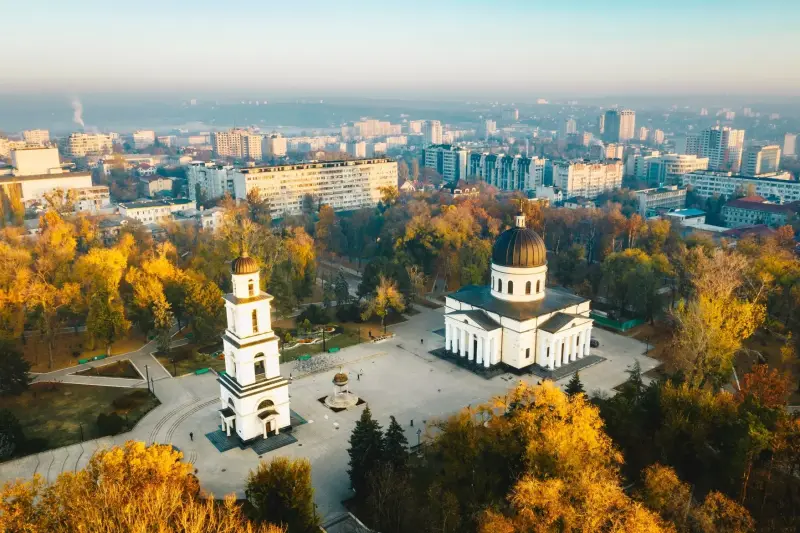 MoldovaWine cellars, cave monasteries and countryside
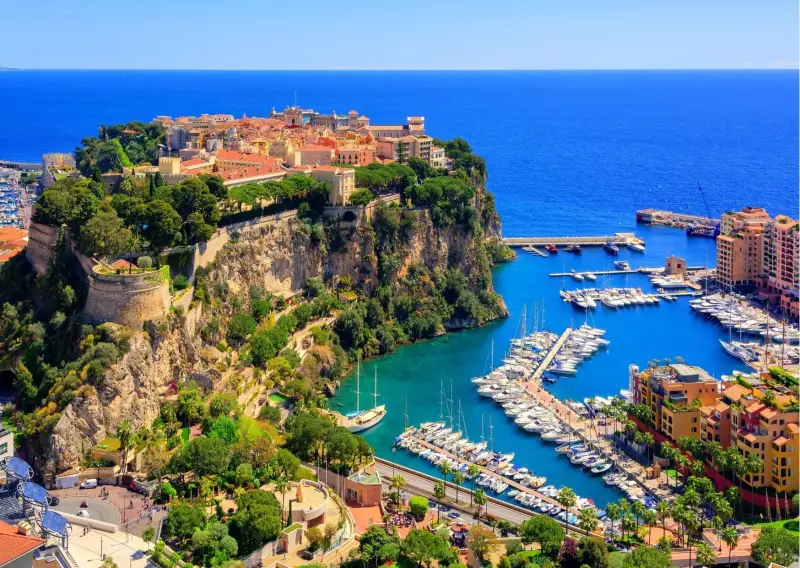 MonacoGlamour, Grand Prix and the Riviera
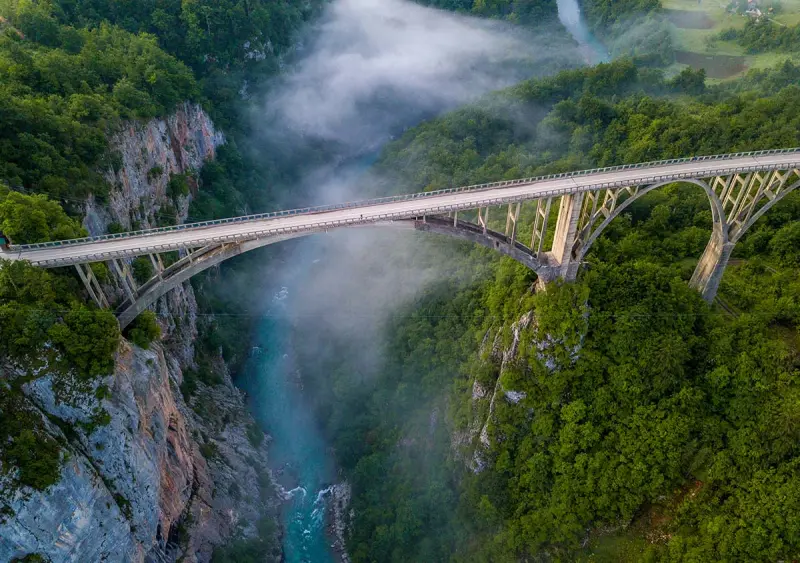 MontenegroBay of Kotor, Adriatic beaches and mountains
 NamibiaRed dunes, Etosha wildlife and desert coast
 NauruThe world's smallest island republic
 NicaraguaVolcanoes, lakes and colonial Granada
 NigerAgadez and the Sahara
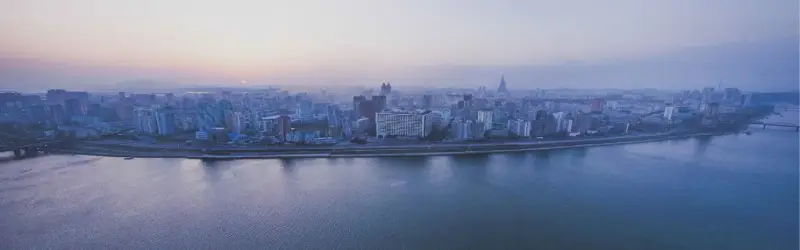 North KoreaThe world's most closed country
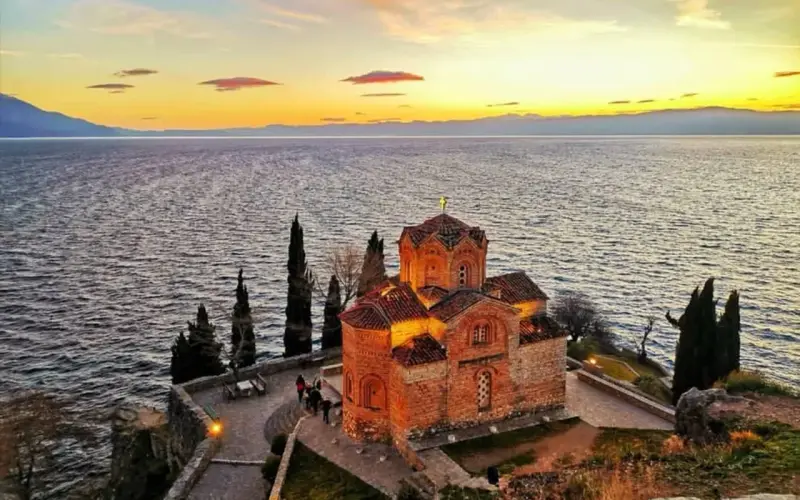 North MacedoniaLake Ohrid, Skopje and Balkan mountains
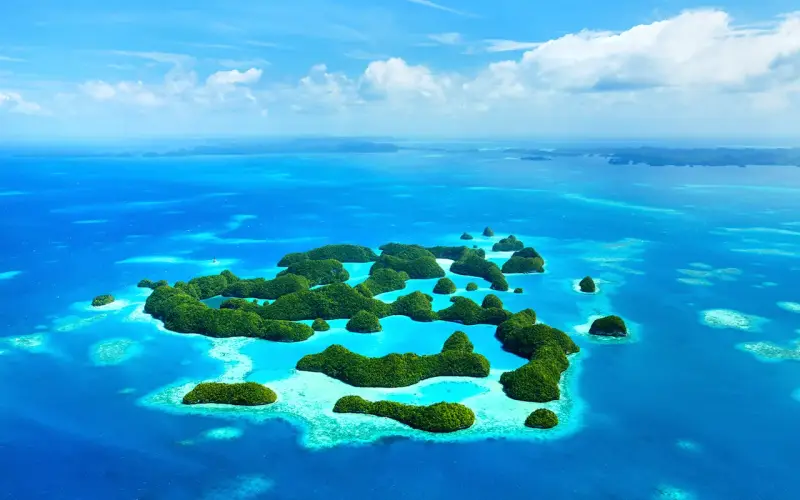 PalauRock Islands, Jellyfish Lake and world-class diving
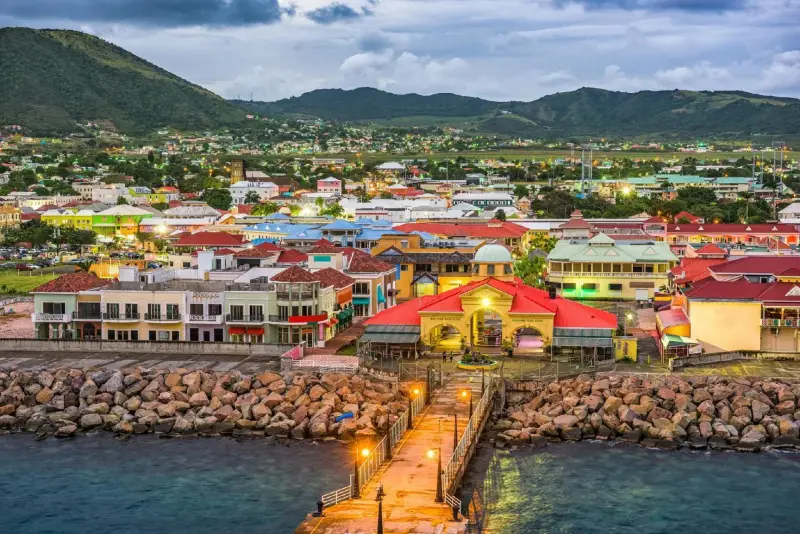 Saint Kitts and NevisBrimstone Hill, scenic railway and twin islands
 Saint Vincent and the GrenadinesSailing the Grenadines and Tobago Cays
 SamoaBeach fales, waterfalls and fa'a Samoa
 Sao Tome and PrincipeCocoa islands on the equator
 SenegalDakar's energy, Gorée Island and the Saloum Delta
 Sierra LeoneBeaches, islands and chimpanzee sanctuaries
 SlovakiaCastles, the High Tatras and Bratislava
 SloveniaLake Bled, Alpine valleys and caves
 Solomon IslandsWWII history, reefs and lagoons
 SomaliaAncient coast and Somaliland rock art
 South SudanThe world's youngest country
 TajikistanThe Pamir Highway and high mountain lakes
 Timor-LesteCoral reefs, mountains and a young nation
 TogoVoodoo markets, Koutammakou and palm-lined coast
 TongaHumpback whales and a Polynesian kingdom
 TurkmenistanThe Door to Hell and marble Ashgabat
 TuvaluRemote Pacific atolls and lagoons
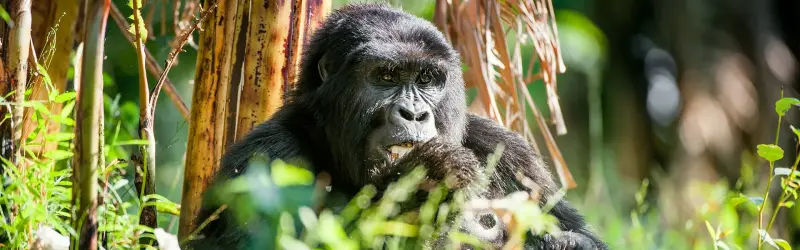 UgandaGorillas, chimpanzees and the source of the Nile
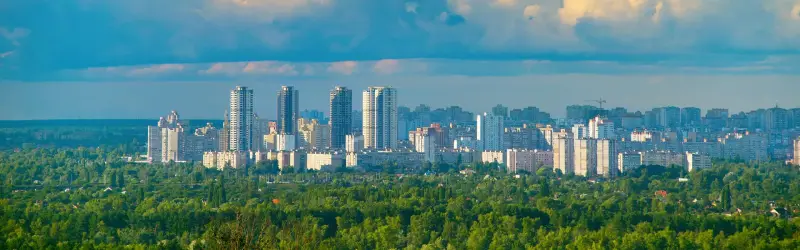 UkraineKyiv, Lviv and the Carpathians
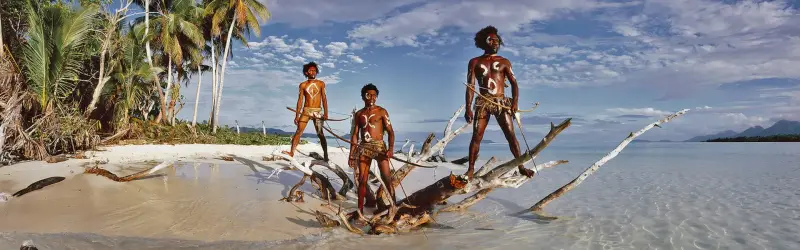 VanuatuActive volcanoes, reefs and island culture
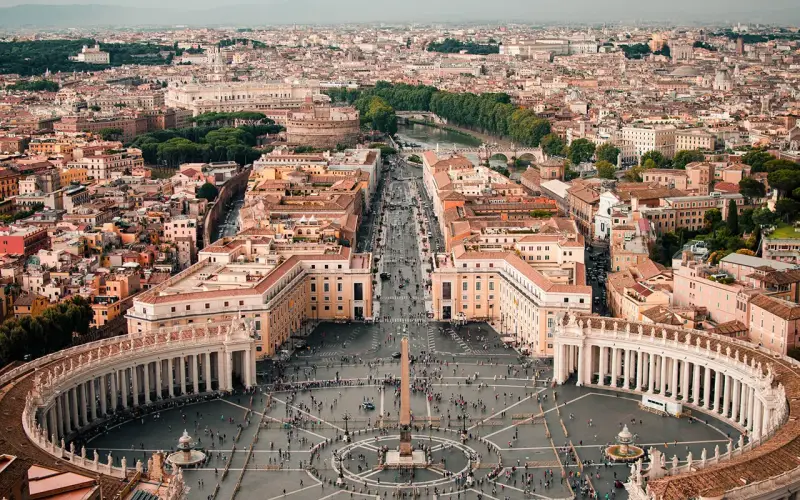 Vatican CitySt Peter's and the Sistine Chapel
 WalesCastles, coast paths and mountains
 ZimbabweVictoria Falls, Hwange and Great Zimbabwe
MacauPortuguese heritage, Macanese food and Cotai resorts
 Bangladesh686 places to stay, eat or see
Nothing in that category yet.
Top things to do in Hungary
Things to do across Hungary, from Budapest's thermal baths to Lake Balaton and Tokaj wine.
No things to do in Hungary are listed yet. Browse all things to do
Best time to visit Hungary
Mild spring and autumn for walking, hot lake summers, and cold months made for thermal pools.
Mild, sunny weather for walking and wine regions.
Hot; Lake Balaton beach season and Sziget Festival.
Cold; thermal baths and Christmas markets.
Avoid exchange booths with poor rates and restaurants that don't show prices; pay in forint by card.
Hungary travel tips
Entry rules, money, health, safety and other essentials, one topic at a time.
Visas and entry
Schengen area rules
Hungary is part of the Schengen area. Citizens of the EU and of many other countries, including the US, UK, Canada and Australia, can visit visa-free for up to 90 days in any 180-day period; other nationalities need a Schengen visa. The EU's Entry/Exit System (EES) records non-EU travelers' fingerprints and a photo at the border.
- Visa-free stay
- Up to 90 days in any 180 days, for eligible passports
- Passport
- Issued in the last 10 years, valid 3 months beyond departure
- ETIAS
- Planned online travel authorisation; not yet required
- Confirm with
- travel-europe.europa.eu or an embassy of Hungary
Getting there
Budapest
Budapest Ferenc Liszt International Airport has flights across Europe and beyond. Trains link Budapest with Vienna, Prague, Bratislava and Zagreb.
- Main airport
- Budapest (BUD)
- Airport to city
- 100E bus to Deák Ferenc tér
- By train
- Vienna to Budapest about 2.5 hours
Money and costs
Moderate destination
Hungary is good value, cards are widely accepted, and the currency is the forint.
- Service charge
- Often 10 to 15% added; check the bill
- Pay in forint when a card machine offers euros.
- Buy a Budapest public transport pass.
Health and vaccines
Insurance, pharmacies
Most visitors need no vaccines and care is good; EU travelers should carry an EHIC, others need medical insurance.
- Drinking water
- Tap water is safe to drink
- Buy travel insurance that covers medical treatment and evacuation.
- Carry prescription medicines in original packaging with a copy of the prescription.
Staying safe
Generally safe
Hungary is generally safe. Watch for pickpockets and bar or taxi overcharging in Budapest.
- Emergency number
- Call 112 (all emergencies)
- Before you go
- Read your government's current travel advisory for Hungary
- Use Bolt or official taxis.
- Check prices before ordering in bars.
- Watch belongings on trams.
Where to stay
Best areas to stay
Stay central in Budapest, close to the metro and the Danube.
- Budapest
- District V or the Jewish Quarter (District VII)
- Balaton
- Tihany or Balatonfüred
- Eger
- Old town
Getting around
Trains and trams
MÁV trains run from Budapest to every region.
- Trains
- MÁV
- Budapest
- Metro, trams (2 and 4/6) and buses
- Danube boats
- To Szentendre in summer
SIM and internet
Local SIM or eSIM
EU visitors roam at home rates; others can buy a local SIM.
- Networks
- Telekom, Yettel, One (Vodafone)
Culture and etiquette
Customs and etiquette
Hungarians take pride in their language, food and bathing culture.
- Baths
- Over 1,000 thermal springs
- Tipping
- About 10% unless service is on the bill; name the total
- Names
- Family name first
- Visit a thermal bath
- Learn 'köszönöm' (thank you)
- Wear flip-flops at the baths
- Paying in euros at poor rates
- Jaywalking
- Clinking beer glasses
Things to know before visiting Hungary
Forint prices, service charges on the bill and seat reservations on Friday trains are the Hungarian details that catch visitors.
Why travelers love it
- Budapest's Danube views.
- Thermal baths.
- Ruin bars.
- Lake Balaton.
- Wine from Tokaj and Eger.
Good to know
- Currency is the forint.
- Service charges on bills.
- Tourist traps in central Budapest.
- Hot summers.
Trip fit
BookingMentor editorial ratings out of 5, based on a first-time visitor's experience.
Budapest weather by month
Budapest's continental pattern: warm summers broken by sharp showers, cold winters with frosty nights. Pick a month for averages.
Monthly averages for Budapest from the climate table of its Wikipedia article (Pestszentlőrinc, Budapest (WMO number: 12843) 1991-2020; elevation: 139m), compiled from the national weather service. The east is slightly hotter in summer.
Packages in Demand
A Journey to Remember
Tours, activities and day trips in and around this destination, with the details you need before booking.
No packages in Hungary are listed yet. Browse all packages
Create Your Custom-Made Trip to Hungary
Traveling to Hungary? Chat with a Local Travel Specialist in Hungary Who Can Help Organize Your Trip.
START HERE
Our Travel Experts are Recommended by



Out-and-back trips from Budapest by train
Plan Hungary around Budapest. The rail lines fan out from the capital like spokes of a wheel, so the regions work best as out-and-back trips. Almost any town is within about three hours of Budapest by train or bus.
- Five days: three days in Budapest cover the Castle Quarter and Andrássy Avenue, plus an afternoon in a thermal bath. Give the fourth day to the Danube Bend: Szentendre for its old streets, Visegrád for the castle on the hill, Esztergom for the third largest church in Europe. On Fridays and weekends a Mahart hydrofoil runs upriver to Esztergom with stops at Vác and Visegrád.
- One week: add Eger. Trains leave Budapest Keleti every hour; the gyors services take about 2 hours 20 minutes. Spend an evening in the Valley of the Beautiful Women, where some 200 cellars are cut into volcanic tufa about 2 km from the centre, then soak at Egerszalók the next morning. In July and August, two nights on Lake Balaton make a good alternative.
- Ten days: head east to Debrecen, 2½ hours from Nyugati on roughly hourly trains. A bus to Balmazújváros, half an hour away, puts you at the edge of Hortobágy. Come back by way of Miskolc, whose Tapolca district has a bath inside a cave, and the Tokaj vineyards.
- Two weeks: spend the extra days in the south and west. Pécs has an Early Christian burial ground on the UNESCO list, Hévíz has the world's second largest thermal lake, and Sopron pairs with the Pannonhalma Archabbey.
Summer trains to Balaton sell out. The Formula One race at the Hungaroring falls in a July window and tickets go early. Sziget, a seven-day music festival on Óbuda Island, takes over the first part of August, so reserve a Budapest hotel well ahead if your dates overlap.
Continental weather, the Balaton holiday rush and Busójárás
Hungary has a continental climate. Summer afternoons usually reach 23 to 28°C and winter nights drop to between -3 and -7°C. Rain is modest, about 600 mm a year, and falls mostly in sharp summer showers.
Lake Balaton runs on a tight calendar. Hungarian families fill it from mid-June to the end of August, and many go home around 20 August, State Foundation Day. After that the lakeside bars and restaurants start closing, and the shallow water cools quickly. Come in the last days of August for warm water and far fewer people.
Shops close on 15 March, 1 May, 20 August, 23 October, 1 November, 25 and 26 December, Easter and Pentecost. On 20 August Debrecen also holds its Flower Carnival.
Two unusual events are worth timing a trip around. In February masked locals in Mohács chase off bad spirits at Busójárás, and in mid-June the Tisza fills with mayflies that live a day or two (Tiszavirágzás).
In winter, more than 1,000 hot springs make the thermal baths the best refuge from grey January days.
Pörkölt versus gulyás, tejföl and Hungarian wine
Hungarian cooking leans on paprika ground from sweet peppers and thick sour cream called tejföl. Learn one distinction before you order: the thick paprika stew the rest of the world calls goulash is pörkölt here, and gulyás is a lighter soup. Wine suits it better than beer.
Look for halászlé, a fisherman's soup usually made with carp. Chicken paprikás comes with nokedli dumplings, and roast goose leg (sült libacomb) is a local favourite. Pickles called savanyúság come with almost every meal; for fresh vegetables, ask for a vitamin saláta.
A csárda is an old-style country inn with traditional cooking. Cakes belong to the cukrászda: try krémes or somlói galuska. Street stalls fry lángos, dough topped with sour cream, cheese or garlic.
Egri Bikavér (Bull's Blood) is the robust red from Eger, and Tokaji aszú gets its sweetness from grapes touched by noble rot. Much Hungarian wine is sweet, so look for száraz on the label if you prefer dry. Pálinka, fruit brandy usually around 50% alcohol, is poured when friends meet. Unicum is a strong herbal digestif.
MÁV trains, e-vignettes and Budapest's 100E bus
Trains are the main way to get around Hungary, since there are no domestic flights. MÁV runs most services, with GYSEV covering some lines in the west, and fares are low. Long-distance buses fill the gaps between rail lines, and a car opens up the wine villages and the puszta.
Budapest has three main stations. Trains for Eger leave from Keleti, those for Debrecen and Esztergom from Nyugati, and Balaton and Pécs services use Déli. Intercity (IC) trains are the fastest and need a seat reservation; gyors trains use older cars without one, and the személy stopping services crawl. Plan on the Emma planner or menetrendek.hu and buy on jegy.mav.hu or the MÁV app.
Since March 2024 travelers aged 65 and over and children under 14 generally ride free, and under-26s get half off. A Hungary Pass covers the whole country, a County Pass covers one county for 30 days, and Hungary24 gives a day of unlimited travel, with an IC reservation paid on top. Buy before boarding wherever there's a ticket office or machine; otherwise the conductor adds a surcharge, and in the zone around Budapest the penalty is a full fine.
Reserve buses for national holidays and for Friday and Sunday evenings. Buy an e-vignette before joining a motorway, since cameras issue fines automatically. Limits are 50 km/h in towns, 90 km/h on open roads and 130 km/h on motorways, headlights stay on outside built-up areas even by day, and the alcohol limit is zero. Compare rental cars if you plan a wine route.
From Liszt Ferenc Airport, the 100E bus runs 24 hours a day to Deák Ferenc tér in 30 to 40 minutes. Főtaxi is the only licensed taxi rank. In the city, the HÉV suburban trains run to Szentendre, and you must validate a ticket on every ride; 24- and 72-hour cards save the bother.
The Balaton ferries run dependably and cheaply.
Travelers are asking
Széchenyi is the largest and most famous; Gellért and Rudas are historic alternatives.
Our travel desk answers questions about Hungary
How we research this guide
Visit Hungary, the UNESCO World Heritage Centre and UK Foreign Office advice are the references behind this guide, with Wikidata for country facts. Fares and entry rules are rechecked when they change.
Last updated . Spotted something out of date? Tell us.
Checked against trusted sources:
Visit HungaryUNESCO World Heritage CentreUK Foreign Office travel advice

Before You Go...
Discover Trips & Info
A Travel Network Connection Travelers and locals
Incredible Event & Festival, Don't Miss!
Most Popular Event & Festival of Hungary
Festivals and events in this destination, with dates, venues and ticket details where available.

Memorable Experiences
Where to Go (& NOT Go) In Hungary!
Roaming the World one Adventure at a Time: Travel Tales, Tips, and Inspiration for wanderlusters.

Subscriber
Popular car hire destinations
Explore more options to hire a car for cheap
Frequently Asked Questions (FAQs)
Baths, forints, trains and goulash: quick Hungary answers.
Timing & weather
April to June and September to October are the best times to visit Hungary. Summer afternoons reach 23 to 28°C and suit Lake Balaton, while cold winter days are the time for the thermal baths.
Health & safety
Hungary is generally safe for visitors. In Budapest, watch for pickpockets on trams and for overcharging in bars and taxis; check bar prices before ordering and use Bolt or official taxis. Call 112 in any emergency.
Yes, tap water in Hungary is safe to drink. No special vaccines are needed beyond routine ones.
Call 112 for any emergency. The direct lines 107 for police and 104 for ambulance also work.
Visa & documents
Many nationalities, including citizens of the EU, US, UK, Canada and Australia, can visit Hungary visa-free for up to 90 days in any 180-day period. Hungary is in the Schengen area, so other nationalities need a Schengen visa, and your passport must be valid three months beyond departure.
Booking
Five days covers Budapest and a day on the Danube Bend. A week adds Eger and its wine cellars, ten days takes in Debrecen, Hortobágy and Tokaj, and two weeks leaves time for Pécs, Hévíz and Sopron.
General
Budapest comes first, followed by the Danube Bend towns of Szentendre, Visegrád and Esztergom. Lake Balaton, Eger, Tokaj, Pécs and Hortobágy National Park round out most itineraries.
Some Hungarians still avoid clinking beer glasses. The habit is tied to a legend that Austrian generals toasted with beer after the execution of the 13 Martyrs of Arad in 1849, so raising a beer without touching glasses is the safe choice.
Hungarian is the official language. Learning 'köszönöm' (thank you) goes a long way, and remember that family names come first, so Kovács István is Mr Kovács.
Hungary uses 230 V, 50 Hz with type C and F plugs, the standard two-pin European sockets.
MÁV trains run from Budapest to every region.
Prices & payment
Hungary uses the forint, and cards are widely accepted. Pay in forint when a machine offers euros, since the conversion rate is poor, and check bills for a service charge of 10 to 15%.
Around 10% is normal when the bill has no service charge. Some menus add 10 or 12% already. Tell the server the total including the tip when you pay, because leaving coins on the table is not the custom.
Getting there
The 100E bus runs 24 hours a day from Liszt Ferenc Airport to Deák Ferenc tér in 30 to 40 minutes. Bus 200E to Kőbánya-Kispest plus metro line 3 takes about 45 minutes, and Főtaxi runs the only licensed taxi rank.
Yes, buy an e-vignette before joining a motorway, since cameras issue fines automatically. Speed limits are 50 km/h in towns, 90 km/h on open roads and 130 km/h on motorways, and the alcohol limit is zero.
