

Jhalokati
Jhalokati travel guide
Canals, guava orchards and floating markets.
Jhalokati, next to Barishal in southern Bangladesh, is a district of canals and orchards, known for the floating guava market at Bhimruli, held on boats in July and August, and the old Kirtipasha zamindar houses. Visit in July and August for the markets, or November to February for dry weather. Simple local hotels keep costs very low.
Jhalokati is a quiet yet charming district located in the southern part of Bangladesh, within the Barisal Division. Known for its tranquil rivers, lush green countryside, and warm-hearted people, Jhalokati offers a glimpse into the peaceful rhythm of rural life in Bangladesh. The region is crisscrossed by a network of rivers and canals, making boat travel a common and scenic way of life here. It is especially famous for its guava orchards, floating markets, and rich agricultural traditions.
Visitors are often captivated by the natural beauty and simplicity that define the area. Jhalokati also holds historical and cultural significance, with a heritage shaped by centuries of river-based trade and community life. Its markets, river cruises, and local delicacies give an authentic taste of Bangladesh's southern hospitality, far from the rush of big cities.
Best experiences in Jhalokati
Find your kind of trip: 13 travel themes, each with the packages in Jhalokati.
Jhalokati at a glance
Orchards, canals and a famous boat market next door to Barishal; most visitors come for a day.
Top destinations near Jhalokati
Pick a place by travel style: beaches, nature, cities, heritage, hills, islands.
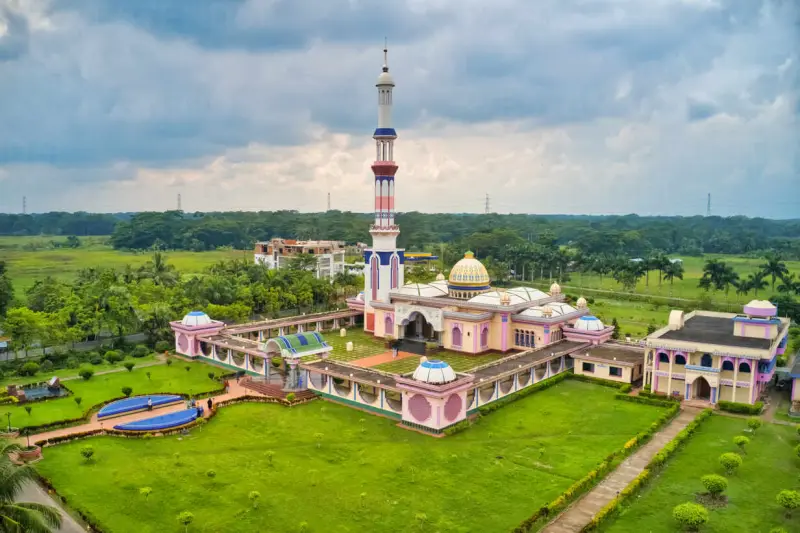 BarishalVenice of Bengal
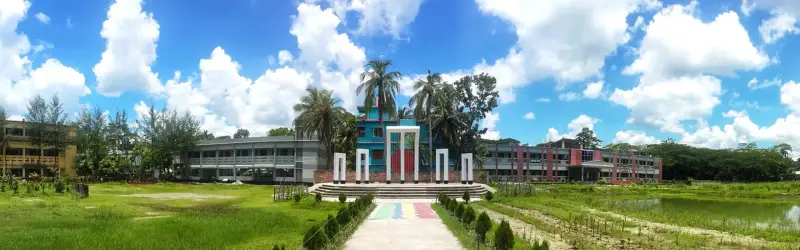 PirojpurFloating markets of Swarupkathi
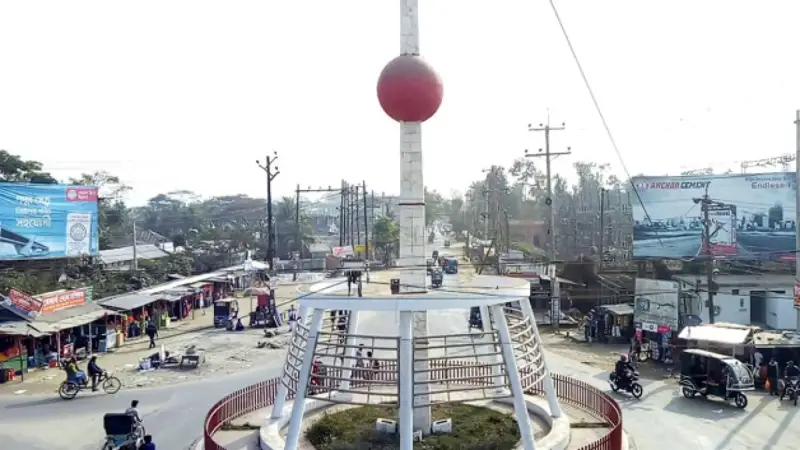 PatuakhaliKuakata, daughter of the sea
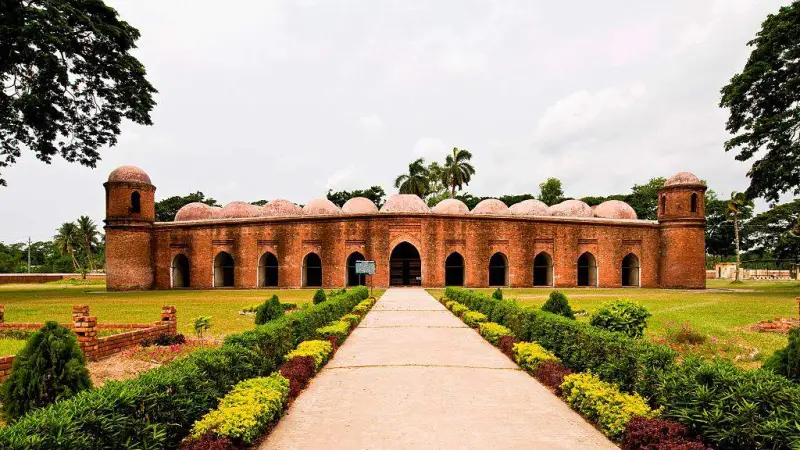 BagerhatMosque City and Sundarbans gateway
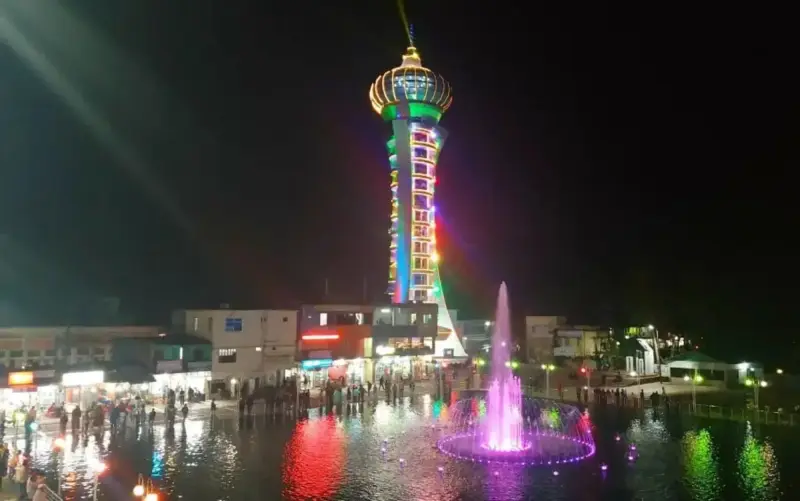 BholaBangladesh's largest island
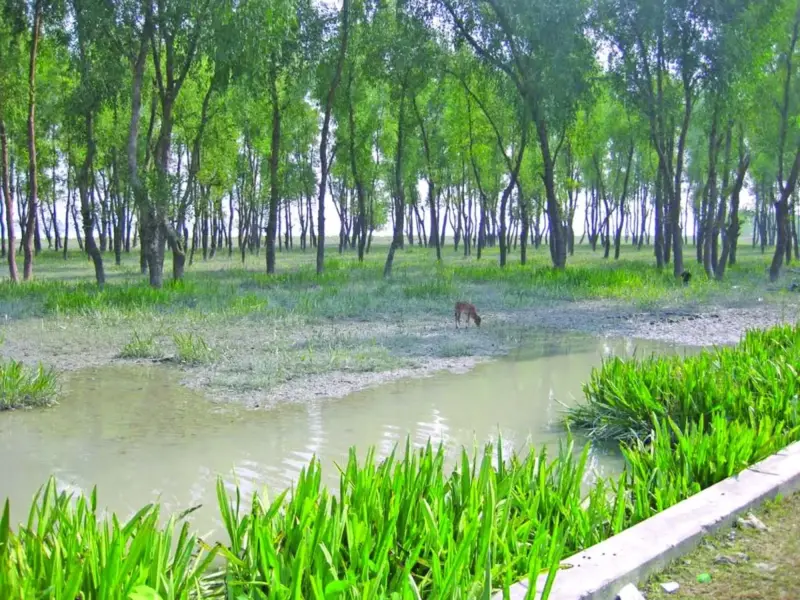 BargunaCoastal forests and quiet beaches
GopalganjTungipara and Orakandi
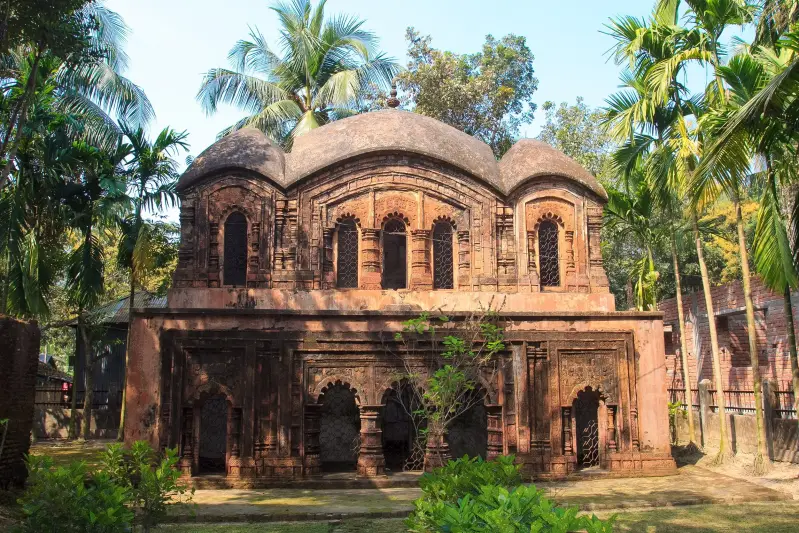 MadaripurRivers near the Padma Bridge
ShariatpurThe Padma Bridge's south end
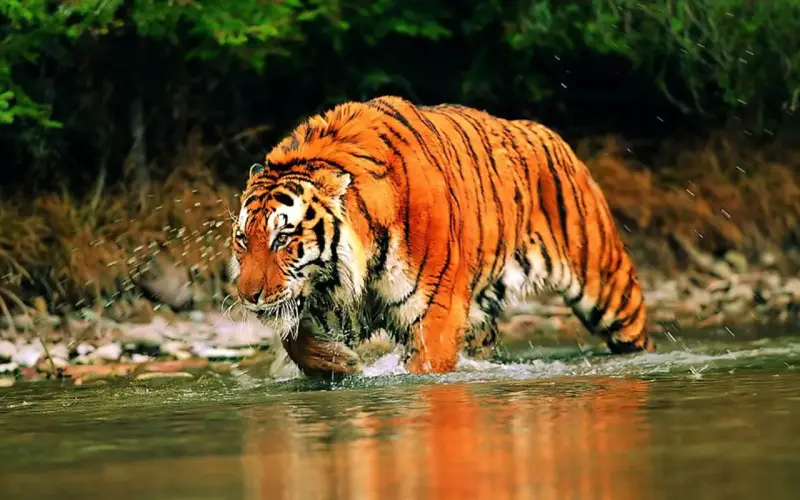 KhulnaGateway to the Sundarbans
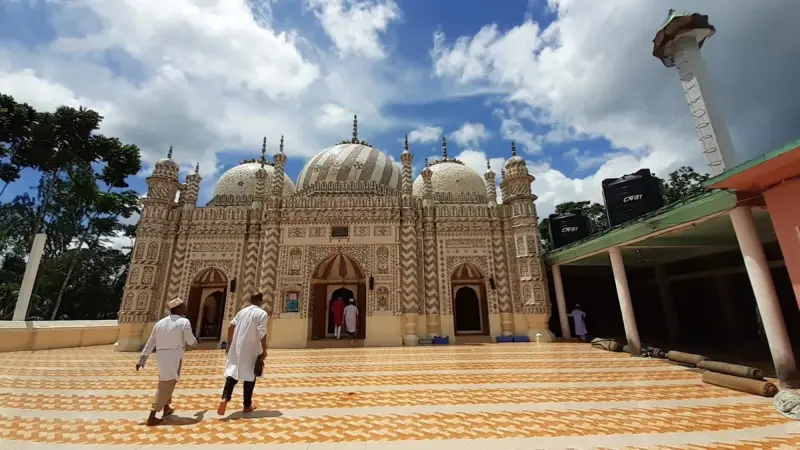 LakshmipurMeghna estuary
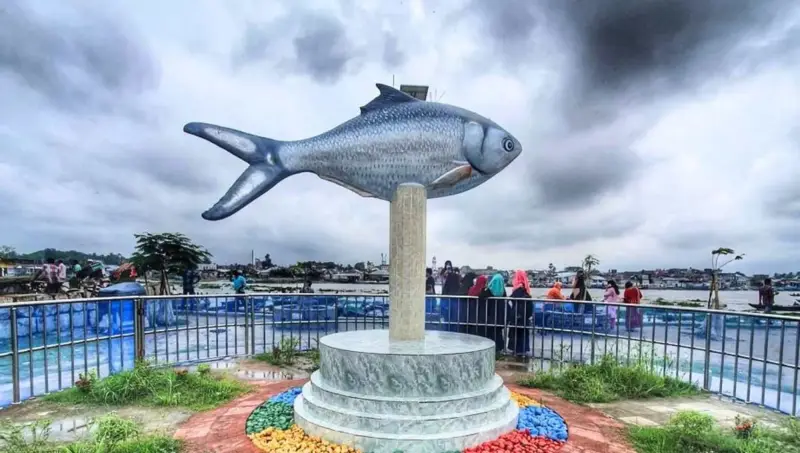 ChandpurCity of hilsa
NarailS. M. Sultan's Chitra
KuakataDaughter of the sea
 NoakhaliNijhum Dwip
ChowmuhaniNoakhali's market town
MunshiganjHistoric Bikrampur
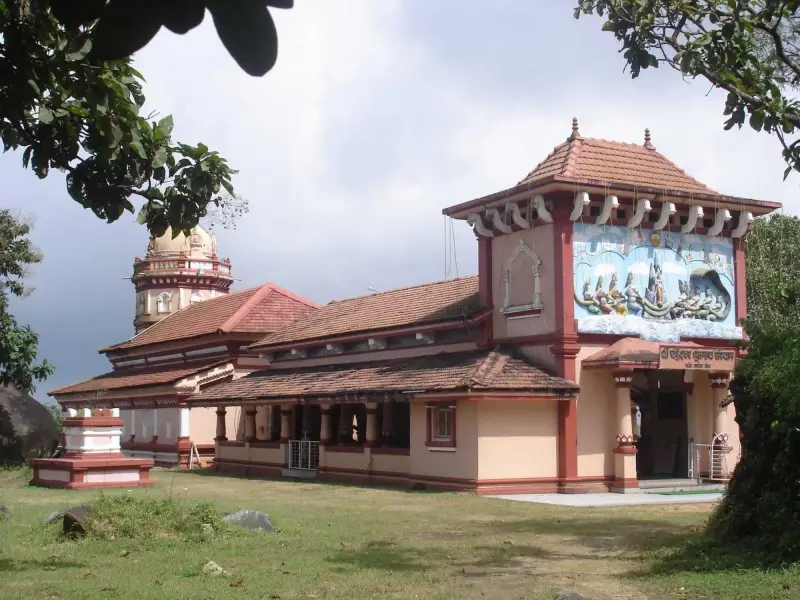 FaridpurPoet Jasimuddin's home
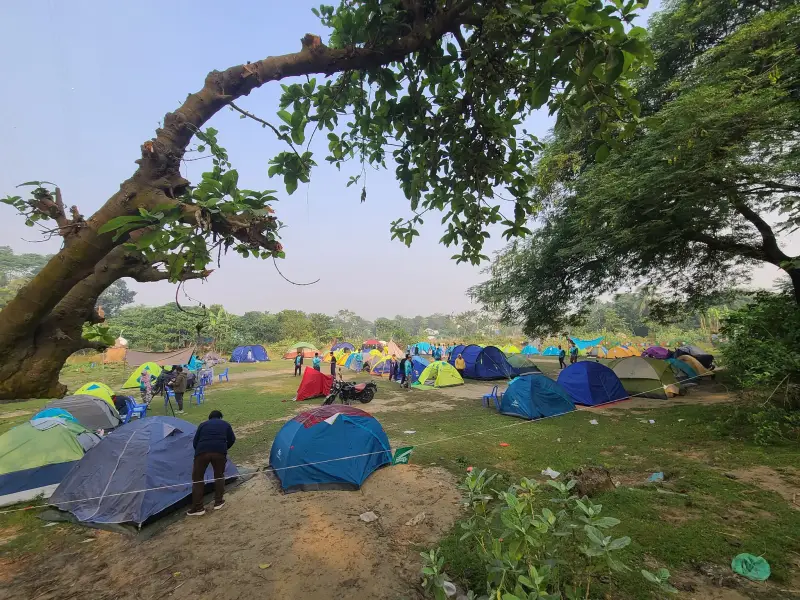 NarayanganjSonargaon and Panam Nagar
SatkhiraWestern Sundarbans
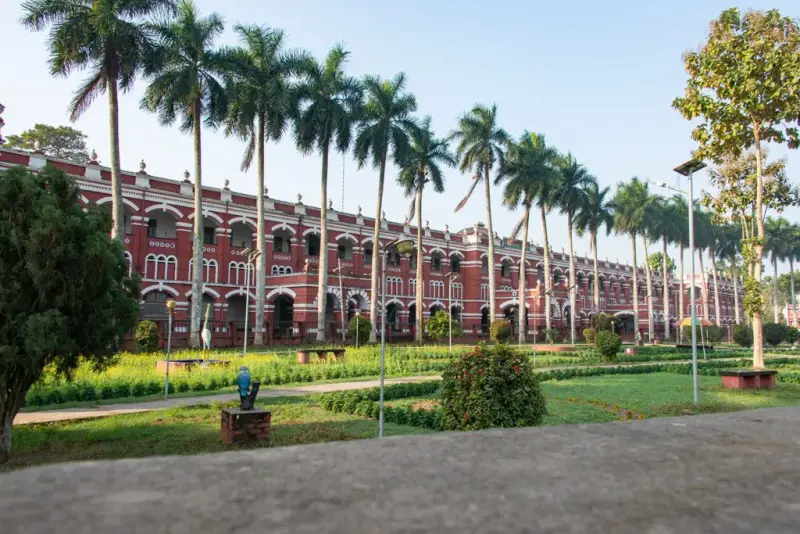 JashoreFlowers and Benapole
SiddhirganjBangladesh's old jute town
MaguraRaja Sitaram's ruins
TaraboRiver town on the Sylhet road
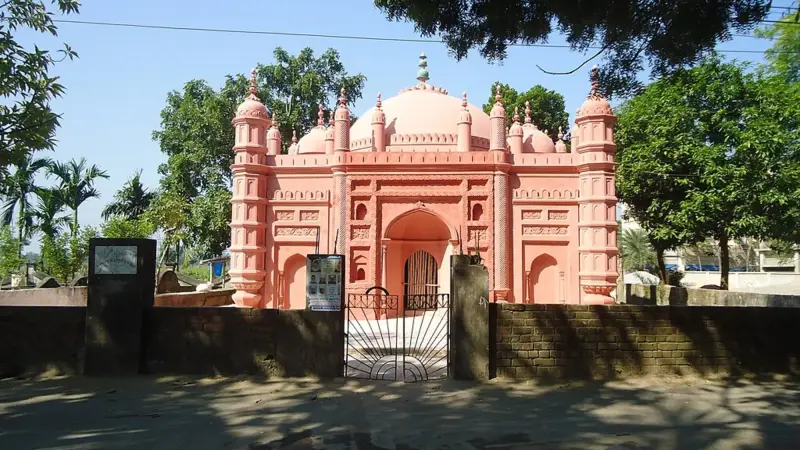 FeniMuhuri Project
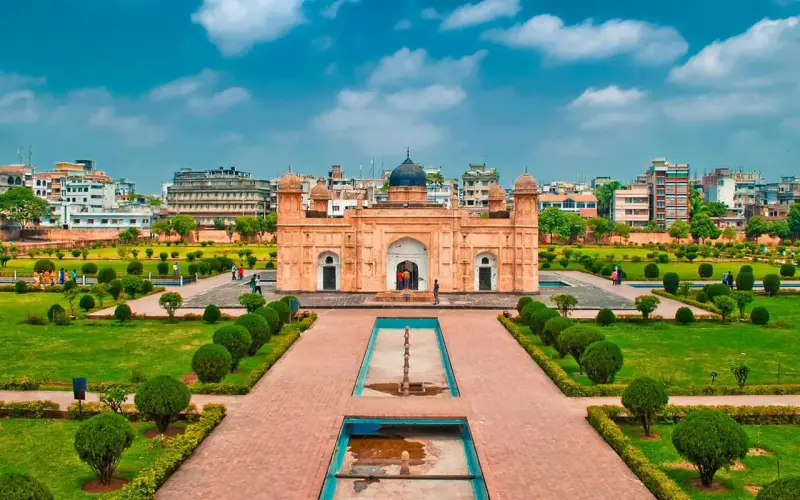 DhakaCapital of rivers and rickshaws
SavarHome of the Martyrs' Memorial
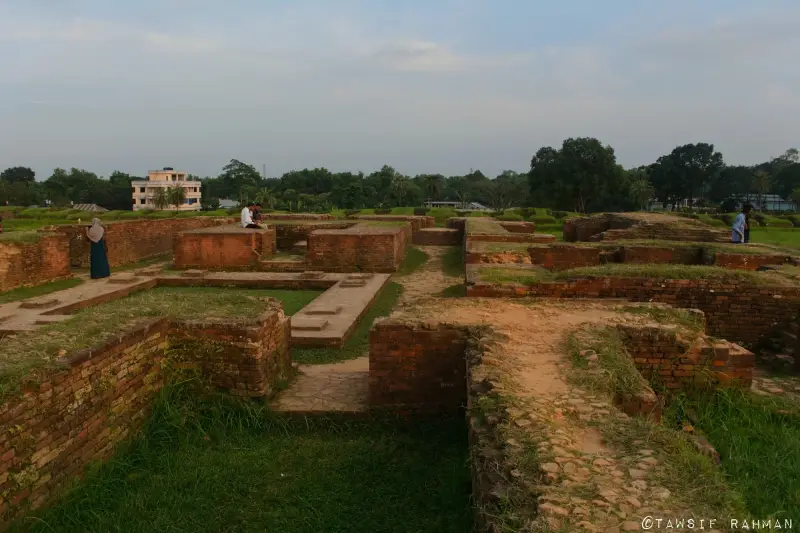 ComillaMainamati ruins
RajbariGoalanda and the Padma ferries
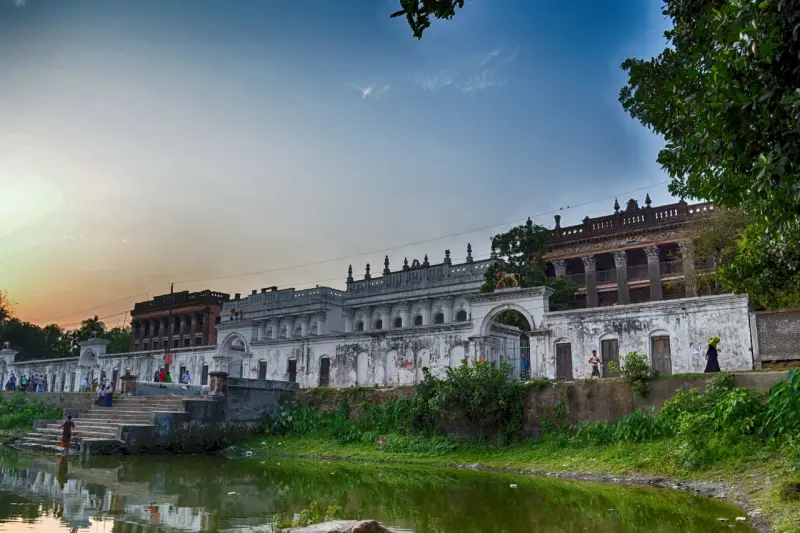 ManikganjZamindar palaces
TongiDhaka's northern gateway
JhenaidahAncient mosques of Barobazar
NarsingdiAncient Wari-Bateshwar
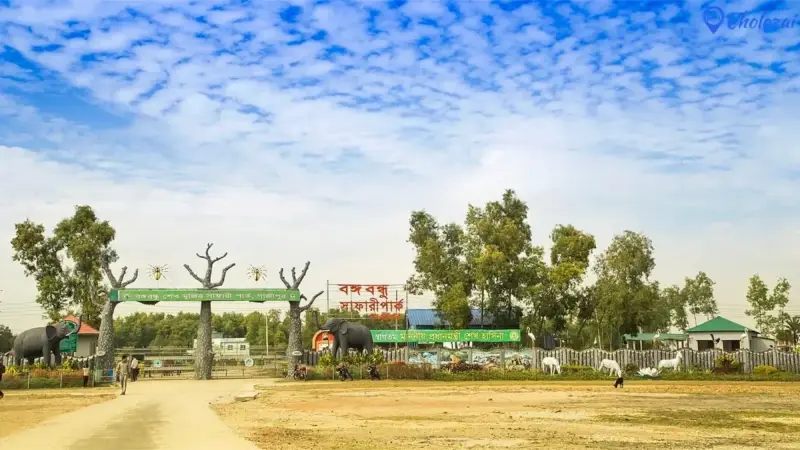 GazipurForests next to Dhaka
KaliakairFactory town on the Tangail road
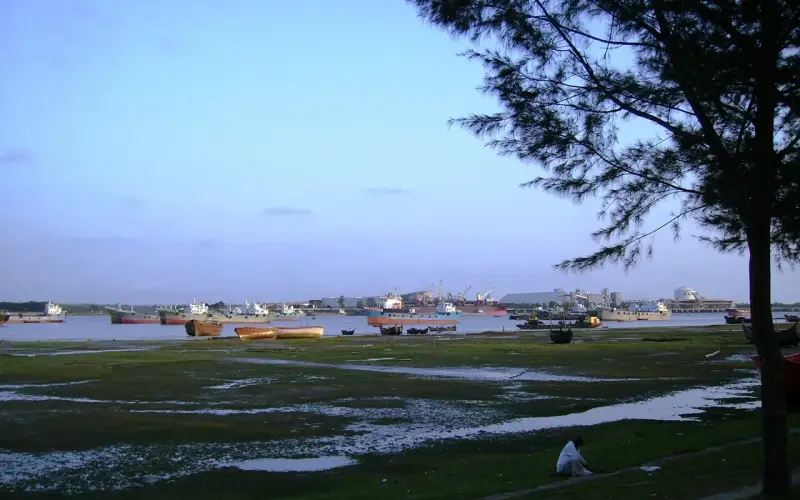 ChattogramPort city and gateway to the hills
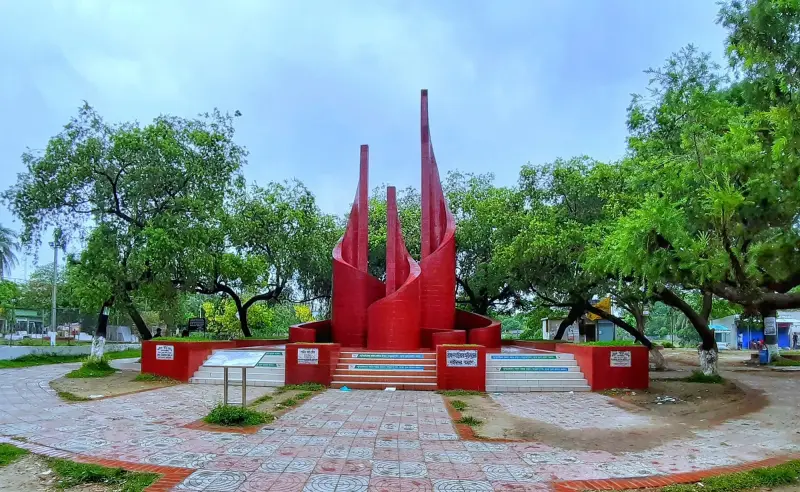 BrahmanbariaThe Titas and Akhaura
SreepurGateway to the Bhawal forest
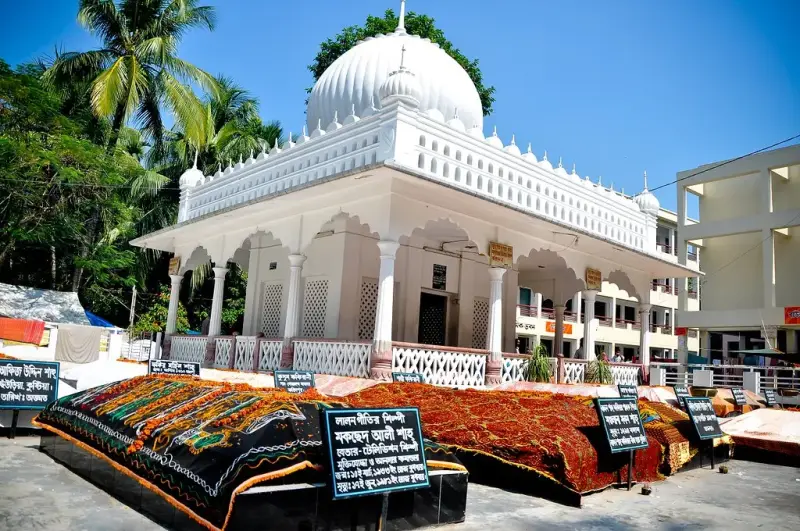 KushtiaLalon and Tagore
ChuadangaDarshana border
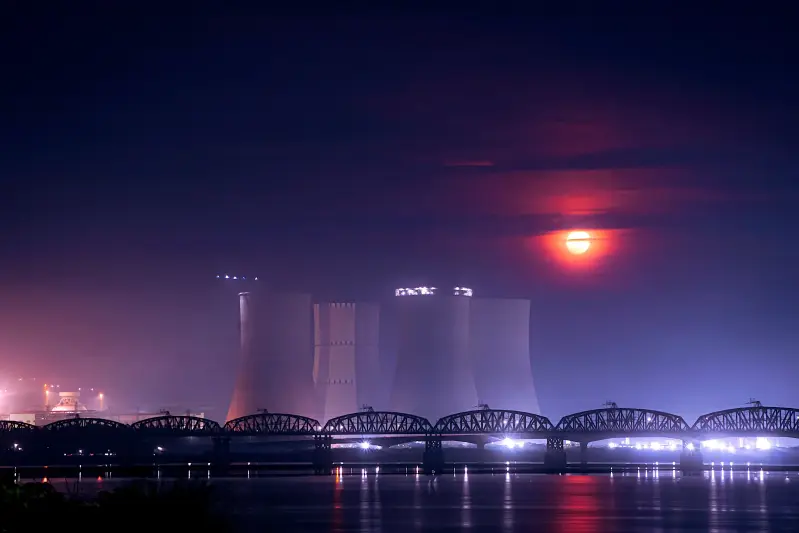 PabnaBridges over the Padma
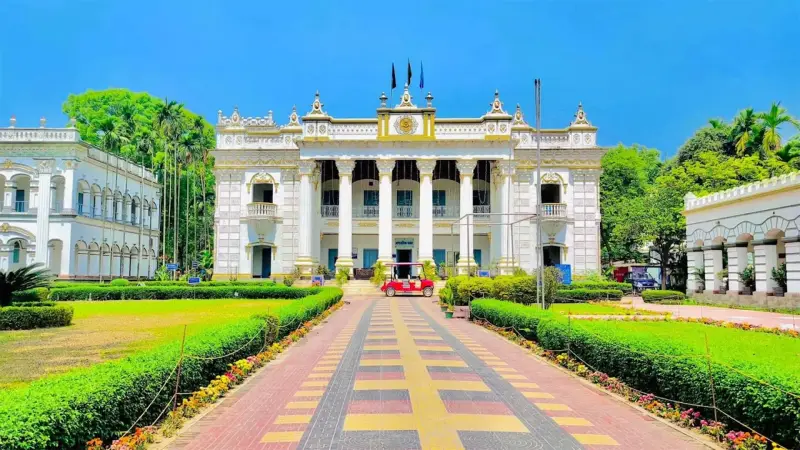 TangailSaris, sweets and Atia Mosque
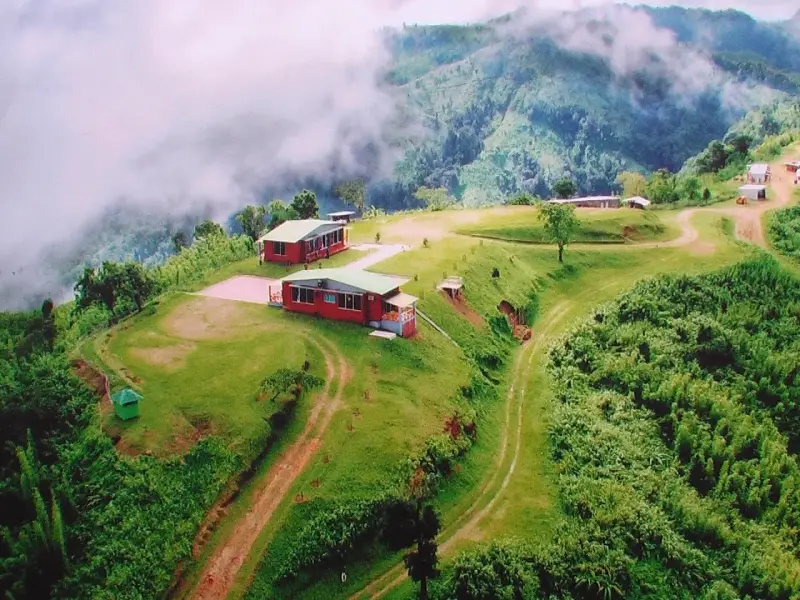 KhagrachhariCaves, falls and the road to Sajek
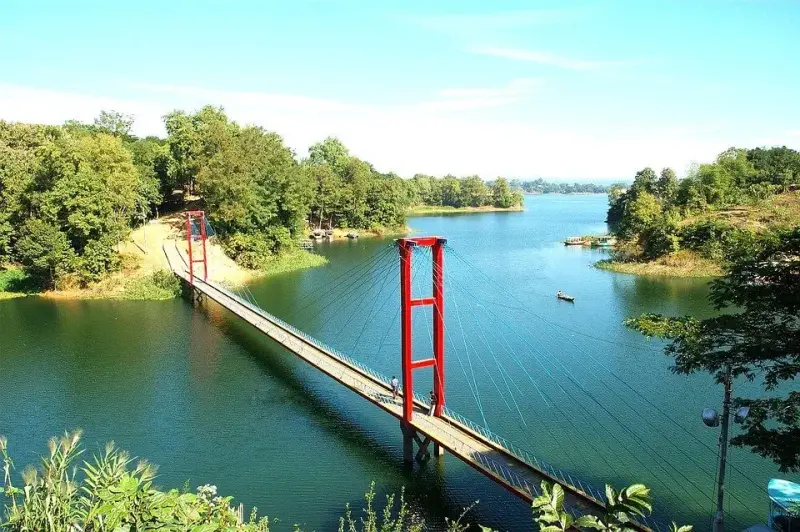 RangamatiKaptai Lake and the hills
MeherpurMujibnagar Memorial
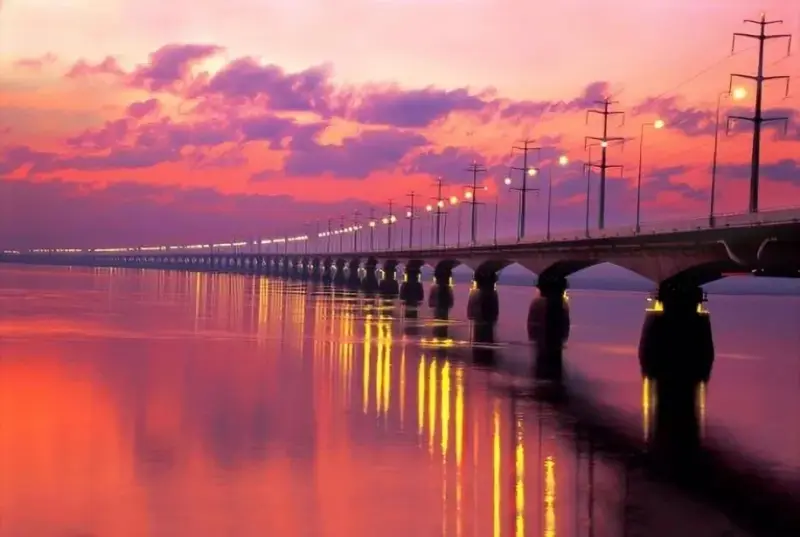 SirajganjJamuna and Tagore's Shahzadpur
KishoreganjHaors and Sholakia
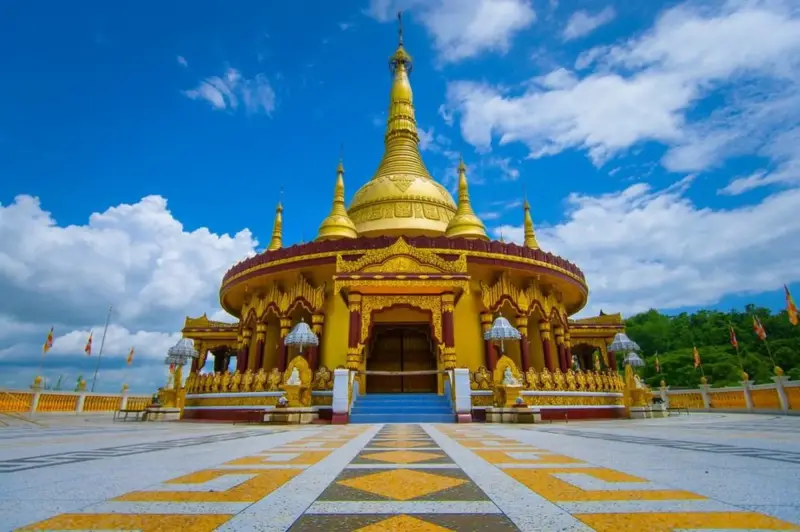 BandarbanThe highest hills in Bangladesh
HabiganjForests and tea estates
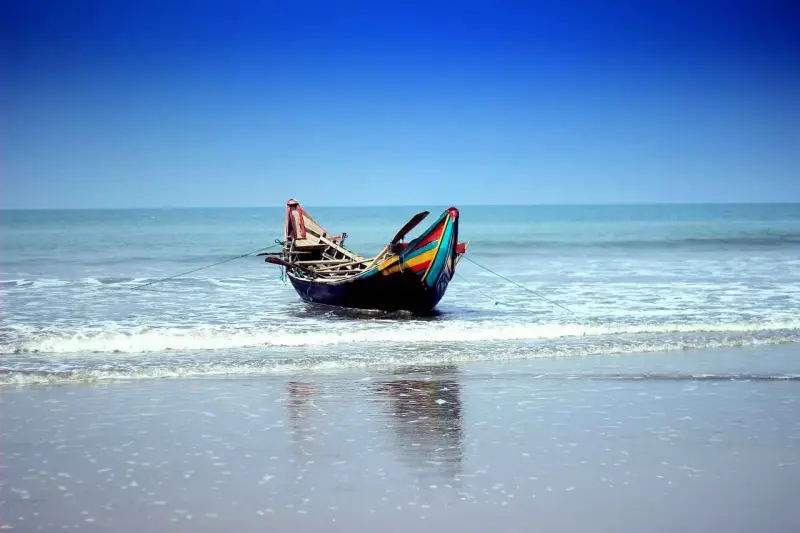 Cox's BazarOver 100 km of sea beach
NatorePalaces and Chalan Beel
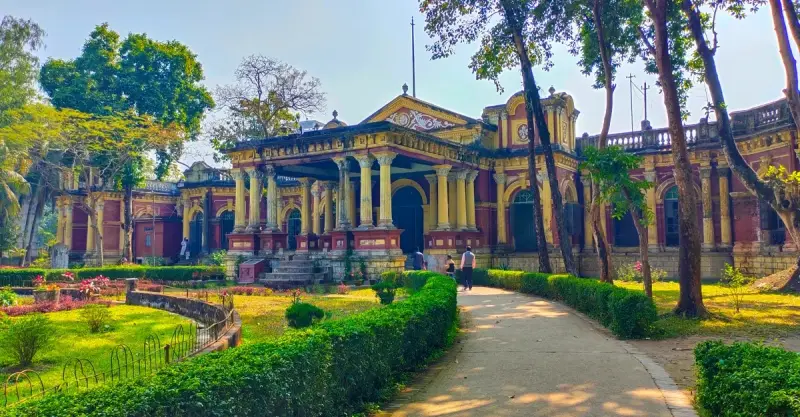 MymensinghRiver city of art and palaces
Sreemangal UpazilaBangladesh's tea capital
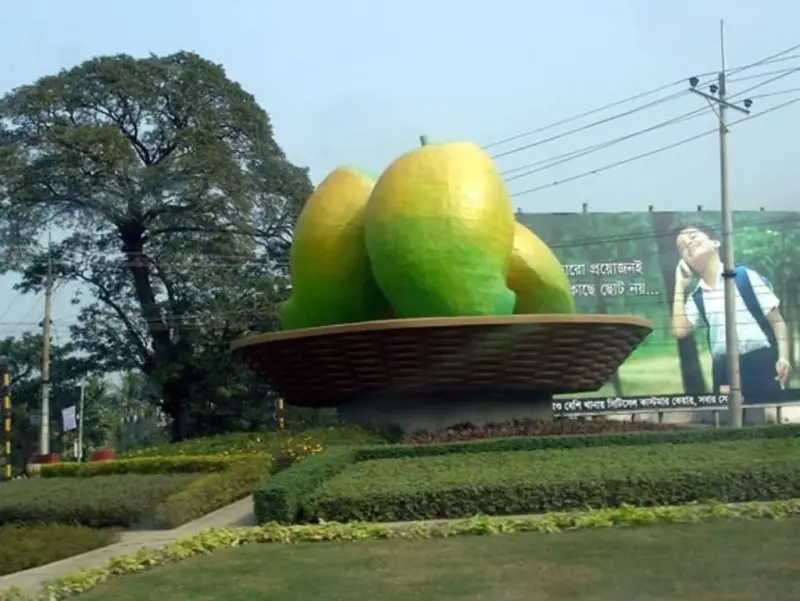 RajshahiSilk, mangoes and the Padma
NetrokonaBirishiri and the Someshwari
JamalpurBrahmaputra and nakshi kantha
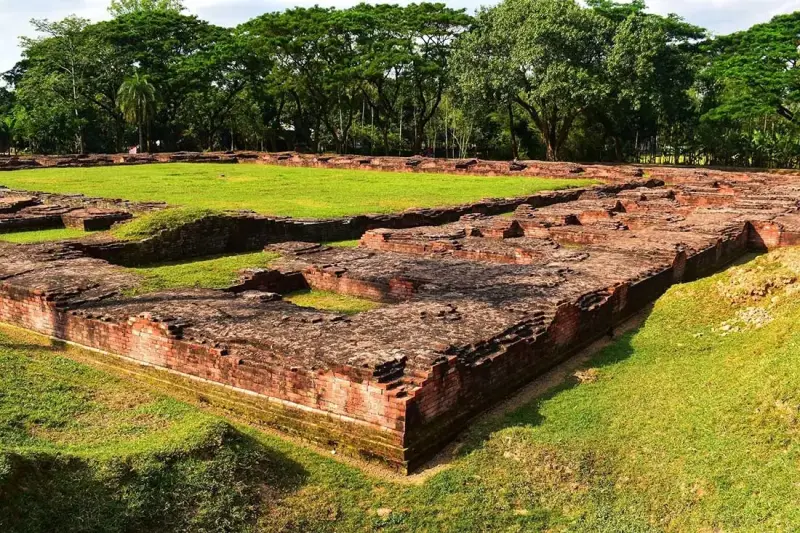 BoguraAncient Mahasthangarh
MoulvibazarSrimangal tea country
SherpurGaro Hills foothills
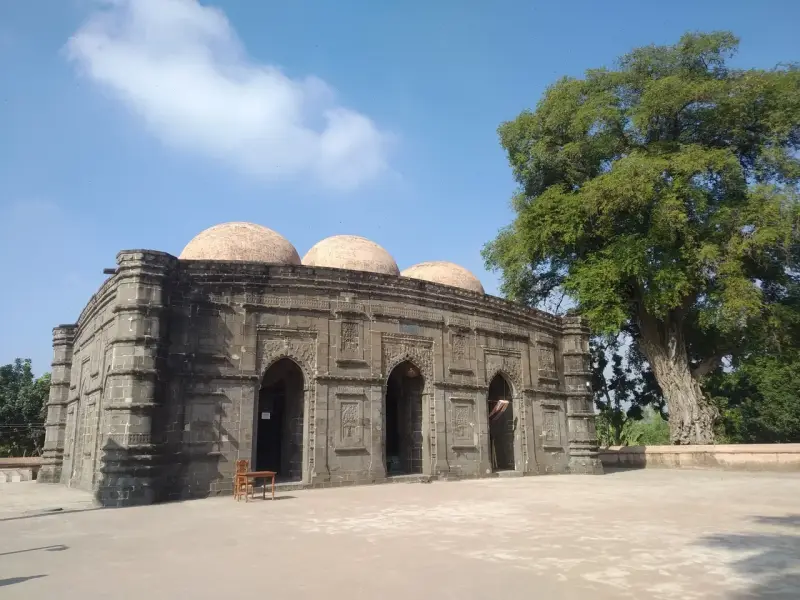 NaogaonPaharpur's great monastery
Chapai NawabganjGaur and the mango capital
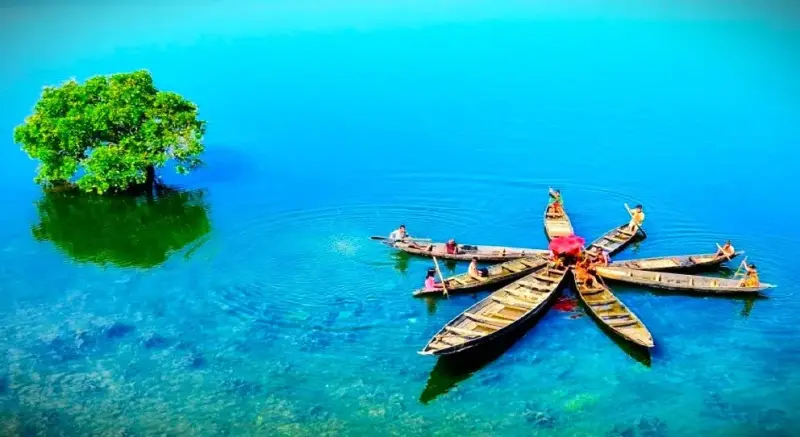 SunamganjThe haor wetlands
JoypurhatGateway to Paharpur
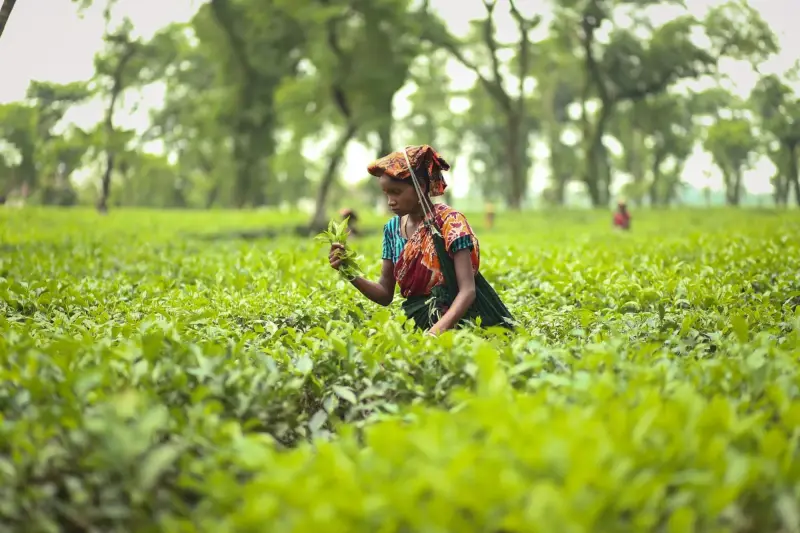 SylhetTea gardens and swamp forest
GaibandhaTeesta and Brahmaputra chars
Saint Martin's IslandBangladesh's only coral island
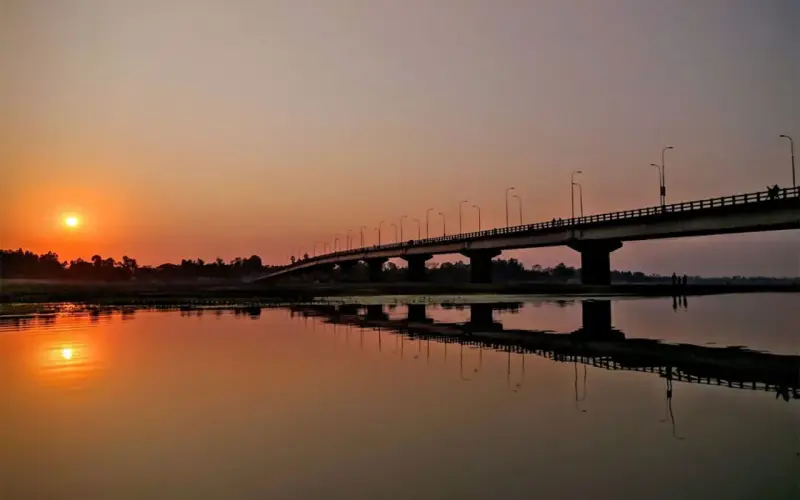 KurigramRivers and char islands
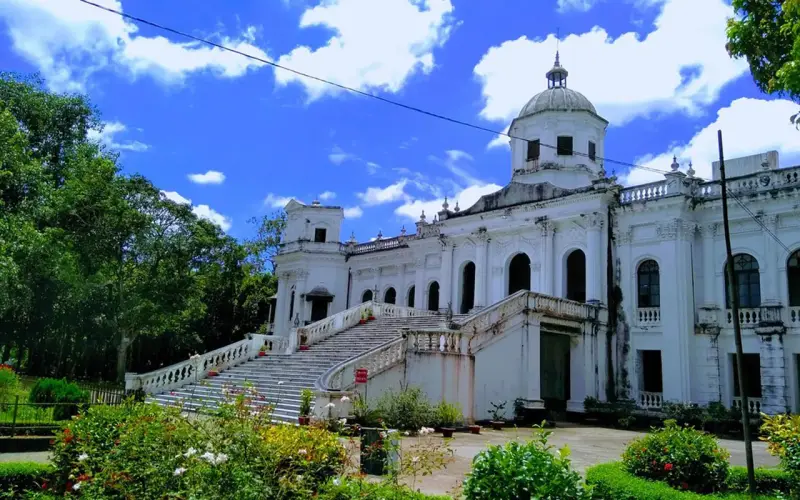 RangpurPalaces of the north
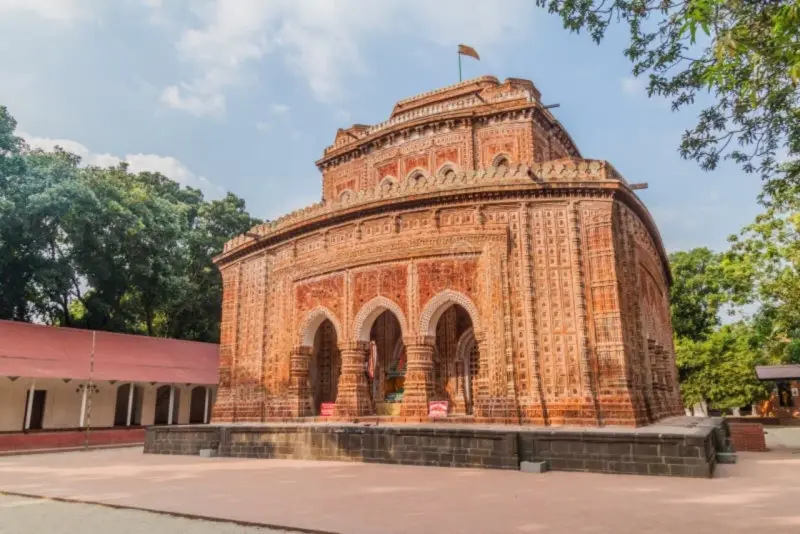 DinajpurKantajew Temple
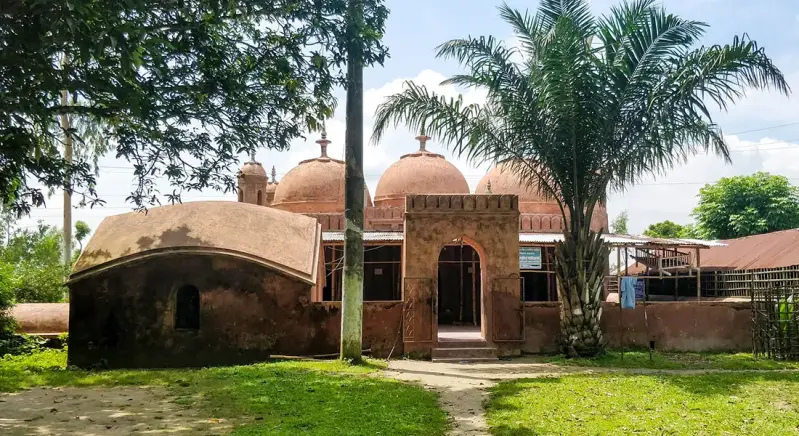 LalmonirhatTeesta Barrage and Tin Bigha
NilphamariSaidpur and Nilsagar
ThakurgaonThe giant mango tree
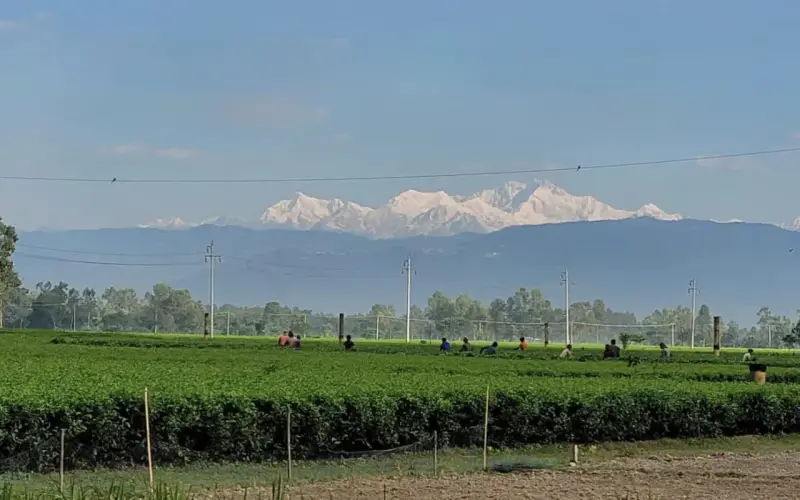 PanchagarhKanchenjunga views from Tetulia
Nothing in that category yet.
Top things to do in Jhalokati
Sights and day trips around Jhalokati.
Jhalokati
Gabkhan Bridge, Jhalakathi
Gabkhan Bridge carries the R870 road high over the Gabkhan Channel on the outskirts of Jhalakathi town. Opened in 2002, it is listed by Wikipedia as the 5th Ban...
Jhalokati
Ghoshal Rajbari, Jhalokati
Only remnants are left of the Ghoshal Rajbari, and that is exactly how Banglapedia describes it in its list of Jhalokati Sadar Upazila's archaeological heritage...
Jhalokati
Nurullahpur Math
Nurullahpur, a village in Jhalokati Sadar Upazila, has a Hindu math that made it into the national record.Banglapedia names the Nurullahpur Math in its list of...
Jhalokati
Hazragati Shiva Mandir
Hazragati is a place name you will meet in only one reference work. Banglapedia, the national encyclopedia published by the Asiatic Society of Bangladesh, lists...
Jhalokati
Tomb of Angir Shah, Shekherhat, Jhalokati
The tomb of Angir Shah is a Muslim shrine at Shekherhat, a union of Jhalokati Sadar Upazila in southern Bangladesh. Its main claim to attention is official: Ban...
Jhalokati
Hazrat Daud Shah Mazar, Sugandhia, Jhalokati
The mazar of Hazrat Daud Shah (also written Dawud Shah) stands in Sugandhia, a village in Jhalokati Sadar Upazila. The Wikipedia article on Jhalokati Sadar reco...
Jhalokati
Saturia Zamindar Bari
Most visitors make the trip to Saturia for one reason: A. K. Fazlul Huq, the lawyer and politician remembered across Bangladesh as Sher-e-Bangla, was born in th...
Jhalokati
Kirtipasha Zamindar Bari
Kirtipasha is one of those ruins where a living village has simply moved in. Girls in uniform cross courtyards that once belonged to a zamindar family, a post o...
Jhalokati
Bharukathi Mia Bari Jame Mosque
Far out in the paddy country of Gabharam Chandrapur Union, the Mia Bari Jame Mosque at Bharukathi is a working village mosque that local people believe has stoo...
Jhalokati
Sujabad Fort
Do not come to Sujabad expecting ramparts and gateways. What survives of the Mughal stronghold here is a set of low, broken remains that people in Nalchity have...
Jhalokati
Bhimruli Floating Guava Market (ভীমরুলী ভাসমান পেয়ারা বাজার)
Bhimruli lies in Jhalokati Sadar upazila in the Barishal division of southern Bangladesh. Several small canals meet here among guava orchards, and on these wate...
Best time to visit Jhalokati
The boat market peaks in July and August; the dry months are easier but quieter.
Dry, mild and clear: the most comfortable months for travel.
Hot and humid, with sudden evening storms (kalbaishakhi).
Heavy rain, rising rivers and green countryside; roads and ferries can be disrupted.
Avoid traveling in the days before and after the two Eid holidays, when buses, trains and launches out of Dhaka sell out.
Jhalokati travel tips
Visa, money, health and transport basics for a day among the canals.
Visas and entry
Bangladesh entry rules
By the time you reach Jhalokati, half an hour from Barishal, you will have long since passed Bangladesh immigration. Check whether your nationality needs a visa before departure or can get one on arrival, and make sure six months of passport validity remain.
- Passport validity
- At least 6 months beyond arrival
- Confirm with
- Your nearest Bangladesh embassy or high commission
Getting there
Getting there
Travel to Barishal by launch, flight or road, then continue about 30 to 60 minutes by road to Jhalokati; Barishal (BZL) is the nearest airport. Local buses link the two towns and run on to Pirojpur, and coaches on the N8 highway come straight from Dhaka.
- Nearest airport
- Barishal (BZL)
- Rickshaws cover everything inside the town.
- Jhalokati's four upazilas are Sadar, Nalchity, Rajapur and Kathalia, and the Bishkhali and Dhanshiri are among its main rivers.
- Travel by canal is the main pleasure: hire a boat with its boatman for the Bhimruli market morning, or join the crowded Friday tourist trawlers.
- For the orchards and the Kirtipasha zamindar house, combine a CNG and a boat, agreeing both legs before you set off.
Money and costs
Cash is king
Bhimruli's floating guava market is a cash affair, and so is the boatman who rows you there. Take out taka in Barishal or Jhalokati town, keep plenty of low-value notes, and agree the boat hire before you push off.
- Withdraw in Barishal or Jhalokati town before the market.
- Hire boats at an agreed price.
Health and vaccines
Water and mosquitoes
July and August are guava market season and also the peak of dengue, so repellent is a must; keep to sealed or filtered drinking water throughout. Jhalokati's district hospital is basic, and serious cases go to Barishal or Dhaka, so pack your medicines and evacuation cover.
- Hospitals
- Government district hospital in each district town
Staying safe
Roads and strikes
Crime is not a concern for most visitors to Jhalokati. The narrow canals and small boats need some care, roads are riskier at night, and hartals occasionally stop traffic. In an emergency, 999 is the number.
- Emergency number
- 999
- Sit low and still in small canal boats.
- Avoid road journeys after dark.
Where to stay
Simple town hotels
Sleep in Jhalokati town or in Barishal, as close as you can to the Bhimruli canal, because the guava trading happens in the first hour after dawn. Jhalokati town has simple hotels, guesthouses and government rest houses; Bhimruli itself has no hotels or restaurants. Over the Eid holidays, secure your bed in advance.
- Base
- Jhalokati town
Getting around
Rickshaws, CNGs, car
Move by water in Jhalokati: boats and small engine boats are cheap, and canal travel is the main pleasure. Hire a boat with its boatman for Bhimruli, use rickshaws in town, and for the orchards and Kirtipasha combine a CNG on the road with a boat on the canal, agreeing both legs first.
- Tip
- Agree fares before you set off
SIM and internet
Buy before you leave the city
Barishal or Dhaka is the place to register a SIM before Jhalokati; operators need your passport and a fingerprint. Canal villages are best reached by Grameenphone, with Robi, Banglalink and Teletalk as alternatives.
- Networks
- Grameenphone, Robi, Banglalink, Teletalk
Culture and etiquette
Rural and conservative
Hindu families run many of the guava orchards around Bhimruli, and the area is welcoming and traditional. Visitors who cover up, leave shoes outside temples, mosques and homes, and ask before photographing women are made welcome. Ramadan daylight is a time to eat privately.
- Dress modestly, covering shoulders and knees
- Remove shoes at mosques, temples and homes
- Accept tea when offered
- Photographing women without asking
- Eating in public in daylight during Ramadan
Things to know before visiting Jhalokati
A district of canals and orchards, busiest when the guava boats gather.
Why travelers love it
- Bhimruli floating guava market, held from boats.
- Guava orchards along the canals.
- Kirtipasha Zamindar Bari.
- Canal boat trips.
Good to know
- Guava season is July–August.
- Hire a boat with a local boatman.
- Facilities are basic; stay in Barishal.
Trip fit
BookingMentor editorial ratings out of 5, based on a first-time visitor's experience.
Barishal weather by month
In Jhalokati, the guava market season in July and August is also the wettest, while November to February is dry and calm. Monthly Barishal station averages are listed below.
Climate figures are approximate long-term averages for Barishal, the nearest long-term weather station (NOAA / Bangladesh Meteorological Department 1991–2020 normals, via Wikipedia).
Packages in Demand
A Journey to Remember
Tours, activities and day trips in and around this destination, with the details you need before booking.
No packages in Jhalokati are listed yet. Browse all packages
Create Your Custom-Made Trip to Jhalokati
Traveling to Jhalokati? Chat with a Local Travel Specialist in Jhalokati Who Can Help Organize Your Trip.
START HERE
Our Travel Experts are Recommended by



A dawn at Bhimruli's guava boats and the Kirtipasha canals
One day covers Jhalokati if you start early. Be on the Bhimruli canal before sunrise, when the guava boats trade, then hire a boat along the Kirtipasha canal into some 7,000 guava orchards. In the afternoon, see the Kirtipasha zamindar house and Dawud Shah's mausoleum at Sugandhia. Pick a weekday to avoid Friday crowds.
Everything here turns on one early start. The boats laden with guavas gather on the Bhimruli canal from dawn. That first hour is when the dealing happens. Sleep as close as you can, which in practice means Jhalokati town or Barishal, and be on the water before sunrise.
- Market morning: Watch the wholesale trade at Bhimruli, then hire a boat along the Kirtipasha canal into the orchards that supply it. Some 7,000 guava orchards spread across around 30 villages, so the scenery holds up for hours.
- Afternoon: Stop at the old Kirtipasha zamindar house on the way back, then in town look for Dawud Shah's mausoleum at Sugandhia, whose Quranic lettering is said to be the largest of any shrine in Bangladesh, and the ruined mosque by the port.
- A second day: Cross into Pirojpur for the Swarupkathi canals, which belong to the same orchard country.
Pick a weekday. On Fridays more than 100 tourist trawlers can converge on the market, and the canal gets crowded. Out of season some trade continues all year, but on a far smaller scale.
Monsoon guava market or dry-season boat rides in Jhalokati
Come to Jhalokati in July or August for the Bhimruli guava market, the wettest time of year with July near 423 mm, or between November and February for dry, easy boat rides, with December almost rainless. Skip spring, when April reaches 34°C with violent storms, and check cyclone bulletins in early November.
There is no avoiding the trade-off. Mornings are warm and heavy, with lows around 26°C, and showers can arrive with little warning. Waterproof your camera and phone, and wear sandals you do not mind soaking.
If the guava boats do not matter to you, come in the dry season instead. Between November and February the driest month is December, close to rainless at about 6 mm, and highs settle between 25 and 29°C. That is far easier weather for long boat rides.
Spring is the season to skip. By April highs reach 34°C, humidity builds and the first violent evening storms arrive. September keeps raining (about 288 mm) after the guava peak has passed, so the late monsoon offers neither reward.
Early November carries one more risk. Cyclone Sidr came ashore on 15 November 2007, and its storm surge of more than 5 m swept into Jhalokati as well as Patuakhali and Barguna. Storms of that size are rare, but read the Bangladesh Meteorological Department bulletins before a late-autumn trip, and stay off the water while a warning signal is up.
Guavas, shitolpati mats and chhad petanor gan in Jhalokati
Jhalokati calls itself the land of tasty guava and shitolpati. Guavas and hog plums are traded by the boatload at Bhimruli in summer, so buy a few from a trader's boat. Shitolpati, a cool mat woven from the murta plant, is a weaving tradition recognised by UNESCO in 2017. Eat breakfast in town before boating.
The district's motto says it plainly: Jhalokati is the land of tasty guava and shitolpati. The guavas come off the boats by the maund at Bhimruli, grown in orchards along the Sugandha, Bishkhali and Gabkhan rivers. Hog plums, amra, are traded alongside them in summer.
Shitolpati is the other half of the motto. It is a mat woven from the murta plant that stays cool to the touch, and the weaving tradition of Bangladesh's shital pati was recognised by UNESCO in 2017. The plant grows around water bodies in the Barishal region.
Folk music is part of local identity too. Alongside Bhatiyali and Baramasi songs, the district keeps chhad petanor gan, sung while a new roof is levelled and cast.
Bhimruli has no restaurants and no hotels, so eat breakfast in town before the boat leaves and carry water for the morning. The obvious snack is for sale all around you: buy a few guavas or hog plums straight from a trader's boat.
On the canals, the people you are photographing are working. Ask first, buy something if you linger, and keep your boat out of the way of laden traders.
Travelers are asking
Mainly in July and August during the guava season, early in the morning.
Our travel desk answers questions about Jhalokati
How we research this guide
The floating guava market at Bhimruli runs only in July and August, so its season gets checked each year along with road links from Barishal. Barishal station data and cyclone bulletins cover the weather; the Bangladesh National Portal covers district facts.
Last updated . Spotted something out of date? Tell us.
Checked against trusted sources:
Bangladesh Meteorological DepartmentBangladesh National Portal

Before You Go...
Discover Trips & Info
A Travel Network Connection Travelers and locals
Incredible Event & Festival, Don't Miss!
Most Popular Event & Festival of Jhalokati
Festivals and events in this destination, with dates, venues and ticket details where available.
No upcoming festivals or events in Jhalokati are listed right now. Browse all events
Memorable Experiences
Where to Go (& NOT Go) In Jhalokati!
Roaming the World one Adventure at a Time: Travel Tales, Tips, and Inspiration for wanderlusters.


Subscriber
Popular car hire destinations
Explore more options to hire a car for cheap
Frequently Asked Questions (FAQs)
When the guava market runs and how to reach it from Barishal.
Timing & weather
November to February, when the weather is dry and mild. The monsoon from June to September brings heavy rain.
In July and August, from dawn, when the dealing happens in the first hour. Some trade continues all year on a far smaller scale.
Getting there
Travel to Barishal by launch, air or road, then about 30–60 minutes by road to Jhalokati.
About 30 to 60 minutes by road, with local buses running between the two towns.
General
Jhalokati is known for the Bhimruli floating guava market, its guava orchards and canals, the Kirtipasha zamindar house and shitolpati mats.
On Fridays more than 100 tourist trawlers can converge on the market, crowding the canal. Pick a weekday.
A mat woven from the murta plant that stays cool to the touch; the weaving tradition of Bangladesh's shital pati was recognised by UNESCO in 2017.
At Sugandhia in Jhalokati, its Quranic lettering is said to be the largest of any shrine in Bangladesh.
bookingMentor lists 11 things to do in Jhalokati, each with its category, rating and a short description. Open one for the full details, such as opening hours and how to get there.
Move by water in Jhalokati: boats and small engine boats are cheap, and canal travel is the main pleasure. Hire a boat with its boatman for Bhimruli, use rickshaws in town, and for the orchards and Kirtipasha combine a CNG on the road with a boat on the canal, agreeing both legs first.
Booking
Some 7,000 orchards spread across around 30 villages, best seen by boat along the Kirtipasha canal.
Stay & facilities
No. Eat breakfast in Jhalokati town before the boat leaves and carry water for the morning.
Prices & payment
Daily travel costs in Jhalokati are very good value. Simple hotels outside the big cities.
Visa & documents
By the time you reach Jhalokati, half an hour from Barishal, you will have long since passed Bangladesh immigration. Check whether your nationality needs a visa before departure or can get one on arrival, and make sure six months of passport validity remain.
Health & safety
Crime is not a concern for most visitors to Jhalokati. The narrow canals and small boats need some care, roads are riskier at night, and hartals occasionally stop traffic. In an emergency, 999 is the number.
