

Lithuania travel guide
Baroque spires and Baltic dunes.
Lithuania suits city-breakers and nature lovers. Visit May to September. Allow 4 to 6 days for Vilnius, Trakai, Kaunas and the Curonian Spit. Costs are moderate for the Baltics, and Schengen rules give many passports 90 days without a visa. Long summer days suit the coast at Nida.
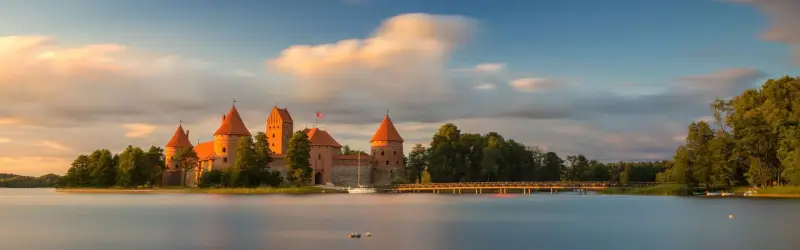
Lithuania is the largest and southernmost of the three Baltic states. Vilnius, its capital, has one of central Europe's largest old towns, a UNESCO World Heritage Site filled with baroque churches, courtyards and the bohemian Užupis district. Nearby, Trakai's island castle sits in a lake.
The Curonian Spit, a UNESCO-listed sand peninsula shared with Russia's Kaliningrad, has towering dunes, pine forests and fishing villages. Kaunas has interwar modernist architecture, and the Hill of Crosses near Šiauliai is an unusual pilgrimage site. Lithuania is in the EU and uses the euro.
Best experiences in Lithuania
Find your kind of trip: 24 travel themes, each with the packages in Lithuania.
 Ayurveda Tours
Seasonal/Event
 Adventure
Wildlife & Safaris
Pilgrimage
Eco/Nature
Culture & History
 Honeymoon
 Romantic Getaway
 Cruise
 Water Activities
 Backpacking
 Luxury
 Photography
City Slickers
Heritage
 Beach & Relaxation
 Sports & Recreation
 Food & Wine
Train & River Journeys
Skiing
 Overland
Lithuania at a glance
Quick facts on money, entry rules, language and plugs before a Baltic trip.
Explore other countries
Pick a place by travel style: beaches, nature, cities, heritage, hills, islands, desert.
 FranceParis, the Riviera, châteaux and Alpine peaks
 ThailandTemples, street food and tropical islands
 United StatesGreat cities, national parks and road trips
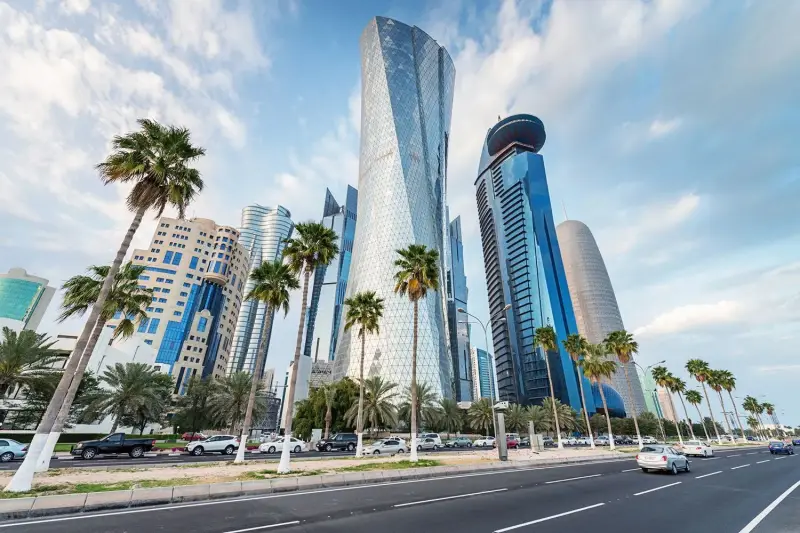 QatarDoha's museums, souqs and desert dunes
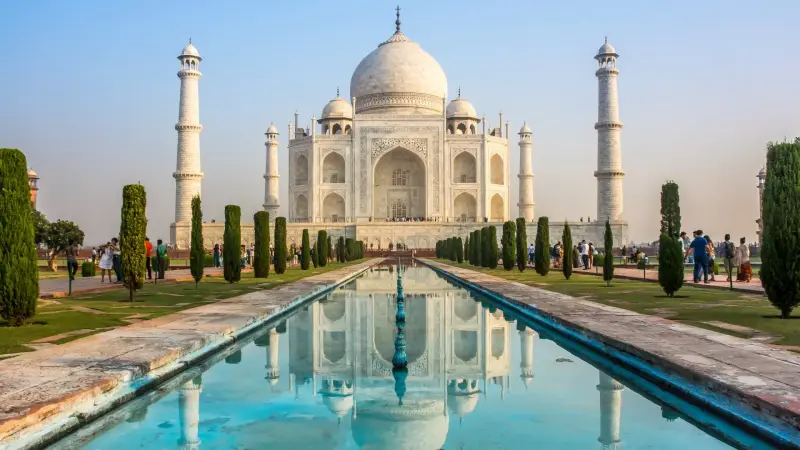 IndiaPalaces, temples, Himalaya and backwaters
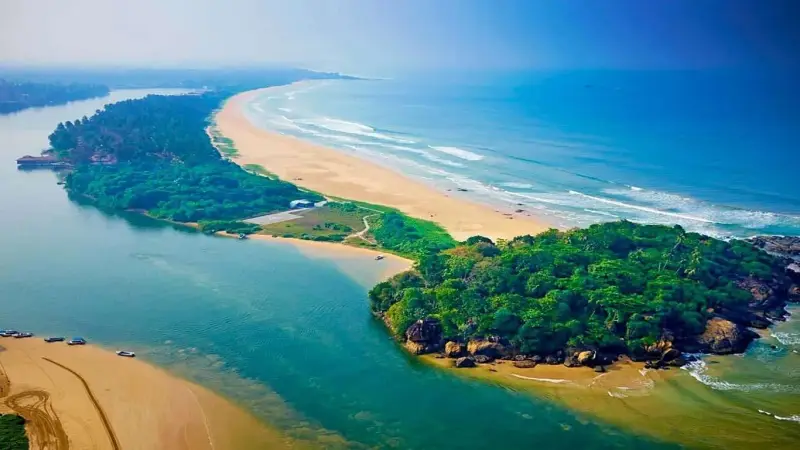 Sri LankaAncient cities, tea hills, wildlife and beaches
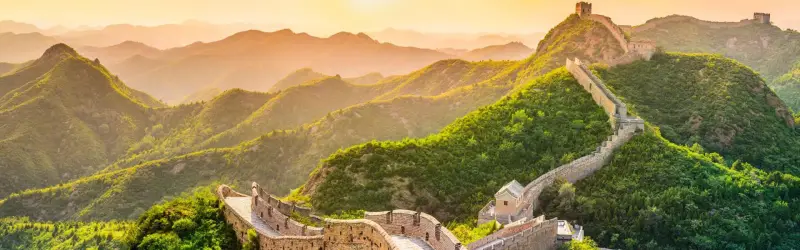 ChinaThe Great Wall, ancient capitals and mega-cities
 United KingdomLondon, castles, highlands and country villages
 Saudi ArabiaAlUla, Red Sea coast and Arabian heritage
 TurkeyIstanbul, Cappadocia and the Turquoise Coast
 United Arab EmiratesDubai, Abu Dhabi and desert adventures
 ItalyRome, Renaissance cities, lakes and coastlines
 EgyptPyramids, Nile temples and Red Sea reefs
 JapanTokyo, Kyoto's temples and Mount Fuji
 GermanyBerlin, castles, the Rhine and the Alps
 MalaysiaKuala Lumpur, rainforest, islands and street food
 SpainBeaches, tapas, flamenco and Gaudí
 IndonesiaBali, Komodo, Borobudur and 17,000 islands
 Hong KongSkyline, harbour, dim sum and hiking trails
 SingaporeGardens, hawker food and a dazzling skyline
 GreeceAncient wonders and Aegean islands
 MaldivesOverwater villas and coral atolls
 PortugalLisbon, Porto, the Algarve and island escapes
 VietnamHa Long Bay, Hoi An and street food
 BrazilRio, the Amazon, Iguaçu and endless beaches
 AustraliaReef, outback, beaches and laid-back cities
 South KoreaSeoul's palaces, K-culture and mountain temples
 SwitzerlandAlps, lakes, trains and chocolate
 MexicoMaya ruins, Caribbean beaches and Mexico City
 RussiaMoscow, St Petersburg and vast landscapes
 South AfricaSafaris, Cape Town and the Garden Route
 CanadaRockies, lakes, wildlife and friendly cities
 PalestineBethlehem, Jericho and ancient holy sites
 TaiwanNight markets, mountains and Taipei 101
 ColombiaCaribbean coast, coffee country and Andean cities
 Philippines7,000 islands of beaches, reefs and rice terraces
 CambodiaAngkor's temples, river life and islands
 IsraelJerusalem, the Dead Sea and Tel Aviv beaches
 NetherlandsCanals, bikes, tulips and Dutch masters
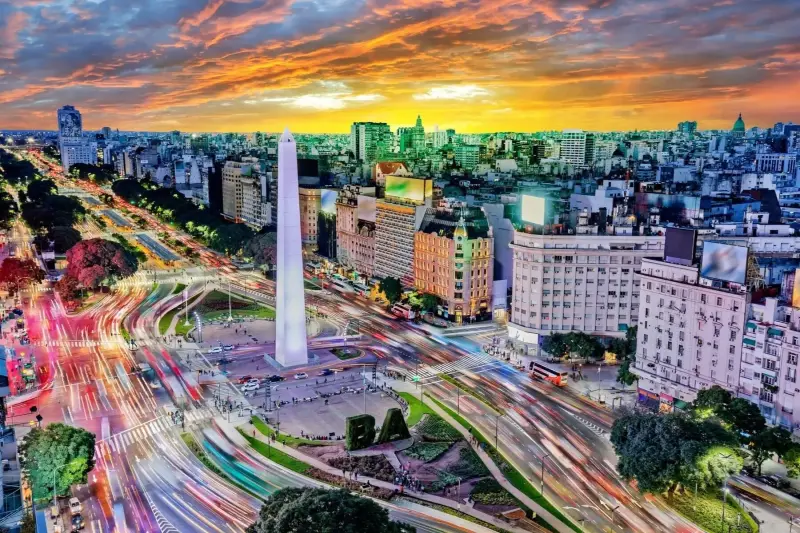 ArgentinaTango, glaciers, waterfalls and the Andes
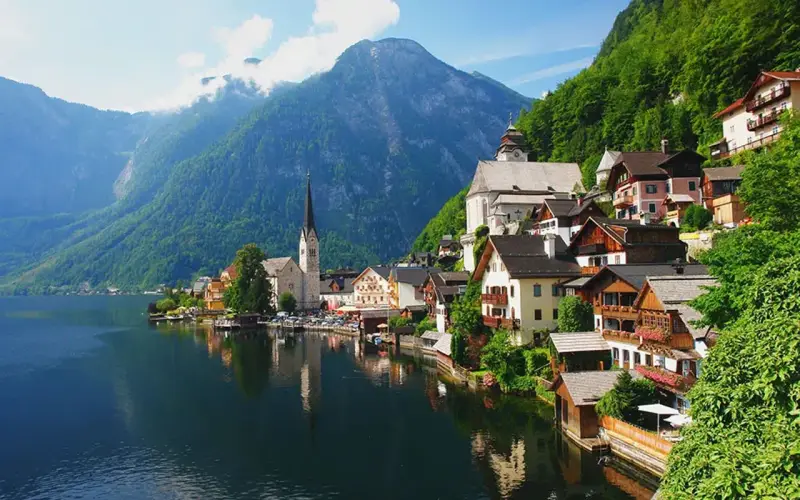 AustriaVienna's palaces, Alpine villages and music
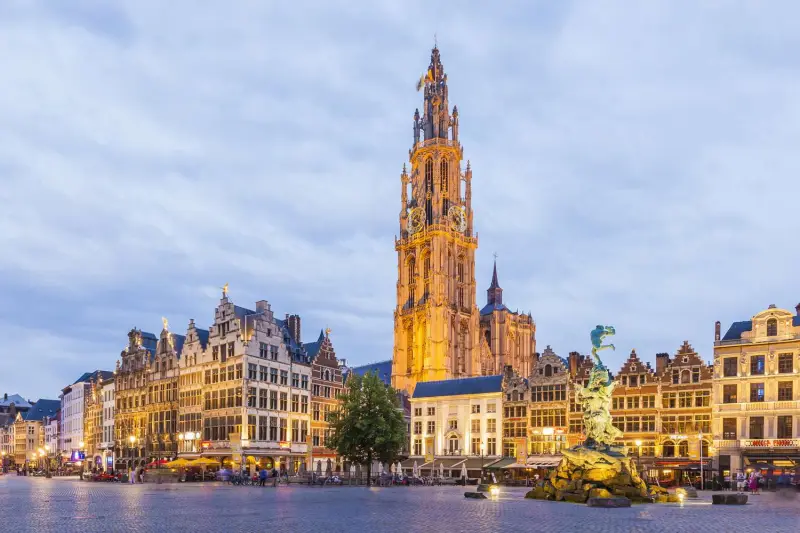 BelgiumMedieval towns, art, chocolate and beer
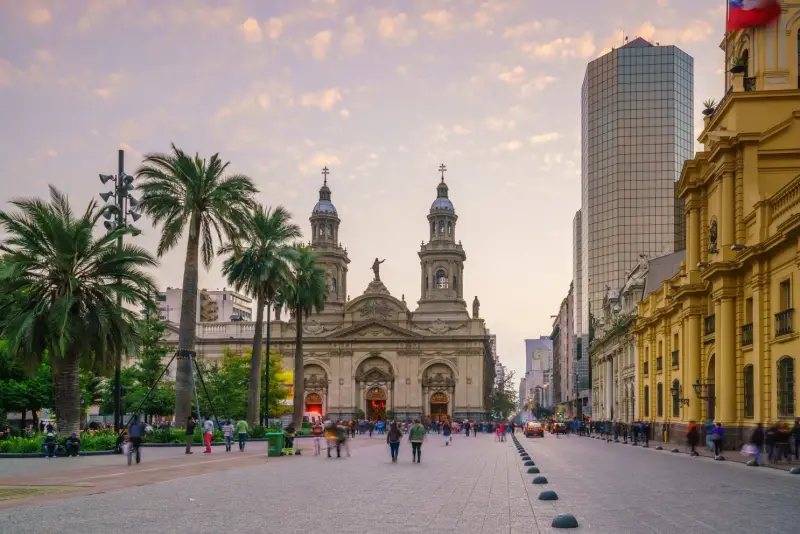 ChilePatagonia, the Atacama and the Andes
 CroatiaAdriatic islands, walled towns and lakes
 IcelandWaterfalls, glaciers, volcanoes and northern lights
 IrelandGreen coasts, lively pubs and Celtic heritage
 JordanPetra, Wadi Rum and the Dead Sea
 MadagascarLemurs, baobabs and unique wildlife
 MauritiusLagoons, mountains and multicultural flavours
 MyanmarBagan's temples and the Shwedagon Pagoda
 NepalEverest, the Annapurnas and Kathmandu's temples
 NigeriaLagos energy, Afrobeats and cultural heritage
 NorwayFjords, northern lights and the midnight sun
 TahitiGateway to French Polynesia
 TanzaniaSerengeti, Kilimanjaro and Zanzibar
 VenezuelaAngel Falls, Los Roques and the Andes
 BhutanHimalayan monasteries and Gross National Happiness
 BoliviaSalt flats, Andean lakes and colonial cities
 KuwaitGulf city-state
 MoroccoMedinas, Sahara dunes and Atlas mountains
 OmanForts, wadis, deserts and Arabian coast
 ParaguayJesuit missions, wetlands and the Chaco
 PeruMachu Picchu, the Andes and the Amazon
 ScotlandHighlands, castles, islands and whisky
 TunisiaCarthage, Sahara and Mediterranean beaches
 AngolaAtlantic coast, waterfalls and desert landscapes
 AzerbaijanBaku's flame towers and Caspian Sea culture
 BahamasTurquoise water across 700 islands
 BahrainPearling heritage and Gulf city life
 BotswanaOkavango Delta safaris and Kalahari skies
 BruneiGolden mosques and pristine Borneo rainforest
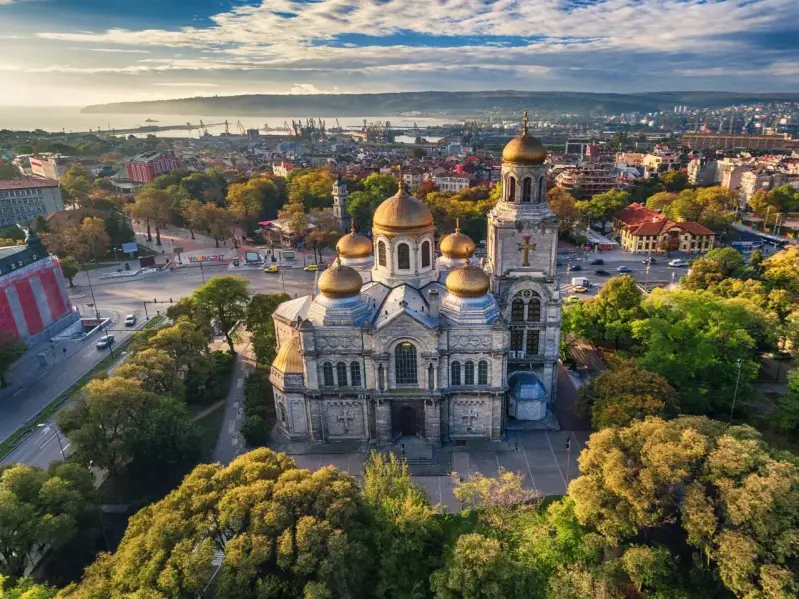 BulgariaBlack Sea beaches, mountains and monasteries
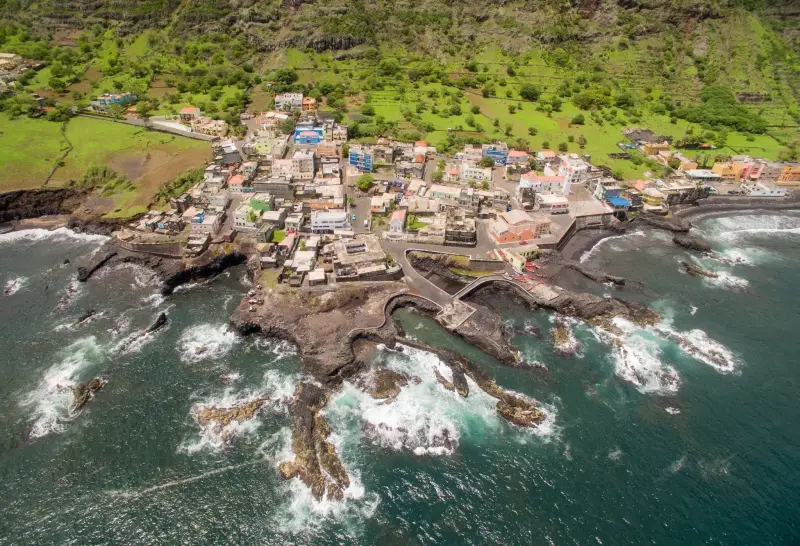 Cape Verde IslandsAtlantic islands of beaches, volcanoes and morna
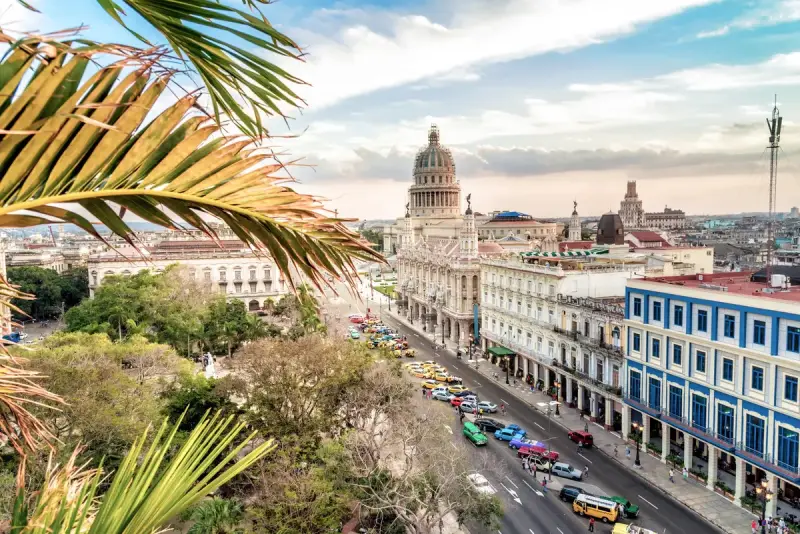 CubaHavana, Trinidad, tobacco valleys and beaches
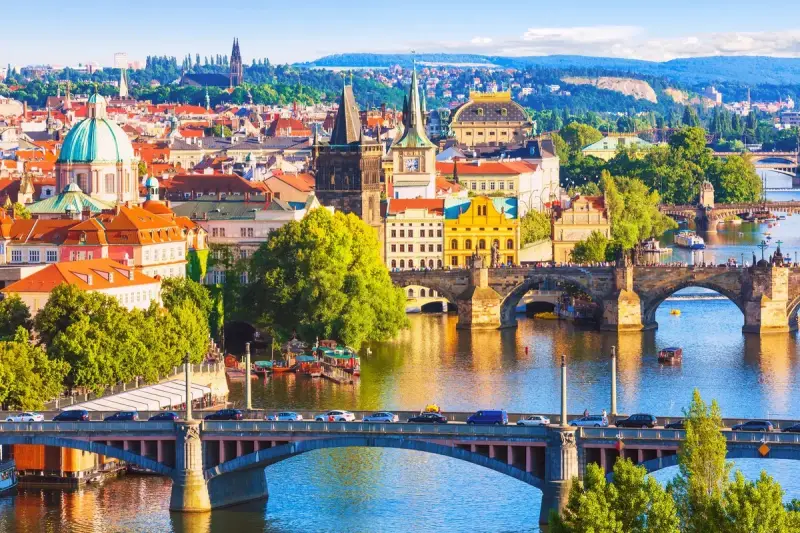 Czech RepublicPrague, castles and spa towns
 EcuadorGalápagos, Andes volcanoes and the Amazon
 EthiopiaRock-hewn churches, highlands and ancient kingdoms
 FijiCoral islands, warm welcomes and soft coral reefs
 FinlandLakes, Lapland and the northern lights
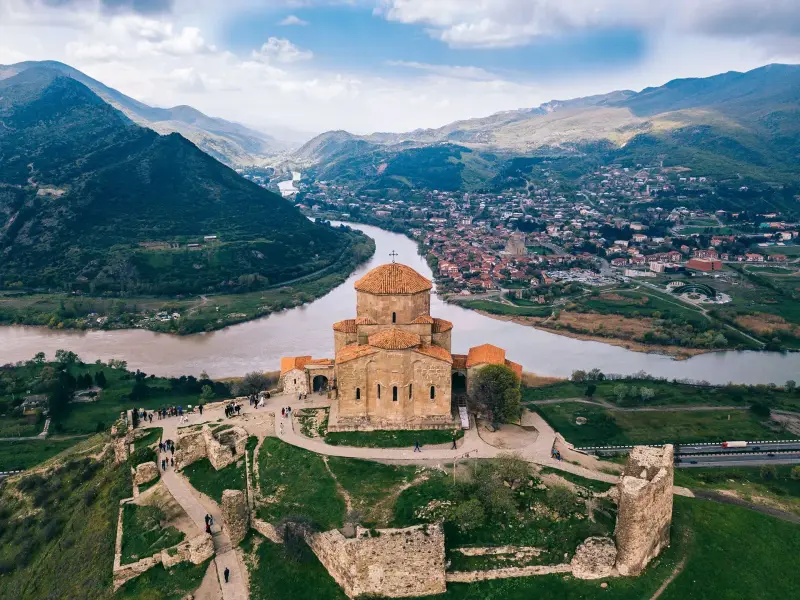 GeorgiaCaucasus peaks, wine and Tbilisi's old town
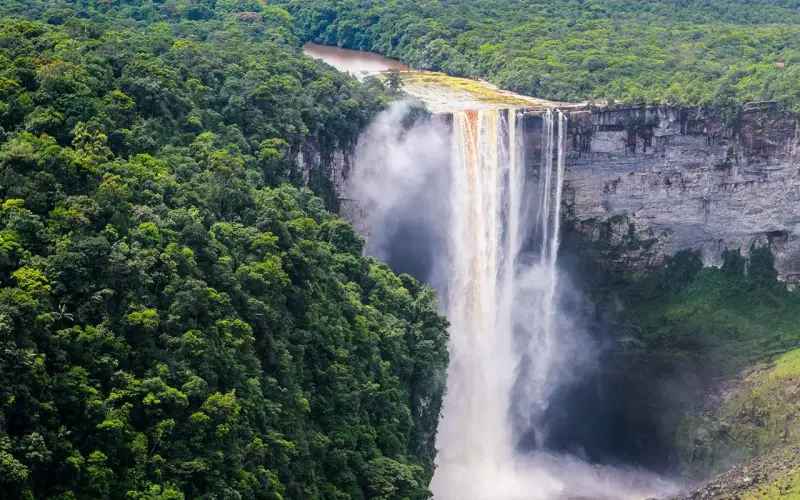 GuyanaKaieteur Falls and untouched rainforest
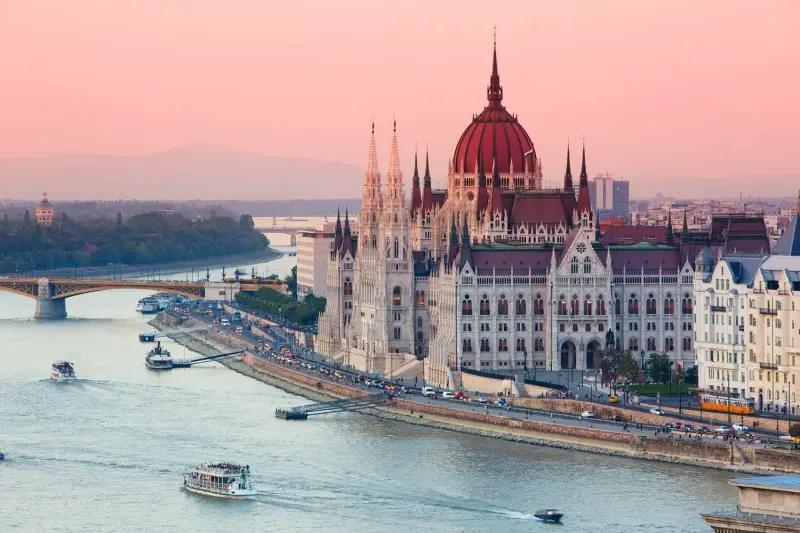 HungaryBudapest's baths, Lake Balaton and wine
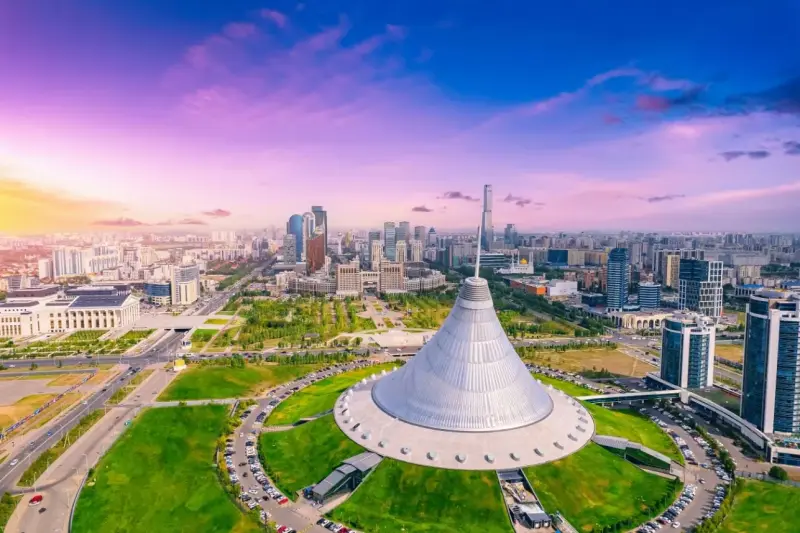 KazakhstanSteppe, canyons and Silk Road cities
 KenyaSafaris, the Great Migration and Indian Ocean beaches
 LaosLuang Prabang, the Mekong and limestone karsts
 LatviaRiga's Art Nouveau and Baltic beaches
 LibyaRoman ruins and Sahara
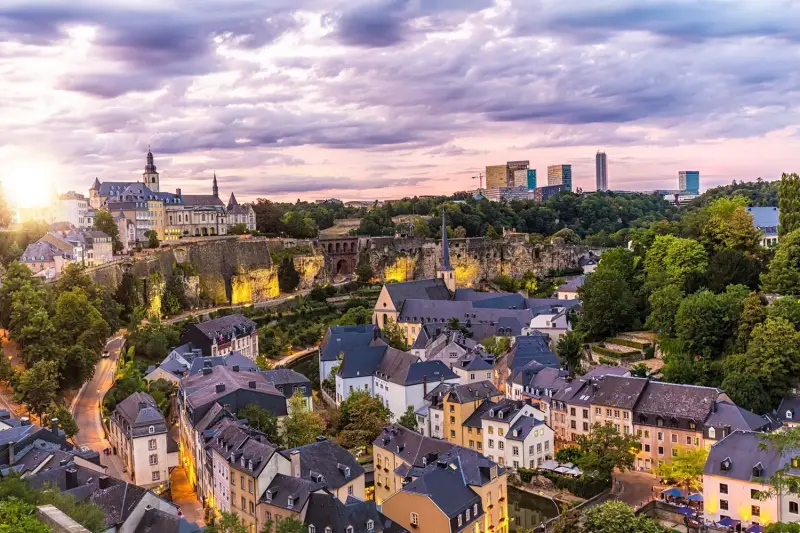 LuxembourgFortress city, castles and free public transport
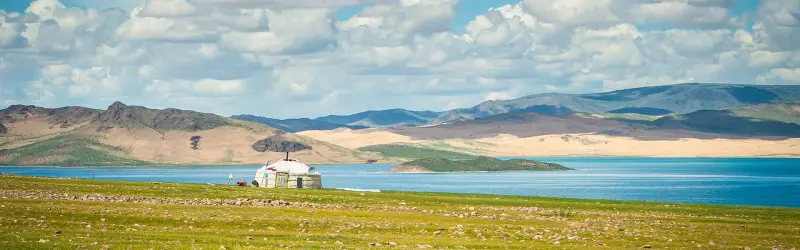 MongoliaSteppe, Gobi Desert and nomad life
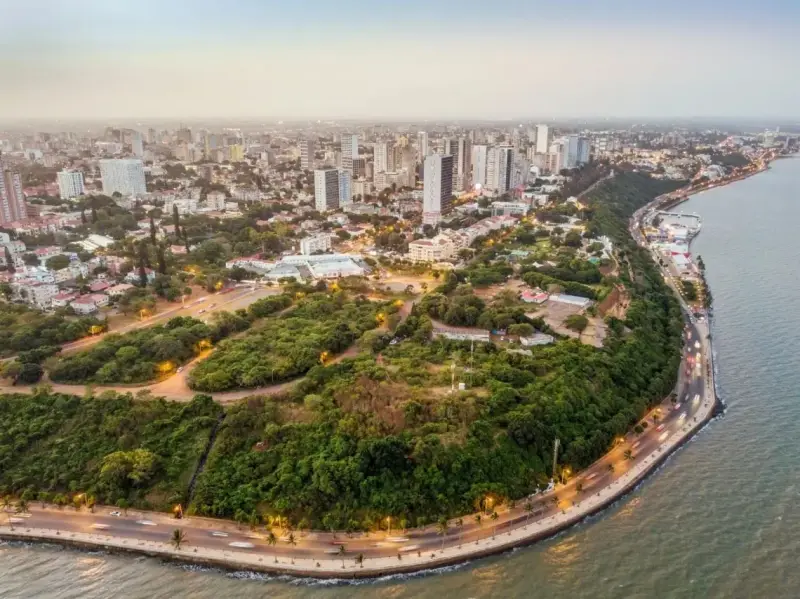 MozambiqueIndian Ocean islands and coral coast
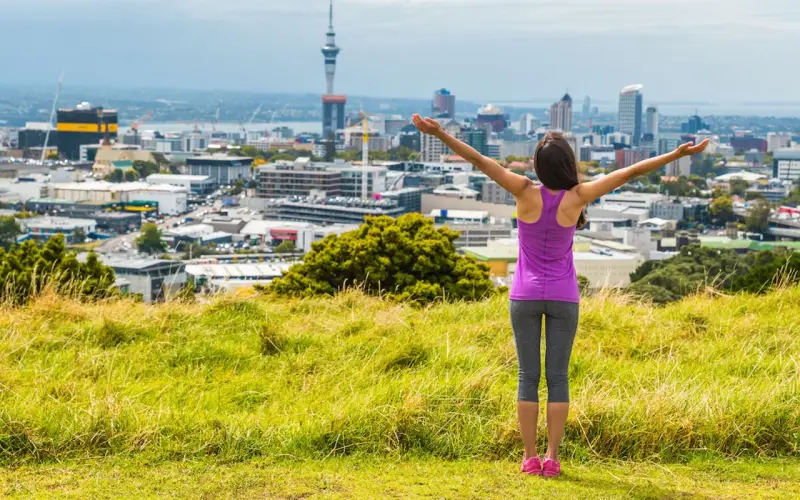 New ZealandFiords, glaciers, volcanoes and Māori culture
 PakistanKarakoram peaks, Mughal Lahore and mountain valleys
 PanamaThe canal, islands and rainforest
 Papua New GuineaHighland cultures, reefs and the Kokoda Track
 PolandKraków, Gdańsk, Warsaw and the Tatras
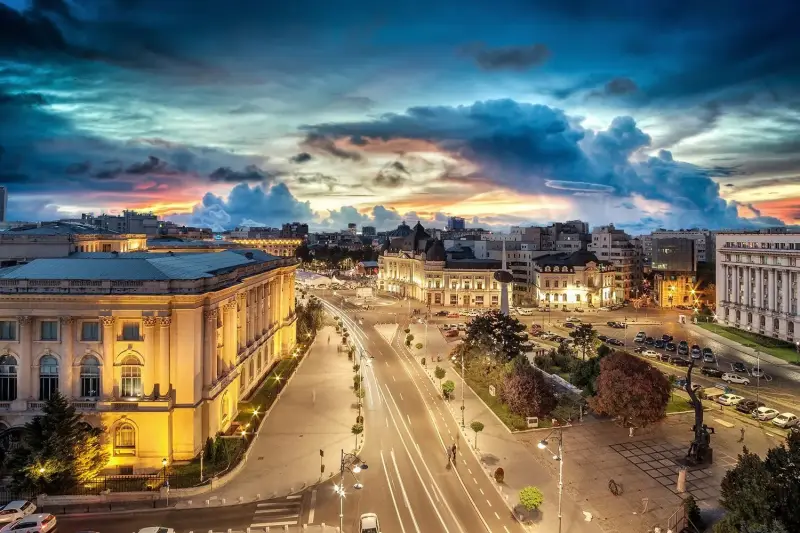 RomaniaTransylvania's castles, painted monasteries and the Carpathians
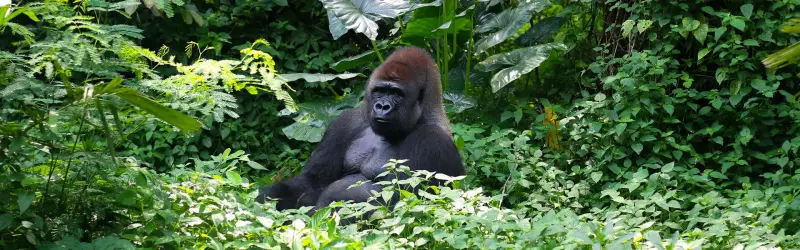 RwandaMountain gorillas and the land of a thousand hills
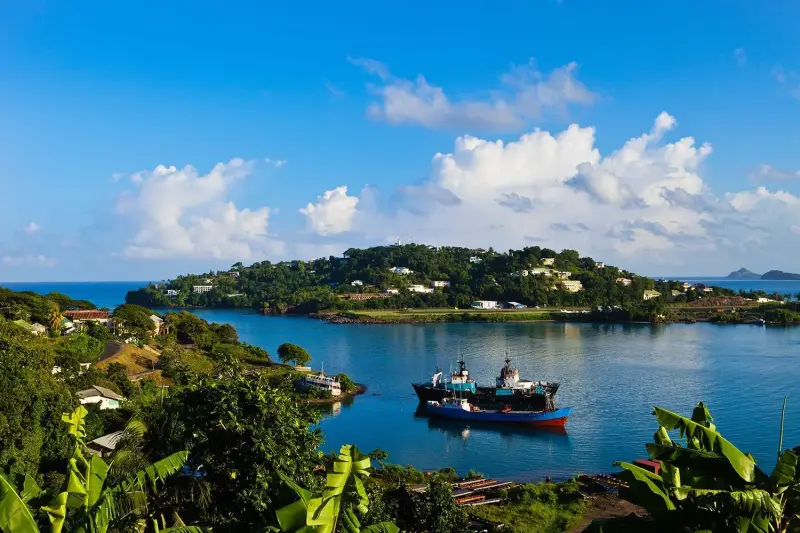 Saint LuciaThe Pitons, rainforest and Caribbean romance
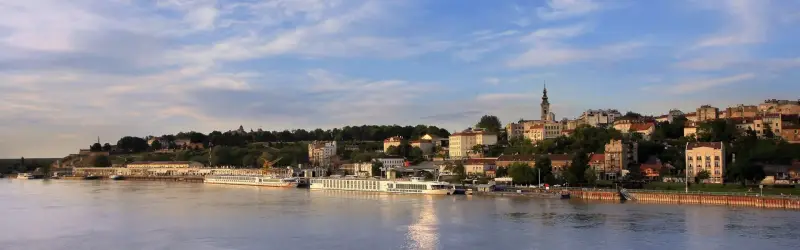 SerbiaBelgrade nightlife, monasteries and the Danube
 SeychellesGranite islands and perfect beaches
 SudanNubian pyramids and the Nile
 SwedenStockholm's archipelago, Lapland and design
 SyriaAncient cities
 UruguayBeaches, colonial Colonia and laid-back Montevideo
 UzbekistanSamarkand, Bukhara and Khiva on the Silk Road
 YemenAncient tower houses and Socotra's unique nature
 ZambiaVictoria Falls, walking safaris and the Zambezi
SurinameRainforest, rivers and colonial Paramaribo
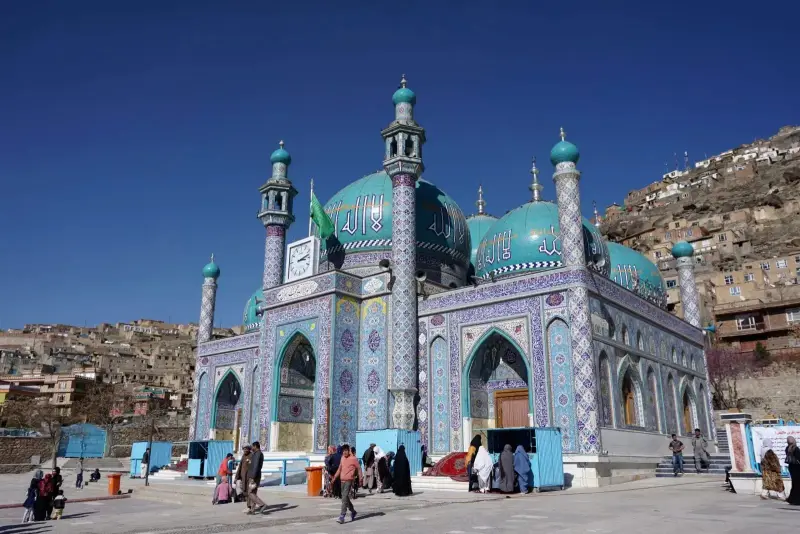 AfghanistanMountain valleys and Silk Road history
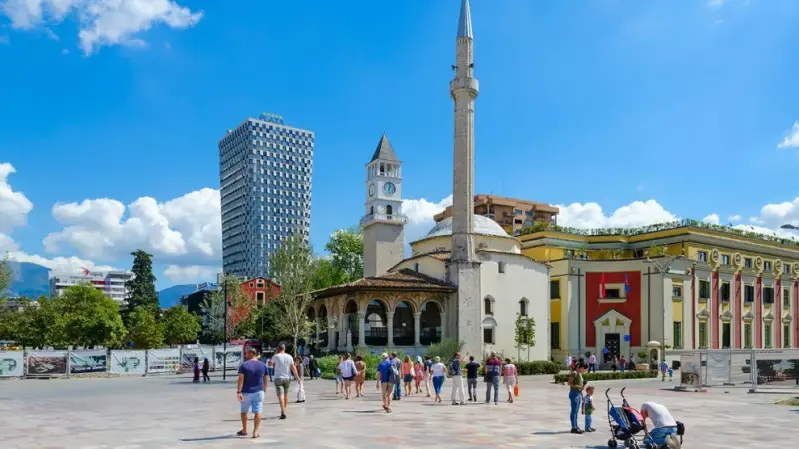 AlbaniaRiviera beaches, mountain villages and Ottoman towns
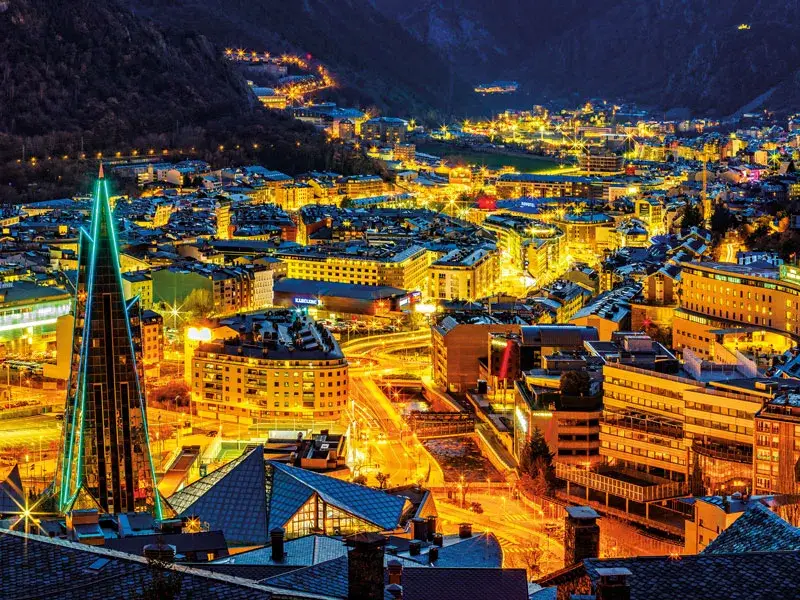 AndorraPyrenean ski slopes and duty-free shopping
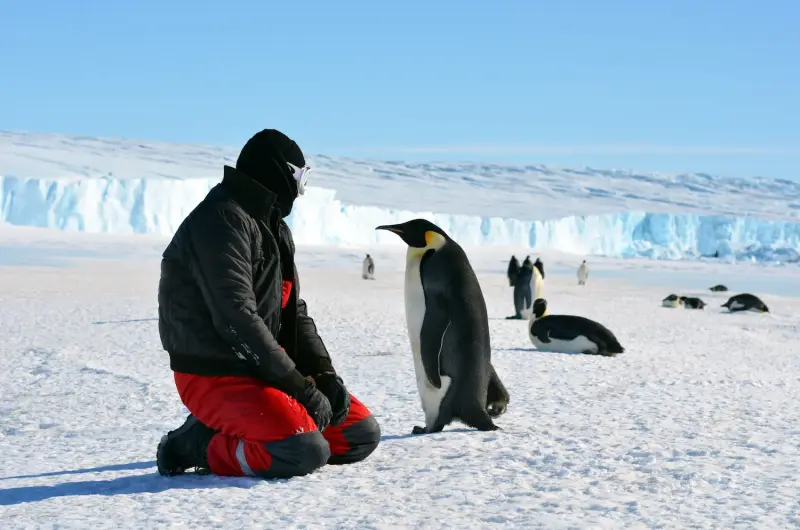 AntarcticaIcebergs, penguins and the last great wilderness
 Antigua and BarbudaA beach for every day of the year
 ArcticNorthern lights, polar bears and the midnight sun
 ArmeniaAncient monasteries beneath Mount Ararat
 BarbadosBeaches, rum and cricket in the Caribbean
 BelarusPrimeval forests and Soviet-era Minsk
 BelizeBarrier reef, Maya temples and jungle
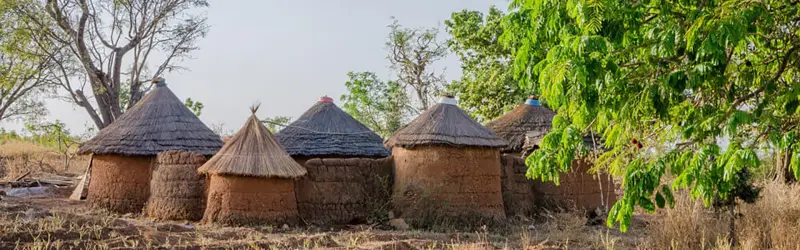 BeninVodun culture, royal palaces and lagoon villages
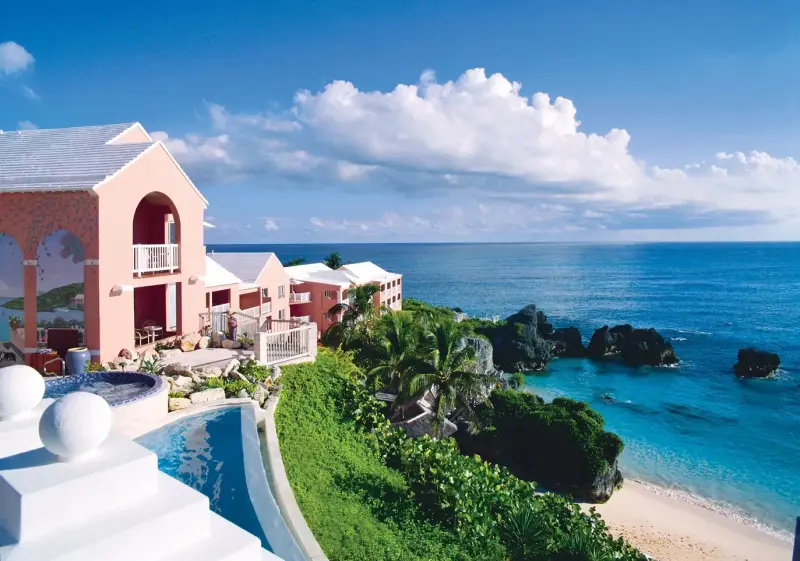 BermudaPink sand beaches in the Atlantic
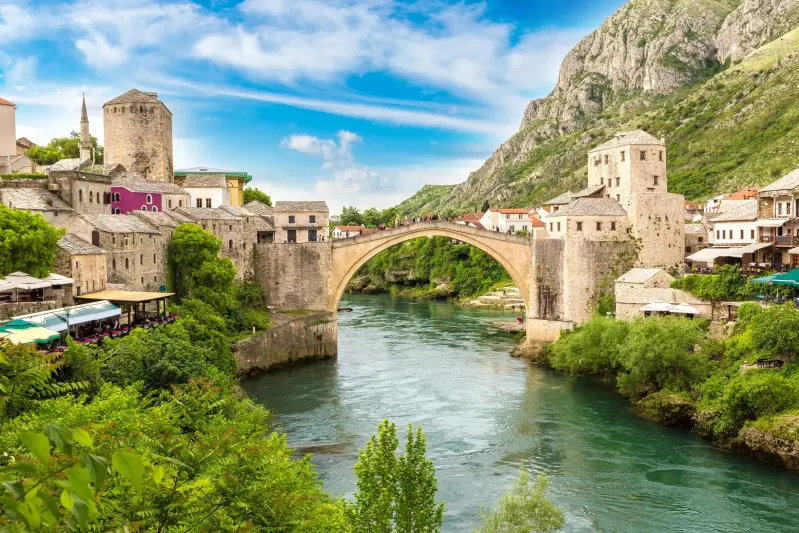 Bosnia HerzegovinaOttoman bridges, mountain rivers and Sarajevo
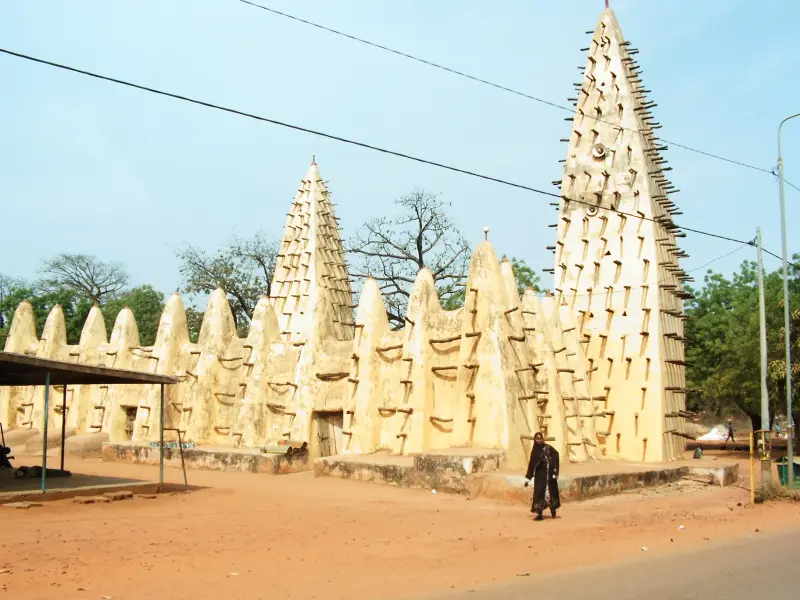 Burkina FasoSahel culture, music and film festivals
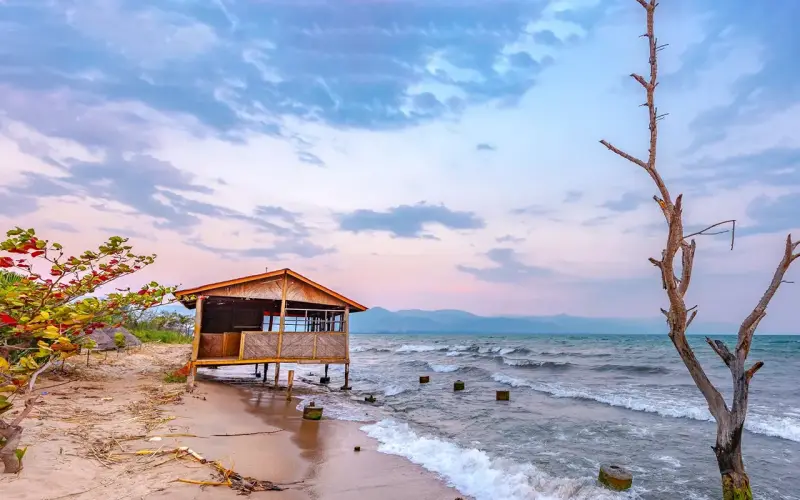 BurundiLake Tanganyika beaches and drumming traditions
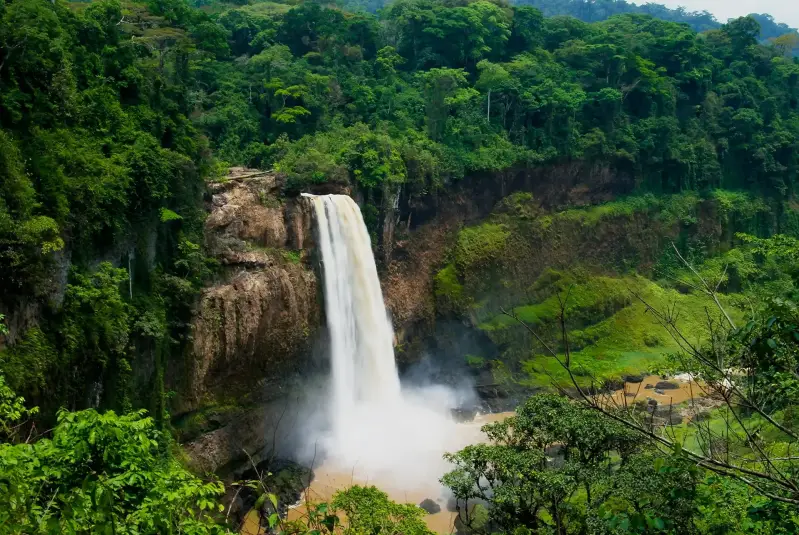 CameroonAfrica in miniature: rainforest, volcano and savanna
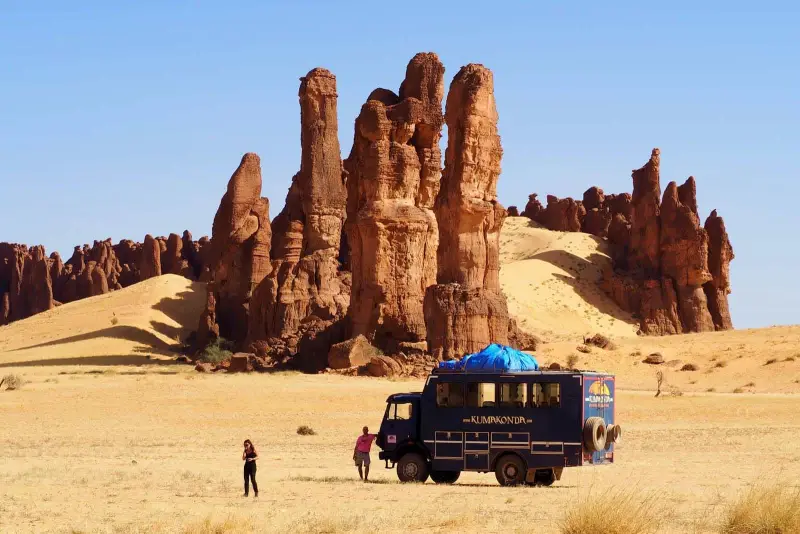 ChadSaharan landscapes and Zakouma wildlife
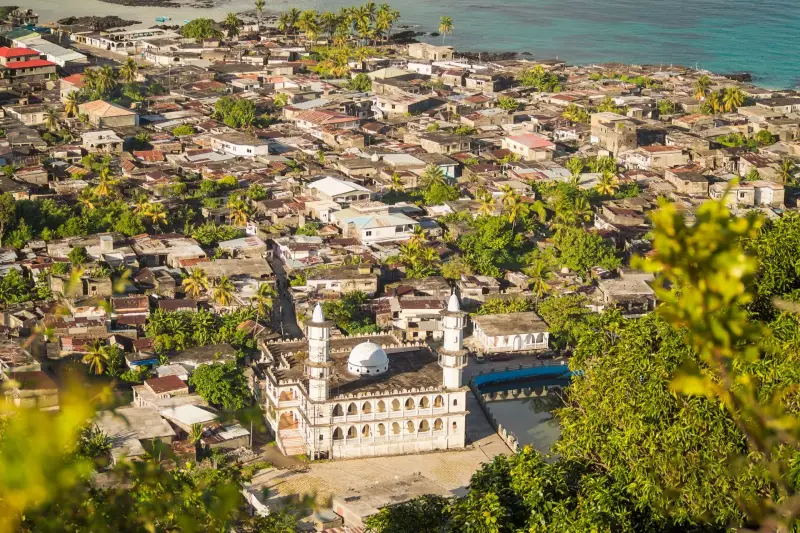 ComorosVolcanic islands, vanilla and ylang-ylang
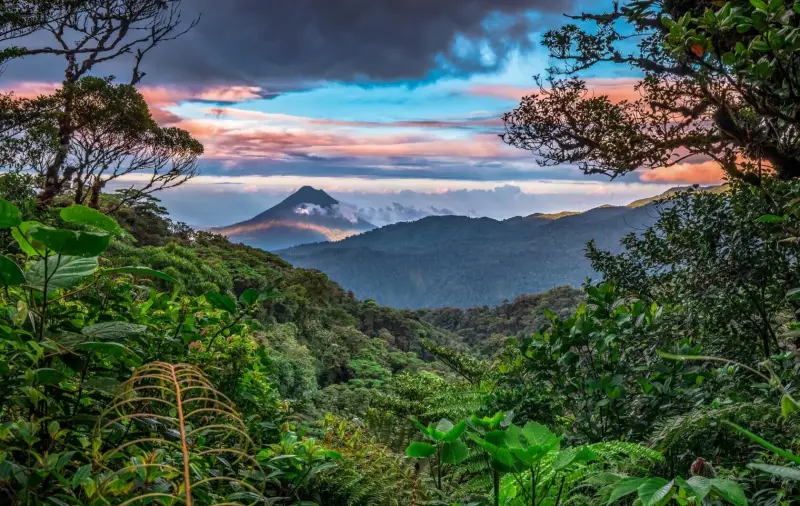 Costa RicaRainforest, volcanoes, wildlife and two coasts
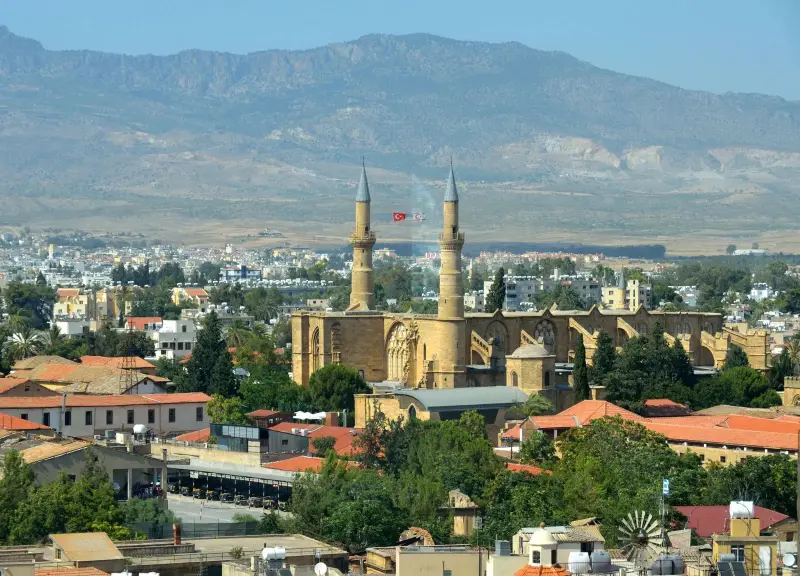 CyprusSunny beaches, ancient sites and mountain villages
 Côte D'IvoireAbidjan's skyline, beaches and basilicas
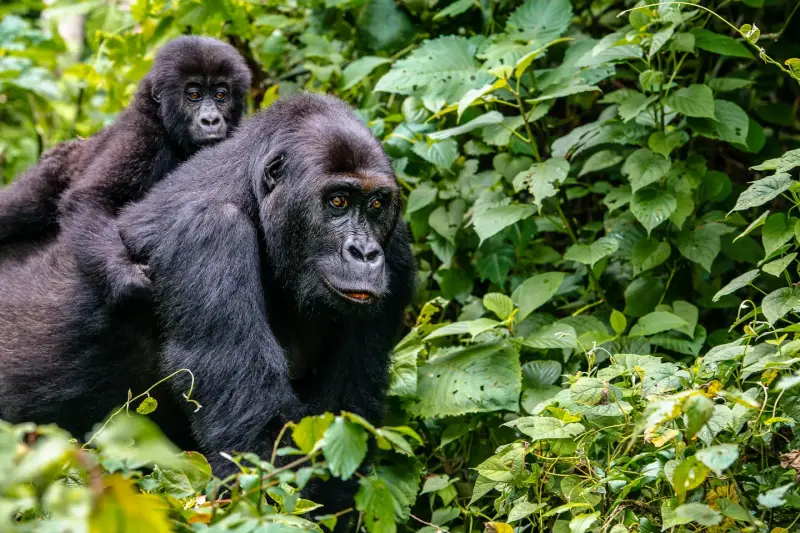 DR CongoGorillas, volcanoes and the mighty Congo River
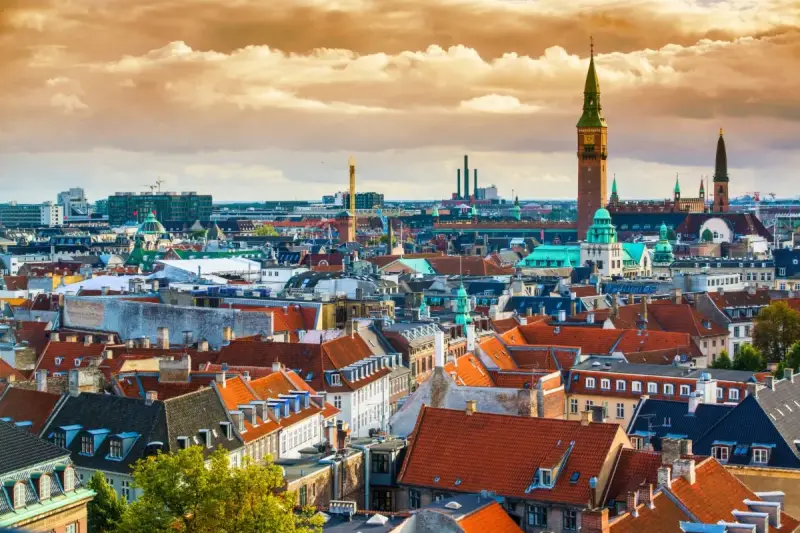 DenmarkCopenhagen design, castles and coastlines
 DjiboutiSalt lakes, whale sharks and volcanic desert
 DominicaThe Caribbean's nature island
 Dominican RepublicPunta Cana beaches and the New World's first city
 El SalvadorSurf beaches, volcanoes and colonial towns
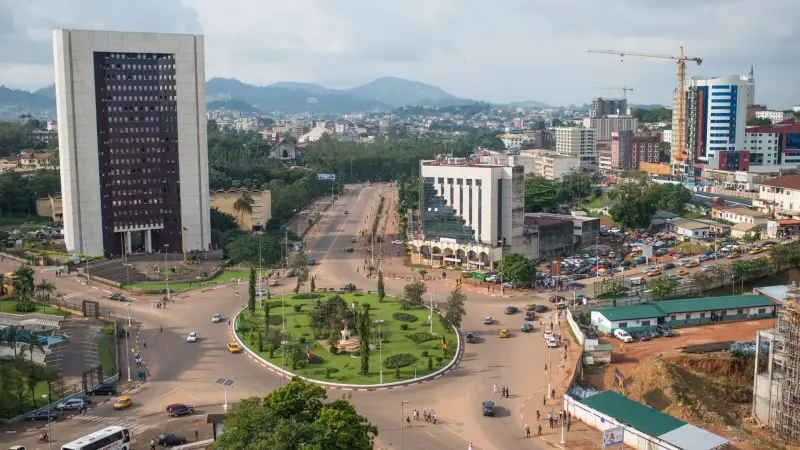 Equatorial GuineaVolcanic Bioko and rainforest Río Muni
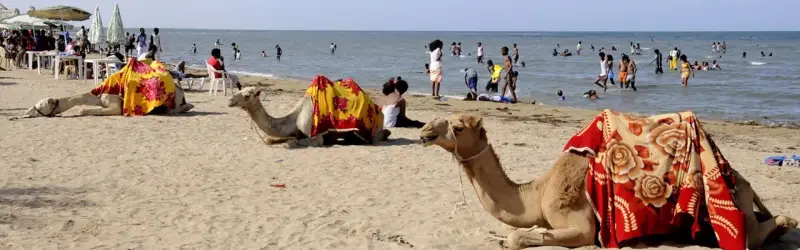 EritreaAsmara's Modernist architecture and the Red Sea
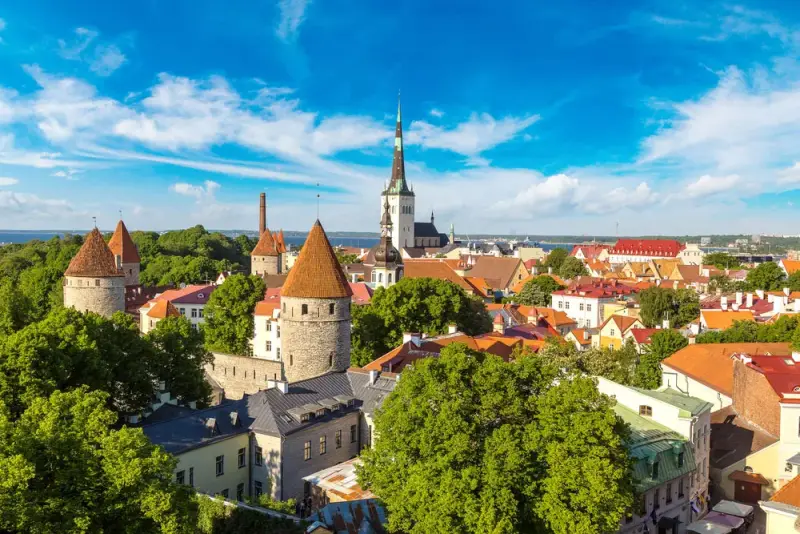 EstoniaTallinn's medieval old town and Baltic nature
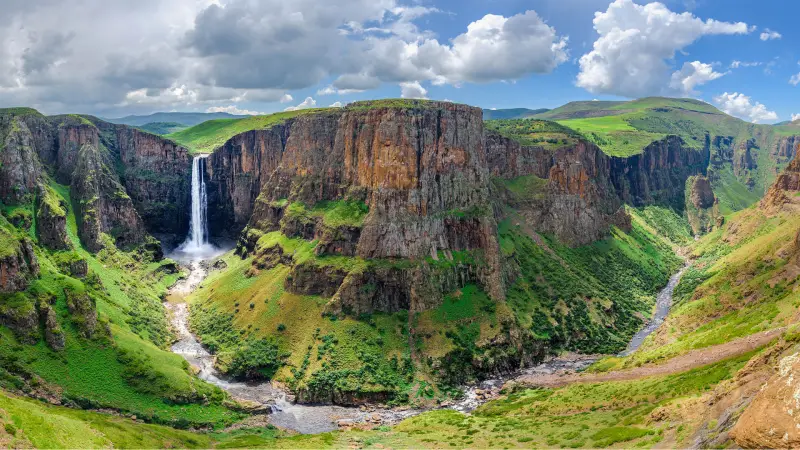 EswatiniWildlife, culture festivals and mountain valleys
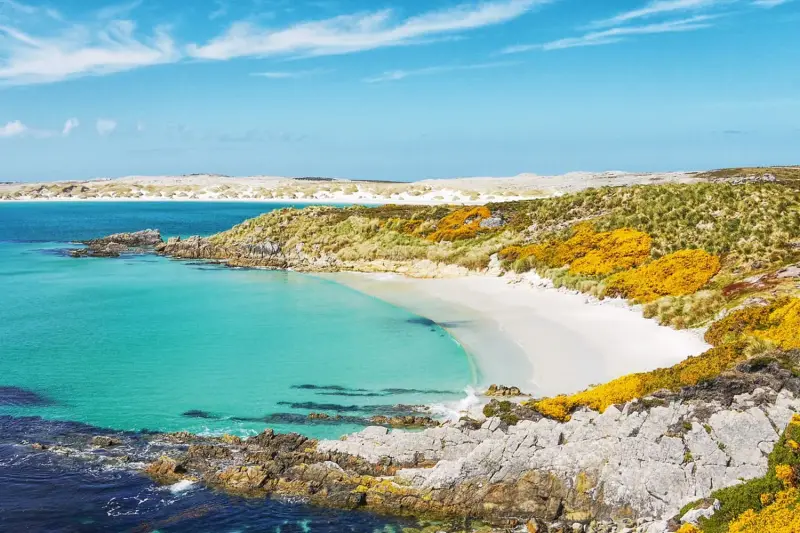 Falkland IslandsPenguin colonies on remote South Atlantic islands
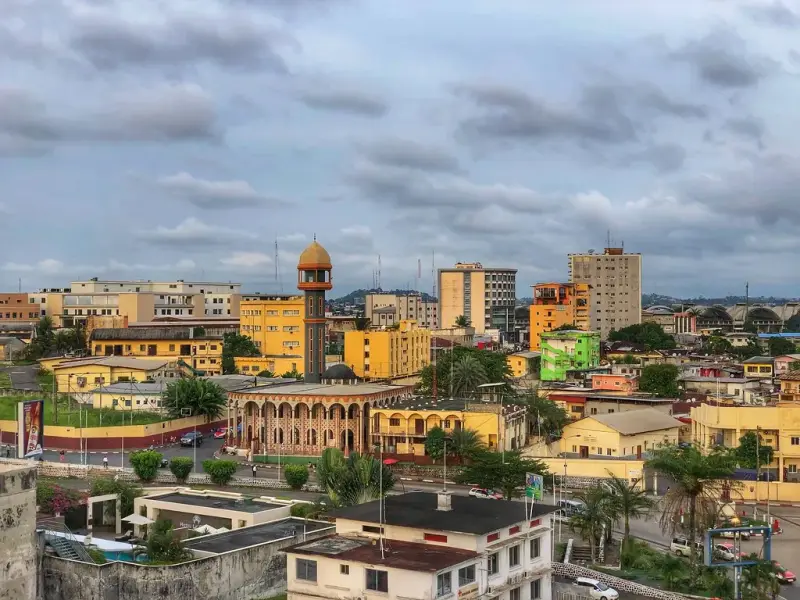 GabonRainforest parks, surfing hippos and gorillas
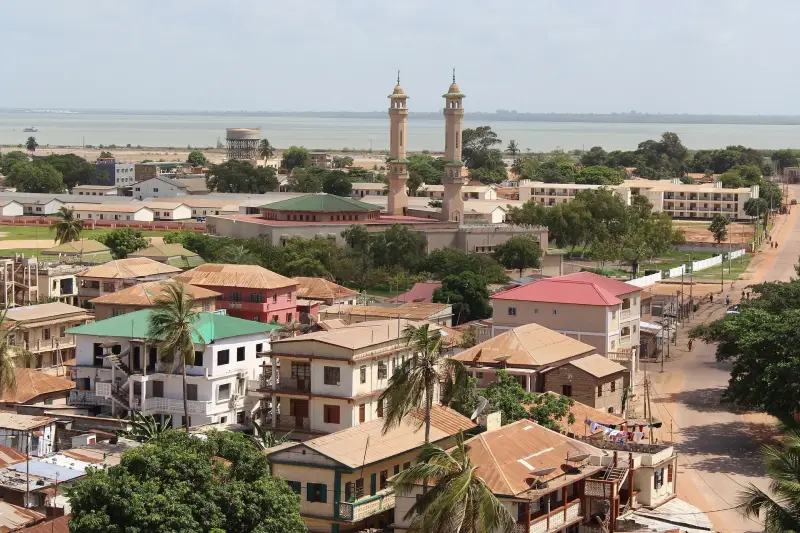 GambiaAtlantic beaches, river life and birdwatching
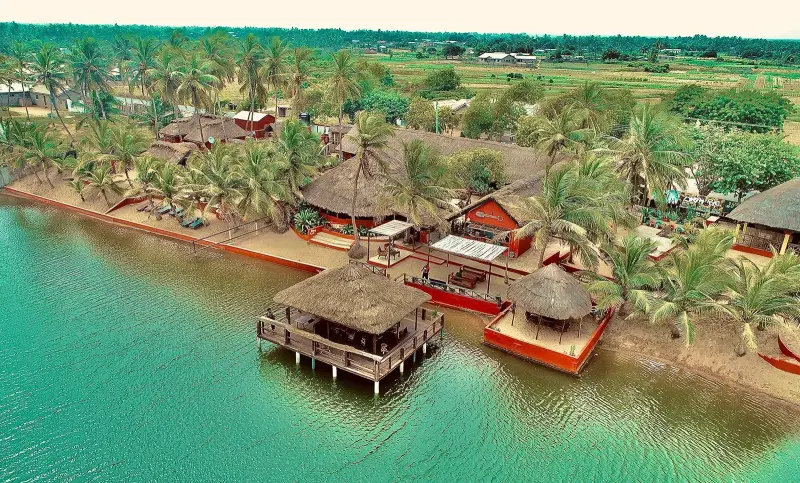 GhanaCoastal castles, Ashanti culture and warm welcomes
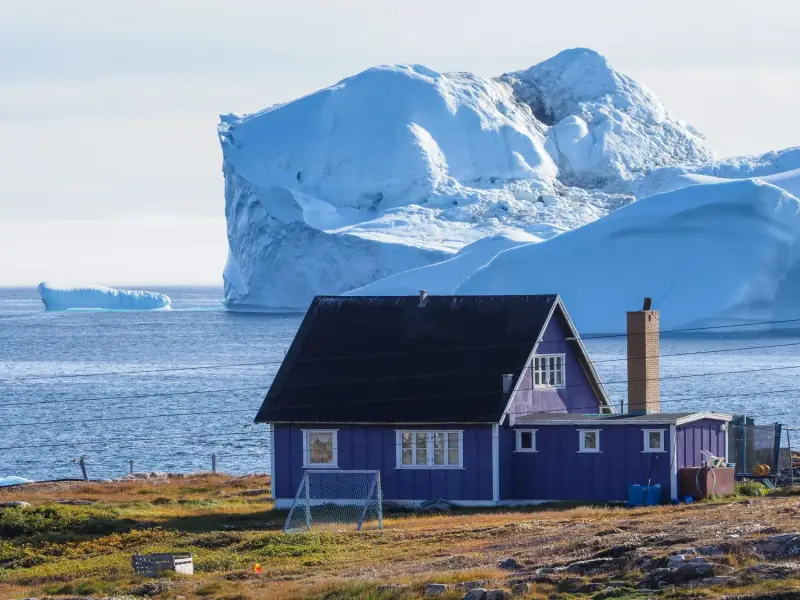 GreenlandIcebergs, glaciers and Arctic culture
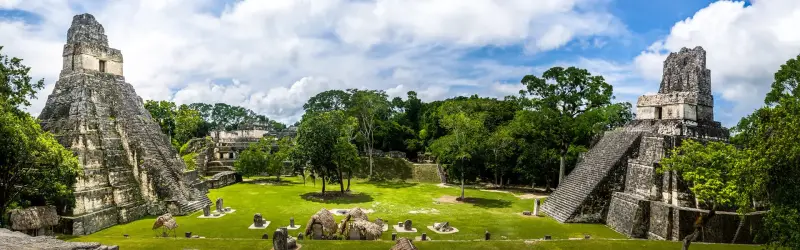 GuatemalaMaya temples, volcanoes and Lake Atitlán
 GuineaHighlands and waterfalls
 Guinea BissauThe Bijagós Islands and saltwater hippos
 HaitiCitadelle and Caribbean culture
 HondurasCopán and the Bay Islands
 IranPersian palaces, mosques and gardens
 IraqAncient Mesopotamia
 JamaicaReggae, waterfalls and Caribbean beaches
 KosovoMedieval monasteries and mountain valleys
 KyrgyzstanMountain lakes, yurts and nomad culture
 LesothoThe Kingdom in the Sky
 LiberiaRainforest and surf
 LiechtensteinAlpine principality
 MalawiLake Malawi, the warm heart of Africa
 MaliSahel heritage
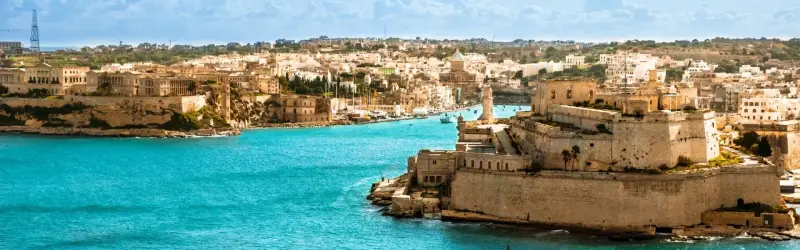 MaltaValletta, ancient temples and blue lagoons
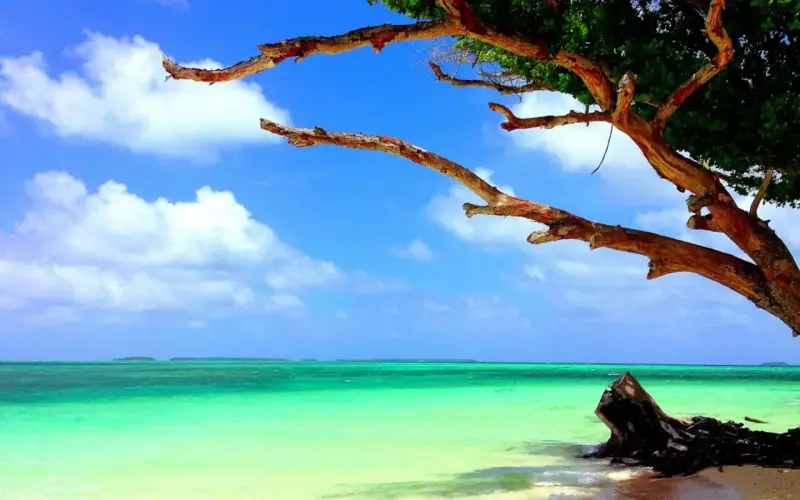 Marshall IslandsPacific atolls
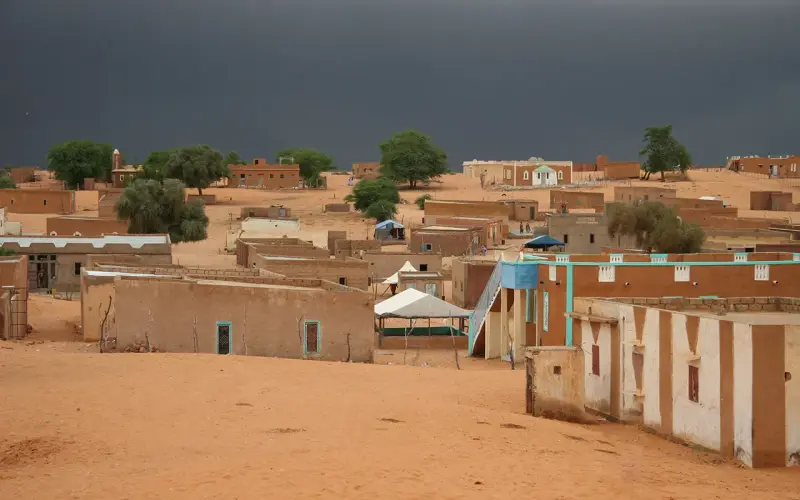 MauritaniaSahara caravan towns and the Iron Ore Train
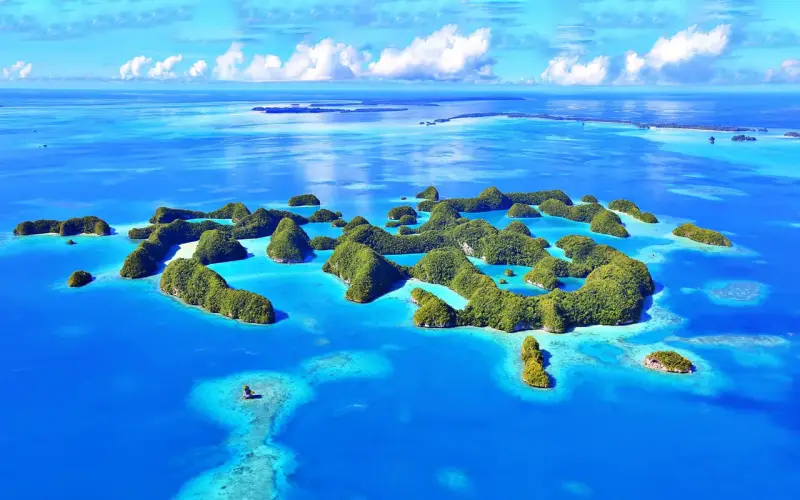 MicronesiaNan Madol, Chuuk Lagoon wrecks and Yap's stone money
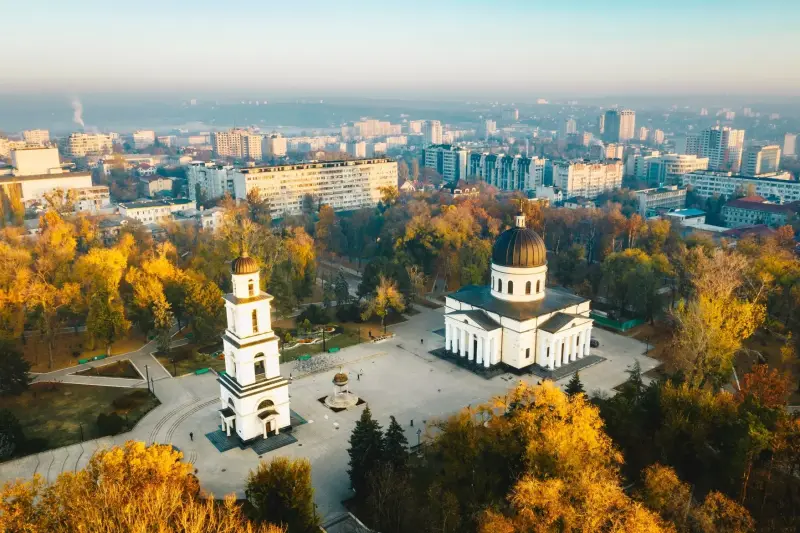 MoldovaWine cellars, cave monasteries and countryside
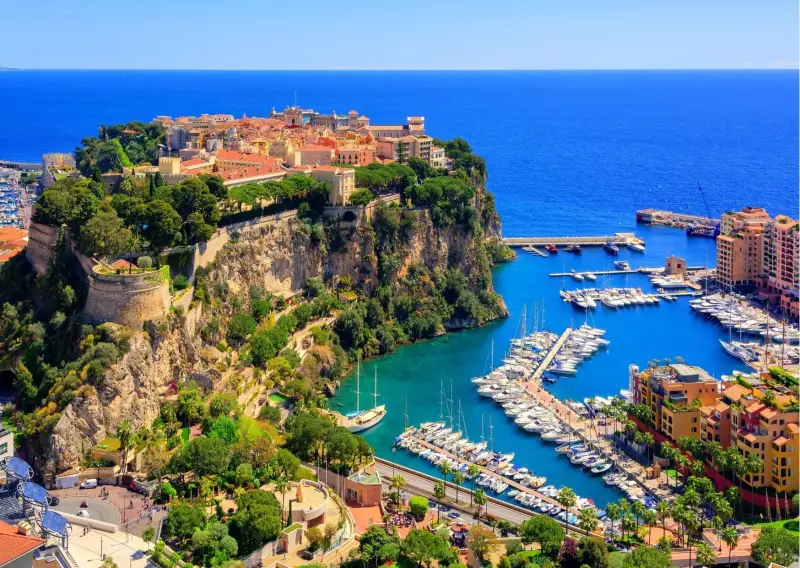 MonacoGlamour, Grand Prix and the Riviera
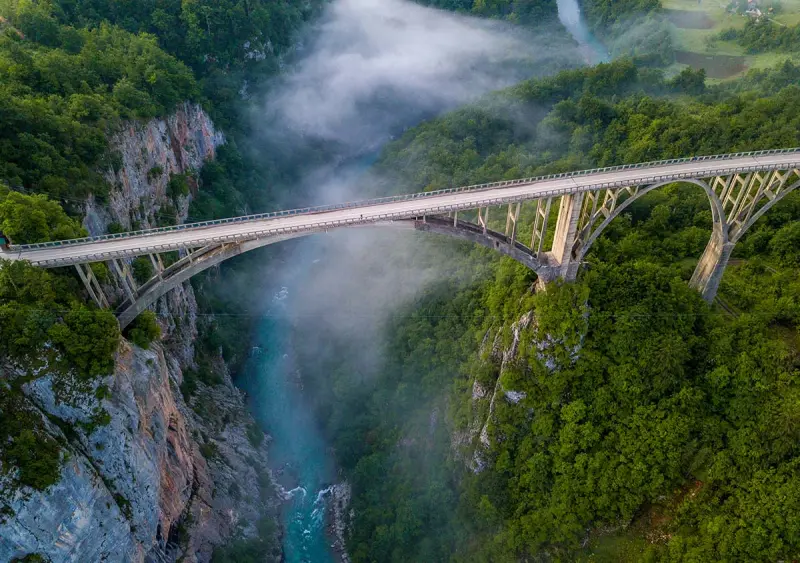 MontenegroBay of Kotor, Adriatic beaches and mountains
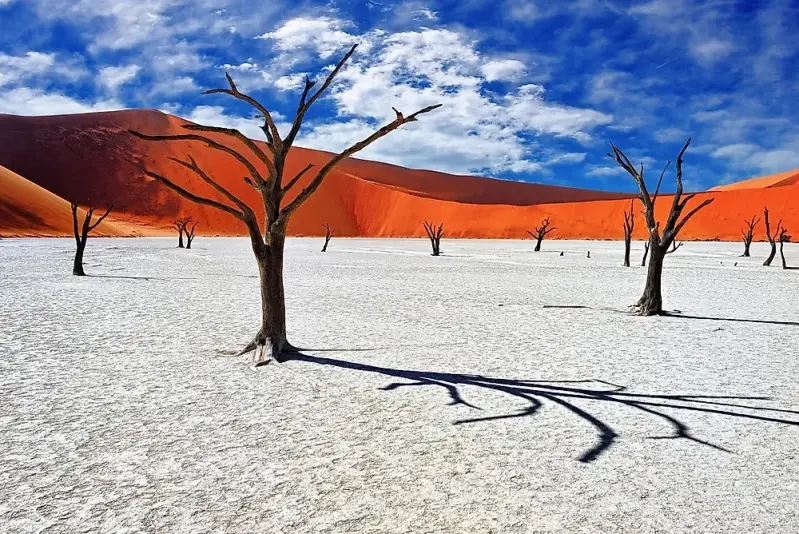 NamibiaRed dunes, Etosha wildlife and desert coast
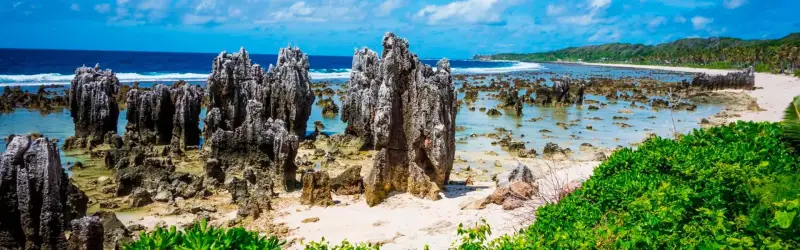 NauruThe world's smallest island republic
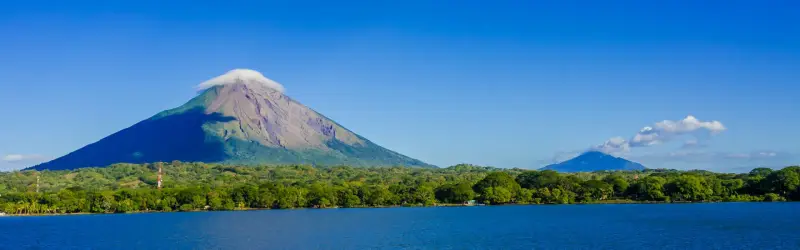 NicaraguaVolcanoes, lakes and colonial Granada
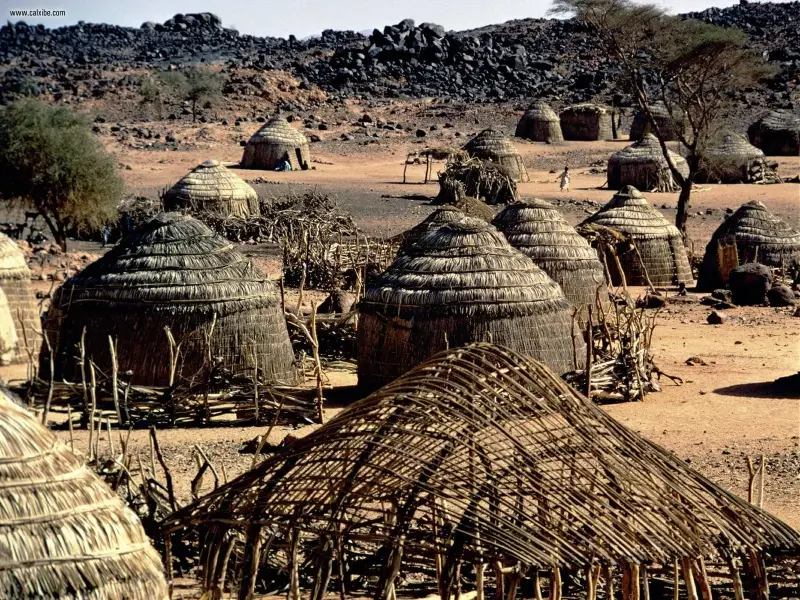 NigerAgadez and the Sahara
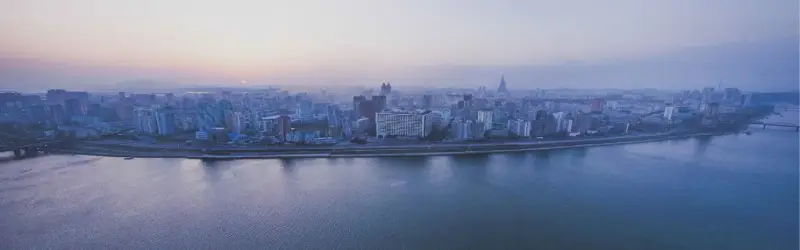 North KoreaThe world's most closed country
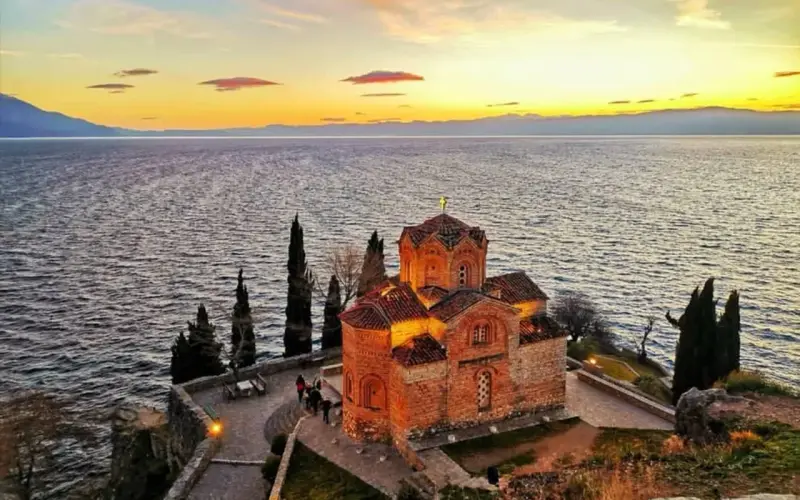 North MacedoniaLake Ohrid, Skopje and Balkan mountains
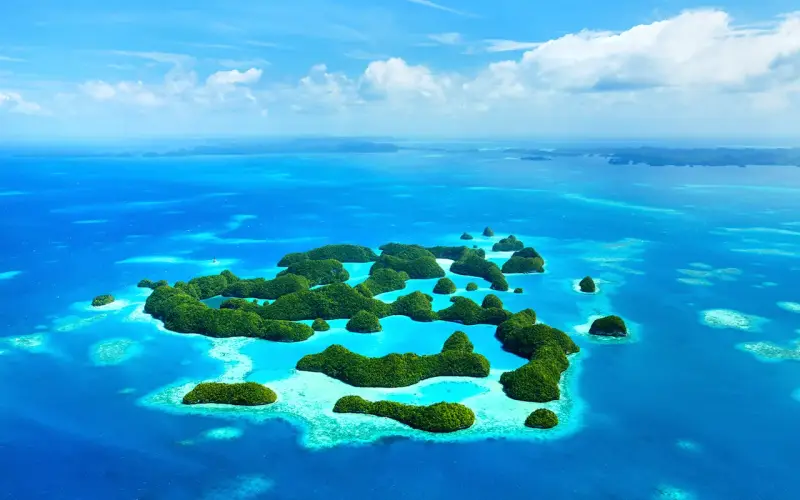 PalauRock Islands, Jellyfish Lake and world-class diving
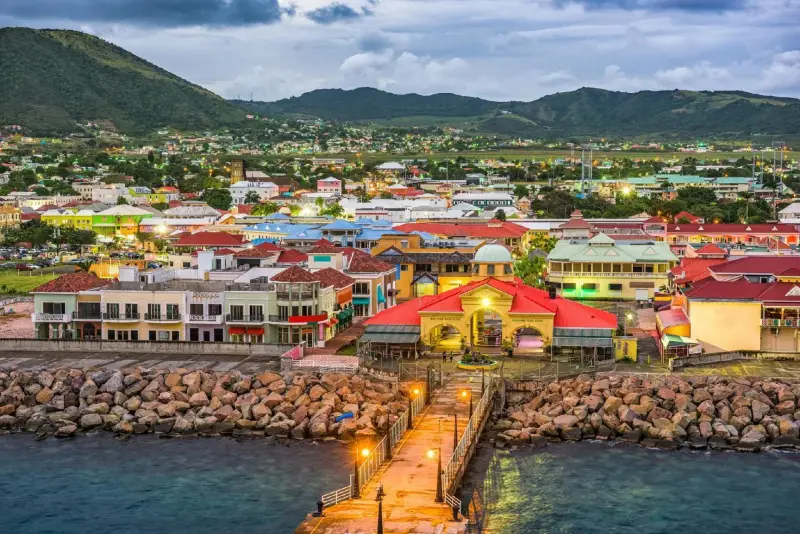 Saint Kitts and NevisBrimstone Hill, scenic railway and twin islands
 Saint Vincent and the GrenadinesSailing the Grenadines and Tobago Cays
 SamoaBeach fales, waterfalls and fa'a Samoa
 Sao Tome and PrincipeCocoa islands on the equator
 SenegalDakar's energy, Gorée Island and the Saloum Delta
 Sierra LeoneBeaches, islands and chimpanzee sanctuaries
 SlovakiaCastles, the High Tatras and Bratislava
 SloveniaLake Bled, Alpine valleys and caves
 Solomon IslandsWWII history, reefs and lagoons
 SomaliaAncient coast and Somaliland rock art
 South SudanThe world's youngest country
 TajikistanThe Pamir Highway and high mountain lakes
 Timor-LesteCoral reefs, mountains and a young nation
 TogoVoodoo markets, Koutammakou and palm-lined coast
 TongaHumpback whales and a Polynesian kingdom
 TurkmenistanThe Door to Hell and marble Ashgabat
 TuvaluRemote Pacific atolls and lagoons
 UgandaGorillas, chimpanzees and the source of the Nile
 UkraineKyiv, Lviv and the Carpathians
 VanuatuActive volcanoes, reefs and island culture
 Vatican CitySt Peter's and the Sistine Chapel
 WalesCastles, coast paths and mountains
 ZimbabweVictoria Falls, Hwange and Great Zimbabwe
MacauPortuguese heritage, Macanese food and Cotai resorts
 Bangladesh295 places to stay, eat or see
Nothing in that category yet.
Top things to do in Lithuania
Things to do across Lithuania, from Vilnius Old Town to Trakai Castle and Curonian Spit dunes.
No things to do in Lithuania are listed yet. Browse all things to do
Best time to visit Lithuania
Summer brings long days and beach weather; December has Christmas markets; winter is cold.
Long days, festivals and beach season on the coast.
Festive markets in Vilnius and Kaunas.
Cold and snowy; quiet and cheap.
Ferries cross the Curonian Lagoon from Klaipėda to the Spit; summer weekends are busy, so arrive early.
Packages in Demand
A Journey to Remember
Tours, activities and day trips in and around this destination, with the details you need before booking.
No packages in Lithuania are listed yet. Browse all packages
Create Your Custom-Made Trip to Lithuania
Traveling to Lithuania? Chat with a Local Travel Specialist in Lithuania Who Can Help Organize Your Trip.
START HERE
Our Travel Experts are Recommended by



Lithuania travel tips
Entry, getting there, money, health, safety and where to stay, answered topic by topic.
Visas and entry
Schengen area rules
Lithuania is part of the Schengen area. Citizens of the EU and of many other countries, including the US, UK, Canada and Australia, can visit visa-free for up to 90 days in any 180-day period; other nationalities need a Schengen visa. The EU's Entry/Exit System (EES) records non-EU travelers' fingerprints and a photo at the border.
- Visa-free stay
- Up to 90 days in any 180 days, for eligible passports
- Passport
- Issued in the last 10 years, valid 3 months beyond departure
- ETIAS
- Planned online travel authorisation; not yet required
- Confirm with
- travel-europe.europa.eu or an embassy of Lithuania
Getting there
Vilnius and Kaunas
Vilnius Airport is the main gateway; Kaunas and Palanga have low-cost and seasonal flights.
- Main airport
- Vilnius (VNO)
- Others
- Kaunas (KUN), Palanga (PLQ)
- Rail
- Trains to Riga and Warsaw
Money and costs
Moderate destination
Lithuania is good value compared with western Europe. Cards work almost everywhere.
- Tip about 10%.
- Lunch specials are cheap.
Health and vaccines
Insurance, pharmacies
No special vaccines are needed for Lithuania beyond routine ones. EU travelers should carry a European Health Insurance Card (EHIC); everyone else needs travel insurance with medical cover.
- Drinking water
- Tap water is safe to drink
- Pharmacies
- Marked with a green cross; one on duty at night in most towns
- Ambulance
- Call 112
- Buy travel insurance with medical and evacuation cover.
Staying safe
Very safe
Lithuania is very safe. Don't attempt to cross into Belarus or Russia's Kaliningrad without the right documents.
- Emergency number
- Call 112 (all emergencies)
- Before you go
- Read your government's current travel advisory for Lithuania
- Avoid border areas with Belarus and Kaliningrad without reason.
- Check ice before walking on frozen lakes.
Where to stay
Best areas to stay
Stay in the old towns.
- Vilnius
- Old Town or Užupis
- Kaunas
- Old Town
- Curonian Spit
- Nida
- Coast
- Klaipėda or Palanga
Getting around
Trains and buses
A car helps on the coast.
- Buses
- Intercity coaches
- Ferry
- Klaipėda to the Curonian Spit
- LTG Link trains run Vilnius to Kaunas hourly in 70 to 90 minutes and to Klaipėda in about 4.5 hours with few daily departures; buy online, from card machines or on board at rural halts.
- From Vilnius Airport a train reaches the main station in 8 minutes every two hours, and city buses leave Arrivals every 15 to 30 minutes.
- Autobusubilietai.lt sells TOKS, Kautra, Ollex and smaller lines in English; check the trukmė (duration) column, as some routes wander for hours.
- City buses and trolleybuses are cashless: tap a bank card.
- The foot ferry from Klaipėda's Old Ferry Terminal crosses to Smiltynė in 5 minutes every half hour from 07:00 to 23:00, and drivers use the New Ferry.
- Traffic drives on the right, with limits of 50 km/h in towns, 90 km/h on rural roads and 130 km/h on highways from April to October (110 km/h in winter).
- Turn right on red only on a green arrow, keep out of bus lanes marked A, and use dipped headlights at all times.
- At filling stations pay inside first, and avoid the cheap DK diesel at rural pumps, which is farm fuel.
- Buses serve all three airports, and winter tyres are compulsory from 10 November to 1 April.
SIM and internet
Local SIM or eSIM
EU visitors roam at home rates. Prepaid SIMs are sold in shops.
- Networks
- Telia, Bitė, Tele2
Culture and etiquette
Customs and etiquette
Lithuanians are reserved and proud of their language and of basketball.
- Basketball
- A national passion
- Language
- Closely related to ancient Indo-European
- Visit the Hill of Crosses respectfully
- Calling Lithuania part of Russia
- Jaywalking
- Giving an even number of flowers (for funerals)
Things to know before visiting Lithuania
The honest picture: what makes Lithuania special, and what catches visitors out.
Why travelers love it
- Vilnius Old Town.
- Trakai Island Castle.
- The Curonian Spit's dunes.
- Kaunas modernist architecture.
- Good value.
Good to know
- Winters are cold.
- Borders with Belarus and Russia are sensitive.
- Summer coast is busy on weekends.
- Lithuanian is complex; English is common.
Trip fit
BookingMentor editorial ratings out of 5, based on a first-time visitor's experience.
Vilnius weather by month
Vilnius reaches about 24°C in July, its wettest month, and January highs stay below zero. Pick a month for the Vilnius figures.
Monthly averages for Vilnius from the climate table of its Wikipedia article (Vilnius (1991–2020 normals, extremes 1777–present)), compiled from the national weather service. The coast is milder in winter.
Vilnius and Kaunas as bases, plus nights in Klaipėda and Nida
Lithuania runs well from two bases, Vilnius and Kaunas, with nearly everything inland a day trip away, plus separate nights on the coast at Klaipėda and Nida. Four days covers Vilnius Old Town, Užupis and Trakai Island Castle. One week adds Kaunas and the Curonian Spit, and two weeks adds the Hill of Crosses and a national park.
- Four days: two full days in Vilnius, walking the 2-km spine of the Old Town from the Gates of Dawn north past the Town Hall and university to the cathedral, with an afternoon in self-styled independent Užupis. Spend day three at Trakai Island Castle, 28 km west, and add Kernavė, the medieval capital 35 km north-west, if you have energy left.
- One week: take the train to Kaunas for a night among its interwar modernist buildings and a Žalgiris basketball game if one is on. Continue to Klaipėda, cross to Smiltynė on the foot ferry and ride the Kopos bus an hour down the spit to Nida for two nights among the dunes.
- Ten days to two weeks: add the Hill of Crosses, 12 km north of Šiauliai, on the way back east. Then pick a nature leg: the lake country of Aukštaitija National Park, Dzūkija from Alytus, or birdwatching in the Nemunas Delta near Šilutė. Riga is an easy add-on, with a morning train from Vilnius arriving around 11:00.
Most trains have only three or four carriages, fares rise as seats sell, and each ticket is tied to one departure. Book the Klaipėda leg a few days ahead; the Kaunas hop can wait until the day. Kaunas has no direct train to Klaipėda; change in Vilnius or Šiauliai, or take the bus. In summer, direct buses also run twice a day from Vilnius and Kaunas to Nida, which saves the ferry change with luggage.
Nida is a small village with few alternatives nearby, so for July and August reserve accommodation in Nida before anything else on the coast.
Licence holders from outside the EU or UK should check whether they need an international permit before collecting a hire car.
Rainy Julys, cold winters, Kaziukas Fair and Joninės
Summer days reach the low twenties, though July is also the rainiest month, and Vilnius averages about −6°C in January. Key dates are the Kaziukas Fair in early March and Joninės on 24 June.
The seaside averages roughly −2.5°C in January, and frosts of −20°C turn up most winters. Summer nights sit around 14°C, Vilnius averages about 92 mm of rain in July, and a rain shell belongs in the bag even in high season.
September highs of around 17°C still allow a walk over the Parnidis dune. Snow can fall any time from October to April. That makes winter good for a city break and poor for the spit.
Three dates shape the calendar:
- Kaziuko mugė: the St Casimir's fair fills the streets of Vilnius Old Town on the weekend nearest 4 March. Look for verbos, the Easter palms, and heart-shaped gingerbread.
- Joninės: midsummer night on 24 June, celebrated nationwide with bonfires, flower crowns and a midnight hunt for the mythical fern blossom.
- Klaipėda Sea Festival: three days at the end of July or start of August, held since 1934. Book rooms in the port early for that weekend.
Žemaičių Kalvarija draws pilgrims to a large church festival in July, and Nida hosts a week-long literary festival at the Thomas Mann summer house the same month. One oddity for drinkers: shops may not sell alcohol at all on 1 September.
Cepelinai, pink šaltibarščiai and kibinai pastries
Lithuanian cooking is built on potatoes, rye, beets, mushrooms and pork, and cepelinai, potato dumplings stuffed with meat, is the dish everyone orders once. In summer, try the pink cold beet soup šaltibarščiai, and kibinai pastries for lunch. Beer is the national drink, and shops stop selling alcohol from 20:00, or 15:00 on Sundays.
Dark rye bread appears at every meal. Try kugelis (baked potato pudding), vėdarai (potato sausage in pig intestine) and grated potato pancakes as well. Šaltibarščiai is made of beets in soured milk, and kibinai came from the Karaite community.
In Vilnius the Etno Dvaras chain on Pilies Street serves the classics without fuss, and Lokys on Stiklių Street specialises in game. Halės turgus, a market hall from 1906, has food stalls on its east side. On the Curonian Spit look for smoke-dried eel or bream. If a waiter hands you an English menu, glance at the Lithuanian one too; prices are sometimes lower.
Farmhouse brewing survived here longer than almost anywhere in Europe. Švyturys, Kalnapilis and Utenos are everywhere. Midus is mead, ranging from beer strength to fortified-wine strength. Shop sales restart at 10:00. Bars are unaffected, but drinking in the street can earn a fine.
Outside Vilnius, society is conservative and largely Catholic. Younger people speak good English while older ones may not. A simple ačiū (thank you) goes a long way.
Travelers are asking
Buses and trains take about 30 to 40 minutes.
Our travel desk answers questions about Lithuania
How We Research This Guide
Lithuania Travel, UNESCO's Lithuania list and the UK Foreign Office's advice are what this guide was checked against.
Last updated . Spotted something out of date? Tell us.
Checked against trusted sources:
Lithuania TravelUNESCO World Heritage CentreUK Foreign Office travel advice
Before You Go...
Discover Trips & Info
A Travel Network Connection Travelers and locals
Incredible Event & Festival, Don't Miss!
Most Popular Event & Festival of Lithuania
Festivals and events in this destination, with dates, venues and ticket details where available.
No upcoming festivals or events in Lithuania are listed right now. Browse all events
Memorable Experiences
Where to Go (& NOT Go) In Lithuania!
Roaming the World one Adventure at a Time: Travel Tales, Tips, and Inspiration for wanderlusters.


Subscriber
Popular car hire destinations
Explore more options to hire a car for cheap
Frequently Asked Questions (FAQs)
Quick answers to the questions travelers ask most before a trip to Lithuania.
Timing & weather
May to September is the best time to visit Lithuania.
July is the warmest month in Lithuania, with average highs of 24°C, and January the coolest, with lows of -6°C. July is the wettest month, at about 92 mm of rain; March is the driest. Vilnius reaches about 24°C in July, its wettest month, and January highs stay below zero.
Health & safety
Lithuania is very safe. Call 112 in an emergency.
Yes. Tap water is generally safe.
Call 112 in an emergency (police, fire and ambulance).
Visa & documents
Lithuania is in the Schengen area. Many nationalities can visit visa-free for up to 90 days in 180.
Booking
Allow 4 to 6 days.
General
Top places include Vilnius, Trakai, Kaunas, the Curonian Spit, Nida, Klaipėda, the Hill of Crosses and Palanga.
Lithuanian is the official language.
Lithuania uses 230 V, 50 Hz. Plugs C and F.
A car helps on the coast.
Lithuania is best known for:
- Vilnius Old Town
- Trakai Island Castle
- The Curonian Spit's dunes
- Kaunas modernist architecture
- Good value
Prices & payment
Lithuania uses the euro.
Daily travel costs in Lithuania are moderate. Costs are moderate by international standards.
Getting there
Vilnius Airport is the main gateway; Kaunas and Palanga have low-cost and seasonal flights.

 Plan your trip with AI