

Magura travel guide
Rivers and the ruins of Raja Sitaram Ray's capital.
Magura, in southwest Bangladesh on the Madhumati and Nabaganga rivers, is known for the ruins of the 18th-century capital of Raja Sitaram Ray at Mohammadpur. It is a quiet farming district. Winter visits, November to February, are most comfortable. Simple hotels make a stay very good value.
Magura district is a district situated in the southwest of Bangladesh. It is part of the Khulna Division and is known for the landscapes it comprises, such as rivers, agricultural lands, and villages. The rivers Nabaganga and Kumar run through the district rendering it wetland, farmlands, and fish farms. Magura produces rice, jute, vegetables, sugarcane, and seasonal crops.
The district attraction includes Buddhist and Hindu religious places of worship and rural villages with ancient mosques, temples, and village ruins. Siddheshwari Kali Temple in Magura town is a significant local destination. Apart from that, many ancient mosques are found in the district.
The agriculture and fishery industries predominate in the district. Local markets are rich with fresh fish, rice, vegetables, fruits, and dairy products. In addition, the district’s local markets and seasonal village fairs are perfect for experiencing the local culture, lifestyle, and tastes.
Village lanes, rivers, fields, local markets, and ancient monuments form the scenery of a typical south-western Bangladeshi village. Magura is a good choice for a slower-paced experience of Bangladesh.
Best experiences in Magura
Find your kind of trip: 24 travel themes, each with the packages in Magura.
 Ayurveda Tours
Seasonal/Event
 Adventure
Wildlife & Safaris
Pilgrimage
Eco/Nature
Culture & History
 Honeymoon
 Romantic Getaway
 Cruise
 Water Activities
 Backpacking
 Luxury
 Photography
City Slickers
Heritage
 Beach & Relaxation
 Sports & Recreation
 Food & Wine
Train & River Journeys
Skiing
 Overland
Magura at a glance
Climate, costs and basics for a quiet district on the Nabaganga.
Top destinations in Magura
Pick a place by travel style: beaches, nature, cities, heritage, hills, islands.
 DhakaCapital & chaos
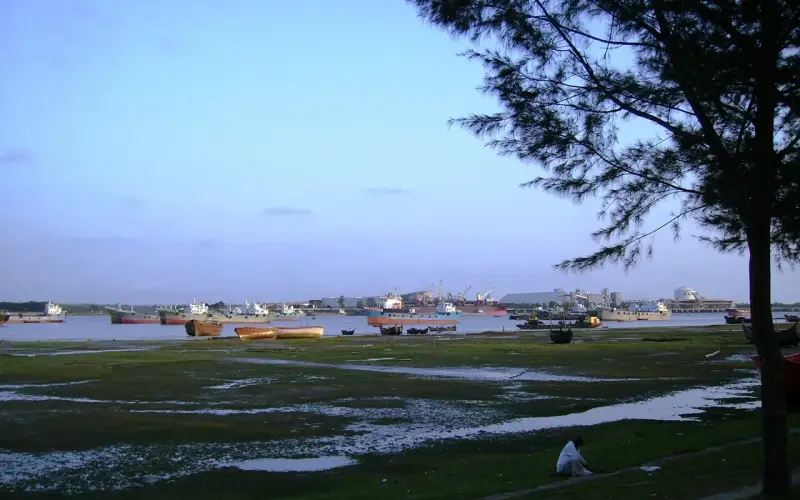 ChattogramPort city and gateway to the hills
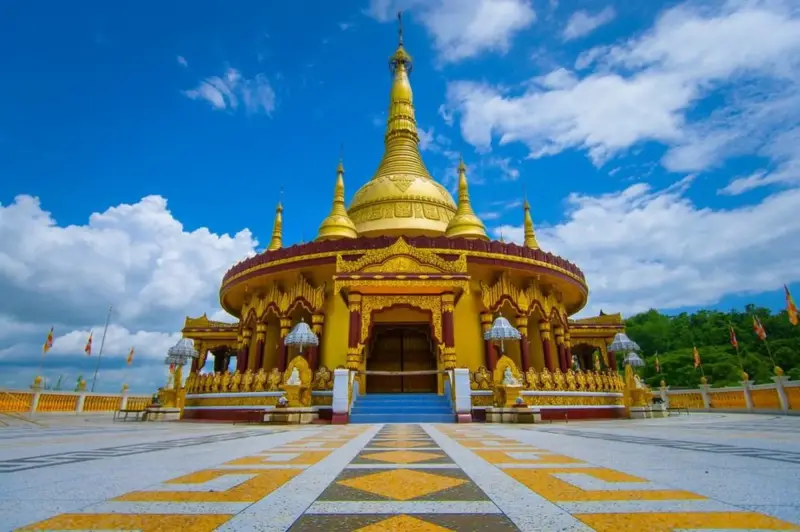 BandarbanThe highest hills in Bangladesh
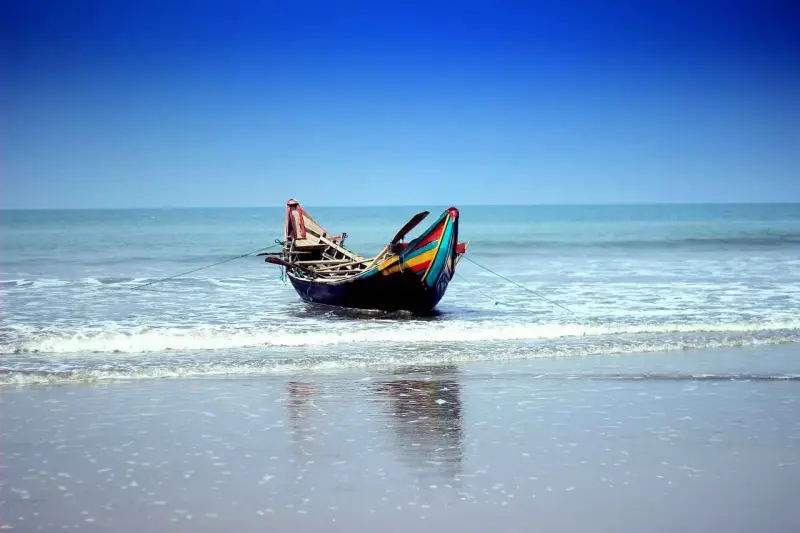 Cox's BazarOver 100 km of sea beach
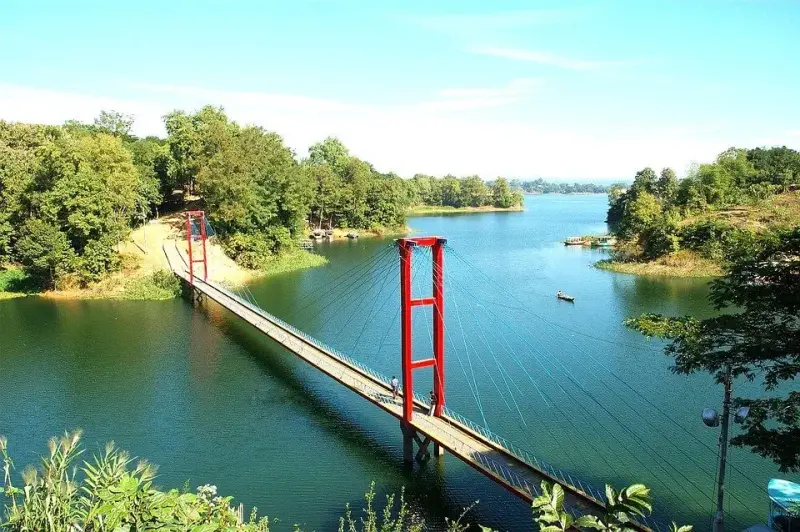 RangamatiKaptai Lake and the hills
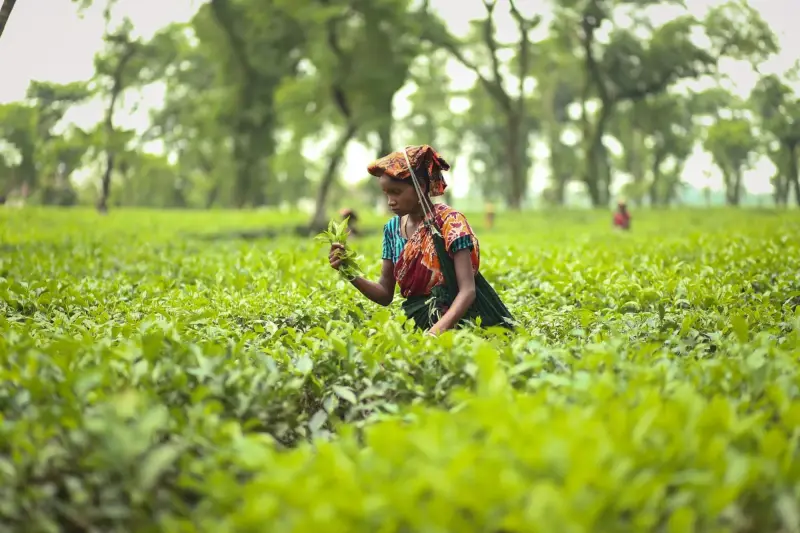 SylhetTea gardens and swamp forest
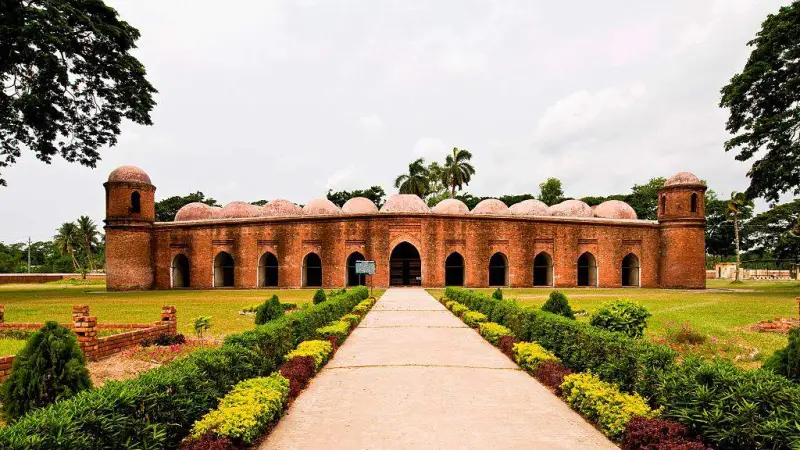 BagerhatMosque City and Sundarbans gateway
MoulvibazarSrimangal tea country
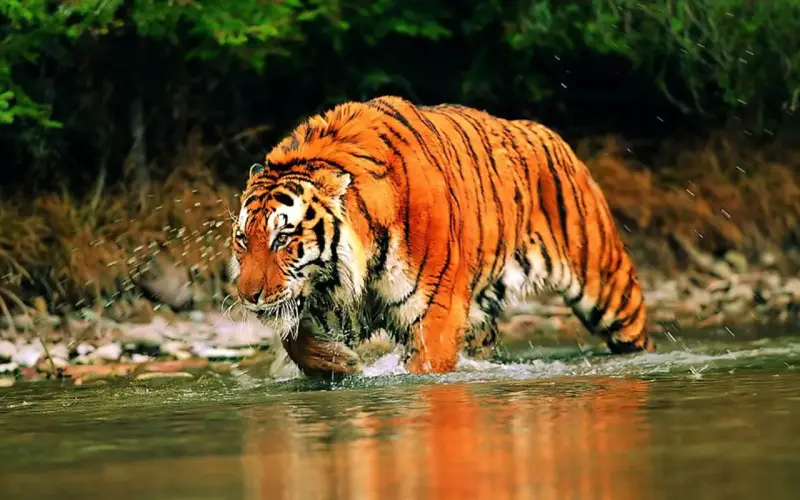 KhulnaGateway to the Sundarbans
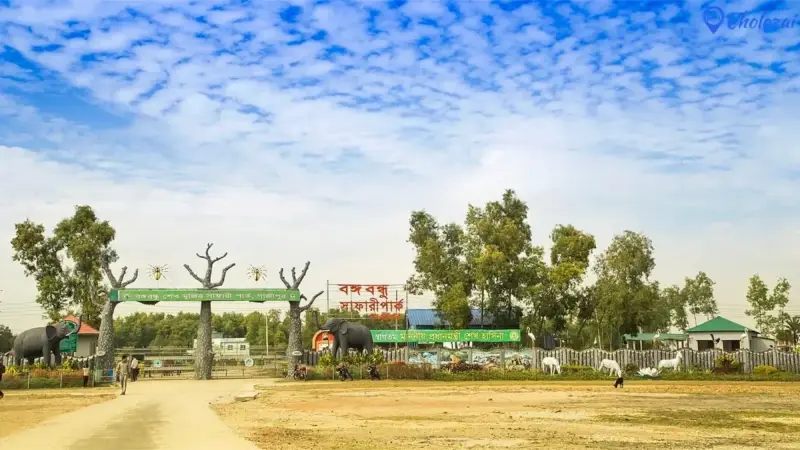 GazipurForests next to Dhaka
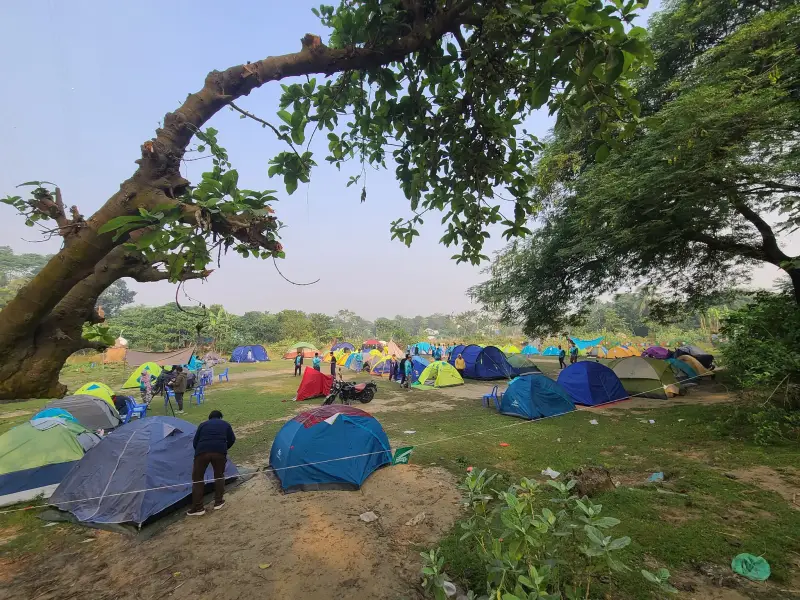 NarayanganjSonargaon and Panam Nagar
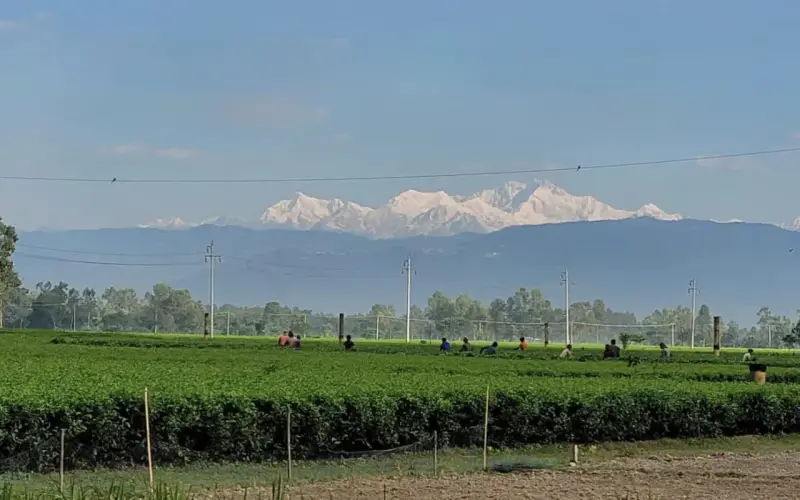 PanchagarhKanchenjunga views from Tetulia
ThakurgaonThe giant mango tree
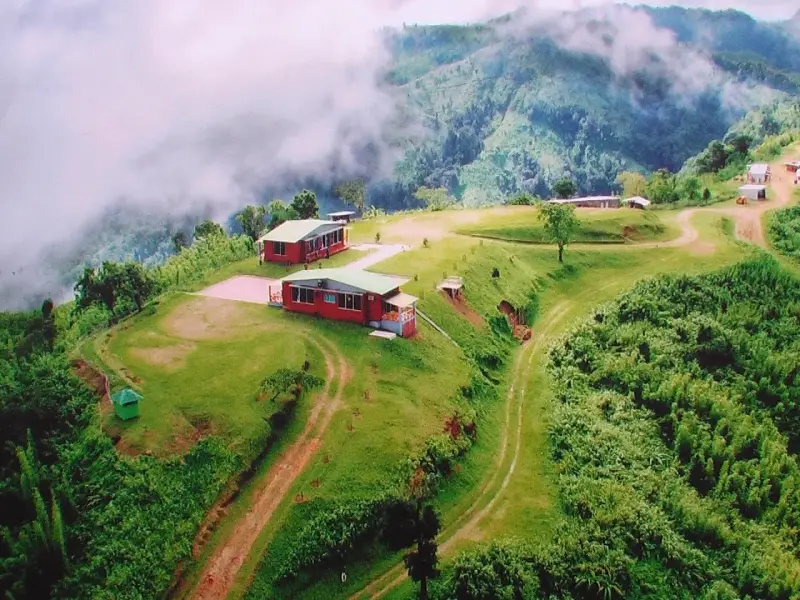 KhagrachhariCaves, falls and the road to Sajek
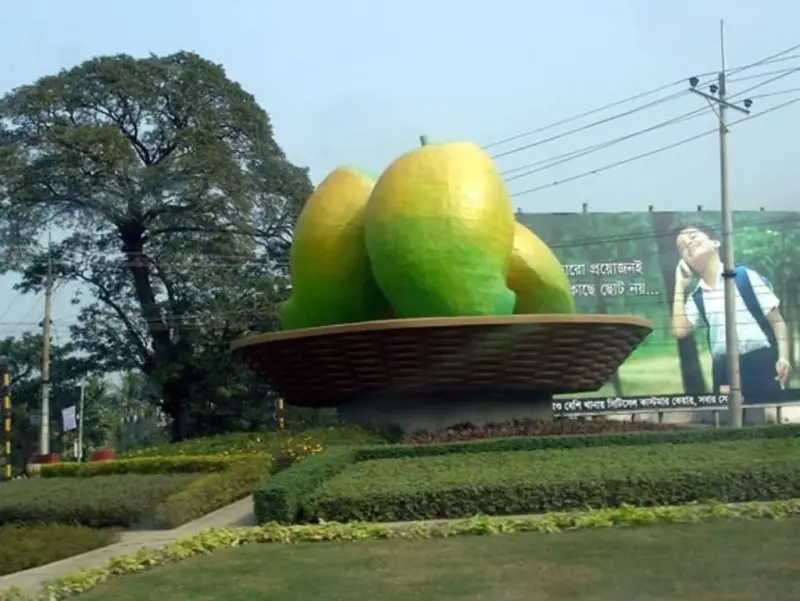 RajshahiSilk, mangoes and the Padma
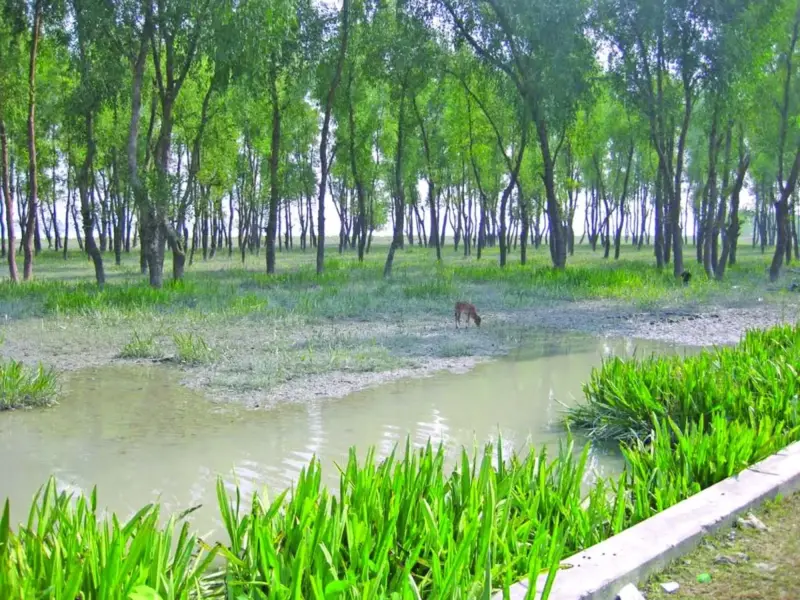 BargunaCoastal forests and quiet beaches
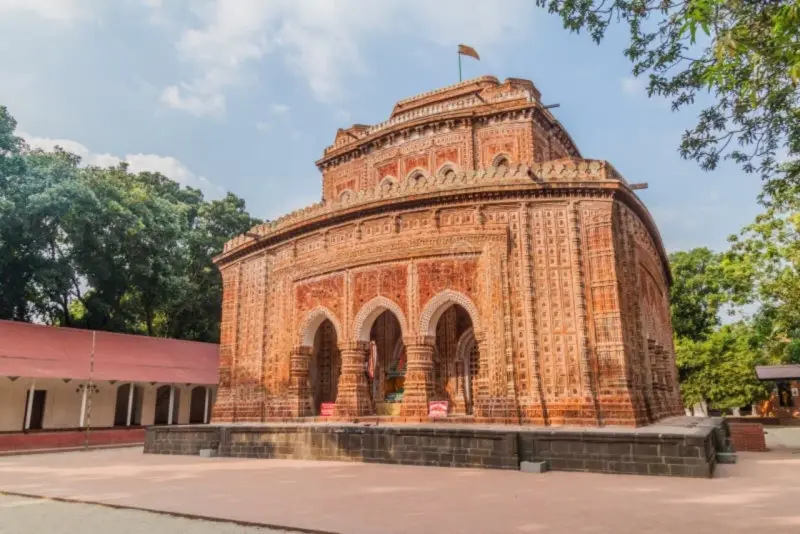 DinajpurKantajew Temple
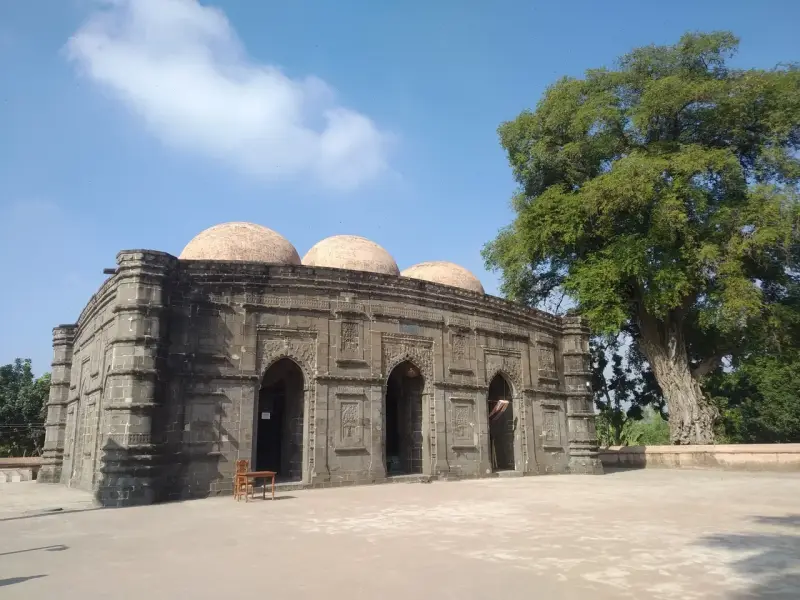 NaogaonPaharpur's great monastery
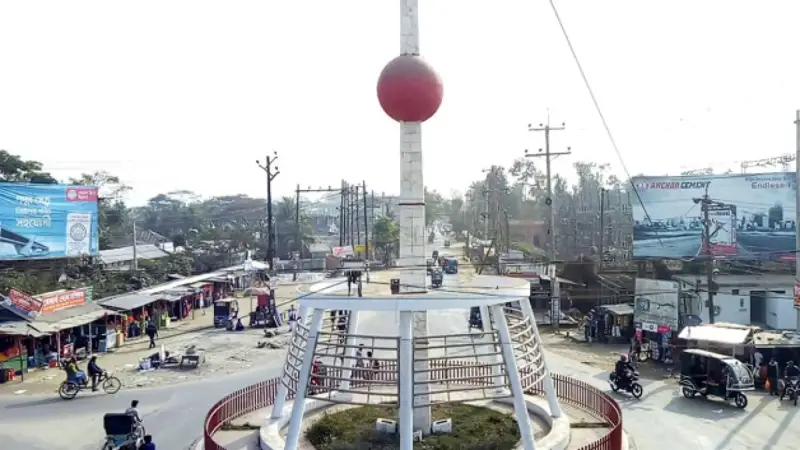 PatuakhaliKuakata, daughter of the sea
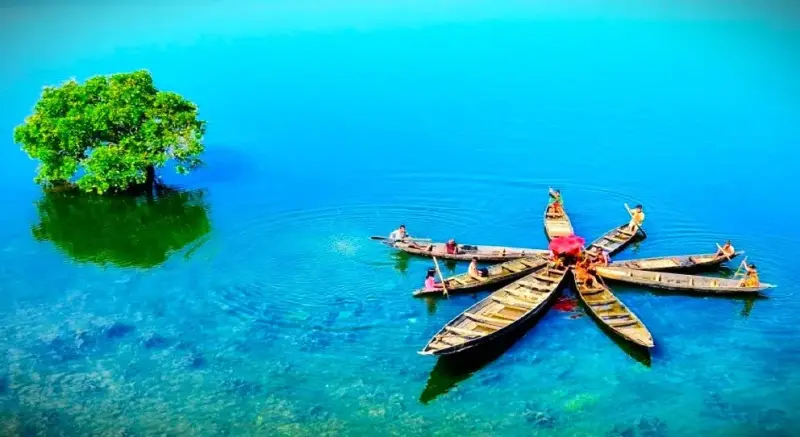 SunamganjThe haor wetlands
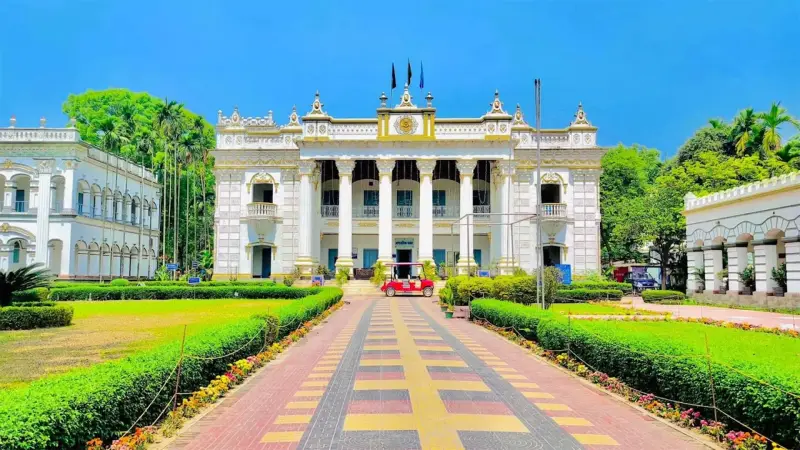 TangailSaris, sweets and Atia Mosque
Chapai NawabganjGaur and the mango capital
HabiganjForests and tea estates
NilphamariSaidpur and Nilsagar
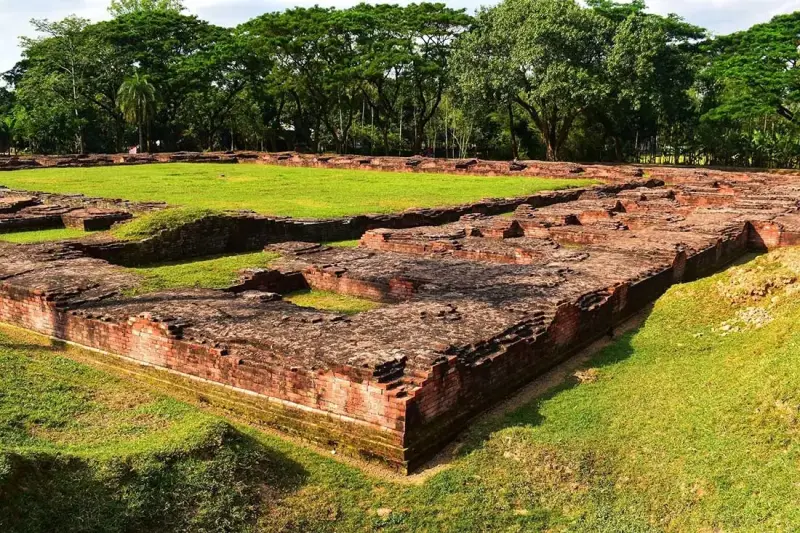 BograAncient Mahasthangarh
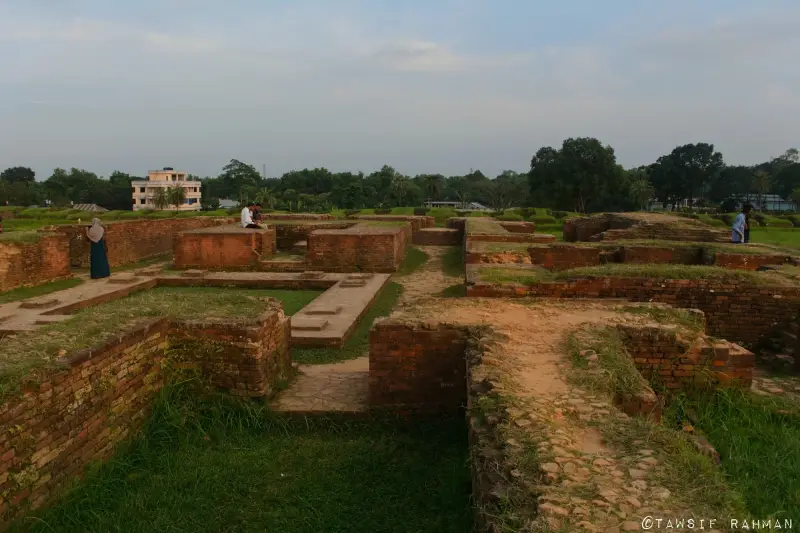 ComillaMainamati ruins
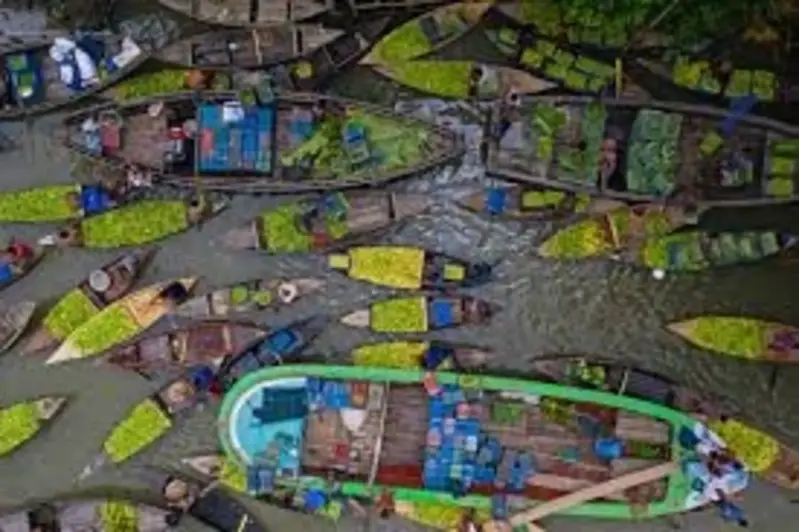 JhalokatiFloating guava markets
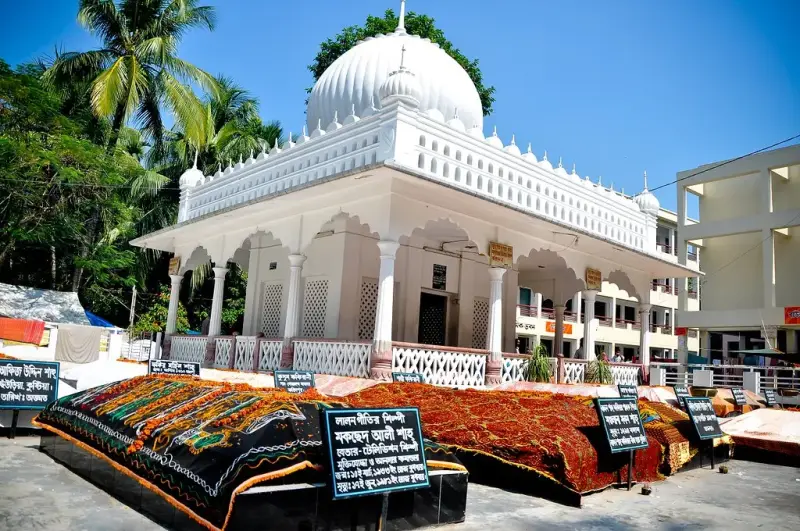 KushtiaLalon and Tagore
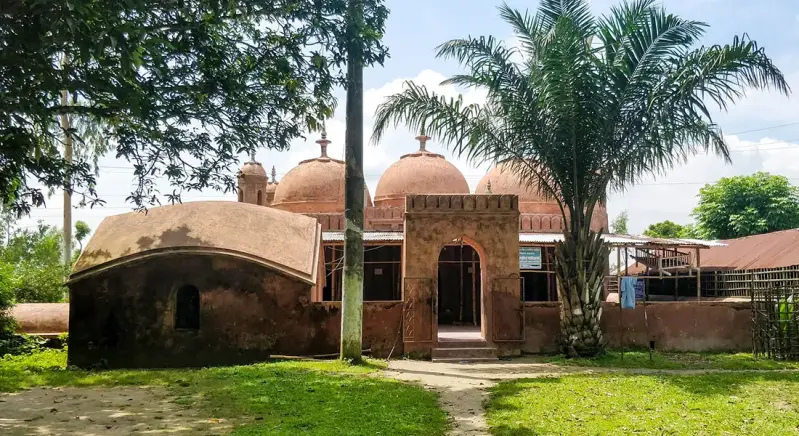 LalmonirhatTeesta Barrage and Tin Bigha
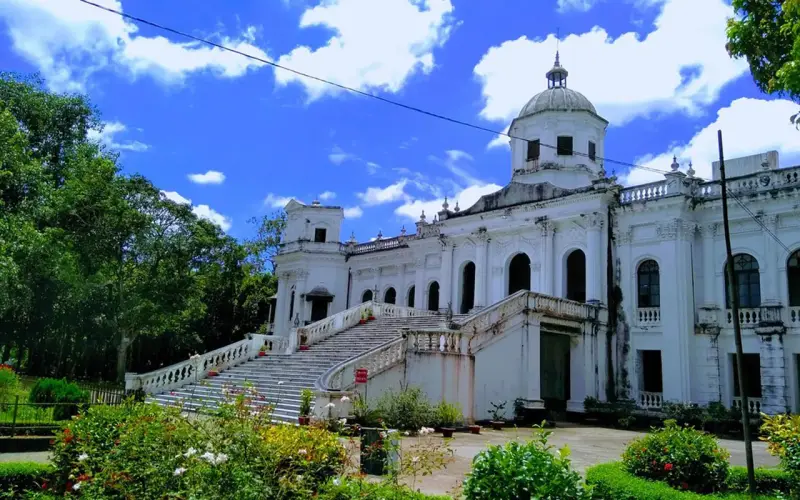 RangpurPalaces of the north
MunshiganjHistoric Bikrampur
SatkhiraWestern Sundarbans
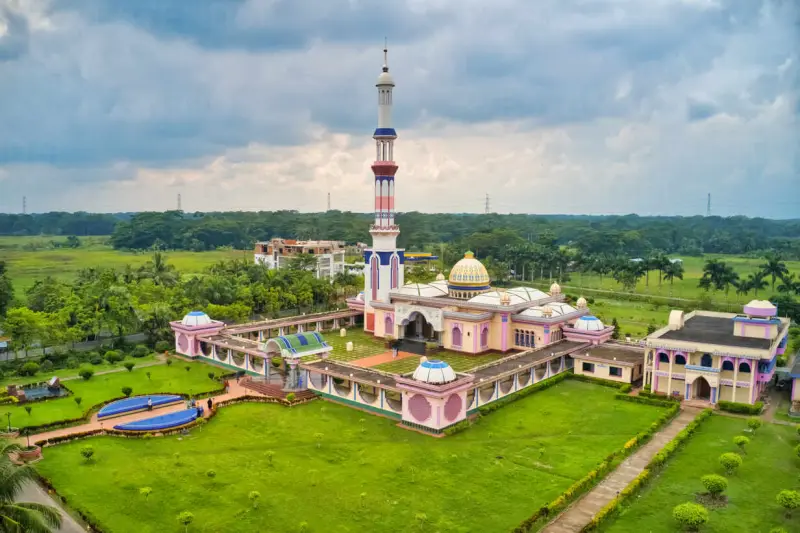 BarishalVenice of Bengal
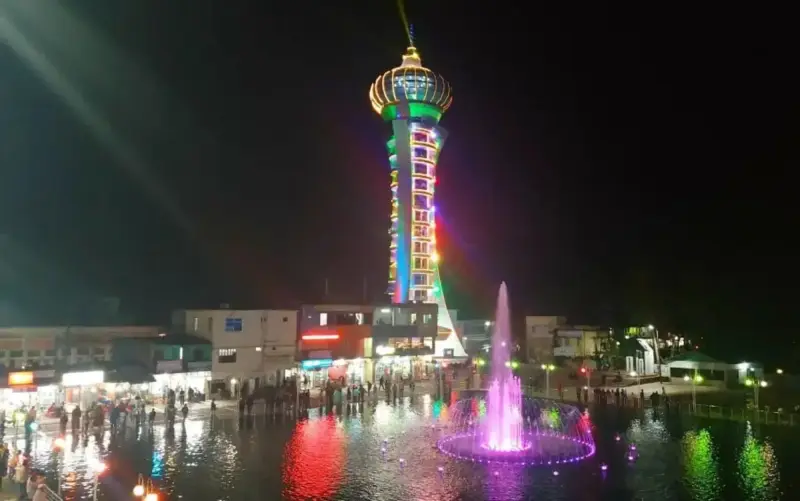 BholaBangladesh's largest island
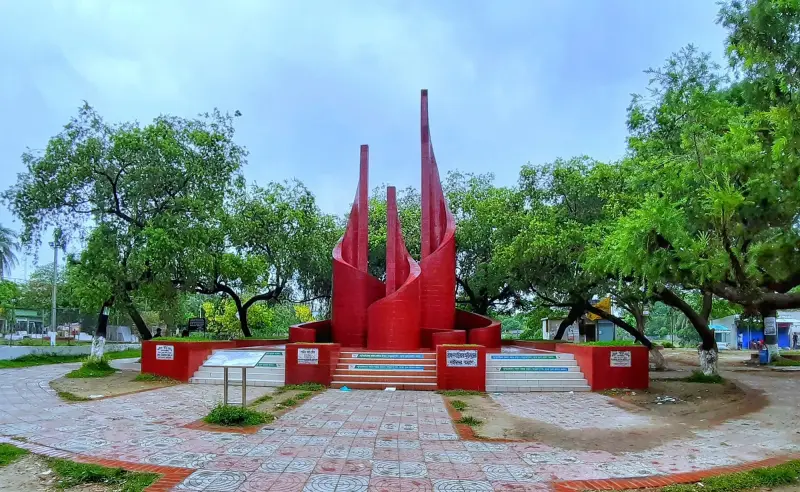 BrahmanbariaThe Titas and Akhaura
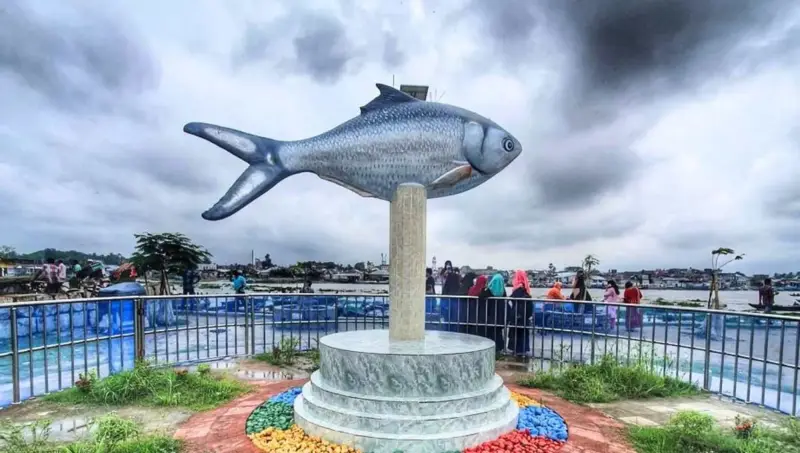 ChandpurCity of hilsa
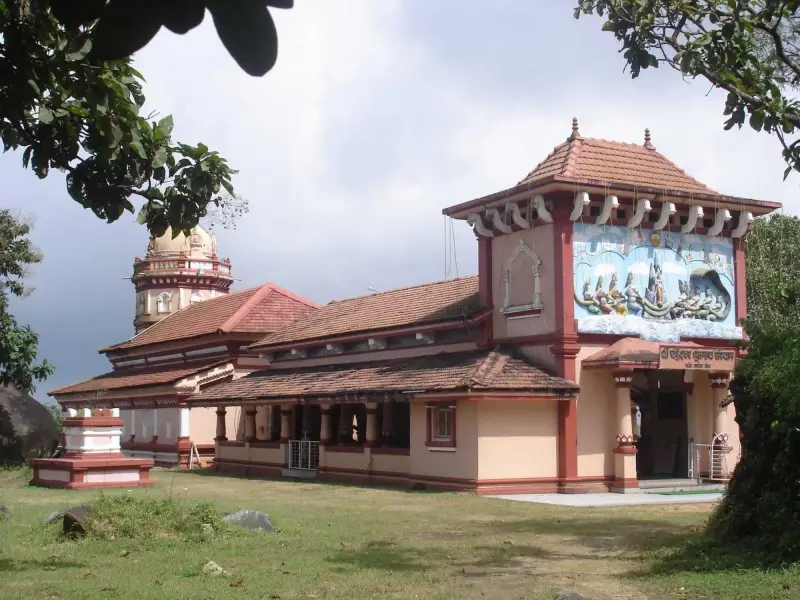 FaridpurPoet Jasimuddin's home
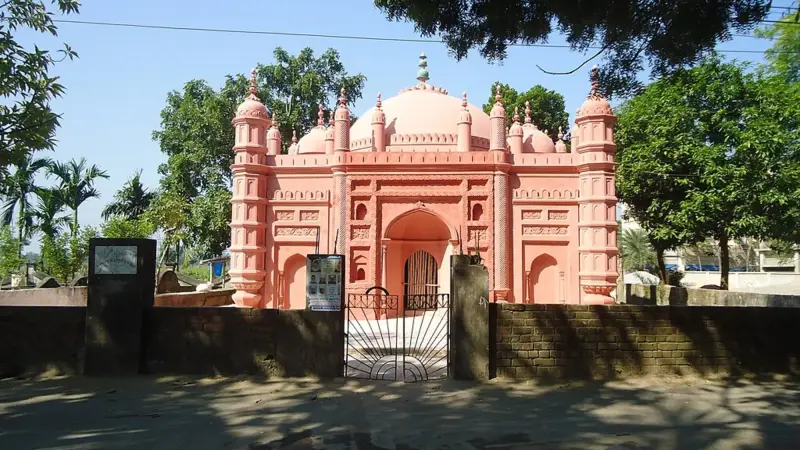 FeniMuhuri Project
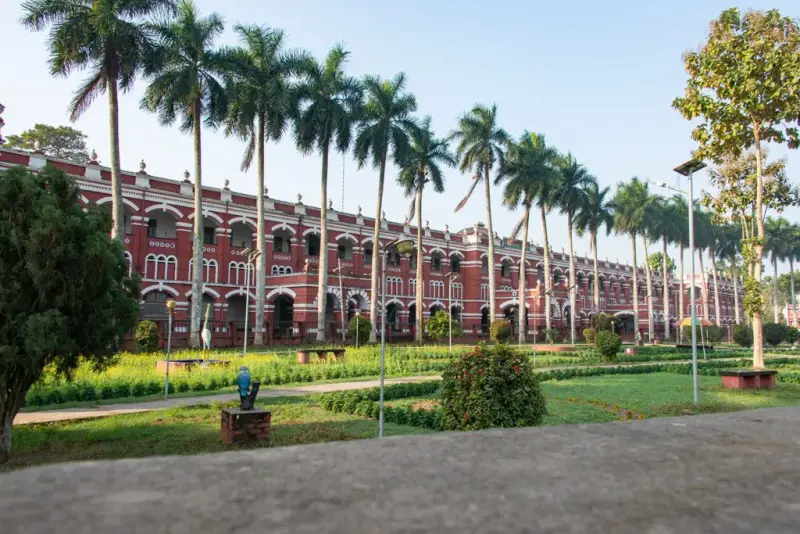 JashoreFlowers and Benapole
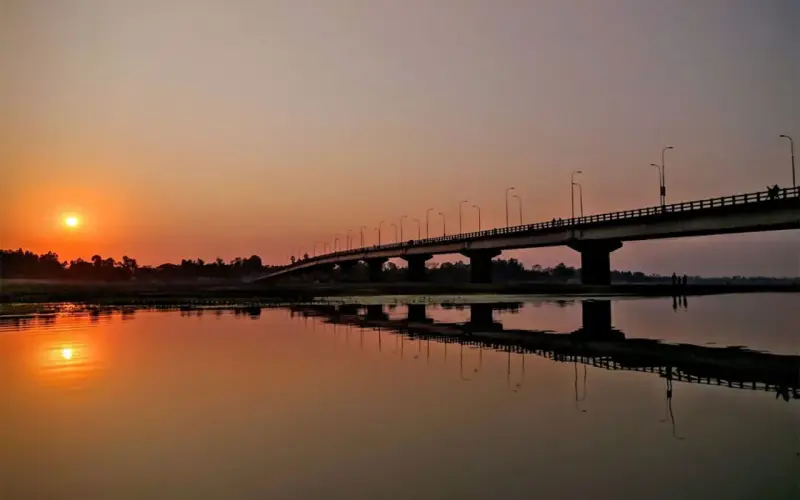 KurigramRivers and char islands
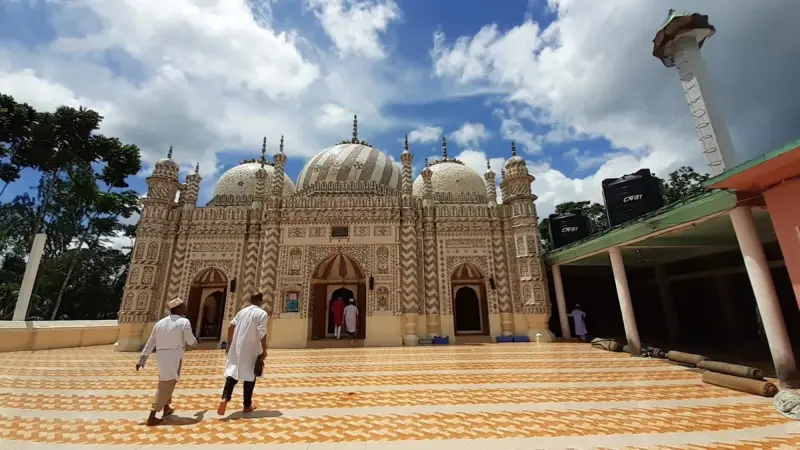 LakshmipurMeghna estuary
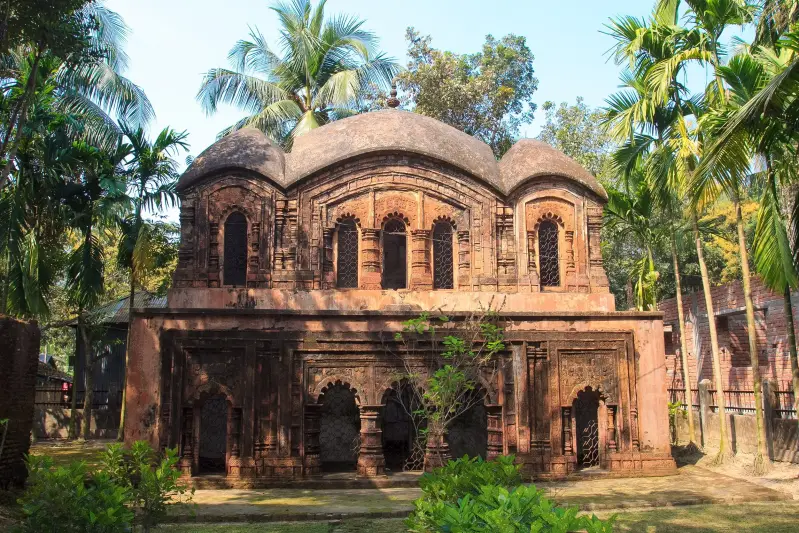 MadaripurRivers near the Padma Bridge
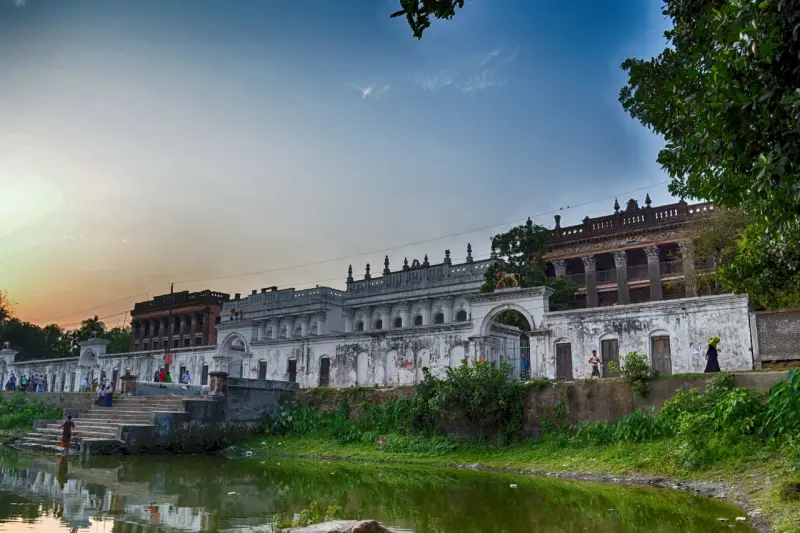 ManikganjZamindar palaces
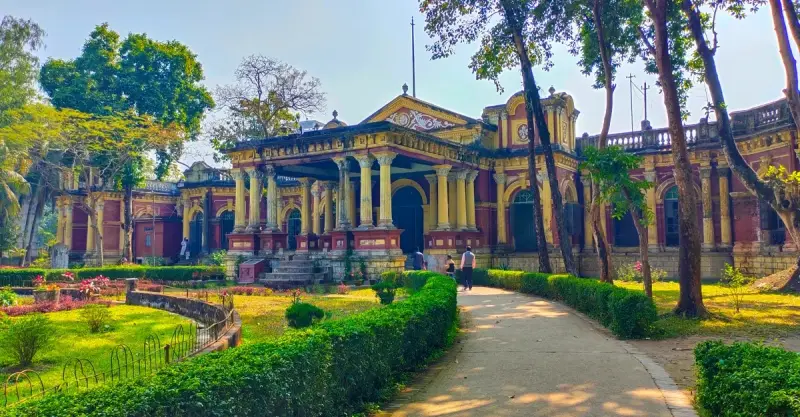 MymensinghRiver city of art and palaces
 NoakhaliNijhum Dwip
 PabnaBridges over the Padma
 PirojpurFloating markets of Swarupkathi
 SirajganjJamuna and Tagore's Shahzadpur
ChowmuhaniNoakhali's market town
ChuadangaDarshana border
GaibandhaTeesta and Brahmaputra chars
GopalganjTungipara and Orakandi
JamalpurBrahmaputra and nakshi kantha
JhenaidahAncient mosques of Barobazar
JoypurhatGateway to Paharpur
KaliakairFactory town on the Tangail road
KishoreganjHaors and Sholakia
KuakataDaughter of the sea
MeherpurMujibnagar Memorial
NarailS. M. Sultan's Chitra
NarsingdiAncient Wari-Bateshwar
NatorePalaces and Chalan Beel
NetrokonaBirishiri and the Someshwari
RajbariGoalanda and the Padma ferries
Saint Martin's IslandBangladesh's only coral island
SavarHome of the Martyrs' Memorial
ShariatpurThe Padma Bridge's south end
SherpurGaro Hills foothills
SiddhirganjBangladesh's old jute town
Sreemangal UpazilaBangladesh's tea capital
SreepurGateway to the Bhawal forest
TaraboRiver town on the Sylhet road
TongiDhaka's northern gateway
Nothing in that category yet.
Top things to do in Magura
Sights and day trips around Magura.
No things to do in Magura are listed yet. Browse all things to do
Best time to visit Magura
Dry tracks from November to February; soft ground and high rivers after June.
Dry, mild and clear: the most comfortable months for travel.
Hot and humid, with sudden evening storms (kalbaishakhi).
Heavy rain, rising rivers and green countryside; roads and ferries can be disrupted.
Avoid travelling in the days before and after the two Eid holidays, when buses, trains and launches out of Dhaka sell out.
Packages in Demand
A Journey to Remember
Tours, activities and day trips in and around this destination, with the details you need before booking.
No packages in Magura are listed yet. Browse all packages
Create Your Custom-Made Trip to Magura
Traveling to Magura? Chat with a Local Travel Specialist in Magura Who Can Help Organize Your Trip.
START HERE
Our Travel Experts are Recommended by



Magura travel tips
Visas, cash, hotels, health and etiquette for a district with few tourist services.
Visas and entry
Bangladesh entry rules
With no railway or airport, Magura is reached by bus after you enter Bangladesh at Dhaka. Visas usually need arranging ahead, with on-arrival issue for some passports. Six months' passport validity applies.
- Passport validity
- At least 6 months beyond arrival
- Confirm with
- Your nearest Bangladesh embassy or high commission
Getting there
Getting there
Magura is a 3 to 4 hour bus ride from Dhaka via the Padma Bridge, for the roughly 176 km on Asian Highway 1, which also links Khulna and Chattogram. There is no railway; the nearest station is in Jashore. Magura's nearest flights use Jashore (JSR), about 1.5 hours away.
- Nearest airport
- Jashore (JSR), about 1.5 hours
Money and costs
Cash is king
Rickshaws to the Mohammadpur ruins and meals in Magura are paid in taka. The town's bank ATMs are the place to withdraw before going out to the villages.
- Before the villages, fill your wallet in Magura.
- Agree fares to Mohammadpur first.
Health and vaccines
Water and mosquitoes
Madhumati and Nabaganga riverbanks bring mosquitoes in the wet season; repellent helps. Tap water is unsafe. From Magura, serious cases go to Khulna or Dhaka, so pack medicines and evacuation insurance.
- Hospitals
- Government district hospital in each district town
Staying safe
Roads and strikes
Asian Highway 1, which runs through Magura, is busy and risky at night; the town itself is quiet. Travel by day, check for hartals and call 999 if needed.
- Emergency number
- 999
- Avoid Asian Highway 1 after dark.
- Check for hartals.
Where to stay
Simple town hotels
Magura town has simple hotels, guesthouses and government rest houses but few restaurants, so your hotel is often the best dinner. If you travel during Eid, reserve a room first. Narail is close enough to pair with Mohammadpur if you want a second base.
- Base
- Magura town
Getting around
Rickshaws, CNGs, car
Use rickshaws in Magura town, agreeing fares first. Local transport runs to Mohammadpur, but a hired car lets you add Kanainagar without waiting for connections. Buses leave from the Central Bus Terminal, the Dhaka Road stop and Vaina More, the six-way junction, so ask where yours departs.
- Tip
- Agree fares before you set off
- Vaina More Circle
- Six-way junction; roads to Dhaka, Jashore, Jhenaidah, Narail
SIM and internet
Buy before you leave the city
Around Magura, Grameenphone has the widest rural coverage. Sign up for a SIM in Dhaka with your passport.
- Networks
- Grameenphone, Robi, Banglalink, Teletalk
Culture and etiquette
Rural and conservative
Magura is a quiet, conservative farming district. Cover up, take shoes off at mosques, temples and homes, and ask before photographing women. Fasting is observed through Ramadan, so eat indoors by day.
- Dress modestly, covering shoulders and knees
- Remove shoes at mosques, temples and homes
- Accept tea when offered
- Photographing women without asking
- Eating in public in daylight during Ramadan
Things to know before visiting Magura
The ruined capital of Raja Sitaram Ray in quiet farming country.
Why travelers love it
- Raja Sitaram Ray's palace ruins and tanks at Mohammadpur.
- The Madhumati River.
- Rural markets.
- Nabaganga riverside.
Good to know
- Facilities are basic.
- Few tourist services.
- Summer is hot.
Trip fit
BookingMentor editorial ratings out of 5, based on a first-time visitor's experience.
Jessore weather by month
April and May afternoons are very hot in Magura, winters dry and mild, and about 1,681 mm of rain a year, mostly June to September. Jashore averages stand in for Magura each month.
Climate figures are approximate long-term averages for Jessore, the nearest long-term weather station (NOAA / Bangladesh Meteorological Department 1991–2020 normals, via Wikipedia).
A day at Raja Sitaram Ray's Mohammadpur, with Kanainagar on the side
One full day covers Magura's main reason to come: the remains of Raja Sitaram Ray's capital at Mohammadpur, about 25 km from town. See the Kachharibari revenue office, the dol-manch pavilion and the great Ram Sagar tank, 2,400 by 900 feet, then the pancharatna temple at Kanainagar. Much of the palace is almost destroyed, so set expectations.
There is one main reason to come: the remains of Raja Sitaram Ray's capital at Mohammadpur, about 25 km from Magura town. Sitaram took the title of Raja in 1688, defied the Mughals and built a fortified seat here, guarded to the east by the Madhumati River. He was executed in 1714 after it fell. A full day lets you see what survives without rushing; add a second if you want the outlying temples and zamindar houses.
- The palace area: start at the Kachharibari, his old revenue office, whose terracotta plaques have worn badly but still draw visitors. Nearby stands the dol-manch, a pavilion where the raja is said to have spent his leisure hours.
- The tanks: Ram Sagar, the capital's great reservoir, measures 2,400 by 900 feet. Local tradition says the raja's family drowned in it. Padmopukur also survives. The shifting Madhumati has swallowed others, among them Sukhsagar and Krishnasagar.
- Temples: Sitaram founded a Dashabhuja temple at Mohammadpur and, after turning to Vaishnavism, a pancharatna temple at Kanainagar, west of the fort.
Set expectations honestly. The tourism ministry itself describes the palace as almost destroyed, and parts of the site have been encroached upon. The Department of Archaeology proposed protecting his treasury in 2026 as part of a survey of 68 sites, so conditions may improve. A hired car from town is the easiest way to Mohammadpur, and Narail is close enough to pair with it.
The nearest railway is in Jashore, which also has flights from Dhaka; Jhenaidah lies west along the highway.
Dry tracks from November to February, then spring heat and high rivers
Plan Magura for the dry season, November to February, when the tracks around the Mohammadpur ruins are dry and January afternoons reach about 25°C. Rain totals about 1,681 mm, mostly June to September, and October is a lush shoulder month.
The Mohammadpur ruins are scattered across farmland and tank banks, so the deciding factor is the state of the ground. That is the time to go.
March brings the heat in a rush. A day walking between unshaded ruins becomes punishing. If you must travel then, be at the site by eight and back in town before noon.
Annual rainfall in the district is close to 1,681 mm, most of it between June and September. Both the Madhumati and the Nabaganga swell. Field paths around Ram Sagar turn soft and rural roads slow down. Riverbank erosion is a real force here: it has already claimed several of Sitaram's tanks.
October is a reasonable shoulder month.
Festival dates follow the Bengali and lunar calendars and shift each year. If you hope to see the Siddheshwari Kali Temple during a puja, ask in town a few days ahead.
Nabaganga fish, Siddheshwari Kali Temple and Magura's poets
Magura eats fish from the Nabaganga and the Kumar, with rice and dal at almost every rice-hotel meal, plus milk and fruit from the villages. With few restaurants, your hotel is often the best dinner, so carry snacks to Mohammadpur. At the Siddheshwari Kali Temple, remove shoes and ask before photographing.
Two rivers write the menu. Fish from the Nabaganga and the Kumar, plus the farms dug along their wetlands, fills the town markets every morning. In a local rice hotel that means fish curry with rice and dal at almost every meal. Milk and seasonal fruit come in from the surrounding villages. Village fairs through the year are where you will see the region's produce at its most varied.
With few dedicated restaurants, your hotel is often the best bet for a reliable dinner. Carry snacks and water when heading out to Mohammadpur.
Roughly 84 percent of the district is Muslim, with Hindus making up 15.69 percent. The Siddheshwari Kali Temple in town is the most important Hindu shrine to visit. Remove shoes before entering, dress modestly, and ask before taking photographs inside. The same applies at the temple sites at Mohammadpur and Kanainagar, where you may find local worshippers.
Magura also has literary pride. The ancestral homes of the poets Farrukh Ahmad and Jatindramohan Bagchi are among the district's listed heritage sites. Mentioning them is an easy way to start a conversation.
History runs deep in conversation here too. The indigo revolt of 1860, when farmers rose against the planters, played out partly in this district.
Travelers are asking
An 18th-century zamindar who built a fortified capital at Mohammadpur.
Our travel desk answers questions about Magura
How we research this guide
Bus services, the state of the Mohammadpur ruins and Department of Archaeology protection plans are what we watch in Magura. The Jashore station and the Bangladesh National Portal fill in.
Last updated . Spotted something out of date? Tell us.
Checked against trusted sources:
Bangladesh Meteorological DepartmentBangladesh National Portal

Before You Go...
Discover Trips & Info
A Travel Network Connection Travelers and locals
Incredible Event & Festival, Don't Miss!
Most Popular Event & Festival of Magura
Festivals and events in this destination, with dates, venues and ticket details where available.
No upcoming festivals or events in Magura are listed right now. Browse all events
Memorable Experiences
Where to Go (& NOT Go) In Magura!
Roaming the World one Adventure at a Time: Travel Tales, Tips, and Inspiration for wanderlusters.
Subscriber
Popular car hire destinations
Explore more options to hire a car for cheap
Frequently Asked Questions (FAQs)
Mohammadpur's ruins and the bus from Dhaka.
Timing & weather
November to February, when the weather is dry and mild. The monsoon from June to September brings heavy rain.
April is the warmest month in Magura, with average highs of 36°C, and January the coolest, with lows of 11°C. July is the wettest month, at about 370 mm of rain; December is the driest. April and May afternoons are very hot in Magura, winters dry and mild, and about 1,681 mm of rain a year, mostly June to September.
Getting there
Take a bus from Dhaka via the Padma Bridge, about 3 to 4 hours for the roughly 176 km.
General
Magura is known for the ruins of Raja Sitaram Ray's capital at Mohammadpur, the Madhumati and Nabaganga rivers and the Siddheshwari Kali Temple.
A raja who took the title in 1688, defied the Mughals and built a fortified capital at Mohammadpur, about 25 km from Magura town; he was executed in 1714.
The worn Kachharibari revenue office, the dol-manch pavilion, the Ram Sagar and Padmopukur tanks and temples, though the palace itself is almost destroyed.
2,400 by 900 feet, the great reservoir of Sitaram's capital.
No. The nearest station is in Jashore, and buses on Asian Highway 1 connect Magura with Dhaka, Khulna and Chattogram.
The most important Hindu shrine in Magura town; remove shoes, dress modestly and ask before photographing inside.
Farrukh Ahmad and Jatindramohan Bagchi, whose ancestral homes are listed heritage sites.
Magura's main junction, where six roads meet towards Dhaka, Jhenaidah, Khulna, Sreepur and Narail.
Use rickshaws in Magura town, agreeing fares first. Local transport runs to Mohammadpur, but a hired car lets you add Kanainagar without waiting for connections. Buses leave from the Central Bus Terminal, the Dhaka Road stop and Vaina More, the six-way junction, so ask where yours departs.
Prices & payment
Daily travel costs in Magura are very good value. Simple hotels outside the big cities.
Visa & documents
With no railway or airport, Magura is reached by bus after you enter Bangladesh at Dhaka. Visas usually need arranging ahead, with on-arrival issue for some passports. Six months' passport validity applies.
Health & safety
Asian Highway 1, which runs through Magura, is busy and risky at night; the town itself is quiet. Travel by day, check for hartals and call 999 if needed.

 Plan your trip with AI