

Mongolia travel guide
Land of the eternal blue sky.
Wide-open landscapes, horses and nomad culture draw adventurous travelers to Mongolia. Visit June to September. Many nationalities can visit visa-free for up to 30 days; most trips are organised overland tours. Day-to-day costs are moderate, though tours set most of the budget.
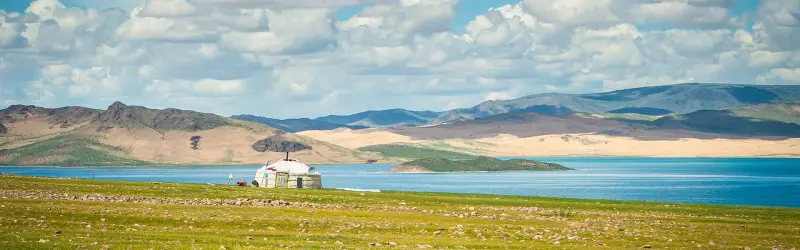
Mongolia, between Russia and China, is one of the world's least densely populated countries, a land of vast steppe, mountains and the Gobi Desert. Around a third of its people still live a nomadic or semi-nomadic life, herding horses, sheep, goats, yaks and camels and living in gers (yurts).
Ulaanbaatar, the capital, has the Gandan Monastery and the Chinggis Khaan Museum. Travelers head to Terelj National Park, the Orkhon Valley and the old capital Karakorum (both UNESCO-listed), the dunes and flaming cliffs of the Gobi, and the lakes of the far north such as Khövsgöl. The Naadam festival in July celebrates wrestling, horse racing and archery.
Best experiences in Mongolia
Find your kind of trip: 13 travel themes, each with the packages in Mongolia.
Mongolia at a glance
The world's most sparsely populated country, where cash rules outside Ulaanbaatar and most trips start there.
Explore other countries
Pick a place by travel style: beaches, nature, cities, heritage, hills, islands, desert.
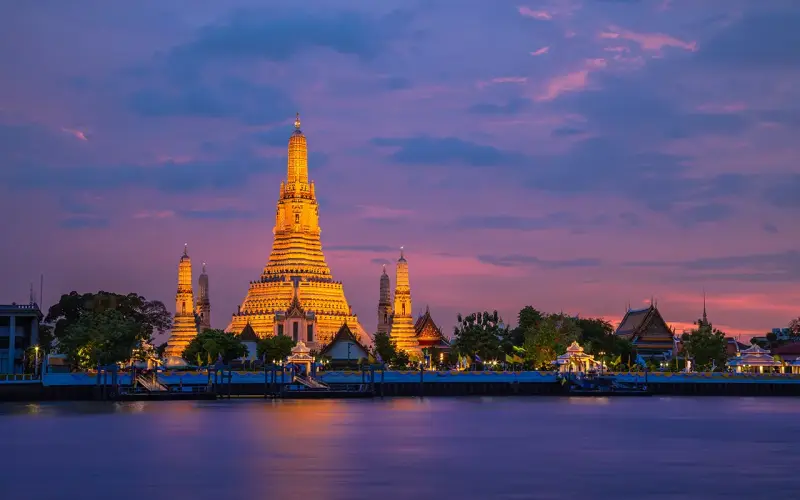 ThailandTemples, street food and tropical islands
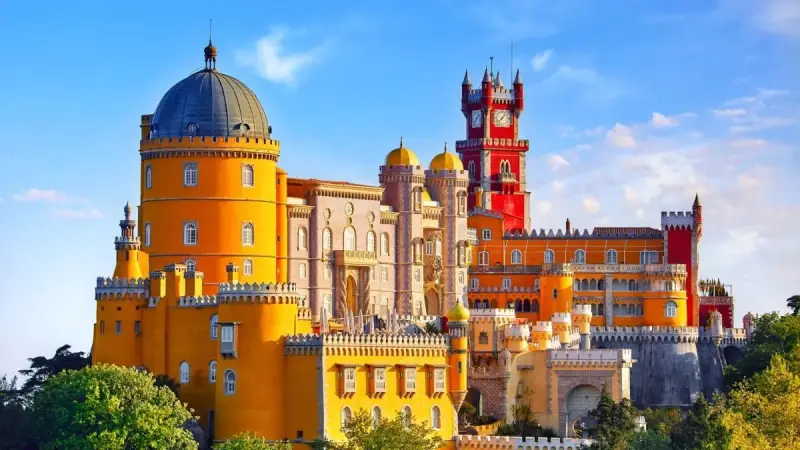 PortugalLisbon, Porto, the Algarve and island escapes
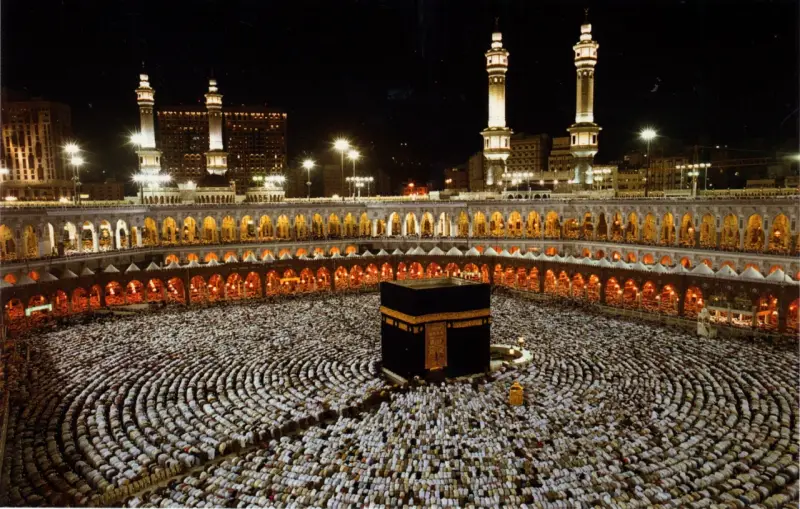 Saudi ArabiaAlUla, Red Sea coast and Arabian heritage
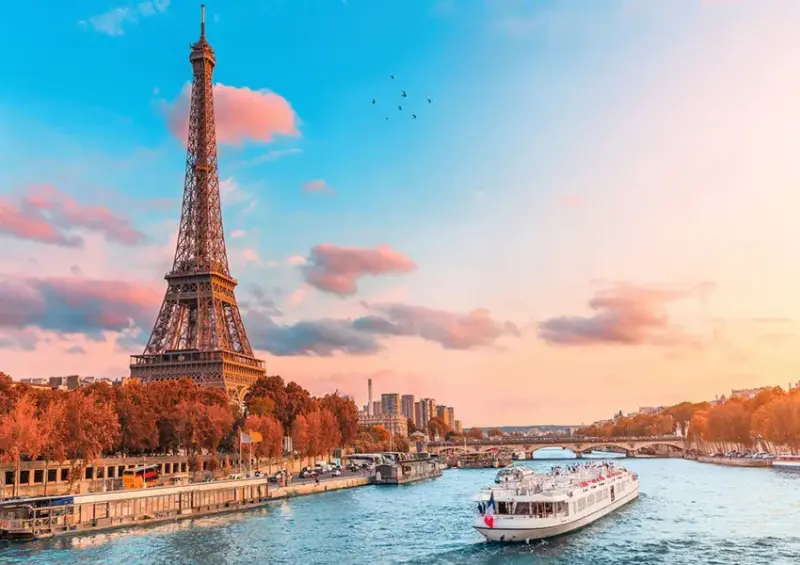 FranceParis, the Riviera, châteaux and Alpine peaks
 United StatesGreat cities, national parks and road trips
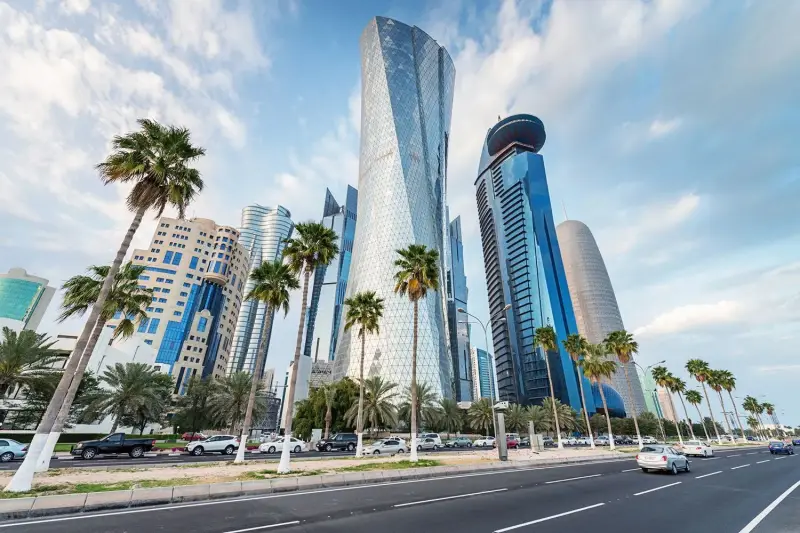 QatarDoha's museums, souqs and desert dunes
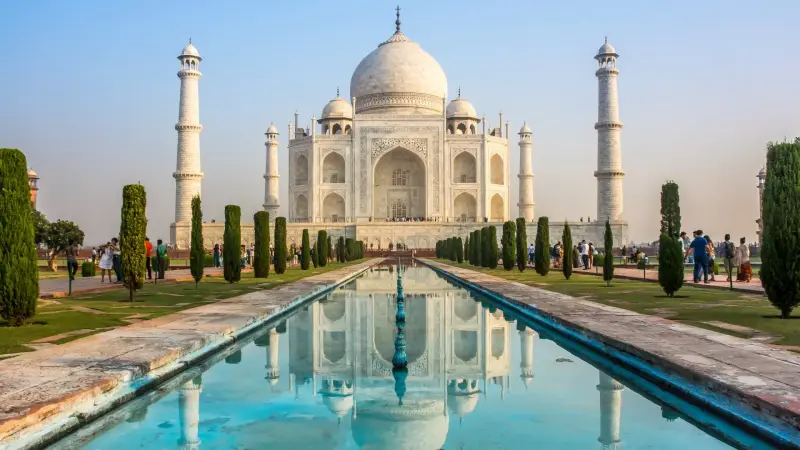 IndiaPalaces, temples, Himalaya and backwaters
 Sri LankaAncient cities, tea hills, wildlife and beaches
 ChinaThe Great Wall, ancient capitals and mega-cities
 United KingdomLondon, castles, highlands and country villages
 TurkeyIstanbul, Cappadocia and the Turquoise Coast
 United Arab EmiratesDubai, Abu Dhabi and desert adventures
 ItalyRome, Renaissance cities, lakes and coastlines
 EgyptPyramids, Nile temples and Red Sea reefs
 JapanTokyo, Kyoto's temples and Mount Fuji
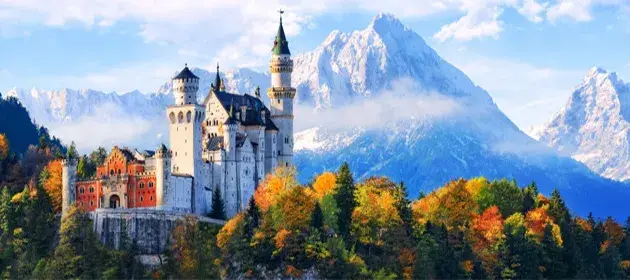 GermanyBerlin, castles, the Rhine and the Alps
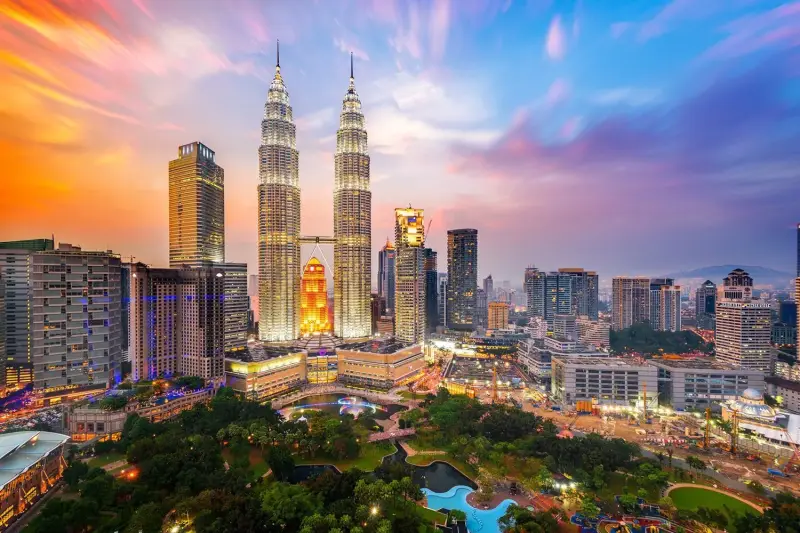 MalaysiaKuala Lumpur, rainforest, islands and street food
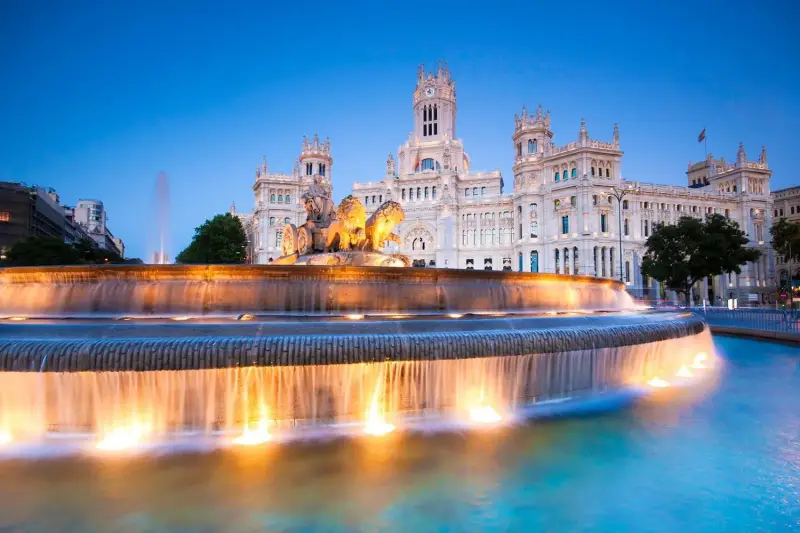 SpainBeaches, tapas, flamenco and Gaudí
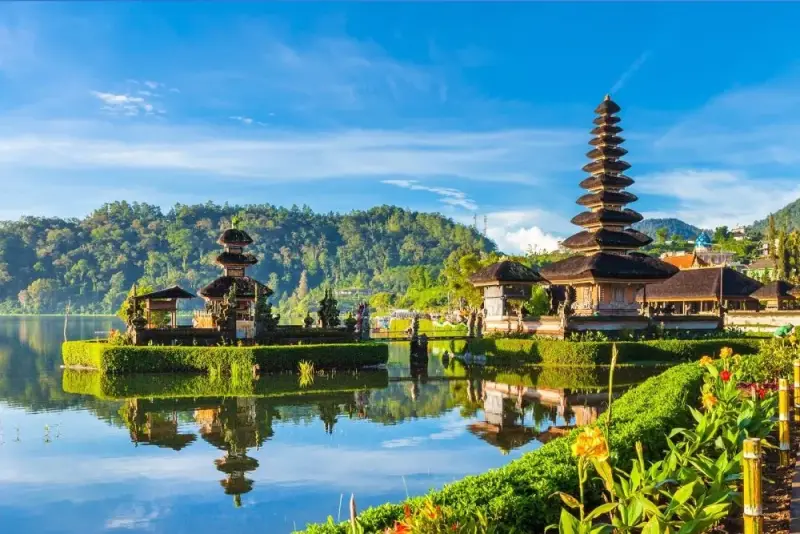 IndonesiaBali, Komodo, Borobudur and 17,000 islands
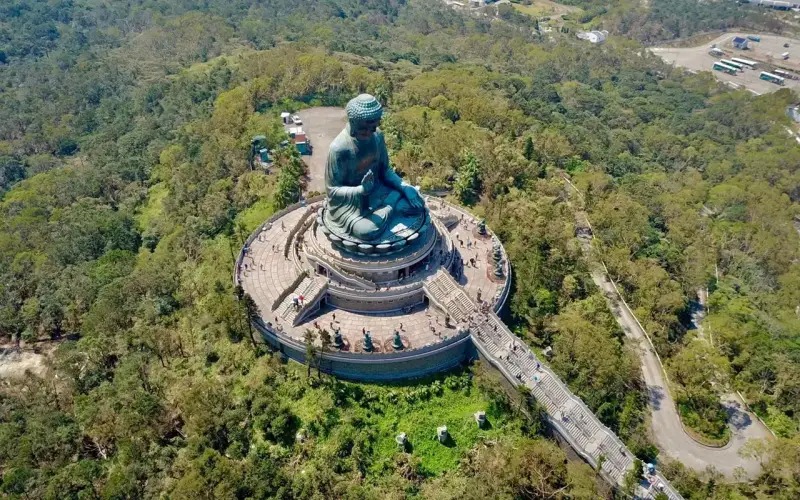 Hong KongSkyline, harbor, dim sum and hiking trails
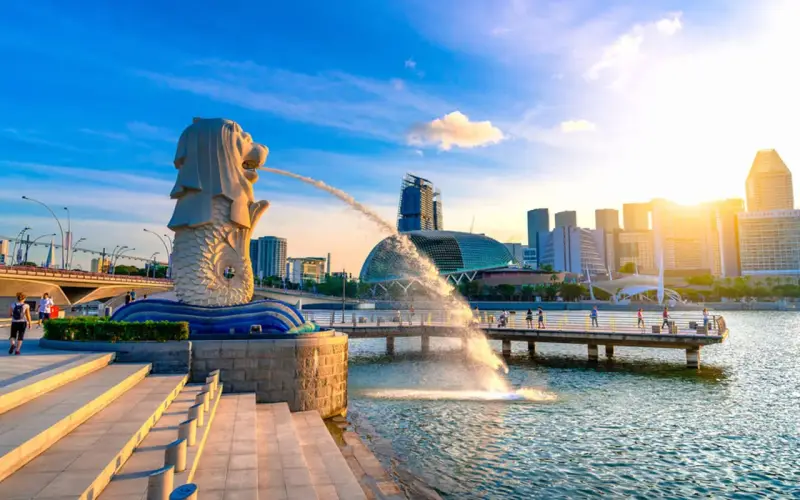 SingaporeGardens, hawker food and a dazzling skyline
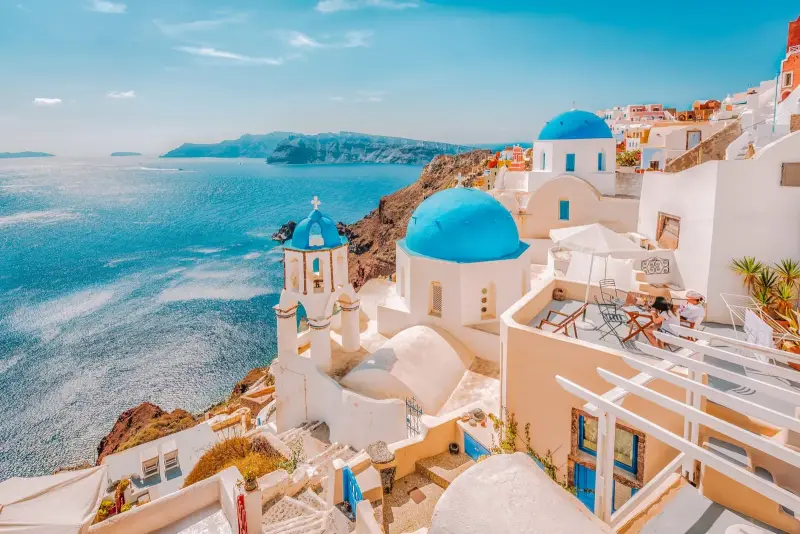 GreeceAncient wonders and Aegean islands
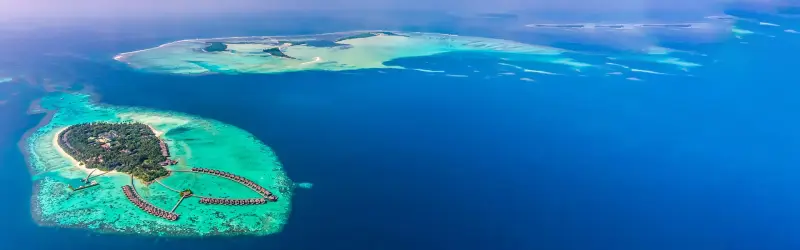 MaldivesOverwater villas and coral atolls
 VietnamHa Long Bay, Hoi An and street food
 BrazilRio, the Amazon, Iguaçu and endless beaches
 AustraliaReef, outback, beaches and laid-back cities
 South KoreaSeoul's palaces, K-culture and mountain temples
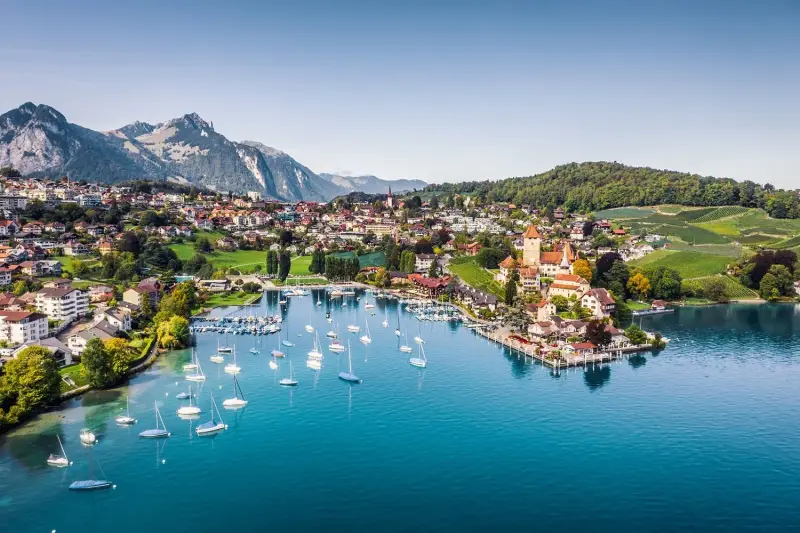 SwitzerlandAlps, lakes, trains and chocolate
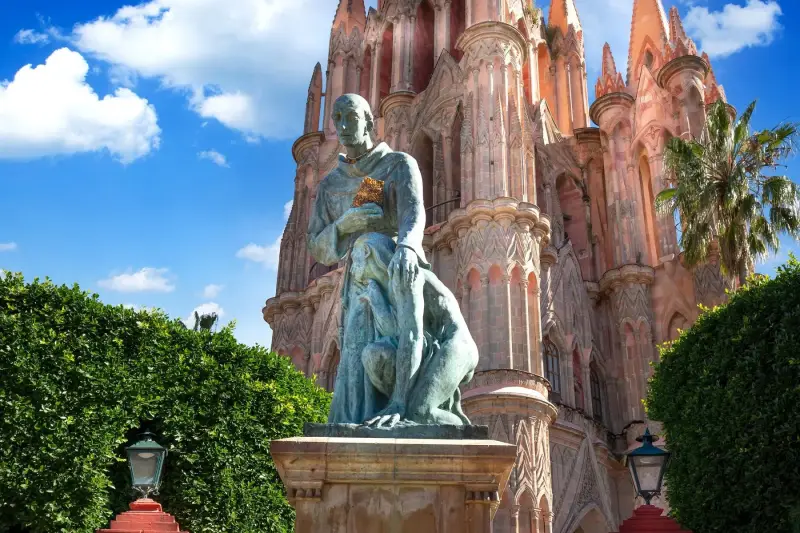 MexicoMaya ruins, Caribbean beaches and Mexico City
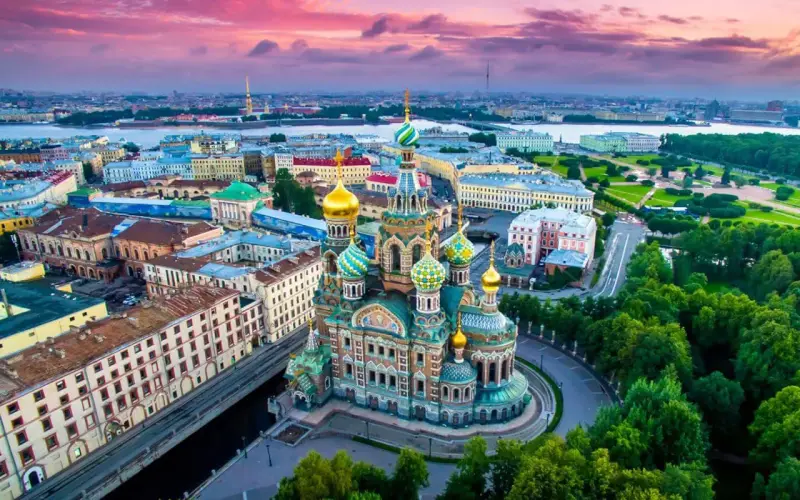 RussiaMoscow, St Petersburg and vast landscapes
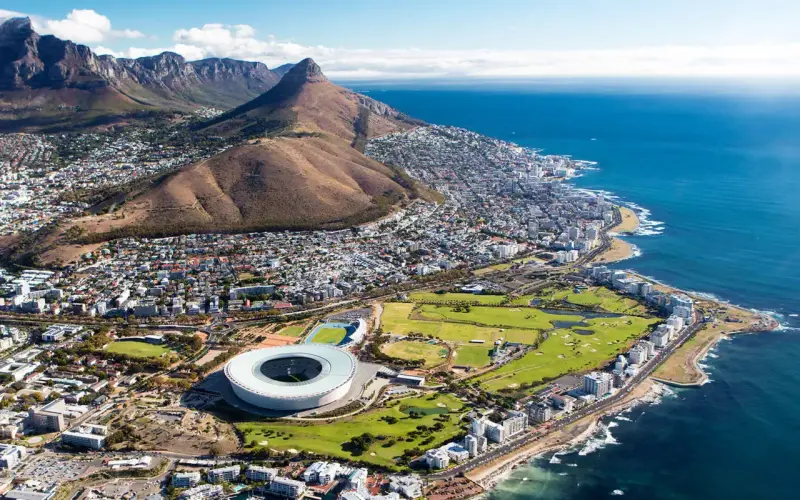 South AfricaSafaris, Cape Town and the Garden Route
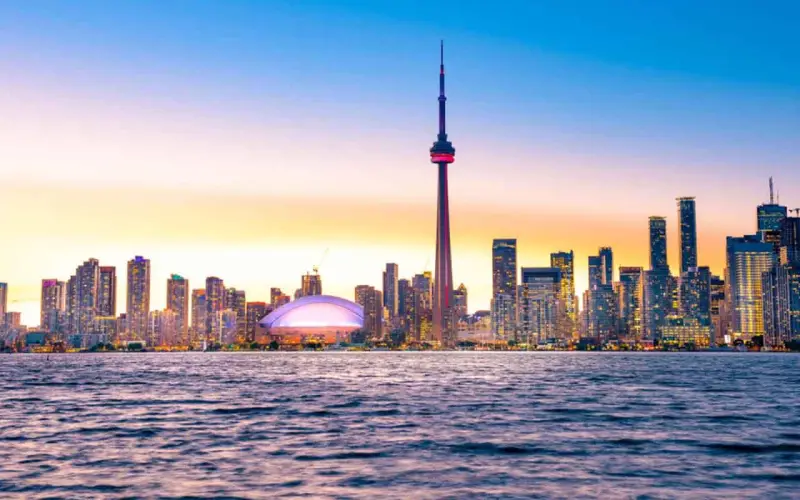 CanadaRockies, lakes, wildlife and friendly cities
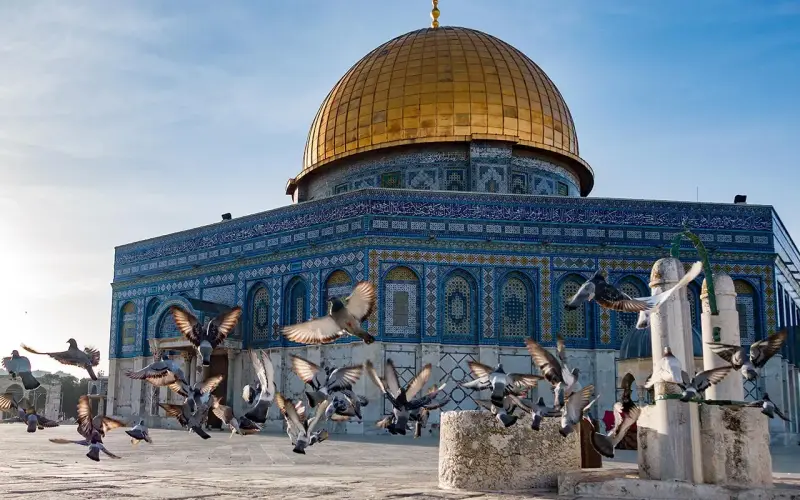 PalestineBethlehem, Jericho and ancient holy sites
 TaiwanNight markets, mountains and Taipei 101
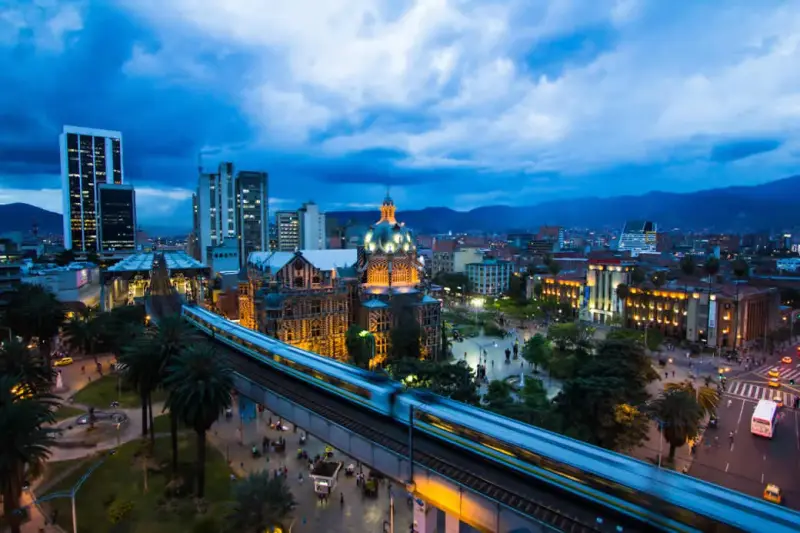 ColombiaCaribbean coast, coffee country and Andean cities
 Philippines7,000 islands of beaches, reefs and rice terraces
 CambodiaAngkor's temples, river life and islands
 IsraelJerusalem, the Dead Sea and Tel Aviv beaches
 NetherlandsCanals, bikes, tulips and Dutch masters
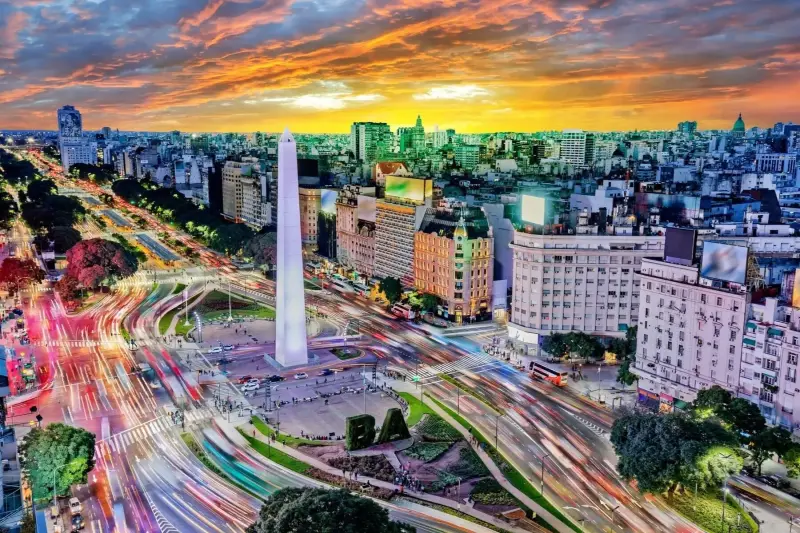 ArgentinaTango, glaciers, waterfalls and the Andes
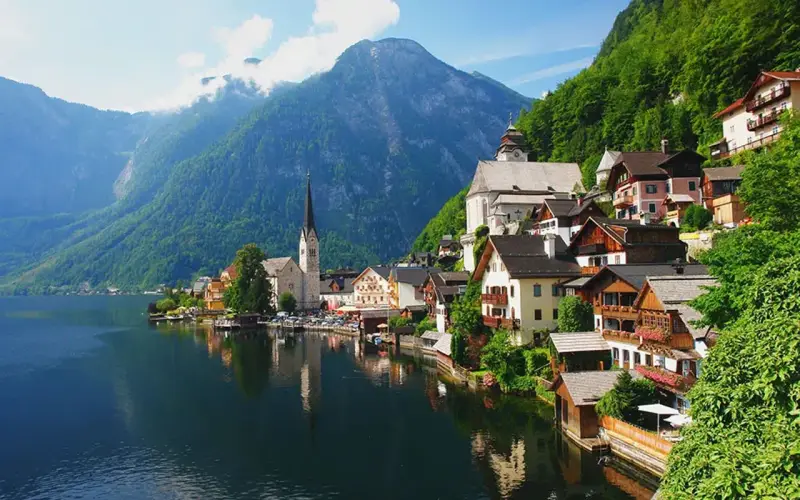 AustriaVienna's palaces, Alpine villages and music
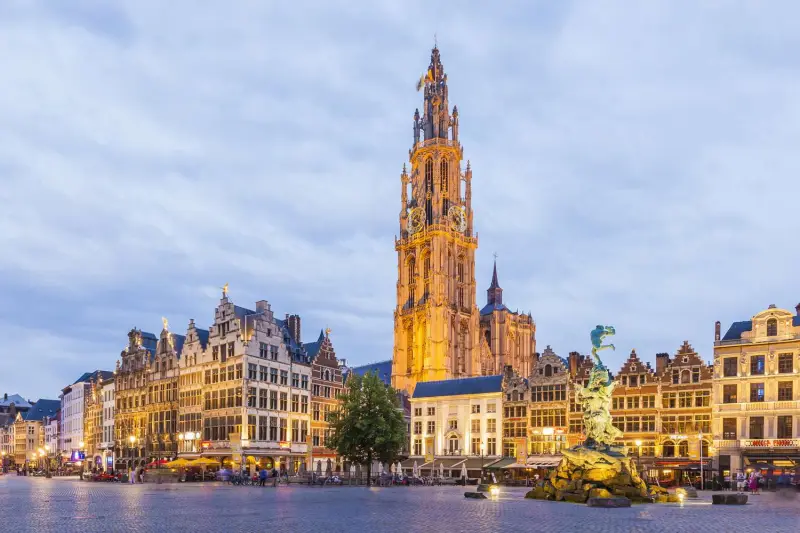 BelgiumMedieval towns, art, chocolate and beer
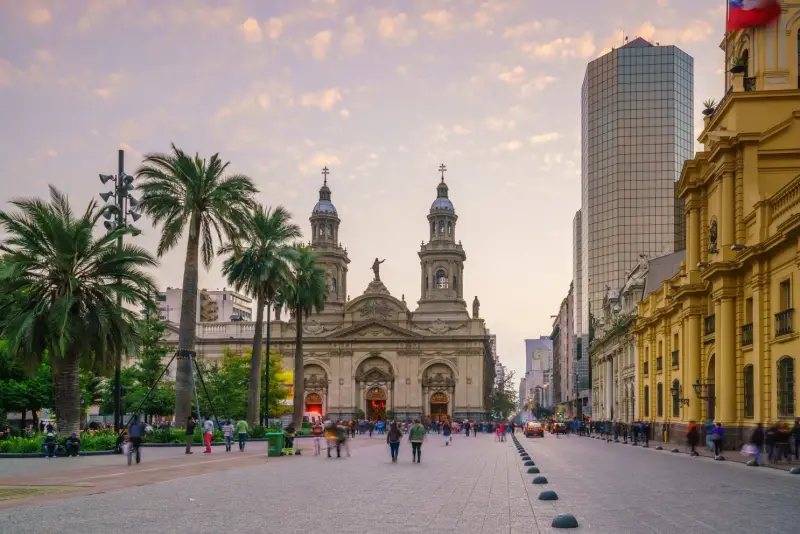 ChilePatagonia, the Atacama and the Andes
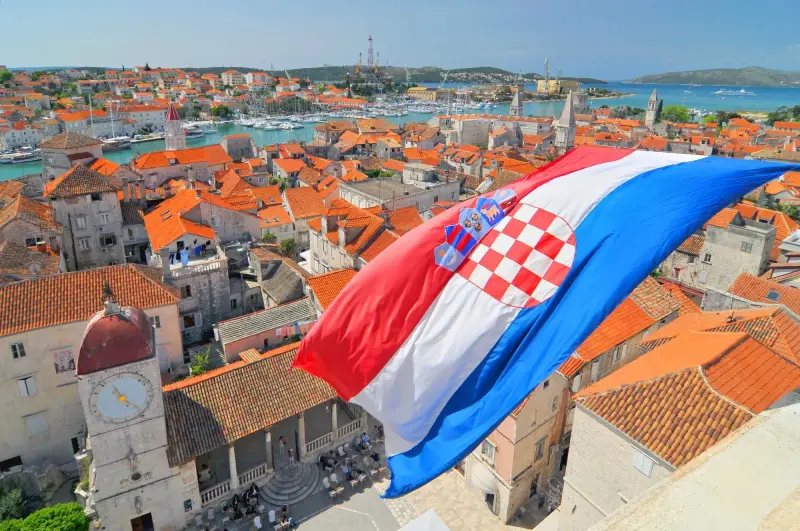 CroatiaAdriatic islands, walled towns and lakes
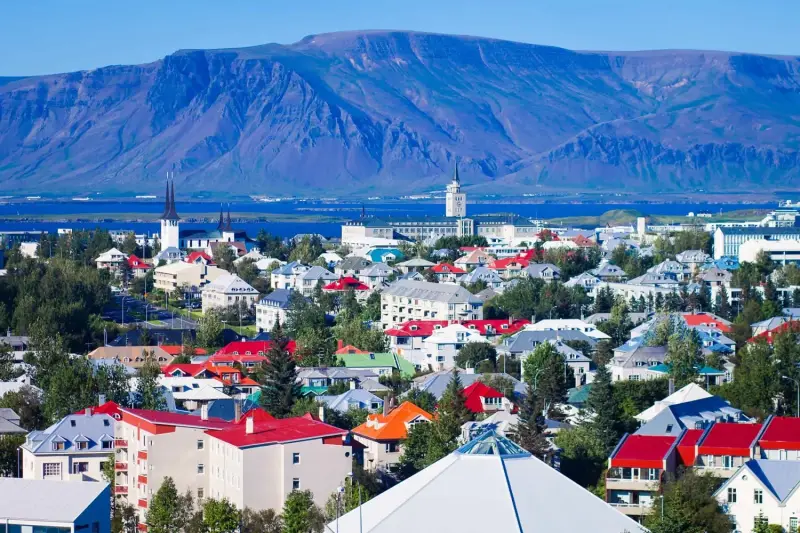 IcelandWaterfalls, glaciers, volcanoes and northern lights
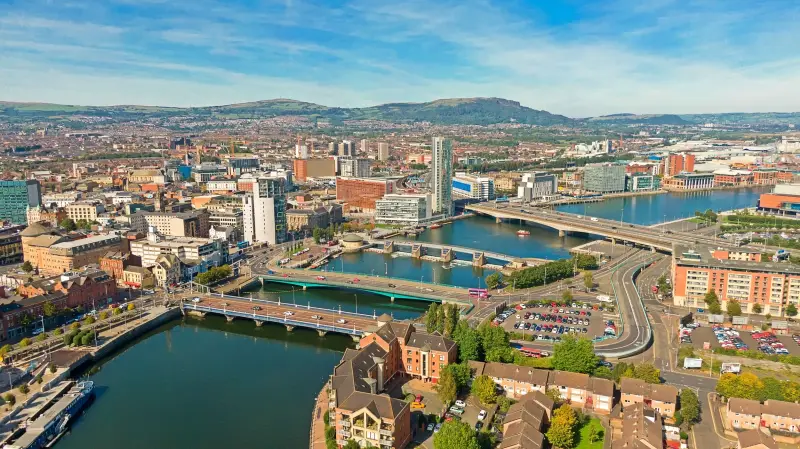 IrelandGreen coasts, lively pubs and Celtic heritage
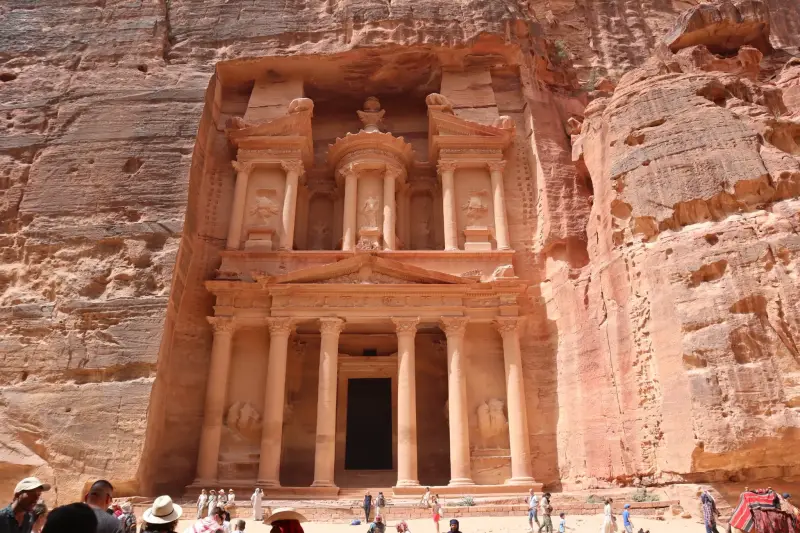 JordanPetra, Wadi Rum and the Dead Sea
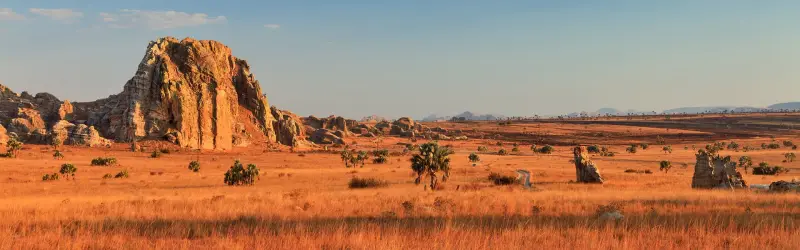 MadagascarLemurs, baobabs and unique wildlife
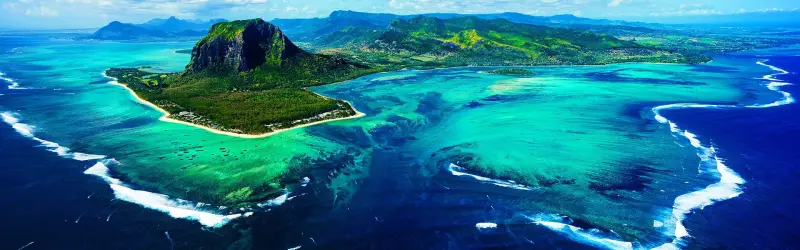 MauritiusLagoons, mountains and multicultural flavours
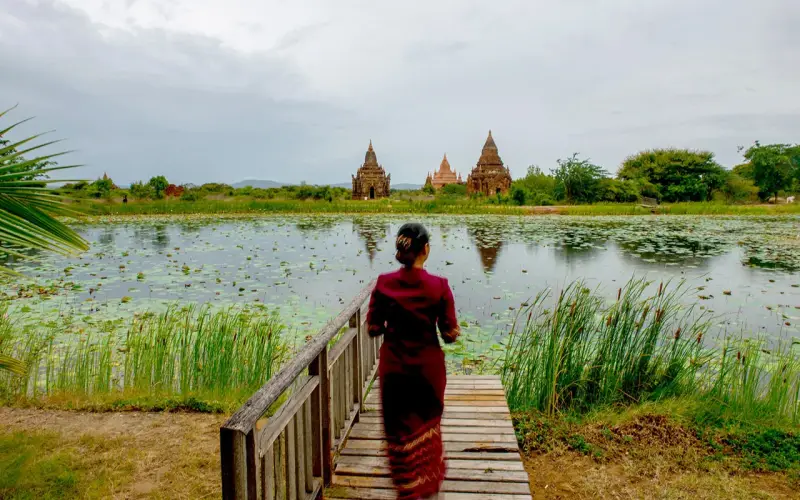 MyanmarBagan's temples and the Shwedagon Pagoda
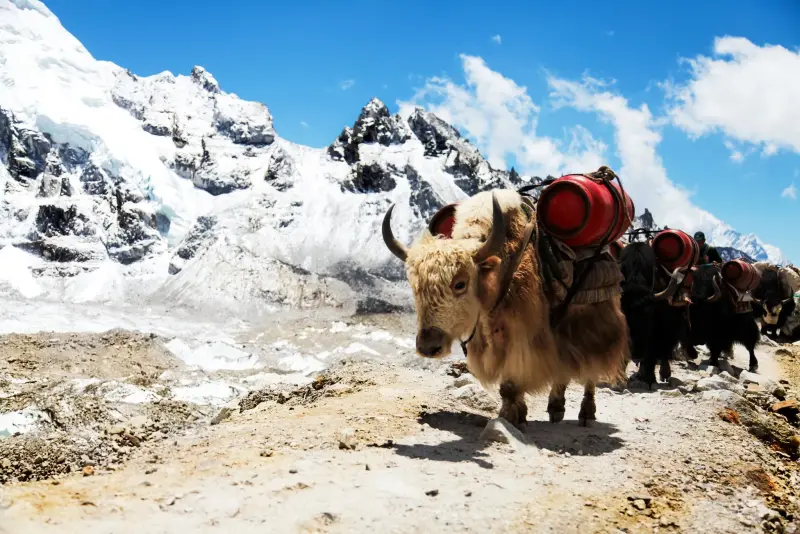 NepalEverest, the Annapurnas and Kathmandu's temples
 NigeriaLagos energy, Afrobeats and cultural heritage
 NorwayFjords, northern lights and the midnight sun
 TahitiGateway to French Polynesia
 TanzaniaSerengeti, Kilimanjaro and Zanzibar
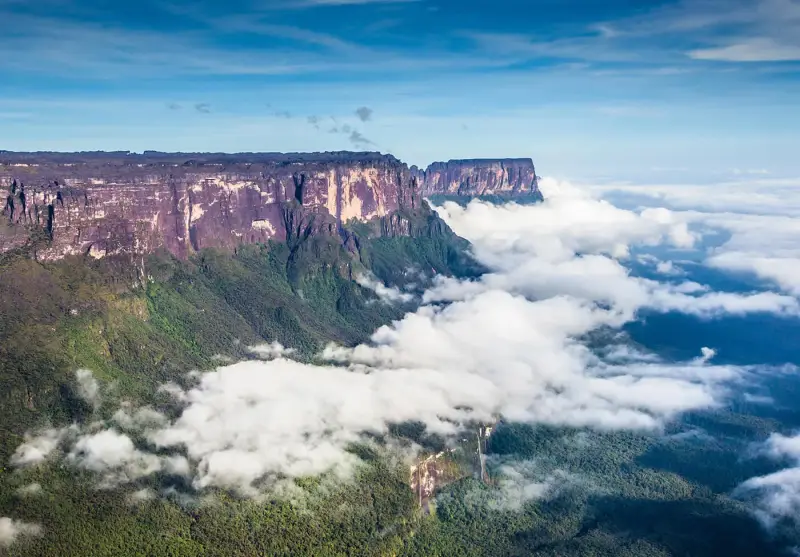 VenezuelaAngel Falls, Los Roques and the Andes
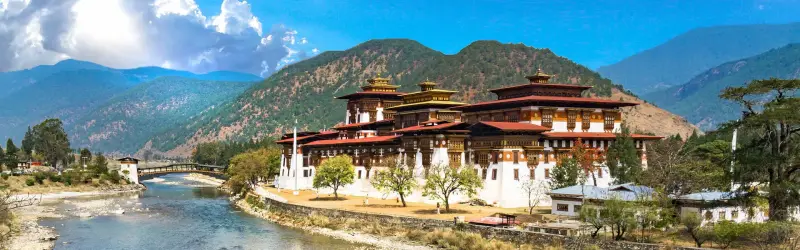 BhutanHimalayan monasteries and Gross National Happiness
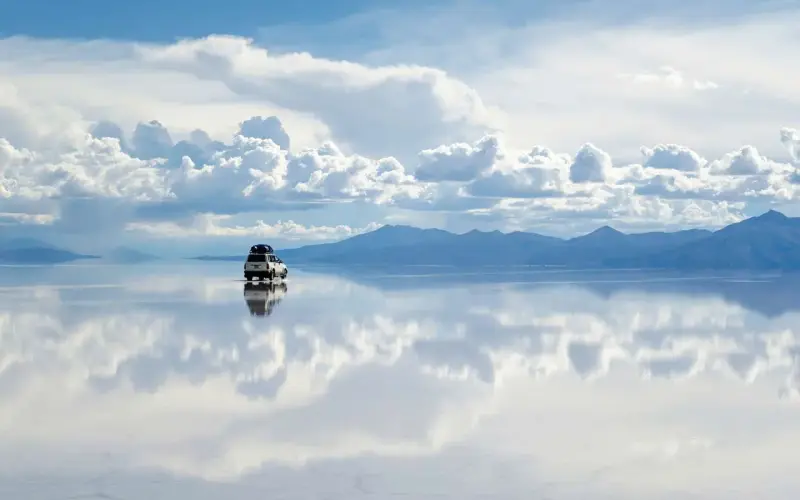 BoliviaSalt flats, Andean lakes and colonial cities
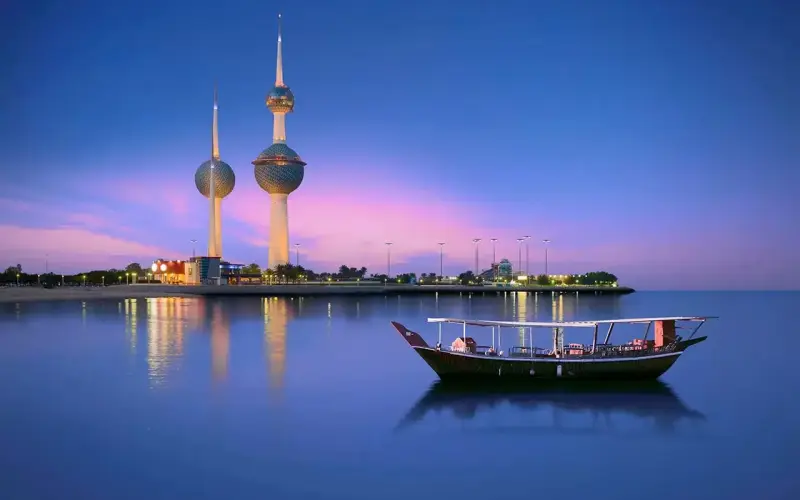 KuwaitGulf city-state
 MoroccoMedinas, Sahara dunes and Atlas mountains
 OmanForts, wadis, deserts and Arabian coast
 ParaguayJesuit missions, wetlands and the Chaco
 PeruMachu Picchu, the Andes and the Amazon
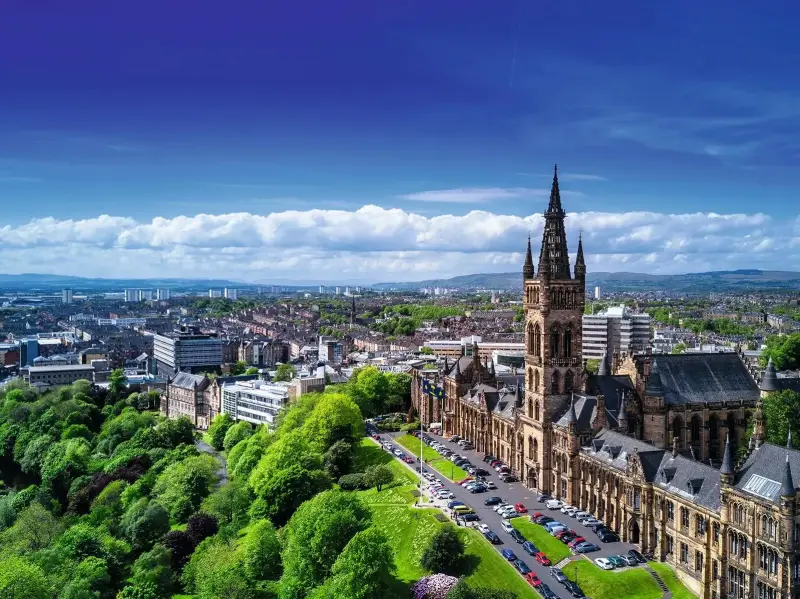 ScotlandHighlands, castles, islands and whisky
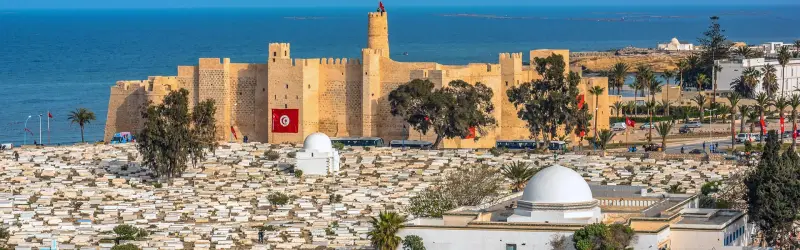 TunisiaCarthage, Sahara and Mediterranean beaches
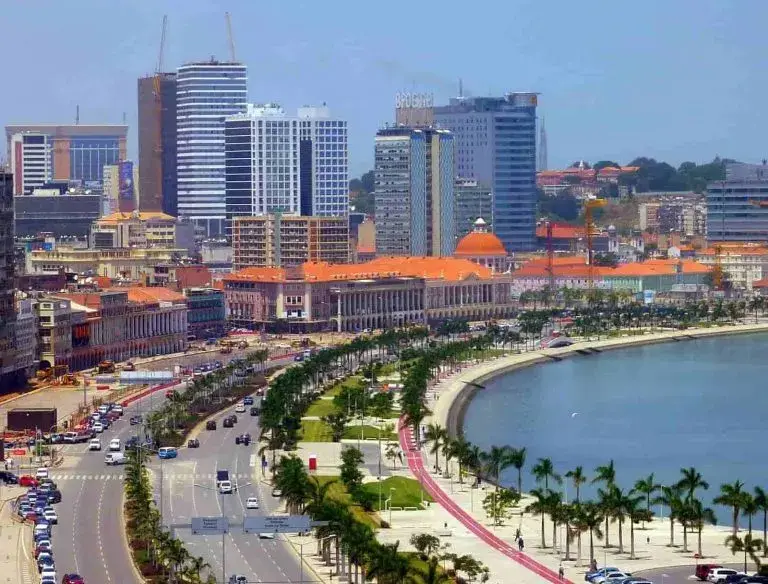 AngolaAtlantic coast, waterfalls and desert landscapes
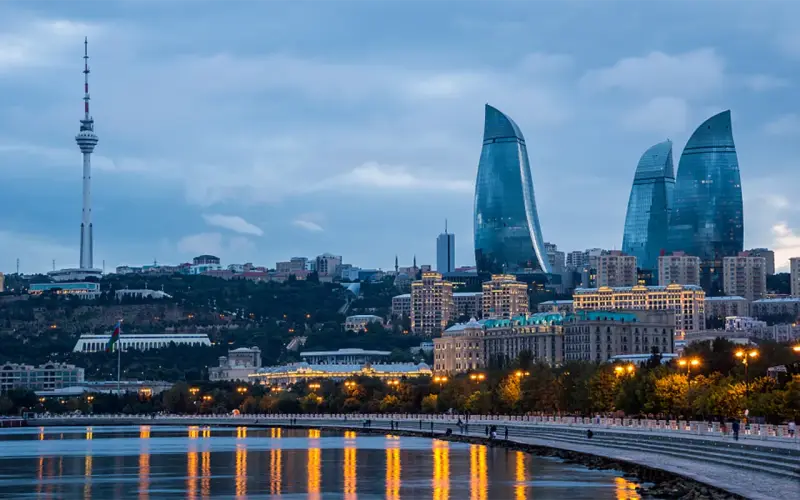 AzerbaijanBaku's flame towers and Caspian Sea culture
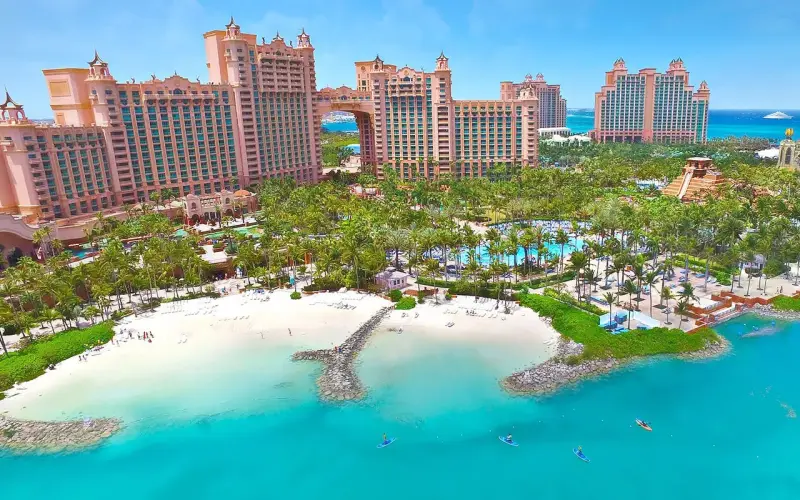 BahamasTurquoise water across 700 islands
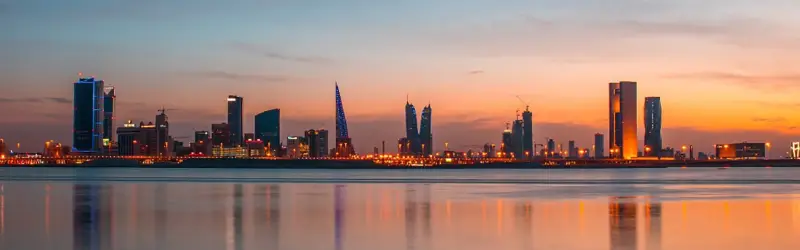 BahrainPearling heritage and Gulf city life
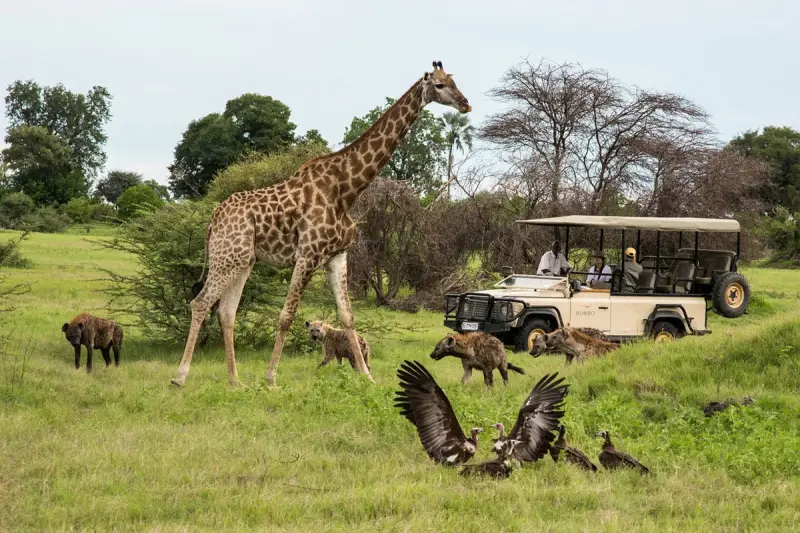 BotswanaOkavango Delta safaris and Kalahari skies
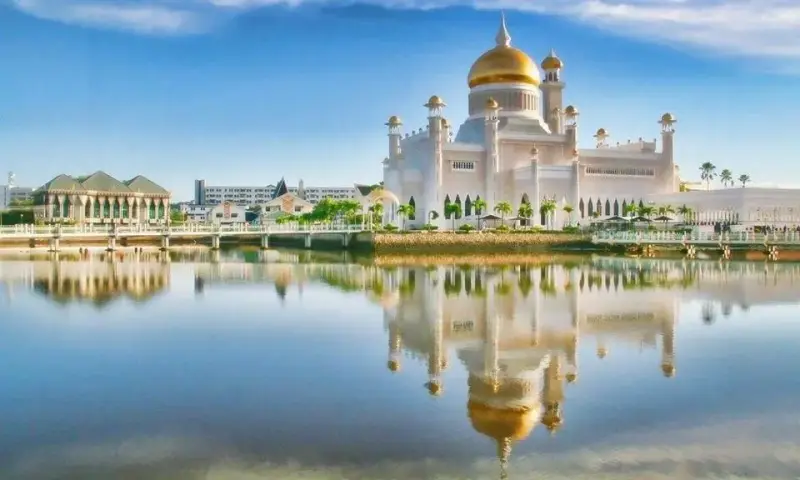 BruneiGolden mosques and pristine Borneo rainforest
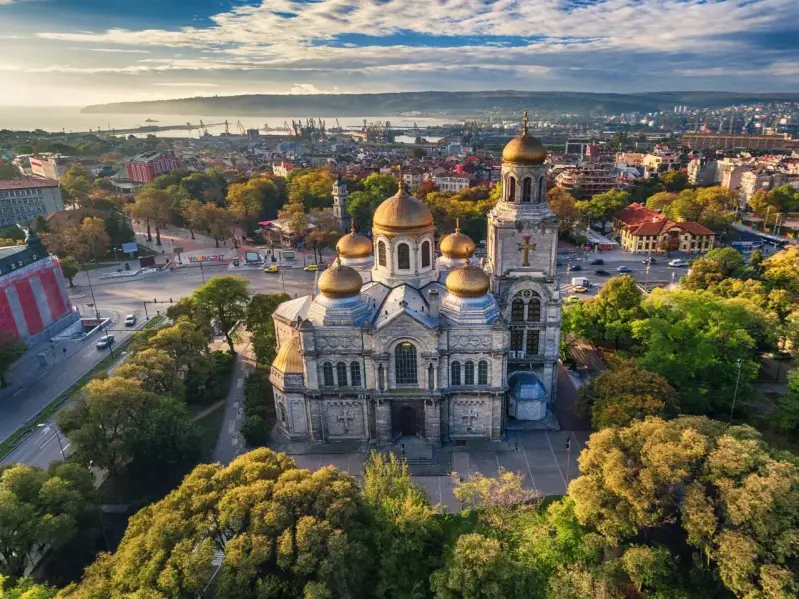 BulgariaBlack Sea beaches, mountains and monasteries
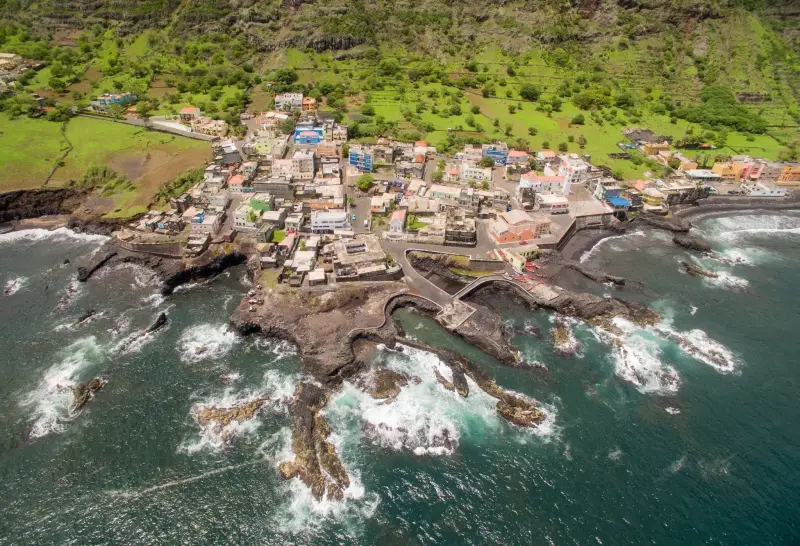 Cape Verde IslandsAtlantic islands of beaches, volcanoes and morna
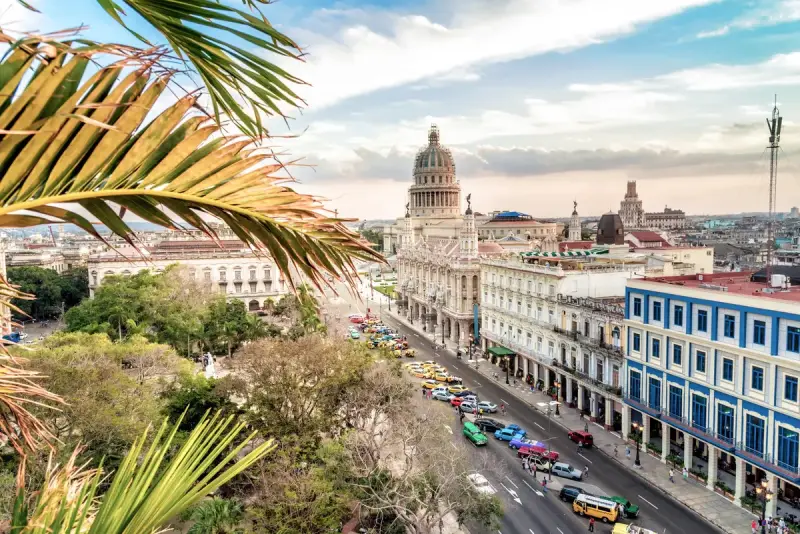 CubaHavana, Trinidad, tobacco valleys and beaches
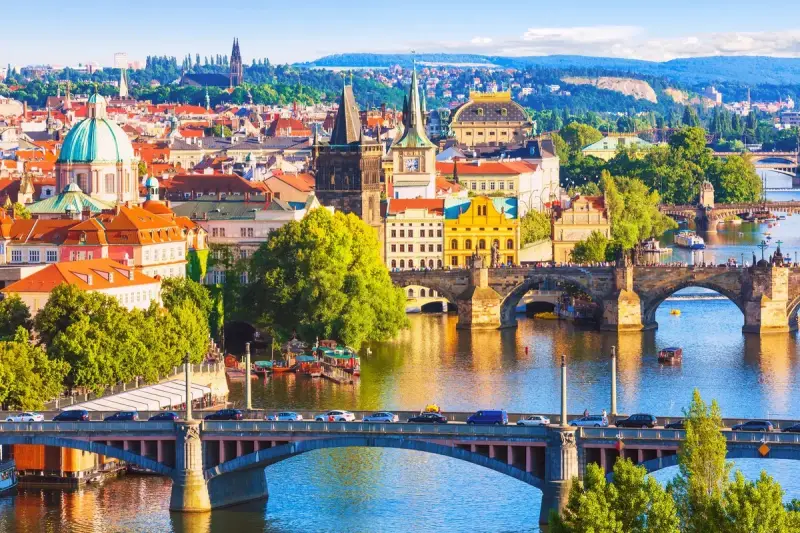 Czech RepublicPrague, castles and spa towns
 EcuadorGalápagos, Andes volcanoes and the Amazon
 EthiopiaRock-hewn churches, highlands and ancient kingdoms
 FijiCoral islands, warm welcomes and soft coral reefs
 FinlandLakes, Lapland and the northern lights
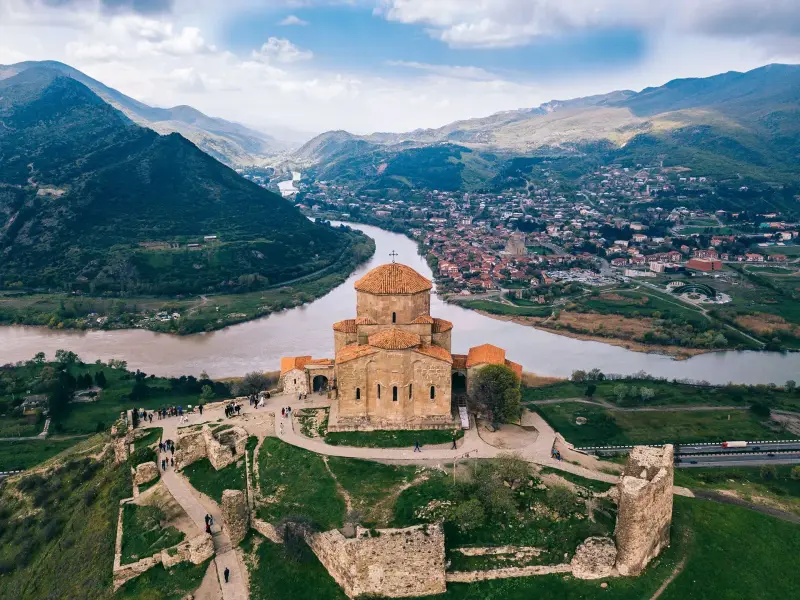 GeorgiaCaucasus peaks, wine and Tbilisi's old town
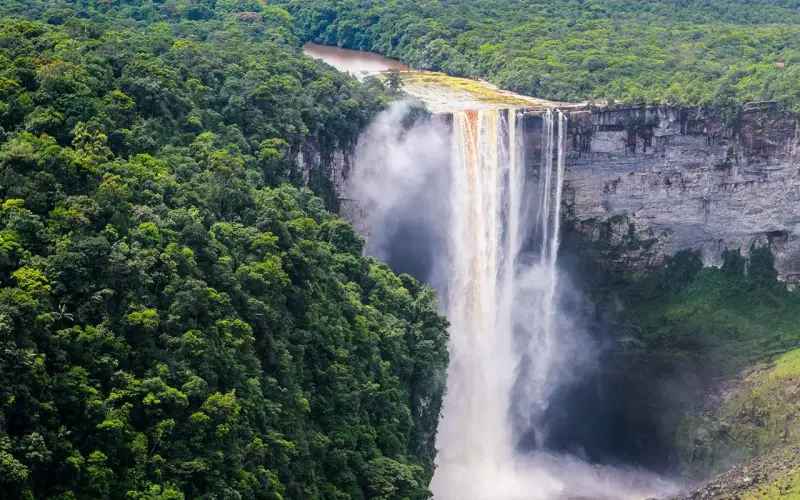 GuyanaKaieteur Falls and untouched rainforest
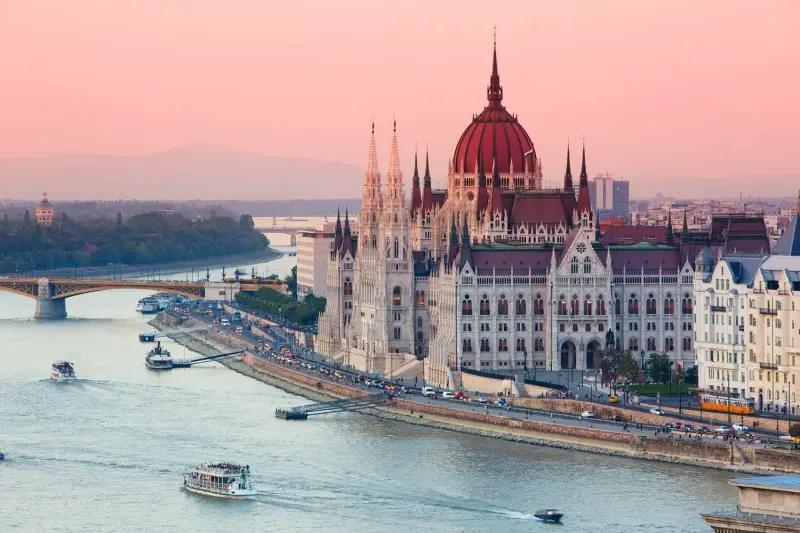 HungaryBudapest's baths, Lake Balaton and wine
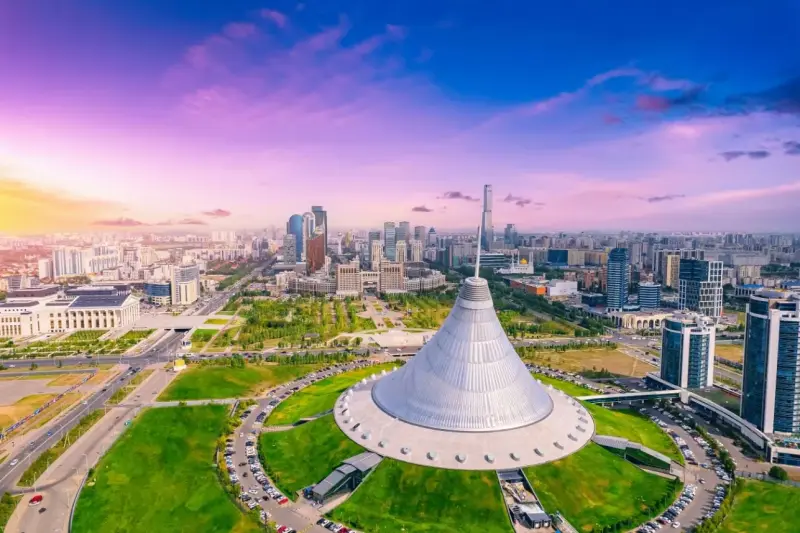 KazakhstanSteppe, canyons and Silk Road cities
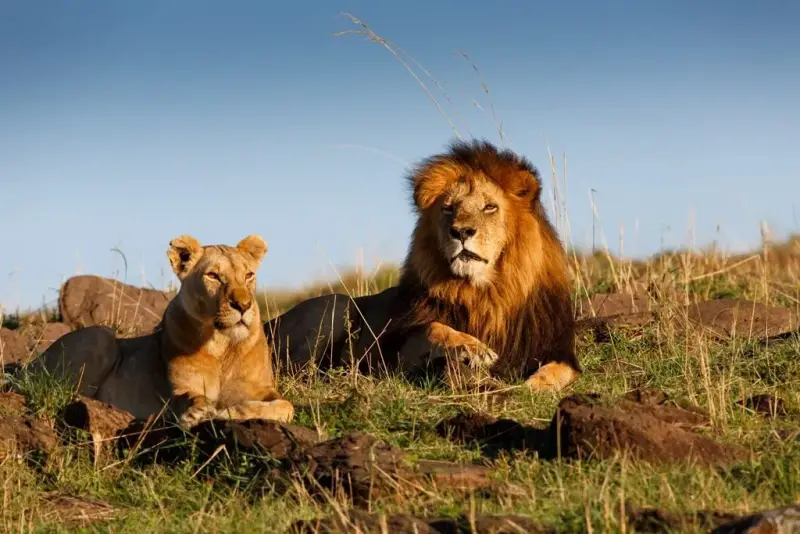 KenyaSafaris, the Great Migration and Indian Ocean beaches
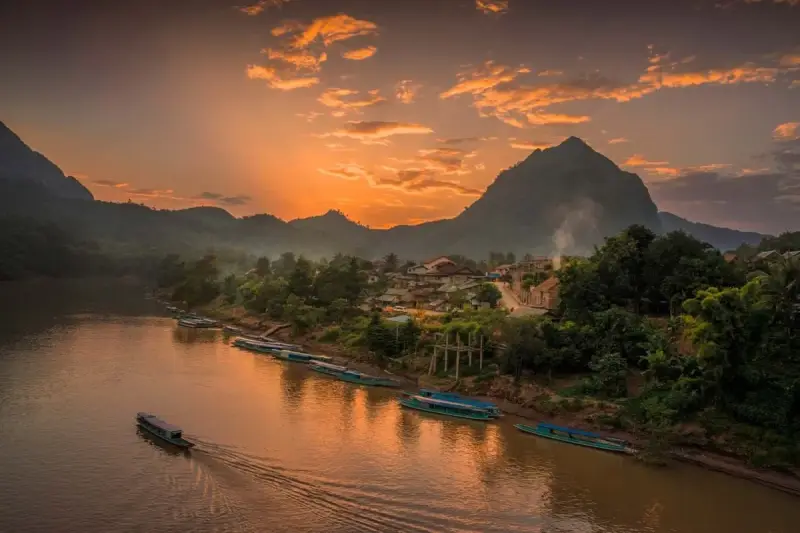 LaosLuang Prabang, the Mekong and limestone karsts
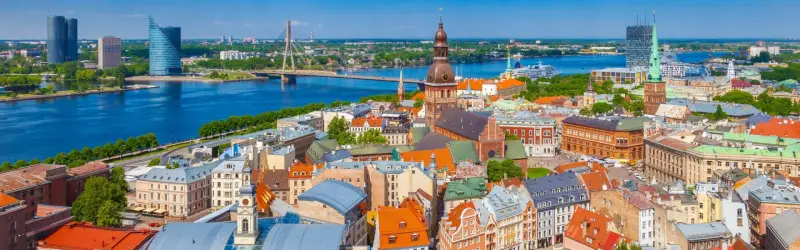 LatviaRiga's Art Nouveau and Baltic beaches
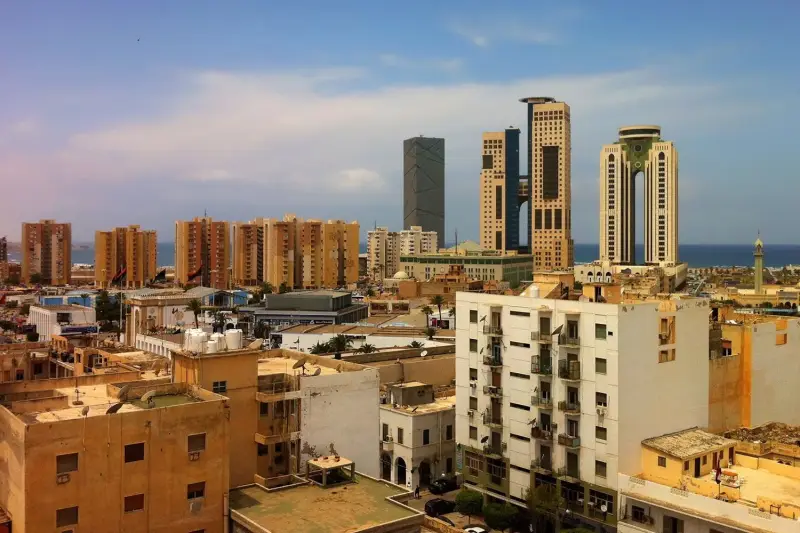 LibyaRoman ruins and Sahara
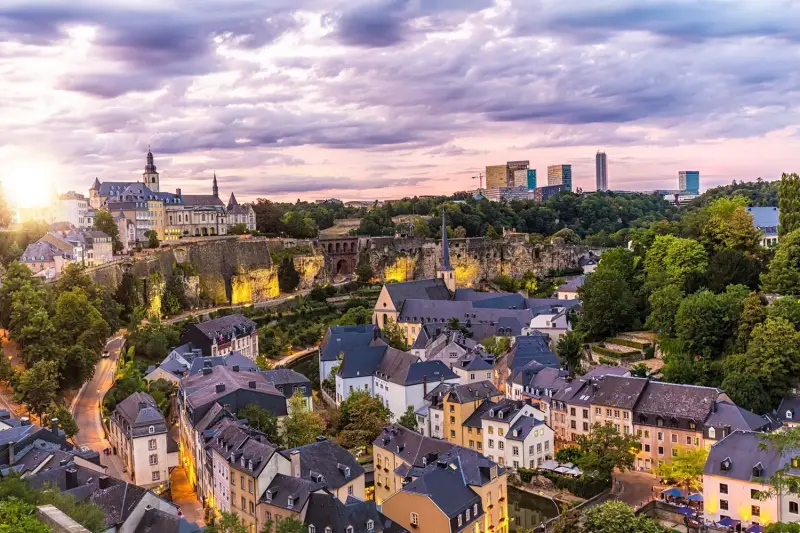 LuxembourgFortress city, castles and free public transport
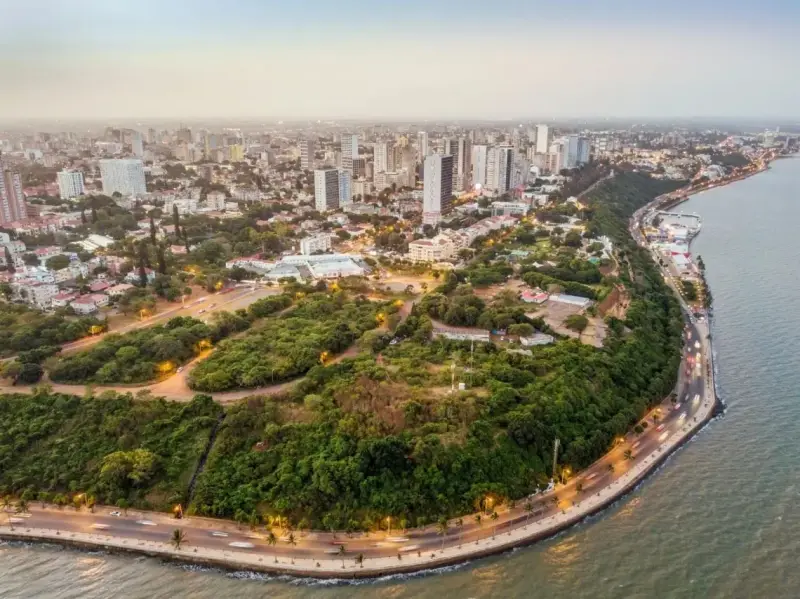 MozambiqueIndian Ocean islands and coral coast
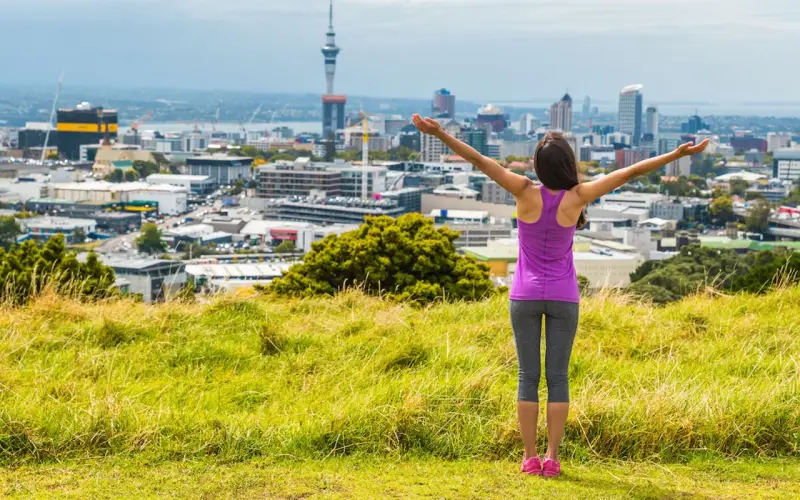 New ZealandFiords, glaciers, volcanoes and Māori culture
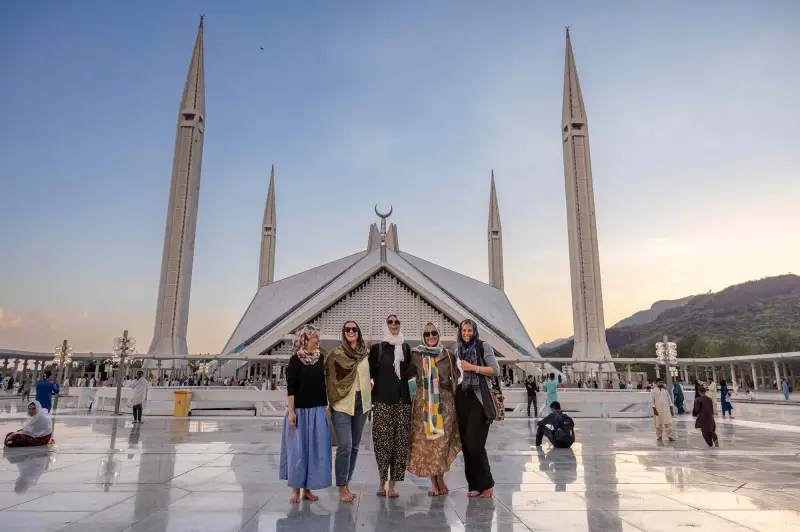 PakistanKarakoram peaks, Mughal Lahore and mountain valleys
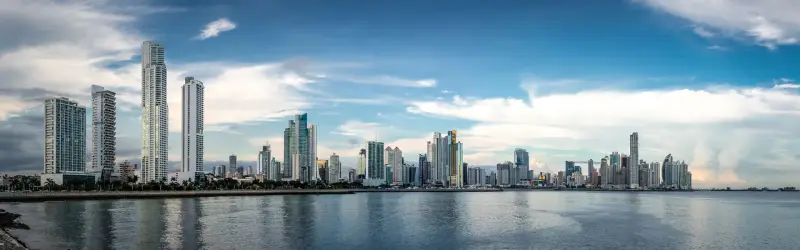 PanamaThe canal, islands and rainforest
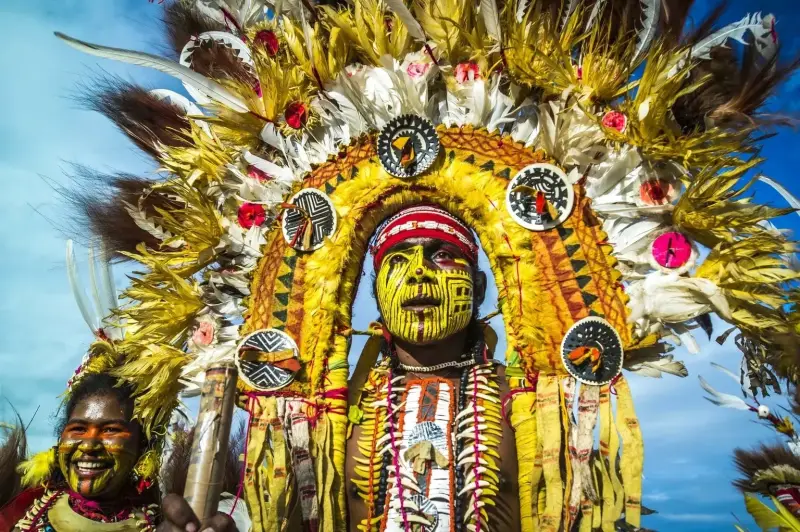 Papua New GuineaHighland cultures, reefs and the Kokoda Track
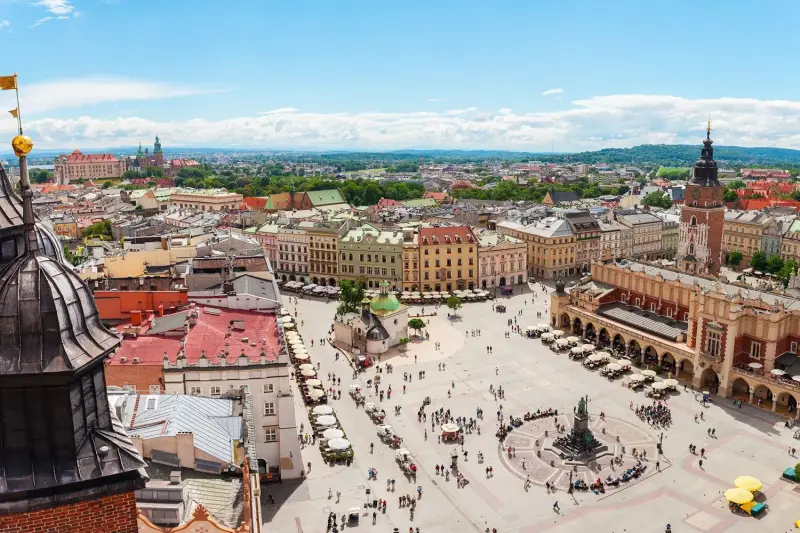 PolandKraków, Gdańsk, Warsaw and the Tatras
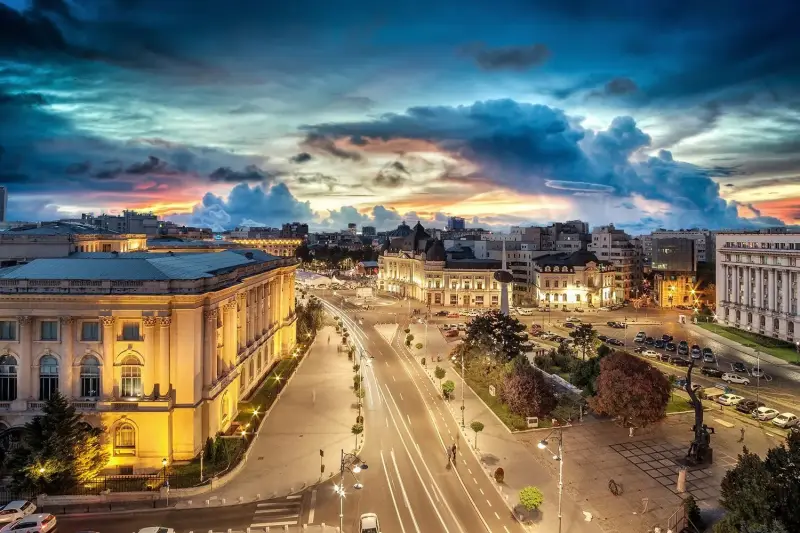 RomaniaTransylvania's castles, painted monasteries and the Carpathians
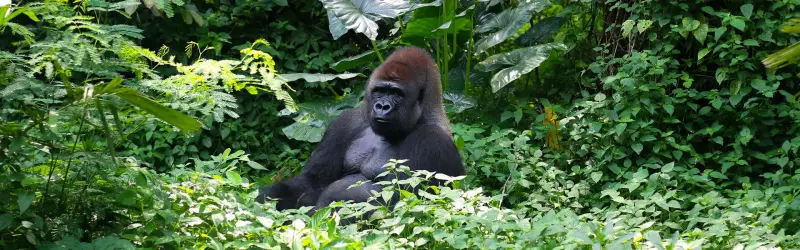 RwandaMountain gorillas and the land of a thousand hills
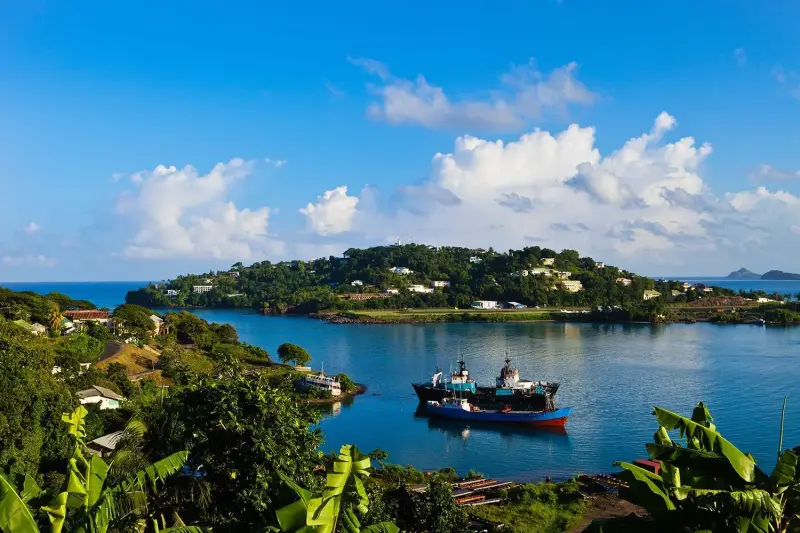 Saint LuciaThe Pitons, rainforest and Caribbean romance
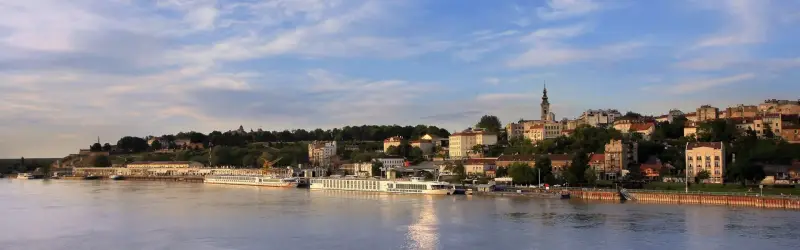 SerbiaBelgrade nightlife, monasteries and the Danube
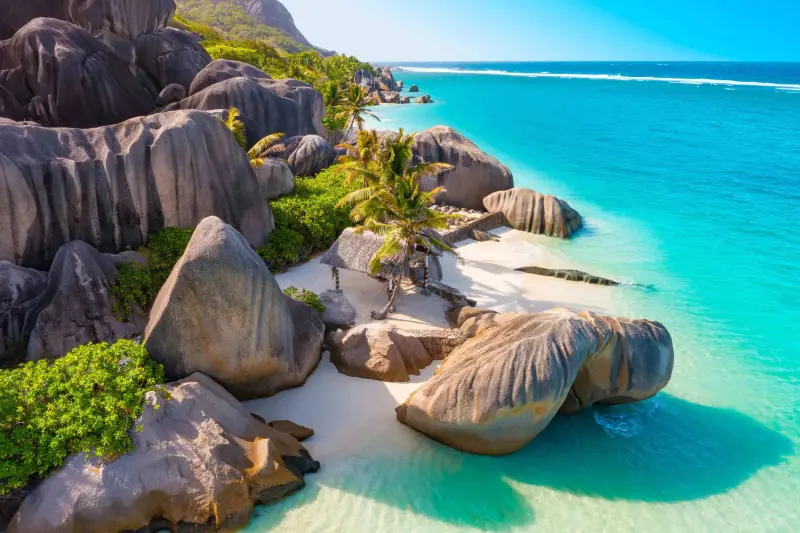 SeychellesGranite islands and perfect beaches
 SudanNubian pyramids and the Nile
 SwedenStockholm's archipelago, Lapland and design
 SyriaAncient cities
 UruguayBeaches, colonial Colonia and laid-back Montevideo
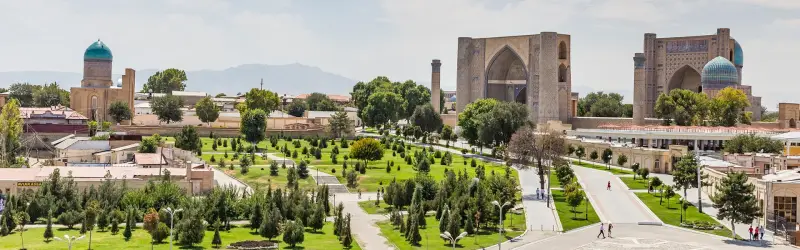 UzbekistanSamarkand, Bukhara and Khiva on the Silk Road
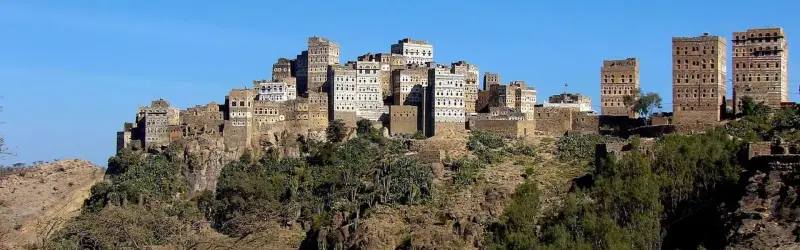 YemenAncient tower houses and Socotra's unique nature
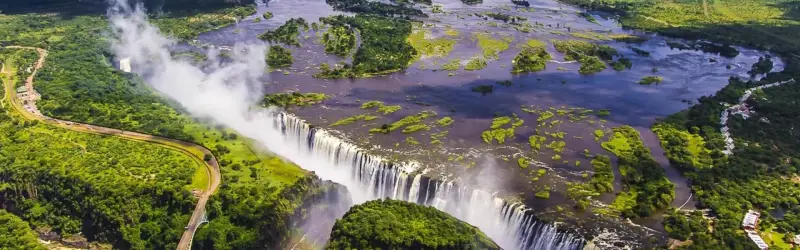 ZambiaVictoria Falls, walking safaris and the Zambezi
SurinameRainforest, rivers and colonial Paramaribo
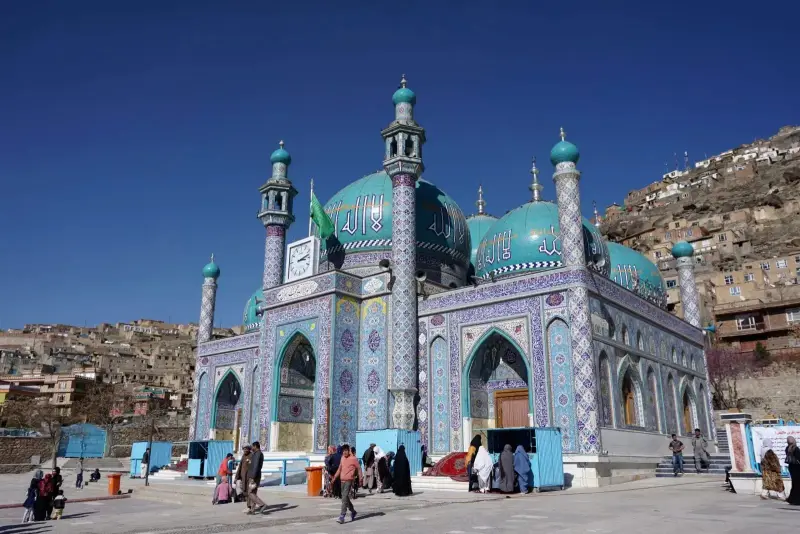 AfghanistanMountain valleys and Silk Road history
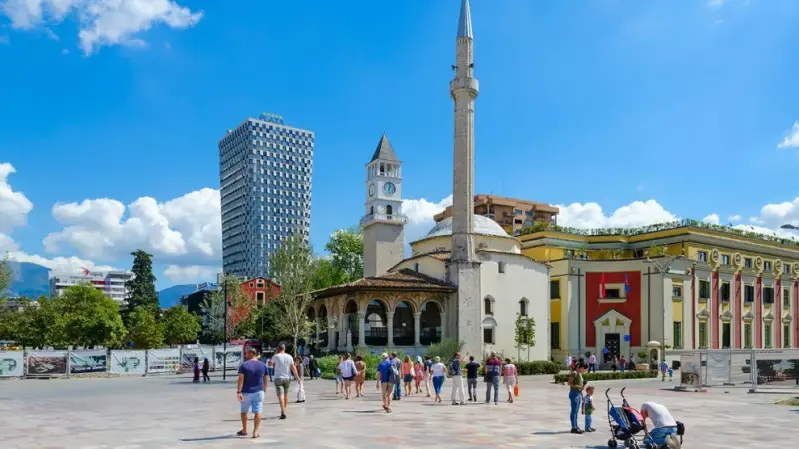 AlbaniaRiviera beaches, mountain villages and Ottoman towns
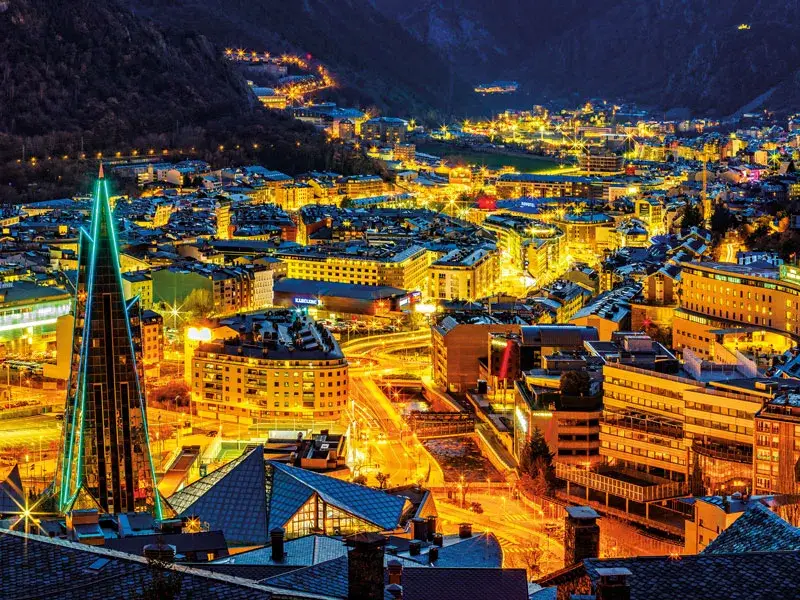 AndorraPyrenean ski slopes and duty-free shopping
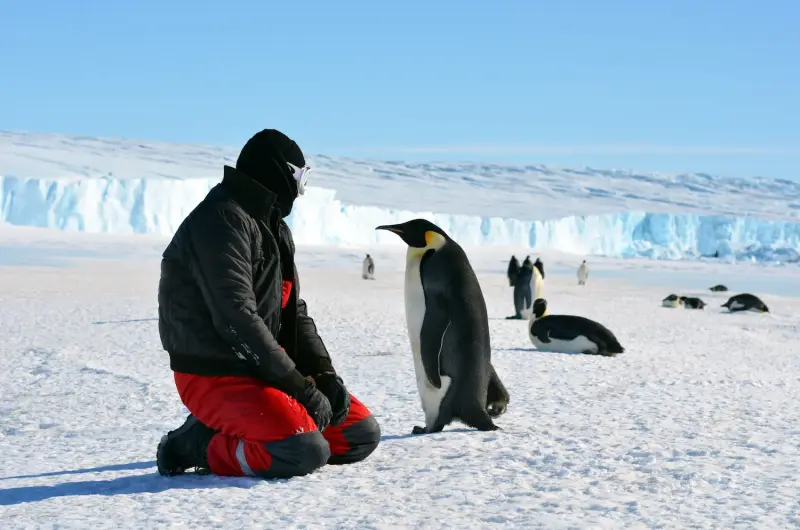 AntarcticaIcebergs, penguins and the last great wilderness
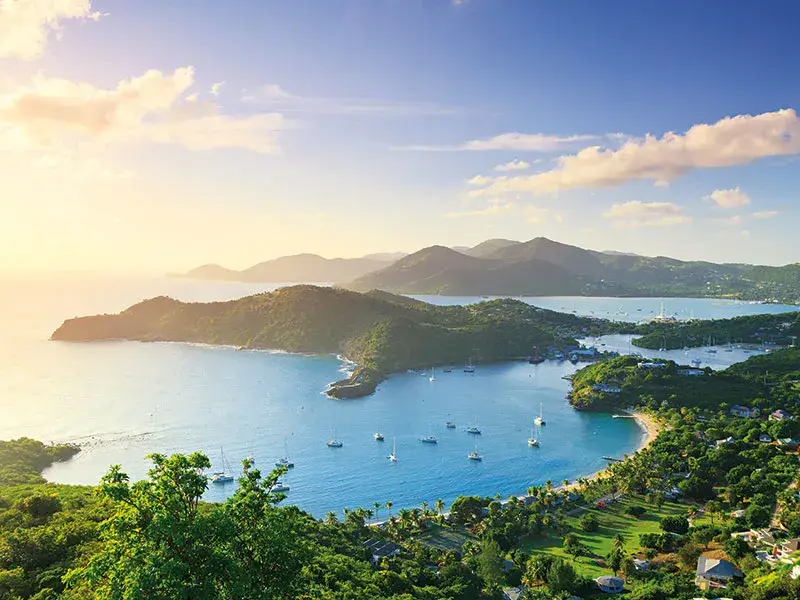 Antigua and BarbudaA beach for every day of the year
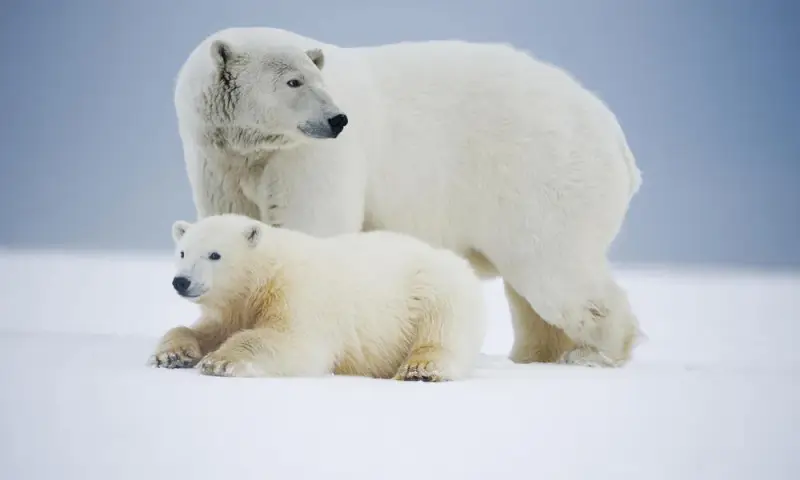 ArcticNorthern lights, polar bears and the midnight sun
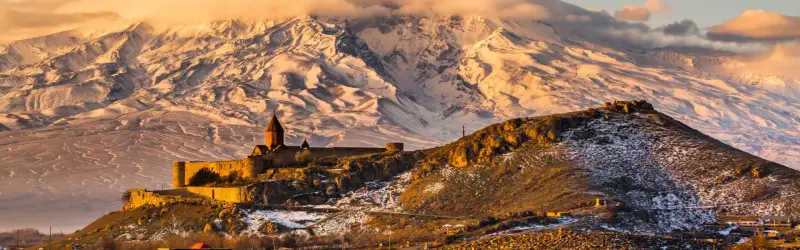 ArmeniaAncient monasteries beneath Mount Ararat
 BarbadosBeaches, rum and cricket in the Caribbean
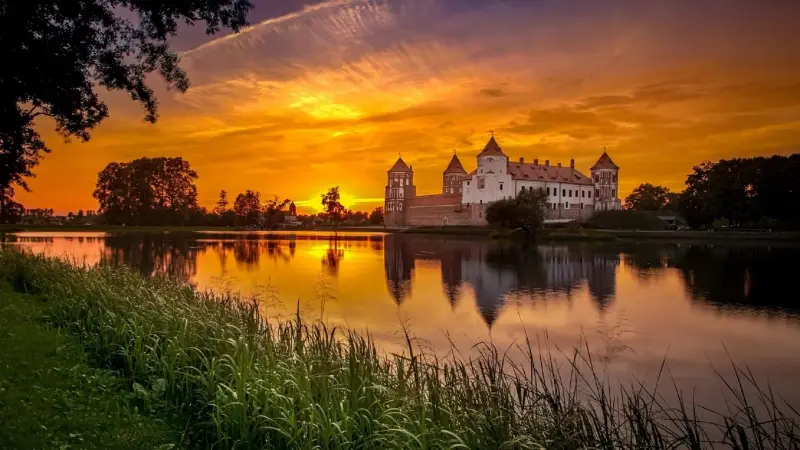 BelarusPrimeval forests and Soviet-era Minsk
 BelizeBarrier reef, Maya temples and jungle
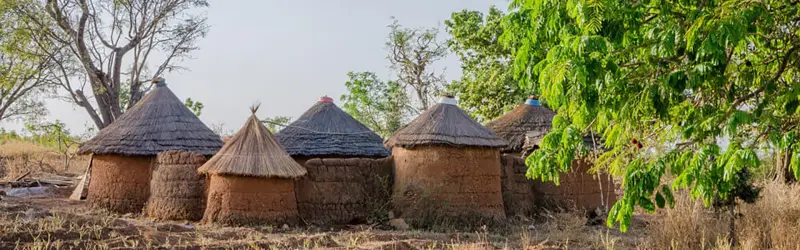 BeninVodun culture, royal palaces and lagoon villages
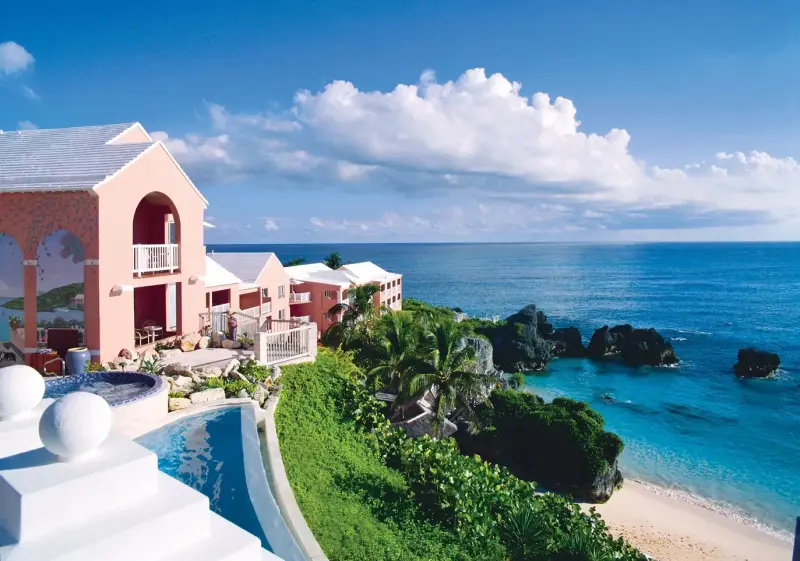 BermudaPink sand beaches in the Atlantic
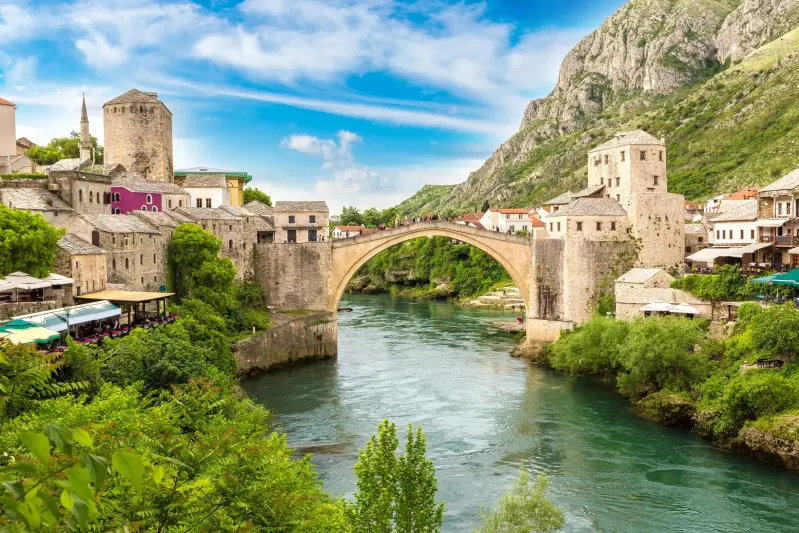 Bosnia HerzegovinaOttoman bridges, mountain rivers and Sarajevo
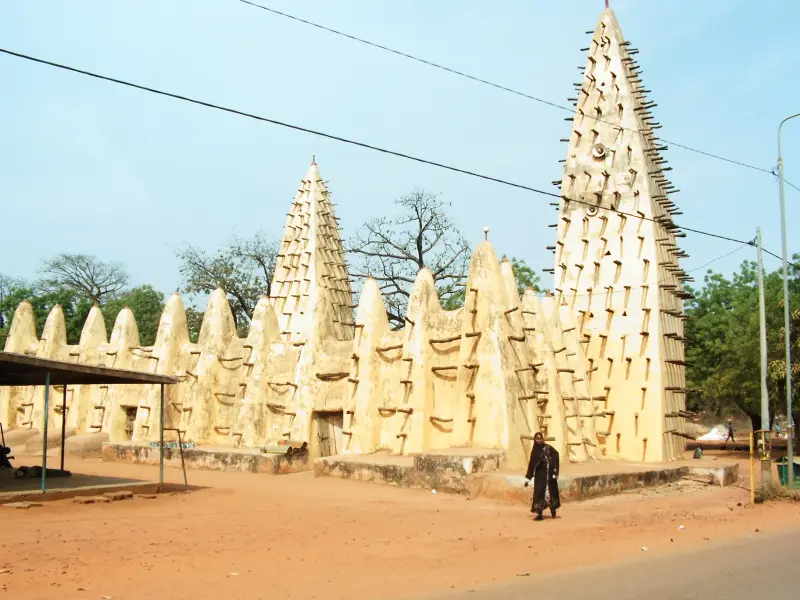 Burkina FasoSahel culture, music and film festivals
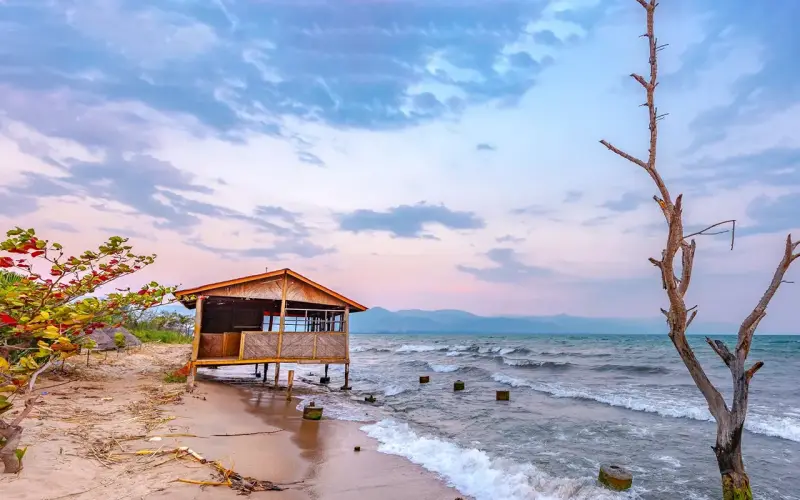 BurundiLake Tanganyika beaches and drumming traditions
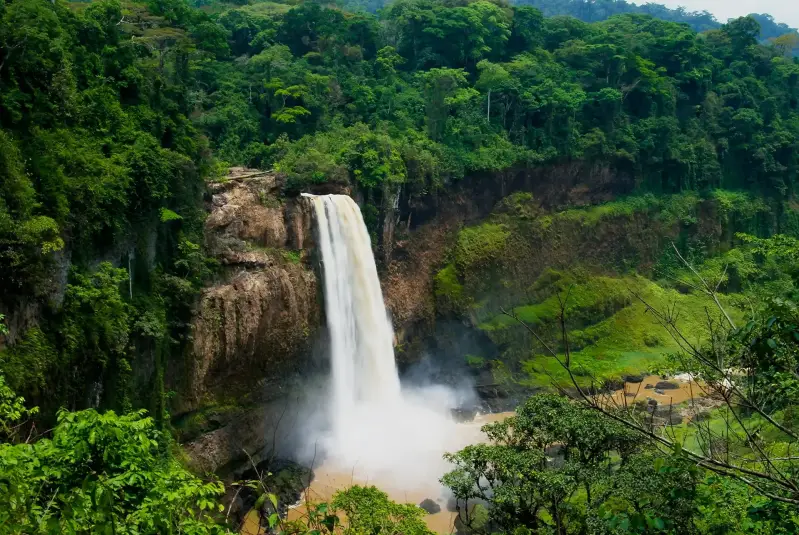 CameroonAfrica in miniature: rainforest, volcano and savanna
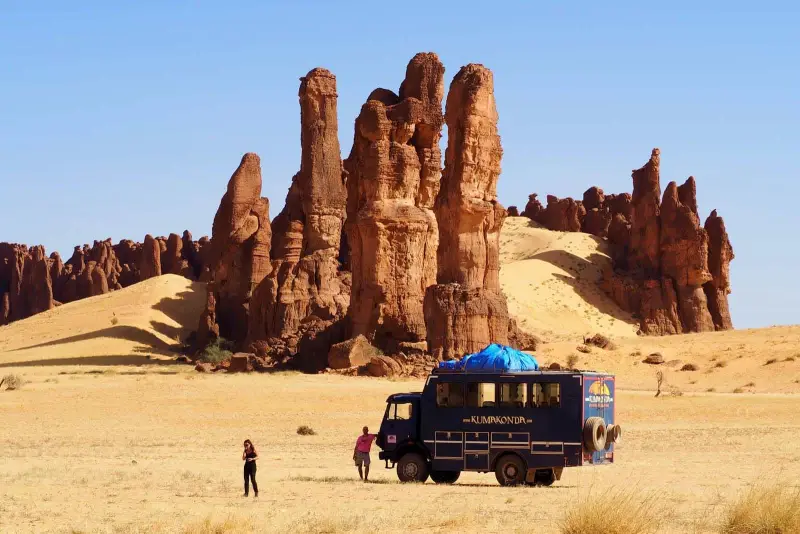 ChadSaharan landscapes and Zakouma wildlife
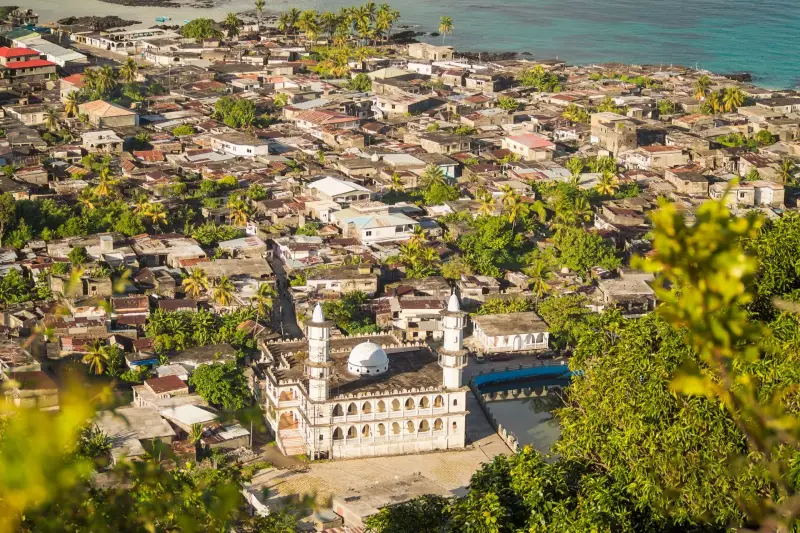 ComorosVolcanic islands, vanilla and ylang-ylang
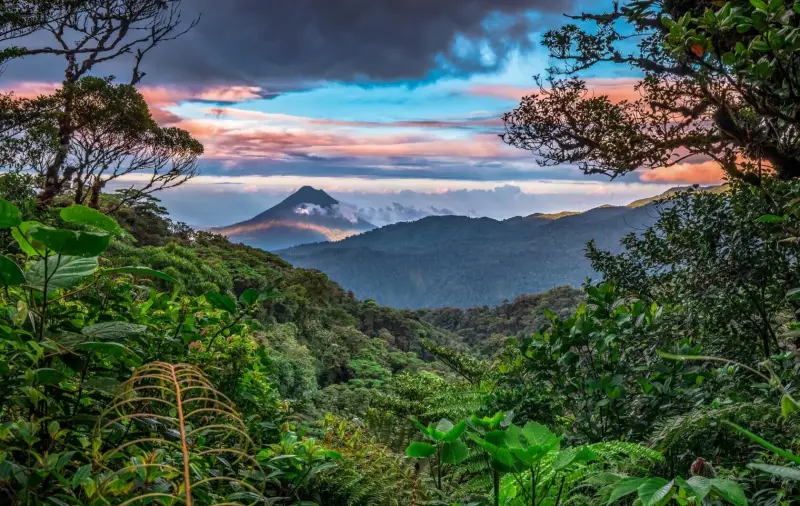 Costa RicaRainforest, volcanoes, wildlife and two coasts
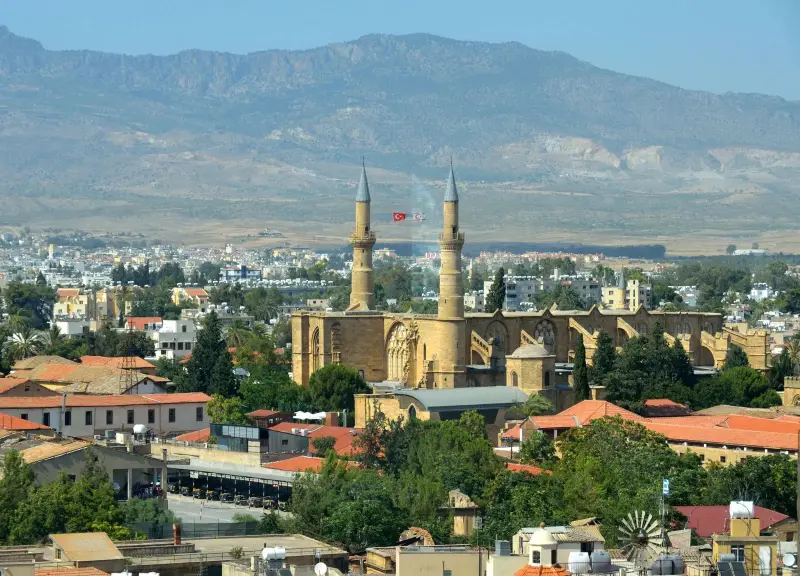 CyprusSunny beaches, ancient sites and mountain villages
 Côte D'IvoireAbidjan's skyline, beaches and basilicas
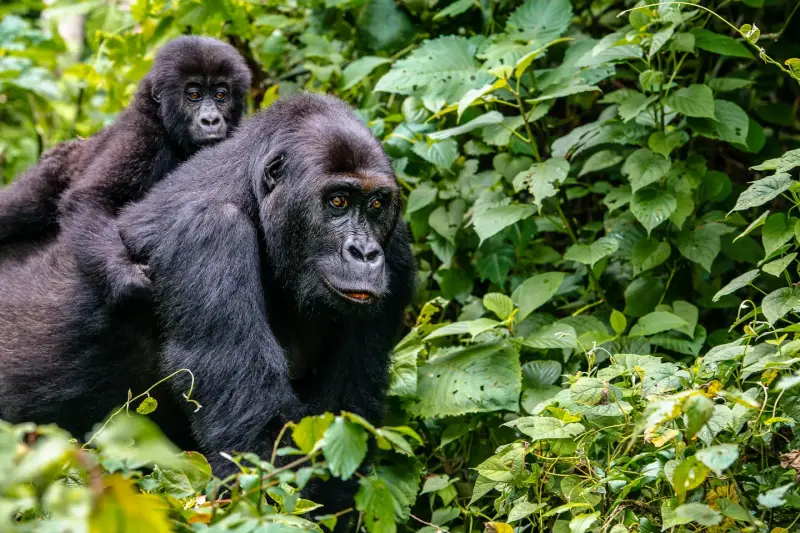 DR CongoGorillas, volcanoes and the mighty Congo River
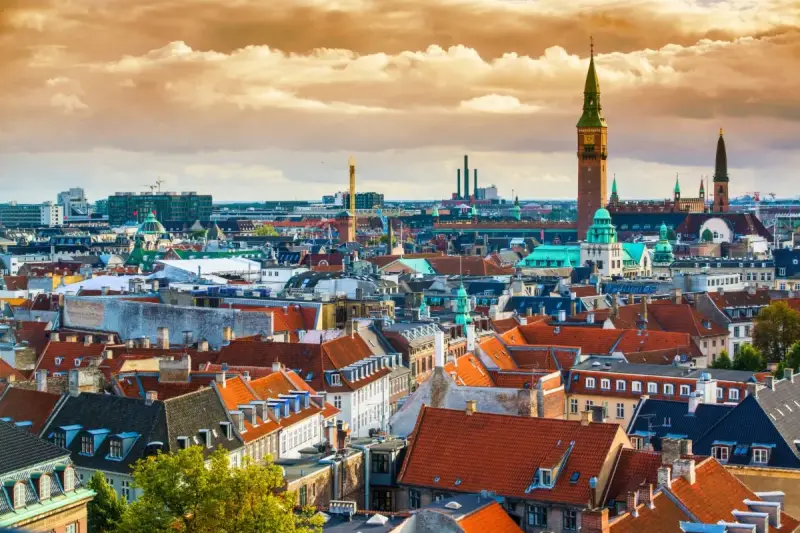 DenmarkCopenhagen design, castles and coastlines
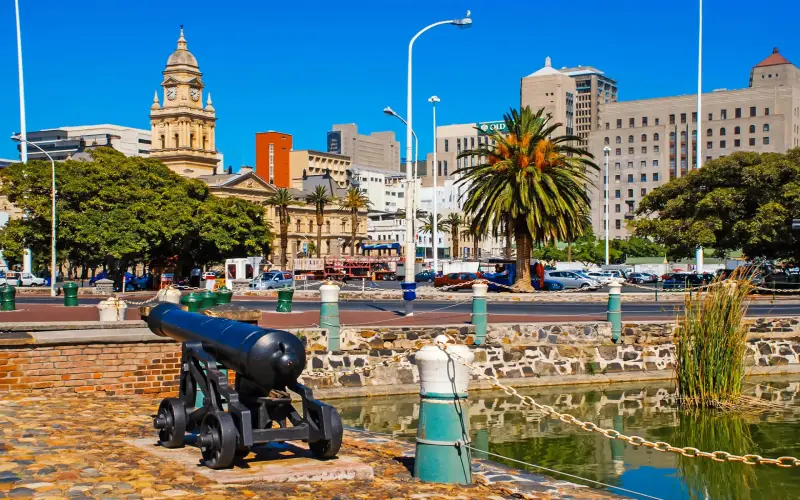 DjiboutiSalt lakes, whale sharks and volcanic desert
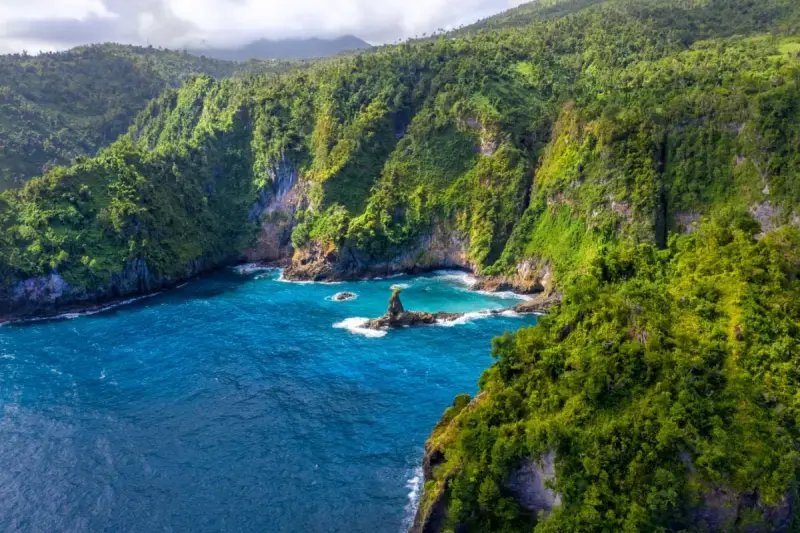 DominicaThe Caribbean's nature island
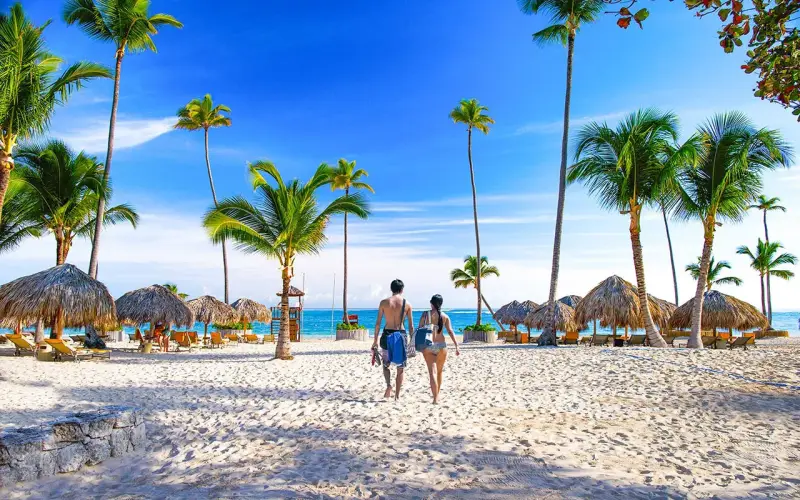 Dominican RepublicPunta Cana beaches and the New World's first city
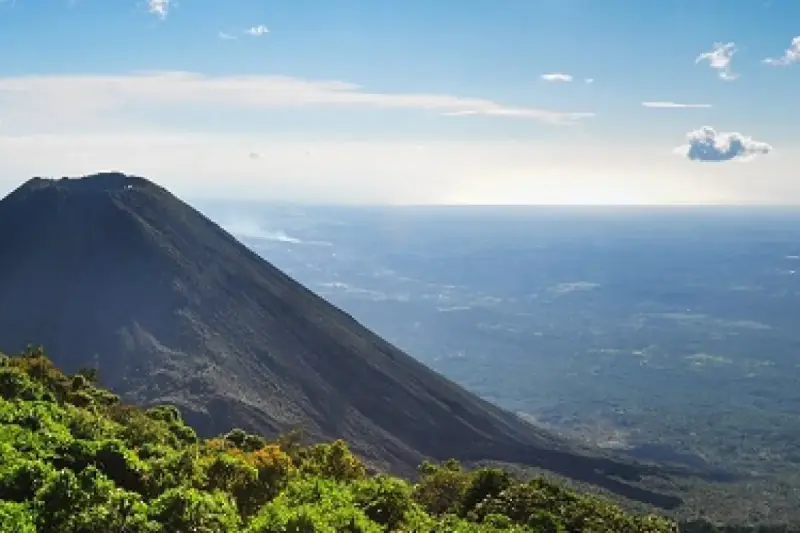 El SalvadorSurf beaches, volcanoes and colonial towns
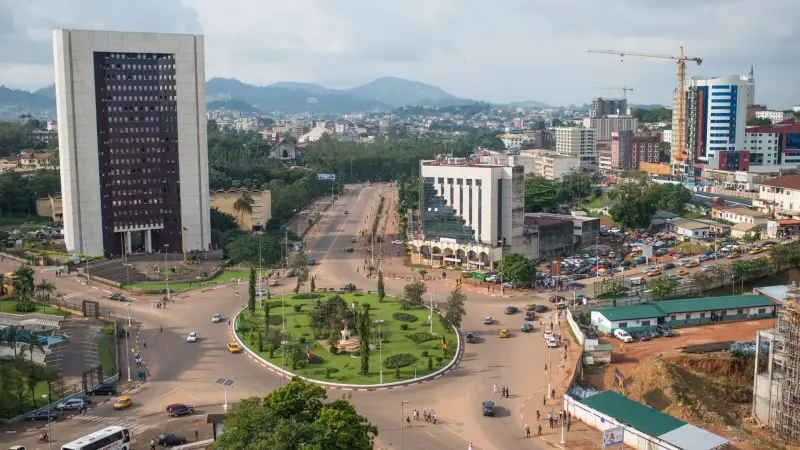 Equatorial GuineaVolcanic Bioko and rainforest Río Muni
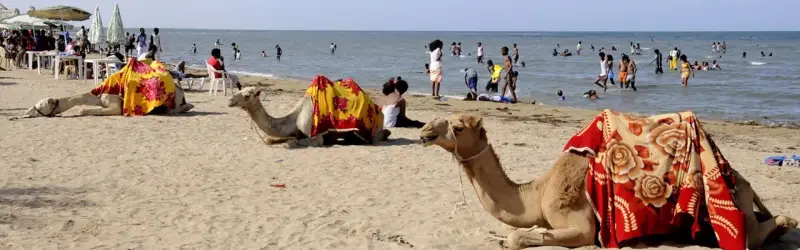 EritreaAsmara's Modernist architecture and the Red Sea
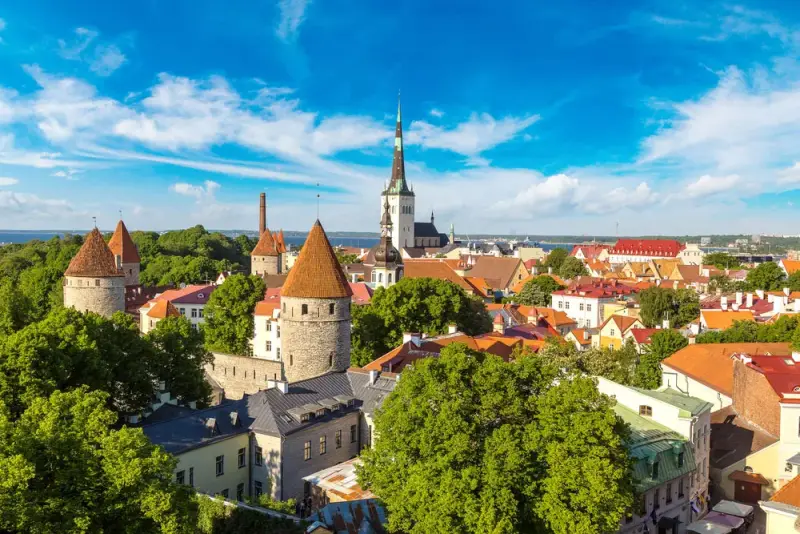 EstoniaTallinn's medieval old town and Baltic nature
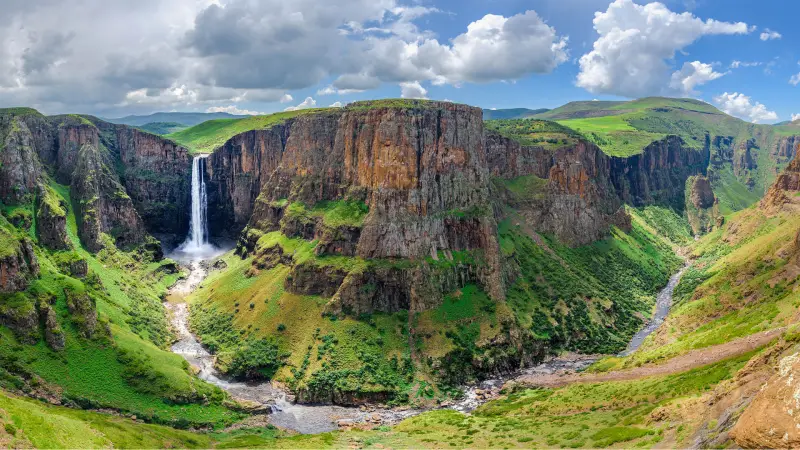 EswatiniWildlife, culture festivals and mountain valleys
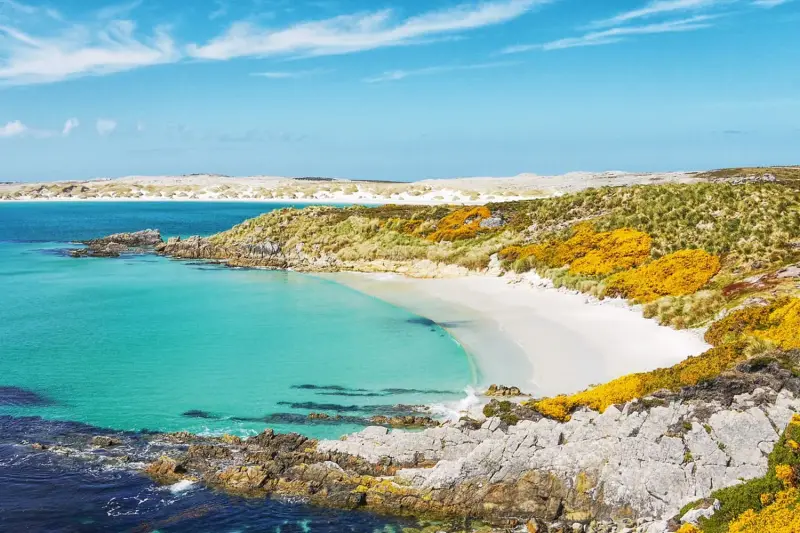 Falkland IslandsPenguin colonies on remote South Atlantic islands
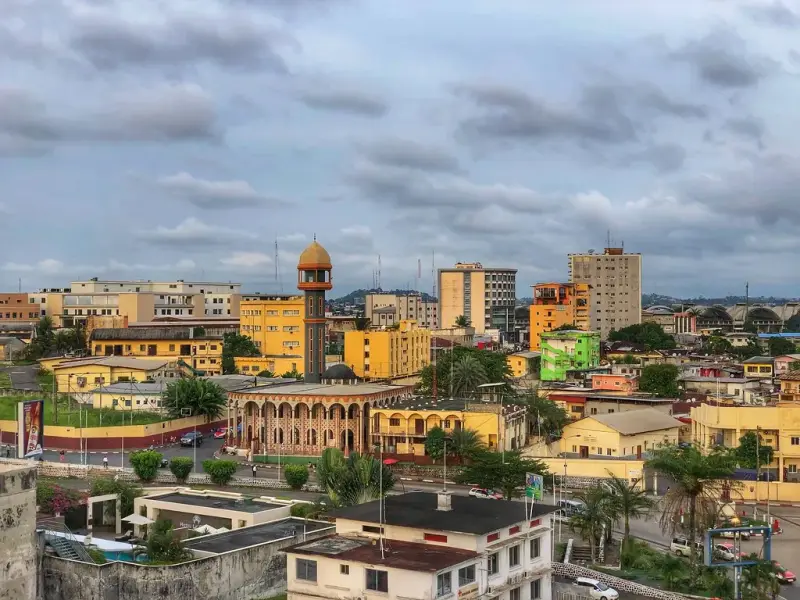 GabonRainforest parks, surfing hippos and gorillas
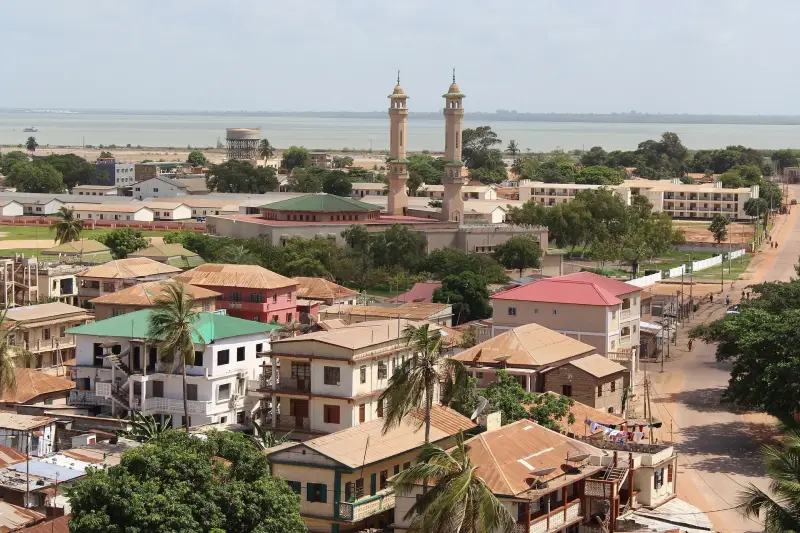 GambiaAtlantic beaches, river life and birdwatching
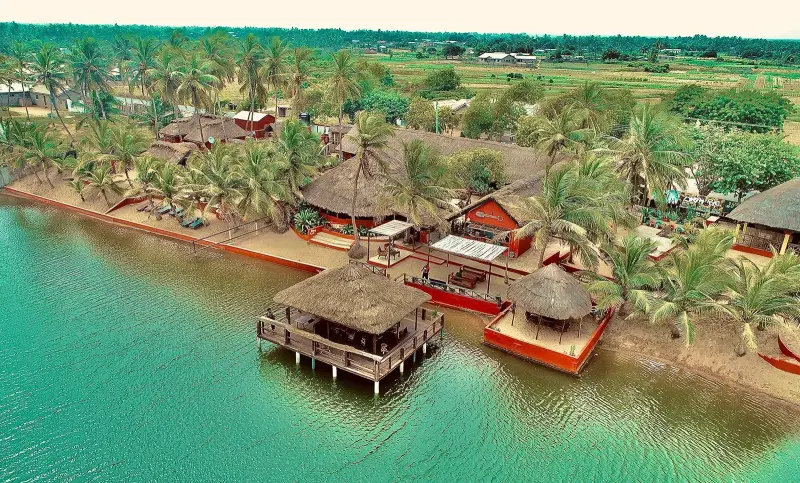 GhanaCoastal castles, Ashanti culture and warm welcomes
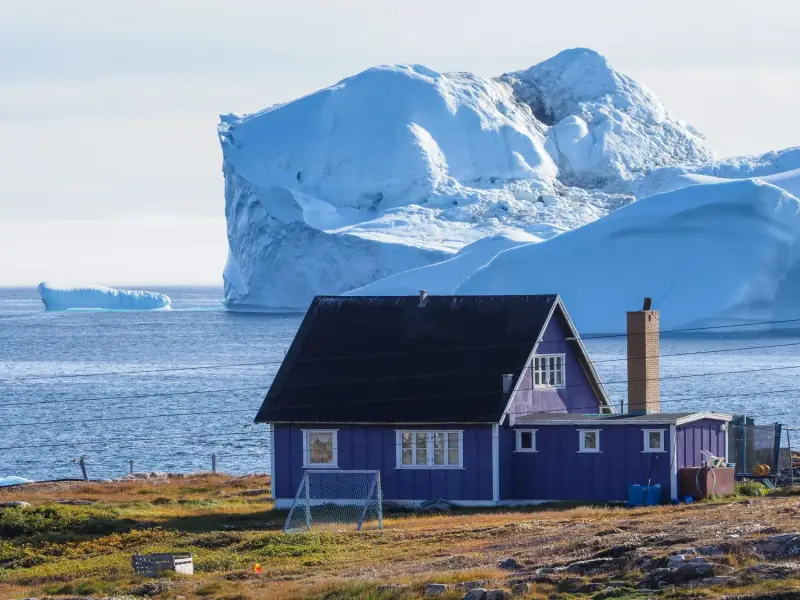 GreenlandIcebergs, glaciers and Arctic culture
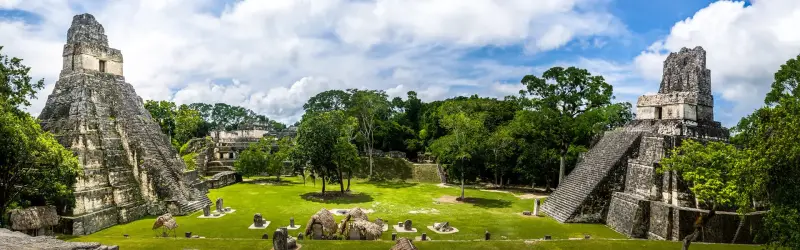 GuatemalaMaya temples, volcanoes and Lake Atitlán
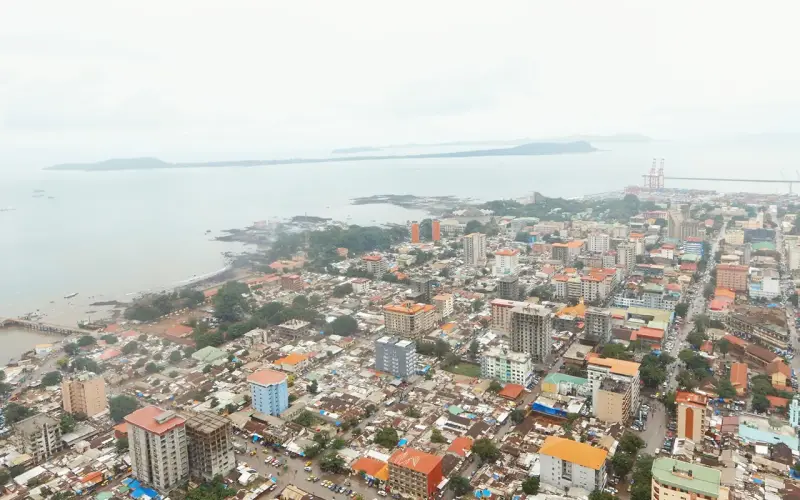 GuineaHighlands and waterfalls
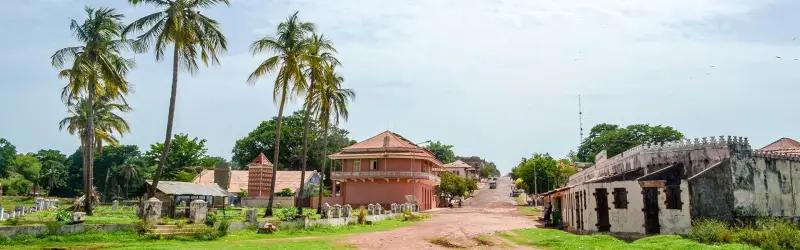 Guinea BissauThe Bijagós Islands and saltwater hippos
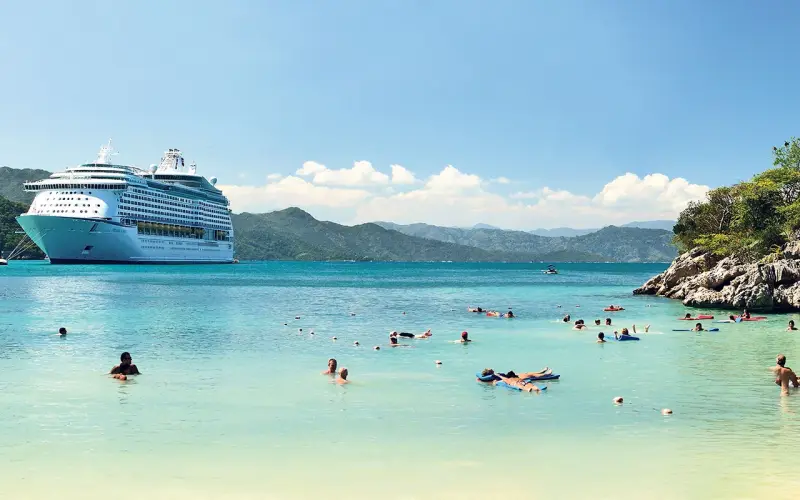 HaitiCitadelle and Caribbean culture
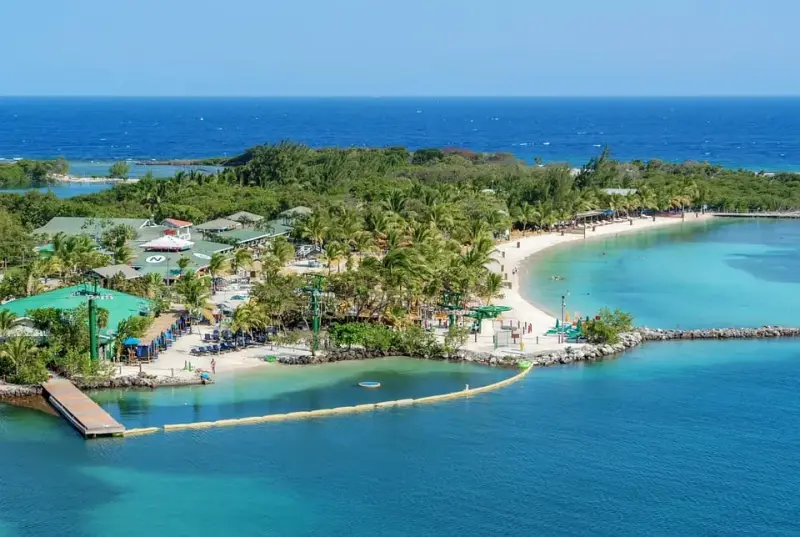 HondurasCopán and the Bay Islands
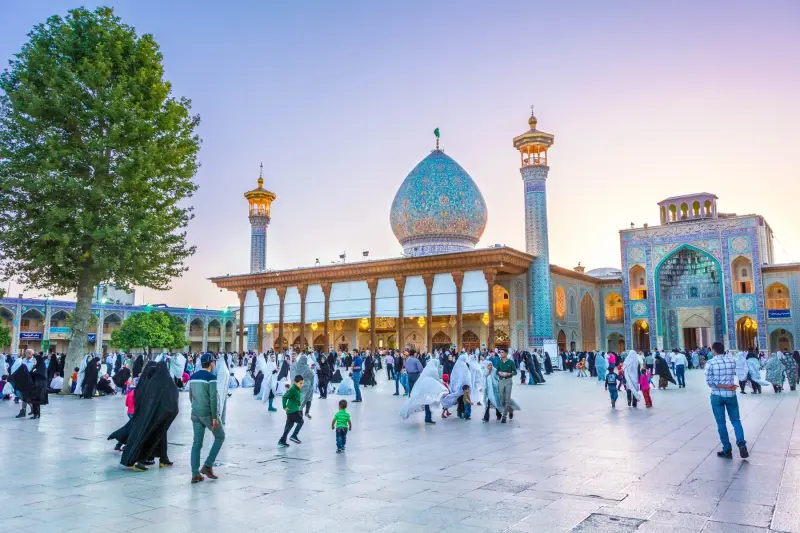 IranPersian palaces, mosques and gardens
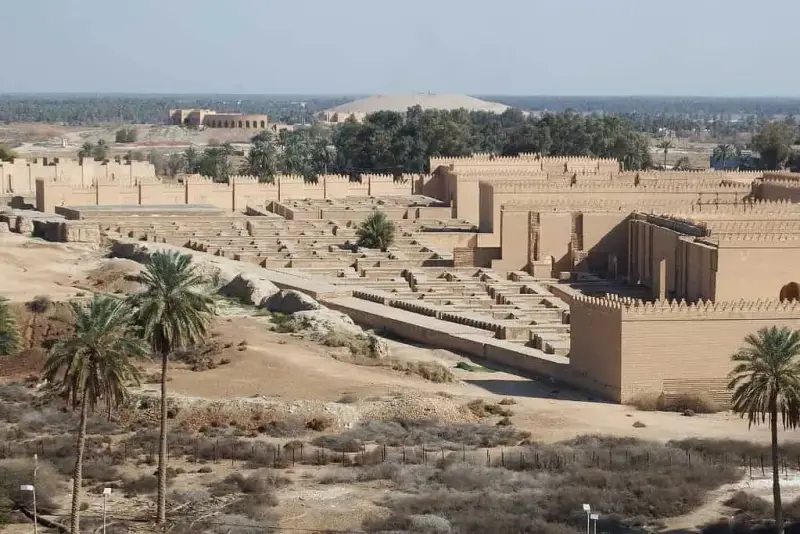 IraqAncient Mesopotamia
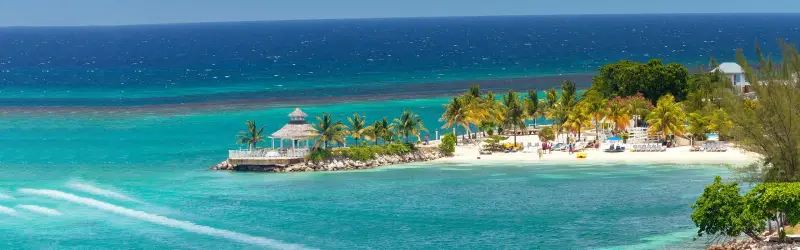 JamaicaReggae, waterfalls and Caribbean beaches
 KosovoMedieval monasteries and mountain valleys
 KyrgyzstanMountain lakes, yurts and nomad culture
 LesothoThe Kingdom in the Sky
 LiberiaRainforest and surf
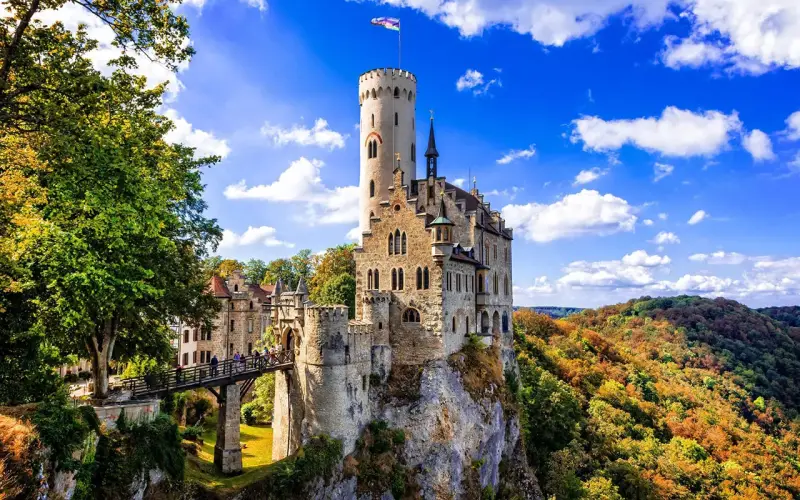 LiechtensteinAlpine principality
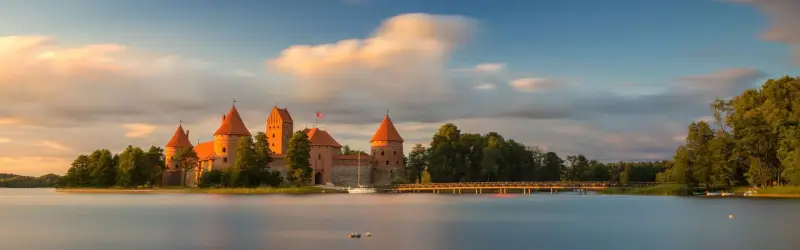 LithuaniaBaroque Vilnius, castles and the Curonian Spit
 MacauPortuguese heritage, Macanese food and Cotai resorts
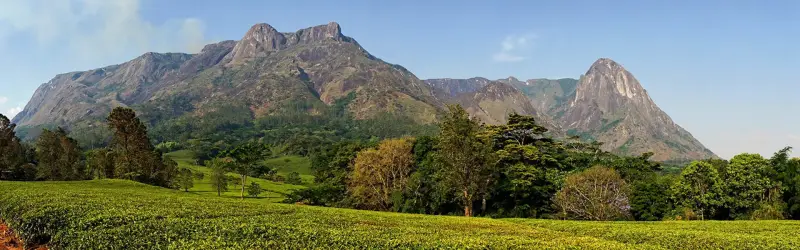 MalawiLake Malawi, the warm heart of Africa
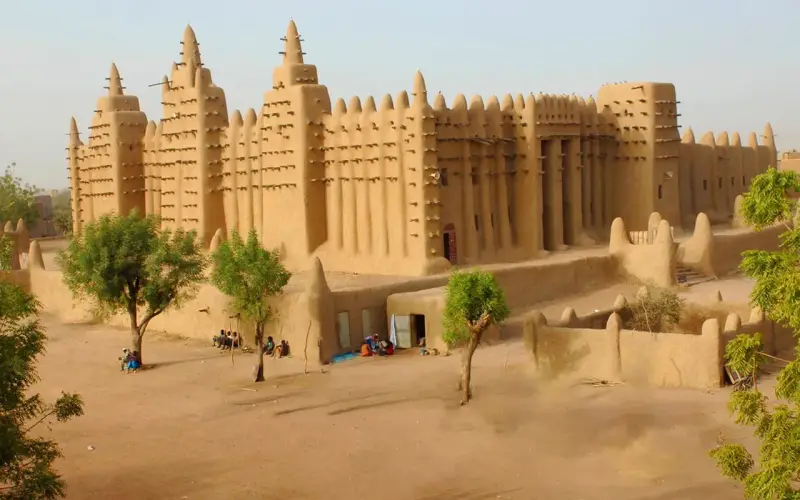 MaliSahel heritage
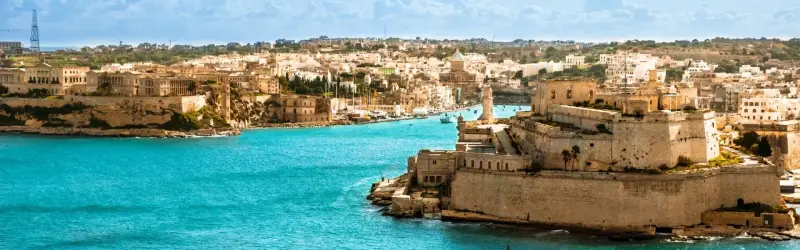 MaltaValletta, ancient temples and blue lagoons
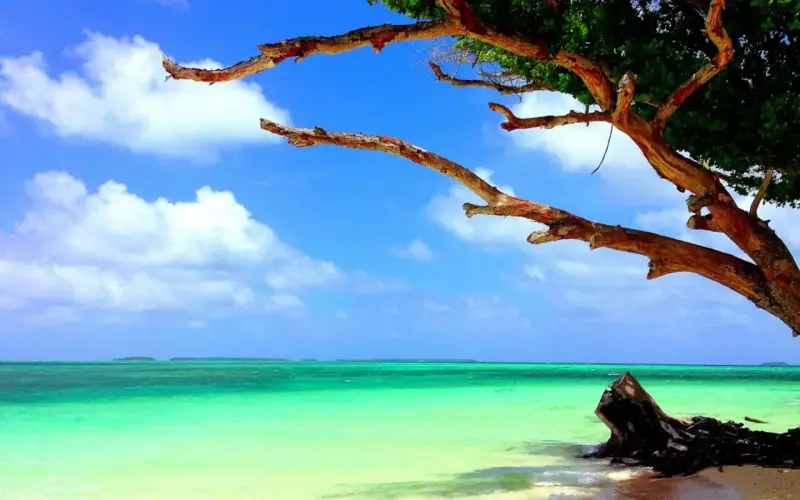 Marshall IslandsPacific atolls
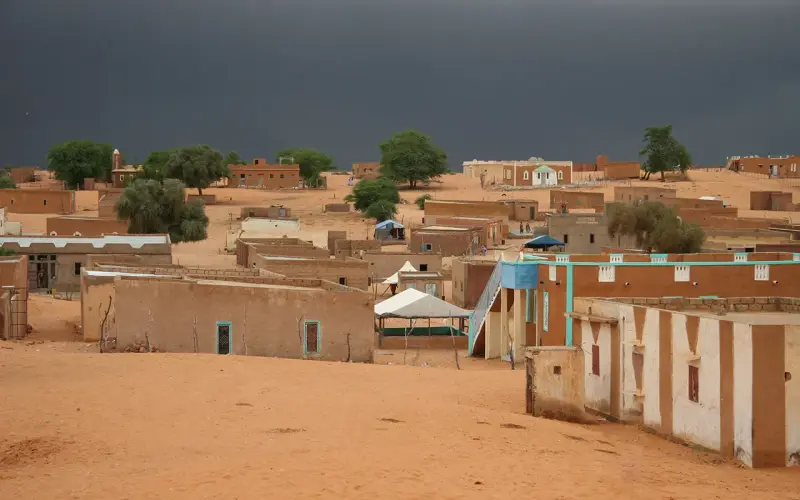 MauritaniaSahara caravan towns and the Iron Ore Train
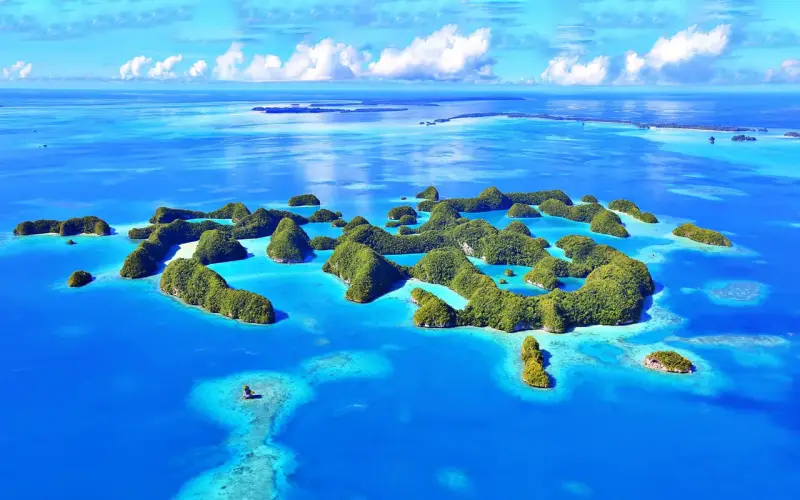 MicronesiaNan Madol, Chuuk Lagoon wrecks and Yap's stone money
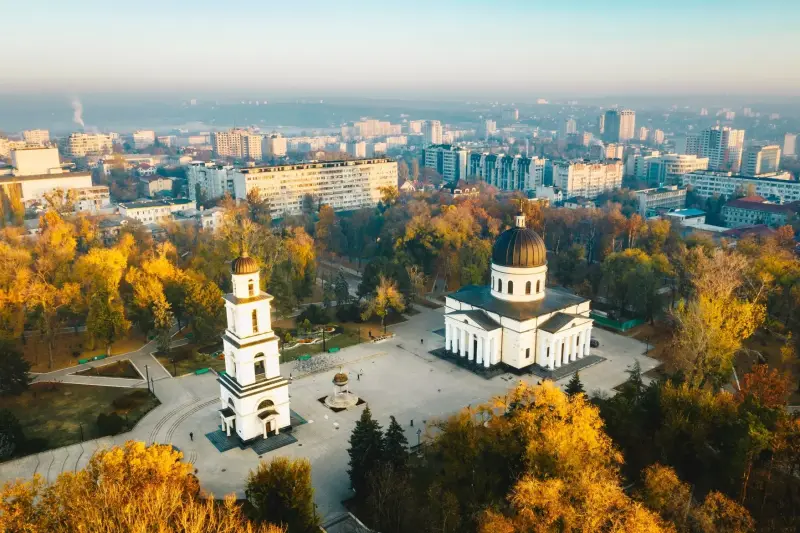 MoldovaWine cellars, cave monasteries and countryside
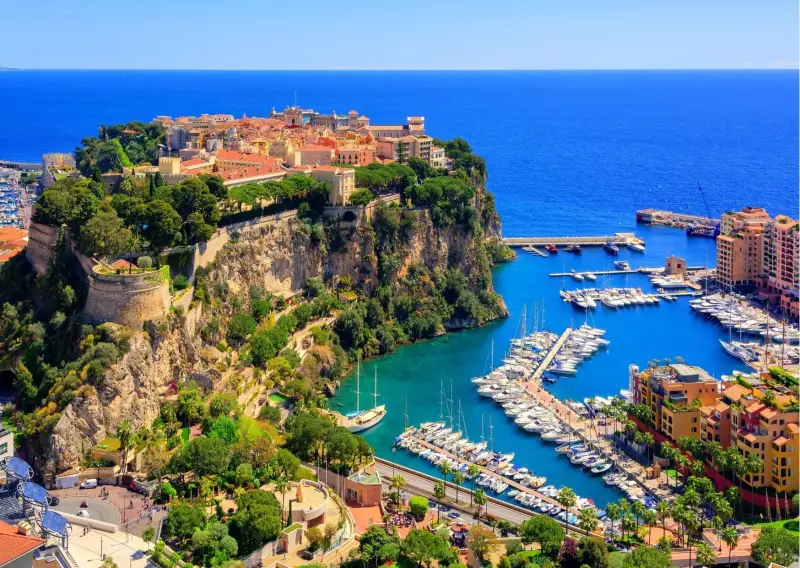 MonacoGlamour, Grand Prix and the Riviera
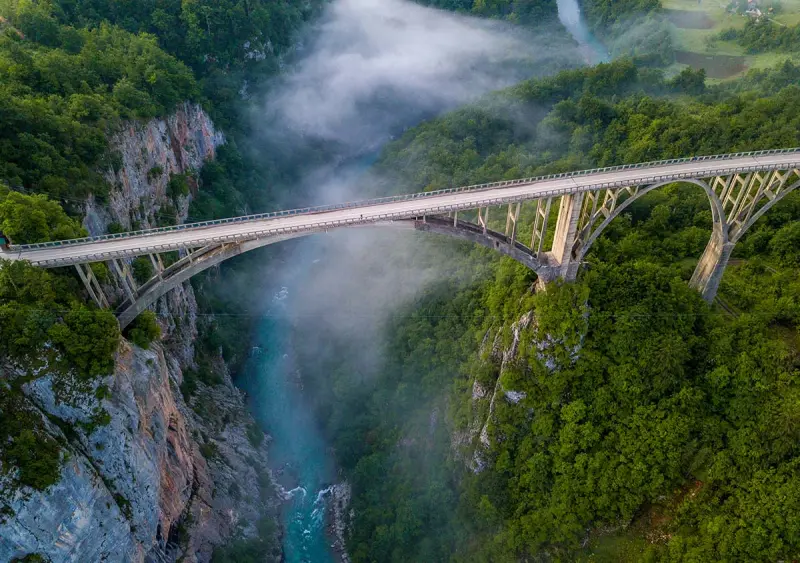 MontenegroBay of Kotor, Adriatic beaches and mountains
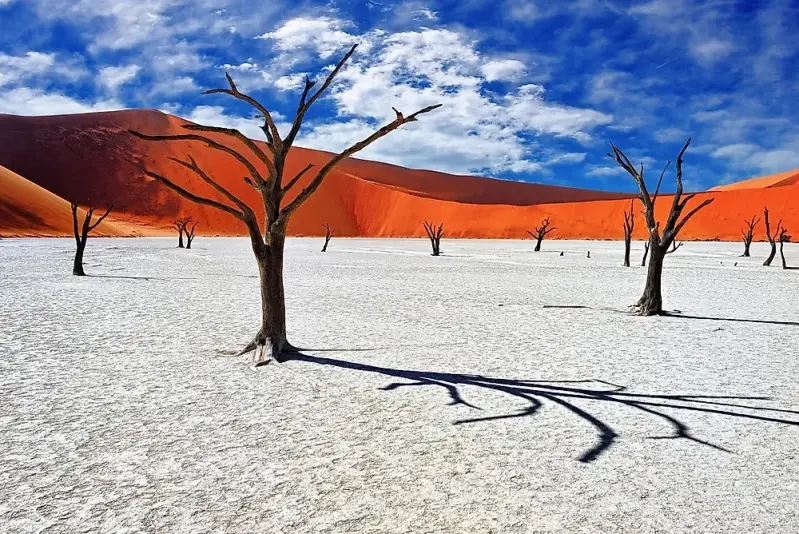 NamibiaRed dunes, Etosha wildlife and desert coast
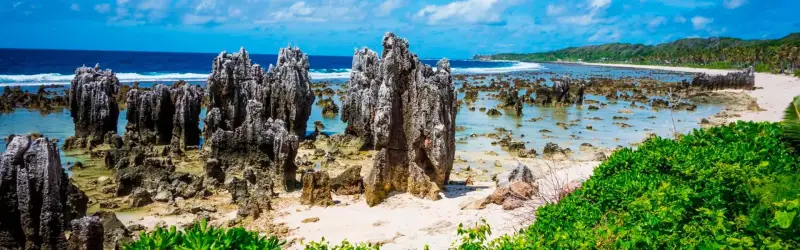 NauruThe world's smallest island republic
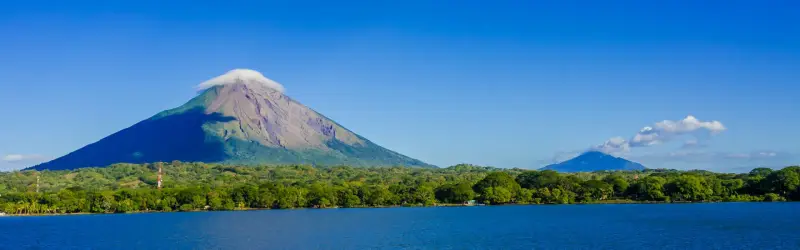 NicaraguaVolcanoes, lakes and colonial Granada
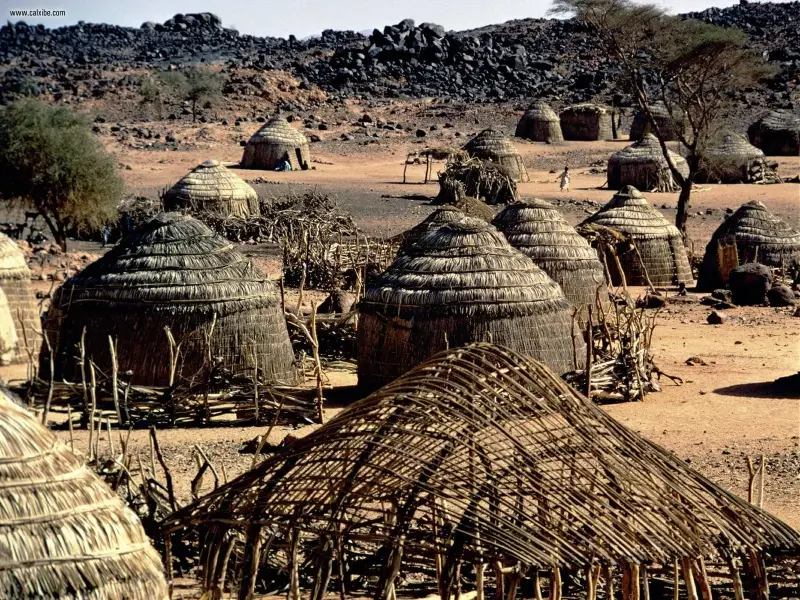 NigerAgadez and the Sahara
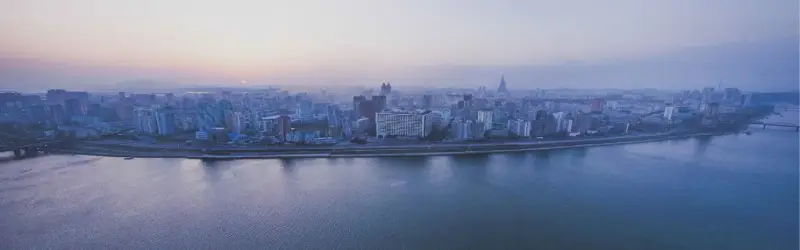 North KoreaThe world's most closed country
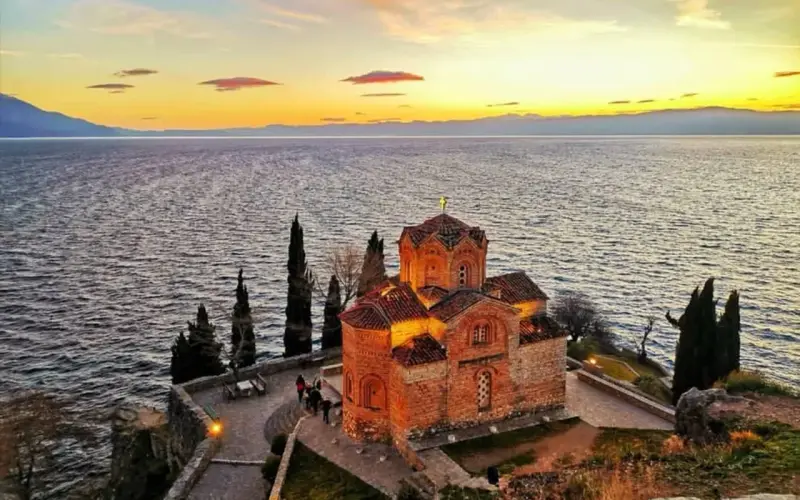 North MacedoniaLake Ohrid, Skopje and Balkan mountains
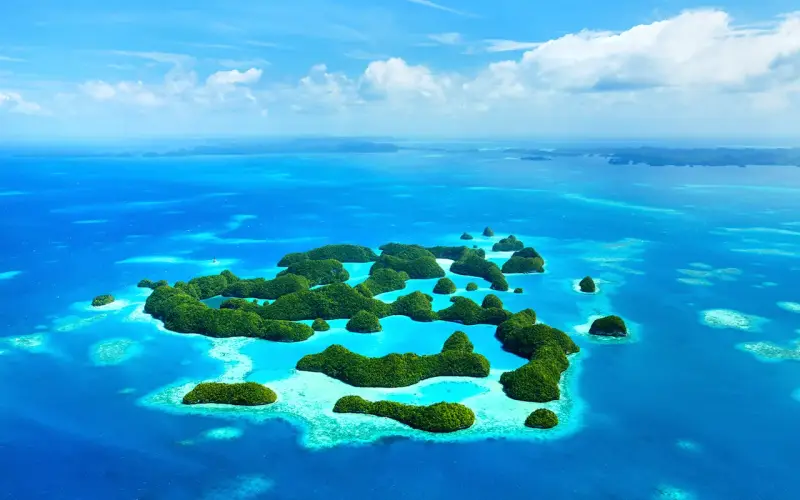 PalauRock Islands, Jellyfish Lake and world-class diving
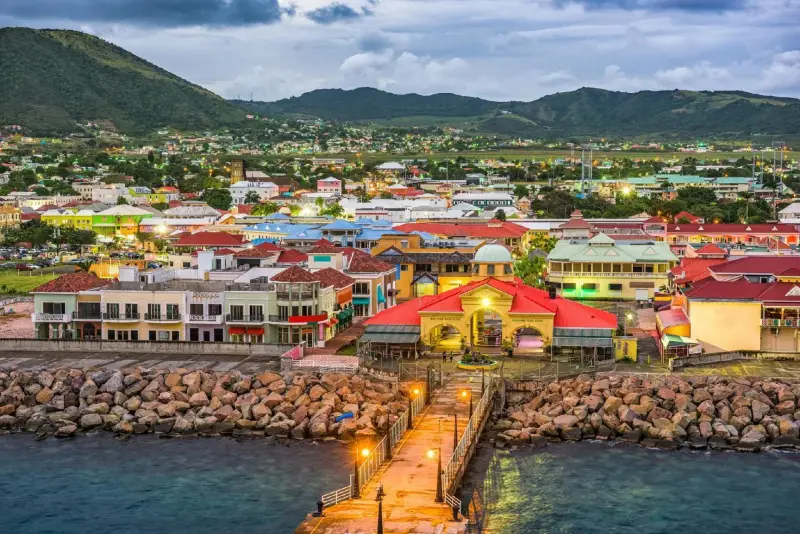 Saint Kitts and NevisBrimstone Hill, scenic railway and twin islands
 Saint Vincent and the GrenadinesSailing the Grenadines and Tobago Cays
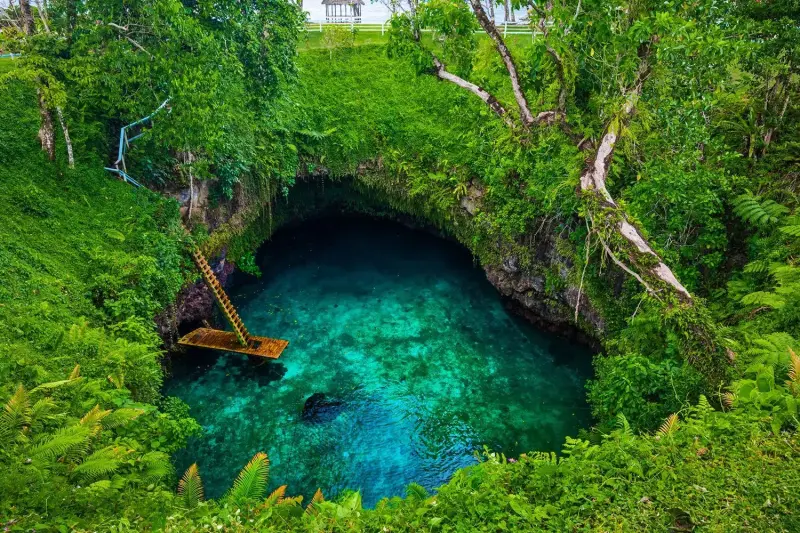 SamoaBeach fales, waterfalls and fa'a Samoa
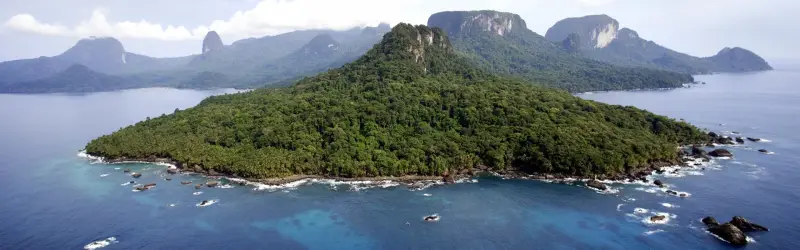 Sao Tome and PrincipeCocoa islands on the equator
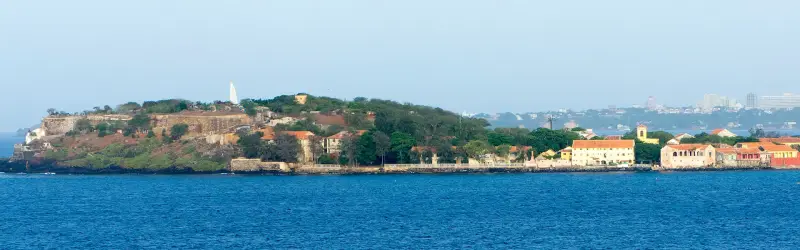 SenegalDakar's energy, Gorée Island and the Saloum Delta
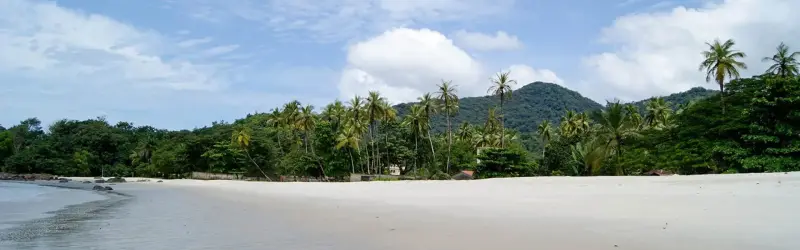 Sierra LeoneBeaches, islands and chimpanzee sanctuaries
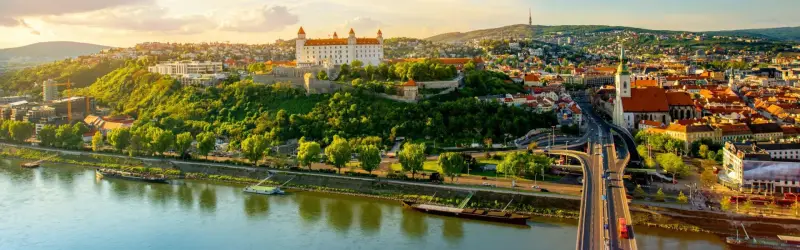 SlovakiaCastles, the High Tatras and Bratislava
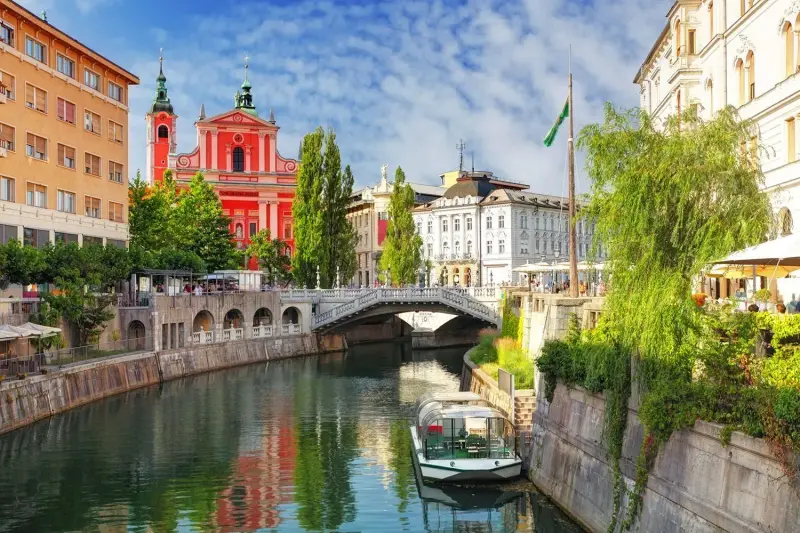 SloveniaLake Bled, Alpine valleys and caves
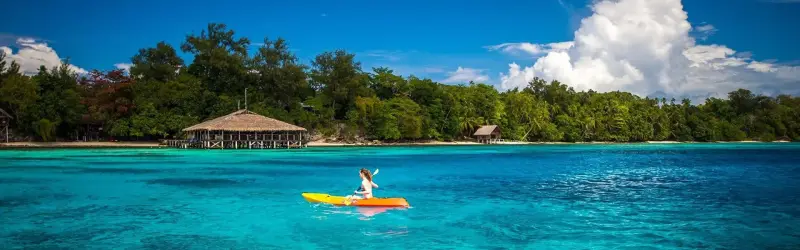 Solomon IslandsWWII history, reefs and lagoons
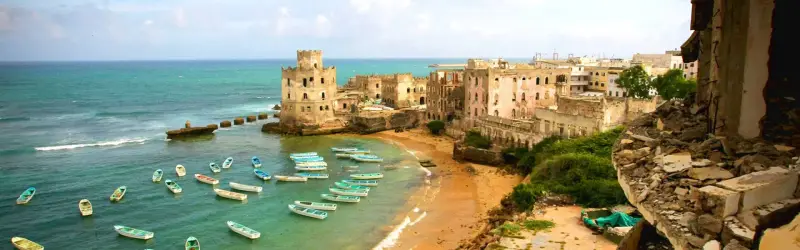 SomaliaAncient coast and Somaliland rock art
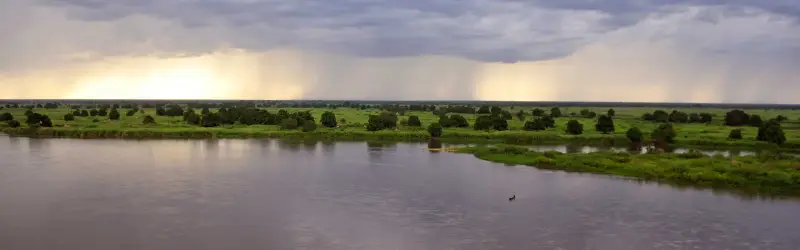 South SudanThe world's youngest country
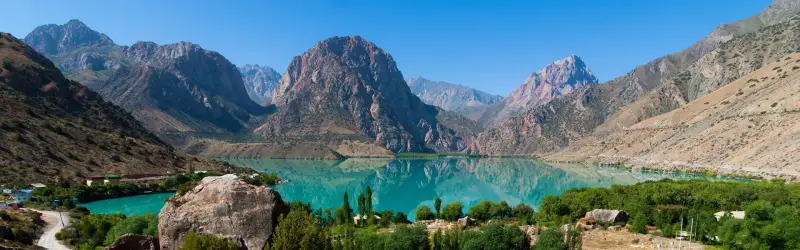 TajikistanThe Pamir Highway and high mountain lakes
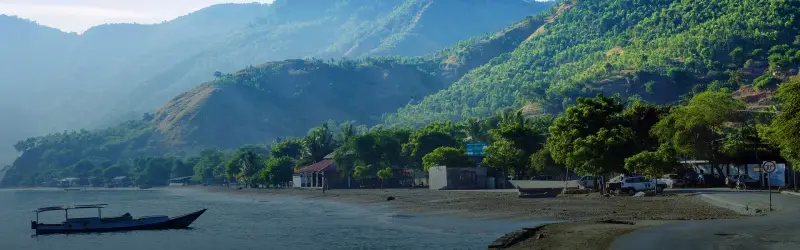 Timor-LesteCoral reefs, mountains and a young nation
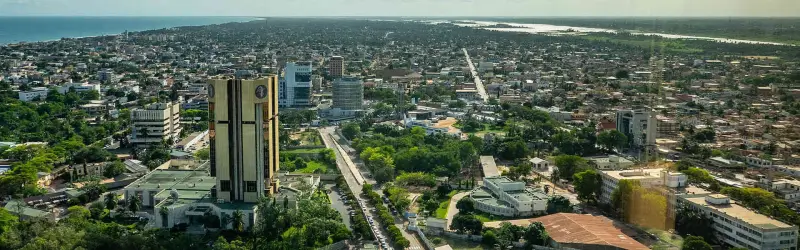 TogoVoodoo markets, Koutammakou and palm-lined coast
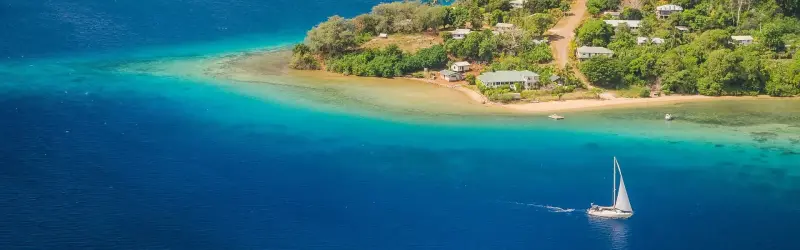 TongaHumpback whales and a Polynesian kingdom
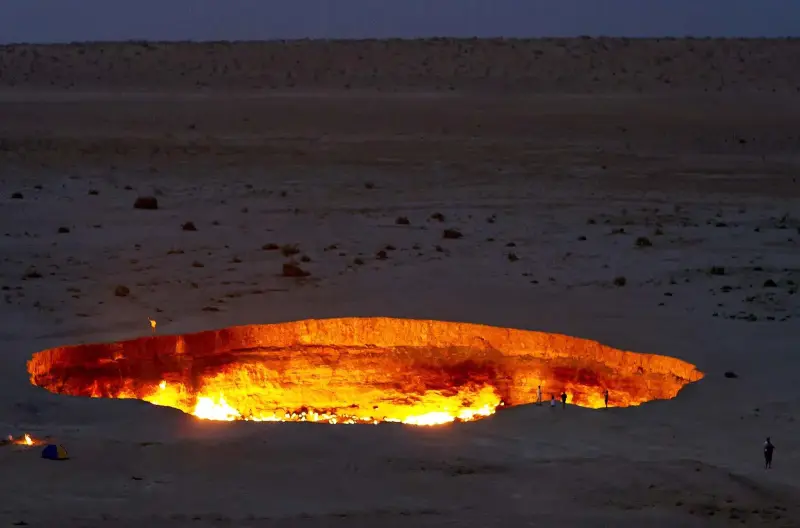 TurkmenistanThe Door to Hell and marble Ashgabat
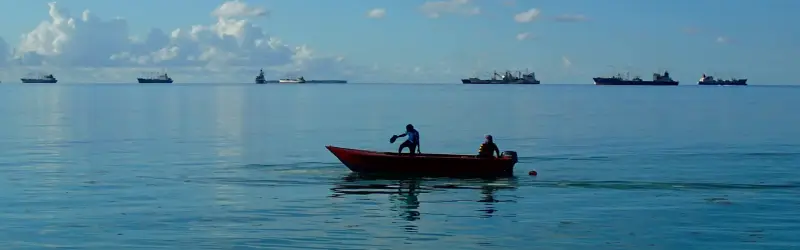 TuvaluRemote Pacific atolls and lagoons
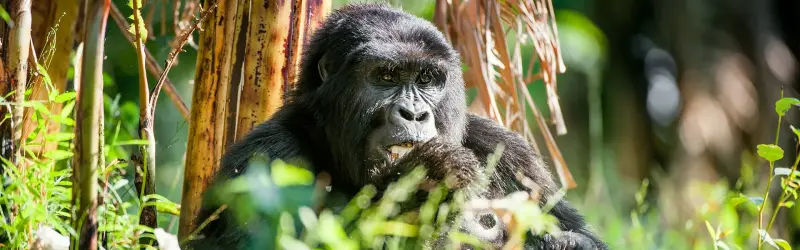 UgandaGorillas, chimpanzees and the source of the Nile
 UkraineKyiv, Lviv and the Carpathians
 VanuatuActive volcanoes, reefs and island culture
 Vatican CitySt Peter's and the Sistine Chapel
 WalesCastles, coast paths and mountains
 ZimbabweVictoria Falls, Hwange and Great Zimbabwe
 Bangladesh900 places to stay, eat or see
Nothing in that category yet.
Regions of Mongolia
Pick a region on the map to see what it is known for, then open its guide.
Top things to do in Mongolia
Ger stays, the Gobi dunes and Naadam horse races.
No things to do in Mongolia are listed yet. Browse all things to do
Best time to visit Mongolia
June to September is warm and green; winter is bitterly cold and only for well-prepared travelers.
Warm days, green steppe and the Naadam festival (11–15 July).
Cooler, fewer tourists; some camps close.
Extremely cold (often below −20°C); eagle festivals in Bayan-Ölgii in early October.
Book tours and ger camps early for the Naadam period in July, when demand peaks.
Mongolia travel tips
Entry, money, healthcare far from hospitals, safety, ger camps, getting around, SIM cards and ger etiquette.
Visas and entry
Visa-free for many
Mongolia has extended visa-free travel for citizens of many countries, including the UK, much of the EU, the US and Canada, for tourist stays of up to 30 days (scheme running until the end of 2026). Others can apply for an e-Visa.
- Passport validity
- At least 6 months of validity on arrival
- Visa-free stay
- Up to 30 days for many nationalities
- e-Visa
- Official government e-Visa portal
- Registration
- Required for stays over 30 days
- Confirm with
- Mongolia's Immigration Agency or a Mongolian embassy
Getting there
Ulaanbaatar
Chinggis Khaan International Airport, south of Ulaanbaatar, has flights to Seoul, Beijing, Tokyo, Istanbul and Frankfurt. The Trans-Mongolian Railway links Ulaanbaatar with Beijing and Moscow.
- Main airport
- Chinggis Khaan International (UBN)
- Rail
- Trans-Mongolian Railway
- Airline
- MIAT Mongolian Airlines
Money and costs
Moderate destination
Mongolia is moderately priced; tours are the main expense. Cash is essential outside Ulaanbaatar.
- Withdraw cash in Ulaanbaatar before trips.
- Tour prices usually include driver, guide and food.
- Tip guides and drivers.
Health and vaccines
Remoteness and cold
Health care is limited outside Ulaanbaatar; carry insurance with evacuation cover. Air pollution in Ulaanbaatar is severe in winter.
- Drinking water
- Bottled or boiled
- Air quality
- Very poor in winter in Ulaanbaatar
- Cold
- Extreme in winter
- Buy travel insurance that covers medical treatment and evacuation.
- Carry prescription medicines in original packaging with a copy of the prescription.
Staying safe
Generally safe
Crime against visitors to Mongolia is uncommon. Pickpocketing occurs in Ulaanbaatar, especially around the State Department Store and on buses.
- Emergency number
- Call 102 (police); 103 ambulance; 101 fire
- Before you go
- Read your government's current travel advisory for Mongolia
- Watch bags in crowded areas.
- Use reputable tour operators.
- Carry warm layers, even in summer.
Where to stay
Best areas to stay
In Ulaanbaatar stay in a city-centre hotel. Outside the capital you sleep in ger camps: at Terelj near the city, near Khongoryn Els in the Gobi and on the shore of Lake Khövsgöl.
- Ulaanbaatar
- City center
- Terelj
- Ger camps near the capital
- Gobi
- Ger camps near Khongoryn Els
- Khövsgöl
- Lakeside camps
Getting around
4x4 tours
Roads outside Ulaanbaatar are often dirt tracks; most visitors join tours in Russian UAZ vans or 4x4s. Domestic flights reach distant provinces.
- Tours
- 4x4 with driver and guide
- Domestic flights
- To Dalanzadgad, Mörön, Ölgii
- Ulaanbaatar
- Taxis and buses; heavy traffic
- Domestic airlines
- AeroMongolia and Hunnu Air
- Buses
- Ulaanbaatar to provincial capitals; Kharkhorin about 7 hours
- Airport
- 52 km from the city; shuttles X:19 and X:20
- Kharkhorin bus
- Leaves the Nomin terminal at 11:00
SIM and internet
Local SIM or eSIM
Pick up a prepaid SIM at the airport. Unitel, Mobicom, Skytel and G-Mobile all operate, and coverage is patchy in remote areas.
- Networks
- Unitel, Mobicom, Skytel, G-Mobile
- Coverage
- Patchy in remote areas
Culture and etiquette
Customs and etiquette
Mongolian nomadic culture has strict customs inside the ger and deep respect for guests.
- Ger etiquette
- Move clockwise; don't step on the threshold
- Naadam
- Wrestling, horse racing, archery
- Tipping
- Only guides and drivers expect it
- Accept food and drink with your right hand
- Move clockwise inside a ger
- Bring small gifts for host families
- Hold a cup by its base and taste whatever is offered
- Stepping on the ger threshold
- Pointing feet at the stove or altar
- Whistling inside a ger
- Throwing rubbish or water onto the stove
Things to know before visiting Mongolia
Mongolian winters are extreme, which limits when most people go.
Why travelers love it
- Vast steppe and sky.
- The Gobi Desert's dunes and cliffs.
- Nomad ger stays.
- Naadam festival.
- Khövsgöl Lake.
Good to know
- Extreme winters.
- Long, bumpy drives.
- Cash needed outside the capital.
- Winter air pollution in Ulaanbaatar.
Trip fit
BookingMentor editorial ratings out of 5, based on a first-time visitor's experience.
Ulaanbaatar weather by month
Ulaanbaatar has brutally cold winters; June to September is the warm window.
Monthly averages for Ulaanbaatar from the climate table of its Wikipedia article (Ulaanbaatar, elevation 1303 m), compiled from the national weather service. The Gobi is hotter in summer; the north is colder.
Packages in Demand
A Journey to Remember
Tours, activities and day trips in and around this destination, with the details you need before booking.
No packages in Mongolia are listed yet. Browse all packages
Create Your Custom-Made Trip to Mongolia
Traveling to Mongolia? Chat with a Local Travel Specialist in Mongolia Who Can Help Organize Your Trip.
START HERE
Our Travel Experts are Recommended by



Picking one or two directions out of Ulaanbaatar
Paved roads are few, a day in a jeep might cover a single leg, and the main sights sit hundreds of kilometres apart in different directions from Ulaanbaatar. Choose one or two arms of the map, since the whole country will not fit into one trip, and build in a spare day for each week: breakdowns are routine, and help can take a day to arrive.
- Four or five days: stay close to the capital. See Gandan Monastery in the city, then spend two nights in Gorkhi-Terelj National Park, 55 km out, where Turtle Rock and the 108 steps of the Aryabal meditation temple are short walks from the ger camps. Add a day at Khustain Nuruu to watch the takhi, the wild Przewalski's horses that were never domesticated.
- Ten days: head west to Khogno Khan and on to Kharkhorin, about 300 km from the capital as the crow flies, for Erdene Zuu, the oldest Buddhist monastery in the country. Continue to Tsetserleg in its forested Khangai valley. For the Gobi instead, fly south to Dalanzadgad; the Singing Sands of Khongoryn Els lie some 180 km beyond the town, with dunes about 80 m high.
- Two to three weeks: combine the Gobi with the central valleys by jeep, then fly north to Mörön for Lake Khövsgöl, a cold alpine lake at 1,645 m fringed with larch forest.
Visits to the Tsaatan reindeer herders west of Khövsgöl require a border permit from Ulaanbaatar or Mörön, which licensed operators arrange if you send your details in advance. Seats on the small domestic turboprops are limited; book flights early for the Gobi and the north. Most first-timers hire a driver and guide through an operator; independent travel is possible but slow. Reserve a couple of Ulaanbaatar hotel nights at each end of the loop, since tours start and finish in the capital.
Summer travel season and Naadam on 11 July
Mid-June to early September is the main travel season in Mongolia. Naadam opens on 11 July with wrestling, horse racing and archery, and smaller provincial Naadams run through the month.
Most of the year's rain falls between June and August, and nights on the steppe can be chilly even in midsummer.
The smaller provincial Naadams held through July let you stand much closer to the wrestlers. On 23 July a yak festival with races and a rodeo sets up a temporary village on the steppe between Kharkhorin and Arvaikheer. Mountaineers aim for July and August on the highest Altai peaks.
Autumn belongs to the west. A smaller eagle gathering takes place at Sagsai on 22 September, and the Golden Eagle Festival in Ölgii follows in early October with 60 to 70 hunters, camel races and Kazakh horseback games. Ger camps start closing as the nights drop below freezing.
Tsagaan Sar, the lunar new year, is a three-day public holiday in the coldest stretch, when families gather for a feast of mutton and buuz.
Buuz, khuushuur and a countryside diet of mutton
Boiled mutton is the smell of the countryside, and herders eat little else. Town menus build on it. Buuz are steamed meat dumplings, often called the national dish. Khuushuur are fried pastries stuffed with mutton and onion. Tsuivan is a plate of fried noodles with meat and a few token vegetables.
Try mild fresh byaslag cheese and clotted öröm before tackling aaruul, dried curds so hard you suck on them slowly. For a feast, ask your guide in summer to arrange khorkhog, mutton and vegetables cooked with red-hot stones in a sealed churn, or boodog, where a goat is roasted inside its own skin. Skip marmot, which can carry plague.
On the road, the only option is often a guanz, a roadside ger canteen with one or two dishes. Vegetarians eat well only in the capital; elsewhere, an operator needs advance notice.
Every ger visit starts with salted milk tea (süütei tsai) and a bowl of dried snacks. Stalls at Gandan Monastery and the West Market in Ulaanbaatar sell airag in summer. This fermented mare's milk is sour with a slightly gritty texture. It can upset an unprepared stomach the first time. Arkhi is a clear spirit distilled from milk; Chinggis and Sengur are two of the local beers.
Travelers are asking
The national Naadam festival is held on 11–15 July, centred in Ulaanbaatar.
Our travel desk answers questions about Mongolia
How We Research This Guide
UNESCO's Mongolia listings, UK Foreign Office advice and Wikipedia are our references.
Last updated . Spotted something out of date? Tell us.
Checked against trusted sources:
UNESCO World Heritage CentreUK Foreign Office travel advice

Before You Go...
Discover Trips & Info
A Travel Network Connection Travelers and locals
Incredible Event & Festival, Don't Miss!
Most Popular Event & Festival of Mongolia
Festivals and events in this destination, with dates, venues and ticket details where available.
No upcoming festivals or events in Mongolia are listed right now. Browse all events
Subscriber
Popular car hire destinations
Explore more options to hire a car for cheap
Frequently Asked Questions (FAQs)
Visa-free stays, ger camps, Naadam and overland tours.
Timing & weather
June to September is the best time to visit Mongolia. July highs in Ulaanbaatar reach about 25°C and Naadam opens on 11 July. Winters are extremely cold, and Ulaanbaatar is the coldest capital on earth.
The Golden Eagle Festival in Ölgii takes place in early October, with 60 to 70 hunters, camel races and Kazakh horseback games. A smaller gathering is held at Sagsai on 22 September.
July is the warmest month in Mongolia, with average highs of 25°C, and January the coolest, with lows of -26°C. July is the wettest month, at about 75 mm of rain; January is the driest. Ulaanbaatar has brutally cold winters; June to September is the warm window.
Health & safety
Mostly yes. Watch for pickpockets in Ulaanbaatar, and call 102 for police or 103 for an ambulance.
Visa & documents
Citizens of many countries can visit visa-free for up to 30 days under a scheme running until the end of 2026. Others can apply for an e-Visa.
Yes. The herders live west of Lake Khövsgöl, in an area that needs a border permit from Ulaanbaatar or Mörön. Licensed operators arrange it if you send your details in advance.
Booking
Ten to 14 days. Distances from Ulaanbaatar are long, so pick one or two directions, such as the Gobi or Khövsgöl, and keep a spare day each week for breakdowns and weather.
General
Top places include Ulaanbaatar, Terelj National Park, the Gobi Desert, Khongoryn Els, Bayanzag, the Orkhon Valley, Karakorum and Khövsgöl Lake.
Yes. Smaller provincial Naadams run through July and let you stand much closer to the wrestlers. On 23 July a yak festival with races and a rodeo sets up between Kharkhorin and Arvaikheer.
Roads outside Ulaanbaatar are often dirt tracks; most visitors join tours in Russian UAZ vans or 4x4s. Domestic flights reach distant provinces.
Mongolia is best known for:
- Vast steppe and sky
- The Gobi Desert's dunes and cliffs
- Nomad ger stays
- Naadam festival
- Khövsgöl Lake
Getting there
Paved roads are few and the main sights lie hundreds of kilometers apart, so a flight to Dalanzadgad saves days. The Khongoryn Els dunes, about 80 m high, still lie some 180 km beyond the town, and domestic seats are limited, so book early.
Expect mutton: buuz dumplings, fried khuushuur and tsuivan noodles, often from a guanz roadside canteen. Ger visits begin with salted milk tea and dried curds, and vegetarians need to warn their operator in advance.
Chinggis Khaan International Airport, south of Ulaanbaatar, has flights to Seoul, Beijing, Tokyo, Istanbul and Frankfurt. The Trans-Mongolian Railway links Ulaanbaatar with Beijing and Moscow.
Prices & payment
Daily travel costs in Mongolia are moderate. Costs are moderate by international standards.
