

Moulvibazar
Moulvibazar travel guide
The tea capital of Bangladesh, forests and waterfalls.
Moulvibazar, in northeast Bangladesh, is the heart of the country's tea industry, centred on Srimangal. Visitors come for tea estates, Lawachara National Park and its hoolock gibbons, Madhabkunda waterfall, the Hakaluki Haor wetland and Baikka Beel's birds. Allow 2 to 3 days between October and March. Prices are very low, and some nationalities get a visa on arrival.
Moulvibazar in northeast Bangladesh is a fascinating region with its beautiful tea gardens, forests, and wetlands. The area is perfect for rambling and is a real paradise for nature lovers and photographers.
Noteworthy, Moulvibazar district boasts numerous tourist destinations, including Lawachara National Park, which is great for experiencing a tropical forest. Moreover, the district is famous for its Madhabkunda Waterfall, an outstanding example of Bangladesh’s natural beauty, and Sreemangal, which is a tea garden town.
Another reason to visit Moulvibazar district is to witness Hakaluki Haor – one of the largest wetland ecosystems in Bangladesh.
This place is especially spectacular during the monsoon season when the whole area is flooded and becomes a habitat for many birds that arrive in flocks. What is more, there are many local village markets and ethnic restaurants in the area.
Thus, Moulvibazar district is a great destination for those who like to explore nature, take photos, and admire local traditions and culture.
Best experiences in Moulvibazar
Find your kind of trip: 24 travel themes, each with the packages in Moulvibazar.
 Ayurveda Tours
 Seasonal/Event
 Adventure
Wildlife & Safaris
Pilgrimage
 Eco/Nature
Culture & History
 Honeymoon
 Romantic Getaway
 Cruise
 Water Activities
 Backpacking
 Luxury
 Photography
City Slickers
Heritage
 Beach & Relaxation
 Sports & Recreation
 Food & Wine
Train & River Journeys
Skiing
 Overland
Moulvibazar at a glance
Key facts for Bangladesh's tea district around Srimangal, from the best months to the currency.
Top destinations near Moulvibazar
Pick a place by travel style: beaches, nature, cities, heritage, hills, islands.
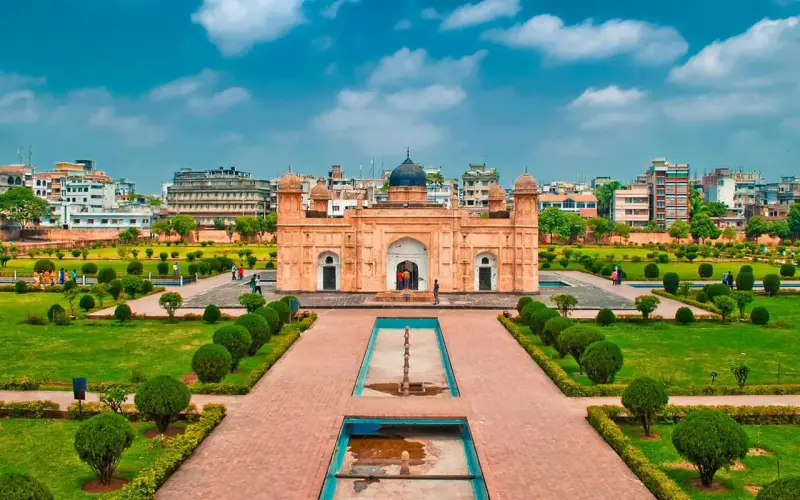 DhakaCapital & chaos
 ChattogramPort city and gateway to the hills
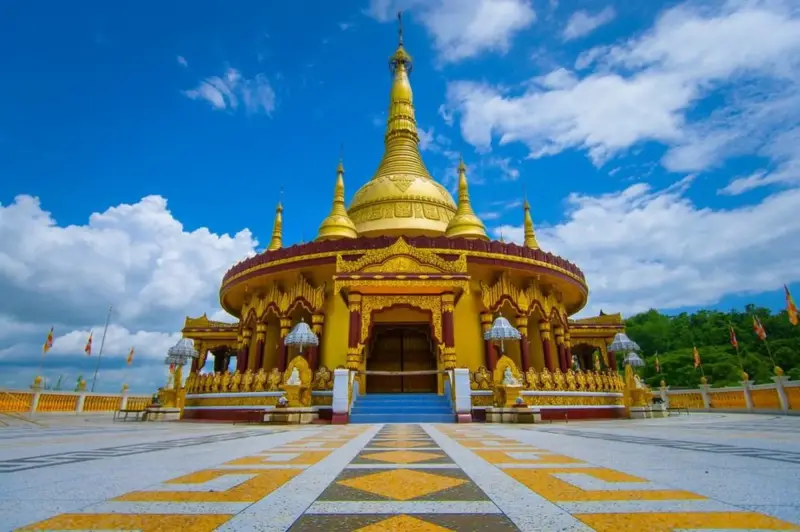 BandarbanThe highest hills in Bangladesh
 Cox's BazarOver 100 km of sea beach
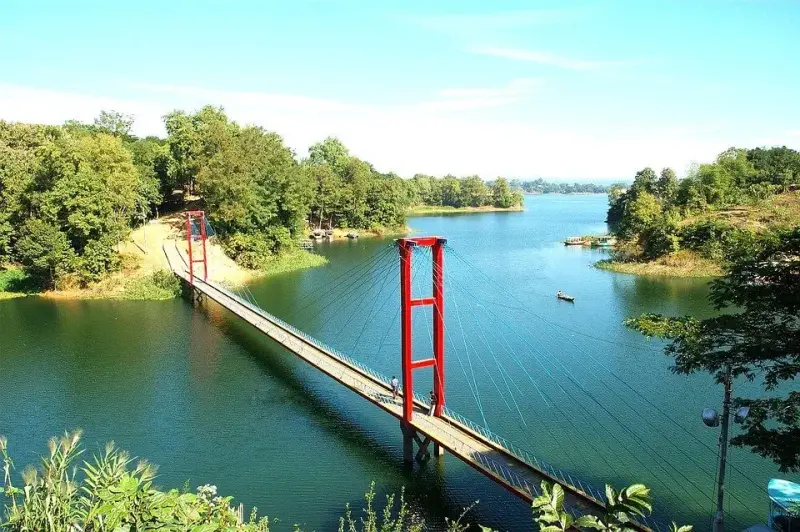 RangamatiKaptai Lake and the hills
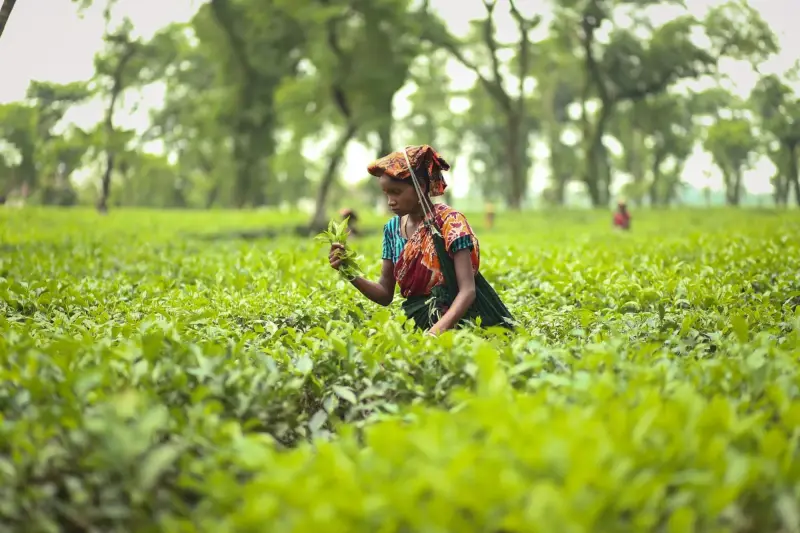 SylhetTea gardens and swamp forest
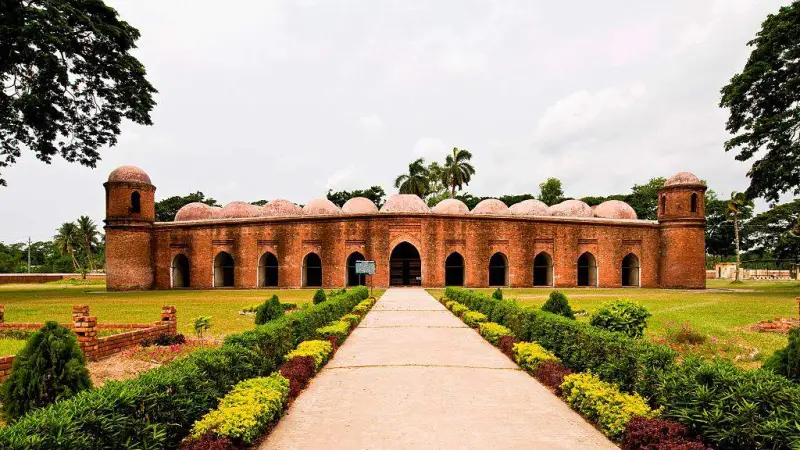 BagerhatMosque City and Sundarbans gateway
 KhulnaGateway to the Sundarbans
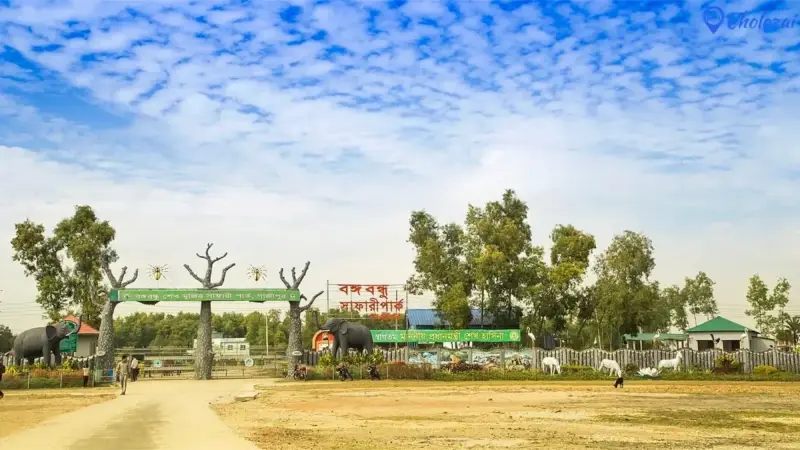 GazipurForests next to Dhaka
 NarayanganjSonargaon and Panam Nagar
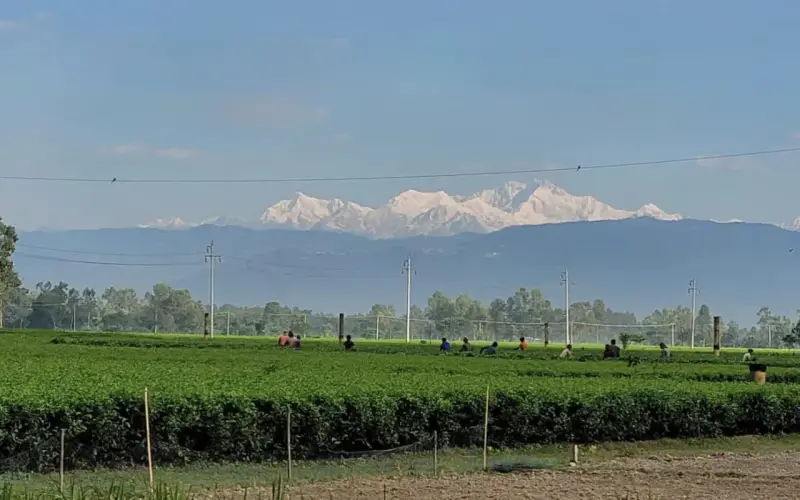 PanchagarhKanchenjunga views from Tetulia
ThakurgaonThe giant mango tree
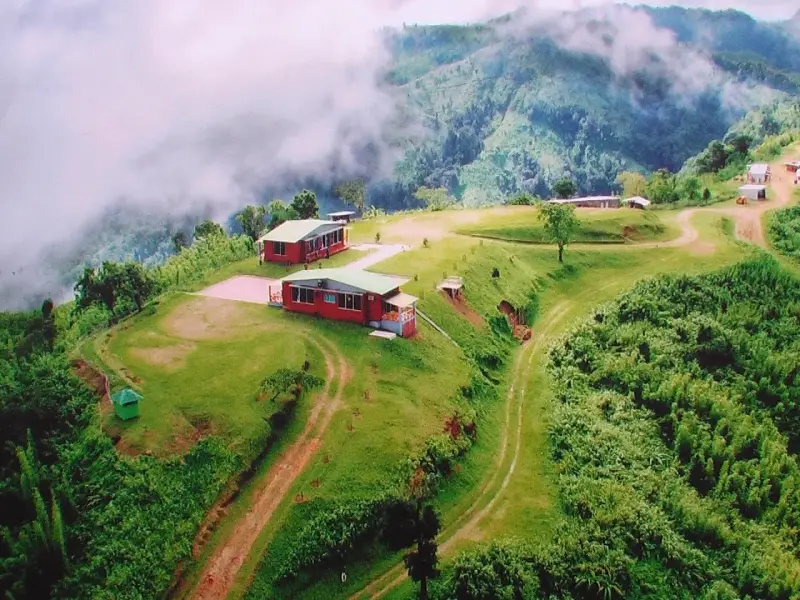 KhagrachhariCaves, falls and the road to Sajek
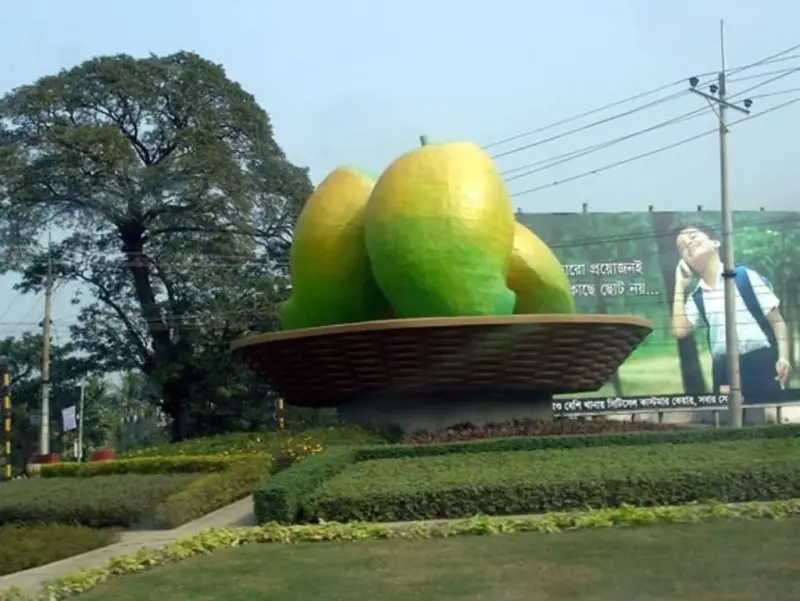 RajshahiSilk, mangoes and the Padma
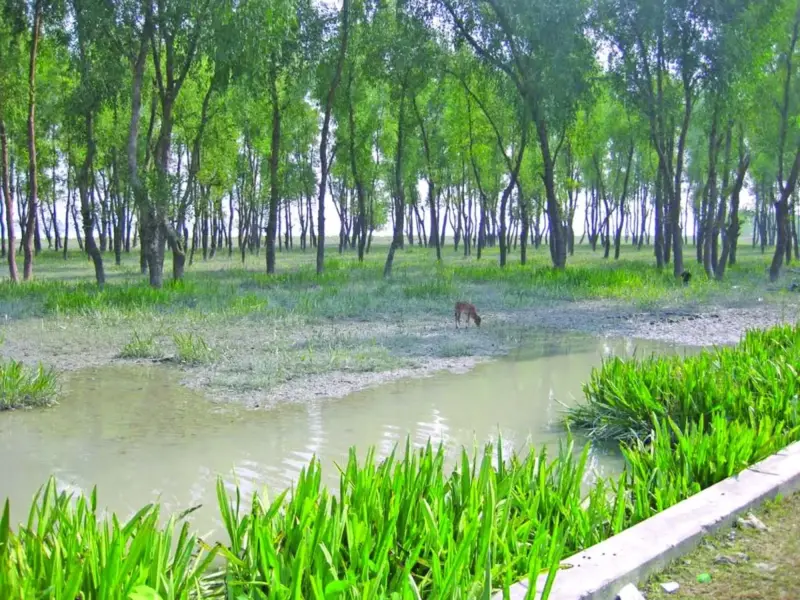 BargunaCoastal forests and quiet beaches
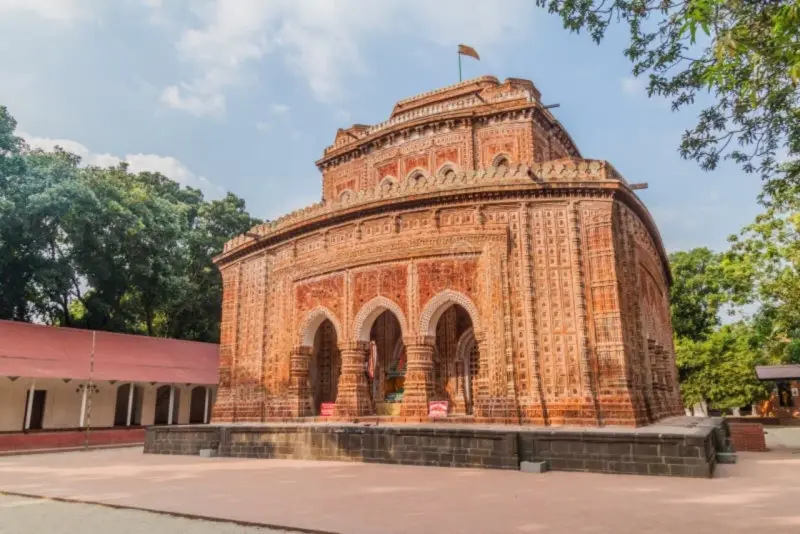 DinajpurKantajew Temple
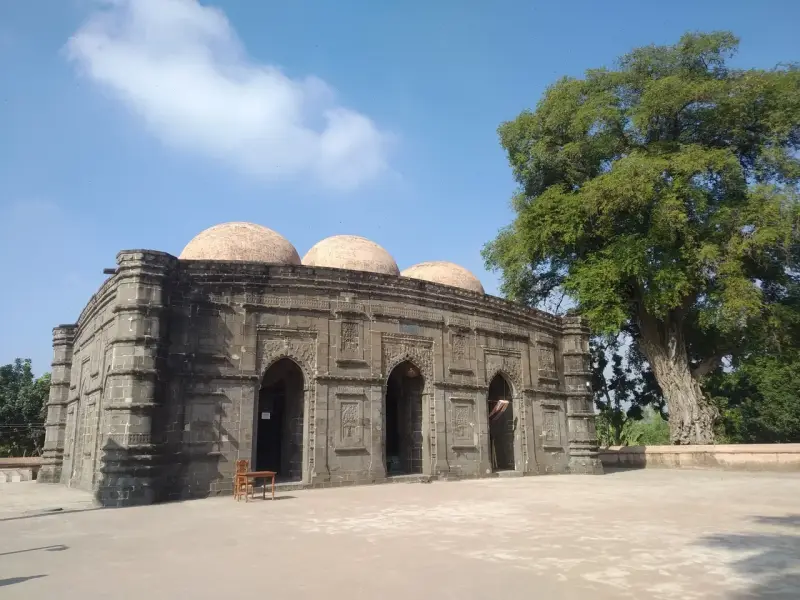 NaogaonPaharpur's great monastery
 PatuakhaliKuakata, daughter of the sea
 SunamganjThe haor wetlands
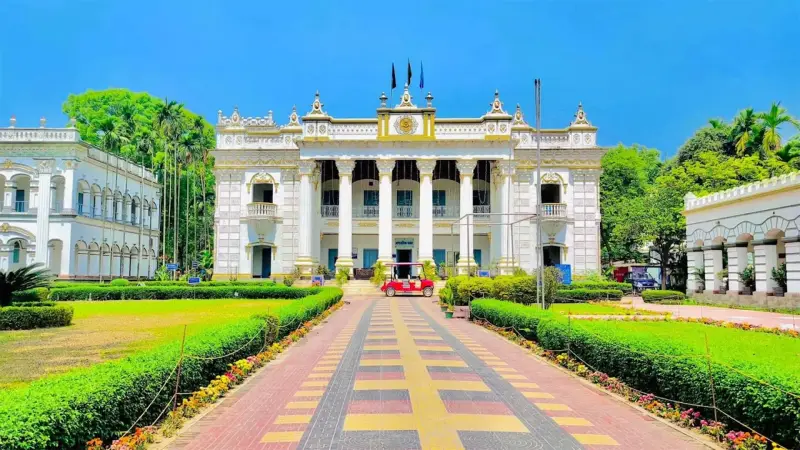 TangailSaris, sweets and Atia Mosque
Chapai NawabganjGaur and the mango capital
HabiganjForests and tea estates
NilphamariSaidpur and Nilsagar
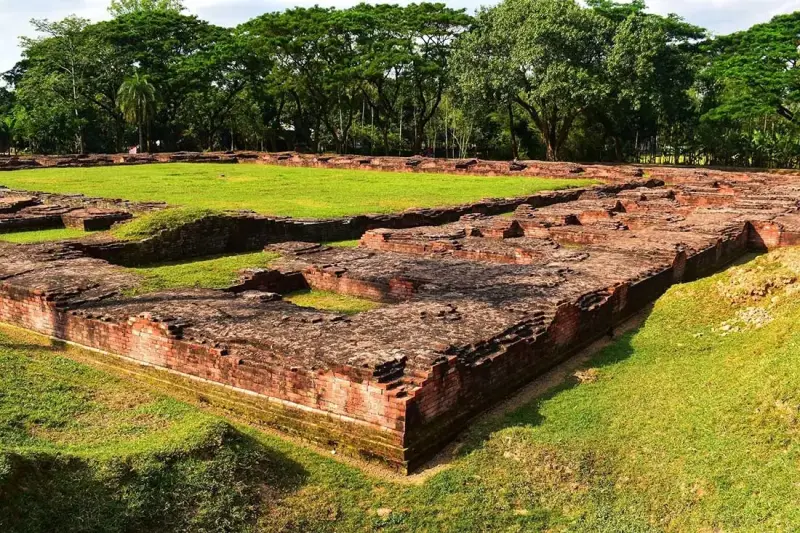 BograAncient Mahasthangarh
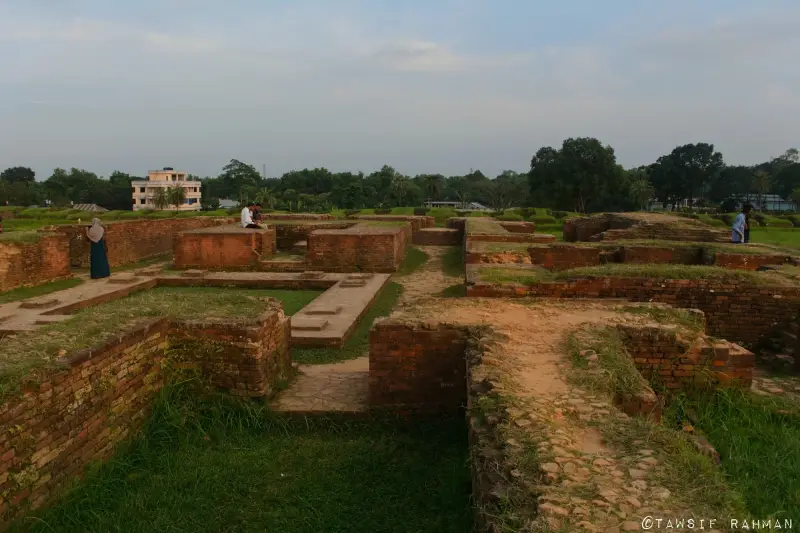 ComillaMainamati ruins
 JhalokatiFloating guava markets
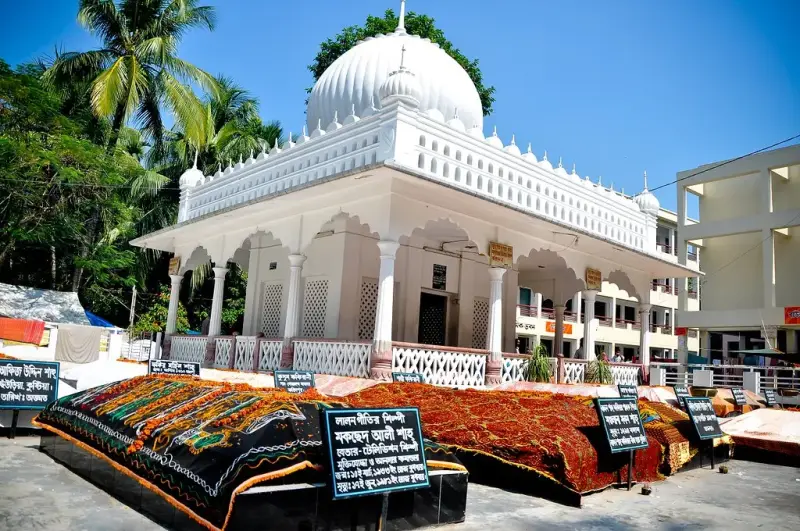 KushtiaLalon and Tagore
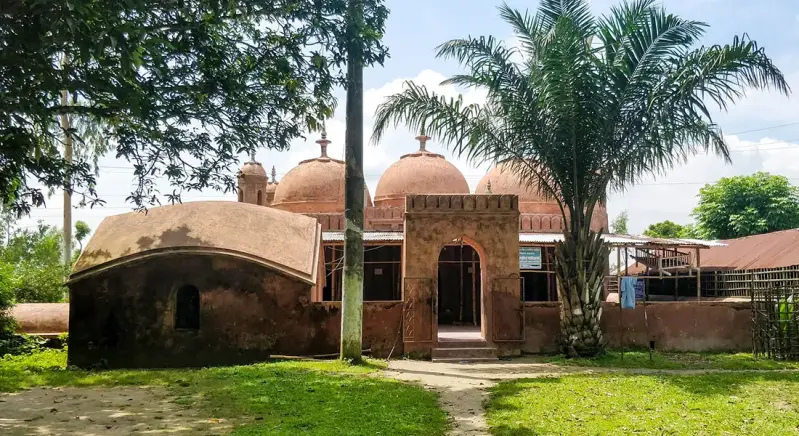 LalmonirhatTeesta Barrage and Tin Bigha
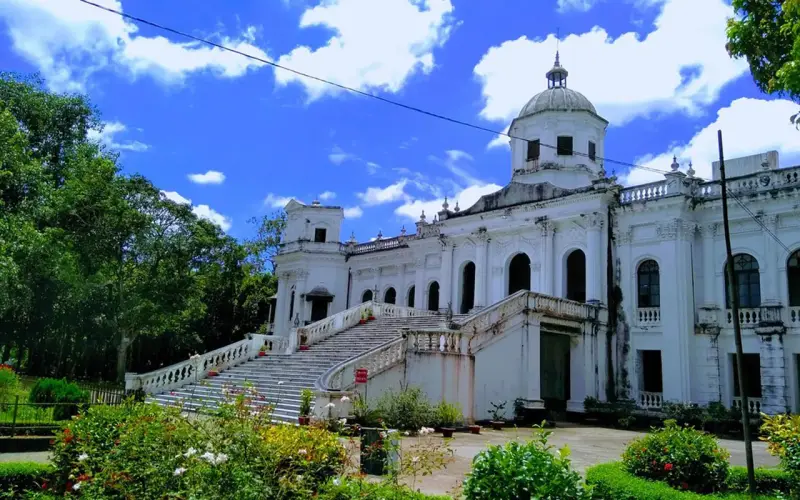 RangpurPalaces of the north
MunshiganjHistoric Bikrampur
SatkhiraWestern Sundarbans
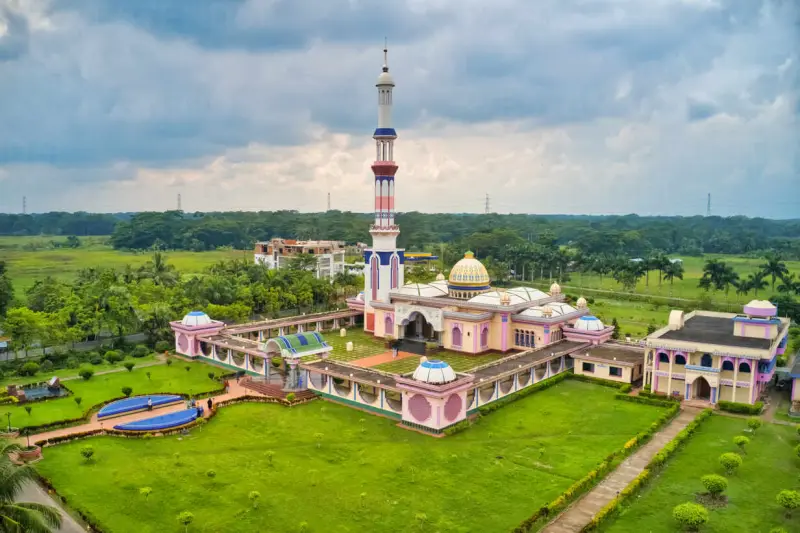 BarishalVenice of Bengal
 BholaBangladesh's largest island
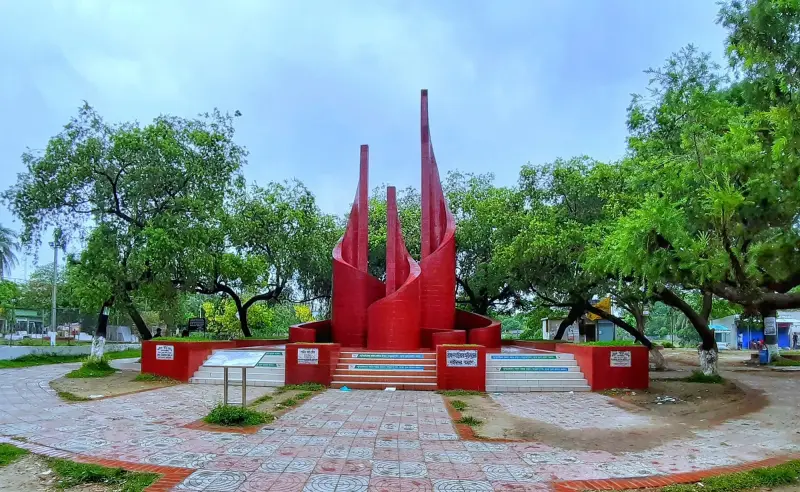 BrahmanbariaThe Titas and Akhaura
 ChandpurCity of hilsa
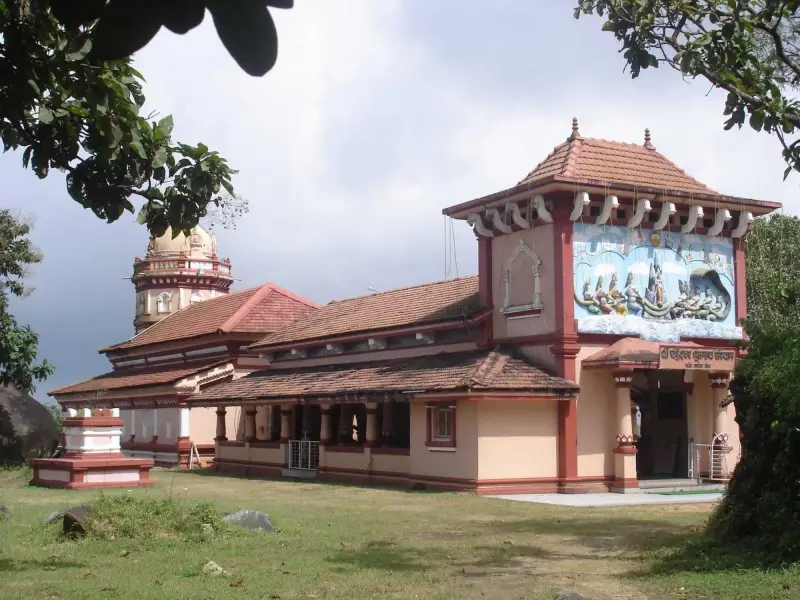 FaridpurPoet Jasimuddin's home
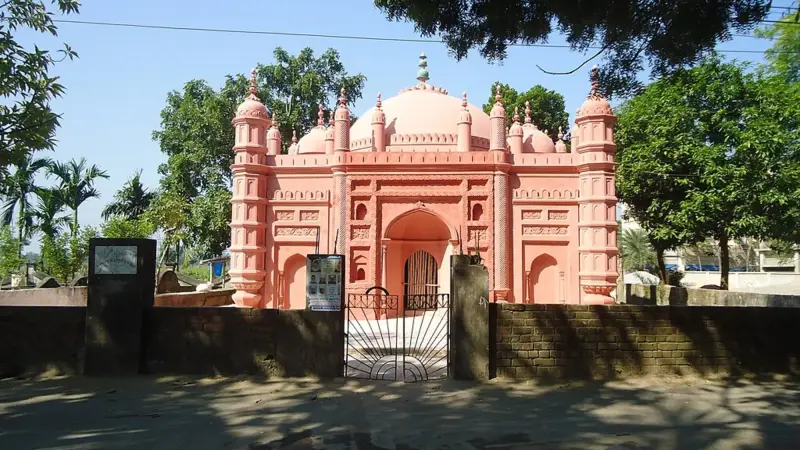 FeniMuhuri Project
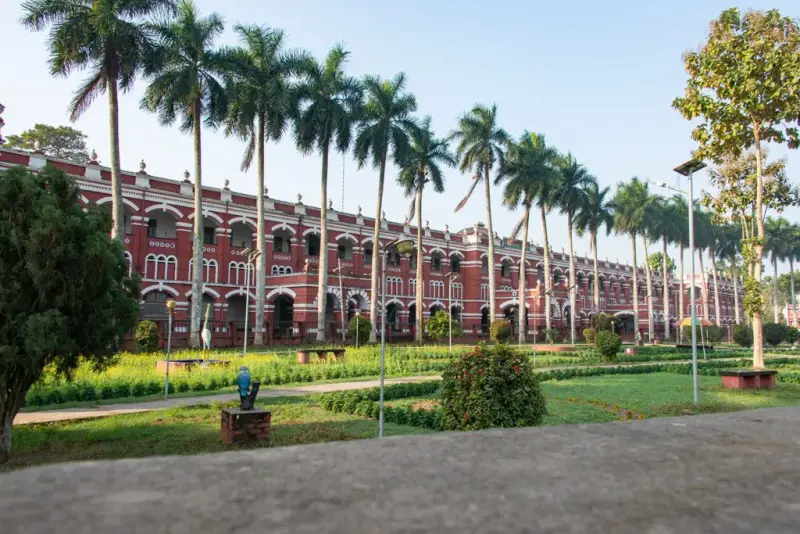 JashoreFlowers and Benapole
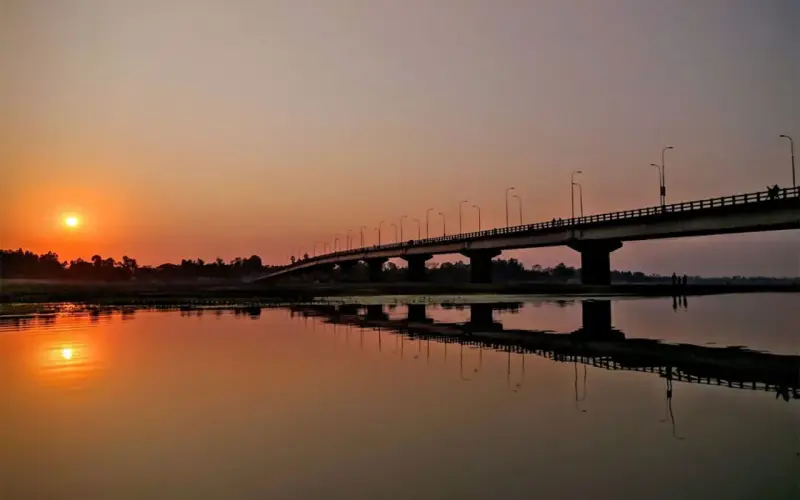 KurigramRivers and char islands
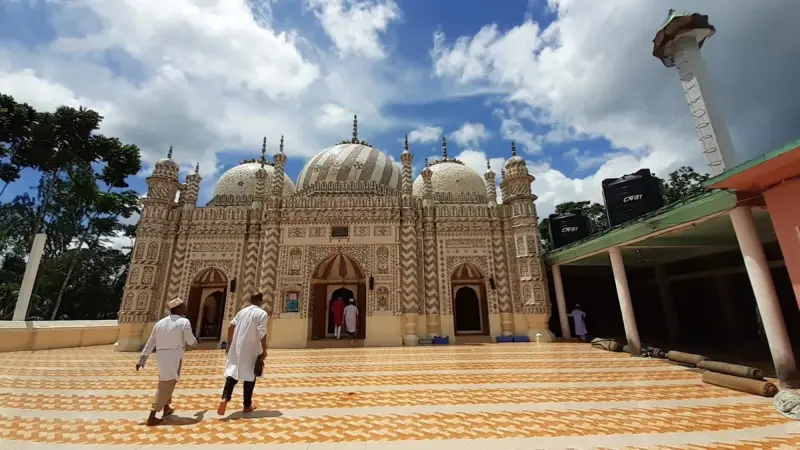 LakshmipurMeghna estuary
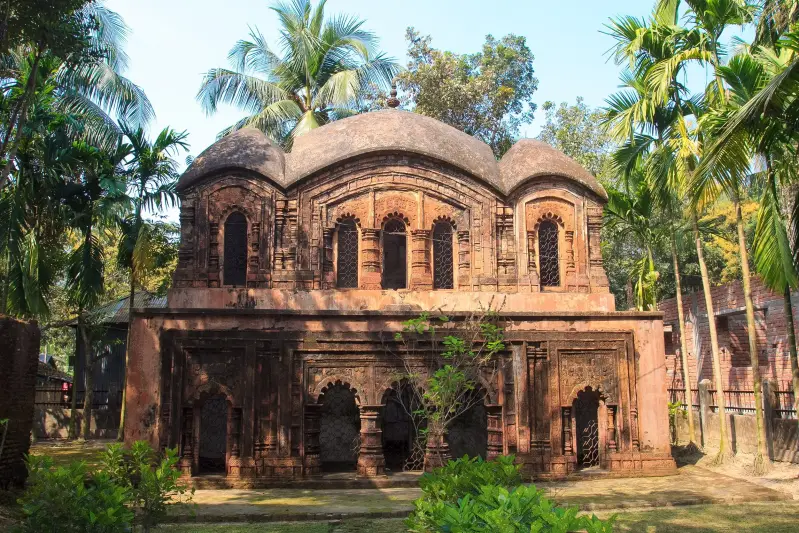 MadaripurRivers near the Padma Bridge
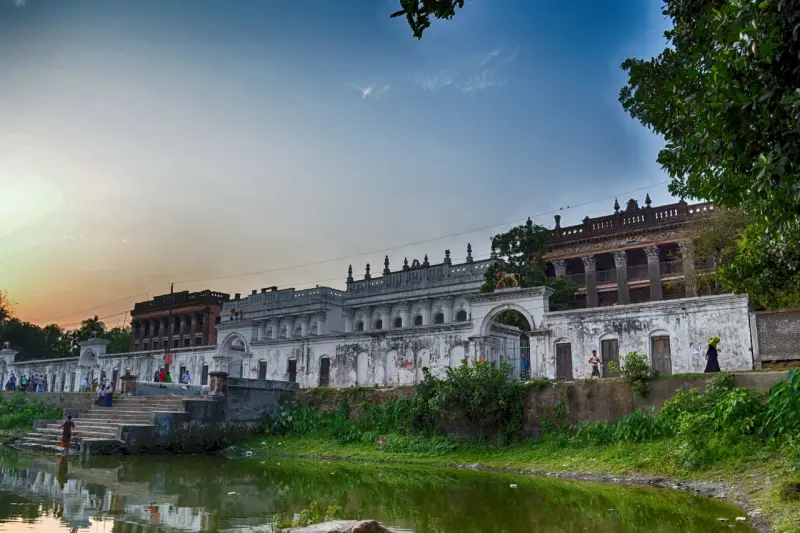 ManikganjZamindar palaces
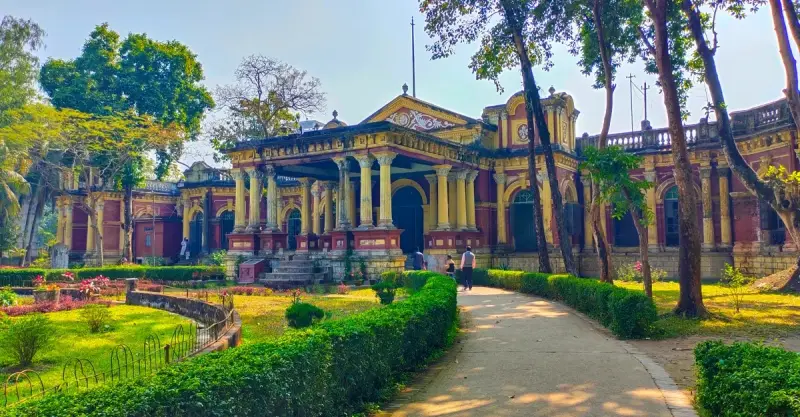 MymensinghRiver city of art and palaces
 NoakhaliNijhum Dwip
 PabnaBridges over the Padma
 PirojpurFloating markets of Swarupkathi
 SirajganjJamuna and Tagore's Shahzadpur
ChowmuhaniNoakhali's market town
ChuadangaDarshana border
GaibandhaTeesta and Brahmaputra chars
GopalganjTungipara and Orakandi
JamalpurBrahmaputra and nakshi kantha
JhenaidahAncient mosques of Barobazar
JoypurhatGateway to Paharpur
KaliakairFactory town on the Tangail road
KishoreganjHaors and Sholakia
KuakataDaughter of the sea
MaguraRaja Sitaram's ruins
MeherpurMujibnagar Memorial
NarailS. M. Sultan's Chitra
NarsingdiAncient Wari-Bateshwar
NatorePalaces and Chalan Beel
NetrokonaBirishiri and the Someshwari
RajbariGoalanda and the Padma ferries
Saint Martin's IslandBangladesh's only coral island
SavarHome of the Martyrs' Memorial
ShariatpurThe Padma Bridge's south end
SherpurGaro Hills foothills
SiddhirganjBangladesh's old jute town
Sreemangal UpazilaBangladesh's tea capital
SreepurGateway to the Bhawal forest
TaraboRiver town on the Sylhet road
TongiDhaka's northern gateway
Nothing in that category yet.
Top things to do in Moulvibazar
Sights and day trips around Moulvibazar.
Moulvibazar
Baikka Beel (বাইক্কা বিল)
Baikka Beel is a protected wetland sanctuary of about 170 hectares at the southern end of Hail Haor, between Sreemangal and Moulvibazar town in north-east Bangl...
Moulvibazar
Lawachara National Park (লাউয়াছড়া জাতীয় উদ্যান)
Lawachara National Park lies in Kamalganj upazila of Moulvibazar district in north-eastern Bangladesh, about 8 kilometres from the tea town of Sreemangal. It co...
Moulvibazar
Madhabpur Lake (মাধবপুর লেক)
Madhabpur Lake lies inside the Madhabpur Tea Estate in Kamalganj Upazila of Moulvibazar District, in the tea-growing region of north east Bangladesh. It is abou...
Moulvibazar
Parikunda Waterfall (পরিকুন্ড জলপ্রপাত)
Parikunda Waterfall is a narrow forest fall of about 150 feet inside Madhabkunda Eco Park, Barlekha upazila, Moulvibazar district, Bangladesh, a short walk upst...

Moulvibazar
Madhabkunda Waterfall (মাধবকুন্ড জলপ্রপাত)
Madhabkunda Waterfall is a plunge fall in Madhabkunda Eco Park, Barlekha upazila, Moulvibazar district, Bangladesh, in the Patharia hills near the Assam border....

Moulvibazar
Hum Hum Waterfall (হামহাম জলপ্রপাত)
The fall lies deep inside the Rajkandi Reserve Forest in Kamalganj upazila, Moulvibazar, a short distance from the Indian border with Tripura. The nearest villa...
Best time to visit Moulvibazar
Winter brings migrant birds and dry trails; the monsoon fills the waterfalls and the haors.
Dry, mild and clear: the most comfortable months for travel.
Hot and humid, with sudden evening storms (kalbaishakhi).
Heavy rain, rising rivers and green countryside; roads and ferries can be disrupted.
Avoid travelling in the days before and after the two Eid holidays, when buses, trains and launches out of Dhaka sell out.
Packages in Demand
A Journey to Remember
Tours, activities and day trips in and around this destination, with the details you need before booking.
No packages in Moulvibazar are listed yet. Browse all packages
Create Your Custom-Made Trip to Moulvibazar
Traveling to Moulvibazar? Chat with a Local Travel Specialist in Moulvibazar Who Can Help Organize Your Trip.
START HERE
Our Travel Experts are Recommended by



Moulvibazar travel tips
The practical side of a tea-country trip, from entry and arrival to SIMs, health and manners.
Visas and entry
Bangladesh entry rules
Moulvibazar is reached by train to Srimangal or Kulaura after entry at Dhaka or Sylhet. Visas are generally arranged in advance; on arrival works for some nationalities. Passports must be valid for six months.
- Passport validity
- At least 6 months beyond arrival
- Confirm with
- Your nearest Bangladesh embassy or high commission
Getting there
Getting there
Take an intercity train from Dhaka to Srimangal, about 4 to 5 hours: the Parabat, Jayantika, Upaban and Kalni Express all stop there, and all call at Kulaura Junction too. Buses and cars use the Dhaka to Sylhet highway. Sylhet's Osmani International (ZYL) is about 2 hours away.
- Nearest airport
- Osmani International, Sylhet (ZYL), about 2 hours
- Other stops
- Bhanugach and Shamshernagar for Kamalganj
Money and costs
Cash is king
Lawachara entry, trained guides and the seven-layer tea stalls are paid in cash. Withdraw in Srimangal or Moulvibazar town and carry small notes.
- Withdraw in Srimangal before Lawachara.
- Agree guide and CNG fees upfront.
Health and vaccines
Water and mosquitoes
Lawachara's forest is full of mosquitoes in the monsoon; use repellent and drink bottled or filtered water. Sylhet or Dhaka take serious cases from Moulvibazar; carry medicines and evacuation cover.
- Hospitals
- Government district hospital in each district town
Staying safe
Roads and strikes
Hire trained guides for Lawachara's longer walks and keep off the railway through the forest. Elsewhere Moulvibazar is easy-going; night roads and hartals are the other things to plan around, and 999 is the emergency number.
- Emergency number
- 999
- Hire a trained guide for longer walks in Lawachara.
- Keep off the railway line through the forest.
Where to stay
Simple town hotels
Sleep in Srimangal, close to the forests, tea research station and wetland, at the tea resorts on the Srimangal to Bhanugach road or at DuSai, 15 km north on the highway. Moulvibazar town has simple hotels, guesthouses and government rest houses. Book ahead in winter and around the Eid holidays.
- Base
- Moulvibazar town
Getting around
Rickshaws, CNGs, car
Use CNG auto-rickshaws around Srimangal, agreeing fares first; the Bhanugach road runs straight to Lawachara. For Madhabkunda, take the train to Kulaura Junction or drive, since the falls are about 5 km from Dakshinbagh station. Hire trained guides for Lawachara's longer walks, and keep off the railway through the forest.
- Tip
- Agree fares before you set off
SIM and internet
Buy before you leave the city
Srimangal's tea estates have Grameenphone's widest coverage. Sylhet and Dhaka both sell SIMs, registered with your passport.
- Networks
- Grameenphone, Robi, Banglalink, Teletalk
Culture and etiquette
Rural and conservative
Moulvibazar's tea country is conservative and welcoming. Workers in the gardens should be asked before you photograph them; mosques, temples and homes expect shoes off and covered shoulders. Through Ramadan, avoid eating outdoors by day.
- Dress modestly, covering shoulders and knees
- Remove shoes at mosques, temples and homes
- Accept tea when offered
- Photographing women without asking
- Eating in public in daylight during Ramadan
Things to know before visiting Moulvibazar
Tea estates, Lawachara's hoolock gibbons and Madhabkunda waterfall.
Why travelers love it
- Srimangal's tea estates and seven-layer tea.
- Lawachara National Park, home of the western hoolock gibbon.
- Madhabkunda, one of the country's highest waterfalls.
- Hakaluki Haor and Baikka Beel for winter birds.
- Khasi and Manipuri villages.
Good to know
- Lawachara is crossed by a railway line; take care on the tracks.
- Winter is best for birds.
- Leeches in the forest during the rains.
Trip fit
BookingMentor editorial ratings out of 5, based on a first-time visitor's experience.
Srimangal weather by month
Moulvibazar has a wet monsoon climate with dry winters that bring migrant birds, early rain from March and May and June totals near 446 to 449 mm. Srimangal station figures are shown for each month.
Climate figures are approximate long-term averages for Srimangal, the nearest long-term weather station (NOAA / Bangladesh Meteorological Department 1991–2020 normals, via Wikipedia).
Lawachara gibbons, Baikka Beel and Madhabkunda from Srimangal
Plan three days in Moulvibazar and sleep in Srimangal, not the district town. Spend a dawn in Lawachara National Park, 8 km out, for the western hoolock gibbons, then see the Bangladesh Tea Research Institute and the tower at Baikka Beel. Keep a full day for Madhabkunda's 162-foot falls in Barlekha.
Start with Lawachara at dawn, climb the watchtower at Baikka Beel, and keep a long day free for Madhabkunda.
Sleep in Srimangal, not the district town on the Manu. The forests, the tea research station and the best wetland all sit within a short ride of it. Madhabkunda, in Barlekha upazila far to the north-east, is the one sight that needs a dedicated day. Three days is the right length.
- Forest day: Lawachara National Park starts about 8 km from Srimangal on the Bhanugach road. Its 1,250 hectares have three marked walks, of 30 minutes, one hour and three hours, and trained guides can take you deeper. Go early for the western hoolock gibbon, the park's headline animal: a 2007 census counted 62 in 17 groups across Lawachara and the surrounding reserve, still the largest population in Bangladesh. Walk on afterwards to Magurchara, the Khasi punji beside the park. Madhobpur Lake, 17 km east of town, is the only confirmed site in the country for the white-bellied heron.
- Tea and wetland day: start at the Bangladesh Tea Research Institute, which lies 4 km out of town towards the south-east and has been the research centre for the country's tea industry since 1973. In the afternoon head to Baikka Beel, a protected sanctuary of about 100 hectares on the eastern side of Hail Haor, and climb its observation tower before sunset.
- Barlekha day: Madhabkunda falls 162 feet from Patharia Hill into a deep pool, with an eco park of some 500 acres and the smaller Parikunda waterfall nearby. Hakaluki Haor, the country's largest, spreads west of the same hills.
Fit people with a spare day can add Hum Hum, a waterfall in the Rajkandi forest about 40 km south-east of Srimangal that only became widely known in 2010. Tea resorts on the Srimangal to Bhanugach road and DuSai, 15 km north on the highway, are the comfortable places to stay.
From abroad, Dhaka to Sylhet flights are quickest; Sylhet and the parks of Habiganj combine well.
Winter migrant birds at Baikka Beel and waterfalls in the monsoon
Visit Moulvibazar in the cold months for birds: Baikka Beel recorded 203 species in a 2011 study, 153 of them winter migrants, and December gets about 16 mm of rain with nights near 12°C. October balances strong waterfalls with drying paths.
Birders should come in the cold months. A 2011 study at Baikka Beel recorded 203 kinds of birds, 153 of them migrants that arrive for the winter, and Hakaluki fills with visiting waterfowl at the same time. December is close to dry at about 16 mm, with afternoons near 27°C and nights down to 12°C. Pack a fleece for dawn starts in the forest.
Winter is also when Lawachara is busiest. Expect company on the 30-minute loop; the three-hour walk is the way to leave other visitors behind.
The rain builds early. Waterfalls change most. Madhabkunda keeps a steady main stream all year, but in the monsoon a second fall forms beside it, and at the peak of the rains the two merge into one heavy curtain of water. Hakaluki swells to roughly 18 thousand hectares and is prone to sudden floods because of the hills upstream.
October is the compromise month.
Madhabkunda also draws Hindu pilgrims on Madhukrishna Trayodashi, a lunar bathing day. Bathers change their wet clothes beneath an overhang beside the pool known locally as the kab. Ask in Barlekha for the date if you would rather see the ritual, or avoid the crowd.
Seven-colour tea, Jaldhupi pineapples and Hakaluki doi
Order seven-colour tea in Srimangal, a striped glass of layered brews and spices claimed by tea-shop owner Romesh Ram Gour. The hills grow Jaldhupi pineapples, lemons and oranges, and Hakaluki Haor is known for milk and doi from its bathan grazing, plus fish such as ayir and pabda. Khasi and Manipuri villages are private homes.
Order one glass of seven-colour tea in Srimangal, even if you never finish it. The drink stacks bands of differently brewed tea, milk, sugar and spice that settle by density into stripes, from syrupy sweet to clove-hot. Romesh Ram Gour, who ran a tea shop in town, claims to have invented it. Copies with fewer or more layers are now sold across Bangladesh. Local lists of sights include Nilkantha Tea Cabin.
The hills grow more than tea. Pineapple is planted on about 304 hectares of slopes around Mohajerabad, Satgaon and neighbouring villages. The local variety, Jaldhupi, is prized nationally for its sweetness. Mohajerabad has a lemon garden worth a detour, and greater Sylhet as a whole grows two-thirds of Bangladesh's oranges. Rubber and timber complete the list.
Hakaluki adds dairy. During the dry season, cattle from villages around the haor are handed to herders who graze them on the open grassland under a system called bathan, taking the milk as payment. That is why the area is known locally for its milk and doi (set curd). Haor fish such as ayir, pabda and koi are the other local catch.
Two communities shape village life here. The Khasi live in hilltop punjis such as Magurchara and grow betel leaf for a living. Manipuri families first settled at Ramnagar in Khasgaon in 1765, led by Moirang Them Govinda. Both villages are private homes. Ask before entering a compound or photographing people.
Travelers are asking
A Srimangal speciality of differently flavoured tea layers poured into one glass.
Our travel desk answers questions about Moulvibazar
How we research this guide
Train stops at Srimangal and Kulaura, forest access at Lawachara and pilgrim dates at Madhabkunda are rechecked for Moulvibazar. Climate comes from the Srimangal station, district facts from the Bangladesh National Portal.
Last updated . Spotted something out of date? Tell us.
Checked against trusted sources:
Bangladesh Meteorological DepartmentBangladesh National Portal

Before You Go...
Discover Trips & Info
A Travel Network Connection Travelers and locals
Incredible Event & Festival, Don't Miss!
Most Popular Event & Festival of Moulvibazar
Festivals and events in this destination, with dates, venues and ticket details where available.
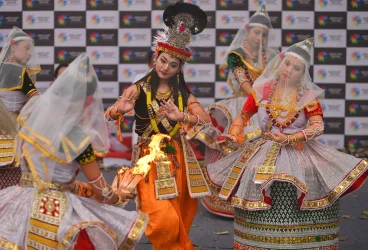
Nov, 2026
Cultural Events, Arts Festivals, Religious Festivals
Moulvibazar, Bangladesh
Memorable Experiences
Where to Go (& NOT Go) In Moulvibazar!
Roaming the World one Adventure at a Time: Travel Tales, Tips, and Inspiration for wanderlusters.


Subscriber
Popular car hire destinations
Explore more options to hire a car for cheap
Frequently Asked Questions (FAQs)
Tea estates, Lawachara and the trains to Srimangal.
Timing & weather
November to February, when the weather is dry and mild. The monsoon from June to September brings heavy rain.
Getting there
Take an intercity train from Dhaka to Srimangal (about 4 to 5 hours), or drive or take a bus on the Dhaka to Sylhet highway.
Kulaura Junction on the main line, where all Dhaka to Sylhet intercity trains stop; the falls are about 5 km from Dakshinbagh station.
General
Moulvibazar is known for Srimangal's tea estates, Lawachara National Park, Madhabkunda and Hakaluki Haor.
In Lawachara National Park, about 8 km from Srimangal; a 2007 census counted 62 western hoolock gibbons in 17 groups, the largest population in Bangladesh. Go early.
Three marked trails of 30 minutes, one hour and three hours across the park's 1,250 hectares, plus guided routes deeper in.
It falls 162 feet from Patharia Hill into a deep pool in Barlekha upazila, with an eco park of about 500 acres and the smaller Parikunda fall nearby.
A glass of tea layered in bands of differently brewed tea, milk, sugar and spice, claimed by Srimangal tea-shop owner Romesh Ram Gour.
A protected wetland sanctuary of about 100 hectares on the eastern side of Hail Haor, with an observation tower; a 2011 study recorded 203 bird species there.
Bangladesh's largest haor, west of the Patharia hills, which swells to about 18 thousand hectares in the monsoon and fills with waterfowl in winter.
bookingMentor lists 6 things to do in Moulvibazar, each with its category, rating and a short description. Open one for the full details, such as opening hours and how to get there.
Booking
Allow 2 to 3 days between October and March.
Prices & payment
Daily travel costs in Moulvibazar are very good value. Simple hotels outside the big cities.
Visa & documents
Moulvibazar is reached by train to Srimangal or Kulaura after entry at Dhaka or Sylhet. Visas are generally arranged in advance; on arrival works for some nationalities. Passports must be valid for six months.
Health & safety
Hire trained guides for Lawachara's longer walks and keep off the railway through the forest. Elsewhere Moulvibazar is easy-going; night roads and hartals are the other things to plan around, and 999 is the emergency number.
