


Noakhali travel guide
Nijhum Dwip's deer and the Gandhi Ashram.
Noakhali, on Bangladesh's southeastern coast, includes Hatiya island and Nijhum Dwip, a national park known for spotted deer and migratory birds. On the mainland are the Gandhi Ashram at Joyag and the Bajra Shahi Mosque. Winter, November to February, is when the deer and migratory birds are easiest to see. Costs are minimal; Bangladesh gives some nationalities a visa on arrival.
Noakhali, historically known as Bhulua, is a coastal district in southeastern Bangladesh, part of the Chittagong Division. Rich in history and culture, the region was established as a district in 1821 and officially renamed Noakhali in 1868. Set beside the Bay of Bengal, it has fertile lands, scenic beauty, and a local lifestyle shaped by rivers, agriculture, and the sea. The name “Noakhali” itself is thought to reflect the newly dug canals that once transformed the land into a thriving agricultural hub.
Over the centuries, Noakhali has played a quiet yet significant role in the socio-political landscape of the country. Its people are known for their resilience, warmth, and strong cultural identity. For international visitors, Noakhali offers an authentic glimpse into the heart of rural Bangladesh—where history, nature, and tradition come together in harmony.
Best experiences in Noakhali
Find your kind of trip: 24 travel themes, each with the packages in Noakhali.
 Ayurveda Tours
Seasonal/Event
 Adventure
Wildlife & Safaris
Pilgrimage
Eco/Nature
Culture & History
 Honeymoon
 Romantic Getaway
 Cruise
 Water Activities
 Backpacking
 Luxury
 Photography
City Slickers
Heritage
 Beach & Relaxation
 Sports & Recreation
 Food & Wine
Train & River Journeys
Skiing
 Overland
Noakhali at a glance
A coastal district governed from Maijdee, with Hatiya and Nijhum Dwip out in the Meghna estuary.
Top destinations in Noakhali
Pick a place by travel style: beaches, nature, cities, heritage, hills, islands.
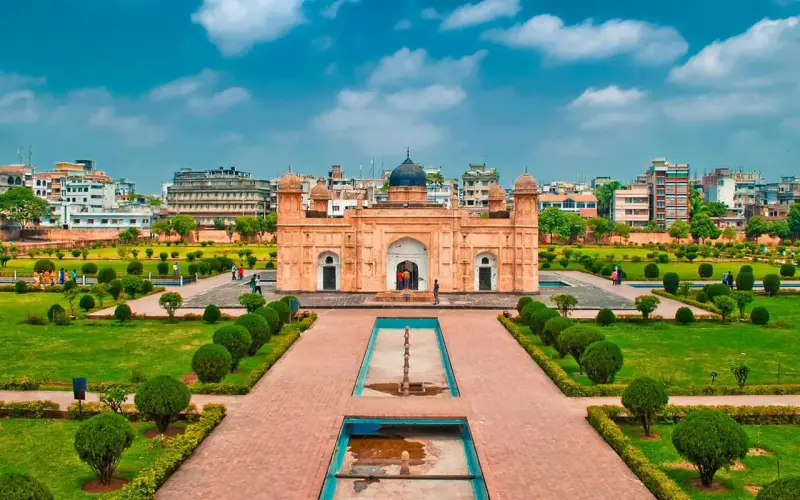 DhakaCapital & chaos
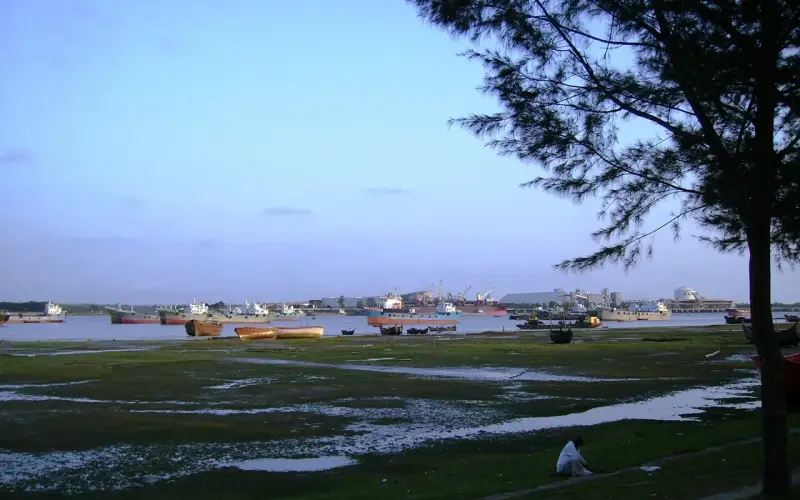 ChattogramPort city and gateway to the hills
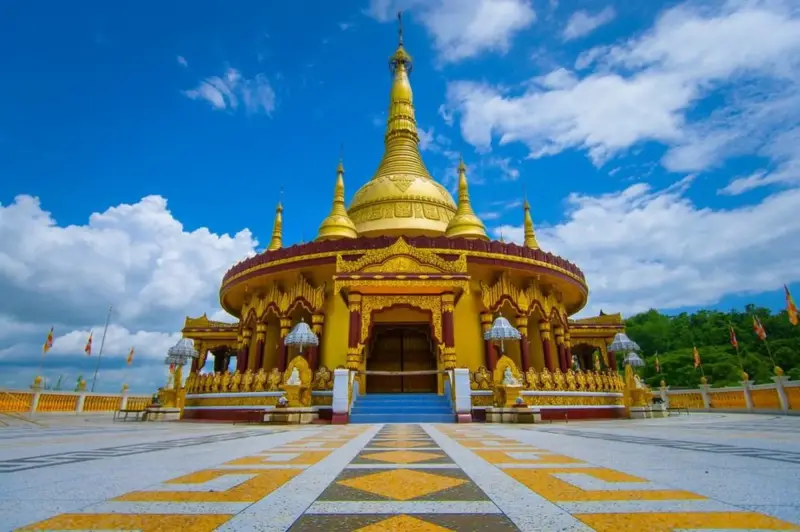 BandarbanThe highest hills in Bangladesh
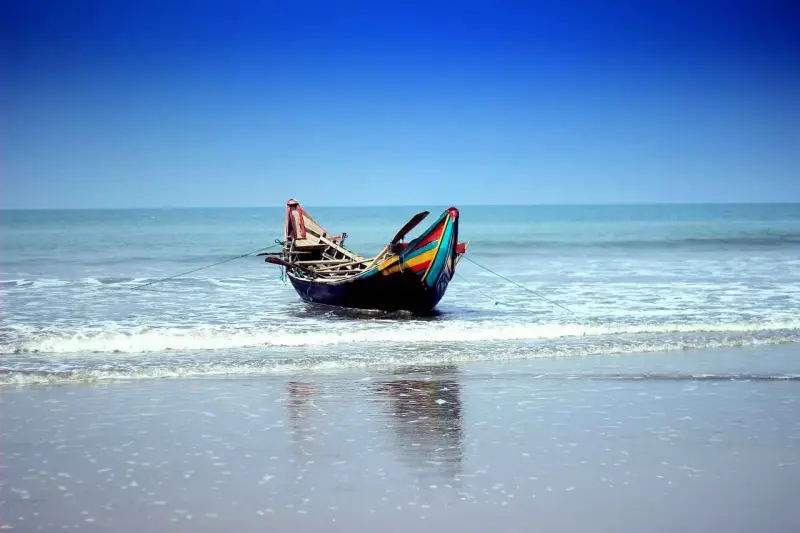 Cox's BazarOver 100 km of sea beach
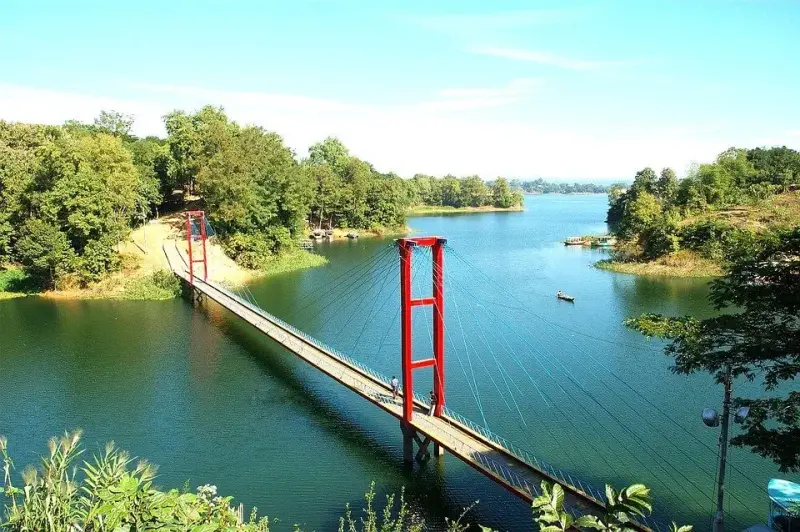 RangamatiKaptai Lake and the hills
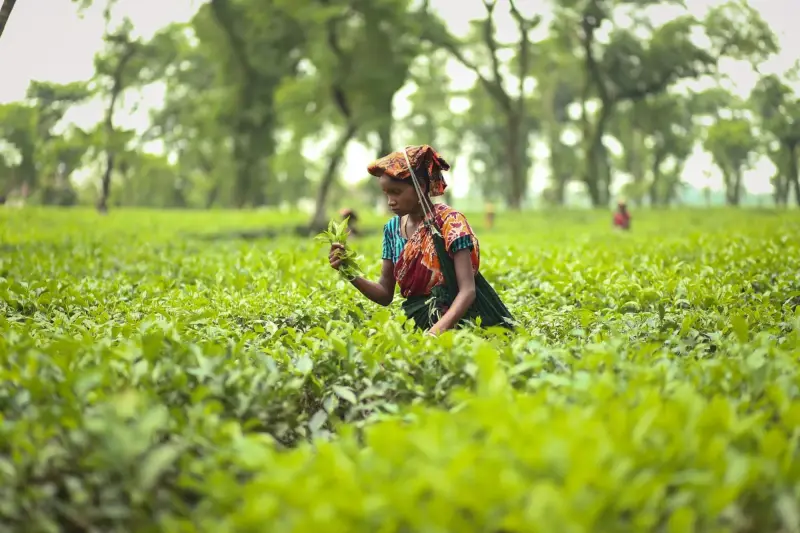 SylhetTea gardens and swamp forest
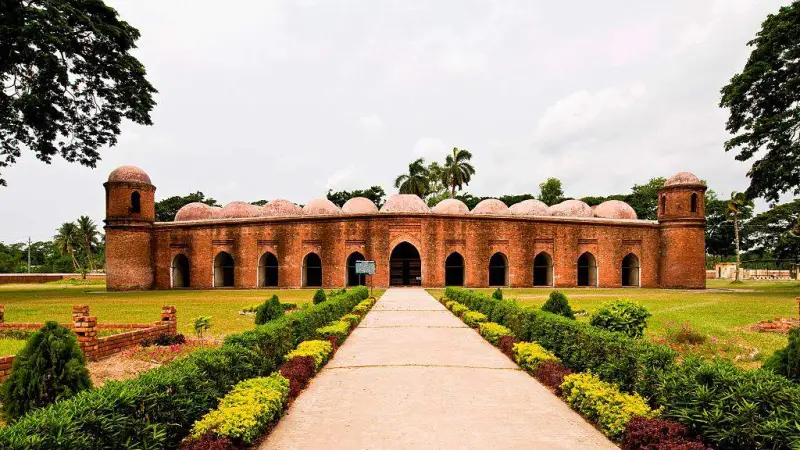 BagerhatMosque City and Sundarbans gateway
MoulvibazarSrimangal tea country
 KhulnaGateway to the Sundarbans
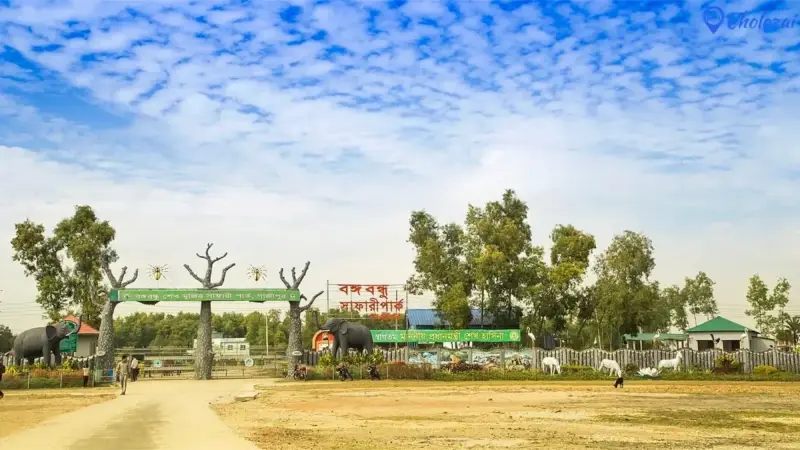 GazipurForests next to Dhaka
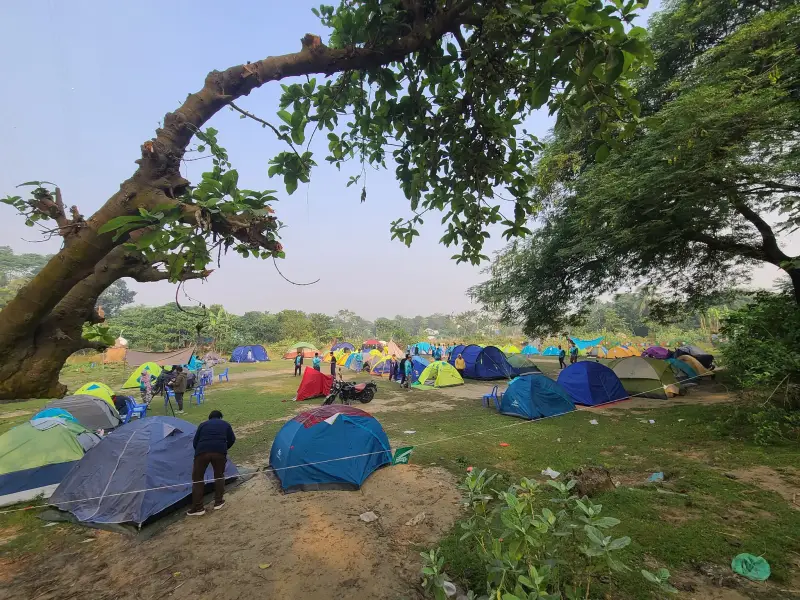 NarayanganjSonargaon and Panam Nagar
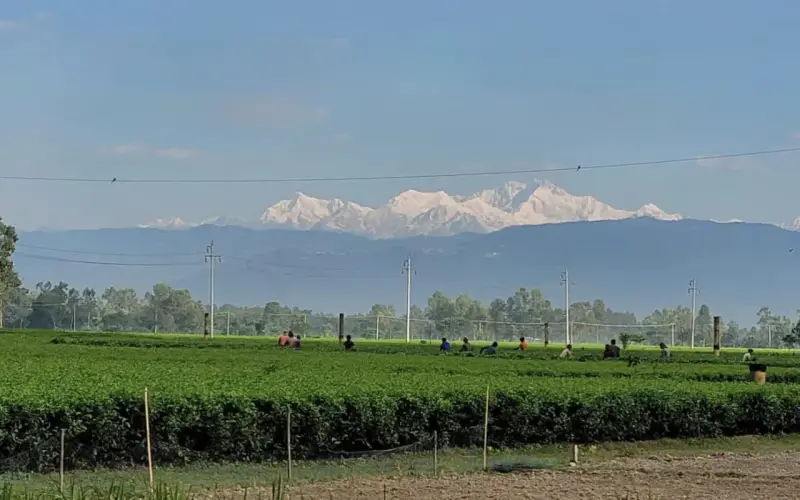 PanchagarhKanchenjunga views from Tetulia
ThakurgaonThe giant mango tree
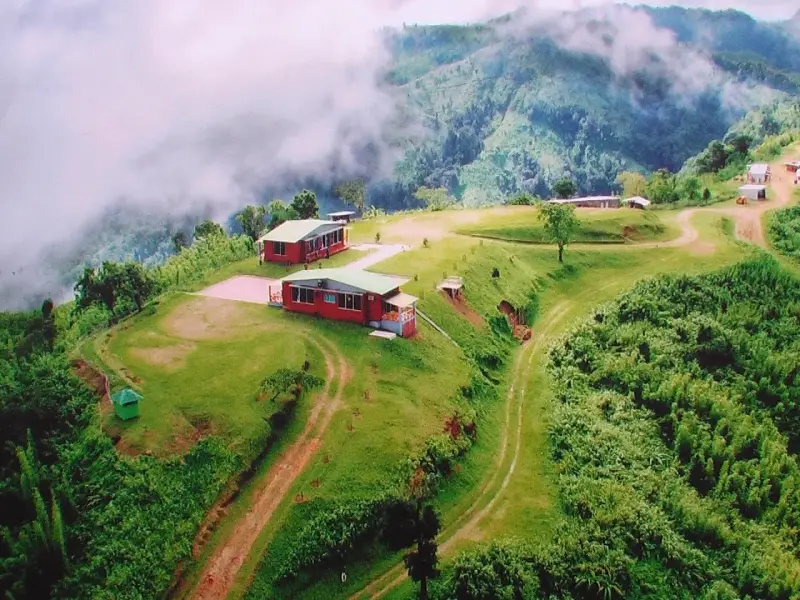 KhagrachhariCaves, falls and the road to Sajek
 RajshahiSilk, mangoes and the Padma
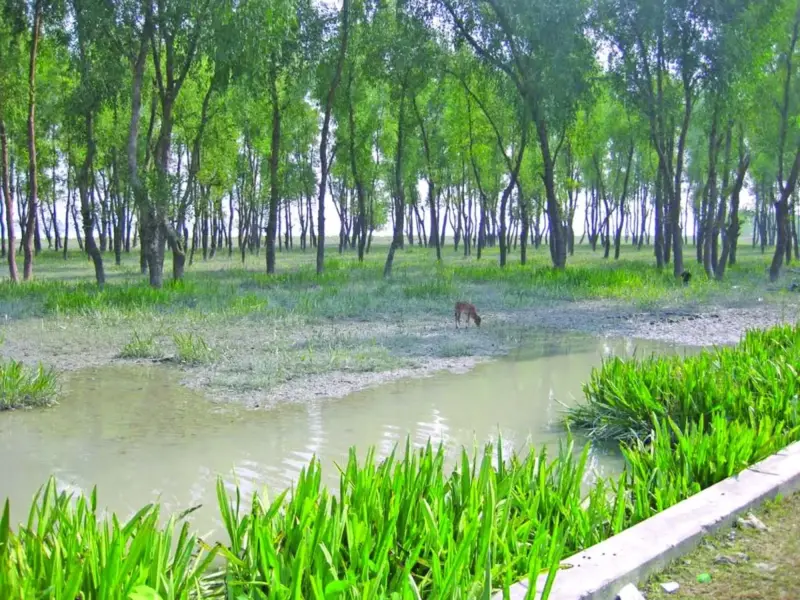 BargunaCoastal forests and quiet beaches
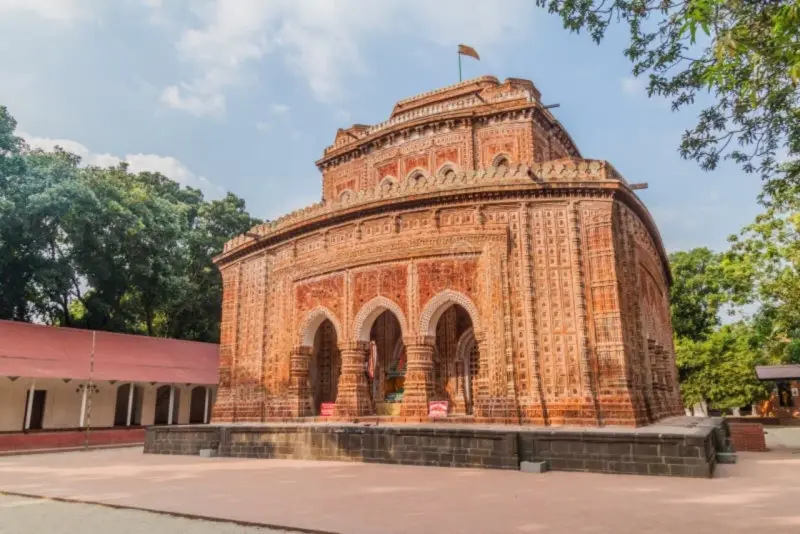 DinajpurKantajew Temple
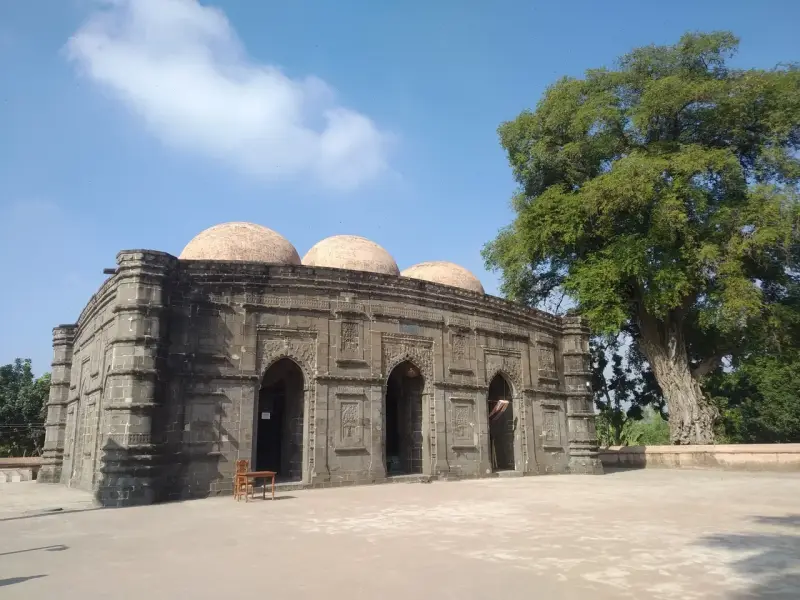 NaogaonPaharpur's great monastery
 PatuakhaliKuakata, daughter of the sea
 SunamganjThe haor wetlands
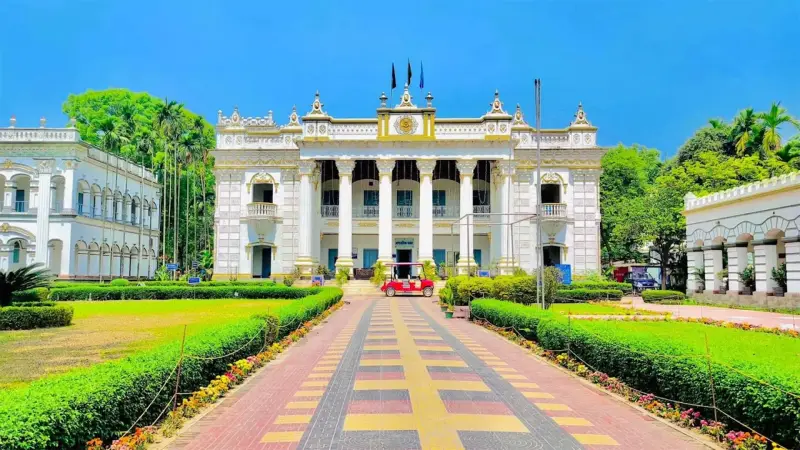 TangailSaris, sweets and Atia Mosque
Chapai NawabganjGaur and the mango capital
HabiganjForests and tea estates
NilphamariSaidpur and Nilsagar
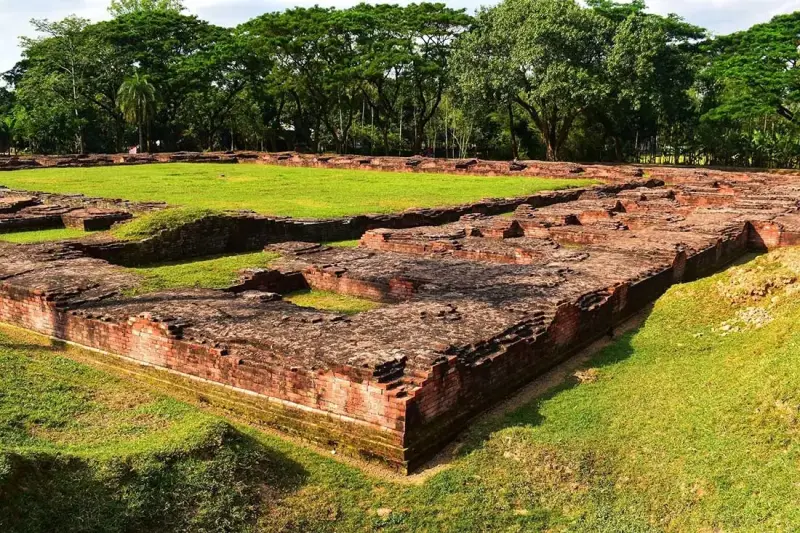 BograAncient Mahasthangarh
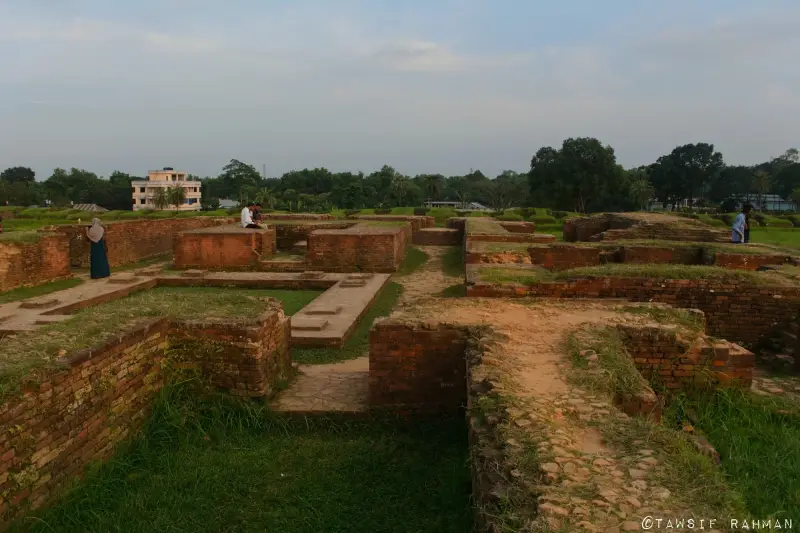 ComillaMainamati ruins
 JhalokatiFloating guava markets
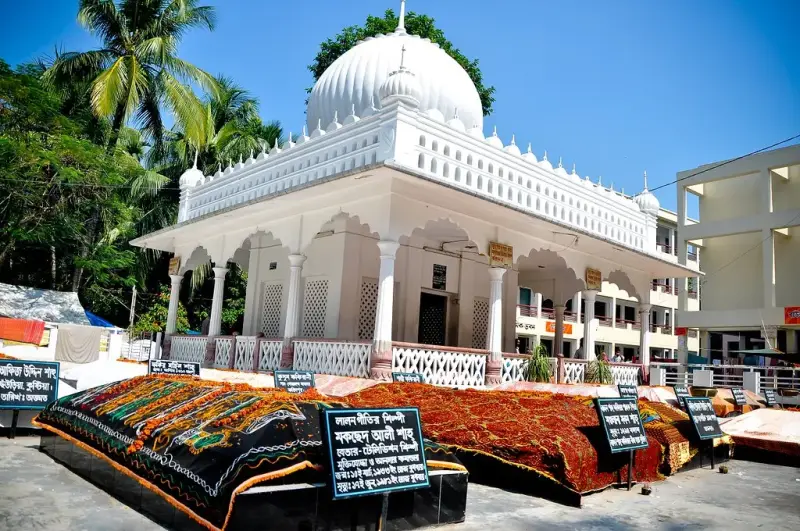 KushtiaLalon and Tagore
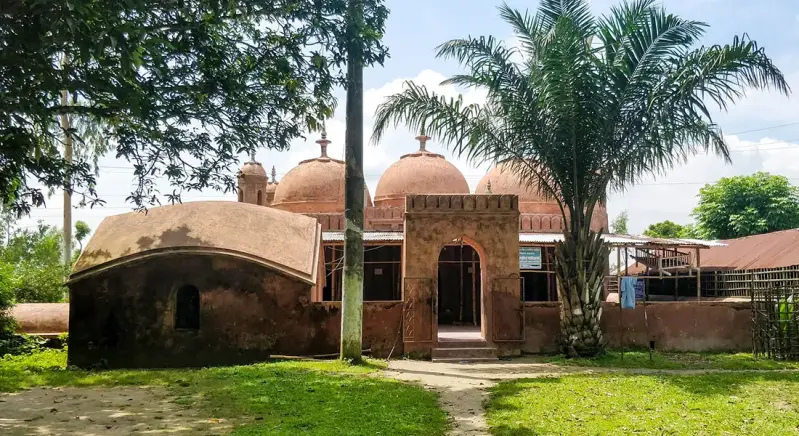 LalmonirhatTeesta Barrage and Tin Bigha
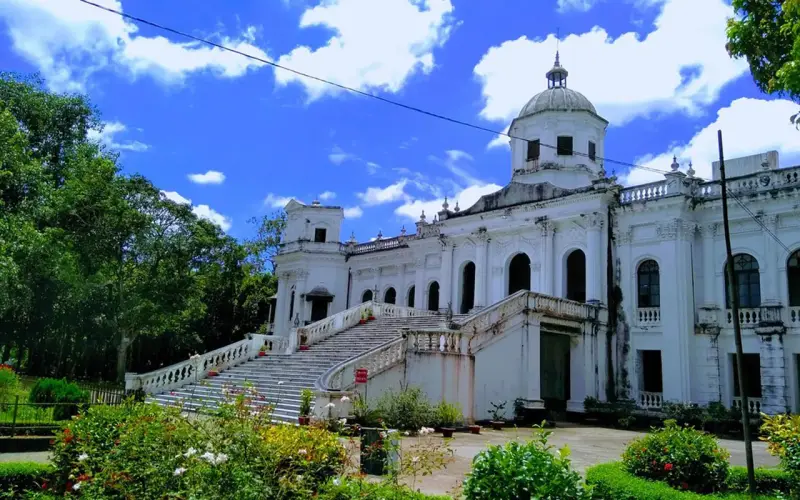 RangpurPalaces of the north
MunshiganjHistoric Bikrampur
SatkhiraWestern Sundarbans
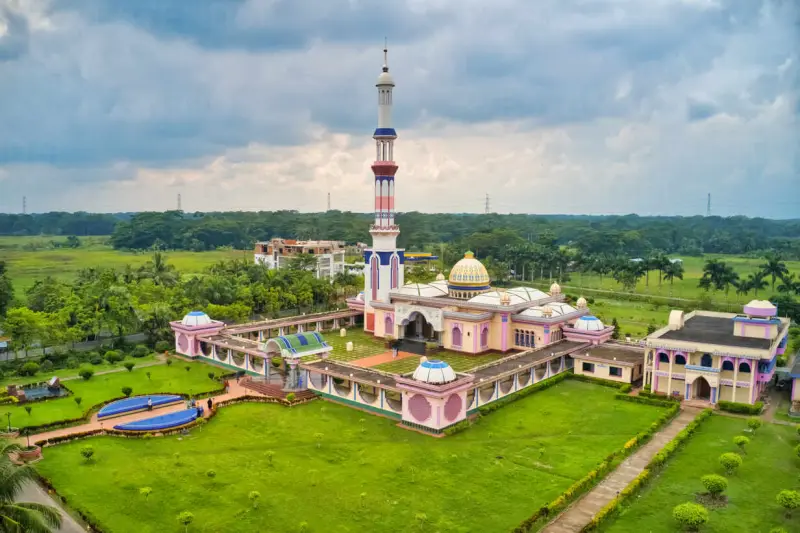 BarishalVenice of Bengal
 BholaBangladesh's largest island
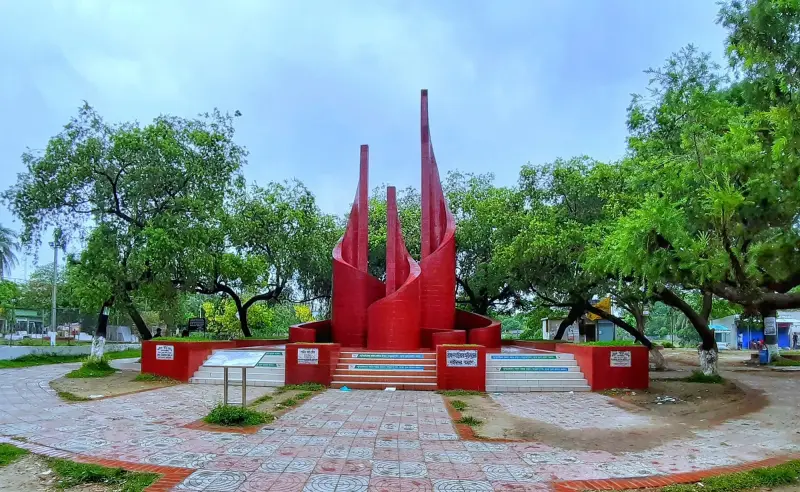 BrahmanbariaThe Titas and Akhaura
 ChandpurCity of hilsa
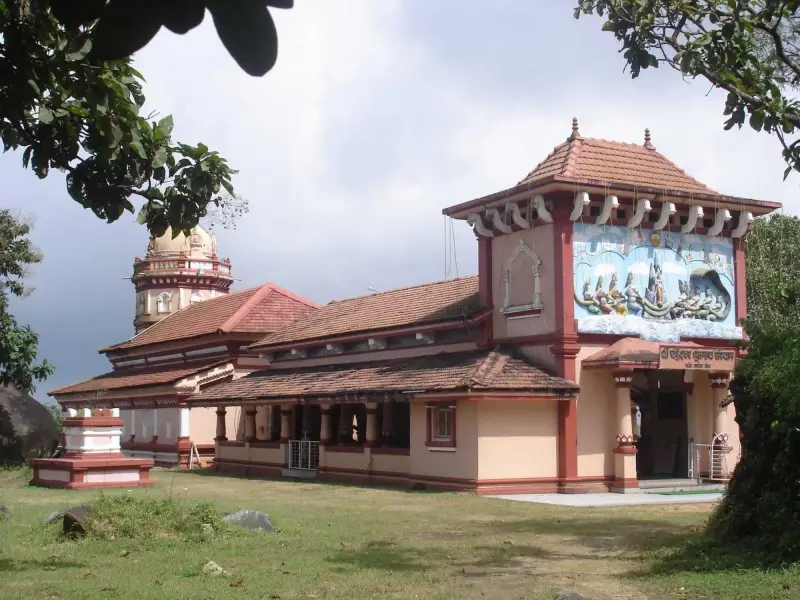 FaridpurPoet Jasimuddin's home
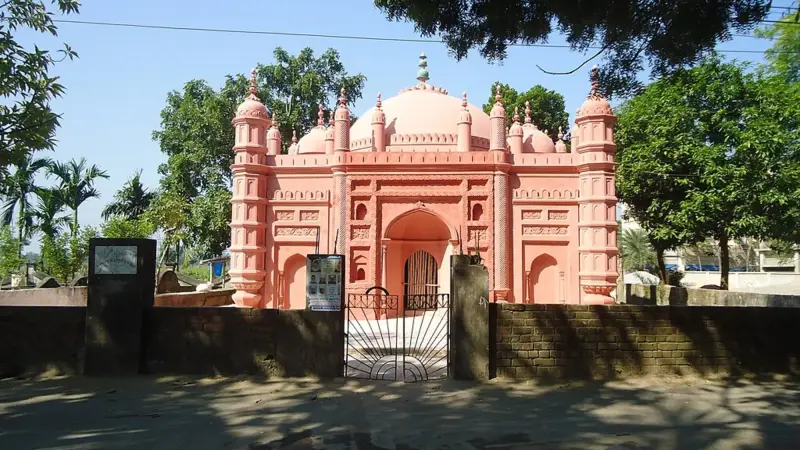 FeniMuhuri Project
 JashoreFlowers and Benapole
 KurigramRivers and char islands
 LakshmipurMeghna estuary
 MadaripurRivers near the Padma Bridge
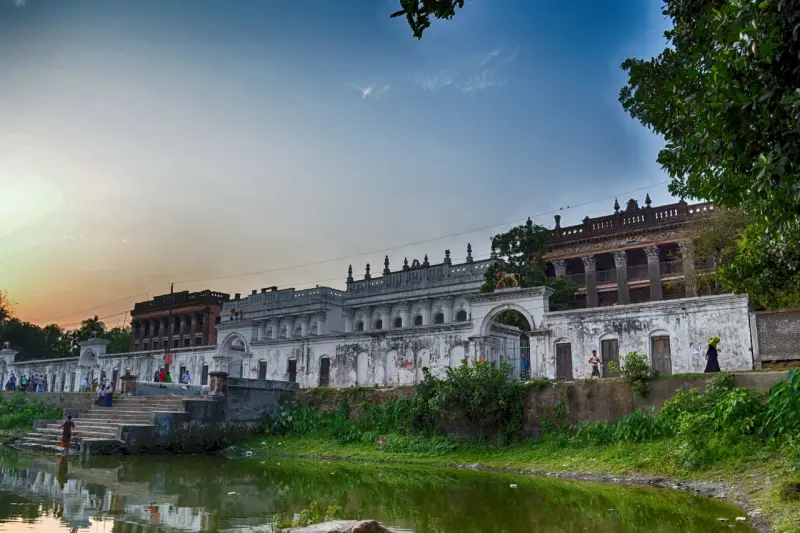 ManikganjZamindar palaces
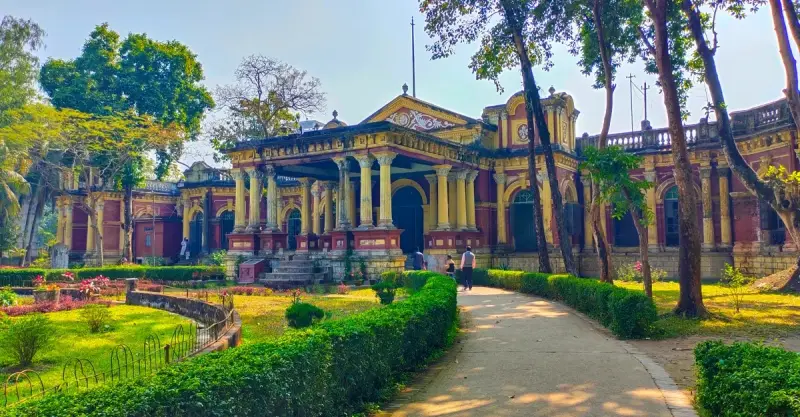 MymensinghRiver city of art and palaces
 PabnaBridges over the Padma
 PirojpurFloating markets of Swarupkathi
 SirajganjJamuna and Tagore's Shahzadpur
ChowmuhaniNoakhali's market town
ChuadangaDarshana border
GaibandhaTeesta and Brahmaputra chars
GopalganjTungipara and Orakandi
JamalpurBrahmaputra and nakshi kantha
JhenaidahAncient mosques of Barobazar
JoypurhatGateway to Paharpur
KaliakairFactory town on the Tangail road
KishoreganjHaors and Sholakia
KuakataDaughter of the sea
MaguraRaja Sitaram's ruins
MeherpurMujibnagar Memorial
NarailS. M. Sultan's Chitra
NarsingdiAncient Wari-Bateshwar
NatorePalaces and Chalan Beel
NetrokonaBirishiri and the Someshwari
RajbariGoalanda and the Padma ferries
Saint Martin's IslandBangladesh's only coral island
SavarHome of the Martyrs' Memorial
ShariatpurThe Padma Bridge's south end
SherpurGaro Hills foothills
SiddhirganjBangladesh's old jute town
Sreemangal UpazilaBangladesh's tea capital
SreepurGateway to the Bhawal forest
TaraboRiver town on the Sylhet road
TongiDhaka's northern gateway
Nothing in that category yet.
Top things to do in Noakhali
Sights and day trips around Noakhali.
No things to do in Noakhali are listed yet. Browse all things to do
Best time to visit Noakhali
November to February is dry and easier for boats; spring and late autumn bring cyclone risk.
Dry, mild and clear: the most comfortable months for travel.
Hot and humid, with sudden evening storms (kalbaishakhi).
Heavy rain, rising rivers and green countryside; roads and ferries can be disrupted.
Avoid travelling in the days before and after the two Eid holidays, when buses, trains and launches out of Dhaka sell out.
Packages in Demand
A Journey to Remember
Tours, activities and day trips in and around this destination, with the details you need before booking.
No packages in Noakhali are listed yet. Browse all packages
Create Your Custom-Made Trip to Noakhali
Traveling to Noakhali? Chat with a Local Travel Specialist in Noakhali Who Can Help Organize Your Trip.
START HERE
Our Travel Experts are Recommended by



Noakhali travel tips
Visa, cash, health, SIM and safety notes for the mainland and the Hatiya boats.
Visas and entry
Bangladesh entry rules
Noakhali can be reached by the Upakul Express, bus or launch, all from Dhaka, after entry into Bangladesh. Visas usually need arranging in advance, though some nationalities are eligible on arrival. Passports need half a year's validity.
- Passport validity
- At least 6 months beyond arrival
- Confirm with
- Your nearest Bangladesh embassy or high commission
Getting there
Getting there
Take the Upakul Express or a bus from Dhaka to Maijdee, the district seat, about 5 hours. For Nijhum Dwip, take the daily launch from Dhaka's Sadarghat to Tomoruddy Ghat on Hatiya, or go overland via Chairman Ghat and Hatiya. Air links come through Shah Amanat International in Chattogram.
- Nearest airport
- Shah Amanat International, Chattogram (CGP)
Money and costs
Cash is king
Plan cash for Nijhum Dwip before leaving the mainland: launches, guesthouses on generators and boat hire are paid in taka. Maijdee's bank ATMs are the place to fill up, and small notes make boat fares easier.
- Bring cash for Nijhum Dwip from Maijdee.
- Agree boat hire prices in advance.
Health and vaccines
Water and mosquitoes
Getting off Hatiya or Nijhum Dwip takes time, so pack your prescriptions and evacuation insurance. Drinking water should be bottled or filtered, and repellent helps in the monsoon. Serious cases from Noakhali go to Chattogram or Dhaka.
- Hospitals
- Government district hospital in each district town
Staying safe
Roads and strikes
On land, Noakhali gives visitors little to worry about, but the coast faces cyclones either side of the monsoon. Follow storm warnings, insist on a life jacket on open boats, travel roads by day and call 999 if needed.
- Emergency number
- 999
- Follow cyclone warnings on the coast.
- Insist on a life jacket on boats.
Where to stay
Simple town hotels
Stay in Maijdee, which has simple hotels, guesthouses and government rest houses, for the mainland sights. Sort out your Nijhum Dwip bed before leaving the mainland, since supply is tiny: a few small hotels, some on generators, and one Bangladesh Parjatan Corporation property. Make reservations early for Eid travel.
- Base
- Noakhali town
Getting around
Rickshaws, CNGs, car
Short hops in Maijdee are by rickshaw or CNG, and a car with driver for the Bajra and Joyag loop in a morning. The boats to Hatiya and Nijhum Dwip are basic and often open, so insist on a life jacket, avoid late-afternoon crossings and stay ashore when the weather turns.
- Tip
- Agree fares before you set off
- The Upakul Express links Maijdee with Dhaka's Kamalapur in about 5 hours 20 minutes; each direction has a weekly off day.
- The slower Noakhali Express mail train also runs to Kamalapur.
- For Nijhum Dwip: bus or CNG from Sonapur to Chairman Ghat, sea-truck to Nalchira Ghat on Hatiya, CNG to Jahajmara Ghat, then a boat.
- A daily launch from Dhaka's Sadarghat reaches Tomoruddy Ghat on Hatiya, where you hire a trawler; steamers from Chattogram also call.
SIM and internet
Buy before you leave the city
Before the train or launch to Noakhali, register a SIM in Dhaka with your passport. Hatiya and Nijhum Dwip have coverage gaps; Grameenphone's rural network is the widest, and Robi, Banglalink and Teletalk also operate.
- Networks
- Grameenphone, Robi, Banglalink, Teletalk
Culture and etiquette
Rural and conservative
Noakhali is traditional and very hospitable; Gandhi stayed at Joyag in January 1947, and the ashram there still receives visitors. Respect means modest clothing, shoes off at mosques, temples and homes, and asking women before taking pictures. Ramadan fasting means no eating outdoors by day.
- Dress modestly, covering shoulders and knees
- Remove shoes at mosques, temples and homes
- Accept tea when offered
- Photographing women without asking
- Eating in public in daylight during Ramadan
Things to know before visiting Noakhali
Nijhum Dwip's spotted deer and migratory birds, and the Gandhi Ashram at Joyag.
Why travelers love it
- Nijhum Dwip National Park and its spotted deer.
- Gandhi Ashram at Joyag.
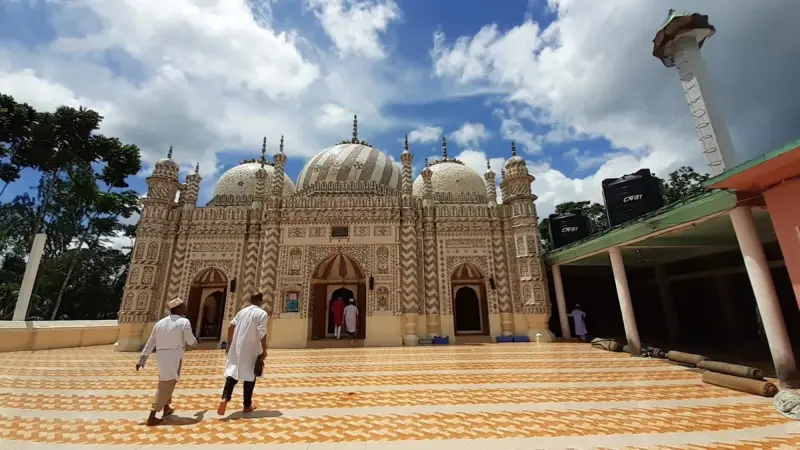
- Bajra Shahi Mosque, an 18th-century Mughal mosque.
- Hatiya island and the estuary.
Good to know
- Getting to Nijhum Dwip takes a long boat journey.
- Cyclone season is April–May and October–November.
- Facilities on the islands are basic.
Trip fit
BookingMentor editorial ratings out of 5, based on a first-time visitor's experience.
Maijdee weather by month
The Noakhali coast has dry, mild winters, cyclone risk either side of the monsoon and about 672 mm of rain in July. Maijdee averages appear for each month.
Climate figures are approximate long-term averages for Maijdee, the nearest long-term weather station (NOAA / Bangladesh Meteorological Department 1991–2020 normals, via Wikipedia).
Bajra, the Gandhi Ashram and three days out to Nijhum Dwip
Noakhali is two trips. One mainland day by car covers the Bajra Shahi Mosque of 1741 to 1742 and the Gandhi Ashram at Joyag, where Gandhi stayed in January 1947. Three or four days add Nijhum Dwip, an island formed in the early 1950s: one day to get there, one for its 5,000 chital deer, one back.
Think of this district as two separate trips that happen to share a name. The mainland around Maijdee, the district seat, has a short list of historic sites that fit into one day by car. The reason most travellers come lies offshore: Hatiya and, beyond it, Nijhum Dwip, an island that only rose out of the estuary as silt in the early 1950s. Reaching it takes most of a day in each direction, so it cannot be squeezed in as a side trip.
- One mainland day: Drive north from Maijdee to Bajra for the Bajra Shahi Mosque, raised by Aman Ullah in 1741–42 and later faced with mosaics of coloured ceramic shards. Continue to Joyag in Sonaimuri upazila for the Gandhi Ashram, where the prayer room still holds mementos of Gandhi's visit in January 1947.
- Three or four days: Add Nijhum Dwip. Give one day to getting there, a full day to walking the mangrove fringe at dawn and dusk, when the island's herd of roughly 5,000 chital is easiest to see, and a third to getting back. In winter, keep a spare morning for the birds.
- Arriving from Chattogram: Combine the district with Feni and Lakshmipur, which share its dialect and its rice-flour pitha.
Sort out your island bed before leaving the mainland. Supply is tiny: a few small hotels, some powered by generators, and one run by the Bangladesh Parjatan Corporation. Older Daily Star travel pieces advised booking the island bungalow through the Hatiya upazila office or staying at the forest office with permission from the divisional forest officer, which says a lot about how little choice there is in the busy weeks.
Buses link Maijdee with Comilla, Chandpur, Chattogram and Dhaka (151 km), and a car with a driver suits the mainland sights.
Why December and January are Noakhali's prime months
Noakhali's prime months are December and January, when Maijdee gets about 7 to 8 mm of rain, afternoons sit near 25°C and thousands of migratory birds winter on Nijhum Dwip. The months either side of the monsoon carry the highest cyclone risk, and July is wettest at about 672 mm, when villages stage nowka bais boat races.
The island sets the calendar. Thousands of migratory birds settle on Nijhum Dwip in winter, and the dry weather makes long legs in open boats far more bearable. After dark it cools to about 14°C. Pack a warm layer for early departures from the ghats.
Spring and autumn are not the easy shoulders they are inland. This is an exposed estuary coast, and the months either side of the monsoon carry the highest cyclone risk of the year. If you come in late October or November, follow the forecast closely and be prepared to sit out a day on the mainland if crossings stop.
Rain dominates the middle of the year. June and August are nearly as wet as July. Expect delayed or cancelled boats whenever the weather turns.
One reason to brave the wet season is nowka bais, the traditional boat racing that villages here stage during the monsoon. Ask locally for dates, which shift each year.
Bata fish, nona ilish and Hatiya's char doi
Noakhali's coastal cooking draws on the estuary. Try bata fish fried with turmeric, chiring, and nona ilish, hilsa salted in clay pots for months. On Hatiya, order char doi, a rich raw buffalo-milk yoghurt, and jhuri gosht, and on the mainland kholajali pitha, a rice-flour pancake from a clay griddle.
Coastal cooking here draws on the estuary. Look for bata, an oily, soft-fleshed coastal fish fried with turmeric and finished with green chilli and coriander, and for chiring, a tiny almost transparent fish that crawls ashore on the ebb tide and belongs to this stretch of coast. Nona ilish is hilsa packed unwashed in thick layers of salt inside a clay pot and left for months, sometimes a year, then rinsed hard before it is curried or fried. Even a Dhaka Tribune food writer who loved the region's cooking called it an acquired taste.
On Hatiya and the chars, ask for char doi, a sour, very rich yoghurt made from raw buffalo milk with nothing added, sold in clay pots. A Hatiya breakfast might be rice-flour bread with jhuri gosht, beef stewed for days before it is shredded and fried with onion. Sweet rice cooked with milk, coconut and jaggery, binni bhat, is eaten with that same island yoghurt.
Back on the mainland, order kholajali pitha: a white rice-flour pancake riddled with tiny holes and cooked on a clay griddle called a khola. People eat it with meat or fish curry; the old-fashioned way is with molasses or date sap.
Locals speak Noakhailla, a strong regional dialect also heard in Feni and Lakshmipur. At the Gandhi Ashram, prayer meetings are still held each morning and evening, so arrive quietly and keep phones away while they run. Bajra Shahi is a working mosque: visit between prayers.
Travelers are asking
By launch from Dhaka to Hatiya or by sea truck from Chairman Ghat in Noakhali, then by road and boat to the island.
Our travel desk answers questions about Noakhali
How we research this guide
Upakul Express days, launches to Hatiya and cyclone warnings decide Noakhali trips, so we keep them current. Maijdee station climate data, the Bangladesh National Portal and its Beautiful Bangladesh route to Nijhum Dwip provide the rest.
Last updated . Spotted something out of date? Tell us.
Checked against trusted sources:
Bangladesh Meteorological DepartmentBangladesh National Portal

Before You Go...
Discover Trips & Info
A Travel Network Connection Travelers and locals
Incredible Event & Festival, Don't Miss!
Most Popular Event & Festival of Noakhali
Festivals and events in this destination, with dates, venues and ticket details where available.
No upcoming festivals or events in Noakhali are listed right now. Browse all events
Memorable Experiences
Where to Go (& NOT Go) In Noakhali!
Roaming the World one Adventure at a Time: Travel Tales, Tips, and Inspiration for wanderlusters.



Subscriber
Popular car hire destinations
Explore more options to hire a car for cheap
Frequently Asked Questions (FAQs)
Reaching Nijhum Dwip, the Upakul Express and cyclone season.
Timing & weather
November to February, when the weather is dry and mild. The monsoon from June to September brings heavy rain.
In 1741 to 1742 by Aman Ullah, later faced with mosaics of coloured ceramic shards. It is a working mosque, so visit between prayers.
April is the warmest month in Noakhali, with average highs of 34°C, and January the coolest, with lows of 14°C. July is the wettest month, at about 672 mm of rain; December is the driest. The Noakhali coast has dry, mild winters, cyclone risk either side of the monsoon and about 672 mm of rain in July.
Getting there
Take a bus or train from Dhaka to Maijdee (about 5 hours); for Nijhum Dwip, take a launch from Dhaka to Hatiya or a boat from Chairman Ghat.
The Upakul Express takes about 5 hours 20 minutes to Maijdee, calling at Sonaimuri, Bajra and Chowmuhani. Each direction has its own weekly off day.
Yes, a daily passenger launch from Sadarghat reaches Tomoruddy Ghat on Hatiya, where you hire a trawler onward.
General
Noakhali is known for Nijhum Dwip National Park and its chital deer, the Gandhi Ashram at Joyag, the Bajra Shahi Mosque and Hatiya island.
Take a bus or CNG from Sonapur bus stand to Chairman Ghat, a sea-truck or launch to Nalchira Ghat on Hatiya, a CNG to Jahajmara Ghat and a boat across the Jahajmara channel. Allow most of a day.
A memorial at Joyag in Sonaimuri where Gandhi stayed in January 1947; prayer meetings are still held each morning and evening.
A sour, very rich yoghurt from raw buffalo milk with nothing added, sold in clay pots on Hatiya and the chars.
Short hops in Maijdee are by rickshaw or CNG, and a car with driver for the Bajra and Joyag loop in a morning. The boats to Hatiya and Nijhum Dwip are basic and often open, so insist on a life jacket, avoid late-afternoon crossings and stay ashore when the weather turns.
Booking
Roughly 5,000 chital, easiest to see along the mangrove fringe at dawn and dusk.
Prices & payment
Daily travel costs in Noakhali are very good value. Simple hotels outside the big cities.
Visa & documents
Noakhali can be reached by the Upakul Express, bus or launch, all from Dhaka, after entry into Bangladesh. Visas usually need arranging in advance, though some nationalities are eligible on arrival. Passports need half a year's validity.
Health & safety
On land, Noakhali gives visitors little to worry about, but the coast faces cyclones either side of the monsoon. Follow storm warnings, insist on a life jacket on open boats, travel roads by day and call 999 if needed.

 Plan your trip with AI