
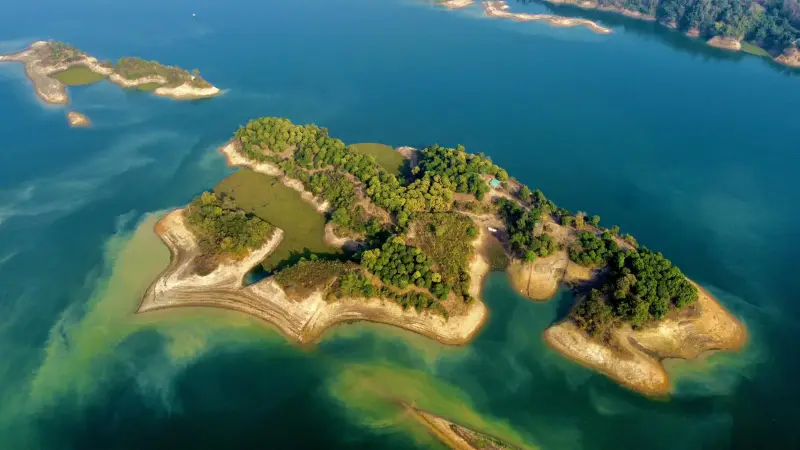
Rangamati and Kaptai Lake, 2 Days
Cities: Chattogram to Rangamati and the hanging bridge → Kaptai Lake by boat and return to Chattogram
$85.00/ Person
Package
✓ Up to 8 people
☆☆☆☆☆Book Now


Rangamati travel guide
Rangamati, the largest district of Bangladesh by area, lies in the Chittagong Hill Tracts around Kaptai Lake, a vast reservoir among forested hills. It is home to the Chakma and other indigenous peoples. Come for boat trips on the lake, the hanging bridge, Buddhist monasteries and the hilltop Sajek Valley. Allow 2 to 3 days, ideally between October and March. Costs are very low, though only some nationalities get a visa on arrival.
Rangamati, in the centre of the Chittagong Hill Tracts, is one of Bangladesh’s most scenic and culturally rich districts. Surrounded by green hills, quiet lakes, and tribal communities, it is a peaceful break from city life. Rangamati's main attraction is Kaptai Lake, the largest man-made lake in the country, good for boat rides and wide views. Visitors are also drawn to its hanging bridge, tribal handicraft markets, and serene Buddhist temples.
Rangamati is home to diverse indigenous groups, each with unique traditions, making it a melting pot of cultures. For adventure, culture, or simply a rest in nature, Rangamati combines natural beauty and heritage.
Find your kind of trip: 24 travel themes, each with the packages in Rangamati.
 Hill Station
 Ayurveda Tours
Seasonal/Event
 Adventure
Wildlife & Safaris
Pilgrimage
 Eco/Nature
Culture & History
 Honeymoon
 Romantic Getaway
 Cruise
 Water Activities
 Backpacking
 Luxury
 Photography
 City Slickers
Heritage
 Beach & Relaxation
 Sports & Recreation
 Food & Wine
Train & River Journeys
Skiing
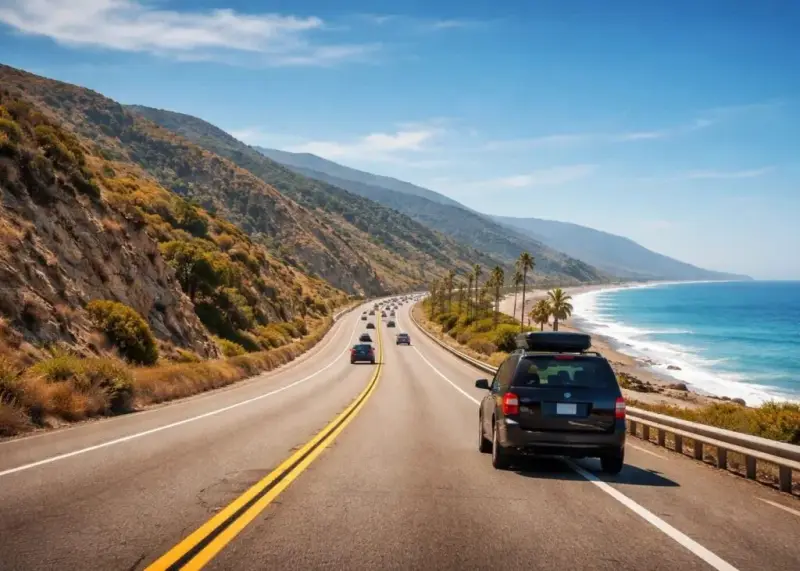 Overland
Season, budget, permits and language basics before you head into the hills.
Pick a place by travel style: beaches, nature, cities, heritage, hills, islands.
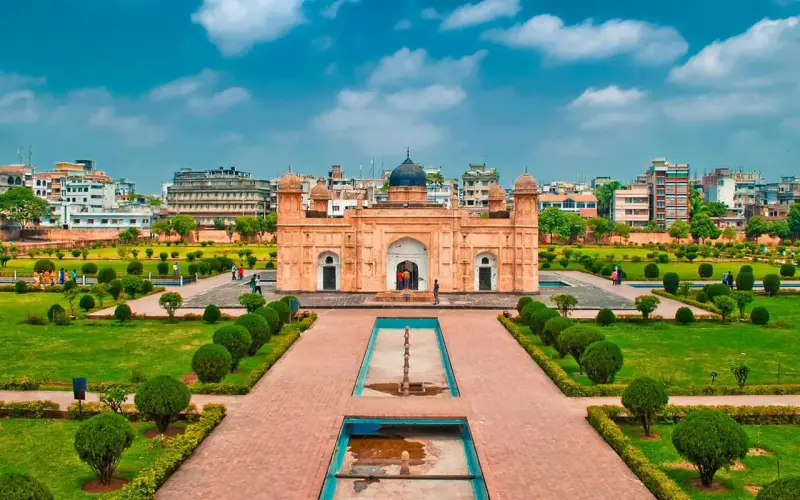 DhakaCapital & chaos
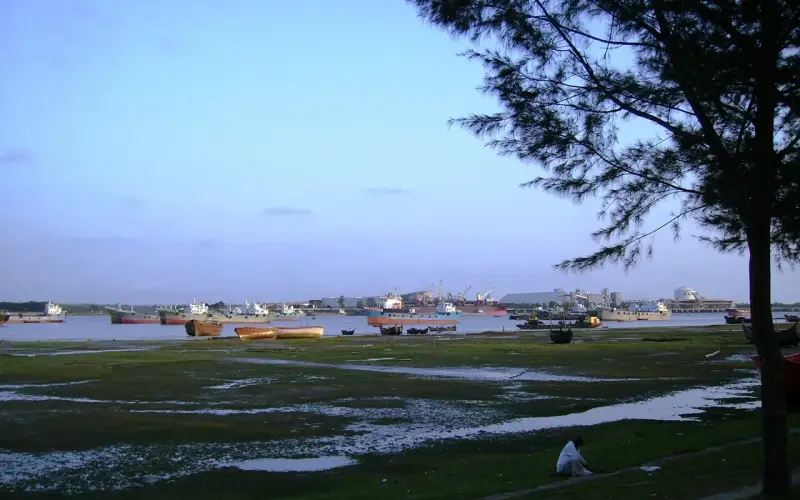 ChattogramPort city and gateway to the hills
 BandarbanThe highest hills in Bangladesh
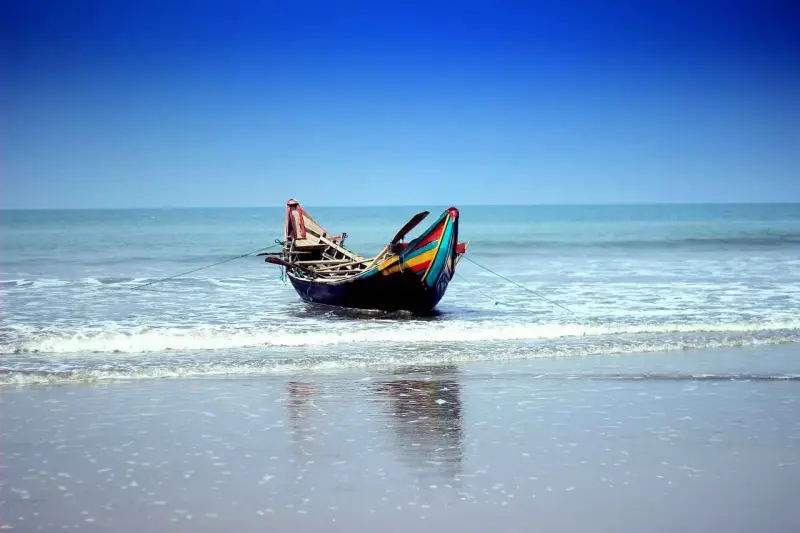 Cox's BazarOver 100 km of sea beach
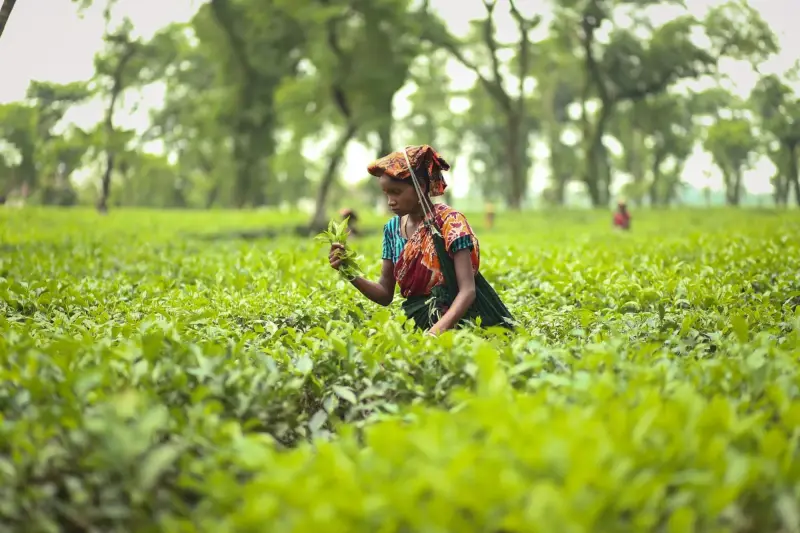 SylhetTea gardens and swamp forest
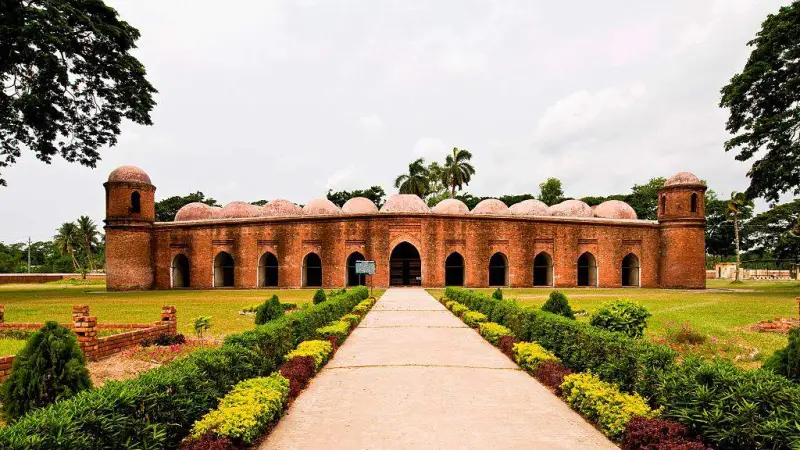 BagerhatMosque City and Sundarbans gateway
MoulvibazarSrimangal tea country
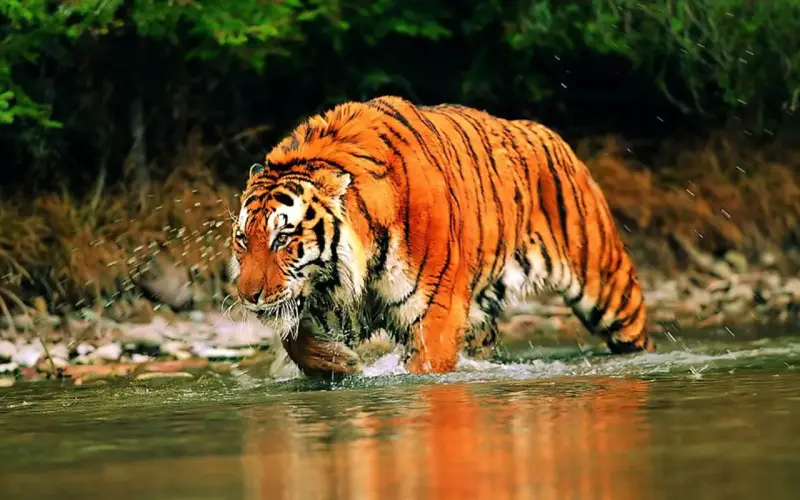 KhulnaGateway to the Sundarbans
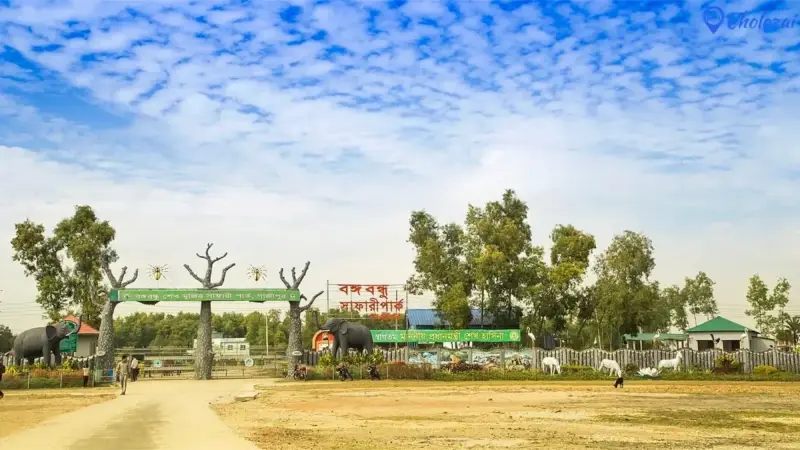 GazipurForests next to Dhaka
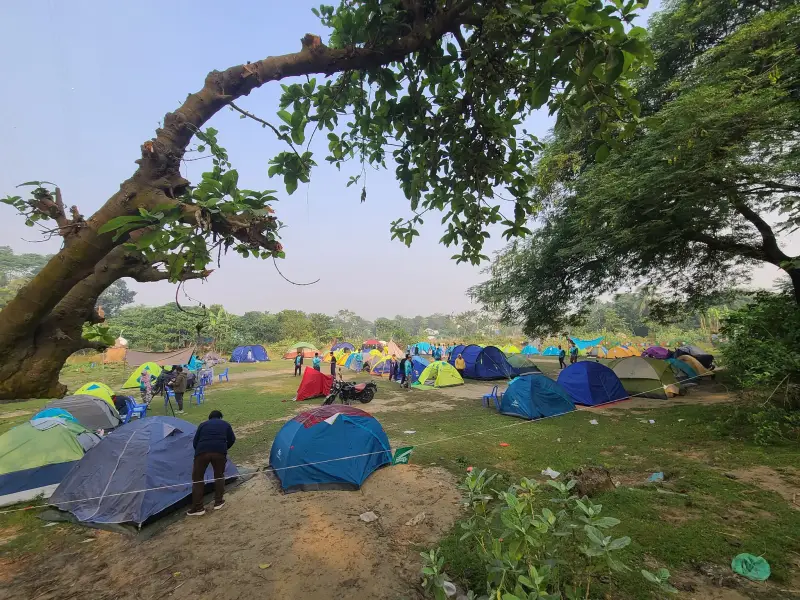 NarayanganjSonargaon and Panam Nagar
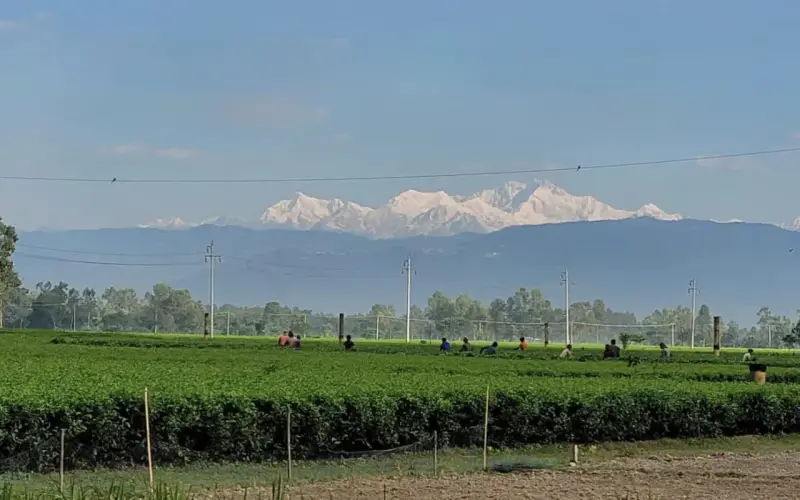 PanchagarhKanchenjunga views from Tetulia
ThakurgaonThe giant mango tree
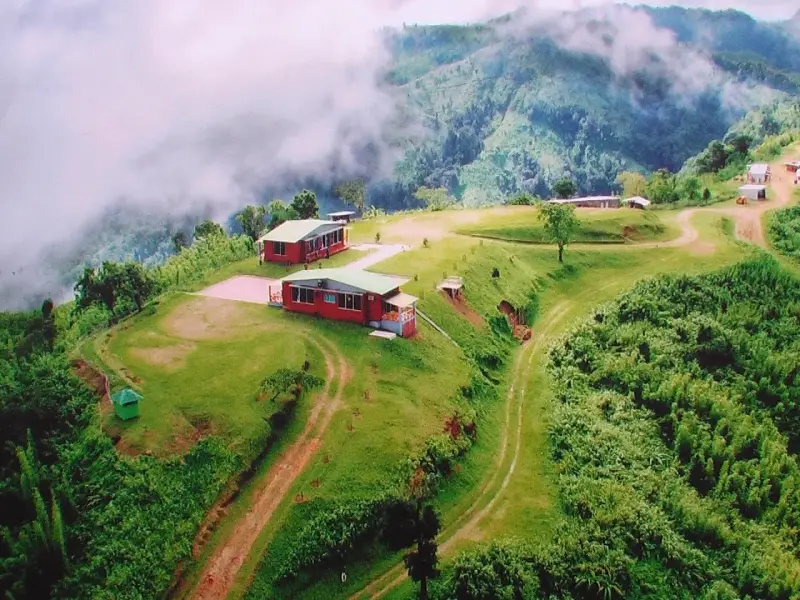 KhagrachhariCaves, falls and the road to Sajek
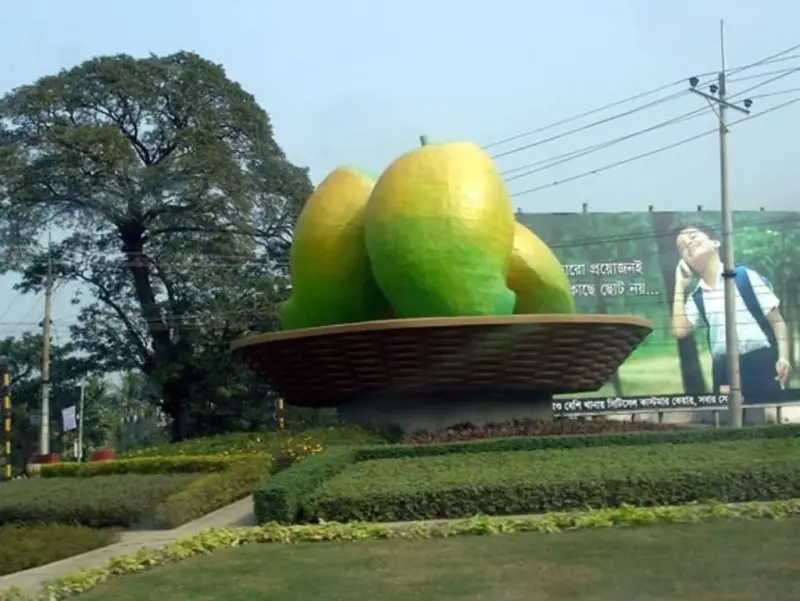 RajshahiSilk, mangoes and the Padma
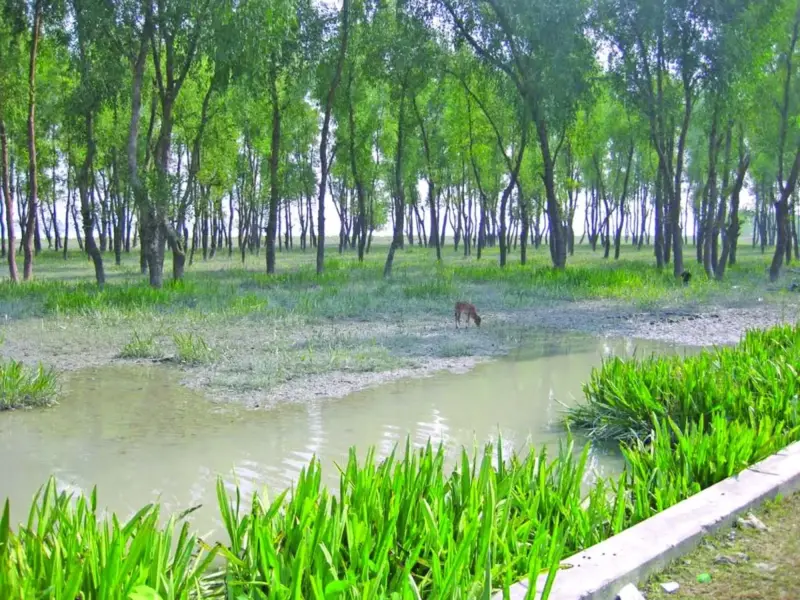 BargunaCoastal forests and quiet beaches
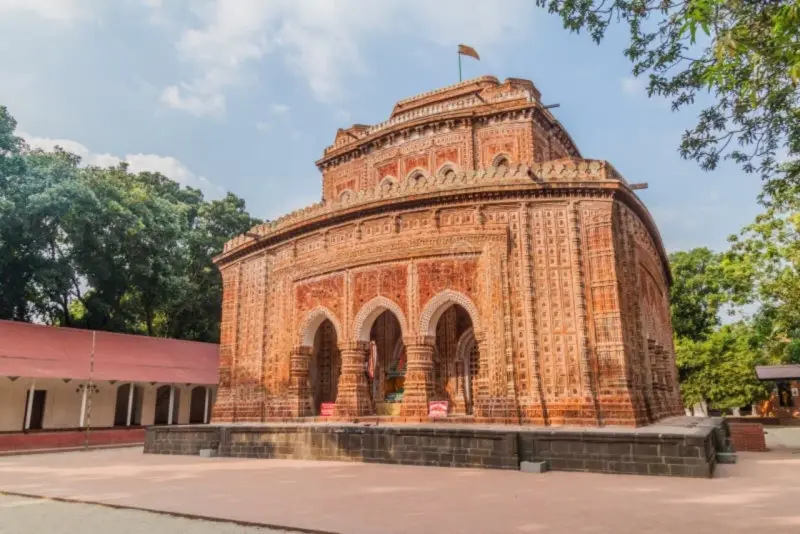 DinajpurKantajew Temple
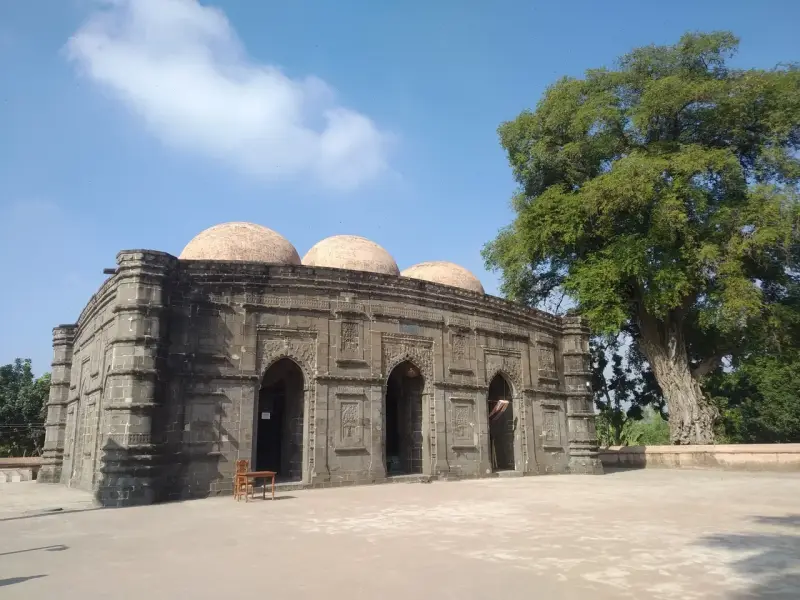 NaogaonPaharpur's great monastery
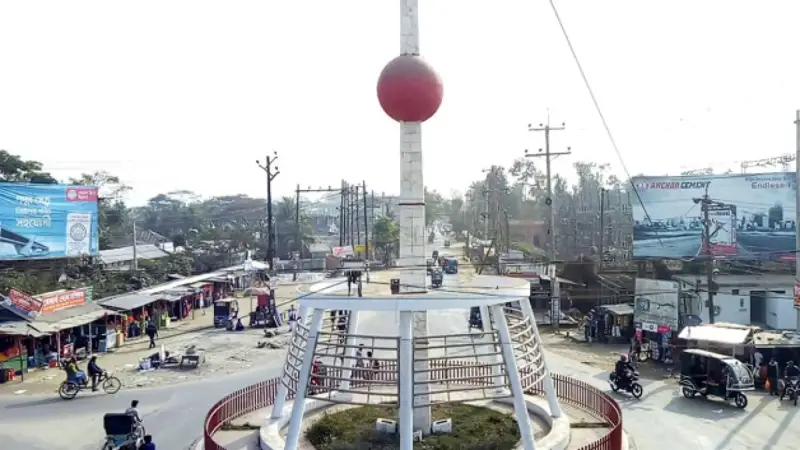 PatuakhaliKuakata, daughter of the sea
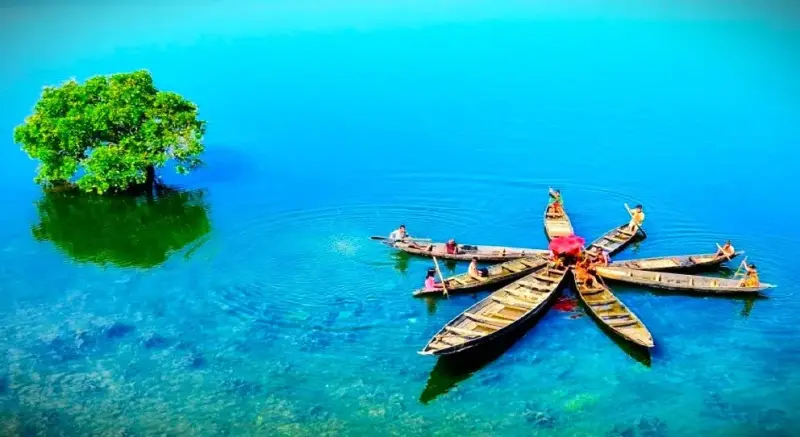 SunamganjThe haor wetlands
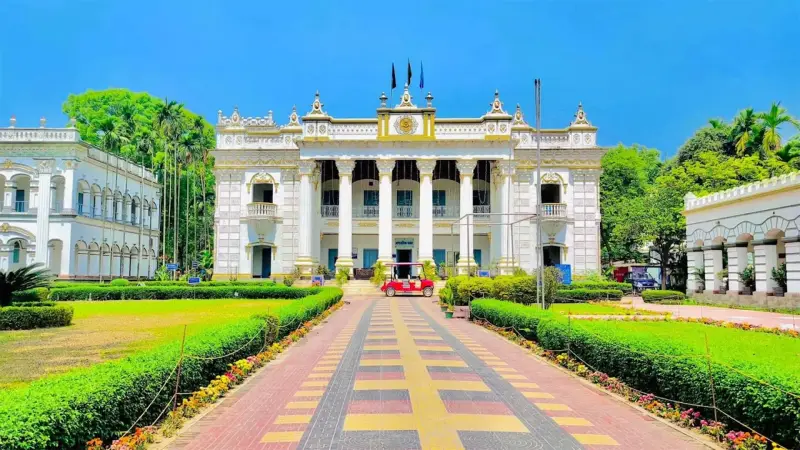 TangailSaris, sweets and Atia Mosque
Chapai NawabganjGaur and the mango capital
HabiganjForests and tea estates
NilphamariSaidpur and Nilsagar
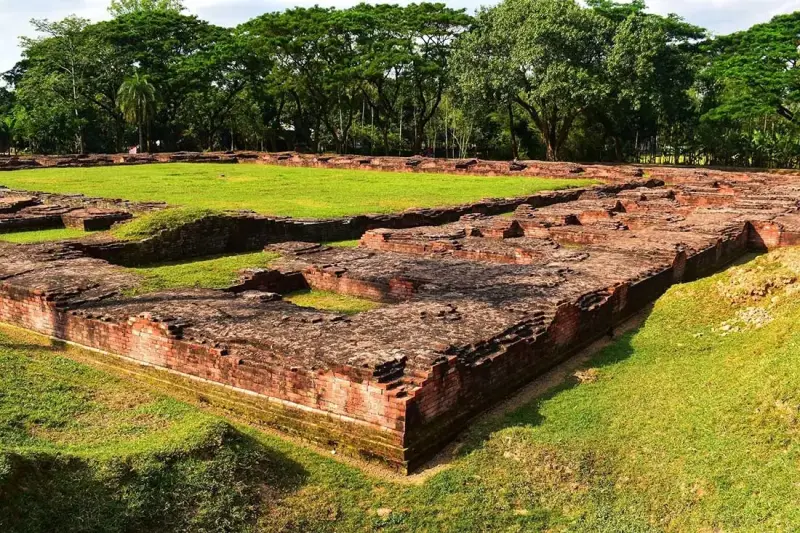 BograAncient Mahasthangarh
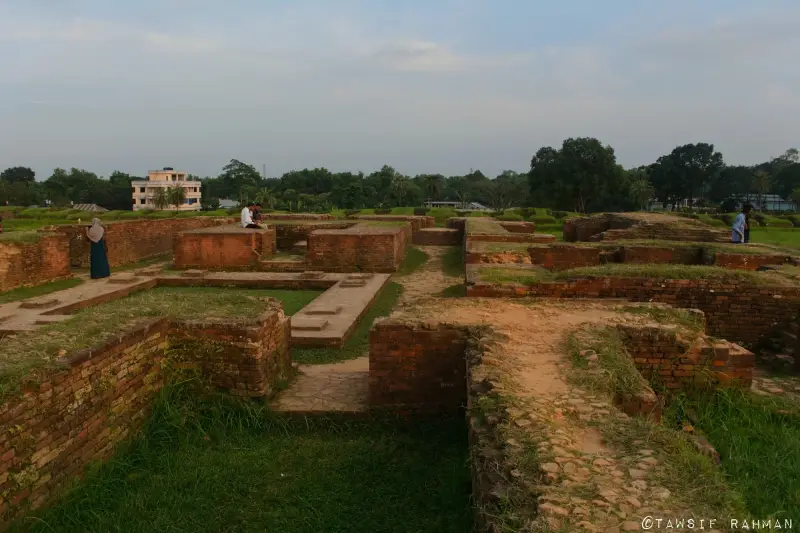 ComillaMainamati ruins
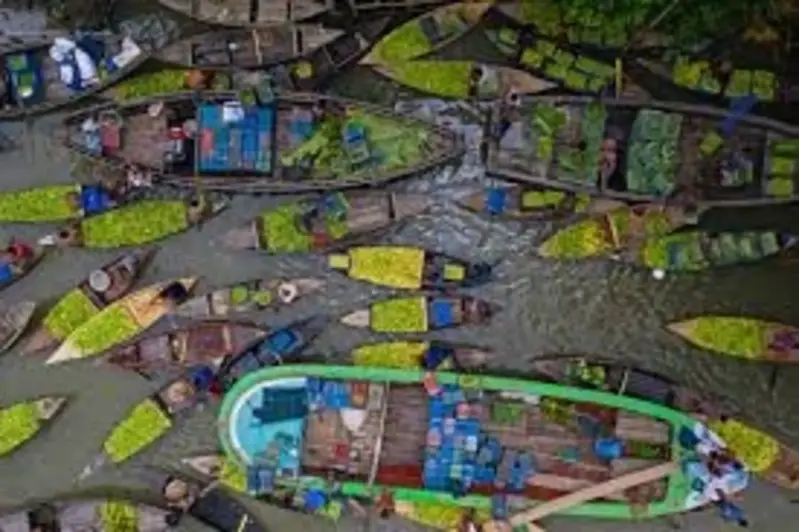 JhalokatiFloating guava markets
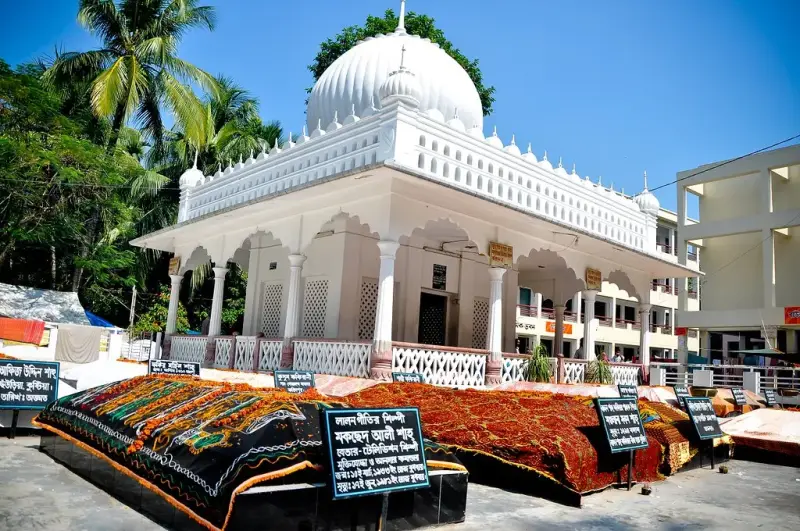 KushtiaLalon and Tagore
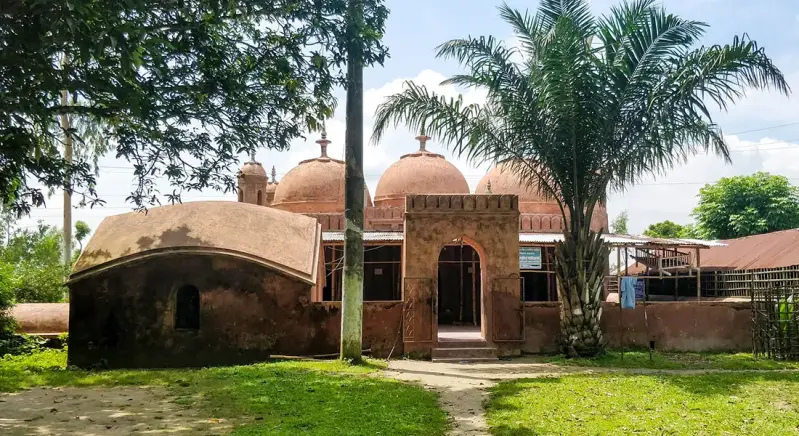 LalmonirhatTeesta Barrage and Tin Bigha
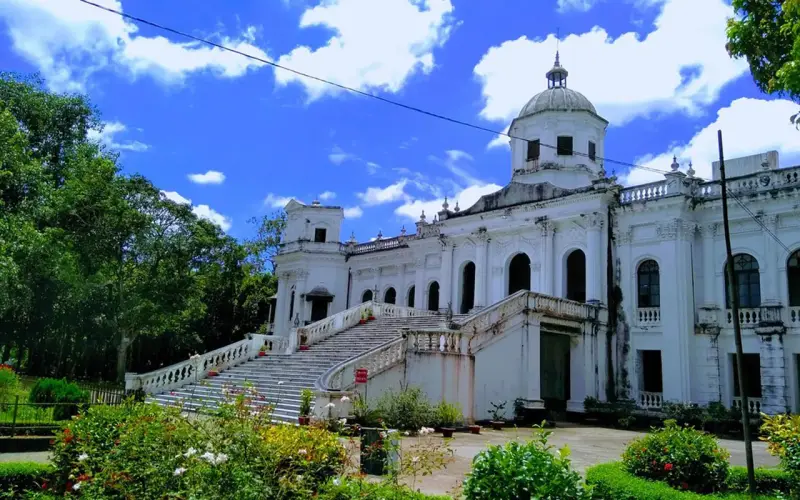 RangpurPalaces of the north
MunshiganjHistoric Bikrampur
SatkhiraWestern Sundarbans
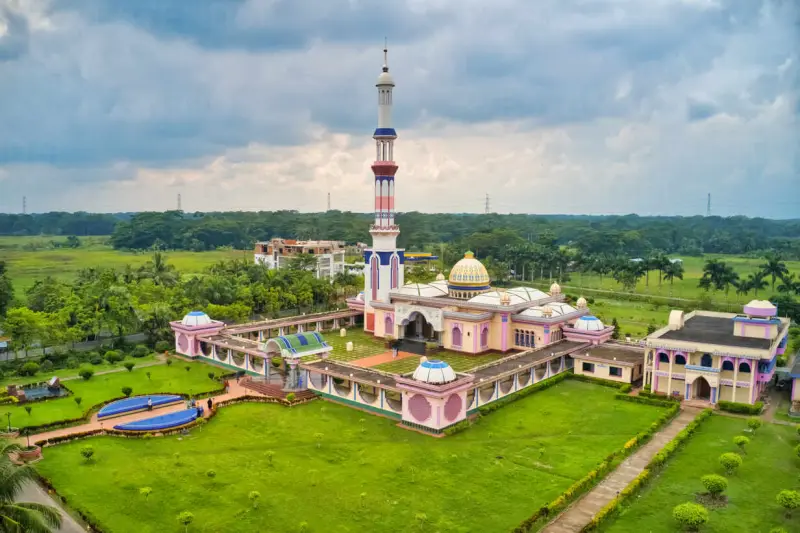 BarishalVenice of Bengal
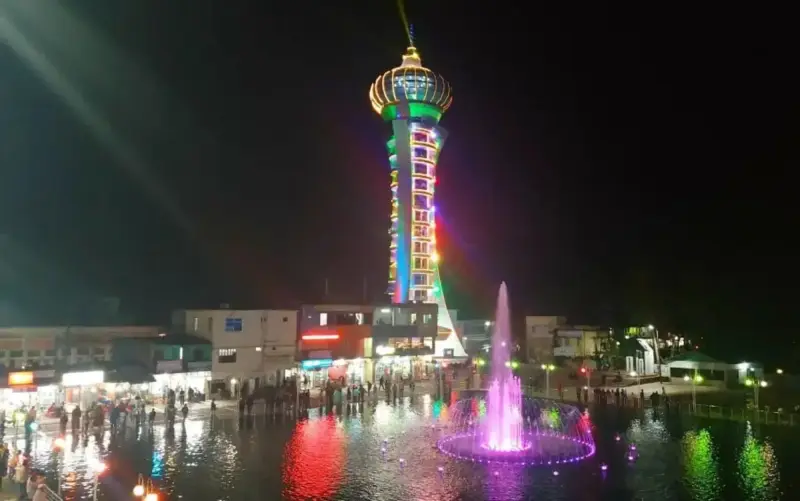 BholaBangladesh's largest island
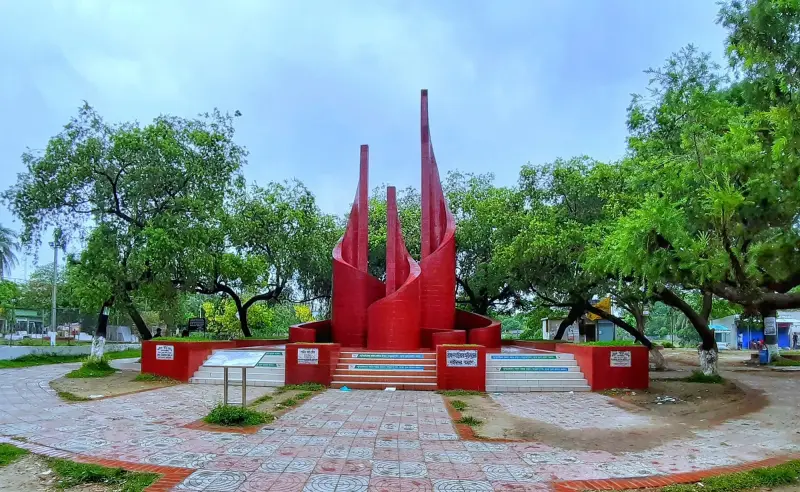 BrahmanbariaThe Titas and Akhaura
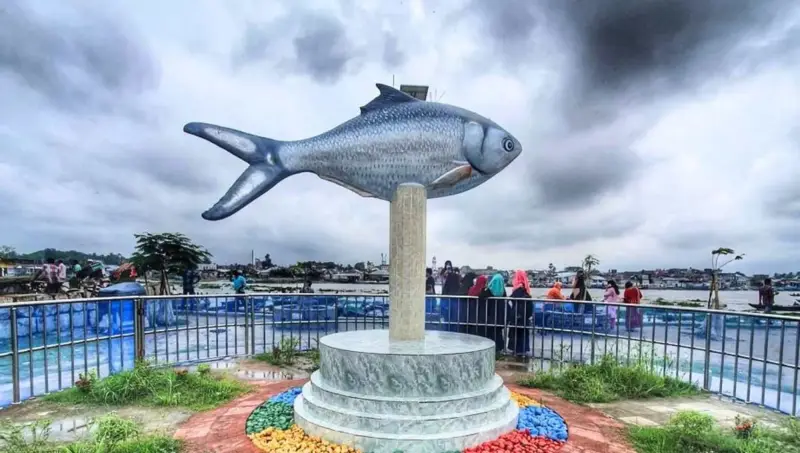 ChandpurCity of hilsa
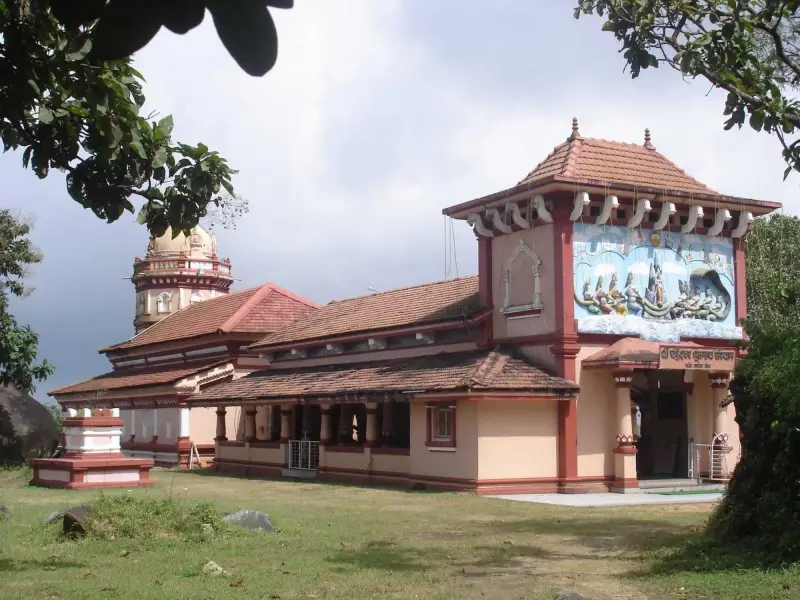 FaridpurPoet Jasimuddin's home
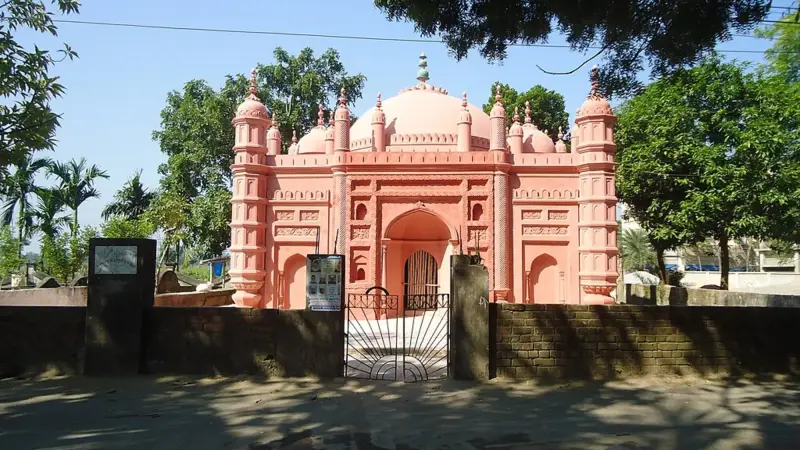 FeniMuhuri Project
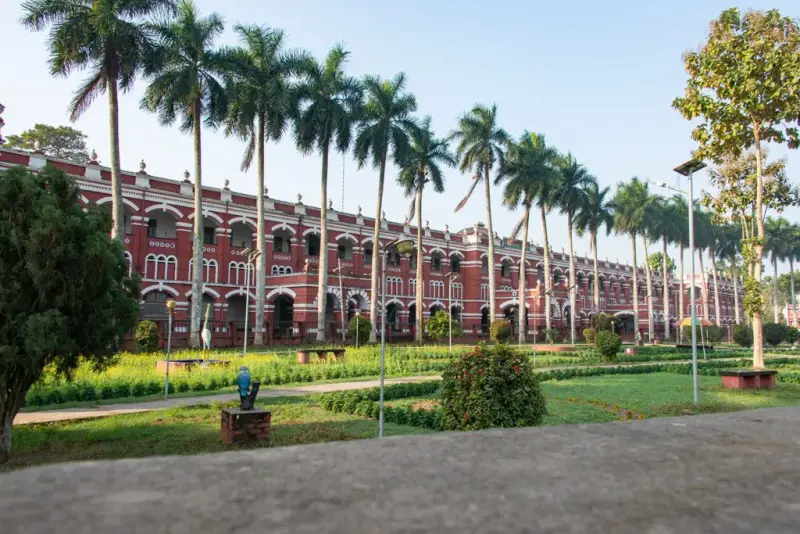 JashoreFlowers and Benapole
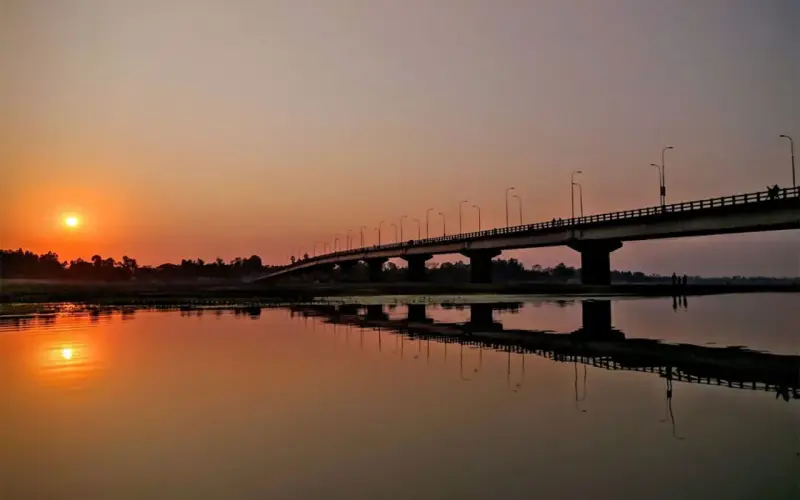 KurigramRivers and char islands
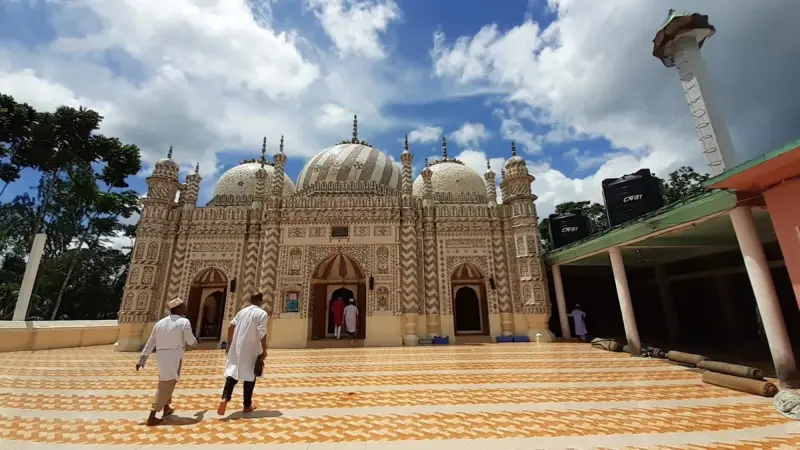 LakshmipurMeghna estuary
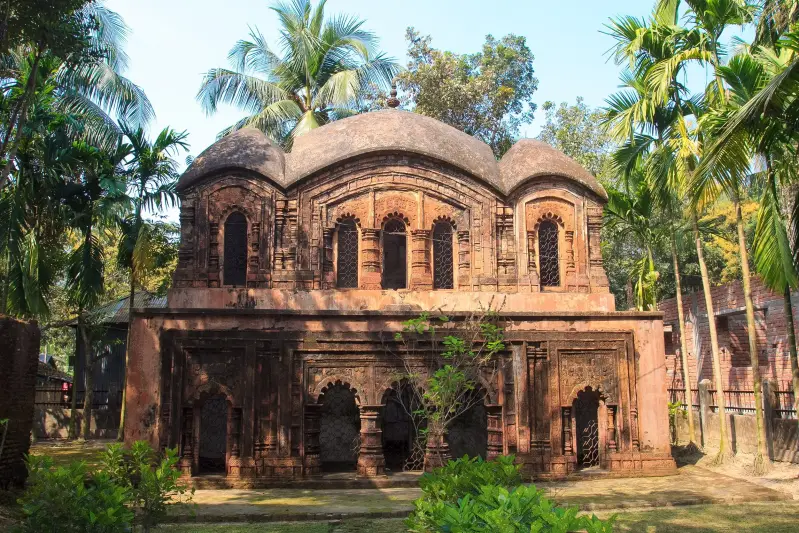 MadaripurRivers near the Padma Bridge
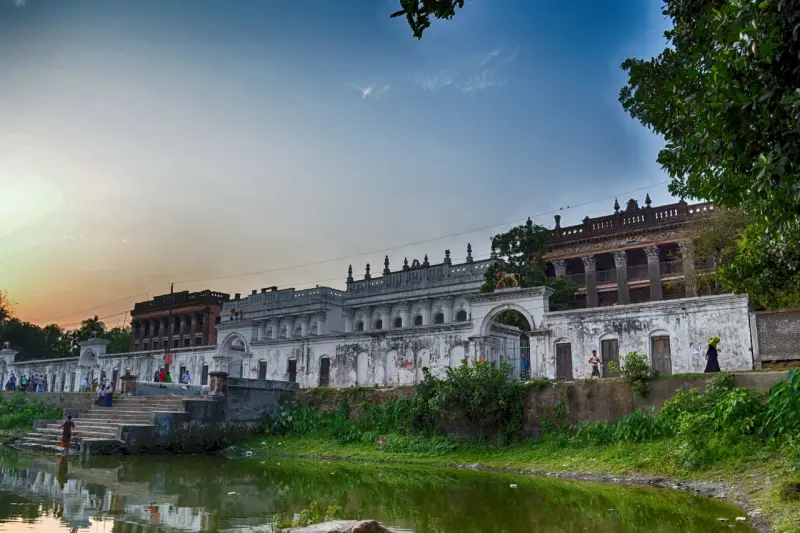 ManikganjZamindar palaces
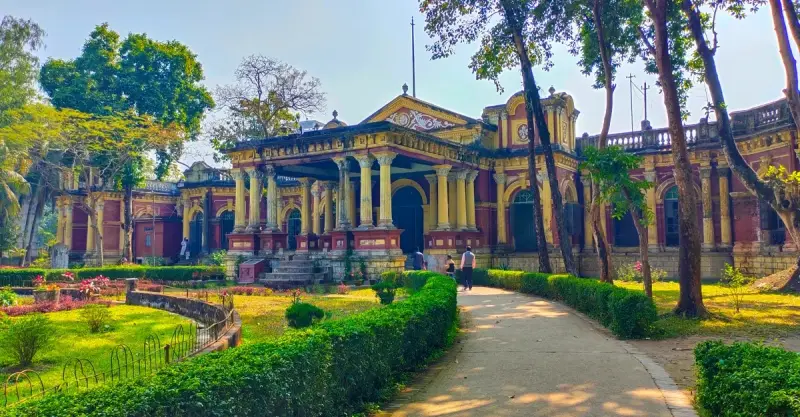 MymensinghRiver city of art and palaces
 NoakhaliNijhum Dwip
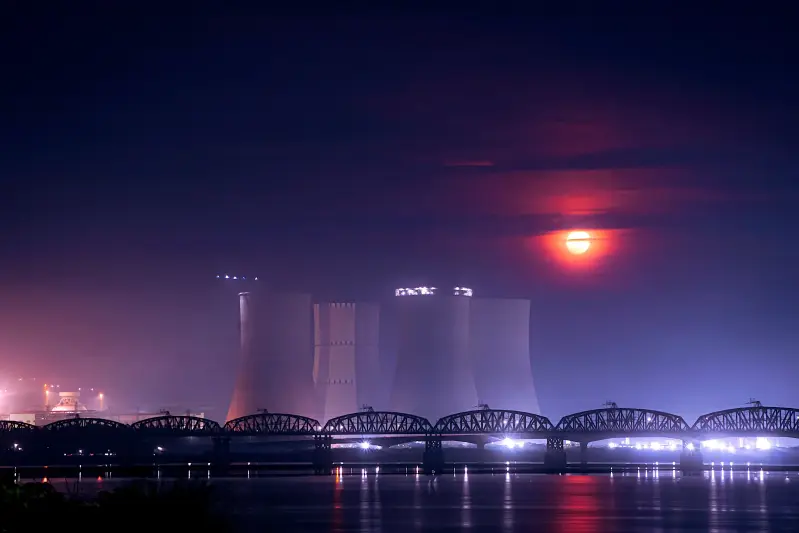 PabnaBridges over the Padma
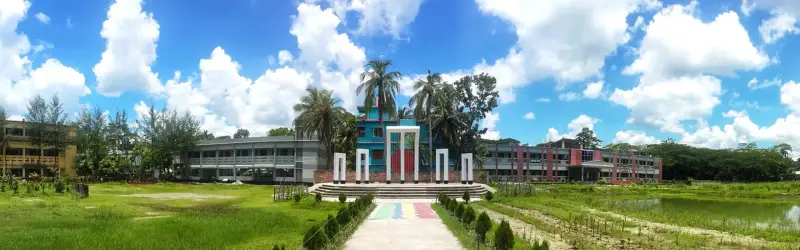 PirojpurFloating markets of Swarupkathi
 SirajganjJamuna and Tagore's Shahzadpur
ChowmuhaniNoakhali's market town
ChuadangaDarshana border
GaibandhaTeesta and Brahmaputra chars
GopalganjTungipara and Orakandi
JamalpurBrahmaputra and nakshi kantha
JhenaidahAncient mosques of Barobazar
JoypurhatGateway to Paharpur
KaliakairFactory town on the Tangail road
KishoreganjHaors and Sholakia
KuakataDaughter of the sea
MaguraRaja Sitaram's ruins
MeherpurMujibnagar Memorial
NarailS. M. Sultan's Chitra
NarsingdiAncient Wari-Bateshwar
NatorePalaces and Chalan Beel
NetrokonaBirishiri and the Someshwari
RajbariGoalanda and the Padma ferries
Saint Martin's IslandBangladesh's only coral island
SavarHome of the Martyrs' Memorial
ShariatpurThe Padma Bridge's south end
SherpurGaro Hills foothills
SiddhirganjBangladesh's old jute town
Sreemangal UpazilaBangladesh's tea capital
SreepurGateway to the Bhawal forest
TaraboRiver town on the Sylhet road
TongiDhaka's northern gateway
Nothing in that category yet.
Lake trips, monasteries and hill viewpoints around Rangamati.
Rangamati
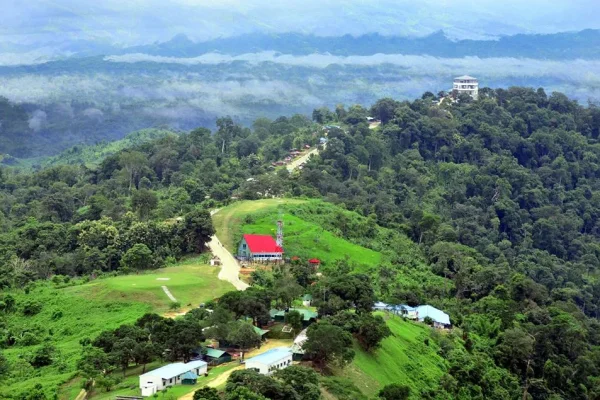
Sajek Valley is a ridge-top settlement at about 550 metres in Sajek Union, Baghaichhari Upazila, Rangamati Hill District, in the Chittagong Hill Tracts of south...

Rangamati
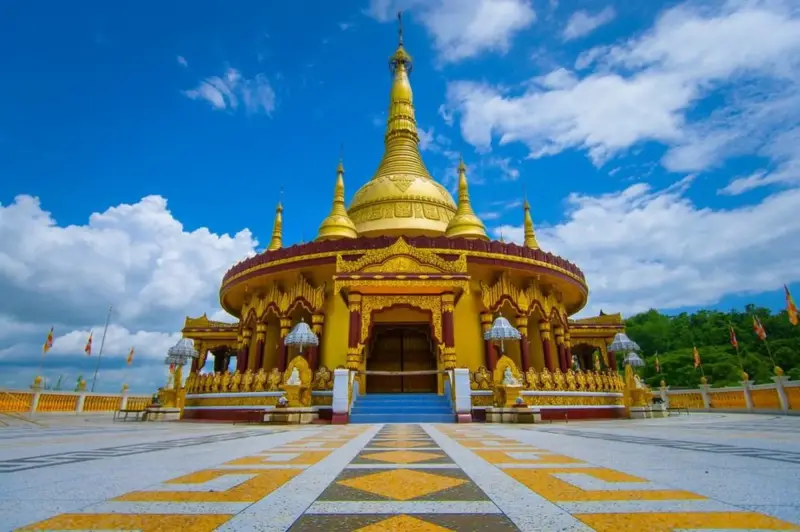
Rajban Vihara is the leading Buddhist monastery of the Chittagong Hill Tracts, in Rangamati town, south-eastern Bangladesh, and the spiritual centre for the Cha...

Rangamati
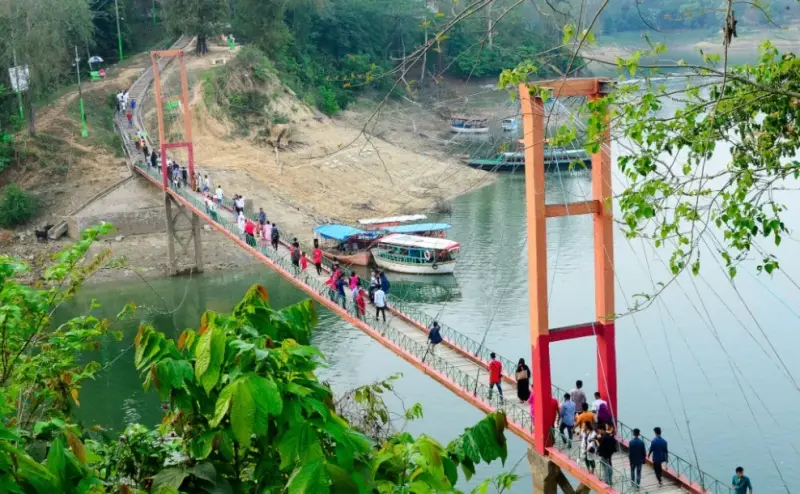
The Rangamati Hanging Bridge is a 335-foot suspension footbridge built in 1986 over an arm of Kaptai Lake in the tourist area of Rangamati Sadar, Chittagong Hil...
Rangamati
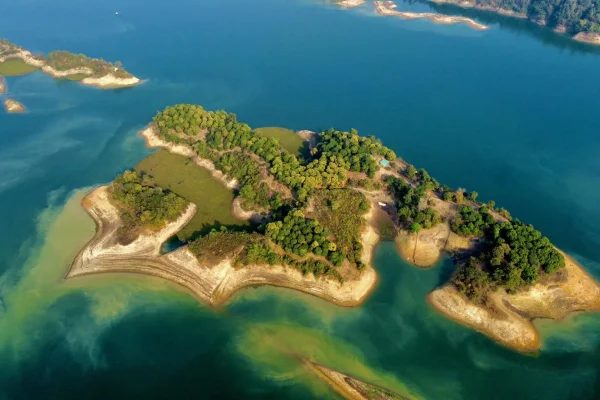
Kaptai Lake lies in Rangamati Hill District in the Chittagong Hill Tracts of southeast Bangladesh, with the town of Rangamati built on its shores. It was formed...

Rangamati
Shuvolong Waterfall is a monsoon fall that drops straight into Kaptai Lake at Chilar Dak, Subolong union, Barkal upazila, Rangamati district, Bangladesh, about...

Rangamati
Muppochora Waterfall is a wide hill fall in Belaichhari upazila, Rangamati district, Bangladesh, reached by boat across Kaptai Lake and a guided trek from Banga...
Rangamati
Komlok Waterfall is a hill-stream fall below Ruilui Para in Sajek Valley, Baghaichhari upazila, Rangamati district, Bangladesh. It suits visitors staying at lea...
Rangamati
The fall lies in Sajek union of Baghaichhari upazila, Rangamati district, close to Baghaihat bazar. Although it is in Rangamati, it is reached from the Khagrach...

Rangamati
The fall lies in Farua union in the far east of Belaichhari upazila, Rangamati district, in hills settled mainly by Tanchangya villages. Belaichhari has no road...
Cool dry winters, heavy monsoon months and festival weeks, side by side.
Dry, mild and clear: the most comfortable months for travel.
Hot and humid, with sudden evening storms (kalbaishakhi).
Heavy rain, rising rivers and green countryside; roads and ferries can be disrupted.
Avoid travelling in the days before and after the two Eid holidays, when buses, trains and launches out of Dhaka sell out.
Packages in Demand
Tours, activities and day trips in and around this destination, with the details you need before booking.
Cities: Chattogram to Rangamati and the hanging bridge → Kaptai Lake by boat and return to Chattogram
Traveling to Rangamati? Chat with a Local Travel Specialist in Rangamati Who Can Help Organize Your Trip.
START HEREOur Travel Experts are Recommended by



Registration, getting in, money and manners for the Chittagong Hill Tracts.
Bangladesh entry rules
Before you think about Hill Tracts permissions, sort the Bangladesh visa itself. Most nationalities apply in advance; some can get one on arrival at airports such as Hazrat Shahjalal or Shah Amanat in Chattogram. Six months' passport validity is required, and the embassy has the final word on current rules.
Via Chattogram
Reach Rangamati through Chattogram. Fly to Shah Amanat International (CGP), then drive about 2 to 3 hours on the winding 77 km road, or take the Paharika bus from Oxygen Mor, about 3 hours. BRTC runs the only air-conditioned bus, and a few non-AC buses come direct from Dhaka. Expect checkpoints on the way.
Cash is king
Bring taka in cash to Rangamati. Boat hire on Kaptai Lake, tribal handloom stalls and lakeside eateries rarely take cards, so draw money in Chattogram or the district town and keep small notes for CNGs and boatmen, settling the price before departure.
Water and mosquitoes
Kaptai Lake's shores have mosquitoes in the monsoon, when dengue peaks, so repellent is worth packing; for drinking, stick to sealed or filtered water. Rangamati's hospital deals with minor problems and sends serious cases down the hill road to Chattogram, so bring medicines and evacuation insurance.
Roads and strikes
Crime against tourists is rare in Rangamati. The winding road from Chattogram is the main danger after dark, and hartals can close it without much notice. Plan the drive for daylight, ask locally about strikes and call 999 if something goes wrong.
Lakeside hotels
Stay in Rangamati town at a lakeside hotel or guesthouse near the hanging bridge, including the government Parjatan Motel, for boats and town sights. Sajek Valley has hilltop cottages and resorts; book them well ahead for weekends and stay a night to see cloud fill the valleys at dawn.
Boats and CNGs
Treat Kaptai Lake as the road network: hire a boat by the hour or day at the town ghats for Shuvolong and the islands, or ride the cheap shared engine boats between landings. Green CNG three-wheelers are the only public transport in town, and you should carry your passport for checkpoints on hill roads.
Buy before you leave the city
Get connected in Chattogram before the hill road: SIMs are sold at the airport and operator shops, with your passport needed for biometric registration. Out on the lake, Grameenphone has the strongest rural signal; the other networks, Robi, Banglalink and Teletalk, are fine in town, and data is inexpensive.
Rural and conservative
Chakma and other indigenous communities share Rangamati with Bengali settlers, and both are conservative and generous hosts. Cover up, take your shoes off at temples, mosques and homes, accept tea, and ask before photographing anyone, especially women. Ramadan daylight hours are a time to keep food out of sight.
Kaptai Lake, Chakma culture and a permit system to respect before you go.
BookingMentor editorial ratings out of 5, based on a first-time visitor's experience.
Around Kaptai Lake, winters are mild and dry, while May to September brings very heavy rain that peaks in July. Choose a month to see Chattogram station averages.
Climate figures are approximate long-term averages for Chattogram, the nearest long-term weather station (the hills run slightly cooler) (NOAA / Bangladesh Meteorological Department 1991–2020 normals, via Wikipedia).
Plan three days for Rangamati: one on Kaptai Lake by boat to Shuvolong waterfall, Peda Ting Ting and the Chakma island villages, one in town at the Chakma king's residence, the hanging bridge and Tabalchari, and one or two at Sajek Valley via Khagrachhari. Foreigners must register on arrival, so arrange permits first.
Three days split neatly: one on the water, one in town and one or two in the hills.
Sort out the paperwork before anything else. Foreigners must register on arrival in Rangamati, and permits may be checked for each sub-district of the Hill Tracts; outside the main towns a paid police escort can be assigned. Rules change, so ask a Chattogram tour operator or your hotel to arrange things a few days ahead, and carry several photocopies of your passport and visa.
A little background helps. The lake is man-made: the Kaptai Dam on the Karnaphuli was finished in 1961, flooding about 54,000 acres of farmland and the old Chakma palace and displacing some 100,000 people.
Most people come in from Chattogram. A hired car and driver from Chattogram is the easier choice, especially if you are going on to Sajek or Bandarban.
Visit Rangamati from late October to March, when it is dry and mild, with December and January highs of 26°C to 27°C and nights near 14°C to 16°C. Late October and November balance full waterfalls with dry trails. The rains arrive early, peaking at about 718 mm in July, and Biju falls on 12 to 14 April.
The figures on this page come from Chattogram, the nearest long-term weather station. The hills run a little cooler, which makes December and January very pleasant: highs of 26°C to 27°C, nights falling to around 14°C to 16°C. Bring a jacket for the early boat and for any night in Sajek.
The rains arrive early and hard. This is when Shuvolong runs at full strength. Squalls can cut boat trips short. Hill roads turn slow and slippery too. If you come in the monsoon, keep one spare day.
October is the in-between month. The lake is still high, rain has fallen to about 231 mm and the views clear as November arrives with only 47 mm. Late October and November are probably the best compromise between full waterfalls and dry trails.
Plan around Biju if you can. The Chakma New Year falls on 12 to 14 April. Homes are cleaned and hung with flowers on the first day, Phool Bizhu. Mul Bizhu follows with visits, games and special curries and sweets. The third day is kept for religious and family duties. The Marma call the same festival Sangrai; Tripura and Tanchangya families call it Boisu and Bishu. Rangamati also hosts a week-long Biju fair with stalls of food and clothing.
Look for Chakma hill cooking in Rangamati. Sabarang Restaurant on Rajbari Road serves boda hebang, eggs steamed in bamboo, bamboo shoots and pork stew. Chakma shops sell home-made liquor, to be drunk indoors, and Bain Textile in Tabalchari sells the pinon and khadi handloom pieces Chakma women wear.
Hill cooking is what to look for here. Sabarang Restaurant on Rajbari Road takes its name from a fragrant local herb. It cooks Chakma dishes next to its Thai and Chinese menu. Order boda hebang (eggs steamed in bamboo), bhach churi (bamboo shoots), shugor ehra khola (pork stew) and khuro gudiye, a chicken dish.
Chakma shops also sell home-made liquor. Dochuani, literally double-distilled, is very strong. Joghora tastes sweet and harmless and makes you tipsy within about 10 minutes. Kanjhee is wine-strength with a tangy edge. Drink in the shop or your room, never in the street, and remember that Rangamati town has a Muslim majority even though the district as a whole is mostly Buddhist.
For textiles, take a CNG to Bain Textile in Tabalchari. Chakma weavers sell pinon and khadi there, the handloom pieces that make up the outfit Chakma women still wear. Red and black are the classic colours; turquoise, magenta and orange are common too.
Manners follow from the mix. The Chakma are the largest group. Marma, Tanchangya and Tripura communities live here too, so ask which community someone belongs to; guessing can offend. Monasteries such as the one by the king's residence welcome respectful visitors. In island villages, ask before walking into a household compound. Choose your words with care when talk turns to the dam or the army.
Half a day by boat covers the hanging bridge, Shuvolong waterfall and lake islands; add a night to enjoy the lake at sunset.
Our travel desk answers questions about Rangamati
Hill Tracts permit rules for foreigners can change at short notice, which is why they lead our Rangamati checks. Bus services from Chattogram and Biju festival dates follow, with Chattogram station climate data and the Bangladesh National Portal behind the rest.
Last updated . Spotted something out of date? Tell us.
Checked against trusted sources:
Bangladesh Meteorological DepartmentBangladesh National Portal

Before You Go...
A Travel Network Connection Travelers and locals
Incredible Event & Festival, Don't Miss!
Festivals and events in this destination, with dates, venues and ticket details where available.

Cultural Events, Folk Festival, Social Festivals
Rangamati, Bangladesh
1 photo
Roaming the World one Adventure at a Time: Travel Tales, Tips, and Inspiration for wanderlusters.
Explore more options to hire a car for cheap
Permits, lake boats and the hill road from Chattogram, answered for Rangamati.
Timing & weather
October to March, when it is dry and mild. The monsoon (June to September) fills the waterfalls but can cause landslides on hill roads.
On 12 to 14 April, the Chakma New Year. Phool Bizhu comes first, Mul Bizhu follows with visits and special food, and the town hosts a week-long Biju fair.
General
Yes, but the Chittagong Hill Tracts have special rules for foreign visitors, and some areas may require permission or an escort. Check the current rules with the district administration or a local tour operator.
Yes. Sajek is in Rangamati district, but most visitors reach it by road through Khagrachhari.
Yes. Foreigners must register on arrival, permits may be checked for each sub-district, and a paid police escort can be assigned outside the main towns. Ask a Chattogram tour operator or your hotel to arrange it a few days ahead.
The Kaptai Dam on the Karnaphuli was finished in 1961, flooding about 54,000 acres of farmland and the old Chakma palace and displacing some 100,000 people.
Boda hebang (eggs steamed in bamboo), bhach churi (bamboo shoots), shugor ehra khola (pork stew) and khuro gudiye (chicken), served at Sabarang Restaurant on Rajbari Road.
bookingMentor lists 10 things to do in Rangamati, each with its category, rating and a short description. Open one for the full details, such as opening hours and how to get there.
Getting there
Fly to Chattogram and drive about 2–3 hours, or take a direct bus from Dhaka or Chattogram.
Take the Paharika bus from Oxygen Mor, roughly every hour, about 3 hours over 77 km. BRTC runs an air-conditioned service from near Bottali railway station, and local buses take 4 to 5 hours.
Hire a boat at a Rangamati town ghat; it is about 25 km by road but far nicer by water. After heavy rain the biggest fall drops up to 300 ft.
Booking
Allow 2 to 3 days, ideally between October and March.
Prices & payment
Daily travel costs in Rangamati are very good value. Simple hotels outside the big cities.
Visa & documents
Before you think about Hill Tracts permissions, sort the Bangladesh visa itself. Most nationalities apply in advance; some can get one on arrival at airports such as Hazrat Shahjalal or Shah Amanat in Chattogram. Six months' passport validity is required, and the embassy has the final word on current rules.
Health & safety
Crime against tourists is rare in Rangamati. The winding road from Chattogram is the main danger after dark, and hartals can close it without much notice. Plan the drive for daylight, ask locally about strikes and call 999 if something goes wrong.
We use necessary cookies to make this site work. With your permission we would also like to remember your preferences, measure how the site is used, and show relevant ads and partner offers. You can change your mind at any time under "Cookie settings" on our Privacy policy page.


 Exclusive holiday package offers