
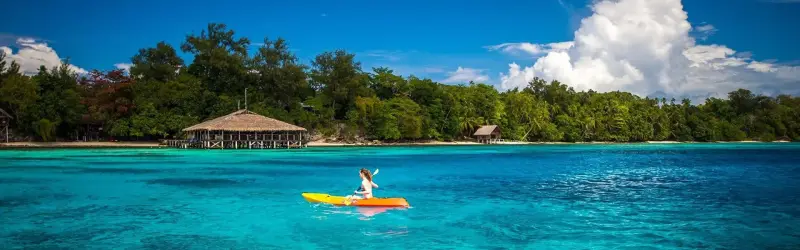

Solomon Islands travel guide
Untouched islands of the South Pacific.
The Solomon Islands suit divers, WWII history buffs and adventurous island lovers. Visit May to October, the drier season. Many nationalities get a visa on arrival. Prices are above average, and the visa on arrival is usually for 30 days.
The Solomon Islands is an archipelago of nearly 1,000 islands in the South Pacific, east of Papua New Guinea. Guadalcanal, home of the capital Honiara, was the scene of major Second World War battles, and sunken ships and aircraft make Iron Bottom Sound a top wreck-diving site.
Marovo Lagoon in the Western Province, one of the world's largest saltwater lagoons, has village stays, snorkelling and carving traditions, and East Rennell is a UNESCO World Heritage Site. Tourism is small-scale and infrastructure is basic, which keeps the islands unspoiled.
Best experiences in the Solomon Islands
Find your kind of trip: 24 travel themes, each with the packages in Solomon Islands.
 Ayurveda Tours
Seasonal/Event
 Adventure
Wildlife & Safaris
Pilgrimage
Eco/Nature
Culture & History
 Honeymoon
 Romantic Getaway
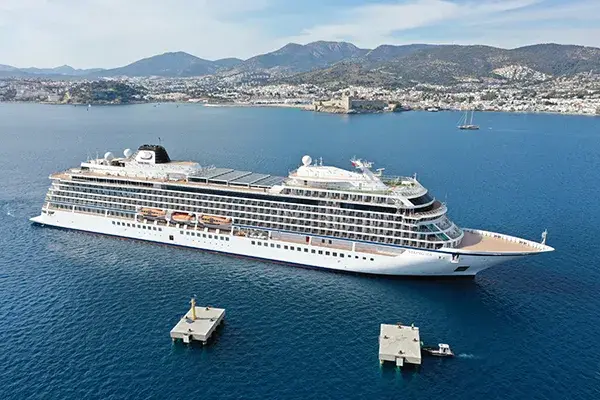 Cruise
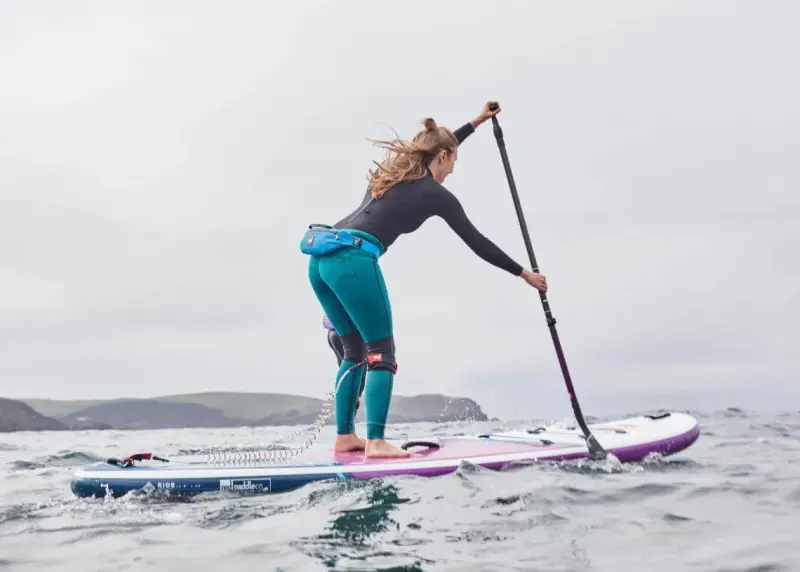 Water Activities
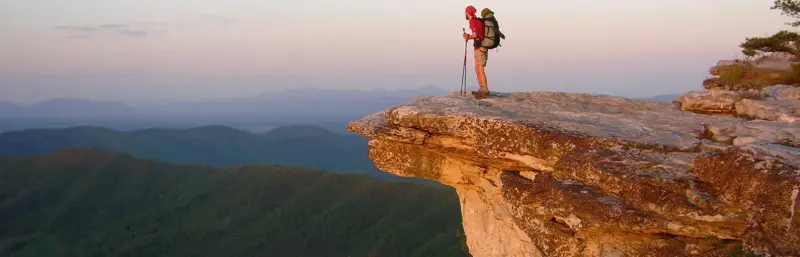 Backpacking
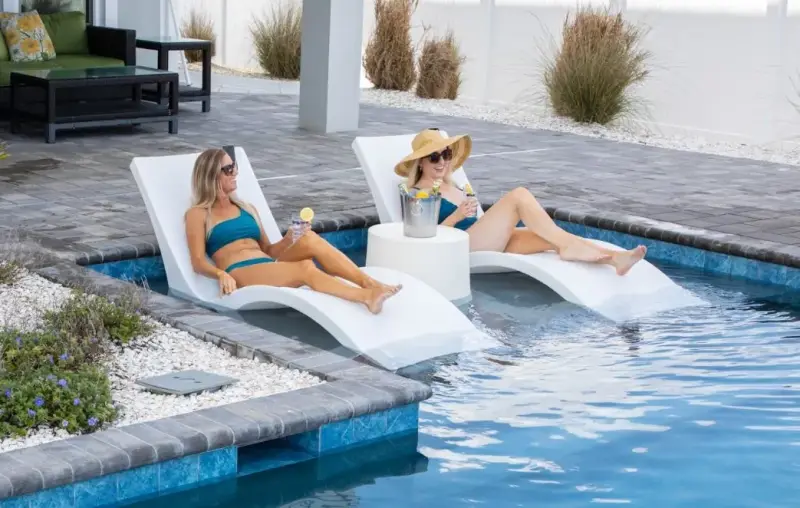 Luxury
 Photography
City Slickers
Heritage
 Beach & Relaxation
 Sports & Recreation
 Food & Wine
Train & River Journeys
Skiing
 Overland
Solomon Islands at a glance
Currency, language, entry and time zone for six main islands and more than a thousand smaller ones.
Explore other countries
Pick a place by travel style: beaches, nature, cities, heritage, hills, islands, desert.
 ThailandTemples, street food and tropical islands
 PortugalLisbon, Porto, the Algarve and island escapes
 Saudi ArabiaAlUla, Red Sea coast and Arabian heritage
 FranceParis, the Riviera, châteaux and Alpine peaks
 United StatesGreat cities, national parks and road trips
 QatarDoha's museums, souqs and desert dunes
 IndiaPalaces, temples, Himalaya and backwaters
 Sri LankaAncient cities, tea hills, wildlife and beaches
 ChinaThe Great Wall, ancient capitals and mega-cities
 United KingdomLondon, castles, highlands and country villages
 TurkeyIstanbul, Cappadocia and the Turquoise Coast
 United Arab EmiratesDubai, Abu Dhabi and desert adventures
 ItalyRome, Renaissance cities, lakes and coastlines
 EgyptPyramids, Nile temples and Red Sea reefs
 JapanTokyo, Kyoto's temples and Mount Fuji
 GermanyBerlin, castles, the Rhine and the Alps
 MalaysiaKuala Lumpur, rainforest, islands and street food
 SpainBeaches, tapas, flamenco and Gaudí
 IndonesiaBali, Komodo, Borobudur and 17,000 islands
 Hong KongSkyline, harbour, dim sum and hiking trails
 SingaporeGardens, hawker food and a dazzling skyline
 GreeceAncient wonders and Aegean islands
 MaldivesOverwater villas and coral atolls
 VietnamHa Long Bay, Hoi An and street food
 BrazilRio, the Amazon, Iguaçu and endless beaches
 AustraliaReef, outback, beaches and laid-back cities
 South KoreaSeoul's palaces, K-culture and mountain temples
 SwitzerlandAlps, lakes, trains and chocolate
 MexicoMaya ruins, Caribbean beaches and Mexico City
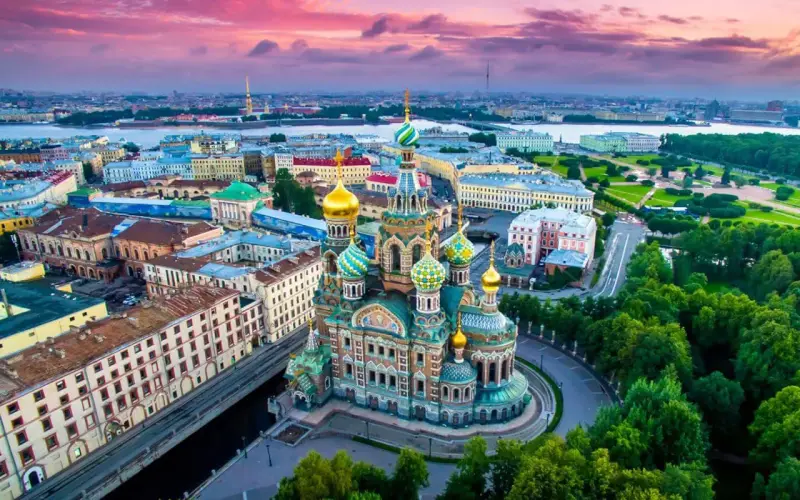 RussiaMoscow, St Petersburg and vast landscapes
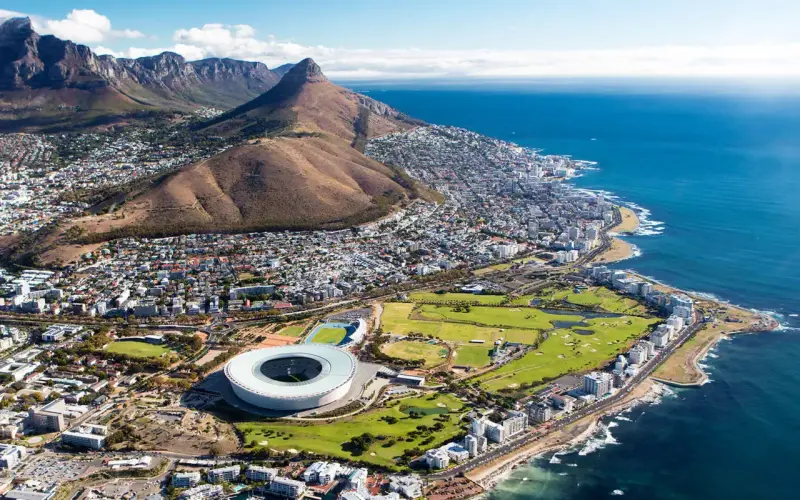 South AfricaSafaris, Cape Town and the Garden Route
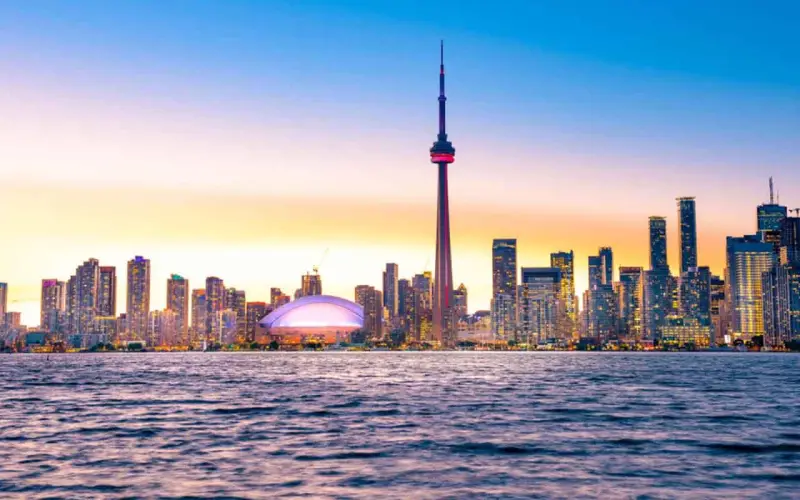 CanadaRockies, lakes, wildlife and friendly cities
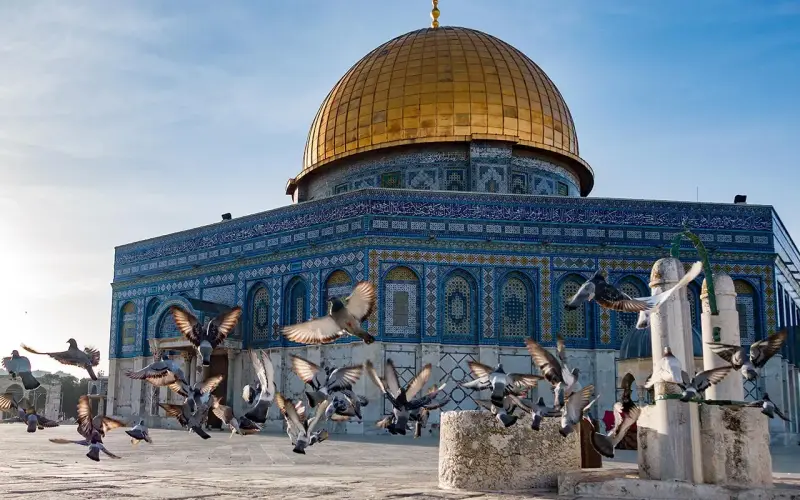 PalestineBethlehem, Jericho and ancient holy sites
 TaiwanNight markets, mountains and Taipei 101
 ColombiaCaribbean coast, coffee country and Andean cities
 Philippines7,000 islands of beaches, reefs and rice terraces
 CambodiaAngkor's temples, river life and islands
 IsraelJerusalem, the Dead Sea and Tel Aviv beaches
 NetherlandsCanals, bikes, tulips and Dutch masters
 ArgentinaTango, glaciers, waterfalls and the Andes
 AustriaVienna's palaces, Alpine villages and music
 BelgiumMedieval towns, art, chocolate and beer
 ChilePatagonia, the Atacama and the Andes
 CroatiaAdriatic islands, walled towns and lakes
 IcelandWaterfalls, glaciers, volcanoes and northern lights
 IrelandGreen coasts, lively pubs and Celtic heritage
 JordanPetra, Wadi Rum and the Dead Sea
 MadagascarLemurs, baobabs and unique wildlife
 MauritiusLagoons, mountains and multicultural flavours
 MyanmarBagan's temples and the Shwedagon Pagoda
 NepalEverest, the Annapurnas and Kathmandu's temples
 NigeriaLagos energy, Afrobeats and cultural heritage
 NorwayFjords, northern lights and the midnight sun
 TahitiGateway to French Polynesia
 TanzaniaSerengeti, Kilimanjaro and Zanzibar
 VenezuelaAngel Falls, Los Roques and the Andes
 BhutanHimalayan monasteries and Gross National Happiness
 BoliviaSalt flats, Andean lakes and colonial cities
 KuwaitGulf city-state
 MoroccoMedinas, Sahara dunes and Atlas mountains
 OmanForts, wadis, deserts and Arabian coast
 ParaguayJesuit missions, wetlands and the Chaco
 PeruMachu Picchu, the Andes and the Amazon
 ScotlandHighlands, castles, islands and whisky
 TunisiaCarthage, Sahara and Mediterranean beaches
 AngolaAtlantic coast, waterfalls and desert landscapes
 AzerbaijanBaku's flame towers and Caspian Sea culture
 BahamasTurquoise water across 700 islands
 BahrainPearling heritage and Gulf city life
 BotswanaOkavango Delta safaris and Kalahari skies
 BruneiGolden mosques and pristine Borneo rainforest
 BulgariaBlack Sea beaches, mountains and monasteries
 Cape Verde IslandsAtlantic islands of beaches, volcanoes and morna
 CubaHavana, Trinidad, tobacco valleys and beaches
 Czech RepublicPrague, castles and spa towns
 EcuadorGalápagos, Andes volcanoes and the Amazon
 EthiopiaRock-hewn churches, highlands and ancient kingdoms
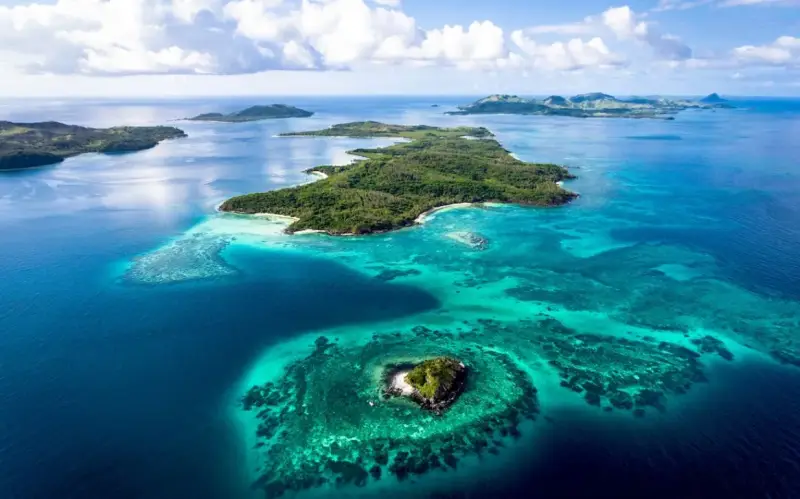 FijiCoral islands, warm welcomes and soft coral reefs
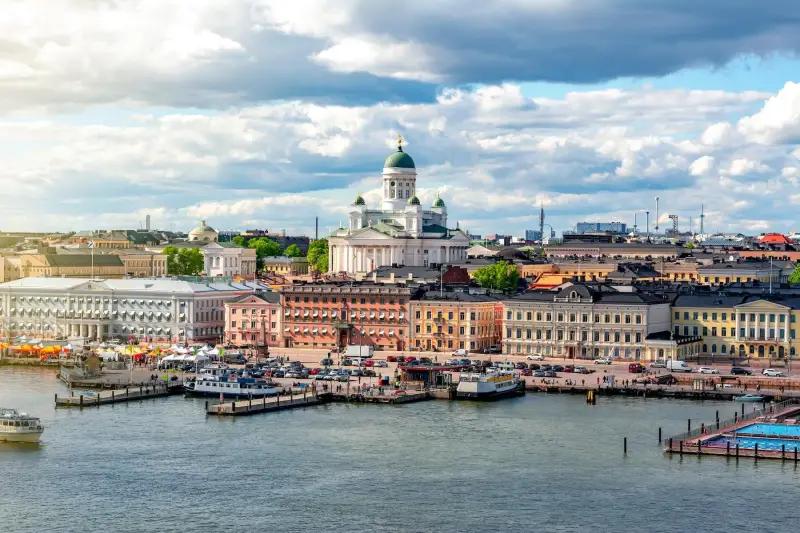 FinlandLakes, Lapland and the northern lights
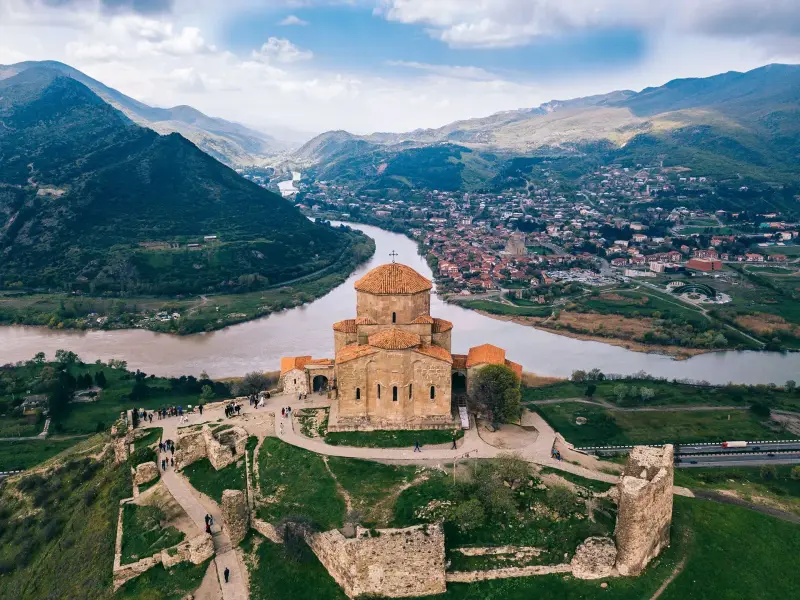 GeorgiaCaucasus peaks, wine and Tbilisi's old town
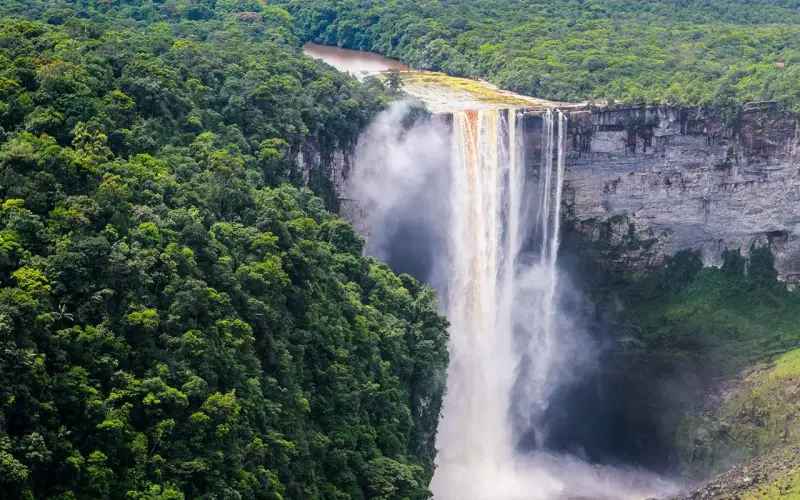 GuyanaKaieteur Falls and untouched rainforest
 HungaryBudapest's baths, Lake Balaton and wine
 KazakhstanSteppe, canyons and Silk Road cities
 KenyaSafaris, the Great Migration and Indian Ocean beaches
 LaosLuang Prabang, the Mekong and limestone karsts
 LatviaRiga's Art Nouveau and Baltic beaches
 LibyaRoman ruins and Sahara
 LuxembourgFortress city, castles and free public transport
 MongoliaSteppe, Gobi Desert and nomad life
 MozambiqueIndian Ocean islands and coral coast
 New ZealandFiords, glaciers, volcanoes and Māori culture
 PakistanKarakoram peaks, Mughal Lahore and mountain valleys
 PanamaThe canal, islands and rainforest
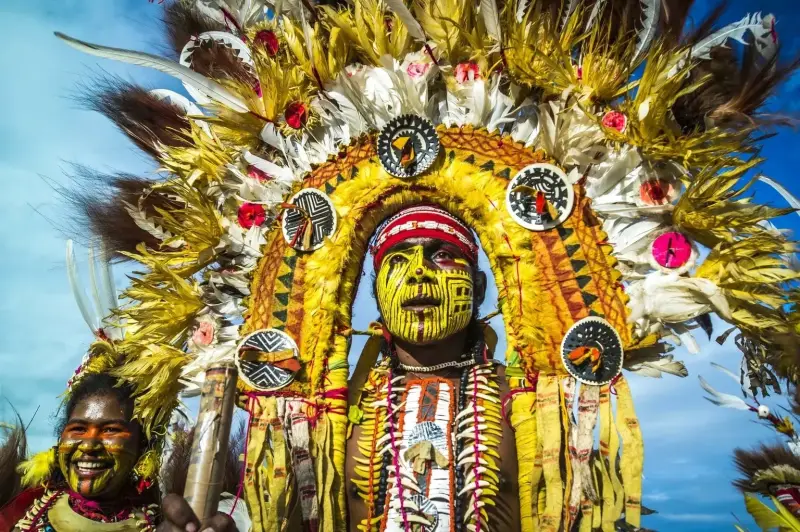 Papua New GuineaHighland cultures, reefs and the Kokoda Track
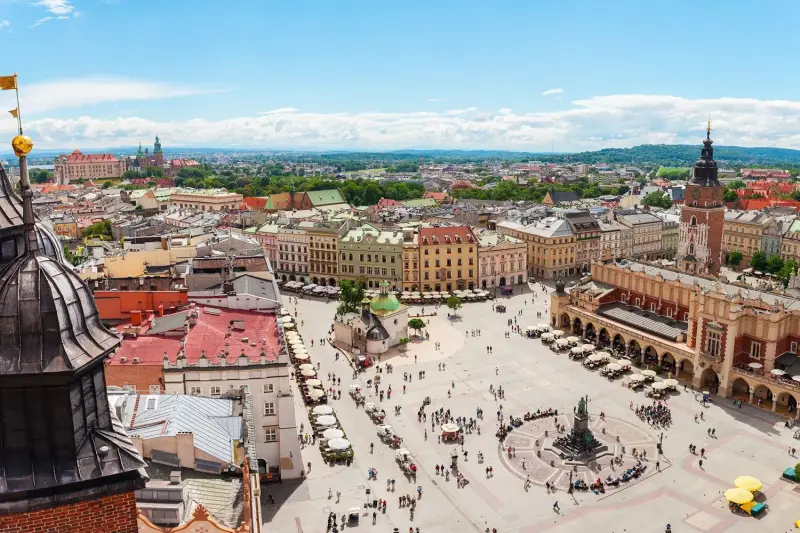 PolandKraków, Gdańsk, Warsaw and the Tatras
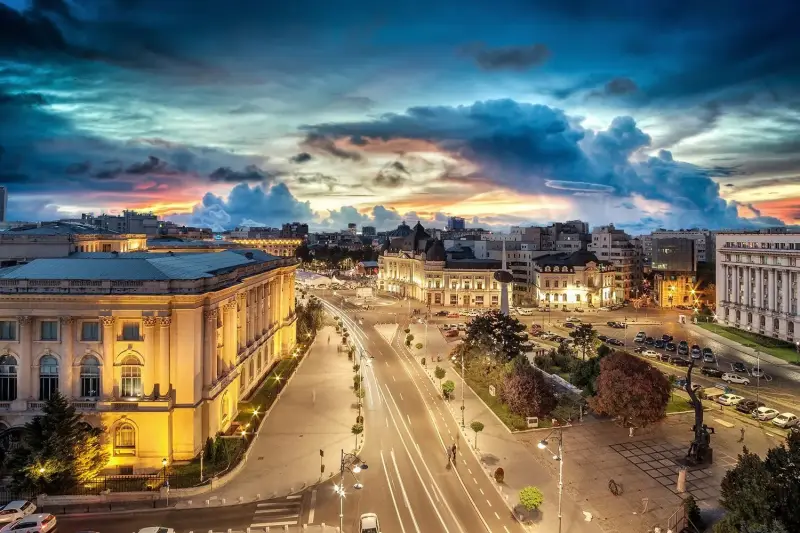 RomaniaTransylvania's castles, painted monasteries and the Carpathians
 RwandaMountain gorillas and the land of a thousand hills
 Saint LuciaThe Pitons, rainforest and Caribbean romance
 SerbiaBelgrade nightlife, monasteries and the Danube
 SeychellesGranite islands and perfect beaches
 SudanNubian pyramids and the Nile
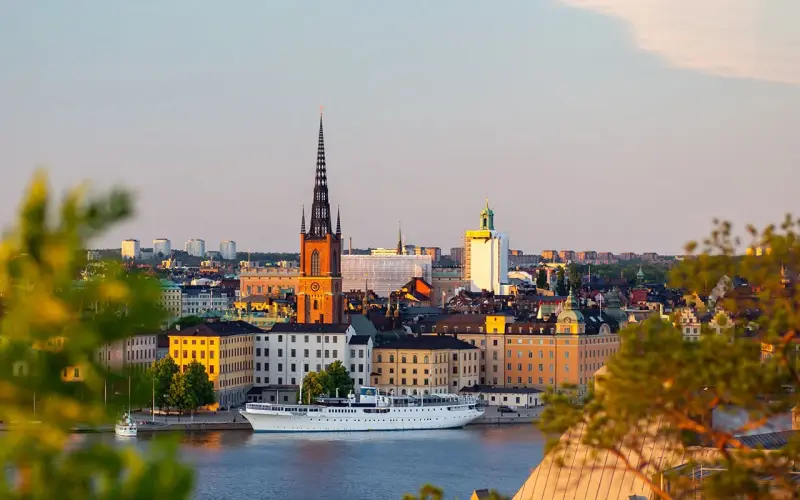 SwedenStockholm's archipelago, Lapland and design
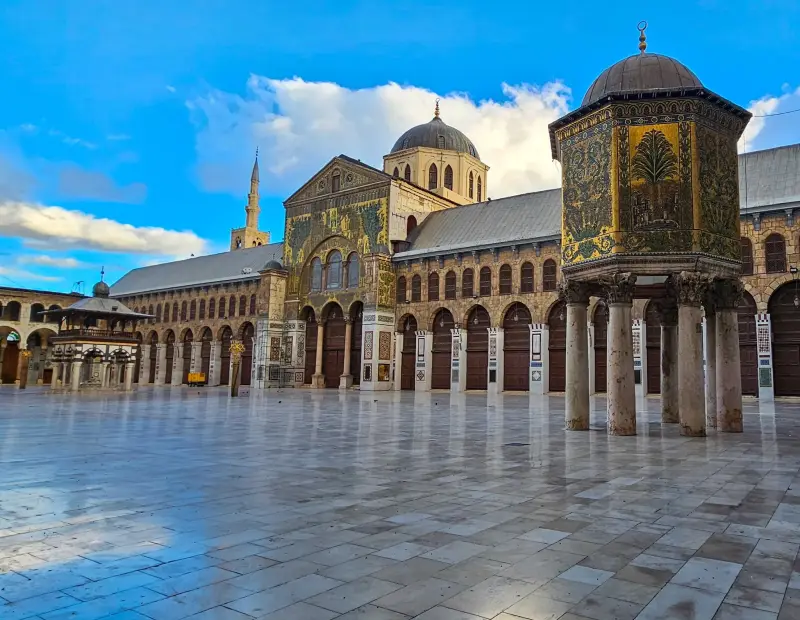 SyriaAncient cities
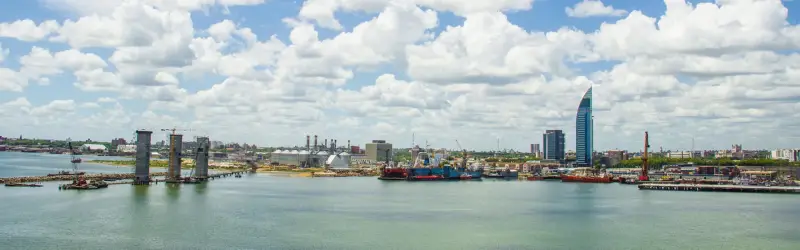 UruguayBeaches, colonial Colonia and laid-back Montevideo
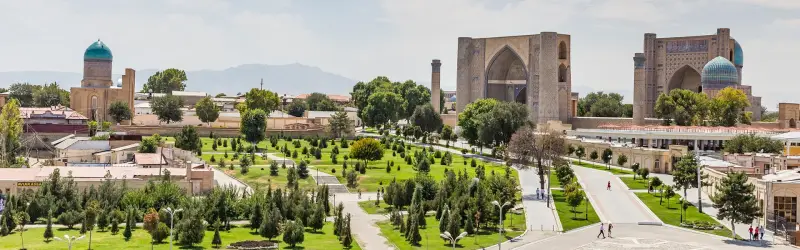 UzbekistanSamarkand, Bukhara and Khiva on the Silk Road
 YemenAncient tower houses and Socotra's unique nature
 ZambiaVictoria Falls, walking safaris and the Zambezi
SurinameRainforest, rivers and colonial Paramaribo
 AfghanistanMountain valleys and Silk Road history
 AlbaniaRiviera beaches, mountain villages and Ottoman towns
 AndorraPyrenean ski slopes and duty-free shopping
 AntarcticaIcebergs, penguins and the last great wilderness
 Antigua and BarbudaA beach for every day of the year
 ArcticNorthern lights, polar bears and the midnight sun
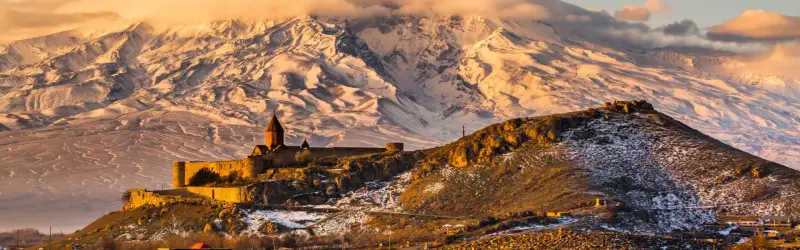 ArmeniaAncient monasteries beneath Mount Ararat
 BarbadosBeaches, rum and cricket in the Caribbean
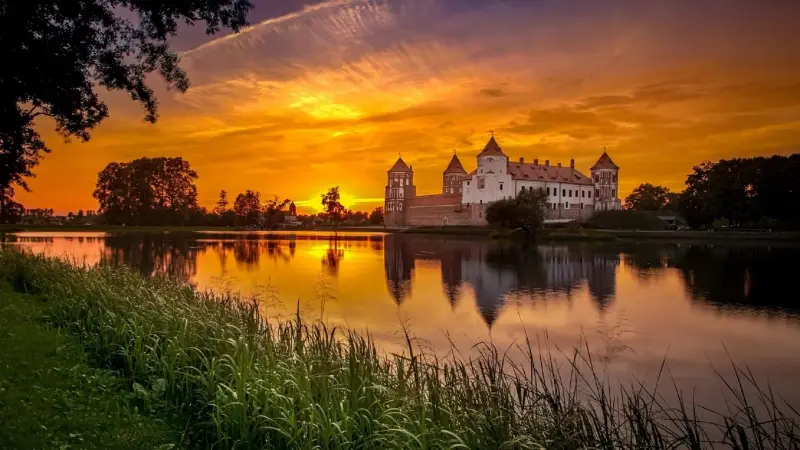 BelarusPrimeval forests and Soviet-era Minsk
 BelizeBarrier reef, Maya temples and jungle
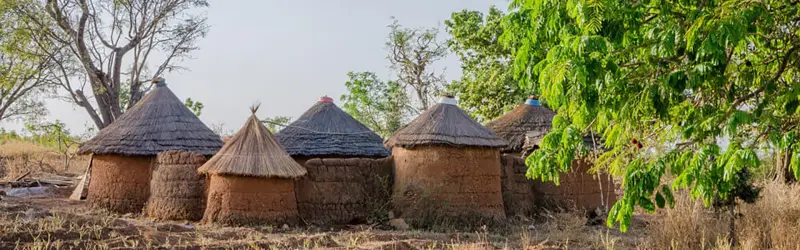 BeninVodun culture, royal palaces and lagoon villages
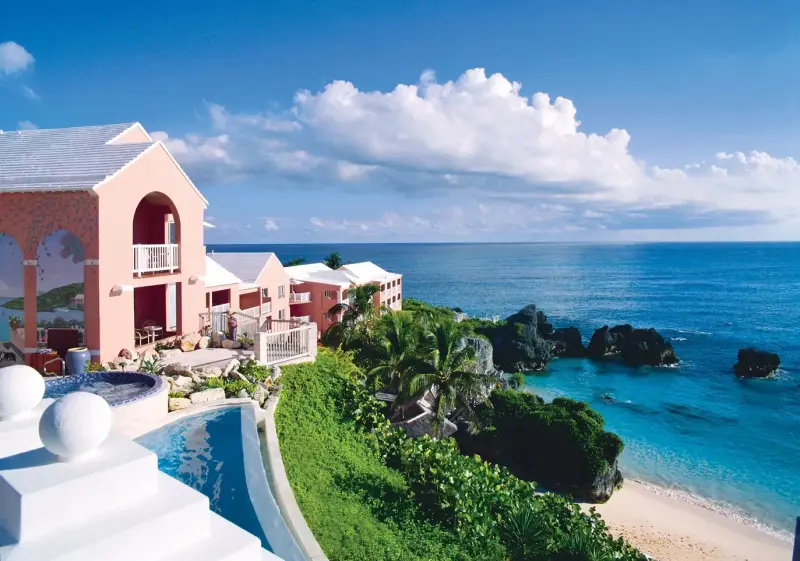 BermudaPink sand beaches in the Atlantic
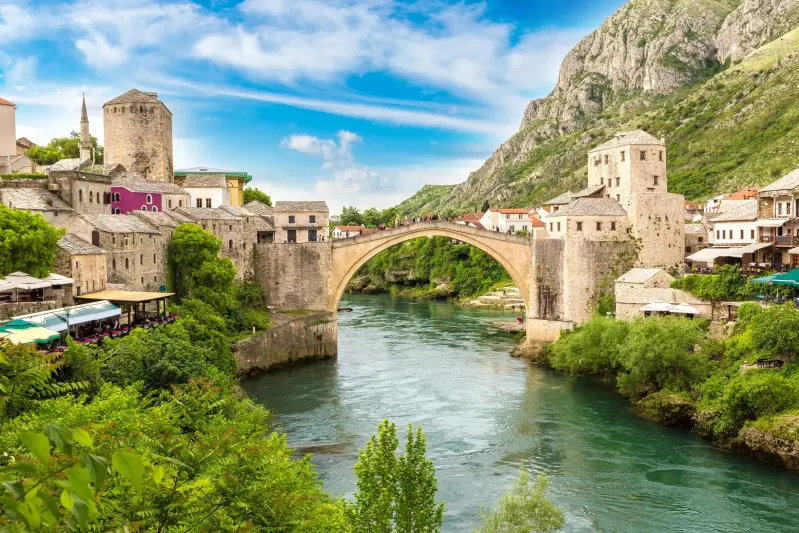 Bosnia HerzegovinaOttoman bridges, mountain rivers and Sarajevo
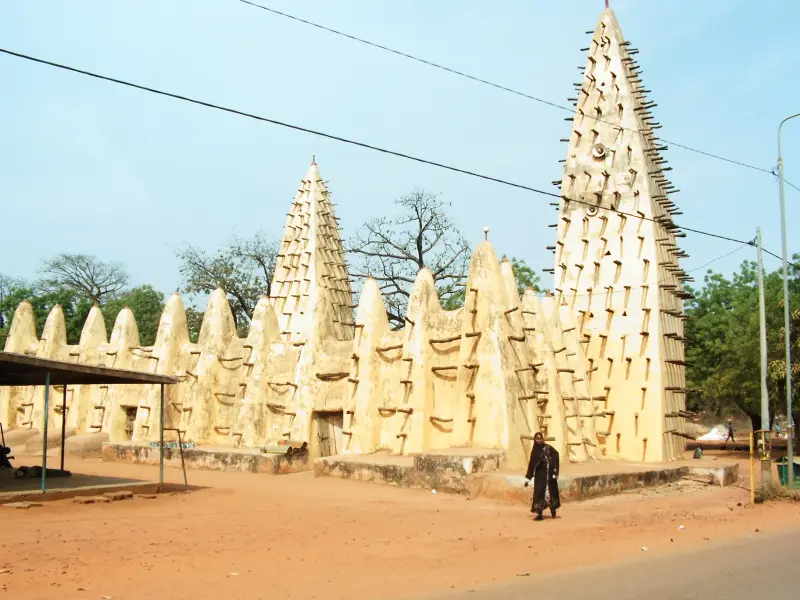 Burkina FasoSahel culture, music and film festivals
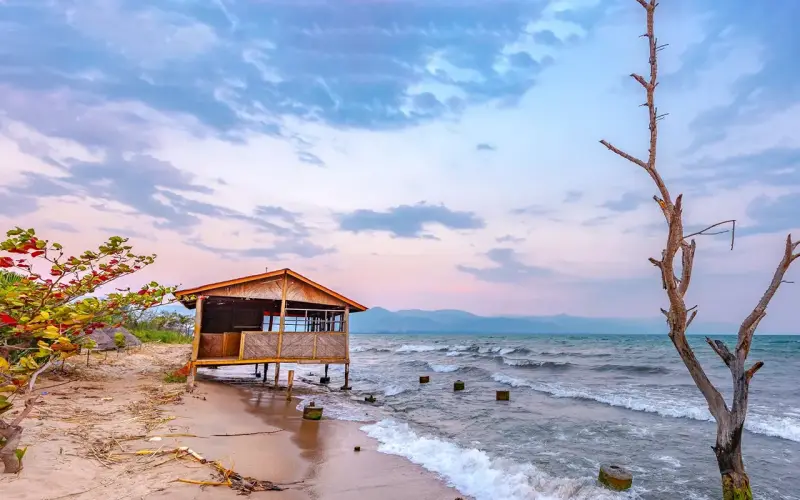 BurundiLake Tanganyika beaches and drumming traditions
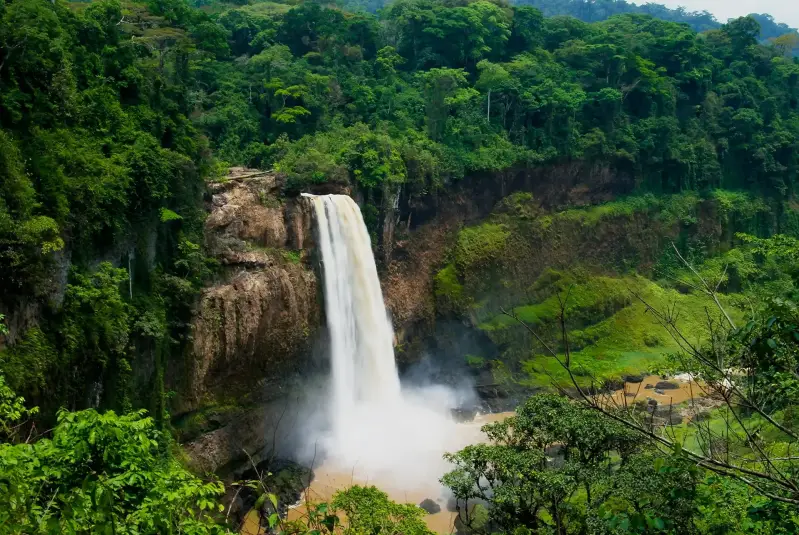 CameroonAfrica in miniature: rainforest, volcano and savanna
 ChadSaharan landscapes and Zakouma wildlife
 ComorosVolcanic islands, vanilla and ylang-ylang
 Costa RicaRainforest, volcanoes, wildlife and two coasts
 CyprusSunny beaches, ancient sites and mountain villages
 Côte D'IvoireAbidjan's skyline, beaches and basilicas
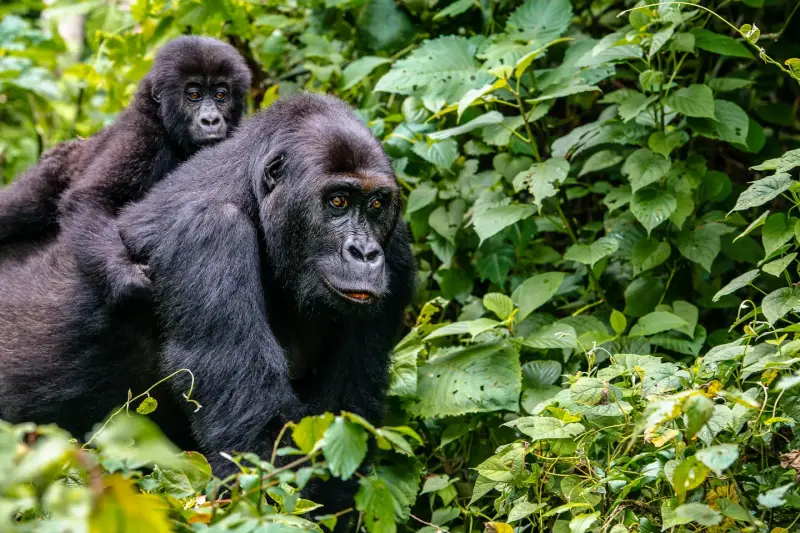 DR CongoGorillas, volcanoes and the mighty Congo River
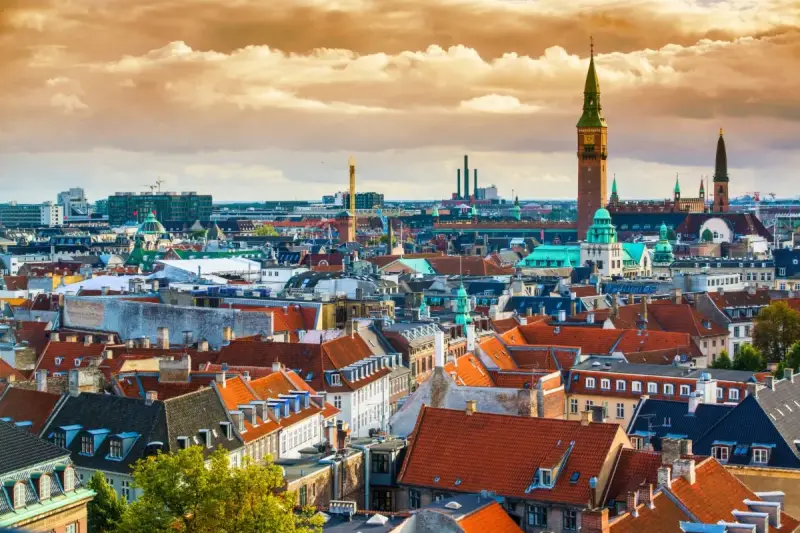 DenmarkCopenhagen design, castles and coastlines
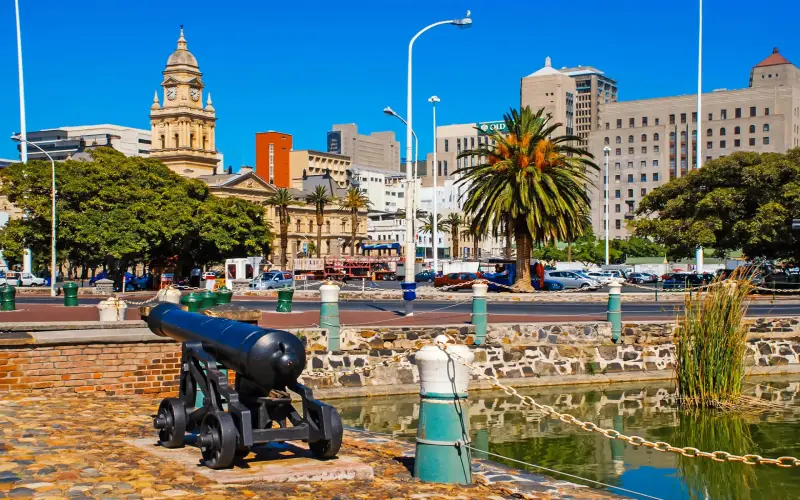 DjiboutiSalt lakes, whale sharks and volcanic desert
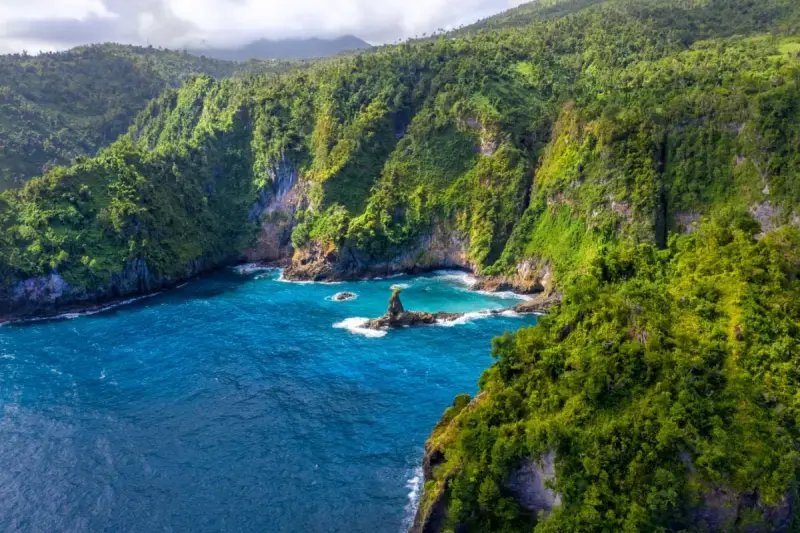 DominicaThe Caribbean's nature island
 Dominican RepublicPunta Cana beaches and the New World's first city
 El SalvadorSurf beaches, volcanoes and colonial towns
 Equatorial GuineaVolcanic Bioko and rainforest Río Muni
 EritreaAsmara's Modernist architecture and the Red Sea
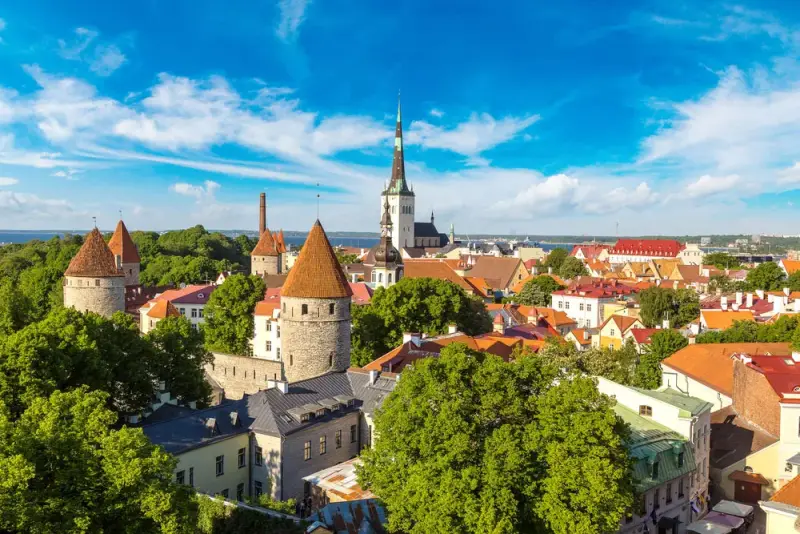 EstoniaTallinn's medieval old town and Baltic nature
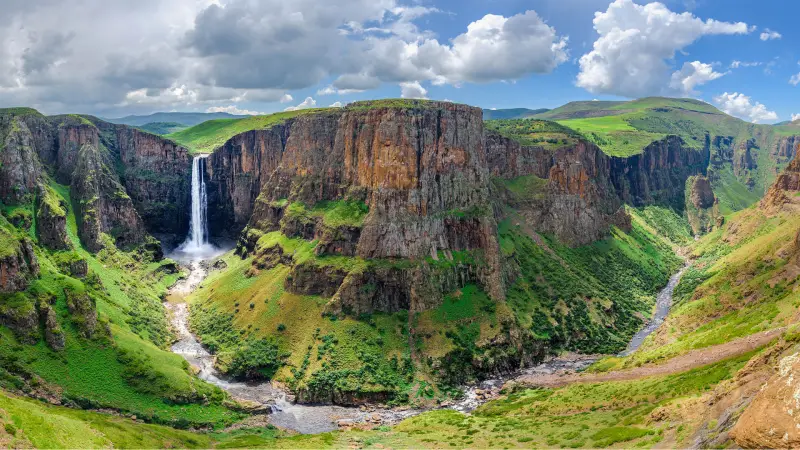 EswatiniWildlife, culture festivals and mountain valleys
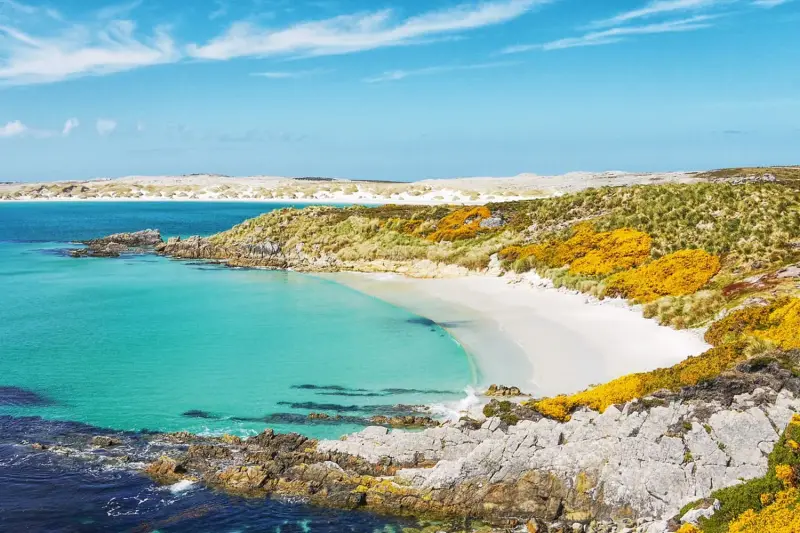 Falkland IslandsPenguin colonies on remote South Atlantic islands
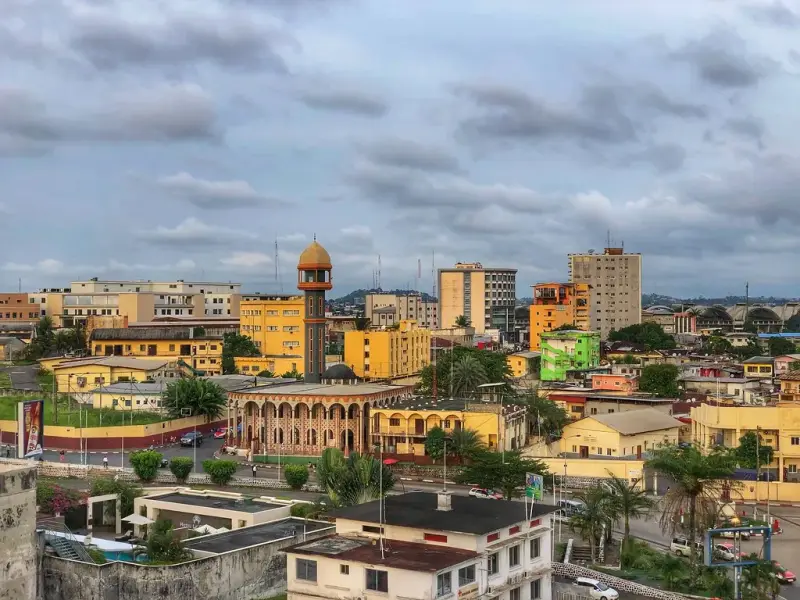 GabonRainforest parks, surfing hippos and gorillas
 GambiaAtlantic beaches, river life and birdwatching
 GhanaCoastal castles, Ashanti culture and warm welcomes
 GreenlandIcebergs, glaciers and Arctic culture
 GuatemalaMaya temples, volcanoes and Lake Atitlán
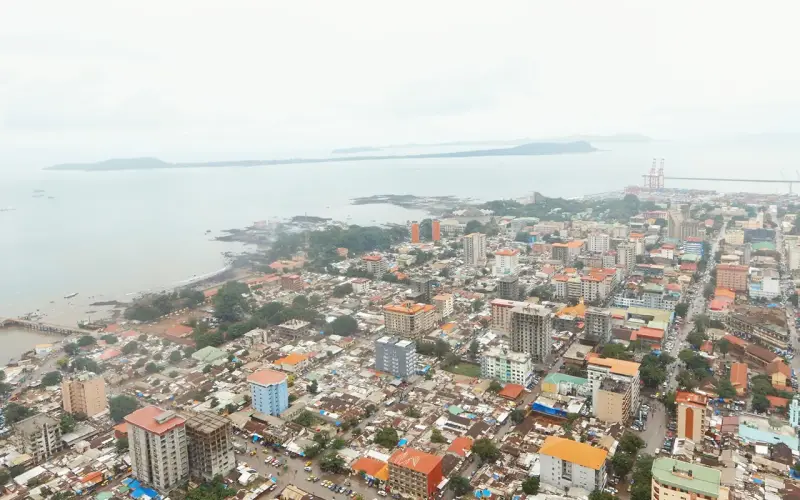 GuineaHighlands and waterfalls
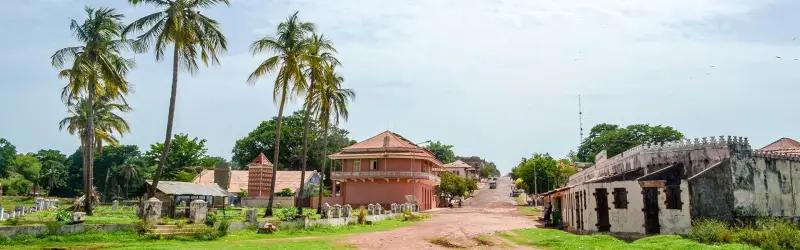 Guinea BissauThe Bijagós Islands and saltwater hippos
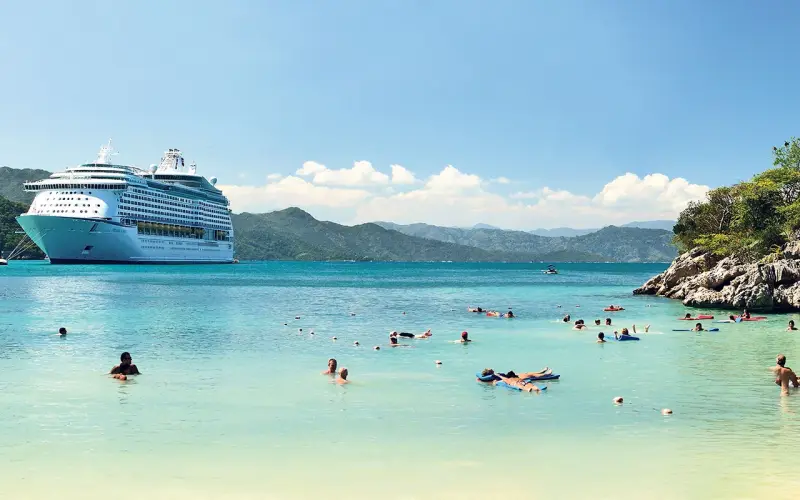 HaitiCitadelle and Caribbean culture
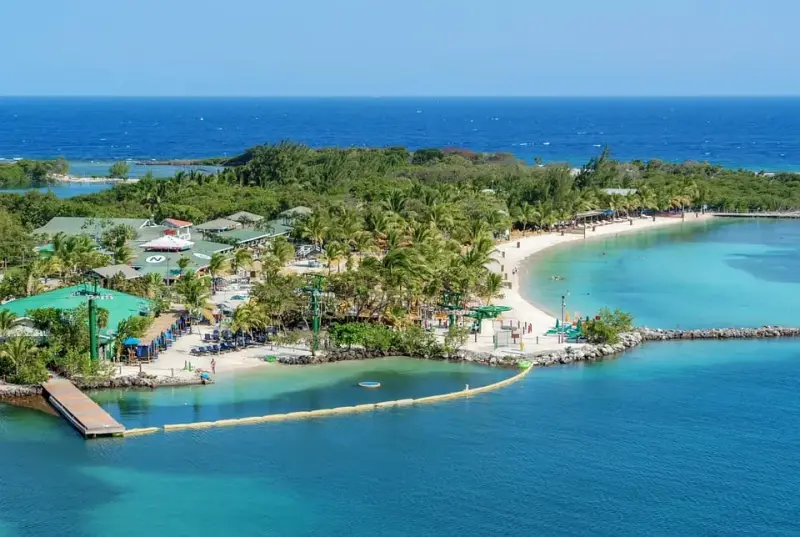 HondurasCopán and the Bay Islands
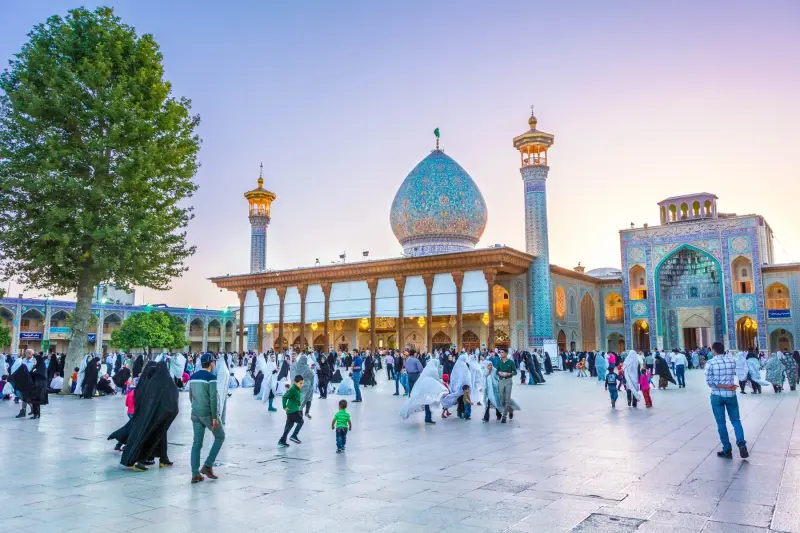 IranPersian palaces, mosques and gardens
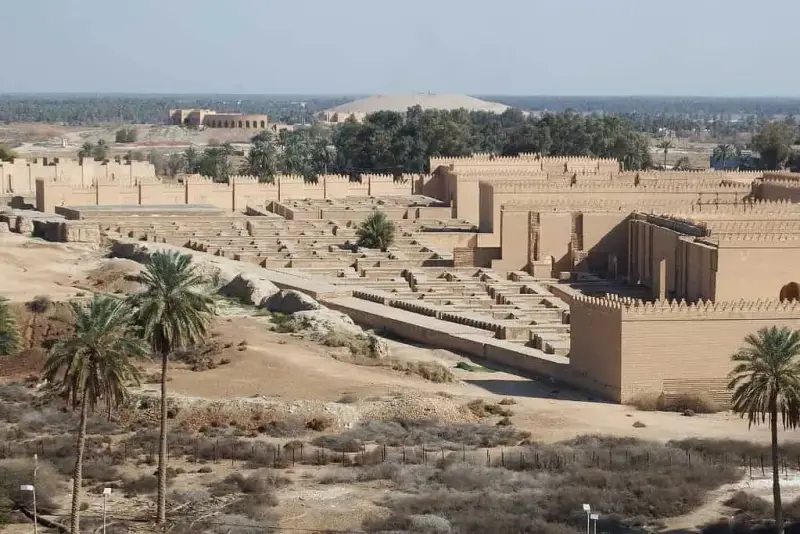 IraqAncient Mesopotamia
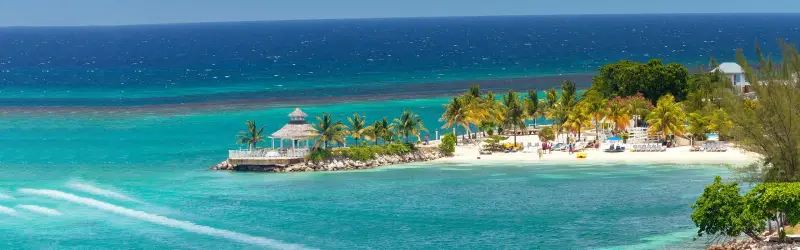 JamaicaReggae, waterfalls and Caribbean beaches
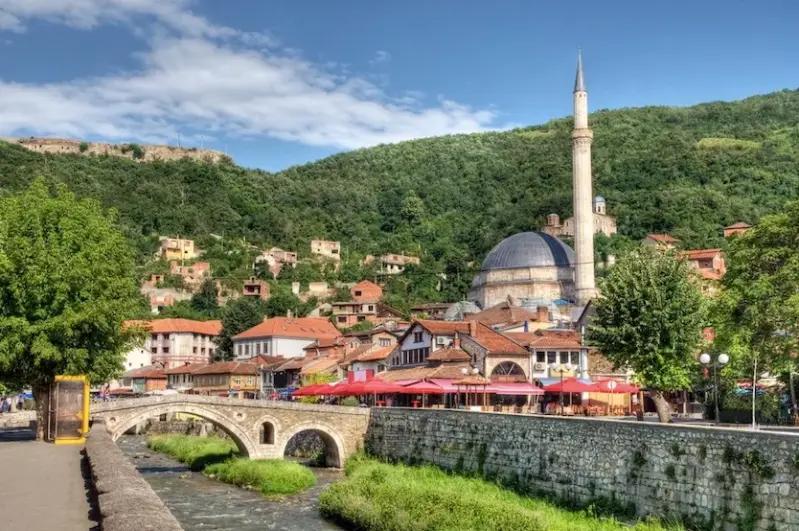 KosovoMedieval monasteries and mountain valleys
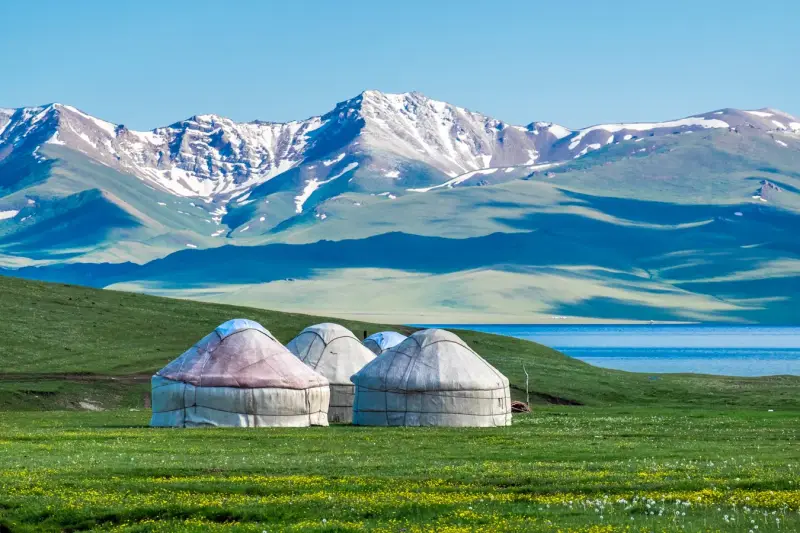 KyrgyzstanMountain lakes, yurts and nomad culture
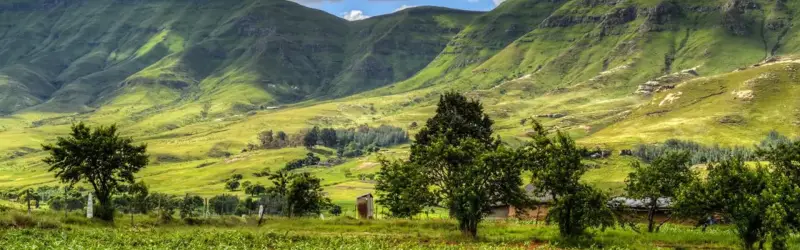 LesothoThe Kingdom in the Sky
 LiberiaRainforest and surf
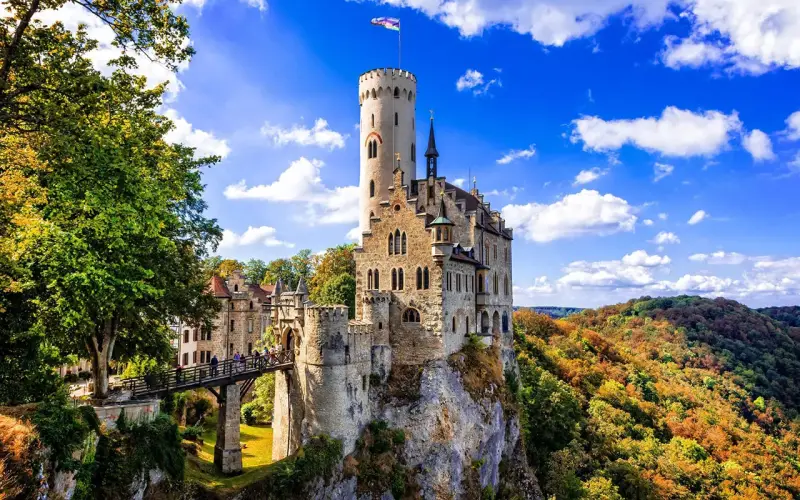 LiechtensteinAlpine principality
 LithuaniaBaroque Vilnius, castles and the Curonian Spit
 MalawiLake Malawi, the warm heart of Africa
 MaliSahel heritage
 MaltaValletta, ancient temples and blue lagoons
 Marshall IslandsPacific atolls
 MauritaniaSahara caravan towns and the Iron Ore Train
 MicronesiaNan Madol, Chuuk Lagoon wrecks and Yap's stone money
 MoldovaWine cellars, cave monasteries and countryside
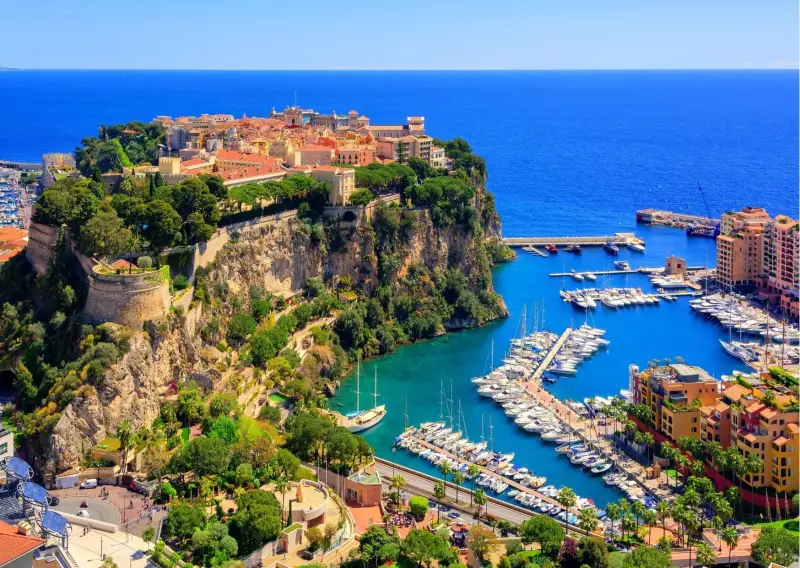 MonacoGlamour, Grand Prix and the Riviera
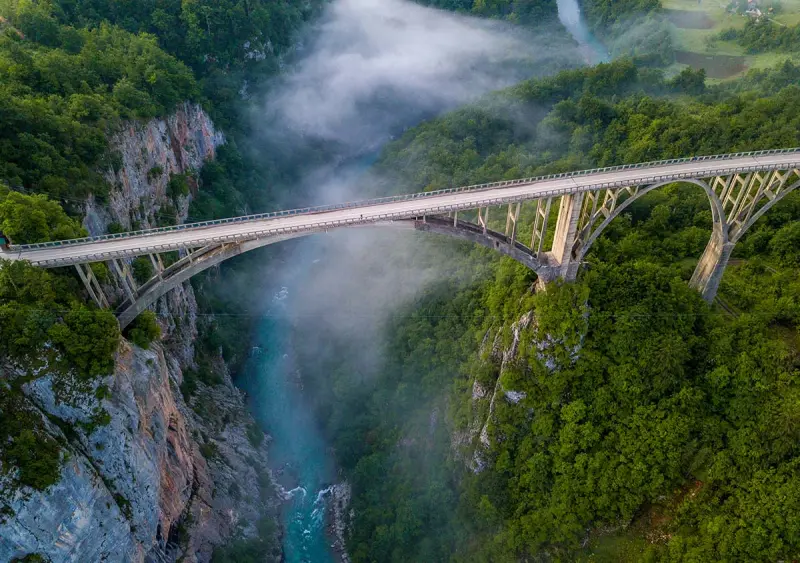 MontenegroBay of Kotor, Adriatic beaches and mountains
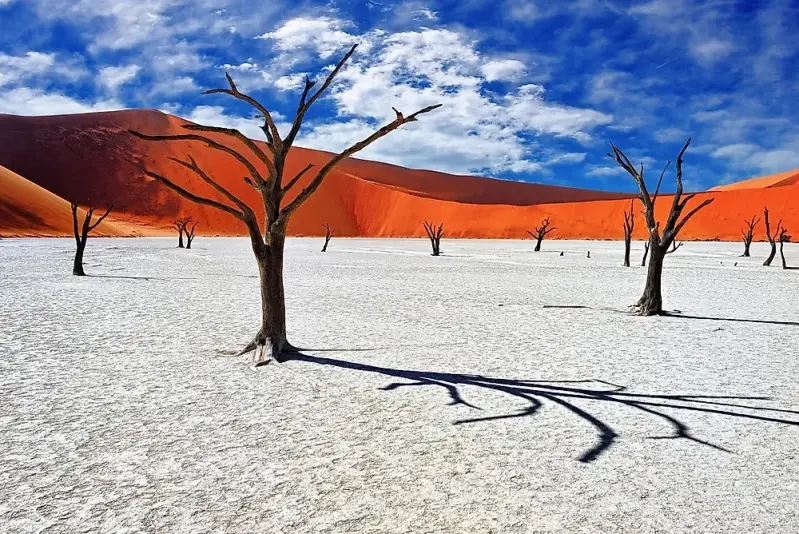 NamibiaRed dunes, Etosha wildlife and desert coast
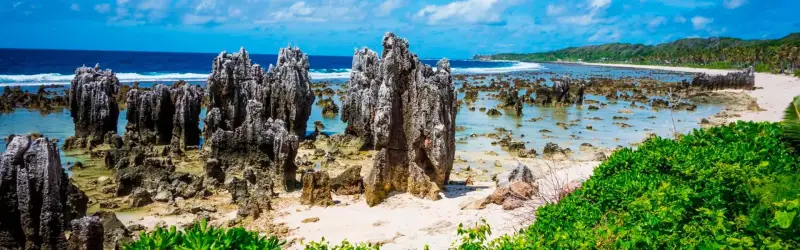 NauruThe world's smallest island republic
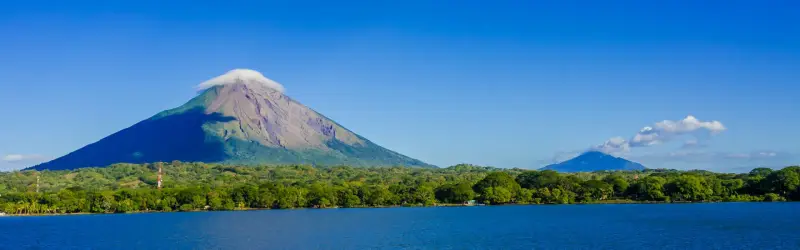 NicaraguaVolcanoes, lakes and colonial Granada
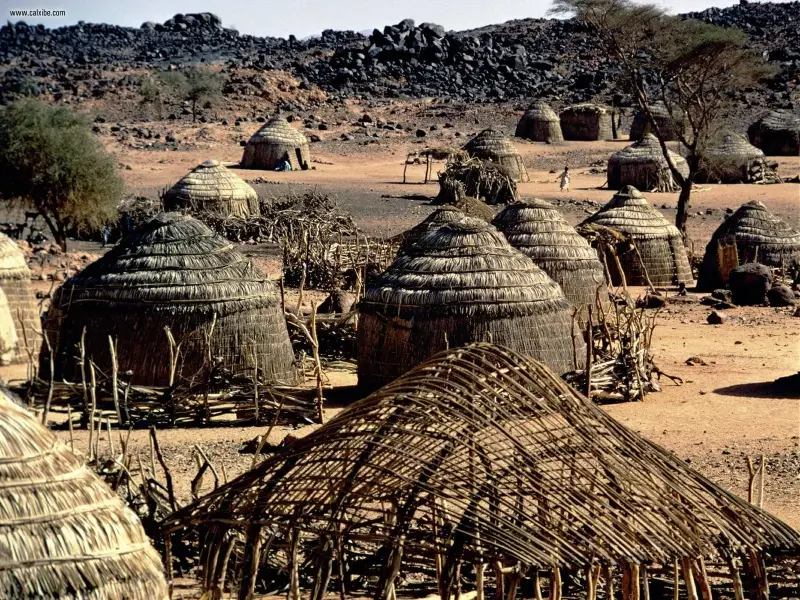 NigerAgadez and the Sahara
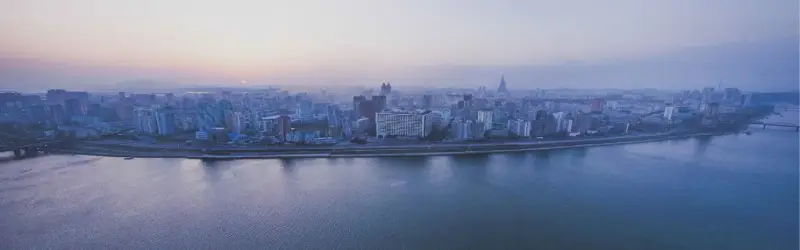 North KoreaThe world's most closed country
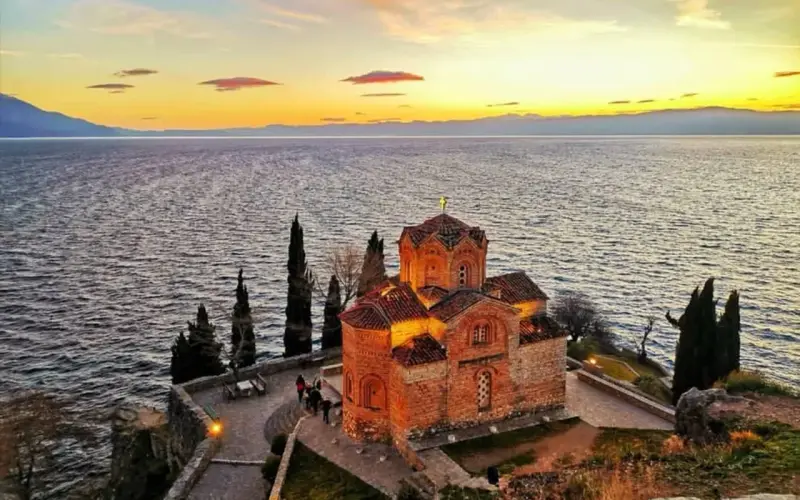 North MacedoniaLake Ohrid, Skopje and Balkan mountains
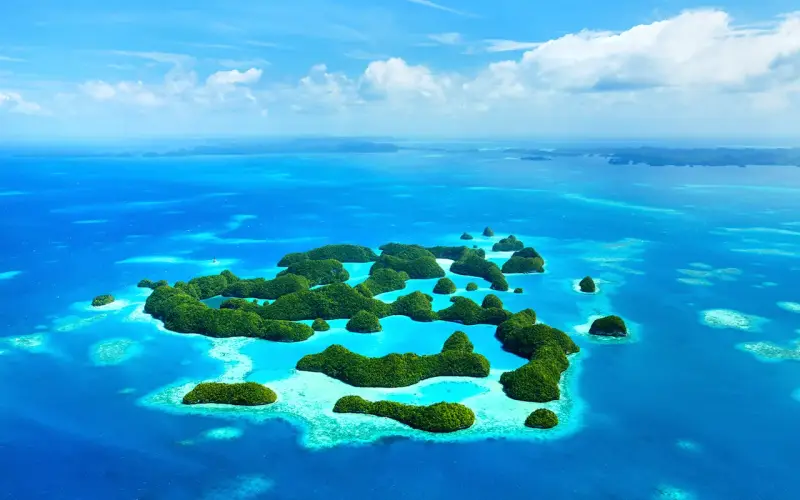 PalauRock Islands, Jellyfish Lake and world-class diving
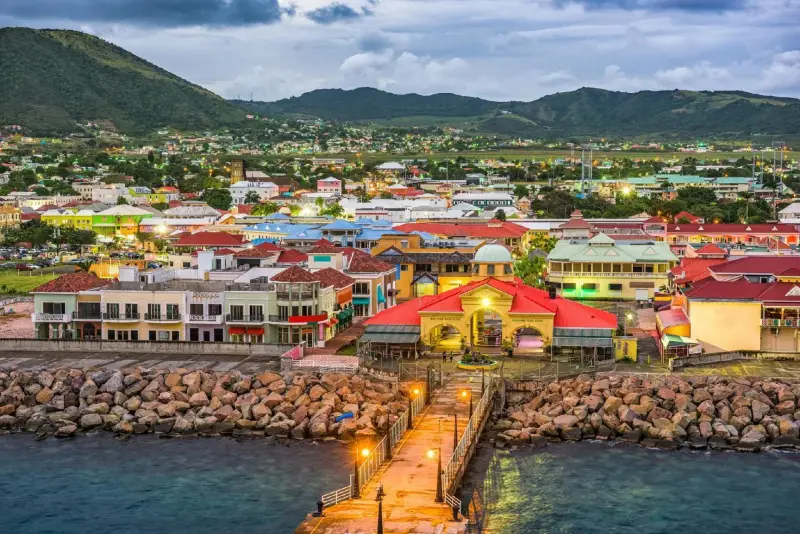 Saint Kitts and NevisBrimstone Hill, scenic railway and twin islands
 Saint Vincent and the GrenadinesSailing the Grenadines and Tobago Cays
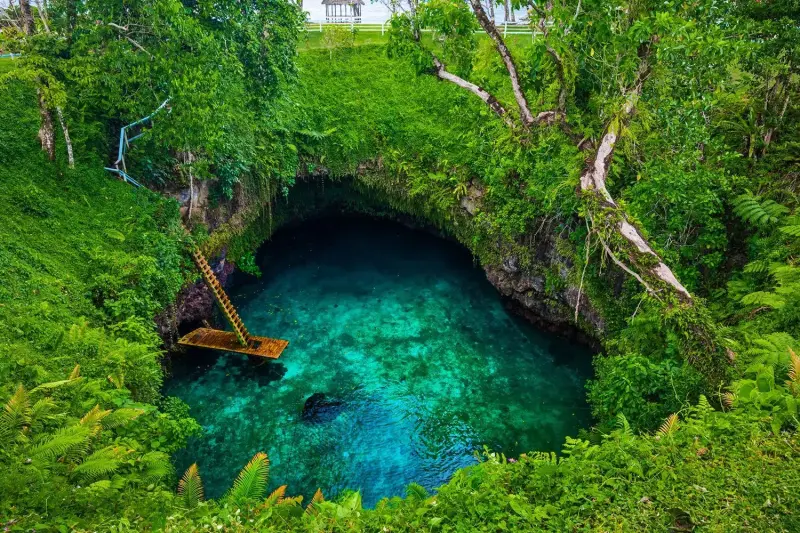 SamoaBeach fales, waterfalls and fa'a Samoa
 Sao Tome and PrincipeCocoa islands on the equator
 SenegalDakar's energy, Gorée Island and the Saloum Delta
 Sierra LeoneBeaches, islands and chimpanzee sanctuaries
 SlovakiaCastles, the High Tatras and Bratislava
 SloveniaLake Bled, Alpine valleys and caves
 SomaliaAncient coast and Somaliland rock art
 South SudanThe world's youngest country
 TajikistanThe Pamir Highway and high mountain lakes
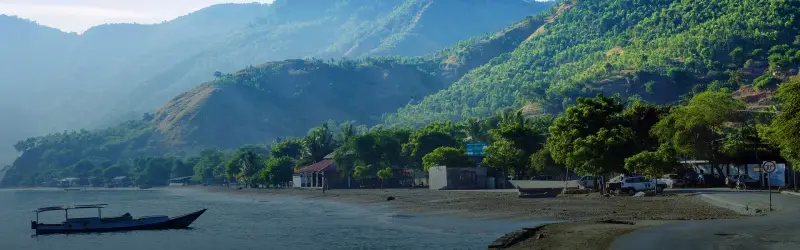 Timor-LesteCoral reefs, mountains and a young nation
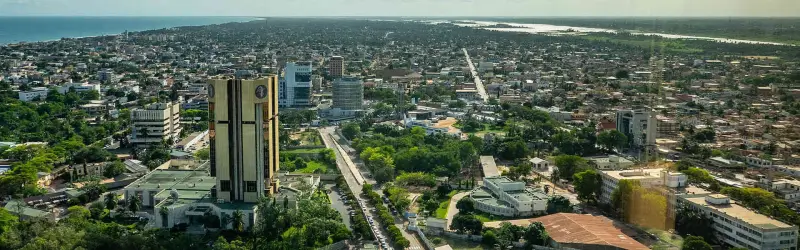 TogoVoodoo markets, Koutammakou and palm-lined coast
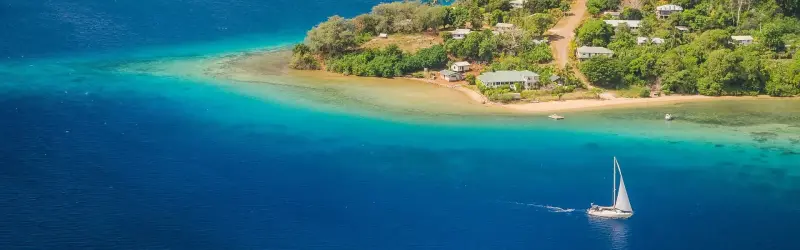 TongaHumpback whales and a Polynesian kingdom
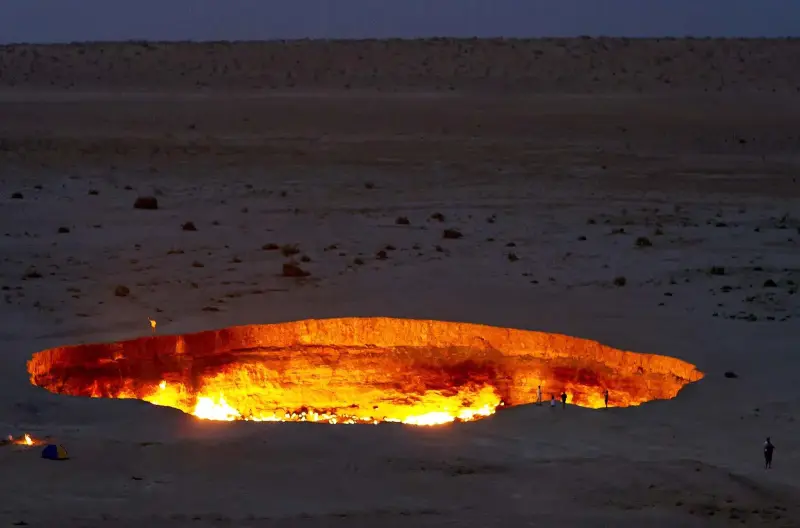 TurkmenistanThe Door to Hell and marble Ashgabat
 TuvaluRemote Pacific atolls and lagoons
 UgandaGorillas, chimpanzees and the source of the Nile
 UkraineKyiv, Lviv and the Carpathians
 VanuatuActive volcanoes, reefs and island culture
 Vatican CitySt Peter's and the Sistine Chapel
 WalesCastles, coast paths and mountains
 ZimbabweVictoria Falls, Hwange and Great Zimbabwe
MacauPortuguese heritage, Macanese food and Cotai resorts
 Bangladesh773 places to stay, eat or see
Nothing in that category yet.
Top things to do in the Solomon Islands
Things to do across the Solomon Islands, from WWII wreck dives to Marovo Lagoon village stays.
No things to do in Solomon Islands are listed yet. Browse all things to do
Best time to visit the Solomon Islands
May to October brings drier weather and clearer water; November to April is wetter, with cyclone risk.
South-east trade winds, less rain; best diving visibility.
Heavy rain and cyclone risk.
Domestic flights to Munda and Gizo are small and infrequent; book in advance and allow buffer days.
Solomon Islands travel tips
Entry permits, cash outside Honiara, health precautions and village etiquette in one place.
Visas and entry
Visa on arrival
Many nationalities receive a visitor's permit on arrival for up to 30 days with a return ticket and sufficient funds. Others need a visa in advance.
- Passport validity
- At least 6 months of validity on arrival
- Visitor permit
- Up to 30 days on arrival
- Onward ticket
- Required
- Confirm with
- Solomon Islands Immigration Department
Getting there
Honiara
Honiara International Airport has flights from Brisbane, Nadi, Port Moresby and Port Vila.
- Airport
- Honiara (HIR)
- Airline
- Solomon Airlines
- Honiara International sits 11 km east of town.
Money and costs
Cash outside Honiara
Prices are moderate to high for imported goods. Cash is essential outside Honiara.
- Withdraw cash in Honiara.
- Village stays are good value.
- Bring small notes.
Health and vaccines
Malaria
Malaria is present; see a travel clinic. Medical care is limited.
- Drinking water
- Bottled recommended
- Malaria
- High risk
- Hospitals
- Limited
- Buy travel insurance that covers medical treatment and evacuation.
- Carry prescription medicines in original packaging with a copy of the prescription.
Staying safe
Generally safe
The Solomon Islands are generally safe, though petty crime occurs in Honiara and unexploded WWII ordnance remains in some areas.
- Emergency number
- Call 999 (police); 911 ambulance; 988 fire
- Before you go
- Read your government's current travel advisory for Solomon Islands
- Avoid walking alone at night in Honiara.
- Don't touch WWII relics.
- Use reputable dive operators.
Where to stay
Best areas to stay
Hotels in Honiara; eco-lodges in the provinces.
- Honiara
- City hotels
- Marovo Lagoon
- Village eco-lodges
- Gizo and Munda
- Dive lodges
Getting around
Small planes and boats
Domestic flights and boats link the islands.
- Domestic flights
- Solomon Airlines
- Boats
- Inter-island ferries
- Solomon Airlines flies Twin Otters and a Dash 8 to more than two dozen strips; Munda links daily with Seghe and Gizo.
- Gizo's airstrip is on Nusatupe islet, so a short boat ride follows each landing.
- Marovo is about an hour from Honiara by Twin Otter, against about ten hours on the weekly ferry.
- The Auki ferry leaves Honiara Wharf around 08:00 most days and reaches Auki about 12:30; confirm times at the wharf.
- Buy Auki ferry tickets from the vehicle outside the wharf gate, and bring snacks for the return.
- Around Honiara, flat-fare minibuses run the coast road between Henderson and White River, and taxis are cheap.
- Lodge boat transfers depend on weather and fuel, so build in slack.
SIM and internet
Local SIM or eSIM
SIMs are available in Honiara.
- Networks
- Our Telekom and bmobile
Culture and etiquette
Customs and etiquette
Melanesian custom (kastom) and customary land ownership govern village life; ask before visiting villages.
- Kastom
- Traditional custom
- Carving
- Renowned wood carving
- Ask permission before entering villages
- Dress modestly
- Buy carvings from artisans
- Taking photos without asking
- Touching WWII relics
- Swimming where crocodiles are reported
Things to know before visiting the Solomon Islands
Malaria, kastom fees and WWII ordnance are realities in the Solomon Islands.
Why travelers love it
- WWII wreck diving.
- Marovo Lagoon.
- Village life.
- Unspoiled reefs.
Good to know
- Basic infrastructure.
- Malaria risk.
- Few flights.
- Cyclone season.
Trip fit
BookingMentor editorial ratings out of 5, based on a first-time visitor's experience.
Honiara weather by month
Honiara barely changes temperature (highs 31 to 32°C), but November to April brings the wettest weather.
Monthly averages for Honiara from the climate table of its Wikipedia article (Honiara International Airport (1991–2020)), compiled from the national weather service. Some islands are wetter.
Packages in Demand
A Journey to Remember
Tours, activities and day trips in and around this destination, with the details you need before booking.
No packages in Solomon Islands are listed yet. Browse all packages
Create Your Custom-Made Trip to Solomon Islands
Traveling to Solomon Islands? Chat with a Local Travel Specialist in Solomon Islands Who Can Help Organize Your Trip.
START HERE
Our Travel Experts are Recommended by



Guadalcanal, the Western Province and Marovo Lagoon
International flights all land at Honiara on Guadalcanal, while most of the diving and lagoon life lies in the Western Province, a domestic flight away. Solomon Airlines connects the capital with Munda, Gizo and the Seghe airstrip for Marovo, and the final leg to a lodge is nearly always by boat. Plan two or three nights per stop.
Many domestic services use small Twin Otters on thin timetables, which makes daily hopping impractical.
- One week: two nights in Honiara. Time it for a Saturday morning at the Central Market, see the National Museum opposite the Mendana Hotel and the Guadalcanal American Memorial, and take a guided trek of about two hours to Mataniko Falls. Then fly to Munda for four or five nights, built around the wartime airfield, war relics and a boat outing to Skull Island via Lola Island, where a shrine holds the skulls of defeated Rendovan chiefs.
- Ten days: carry on to Gizo, which has daily air links with Munda. It is the province's diving and surfing base. Boats run out to Plum Pudding, Olasana and Naru, the islets reached by the PT 109 survivors. Strong hikers can give two days to the climb of the Kolombangara volcano across the water.
- Two weeks: fly to Seghe for Marovo Lagoon, which holds the record as the world's largest double-barrier enclosed lagoon. Village stays there come with carvers working ebony and kerosene wood. Alternatively, take the Auki ferry to Malaita for the artificial islands of Langa Langa Lagoon.
Reserve domestic seats when you buy your international ticket to Honiara (search flights early), then fix lodges. Ask each lodge how its boat meets your flight and whether meals and transfers are included. Honiara hotels offer the widest choice and reliable air conditioning; outer-island stays are smaller and simpler. Keep a spare night in Honiara before flying home, because weather and fuel supplies can hold up boats.
When the northwesterlies bring the rain
Heat is a constant. Honiara's highs sit at 31 to 32°C in every month and the lows at 22 to 24°C. Humidity stays heavy throughout, so the seasons are defined by rain. June to August is the cooler stretch.
From June to September Honiara records only around 90 to 100 mm a month, which makes it the best period for boat transfers and diving.
November to April belongs to the northwesterly winds, which bring more frequent rain, squalls and the occasional cyclone. Honiara's February averages about 290 mm, the wettest figure of its year. Local variation is large. Munda, on New Georgia, averages about 3,741 mm a year with rain on roughly 210 days, well above the national figure of around 3,050 mm. Pack for wet afternoons in the west at any time of year.
The national holiday that matters most is Independence Day, 7 July. The Easter weekend runs from Good Friday through Easter Monday. Christmas is followed by the National Day of Thanksgiving on 26 December. Each province also takes its own Province Day, which closes government offices locally: Guadalcanal on 1 August, Malaita on 15 August and the Western Province on 7 December, for example. Check these dates before arranging permits or official business in that province.
Fish, taro and kastom in the Solomons
Fish is the everyday protein. Starch comes from cassava, sweet potato and taro, or simply rice. Breadfruit, ulu, goes with almost anything. Poi is made from fermented taro. It appears at celebrations with fish or chicken and is also eaten as porridge.
Pearl cassava pudding comes out for holidays. Tuna is one of the country's big exports and often comes with chillies over rice or pasta. In rural stores the shelves may hold little beyond tinned tuna and Spam, which is why remote lodges usually provide full board.
For cheap eating and a look at what the islands grow, head to Honiara's Central Market on the main road. Stalls sell fish and chips, raw fish, fruit and handicrafts; Saturday mornings are busiest, and pickpockets work the crowd. Vendors near the museum offer fish with cassava chips and green coconuts. For a sit-down dinner, the Point Cruz Yacht Club serves simple, inexpensive meals every evening. The Taj Mahal cooks Indian and Sri Lankan food. The local beer is Solbrew, brewed near the capital. Tipping is not customary.
Social life runs on kastom (the accepted way of doing things) and on wantok, the web of duties linking relatives, clans and speakers of one language. Every beach and reef has an owner, as does every trail. Some owners charge a kastom fee. Let your lodge or guide find the right chief or landowner before you wander. Tourism Solomons asks visitors to cover the thighs to the knee in towns and villages; a sarong solves this after swimming. Avoid swearing or public drunkenness. Ask before giving gifts or money to children. A little Pijin helps: halo is hello and tanggio is thank you. To ask how someone is, say iu hao.
Travelers are asking
Yes. WWII ships and aircraft lie off Guadalcanal, Munda and Gizo.
Our travel desk answers questions about Solomon Islands
How we research this guide
Tourism Solomons, UNESCO's East Rennell listing and UK Foreign Office advice back this page; ferry timings dating from 2012 are flagged so you can confirm them locally.
Last updated . Spotted something out of date? Tell us.
Checked against trusted sources:
Tourism SolomonsUNESCOUK Foreign Office travel advice

Before You Go...
Discover Trips & Info
A Travel Network Connection Travelers and locals
Incredible Event & Festival, Don't Miss!
Most Popular Event & Festival of Solomon Islands
Festivals and events in this destination, with dates, venues and ticket details where available.
No upcoming festivals or events in Solomon Islands are listed right now. Browse all events
Subscriber
Popular car hire destinations
Explore more options to hire a car for cheap
Frequently Asked Questions (FAQs)
Diving, malaria, flights and village customs in the Solomons.
Timing & weather
May to October is the best time, with drier weather and clearer water. Honiara gets only 90 to 100 mm of rain a month from June to September, against about 290 mm in February.
January is the warmest month in Solomon Islands, with average highs of 32°C, and June the coolest, with lows of 22°C. February is the wettest month, at about 290 mm of rain; June is the driest. Honiara barely changes temperature (highs 31 to 32°C), but November to April brings the wettest weather.
Health & safety
Yes, the Solomon Islands are generally safe. Petty crime occurs in Honiara, pickpockets work the Central Market, and unexploded WWII ordnance remains in some areas, so leave relics alone.
Bottled water is recommended. Malaria risk is high and medical care is limited, so see a travel clinic before you go.
Call 999 for police, 911 for an ambulance and 988 for the fire service.
Visa & documents
Many nationalities receive a visitor's permit on arrival for up to 30 days, with a return ticket and enough funds. Others need a visa in advance; confirm with the Solomon Islands Immigration Department.
Booking
Allow 7 to 10 days. A week covers Honiara and Munda; ten days adds Gizo, and two weeks lets you reach Marovo Lagoon.
General
Top places include Honiara and Guadalcanal's WWII sites, Iron Bottom Sound, Marovo Lagoon, Gizo, Munda and Rennell Island.
English is the official language and Pijin is widely spoken. Halo means hello and tanggio means thank you.
The Solomon Islands use 220 V, 50 Hz, with plug types G and I.
Take the Auki ferry from Honiara Wharf, which calls at Tulagi and Boromole and reaches Auki in about four and a half hours. Tickets are sold from a vehicle outside the wharf gate; confirm times locally.
Domestic flights and boats link the islands.
Solomon Islands is best known for:
- WWII wreck diving
- Marovo Lagoon
- Village life
- Unspoiled reefs
Prices & payment
The currency is the Solomon Islands dollar. Cash is essential outside Honiara, so withdraw it in the capital and bring small notes.
A kastom fee is a charge some landowners make to visit their beach, reef or trail. Every one has an owner, so let your lodge or guide find the right chief or landowner first.

 Get the bookingMentor app