
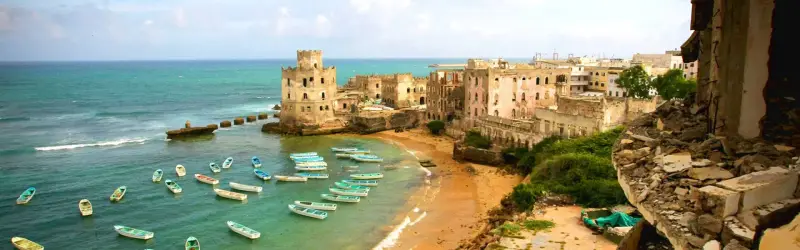

Somalia travel guide
The Horn of Africa's long coast.
Somalia has remarkable coastlines and the rock art of Laas Geel, but governments advise against all travel to most of the country because of terrorism and conflict. Check current advice before any planning. A visa is required, and no leisure budget has been assessed.
Somalia, on the Horn of Africa, has Africa's longest mainland coastline. In the self-declared, unrecognised region of Somaliland in the north, the rock paintings of Laas Geel, thousands of years old, are among the best preserved in Africa, and Hargeisa and the port of Berbera are the main towns.
Most of Somalia is affected by conflict and terrorism, and the UK and other governments advise against all travel to Somalia, including Somaliland, except for the Awdal, Maroodijeh and Sahil regions, where they advise against all but essential travel. This guide gives background only.
Somalia's cultural and historic highlights
Find your kind of trip: 24 travel themes, each with the packages in Somalia.
 Ayurveda Tours
Seasonal/Event
 Adventure
Wildlife & Safaris
Pilgrimage
Eco/Nature
Culture & History
 Honeymoon
 Romantic Getaway
 Cruise
 Water Activities
 Backpacking
 Luxury
 Photography
City Slickers
Heritage
 Beach & Relaxation
 Sports & Recreation
 Food & Wine
Train & River Journeys
Skiing
 Overland
Somalia at a glance
Currency, language, entry rules and the travel advisory status, in one place.
Explore other countries
Pick a place by travel style: beaches, nature, cities, heritage, hills, islands, desert.
 FranceParis, the Riviera, châteaux and Alpine peaks
 ThailandTemples, street food and tropical islands
 United StatesGreat cities, national parks and road trips
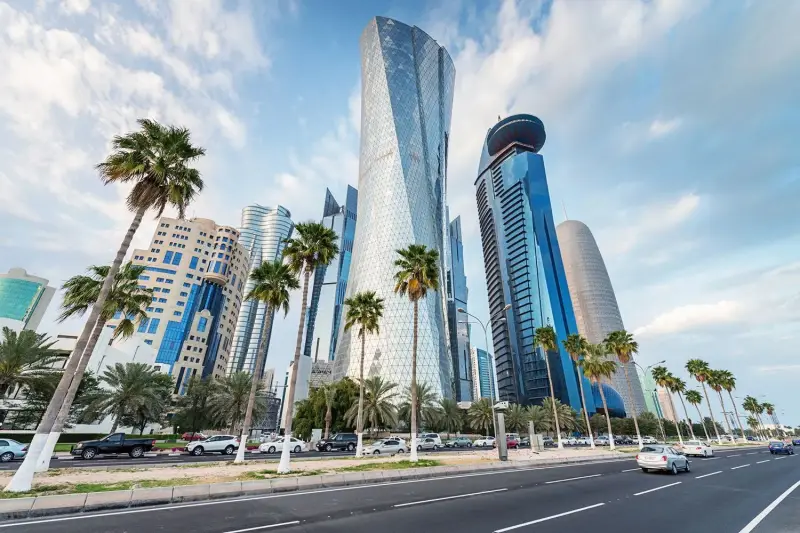 QatarDoha's museums, souqs and desert dunes
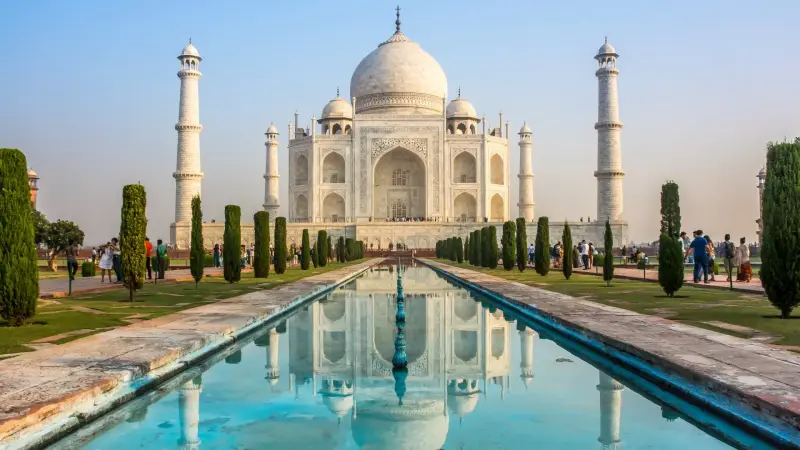 IndiaPalaces, temples, Himalaya and backwaters
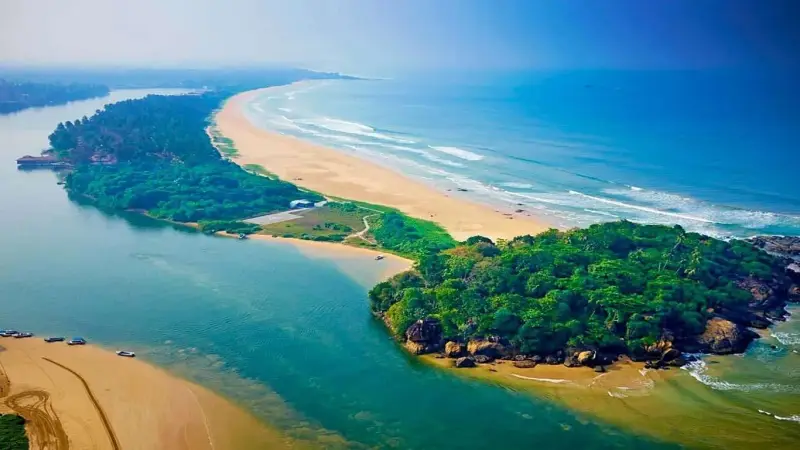 Sri LankaAncient cities, tea hills, wildlife and beaches
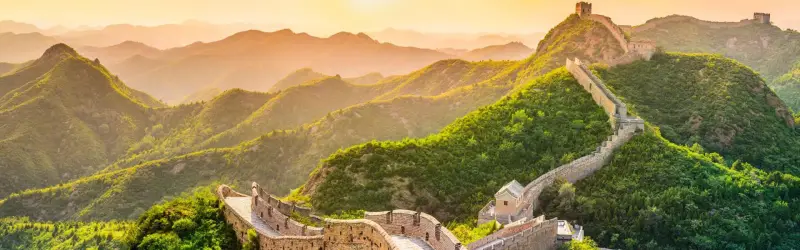 ChinaThe Great Wall, ancient capitals and mega-cities
 United KingdomLondon, castles, highlands and country villages
 Saudi ArabiaAlUla, Red Sea coast and Arabian heritage
 TurkeyIstanbul, Cappadocia and the Turquoise Coast
 United Arab EmiratesDubai, Abu Dhabi and desert adventures
 ItalyRome, Renaissance cities, lakes and coastlines
 EgyptPyramids, Nile temples and Red Sea reefs
 JapanTokyo, Kyoto's temples and Mount Fuji
 GermanyBerlin, castles, the Rhine and the Alps
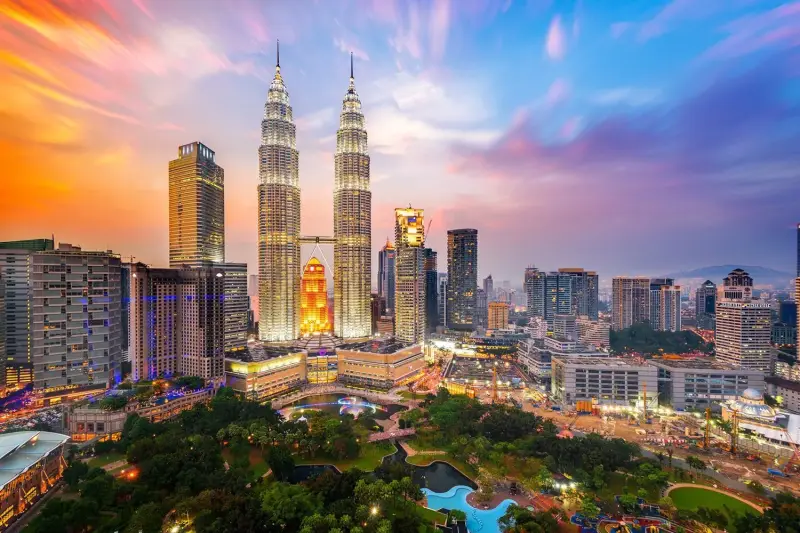 MalaysiaKuala Lumpur, rainforest, islands and street food
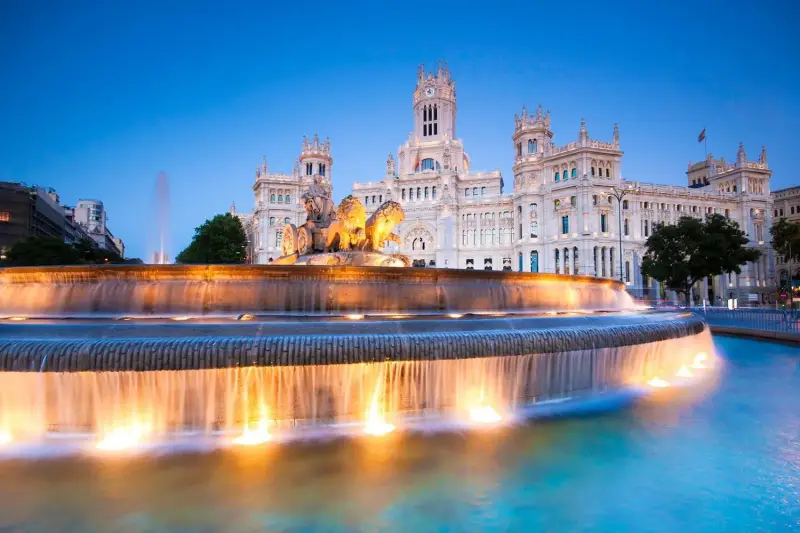 SpainBeaches, tapas, flamenco and Gaudí
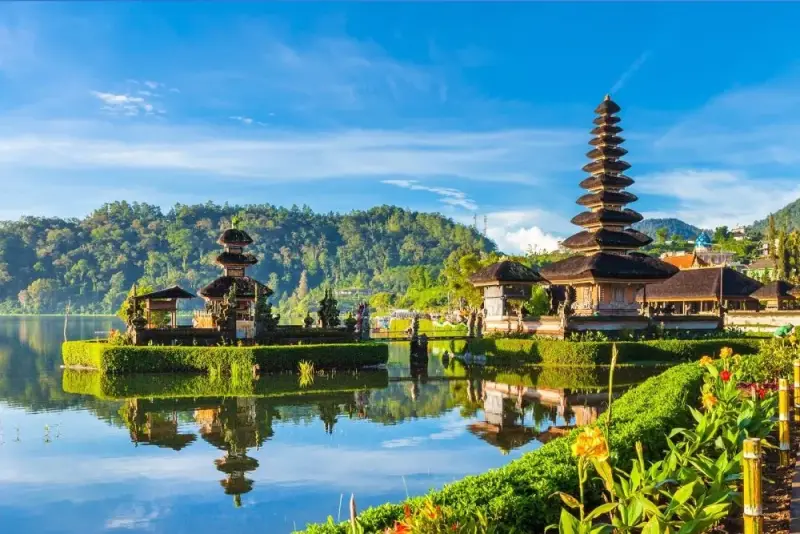 IndonesiaBali, Komodo, Borobudur and 17,000 islands
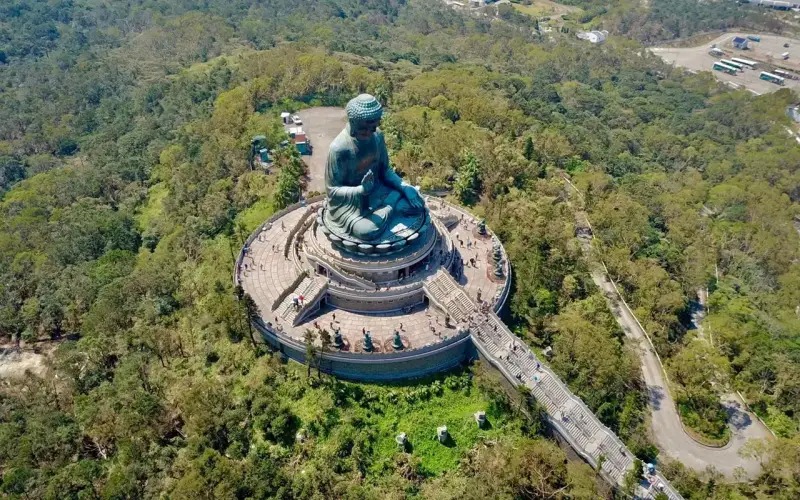 Hong KongSkyline, harbour, dim sum and hiking trails
 SingaporeGardens, hawker food and a dazzling skyline
 GreeceAncient wonders and Aegean islands
 MaldivesOverwater villas and coral atolls
 PortugalLisbon, Porto, the Algarve and island escapes
 VietnamHa Long Bay, Hoi An and street food
 BrazilRio, the Amazon, Iguaçu and endless beaches
 AustraliaReef, outback, beaches and laid-back cities
 South KoreaSeoul's palaces, K-culture and mountain temples
 SwitzerlandAlps, lakes, trains and chocolate
 MexicoMaya ruins, Caribbean beaches and Mexico City
 RussiaMoscow, St Petersburg and vast landscapes
 South AfricaSafaris, Cape Town and the Garden Route
 CanadaRockies, lakes, wildlife and friendly cities
 PalestineBethlehem, Jericho and ancient holy sites
 TaiwanNight markets, mountains and Taipei 101
 ColombiaCaribbean coast, coffee country and Andean cities
 Philippines7,000 islands of beaches, reefs and rice terraces
 CambodiaAngkor's temples, river life and islands
 IsraelJerusalem, the Dead Sea and Tel Aviv beaches
 NetherlandsCanals, bikes, tulips and Dutch masters
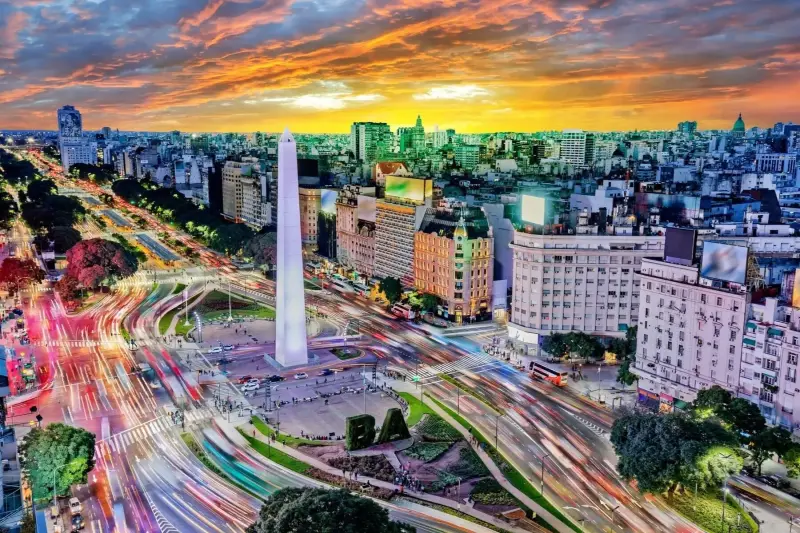 ArgentinaTango, glaciers, waterfalls and the Andes
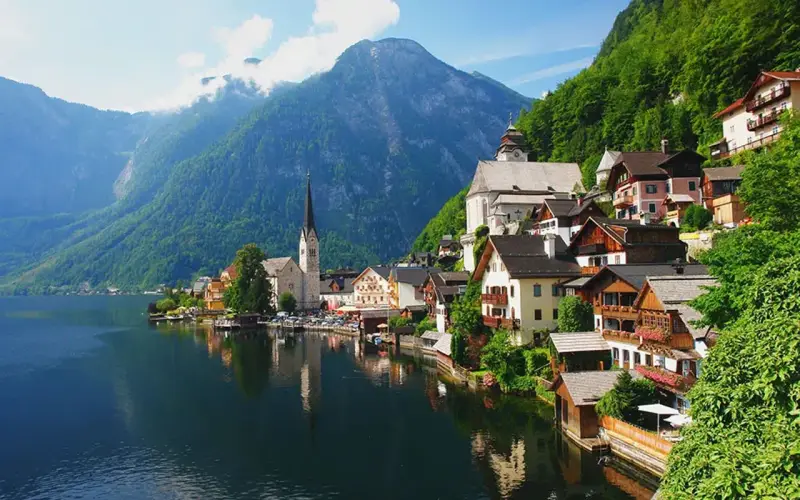 AustriaVienna's palaces, Alpine villages and music
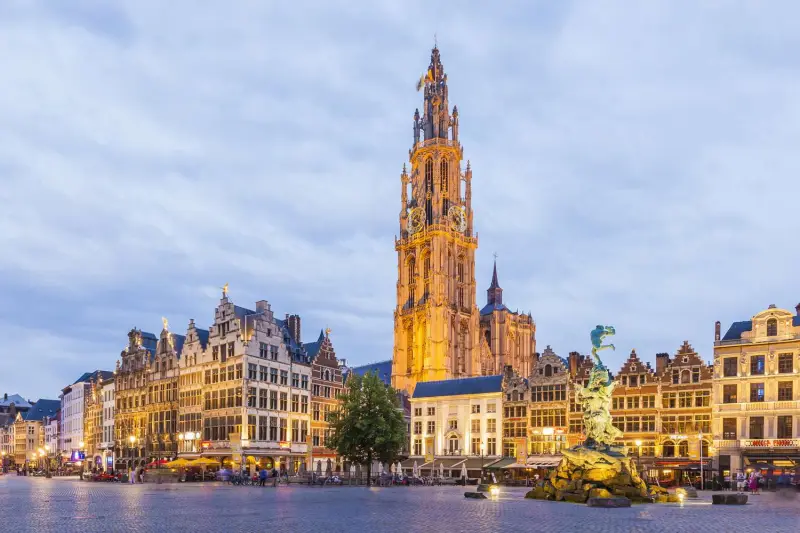 BelgiumMedieval towns, art, chocolate and beer
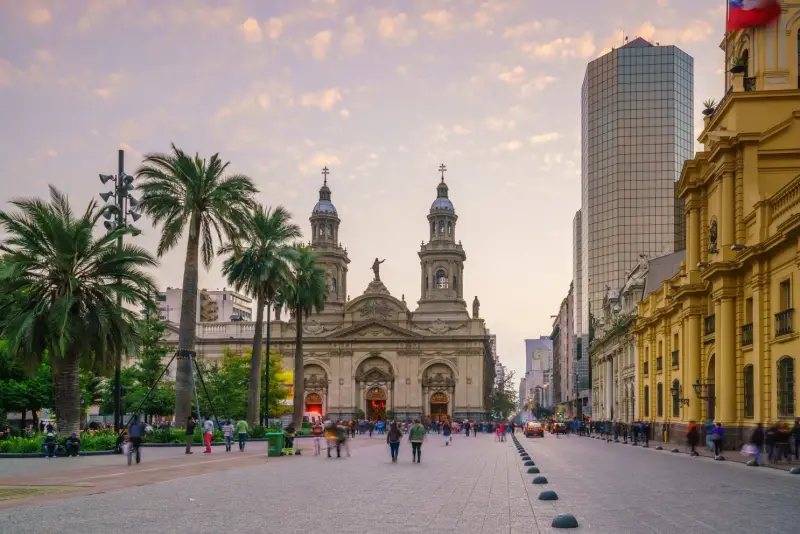 ChilePatagonia, the Atacama and the Andes
 CroatiaAdriatic islands, walled towns and lakes
 IcelandWaterfalls, glaciers, volcanoes and northern lights
 IrelandGreen coasts, lively pubs and Celtic heritage
 JordanPetra, Wadi Rum and the Dead Sea
 MadagascarLemurs, baobabs and unique wildlife
 MauritiusLagoons, mountains and multicultural flavours
 MyanmarBagan's temples and the Shwedagon Pagoda
 NepalEverest, the Annapurnas and Kathmandu's temples
 NigeriaLagos energy, Afrobeats and cultural heritage
 NorwayFjords, northern lights and the midnight sun
 TahitiGateway to French Polynesia
 TanzaniaSerengeti, Kilimanjaro and Zanzibar
 VenezuelaAngel Falls, Los Roques and the Andes
 BhutanHimalayan monasteries and Gross National Happiness
 BoliviaSalt flats, Andean lakes and colonial cities
 KuwaitGulf city-state
 MoroccoMedinas, Sahara dunes and Atlas mountains
 OmanForts, wadis, deserts and Arabian coast
 ParaguayJesuit missions, wetlands and the Chaco
 PeruMachu Picchu, the Andes and the Amazon
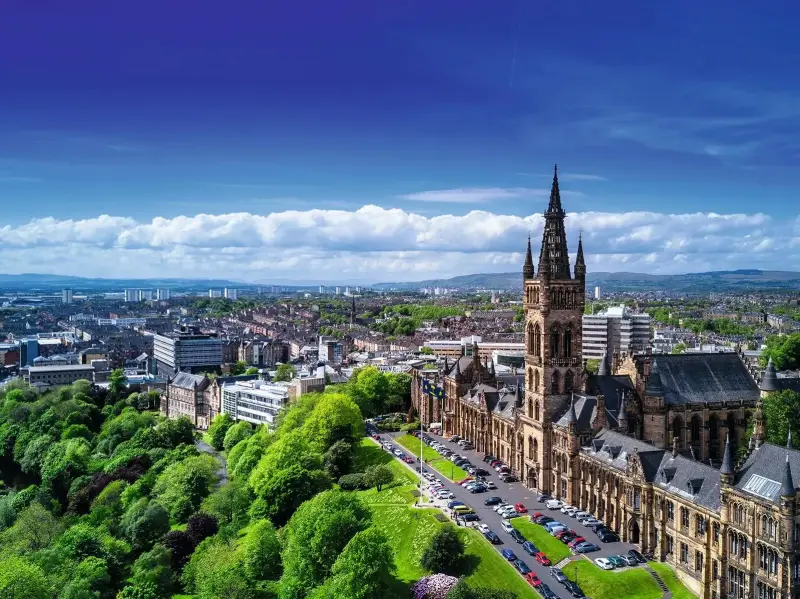 ScotlandHighlands, castles, islands and whisky
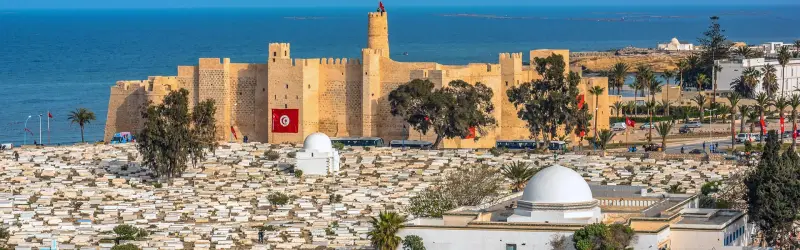 TunisiaCarthage, Sahara and Mediterranean beaches
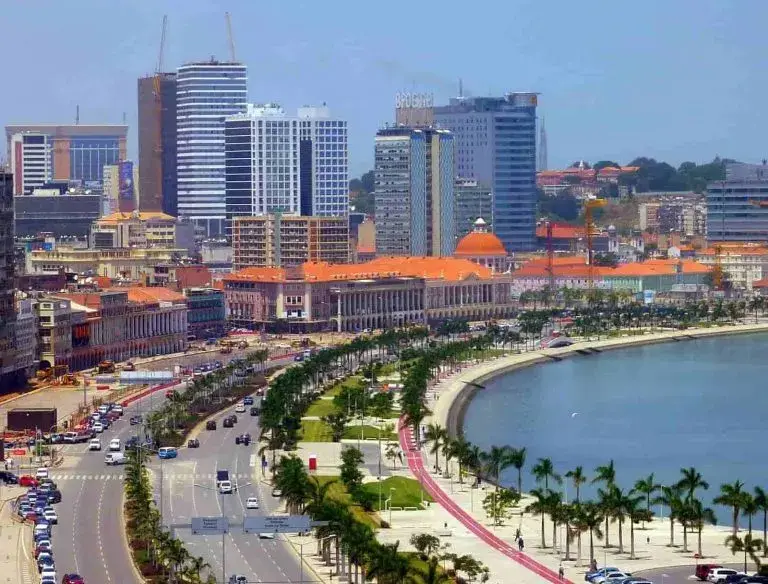 AngolaAtlantic coast, waterfalls and desert landscapes
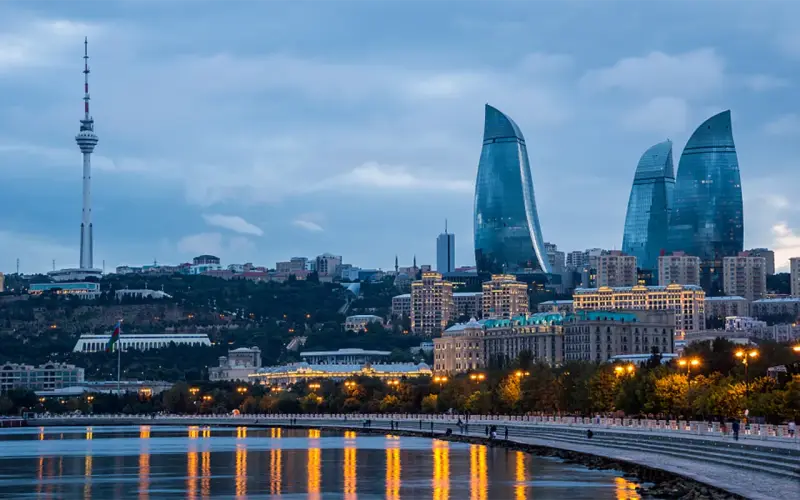 AzerbaijanBaku's flame towers and Caspian Sea culture
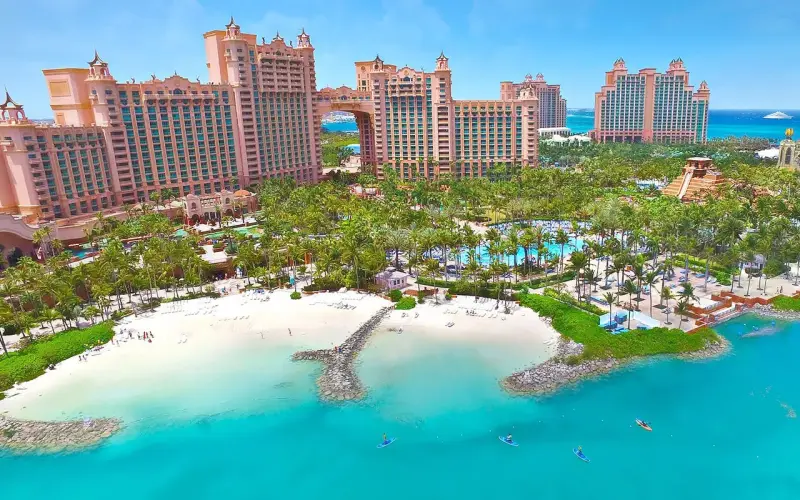 BahamasTurquoise water across 700 islands
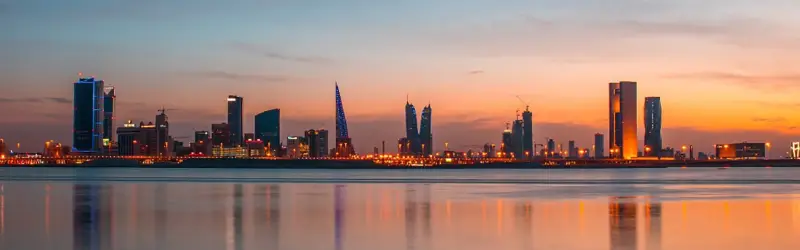 BahrainPearling heritage and Gulf city life
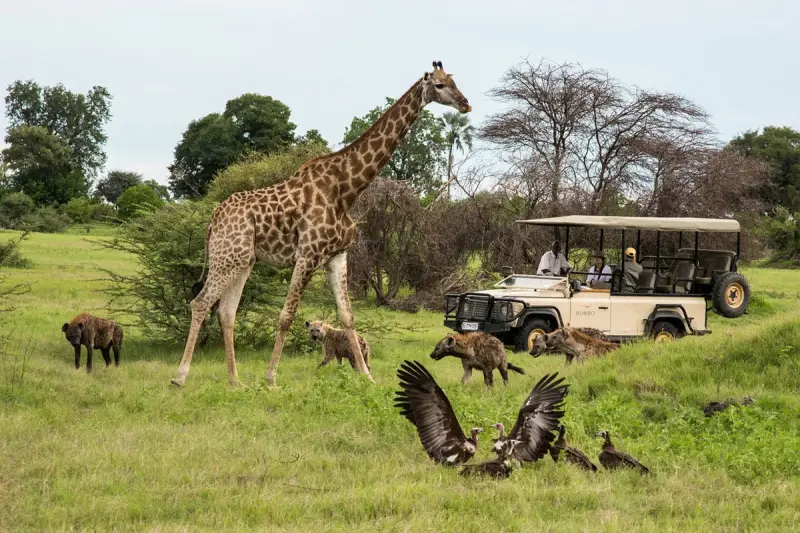 BotswanaOkavango Delta safaris and Kalahari skies
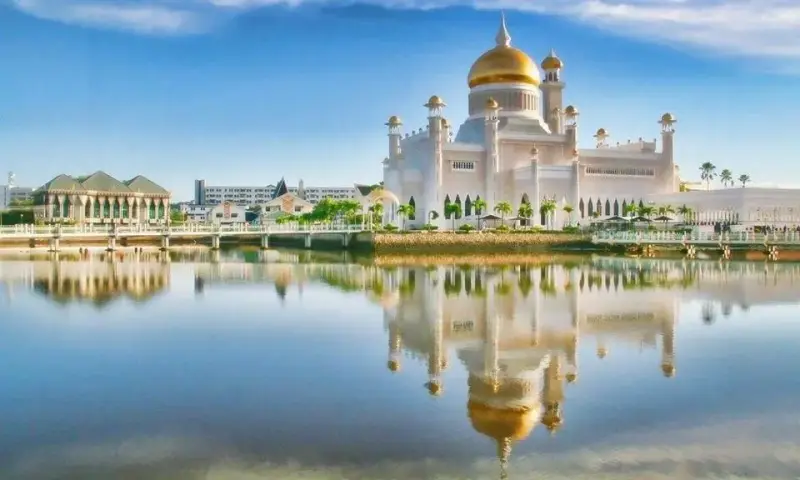 BruneiGolden mosques and pristine Borneo rainforest
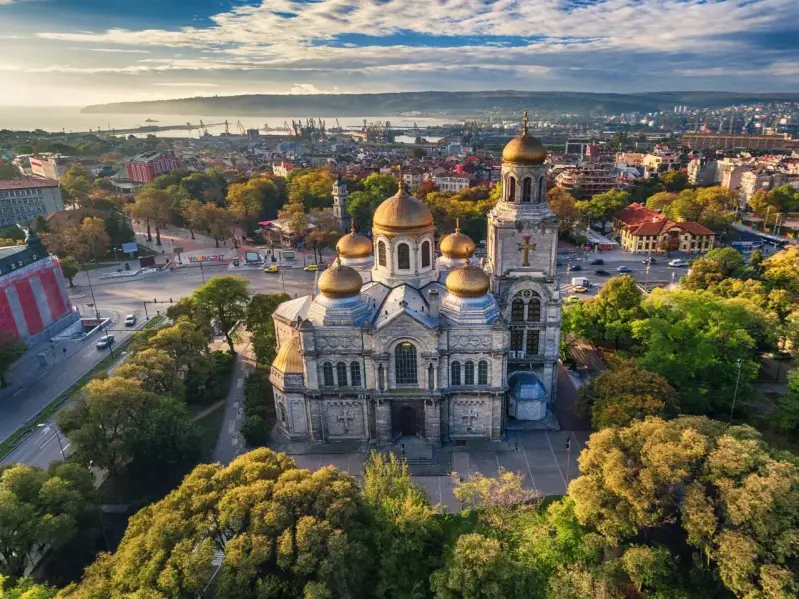 BulgariaBlack Sea beaches, mountains and monasteries
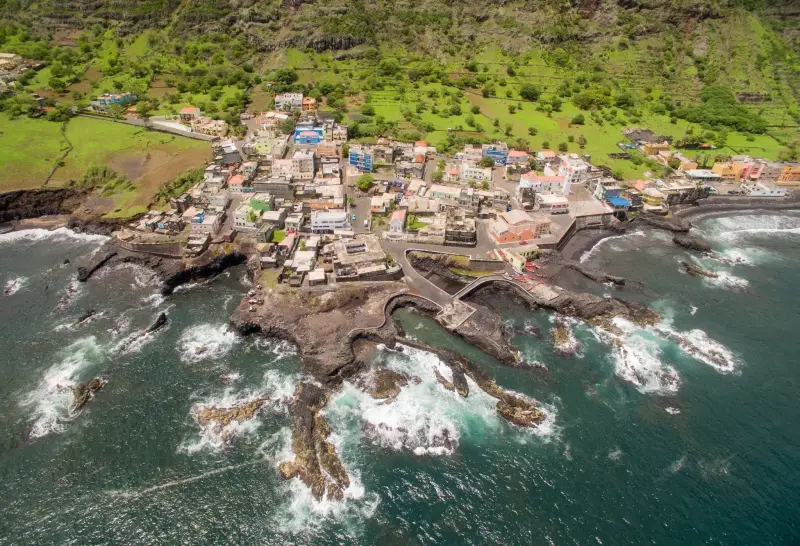 Cape Verde IslandsAtlantic islands of beaches, volcanoes and morna
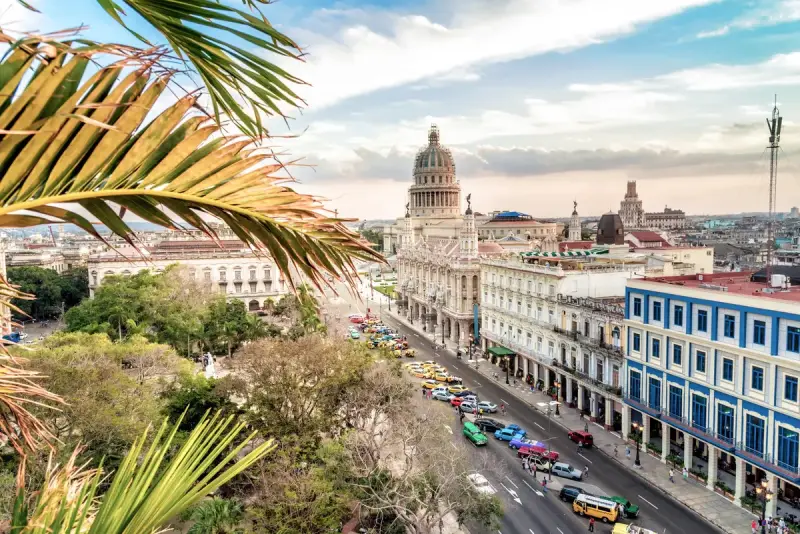 CubaHavana, Trinidad, tobacco valleys and beaches
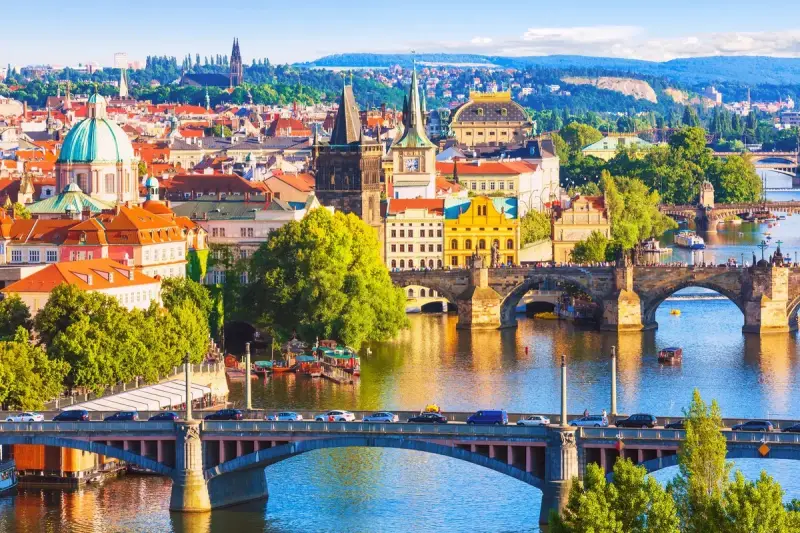 Czech RepublicPrague, castles and spa towns
 EcuadorGalápagos, Andes volcanoes and the Amazon
 EthiopiaRock-hewn churches, highlands and ancient kingdoms
 FijiCoral islands, warm welcomes and soft coral reefs
 FinlandLakes, Lapland and the northern lights
 GeorgiaCaucasus peaks, wine and Tbilisi's old town
 GuyanaKaieteur Falls and untouched rainforest
 HungaryBudapest's baths, Lake Balaton and wine
 KazakhstanSteppe, canyons and Silk Road cities
 KenyaSafaris, the Great Migration and Indian Ocean beaches
 LaosLuang Prabang, the Mekong and limestone karsts
 LatviaRiga's Art Nouveau and Baltic beaches
 LibyaRoman ruins and Sahara
 LuxembourgFortress city, castles and free public transport
 MongoliaSteppe, Gobi Desert and nomad life
 MozambiqueIndian Ocean islands and coral coast
 New ZealandFiords, glaciers, volcanoes and Māori culture
 PakistanKarakoram peaks, Mughal Lahore and mountain valleys
 PanamaThe canal, islands and rainforest
 Papua New GuineaHighland cultures, reefs and the Kokoda Track
 PolandKraków, Gdańsk, Warsaw and the Tatras
 RomaniaTransylvania's castles, painted monasteries and the Carpathians
 RwandaMountain gorillas and the land of a thousand hills
 Saint LuciaThe Pitons, rainforest and Caribbean romance
 SerbiaBelgrade nightlife, monasteries and the Danube
 SeychellesGranite islands and perfect beaches
 SudanNubian pyramids and the Nile
 SwedenStockholm's archipelago, Lapland and design
 SyriaAncient cities
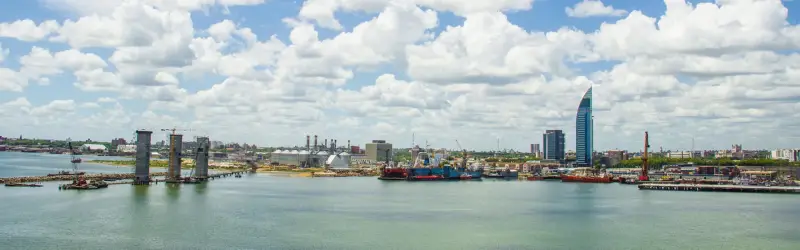 UruguayBeaches, colonial Colonia and laid-back Montevideo
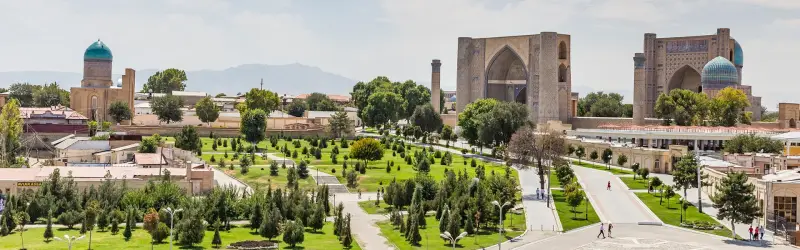 UzbekistanSamarkand, Bukhara and Khiva on the Silk Road
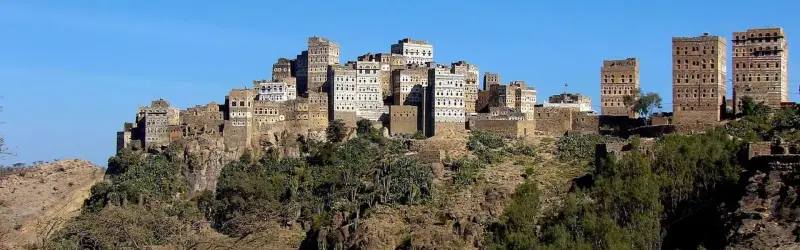 YemenAncient tower houses and Socotra's unique nature
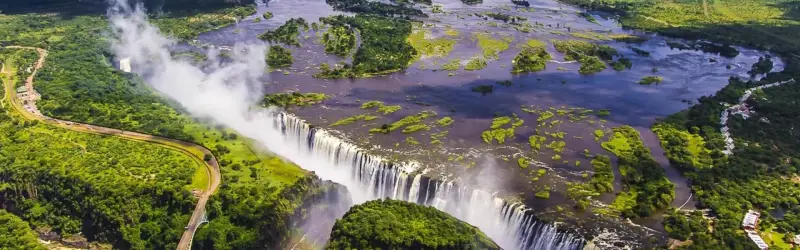 ZambiaVictoria Falls, walking safaris and the Zambezi
SurinameRainforest, rivers and colonial Paramaribo
 AfghanistanMountain valleys and Silk Road history
 AlbaniaRiviera beaches, mountain villages and Ottoman towns
 AndorraPyrenean ski slopes and duty-free shopping
 AntarcticaIcebergs, penguins and the last great wilderness
 Antigua and BarbudaA beach for every day of the year
 ArcticNorthern lights, polar bears and the midnight sun
 ArmeniaAncient monasteries beneath Mount Ararat
 BarbadosBeaches, rum and cricket in the Caribbean
 BelarusPrimeval forests and Soviet-era Minsk
 BelizeBarrier reef, Maya temples and jungle
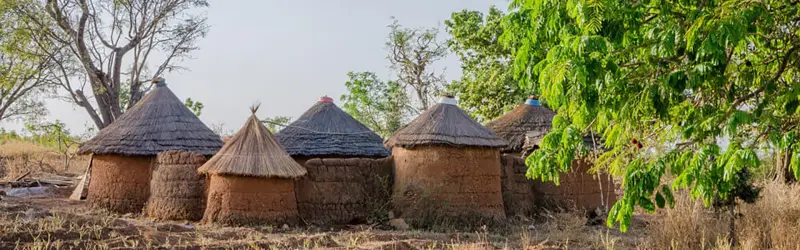 BeninVodun culture, royal palaces and lagoon villages
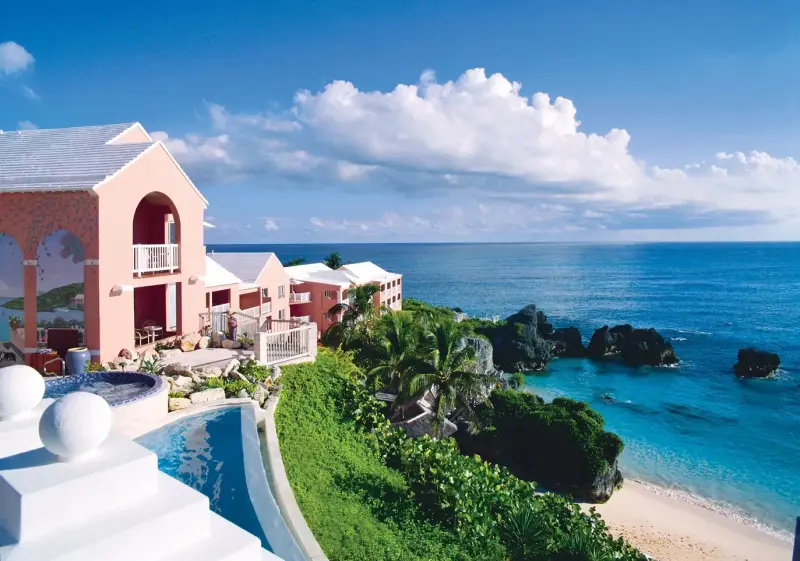 BermudaPink sand beaches in the Atlantic
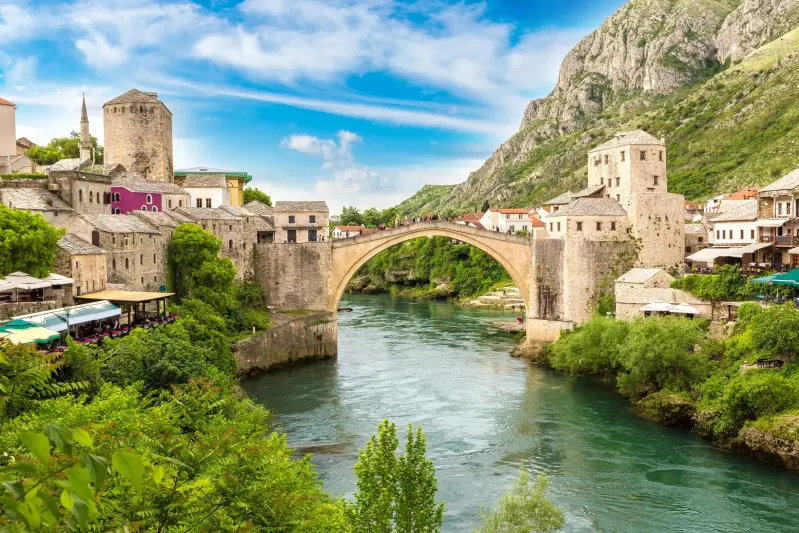 Bosnia HerzegovinaOttoman bridges, mountain rivers and Sarajevo
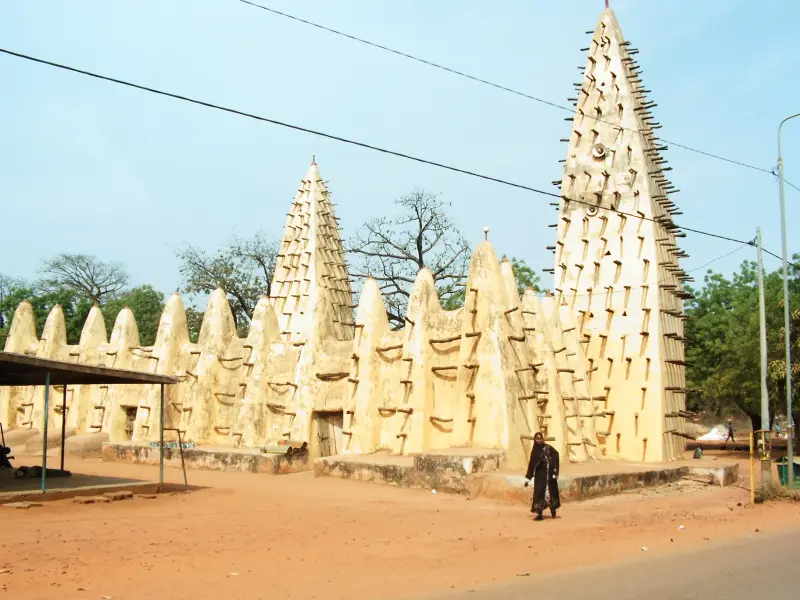 Burkina FasoSahel culture, music and film festivals
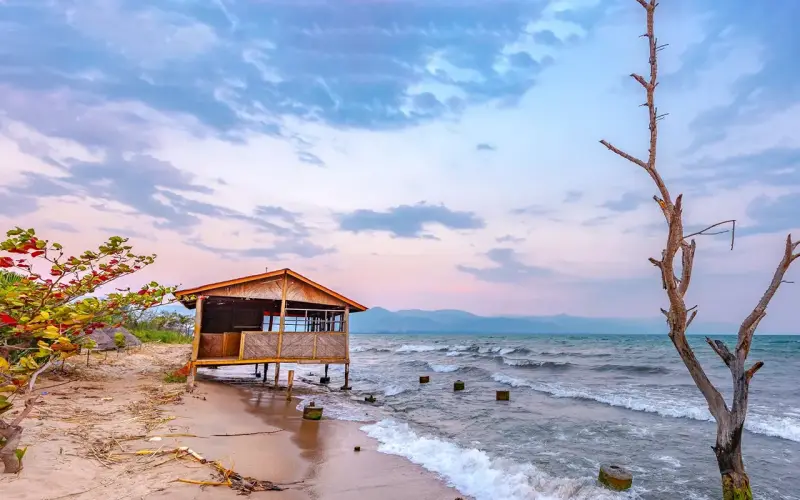 BurundiLake Tanganyika beaches and drumming traditions
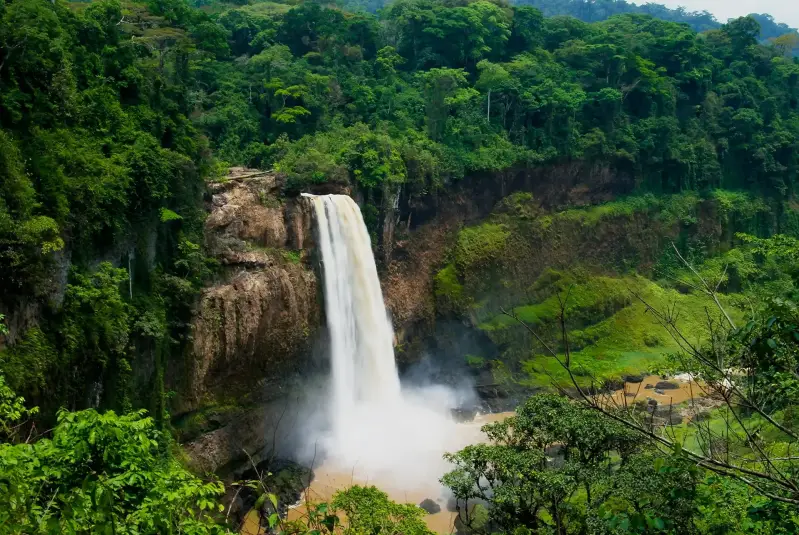 CameroonAfrica in miniature: rainforest, volcano and savanna
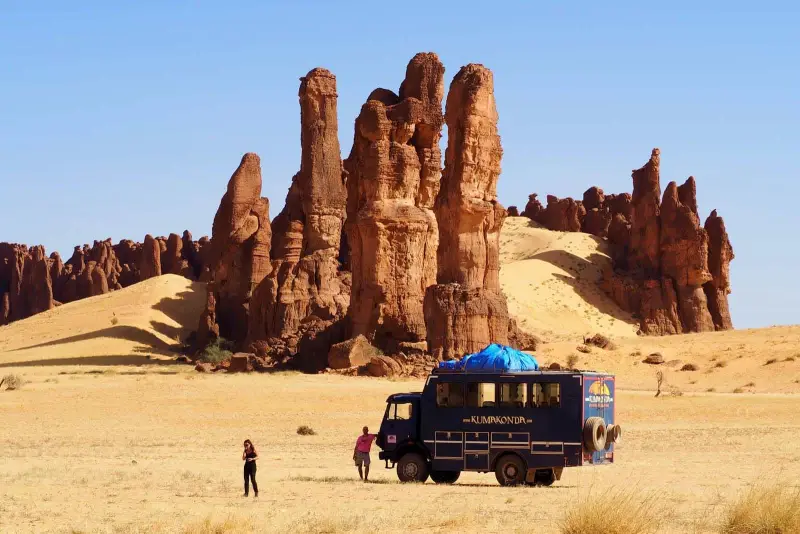 ChadSaharan landscapes and Zakouma wildlife
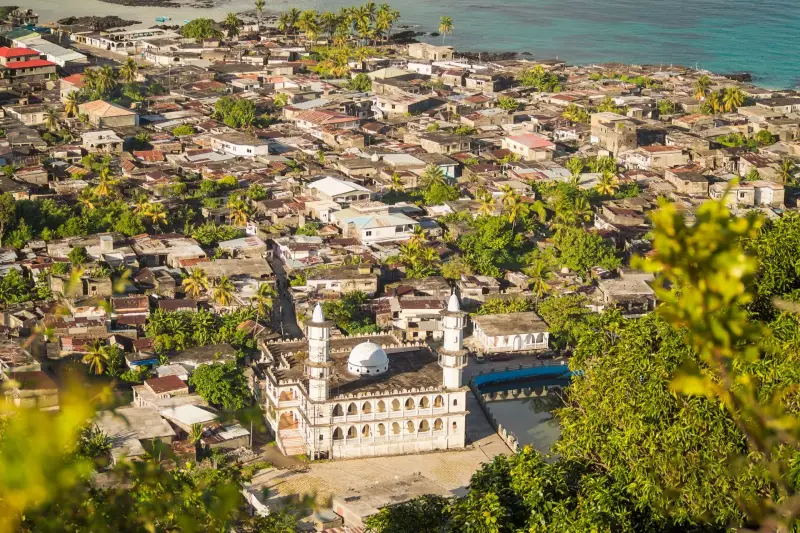 ComorosVolcanic islands, vanilla and ylang-ylang
 Costa RicaRainforest, volcanoes, wildlife and two coasts
 CyprusSunny beaches, ancient sites and mountain villages
 Côte D'IvoireAbidjan's skyline, beaches and basilicas
 DR CongoGorillas, volcanoes and the mighty Congo River
 DenmarkCopenhagen design, castles and coastlines
 DjiboutiSalt lakes, whale sharks and volcanic desert
 DominicaThe Caribbean's nature island
 Dominican RepublicPunta Cana beaches and the New World's first city
 El SalvadorSurf beaches, volcanoes and colonial towns
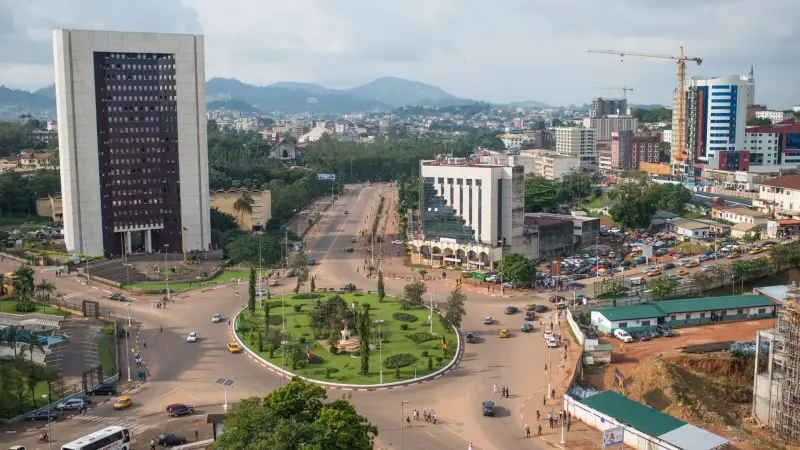 Equatorial GuineaVolcanic Bioko and rainforest Río Muni
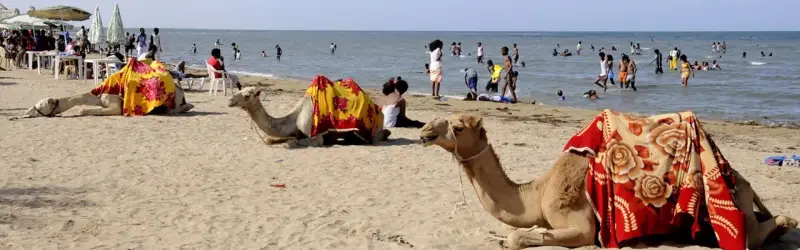 EritreaAsmara's Modernist architecture and the Red Sea
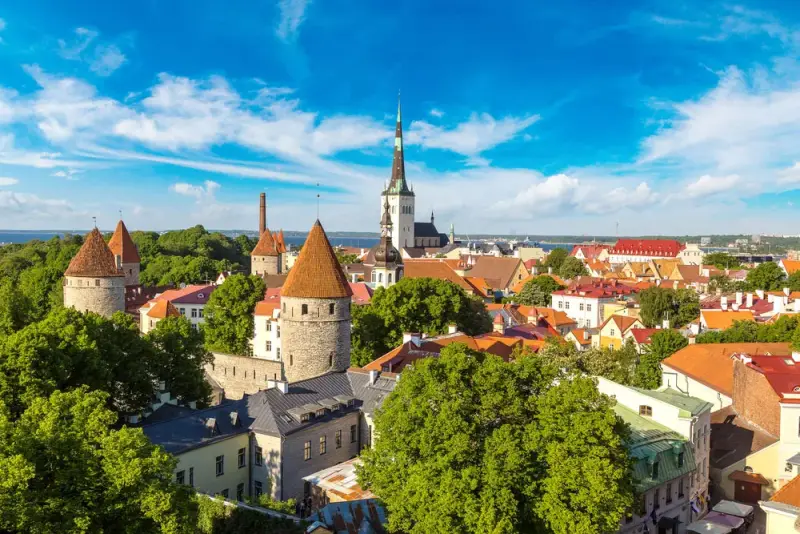 EstoniaTallinn's medieval old town and Baltic nature
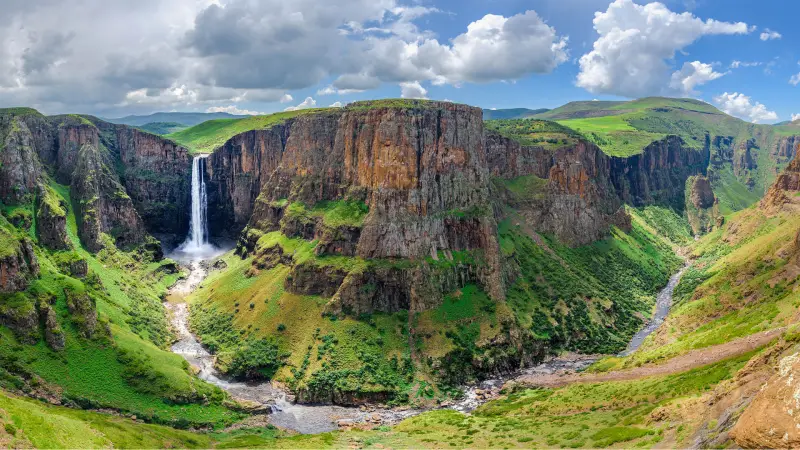 EswatiniWildlife, culture festivals and mountain valleys
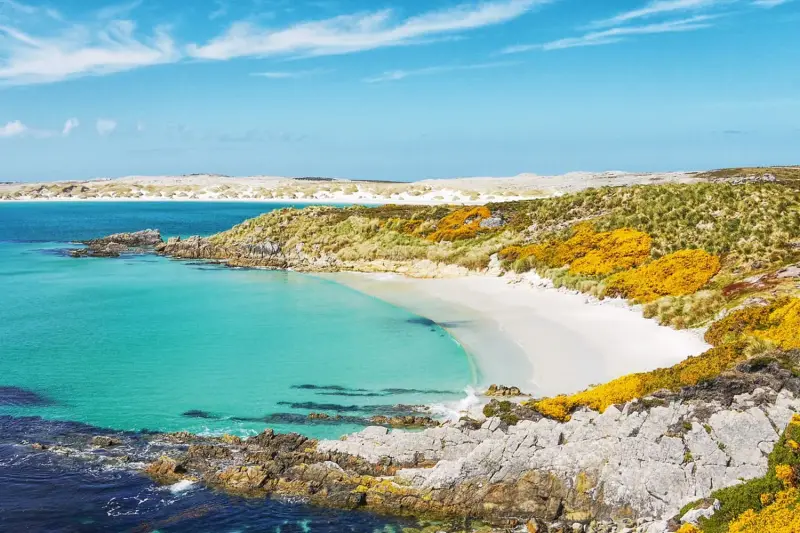 Falkland IslandsPenguin colonies on remote South Atlantic islands
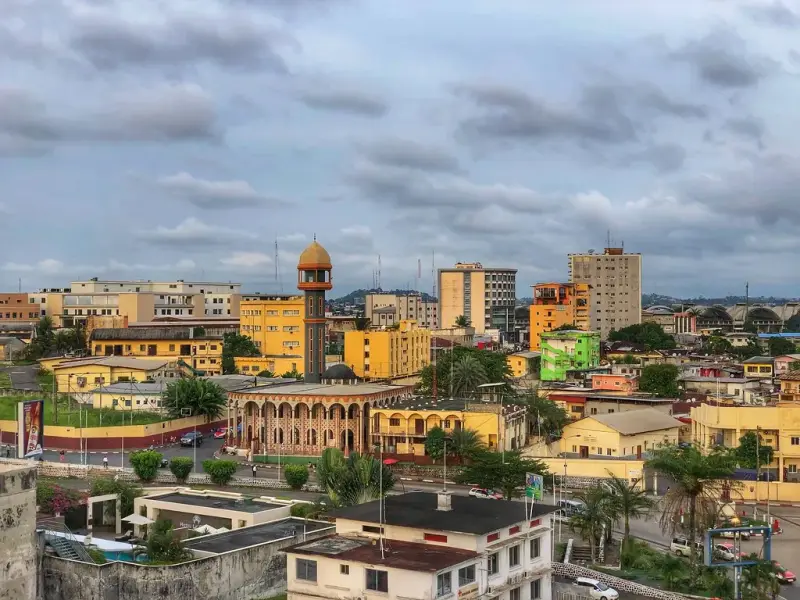 GabonRainforest parks, surfing hippos and gorillas
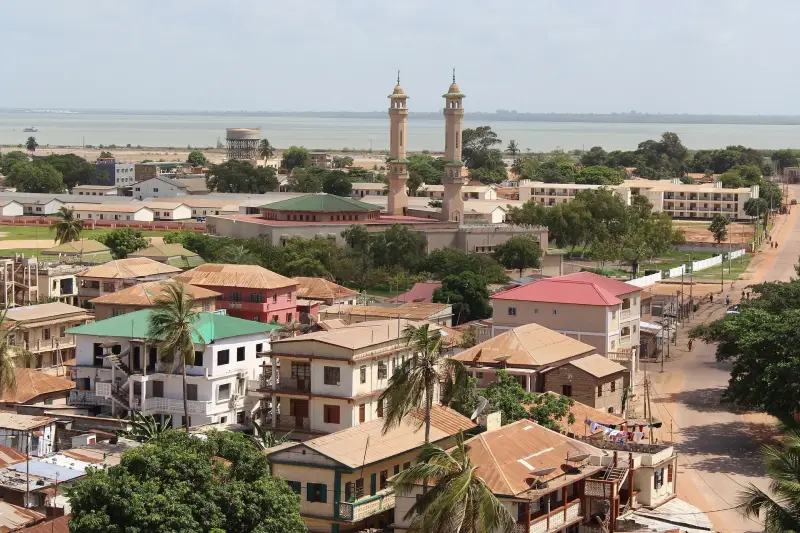 GambiaAtlantic beaches, river life and birdwatching
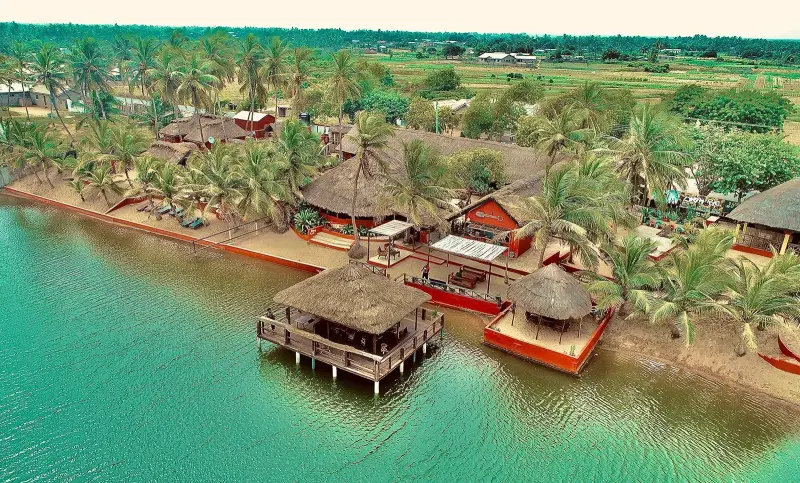 GhanaCoastal castles, Ashanti culture and warm welcomes
 GreenlandIcebergs, glaciers and Arctic culture
 GuatemalaMaya temples, volcanoes and Lake Atitlán
 GuineaHighlands and waterfalls
 Guinea BissauThe Bijagós Islands and saltwater hippos
 HaitiCitadelle and Caribbean culture
 HondurasCopán and the Bay Islands
 IranPersian palaces, mosques and gardens
 IraqAncient Mesopotamia
 JamaicaReggae, waterfalls and Caribbean beaches
 KosovoMedieval monasteries and mountain valleys
 KyrgyzstanMountain lakes, yurts and nomad culture
 LesothoThe Kingdom in the Sky
 LiberiaRainforest and surf
 LiechtensteinAlpine principality
 LithuaniaBaroque Vilnius, castles and the Curonian Spit
 MalawiLake Malawi, the warm heart of Africa
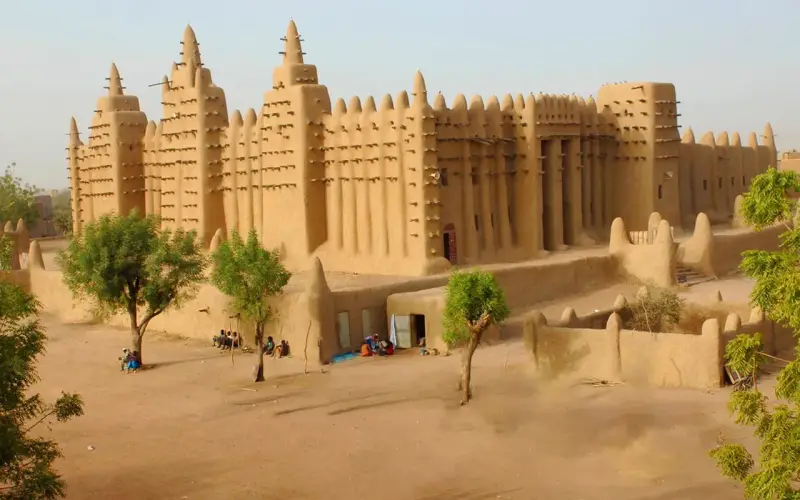 MaliSahel heritage
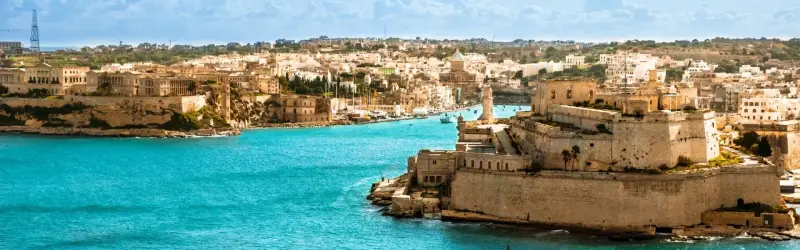 MaltaValletta, ancient temples and blue lagoons
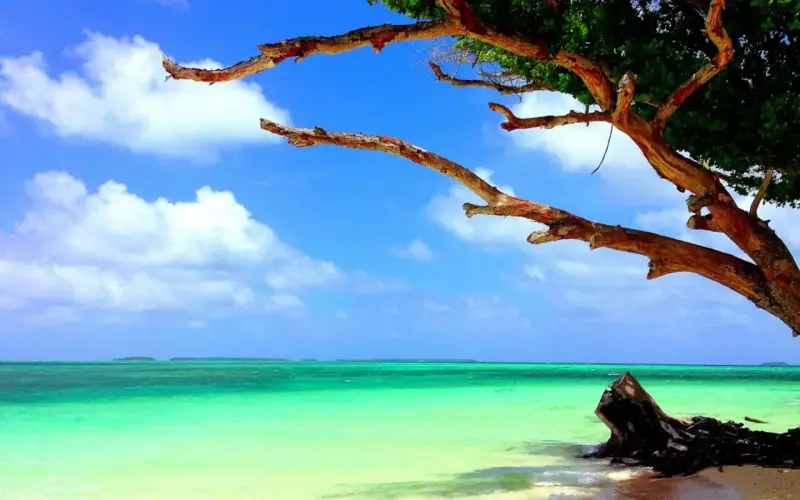 Marshall IslandsPacific atolls
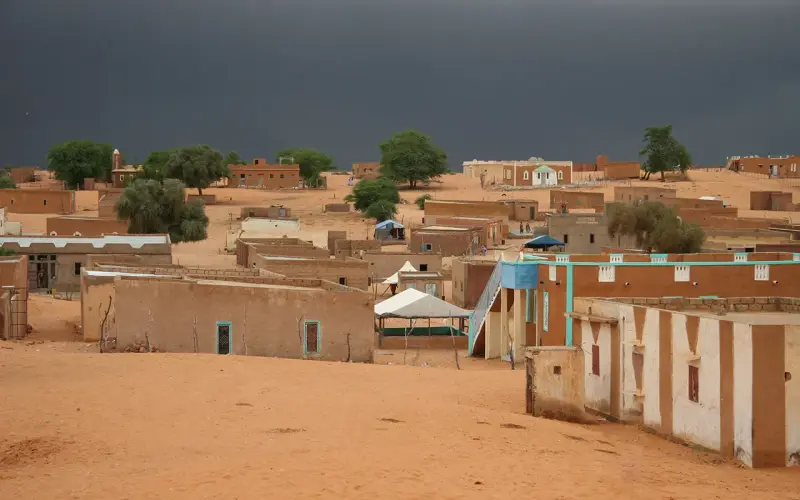 MauritaniaSahara caravan towns and the Iron Ore Train
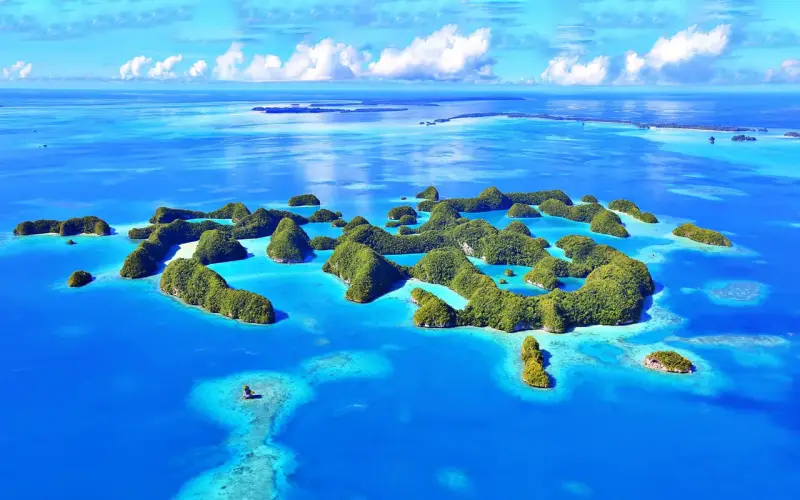 MicronesiaNan Madol, Chuuk Lagoon wrecks and Yap's stone money
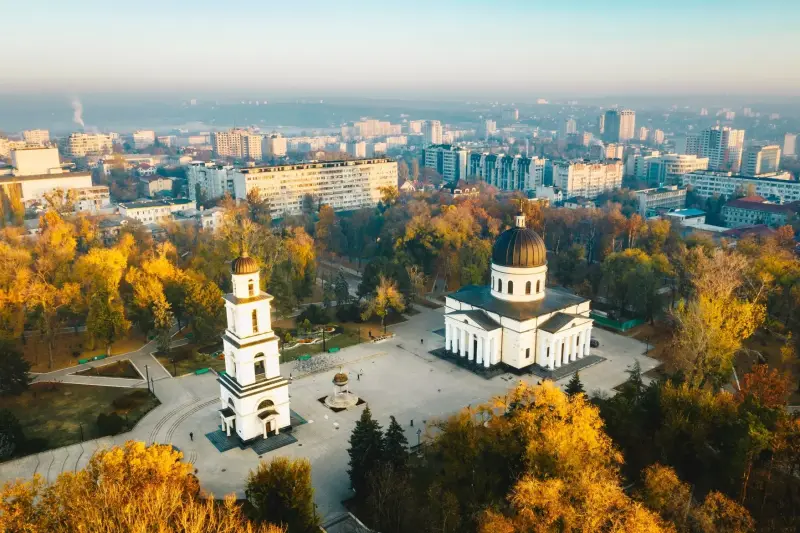 MoldovaWine cellars, cave monasteries and countryside
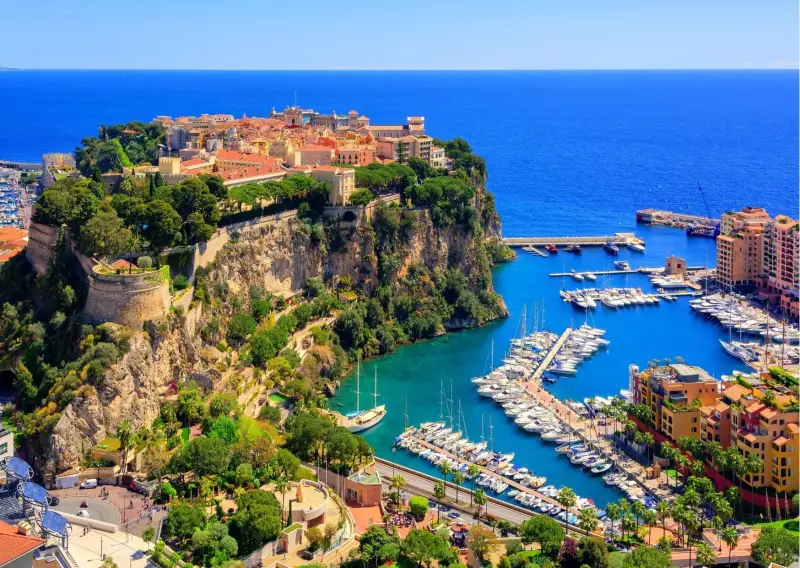 MonacoGlamour, Grand Prix and the Riviera
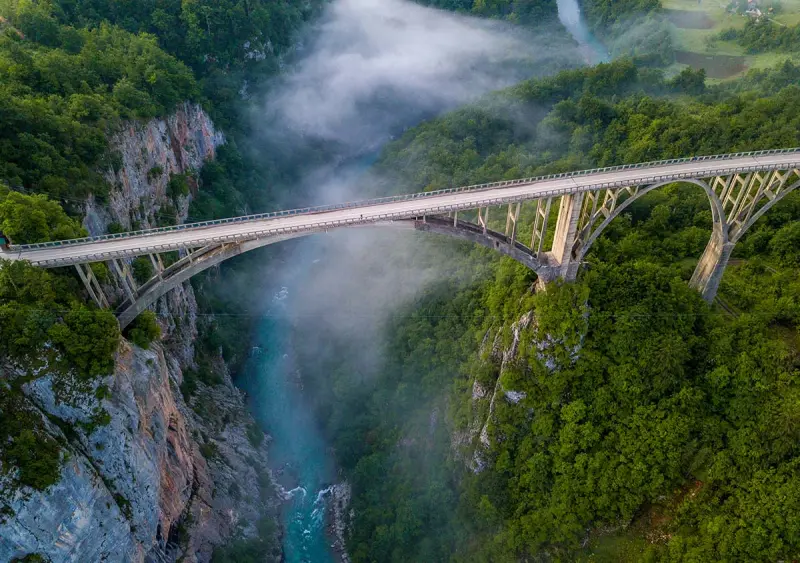 MontenegroBay of Kotor, Adriatic beaches and mountains
 NamibiaRed dunes, Etosha wildlife and desert coast
 NauruThe world's smallest island republic
 NicaraguaVolcanoes, lakes and colonial Granada
 NigerAgadez and the Sahara
 North KoreaThe world's most closed country
 North MacedoniaLake Ohrid, Skopje and Balkan mountains
 PalauRock Islands, Jellyfish Lake and world-class diving
 Saint Kitts and NevisBrimstone Hill, scenic railway and twin islands
 Saint Vincent and the GrenadinesSailing the Grenadines and Tobago Cays
 SamoaBeach fales, waterfalls and fa'a Samoa
 Sao Tome and PrincipeCocoa islands on the equator
 SenegalDakar's energy, Gorée Island and the Saloum Delta
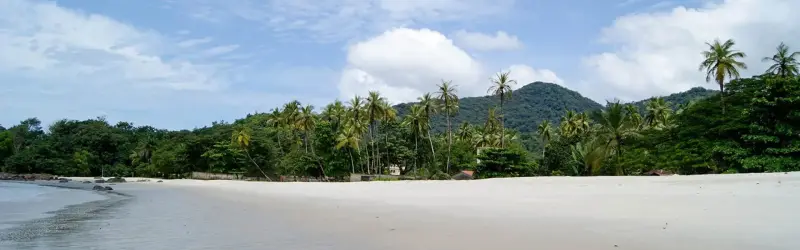 Sierra LeoneBeaches, islands and chimpanzee sanctuaries
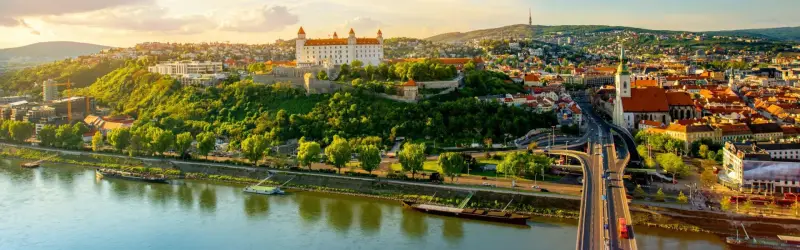 SlovakiaCastles, the High Tatras and Bratislava
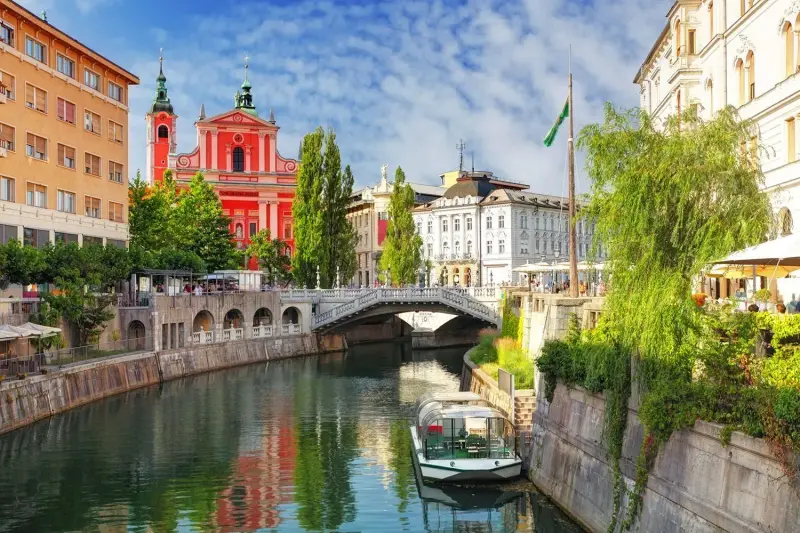 SloveniaLake Bled, Alpine valleys and caves
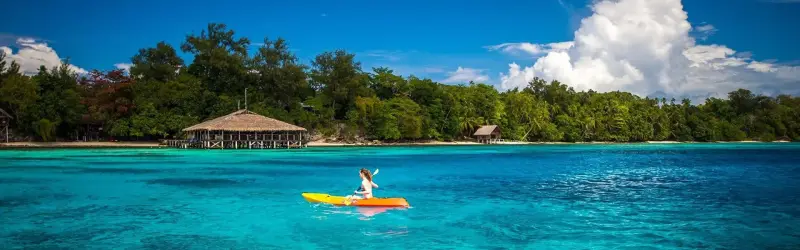 Solomon IslandsWWII history, reefs and lagoons
 South SudanThe world's youngest country
 TajikistanThe Pamir Highway and high mountain lakes
 Timor-LesteCoral reefs, mountains and a young nation
 TogoVoodoo markets, Koutammakou and palm-lined coast
 TongaHumpback whales and a Polynesian kingdom
 TurkmenistanThe Door to Hell and marble Ashgabat
 TuvaluRemote Pacific atolls and lagoons
 UgandaGorillas, chimpanzees and the source of the Nile
 UkraineKyiv, Lviv and the Carpathians
 VanuatuActive volcanoes, reefs and island culture
 Vatican CitySt Peter's and the Sistine Chapel
 WalesCastles, coast paths and mountains
 ZimbabweVictoria Falls, Hwange and Great Zimbabwe
MacauPortuguese heritage, Macanese food and Cotai resorts
 Bangladesh295 places to stay, eat or see
Nothing in that category yet.
Notable sights in Somalia
Somalia's sights, listed for reference; governments advise against most travel.
No things to do in Somalia are listed yet. Browse all things to do
Seasons and rainfall in Somalia
Temperatures stay high year-round; rain comes in two bursts, April to June and October to November.
Hot and dry.
Gu and Deyr rains.
Read your government's advice before anything else; most of Somalia is covered by warnings against all travel.
Packages in Demand
A Journey to Remember
Tours, activities and day trips in and around this destination, with the details you need before booking.
No packages in Somalia are listed yet. Browse all packages
Create Your Custom-Made Trip to Somalia
Traveling to Somalia? Chat with a Local Travel Specialist in Somalia Who Can Help Organize Your Trip.
START HERE
Our Travel Experts are Recommended by



Somalia entry, money and safety basics
Read your government's advice first; these boxes cover entry, money, health and safety basics.
Visas and entry
Visa required
A visa is required to enter Somalia, including Somaliland, which has its own visa process. Governments advise against all travel to most of the country.
- Passport validity
- Check it is valid for at least 6 months (UK rule; yours may differ)
- Visa
- Required
- Somaliland
- Separate visa process
- Confirm with
- Your own government's travel advice
Getting there
Very limited
Flights to Mogadishu and Hargeisa operate via Nairobi, Addis Ababa, Istanbul and the Gulf.
- Mogadishu
- Aden Adde (MGQ)
- Hargeisa
- Egal International (HGA)
Money and costs
US dollars and mobile money
Health and vaccines
Very limited care
Health facilities are extremely limited.
- Drinking water
- Unsafe
- Malaria
- Present
- Buy travel insurance that covers medical treatment and evacuation.
- Carry prescription medicines in original packaging with a copy of the prescription.
Staying safe
Terrorism and conflict
Terrorism, kidnapping and armed conflict are serious threats.
- Emergency number
- Call 888 (police); 999 ambulance; 555 fire
- Before you go
- Read your government's current travel advisory for Somalia
- Follow your government's advice.
- Do not travel to areas under warnings.
Where to stay
Best areas to stay
Not applicable while travel is advised against.
- Status
- Security arrangements required
Getting around
Not possible safely
Road travel is extremely dangerous in most areas.
- Roads
- Insecure
- Airlines
- Daallo, Jubba Airways, African Express
- Somaliland
- Foreigners need an armed SPU escort outside Hargeisa
- Paved roads
- About 2,608 of 22,100 km
SIM and internet
Local SIM or eSIM
Mobile networks and mobile money are widespread.
- Networks
- Hormuud, Telesom, Golis
Culture and etiquette
Customs and etiquette
Somalis are almost entirely Muslim, and poetry and hospitality sit at the centre of the culture.
- Poetry
- Central to Somali culture
- Follow your government's advice
- Any travel to areas under warnings
Things to know before going to Somalia
In Somalia the map is drawn by advisories; in Somaliland, by SPU escorts.
Why travelers love it
- Laas Geel rock art.
- A long, wild coastline.
- Somali poetry and culture.
Good to know
- Governments advise against most travel.
- Terrorism and kidnapping risk.
- Somaliland is not internationally recognised.
Trip fit
BookingMentor editorial ratings out of 5, based on a first-time visitor's experience.
Mogadishu weather by month
Mogadishu is hot and humid year-round, with gu rains from April to June and dayr rains from October to December.
Monthly averages for Mogadishu from the climate table of its Wikipedia article (Mogadishu), compiled from the national weather service. Hargeisa in the north is cooler and higher.
Somaliland, Mogadishu and the advisory map
Read your own government's travel advice for Somalia before anything else, and again in the week you fly, because the wording changes. The British advice treats only three northern regions (Awdal, Maroodijeh and Sahil) as anything less than a blanket warning; even there it advises against all but essential travel, citing terrorist groups and continuing violence.
Each government draws its lines differently, so compare yours with the British wording.
Two practical consequences follow. Ordinary travel insurance is likely to be invalid if you go against official advice. Anyone with a genuine reason to travel needs specialist cover that names the itinerary and planned activities along with emergency costs. Consular help is also described as severely limited. That means drawing up your own emergency plan before departure: contacts and evacuation routes, plus someone at home tracking your movements.
The few outsiders who do visit tend to follow one of three patterns:
- Hargeisa and Laas Geel (three to four days): the main town of self-declared Somaliland, in Maroodijeh. The painted rock shelters of Laas Geel lie about 50 km to the north-east. Visits need a letter from the tourism ministry plus a guide, and usually an armed government escort known as the SPU.
- Berbera: the old port on the Gulf of Aden, in Sahil, roughly three hours by road from Hargeisa. Again, leaving the city normally requires an SPU guard or a formal exemption.
- Mogadishu: visited almost entirely by people travelling for business or aid work or to see family. Foreigners there move with security guards. Arrivals are generally arranged through a hotel that bundles the airport pick-up with protection and transport.
Kismayo and most of the south and centre are out of reach for independent travellers. Hotels in Hargeisa and Bosaso are the closest thing to conventional tourist lodging, but none of this changes the advice. Treat everything above as background for a decision only you can make, with current information in hand. Conditions can shift between booking and departure.
Confirm every leg with the airline and compare routings through the regional hubs.
Somalia's four seasons of jilal, gu, xagaa and dayr
Somalia sits close to the equator, so temperature barely shifts through the year and the calendar is set by wind and rain. Herders organise their lives around four named seasons, two dry and two wet, with the main gu rains from April to June:
- Jilal (December to March): the harshest dry season of the year.
- Gu (April to June): the main rains, carried by the south-west monsoon. Pasture on the central plateau briefly turns green.
- Xagaa (July to September): the second dry season, between the two sets of rains.
- Dayr (October to December): the shortest of the rainy seasons.
Between the monsoons come the hot and humid tangambili spells (October to November and March to May). In Mogadishu, April afternoons run from roughly 28°C to 32°C, and that is about as hot as the capital gets; the coast stays humid all year.
The north is a different climate altogether. Berbera, on the Gulf of Aden, averages afternoon highs above 38°C from June to September, and the littoral plains can pass 45°C in July. The northern highlands around Hargeisa sit far higher and occasionally drop below freezing in December. Rain is scarce almost everywhere: under 100 mm a year in the north-east, about 200 to 300 mm on the central plateau, and up to 510 to 610 mm in the wetter north-west and south-west.
Ramadan matters more than the weather for anyone with business here. The fasting month moves about 11 days earlier each year and reshapes daily routines; its start and end are expected dates that depend on moon sighting, so check them against your plans. None of the seasons alters the security picture; advisories apply all year.
Canjeero, bariis and Somali hospitality
Somali food is meat-centred and entirely halal. Goat and lamb are the staples, with beef and chicken close behind. Meat is fried in ghee or grilled, then seasoned with cumin, coriander, turmeric and cardamom. The everyday bread is canjeero (also written laxoox), a large, spongy fermented pancake torn by hand.
Lunch and dinner are built around bariis: spiced rice that may be studded with raisins and partly tinted yellow or orange so the platter looks festive. A sliced banana eaten alongside the rice is normal. The Italian colonial era left pasta and even lasagne on everyday menus in the south.
Fried triangular sambuus pastries filled with meat or vegetables are the standard snack. Camel milk and camel meat are prized, and Hargeisa cafés sell camel milk milkshakes. Fresh juices from mango and guava are common. The sweet to know is xalwo, a glossy spiced jelly served with strong qahwo coffee. Tea (shaah) is brewed with cardamom and cinnamon bark. It comes milky and very sweet. Alcohol is forbidden and is not something to carry or drink in public. After a meal many homes are scented with frankincense burned in a dabqaad.
Hospitality is a point of honour. Guests are fed even when they turn up unannounced. Accept the snacks or tea you are offered; refusing reads as a slight. Use only the right hand to eat or shake hands. The same goes for passing things. Keep the soles of your feet pointed away from people when you sit. If your host insists on paying, let them. Men should not offer a hand to Somali women; a hand on the heart with a slight bow is the polite alternative. Frank personal questions about family and work are normal. So is being addressed as brother or sister. Respect for elders runs deep, and criticism of religion is badly received.
Somali is written in the Latin alphabet, but the letter x sounds like the throaty ch in loch. Arabic is the second official language, though Somalis do not consider themselves Arab. A few words of Somali are always noticed and appreciated.
Travelers are asking
Some western regions are covered by 'all but essential travel' advice rather than 'all travel', but risks remain. Check current advice.
Our travel desk answers questions about Somalia
How we research this guide
Regional warnings and insurance points here are taken from UK Foreign Office Somalia advice. Climate, food and background come from Wikipedia and Wikidata, and the page changes when the advisory does.
Last updated . Spotted something out of date? Tell us.
Checked against trusted sources:
UK Foreign Office travel advice
See the source

Before You Go...
Discover Trips & Info
A Travel Network Connection Travelers and locals
Incredible Event & Festival, Don't Miss!
Most Popular Event & Festival of Somalia
Festivals and events in this destination, with dates, venues and ticket details where available.
No upcoming festivals or events in Somalia are listed right now. Browse all events
Memorable Experiences
Where to Go (& NOT Go) In Somalia!
Roaming the World one Adventure at a Time: Travel Tales, Tips, and Inspiration for wanderlusters.
Subscriber
Popular car hire destinations
Explore more options to hire a car for cheap
Frequently Asked Questions (FAQs)
Somaliland, Laas Geel, visas and the advisories explained.
Timing & weather
No season changes the security advice, which applies all year. Jilal (December to March) is the main dry season; the gu rains fall from April to June.
Health & safety
No. Governments advise against all travel to most of Somalia because of terrorism, kidnapping and armed conflict. The UK advises against all but essential travel to Awdal, Maroodijeh and Sahil in the north.
No, tap water is unsafe. Health facilities are extremely limited and malaria is present.
Call 888 for police, 999 for an ambulance and 555 for the fire service.
Visa & documents
Yes, a visa is required. Somaliland runs its own separate visa process.
Booking
Visitors to Somaliland usually allow three to four days for Hargeisa and Laas Geel. Most of the rest of the country is out of reach for independent travellers.
General
Somalia's best-known sites include Laas Geel's rock art, Hargeisa, Berbera and the Mogadishu coastline.
Somali and Arabic are the official languages. Somali is written in the Latin alphabet, with x pronounced like the ch in loch.
Somalia uses 220 V, 50 Hz. Plug C.
You need a letter from the Somaliland tourism ministry, a guide and usually an armed SPU escort. The painted rock shelters lie about 50 km north-east of Hargeisa.
No. Alcohol is forbidden, and visitors should not carry it or drink it in public.
Prices & payment
The official currency is the Somali shilling, but US dollars and mobile money are used everywhere. Mobile money works well in the main towns.
Daily travel costs in Somalia are not assessed. Governments advise against travel.
Getting there
Private carriers such as Daallo Airlines, Jubba Airways and African Express Airways handle most flights. Somali Airlines announced a comeback in 2025 with two Airbus A320s.
Flights to Mogadishu and Hargeisa operate via Nairobi, Addis Ababa, Istanbul and the Gulf.
