


Spain travel guide
Sun, culture and fiesta.
Beaches, food, culture and nightlife all pull people to Spain. Visit April to June or September to October. Allow 10 to 14 days to combine Madrid, Barcelona and Andalusia; the Canaries are warm all year. Prices are above average, and Schengen rules give many passports 90 days without a visa.
Spain, on the Iberian Peninsula, is one of the world's most visited countries, with beaches, lively cities and 50 UNESCO World Heritage Sites. Barcelona has Gaudí's Sagrada Família and Park Güell, Madrid the Prado and Reina Sofía museums, and Seville, Granada and Córdoba in Andalusia preserve Moorish palaces such as the Alhambra and the Mezquita.
The Balearic Islands (Mallorca, Ibiza, Menorca) and the Canary Islands offer year-round sun, while the Costa del Sol and Costa Brava are classic beach destinations. In the north, San Sebastián's food scene, Bilbao's Guggenheim and the Camino de Santiago pilgrimage to Santiago de Compostela draw visitors. Spain's tapas, wine and fiestas are legendary.
Best experiences in Spain
Find your kind of trip: 17 travel themes, each with the packages in Spain.
Spain at a glance
Entry rules, money, language and plugs in brief; lunch and dinner run later than most visitors expect.
Top destinations in Spain
Pick a place by travel style: beaches, nature, cities, heritage, islands.
 BarcelonaGaudí and the Mediterranean
SevilleFlamenco and Moorish palaces
 CórdobaAndalusia's caliphate city
 MadridArt, palaces and tapas
GranadaThe Alhambra
 MálagaPicasso and the Costa del Sol
BuñolValencia's tomato-fight town
HaroRioja Alta's wine capital
IbiSpain's toy town
PamplonaSan Fermín's home city
Santa Cruz de TenerifeTenerife's capital port
SitgesBarcelona's beach-town escape
ValenciaPaella's home city
 AlicanteCosta Blanca's port city
 BenidormThe Costa Blanca's high-rise resort
 CartagenaCarthage's Spanish port
 Palma de MallorcaMallorca's capital by the sea
 SalamancaCastile's golden university city
 San SebastiánBasque pintxo capital by the sea
 SantanderCantabria's seaside capital
 Santiago de CompostelaWhere the Camino ends
 TarragonaRoman capital on the coast
 ToledoCity of three faiths
 TorremolinosBeaches, fried fish and late nights
 ZaragozaAragon's capital on the Ebro
AlbaceteLa Mancha's knife capital
Alcalá de HenaresCervantes' university town
AlcobendasMadrid's affluent northern suburb
AlcorcónMadrid's southwestern neighbour
AlgecirasSpain's gateway to Morocco
AlmeríaAndalusia's desert coast
BadajozExtremadura's frontier city
BadalonaBarcelona's seaside neighbour
BarakaldoGreater Bilbao's left bank
BilbaoBasque port reinvented
BurgosGothic heart of Castile
Castellón de la PlanaCosta del Azahar's capital
CuencaCastilla-La Mancha's cliff-top city
CáceresExtremadura's walled medieval city
CádizAtlantic island city
Dos HermanasSeville's southern satellite
FuenlabradaMadrid's southern dormitory city
GetafeMadrid's industrial south
GironaCatalonia's riverside old town
HuelvaGateway to Columbus country
Ibiza TownIbiza's walled island capital
JaénCapital of olive oil country
Jerez de la FronteraThe home of sherry
L'Hospitalet de LlobregatBarcelona's densest neighbour
Las PalmasThe Canaries' Atlantic capital
LeganésMadrid's southwestern commuter city
LeónCathedral glass and free tapas
LogroñoRioja's pintxo capital
MarbellaCosta del Sol's smart resort
MurciaCapital of Europe's orchard
MéridaSpain's little Rome
MóstolesMadrid's south-west suburb
NerjaThe low-rise end of the Costa del Sol
OviedoAsturias's cider-pouring capital
ParlaSouthern Madrid commuter town
Rivas-VaciamadridMadrid's green south-east edge
RondaThe gorge town of Andalusia
Roquetas de MarSunny Almería beach resort
SabadellThe Catalan Manchester
San Cristóbal de La LagunaTenerife's old capital
SegoviaAqueduct city above Madrid
TeldeGran Canaria's oldest town
TerrassaCatalonia's wool city
Torrejón de ArdozMadrid's eastern commuter town
ValladolidCastile's wine-country capital
Vitoria-GasteizThe inland Basque capital
ÁvilaSpain's walled mountain city
Nothing in that category yet.
Regions of Spain
Pick a region on the map to see what it is known for, then open its guide.
Explore
Catalonia
Gaudí and the Mediterranean 8 places in our guide Open the guide
Explore
Castile and León
Castile's wine-country capital 6 places in our guide Open the guide
Explore
Community of Madrid
Art, palaces and tapas 11 places in our guide Open the guide
Explore
Castilla-La Mancha
City of three faiths 3 places in our guide Open the guide
Explore
Extremadura
Spain's little Rome 3 places in our guide Open the guide
Explore
Valencian Community
Paella's home city 6 places in our guide Open the guide
Explore
Balearic Islands
Mallorca's capital by the sea 2 places in our guide Open the guide
Explore
Region of Murcia
Capital of Europe's orchard 2 places in our guide Open the guide
Explore
Andalusia
Flamenco and Moorish palaces 15 places in our guide Open the guide
Explore
Canary Islands
The Canaries' Atlantic capital 4 places in our guide Open the guide
Top things to do in Spain
The Alhambra, the Sagrada Família and island beaches.

Barcelona
Sagrada Família
The Basílica de la Sagrada Família stands in the Eixample district of Barcelona. It was conceived as an expiatory church funded by donations, at first to a Goth...
Granada
Alhambra
The Alhambra occupies the Sabika hill above the city of Granada in Andalusia, southern Spain, facing the Albaicin quarter across the Darro valley and backed by...

Córdoba
Mosque-Cathedral of Córdoba
The Mosque-Cathedral of Córdoba, known locally as the Mezquita, stands in the historic center of Córdoba in Andalusia, close to the Guadalquivir River and the R...
Barcelona
Casa Milà (La Pedrera)
Casa Milà is the apartment block Gaudí raised at 92 Passeig de Gràcia in the Eixample district. It suits architecture lovers and first-time visitors who want to...
Spain
Caves of Drach (Cuevas del Drach), Mallorca
The caves lie on the edge of Porto Cristo in the municipality of Manacor. Drach means dragon in Catalan. The system is made of four connected caves, the Black C...
Where to stay in Spain
Hotels and resorts in Spain with guest scores, nightly prices and free cancellation.
Best time to visit Spain
April to June and September to October suit the cities; high summer is for the coast, not Seville or Madrid.
Warm and sunny, ideal for cities and Andalusia; Seville's Feria in spring.
Very hot inland; peak beach season on the coasts and islands.
Mild in the south and the Canaries; skiing in the Sierra Nevada and Pyrenees.
Book the Alhambra and Sagrada Família tickets online weeks ahead; they regularly sell out.
Spain travel tips
Short answers on entry, arrival, money, health, safety, hotels, transport, SIM cards and Spanish customs.
Visas and entry
Schengen area rules
Spain follows Schengen entry rules. Citizens of the EU and of many other countries, including the US, UK, Canada and Australia, can visit visa-free for up to 90 days in any 180-day period; other nationalities need a Schengen visa. The EU's Entry/Exit System (EES) records non-EU travelers' fingerprints and a photo at the border.
- Visa-free stay
- Up to 90 days in any 180 days, for eligible passports
- Passport
- Issued in the last 10 years, valid 3 months beyond departure
- ETIAS
- Planned online travel authorization; not yet required
- Confirm with
- travel-europe.europa.eu or an embassy of Spain
Getting there
Madrid, Barcelona and many airports
Madrid and Barcelona are the main hubs, and dozens of airports, including Málaga, Palma, Alicante and the Canary Islands, have direct European flights. High-speed trains link Spain with France.
- Madrid
- Barajas (MAD)
- Barcelona
- El Prat (BCN)
- South
- Málaga (AGP), Seville (SVQ)
- Islands
- Palma (PMI), Tenerife (TFS), Gran Canaria (LPA)
Money and costs
High destination
Spain is moderately priced; Barcelona, Madrid and the Balearics are pricier. Cards are widely accepted.
- Tipping
- Optional; round up or 5 to 10%
- Tourist tax
- In Catalonia and the Balearics
- Menú del día lunch deals are excellent value.
- Book AVE trains early for low fares.
- Tapas bars in Granada often include free tapas with drinks.
Health and vaccines
Insurance, pharmacies
Routine vaccines cover Spain. Health care is of a high standard. EU travelers should carry a European Health Insurance Card (EHIC); everyone else needs travel insurance with medical cover.
- Drinking water
- Tap water is safe to drink
- Pharmacies
- Marked with a green cross; one on duty at night in most towns
- Ambulance
- Call 112
- EU visitors
- EHIC gives access to state health care
- Buy travel insurance that covers medical treatment and evacuation.
- Carry prescription medicines in original packaging with a copy of the prescription.
Staying safe
Pickpockets
Pickpocketing in the big cities is Spain's main crime risk for visitors. Pickpocketing is common in Barcelona and Madrid, especially on the metro and in tourist areas. Heatwaves and wildfires occur in summer.
- Emergency number
- Call 112 (all emergencies)
- Before you go
- Read your government's current travel advisory for Spain
- Watch bags on Las Ramblas and the metro.
- Keep phones off café tables.
- Follow heatwave advice.
Where to stay
Best areas to stay
Stay central in Spanish cities: Sol, Huertas or Malasaña in Madrid, the Gothic Quarter or Eixample in Barcelona, Santa Cruz in Seville and the Albaicín in Granada.
- Madrid
- Sol, Huertas or Malasaña
- Barcelona
- Gothic Quarter or Eixample
- Seville
- Santa Cruz
- Granada
- Albaicín
Getting around
AVE trains
AVE and other high-speed trains link Madrid with Barcelona, Seville, Málaga and Valencia in 2.5 to 3 hours. Domestic flights serve the islands.
- High-speed trains
- Renfe AVE, Iryo, Ouigo
- Madrid to Barcelona
- About 2.5 hours
- Islands
- Flights and ferries
- Cities
- Metro and buses
- Spain has Europe's longest high-speed network, 3,973 km; Madrid to Valencia takes 1 hour 38 minutes and to Málaga 2 hours 20.
- Renfe's AVE is the premium brand and Avlo the low-cost one; Cercanías are commuter lines around 19 cities.
- Fares move like airline fares, so buy early; no train sells tickets on board.
- Buses are cheaper for cross-country trips that avoid Madrid, such as the east coast to Andalusia.
- Driving pays off for Andalusia's hill villages and rural Castile.
SIM and internet
Local SIM or eSIM
EU SIMs roam in Spain at home rates. Others can buy prepaid SIM cards from Movistar, Vodafone or Orange.
- Networks
- Movistar, Vodafone, Orange
Culture and etiquette
Customs and etiquette
Spanish life runs late, with lunch around 14:00 and dinner after 21:00, and some shops close in the afternoon. Regional identities are strong, and fiestas such as Semana Santa, the Feria, San Fermín and La Tomatina fill the calendar.
- Siesta
- Some shops close in the afternoon
- Fiestas
- Semana Santa, Feria, San Fermín, La Tomatina
- Eat late like locals
- Learn regional greetings
- Dress modestly in churches
- Wearing swimwear away from the beach (fines in some cities)
- Calling Catalans or Basques simply 'Spanish' in heated debate
- Leaving bags unattended
Things to know before visiting Spain
Pickpockets in the big cities are the most common problem in Spain.
Why travelers love it
- The Alhambra in Granada.
- Gaudí's Barcelona.
- Tapas and wine.
- Beaches and islands.
- Fiestas and flamenco.
Good to know
- Pickpockets in big cities.
- Summer heat inland.
- Late meal times.
- Book key sights ahead.
Trip fit
BookingMentor editorial ratings out of 5, based on a first-time visitor's experience.
Madrid weather by month
Madrid is hot in summer and cold on winter nights; the north is wetter and the Canaries mild all year.
Monthly averages for Madrid from the climate table of its Wikipedia article (Madrid (667 m), Buen Retiro Park in the city centre (1991–2020 normals, sunshine 1981–2010, extremes 1920–present)), compiled from the national weather service. The south and the islands are warmer; the north is wetter.
Packages in Demand
A Journey to Remember
Tours, activities and day trips in and around this destination, with the details you need before booking.
No packages in Spain are listed yet. Browse all packages
Create Your Custom-Made Trip to Spain
Traveling to Spain? Chat with a Local Travel Specialist in Spain Who Can Help Organize Your Trip.
START HERE
Our Travel Experts are Recommended by



Madrid as the rail hinge for Andalusia, Barcelona and Valencia
The high-speed lines fan out from Madrid, so the capital works as the hinge of almost any first trip: Andalusia sits to the south, Barcelona to the north-east and Valencia due east, each a morning away by train. Toledo is under 30 minutes on the fast train, and Segovia is another easy day out.
In Andalusia, Córdoba, Seville and Granada sit close together, and Málaga's airport has direct flights all over Europe, which makes it a natural exit. The Alhambra time slot decides your Granada dates, so fix it before anything else. The north makes a separate trip: Bilbao for the Guggenheim, San Sebastián for pintxo bars, then west through Asturias to Santiago de Compostela.
Long-distance trains use airline-style pricing, so the cheap seats go first, while the conventional Alvia and Intercity services may not open sales until about a month before departure. If your dates fall on Semana Santa or Seville's spring Feria, reserve rooms in Andalusia as soon as you know. Hire a car as you leave a big city: Madrid and Barcelona are easier on foot and by metro.
Inland summer heat and the big fiestas
Inland Andalusia and the central plateau are punishing in July and August, while the Atlantic north stays green. Sightseeing in Seville then means an early start, a long lunch indoors and a second outing after dark.
Between November and March the south is usually mild and sunny, and the Alhambra and the Mezquita are far quieter than in spring.
Semana Santa (the week leading up to Easter) packs the Andalusian cities with processions, and Seville's Feria follows in spring. Pamplona's San Fermín in July and La Tomatina in Buñol in August swamp their small host towns, so either build a trip around them on purpose or avoid those dates.
Paella in Valencia, gazpacho in Andalusia, garlic soup in Castile
The Mediterranean coast eats seafood and rice: pescaíto frito (small fried fish) in Andalusia, cold gazpacho in summer, paella in Valencia, where it was invented, and black arròs negre in Catalonia. Inland, in Castile, meals get heavier: garlic soup in winter, the chickpea stew cocido madrileño in Madrid, cured ham, Manchego cheese.
In San Sebastián and Bilbao the counters are lined with pintxos, small bites you point at and settle up for when you leave. The best-value sit-down meal anywhere is the menú del día at lunch: two courses and dessert.
Lunch starts between 13:30 and 14:30 and is the main meal of the day. Dinner begins around 21:00; in Madrid many kitchens do not open before then and dining rooms only fill toward 23:00. In the dead hours between, many restaurants close; a bocadillo (baguette sandwich) at a bar fills the gap, as does the merienda snack around 18:00.
Tap water (agua del grifo) must be given free on request. In Catalonia and Galicia, as in the Basque Country, regional languages sit beside Spanish on signs, and a greeting in them goes down well: bon dia and gràcies in Catalan; kaixo and eskerrik asko in Basque.
Travelers are asking
Several weeks ahead, and months ahead for spring and summer.
Our travel desk answers questions about Spain
How We Research This Guide
Spain.info, Renfe and UK Foreign Office advice are what we check this guide against.
Last updated . Spotted something out of date? Tell us.
Checked against trusted sources:
Spain.infoRenfe trainsUK Foreign Office travel advice

Before You Go...
Discover Trips & Info
A Travel Network Connection Travelers and locals
Incredible Event & Festival, Don't Miss!
Most Popular Event & Festival of Spain
Festivals and events in this destination, with dates, venues and ticket details where available.
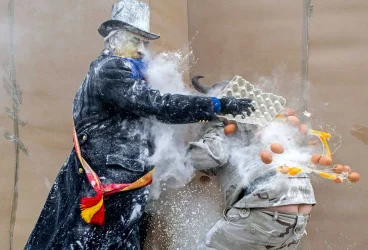
Dec, 2026
Cultural Events, Folk Festival, Social Festivals
Ibi, Spain
16 photos
Jan, 2027
Party Events, Carnivals, Parade
Santa Cruz de Tenerife, Spain
Mar, 2027
Cultural Events, Arts Festivals, Folk Festival
Valencia, Spain
Mar, 2027
Cultural Events, Religious Festivals, Parade
Seville, Spain

Apr, 2027
Cultural Events, Social Festivals, Fair
Seville, Spain
Memorable Experiences
Where to Go (& NOT Go) In Spain!
Roaming the World one Adventure at a Time: Travel Tales, Tips, and Inspiration for wanderlusters.


Subscriber
Popular car hire destinations
Explore more options to hire a car for cheap

Frequently Asked Questions (FAQs)
Trains, eating hours, Andalusia in summer and the islands.
Timing & weather
April to June and September to October are the best times to visit Spain.
July is the warmest month in Spain, with average highs of 33°C, and January the coolest, with lows of 3°C. October is the wettest month, at about 64 mm of rain; July is the driest. Madrid is hot in summer and cold on winter nights; the north is wetter and the Canaries mild all year.
Health & safety
Yes, though pickpockets work big-city centers. Call 112 in an emergency.
Visa & documents
Spain follows Schengen rules. Holders of many passports can spend up to 90 days in any 180 without a visa; everyone else applies for a Schengen visa.
UK government advice says British visitors may be asked for a return or onward ticket, proof of enough money for the stay and proof of accommodation, such as a hotel booking. If you stay with friends or family, that proof can be a carta de invitación completed by your hosts.
Booking
Ten to 14 days: Madrid, Barcelona and Andalucía by fast train, leaving the islands and the green north for another trip.
General
Top places include Barcelona, Madrid, Seville, Granada, Córdoba, Valencia, San Sebastián, Bilbao, Mallorca, Ibiza, Tenerife and Santiago de Compostela.
EU rules bar travelers arriving from outside the EU from bringing in meat, milk or their products. Powdered infant milk, baby food and medical special foods are allowed if under 2 kg in total, branded, sealed unless in use and not needing refrigeration before opening.
UK government travel advice says that in some parts of Spain it is illegal to walk the streets in only a bikini or swimming shorts, and being bare-chested is restricted in some areas. You can be fined for wearing swimwear on the seafront promenade or nearby streets, so cover up when you leave the sand.
UK government travel advice notes that a red flag means you must not go into the water. Where there are no lifeguards, flags or signs, ask locally before swimming, because some beaches, especially around the islands, have strong undercurrents.
UK government travel advice says some cities require vehicles to be registered in advance before entering their low-emission zones, with Barcelona one example. Check the city's rules before driving in, and note that holding a mobile phone at the wheel is illegal even when stopped at the roadside.
bookingMentor lists 5 places to stay in Spain. Prices start from $320.00 per night. Types: Hotels and Resorts.
AVE and other high-speed trains link Madrid with Barcelona, Seville, Málaga and Valencia in 2.5 to 3 hours. Domestic flights serve the islands.
Getting there
Madrid and Barcelona are the main hubs, and dozens of airports, including Málaga, Palma, Alicante and the Canary Islands, have direct European flights. High-speed trains link Spain with France.
Prices & payment
Daily travel costs in Spain are high. Expect higher prices than average.
