


Sweden travel guide
Islands, forests and Scandinavian style.
Sweden suits city-breakers, nature lovers and northern lights seekers. Visit June to August for archipelago summers, or December to March for Lapland. It is expensive and largely cashless. Schengen rules give many passports 90 days without a visa.
Sweden is the largest Nordic country, with forests, lakes and thousands of islands. Stockholm, its capital, is built across 14 islands, with the medieval Gamla Stan, the Vasa Museum's 17th-century warship and the ABBA Museum, and an archipelago of around 30,000 islands to explore by boat.
Gothenburg on the west coast has seafood and the Bohuslän archipelago, and Malmö is linked to Copenhagen by the Øresund Bridge. In Swedish Lapland, Kiruna, Abisko and the ICEHOTEL in Jukkasjärvi offer the northern lights and husky sledding, and the midnight sun in summer.
Best experiences in Sweden
Find your kind of trip: 24 travel themes, each with the packages in Sweden.
 Ayurveda Tours
Seasonal/Event
 Adventure
Wildlife & Safaris
Pilgrimage
Eco/Nature
Culture & History
 Honeymoon
 Romantic Getaway
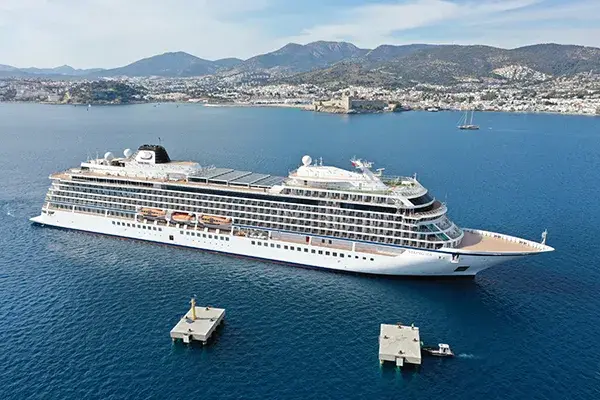 Cruise
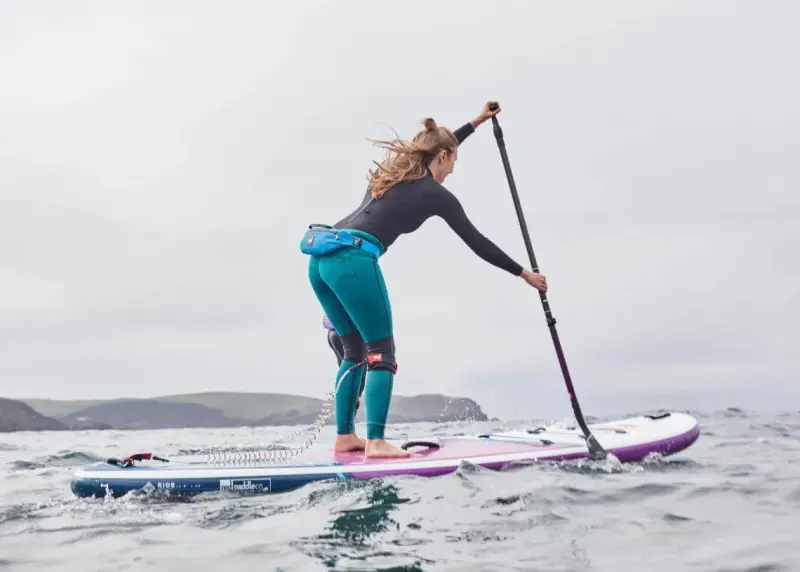 Water Activities
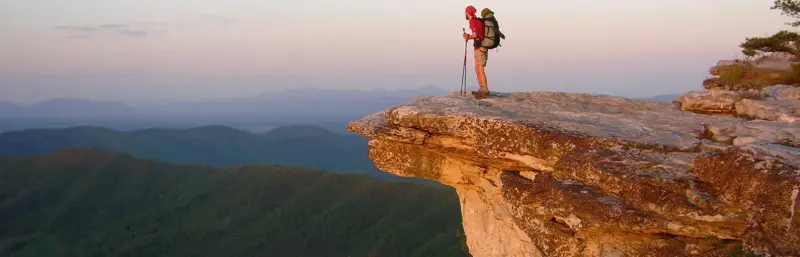 Backpacking
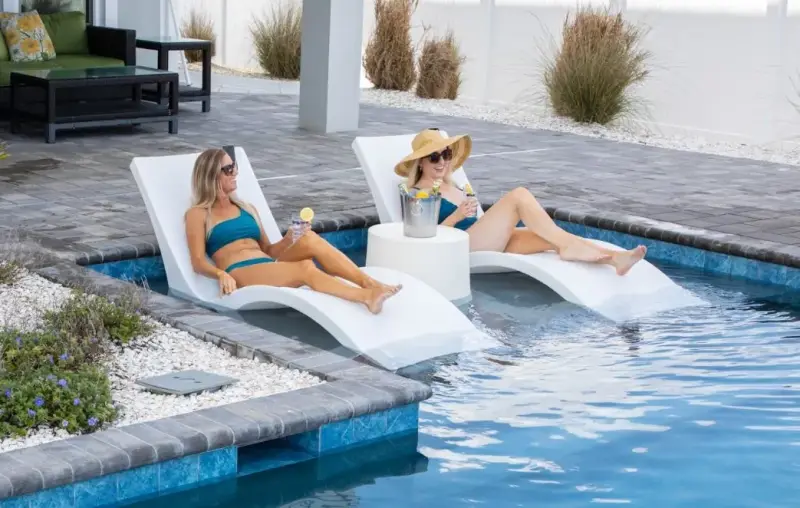 Luxury
 Photography
City Slickers
Heritage
 Beach & Relaxation
 Sports & Recreation
 Food & Wine
Train & River Journeys
Skiing
 Overland
Sweden at a glance
Currency (kronor), language, plugs, time zone and visas for one of Europe's most cashless countries.
Explore other countries
Pick a place by travel style: beaches, nature, cities, heritage, hills, islands, desert.
 ThailandTemples, street food and tropical islands
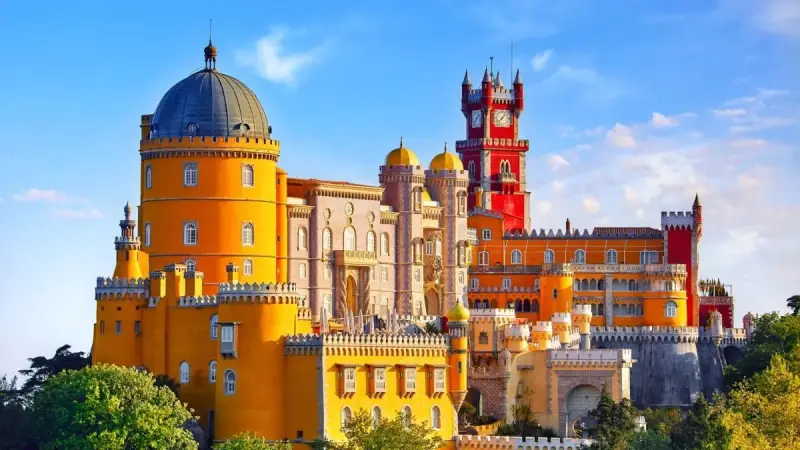 PortugalLisbon, Porto, the Algarve and island escapes
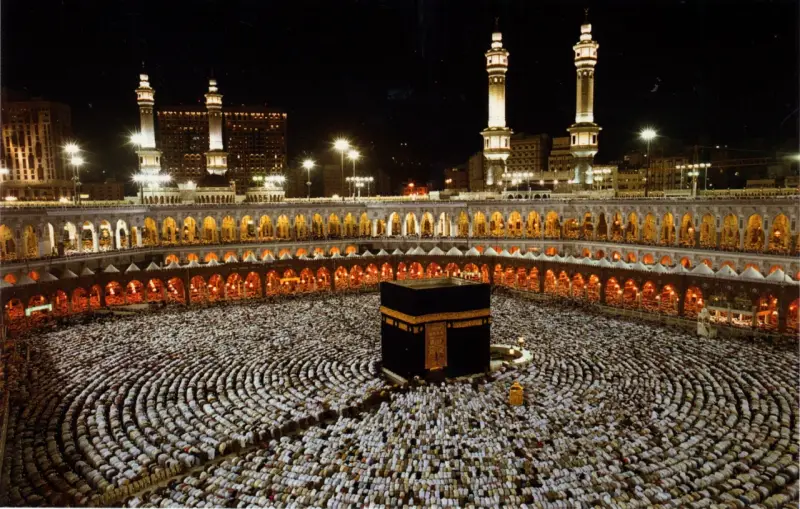 Saudi ArabiaAlUla, Red Sea coast and Arabian heritage
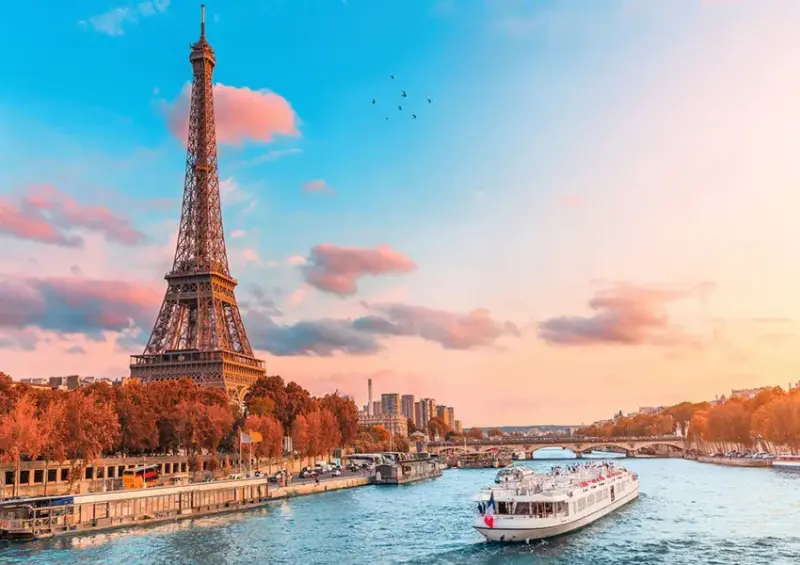 FranceParis, the Riviera, châteaux and Alpine peaks
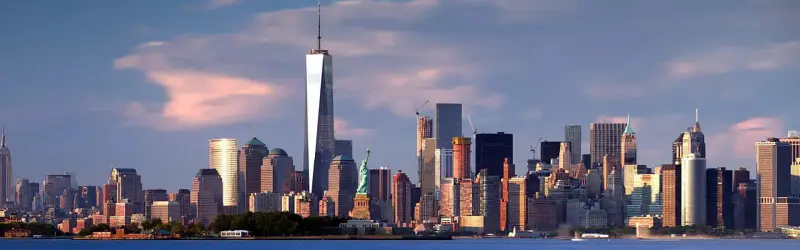 United StatesGreat cities, national parks and road trips
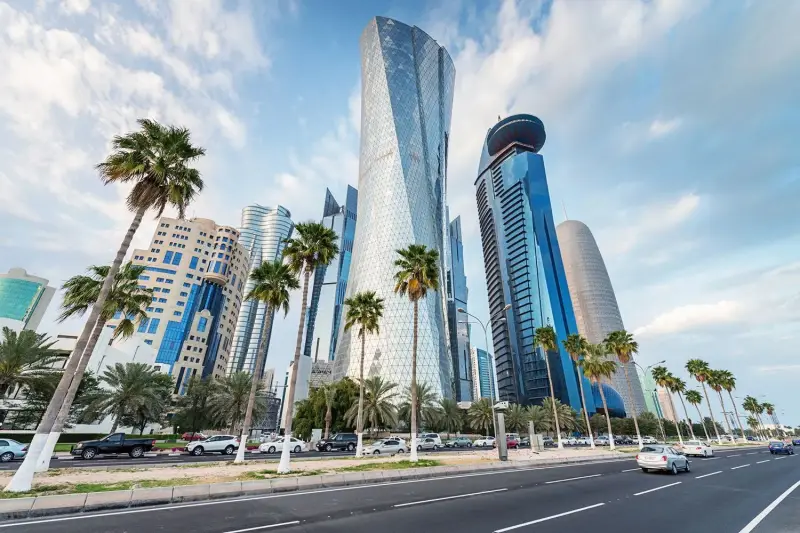 QatarDoha's museums, souqs and desert dunes
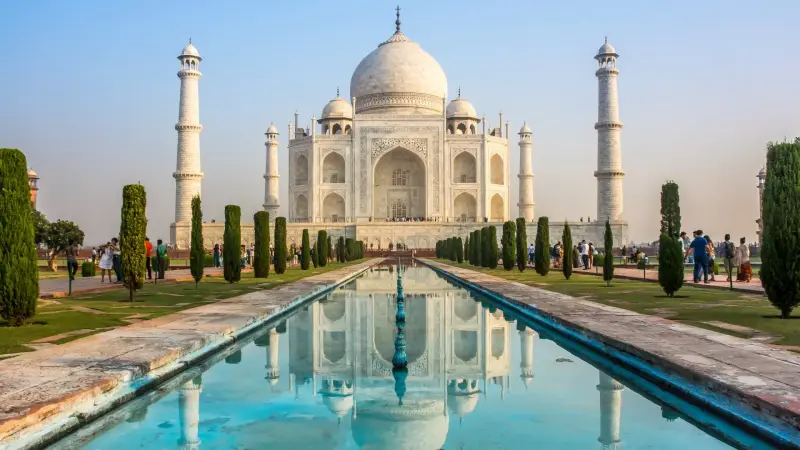 IndiaPalaces, temples, Himalaya and backwaters
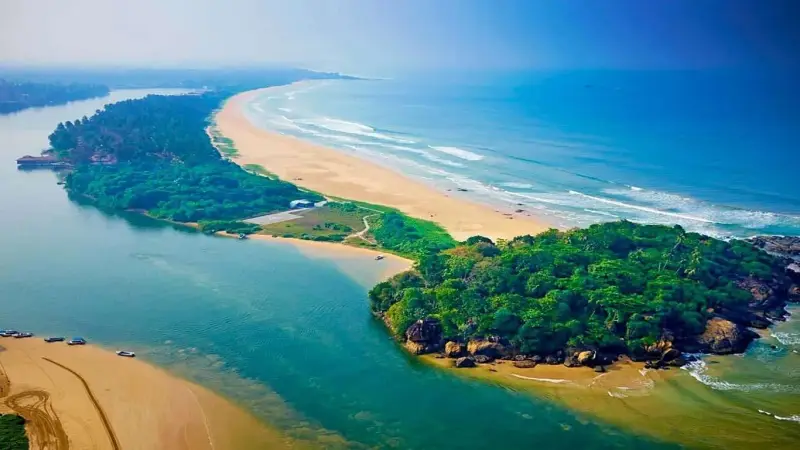 Sri LankaAncient cities, tea hills, wildlife and beaches
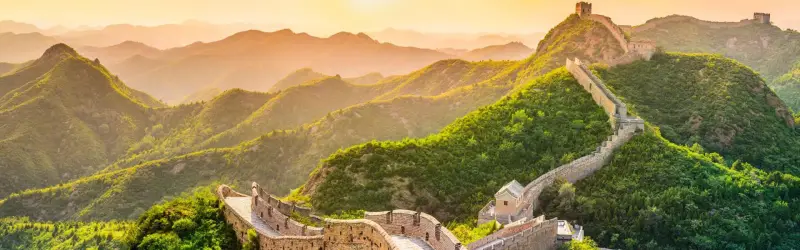 ChinaThe Great Wall, ancient capitals and mega-cities
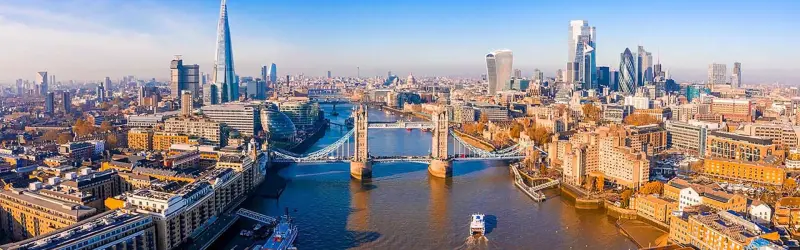 United KingdomLondon, castles, highlands and country villages
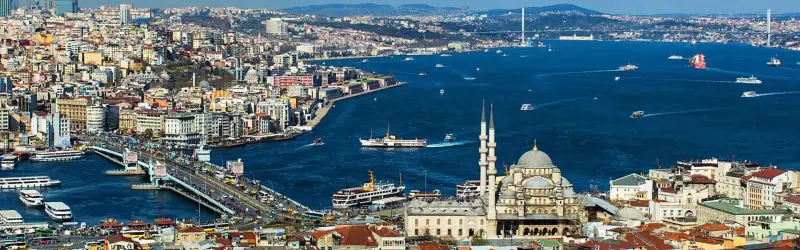 TurkeyIstanbul, Cappadocia and the Turquoise Coast
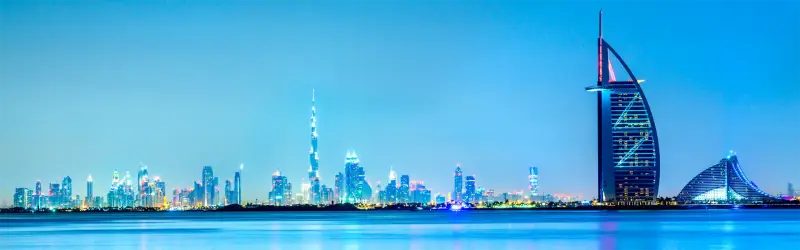 United Arab EmiratesDubai, Abu Dhabi and desert adventures
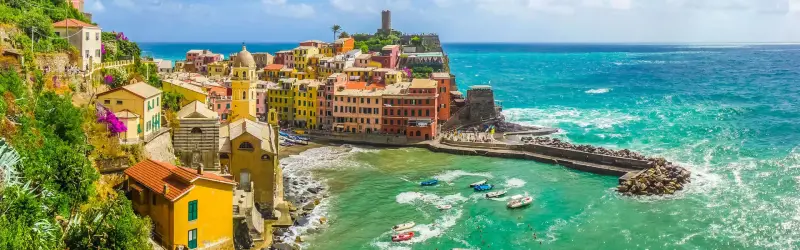 ItalyRome, Renaissance cities, lakes and coastlines
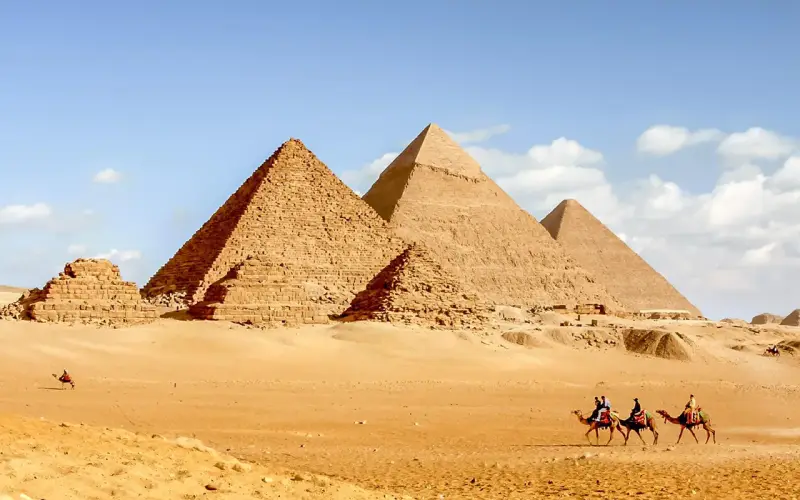 EgyptPyramids, Nile temples and Red Sea reefs
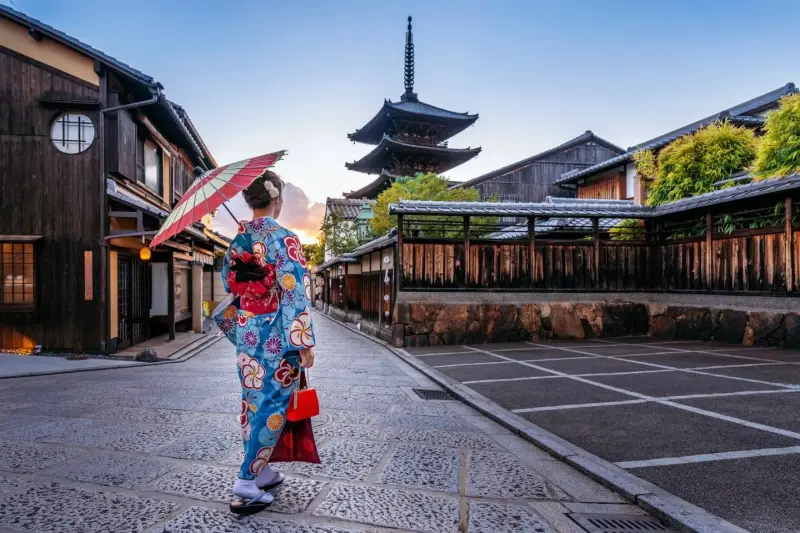 JapanTokyo, Kyoto's temples and Mount Fuji
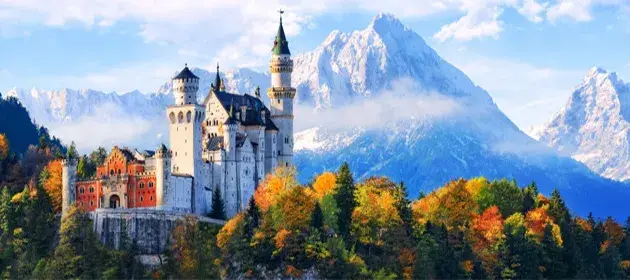 GermanyBerlin, castles, the Rhine and the Alps
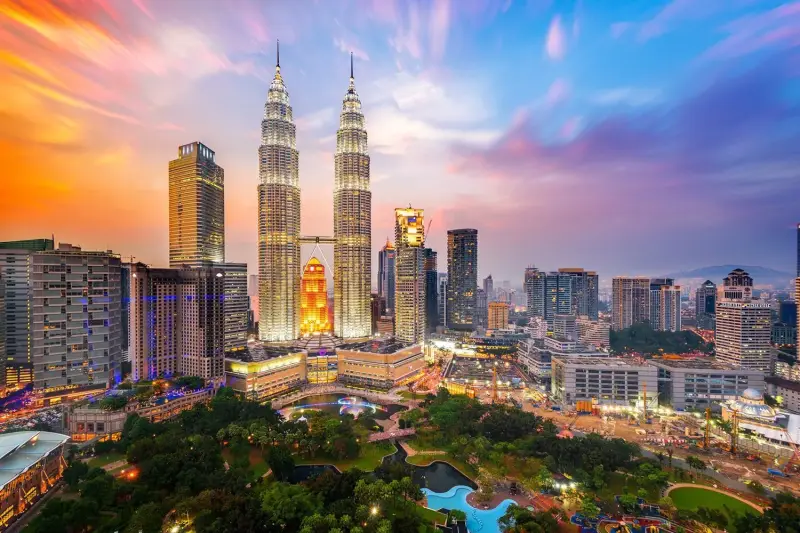 MalaysiaKuala Lumpur, rainforest, islands and street food
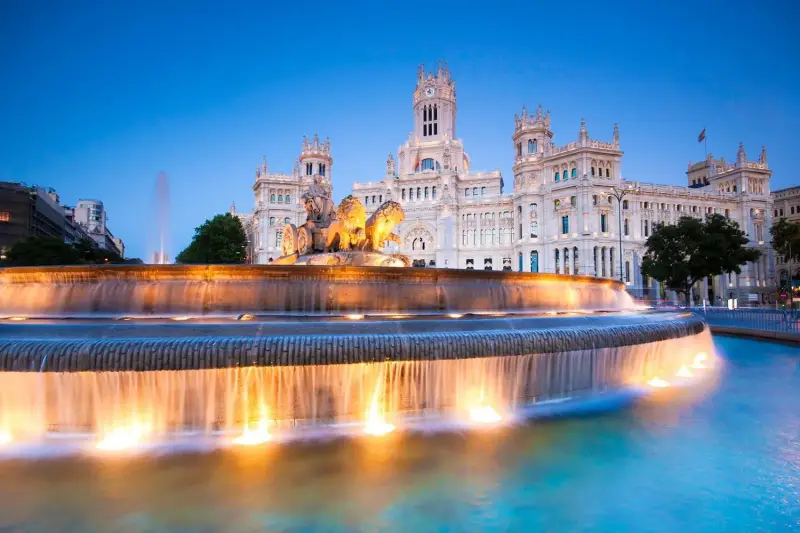 SpainBeaches, tapas, flamenco and Gaudí
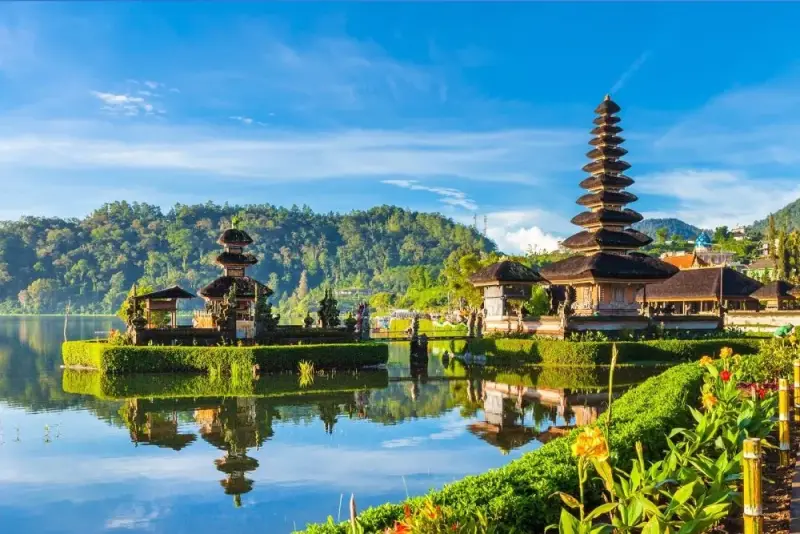 IndonesiaBali, Komodo, Borobudur and 17,000 islands
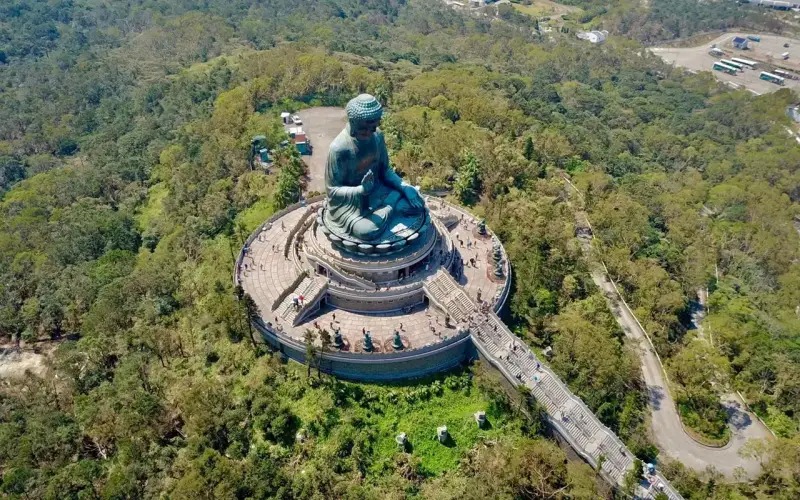 Hong KongSkyline, harbour, dim sum and hiking trails
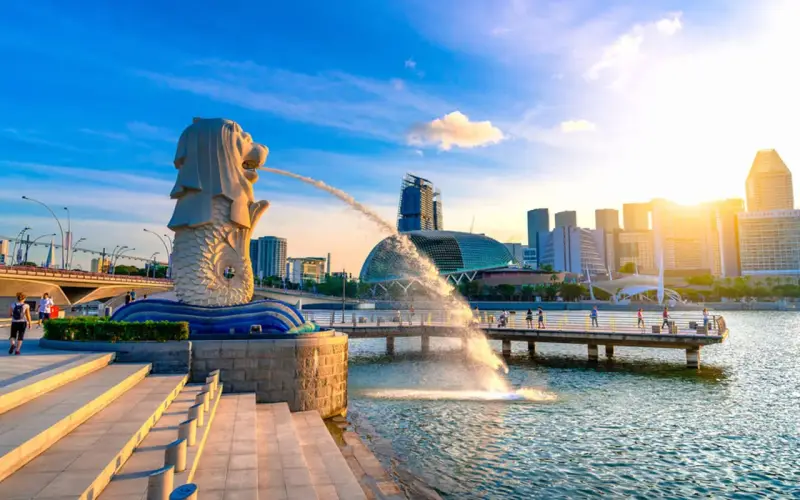 SingaporeGardens, hawker food and a dazzling skyline
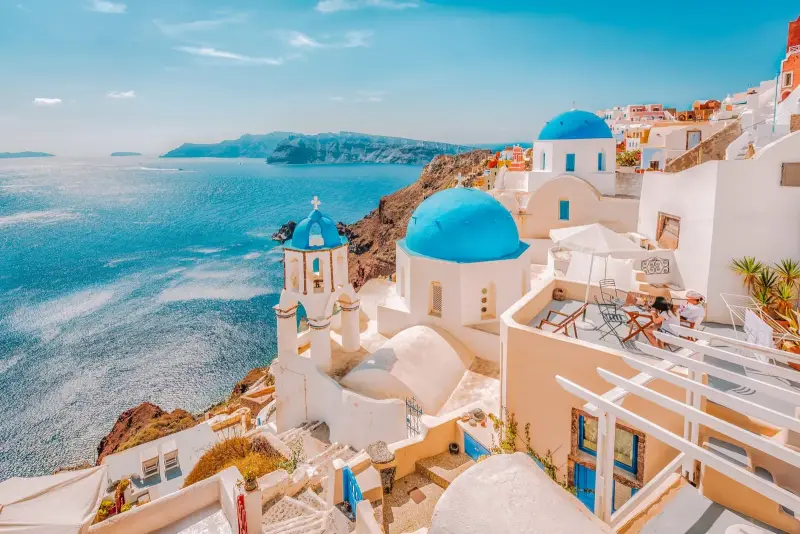 GreeceAncient wonders and Aegean islands
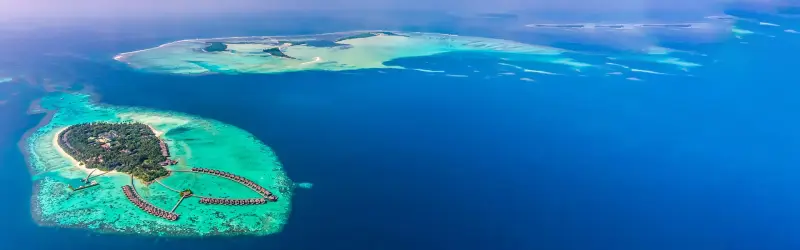 MaldivesOverwater villas and coral atolls
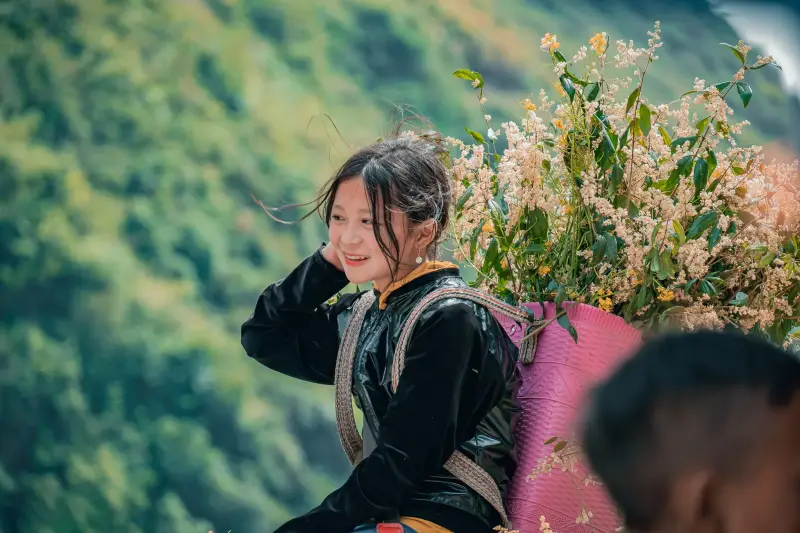 VietnamHa Long Bay, Hoi An and street food
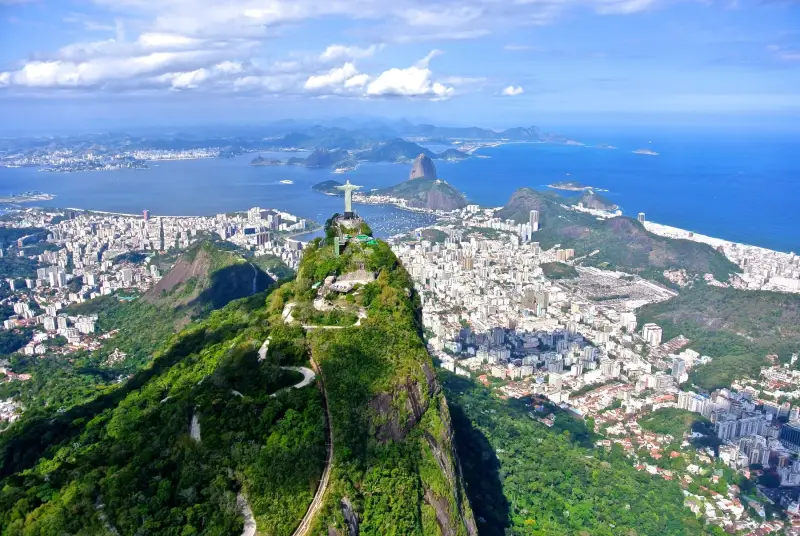 BrazilRio, the Amazon, Iguaçu and endless beaches
 AustraliaReef, outback, beaches and laid-back cities
 South KoreaSeoul's palaces, K-culture and mountain temples
 SwitzerlandAlps, lakes, trains and chocolate
 MexicoMaya ruins, Caribbean beaches and Mexico City
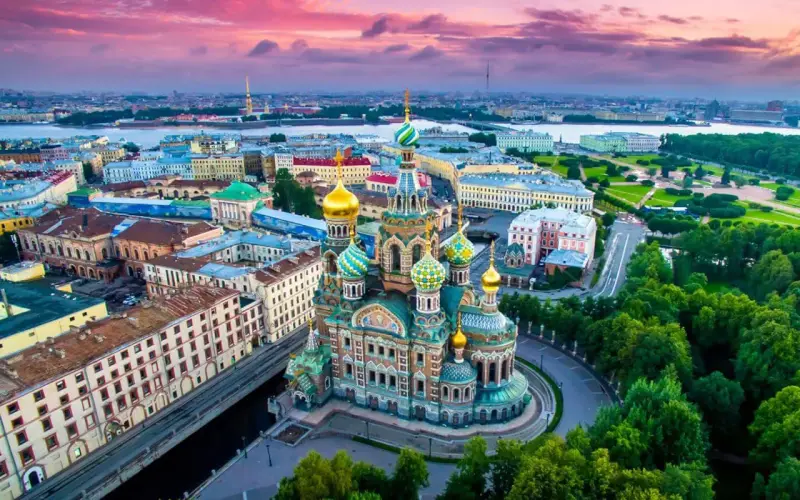 RussiaMoscow, St Petersburg and vast landscapes
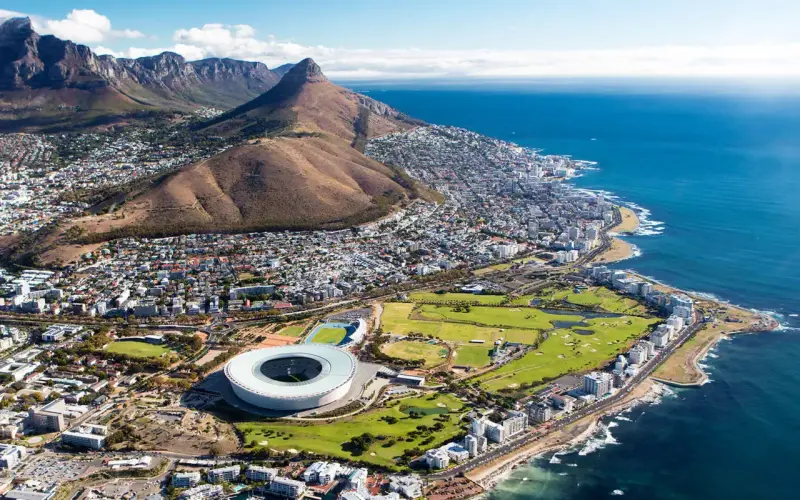 South AfricaSafaris, Cape Town and the Garden Route
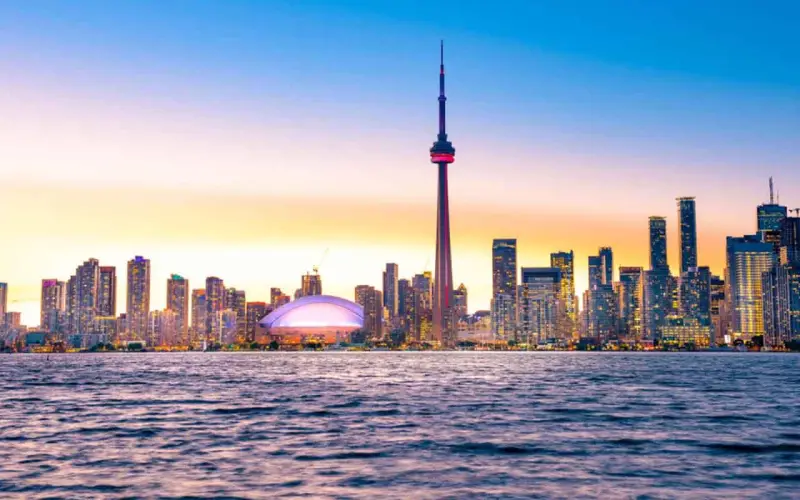 CanadaRockies, lakes, wildlife and friendly cities
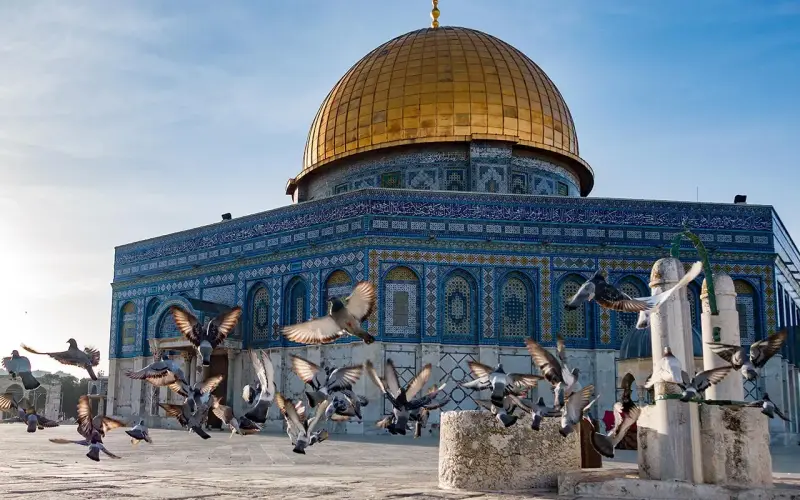 PalestineBethlehem, Jericho and ancient holy sites
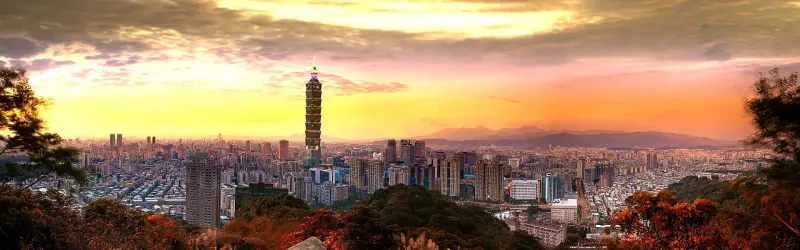 TaiwanNight markets, mountains and Taipei 101
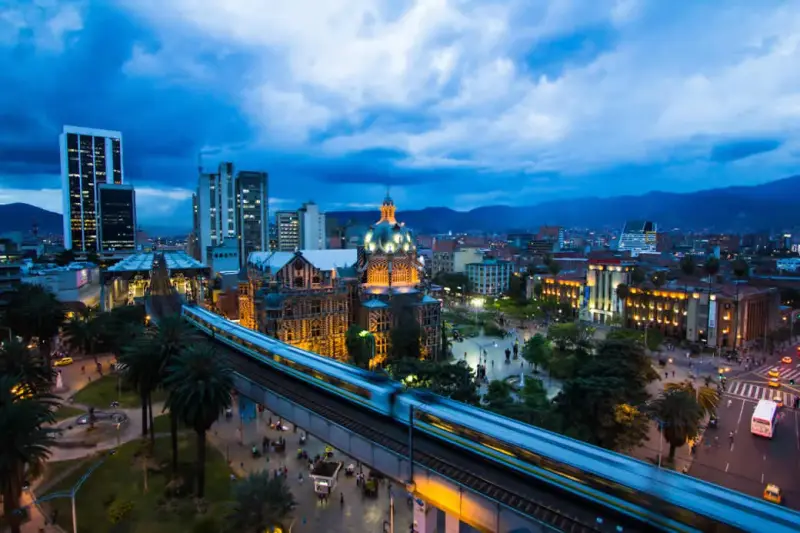 ColombiaCaribbean coast, coffee country and Andean cities
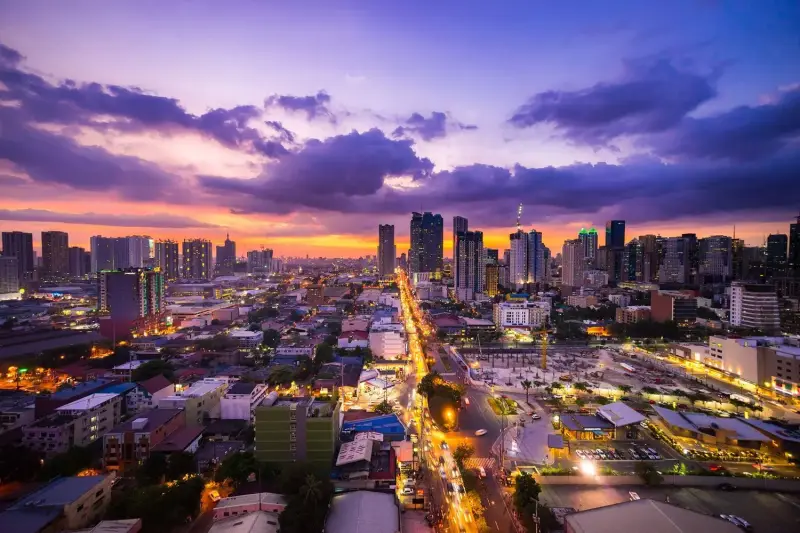 Philippines7,000 islands of beaches, reefs and rice terraces
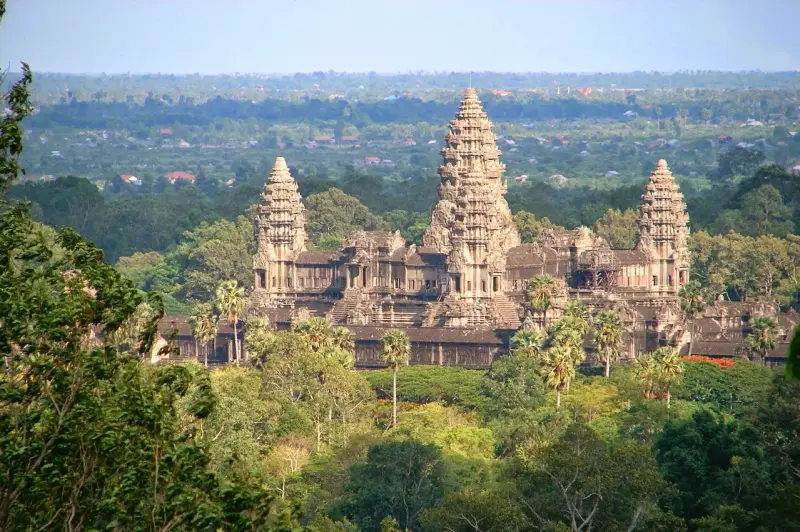 CambodiaAngkor's temples, river life and islands
 IsraelJerusalem, the Dead Sea and Tel Aviv beaches
 NetherlandsCanals, bikes, tulips and Dutch masters
 ArgentinaTango, glaciers, waterfalls and the Andes
 AustriaVienna's palaces, Alpine villages and music
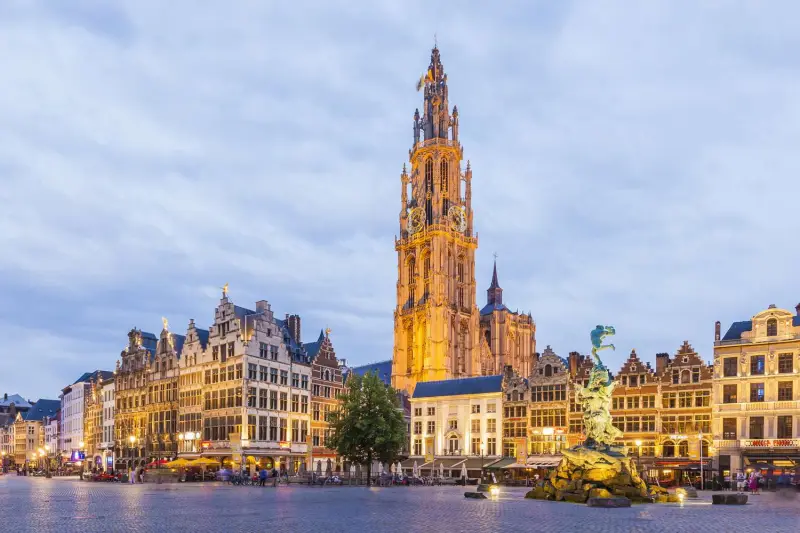 BelgiumMedieval towns, art, chocolate and beer
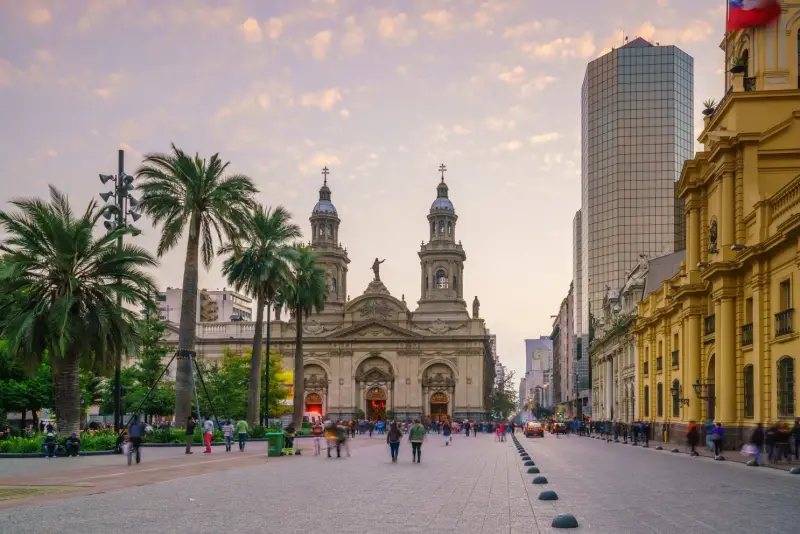 ChilePatagonia, the Atacama and the Andes
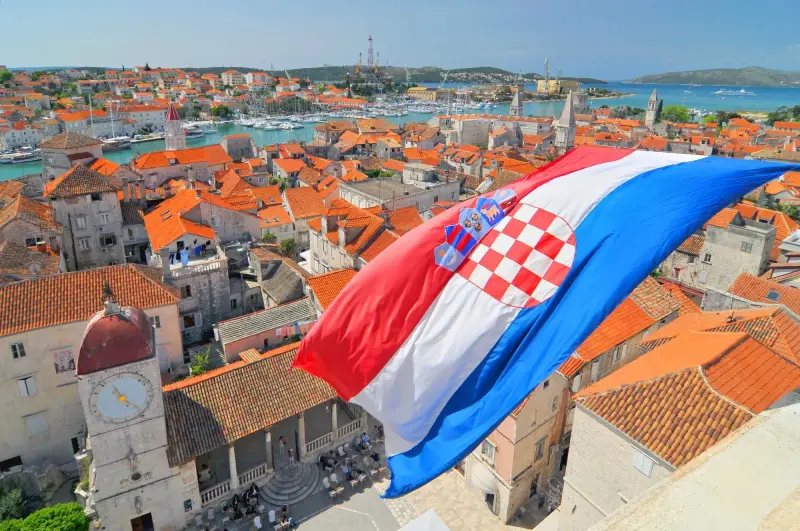 CroatiaAdriatic islands, walled towns and lakes
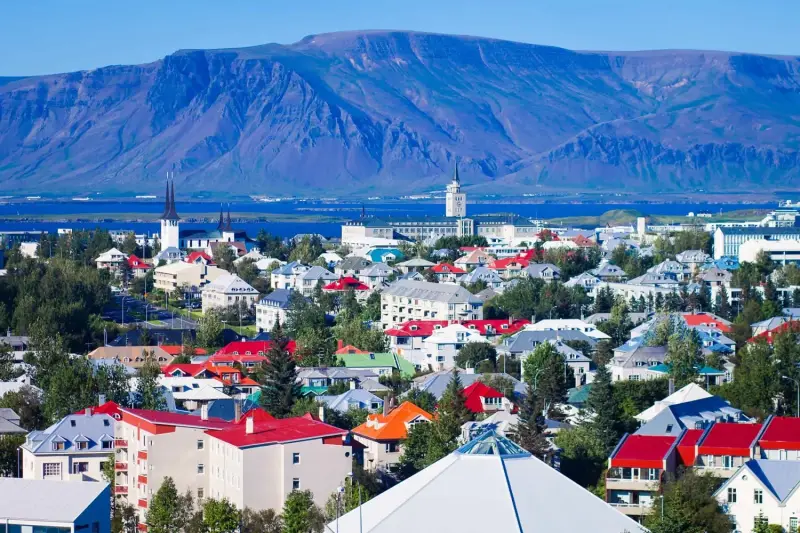 IcelandWaterfalls, glaciers, volcanoes and northern lights
 IrelandGreen coasts, lively pubs and Celtic heritage
 JordanPetra, Wadi Rum and the Dead Sea
 MadagascarLemurs, baobabs and unique wildlife
 MauritiusLagoons, mountains and multicultural flavours
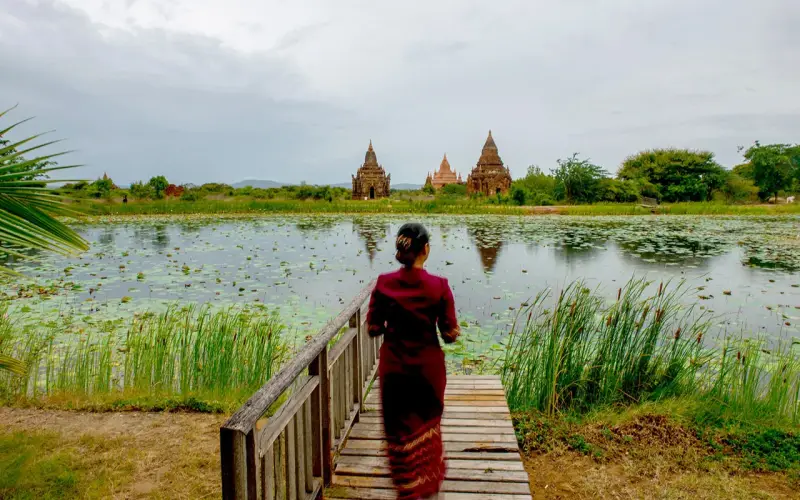 MyanmarBagan's temples and the Shwedagon Pagoda
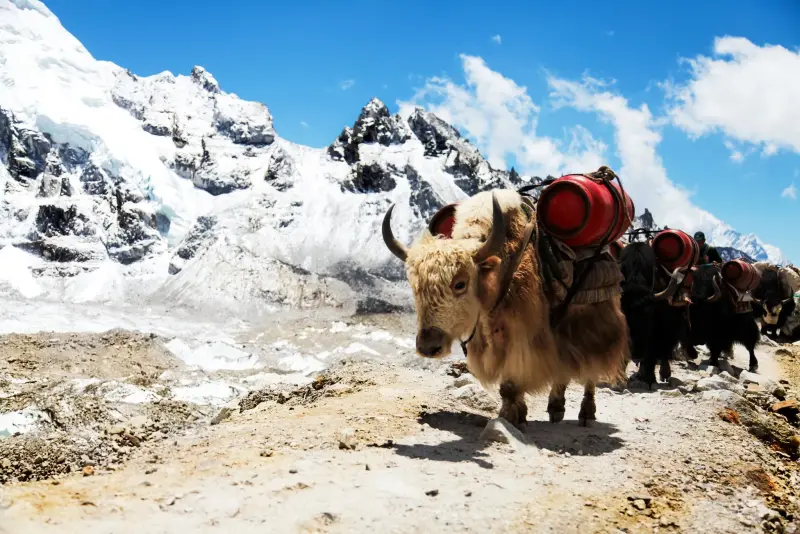 NepalEverest, the Annapurnas and Kathmandu's temples
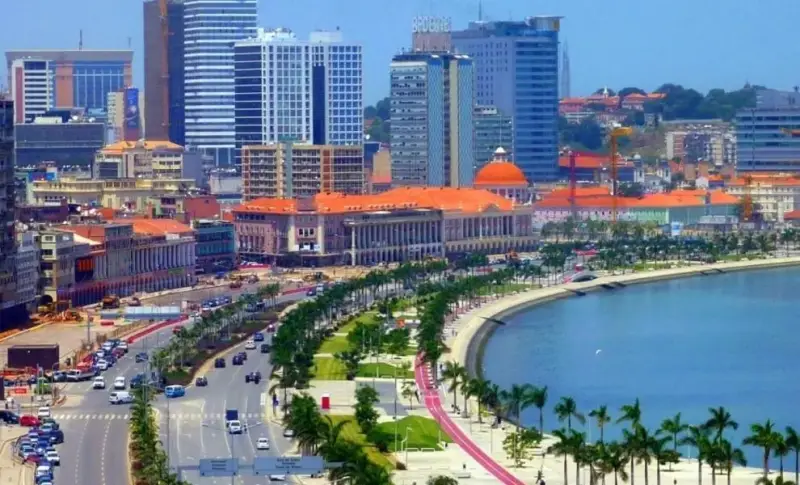 NigeriaLagos energy, Afrobeats and cultural heritage
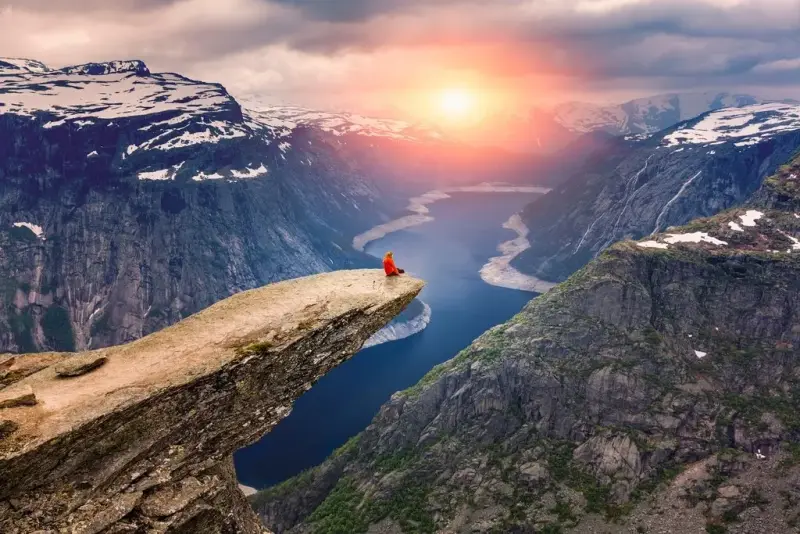 NorwayFjords, northern lights and the midnight sun
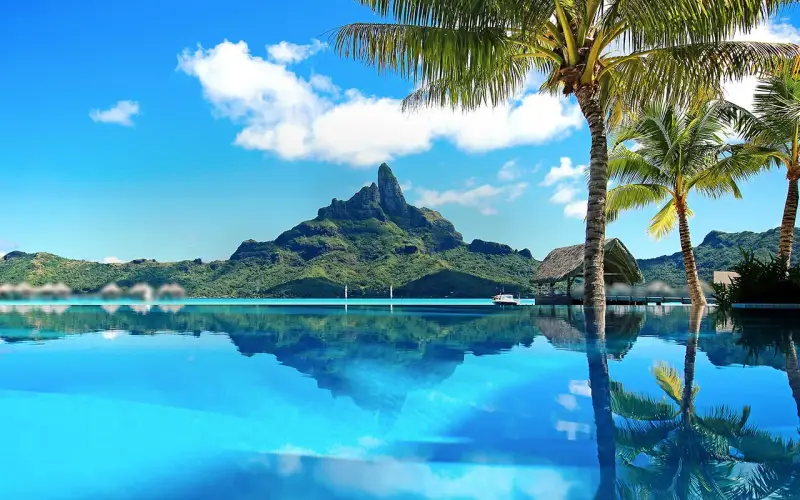 TahitiGateway to French Polynesia
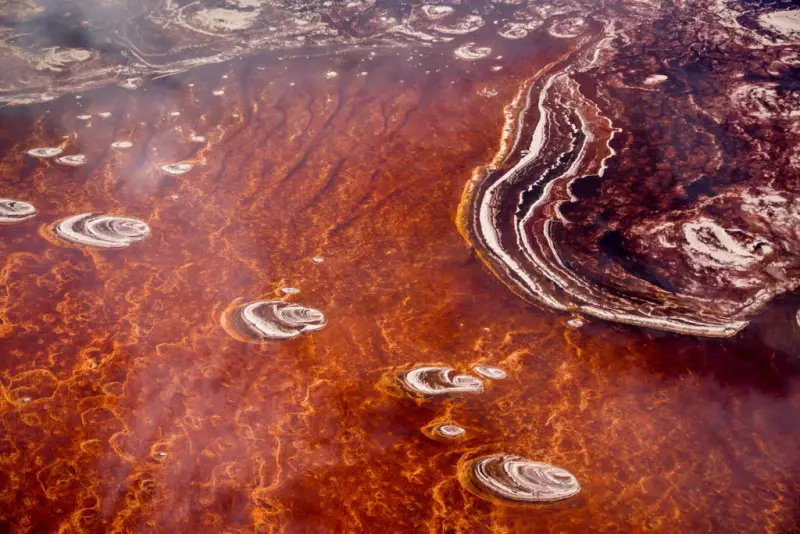 TanzaniaSerengeti, Kilimanjaro and Zanzibar
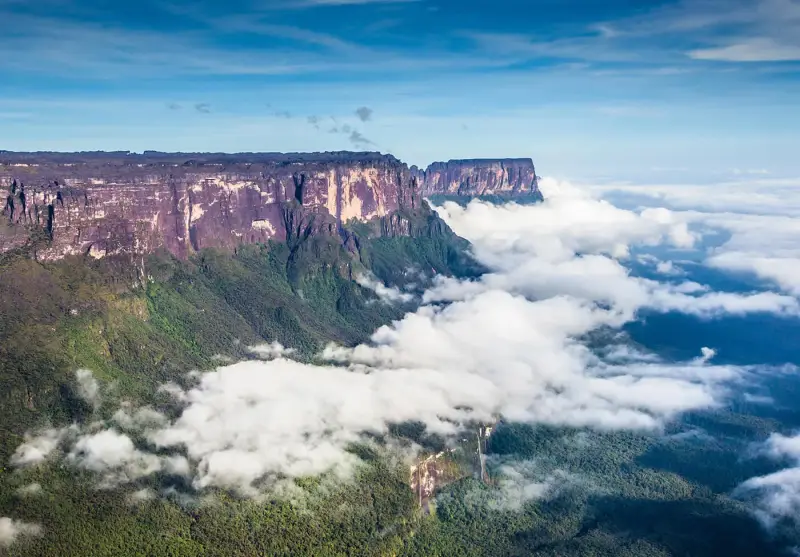 VenezuelaAngel Falls, Los Roques and the Andes
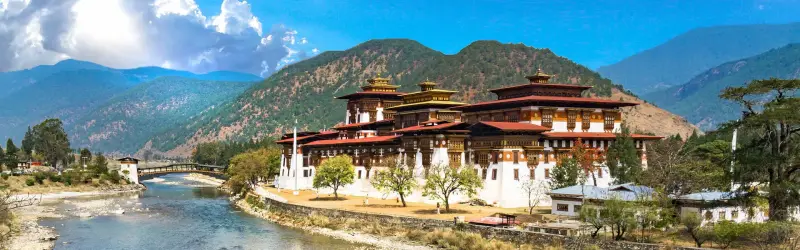 BhutanHimalayan monasteries and Gross National Happiness
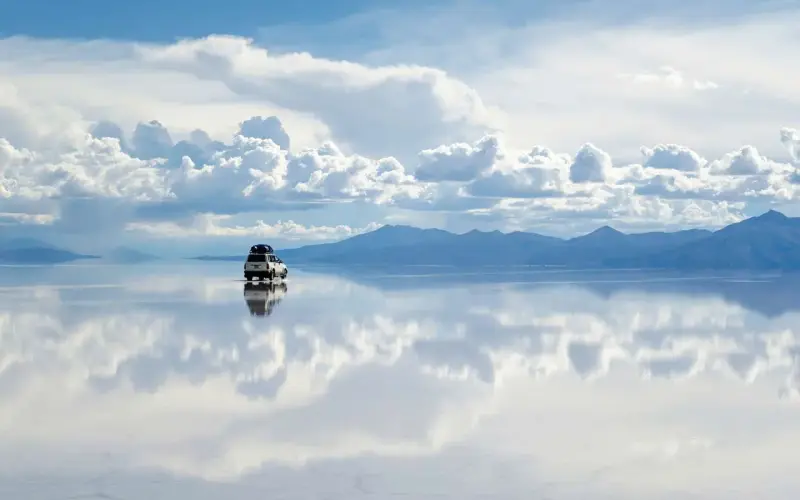 BoliviaSalt flats, Andean lakes and colonial cities
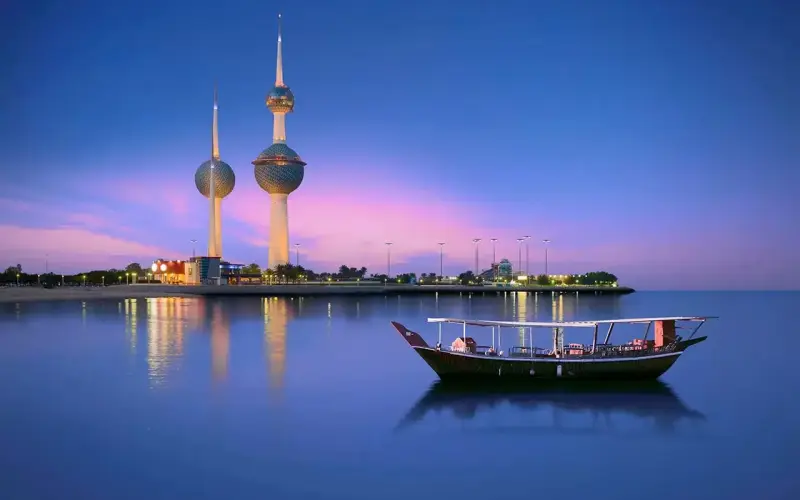 KuwaitGulf city-state
 MoroccoMedinas, Sahara dunes and Atlas mountains
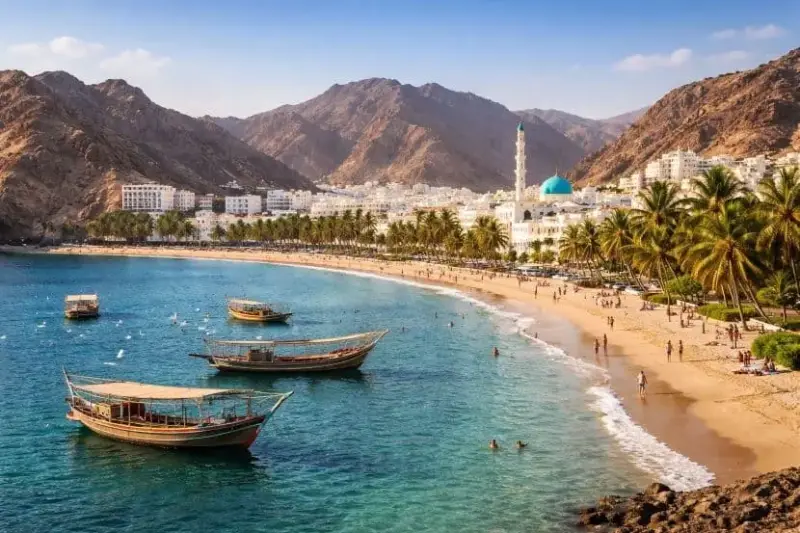 OmanForts, wadis, deserts and Arabian coast
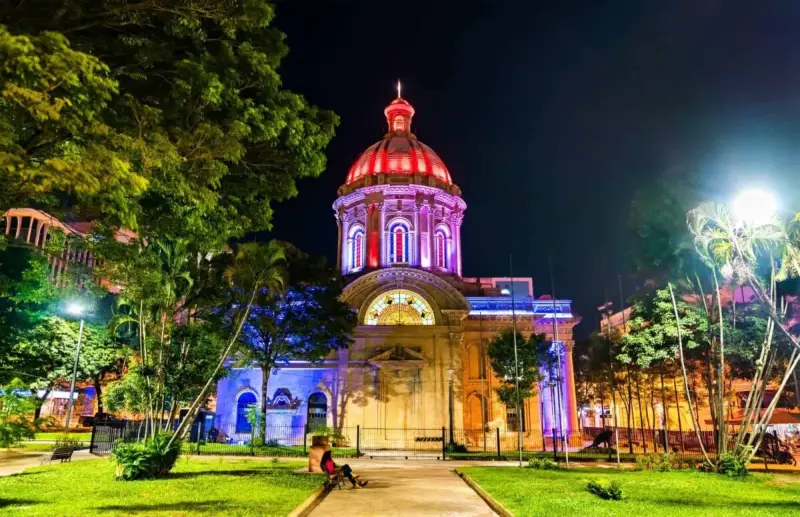 ParaguayJesuit missions, wetlands and the Chaco
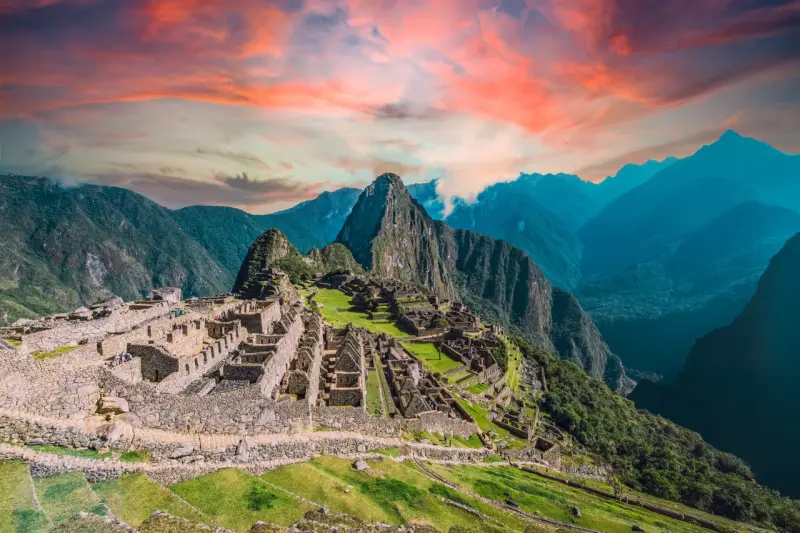 PeruMachu Picchu, the Andes and the Amazon
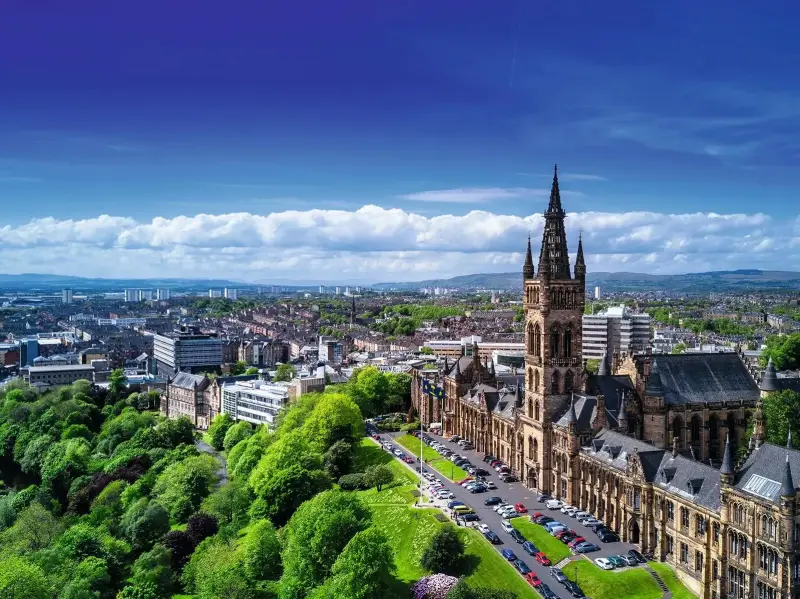 ScotlandHighlands, castles, islands and whisky
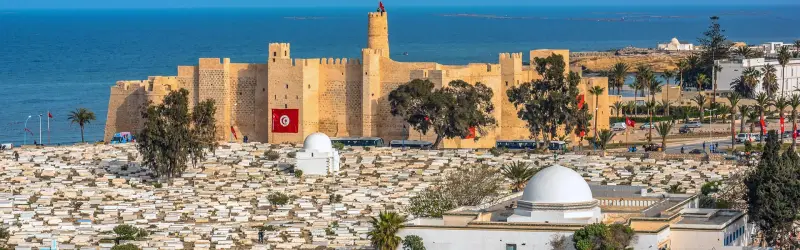 TunisiaCarthage, Sahara and Mediterranean beaches
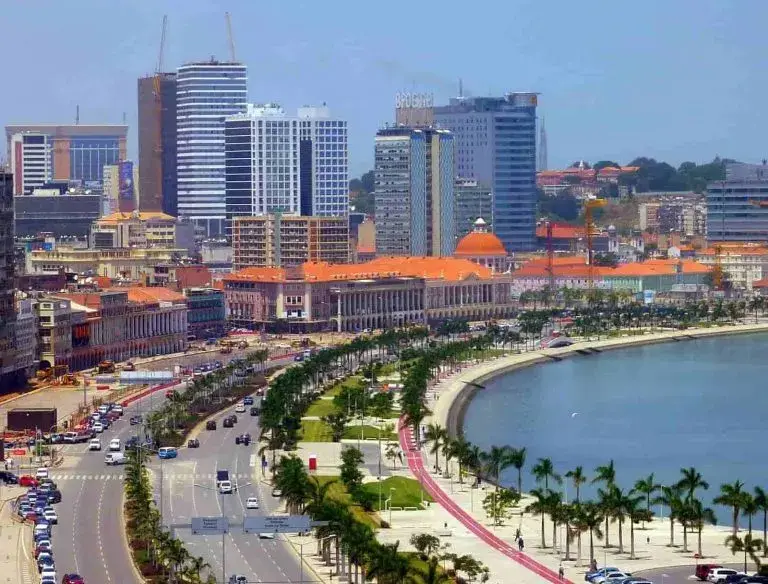 AngolaAtlantic coast, waterfalls and desert landscapes
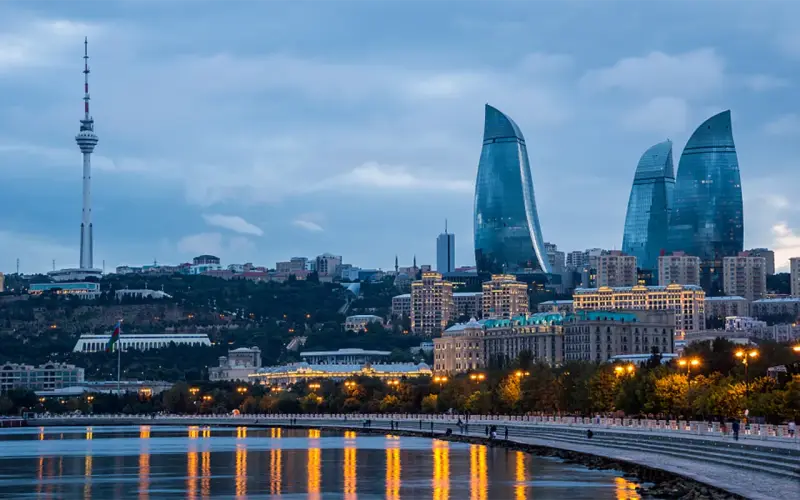 AzerbaijanBaku's flame towers and Caspian Sea culture
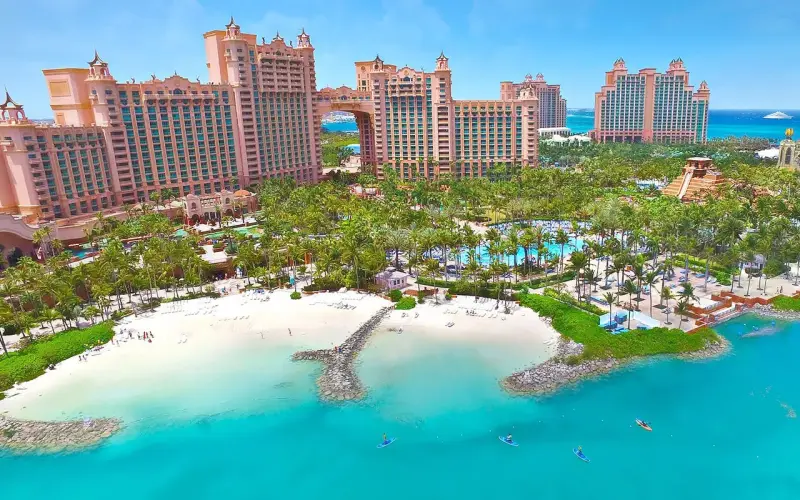 BahamasTurquoise water across 700 islands
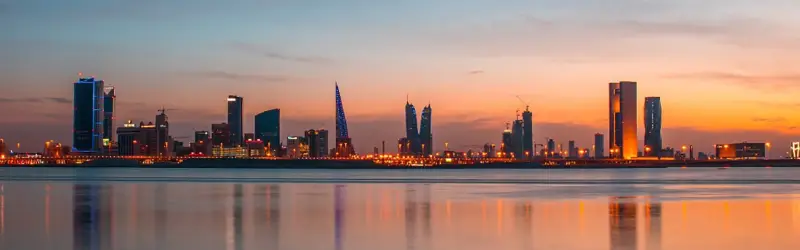 BahrainPearling heritage and Gulf city life
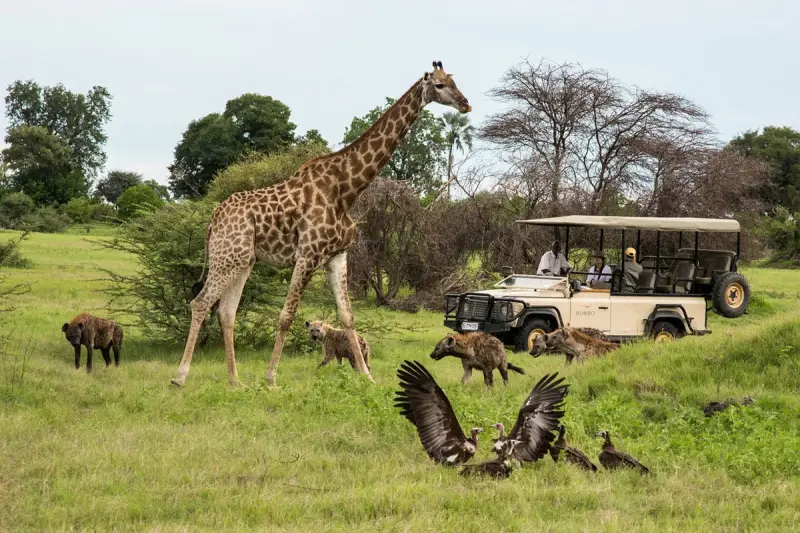 BotswanaOkavango Delta safaris and Kalahari skies
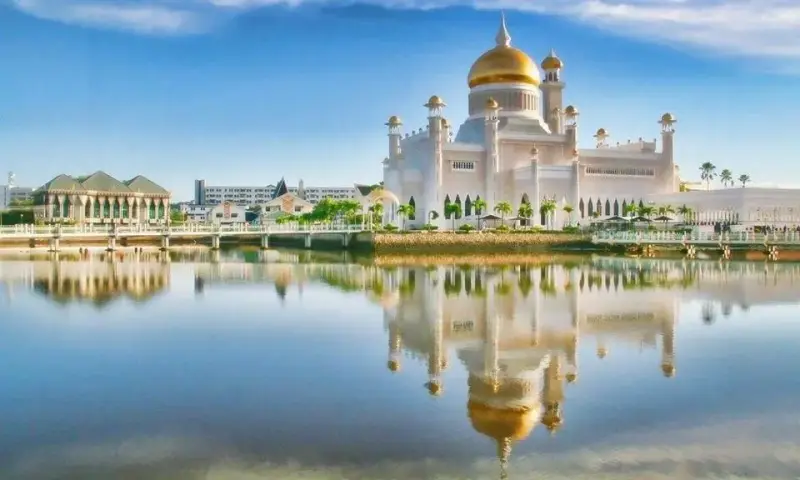 BruneiGolden mosques and pristine Borneo rainforest
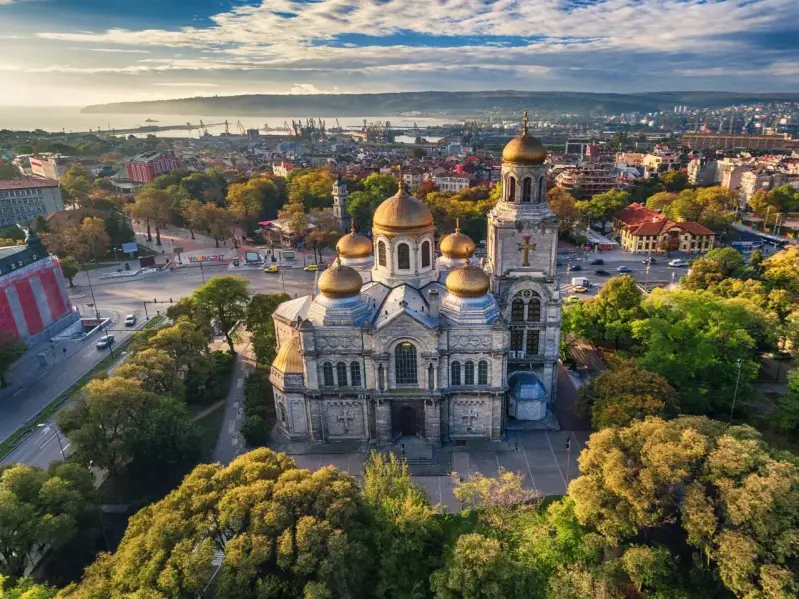 BulgariaBlack Sea beaches, mountains and monasteries
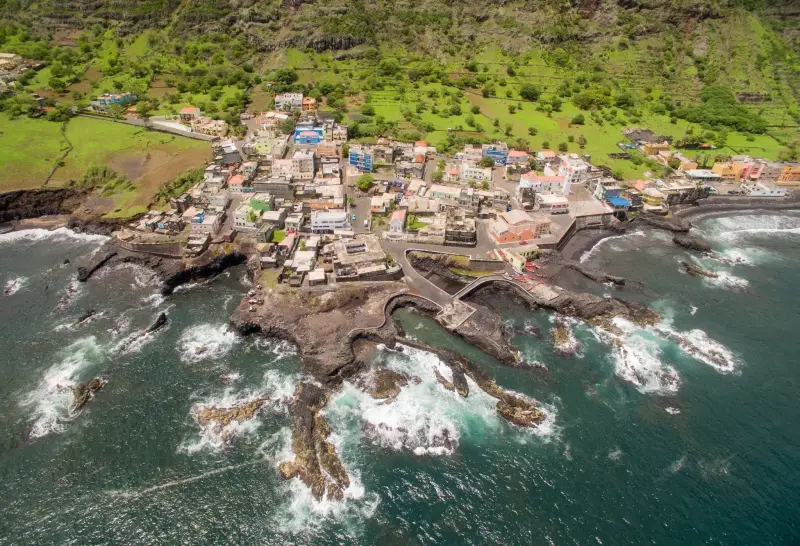 Cape Verde IslandsAtlantic islands of beaches, volcanoes and morna
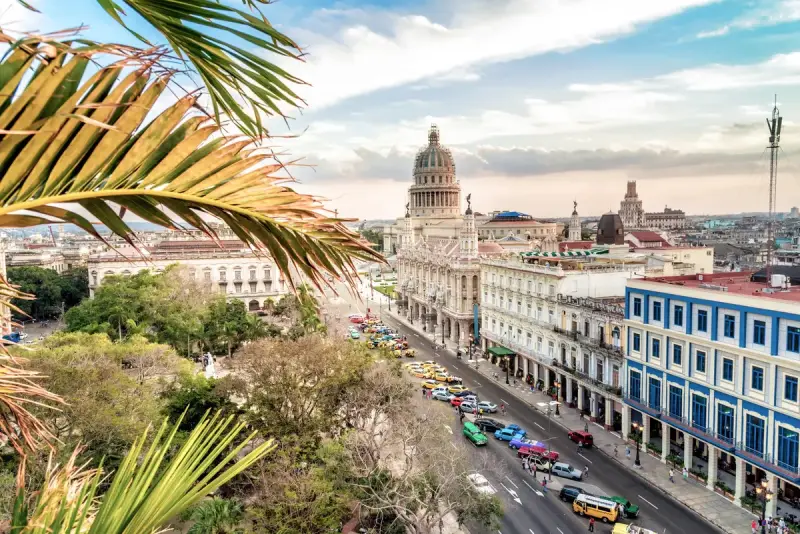 CubaHavana, Trinidad, tobacco valleys and beaches
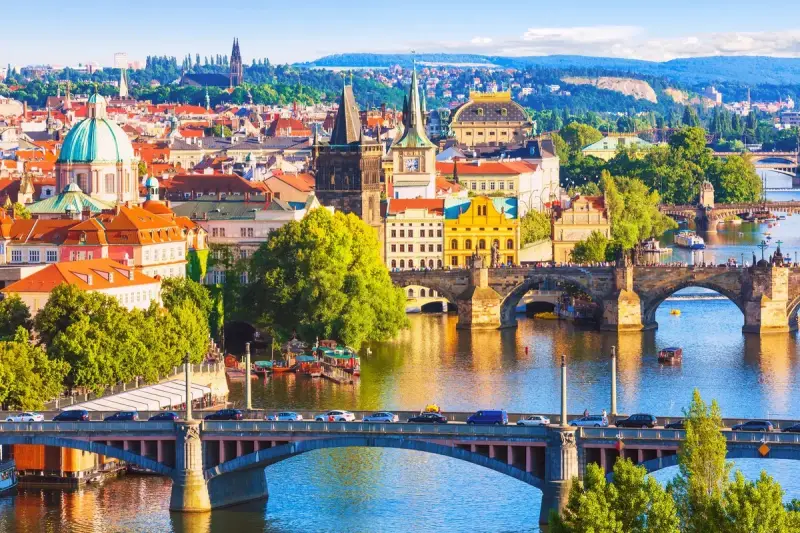 Czech RepublicPrague, castles and spa towns
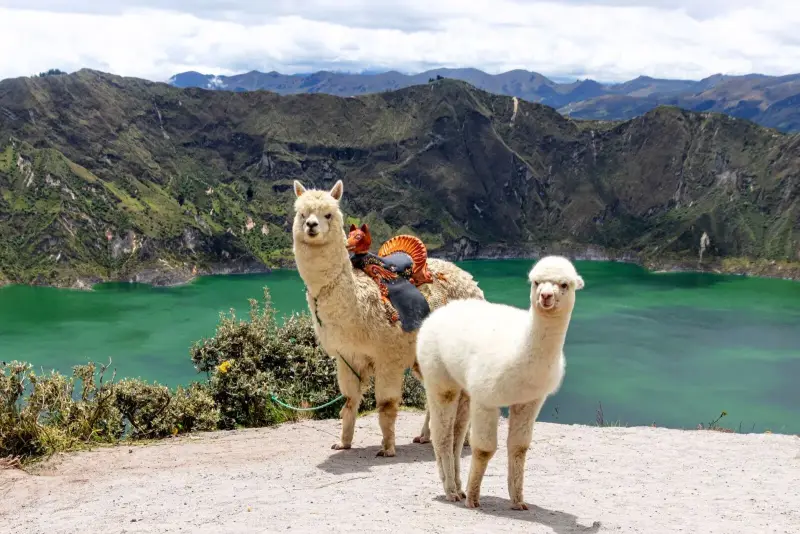 EcuadorGalápagos, Andes volcanoes and the Amazon
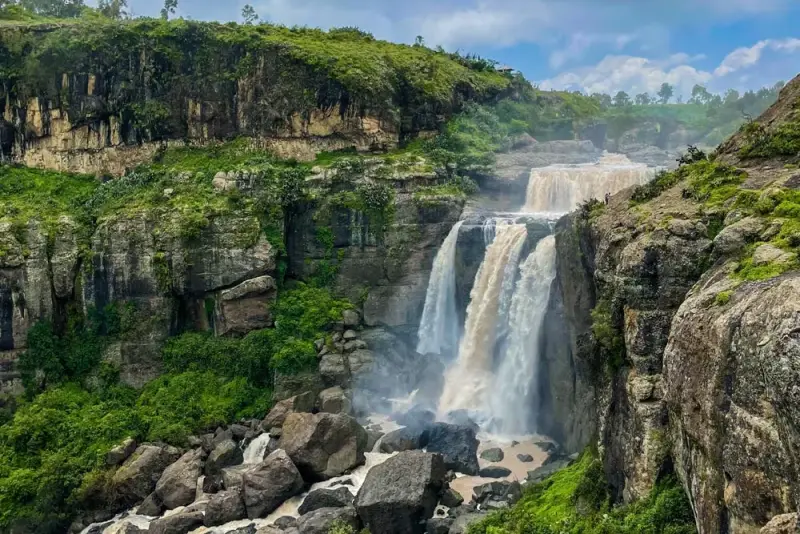 EthiopiaRock-hewn churches, highlands and ancient kingdoms
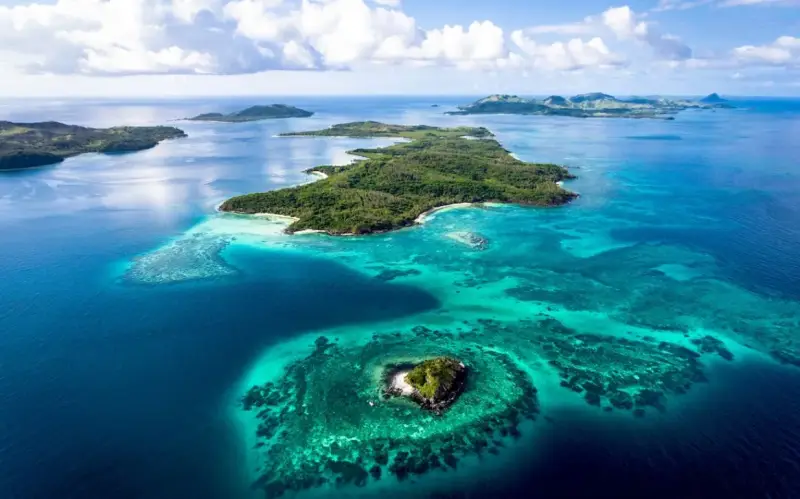 FijiCoral islands, warm welcomes and soft coral reefs
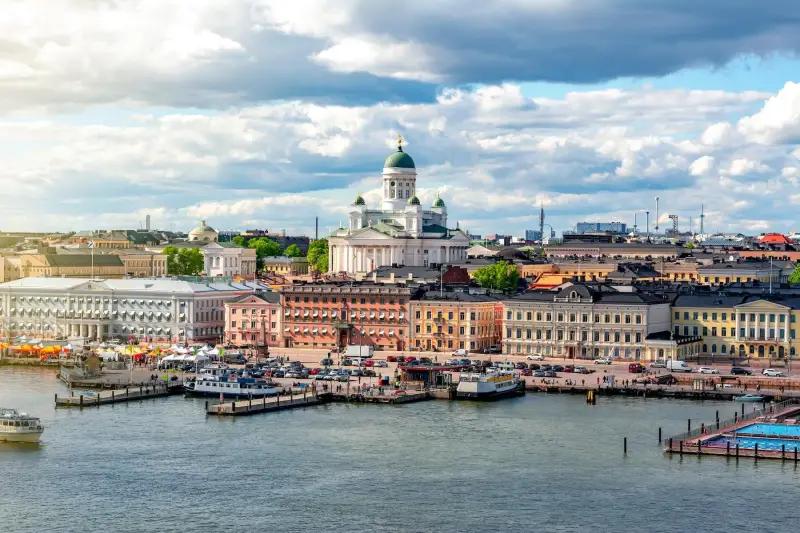 FinlandLakes, Lapland and the northern lights
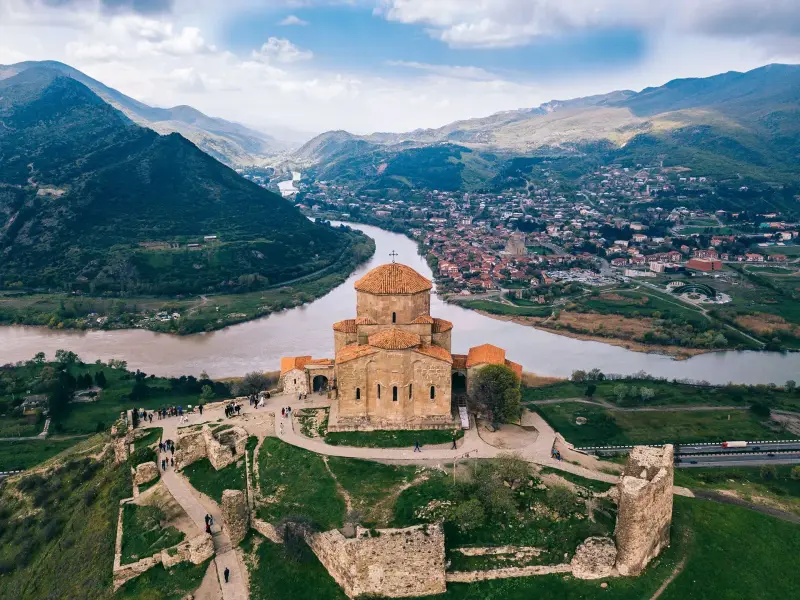 GeorgiaCaucasus peaks, wine and Tbilisi's old town
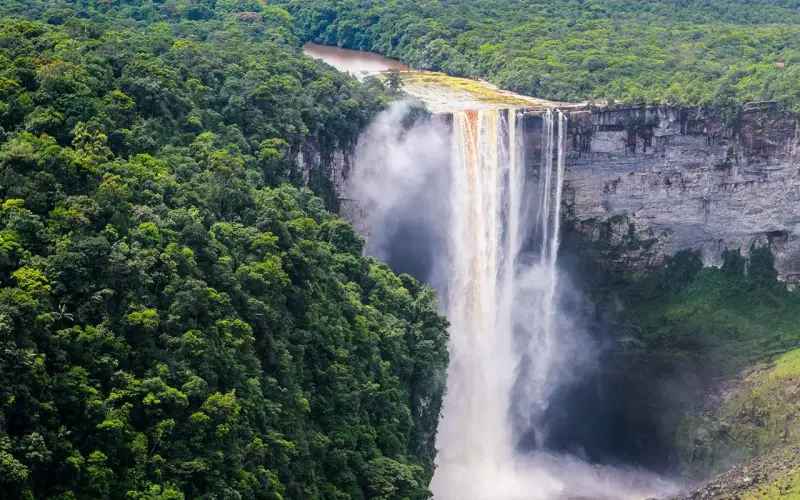 GuyanaKaieteur Falls and untouched rainforest
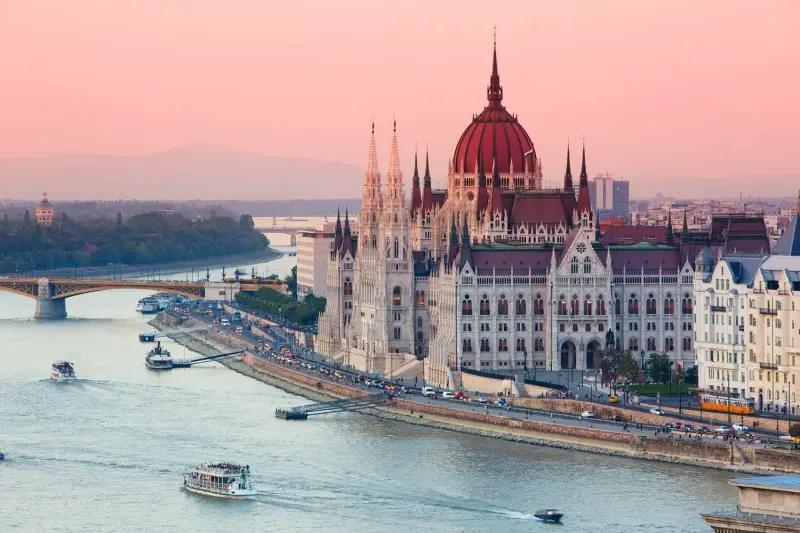 HungaryBudapest's baths, Lake Balaton and wine
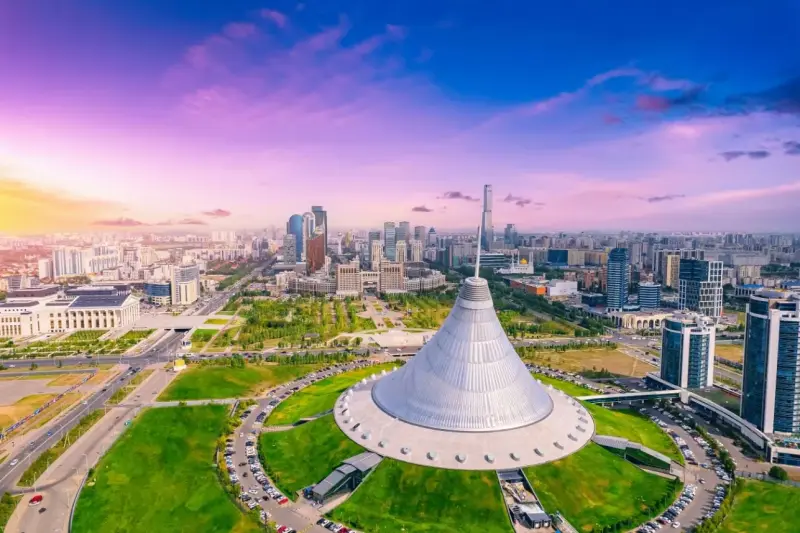 KazakhstanSteppe, canyons and Silk Road cities
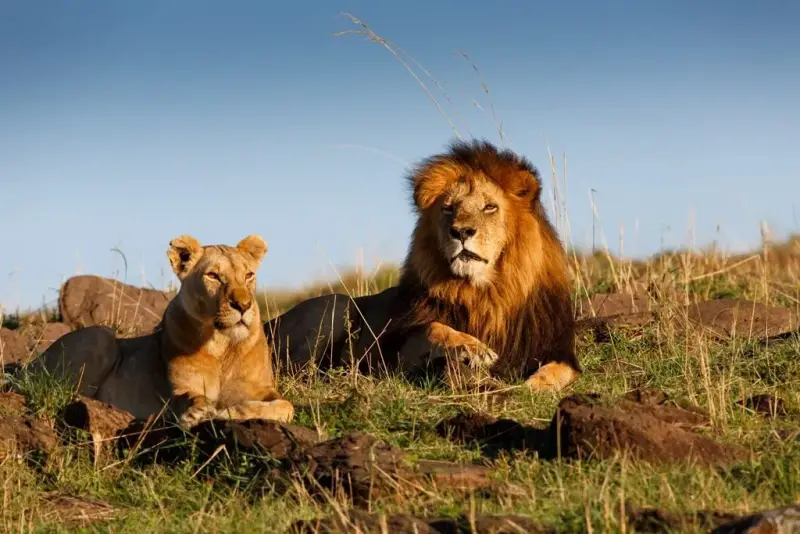 KenyaSafaris, the Great Migration and Indian Ocean beaches
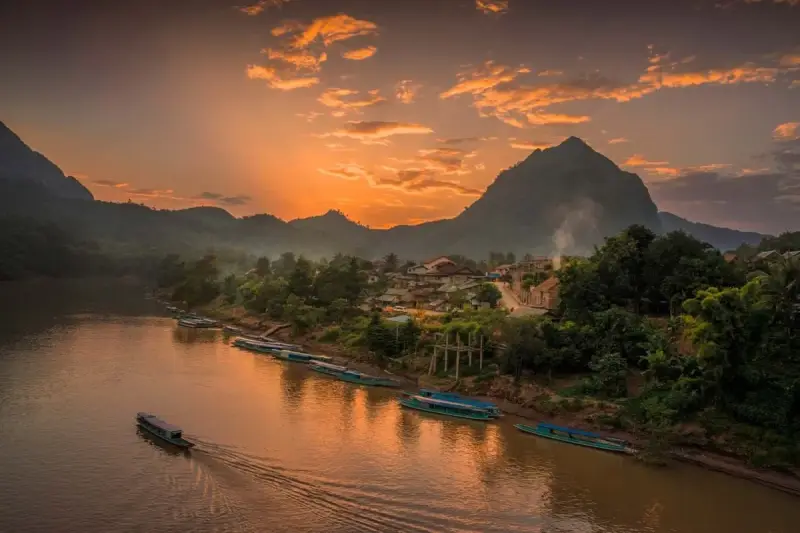 LaosLuang Prabang, the Mekong and limestone karsts
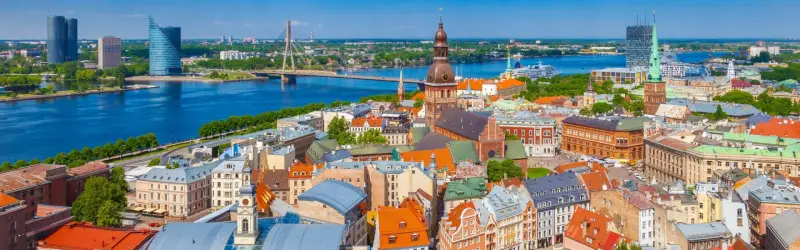 LatviaRiga's Art Nouveau and Baltic beaches
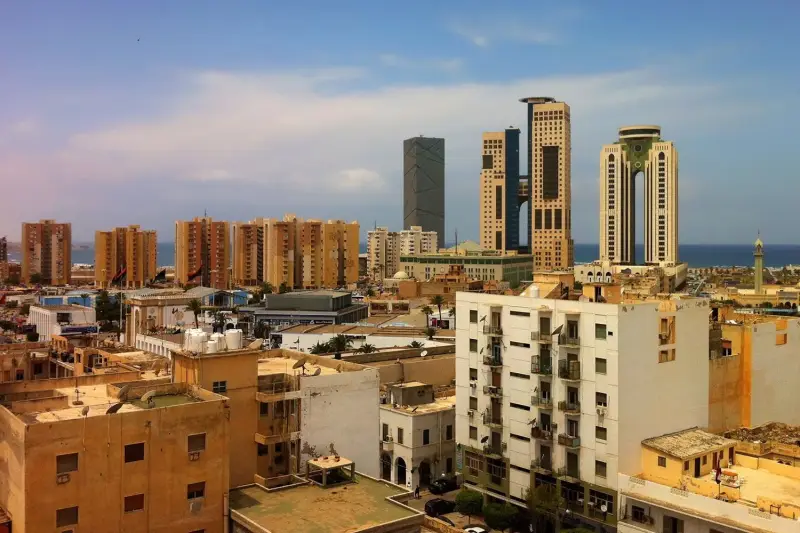 LibyaRoman ruins and Sahara
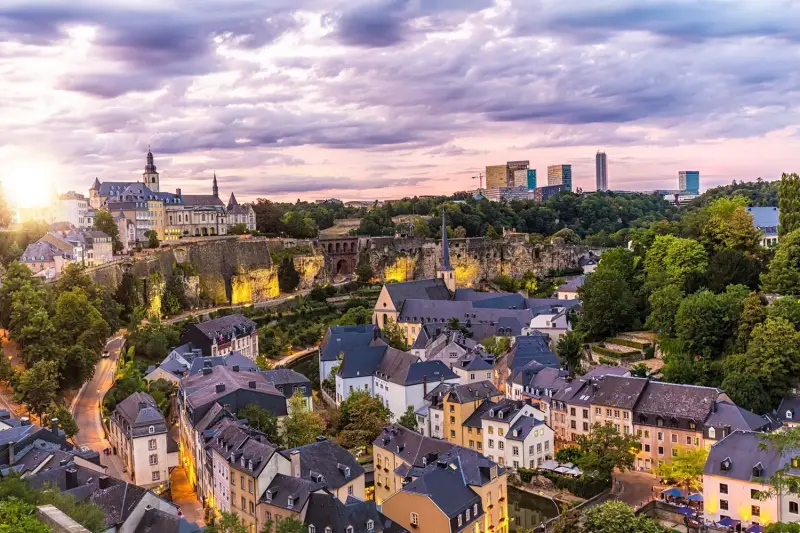 LuxembourgFortress city, castles and free public transport
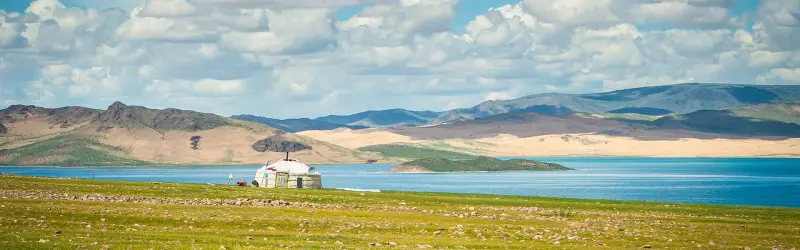 MongoliaSteppe, Gobi Desert and nomad life
 MozambiqueIndian Ocean islands and coral coast
 New ZealandFiords, glaciers, volcanoes and Māori culture
 PakistanKarakoram peaks, Mughal Lahore and mountain valleys
 PanamaThe canal, islands and rainforest
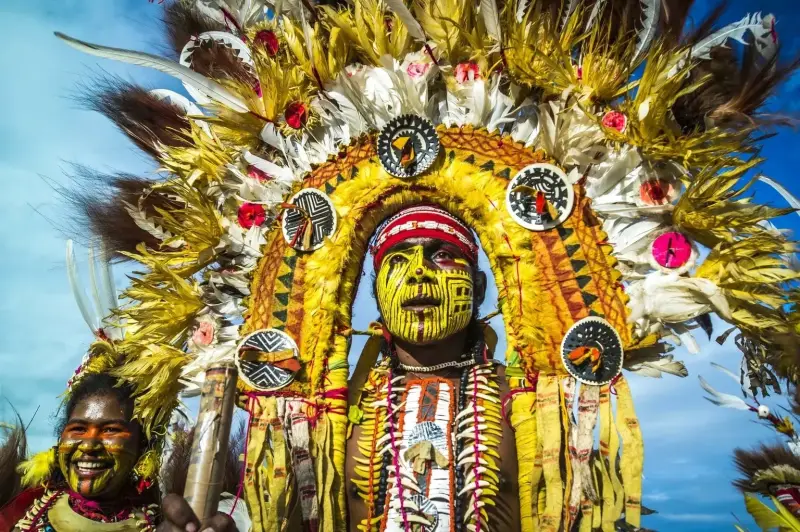 Papua New GuineaHighland cultures, reefs and the Kokoda Track
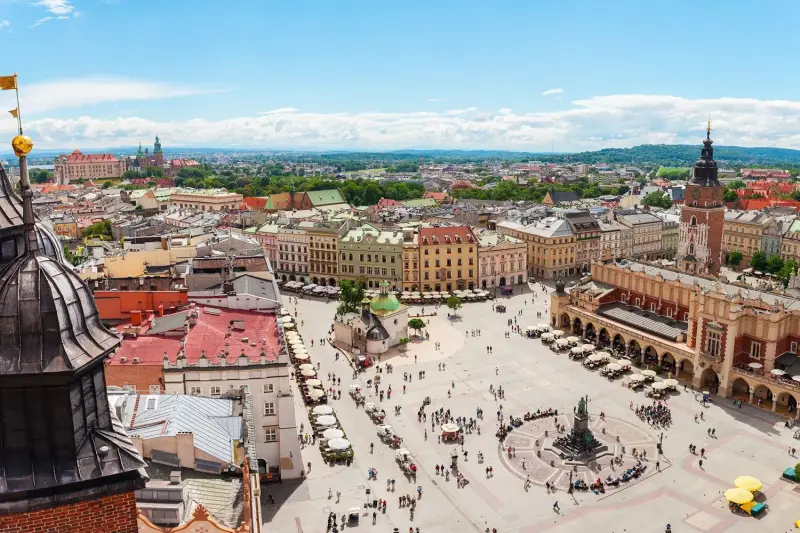 PolandKraków, Gdańsk, Warsaw and the Tatras
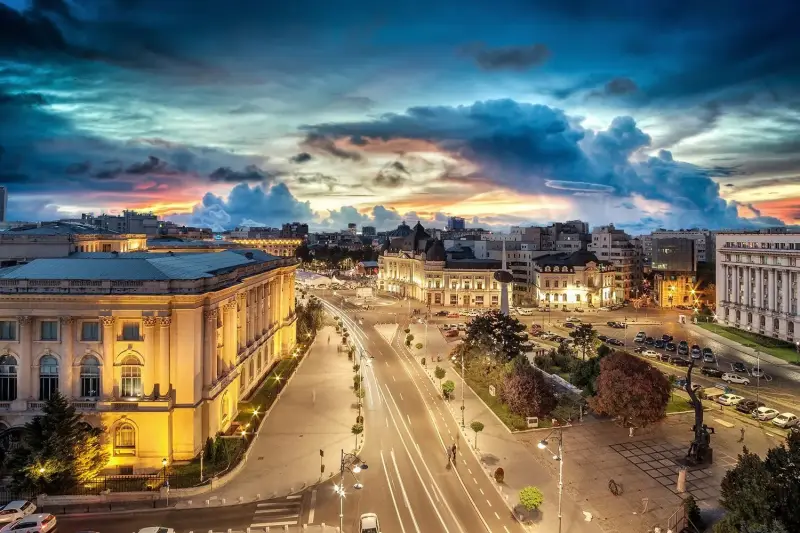 RomaniaTransylvania's castles, painted monasteries and the Carpathians
 RwandaMountain gorillas and the land of a thousand hills
 Saint LuciaThe Pitons, rainforest and Caribbean romance
 SerbiaBelgrade nightlife, monasteries and the Danube
 SeychellesGranite islands and perfect beaches
 SudanNubian pyramids and the Nile
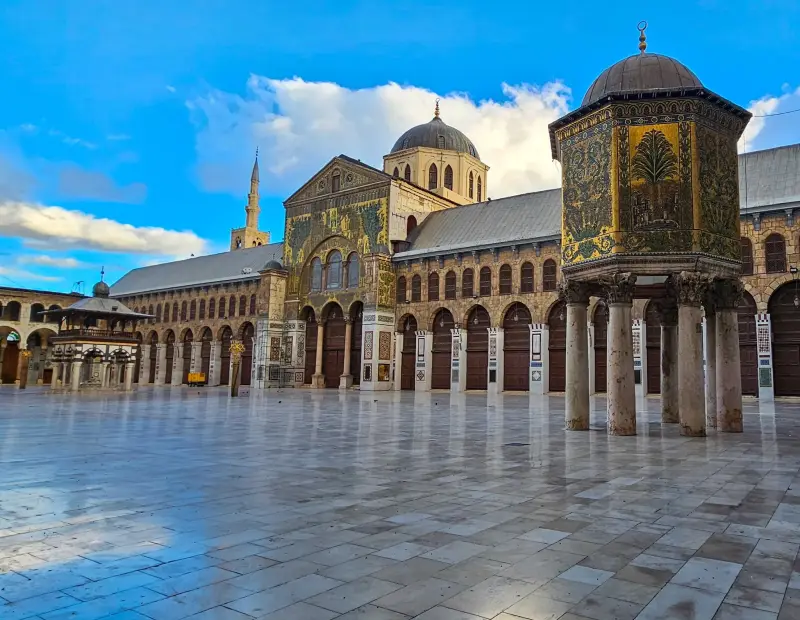 SyriaAncient cities
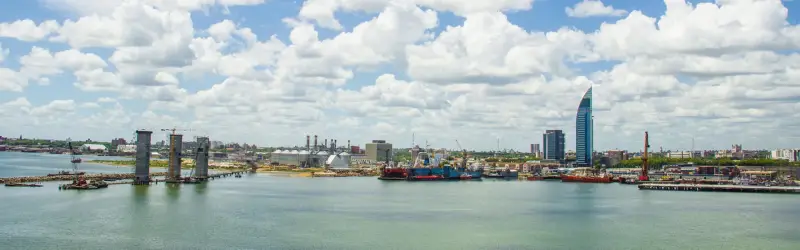 UruguayBeaches, colonial Colonia and laid-back Montevideo
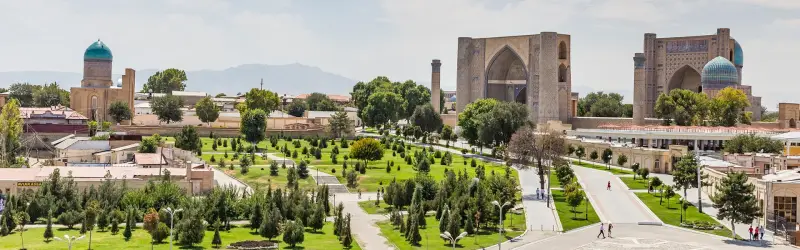 UzbekistanSamarkand, Bukhara and Khiva on the Silk Road
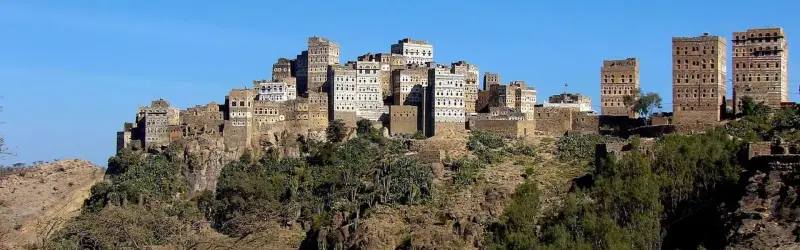 YemenAncient tower houses and Socotra's unique nature
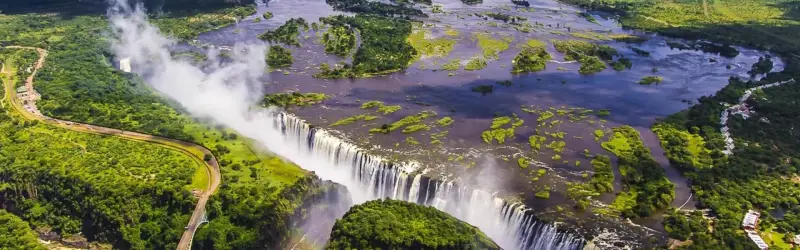 ZambiaVictoria Falls, walking safaris and the Zambezi
SurinameRainforest, rivers and colonial Paramaribo
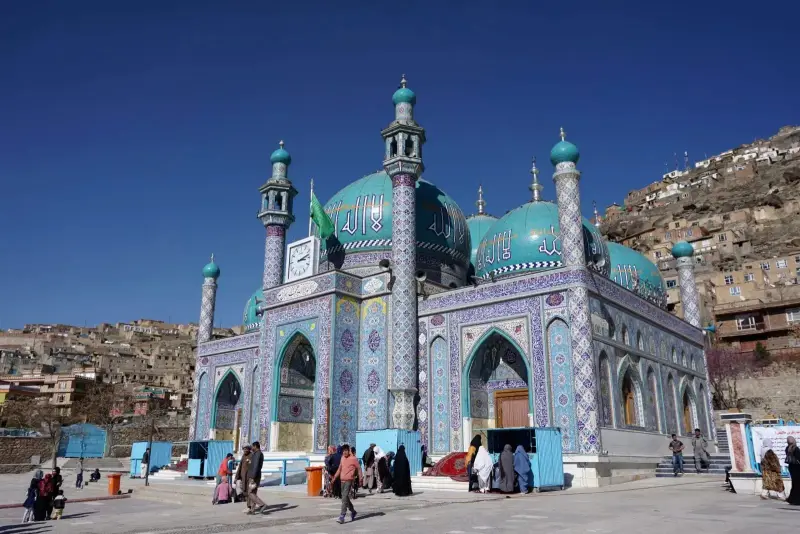 AfghanistanMountain valleys and Silk Road history
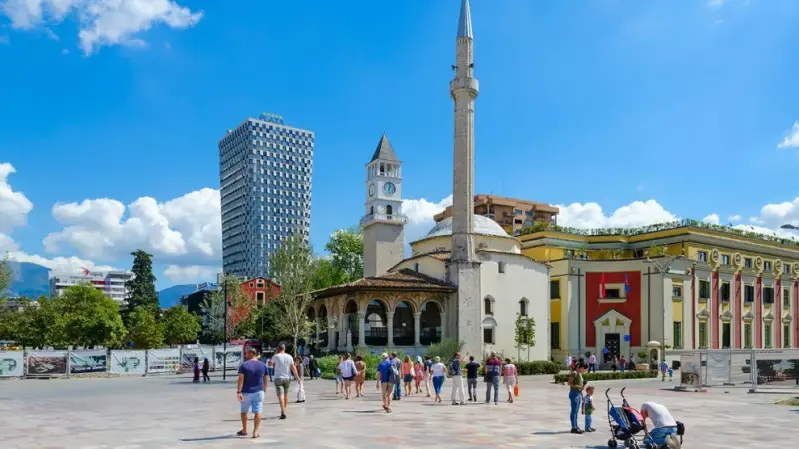 AlbaniaRiviera beaches, mountain villages and Ottoman towns
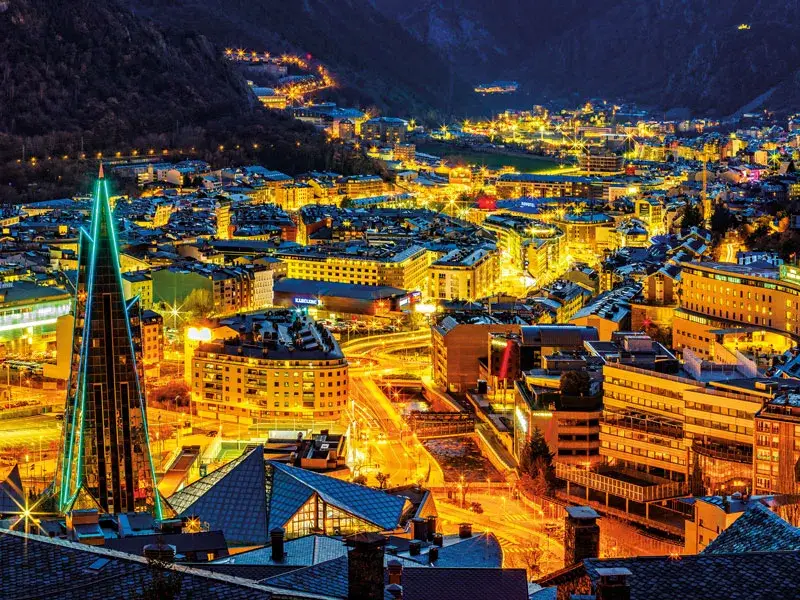 AndorraPyrenean ski slopes and duty-free shopping
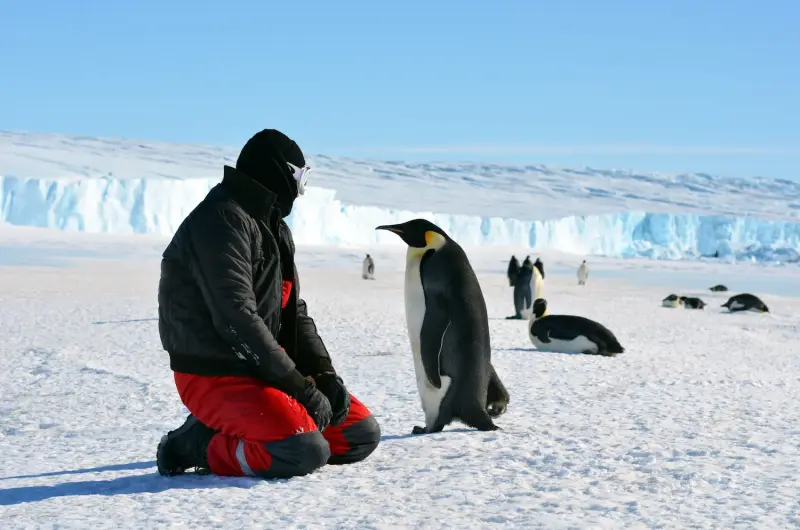 AntarcticaIcebergs, penguins and the last great wilderness
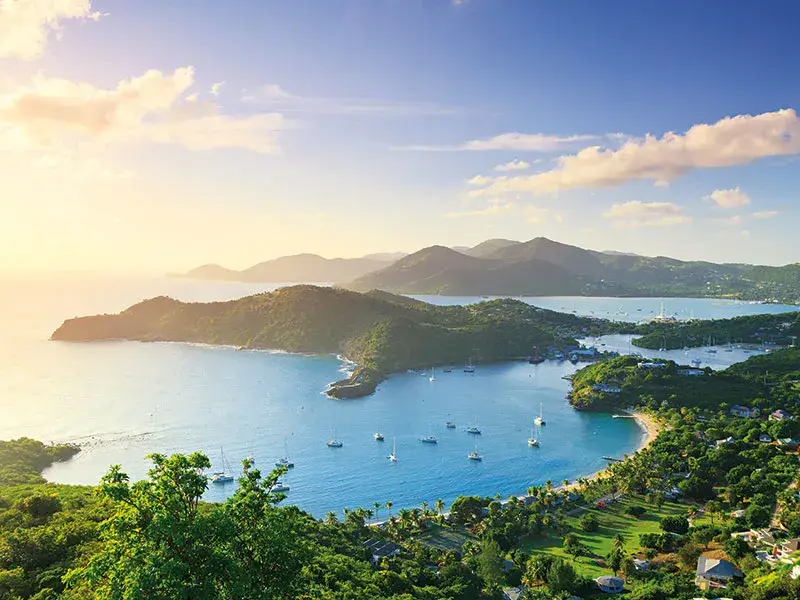 Antigua and BarbudaA beach for every day of the year
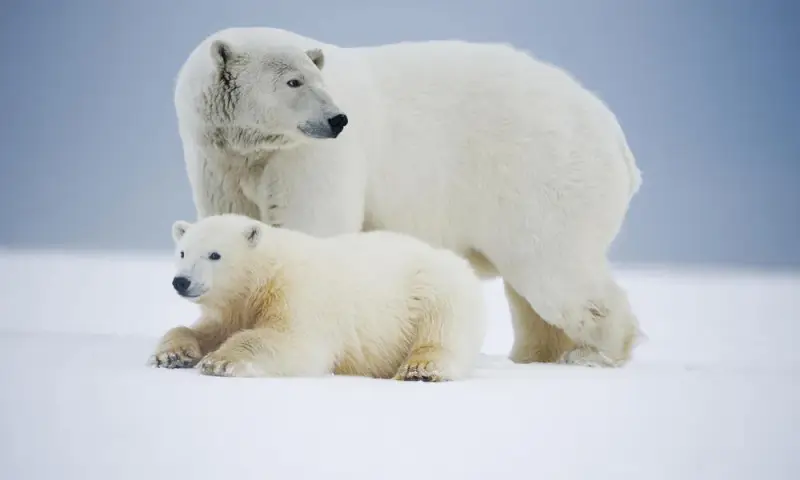 ArcticNorthern lights, polar bears and the midnight sun
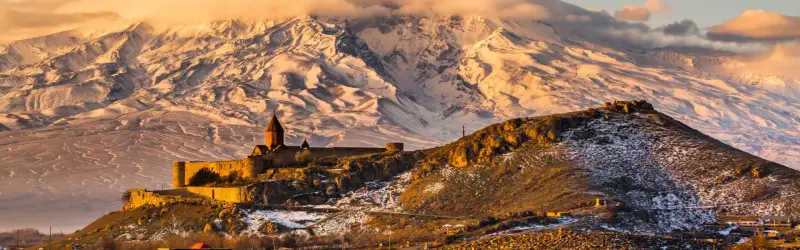 ArmeniaAncient monasteries beneath Mount Ararat
 BarbadosBeaches, rum and cricket in the Caribbean
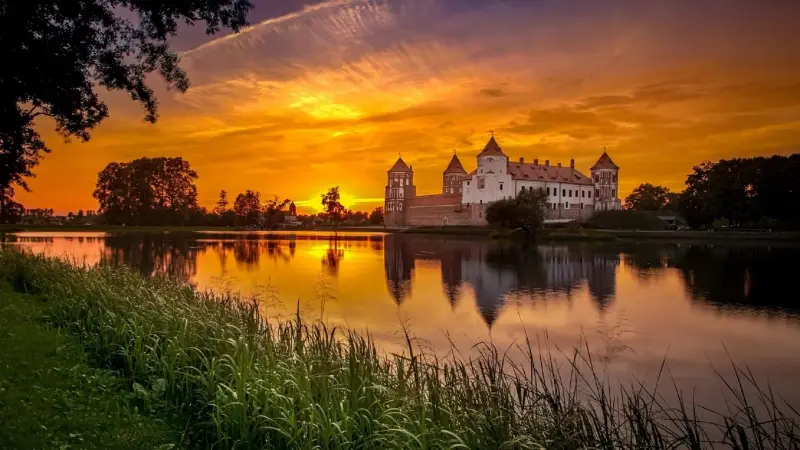 BelarusPrimeval forests and Soviet-era Minsk
 BelizeBarrier reef, Maya temples and jungle
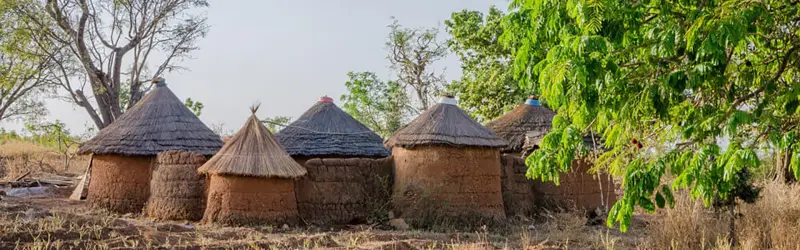 BeninVodun culture, royal palaces and lagoon villages
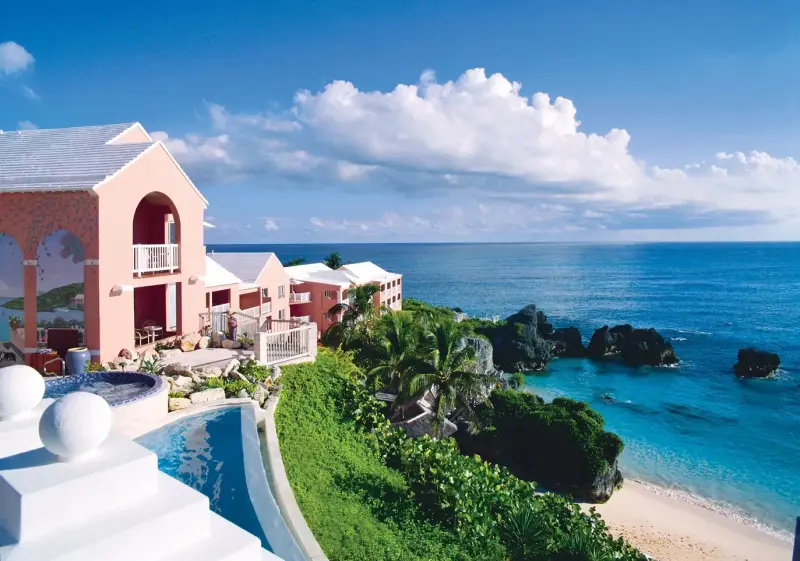 BermudaPink sand beaches in the Atlantic
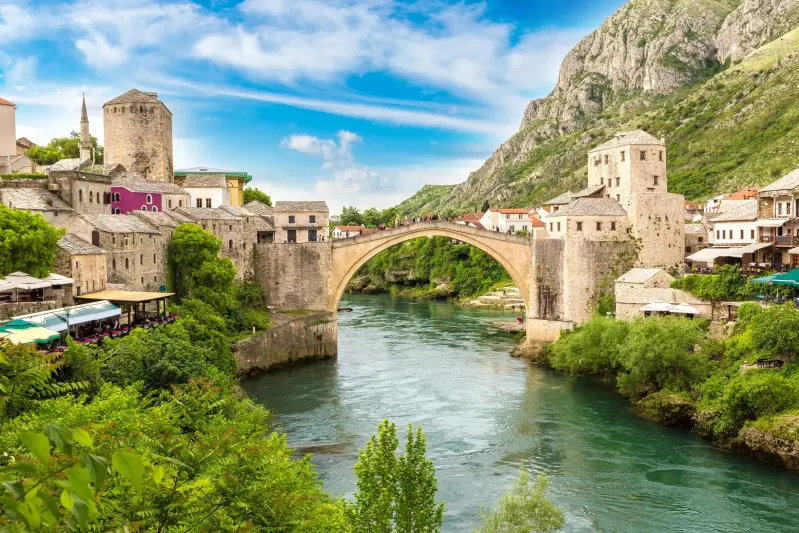 Bosnia HerzegovinaOttoman bridges, mountain rivers and Sarajevo
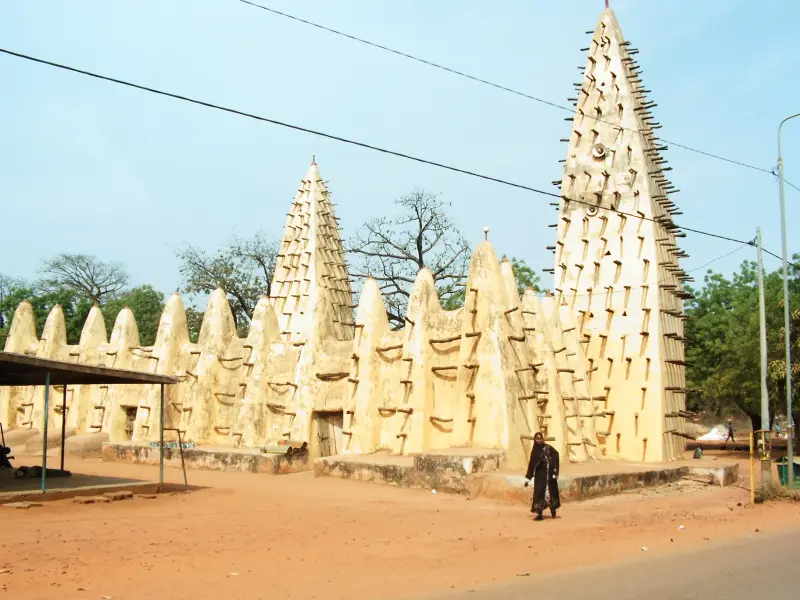 Burkina FasoSahel culture, music and film festivals
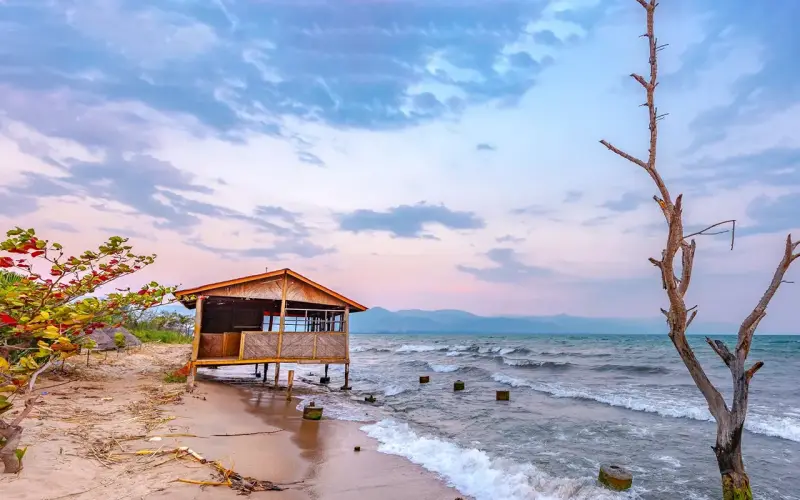 BurundiLake Tanganyika beaches and drumming traditions
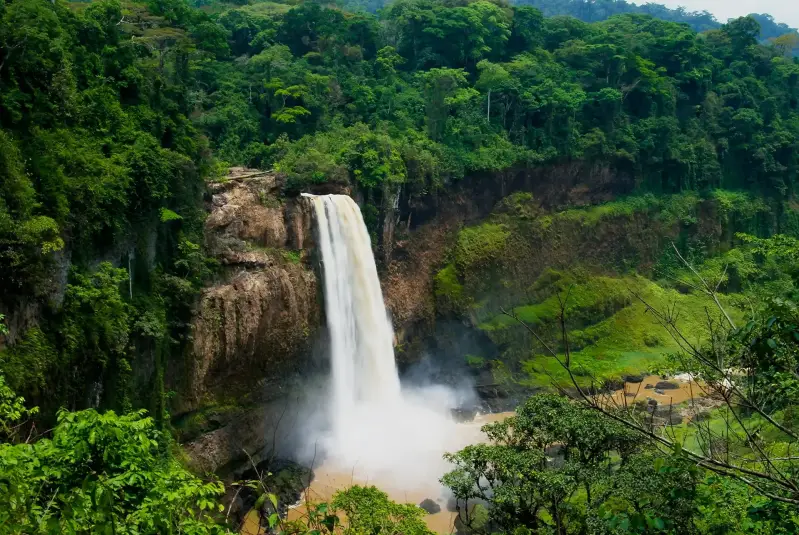 CameroonAfrica in miniature: rainforest, volcano and savanna
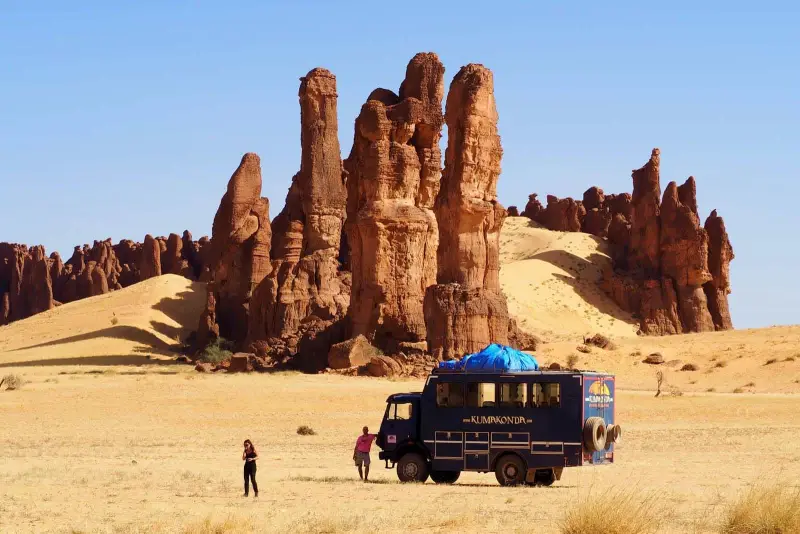 ChadSaharan landscapes and Zakouma wildlife
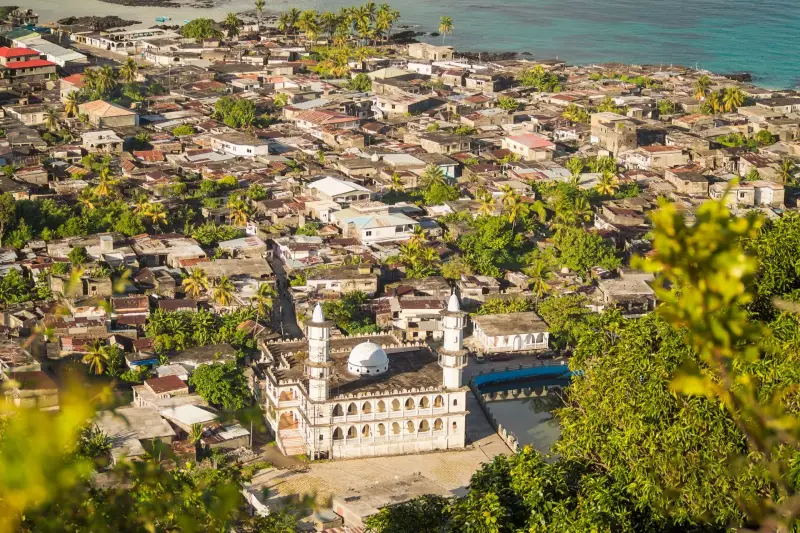 ComorosVolcanic islands, vanilla and ylang-ylang
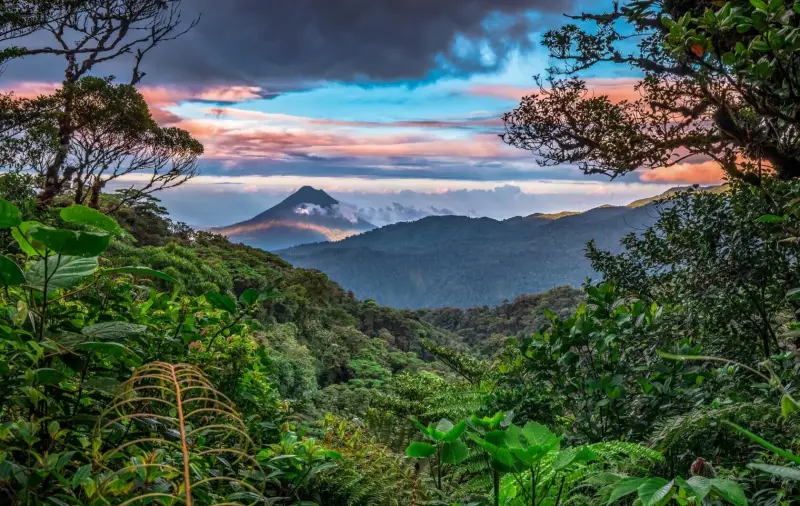 Costa RicaRainforest, volcanoes, wildlife and two coasts
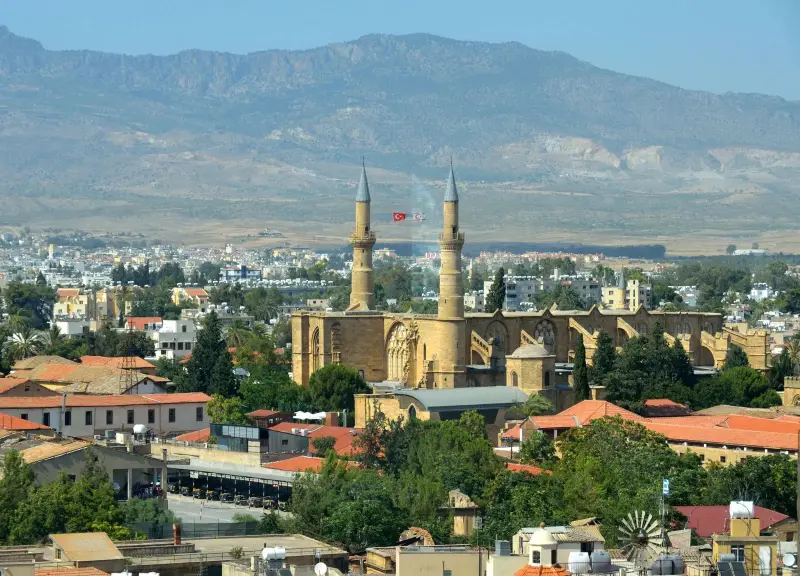 CyprusSunny beaches, ancient sites and mountain villages
 Côte D'IvoireAbidjan's skyline, beaches and basilicas
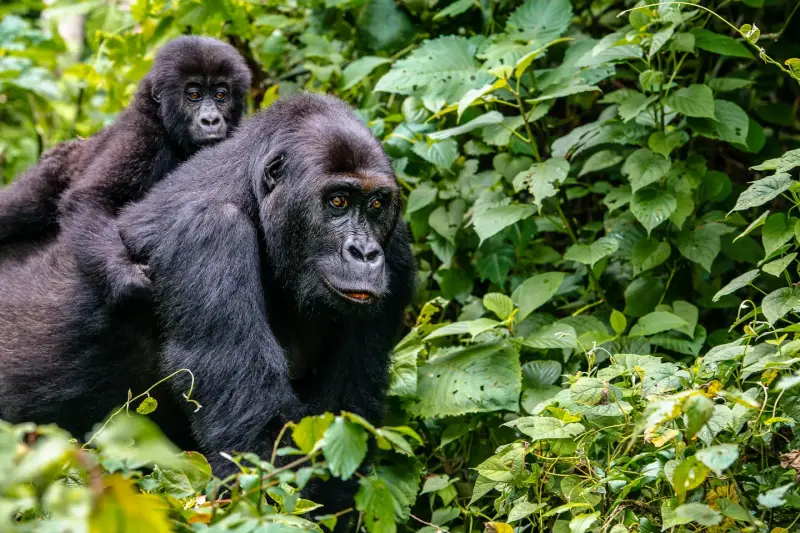 DR CongoGorillas, volcanoes and the mighty Congo River
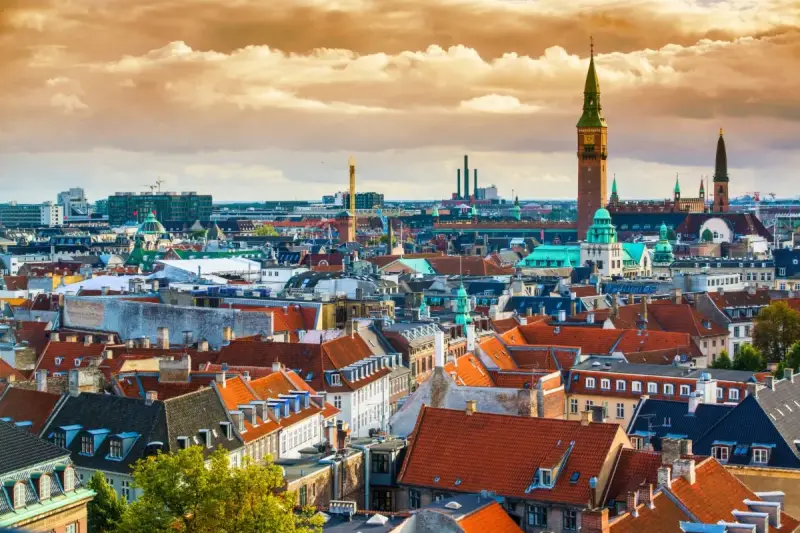 DenmarkCopenhagen design, castles and coastlines
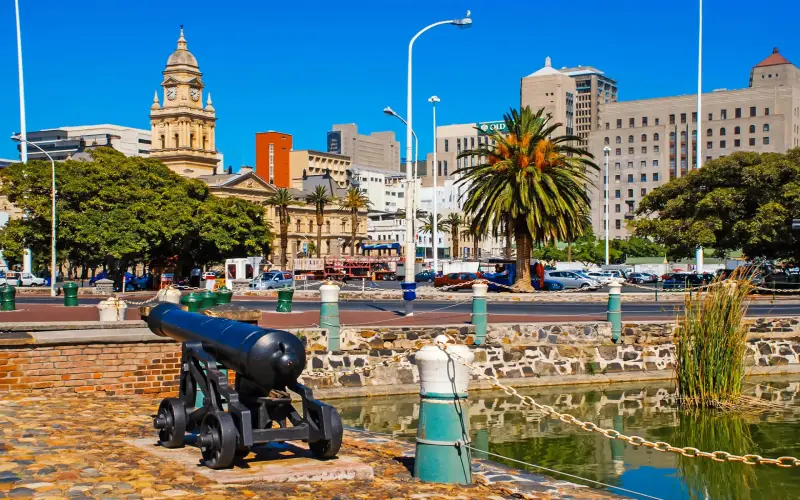 DjiboutiSalt lakes, whale sharks and volcanic desert
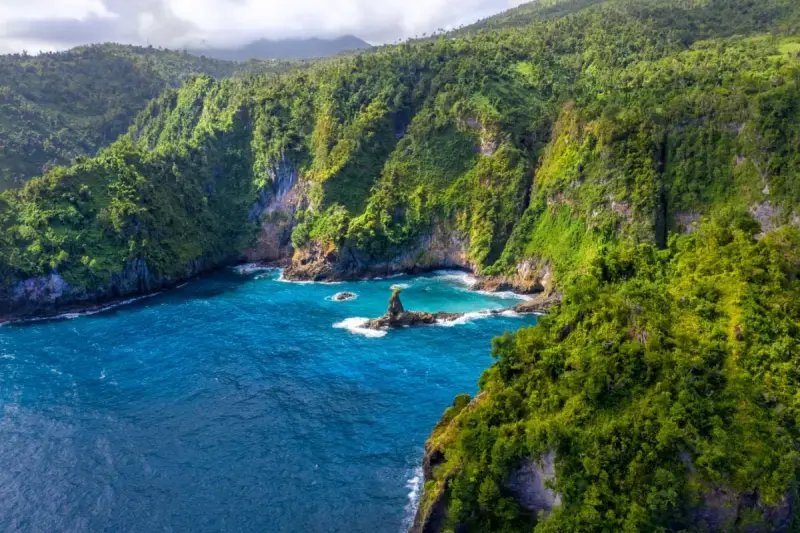 DominicaThe Caribbean's nature island
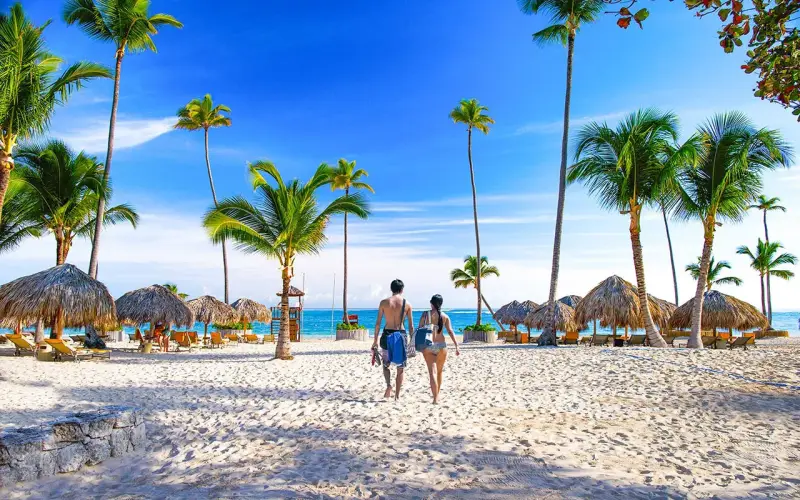 Dominican RepublicPunta Cana beaches and the New World's first city
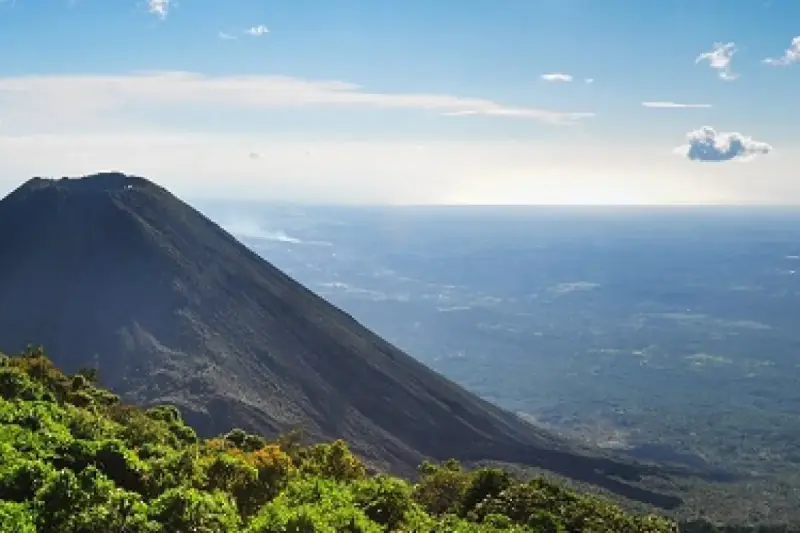 El SalvadorSurf beaches, volcanoes and colonial towns
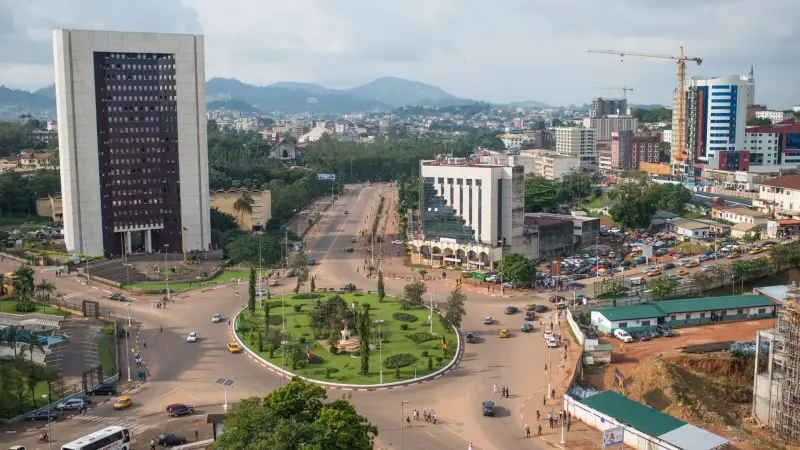 Equatorial GuineaVolcanic Bioko and rainforest Río Muni
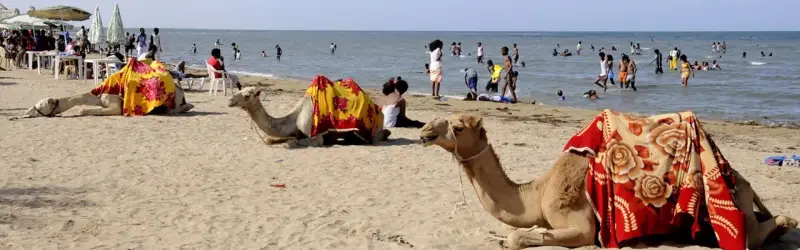 EritreaAsmara's Modernist architecture and the Red Sea
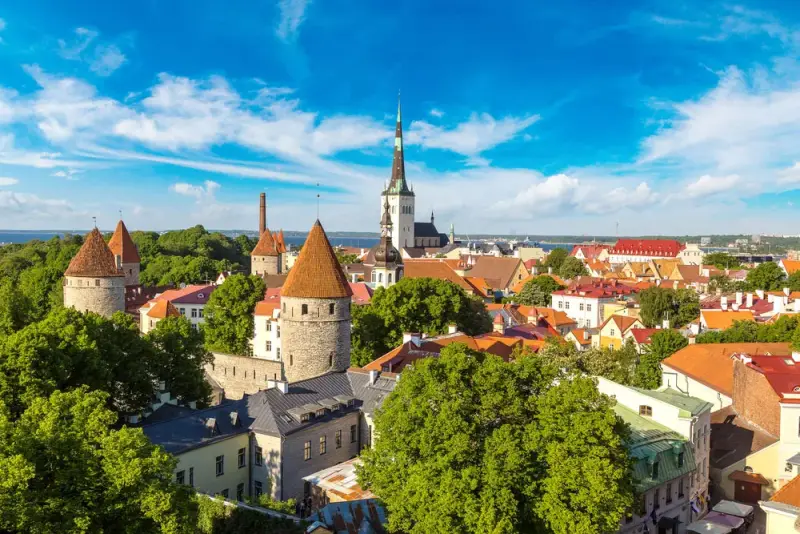 EstoniaTallinn's medieval old town and Baltic nature
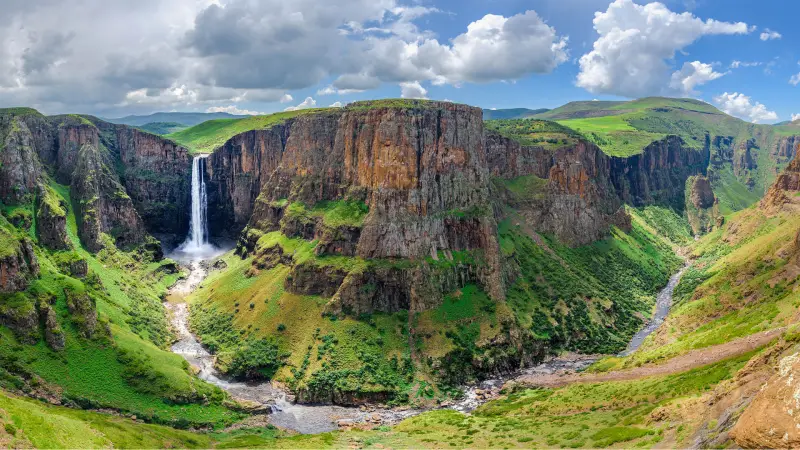 EswatiniWildlife, culture festivals and mountain valleys
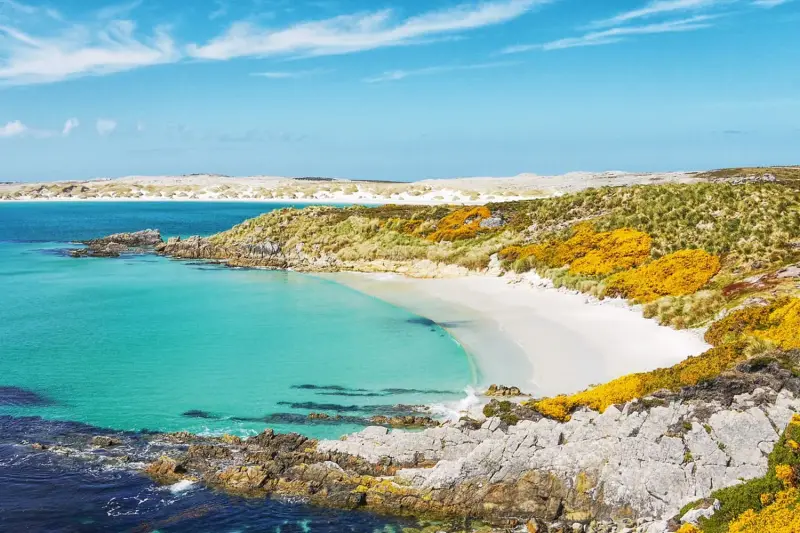 Falkland IslandsPenguin colonies on remote South Atlantic islands
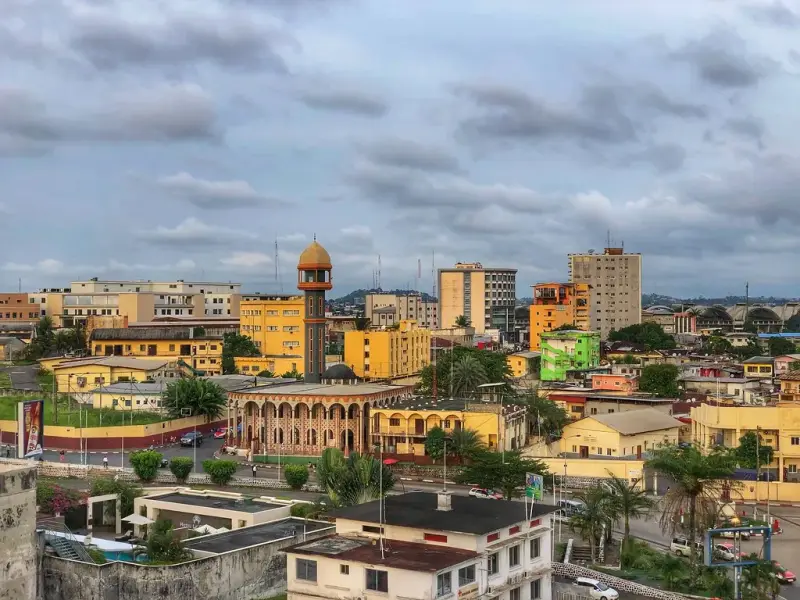 GabonRainforest parks, surfing hippos and gorillas
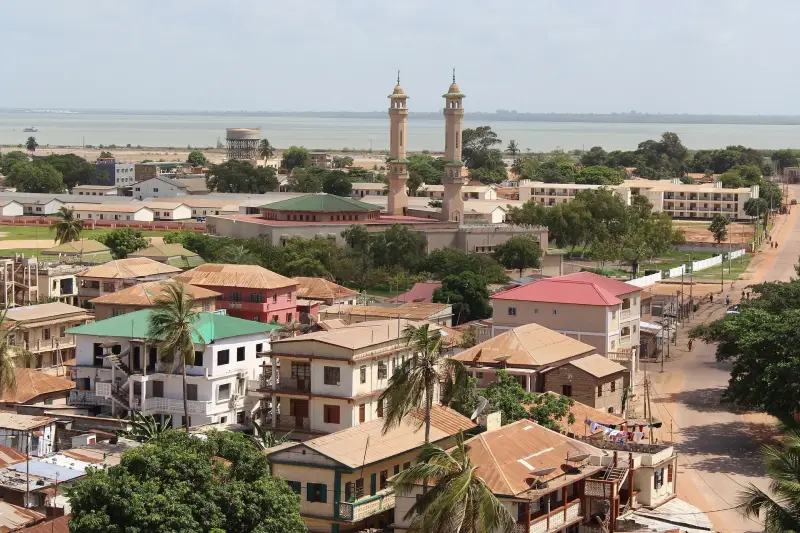 GambiaAtlantic beaches, river life and birdwatching
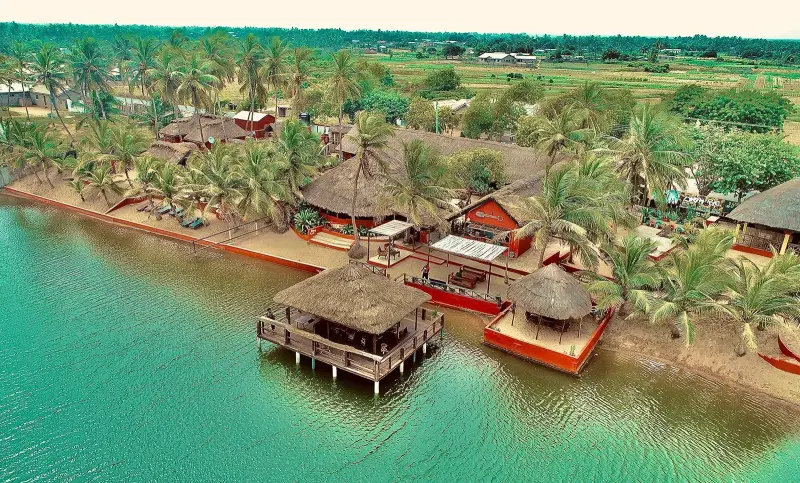 GhanaCoastal castles, Ashanti culture and warm welcomes
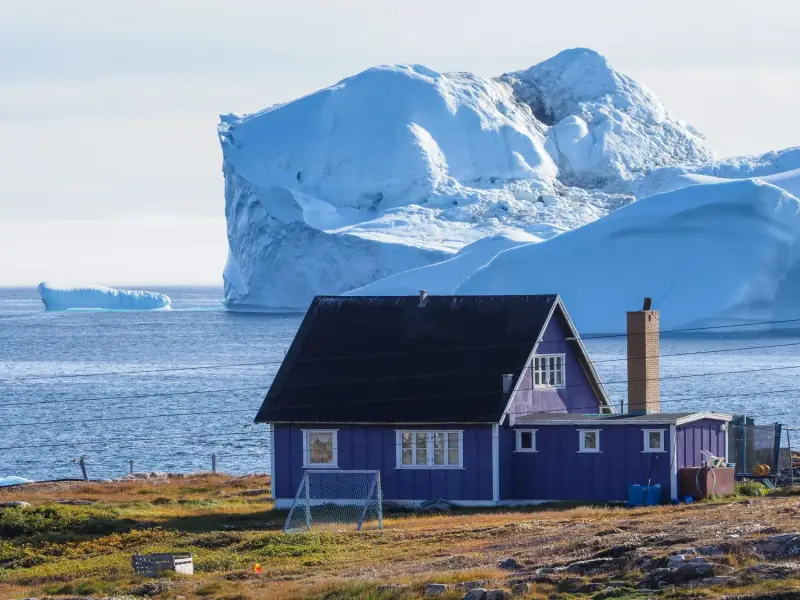 GreenlandIcebergs, glaciers and Arctic culture
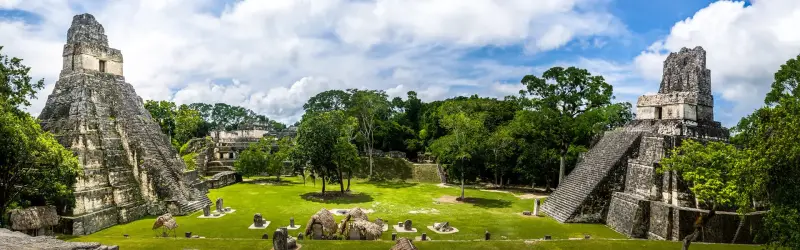 GuatemalaMaya temples, volcanoes and Lake Atitlán
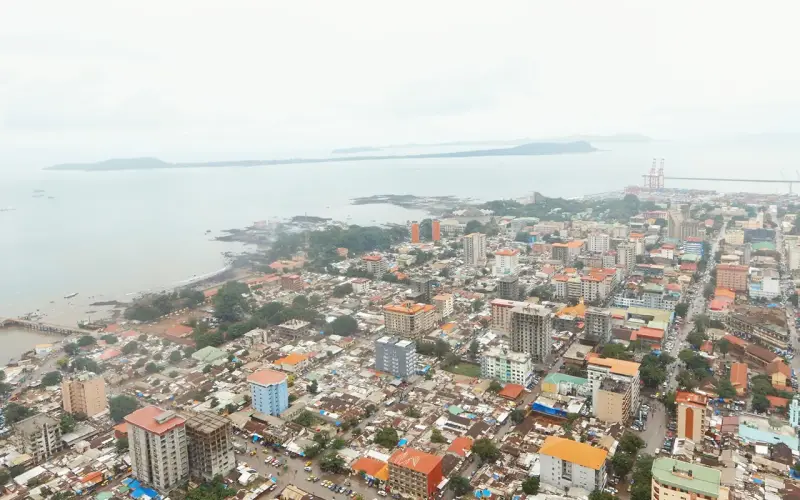 GuineaHighlands and waterfalls
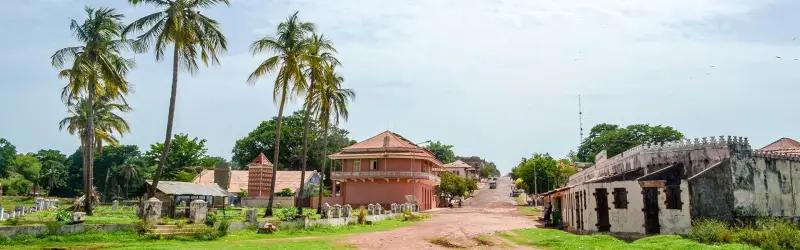 Guinea BissauThe Bijagós Islands and saltwater hippos
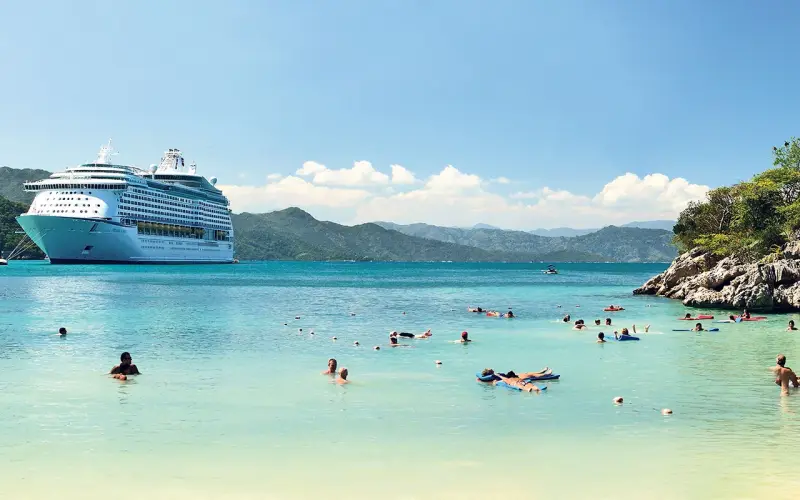 HaitiCitadelle and Caribbean culture
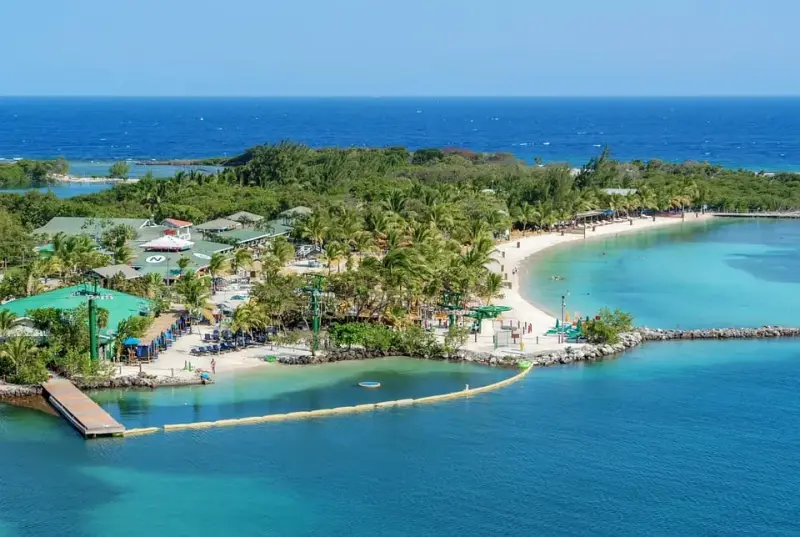 HondurasCopán and the Bay Islands
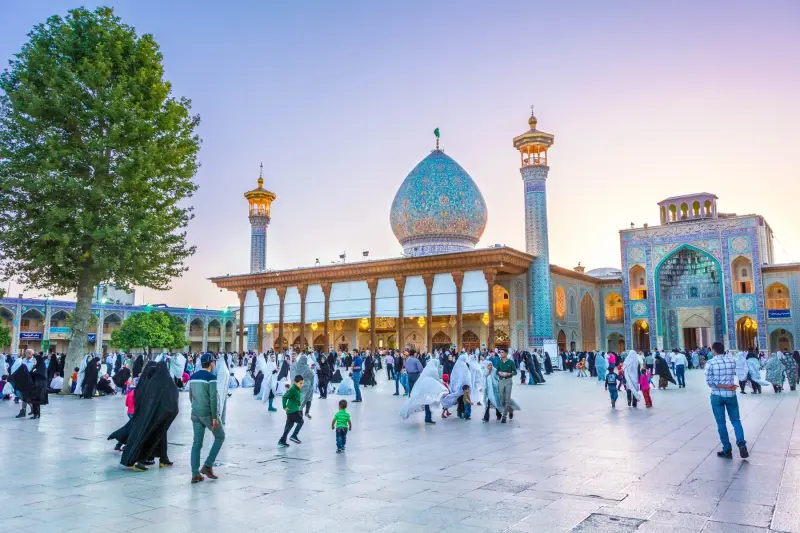 IranPersian palaces, mosques and gardens
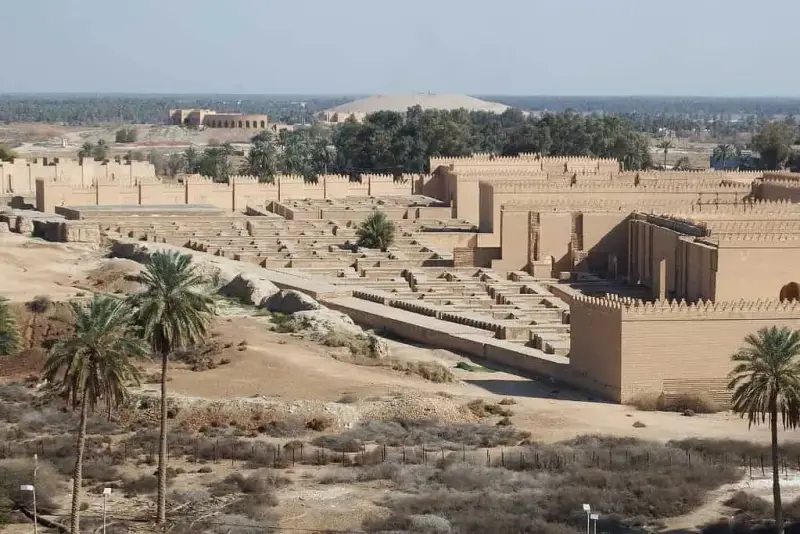 IraqAncient Mesopotamia
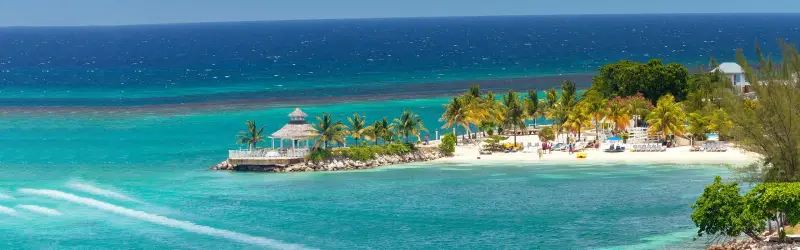 JamaicaReggae, waterfalls and Caribbean beaches
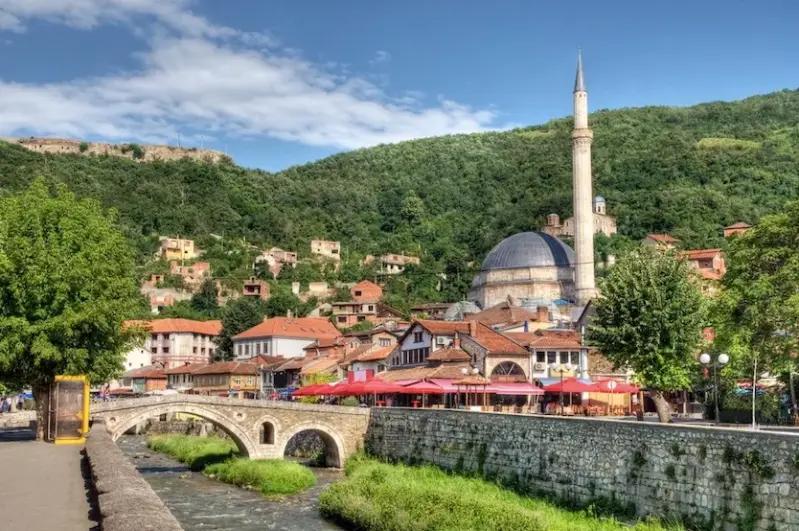 KosovoMedieval monasteries and mountain valleys
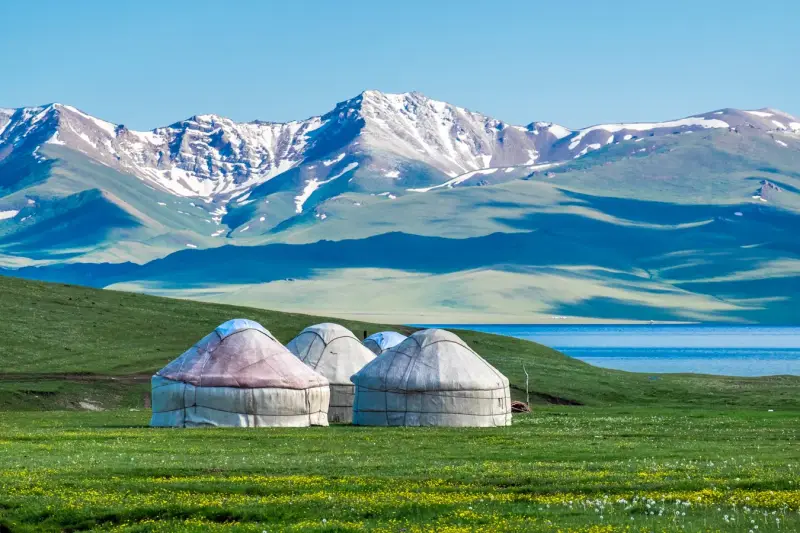 KyrgyzstanMountain lakes, yurts and nomad culture
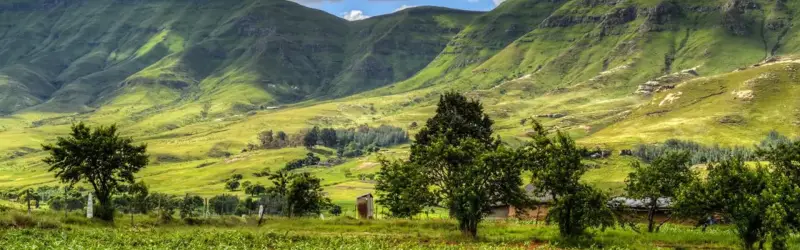 LesothoThe Kingdom in the Sky
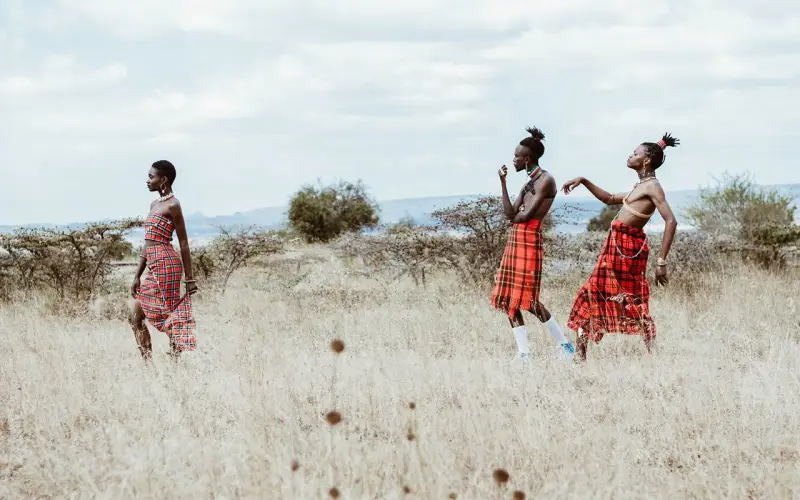 LiberiaRainforest and surf
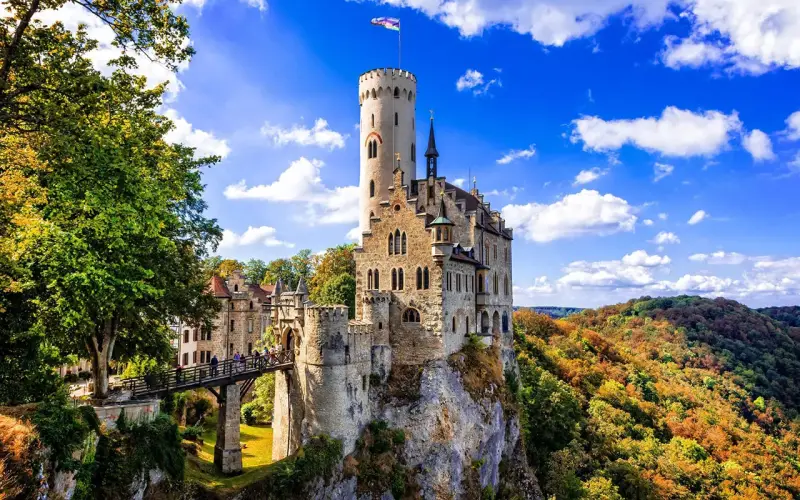 LiechtensteinAlpine principality
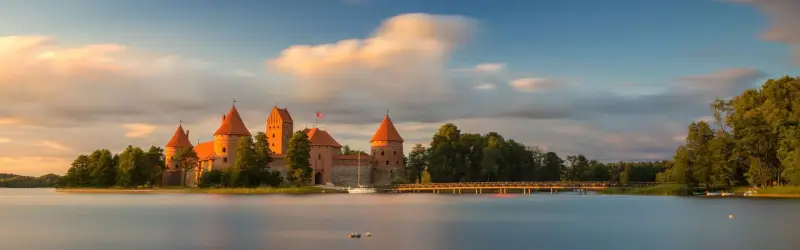 LithuaniaBaroque Vilnius, castles and the Curonian Spit
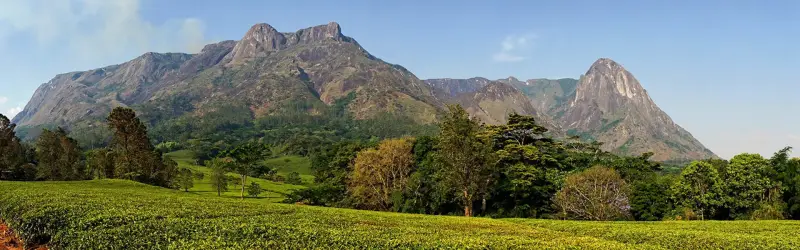 MalawiLake Malawi, the warm heart of Africa
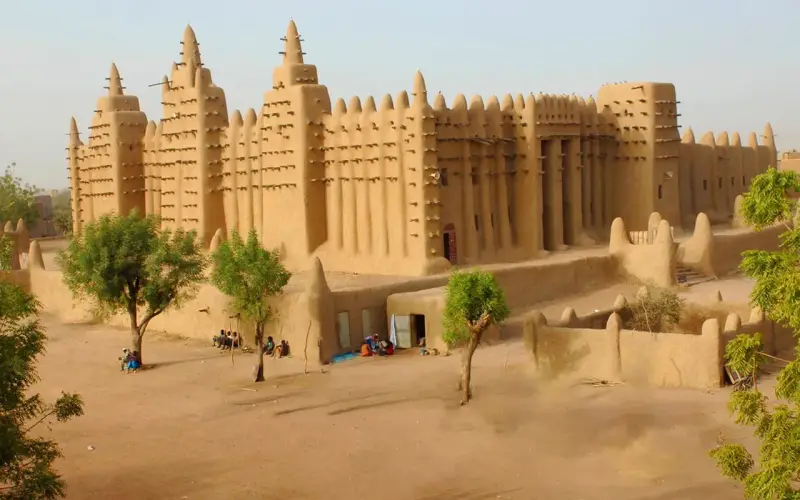 MaliSahel heritage
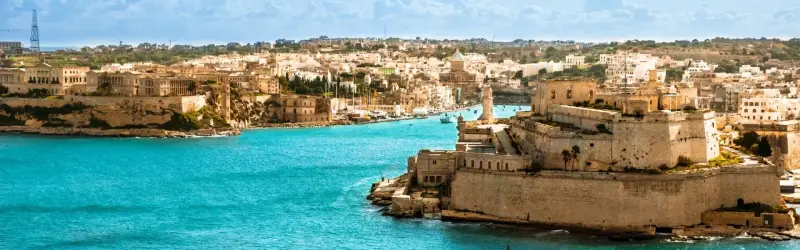 MaltaValletta, ancient temples and blue lagoons
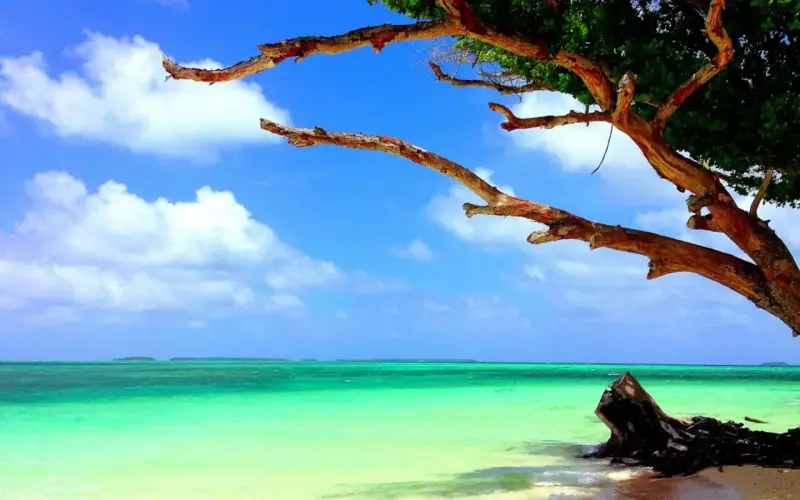 Marshall IslandsPacific atolls
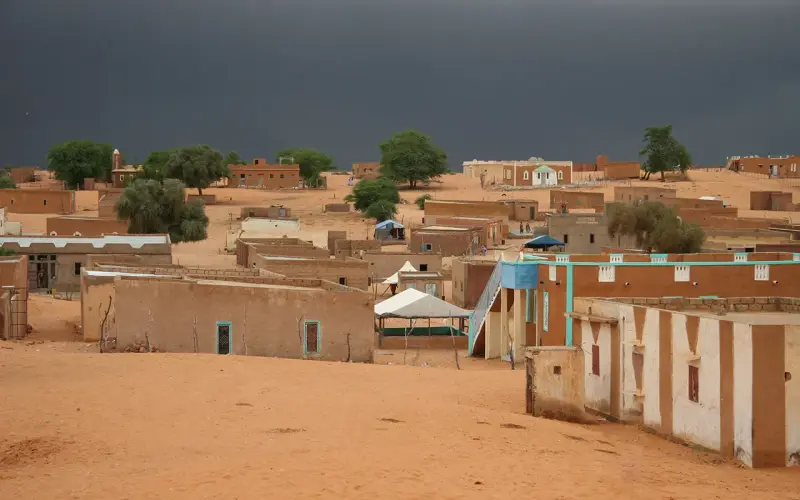 MauritaniaSahara caravan towns and the Iron Ore Train
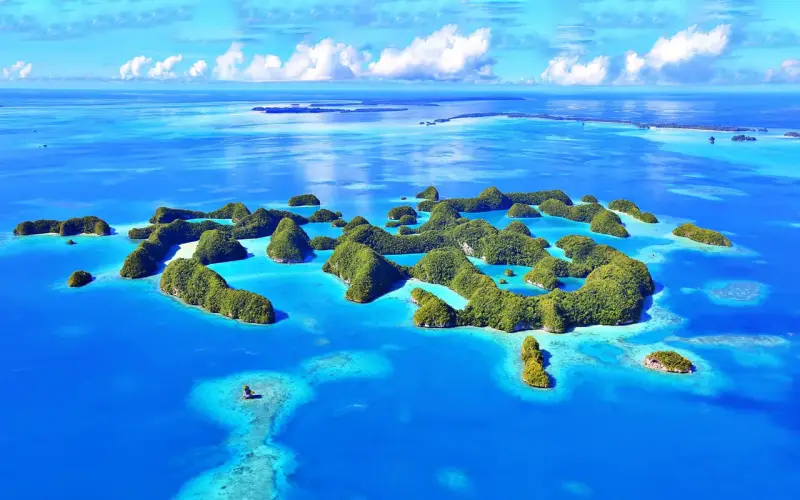 MicronesiaNan Madol, Chuuk Lagoon wrecks and Yap's stone money
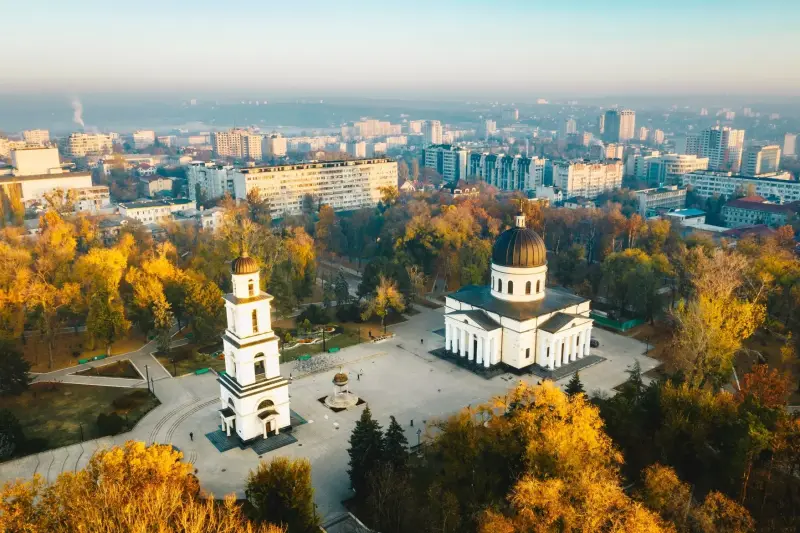 MoldovaWine cellars, cave monasteries and countryside
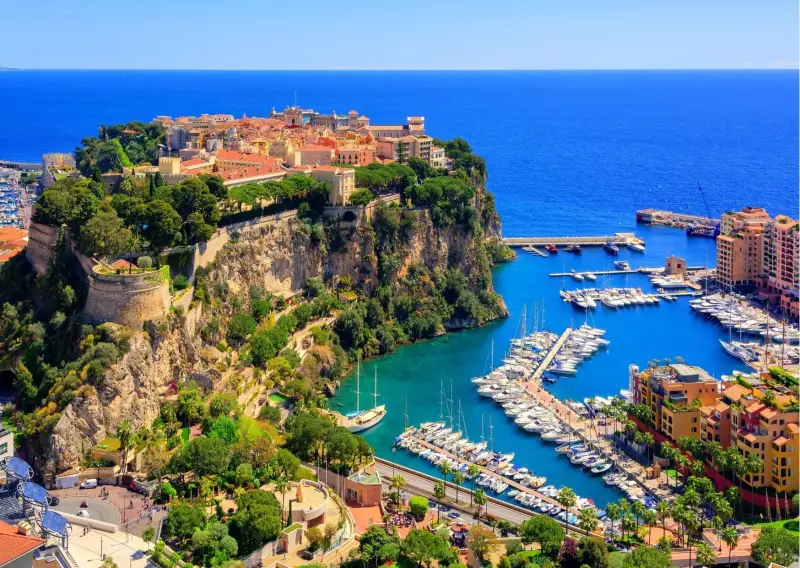 MonacoGlamour, Grand Prix and the Riviera
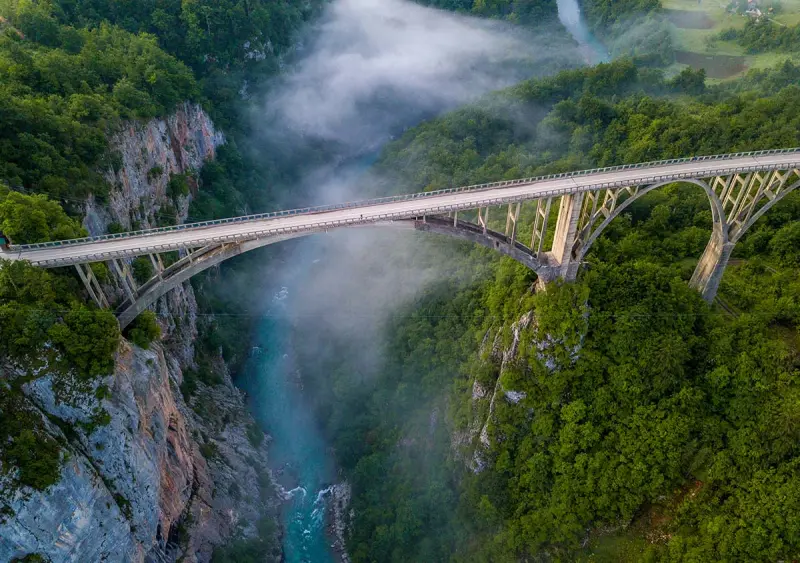 MontenegroBay of Kotor, Adriatic beaches and mountains
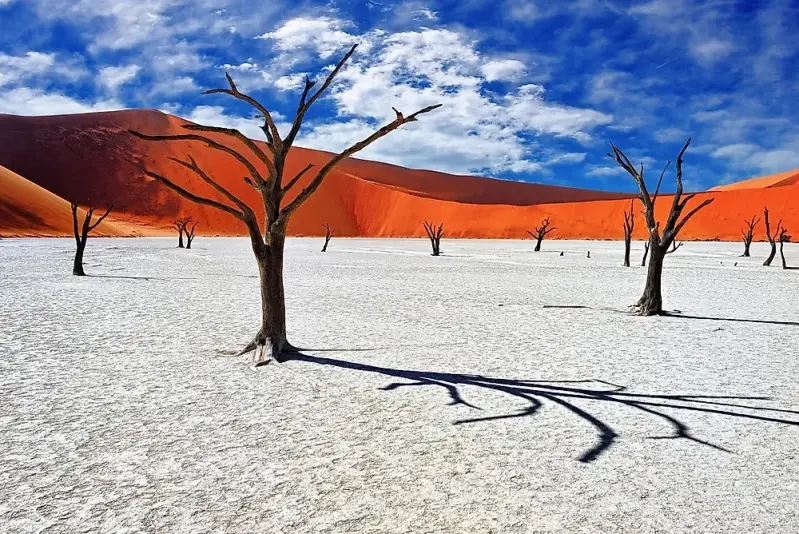 NamibiaRed dunes, Etosha wildlife and desert coast
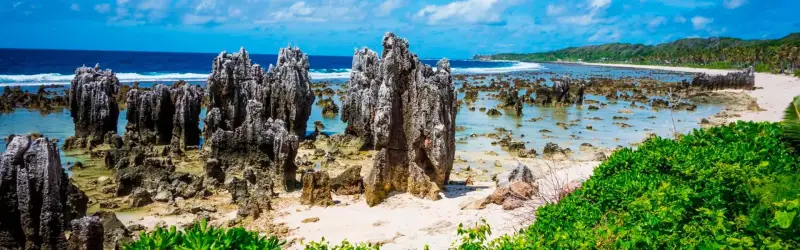 NauruThe world's smallest island republic
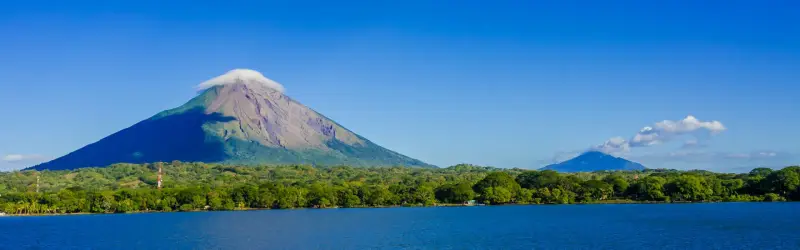 NicaraguaVolcanoes, lakes and colonial Granada
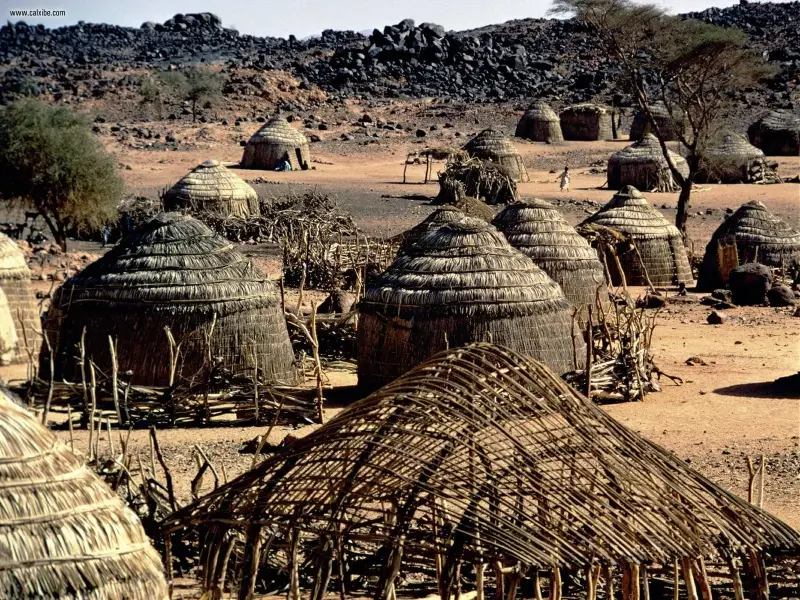 NigerAgadez and the Sahara
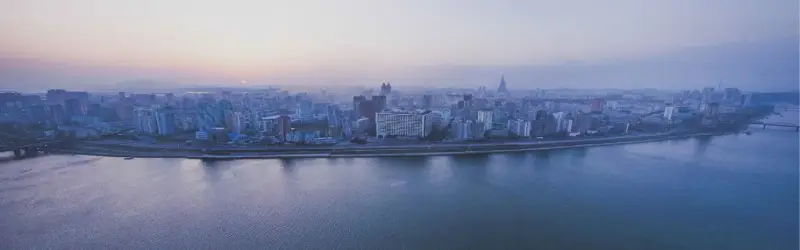 North KoreaThe world's most closed country
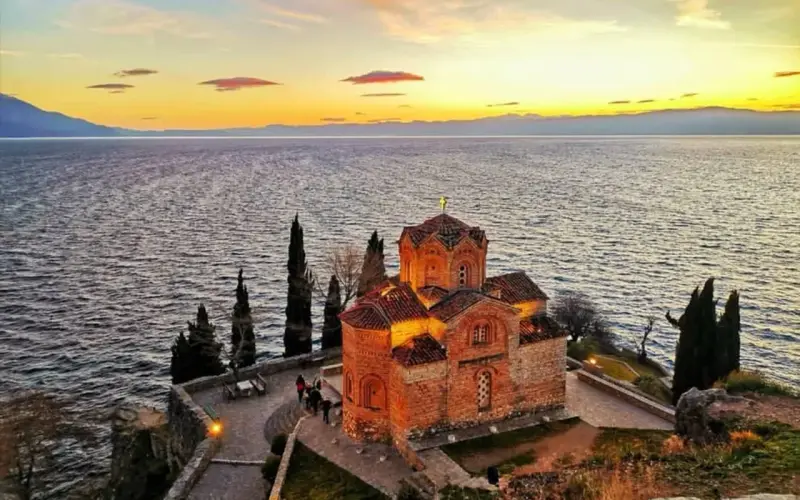 North MacedoniaLake Ohrid, Skopje and Balkan mountains
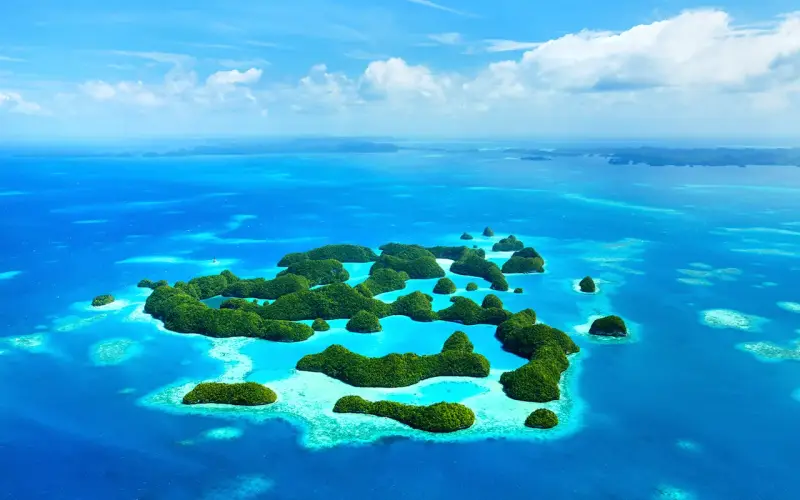 PalauRock Islands, Jellyfish Lake and world-class diving
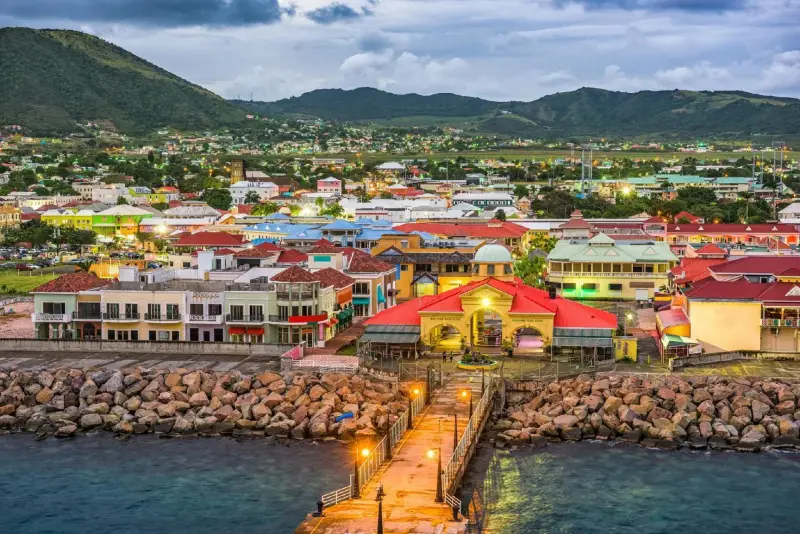 Saint Kitts and NevisBrimstone Hill, scenic railway and twin islands
 Saint Vincent and the GrenadinesSailing the Grenadines and Tobago Cays
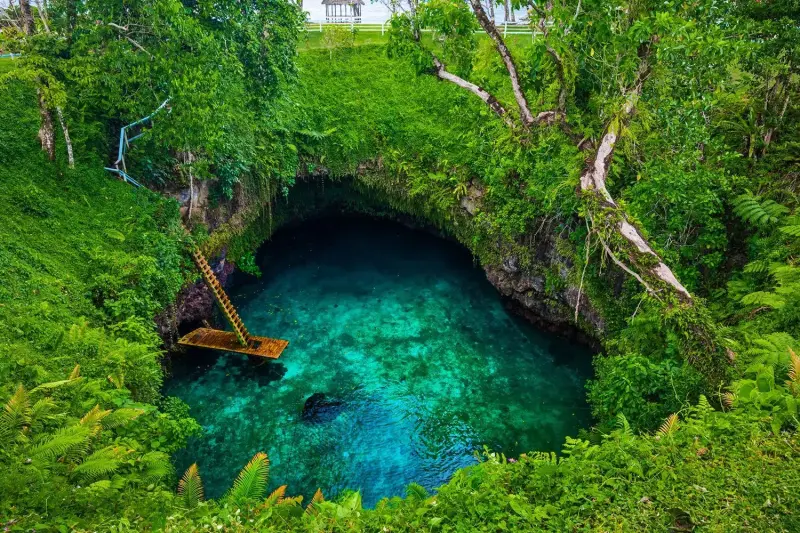 SamoaBeach fales, waterfalls and fa'a Samoa
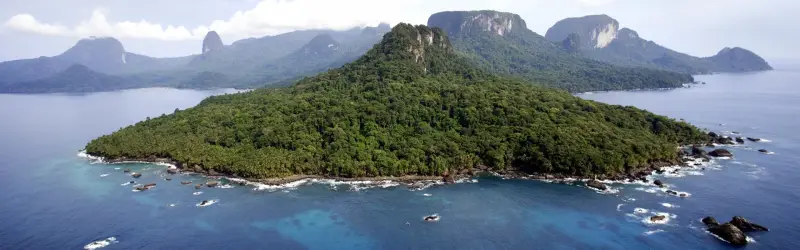 Sao Tome and PrincipeCocoa islands on the equator
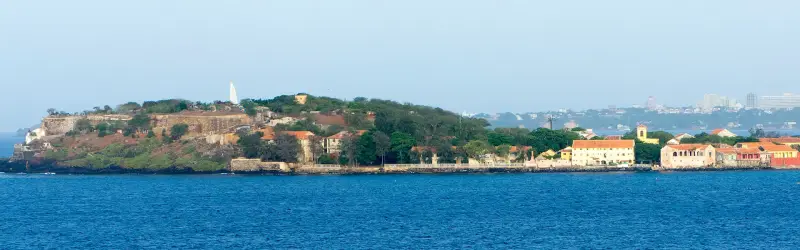 SenegalDakar's energy, Gorée Island and the Saloum Delta
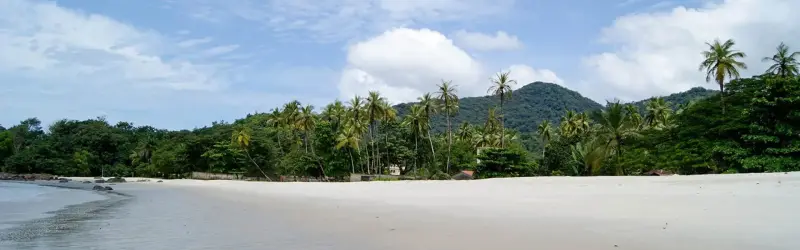 Sierra LeoneBeaches, islands and chimpanzee sanctuaries
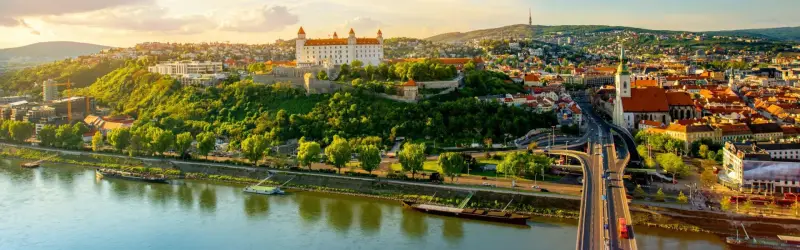 SlovakiaCastles, the High Tatras and Bratislava
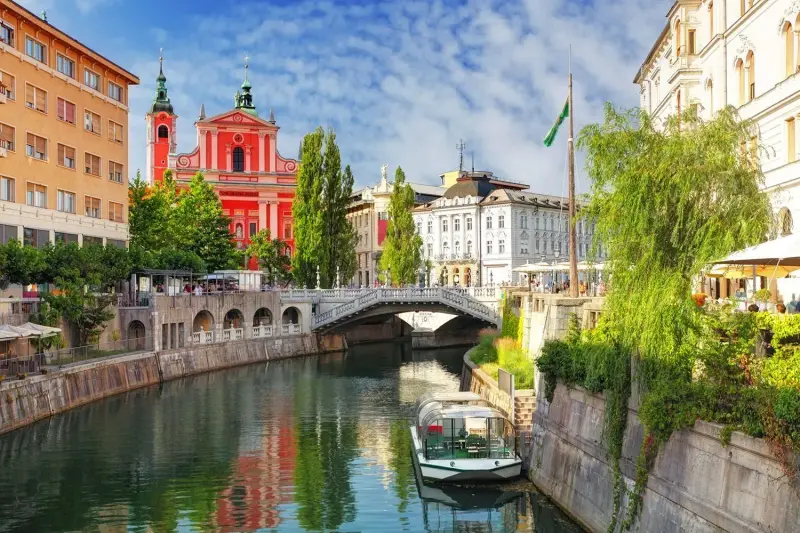 SloveniaLake Bled, Alpine valleys and caves
 Solomon IslandsWWII history, reefs and lagoons
 SomaliaAncient coast and Somaliland rock art
 South SudanThe world's youngest country
 TajikistanThe Pamir Highway and high mountain lakes
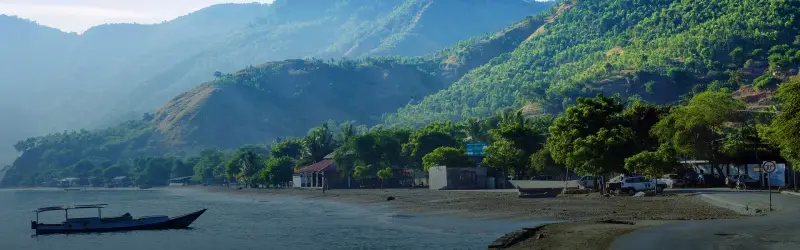 Timor-LesteCoral reefs, mountains and a young nation
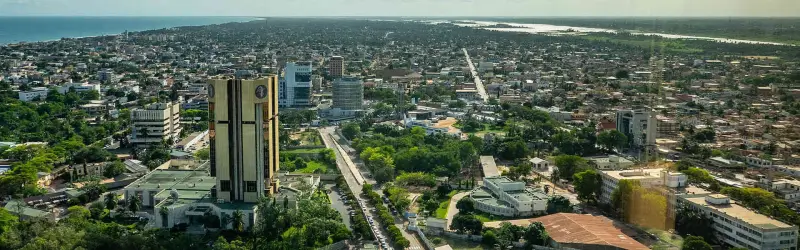 TogoVoodoo markets, Koutammakou and palm-lined coast
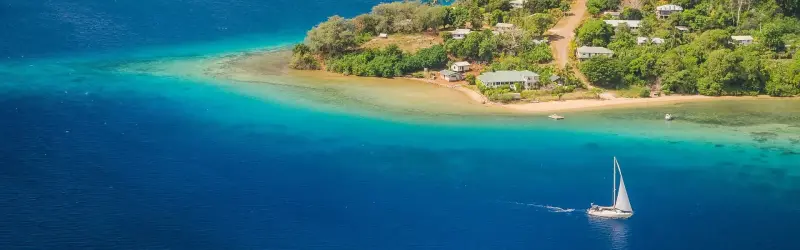 TongaHumpback whales and a Polynesian kingdom
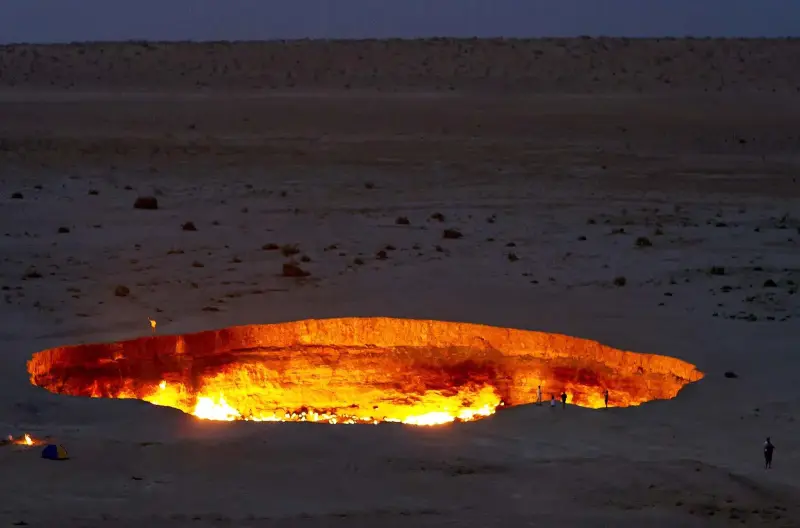 TurkmenistanThe Door to Hell and marble Ashgabat
 TuvaluRemote Pacific atolls and lagoons
 UgandaGorillas, chimpanzees and the source of the Nile
 UkraineKyiv, Lviv and the Carpathians
 VanuatuActive volcanoes, reefs and island culture
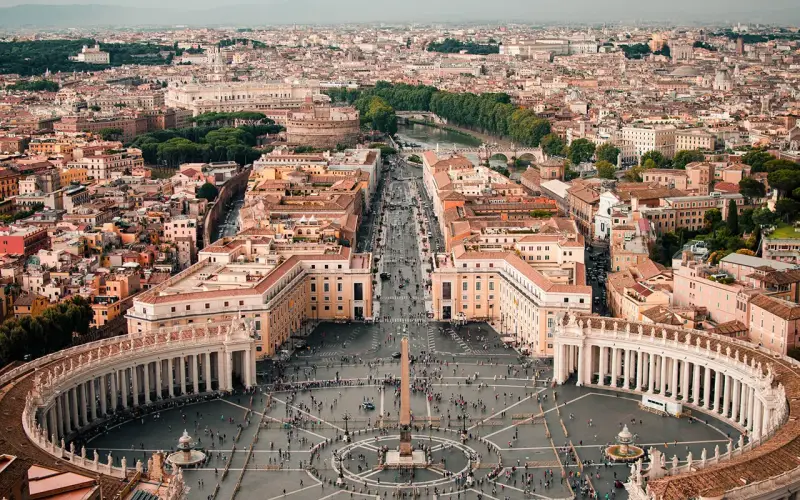 Vatican CitySt Peter's and the Sistine Chapel
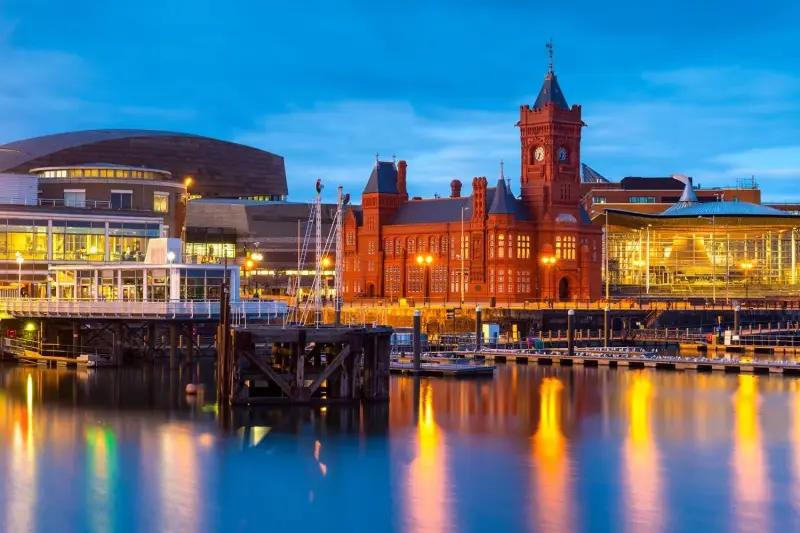 WalesCastles, coast paths and mountains
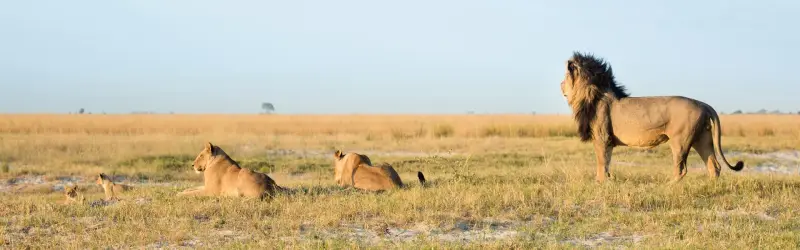 ZimbabweVictoria Falls, Hwange and Great Zimbabwe
MacauPortuguese heritage, Macanese food and Cotai resorts
 Bangladesh686 places to stay, eat or see
Nothing in that category yet.
Top things to do in Sweden
Stockholm's islands and the northern lights in Lapland.
No things to do in Sweden are listed yet. Browse all things to do
Best time to visit Sweden
June to August means long light days; December to March is aurora and husky season in the north.
Long light days, Midsummer celebrations and archipelago life.
Snow, northern lights, husky sledding and the ICEHOTEL.
Fewer crowds; autumn colours in the north.
Midsummer (the Friday nearest 24 June) is a major holiday; many shops close and locals head to the countryside.
Sweden travel tips
Entry, money, health, safety, transport and etiquette for cities and countryside.
Visas and entry
Schengen area rules
Sweden is part of the Schengen zone. Citizens of the EU and of many other countries, including the US, UK, Canada and Australia, can visit visa-free for up to 90 days in any 180-day period; other nationalities need a Schengen visa. The EU's Entry/Exit System (EES) records non-EU travelers' fingerprints and a photo at the border.
- Visa-free stay
- Up to 90 days in any 180 days, for eligible passports
- Passport
- Issued in the last 10 years, valid 3 months beyond departure
- ETIAS
- Planned online travel authorisation; not yet required
- Confirm with
- travel-europe.europa.eu or an embassy of Sweden
Getting there
Stockholm and Gothenburg
Stockholm Arlanda is the main gateway, with Gothenburg and Malmö (or Copenhagen) also convenient. Trains link Sweden with Norway and Denmark.
- Main airport
- Stockholm Arlanda (ARN)
- Gothenburg
- Landvetter (GOT)
- Lapland
- Kiruna (KRN)
- ARN to city
- Arlanda Express in about 20 minutes
Money and costs
Very high destination
Sweden is expensive and one of the most cashless societies in the world. Dagens lunch specials are good value, alcohol is sold only in Systembolaget shops, and SL travel cards cover Stockholm transport.
- Lunch specials (dagens lunch) are good value.
- Alcohol is sold in Systembolaget shops.
- Buy SL travel cards in Stockholm.
Health and vaccines
Insurance, pharmacies
Routine vaccines are enough for Sweden. Health care is of a high standard. EU travelers should carry a European Health Insurance Card (EHIC); everyone else needs travel insurance with medical cover.
- Drinking water
- Tap water is safe to drink
- Pharmacies
- Marked with a green cross; one on duty at night in most towns
- Ambulance
- Call 112
- EU visitors
- EHIC gives access to state health care
- Buy travel insurance that covers medical treatment and evacuation.
- Carry prescription medicines in original packaging with a copy of the prescription.
Staying safe
Very safe
Crime rarely affects visitors to Sweden. Pickpocketing occurs in busy areas, and gang-related violence has affected some suburbs, rarely tourists.
- Emergency number
- Call 112 (all emergencies)
- Before you go
- Read your government's current travel advisory for Sweden
- Watch belongings at stations.
- Dress warmly in Lapland.
- Respect the right of public access responsibly.
Where to stay
Best areas to stay
Sweden has city hotels, archipelago cabins and Lapland lodges. Stay in Gamla Stan, Norrmalm or Södermalm in Stockholm, central Gothenburg, and Abisko, Kiruna or the ICEHOTEL in Lapland.
- Stockholm
- Gamla Stan, Norrmalm or Södermalm
- Gothenburg
- City center
- Lapland
- Abisko, Kiruna, ICEHOTEL
Getting around
Trains and ferries
SJ trains link major cities; night trains run to Lapland. Ferries serve the archipelagos.
- Trains
- SJ; Stockholm to Gothenburg about 3 hours
- Night train
- Stockholm to Kiruna and Abisko
- Ferries
- Waxholmsbolaget in the archipelago
- Night trains from Stockholm reach Kiruna and Abisko in about 17 hours.
- Resrobot plans journeys across every county's regional trains and buses.
- On the Stockholm to Gothenburg run VR competes with SJ, and a single-country Interrail pass can pay off.
- Many city buses take no payment on board; on long-distance buses you pay the driver.
- Flixbus covers the south; Y-buss and Härjedalingen run between Stockholm and Norrland.
- In summer the Inlandsbanan runs slowly through the interior; Östersund to Gällivare alone takes about 14 hours.
- SAS, Norwegian, BRA and Amapola fly to the far north, and low fares go early.
- The drink-drive limit is 0.02%, low enough that one beer can break it.
- Moose, deer and boar cross roads around dawn and dusk, so slow down in forest country.
- Destination Gotland sails year-round to Visby; Ölandsfärjan links Oskarshamn with Öland from mid-June to mid-August.
SIM and internet
Local SIM or eSIM
Roaming on an EU SIM in Sweden costs the same as at home. The networks are Telia, Tele2, Telenor and Tre.
- Networks
- Telia, Tele2, Telenor, Tre
Culture and etiquette
Customs and etiquette
Swedes value equality, nature and fika, the daily coffee-and-cake break. Allemansrätten, the right of public access, lets everyone walk and camp in nature.
- Fika
- Daily coffee break
- Allemansrätten
- Right of public access to nature
- Anything stronger than 3.5% alcohol is sold only at Systembolaget, the state shop.
- If you are invited home for a dressy party, bring indoor shoes, as many guests do.
- Take part in fika
- Queue patiently (take a number)
- Take shoes off in homes
- Being loud in public
- Littering in nature
- Expecting to pay cash
Things to know before visiting Sweden
Prices in Sweden are high.
Why travelers love it
- Stockholm and its archipelago.
- Northern lights in Abisko.
- The ICEHOTEL.
- Midsummer.
- Fika culture.
Good to know
- Expensive.
- Cashless almost everywhere.
- Winters are dark.
- Midsummer closes shops.
Trip fit
BookingMentor editorial ratings out of 5, based on a first-time visitor's experience.
Stockholm weather by month
Stockholm has mild summers with long days and cold, dark winters; Lapland is far colder.
Monthly averages for Stockholm from the climate table of its Wikipedia article (Stockholm (Observatorielunden), 1991–2020 normals, extremes since 1901), compiled from the national weather service. Lapland is much colder in winter.
Packages in Demand
A Journey to Remember
Tours, activities and day trips in and around this destination, with the details you need before booking.
No packages in Sweden are listed yet. Browse all packages
Create Your Custom-Made Trip to Sweden
Traveling to Sweden? Chat with a Local Travel Specialist in Sweden Who Can Help Organize Your Trip.
START HERE
Our Travel Experts are Recommended by



Götaland, Svealand and the vast north of Norrland
Götaland in the south holds Gothenburg and Malmö, plus the islands of Öland and Gotland. Svealand is the band around Stockholm and Lake Mälaren. Norrland covers more than half the map: forest and Sami country where towns can be tens of kilometres apart.
- Five days: three in Stockholm, plus a day trip by train to Uppsala, with the largest cathedral and oldest university in the Nordic countries.
- Ten days in the south: after Stockholm, take the ferry from Nynäshamn to Visby (about three hours) for two nights inside Gotland's medieval wall. Sail back to Oskarshamn for the long beaches of Öland, then continue to Karlskrona, the naval base town. Finish in Lund and Malmö, with an easy hop over the Öresund Bridge to Copenhagen.
- Two weeks with the north: ride the night train to Kiruna and Abisko for midnight sun and mountain walks; the Kungsleden trail starts at Abisko and runs 467 km south to Hemavan, with huts a day's walk apart. Come back down the coast via the High Coast, or take the summer-only Inlandsbanan south from Gällivare through the forests to Östersund.
A winter Lapland trip works as its own short break: four or five nights split between Kiruna, the ICEHOTEL at Jukkasjärvi and Abisko, with flights both ways.
Visby fills up during Medieval Week in early August, and the Kungsleden huts operate only from mid-June to the end of September. Reserve hotels on Gotland and in Lapland before anything else.
Distances in Norrland are long, so pick up a rental car at the northern airport after you fly in.
Long June days in the south, polar night in Lapland
June to August is the best time for most of Sweden, with July highs of 19 to 24°C and more than 18 hours of sun in Stockholm in late June. December to March suits Lapland, where Kiruna has polar night and regular auroras. Winters range from 3°C in the far south to −9°C in the north.
The Mälaren valley around Stockholm usually gets the warmest summers because the land mass blocks Atlantic lows. Most of the country gets only 500 to 800 mm of precipitation a year. The south-west is wetter, at 1,000 to 1,200 mm.
Pack an eye mask for summer and serious layers for winter.
Valborg, on 30 April, is a de facto half day; drinking is very much part of it. National Day falls on 6 June. Midsummer Eve lands on the Friday between 19 and 25 June.
The town then hosts Medieval Week, a week-long feast at the start of August.
Husmanskost lunches, kroppkakor and Thursday pea soup
Swedish home cooking, husmanskost, is easiest to find on weekday lunch menus: pea soup and pancakes on Thursdays, pytt i panna and raggmunk. Regional dishes include kroppkakor in Småland and renskav in Sami country. For picnics buy Västerbotten cheese and crispbread, and look for semla buns from Fat Tuesday into March.
Eel is a southern speciality. Fermented surströmming belongs to the north and is famously pungent; eat it outdoors.
Street food is simple. A tunnbrödrulle wraps a hot dog and mashed potato in soft flatbread.
The konditori is the traditional café, and every town has one; your filter coffee often comes with a free refill, the påtår. It closes on Sundays and checks ID for anyone who looks under 25. At Midsummer or a crayfish party, a shot of snaps (often akvavit, flavoured with dill and caraway) comes with a short drinking song before every round. Round up, or add 5 to 10% for exceptional service.
Shop staff greet you with a quick hej and then leave you alone; ask when you want help. On a bus, take an empty double seat before sitting beside a stranger.
Travelers are asking
Abisko and Kiruna in Swedish Lapland are among the best spots, from about September to March.
Our travel desk answers questions about Sweden
How We Research This Guide
Visit Sweden, SJ Swedish Railways and UK Foreign Office advice are our references.
Last updated . Spotted something out of date? Tell us.
Checked against trusted sources:
Visit SwedenSJ Swedish RailwaysUK Foreign Office travel advice
See all 3 sources

Before You Go...
Discover Trips & Info
A Travel Network Connection Travelers and locals
Incredible Event & Festival, Don't Miss!
Most Popular Event & Festival of Sweden
Festivals and events in this destination, with dates, venues and ticket details where available.
No upcoming festivals or events in Sweden are listed right now. Browse all events
Memorable Experiences
Where to Go (& NOT Go) In Sweden!
Roaming the World one Adventure at a Time: Travel Tales, Tips, and Inspiration for wanderlusters.

Subscriber
Popular car hire destinations
Explore more options to hire a car for cheap
Frequently Asked Questions (FAQs)
Trains, Lapland, the archipelago and costs.
Timing & weather
June to August is the best time to visit Sweden for long days and summer weather. December to March is the season for Lapland and the northern lights.
July is the warmest month in Sweden, with average highs of 24°C, and January the coolest, with lows of -3°C. August is the wettest month, at about 66 mm of rain; March is the driest. Stockholm has mild summers with long days and cold, dark winters; Lapland is far colder.
Health & safety
Yes, and crime rarely affects visitors. Call 112 in an emergency.
Yes, Swedish tap water is safe and excellent to drink.
112 covers police, fire and ambulance.
Visa & documents
Sweden belongs to the Schengen zone, where many nationalities stay up to 90 days in any 180-day period visa-free. Others need a Schengen visa.
Booking
Five to 7 days covers Stockholm and Gothenburg; add a night train to Lapland for longer.
General
Top places include Stockholm, Gamla Stan, the Vasa Museum, the Stockholm archipelago, Gothenburg, Malmö, Gotland, Kiruna, Abisko and the ICEHOTEL.
Swedish is the official language, and English is very widely spoken.
C and F sockets on 230 V, 50 Hz.
SJ trains link major cities; night trains run to Lapland. Ferries serve the archipelagos.
Sweden is best known for:
- Stockholm and its archipelago
- Northern lights in Abisko
- The ICEHOTEL
- Midsummer
- Fika culture
Prices & payment
Sweden uses the krona, and the country is almost entirely cashless. Some city buses do not accept any payment on board, so buy tickets in advance.
Daily travel costs in Sweden are very high. One of the more expensive destinations.
Getting there
Stockholm Arlanda is the main gateway, with Gothenburg and Malmö (or Copenhagen) also convenient. Trains link Sweden with Norway and Denmark.

 Plan your trip with AI