


Switzerland travel guide
Peaks, lakes and precision.
Switzerland suits mountain lovers, train fans and skiers. Visit June to September for hiking, or December to March for skiing. It is very expensive; a Swiss Travel Pass simplifies transport. Schengen rules give many passports 90 days without a visa.
Switzerland, in the Alps, is famous for mountain scenery, pristine lakes and superb public transport. Zermatt beneath the Matterhorn, the Jungfrau region around Interlaken, Grindelwald and Lauterbrunnen, and St Moritz are classic Alpine destinations, while the Glacier Express and Bernina Express are among the world's great train journeys.
Cities such as Zurich, Geneva, Lucerne, Bern (whose old town is UNESCO-listed) and Lugano combine culture with lakeside settings. Switzerland has four national languages, German, French, Italian and Romansh, and is known for chocolate, cheese and watches. It is expensive but efficient.

Best experiences in Switzerland
Find your kind of trip: 24 travel themes, each with the packages in Switzerland.
 Ayurveda Tours
Seasonal/Event
 Adventure
 Wildlife & Safaris
Pilgrimage
 Eco/Nature
Culture & History
 Honeymoon
 Romantic Getaway
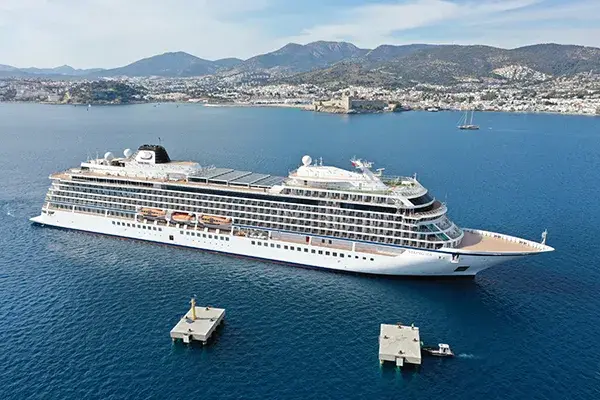 Cruise
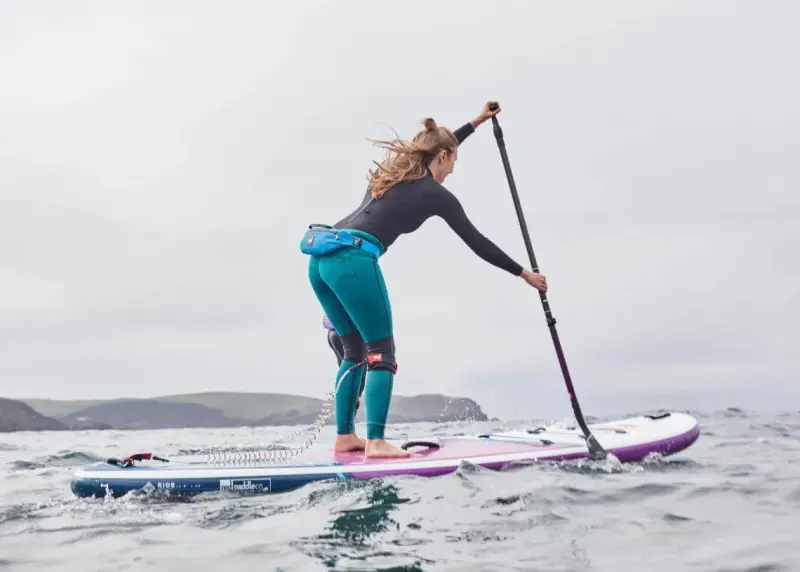 Water Activities
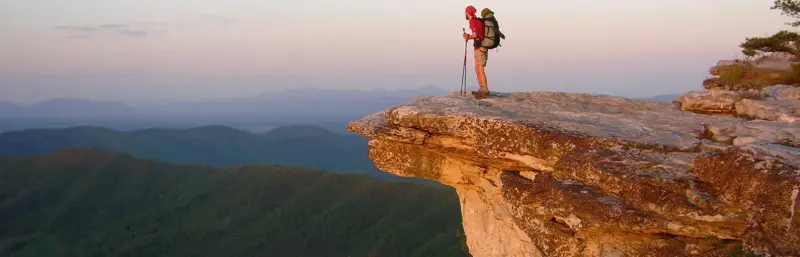 Backpacking
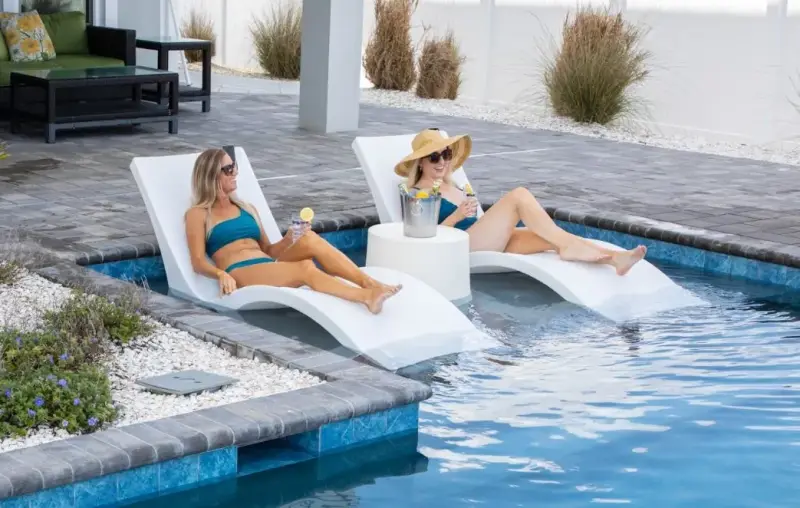 Luxury
 Photography
 City Slickers
Heritage
 Beach & Relaxation
 Sports & Recreation
 Food & Wine
Train & River Journeys
Skiing
 Overland
Switzerland at a glance
Currency, languages, time zone and sockets, plus what being outside the EU means for roaming and customs.
Top destinations in Switzerland
Pick a place by travel style: cities, heritage.
 LucerneLake city below Pilatus
BaselArt city on the Rhine bend
MontreuxThe Vaud Riviera's festival town
BernSwitzerland's arcaded capital
GenevaLakeside city of diplomats
ZurichLakeside banking city, swimming in summer
Nothing in that category yet.
Top things to do in Switzerland
The Matterhorn, the Jungfrau, panoramic railways and lake steamers.
Switzerland
Matterhorn
The Matterhorn stands on the main ridge of the Alps, on the border between the Swiss canton of Valais and the Italian region of Aosta Valley. The Swiss village...

Switzerland
Rhine Falls
The Rhine Falls, Rheinfall in German, lie on the High Rhine between Neuhausen am Rheinfall and Laufen-Uhwiesen, about 4 kilometres from the town of Schaffhausen...

Lucerne
Lake Lucerne
Lake Lucerne lies in Central Switzerland, with the city of Lucerne at its north-western end. Its German name, Vierwaldstättersee, means lake of the four foreste...
Best time to visit Switzerland
Summer opens the high trails and passes, winter brings the ski season, and the shoulder months are quiet.
Hiking, lakes and mountain railways at their best.
Snow-sure resorts and Christmas markets.
Quieter; some lifts and passes closed.
Compare a Swiss Travel Pass with a Half Fare Card for your route; mountain excursions are often only discounted, not free.
Switzerland travel tips
Short answers on entry, money, health, safety, phones, transport and where to stay.
Visas and entry
Schengen area rules
Switzerland is not in the EU but is part of the Schengen area. Citizens of the EU, the UK, the US, Canada, Australia and many other countries can visit visa-free for up to 90 days in 180; others need a Schengen visa.
- Visa-free stay
- Up to 90 days in 180
- Passport
- Valid 3 months beyond departure
- Roaming
- EU roaming deals often don't apply
- Confirm with
- State Secretariat for Migration (sem.admin.ch)
Getting there
Zurich and Geneva
Zurich and Geneva airports are the main gateways, with Basel-Mulhouse also convenient. Fast trains connect with France, Germany, Italy and Austria.
- Zurich
- ZRH
- Geneva
- GVA
- Basel
- EuroAirport (BSL)
- Airport trains
- Direct to many cities
Money and costs
Very high destination
Switzerland ranks among the world's most expensive countries, and cards are accepted everywhere. Shop at Coop and Migros for picnics, compare the Swiss Travel Pass with the Half Fare Card, and drink the free tap and fountain water.
- Shop at Coop and Migros supermarkets for picnics.
- Compare the Swiss Travel Pass and Half Fare Card.
- Tap water and fountain water are free and excellent.
Health and vaccines
Excellent but expensive
Health care is excellent but very expensive. EU visitors can use an EHIC; others need insurance, including mountain rescue cover.
- Drinking water
- Excellent; public fountains are drinkable
- Altitude
- Some peaks above 3,000 m
- Rescue
- Helicopter rescue (Rega) is costly
- Buy travel insurance that covers medical treatment and evacuation.
- Carry prescription medicines in original packaging with a copy of the prescription.
Staying safe
Very safe
Mountain hazards are the main risk in Switzerland, where crime is very low. Check weather and avalanche bulletins, stay on marked trails, carry insurance that covers mountain rescue and call 112 for any emergency.
- Emergency number
- Call 112 (all emergencies)
- Before you go
- Read your government's current travel advisory for Switzerland
- Check weather and avalanche bulletins.
- Stay on marked trails.
- Carry insurance covering mountain rescue.
Where to stay
Best areas to stay
Switzerland has city hotels and mountain chalets. Stay in the old towns of Lucerne or Zurich, in Interlaken or Grindelwald for the Jungfrau region, and in car-free Zermatt.
- Lucerne
- Old Town
- Interlaken and Grindelwald
- Jungfrau region
- Zermatt
- Car-free village
- Zurich
- Old Town
Getting around
Swiss trains
SBB trains, PostBuses, boats and mountain railways form one integrated network that runs like clockwork.
- Trains
- SBB; integrated timetable
- Scenic routes
- Glacier Express, Bernina Express, GoldenPass
- Passes
- Swiss Travel Pass, Half Fare Card
- Every train, PostBus, lake boat and most funiculars sit in the free SBB app, and buses are timed to meet trains, usually at least hourly even in small villages.
- The Swiss Travel Pass covers national transport but only discounts most mountain railways and cable cars; the Half Fare Card halves fares and comes in a one-month version for visitors.
- Supersaver tickets, sold online up to 60 days ahead, are tied to one connection.
- Seats are only hard to find at rush hour, about 06:30 to 08:00 and 17:00 to 18:30.
- Standing is not allowed in the Gotthard Base Tunnel, so a full train can refuse passengers without reservations.
- Zurich and Geneva airports have stations inside the terminals, domestic flights barely exist, and SBB forwards luggage between staffed stations.
- Motorways need the annual vignette, headlights stay on at all times, and on narrow mountain roads you pull in before a bend to let a PostBus pass.
- Yellow trail signposts give walking times, not distances, so check your pace against them on the first day.
SIM and internet
Local SIM or eSIM
Switzerland is outside the EU, so check your roaming terms. Prepaid SIM cards from Swisscom, Sunrise and Salt are sold at stations.
- Networks
- Swisscom, Sunrise, Salt
Culture and etiquette
Customs and etiquette
The Swiss value punctuality, order and quiet. Each region has its own language and traditions.
- Sunday
- Shops closed; quiet day
- Recycling
- Strict rules
- Be punctual
- Greet staff when entering shops
- Try fondue and raclette
- Noise late at night or on Sundays
- Jaywalking
- Leaving rubbish on trails
Things to know before visiting Switzerland
Swiss prices are high across the board.
Why travelers love it
- The Matterhorn and Zermatt.
- Jungfrau region.
- Scenic trains.
- Lakes of Lucerne and Geneva.
- Chocolate and cheese.
Good to know
- Very expensive.
- Not in the EU (roaming, currency).
- Sunday closures.
- Mountain weather changes fast.
Trip fit
BookingMentor editorial ratings out of 5, based on a first-time visitor's experience.
Zurich weather by month
Zurich has warm summers and cold winters, and the high Alps hold snow for much of the year.
Monthly averages for Zurich from the climate table of its Wikipedia article (Zurich (Fluntern), elevation: {{convert|556|m|ft|0), compiled from the national weather service. Mountain resorts are much colder; Lugano is milder.
Packages in Demand
A Journey to Remember
Tours, activities and day trips in and around this destination, with the details you need before booking.
No packages in Switzerland are listed yet. Browse all packages
Create Your Custom-Made Trip to Switzerland
Traveling to Switzerland? Chat with a Local Travel Specialist in Switzerland Who Can Help Organize Your Trip.
START HERE
Our Travel Experts are Recommended by


Two or three bases, from Lucerne to the Jungfraujoch and Zermatt
The best way to see Switzerland is to sleep in two or three places and ride out from each, because distances are short and trains are fast. Five days suits Lucerne or Zurich plus the Bernese Oberland and the Jungfraujoch. Ten days adds Zermatt, reached on the eight-hour Glacier Express.
Interlaken Ost is 52 minutes from Bern, and since the Gotthard Base Tunnel opened, Zurich to Lugano takes under two hours.
- Five days: Lucerne or Zurich for the lakes and an old town, then the Bernese Oberland. From Grindelwald, the Eiger Express gondola links with the Jungfrau Railway, whose last 35 minutes climb inside the mountain to the Jungfraujoch station at 3,454 m, the highest in Europe.
- Ten days: add Zermatt and travel between the two mountain regions on the Glacier Express. It takes about eight hours over 291 bridges and through 91 tunnels, topping out at the Oberalp Pass at 2,033 m. Zermatt is car-free: drivers park at Täsch, where shuttle trains leave every 20 minutes for the 10-minute ride up.
- Two weeks: swing south and east. The Bernina Express runs four hours from Chur over the Landwasser Viaduct and the Bernina Pass (2,253 m at Ospizio Bernina) down to Tirano in Italy, on a line listed by UNESCO in 2008. Finish in Lugano for an Italian-speaking coda, or west in Geneva and the Lavaux vineyards.
Two things need booking. Seat reservations are compulsory on the Glacier Express and the Bernina Express, so fix those dates first. Zermatt hotels can sell out months, even a full year, before major holidays.
Driving makes sense only for remote valleys or a rental car tour of mountain passes.
Zurich's wet summers, dry autumns and the hiking window
Zurich, at 556 m, gives the lowland picture: winter afternoons around 4°C with frost at night, summer highs of about 24°C. Summer is also the wettest season, with roughly 128 mm a month from May to July. Autumn is the driest season, and late May to early October is when most visitors come.
Ticino has a near-Mediterranean feel, with hardy palm trees in its southern valleys, though it also takes heavy downpours. Valais and Graubünden sit in sheltered inner valleys that stay drier than the rest of the Alps, which is why vines grow there.
Basel's Fasnacht starts on the Monday after Ash Wednesday with the Morgestraich procession at 4:00 am, and the festivities then run for exactly 72 hours. The Montreux Jazz Festival fills the first fortnight of July. On 1 August, National Day brings bonfires, lantern parades and fireworks; the Rhine Falls are lit up only that night, and Basel fires its rockets over the Rhine on the evening before. Summer skiing continues at Zermatt on a smaller set of glacier runs below the Klein Matterhorn, at 3,850 m.
Fondue, raclette and the regional plates of Zurich and Bern
Swiss food is built on cheese and regional dishes. Fondue, shared from one pot in winter, and raclette scraped onto potatoes are the mountain classics, with Älplermagronen as the hearty option. Zurich serves Zürcher Geschnetzeltes with rösti, Bern its Berner Platte, and Ticino polenta and Merlot.
The classic blend, moitié-moitié, mixes Gruyère with an equal weight of Vacherin Fribourgeois, melted with white wine, garlic and kirsch. It traditionally comes with hot black tea, and very little else goes on the table. This herdsmen's macaroni comes baked with cheese plus potato, with apple purée on the side.
Lucerne's Chügelipastete is a puff-pastry case filled with meatballs, mushrooms and raisins. It appears in autumn when village inns hold their Metzgete slaughter feasts. Vaud has its saucisson vaudois; Ticino cooks with polenta and pours Merlot. The humble cervelat sausage, grilled on a stick over a fire, is the national picnic.
Wine is the most popular drink, and little of it leaves the country. Try Chasselas from the Lavaux terraces, sold as Fendant in Valais.
Service is included in the bill by law. Being late by more than a minute counts as late. Sunday is a day of rest, and municipal quiet hours apply even to bottle banks. Among friends the greeting is three cheek kisses (left, right, left), while business contacts shake hands. Keep to the formal Sie or vous until invited otherwise. Photographing people without permission is both rude and illegal.
Travelers are asking
It depends on how much you travel. It covers trains, buses and boats and discounts many mountain railways; compare it with a Half Fare Card.
Our travel desk answers questions about Switzerland
How We Research This Guide
Switzerland Tourism, SBB Swiss Federal Railways and UK Foreign Office advice are what this guide relies on.
Last updated . Spotted something out of date? Tell us.
Checked against trusted sources:
Switzerland TourismSBB Swiss Federal RailwaysUK Foreign Office travel advice
Before You Go...
Discover Trips & Info
A Travel Network Connection Travelers and locals
Incredible Event & Festival, Don't Miss!
Most Popular Event & Festival of Switzerland
Festivals and events in this destination, with dates, venues and ticket details where available.

Memorable Experiences
Where to Go (& NOT Go) In Switzerland!
Roaming the World one Adventure at a Time: Travel Tales, Tips, and Inspiration for wanderlusters.

Subscriber
Popular car hire destinations
Explore more options to hire a car for cheap
Frequently Asked Questions (FAQs)
Rail passes, mountain excursions, costs and ski season.
Timing & weather
June to September is the best time to visit Switzerland for hiking and mountain railways. December to March is the ski season.
July is the warmest month in Switzerland, with average highs of 24°C, and January the coolest, with lows of -1°C. May is the wettest month, at about 128 mm of rain; February is the driest. Zurich has warm summers and cold winters, and the high Alps hold snow for much of the year.
Health & safety
Yes; crime is very low, and the main risks are in the mountains. Call 112 in an emergency, or 1414 for Rega air rescue.
Yes, Swiss tap and fountain water is safe and excellent to drink.
112, or 117 police, 144 ambulance, 118 fire and 1414 for Rega air rescue.
Visa & documents
Switzerland is outside the EU but inside the Schengen area, with 90 visa-free days in any 180 for many nationalities and a Schengen visa for the rest.
Booking
Five days covers Lucerne and the Bernese Oberland; ten adds Zermatt and the Glacier Express.
General
Zermatt and the Matterhorn, Interlaken, Grindelwald, Lauterbrunnen and the Jungfraujoch, plus Lucerne, Zurich, Geneva, Bern, Lugano and St Moritz. Two or three bases cover most of them.
Switzerland has four national languages: German, French, Italian and Romansh. Which one you hear depends on the region.
The Swiss type J socket at 230 V, 50 Hz; two-pin C plugs also fit.
SBB trains, PostBuses, boats and mountain railways form one integrated network that runs like clockwork.
Switzerland is best known for:
- The Matterhorn and Zermatt
- Jungfrau region
- Scenic trains
- Lakes of Lucerne and Geneva
- Chocolate and cheese
Prices & payment
Switzerland uses the Swiss franc. Cards are accepted everywhere.
Daily travel costs in Switzerland are very high. One of the more expensive destinations.
Getting there
Zurich and Geneva airports are the main gateways, with Basel-Mulhouse also convenient. Fast trains connect with France, Germany, Italy and Austria.

 Umrah packages from Dhaka