


Syria travel guide
Ancient Damascus, Aleppo and Palmyra.
Syria holds some of the world's oldest cities, including Damascus and Aleppo, the Roman city of Palmyra, the Krak des Chevaliers crusader castle and Bosra's Roman theatre, all UNESCO-listed and many damaged in the civil war. The country is in transition after the fall of the former government in December 2024; most governments still advise against all travel. A visa is required and rules are changing, so check before any plan.
The geographical location of Syria is in the east of the Mediterranean Sea, bordered by Turkey, Iraq, Jordan, Lebanon, and Israel. Damascus, considered one of the oldest cities in the world, is the capital of Syria and is famous for its ancient mosques, the Umayyad Mosque, the Azm Palace, and the Old City’s souks. Aleppo is a major city in Syria known for its castle, ancient souks, and traditional markets.
Some of the most famous landmarks in Syria are the ancient cities of the country, partially preserved and located in different regions of the country. For example, the ancient city of Palmyra was once a major center of trade, located in the middle of the Syrian desert. Another important archeological site is the city of Bosra with its remarkably preserved Roman theater, entirely made of black basalt rock. The medieval castle of Krak des Chevaliers near Homs is another cultural monument of Syria.
The most famous local dishes and specialties are kibbeh, fattoush, hummus, muhammara, shawarma, and many others. They may vary from region to region. The official language of Syria is Arabic, and the country’s ancient history is closely related to the Phoenician, Roman, Byzantine, Islamic, and Ottoman cultures.
Syria's heritage highlights
Find your kind of trip: 24 travel themes, each with the packages in Syria.
 Ayurveda Tours
Seasonal/Event
 Adventure
Wildlife & Safaris
Pilgrimage
Eco/Nature
Culture & History
 Honeymoon
 Romantic Getaway
 Cruise
 Water Activities
 Backpacking
 Luxury
 Photography
City Slickers
Heritage
 Beach & Relaxation
 Sports & Recreation
 Food & Wine
Train & River Journeys
Skiing
 Overland
Syria at a glance
Entry rules and safety advice change often; check official sources before making any plans.
Explore other countries
Pick a place by travel style: beaches, nature, cities, heritage, hills, islands, desert.
 FranceParis, the Riviera, châteaux and Alpine peaks
 ThailandTemples, street food and tropical islands
 United StatesGreat cities, national parks and road trips
 QatarDoha's museums, souqs and desert dunes
 IndiaPalaces, temples, Himalaya and backwaters
 Sri LankaAncient cities, tea hills, wildlife and beaches
 ChinaThe Great Wall, ancient capitals and mega-cities
 United KingdomLondon, castles, highlands and country villages
 Saudi ArabiaAlUla, Red Sea coast and Arabian heritage
 TurkeyIstanbul, Cappadocia and the Turquoise Coast
 United Arab EmiratesDubai, Abu Dhabi and desert adventures
 ItalyRome, Renaissance cities, lakes and coastlines
 EgyptPyramids, Nile temples and Red Sea reefs
 JapanTokyo, Kyoto's temples and Mount Fuji
 GermanyBerlin, castles, the Rhine and the Alps
 MalaysiaKuala Lumpur, rainforest, islands and street food
 SpainBeaches, tapas, flamenco and Gaudí
 IndonesiaBali, Komodo, Borobudur and 17,000 islands
 Hong KongSkyline, harbour, dim sum and hiking trails
 SingaporeGardens, hawker food and a dazzling skyline
 GreeceAncient wonders and Aegean islands
 MaldivesOverwater villas and coral atolls
 PortugalLisbon, Porto, the Algarve and island escapes
 VietnamHa Long Bay, Hoi An and street food
 BrazilRio, the Amazon, Iguaçu and endless beaches
 AustraliaReef, outback, beaches and laid-back cities
 South KoreaSeoul's palaces, K-culture and mountain temples
 SwitzerlandAlps, lakes, trains and chocolate
 MexicoMaya ruins, Caribbean beaches and Mexico City
 RussiaMoscow, St Petersburg and vast landscapes
 South AfricaSafaris, Cape Town and the Garden Route
 CanadaRockies, lakes, wildlife and friendly cities
 PalestineBethlehem, Jericho and ancient holy sites
 TaiwanNight markets, mountains and Taipei 101
 ColombiaCaribbean coast, coffee country and Andean cities
 Philippines7,000 islands of beaches, reefs and rice terraces
 CambodiaAngkor's temples, river life and islands
 IsraelJerusalem, the Dead Sea and Tel Aviv beaches
 NetherlandsCanals, bikes, tulips and Dutch masters
 ArgentinaTango, glaciers, waterfalls and the Andes
 AustriaVienna's palaces, Alpine villages and music
 BelgiumMedieval towns, art, chocolate and beer
 ChilePatagonia, the Atacama and the Andes
 CroatiaAdriatic islands, walled towns and lakes
 IcelandWaterfalls, glaciers, volcanoes and northern lights
 IrelandGreen coasts, lively pubs and Celtic heritage
 JordanPetra, Wadi Rum and the Dead Sea
 MadagascarLemurs, baobabs and unique wildlife
 MauritiusLagoons, mountains and multicultural flavours
 MyanmarBagan's temples and the Shwedagon Pagoda
 NepalEverest, the Annapurnas and Kathmandu's temples
 NigeriaLagos energy, Afrobeats and cultural heritage
 NorwayFjords, northern lights and the midnight sun
 TahitiGateway to French Polynesia
 TanzaniaSerengeti, Kilimanjaro and Zanzibar
 VenezuelaAngel Falls, Los Roques and the Andes
 BhutanHimalayan monasteries and Gross National Happiness
 BoliviaSalt flats, Andean lakes and colonial cities
 KuwaitGulf city-state
 MoroccoMedinas, Sahara dunes and Atlas mountains
 OmanForts, wadis, deserts and Arabian coast
 ParaguayJesuit missions, wetlands and the Chaco
 PeruMachu Picchu, the Andes and the Amazon
 ScotlandHighlands, castles, islands and whisky
 TunisiaCarthage, Sahara and Mediterranean beaches
 AngolaAtlantic coast, waterfalls and desert landscapes
 AzerbaijanBaku's flame towers and Caspian Sea culture
 BahamasTurquoise water across 700 islands
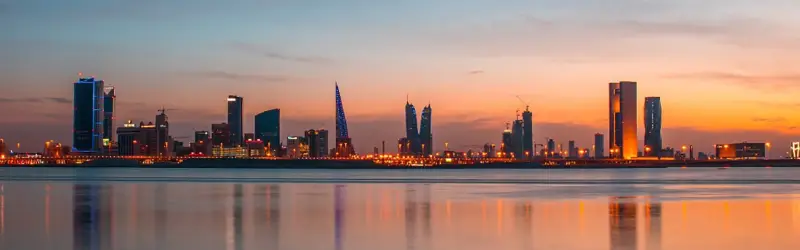 BahrainPearling heritage and Gulf city life
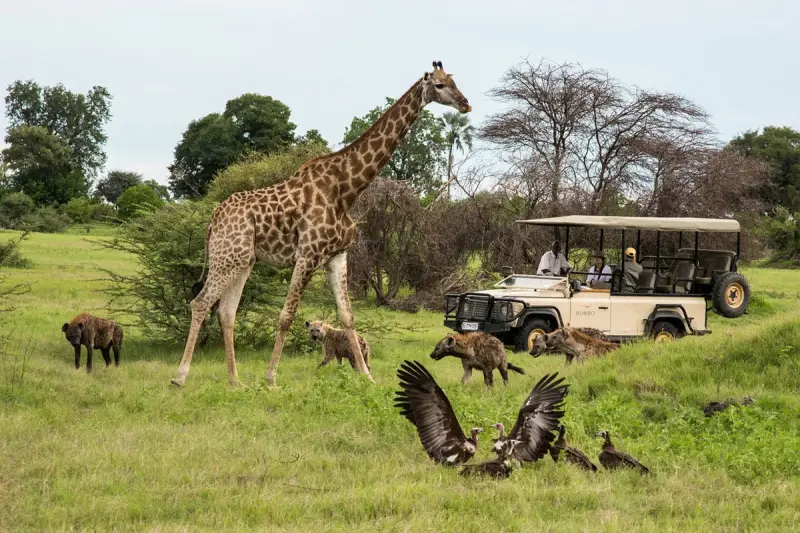 BotswanaOkavango Delta safaris and Kalahari skies
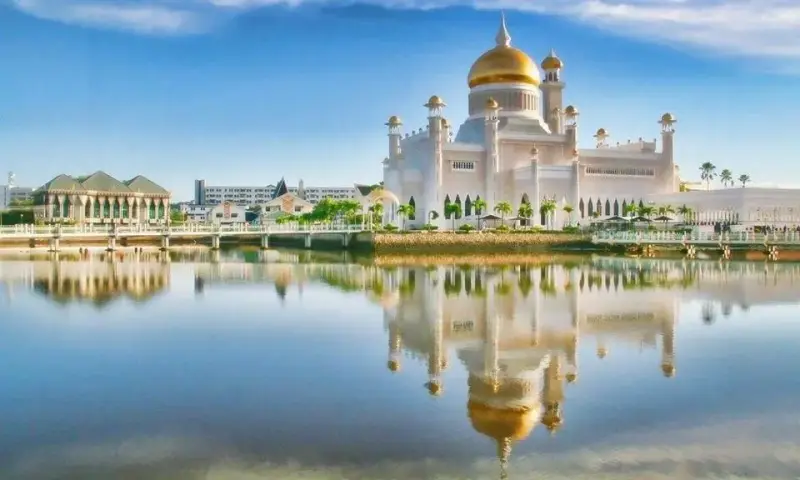 BruneiGolden mosques and pristine Borneo rainforest
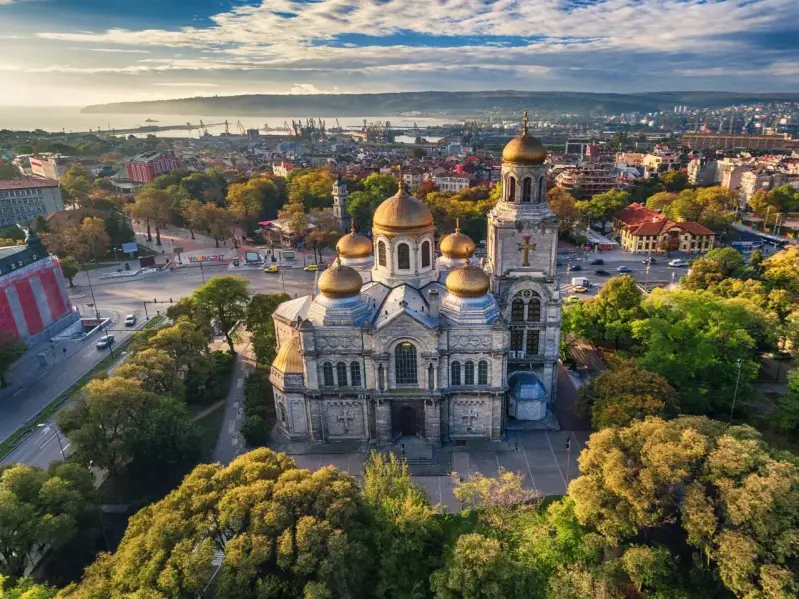 BulgariaBlack Sea beaches, mountains and monasteries
 Cape Verde IslandsAtlantic islands of beaches, volcanoes and morna
 CubaHavana, Trinidad, tobacco valleys and beaches
 Czech RepublicPrague, castles and spa towns
 EcuadorGalápagos, Andes volcanoes and the Amazon
 EthiopiaRock-hewn churches, highlands and ancient kingdoms
 FijiCoral islands, warm welcomes and soft coral reefs
 FinlandLakes, Lapland and the northern lights
 GeorgiaCaucasus peaks, wine and Tbilisi's old town
 GuyanaKaieteur Falls and untouched rainforest
 HungaryBudapest's baths, Lake Balaton and wine
 KazakhstanSteppe, canyons and Silk Road cities
 KenyaSafaris, the Great Migration and Indian Ocean beaches
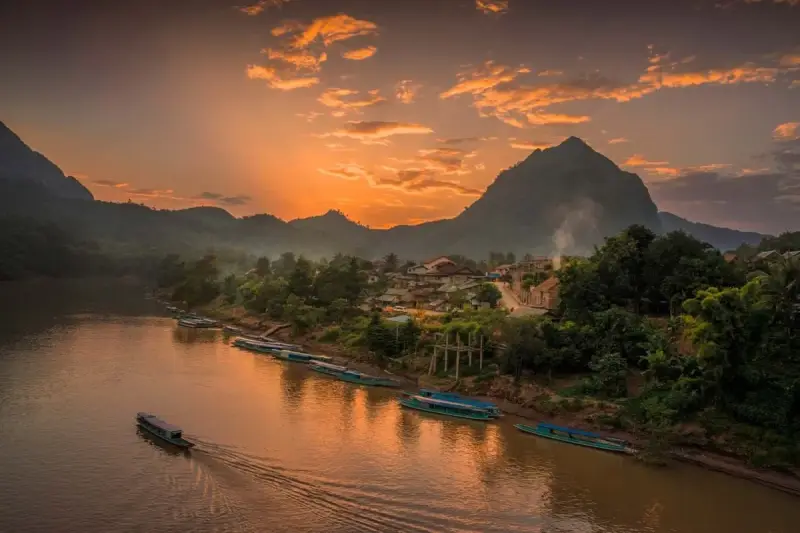 LaosLuang Prabang, the Mekong and limestone karsts
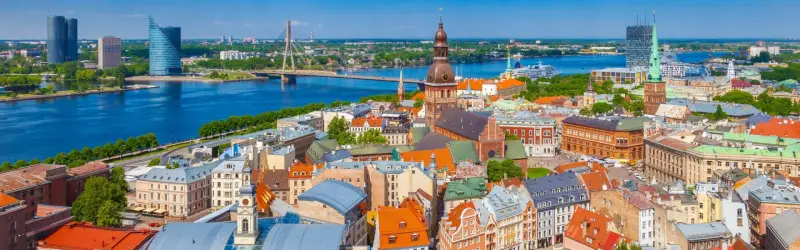 LatviaRiga's Art Nouveau and Baltic beaches
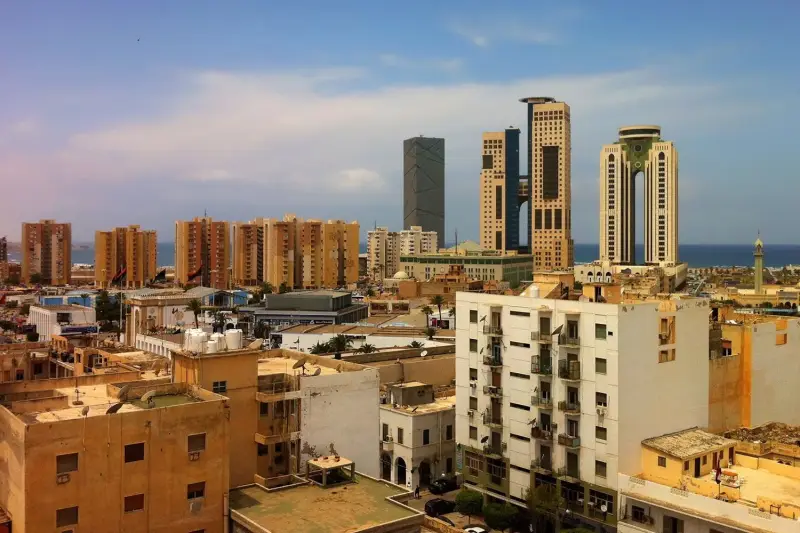 LibyaRoman ruins and Sahara
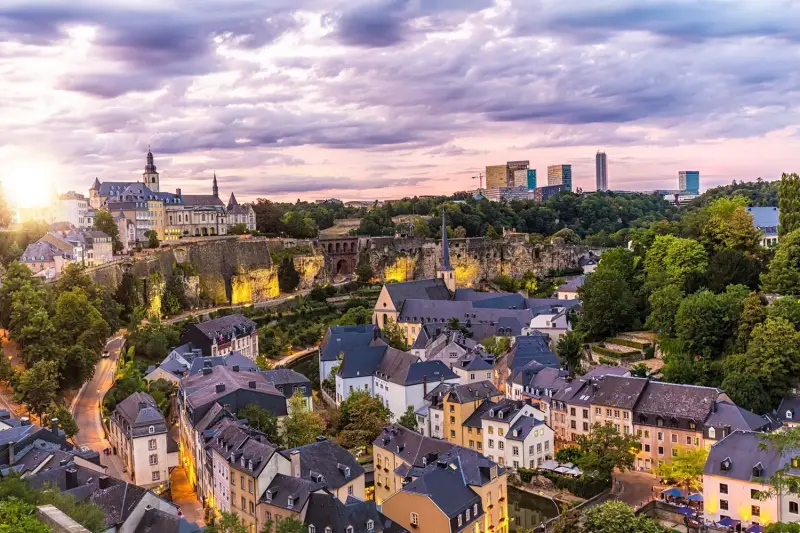 LuxembourgFortress city, castles and free public transport
 MongoliaSteppe, Gobi Desert and nomad life
 MozambiqueIndian Ocean islands and coral coast
 New ZealandFiords, glaciers, volcanoes and Māori culture
 PakistanKarakoram peaks, Mughal Lahore and mountain valleys
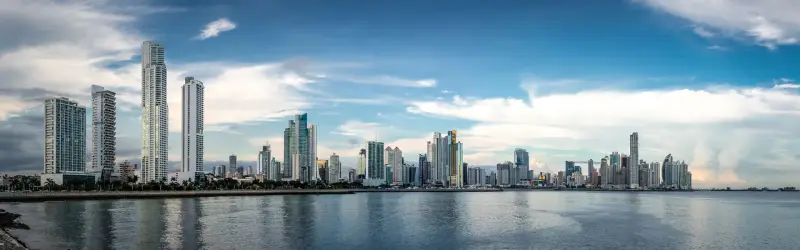 PanamaThe canal, islands and rainforest
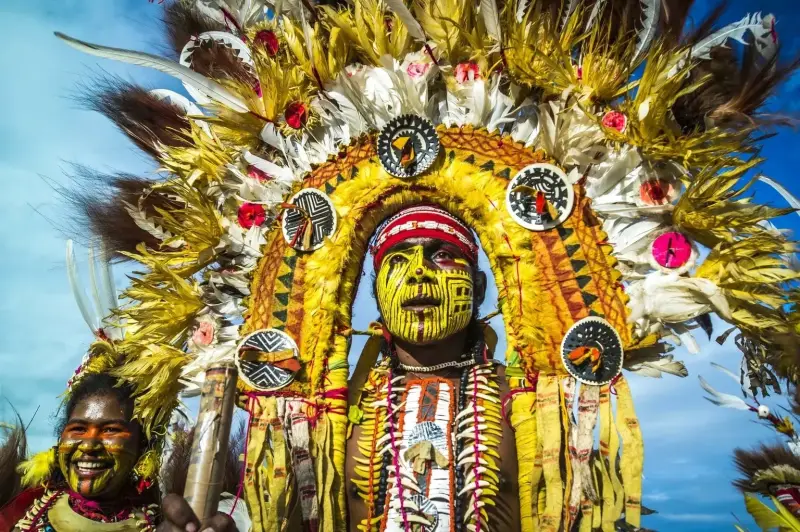 Papua New GuineaHighland cultures, reefs and the Kokoda Track
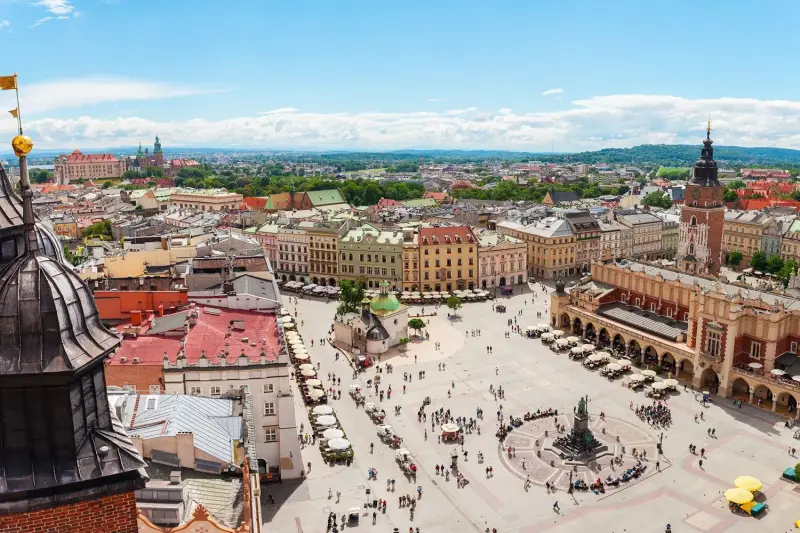 PolandKraków, Gdańsk, Warsaw and the Tatras
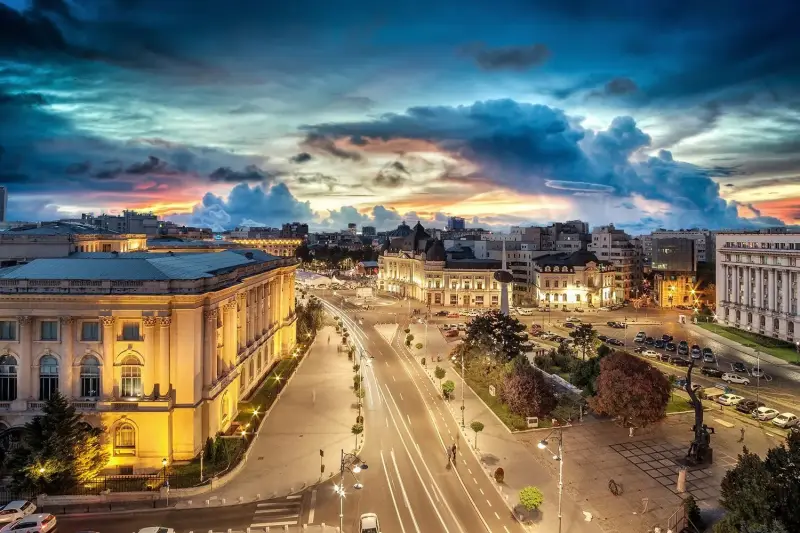 RomaniaTransylvania's castles, painted monasteries and the Carpathians
 RwandaMountain gorillas and the land of a thousand hills
 Saint LuciaThe Pitons, rainforest and Caribbean romance
 SerbiaBelgrade nightlife, monasteries and the Danube
 SeychellesGranite islands and perfect beaches
 SudanNubian pyramids and the Nile
 SwedenStockholm's archipelago, Lapland and design
 UruguayBeaches, colonial Colonia and laid-back Montevideo
 UzbekistanSamarkand, Bukhara and Khiva on the Silk Road
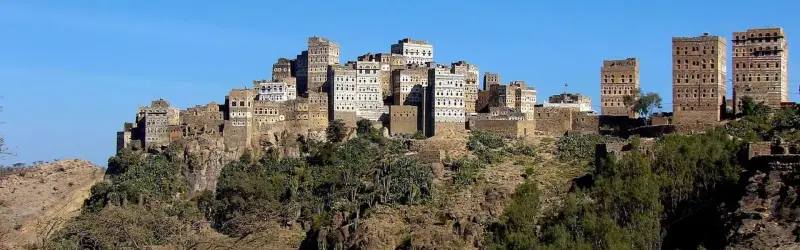 YemenAncient tower houses and Socotra's unique nature
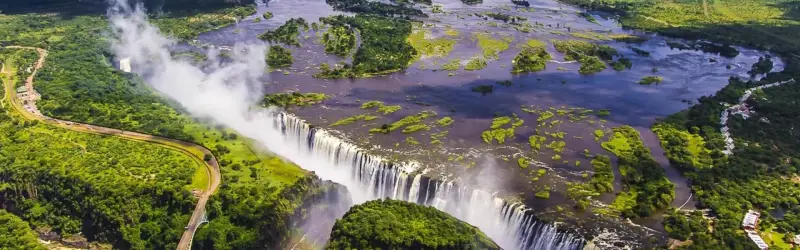 ZambiaVictoria Falls, walking safaris and the Zambezi
SurinameRainforest, rivers and colonial Paramaribo
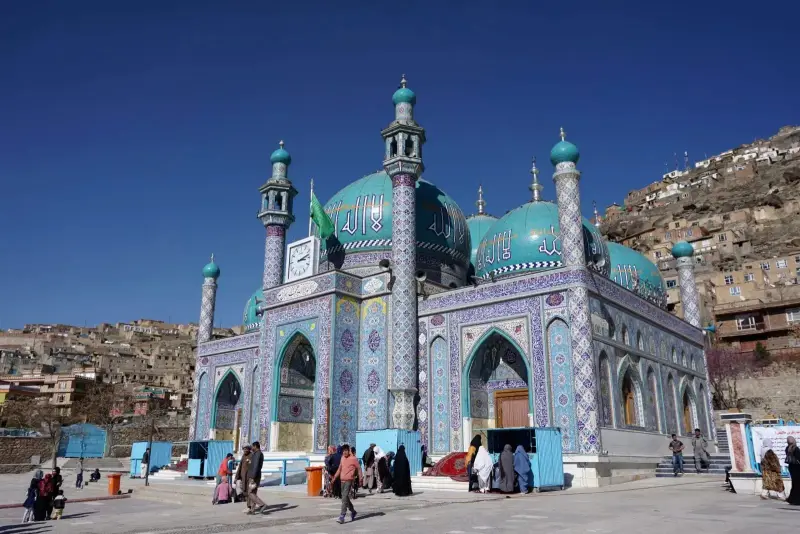 AfghanistanMountain valleys and Silk Road history
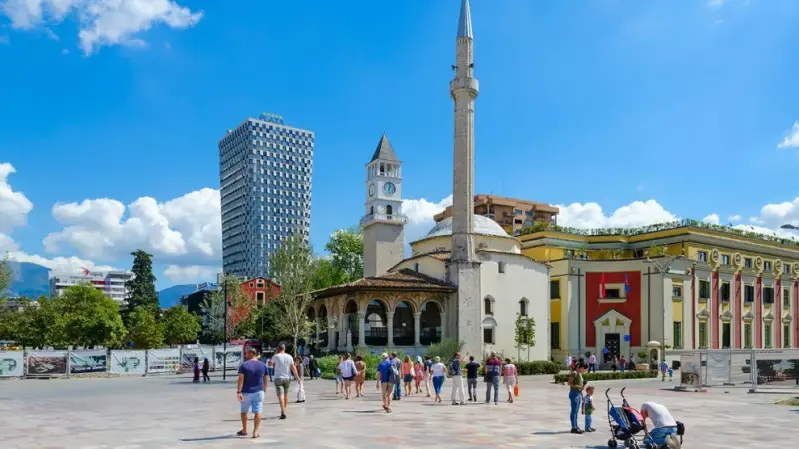 AlbaniaRiviera beaches, mountain villages and Ottoman towns
 AndorraPyrenean ski slopes and duty-free shopping
 AntarcticaIcebergs, penguins and the last great wilderness
 Antigua and BarbudaA beach for every day of the year
 ArcticNorthern lights, polar bears and the midnight sun
 ArmeniaAncient monasteries beneath Mount Ararat
 BarbadosBeaches, rum and cricket in the Caribbean
 BelarusPrimeval forests and Soviet-era Minsk
 BelizeBarrier reef, Maya temples and jungle
 BeninVodun culture, royal palaces and lagoon villages
 BermudaPink sand beaches in the Atlantic
 Bosnia HerzegovinaOttoman bridges, mountain rivers and Sarajevo
 Burkina FasoSahel culture, music and film festivals
 BurundiLake Tanganyika beaches and drumming traditions
 CameroonAfrica in miniature: rainforest, volcano and savanna
 ChadSaharan landscapes and Zakouma wildlife
 ComorosVolcanic islands, vanilla and ylang-ylang
 Costa RicaRainforest, volcanoes, wildlife and two coasts
 CyprusSunny beaches, ancient sites and mountain villages
 Côte D'IvoireAbidjan's skyline, beaches and basilicas
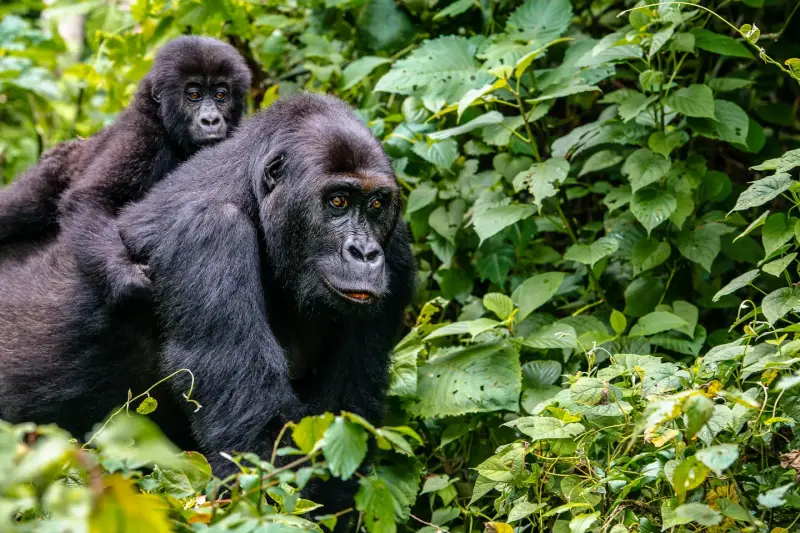 DR CongoGorillas, volcanoes and the mighty Congo River
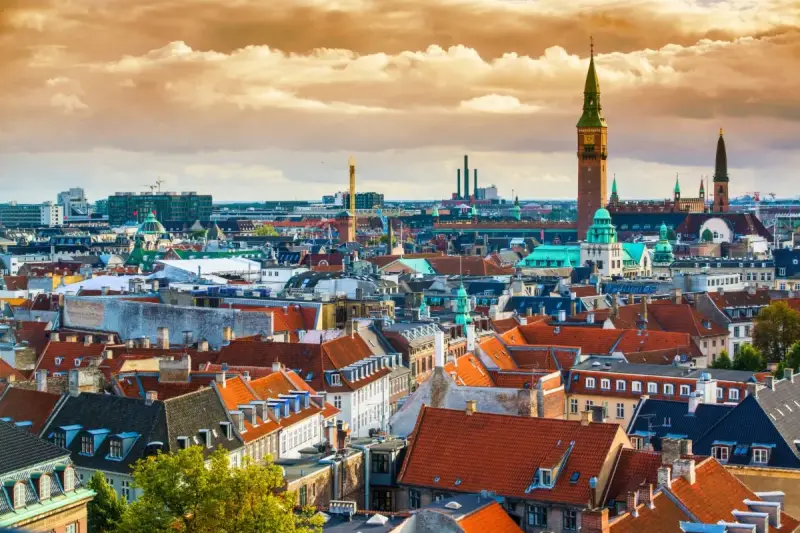 DenmarkCopenhagen design, castles and coastlines
 DjiboutiSalt lakes, whale sharks and volcanic desert
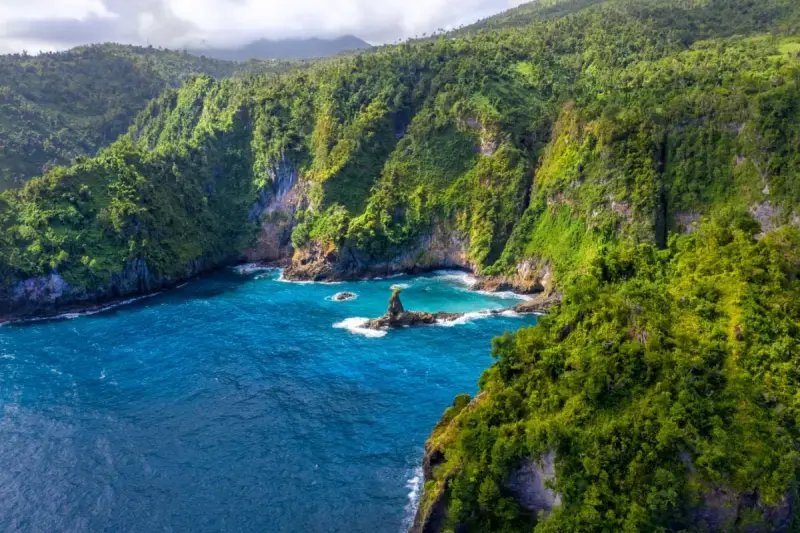 DominicaThe Caribbean's nature island
 Dominican RepublicPunta Cana beaches and the New World's first city
 El SalvadorSurf beaches, volcanoes and colonial towns
 Equatorial GuineaVolcanic Bioko and rainforest Río Muni
 EritreaAsmara's Modernist architecture and the Red Sea
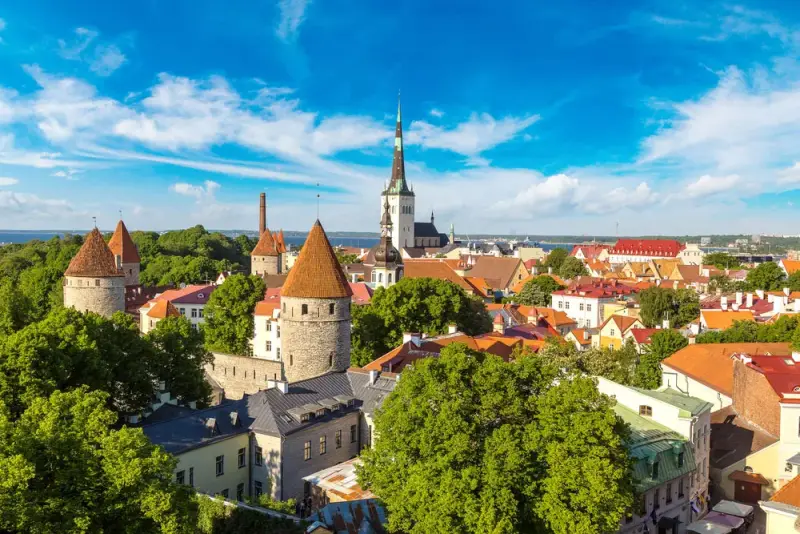 EstoniaTallinn's medieval old town and Baltic nature
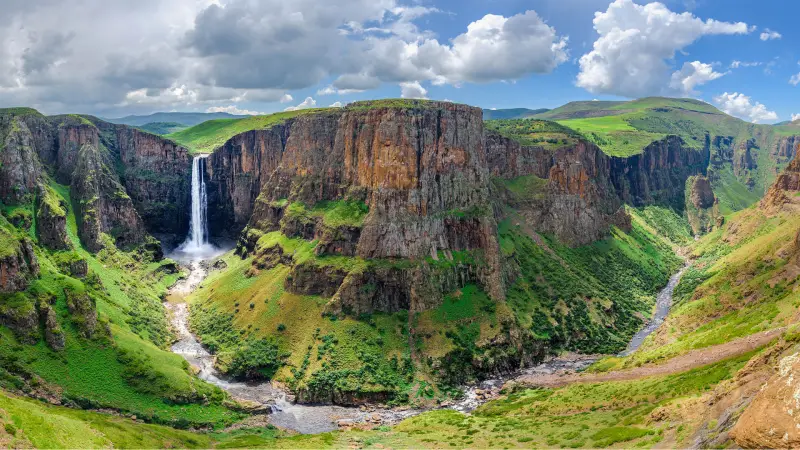 EswatiniWildlife, culture festivals and mountain valleys
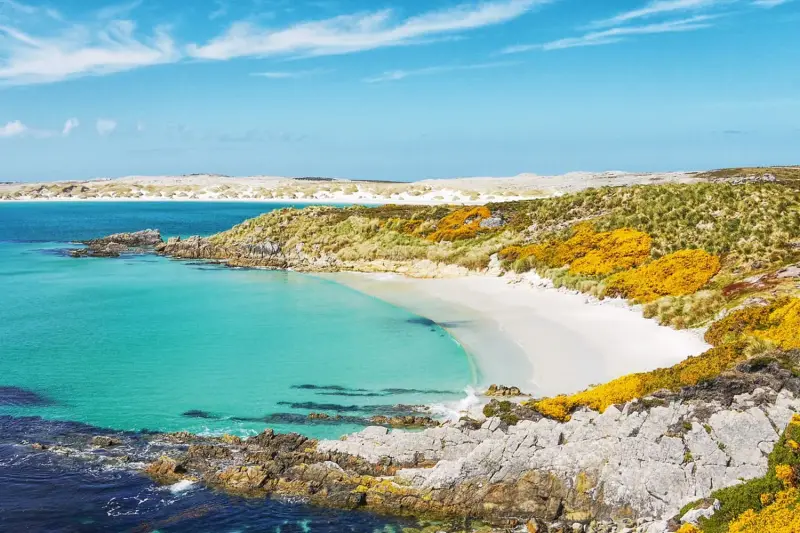 Falkland IslandsPenguin colonies on remote South Atlantic islands
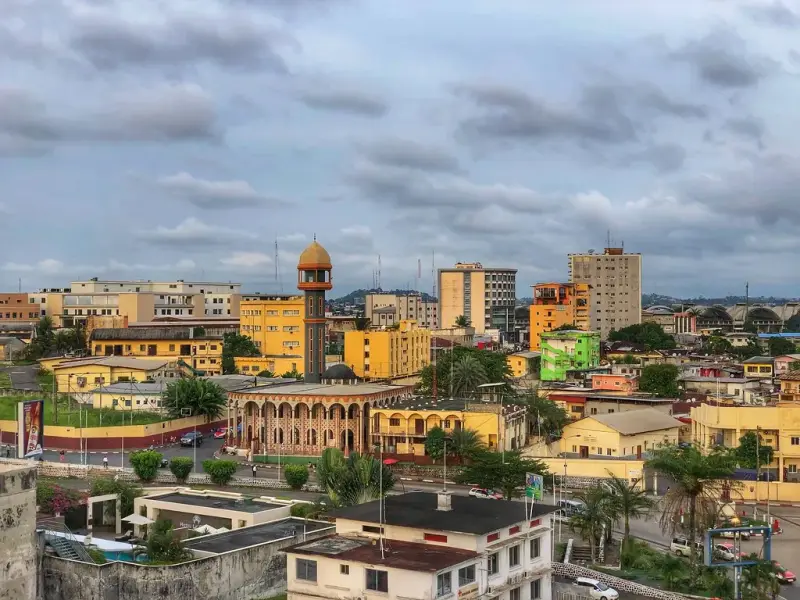 GabonRainforest parks, surfing hippos and gorillas
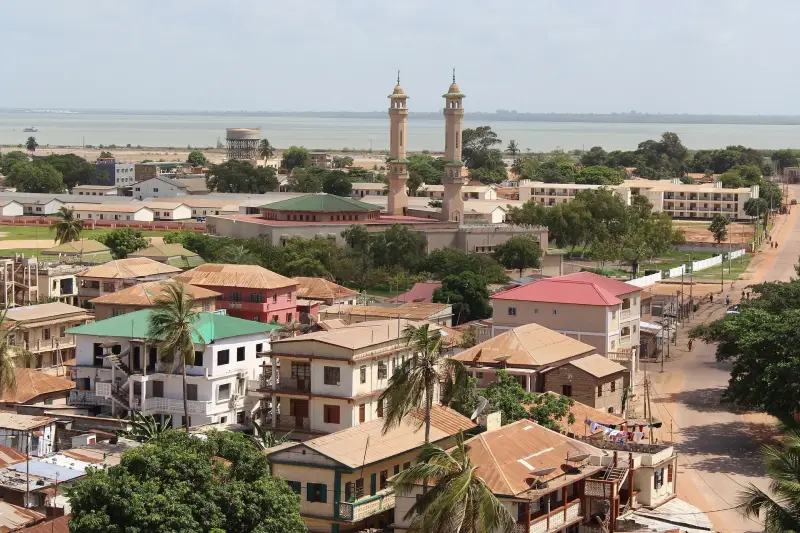 GambiaAtlantic beaches, river life and birdwatching
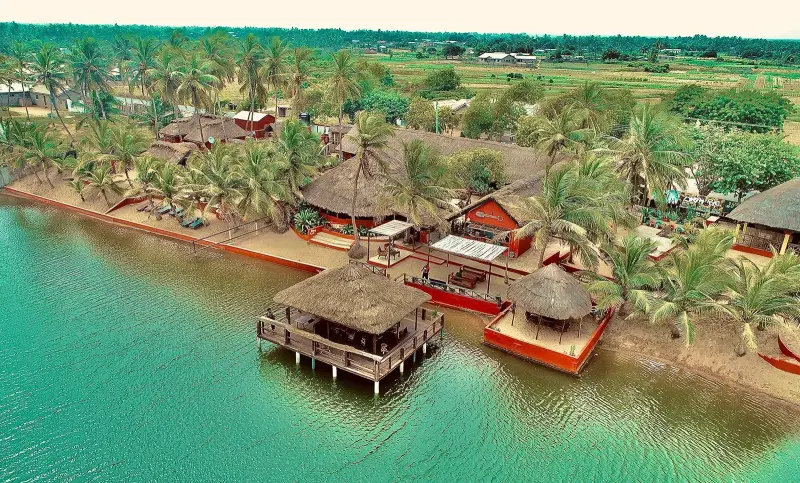 GhanaCoastal castles, Ashanti culture and warm welcomes
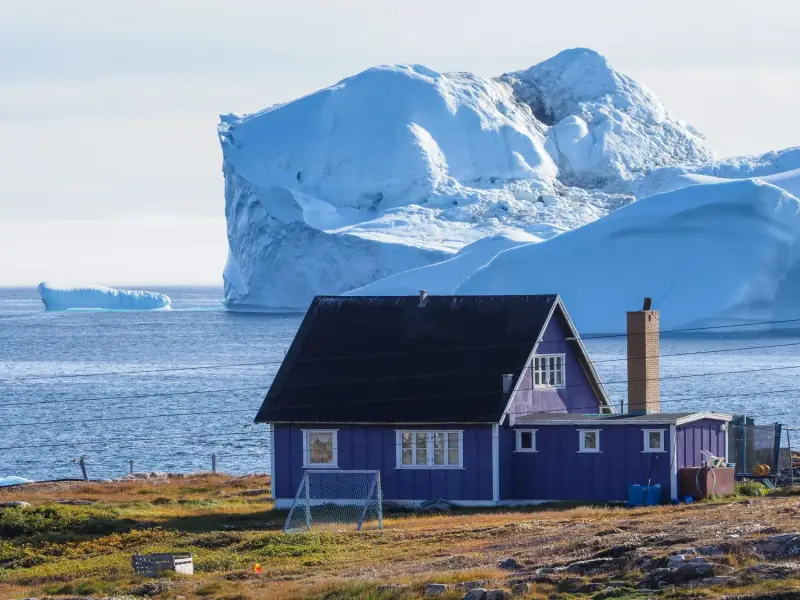 GreenlandIcebergs, glaciers and Arctic culture
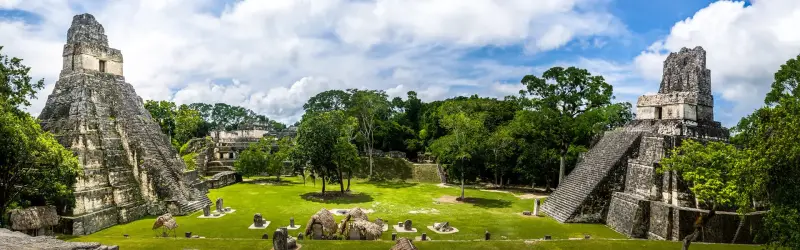 GuatemalaMaya temples, volcanoes and Lake Atitlán
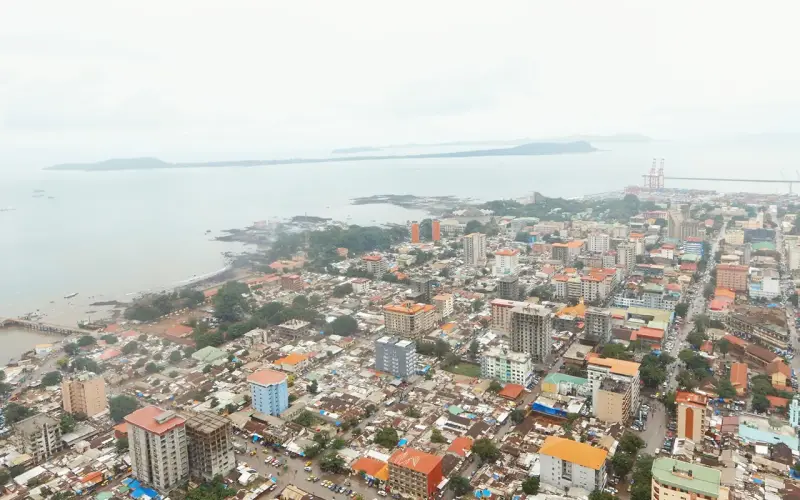 GuineaHighlands and waterfalls
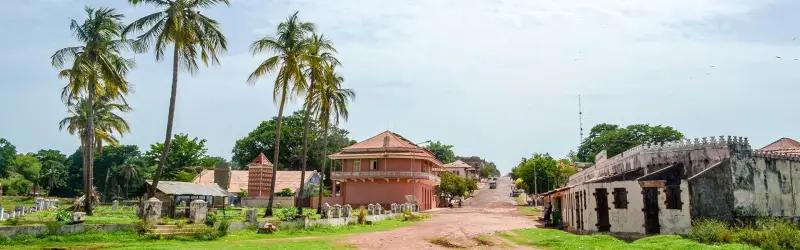 Guinea BissauThe Bijagós Islands and saltwater hippos
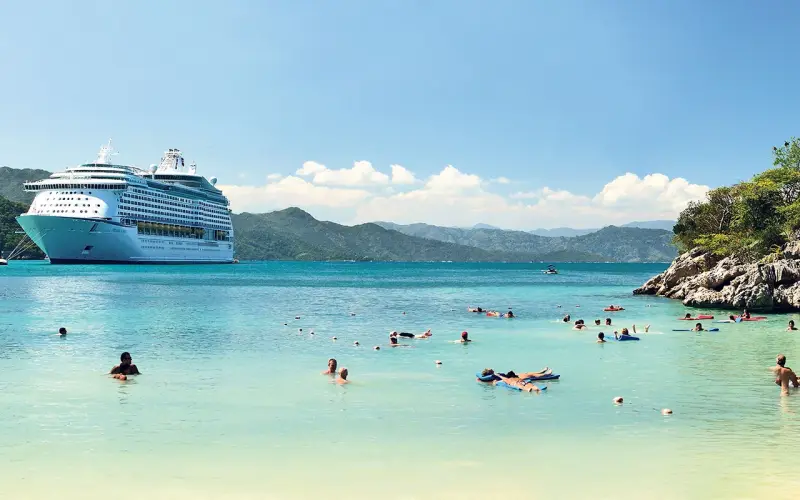 HaitiCitadelle and Caribbean culture
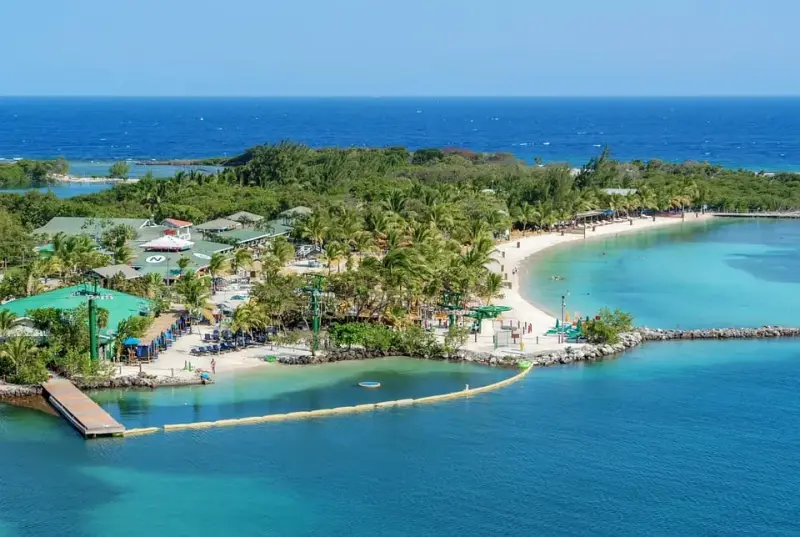 HondurasCopán and the Bay Islands
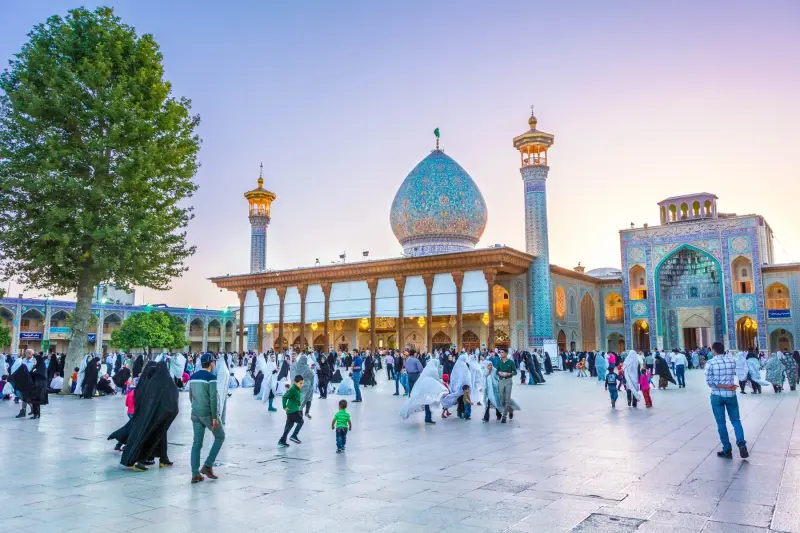 IranPersian palaces, mosques and gardens
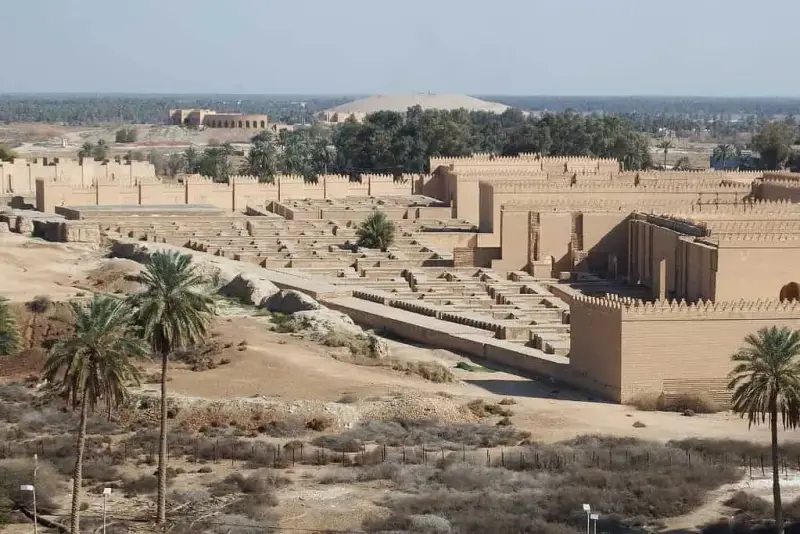 IraqAncient Mesopotamia
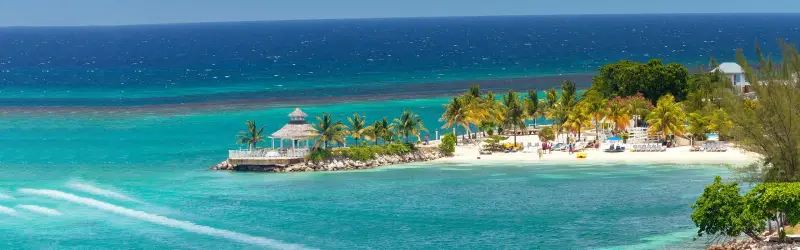 JamaicaReggae, waterfalls and Caribbean beaches
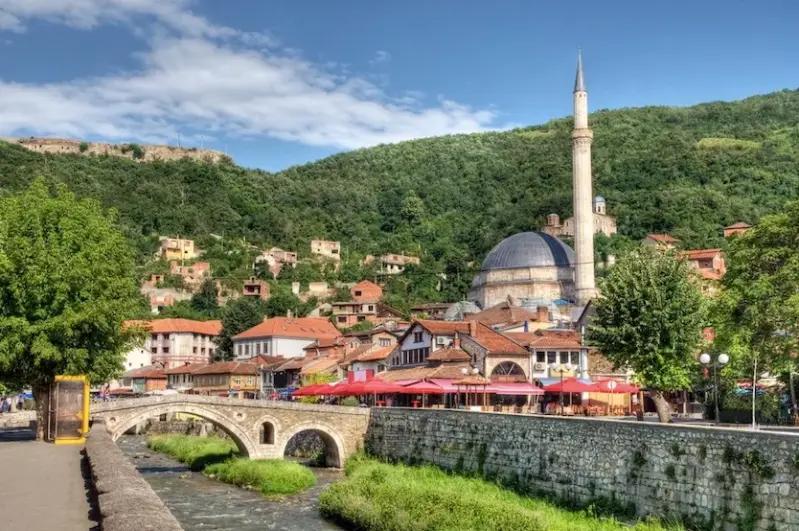 KosovoMedieval monasteries and mountain valleys
 KyrgyzstanMountain lakes, yurts and nomad culture
 LesothoThe Kingdom in the Sky
 LiberiaRainforest and surf
 LiechtensteinAlpine principality
 LithuaniaBaroque Vilnius, castles and the Curonian Spit
 MalawiLake Malawi, the warm heart of Africa
 MaliSahel heritage
 MaltaValletta, ancient temples and blue lagoons
 Marshall IslandsPacific atolls
 MauritaniaSahara caravan towns and the Iron Ore Train
 MicronesiaNan Madol, Chuuk Lagoon wrecks and Yap's stone money
 MoldovaWine cellars, cave monasteries and countryside
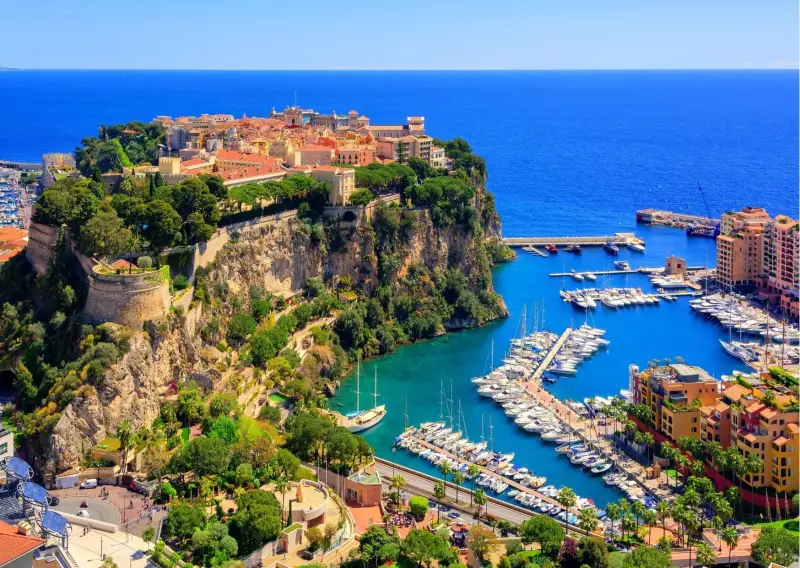 MonacoGlamour, Grand Prix and the Riviera
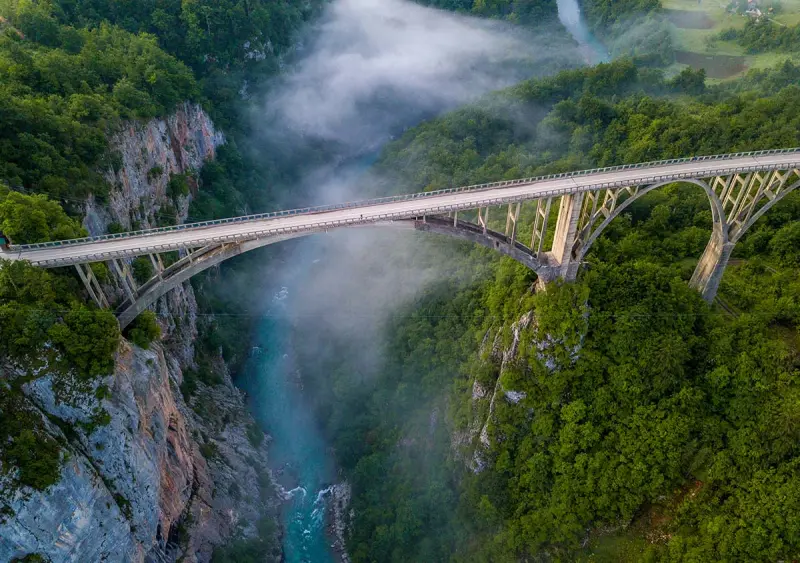 MontenegroBay of Kotor, Adriatic beaches and mountains
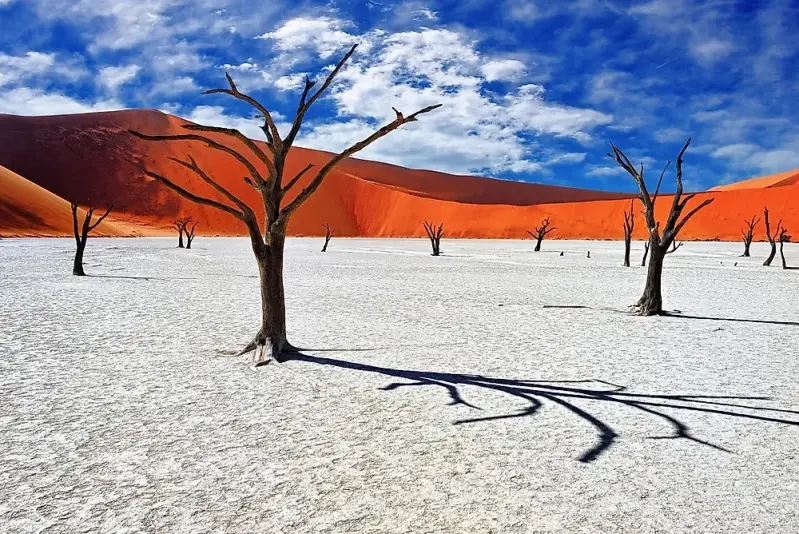 NamibiaRed dunes, Etosha wildlife and desert coast
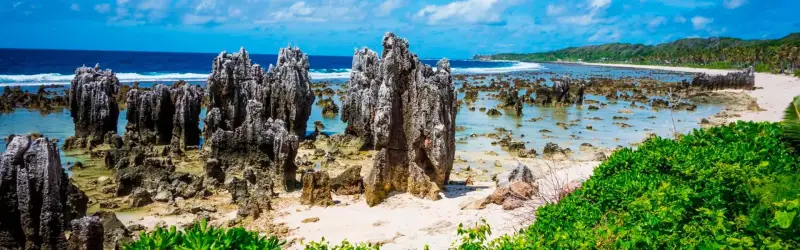 NauruThe world's smallest island republic
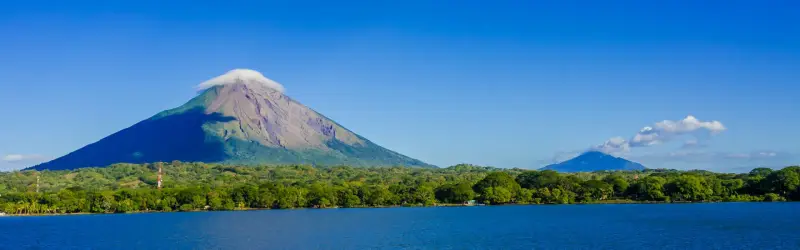 NicaraguaVolcanoes, lakes and colonial Granada
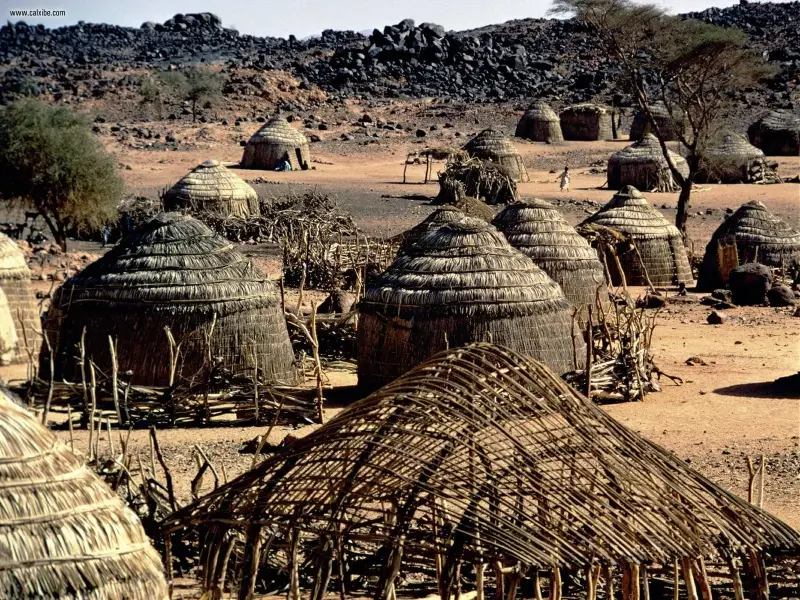 NigerAgadez and the Sahara
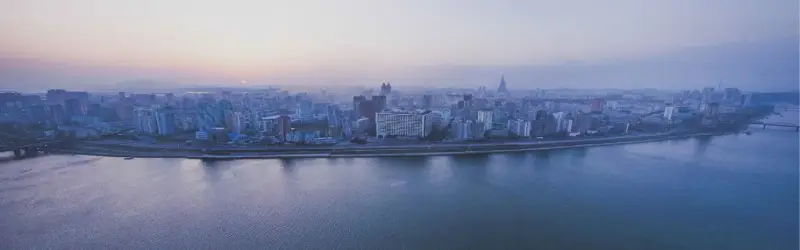 North KoreaThe world's most closed country
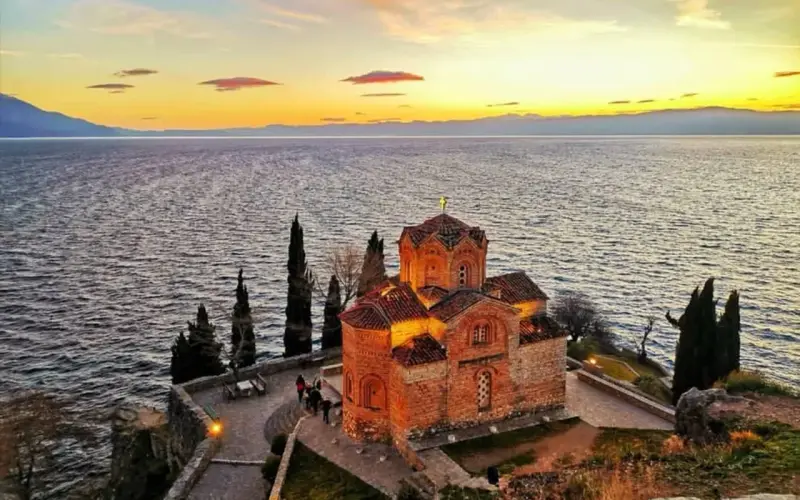 North MacedoniaLake Ohrid, Skopje and Balkan mountains
 PalauRock Islands, Jellyfish Lake and world-class diving
 Saint Kitts and NevisBrimstone Hill, scenic railway and twin islands
 Saint Vincent and the GrenadinesSailing the Grenadines and Tobago Cays
 SamoaBeach fales, waterfalls and fa'a Samoa
 Sao Tome and PrincipeCocoa islands on the equator
 SenegalDakar's energy, Gorée Island and the Saloum Delta
 Sierra LeoneBeaches, islands and chimpanzee sanctuaries
 SlovakiaCastles, the High Tatras and Bratislava
 SloveniaLake Bled, Alpine valleys and caves
 Solomon IslandsWWII history, reefs and lagoons
 SomaliaAncient coast and Somaliland rock art
 South SudanThe world's youngest country
 TajikistanThe Pamir Highway and high mountain lakes
 Timor-LesteCoral reefs, mountains and a young nation
 TogoVoodoo markets, Koutammakou and palm-lined coast
 TongaHumpback whales and a Polynesian kingdom
 TurkmenistanThe Door to Hell and marble Ashgabat
 TuvaluRemote Pacific atolls and lagoons
 UgandaGorillas, chimpanzees and the source of the Nile
 UkraineKyiv, Lviv and the Carpathians
 VanuatuActive volcanoes, reefs and island culture
 Vatican CitySt Peter's and the Sistine Chapel
 WalesCastles, coast paths and mountains
 ZimbabweVictoria Falls, Hwange and Great Zimbabwe
MacauPortuguese heritage, Macanese food and Cotai resorts
 Bangladesh295 places to stay, eat or see
Nothing in that category yet.
Notable sights in Syria
Ancient cities, castles and souqs in Syria.
No things to do in Syria are listed yet. Browse all things to do
Best time to visit Syria
March to May and the autumn months are mildest; summers are hot and dry inland.
Mild and pleasant.
Hot and dry inland.
Cold, with snow in the mountains.
The situation changes quickly; check your government's travel advice and the latest entry rules before any plans.
Packages in Demand
A Journey to Remember
Tours, activities and day trips in and around this destination, with the details you need before booking.
No packages in Syria are listed yet. Browse all packages
Create Your Custom-Made Trip to Syria
Traveling to Syria? Chat with a Local Travel Specialist in Syria Who Can Help Organize Your Trip.
START HERE
Our Travel Experts are Recommended by



Syria travel tips
Visas, cash, health care and safety: read these before considering any travel to Syria.
Visas and entry
Visa required
Entry rules have changed since the fall of the former government in December 2024 and continue to evolve.
- Check
- Latest entry rules before travel
Getting there
Limited flights
Damascus International Airport (DAM) has resumed some international flights; overland routes from Lebanon and Jordan are subject to change.
- Airport
- Damascus International (DAM)
Money and costs
Cash
International cards do not work; bring cash.
- Carry clean, recent US dollar notes; damaged notes are often refused.
Health and vaccines
Very limited care
Medical services are severely limited after years of conflict.
- Insurance
- Many policies exclude Syria
Staying safe
Do not travel advisories
Armed conflict, terrorism, kidnapping and landmines pose serious risks.
- Before you go
- Read your government's travel advice
Where to stay
Damascus
Some hotels operate in Damascus; infrastructure is damaged in many areas.
- Heritage
- Ancient Damascus, Aleppo, Palmyra, Bosra (UNESCO, many damaged)
Getting around
Not advised
Overland travel is risky; use reputable local fixers if you must travel.
- Hazards
- Unexploded ordnance
- Overland
- Shared taxis from Beirut; Amman bus about 4 hours; Antakya to Aleppo about 3 hours
- Servees
- White microbuses on fixed routes, signs in Arabic
- Taxis
- Yellow and metered, or the Yallago app; beware fake taxis at bus terminals
- Trains
- No passenger service
- Driving
- Get a police report after any accident; stay on paved roads
SIM and internet
Syriatel, MTN
SIM cards require ID; internet can be unreliable.
- Networks
- Syriatel, MTN Syria
Culture and etiquette
Ancient and hospitable
Damascus and Aleppo are among the oldest continuously inhabited cities, and Syrian hospitality is generous.
- Dress modestly
- Photographing military sites
Things to know before visiting Syria
All-travel advisories, a cash-only economy, no consular help and ongoing de-mining.
Why travelers love it
- The Old City of Damascus and the Umayyad Mosque.
- Aleppo's old city and citadel.
- Palmyra, the ancient caravan city.
- Krak des Chevaliers, a crusader castle.
- Bosra's Roman theatre.
Good to know
- Unexploded ordnance in many areas.
- Foreign bank cards do not work.
Trip fit
BookingMentor editorial ratings out of 5, based on a first-time visitor's experience.
Damascus weather by month
Damascus International Airport records dry summers near 38 °C and January lows around 1 °C.
Climate figures are approximate long-term averages for Damascus International Airport (NOAA 1991–2020 normals, via Wikipedia).
Damascus, Hama and Aleppo under current warnings
As of September 2026 the UK Foreign Office advised against all travel to Syria, citing unpredictable security conditions and the threat of terrorist attacks, and said it cannot provide consular support from inside the country. Other governments take similarly strict positions.
Read the current advice for your nationality before booking anything, and confirm in writing that your insurer will cover the trip, since standard policies often exclude it.
Visitors who go anyway mostly travel with a local agency. Since 2025, licensed agencies have run tours to Damascus, Hama, Homs, Maaloula, Palmyra, Aleppo, Latakia, Tartus and the country around Krak des Chevaliers. The outlines below follow the places those tours and current travel sources cover; they are not a statement that any of them is safe.
- Three or four days: Damascus alone. Walk the Old City from the Umayyad Mosque through Al-Hamidiyah Souq to the Christian quarter of Bab Tuma, then add a day trip to Maaloula.
- About a week: add the Orontes valley and the coast. Hama, with its waterwheels on the Orontes, is the usual base for Krak des Chevaliers (just under 2 hours by microbus) and the colonnaded street of Apamea. Continue to Tartus and the island of Arwad. Saladin's Castle sits in a pine valley 37 km inland from Latakia.
- Ten days or more: the citadel and souqs of Aleppo, much damaged in the war, and the Byzantine basilica of Qala'at Samaan 30 km northwest of the city. Palmyra was badly damaged in 2015 and de-mining has been under way; as of December 2025 there was no direct bus from Damascus, so ask your agency about access.
Sources current in 2026 say to stay out of Suwayda Governorate, where local militias and government forces clash regularly, and out of the Kurdish-majority north around Kobane and the Hasakah to Qamishli area. Avoid large gatherings everywhere. Confirm a hotel in Damascus directly before you travel; power cuts are common and services change quickly.
Compare flights into Damascus and Beirut before deciding how to enter.
Spring hills, dry summers and Eid
The country runs from a humid Mediterranean coast through semi-arid steppe to true desert in the east, and the northwest is markedly greener than the rest. In Damascus the summer is long and dry. The hottest months reach average highs of 38 °C, and from June to September the rain gauge stays close to empty.
Winter nights get close to freezing, with January lows around 1 °C, and snow settles on the western mountains.
Spring is the season to choose. By April the capital averages about 25 °C with little rain, and the hills around Homs turn green. October, at around 29 °C, is the autumn alternative, and November cools quickly as the first winter rain arrives.
Public holidays include Revolution Day on 18 March, Independence Day on 17 April and Liberation Day on 8 December, which marks the fall of the Assad government in 2024. Kurds celebrate Newroz on 21 March, the same day as Mother's Day. Eid al-Fitr brings three days of holiday and Eid al-Adha four; both move through the year with the Islamic lunar calendar, and their exact dates depend on moon sighting. Christians keep both the Gregorian and the Julian Easter, and Christmas Day is a holiday too.
Whatever the month, the situation on the ground can change faster than the weather. Look at the official advisory again in the week before departure, and once more before any long road trip inside the country.
Foul, Bakdash ice cream and sweet tea
Foul (pronounced 'fool') is the cheap, filling standby: fava beans mashed with cumin and olive oil, scooped up with flatbread. Falafel stands are everywhere. Restaurant meals open with meze eaten with khubz, the Arabic flatbread. Expect hummus and tabbouleh alongside muhammara. Fattoush is the salad finished with crisp pieces of fried bread.
Main courses lean on kibbeh and shawarma. Stuffed vine leaves, called yabraʾ, show the Turkish influence on Syrian cooking. Look out for shanklish cheese and mujaddara too. Bakeries sell manakish topped with za'atar or cheese.
Syrians have a serious sweet tooth. Bakdash, inside Al-Hamidiyah Souq in Damascus, has been serving its ice cream topped with pistachio for over a century. Baklava and knafeh, kataifi pastry baked with cheese, are the classic desserts. Tea comes in small glasses without milk; add the sugar yourself before the server heaps it in. Arabic coffee is served to guests. Street stalls press fresh juice from banana, orange and pomegranate. Beer is cheap and the local brand is Al Shark; arak is kept for special occasions.
Syrians communicate indirectly and avoid open criticism, so listen for what is not said. Expect personal questions from people you have just met. Never beckon someone with a gesture, never show the soles of your feet and do not spit in public. Cover your head in mosques and leave shorts behind for churches. Bab Tuma and the coast are relaxed about dress, while attitudes grow more conservative the further east you go.
Leave politics, the war and Israel alone unless your hosts raise them, and offer sympathy where it fits: many families have lost relatives. In the souqs haggling is expected; run a hand over inlaid boxes to check the finish and the hinges. Useful words: marhaban (hello), shukran (thank you), na'am (yes), laa (no).
Travelers are asking
No questions yet about Syria. Ask the community or our travel team, and the answer will show here once it is published.
Our travel desk answers questions about Syria
How we research this guide
UK Foreign Office Syria advice (September 2026) and UNESCO's list for Syria are the references; we revise the page when the advice changes.
Last updated . Spotted something out of date? Tell us.
Checked against trusted sources:
UNESCO World Heritage
See the source

Before You Go...
Discover Trips & Info
A Travel Network Connection Travelers and locals
Incredible Event & Festival, Don't Miss!
Most Popular Event & Festival of Syria
Festivals and events in this destination, with dates, venues and ticket details where available.
No upcoming festivals or events in Syria are listed right now. Browse all events
Memorable Experiences
Where to Go (& NOT Go) In Syria!
Roaming the World one Adventure at a Time: Travel Tales, Tips, and Inspiration for wanderlusters.
Subscriber
Popular car hire destinations
Explore more options to hire a car for cheap
Frequently Asked Questions (FAQs)
Safety, sites, money and transport for Syria.
Health & safety
No. As of September 2026 the UK and most other governments advise against all travel to Syria because of unpredictable security, terrorism and unexploded ordnance, and the UK cannot provide consular support inside the country.
General
Syria's main sites are Damascus, Aleppo, Palmyra, Krak des Chevaliers and Bosra, all UNESCO-listed. Palmyra was badly damaged in 2015 and de-mining continues there.
No, international cards generally do not work in Syria. Bring all the cash you need.
Sources current in 2026 say to stay out of Suwayda Governorate and the Kurdish-majority north around Kobane and the Hasakah to Qamishli area. Avoid large gatherings everywhere.
No passenger trains run yet. A test train ran between Aleppo and Hama in August 2025, but no passenger service had been reported by March 2026.
Yellow city taxis are metered, so insist the meter goes on, or book through the Yallago app. Carry your destination written in Arabic.
Bakdash in Al-Hamidiyah Souq in Damascus has served its pistachio-topped ice cream for over a century.
Dress modestly: cover your head in mosques and avoid shorts in churches. Bab Tuma and the coast are relaxed, and attitudes grow more conservative further east.
Syria is best known for:
- The Old City of Damascus and the Umayyad Mosque
- Aleppo's old city and citadel
- Palmyra, the ancient caravan city
- Krak des Chevaliers, a crusader castle
- Bosra's Roman theatre
Some hotels operate in Damascus; infrastructure is damaged in many areas.
Getting there
Many travellers fly into Beirut and cross overland by shared taxi in a few hours. Damascus International Airport has daily flights from Istanbul and several a week from Amman and Doha.
Timing & weather
Spring is best: by April Damascus averages about 25 °C with little rain. October, around 29 °C, is the autumn alternative.
July is the warmest month in Syria, with average highs of 38°C, and January the coolest, with lows of 1°C. January is the wettest month, at about 26 mm of rain; June is the driest. Damascus International Airport records dry summers near 38 °C and January lows around 1 °C.
Prices & payment
Daily travel costs in Syria are low to moderate. Cash economy.
Visa & documents
Entry rules have changed since the fall of the former government in December 2024 and continue to evolve.

 Get the bookingMentor app