

Plan your trip
Missing Some Information?
/
No
Places to StayFrom $119.005 properties
Things to DoFrom $4.8019 things to do
Eats5 restaurants
Flights7 airports
CruisesSearch all
Car RentalsSearch all
HealthcareSearch all
More13 more to explore
China travel guide
Five thousand years in one trip.
In short
History, food, landscapes and futuristic cities give China more range than most countries. April to May and September to October are the best times. Set up mobile payments and a VPN-free plan before you go, and use high-speed trains between cities. Costs are moderate, and many nationalities now enter visa-free for 30 days or use the 240-hour transit scheme.
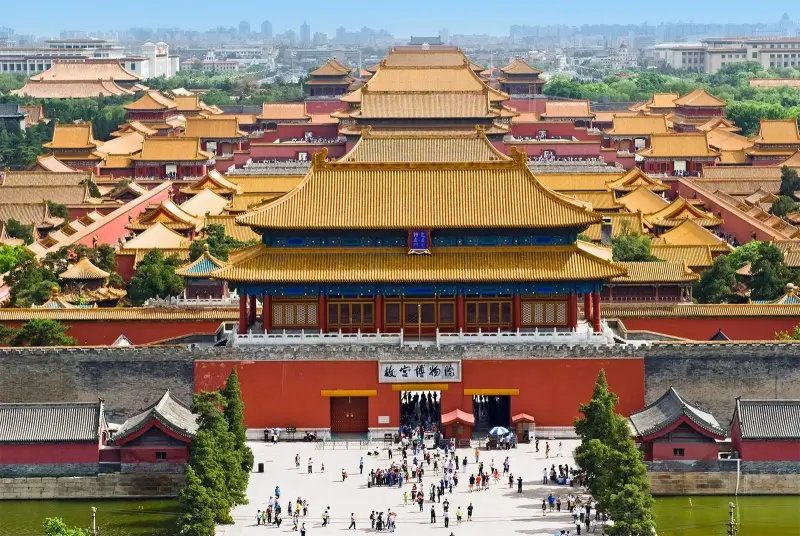
China is the world's second most populous country and one of its oldest civilisations. Beijing holds the Forbidden City, the Temple of Heaven and the nearest sections of the Great Wall, while Xi'an guards the Terracotta Army. Shanghai's Bund and skyline show the country's modern face, and the karst peaks around Guilin and Yangshuo are among Asia's most famous landscapes.
Further afield, travelers visit the giant pandas of Chengdu, the sandstone pillars of Zhangjiajie, the Yangtze's Three Gorges, the old towns of Yunnan such as Lijiang, and the Tibetan plateau. A huge high-speed rail network links most major cities, and visa-free entry for many nationalities has made short trips much easier.
5.0/5
1 review
Recommended by 100% of guests
 "China completely surprised me in the best way possible!"
+ Show All Reviews
Key Facts & Stats:
Capital: Beijing
Others Largest City: Shanghai, Chongqing, Guangzhou, Shenzhen, Chengdu, Xi'an, Hangzhou
Currency: Renminbi yuan (CNY, ¥)
Time Zone: China Standard Time, UTC+8 nationwide
Major Language: Mandarin Chinese
Major Religion: Folk religion, Buddhism, Taoism (many non-religious)
Best experiences in China
Find your kind of trip: 24 travel themes, each with the packages in China.
Wildlife
Hill Station
 Ayurveda Tours
 Seasonal/Event
 Adventure
 Wildlife & Safaris
 Pilgrimage
 Eco/Nature
 Culture & History
 Honeymoon
 Romantic Getaway
 Cruise
 Water Activities
 Backpacking
 Luxury
 Photography
 City Slickers
 Heritage
 Beach & Relaxation
 Sports & Recreation
 Food & Wine
Train & River Journeys
Skiing
 Overland
Ayurveda Tours
Seasonal/Event
Adventure
Wildlife & Safaris
Pilgrimage
Eco/Nature
Culture & History
Honeymoon
Romantic Getaway
Cruise
Water Activities
Backpacking
Luxury
Photography
City Slickers
Heritage
Beach & Relaxation
Sports & Recreation
Food & Wine
Train & River Journeys
Skiing
Overland
China at a glance
Set up Alipay or WeChat Pay before you land; visa-free rules, plugs and time zone follow.
Best timeApr to May, Sep to OctMild and mostly dry
Daily budgetModerateCosts are moderate by international standards
VisaVisa-free for many30 days for listed countries; 240-hour transit
CurrencyRenminbi (CNY, ¥)Mobile payments dominate; link a foreign card
LanguageMandarin ChineseLittle English outside big hotels
Time zoneUTC+8One time zone for the whole country; no daylight saving
CapitalBeijingGateways: Beijing (PEK, PKX), Shanghai (PVG)
Power220 V, 50 HzPlugs A, C and I
DrivingRight-hand trafficForeign licences are not valid; hire a driver
EmergencyCall 110 (police)120 ambulance, 119 fire
Calling code+86Many foreign apps and sites are blocked
WeekendSaturday and SundayShops and attractions stay open; offices close
Top destinations in China
Pick a place by travel style: nature, cities, heritage.
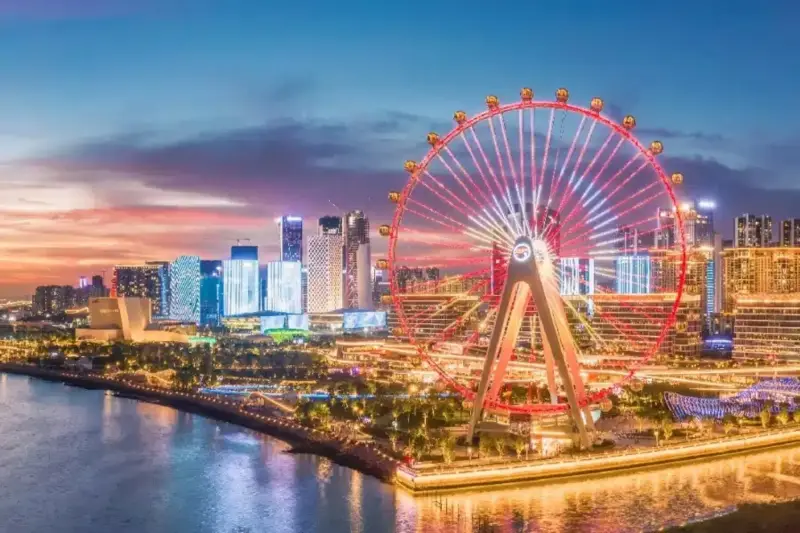 ShenzhenTech city next to Hong Kong
 BeijingPalaces and the Great Wall
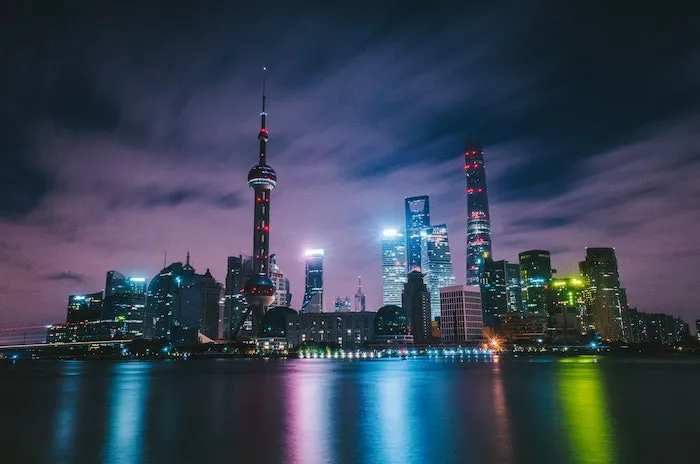
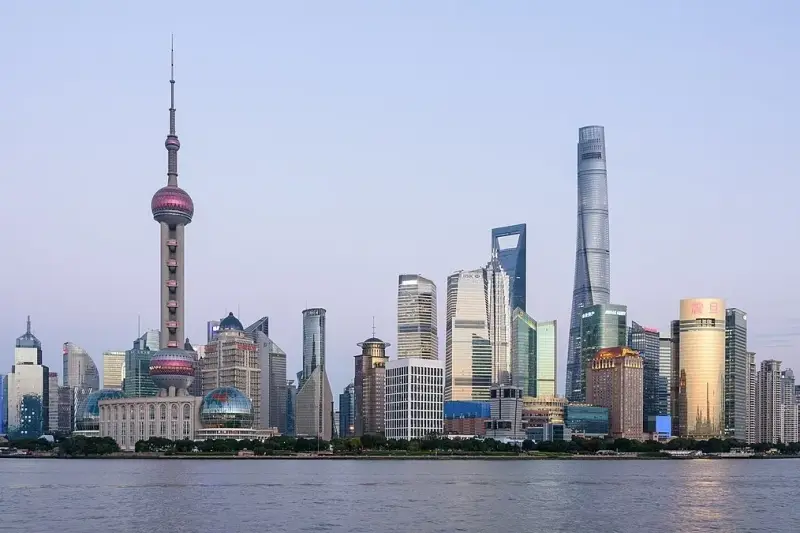 ShanghaiThe Bund and Pudong skyline
HangzhouWest Lake and tea hills
GuangzhouCapital of Cantonese food
HarbinChina's ice city on the Songhua
LincangYunnan's tea frontier
TianjinBeijing's old treaty port
Xi'anTerracotta Army and Silk Road
KunmingChina's Spring City on Lake Dian
Nothing in that category yet.
Top things to do in China
The Great Wall, the Forbidden City, pandas in Chengdu, the karst rivers around Guilin and the megacities.
 Most Visited
China
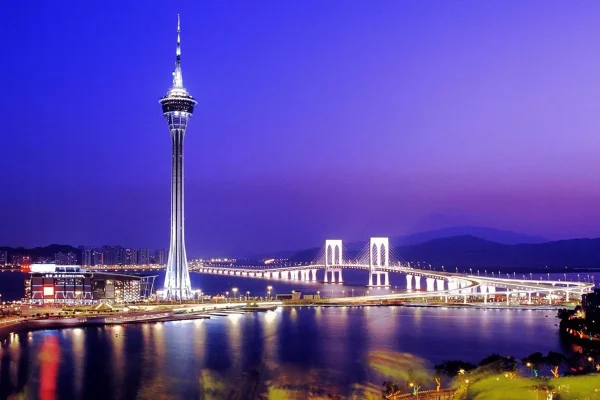
Macau Tower
Macau Tower is a 338-metre telecommunications and observation tower on the southern waterfront of the Macau Peninsula, opened on 19 December 2001. It suits visi...
No reviews yet
 Most Visited
Beijing
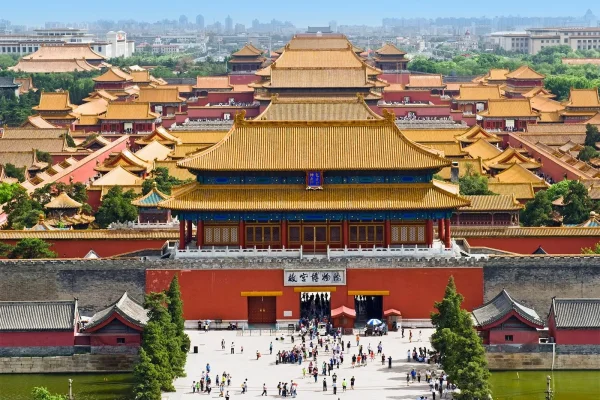
Forbidden City (Palace Museum)
The Forbidden City is the imperial palace of the Ming and Qing emperors in the centre of Beijing, directly north of Tiananmen Square, and today it houses the Pa...
No reviews yet
 Most Visited
China
Great Wall of China
The Great Wall of China is a chain of fortifications across northern China, and this page covers Mutianyu, a restored Ming section in Huairou District about 70...
No reviews yet
Shenzhen
Fairy Lake Botanical Garden (Xianhu), Shenzhen
Fairy Lake Botanical Garden, called Xianhu in Chinese, is a 546-hectare botanical garden in Liantang, Luohu District, Shenzhen, China, between Wutong Mountain a...
5.0 1 Review
Shenzhen
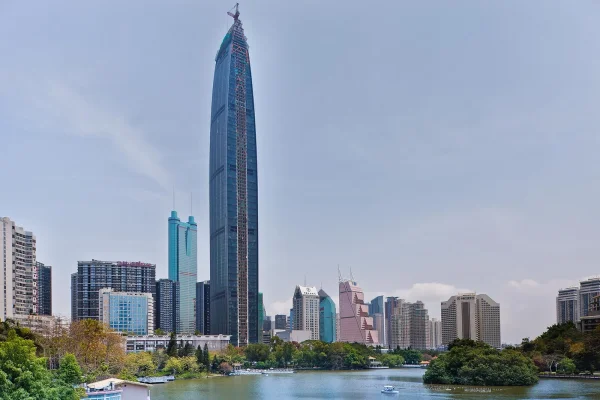
KK100 (Kingkey 100), Shenzhen
KK100, also called Kingkey 100, is a 442-metre, 100-storey skyscraper at 5016 Shennan East Road in Luohu District, Shenzhen, China, completed in 2011. It holds...
No reviews yet
Shenzhen
Splendid China Folk Village, Shenzhen
Splendid China Folk Village is a 30-hectare theme park in the Overseas Chinese Town district of Nanshan, Shenzhen, China, near Shenzhen Bay. It combines more th...
No reviews yet
Shenzhen
Happy Valley Shenzhen
Happy Valley Shenzhen is a theme park of 350,000 square metres in Overseas Chinese Town, Nanshan District, Shenzhen, China, opened in 1998 as the first Happy Va...
No reviews yet
Shenzhen
Wutong Mountain, Shenzhen
Wutong Mountain is the highest peak in Shenzhen, China, rising to 943.7 metres on the border of Luohu and Yantian districts. It sits inside Wutongshan National...
No reviews yet
Shenzhen
Overseas Chinese Town (OCT), Shenzhen
Overseas Chinese Town (OCT) is a tourism, culture and residential district in Nanshan, western Shenzhen, China, home to the Window of the World, Splendid China...
No reviews yet
Shenzhen
Futian Mangrove Nature Reserve, Shenzhen
Futian Mangrove Nature Reserve is a protected mangrove wetland on the northern shore of Shenzhen Bay in Futian District, Shenzhen, China, with the city's towers...
No reviews yet
Shenzhen
Window of the World, Shenzhen
Window of the World is a theme park of about 130 scale reproductions of world landmarks in the Overseas Chinese Town district of Nanshan, Shenzhen, China. Its s...
No reviews yet

China
The House of Dancing Water
The House of Dancing Water is a water-based stage show at City of Dreams, the Melco resort on the Cotai Strip in Macau. Acrobats, high divers and dancers perfor...
No reviews yet
Where to stay in China
Hotels and resorts in China with guest scores, nightly prices and free cancellation.
Best time to visit China
April to May and September to October are mild; avoid Chinese New Year and the first week of October.
Best overall
April – May, September – OctoberMild, clear weather across most of the country.
Summer
June – AugustHot and humid with heavy rain in the south; cooler in the north-west and Tibet.
Winter
November – MarchCold, dry north and mild south; Harbin's ice festival in January.
Planning tip
Avoid traveling during Chinese New Year (January or February) and the National Day Golden Week (1 to 7 October), when transport and sights are packed.
Flight routes
Flights to China
Direct routes into and out of China with the airlines that fly them. Open a route for its airlines, aircraft and travel tips, or search your dates for flights and fares.
Search flights
FromTo DAC CAN DhakaGuangzhou FromTo CAN DAC GuangzhouDhaka FromTo DAC KMG DhakaKunming Available airlines1 airline- China Eastern Airlines
FromTo KMG DAC KunmingDhaka Available airlines1 airline- China Eastern Airlines
FromTo DAC PEK DhakaBeijing Available airlines1 airline- Air China
FromTo PEK DAC BeijingDhaka Available airlines1 airline- Air China
Packages in Demand
A Journey to Remember
Tours, activities and day trips in and around this destination, with the details you need before booking.
No packages in China are listed yet. Browse all packages
Create Your Custom-Made Trip to China
Traveling to China? Chat with a Local Travel Specialist in China Who Can Help Organize Your Trip.
START HERE
Our Travel Experts are Recommended by



China travel tips
Entry, arrival, payments, health, safety, hotels, trains, SIM cards and manners, one topic per box.
Visas and entry
Visa-free for many passports
China has expanded visa-free entry: citizens of a long list of countries, including most of Europe, Australia, New Zealand, Japan and South Korea, can visit for up to 30 days without a visa under a scheme currently extended to the end of 2026. Many nationalities can also use 240-hour visa-free transit when traveling on to a third country. Others need a tourist (L) visa.
- Passport validity
- At least 6 months of validity and 2 blank pages (UK rule; yours may differ)
- Visa-free stay
- Up to 30 days for listed countries
- Transit
- 240 hours visa-free at designated ports, with an onward ticket
- Arrival card
- Fill in on arrival or online
- Confirm with
- China's National Immigration Administration or a Chinese embassy
Entry rules change. Treat this as a starting point and check the official rules for your passport before you book.
Getting there
Beijing, Shanghai, Guangzhou
Beijing (Capital and Daxing), Shanghai Pudong and Guangzhou are the main long-haul gateways. Hong Kong is another convenient entry point, with high-speed trains to Shenzhen and Guangzhou on the mainland.
- Main airports
- Beijing Capital (PEK), Beijing Daxing (PKX), Shanghai Pudong (PVG)
- Other hubs
- Guangzhou (CAN), Chengdu Tianfu (TFU), Shenzhen (SZX)
- From Hong Kong
- High-speed trains to Shenzhen and Guangzhou
- Airport links
- Metro or express rail into most cities
Money and costs
Moderate destination
Daily life in China runs on Alipay and WeChat Pay, which now accept linked foreign cards, so set one up before you arrive. International cards work in large hotels and some shops, and some yuan in cash is still useful for small vendors. Tell your bank you will use your card in China. Tipping is not customary.
- Mobile payments
- Alipay and WeChat Pay with a linked foreign card
- Tipping
- Not customary
- Set up Alipay or WeChat Pay before you arrive.
- There is no tipping.
Health and vaccines
Air, food, altitude
China requires no special vaccines for most visitors. Drink only boiled or bottled water, expect poor air in northern cities in winter, and allow for altitude in Tibet and western Sichuan, which sit above 3,000 m. Big cities have costly international clinics.
- Drinking water
- Boiled or bottled only
- Air quality
- Can be poor in winter in northern cities
- Altitude
- Tibet and western Sichuan are above 3,000 m
- Pharmacies
- Common, but bring your own prescription medicines
- Buy travel insurance that covers medical treatment and evacuation.
Staying safe
Low crime, strict laws
Violent crime against visitors is rare, but laws are strictly enforced, and drug use or religious proselytising carry severe penalties. Carry your passport, since hotels and trains require it, avoid political discussions and demonstrations, and watch for tea house and art student scams in tourist areas. Call 110 for police and 120 for an ambulance.
- Emergency number
- Call 110 (police); 120 ambulance; 119 fire
- Internet
- Google, WhatsApp and many Western apps are blocked
- Before you go
- Read your government's current travel advisory for China
- Beware of 'tea house' and art student scams in tourist areas.
Where to stay
Best areas to stay
Stay near a metro line in each city, and remember that foreigners can only stay in licensed hotels. In Beijing, Dongcheng near Wangfujing or the hutongs is the usual base. In Shanghai, choose the Bund, People's Square or the former French Concession.
- Beijing
- Dongcheng near Wangfujing or the hutongs
- Shanghai
- The Bund, People's Square or the former French Concession
- Xi'an
- Inside the city walls
- Guilin area
- Yangshuo for the karst countryside
Getting around
High-speed rail and metros
China's high-speed rail network is the largest in the world: Beijing to Shanghai takes about 4.5 hours and Beijing to Xi'an about 4.5 to 6 hours. Big cities have extensive metros.
- Trains
- Book with your passport; arrive early for security checks
- Domestic flights
- For long hops to Chengdu, Guilin, Yunnan and Tibet
- Cities
- Metros, taxis and DiDi ride-hailing
- Self-drive
- Not possible on a foreign licence
- G trains are the fastest, D trains run at around 200 km/h, and Z, T and K trains use the older network, slower and cheaper, often overnight with sleeper berths.
- Book on the official Railway 12306 app, which accepts foreign phone numbers, or through Trip.com, using the passport you will show at every station check.
- Stations screen ID and bags like airports, so arrive 20 to 30 minutes early.
- Domestic flights are often delayed, and power banks without the CCC mark are confiscated.
- Inside cities the metro is the cheapest and simplest option, with taxis and DiDi for the gaps.
- Amap has an English mode and covers buses and metro.
SIM and internet
Local SIM or eSIM
A local SIM from the airport (bring your passport) or an international eSIM keeps you connected. Local SIMs are subject to the blocks on Google, WhatsApp and Instagram. An international eSIM can reach them.
- Networks
- China Mobile, China Unicom, China Telecom
- You need
- Passport for registration
- Blocked apps
- Google services, WhatsApp, Instagram and others
Culture and etiquette
Customs and etiquette
Chinese culture values face, respect for elders and group harmony, and locals are often curious and helpful even with little shared language. A translation app is essential. Offer business cards and gifts with both hands.
- Translation
- A translation app is essential
- Gifts
- Offer and accept with both hands
- Take your shoes off when your hosts wear slippers at home.
Do
- Carry your hotel's address written in Chinese
- Try local specialties in each region
Avoid
- Sticking chopsticks upright in rice
- Discussing politics in public
- Giving clocks as gifts
Things to know before visiting China
Blocked Western apps and phone-based payments catch out more visitors to China than anything else.
Why travelers love it
- The Great Wall and the Forbidden City in Beijing.
- The Terracotta Army in Xi'an.
- Regional food: Peking duck, Sichuan hot pot, dim sum and xiaolongbao.
- Landscapes of Guilin, Zhangjiajie and Jiuzhaigou.
- High-speed trains that make long distances easy.
Good to know
- Many Western apps are blocked; plan your phone and payments before you go.
- Little English is spoken outside hotels and big attractions.
- Holiday weeks bring huge crowds and full trains.
- Your passport is needed for trains, hotels and many sights.
Trip fit
Value for money
Nature and outdoors
Food
Culture and heritage
Ease of getting around
English spoken
Nightlife
BookingMentor editorial ratings out of 5, based on a first-time visitor's experience.
Beijing weather by month
Beijing swings from freezing, dry winters to hot, rainy summers; the south around Guilin stays far warmer in winter.
Cold seasonGood timeBest timeHot season
Bar: average low to high temperatureRainfall
April – May, September – OctoberBeijing, Xi'an, Shanghai, Guilin, ZhangjiajieMild, clear weather across most of the country.
June – AugustTibet, Qinghai, Inner Mongolia, HarbinHot and humid with heavy rain in the south; cooler in the north-west and Tibet.
November – MarchHarbin, Hainan, Yunnan, Hong KongCold, dry north and mild south; Harbin's ice festival in January.
Monthly averages for Beijing from the climate table of its Wikipedia article (Beijing (Haidian District), elevation {{convert|46|m|ft), compiled from the national weather service. The south is much warmer and wetter; the north-east is far colder in winter.
Beijing, Xi'an and Shanghai by G-train
A first China trip usually runs along a triangle of high-speed lines: Beijing for the imperial sights and the Great Wall, Xi'an for the Terracotta Army and Shanghai for the Bund and the modern city. Each leg takes a few hours by G-train.
- One week: four nights in Beijing (Forbidden City, Temple of Heaven, a day on the Great Wall) and three in Shanghai, linked by the train that covers Beijing to Shanghai in about 4.5 hours. Add a day trip to Hangzhou if you can.
- Ten days: Beijing (four nights), Xi'an (two), Shanghai (three), with a spare day for travel. Xi'an to Shanghai takes around 7 hours by train, so a flight can save time.
- Two weeks: the ten-day loop plus the south-west. Fly or take the 4-hour train from Xi'an to Chengdu for the pandas and Sichuan cooking, then continue to Guilin (around 7 hours by rail) for a Li River boat to Yangshuo.
- Three weeks: add Yunnan via Kunming and Lijiang.
Book ahead with your passport in hand. Sights such as the Forbidden City sell timed tickets online, tied to your passport. Train seats go on sale only a few weeks before departure.
Before you fly, install a translation app and Amap, because Google Maps does not work.
Distances between these regions are huge, so compare domestic flights early, especially around Chinese New Year and the October Golden Week.
Weather and public holidays that shape a China visit
Two calendars decide a China trip: the weather and the public holidays. Spring and autumn are the easy seasons, with light rain.
Summer is hot and wet. July in Beijing averages 32°C and brings roughly 210 mm of rain; the south is hotter and more humid still. The north-west and Tibet stay cooler.
Winter splits north and south. Beijing's January hovers near 3°C at midday and falls to -7°C overnight, with almost no rain. Harbin holds its ice festival in January, and the south stays mild.
The holidays need more planning than the weather. Chinese New Year falls in January or February and National Day Golden Week runs from 1 to 7 October; trains sell out and sights are packed. Arrive the week after instead.
Peking duck, xiaolongbao, Sichuan hot pot and shared meals
Eat the local speciality wherever you are. The north eats wheat noodles and dumplings; the south eats rice.
Match the dish to the city. Beijing is for Peking duck and dumplings, Shanghai for xiaolongbao soup dumplings, Guangzhou for Cantonese dim sum in the morning, and Chengdu for Sichuan hot pot with its tingling, numbing spice. Xi'an's Muslim cooks use lamb and beef.
Meals are shared. Dishes go in the middle and tea is poured throughout. Street stalls cooking to order over high heat are often safer than hotel buffets.
Chopsticks have rules: never stand them upright in a bowl or hand food chopstick-to-chopstick to another diner (both recall funerals). Banquet toasts start with gānbēi (dry glass); say suíbiàn to sip instead. Baijiu, the strong grain spirit, often fills the glasses.
A light handshake is the normal greeting; monks are greeted with palms pressed together. Personal space is small, and nobody means offence by bumping past. Useful words: nǐ hǎo (hello) and xièxie (thank you).
Contribute:
Travelers are asking
Not on local networks, where they are blocked. Many visitors use an international roaming plan or eSIM, which routes data outside China.
Link your foreign card to Alipay or WeChat Pay before you go. Carry some cash as a backup.
Yes. Book with your passport on the official 12306 app or through a booking agency, and bring the same passport to the station.
Still looking?
Our travel desk answers questions about China
About this guide
How We Research This Guide
China's National Immigration Administration is our reference for entry rules, with UNESCO's site list and the UK Foreign Office's China advice for sights and safety. Beijing's averages make up the climate table.
Last updated . Spotted something out of date? Tell us.
Fact-checked by the bookingMentor Travel Desk
Reviewed · Updated when rules or prices change
Checked against trusted sources:
National Immigration Administration of ChinaUNESCO World Heritage CentreUK Foreign Office travel advice

Before You Go...
Discover Trips & Info
A Travel Network Connection Travelers and locals
Incredible Event & Festival, Don't Miss!
Most Popular Event & Festival of China
Festivals and events in this destination, with dates, venues and ticket details where available.

29
Sep, 2026
Sep, 2026
Cultural Events, Exhibition
Beijing, China
3 photos
04
Jan, 2027
Jan, 2027
Leisure Events, Cultural Events, Winter Festivals
Harbin, China

14
Jan, 2027
Jan, 2027
Food Festivals, Cultural Events, Religious Festivals
China
2 photos
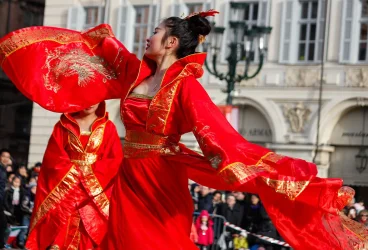

17
Apr, 2027
Apr, 2027
Leisure Events, Exhibition
Shanghai, China
39 photos
Memorable Experiences
Where to Go (& NOT Go) In China!
Roaming the World one Adventure at a Time: Travel Tales, Tips, and Inspiration for wanderlusters.

Subscriber
Popular car hire destinations
Explore more options to hire a car for cheap

Need help?
Frequently Asked Questions (FAQs)
Visa-free entry, paying by phone, which apps work and the high-speed rail network: those are the China questions we hear most.
Timing & weather
April to May and September to October are the best times to visit China, with mild, mostly dry weather. Avoid Chinese New Year and the first week of October, when domestic travel peaks.
July is the warmest month in China, with average highs of 32°C, and January the coolest, with lows of -7°C. July is the wettest month, at about 210 mm of rain; January is the driest. Beijing swings from freezing, dry winters to hot, rainy summers; the south around Guilin stays far warmer in winter.
Health & safety
China has low rates of violent crime against visitors. Laws are strict, scams target tourists in some areas, and many Western apps are blocked. Call 110 for police, 120 for an ambulance and 119 for fire.
No. Drink bottled or boiled water; hotels provide kettles or bottled water.
Police are on 110, ambulances on 120 and the fire service on 119.
Visa & documents
Citizens of many countries can visit China visa-free for up to 30 days under a scheme extended to the end of 2026, and many can use 240-hour visa-free transit. Others need a tourist visa. Check with a Chinese embassy for your passport.
Booking
Ten days covers Beijing, Xi'an and Shanghai. Give it two weeks or more if you want Guilin, Chengdu or Yunnan too.
General
Top places include Beijing and the Great Wall, Xi'an, Shanghai, Guilin and Yangshuo, Chengdu, Zhangjiajie, Hangzhou, Suzhou, Lijiang and Lhasa.
Mandarin Chinese is the official language, with many regional languages such as Cantonese. English is limited, so a translation app helps.
Expect 220 V at 50 Hz, with type A, C and the angled type I sockets.
bookingMentor lists 5 places to stay in China. Prices start from $119.00 per night. Types: Hotels.
China's high-speed rail network is the largest in the world: Beijing to Shanghai takes about 4.5 hours and Beijing to Xi'an about 4.5 to 6 hours. Big cities have extensive metros.
Prices & payment
China uses the renminbi yuan. Most payments are made with Alipay or WeChat Pay, which accept foreign cards. Carry some cash too.
Daily travel costs in China are moderate. Costs are moderate by international standards.
Getting there
Beijing (Capital and Daxing), Shanghai Pudong and Guangzhou are the main long-haul gateways. Hong Kong is another convenient entry point, with high-speed trains to Shenzhen and Guangzhou on the mainland.

 Umrah packages from Dhaka