

Plan your trip
Missing Some Information?
/
No
Places to StayFrom $169.005 properties
Things to DoFrom $27.003 things to do
Eats5 restaurants
Flights5 airports
CruisesSearch all
Car RentalsSearch all
HealthcareSearch all
More18 more to explore
Japan travel guide
Tradition and the future, side by side.
In short
Food, culture, design, nature and trains that run to the minute make Japan easy to love. Spring (late March to May) and autumn (October to November) are the best seasons. Allow 10 to 14 days for Tokyo, Kyoto and Osaka, and book popular seasons early. Prices run high, though about 70 nationalities need no visa for short stays.
Japan is an island nation in East Asia where ancient shrines and temples sit beside some of the world's most modern cities. Tokyo, the capital, is a vast and orderly metropolis of distinct neighborhoods, from neon Shinjuku and Shibuya to historic Asakusa. Kyoto, the old imperial capital, has more than a thousand temples and shrines, along with traditional teahouses and gardens.
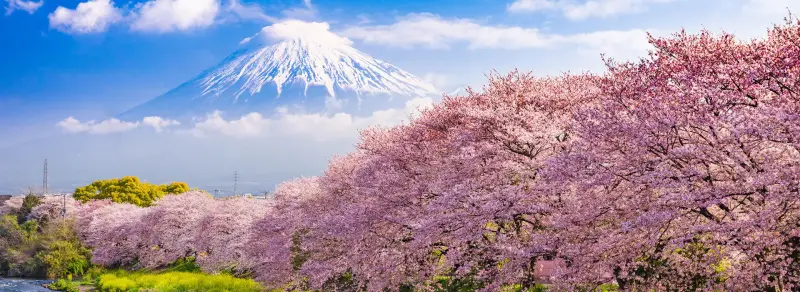
Most visitors also see Osaka for its food, Nara's deer park and giant Buddha, Hiroshima and the island shrine of Miyajima, and Mount Fuji from Hakone or the Fuji Five Lakes. Hokkaido offers powder snow in winter and flowers in summer, and Okinawa has subtropical beaches. The shinkansen bullet trains make it easy to travel between regions.
–/5
No reviews yet
Been here? Your review helps other travelers.
Key Facts & Stats:
Capital: Tokyo
Others Largest City: Yokohama, Osaka, Nagoya, Sapporo, Fukuoka, Kobe, Kyoto
Currency: Japanese yen (JPY, ¥)
Time Zone: Japan Standard Time, UTC+9
Major Language: Japanese
Major Religion: Shinto, Buddhism
Best experiences in Japan
Find your kind of trip: 19 travel themes, each with the packages in Japan.
Japan at a glance
Currency, entry, plugs and phrases at a glance, with a translation app worth installing.
Best timeMar to May, Oct to NovCherry blossom and autumn colour
Daily budgetHighExpect higher prices than average
VisaVisa-free for manyShort stays visa-free for about 70 countries
CurrencyJapanese yen (JPY, ¥)Cards widely accepted; carry some cash
LanguageJapaneseEnglish signs on transport; limited spoken English
Time zoneUTC+9No daylight saving
CapitalTokyoGateways: Tokyo Narita (NRT), Haneda (HND), Osaka Kansai (KIX)
Power100 V, 50/60 HzPlugs A and B (two flat pins)
DrivingLeft-hand trafficInternational Driving Permit required
EmergencyCall 110 (police)119 for fire and ambulance
Calling code+81Drop the first 0 of local numbers
WeekendSaturday and SundayShops and attractions stay open; offices close
Top destinations in Japan
Pick a place by travel style: cities, heritage, islands.
 TokyoNeon and tradition
 OsakaJapan's kitchen
 KyotoTemples and gardens
 SapporoHokkaido's snowy capital
 AomoriNorthern Honshu's port capital
 HiroshimaCity of peace
 KagoshimaKyushu's volcano-facing south
 NagoyaAichi's castle city between Tokyo and Osaka
 TakayamaHida's old timber town
NaraJapan's first permanent capital
OkinawaJapan's tropical islands
SendaiTōhoku's City of Trees
TokushimaShikoku's dancing city
 ChibaBayfront halls, monorail and castle park
 FukuokaRamen stalls, shrines and a bay city
Nothing in that category yet.
Regions of Japan
Pick a region on the map to see what it is known for, then open its guide.
Explore
Hokkaido
Hokkaido's snowy capital 1 place in our guide Open the guide
Explore
Tohoku
Tōhoku's City of Trees 2 places in our guide Open the guide
Explore
Kanto
Neon and tradition 1 place in our guide Open the guide
Explore
Chubu
Aichi's castle city between Tokyo and Osaka 2 places in our guide Open the guide
Explore
Kansai
Japan's kitchen 3 places in our guide Open the guide
Explore
Chugoku
City of peace 1 place in our guide Open the guide
Explore
Shikoku
Shikoku's dancing city 1 place in our guide Open the guide
Explore
Kyushu & Okinawa
Kyushu's volcano-facing south 2 places in our guide Open the guide
Top things to do in Japan
Tokyo's neighbourhoods, Kyoto's temples, Mount Fuji and a night at an onsen.
Japan
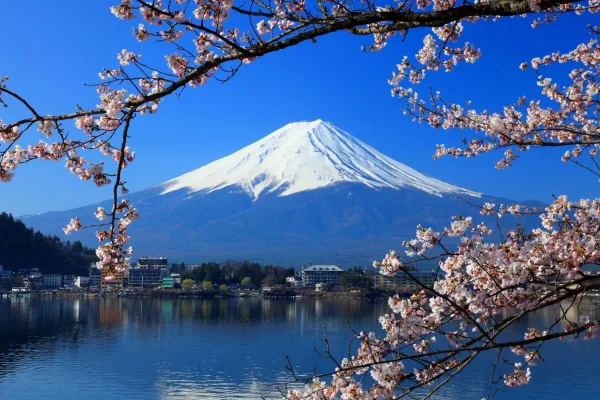
Mount Fuji
Fuji rises almost alone from the surrounding land, so its nearly symmetrical cone can be seen from Tokyo on clear days. The present cone, called New Fuji, forme...
No reviews yet
Tokyo
Senso-ji
Senso-ji stands in Asakusa, in Taito City in north-eastern Tokyo, and is dedicated to the bodhisattva Kannon. After the fishermen's find, the village chief ensh...
No reviews yet
Tokyo
Meiji Jingu
Meiji Jingu stands in a large wooded park in Shibuya, Tokyo, next to Harajuku Station and Yoyogi Park. It is dedicated to the spirits of Emperor Meiji, who reig...
No reviews yet
Where to stay in Japan
Hotels and resorts in Japan with guest scores, nightly prices and free cancellation.
Best time to visit Japan
Late March to May and October to November are the sweet spots; book Golden Week and blossom dates early.
Best overall
Late March – May, October – NovemberCherry blossom in spring and autumn leaves in autumn, with mild, clear weather.
Summer
June – SeptemberRainy season in June, then hot and humid; typhoon risk in late summer. Festivals and Fuji climbing season.
Winter
December – FebruaryCold, dry and clear in Tokyo; heavy snow and skiing in the north and the Alps.
Planning tip
Hotels in Kyoto and Tokyo sell out for cherry-blossom season (late March to early April) and Golden Week (late April to early May); book months ahead.
Japan travel tips
Nine short answers on visas, rail travel, money, health, safety, hotels, SIM cards and manners.
Visas and entry
Visa-free for many passports
Short stays of usually up to 90 days are visa-free for citizens of about 70 countries and regions, including the EU, UK, US, Canada and Australia. Others need a visa from a Japanese embassy. Fill in Visit Japan Web before you fly to speed up immigration and customs.
- Passport validity
- Valid for the length of your stay
- Visa-free stay
- Usually up to 90 days, by nationality
- Visit Japan Web
- Online immigration and customs forms
- Fingerprints
- Taken at the border
Entry rules change. Treat this as a starting point and check the official rules for your passport before you book.
Getting there
Tokyo and Osaka
Most international flights land at Tokyo's Haneda (HND), close to the city, or Narita (NRT), further out, or at Osaka's Kansai International (KIX), which is convenient for Kyoto. The Narita Express or Skyliner reaches Tokyo in about 40 to 60 minutes. Nagoya, Fukuoka and Sapporo take more international routes.
- Others
- Nagoya (NGO), Fukuoka (FUK), Sapporo (CTS)
Money and costs
High destination
A weaker yen has made a moderately expensive Japan better value. Cards and IC transit cards work widely; small restaurants, temples and rural areas may be cash only. Tipping is not done. 7-Eleven and Japan Post ATMs take foreign cards, and a Suica, PASMO or ICOCA card handles trains and shops.
- ATMs
- 7-Eleven and Japan Post ATMs take foreign cards
- Tipping
- Not done; some sit-down places add a 10% service charge
- Convenience stores serve cheap, good meals.
Health and vaccines
Excellent care, high costs
Japan has no special vaccine requirements. Medical care is excellent but expensive for visitors, so carry travel insurance. Tap water is safe. Some common medicines, including some decongestants, are banned, so check before you go and carry prescriptions in original packaging. July and August bring a heatstroke risk.
- Earthquakes
- Learn your hotel's evacuation route
- Carry a copy of the prescription with your medicines.
Staying safe
Very safe; natural hazards
Japan is one of the safest countries in the world. The main risks are natural: earthquakes, typhoons in late summer and autumn, and summer heat. Call 110 for police and 119 for fire and ambulance, and download the Safety Tips app for English disaster alerts.
- Emergency number
- Call 110 (police); 119 fire and ambulance
- Carry your passport; hotels must record it.
Where to stay
Best areas to stay
Try at least one night in a ryokan (traditional inn) with an onsen bath; Hakone has ryokan with private onsen. In Tokyo, Shinjuku or Shibuya suit transport and Asakusa suits tradition. In Kyoto, stay near Kyoto Station or in Gion and Higashiyama, and in Osaka choose Namba or Umeda.
- Osaka
- Namba or Umeda
Getting around
Shinkansen and metros
Shinkansen bullet trains link Tokyo with Kyoto and Osaka in about 2 to 2.5 hours, and local trains and subways reach almost everywhere. Use luggage forwarding (takkyubin) to travel light. The Japan Rail Pass and regional passes cover JR travel, and IC cards work on city metros and trains.
- Bullet trains
- Tokyo to Kyoto about 2 hours 15 minutes
- Nozomi
- Tokyo to Osaka about 2 hr 30 min; Hakata about 5 hours
- Japan Rail Pass
- 7, 14 or 21 days; Nozomi and Mizuho need a supplement
- Large luggage
- Bags of 161 to 250 cm need a reserved luggage seat on the Tokaido line
- IC cards
- Suica, PASMO or ICOCA for trains, buses and small purchases
- Driving
- Traffic keeps left; 1949 Geneva permit or an official Japanese translation
SIM and internet
Local SIM or eSIM
Buy a data SIM or eSIM at the airport, or rent a pocket Wi-Fi router. eSIMs are widely available for visitors on networks including NTT docomo, au (KDDI), SoftBank and Rakuten Mobile. Free Wi-Fi is also common in stations and convenience stores.
- Wi-Fi
- Free in stations and convenience stores
Culture and etiquette
Customs and etiquette
Japanese etiquette values quietness, order and consideration for others. Small gestures are noticed and appreciated. Queue for trains, keep phone calls off them, carry rubbish until you find a bin, and take shoes off in homes, ryokan and temples. In an onsen, wash before entering; tattoos may be refused.
- Shoes
- Also off in some restaurants
- Say sumimasen to call staff, then pay at the counter on the way out.
Do
- Bow slightly when greeting
Avoid
- Talking on the phone on trains
- Eating while walking in busy streets
- Sticking chopsticks upright in rice
- Passing food from your chopsticks to someone else's
Things to know before visiting Japan
Cherry blossom and autumn colour weeks sell out early, and Japan has a few other habits worth knowing.
Why travelers love it
- Food: sushi, ramen, tempura, izakaya and convenience-store treats.
- Kyoto's temples, shrines, gardens and geisha district.
- Tokyo, a safe, endlessly varied megacity.
- Bullet trains that run on time to the minute.
- Seasons: cherry blossom, autumn leaves and winter powder snow.
Good to know
- Peak seasons sell out early and are crowded.
- Some sites limit numbers or have introduced visitor fees.
- Limited spoken English; a translation app helps.
- Earthquakes and typhoons can disrupt travel.
Trip fit
Value for money
Nature and outdoors
Food
Culture and heritage
Ease of getting around
English spoken
Nightlife
BookingMentor editorial ratings out of 5, based on a first-time visitor's experience.
Tokyo weather by month
Tokyo has humid summers, a rainy spell in June and crisp, sunny winters; Hokkaido gets heavy snow.
Cold seasonBest timeMonsoonHot seasonGood time
Bar: average low to high temperatureRainfall
Late March – May, October – NovemberTokyo, Kyoto, Nara, HakoneCherry blossom in spring and autumn leaves in autumn, with mild, clear weather.
June – SeptemberHokkaido, Japanese Alps, Mount FujiRainy season in June, then hot and humid; typhoon risk in late summer. Festivals and Fuji climbing season.
December – FebruaryNiseko, Hakuba, Sapporo Snow Festival, onsen townsCold, dry and clear in Tokyo; heavy snow and skiing in the north and the Alps.
Monthly averages for Tokyo from the climate table of its Wikipedia article (Kitanomaru Park, Chiyoda, Tokyo (1991–2020 normals, extremes 1875–present)), compiled from the national weather service. Hokkaido is much colder and snowy in winter; Okinawa is subtropical.
Flight routes
Flights to Japan
Direct routes into and out of Japan with the airlines that fly them. Open a route for its airlines, aircraft and travel tips, or search your dates for flights and fares.
Search flights
FromTo BKK KIX BangkokIzumisano, Osaka, Japan FromTo BKK NRT BangkokTokyo FromTo NRT BKK TokyoBangkok FromTo KIX BKK Izumisano, Osaka, JapanBangkok FromTo SIN HND SingaporeTokyo FromTo HND SIN TokyoSingapore

Packages in Demand
A Journey to Remember
Tours, activities and day trips in and around this destination, with the details you need before booking.
No packages in Japan are listed yet. Browse all packages
Create Your Custom-Made Trip to Japan
Traveling to Japan? Chat with a Local Travel Specialist in Japan Who Can Help Organize Your Trip.

Our Travel Experts are Recommended by



The Tokyo to Hiroshima bullet-train corridor in a week or ten days
The classic first route follows the Tokaido and San'yo bullet-train corridor west from Tokyo past Mount Fuji to Kyoto, Osaka and Hiroshima. Fly into Tokyo and out of Osaka's Kansai airport (or the reverse) so you never double back. Three bases in ten days is plenty.
- A week: four nights in Tokyo, one of them in Hakone for a ryokan bath and a chance of seeing Fuji. Then three in Kyoto. Nara and its deer park fill a half day from Kyoto, about 35 minutes away on the Kintetsu limited express.
- Ten to twelve days: add two nights in Osaka for the food stalls of Namba. Ride on to Hiroshima, 80 to 85 minutes from Shin-Osaka, and stay overnight to see Miyajima.
- Two weeks or more: add Kanazawa and Shirakawa-go, or fly to Sapporo or Okinawa.
The Odakyu Romancecar from Shinjuku takes 85 to 90 minutes. The Hakone Free Pass covers the mountain railway, the Owakudani ropeway and the Lake Ashi boat.
Two windows need booking months ahead. Cherry-blossom season runs from late March to early April and Golden Week from late April to early May, and hotels in Kyoto and Tokyo sell out for both. Ryokan often quote per person, sometimes with dinner. Many small inns list only on Rakuten Travel and Jalan.
For Hokkaido, Okinawa or rural valleys, take the train out and rent a car at a station.
Cherry blossom, autumn colour and the rainy season
Many travelers book a year ahead for Japan's spring and autumn. Cherry blossom peaks in Tokyo and Kyoto from late March into early April, and autumn colour follows in October and November.
Summer is hard work. The rainy season starts in early May in Okinawa and creeps north, reaching Tokyo in June, which averages 168 mm of rain. Heatstroke is a real risk. Summer is also festival season and the window for climbing Mount Fuji.
Typhoon season follows, roughly August to October. A storm can stop trains and ground flights for a day; keep a little slack in the itinerary at that time of year.
Winter splits the country. Tokyo turns cold and dry under clear skies, with January highs near 10°C: good weather for city walking and hot springs. The Sea of Japan coast gets heavy snow, and Hokkaido collects 14 m or more, which draws skiers from abroad. Okinawa stays subtropical.
Okonomiyaki, Hokkaido crab and an evening at an izakaya
Japanese meals rest on rice, miso soup and pickles, with regional dishes such as Osaka's okonomiyaki and Hokkaido's crab on top.
Osaka fries okonomiyaki on a hotplate and sells takoyaki, octopus balls, from street stands. In Hokkaido the draw is fresh sashimi and crab.
For an evening out, look for an izakaya, the Japanese pub, marked by a red lantern carrying the character 酒. Many offer nomihōdai, all-you-can-drink deals for a set time, usually 90 minutes. The drinking age is 20.
Contribute:
Travelers are asking
It depends on your route. Since the 2023 price rise it pays off mainly for long-distance trips across several regions; compare it with single shinkansen tickets.
The Keikyu Line and the Tokyo Monorail reach central Tokyo in about 15 to 30 minutes. You can also pre-book a car with driver on bookingMentor.
Less than before, but some small restaurants, shrines and rural shops are cash only. 7-Eleven and Japan Post ATMs accept foreign cards.
Still looking?
Our travel desk answers questions about Japan
About this guide
How We Research This Guide
Japan's Ministry of Foreign Affairs visa-exemption list, the Japan National Tourism Organization and the Japan Meteorological Agency are our references, with Tokyo's 1991–2020 normals in the climate table.
Last updated . Spotted something out of date? Tell us.
Fact-checked by the bookingMentor Travel Desk
Reviewed · Updated when rules or prices change
Checked against trusted sources:
Japan Ministry of Foreign AffairsJapan National Tourism OrganizationJapan Meteorological Agency

Before You Go...
Discover Trips & Info
A Travel Network Connection Travelers and locals
Incredible Event & Festival, Don't Miss!
Most Popular Event & Festival of Japan
Festivals and events in this destination, with dates, venues and ticket details where available.

23
Jan, 2027
Cultural Events, Religious Festivals, Winter Festivals
Nara, Japan
04
Feb, 2027
Cultural Events, Arts Festivals, Winter Festivals
Sapporo, Japan
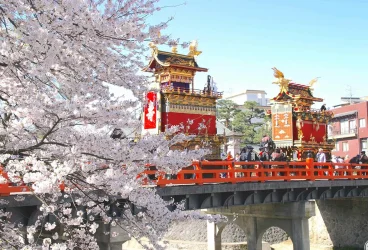
14
Apr, 2027
Cultural Events, Religious Festivals, Parade
Takayama, Japan
2 photos
Memorable Experiences
Where to Go (& NOT Go) In Japan!
Roaming the World one Adventure at a Time: Travel Tales, Tips, and Inspiration for wanderlusters.

Japan Rail Pass: Is It Still Worth It?
- 0
- 11/14/2026

7 Days in Japan: First-Timer Itinerary
- 0
- 11/14/2026

Subscriber
Popular car hire destinations
Explore more options to hire a car for cheap

Need help?
Frequently Asked Questions (FAQs)
Rail passes, cash, etiquette, blossom timing and how many cities fit into ten days fill our Japan inbox.
Timing & weather
Late March to May and October to November are the best times to visit Japan, for cherry blossom and autumn leaves. Winter suits skiing, and summer is hot and humid.
August is the warmest month in Japan, with average highs of 31°C, and January the coolest, with lows of 1°C. October is the wettest month, at about 235 mm of rain; February is the driest. Tokyo has humid summers, a rainy spell in June and crisp, sunny winters; Hokkaido gets heavy snow.
Health & safety
Yes, Japan ranks among the safest places anywhere for travelers. The main risks are natural hazards such as earthquakes, typhoons and summer heat. The emergency numbers are listed in the Staying safe section.
Visa & documents
Citizens of about 70 countries, including the EU, UK, US and Australia, can visit Japan visa-free for short stays, usually up to 90 days. Other passports must apply at a Japanese embassy first.
Booking
Ten to 14 days fits Tokyo, Hakone, Kyoto and Osaka. With a week, stick to Tokyo and Kyoto.
General
Top places include Tokyo, Kyoto, Osaka, Nara, Hiroshima and Miyajima, Hakone, Mount Fuji, Nikko, Kanazawa, Takayama, Hokkaido and Okinawa.
Shinkansen bullet trains link Tokyo with Kyoto and Osaka in about 2 to 2.5 hours, and local trains and subways reach almost everywhere. Use luggage forwarding (takkyubin) to travel light. The Japan Rail Pass and regional passes cover JR travel, and IC cards work on city metros and trains.
Japan is best known for:
- Food: sushi, ramen, tempura, izakaya and convenience-store treats
- Kyoto's temples, shrines, gardens and geisha district
- Tokyo, a safe, endlessly varied megacity
- Bullet trains that run on time to the minute
- Seasons: cherry blossom, autumn leaves and winter powder snow
Try at least one night in a ryokan (traditional inn) with an onsen bath; Hakone has ryokan with private onsen. In Tokyo, Shinjuku or Shibuya suit transport and Asakusa suits tradition. In Kyoto, stay near Kyoto Station or in Gion and Higashiyama, and in Osaka choose Namba or Umeda.
Prices & payment
Climbers pay 4,000 yen per person at the 5th station gate, which closes from 14:00 to 03:00 except for people booked into mountain huts. The season runs from July 1 to September 10, numbers are capped at 4,000 a day, and staff check for warm clothing, two-piece rain gear and proper footwear.
Bought online, the 7-day Ordinary pass costs 50,000 yen, the 14-day 80,000 yen and the 21-day 100,000 yen, with Green Car versions priced higher. It covers JR Group lines nationwide, but riding the Nozomi and Mizuho bullet trains requires an extra special ticket sold only to pass holders.
Cancellations & changes
For purchases from November 1, 2026, tax-free shops charge the full price, and the consumption tax is refunded after customs confirms the goods are leaving Japan. You need to spend at least 5,000 yen before tax in one store in a day, and complete the customs check within 90 days of purchase at a terminal in the departure lobby before checking in your bags.
Stay & facilities
Yes. Hands-Free Travel counters at airports, major stations and tourist centers deliver bags to hotels, and a bag handed in at Tokyo Station by 11 a.m. reaches a hotel in Tokyo's 23 wards after 4 p.m. the same day. Each piece must measure 160 cm or less in combined dimensions and weigh no more than 30 kg.
What's included
Kyoto City charges an accommodation tax per guest per night, set in bands according to the room rate excluding meals and consumption tax. Since March 1, 2026, rooms under 6,000 yen pay 200 yen, 6,000 to 19,999 yen pay 400 yen, 20,000 to 49,999 yen pay 1,000 yen, 50,000 to 99,999 yen pay 4,000 yen, and rooms of 100,000 yen or more pay 10,000 yen.
Getting there
Most international flights land at Tokyo's Haneda (HND), close to the city, or Narita (NRT), further out, or at Osaka's Kansai International (KIX), which is convenient for Kyoto. The Narita Express or Skyliner reaches Tokyo in about 40 to 60 minutes. Nagoya, Fukuoka and Sapporo take more international routes.
