
Plan your trip
Missing Some Information?
/
No
Germany travel guide
Cities, castles and beer gardens.
In short
History, museums, castles and beer, linked by trains that go almost everywhere, make Germany easy to plan. May to September is warmest, and December brings the Christmas markets. Trains make it easy to combine several cities in a week or two. Expect above-average prices; many nationalities get 90 days without a visa under Schengen rules.
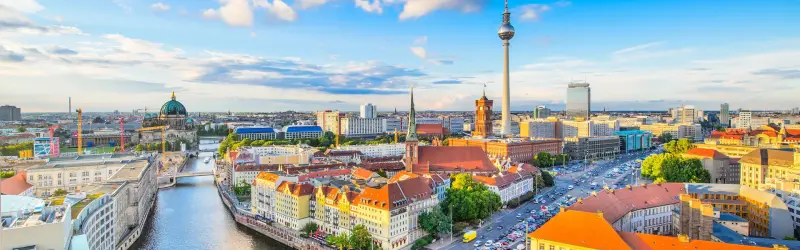
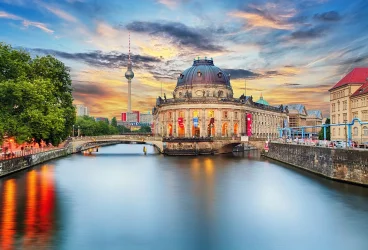
Germany sits at the heart of Europe, between the North and Baltic seas and the Alps. Berlin, its capital, is one of Europe's most dynamic cities, with Museum Island, the Brandenburg Gate, the remains of the Berlin Wall and a famous arts and nightlife scene. Munich, Hamburg, Cologne, Frankfurt and Dresden each have their own character.
Outside the cities, travelers explore the fairy-tale castle of Neuschwanstein in the Bavarian Alps, the vineyards and castles of the Rhine and Moselle valleys, the Black Forest, the medieval towns of the Romantic Road such as Rothenburg ob der Tauber, and the Christmas markets that fill old squares in December. Fast ICE trains connect the main cities.
5.0/5
1 review
Recommended by 100% of guests
 "Exploring Germany – A Perfect Blend of History, Culture, and Charm!"
+ Show All Reviews
Key Facts & Stats:
Capital: Berlin
Others Largest City: Hamburg, Munich, Cologne, Frankfurt, Stuttgart, Düsseldorf, Leipzig, Dresden
Currency: Euro (EUR, €)
Time Zone: Central European Time, UTC+1 (UTC+2 in summer)
Major Language: German
Major Religion: Christianity
Best experiences in Germany
Find your kind of trip: 19 travel themes, each with the packages in Germany.
Germany at a glance
Shops shut on Sundays and small cafés often want cash; the other entry and money basics follow.
Best timeMay to Sep, DecWarm summers; Christmas markets in December
Daily budgetHighExpect higher prices than average
VisaSchengen rules90 days visa-free for many passports
CurrencyEuro (EUR, €)Carry some cash; not everywhere takes cards
LanguageGermanEnglish widely spoken
Time zoneUTC+1Daylight saving from late March to late October
CapitalBerlinMain gateways: Frankfurt (FRA) and Munich (MUC)
Power230 V, 50 HzPlugs C and F
DrivingRight-hand trafficSome autobahn stretches have no fixed speed limit
EmergencyCall 112Fire and ambulance; 110 for police
Calling code+49Drop the first 0 of local numbers
WeekendSaturday and SundayShops close on Sunday by law
Top destinations in Germany
Pick a place by travel style: nature, cities, heritage, hills, islands.
 BerlinGermany's reinvented capital
 CologneCathedral city on the Rhine
 FrankfurtGermany's skyline city on the Main
 MunichBavaria's royal capital
 Ahrweiler DistrictRed wine valley and racing hills
 Bad DürkheimPalatinate wine and spa town
 DresdenSaxony's rebuilt baroque capital
 HamburgGermany's harbor metropolis
 HeidelbergRomantic university town on the Neckar
 LeipzigSaxony's music and trade city
 LudwigsburgWürttemberg's baroque residence town
 PotsdamPrussia's lakeside palace city
 StuttgartSwabia's hillside capital
 WeimarGermany's classical capital
 AachenCharlemagne's border city
 AugsburgThe Fuggers' Renaissance city
 Baden-BadenBlack Forest spa town
 BambergFranconia's Rome on seven hills
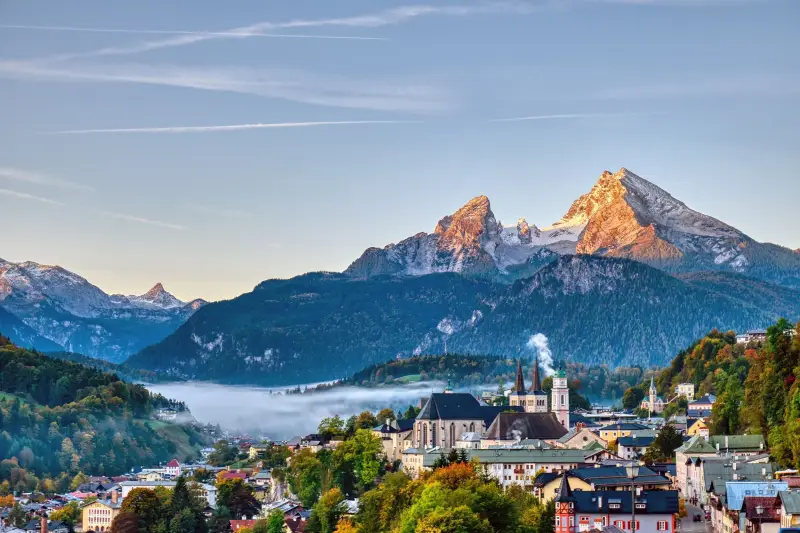 BerchtesgadenBavaria's Alpine corner
 BielefeldLinen town on the Teutoburg ridge
 BochumRuhr mining city reinvented
 BonnThe Bonn Republic's riverside capital
 BremenHanseatic city-state on the Weser
 ChemnitzSaxony's former Karl-Marx-Stadt
 CochemCastle town on the Moselle
 DortmundThe Ruhr's football capital
 DuisburgRhine port and steel city
 ErfurtThuringia's city of spires
 EssenCoal, design and lakeside green
 Freiburg im BreisgauGateway to the southern Black Forest
 FürthNuremberg's older twin
 FüssenGateway to Neuschwanstein
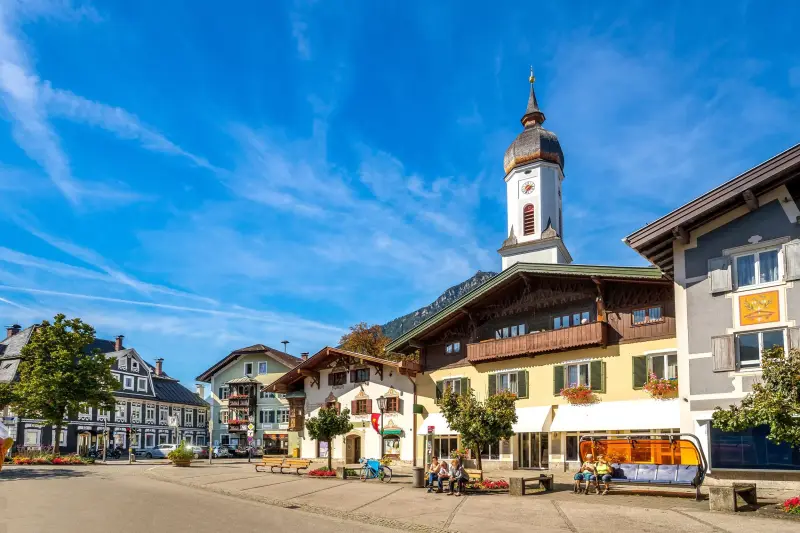 Garmisch-PartenkirchenBavaria's Zugspitze base camp
 GelsenkirchenSchalke's Ruhr mining city
 GoslarImperial mining town of the Harz
 GöttingenLower Saxony's university town
 HalleSaxony-Anhalt's salt and Handel city
 HanoverLower Saxony's garden capital
 HeilbronnWine town on the Neckar
 HerneRuhr town of the Cranger Kirmes
 JenaThuringia's optics and student city
 KielGermany's sailing city on the Baltic
 KoblenzGateway to two wine valleys
 KonstanzLakeside city on the Swiss border
 LindauIsland town on Lake Constance
 LübeckQueen of the Hanseatic League
 MagdeburgOtto the Great's city on the Elbe
 MainzGutenberg's wine city on the Rhine
 MannheimGermany's grid-plan square city
 MünsterWestphalia's bicycle capital
 NeussGermany's oldest city, by one claim
 NurembergFranconia's walled imperial city
 OberhausenThe Ruhr's Gasometer city
 OldenburgGrand ducal city by bike
 OsnabrückThe city of the 1648 peace
 PaderbornSprings, saints and computers
 QuedlinburgTimber-framed town of the Harz
 RegensburgMedieval merchant city on the Danube
 ReutlingenGateway to the Swabian Alb
 RostockHanseatic port city on the Baltic
 Rothenburg ob der TauberFranconia's walled time capsule
 Rüdesheim am RheinRheingau wine town on the Rhine
 SaarbrückenBaroque capital on the French border
 SiegenIron town of the Siegerland
 SolingenThe City of Blades
 TrierGermany's oldest city
 UlmCity of the Münster spire
 WolfsburgThe Volkswagen city
 WuppertalCity of the Schwebebahn
 WürzburgBaroque wine city on the Main
Bergisch GladbachCologne's paper town
BottropRuhr heaps turned lookouts
BraunschweigThe Lion City of Lower Saxony
BremerhavenBremen's North Sea harbor
DüsseldorfRhineland art and fashion capital
ErlangenFranconia's university town
HagenGateway to the Sauerland
HammGlass elephant on the Lippe
IngolstadtAudi's fortress town on the Danube
KarlsruheBaden's fan-shaped former capital
KasselHercules, Grimm and documenta
KrefeldThe Lower Rhine's Velvet and Silk City
LeverkusenFootball and chemistry on the Rhine
LudwigshafenChemical city facing Mannheim
MeissenPorcelain town on the Elbe
MoersLower Rhine jazz town
MönchengladbachFootball and textiles on the Lower Rhine
MülheimCity on the Ruhr
Offenbach am MainFrankfurt's independent neighbor
PforzheimThe Black Forest's Gold City
RecklinghausenThe Ruhr's festival town
RemscheidBergisch tools and X-rays
SalzgitterLower Saxony's steel city
Nothing in that category yet.
Regions of Germany
Pick a region on the map to see what it is known for, then open its guide.
Explore
Schleswig-Holstein
Germany's sailing city on the Baltic 2 places in our guide Open the guide
Explore
Hamburg
Germany's harbour metropolis 1 place in our guide Open the guide
Explore
Mecklenburg-Western Pomerania
Hanseatic port city on the Baltic 1 place in our guide Open the guide
Explore
Bremen
Hanseatic city-state on the Weser 2 places in our guide Open the guide
Explore
Lower Saxony
Lower Saxony's garden capital 8 places in our guide Open the guide
Explore
Berlin
Germany's reinvented capital 1 place in our guide Open the guide
Explore
Brandenburg
Prussia's lakeside palace city 1 place in our guide Open the guide
Explore
Saxony-Anhalt
Otto the Great's city on the Elbe 3 places in our guide Open the guide
Explore
North Rhine-Westphalia
Cathedral city on the Rhine 29 places in our guide Open the guide
Explore
Hesse
Germany's skyline city on the Main 4 places in our guide Open the guide
Explore
Thuringia
Thuringia's city of spires 3 places in our guide Open the guide
Explore
Saxony
Saxony's rebuilt baroque capital 4 places in our guide Open the guide
Explore
Rhineland-Palatinate
Gutenberg's wine city on the Rhine 7 places in our guide Open the guide
Explore
Saarland
Baroque capital on the French border 1 place in our guide Open the guide
Explore
Baden-Württemberg
Swabia's hillside capital 12 places in our guide Open the guide
Explore
Bavaria
Bavaria's royal capital 14 places in our guide Open the guide
Top things to do in Germany
Berlin's museums, Bavarian castles, Rhine cruises and December's Christmas markets.
Berlin
Museum Island
Museum Island occupies the northern part of the Spree Island in the Mitte district of central Berlin, opposite the Berlin Cathedral and the Lustgarten. Over abo...
No reviews yet
Berlin
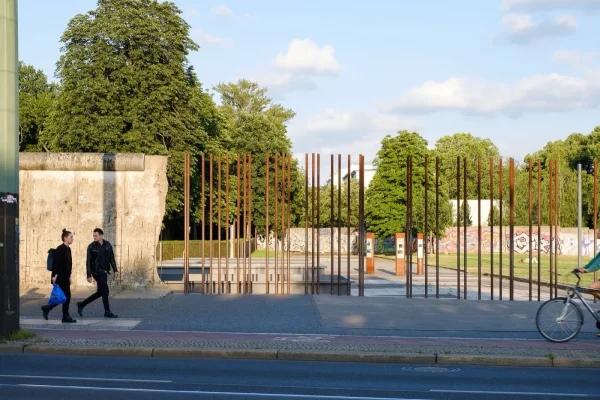
Berlin Wall Memorial
The Berlin Wall Memorial, Gedenkstätte Berliner Mauer, runs for about 1.4 kilometers along Bernauer Strasse, on the former border between the districts of Mitte...
No reviews yet
Berlin
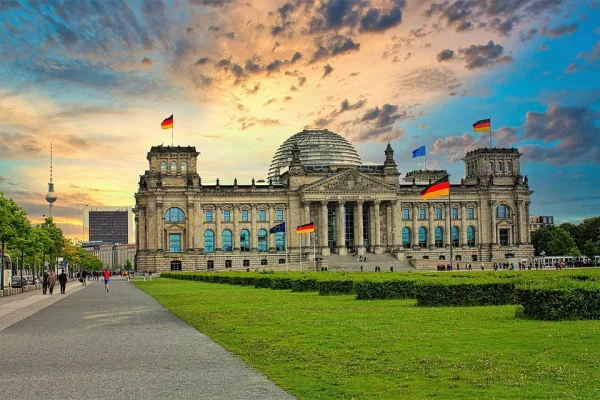
Reichstag Building
The Reichstag stands in the Tiergarten area of central Berlin. Besides the Bundestag, it hosts the Federal Convention that elects the German president. The buil...
No reviews yet
Berlin
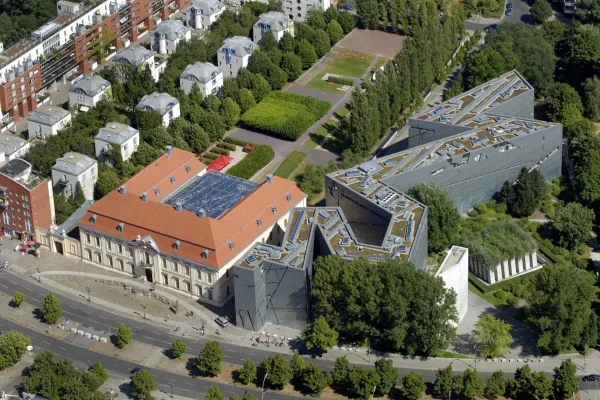
Jewish Museum Berlin
The Jewish Museum Berlin stands in the Kreuzberg district, south of Checkpoint Charlie. It is the largest Jewish museum in Europe. An earlier Jewish museum open...
No reviews yet
Potsdam
Sanssouci Palace
Sanssouci was built as a private summer retreat for Frederick II of Prussia. The name is French for without worries, reflecting the king's wish for a place to r...
No reviews yet
Berlin
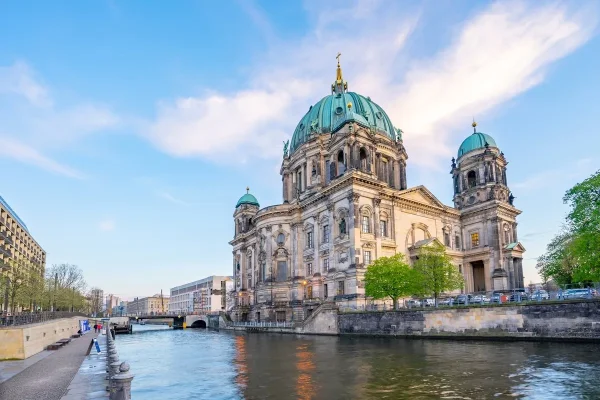
Berlin Cathedral (Berliner Dom)
Berlin Cathedral, the Berliner Dom, faces the Lustgarten on Museum Island in the Mitte district, close to the rebuilt Berlin Palace (Humboldt Forum). Its full n...
No reviews yet
Heidelberg
Heidelberg Castle
Heidelberg Castle stands on the northern slope of the Königstuhl hill, looking down over the Old Town of Heidelberg and the River Neckar in Baden-Württemberg. T...
No reviews yet
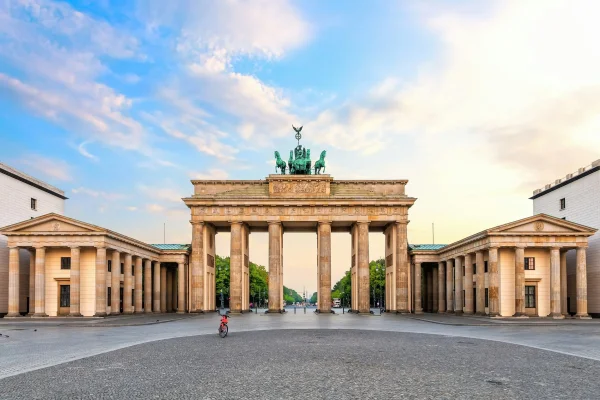
Berlin
Brandenburg Gate
The Brandenburg Gate stands on Pariser Platz at the western end of Unter den Linden, with the Tiergarten behind it and the Reichstag a short walk to the north....
No reviews yet
Germany
Linderhof Palace
Linderhof Palace lies in the Ammergau Alps of southern Bavaria. It was built for King Ludwig II, who knew the valley from hunting trips with his father, Maximil...
No reviews yet
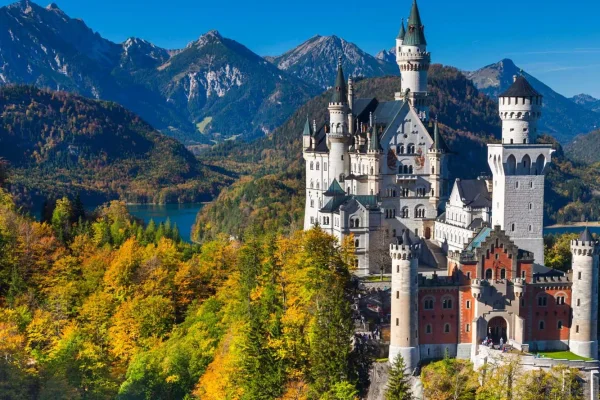
Germany
Neuschwanstein Castle
Neuschwanstein Castle stands on a rocky ridge above Hohenschwangau in the municipality of Schwangau, in southwest Bavaria close to the Austrian border. King Lud...
No reviews yet
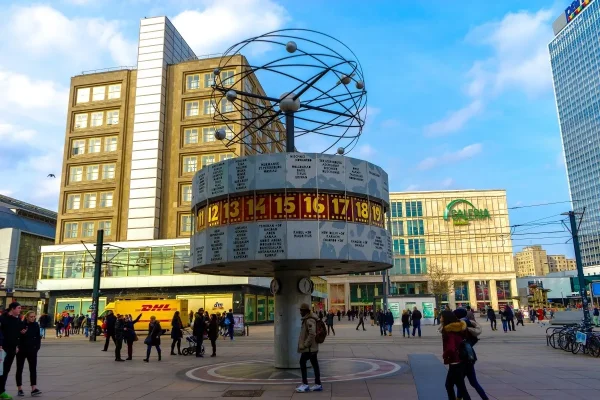
Berlin
Alexanderplatz
Alexanderplatz is a large square in the Mitte district of central Berlin, east of the River Spree and Museum Island. It began as a cattle market outside the old...
No reviews yet
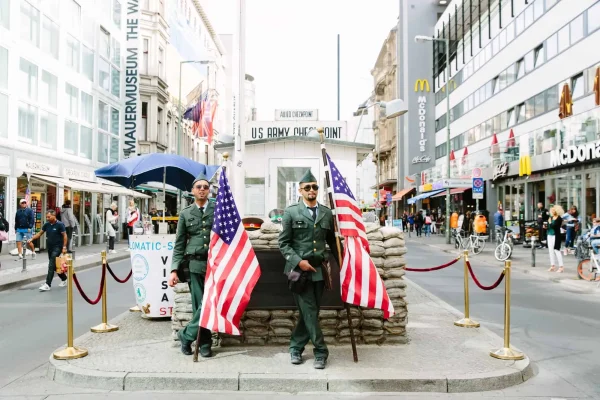
Berlin
Checkpoint Charlie
Checkpoint Charlie was the best-known crossing point in the Berlin Wall, on Friedrichstraße at Zimmerstraße in central Berlin. It is now a free street site with...
No reviews yet
Best time to visit Germany
Summer brings warm days and festivals; book Munich early for Oktoberfest, or come in Advent for the markets.
Best overall
May – SeptemberWarm days, beer gardens, festivals and river cruises.
Christmas markets
Late November – DecemberCold but festive, with markets in almost every town square.
Shoulder
April, OctoberCooler and quieter; Oktoberfest in Munich ends in early October.
Planning tip
Munich hotel prices soar during Oktoberfest (late September to early October); book months ahead or stay outside the city.
Germany travel tips
Short answers on entry, airports, money, health, safety, hotels, rail travel, SIM cards and German manners.
Visas and entry
Schengen area rules
As a Schengen member, Germany shares one set of entry rules with most of the EU. Citizens of the EU and of many other countries, including the US, UK, Canada and Australia, can visit visa-free for up to 90 days in any 180-day period; other nationalities need a Schengen visa. The EU's Entry/Exit System (EES) records non-EU travelers' fingerprints and a photo at the border.
- Visa-free stay
- Up to 90 days in any 180 days, for eligible passports
- Passport
- Issued in the last 10 years, valid 3 months beyond departure
- ETIAS
- Planned online travel authorization; not yet required
- Confirm with
- travel-europe.europa.eu or an embassy of Germany
Entry rules change. Treat this as a starting point and check the official rules for your passport before you book.
Getting there
Frankfurt, Munich and Berlin
Frankfurt (FRA) and Munich are Lufthansa's long-haul hubs, and Berlin Brandenburg, Düsseldorf and Hamburg also have many international flights. ICE and international trains connect Germany with all its neighbors, with direct services from Paris, Amsterdam, Brussels, Vienna and Zurich.
- Main airport
- Frankfurt (FRA)
- Other airports
- Munich (MUC), Berlin Brandenburg (BER), Düsseldorf (DUS), Hamburg (HAM)
- By train
- Direct trains from Paris, Amsterdam, Brussels, Vienna and Zurich
- FRA to the city
- S-Bahn to Frankfurt Hauptbahnhof in about 15 minutes
Money and costs
High destination
Prices in Germany are moderate, below the Nordic countries or Switzerland. Card acceptance has improved, yet many small cafés, bakeries and beer gardens still prefer cash, so carry some euros. Tip by rounding up or adding about 5 to 10%, and return bottles and cans to get the Pfand deposit back.
- Tipping
- Round up or add about 5 to 10%
- Deposit
- Pfand on bottles and cans; return them for a refund
- The Deutschlandticket monthly pass covers local and regional transport nationwide.
- Book ICE tickets early for saver fares.
Health and vaccines
Insurance, pharmacies
Germany asks for nothing beyond routine vaccines. Health care is of a high standard. EU travelers should carry a European Health Insurance Card (EHIC); everyone else needs travel insurance with medical cover.
- Drinking water
- Tap water is safe to drink
- Pharmacies
- Marked with a green cross; one on duty at night in most towns
- Ambulance
- Call 112
- EU visitors
- EHIC gives access to state health care
- Buy travel insurance that covers medical treatment and evacuation.
Staying safe
Very safe
Pickpocketing at large stations, Christmas markets and on big-city public transport is the main risk in a very safe country. Carry ID and validate paper tickets where required. Call 110 for police and 112 for fire or ambulance.
- Emergency number
- Call 112 (fire, ambulance); 110 police
- Cycle lanes
- Keep off them when walking; bikes move fast
- Before you go
- Read your government's current travel advisory for Germany
- Watch bags at busy stations and Christmas markets.
Where to stay
Best areas to stay
Stay near a central station or a main transit line to make day trips easy. In Berlin, Mitte is best for sights, with Prenzlauer Berg or Kreuzberg for neighborhood life. In Munich, pick the Altstadt or Maxvorstadt.
- Berlin
- Mitte for sights, Prenzlauer Berg or Kreuzberg for neighborhoods
- Munich
- Altstadt or Maxvorstadt
- Rhine Valley
- Bacharach, Boppard or Rüdesheim
- Bavarian Alps
- Füssen for Neuschwanstein, Garmisch-Partenkirchen
Getting around
ICE trains, S-Bahn, car
Deutsche Bahn's ICE trains link the main cities in a few hours, and every city has good public transport. Delays are common, so leave time for connections.
- Fast trains
- ICE: Berlin to Munich in about 4 to 4.5 hours
- City transport
- U-Bahn, S-Bahn, trams and buses
- Regional pass
- Deutschlandticket for all local and regional trains
- Driving
- Excellent autobahns; winter tire required in snow
- ICE trains reach 330 km/h on high-speed lines; slower IC and EC trains run about hourly on the main routes.
- Buy on bahn.com or the DB Navigator app; cheap Sparpreis fares tie you to the train you booked.
- If your long-distance train is canceled or more than 20 minutes late, you may take any other train to your destination.
- The Deutschlandticket does not cover ICE, IC or Flixtrain services.
- Flixbus coaches often undercut the train between big cities.
- Uber, Bolt and Free Now run in several cities; ordinary taxis are expensive.
- Motorways carry no tolls for cars, and running out of fuel on the Autobahn is an offence.
SIM and internet
Local SIM or eSIM
EU SIMs roam in Germany at home rates. Everyone else can buy a prepaid SIM at phone shops, supermarkets or drugstores, and it must be registered with a passport or other ID. The three networks are Telekom, Vodafone and O2. Coverage is good in cities, though some rural areas still have gaps.
- Networks
- Telekom, Vodafone, O2
- You need
- Passport for registration
- Coverage
- Good in cities; some rural gaps
Culture and etiquette
Customs and etiquette
Germans value punctuality, order and directness, and quiet hours and recycling rules are taken seriously. Shops close on Sundays, which are kept as a quiet day. Never use Nazi symbols or salutes, which are illegal.
- Sundays
- Shops closed; quiet day
- Greetings
- Handshake and 'Guten Tag'
Do
- Be on time
- Return bottles for the Pfand deposit
- Say 'Prost' and make eye contact when toasting
Avoid
- Walking in bike lanes
- Crossing on a red pedestrian light
- Nazi symbols or salutes, which are illegal
Things to know before visiting Germany
Sunday closing trips up more visitors to Germany than anything else.
Why travelers love it
- Berlin, with world-class museums, history and nightlife.
- Castles such as Neuschwanstein, Hohenzollern and Eltz.
- Christmas markets in Nuremberg, Dresden, Cologne and beyond.
- Beer culture, from Munich beer halls to local breweries.
- Efficient trains that link the whole country.
Good to know
- Shops close on Sundays almost everywhere.
- Trains can run late; allow time for connections.
- Weather is changeable; pack a rain jacket in summer.
Trip fit
Value for money
Nature and outdoors
Food
Culture and heritage
Ease of getting around
English spoken
Nightlife
BookingMentor editorial ratings out of 5, based on a first-time visitor's experience.
Berlin weather by month
Berlin has warm summers and gray, cold winters; the Bavarian Alps are colder still.
Cold seasonGood timeBest time
Bar: average low to high temperatureRainfall
May – SeptemberBerlin, Munich, the Rhine Valley, Bavarian AlpsWarm days, beer gardens, festivals and river cruises.
Late November – DecemberNuremberg, Dresden, Cologne, MunichCold but festive, with markets in almost every town square.
April, OctoberMunich, Black Forest, Romantic RoadCooler and quieter; Oktoberfest in Munich ends in early October.
Monthly averages for Berlin from the climate table of its Wikipedia article (Berlin (Brandenburg), 1991–2020, extremes 1957–present), compiled from the national weather service. The south and the Alps are colder in winter; the Rhine Valley is milder.
Flight routes
Flights to Germany
Direct routes into and out of Germany with the airlines that fly them. Open a route for its airlines, aircraft and travel tips, or search your dates for flights and fares.
Search flights
FromTo FRA DMM FrankfurtDammam FromTo SIN FRA SingaporeFrankfurt Available airlines2 airlines- Lufthansa
-
 Singapore Airlines
FromTo RUH FRA RiyadhFrankfurt Available airlines2 airlines- Lufthansa
- Saudia
FromTo JED BER JeddahBerlin Available airlines2 airlines- Eurowings
- flynas
FromTo FRA SIN FrankfurtSingapore Available airlines2 airlines- Lufthansa
-
Singapore Airlines
FromTo SIN MUC SingaporeMunich Available airlines2 airlines-
Singapore Airlines
- Lufthansa
-
Packages in Demand
A Journey to Remember
Tours, activities and day trips in and around this destination, with the details you need before booking.
No packages in Germany are listed yet. Browse all packages
Create Your Custom-Made Trip to Germany
Traveling to Germany? Chat with a Local Travel Specialist in Germany Who Can Help Organize Your Trip.
START HERE
Our Travel Experts are Recommended by


Currywurst, rye bread and other cheap German eating
German food is hearty and regional, and eating well costs little if you use street stands and bakeries. An Imbiss stand sells Bratwurst with fries, Berlin's signature is Currywurst (sliced sausage under spiced ketchup and curry powder), and döner kebab is the nation's favorite cheap meal.
Bakeries sell dark rye loaves, filled rolls and decent coffee, and on the coast harbor stalls sell Fischbrötchen. Bavaria serves boiled Weißwurst alongside its pretzels; Berlin has Königsberger Klopse meatballs.
Beer changes town by town, and around Bamberg small family breweries abound. Frankfurt drinks Apfelwein (cider) instead; the steep vineyards of the Mosel and Rheingau grow excellent Riesling. Use surnames and Sie with people you don't know, and expect directness.
Buying the D-Ticket as a visitor
The Deutschlandticket, or D-Ticket, costs €63 a month in 2026 and runs for a calendar month, in second class only. It also reaches a few stations across the border, such as Salzburg, Basel and Venlo. The catch for visitors is that it is sold only as a subscription that renews itself, so cancel by the 10th of the month if you want a single month.
There is no paper ticket. You get it in a transport app or on a smartcard from any transport authority, most train companies and many bus operators, and it is valid only with your ID. Payment is by SEPA direct debit or credit card. Banks outside the eurozone sometimes reject the euro debit, so pay by card. Children under six ride free, and older children need their own ticket.
Autobahn rules for visitors
Where no limit is posted, the advisory speed is 130 km/h, and a driver who crashes going faster can be held partly to blame. Keep right unless overtaking, since overtaking on the right is forbidden outside traffic jams. Leave a gap in meters of at least half your speed, so 50 m at 100 km/h; tailgating fines run up to €375 with a three-month license suspension. In a jam, form an emergency corridor between the two leftmost lanes, and never stop on the hard shoulder except in a real emergency.
Contribute:
Travelers are asking
Deutsche Bahn ICE trains link the main cities. Book early for saver fares, and consider the Deutschlandticket for local and regional trains.
Mostly no. Shops close on Sundays by law, though some stores at stations and airports stay open.
Most run from late November until just before Christmas, and some stay open until New Year.
Still looking?
Our travel desk answers questions about Germany
About this guide
How We Research This Guide
The German National Tourist Board, Deutsche Bahn and the UK Foreign Office's Germany advice are our main checks, and Berlin's long-term averages fill the climate table.
Last updated . Spotted something out of date? Tell us.
Fact-checked by the bookingMentor Travel Desk
Reviewed · Updated when rules or prices change
Checked against trusted sources:
German National Tourist BoardDeutsche BahnUK Foreign Office travel advice
Before You Go...
Discover Trips & Info
A Travel Network Connection Travelers and locals
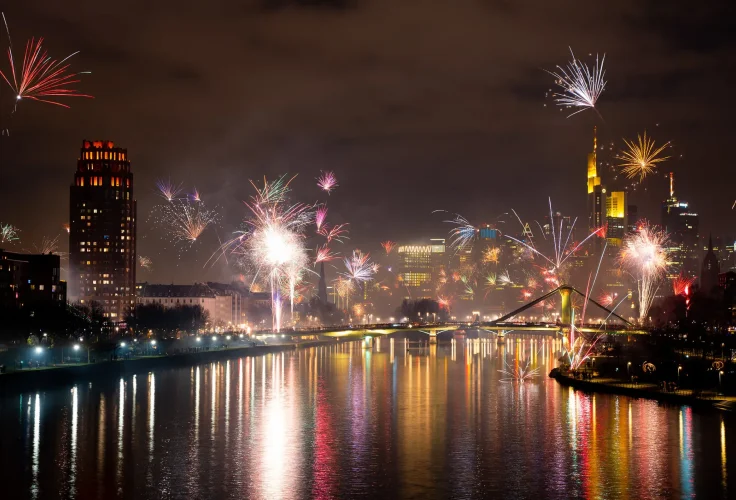
Incredible Event & Festival, Don't Miss!
Most Popular Event & Festival of Germany
Festivals and events in this destination, with dates, venues and ticket details where available.
15
Nov, 2026
Cultural Events, Winter Festivals, Fair
Germany
09
Feb, 2027
Cultural Events, Arts Festivals, Film Festivals
Berlin, Germany
Memorable Experiences
Where to Go (& NOT Go) In Germany!
Roaming the World one Adventure at a Time: Travel Tales, Tips, and Inspiration for wanderlusters.
Subscriber
Popular car hire destinations
Explore more options to hire a car for cheap
Need help?
Frequently Asked Questions (FAQs)
Deutsche Bahn tickets, Sunday opening, paying with cash and the Christmas markets top the list of Germany questions.
Booking
Saver tickets go on sale up to 180 days ahead and rise in price as seats sell, so book long-distance trains as soon as your dates are fixed.
Health & safety
Germany is very safe. Watch for pickpockets at busy stations, on public transport and at Christmas markets. Call 112 for fire and ambulance, and 110 for the police.
Visa & documents
Germany is in the Schengen area, so the 90-days-in-180 visa-free allowance applies to many nationalities; others need a Schengen visa.
As a Schengen member, Germany shares one set of entry rules with most of the EU. Citizens of the EU and of many other countries, including the US, UK, Canada and Australia, can visit visa-free for up to 90 days in any 180-day period; other nationalities need a Schengen visa. The EU's Entry/Exit System (EES) records non-EU travelers' fingerprints and a photo at the border.
Timing & weather
Plan 7 days for Berlin and Munich with a castle day trip, or 10 to 14 days to add the Rhine Valley, Cologne or Dresden.
The best time to visit Germany is May to Sep, Dec. Warm summers; Christmas markets in December.
- Best overall: May – September (Warm days, beer gardens, festivals and river cruises)
- Christmas markets: Late November – December (Cold but festive, with markets in almost every town square)
- Shoulder: April, October (Cooler and quieter; Oktoberfest in Munich ends in early October)
General
Top places include Berlin, Munich, Neuschwanstein Castle, Hamburg, Cologne, Dresden, the Rhine Valley, the Black Forest, Heidelberg and Rothenburg ob der Tauber.
Yes. Sanssouci in Potsdam makes an easy half-day trip from Berlin.
Sharing a table with strangers is normal when a place is full. A quick Guten Tag is enough.
bookingMentor lists 12 things to do in Germany, each with its category, rating and a short description. Open one for the full details, such as opening hours and how to get there.
Getting there
A hire car makes it far easier. Plan a night inside the walls of Rothenburg ob der Tauber, when the day visitors have gone.
Frankfurt (FRA) and Munich are Lufthansa's long-haul hubs, and Berlin Brandenburg, Düsseldorf and Hamburg also have many international flights. ICE and international trains connect Germany with all its neighbors, with direct services from Paris, Amsterdam, Brussels, Vienna and Zurich.
Stay & facilities
In traditional Bavarian beer gardens, yes, as long as you buy their drinks.
Prices & payment
Name a rounded-up total as you pay, usually up to about 10%, or say Stimmt so to keep the change.
Daily travel costs in Germany are high. Expect higher prices than average.
